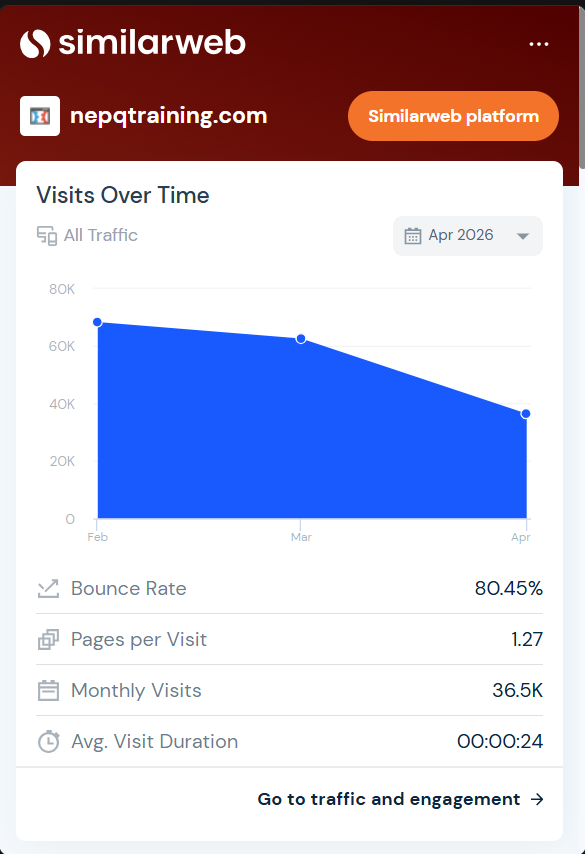
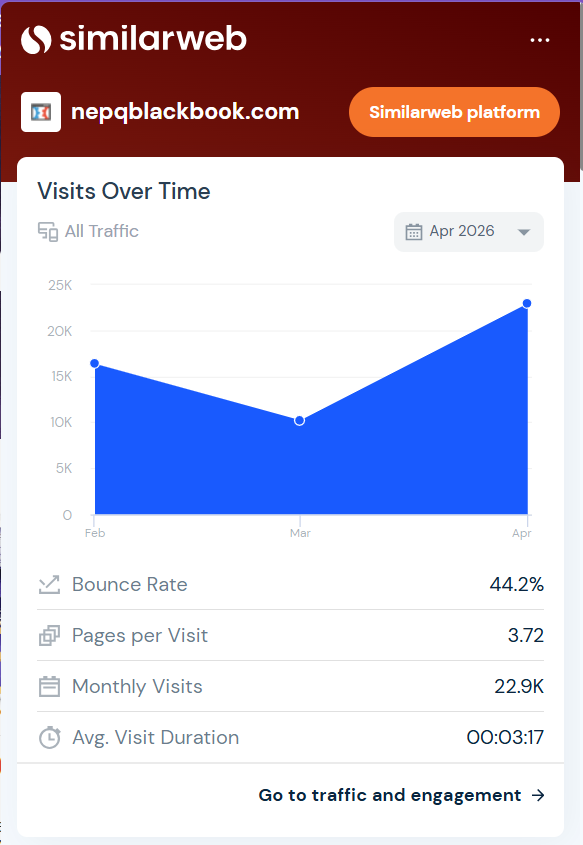
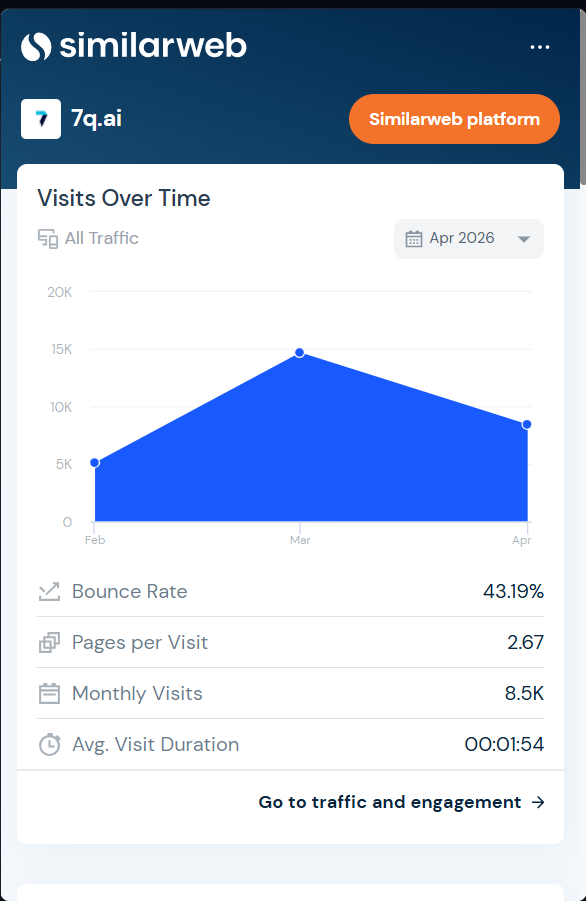
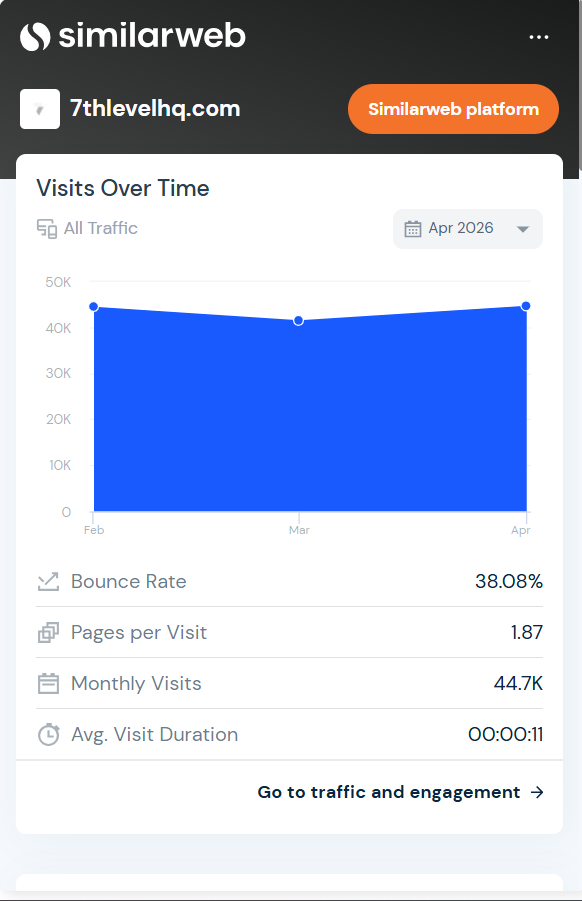
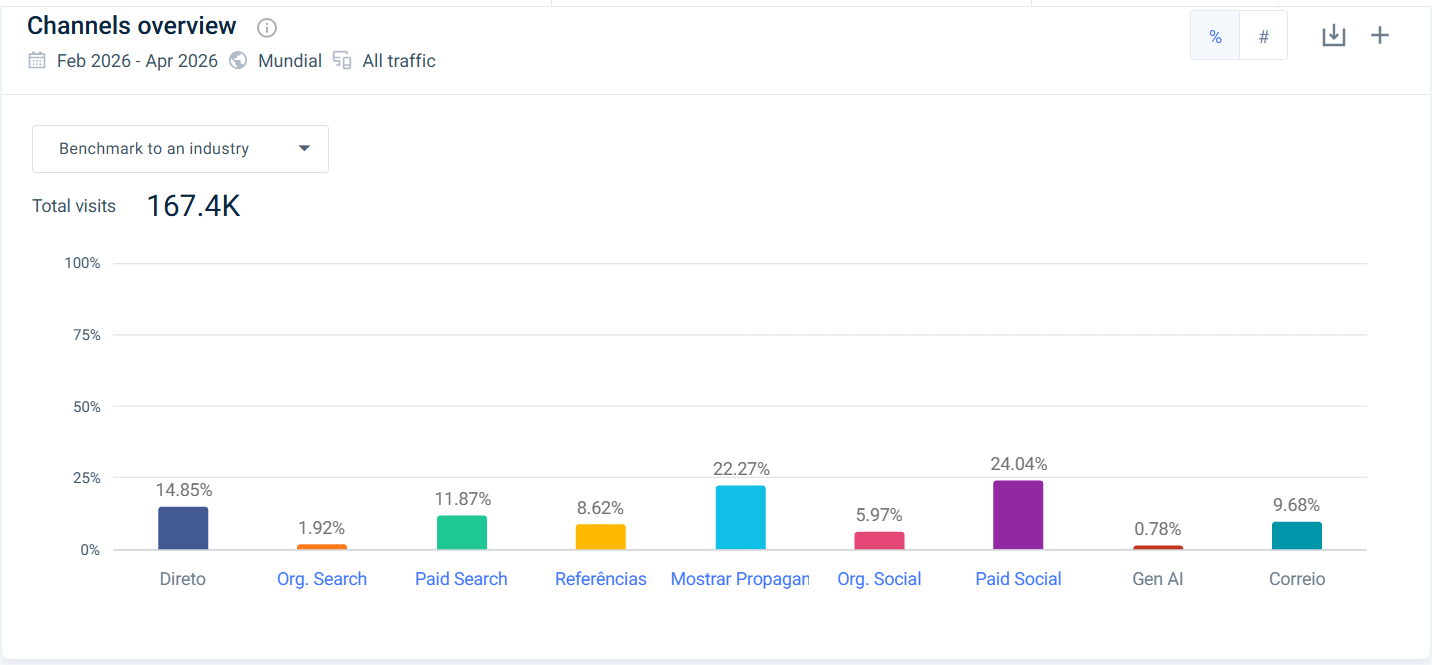
Jeremy Miner — análise estruturada (Instagram + YouTube + Tráfego + NEPQ Funnel)

Jeremy Miner / 7th Level / NEPQ Training · cataloga conteúdo por etapa do funil, mecanismo de captura, papel e copy. Anote o hook visual e exporte.

248
Total · 99 reels + 99 feed + 50 YT
70
TOFU · 19r+18f+33yt
175
MOFU · 80r+80f+15yt
3
BOFU · 0r+1f+2yt
160
com Manychat
🧠 Mapa da Persona — o avatar-comprador deste concorrente
🎯 Playbook de Tráfego Pago — copiar, evitar e adaptar (editável)
📧 Email Marketing — 27 emails por finalidade + linha do tempo

TOFU Instagram

Autoridade, viralidade e branding pessoal · sem CTA direto

37 posts · 19 reels + 18 feed ❤️ 54.612 💬 2.029
DYsIfX_JmkH
TOFU REEL Storytime direto pra câmeraOne-take sem corteConfissão inesperada sem CTA / sem oferta (storytelling, opinião) 🎬 Reel · 24s

No one can be at the top of their game with an impaired mind….

👁 180.948 ❤️ 2.814 💬 118 ⏱ 24s 2026-05-23

📌 Papel no perfil

Reel de alcance — sem CTA / sem oferta (storytelling, opinião). Engaja audiência fria, alimenta autoridade sem CTA.

📝 Análise de copy editável

não editado

Caption: "No one can be at the top of their game with an impaired mind…."

📄 Ver transcrição do reel (93 palavras)
[00:00] You can't go on party like that and have big numbers, just can't do that.
[00:04] You can do it like one night a week, if you know about Friday or Saturday night, that's about it.
[00:07] You do that two, three, four nights a week, it affects your mind, your everything.
[00:13] And if you're gonna do that, you go out Friday or Saturday night, you need to be in bed by like no later than two.
[00:18] Like no later than two. You stay up to five or six, you're dead for two days.
[00:22] Nah.
🧠 Análise de copy IA (skill /analise-copy-instagram) (942 palavras)

Análise — Reel DYsIfX_JmkH (Jeremy Miner)

Stage: TOFU · Trigger Manychat: — (sem CTA) · Duração: 24s · Views: 180.948
URL: https://www.instagram.com/jeremyleeminer/reel/DYsIfX_JmkH/

Nota: análise feita a partir da transcrição + caption + métricas.

---

1. HOOK (primeiros 3 segundos)

  • VISUAL: Setup luxo de hotel/restaurante mediterrâneo. Jeremy sentado à mesa com pratinho branco e copo de água, polo branca, óculos aviador laranja/amarelo, relógio dourado, anel grande dourado, várias pulseiras coloridas. Fundo claro com parede branca e placa "SERVICE" visível. Mood "rich guy almoçando" — visual reforça a autoridade lifestyle do reel.

  • TEXTO NA TELA: Legenda branca palavra-por-palavra estilo Submagic, com palavras-chave em vermelho ("alcohol kills sales...", "go out Friday", "It affects", "everything", "no later", "6 you're dead"). Sem header fixo.

  • ÁUDIO: "You can't go on party like that and have big numbers, just can't do that." — frase de senso comum dita com autoridade. Sem hook formal — começa no meio do conselho.

Veredito: o hook gera identificação por estilo de vida. Quem quer "big numbers" (vendedor/empreendedor) já se questionou se festar atrapalha. Jeremy nomeia em 5 palavras.

---

2. MECÂNICAS DE RETENÇÃO

  • [00:00–00:04] Tese: festa + performance não combinam.

  • [00:04–00:07] Concessão: 1 noite/semana, sexta ou sábado.

  • [00:07–00:13] Stake: 2-3-4 noites/semana → afeta mente, tudo.

  • [00:13–00:18] Regra prática: na bed até 2h.

  • [00:18–00:22] Stake reforçada: 5-6h → dead por 2 dias.

  • [00:22] Fecho: "Nah."

Mecânica = conselho de stoner moralista (você pode, mas no limite). Sem cobaia, sem plateia, só monologue. Retém por especificidade de cifras (2h, 5h, 2 dias).

---

2.5. ESTRUTURA VISUAL

  • [Frame 1, 10%] Plano médio de Jeremy sentado à mesa, mãos cruzadas, óculos aviador, polo branca. Legenda em destaque "alcohol kills sales..." com "kills" em vermelho.

  • [Frame 2, 25%] Mesmo enquadramento, Jeremy gesticula minimamente — legenda "go out Friday". Postura relaxada de almoço.

  • [Frame 3-4, 40-55%] Câmera mantém, Jeremy levanta a mão pra enfatizar "It affects everything". Copo d'água à esquerda no enquadramento — visual sutil que ele tá bebendo só água (reforço silencioso da regra que ele prega).

  • [Frame 5, 70%] Jeremy serve mais água — props (copo, jarra) reforçam o lifestyle do conselho. Legenda "no later".

  • [Frame 6, 85%] Jeremy mexendo no guardanapo, legenda "6 you're dead" — fecho da regra prática.

  • Padrão visual: talking head em locação luxo + B-roll mínimo (gestos com copo/guardanapo) + legendas com keyword highlighting (vermelho pra palavra de impacto). Sem cortes — câmera fixa em plano médio. O cenário "rico de férias" é metade da mensagem: "isso é o que você ganha seguindo a regra".

---

3. PAYOFF / RECOMPENSA

Payoff = permissão calibrada: você pode festar, mas só nessa janela. Não é abstinência (chato) nem libertinagem (irresponsável).

Tipo: Inspiração disfarçada de conselho lifestyle. TOFU típico — alimenta autoridade pessoal ("Jeremy é o cara que ganha muito E sabe equilibrar vida").

Recompensa proporcional? Pra TOFU sim — 24s pra um conselho lifestyle é razão alta.

Fecha o open loop? Sim — começou com regra geral, fechou com "Nah" (negação do excesso).

---

4. ROTEIRO LINHA A LINHA

TempoFalaEstrutura
00:00–00:04"You can't go on party like that and have big numbers, just can't do that"Hook (regra)
00:04–00:07"You can do it like one night a week, Friday or Saturday, that's about it"Concessão
00:07–00:13"Two, three, four nights a week, it affects your mind, everything"Stake
00:13–00:18"If you do, Friday or Saturday, you need to be in bed by no later than two"Regra específica
00:18–00:22"You stay up to five or six, you're dead for two days"Reforço
00:22"Nah."Fecho seco

Estrutura padrão:
1. ✅ Hook imediato
2. ✅ Problema/tensão — performance vs lifestyle
3. ✅ Stakes — explícitas (2 dias mortos)
4. ✅ Insight — janela específica (até 2h)
5. ✅ Fecho — "Nah" (1 palavra)

---

5. CAPTION DO POST

"No one can be at the top of their game with an impaired mind…."

Caption mais curta dos top 20 — 1 frase. Sem CTA, sem trigger Manychat, sem hashtag.

  • Primeira linha: sentencial. Função de título poster — completa o reel como manifesto.

  • CTA: zero. Esse é puro TOFU — sem conversão direta.

  • Reticências finais ("…") dão peso filosófico.

Por que funciona como TOFU: caption + reel constroem identidade de "Jeremy é o cara disciplinado". Sem oferta. Quem comenta/salva entra na fila orgânica dele sem trigger.

---

6. APRENDIZADOS / O QUE COPIAR

Mecânicas replicáveis:
1. Especificidade numérica em conselho lifestyle ("2h", "5h", "2 dias") — vira ancora memória. Sem números, vira "durma cedo" genérico.
2. Concessão antes de regra dura ("você pode 1 vez/semana, mas...") — desarma resistência. Mais persuasivo que "nunca faça X".
3. Fecho de 1 palavra ("Nah.") — quanto mais curto, mais peso. Padrão recorrente do Jeremy.
4. Caption-manifesto curto pra TOFU — 1 frase poética + reticências = identidade. Sem CTA preserva o frame "autoridade pura".

Fraquezas:

  • Conselho banal (não dormir tarde) — não tem insight novo. Performance (180k) vem da personalidade, não da info.

  • Sem CTA = não captura lead. TOFU é amortizador de feed, não conversor.

Adaptação Swipe Offers:
TOFU pra time de marketing: "Você não pode rodar criativo sem dormir, simples assim. Cabeça pra hook precisa estar fresca. Pode meter noite uma vez por mês quando criativo bate, mas duas semanas seguidas? Esquece, o feed vira ruído." Sem CTA — alimenta autoridade do fundador da Swipe.

---

🧭 Análise geral + Conclusão editável

não editado

🎬 Análise visual / hook (suas anotações)

não salvo
DXnkiZ2iYoA
TOFU REEL Tipografia gigante na telaOne-take sem corteA verdade sobre X sem CTA / sem oferta (storytelling, opinião) 🎬 Reel · 18s

Choose wisely.

👁 132.530 ❤️ 4.917 💬 39 ⏱ 18s 2026-04-26

📌 Papel no perfil

Reel de alcance — sem CTA / sem oferta (storytelling, opinião). Engaja audiência fria, alimenta autoridade sem CTA.

📝 Análise de copy editável

não editado

Caption: "Choose wisely."

📄 Ver transcrição do reel (30 palavras)
[00:00] Successful people make decisions quickly and change your mind slowly.
[00:03] Unsuccessful people make decisions slowly and change your mind quickly.
[00:07] So take that and do with it what you want.
🧠 Análise de copy IA (skill /analise-copy-instagram) (837 palavras)

Análise — Reel DXnkiZ2iYoA (Jeremy Miner)

Stage: TOFU · Trigger Manychat: — (sem CTA) · Duração: 18s · Views: 132.530
URL: https://www.instagram.com/jeremyleeminer/reel/DXnkiZ2iYoA/

Nota: análise feita a partir da transcrição + caption + métricas.

---

1. HOOK (primeiros 3 segundos)

  • VISUAL: Jeremy de jaqueta preta caminhando por lobby de hotel/cassino premium (lustre vermelho ornado, colunas brancas tipo Wynn/Bellagio Las Vegas, tapete vermelho real). Mão direita apontando pra baixo enquanto fala. Relógio dourado de luxo no pulso esquerdo.

  • TEXTO NA TELA: banner fixo no topo em caixa preta — "THE DIFFERENCE BETWEEN [SUCCESSFUL — amarelo] PEOPLE AND [UNSUCCESSFUL — vermelho] PEOPLE". Legendas dinâmicas no centro do frame palavra por palavra ("quickly", "people", "want") destacando termos-chave.

  • ÁUDIO: "Successful people make decisions quickly and change your mind slowly." — aforismo limpo. Sem cumprimento, sem contexto.

Veredito: o hook gera aspiracional immediate. Espectador é apresentado à categoria binária (sucesso/fracasso) e quer descobrir em qual ele está. Pattern de aforismo viral clássico (Buffett, Bezos, Hormozi).

---

2. MECÂNICAS DE RETENÇÃO

18s = curtíssimo. Retenção depende de simetria + cadência.

  • [00:00–00:03] Tese: "Successful people make decisions quickly and change your mind slowly."

  • [00:03–00:07] Antítese simétrica: "Unsuccessful people make decisions slowly and change your mind quickly."

  • [00:07–00:10] Fecho: "So take that and do with it what you want."

Mecânica = estrutura quiasma (X-Y / Y-X). Linguagem clássica de aforismo. Memorável por design — espectador consegue repetir.

---

2.5. ESTRUTURA VISUAL


  • [Frame 1, ~10%] Jeremy em lobby de hotel/cassino premium (lustre vermelho gigante, Las Vegas vibe) — apontando pra baixo. Banner topo "SUCCESSFUL vs UNSUCCESSFUL PEOPLE". Legenda "quickly".

  • [Frame 2, ~25%] CORTE pra outro corredor do hotel (colunas, decoração ornada, plantas). Jeremy de perfil andando. Legenda "people".

  • [Frame 3, ~40%] CORTE pra lobby diferente (decoração natalina/festiva com vermelho e flores). Jeremy gesticulando mão pra cima. Legenda "quickly" — ritmo de aforismo.

  • [Frame 4, ~55%] CORTE pra jardim/pátio exterior do hotel (urnas brancas, plantas topiárias). Jeremy de perfil andando. Legenda "want".

  • [Frame 5, ~70%] Quebra total do padrão luxo — CORTE pra Jeremy de pé numa escada laranja trocando uma lâmpada (oficina/garagem com iluminação baixa). Vestindo polo preta "7th Level". Sem legenda visível — close físico do trabalho manual.

  • [Frame 6, ~85%] CORTE pra Jeremy subindo escada de jato privado (rampa vermelha, ele com bolsa preta sobre o ombro, escuro/noturno). Sem legenda. Encerra com imagem aspiracional.

  • Padrão visual: montagem lifestyle B-roll alternando 4-5 ambientes de luxo (cassino, hotel, jato) + 1 quebra propositada (trocar lâmpada) que sinaliza "fundamentos antes do luxo". Banner topo fixo + legendas dinâmicas centralizadas. Sem talking head — Jeremy só anda/age. Aspiracional puro com narração over.

Payoff = frase memorizável aspiracional. Vendedor sai com aforismo pra repostar/aplicar.

Tipo: Inspiração + provocação leve. TOFU típico — alimenta autoridade pessoal, não converte.

Recompensa proporcional? Alta — 10s pra um aforismo que pode entrar no vocabulário. Custo de produção mínimo.

Fecha o open loop? Sim — abre com tese, fecha com "do with it what you want" (tom permissivo).

---

4. ROTEIRO LINHA A LINHA

TempoFalaEstrutura
00:00–00:03"Successful people make decisions quickly and change your mind slowly."Tese
00:03–00:07"Unsuccessful people make decisions slowly and change your mind quickly."Antítese quiasmática
00:07–00:10"So take that and do with it what you want."Fecho permissivo

Estrutura padrão:
1. ✅ Hook imediato — aforismo direto
2. ❌ Problema/tensão — ausente
3. ❌ Stakes — implícitos (você é unsuccessful?)
4. ✅ Insight/virada — antítese simétrica
5. ✅ Fecho — permissivo

Reel mais curto e mais econômico estruturalmente — pura tese + antítese + saída.

---

5. CAPTION DO POST

"Choose wisely."

  • Primeira linha: ÚNICA linha. 2 palavras. Caption mais curta dos top 20.

  • Estrutura: título de pôster. Sem CTA, sem trigger, sem hashtag.

  • CTA: zero. Puro TOFU.

Por que funciona: caption-pôster amplifica o aforismo do vídeo. "Choose wisely" remete a Indiana Jones e ao Holy Grail — referência cultural de decisão definitiva. Carga conotativa sem precisar de explicação.

---

6. APRENDIZADOS / O QUE COPIAR

Mecânicas replicáveis:
1. Quiasma X-Y / Y-X — estrutura linguística de máxima memorabilidade. Replica em qualquer nicho com pares opostos (sucesso/fracasso, rico/pobre, etc.).
2. Aforismo de 2 frases simétricas + fecho permissivo — formato salvável e repostável. Ideal pra autoridade pessoal.
3. Caption ultra-curta com referência cultural ("Choose wisely") — peso conotativo sem explicação. Funciona quando a audiência reconhece a referência.
4. Sem CTA em TOFU — preserva o frame "autoridade pura". Quem tenta forçar CTA em aforismo destrói o efeito.

Fraquezas:

  • Conteúdo banal — Hormozi, Sahil Bloom, Naval já disseram aforismos similares. Sem originalidade.

  • Sem captura de lead — TOFU é amortizador, não conversor. Mensurar ROI direto é impossível.

Adaptação Swipe Offers:
TOFU aforismo: "Marqueteiros bons testam rápido e mudam tese devagar. Marqueteiros médios testam devagar e mudam tese rápido." Caption: "Testa, mensura, decide." Sem trigger.

---

🧭 Análise geral + Conclusão editável

não editado

🎬 Análise visual / hook (suas anotações)

não salvo
DXuMaaWCUyi
TOFU REEL Storytime direto pra câmeraOne-take sem corteX coisas que eu gostaria de ter ouvido quando... sem CTA / sem oferta (storytelling, opinião) 🎬 Reel · 18s

Gotta learn the skills to pay the bills

👁 100.983 ❤️ 1.130 💬 35 ⏱ 18s 2026-04-29

📌 Papel no perfil

Reel de alcance — sem CTA / sem oferta (storytelling, opinião). Engaja audiência fria, alimenta autoridade sem CTA.

📝 Análise de copy editável

não editado

Caption: "Gotta learn the skills to pay the bills"

📄 Ver transcrição do reel (94 palavras)
[00:00] We went over to Europe this summer. My four oldest, they should be able to pay for their own flights.
[00:04] So I pay for their own flights, but you know, you're sitting back in the coach.
[00:07] So like, well, Dad, why can't I sit up here by first class? Because we'll eat and buy the ticket.
[00:11] I say, you got to learn more skills if you want to buy your own first class ticket.
[00:14] So you guys sit back there in the coach. I love you, but you guys sit back in the coach.
🧠 Análise de copy IA (skill /analise-copy-instagram) (734 palavras)

Análise — Reel DXuMaaWCUyi (Jeremy Miner)

Stage: TOFU · Trigger Manychat: — · Duração: 18s · Views: 100.983
URL: https://www.instagram.com/jeremyleeminer/reel/DXuMaaWCUyi/

1. HOOK


  • VISUAL: abre com B-roll de Jeremy + filhos caminhando por um shopping/centro outdoor (palmeira ao fundo, fachadas claras, Jeremy de hoodie preto e calça branca de costas, filho garoto na frente carregando sacola, mulher loira ao lado). Imediatamente CORTA pra cena de estúdio podcast (parede azul-petróleo escuro, microfone preto em pedestal, abajur globo redondo dourado ao fundo). Jeremy de camiseta cinza dry-fit 7th Level, gesticulando com as duas mãos. Banner fixo topo: "WHY MY KIDS DON'T FLY FIRST CLASS".

  • TEXTO NA TELA: banner topo branco em caixa preta — "WHY MY KIDS DON'T FLY FIRST CLASS" (CAPS, fonte sans clean). Legendas dinâmicas centro-rodapé palavra por palavra ("my four", "So I pay", "coach", "by first" em vermelho destacado, "learn more", "you got to").

  • ÁUDIO: "We went over to Europe this summer. My four oldest, they should be able to pay for their own flights." — abre com micro-anedota familiar.

Veredito: hook por autoridade pessoal via parenting. Quem viajou pra Europa com 4 filhos + ensina filho a "pagar próprio voo" sinaliza wealth + valores. Banner topo entrega o gancho narrativo antes da fala — espectador já sabe o ângulo "tough love" no primeiro frame.

2. RETENÇÃO


  • [00:00–00:04] Setup: viagem à Europa, filhos.

  • [00:04–00:11] Tensão: "Dad, why can't I sit in first class?"

  • [00:11–00:14] Lição: "you got to learn more skills if you want to buy your own first class ticket".

  • [00:14–00:18] Fecho: "I love you but you guys sit back in the coach".

Mecânica = storytime familiar curto com lição implícita. Storyform raro na biblioteca dele.

2.5. ESTRUTURA VISUAL


  • [Frame 1, ~10%] B-roll outdoor — Jeremy de hoodie preto + calça branca caminhando de costas por shopping/centro com palmeira, filho garoto loiro na frente carregando sacola "STIE", mulher loira ao lado. Banner topo "WHY MY KIDS DON'T FLY FIRST CLASS". Legenda "my four".

  • [Frame 2, ~25%] CORTE pra set de podcast — Jeremy frontal, camiseta cinza 7th Level, parede azul escuro, mic preto, abajur globo dourado ao fundo. Gesto de mãos abertas. Legenda "So I pay".

  • [Frame 3, ~40%] Mesmo set podcast — Jeremy de perfil, gesto de punho fechado erguido. Legenda "coach".

  • [Frame 4, ~55%] CORTE pra cena dentro de avião — Jeremy de óculos escuros + jaqueta preta zip, segurando celular, idoso de cabelo branco e camisa xadrez sentado ao lado (na coach). Legenda "by first" (em vermelho destacado).

  • [Frame 5, ~70%] CORTE pra cena externa — Jeremy caminhando saindo de prédio cinza, jaqueta preta + jeans + tênis brancos, mochila preta no ombro, segurando passaporte na mão direita. Homem de boné + sacola de papel marrom andando do lado dele. Legenda "learn more".

  • [Frame 6, ~85%] CORTE pra set podcast novamente — Jeremy gesticulando com dedo indicador erguido (gesto de "atenção, regra"). Legenda "you got to".

  • Padrão visual: híbrido podcast + B-roll lifestyle — alterna talking head do clip de podcast com 3-4 cenas B-roll (família, avião, viagem) que ilustram a história. Banner topo fixo = ancora a narrativa mesmo durante cortes. Mostra concretamente Jeremy NA coach (não na first class) com idoso normal — prova visual do "I love you but" antes da fala chegar. Formato cinematográfico mas com base de podcast clip — sustenta 18s com 5 trocas de cenário.

3. PAYOFF


Lição: skills = liberdade financeira (alegoria do first class). Tipo: Inspiração via parenting.

4. ROTEIRO


Hook (viagem) → tensão (filho reclamando) → lição (skills = first class) → fecho ("I love you but"). Mini-arco completo.

5. CAPTION


"Gotta learn the skills to pay the bills"

  • 6 palavras. Provérbio rima.

  • Sem CTA, sem trigger. TOFU puro.

6. APRENDIZADOS


  • Storytime familiar curto (18s) entrega autoridade + inspiração sem precisar ensinar nada. Replicável pra creator com vida pessoal contável.

  • Caption-provérbio rimado ("skills to pay the bills") = mnemônico forte.

  • "I love you but you guys sit back" = tough love como branding. Marca o Jeremy como pai exigente, não permissivo.

Swipe Offers (founder content): "Outro dia minha filha pediu pra eu pagar curso de inglês. Eu disse: você sabe que esse curso vale R$300. Vou descontar dos teus brinquedos que você não usa. Quer me convencer?" — lição de valor monetário.

🧭 Análise geral + Conclusão editável

não editado

🎬 Análise visual / hook (suas anotações)

não salvo
DXB8CRmhbtH
TOFU REEL Mini esquete com 2 personagens (uma pessoa só)Cold openA verdade sobre X sem CTA / sem oferta (storytelling, opinião) 🎬 Reel · 42s

Ever wondered why you can’t remember a single page from a book even if you’ve re…

👁 98.087 ❤️ 1.209 💬 36 ⏱ 42s 2026-04-12

📌 Papel no perfil

Reel de alcance — sem CTA / sem oferta (storytelling, opinião). Engaja audiência fria, alimenta autoridade sem CTA.

📝 Análise de copy editável

não editado

Caption: "Ever wondered why you can’t remember a single page from a book even if you’ve read it multiple times?…."

📄 Ver transcrição do reel (157 palavras)
[00:00] What's your favorite song?
[00:00] Oh, I mean the one that I know the words to is seven years old.
[00:04] So the average song has about 330 words in it.
[00:07] So what's your favorite book?
[00:08] Atlas Shrugged.
[00:09] Okay, Atlas Shrugged.
[00:10] What page of that book can you recite word for word?
[00:12] None.
[00:12] Why though?
[00:13] Because the average page has about 330 words.
[00:15] The average song has about 330 words.
[00:17] So why can you recite the song word for word?
[00:20] But you can't recite one page of the book that's the same one.
[00:23] Is it saying it that way?
[00:23] The words, there's no tonality or melody.
[00:27] The music, the melody and the tonality
[00:29] cause your brain to retain it way higher.
[00:31] Within reading a book with, I think within two days,
[00:34] you're going to retain about 19% of that.
[00:36] Within a week, about 9% within about a month, less than 3%.
[00:40] So you never master anything from a book.
🧠 Análise de copy IA (skill /analise-copy-instagram) (545 palavras)

Análise — Reel DXB8CRmhbtH (Jeremy Miner)

Stage: TOFU · Trigger Manychat: — · Duração: 42s · Views: 98.087
URL: https://www.instagram.com/jeremyleeminer/reel/DXB8CRmhbtH/

1. HOOK


  • VISUAL: setup de podcast premium. Jeremy sentado em poltrona marrom, polo preta com detalhe amarelo no colarinho + logo amarelo "BOSS BOSS" no peito direito. Microfone Shure preto de podcast à esquerda. Fundo de estúdio com painel ripado vertical + planta de folhas largas (Areca palm). Legenda branca em negrito centralizada: "years old". Convidada loira (cabelo longo) aparece nos cortes alternados.

  • ÁUDIO: "What's your favorite song?" — pergunta inesperada num reel de vendas. Pattern interrupt.

Veredito: hook por pergunta off-topic surpreendente. Vendedor não espera "favorite song" — fica curioso pelo onde vai.

2. RETENÇÃO


  • [00:00–00:09] Setup: música favorita + livro favorito (Atlas Shrugged).

  • [00:09–00:23] Tensão: "what page can you recite word for word?" → "None."

  • [00:23–00:31] Insight: "tonality + melody = brain retains higher".

  • [00:31–00:42] Estatística: "2 days: 19% retention / 1 week: 9% / 1 month: <3% — you never master anything from a book".

2.5. ESTRUTURA VISUAL


  • [Frame 1, ~5%] Plano médio de Jeremy sentado de lado, mic de podcast à esquerda. Polo preta + logo amarelo "BOSS BOSS". Legenda "years old".

  • [Frame 2, ~20%] Close maior em Jeremy, mic à esquerda. Olhar pra interlocutora. Legenda "What page" — marca a pergunta-trap socrática.

  • [Frame 3, ~35%] Mesmo enquadramento de Jeremy. Legenda "330 words" — dado quantitativo da comparação música vs livro.

  • [Frame 4, ~50%] CORTE PRA CONVIDADA: mulher loira de cabelo longo ondulado, blusa preta justa, gargantilha dourada, relógio dourado. Estúdio replica (mic Shure preto, planta verde atrás). Legenda "page of the book?" — ela responde. Reaction shot.

  • [Frame 5, ~70%] Volta pro Jeremy, mesmo enquadramento do frame 2-3. Legenda "and the tonality" — entrega o insight neurocientífico.

  • [Frame 6, ~90%] Mesmo enquadramento, Jeremy continua. Legenda "about 19% of that" — entrega a estatística decadente.

  • Padrão visual: 2-shot podcast com cortes reaction (Jeremy <-> convidada). Estúdio com produção alta (mic Shure, painel ripado, planta). Legendas Submagic brancas em negrito centralizadas — minimalismo, sem cor. Zero B-roll, zero whiteboard — toda a tensão narrativa é carregada pela dinâmica de pergunta-resposta entre dois rostos.

3. PAYOFF


Insight sobre retenção de aprendizado + razão neurocientífica + estatística decadente. Tipo: Educação por neurociência. Subtexto: Jeremy ensina ao vivo (não livro) — vende implícito.

4. ROTEIRO


Pergunta off-topic → comparação musical → revelação neurocientífica → estatística → conclusão filosófica. Estrutura socrática completa.

5. CAPTION


"Ever wondered why you can't remember a single page from a book even if you've read it multiple times?…"

  • Pergunta retórica + reticências. Sem CTA. TOFU puro.

6. APRENDIZADOS


  • Hook off-topic ("favorite song?") num nicho específico = pattern break máximo. Quebra a expectativa.

  • Comparação concreta (330 palavras na música = 330 na página) = prova quase-científica leiga.

  • Estatística decadente (19% / 9% / <3%) = curva visualizável mentalmente.

  • TOFU que vende implícito: Jeremy ensina ao vivo → você não esquece como esquece livro. Não diz, sugere.

Swipe Offers: "Por que vocês esquece curso de marketing 1 semana depois? Mesma quantidade de info que um Reel. Diferença? Música + ritmo do feed. Aprende fazendo, não lendo."

🧭 Análise geral + Conclusão editável

não editado

🎬 Análise visual / hook (suas anotações)

não salvo
DXFmSgkkpyc
TOFU REEL Tipografia gigante na telaDiálogo sem áudio (só legenda) sem CTA / sem oferta (storytelling, opinião) 🎬 Reel · 13s

This is why I sell

👁 97.451 ❤️ 1.176 💬 78 ⏱ 13s 2026-04-13

📌 Papel no perfil

Reel de alcance — sem CTA / sem oferta (storytelling, opinião). Engaja audiência fria, alimenta autoridade sem CTA.

📝 Análise de copy editável

não editado

Caption: "This is why I sell"

🧠 Análise de copy IA (skill /analise-copy-instagram) (476 palavras)

Análise — Reel DXFmSgkkpyc (Jeremy Miner)

Stage: TOFU · Trigger Manychat: — · Duração: 13s · Views: 97.451
URL: https://www.instagram.com/jeremyleeminer/reel/DXFmSgkkpyc/

Nota: reel silent (sem transcrição). Caption ultra mínima.

1. HOOK


  • VISUAL: Jeremy carregando a filha pequena (loira, ~6-7 anos) vestindo camiseta da seleção da Polônia (Lewandowski #9) numa praça histórica europeia (Varsóvia — Castelo Real ao fundo). Jeremy de camiseta preta + óculos aviador amarelo-âmbar. Legenda branca centralizada "this is why i sell." persistente em todos os frames.

  • TEXTO NA TELA: "this is why i sell." (caixa baixa, fonte fina branca, sempre presente).

  • ÁUDIO: trilha emotiva/motivacional (provável).

Veredito: hook por vulnerabilidade familiar + caption-tese. Não é flex de carro/relógio — é flex de tempo livre com a filha numa viagem internacional. Mais alto valor emocional que lifestyle material.

2. RETENÇÃO


13s = curto. Sequência de cenas pai+filha em Varsóvia: carregando no colo, no ombro, comprando lembrancinha de rua, foto com mascote urso gigante. Caption-tese persistente sustenta.

2.5. ESTRUTURA VISUAL


  • [Frame 1, ~5%] Close de Jeremy carregando a filha no colo. Ele olha pra cima/longe (pensativo). Filha de jersey branca da Polônia. Prédio rosa histórico atrás. Legenda "this is why i sell."

  • [Frame 2, ~20%] Mesmo plano, ângulo ligeiramente diferente. Filha olha pra câmera. Composição "homem-família" clara.

  • [Frame 3, ~40%] Câmera atrás: Jeremy carregando a filha no ombro (jersey "LEWANDOWSKI 9" em destaque) atravessando praça turística com pessoas ao redor. Coluna histórica de Varsóvia ao fundo.

  • [Frame 4, ~60%] Jeremy comprando algo de uma vendedora de rua (cones de algodão-doce?), a filha de costas ao lado. Cena de turismo cotidiano.

  • [Frame 5, ~80%] Jeremy + filha + esposa(?) posando com mascote urso marrom gigante segurando placa "Polska". Filha com sorriso largo. Jeremy em pose engraçada. Foto-souvenir.

  • [Frame 6, ~95%] Mesma cena com urso. Jeremy de frente sorrindo amplo, filha entregando algo (cartão "Polska"?). Vibe "campanha turística de família".

  • Padrão visual: vlog de viagem em família com 1 caption-tese fixa. Zero talking head, zero gráfico, zero texto educativo. Cenário urbano histórico europeu (Varsóvia/Polônia) carrega o "aspiracional" — mas o protagonismo é da filha pequena, não do dinheiro. Flex emocional disfarçado de lifestyle.

3. PAYOFF


Vibe aspiracional + identidade ("sell to fund life"). Tipo: Inspiração via lifestyle visual.

4. ROTEIRO


Cenas de lifestyle premium → overlay "This is why I sell" → trilha. Sem texto educativo.

5. CAPTION


"This is why I sell"

  • 5 palavras. Sem CTA.

6. APRENDIZADOS


  • TOFU lifestyle silent = mais barato impossível. Edit B-roll + frase + trilha.

  • "This is why I sell" = identidade-thesis pessoal do Jeremy. Marca quem ele é.

  • Fraqueza: zero ensinamento. Performance vem da figura, não do conteúdo.

Swipe Offers (founder): Sequência de criativos rodando + dashboard + viagem da equipe + "This is why we build."

🧭 Análise geral + Conclusão editável

não editado

🎬 Análise visual / hook (suas anotações)

não salvo
DX0HHcdvYlX
TOFU REEL One-take sem corteStorytime direto pra câmeraConfissão inesperada sem CTA / sem oferta (storytelling, opinião) 🎬 Reel · 30s

What’s your stance on this? I’m kind of in the middle…

👁 89.720 ❤️ 750 💬 23 ⏱ 30s 2026-05-01

📌 Papel no perfil

Reel de alcance — sem CTA / sem oferta (storytelling, opinião). Engaja audiência fria, alimenta autoridade sem CTA.

📝 Análise de copy editável

não editado

Caption: "What’s your stance on this? I’m kind of in the middle…"

📄 Ver transcrição do reel (145 palavras)
[00:00] I buy them a car, but I don't buy them brand new cars.
[00:02] I'll buy them a car that might be five years old,
[00:04] like a used Volvo that has 60, 70,000 miles on it.
[00:08] It's nice, it's safe, but it's not like flashy and brand new
[00:11] because if you buy them like the best of the best cars in your 16,
[00:14] what do they have to look forward to?
[00:15] I already have the best.
[00:16] Why do I need to, you know?
[00:17] I'm kind of in the middle on this,
[00:18] like I'm not gonna do like nothing.
[00:20] Some parents like you have to do everything yourself
[00:22] and then some parents do everything.
[00:24] I'm kind of like in the middle.
[00:25] You have them some money to pay for half of it
[00:27] that they gotta come up with the rest in shell.
[00:29] You know what I mean?
🧠 Análise de copy IA (skill /analise-copy-instagram) (545 palavras)

Análise — Reel DX0HHcdvYlX (Jeremy Miner)

Stage: TOFU · Trigger Manychat: — · Duração: 30s · Views: 89.720
URL: https://www.instagram.com/jeremyleeminer/reel/DX0HHcdvYlX/

1. HOOK


  • VISUAL: Jeremy filmado em lobby/saguão de hotel premium (colunas redondas revestidas de madeira escura curva, piso de mármore brilhante, iluminação dourada de teto). Polo branca Moncler com detalhe preto no colarinho + microfone de lapela preto, bermuda preta curta, pulseira dourada/relógio dourado. Plano americano (cintura pra cima). Pessoas/lounge atrás. Legenda Submagic branca em negrito: "a car".

  • ÁUDIO: "I buy them a car, but I don't buy them brand new cars." — abre com decisão parenting financeira.

Veredito: hook por autoridade pessoal + decisão controversa + cenário de hotel-resort premium (status implícito sem mostrar carro). Tema parenting + dinheiro = engajamento universal.

2. RETENÇÃO


  • [00:00–00:08] Setup: compro carro pros filhos, mas usado 5 anos.

  • [00:08–00:17] Razão: "se você compra o melhor aos 16, o que ele tem pra esperar? 'I already have the best'".

  • [00:17–00:29] Posicionamento moderado: "I'm in the middle — não fazer nada (filho compra sozinho) nem fazer tudo (best of the best)".

2.5. ESTRUTURA VISUAL


  • [Frame 1, ~5%] Jeremy frontal no lobby do hotel, gesto com as duas mãos em concha. Coluna de madeira curva atrás. Legenda "a car".

  • [Frame 2, ~20%] Split-screen: metade superior Jeremy de perfil, metade inferior B-roll de um Volvo SUV preto estacionado num pátio (carro usado moderno, não-luxo). Legenda "miles" — exemplifica visualmente "carro usado, com quilometragem".

  • [Frame 3, ~35%] Volta pra cena única: Jeremy de perfil, gesto com 2 mãos abertas, mostrando relógio. Legenda "you buy" — começa a frase-chave.

  • [Frame 4, ~50%] Plano frontal, gesto com mão esticada. Legenda "the best" — destaca o termo principal da tese.

  • [Frame 5, ~65%] CORTE — entra interlocutor de boné preto e camisa preta em primeiro plano (de costas, vê-se nuca). Jeremy continua de pé na frente dele conversando. Mostra que é uma entrevista informal/casual. Tênis brancos cano-alto. Legenda "are like you".

  • [Frame 6, ~85%] Mesmo enquadramento, interlocutor um pouco de lado. Jeremy gesticulando. Legenda "give them" — fechamento conceitual.

  • Padrão visual: entrevista informal "man-on-the-street" em lobby de hotel com 1 corte pra B-roll de carro (Volvo) ilustrando o ponto. Lobby premium = status quieto, sem ostentação. Polo Moncler + relógio dourado = wealth marker discreto. Entrada do entrevistador no frame 5 revela o setup real = não é talking head direto pra câmera, é conversa documental.

3. PAYOFF


Frame parental: incentivo via incentivo parcial (50/50). Tipo: Inspiração lifestyle + posicionamento moderado.

4. ROTEIRO


Hook (decisão) → razão psicológica (motivation kill) → posicionamento (middle ground).

5. CAPTION


"What's your stance on this? I'm kind of in the middle…"

  • Pergunta aberta + reticências. Convida ao comentário.

  • Sem CTA, sem trigger.

6. APRENDIZADOS


  • TOFU controverso parental = aciona comentários (pais opinam muito sobre dinheiro pros filhos). Reels com debate engajam.

  • Posicionamento "middle ground" evita backlash extremo. Mecânica de creator que quer manter ampla audiência.

  • Pergunta-CTA implícita ("what's your stance?") = comentário sem trigger Manychat. Algoritmo OK com isso.

Swipe Offers (founder): "Compro Swipe pro time, mas não compro o plano caro. Quero que eles sintam falta da ferramenta avançada e cresçam pra justificar."

🧭 Análise geral + Conclusão editável

não editado

🎬 Análise visual / hook (suas anotações)

não salvo
DX4calxpqdo
TOFU REEL Jump cut a cada 0.5–1.5sVocê tá fazendo erradoX formas de Y sem CTA / sem oferta (storytelling, opinião) 🎬 Reel · 54s

Here’s a simple way to raise your status in a job interview…

👁 88.301 ❤️ 1.420 💬 14 ⏱ 54s 2026-05-03

📌 Papel no perfil

Reel de alcance — sem CTA / sem oferta (storytelling, opinião). Engaja audiência fria, alimenta autoridade sem CTA.

📝 Análise de copy editável

não editado

Caption: "Here’s a simple way to raise your status in a job interview…"

📄 Ver transcrição do reel (219 palavras)
[00:00] Even in a job interview, you're still selling because typically in a job interview,
[00:03] they're going to ask you all the questions and if you just sit there and answer all the questions
[00:07] like everybody else, how do they view you? Like everyone else. There's nothing special about you.
[00:12] So you can answer a few questions and then you might want to ask them a question like,
[00:16] can I ask you something? Sure, go ahead. Like if I came to work for you guys in this position,
[00:21] what would my training possibly look like just so I understand? Oh, it would look like this,
[00:25] they look like this, they look like this. Just one little example of how to start getting
[00:29] that interviewer to start qualifying to you. Now you start to stand out. Another way to
[00:34] position is they've started talking about an issue. They're having that department, I might say,
[00:38] you know, that's a big thing. A lot of people have been telling me that have been trying to get me
[00:42] to work for them is that they're having this x, y, z problem. What do you feel is actually causing
[00:46] it? It's like, you're great. Everybody's trying to get a hold of you. Everybody's trying to
[00:49] recruit you. That raises your status in the interviewer's mind.
🧠 Análise de copy IA (skill /analise-copy-instagram) (617 palavras)

Análise — Reel DX4calxpqdo (Jeremy Miner)

Stage: TOFU · Trigger Manychat: — · Duração: 54s · Views: 88.301
URL: https://www.instagram.com/jeremyleeminer/reel/DX4calxpqdo/

1. HOOK


  • VISUAL: Jeremy em estúdio próprio com painel preto + estante de livros, sentado em poltrona. Camiseta atlética marinho com logo 7th Level no peito esquerdo + Under Armour no peito direito (parceria/sponsor). Mic de lapela preto DJI no decote. Troféu de cristal (formato de estrela/coluna) iluminado à direita atrás dele. Headline persistente em branco no topo: "HOW TO GET A JOB IN 2026". Legenda branca "all the questions".

  • ÁUDIO: "Even in a job interview, you're still selling because typically they're going to ask you all the questions and if you just sit there and answer all the questions like everybody else, how do they view you? Like everyone else." — abre com reframe contextual: job interview = sales.

Veredito: hook por reframe contextual surpresa + headline-promessa cronológica ("IN 2026" = atual/futurista, gera urgência). Job interview num reel de vendas = pattern break + utilidade ampla.

2. RETENÇÃO


  • [00:00–00:12] Reframe: interview = sales + razão (sem diferenciação = comum).

  • [00:12–00:30] Fórmula 1: "answer a few, then ask: 'can I ask you something? If I came to work for you in this position, what would my training look like?'" — vira o jogo.

  • [00:30–00:53] Fórmula 2: "they mention an issue → 'a lot of people have been telling me they're having that XYZ problem. What do you feel is causing it?'" → "you're great, everyone wants to recruit you. Raises your status".

2.5. ESTRUTURA VISUAL


  • [Frame 1, ~5%] Close de Jeremy frontal, expressão neutra, mic DJI no peito. Estante de livros à esquerda (visíveis: "QUESTIONS THAT SELL", "Soul Food"), troféu cristal à direita. Legenda "all the questions".

  • [Frame 2, ~20%] Mesmo enquadramento, gesto com 2 mãos abertas pra cima (sondando). Relógio dourado visível. Legenda "a few questions" com "a" em itálico/estilizado.

  • [Frame 3, ~35%] Mesmo enquadramento. Mão direita gesticulando à frente do peito. Legenda "in this position" — entrega o script da pergunta-virada.

  • [Frame 4, ~50%] Continua com gesto de "pegar/apontar" com mão direita. Legenda "getting that".

  • [Frame 5, ~70%] Olhar mais focado, expressão de "raciocínio". Mostra logos 7th Level + Under Armour no peito. Legenda "department".

  • [Frame 6, ~90%] Câmera ligeiramente mais baixa, plano um pouco mais aberto. Boca aberta enquanto fala. Mic DJI visível em destaque. Legenda "is actually".

  • Padrão visual: talking head puro no estúdio premium — zero corte, zero B-roll, zero whiteboard. Toda variação é micro (ângulo, expressão, gesto). Headline-promessa fixa no topo cria continuidade. Logos 7th Level + Under Armour = sponsor branding integrado. Troféu de cristal funciona como prova social passiva. Legendas Submagic brancas em negrito, minimalistas — sem cor. Formato YouTube Shorts clássico.

3. PAYOFF


Dois scripts pra job interview + razão (raise status). Tipo: Educação tática aplicada a contexto inesperado.

4. ROTEIRO


Reframe → fórmula 1 → fórmula 2 + razão. Estrutura clara.

5. CAPTION


"Here's a simple way to raise your status in a job interview…"

  • Comando + benefício. Sem CTA Manychat — TOFU.

6. APRENDIZADOS


  • Reframe contextual ("interview = sales") = utilidade ampla. Atinge audiência além de vendedores (qualquer pessoa que entrevista).

  • TOFU sem CTA Manychat = volume sem captura. Função: ampliar topo do funil + brand.

  • Aplicar NEPQ em contexto não-sales = elasticidade do método. Provando que serve pra mais que vendas.

Swipe Offers: "Mesmo entrevista de emprego é venda. Em vez de só responder tudo, pergunta: 'Posso te perguntar uma coisa? Se eu entrasse no time, qual era o problema #1 que você queria que eu atacasse no primeiro mês?'"

🧭 Análise geral + Conclusão editável

não editado

🎬 Análise visual / hook (suas anotações)

não salvo
DXVR59oD_G5
TOFU REEL Tipografia gigante na telaDiálogo sem áudio (só legenda) sem CTA / sem oferta (storytelling, opinião) 🎬 Reel · 12s

Choose well, learn the skills.

👁 84.065 ❤️ 674 💬 51 ⏱ 12s 2026-04-19

📌 Papel no perfil

Reel de alcance — sem CTA / sem oferta (storytelling, opinião). Engaja audiência fria, alimenta autoridade sem CTA.

📝 Análise de copy editável

não editado

Caption: "Choose well, learn the skills."

🧠 Análise de copy IA (skill /analise-copy-instagram) (409 palavras)

Análise — Reel DXVR59oD_G5 (Jeremy Miner)

Stage: TOFU · Trigger Manychat: — · Duração: 12s · Views: 84.065
URL: https://www.instagram.com/jeremyleeminer/reel/DXVR59oD_G5/

Nota: reel silent. Caption ultra mínima ("Choose well, learn the skills.").

1. HOOK


  • VISUAL: plano em preto-e-branco de homem genérico de óculos, camisa preta, abrindo cerveja em mesa de bar/café — clima fim de tarde, postura cansada/derrotada. Texto branco "HIGH EARNING SALARY JOB" + texto vermelho destacado "100K/YEAR" centralizado.

  • TEXTO NA TELA: "HIGH EARNING SALARY JOB / 100K/YEAR" → vira "HIGH EARNING COMMISSION JOB / 100K/MONTH" nos demais frames (a cores).

  • ÁUDIO: trilha.

Veredito: hook por contraste B&W vs cor + comparação numérica brutal (100k/ano vs 100k/mês).

2. RETENÇÃO


12s curto. Comparação visual: vida CLT 100k/ano (B&W, opaco) vs vida comissionada 100k/mês (cor, lifestyle premium — supercarros, casas, smoking).

2.5. ESTRUTURA VISUAL


  • [Frame 1, 0-15%] Preto-e-branco — homem de óculos abrindo cerveja em mesa, postura derrotada. Texto "HIGH EARNING SALARY JOB / 100K/YEAR".

  • [Frame 2, 25%] Cor — drone view de casa luxuosa com varanda verde tropical, homem em camiseta Moncler na sacada. "HIGH EARNING COMMISSION JOB / 100K/MONTH".

  • [Frame 3, 40%] Cor — homem entrando em SUV de luxo (interior laranja-couro, possivelmente Bentley/Rolls). Mesmo texto cor.

  • [Frame 4, 55%] Cor — Jeremy de blazer cinza e camisa social rosa em bar noturno (iluminação vermelha), drink na mão. Estética "club premium".

  • [Frame 5, 70%] Cor — dois homens jovens conversando em frente a Lamborghini branca, prédio mediterrâneo ao fundo. Style Miami/luxo.

  • [Frame 6, 85%] Cor — close-up frontal de Aston Martin prata, homem 7th Level ao fundo. Mesmo texto.

  • Padrão visual: contraste forçado B&W→cor (1 frame de "before" cinza vs 5 frames de "after" coloridos). Texto fixo grande na tela em todos os frames — branco + vermelho como cor de destaque do número. Sem talking head, sem Jeremy direto na maioria — só lifestyle B-roll. Conceito visual: "comissão = cor / salário = cinza".

3. PAYOFF


Aforismo de identidade. Tipo: Inspiração lifestyle.

4. ROTEIRO


B-roll + texto. Sem fala.

5. CAPTION


"Choose well, learn the skills."

  • 5 palavras. Sem CTA. TOFU puro.

6. APRENDIZADOS


  • TOFU lifestyle aforismo silent = produção mínima.

  • "Choose well" = phrase de coerência com [[DXnkiZ2iYoA]] ("Choose wisely") — Jeremy constrói lexicon TOFU em paralelo ao MOFU.

  • Fraqueza: zero ensino tático.

Swipe Offers: "Test fast, decide slow." (variação quiasma + ação).

🧭 Análise geral + Conclusão editável

não editado

🎬 Análise visual / hook (suas anotações)

não salvo
DWtWQT8BXpy
TOFU REEL Storytime direto pra câmeraOne-take sem corteConfissão inesperada sem CTA / sem oferta (storytelling, opinião) 🎬 Reel · 28s

This was something that helped me get ahead in my sales career, focusing solely …

👁 78.621 ❤️ 1.128 💬 27 ⏱ 28s 2026-04-04

📌 Papel no perfil

Reel de alcance — sem CTA / sem oferta (storytelling, opinião). Engaja audiência fria, alimenta autoridade sem CTA.

📝 Análise de copy editável

não editado

Caption: "This was something that helped me get ahead in my sales career, focusing solely on income producing activities, next time your friends want to go out for a 90 minute lunch, hang ba…"

📄 Ver transcrição do reel (127 palavras)
[00:00] Hey, do you wanna go to lunch?
[00:00] I'd be like, no, thank you.
[00:02] Cause I know that they would be gone
[00:03] for an hour and a half.
[00:04] I don't need an hour and a half to eat.
[00:06] I would sit at my office, eat for 10 or 15 minutes,
[00:08] and then I'm back on the phones back in the day.
[00:11] So right there, I got an hour and a half
[00:13] over anybody else in the office.
[00:15] A lot of them would go into the kitchens there
[00:17] and set around and complain and eat snacks.
[00:19] Why don't you hang around with losers?
[00:21] Like if I was in the office eight hours a day,
[00:23] all I'm doing is income producing activities.
[00:25] Like quite literally, all I did was sales.
🧠 Análise de copy IA (skill /analise-copy-instagram) (514 palavras)

Análise — Reel DWtWQT8BXpy (Jeremy Miner)

Stage: TOFU · Trigger Manychat: — · Duração: 28s · Views: 78.621
URL: https://www.instagram.com/jeremyleeminer/reel/DWtWQT8BXpy/

1. HOOK


  • VISUAL: Jeremy frontal sentado, camiseta azul-marinho de manga longa Under Armour com logo "7th Level" no peito, gesticulando com mão (segurando lavalier preto pequeno entre os dedos), fundo desfocado claro (parede branca/cinza com pouca informação visual). Iluminação chave clara. Legenda branca Submagic centro-baixo "because I know".

  • ÁUDIO: "Hey, do you wanna go to lunch?" "I'd be like, no, thank you." — abre com micro diálogo + recusa social.

Veredito: hook por comportamento contracultural (recusar lunch). Quem vende reconhece a dor de perder tempo em socializing.

2. RETENÇÃO


  • [00:00–00:11] Setup: lunch de 90 min, eu como 15 min e volto pro telefone.

  • [00:11–00:25] Ganho quantificado: "got 1.5h over anybody else". Outros ficam na kitchen comendo snack e reclamando.

  • [00:25–00:30] Diss social: "why hang around with losers? All I did was sales — income producing activities only".

2.5. ESTRUTURA VISUAL


  • [Frame 1, 10%] Plano americano-3/4, Jeremy gesticulando com mão direita, olhar para frente. Legenda "because I know".

  • [Frame 2, 25%] Câmera segura mesmo enquadramento — Jeremy olha brevemente pra baixo (beat de pensamento). Legenda "at my office".

  • [Frame 3, 40%] Mão direita ligeiramente abaixada, expressão narrativa relaxada. Legenda "in the day".

  • [Frame 4, 55%] Mão esquerda surge no quadro (segundo gesto), Jeremy expressivo. Legenda "A lot of them".

  • [Frame 5, 70%] Olha pra baixo numa pausa, mão esquerda visível. Legenda "well i don't".

  • [Frame 6, 85%] Mão esquerda gestualmente aberta no peito (sublinhando ponto), expressão direta. Legenda "is income".

  • Padrão visual: single-shot estático talking head puro com fundo neutro super clean (sem props de marca além da camiseta) — formato mais sóbrio que outros reels. Sem cortes, sem inserts, sem variação de plano. Legenda Submagic branca constante sem variação de cor. Toda atenção na fala — formato "podcast invertido" (Jeremy é o convidado mas sem entrevistador no quadro). Background neutro intencional pra reel de identidade/inspiração TOFU.

3. PAYOFF


Reframe disciplinar: lunch social = perda. Lição aspiracional + meritocrática. Tipo: Inspiração via hardcore work ethic.

4. ROTEIRO


Hook (recusa) → cálculo de tempo → diss de comportamento médio → tese final ("income producing activities").

5. CAPTION


"This was something that helped me get ahead in my sales career, focusing solely on income producing activities, next time your friends want to go out for a 90 minute lunch, hang back, eat in 10-15 minutes and catch up with your leads."

  • Story autobiográfica + instrução acionável. Sem CTA Manychat.

6. APRENDIZADOS


  • TOFU work-ethic + cálculo de tempo concreto = inspiração com substância (1.5h/dia, 7.5h/semana, ~30h/mês).

  • Diss controlado ("hang around with losers") = posicionamento polarizador. Atrai ICP hardcore, repele casual.

  • "Income producing activities" = enquadramento financeiro de tempo (cada hora vale $).

Swipe Offers: "Quando time pede 'pausa pra café juntos' e tem 5 hipóteses pra testar — pula. Testa. 1h de café = 4 hipóteses não rodadas = R$5k de CAC perdido."

🧭 Análise geral + Conclusão editável

não editado

🎬 Análise visual / hook (suas anotações)

não salvo
DWcczELS73h
TOFU REEL One-take sem corteStorytime direto pra câmeraConfissão inesperada sem CTA / sem oferta (storytelling, opinião) 🎬 Reel · 41s

Sorry to burst your bubble, but if you want long term success in this ball game …

👁 75.952 ❤️ 1.107 💬 56 ⏱ 41s 2026-03-28

📌 Papel no perfil

Reel de alcance — sem CTA / sem oferta (storytelling, opinião). Engaja audiência fria, alimenta autoridade sem CTA.

📝 Análise de copy editável

não editado

Caption: "Sorry to burst your bubble, but if you want long term success in this ball game we call sales, stay off the bad stuff."

📄 Ver transcrição do reel (156 palavras)
[00:00] party and every night, drunk the next day, hungover on drugs,
[00:04] and you're just not gonna sell as much as somebody
[00:06] that's focused off drugs, not hungover the next morning.
[00:10] You're just gonna be focused.
[00:11] You're emotionally connected with that prospect.
[00:13] If you're hungover the next day,
[00:14] you can't emotionally connect with the prospect.
[00:16] You know, even if you're taking cocaine or whatever,
[00:19] like eventually like, you're gonna wear out,
[00:21] and you're not gonna do as well
[00:22] as a salesperson that's not taking drugs,
[00:23] as a salesperson who's like learning at night,
[00:26] like they're committed to masters,
[00:27] so they're going through sales training courses at night
[00:29] while you're at party and I guarantee you
[00:31] the salesperson that continually does that month,
[00:33] after month, after month,
[00:34] the year after year,
[00:35] that's going through sales training every single day.
[00:37] Do the sales people that aren't that are just at party
[00:39] and gonna sell them five, ten to one?
🧠 Análise de copy IA (skill /analise-copy-instagram) (258 palavras)

Análise — Reel DWcczELS73h (Jeremy Miner)

Stage: TOFU · Trigger Manychat: — · Duração: 41s · Views: 75.952
URL: https://www.instagram.com/jeremyleeminer/reel/DWcczELS73h/

1. HOOK


  • ÁUDIO: "Party every night, drunk the next day, hungover on drugs, and you're just not gonna sell as much..." — abre com anti-padrão de lifestyle explícito.

Veredito: hook por especificidade de degeneração. Não é "viva saudável" — é "cocaine, drugs, hungover". Concretude polarizadora.

2. RETENÇÃO


  • [00:00–00:18] Anti-padrão: hungover ≠ emotionally connect com prospect.

  • [00:18–00:33] Comparação: vendedor parties vs vendedor estuda à noite → 5-10x diferença.

  • [00:33–00:42] Pergunta retórica: "vai vender 5-10x mais ou menos que o que estuda?"

3. PAYOFF


Reframe lifestyle + estatística leiga ("5-10 to 1"). Tipo: Inspiração hardcore work ethic.

4. ROTEIRO


Anti-padrão → razão (emotional connection) → comparação 2 vendedores → estatística.

5. CAPTION


"Sorry to burst your bubble, but if you want long term success in this ball game we call sales, stay off the bad stuff."

  • Apologia ("sorry to burst bubble") + comando + "ball game we call sales" (linguagem casual de palco).

6. APRENDIZADOS


  • Especificidade de pecado ("cocaine, hungover") = mais forte que "viva saudável". Replicável.

  • Comparação 2 vendedores (cumulative effect "month after month") = math básico que vende mindset.

  • "5-10 to 1" = estatística leiga sem fonte mas crível pela explicação.

Swipe Offers: "Marqueteiros bons não passam fim de semana em festa. Passam testando 5 hipóteses de hook. Vendem 5-10x mais que time que só copia ad de concorrente." TOFU work ethic.

🧭 Análise geral + Conclusão editável

não editado

🎬 Análise visual / hook (suas anotações)

não salvo
DYaI0obpVkt
TOFU REEL Storytime direto pra câmeraOne-take sem corteWalking and talking sem CTA / sem oferta (storytelling, opinião) 🎬 Reel · 51s

My most expensive purchase outside of a property, what’s your car of choice?

👁 74.172 ❤️ 1.171 💬 56 ⏱ 51s 2026-05-16

📌 Papel no perfil

Reel de alcance — sem CTA / sem oferta (storytelling, opinião). Engaja audiência fria, alimenta autoridade sem CTA.

📝 Análise de copy editável

não editado

Caption: "My most expensive purchase outside of a property, what’s your car of choice?"

📄 Ver transcrição do reel (191 palavras)
[00:00] Most expensive thing I've ever been sold to
[00:01] besides like a property is actually this car.
[00:04] This is an Aston DB 12.
[00:07] Just picked this up a couple of months ago.
[00:09] Love it.
[00:09] It's kind of like the similar to the James Bond car.
[00:11] This car I think was about 430 somewhere in that range.
[00:14] And I didn't actually buy it
[00:15] from the Aston Martin dealership here in Scottsdale
[00:17] because those guys didn't really ask me
[00:19] the right questions.
[00:20] They were just kind of, I don't know,
[00:22] didn't take me seriously, I'm not sure why.
[00:24] So I actually bought it from the Chicago Aston Martin
[00:27] dealership and why did I buy it from them
[00:29] because the salesperson asked me the right questions
[00:31] at the right time and actually with the right tone
[00:34] and I've basically sold myself on the car.
[00:37] Now, how did he do that?
[00:38] It actually ended up being that he's one of our clients
[00:40] and he actually understands any PQ and from what I understand
[00:43] from Aston Martin, he is the number one salesperson
[00:45] in Aston Martin Nationwide.
[00:48] So well done, my friend.
[00:49] I love the DB 12.
🧠 Análise de copy IA (skill /analise-copy-instagram) (319 palavras)

Análise — Reel DYaI0obpVkt (Jeremy Miner)

Stage: TOFU · Trigger Manychat: — · Duração: 51s · Views: 74.172
URL: https://www.instagram.com/jeremyleeminer/reel/DYaI0obpVkt/

1. HOOK


  • VISUAL (inferido): Jeremy + Aston Martin DB12 (cinza/escuro). Carro premium na cena.

  • ÁUDIO: "Most expensive thing I've ever been sold to besides like a property is actually this car. This is an Aston DB 12." — abre com flex + reveal específico.

Veredito: hook por flex monetário com produto reconhecível. Aston Martin = James Bond = pop culture.

2. RETENÇÃO


  • [00:00–00:09] Reveal: Aston DB12, $430k, comprou há meses.

  • [00:09–00:23] Storytime negativo: dealership Scottsdale não fez perguntas certas, não levou a sério.

  • [00:23–00:48] Storytime positivo: comprou em Chicago — vendedor NEPQ-trained, #1 nationwide, "fez eu vender pra mim mesmo".

  • [00:48–00:49] Fecho: "well done my friend, love the DB12".

3. PAYOFF


Prova social do NEPQ aplicada em alto valor ($430k car). Vendedor NEPQ vendeu Aston Martin a Jeremy. Tipo: Inspiração + prova de método.

4. ROTEIRO


Hook (flex + carro) → narrativa dealer mal → narrativa dealer bom (NEPQ) → endorsement. Estrutura case-study.

5. CAPTION


"My most expensive purchase outside of a property, what's your car of choice?"

  • Engagement bait ("what's your car of choice?") = pede comment sobre carro. TOFU sem Manychat.

6. APRENDIZADOS


  • Storytime com prova social do próprio método = mecânica viciante. "Meu próprio cliente me vendeu" = endorsement máximo.

  • Flex monetário específico ("$430k Aston DB12") = autoridade + curiosidade.

  • TOFU com bait sobre carro = comments sobre lifestyle (alta volumetria). Sinal forte pro algoritmo sem precisar Manychat.

Swipe Offers (founder): "Compra mais valiosa que fiz: pagar consultoria do [marqueteiro X]. Conversamos por 1h. Ele me venceu pelos próprios métodos que ensina — porque ele aplica o playbook que ele vende. Vou pagar 10x mais por isso." Engagement: "Qual foi a sua compra mais cara além de imóvel?"

🧭 Análise geral + Conclusão editável

não editado

🎬 Análise visual / hook (suas anotações)

não salvo
DXO0B4zBYQD
TOFU REEL One-take sem corteA verdade sobre XConfissão inesperada sem CTA / sem oferta (storytelling, opinião) 🎬 Reel · 27s

If you chase, you seem desperate.

👁 72.926 ❤️ 873 💬 16 ⏱ 27s 2026-04-17

📌 Papel no perfil

Reel de alcance — sem CTA / sem oferta (storytelling, opinião). Engaja audiência fria, alimenta autoridade sem CTA.

📝 Análise de copy editável

não editado

Caption: "If you chase, you seem desperate. You want to come across as more detached. That raises your status in anyone’s mind."

📄 Ver transcrição do reel (124 palavras)
[00:00] If you went up to a girl somewhere that was really really attractive and you were really excited
[00:04] and you were attached to her and started texting her all the time, what would she do?
[00:07] Probably ignore you, because you're too attached, you must not be high status.
[00:10] It would trigger like your low status because you're an idiot.
[00:13] So say this people the same way.
[00:14] If you come across Nadie, you lower your status in the prospect's brain.
[00:18] And I don't mean you come across being a jerk, but you come across as like an expert,
[00:21] you got tons of clients, you don't necessarily need them,
[00:23] you're not the one that has the problems.
[00:24] You can solve them, you don't have to them.
🧠 Análise de copy IA (skill /analise-copy-instagram) (297 palavras)

Análise — Reel DXO0B4zBYQD (Jeremy Miner)

Stage: TOFU · Trigger Manychat: — · Duração: 27s · Views: 72.926
URL: https://www.instagram.com/jeremyleeminer/reel/DXO0B4zBYQD/

1. HOOK


  • ÁUDIO: "If you went up to a girl somewhere that was really really attractive and you were really excited and you were attached to her and started texting her all the time, what would she do?" — pergunta retórica + cenário dating universal.

Veredito: hook por analogia dating + cenário universal masculino. Audiência (predominantemente masculina) reconhece.

2. RETENÇÃO


  • [00:00–00:10] Cenário dating: chase = ignored, low status.

  • [00:10–00:18] Aplicação: "people the same way. If you come across needy, you lower status".

  • [00:18–00:25] Disclaimer + posicionamento: "not jerk — come across as expert, tons of clients, don't need them. You can solve, don't have to".

3. PAYOFF


Analogia dating = framework de status replicável. Tipo: Educação por analogia cross-domain.

4. ROTEIRO


Cenário dating → diagnóstico (chase = low status) → aplicação vendas → disclaimer + posicionamento.

5. CAPTION


"If you chase, you seem desperate. You want to come across as more detached. That raises your status in anyone's mind."

  • 3 frases. Posicionamento universal ("anyone's mind"). Sem CTA — TOFU puro.

6. APRENDIZADOS


  • Analogia dating em conteúdo de vendas = atinge audiência ampla (todos viveram chase). Mecânica viral consagrada.

  • "You can solve, don't have to" = formulação de status replicável.

  • Disclaimer ("not jerk") = mesmo padrão do DXg3UlQB33p ("don't be rude") — preempt à objeção de imagem.

Swipe Offers: "Se você corresse atrás de cliente o tempo todo, ligando, mandando follow-up — o que ele faria? Ignoraria. Porque você sinaliza desespero. Igual quem vende muito. Status sobe quando você diz: 'Vou rodar mais 5 testes essa semana e te volto. Sem pressa'."

🧭 Análise geral + Conclusão editável

não editado

🎬 Análise visual / hook (suas anotações)

não salvo
DXmHNYPBQ1X
TOFU REEL Diálogo sem áudio (só legenda)Tipografia gigante na telaVocê tá fazendo errado sem CTA / sem oferta (storytelling, opinião) 🎬 Reel · 9s

Swap these phrases out for better ones… trust me, I have a little bit of experie…

👁 71.066 ❤️ 564 💬 7 ⏱ 9s 2026-04-26

📌 Papel no perfil

Reel de alcance — sem CTA / sem oferta (storytelling, opinião). Engaja audiência fria, alimenta autoridade sem CTA.

📝 Análise de copy editável

não editado

Caption: "Swap these phrases out for better ones… trust me, I have a little bit of experience in sales."

📄 Ver transcrição do reel (6 palavras)
[00:00] I had to cut a pill
🧠 Análise de copy IA (skill /analise-copy-instagram) (176 palavras)

Análise — Reel DXmHNYPBQ1X (Jeremy Miner)

Stage: TOFU · Trigger Manychat: — · Duração: 9s · Views: 71.066
URL: https://www.instagram.com/jeremyleeminer/reel/DXmHNYPBQ1X/

Nota: reel silent (sem transcrição substancial).

1. HOOK


  • VISUAL (inferido): cards ❌→✅ de phrases. Mais 1 variação do formato silent list.

  • TEXTO NA TELA: swap de phrases.

  • ÁUDIO: trilha.

Veredito: hook por comando + cards visuais.

2. RETENÇÃO


9s + lista visual. Save-magnet.

3. PAYOFF


N substituições. Tipo: Educação tática salvável.

4. ROTEIRO


Cards sequenciais ❌→✅.

5. CAPTION


"Swap these phrases out for better ones… trust me, I have a little bit of experience in sales."

  • Comando + autoridade autodepreciativa ("trust me, little bit of experience"). Humor por compreensível understatement.

6. APRENDIZADOS


  • 5ª variação do formato silent list de phrases (DWge0qVBzsv, DWkVYzTD4ar, DYu2QwqPXpE, DYGcKlppu5s, DXmHNYPBQ1X). Padrão consolidado.

  • "Little bit of experience" = autodepreciação irônica. Funciona porque audiência já sabe que Jeremy é figura.

  • Sem CTA Manychat — TOFU experimental.

Swipe Offers: mensal rotina de "phrases swap" no nicho de marketing.

🧭 Análise geral + Conclusão editável

não editado

🎬 Análise visual / hook (suas anotações)

não salvo
DYJEpxvJpfk
TOFU REEL One-take sem corteStorytime direto pra câmeraConfissão inesperada sem CTA / sem oferta (storytelling, opinião) 🎬 Reel · 41s

You’re not gonna sell more by being impaired… quite the opposite

👁 57.650 ❤️ 760 💬 23 ⏱ 41s 2026-05-10

📌 Papel no perfil

Reel de alcance — sem CTA / sem oferta (storytelling, opinião). Engaja audiência fria, alimenta autoridade sem CTA.

📝 Análise de copy editável

não editado

Caption: "You’re not gonna sell more by being impaired… quite the opposite"

📄 Ver transcrição do reel (156 palavras)
[00:00] party and every night, drunk the next day, hungover on drugs,
[00:04] and you're just not gonna sell as much as somebody
[00:06] that's focused off drugs, not hungover the next morning.
[00:10] You're just gonna be focused.
[00:11] You're emotionally connected with that prospect.
[00:13] If you're hungover the next day,
[00:14] you can't emotionally connect with the prospect.
[00:16] You know, even if you're taking cocaine or whatever,
[00:19] like eventually like, you're gonna wear out,
[00:21] and you're not gonna do as well
[00:22] as a salesperson that's not taking drugs,
[00:23] as a salesperson who's like learning at night,
[00:26] like they're committed to masters,
[00:27] so they're going through sales training courses at night
[00:29] while you're at party and I guarantee you
[00:31] the salesperson that continually does that month,
[00:33] after month, after month,
[00:34] the year after year,
[00:35] that's going through sales training every single day.
[00:37] Do the sales people that aren't that are just at party
[00:39] and gonna sell them five, ten to one?
🧠 Análise de copy IA (skill /analise-copy-instagram) (176 palavras)

Análise — Reel DYJEpxvJpfk (Jeremy Miner)

Stage: TOFU · Trigger Manychat: — · Duração: 41s · Views: 57.650
URL: https://www.instagram.com/jeremyleeminer/reel/DYJEpxvJpfk/

Nota: transcrição IDÊNTICA ao DWcczELS73h (mesmo clip republicado em data diferente). Jeremy reciclou o reel com caption nova.

1. HOOK


  • ÁUDIO: mesmo do DWcczELS73h — "party every night, drunk next day, hungover on drugs..."

Veredito: repost com hook idêntico.

2. RETENÇÃO


Mesmo conteúdo do DWcczELS73h. Sem mudanças no áudio.

3. PAYOFF


Mesmo do DWcczELS73h: reframe lifestyle + estatística "5-10 to 1".

4. ROTEIRO


Replica do DWcczELS73h.

5. CAPTION


"You're not gonna sell more by being impaired… quite the opposite"

  • Caption nova vs DWcczELS73h ("Sorry to burst your bubble..."). Mesma tese, framing diferente.

6. APRENDIZADOS


  • Repost com caption diferente = teste editorial. Mesmo asset visual, copy diferente.

  • DWcczELS73h: 76k views | DYJEpxvJpfk: 58k views — primeira versão ganhou.

  • Estratégia de reciclagem 1-3 meses depois com angle novo na caption.

Swipe Offers: se um TOFU performa bem, recicla 60-90 dias depois com caption diferente.

🧭 Análise geral + Conclusão editável

não editado

🎬 Análise visual / hook (suas anotações)

não salvo
DYkY7stJqlQ
TOFU REEL One-take sem corteLip sync com áudio viral sem CTA / sem oferta (storytelling, opinião) 🎬 Reel · 18s

Changing the way sales is perceived in society.

👁 55.122 ❤️ 655 💬 29 ⏱ 18s 2026-05-20

📌 Papel no perfil

Reel de alcance — sem CTA / sem oferta (storytelling, opinião). Engaja audiência fria, alimenta autoridade sem CTA.

📝 Análise de copy editável

não editado

Caption: "Changing the way sales is perceived in society."

📄 Ver transcrição do reel (16 palavras)
[00:00] You can ask the flowers, sit for hours, the blue birds, the bell and cool birds.
🧠 Análise de copy IA (skill /analise-copy-instagram) (200 palavras)

Análise — Reel DYkY7stJqlQ (Jeremy Miner)

Stage: TOFU · Trigger Manychat: — · Duração: 18s · Views: 55.122
URL: https://www.instagram.com/jeremyleeminer/reel/DYkY7stJqlQ/

Nota: transcrição é fragmento de música ("flowers, blue birds"). Reel silent/musical com texto na tela.

1. HOOK


  • VISUAL (inferido): B-roll cinematográfico — possivelmente Jeremy em palco/training event ou viagens. Texto na tela com a tese.

  • TEXTO NA TELA: "Changing the way sales is perceived in society" (mesma tese do DWz0mCOj2d4).

  • ÁUDIO: trilha musical.

Veredito: hook por mission statement visual. Brand-reinforcement.

2. RETENÇÃO


18s + texto da missão. B-roll inspiracional.

3. PAYOFF


Brand reinforcement do propósito do Jeremy/7th Level. Tipo: Inspiração-marca.

4. ROTEIRO


B-roll + texto-missão. Sem fala educativa.

5. CAPTION


"Changing the way sales is perceived in society."

  • Mission statement. 6 palavras. Sem CTA.

6. APRENDIZADOS


  • TOFU brand-statement silent = reforço da missão. Mesma tese do DWz0mCOj2d4 (249k) mas em formato silent + curtíssimo.

  • "Changing the way X is perceived" = framing universal de creator-with-mission.

  • Performance 55k = baixa pra TOFU mas suficiente pra brand reinforcement.

Swipe Offers (founder): "Mudando a forma como criativo é decidido no Brasil." B-roll de criativos + dashboard Swipe.

🧭 Análise geral + Conclusão editável

não editado

🎬 Análise visual / hook (suas anotações)

não salvo
DX-S5B6BkWh
TOFU REEL One-take sem corteA verdade sobre XConfissão inesperada sem CTA / sem oferta (storytelling, opinião) 🎬 Reel · 17s

Money talks, wealth whispers.

👁 51.536 ❤️ 592 💬 13 ⏱ 17s 2026-05-05

📌 Papel no perfil

Reel de alcance — sem CTA / sem oferta (storytelling, opinião). Engaja audiência fria, alimenta autoridade sem CTA.

📝 Análise de copy editável

não editado

Caption: "Money talks, wealth whispers."

📄 Ver transcrição do reel (61 palavras)
[00:00] If you're sitting there talking to somebody in the first five minutes or talking about how many boats they have, how many landboats they have, how much money they have and they're so rich, most of the time, that tells me, from a psychology point of view, that they have a fear of being viewed as not significant. So they're overreaching.
🧠 Análise de copy IA (skill /analise-copy-instagram) (208 palavras)

Análise — Reel DX-S5B6BkWh (Jeremy Miner)

Stage: TOFU · Trigger Manychat: — · Duração: 17s · Views: 51.536
URL: https://www.instagram.com/jeremyleeminer/reel/DX-S5B6BkWh/

1. HOOK


  • ÁUDIO: "If you're sitting there talking to somebody in the first five minutes or talking about how many boats they have, how many landboats they have, how much money they have and they're so rich..." — abre com cenário de bragging excessivo.

Veredito: hook por comportamento universal observado. Quem viu rico se gabar reconhece.

2. RETENÇÃO


  • [00:00–00:17] Diagnóstico psicológico: "from psychology view, they have fear of being viewed as not significant. They're overreaching".

Mecânica = monologue analítico curto. 1 minuto-evento = 1 insight.

3. PAYOFF


Reframe psicológico: ostentação = fear of insignificance. Tipo: Inspiração analítica.

4. ROTEIRO


Cenário → diagnóstico psicológico. Compacto.

5. CAPTION


"Money talks, wealth whispers."

  • Aforismo clássico. Sem CTA.

6. APRENDIZADOS


  • TOFU psicológico analítico = posiciona Jeremy como observador refinado. Diferente dos TOFU lifestyle/hardcore.

  • "Money talks, wealth whispers" = aforismo antigo recontextualizado pra IG.

  • Diagnóstico psicológico de rich-bragging = aciona schadenfreude leve da audiência. Engaja por confirmação de preconceito.

Swipe Offers (founder): "Marqueteiro fraco posta 'ROI 5x'. Marqueteiro forte posta 'tô testando uma hipótese nova'. Marketing fala, profissão sussurra."

🧭 Análise geral + Conclusão editável

não editado

🎬 Análise visual / hook (suas anotações)

não salvo
DXIXw75DyR5
TOFU REEL Mini esquete com 2 personagens (uma pessoa só)Jump cut a cada 0.5–1.5sMicro-tutorial 45s sem CTA / sem oferta (storytelling, opinião) 🎬 Reel · 48s

Most people freeze when they hear prospects say this, or they get into some awkw…

👁 47.462 ❤️ 642 💬 16 ⏱ 48s 2026-04-14

📌 Papel no perfil

Reel de alcance — sem CTA / sem oferta (storytelling, opinião). Engaja audiência fria, alimenta autoridade sem CTA.

📝 Análise de copy editável

não editado

Caption: "Most people freeze when they hear prospects say this, or they get into some awkward conversation about pricing…but there’s actually an easier way to overcome it using NEPQ. Stop t…"

📄 Ver transcrição do reel (203 palavras)
[00:00] Well, you know, we're just shop around prices to see, you know, see whatever his price is.
[00:03] Oh, okay, so it's like the cheapest price the most important to you or actually putting in the
[00:08] right kitchen where it doesn't fall apart in a few years. You always say the cheapest in due to
[00:12] your hand. So it's the cheapest price the most important thing to you or actually putting in
[00:16] like a better material where you don't have to pay a lot of money to replace it soon.
[00:20] Well, you know, we're somewhere in between like, you know, can't afford like a really nice
[00:25] top of the line things, but you don't want to put in like a marble floor is what you're saying.
[00:29] Yeah, okay, but you don't want to put in like the cheapest thing that we can get you because
[00:34] then you'd have to replace it in a few years and it would end up costing you more is what you're
[00:38] saying. Absolutely. Okay, that's yeah, that's a big reason why people come to us because they kind
[00:42] of want the like the middle is that why you're kind of talking to us. I could say that. Yeah, yeah,
🧠 Análise de copy IA (skill /analise-copy-instagram) (272 palavras)

Análise — Reel DXIXw75DyR5 (Jeremy Miner)

Stage: TOFU · Trigger Manychat: — · Duração: 48s · Views: 47.462
URL: https://www.instagram.com/jeremyleeminer/reel/DXIXw75DyR5/

1. HOOK


  • ÁUDIO: "Well, you know, we're just shop around prices to see, you know, see whatever his price is." — abre com roleplay prospect (shopping price).

Veredito: hook por roleplay objeção comum (shopping price).

2. RETENÇÃO


  • [00:00–00:42] Demo socrática completa: Jeremy + prospect roleplay. Jeremy pergunta "cheapest price most important or putting in right kitchen?" → "I'd say middle" → "you don't want to put cheap that breaks down → costs more" → "yeah". → "biggest reason people come to us — middle. Is that why you're talking to us?" → "I could say that".

  • Mecânica = funnel socrático completo sem corte.

3. PAYOFF


Demo ao vivo de descoberta de objeção real via cadeia socrática. Tipo: Educação por show-and-tell completo.

4. ROTEIRO


Roleplay completo socrático. Sem narração explicativa.

5. CAPTION


"Most people freeze when they hear prospects say this, or they get into some awkward conversation about pricing…but there's actually an easier way to overcome it using NEPQ."

  • Reframe + branding NEPQ. Sem CTA Manychat — TOFU.

6. APRENDIZADOS


  • Demo socrática completa sem corte = trust-builder. Espectador vê o método funcionando.

  • TOFU sem CTA mostrando NEPQ ao vivo = topo de funil + brand.

  • "Cheapest vs middle vs top" = mecânica de descoberta de tier via comparação binária.

Swipe Offers: "Cliente: 'tô só pesquisando preço.' → 'Você prioriza o mais barato ou o que tem mais dados?' → 'Equilíbrio.' → 'Equilíbrio em qual aspecto?' Demo socrática.

🧭 Análise geral + Conclusão editável

não editado

🎬 Análise visual / hook (suas anotações)

não salvo
DYpdiGoJHfT
TOFU REEL Jump cut a cada 0.5–1.5sVocê tá fazendo erradoMicro-tutorial 45s sem CTA / sem oferta (storytelling, opinião) 🎬 Reel · 28s

This simple change makes all the difference on a sales call…

👁 43.303 ❤️ 489 💬 8 ⏱ 28s 2026-05-22

📌 Papel no perfil

Reel de alcance — sem CTA / sem oferta (storytelling, opinião). Engaja audiência fria, alimenta autoridade sem CTA.

📝 Análise de copy editável

não editado

Caption: "This simple change makes all the difference on a sales call…"

📄 Ver transcrição do reel (128 palavras)
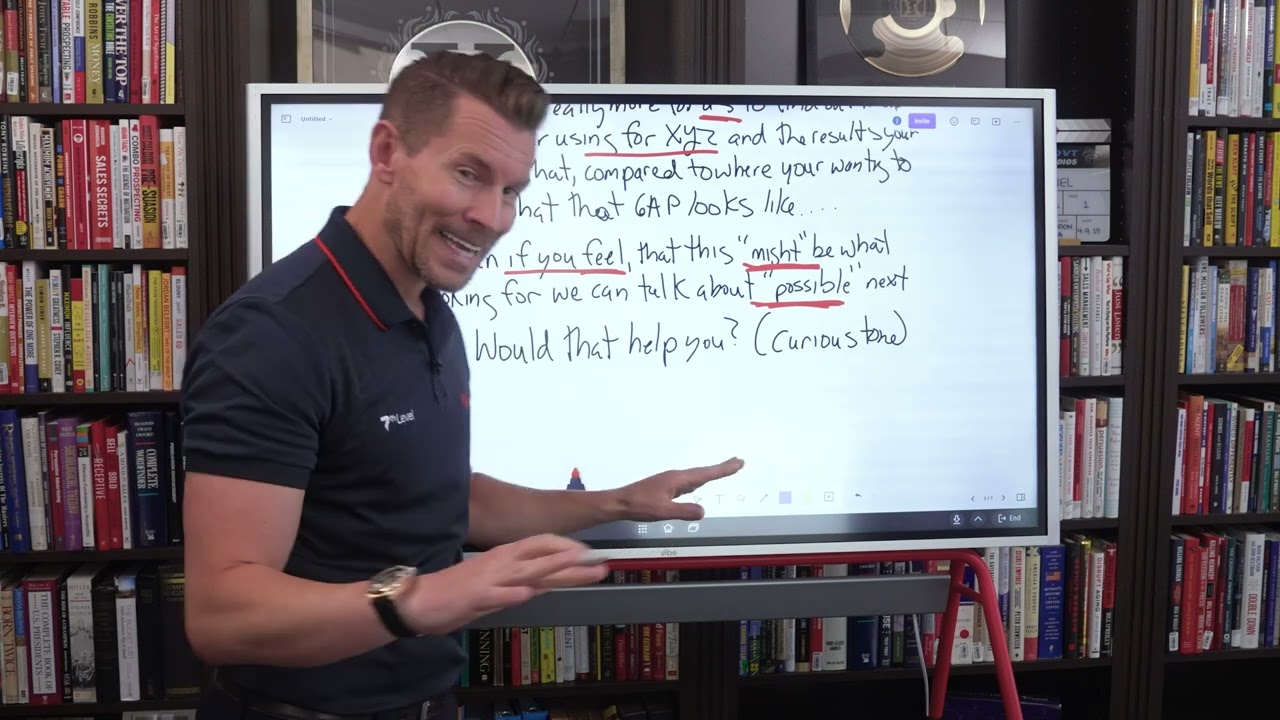
[00:00] Okay, towards the end of the call, if you feel we're a good fit for you and we feel you're a good fit for our program
[00:04] We'll try to get started fair enough. Nobody believes that you're gonna set their fill. Here's my credit card
[00:09] I'm ready to pay like nope, you're not a good fit for the program like nobody believes that but if I just
[00:13] Relanguaged it and said you know towards the end of the call if you feel like hey, this might be what you're looking for
[00:17] We can talk about possible next steps. Would that help you? They're not good. No, we cannot talk about possible next steps
[00:23] I'm neutralizing that because it's early in the conversation so I keep the guard down
🧠 Análise de copy IA (skill /analise-copy-instagram) (240 palavras)

Análise — Reel DYpdiGoJHfT (Jeremy Miner)

Stage: TOFU · Trigger Manychat: — · Duração: 28s · Views: 43.303
URL: https://www.instagram.com/jeremyleeminer/reel/DYpdiGoJHfT/

1. HOOK


  • ÁUDIO: "Okay, towards the end of the call, if you feel we're a good fit for you and we feel you're a good fit for our program, we'll try to get started. Fair enough?" — abre com demo do erro (frase assumptiva).

Veredito: hook por frase de fechamento prematuro demonstrada.

2. RETENÇÃO


  • [00:00–00:08] Demo erro.

  • [00:08–00:18] Diagnóstico: "nobody believes 'I'm ready to pay'. If you said 'you're not a good fit' nobody believes that either".

  • [00:18–00:28] Substituição neutralizada: "if you feel like this MIGHT be what you're looking for, we CAN talk about POSSIBLE next steps. Would that help?". Hedging em 3 palavras (might, can, possible).

3. PAYOFF


Frase neutralizada com 3 hedgings. Tipo: Educação tática vocabular subtle.

4. ROTEIRO


Demo erro → diagnóstico → substituição.

5. CAPTION


"This simple change makes all the difference on a sales call…"

  • TOFU sem CTA.

6. APRENDIZADOS


  • 3 hedgings stacked ("might", "can", "possible") = neutralização máxima. Replicável.

  • "Fair enough?" vs "would that help?" — sutil mas significativo.

  • TOFU sem CTA = preserva o frame educativo.

Swipe Offers: "Hey, no fim da conversa, se você sentir que talvez nossa biblioteca poderia ajudar e fizer sentido, a gente PODE falar de POSSÍVEIS próximos passos. Isso ajudaria?" Triple-hedge.

🧭 Análise geral + Conclusão editável

não editado

🎬 Análise visual / hook (suas anotações)

não salvo
DYxb2hdvaL_
TOFU REEL Storytime direto pra câmeraIsso me custou milharesWalking and talking sem CTA / sem oferta (storytelling, opinião) 🎬 Reel · 40s

The biggest deal I ever lost… this one hurt.

👁 17.342 ❤️ 130 💬 3 ⏱ 40s 2026-05-25

📌 Papel no perfil

Reel de alcance — sem CTA / sem oferta (storytelling, opinião). Engaja audiência fria, alimenta autoridade sem CTA.

📝 Análise de copy editável

não editado

Caption: "The biggest deal I ever lost… this one hurt."

📄 Ver transcrição do reel (145 palavras)
[00:00] Jeremy, what are you doing?
[00:01] I'm getting a tan man.
[00:02] Okay, I got a question for you.
[00:04] What's up?
[00:04] You've won a lot of deals in your sales career.
[00:07] What's the biggest deal you've ever lost?
[00:08] That would have been when I sold debt relief services,
[00:11] it was a $90 million package.
[00:13] They had about $90 million debt,
[00:15] and my commission would have been probably 2.3% of $90 million.
[00:20] And why did I lose it?
[00:21] Not my sales skills, they actually would under
[00:24] about two weeks before it was actually
[00:26] supposed to be finalized and done.
[00:28] So don't go under.
[00:29] That's how I lost the damn deal.
[00:30] That would have been a little bit of change there,
[00:32] 2.3% of $90 million.
[00:35] So that would hurt a little bit,
[00:36] because it's out of my control.
[00:38] But there you go, that's the biggest one I've ever lost.
🧠 Análise de copy IA (skill /analise-copy-instagram) (257 palavras)

Análise — Reel DYxb2hdvaL_ (Jeremy Miner)

Stage: TOFU · Trigger Manychat: — · Duração: 40s · Views: 17.342 (último colocado)
URL: https://www.instagram.com/jeremyleeminer/reel/DYxb2hdvaL_/

1. HOOK


  • VISUAL (inferido): Jeremy tomando sol (pegando bronze) — cenário lifestyle.

  • ÁUDIO: "Jeremy, what are you doing?" "I'm getting a tan, man." "Okay, I got a question for you." — abre com cena casual + pergunta intrigante.

Veredito: hook por lifestyle + pergunta intrigante.

2. RETENÇÃO


  • [00:00–00:09] Setup casual + pergunta.

  • [00:09–00:30] Story: "biggest deal lost = $90M debt relief, commission 2.3% = ~$2M".

  • [00:30–00:42] Resolução: "lost because they went under 2 weeks before finalization. Not my sales skills. Out of my control".

3. PAYOFF


Story de perda massiva + lição (out of control). Tipo: Inspiração + transparência via vulnerabilidade.

4. ROTEIRO


Hook casual → reveal magnitude → reveal causa.

5. CAPTION


"The biggest deal I ever lost… this one hurt."

  • Sem CTA. TOFU vulnerável.

6. APRENDIZADOS


  • Vulnerabilidade controlada ("biggest deal I lost") = brand humanizer.

  • Magnitude + out of control = mensagem ambígua (sou bom, mas até eu perco) + (não é minha culpa = preserve identidade).

  • Performance baixa (17k) — TOFU vulnerable raramente bate aspiracional. Mas brand reinforcement importante.

Swipe Offers (founder): "Maior cliente que perdemos: empresa de R$50M em ads/mês, ia assinar contrato anual de R$X. Perderam pra mudança de regulação na Meta — saíram do mercado de digital. Não foi por nossa ferramenta. Foi por força maior. Quando isso acontece, você só engole."

🧭 Análise geral + Conclusão editável

não editado

🎬 Análise visual / hook (suas anotações)

não salvo
DR0NyzTEuyD
TOFU POST família / quote / autoridade sem CTA 🖼 Carrossel · 2 slides

Hey Guys I’m Camy, Jeremy’s daughter I asked my Dad today if I could make this p…

❤️ 4.513 💬 125 2025-12-03

📌 Papel no perfil

Post de feed — família / quote / autoridade sem CTA. Branding / autoridade pessoal sem oferta direta.

📝 Análise de copy editável

não editado

Caption: "Hey Guys I’m Camy, Jeremy’s daughter I asked my Dad today if I could make this post to share a story with everyone. One thing my dad has always told me is this: “No matter what…"

🎬 Análise visual / hook (suas anotações)

não salvo
DTZXxKzERsJ
TOFU POST família / quote / autoridade sem CTA 🖼 Carrossel · 2 slides

Happy 23rd Birthday to my daughter, Quincy.

❤️ 4.244 💬 159 2026-01-12

📌 Papel no perfil

Post de feed — família / quote / autoridade sem CTA. Branding / autoridade pessoal sem oferta direta.

📝 Análise de copy editável

não editado

Caption: "Happy 23rd Birthday to my daughter, Quincy. Took her out to dinner tonight, and moments like that remind us how time flys by quickly doesn't it? And once its gone you can never…"

🎬 Análise visual / hook (suas anotações)

não salvo
DVVCEXEkWKF
TOFU POST família / quote / autoridade sem CTA 📷 Foto

Happy 25th Birthday to my beautiful daughter.

❤️ 3.814 💬 130 2026-03-01

📌 Papel no perfil

Post de feed — família / quote / autoridade sem CTA. Branding / autoridade pessoal sem oferta direta.

📝 Análise de copy editável

não editado

Caption: "Happy 25th Birthday to my beautiful daughter. Camy, you’ve grown into a woman of strength, depth, and heart. Seeing your character, your kindness, and the way you’re stepping into…"

🎬 Análise visual / hook (suas anotações)

não salvo
DSEWZidEY9m
TOFU POST família / quote / autoridade sem CTA 🖼 Carrossel · 2 slides

Happy 21st birthday to my beautiful daughter Shelby!

❤️ 3.372 💬 75 2025-12-10

📌 Papel no perfil

Post de feed — família / quote / autoridade sem CTA. Branding / autoridade pessoal sem oferta direta.

📝 Análise de copy editável

não editado

Caption: "Happy 21st birthday to my beautiful daughter Shelby! Watching you grow into the woman who is following her dreams and always wanting to learn is inspiring to me❤️ Love you Shelbs"

🎬 Análise visual / hook (suas anotações)

não salvo
DSMQGcsES9i
TOFU POST sem CTA / sem oferta (storytelling, opinião) 📷 Foto

Every man will face pressure.

❤️ 2.635 💬 138 2025-12-13

📌 Papel no perfil

Post de feed — sem CTA / sem oferta (storytelling, opinião). Branding / autoridade pessoal sem oferta direta.

📝 Análise de copy editável

não editado

Caption: "Every man will face pressure. Uncertainty. Moments that force him to look in the mirror and decide who he actually is when life isn’t going 100% his way. Trials don’t destroy men…"

🎬 Análise visual / hook (suas anotações)

não salvo
DQiOZSjgRfv
TOFU POST família / quote / autoridade sem CTA 🖼 Carrossel · 3 slides

Some believe power & influence is loud.

❤️ 2.195 💬 116 2025-11-01

📌 Papel no perfil

Post de feed — família / quote / autoridade sem CTA. Branding / autoridade pessoal sem oferta direta.

📝 Análise de copy editável

não editado

Caption: "Some believe power & influence is loud. A mentor once told me: the loudest thing a man can do is build in silence… …and let the room speak for him. Thank you to these 600 leade…"

🎬 Análise visual / hook (suas anotações)

não salvo
DRh_DjhEZzd
TOFU POST sem CTA / sem oferta (storytelling, opinião) 📷 Foto

One of the first lessons my dad ever taught us was simple but powerful:

❤️ 1.466 💬 58 2025-11-26

📌 Papel no perfil

Post de feed — sem CTA / sem oferta (storytelling, opinião). Branding / autoridade pessoal sem oferta direta.

📝 Análise de copy editável

não editado

Caption: "One of the first lessons my dad ever taught us was simple but powerful: “Skills pay the bills.” Growing up, nothing was ever handed to us. We had to earn it. Every opportunity, eve…"

🎬 Análise visual / hook (suas anotações)

não salvo
DTUaIPYleIs
TOFU POST sem CTA / sem oferta (storytelling, opinião) 📷 Foto

Two single dudes in Scottsdale. Could be trouble🙌🏼

❤️ 1.311 💬 175 2026-01-10

📌 Papel no perfil

Post de feed — sem CTA / sem oferta (storytelling, opinião). Branding / autoridade pessoal sem oferta direta.

📝 Análise de copy editável

não editado

Caption: "Two single dudes in Scottsdale. Could be trouble🙌🏼"

🎬 Análise visual / hook (suas anotações)

não salvo
DRF-q9FElxO
TOFU POST família / quote / autoridade sem CTA 📷 Foto

A mentor of mine once told me that time is your biggest asset...

❤️ 1.198 💬 41 2025-11-15

📌 Papel no perfil

Post de feed — família / quote / autoridade sem CTA. Branding / autoridade pessoal sem oferta direta.

📝 Análise de copy editável

não editado

Caption: "A mentor of mine once told me that time is your biggest asset... That time flys by quickly and once its gone you can never buy it back Im eternally grateful for my family, my fiv…"

🎬 Análise visual / hook (suas anotações)

não salvo
DTmU6-WjDeK
TOFU POST sem CTA / sem oferta (storytelling, opinião) 🖼 Carrossel · 2 slides

Grateful nights like this hit different.

❤️ 1.149 💬 56 2026-01-17

📌 Papel no perfil

Post de feed — sem CTA / sem oferta (storytelling, opinião). Branding / autoridade pessoal sem oferta direta.

📝 Análise de copy editável

não editado

Caption: "Grateful nights like this hit different. Dinner with my business partner, CFO, COO and over time, some of my closest friends. When you’re building something meaningful, the people…"

🎬 Análise visual / hook (suas anotações)

não salvo
DTzIpZJEfuS
TOFU POST sem CTA / sem oferta (storytelling, opinião) 🖼 Carrossel · 3 slides

Grew up in my early twenties reading this man's books "Chicken Soup for the Soul…

❤️ 1.058 💬 45 2026-01-22

📌 Papel no perfil

Post de feed — sem CTA / sem oferta (storytelling, opinião). Branding / autoridade pessoal sem oferta direta.

📝 Análise de copy editável

não editado

Caption: "Grew up in my early twenties reading this man's books "Chicken Soup for the Soul" series which shaped alot of my belief systems! Such a humble man and good friend now. Remember yo…"

🎬 Análise visual / hook (suas anotações)

não salvo
DQperI6kQZy
TOFU POST sem CTA / sem oferta (storytelling, opinião) 📷 Foto

When I was growing up, every time I said “I want to do this one day,” my dad wou…

❤️ 1.041 💬 36 2025-11-04

📌 Papel no perfil

Post de feed — sem CTA / sem oferta (storytelling, opinião). Branding / autoridade pessoal sem oferta direta.

📝 Análise de copy editável

não editado

Caption: "When I was growing up, every time I said “I want to do this one day,” my dad would look at me and say the same thing every time: “Don’t say I want to. Say I will.” Back then I d…"

🎬 Análise visual / hook (suas anotações)

não salvo
DTrUXI7DCm0
TOFU POST sem CTA / sem oferta (storytelling, opinião) 📷 Foto

🔥 Miami energy has been NEXT LEVEL this week.

❤️ 1.024 💬 49 2026-01-19

📌 Papel no perfil

Post de feed — sem CTA / sem oferta (storytelling, opinião). Branding / autoridade pessoal sem oferta direta.

📝 Análise de copy editável

não editado

Caption: "🔥 Miami energy has been NEXT LEVEL this week. Podcast tour isn’t just about conversations it’s about connection, breakthroughs, and the future we’re building for you with 7Q.ai F…"

🎬 Análise visual / hook (suas anotações)

não salvo
DUucPm9jPjy
TOFU POST sem CTA / sem oferta (storytelling, opinião) 📷 Foto

Partnering with the best in the industry to build the best job placement platfor…

❤️ 983 💬 65 2026-02-14

📌 Papel no perfil

Post de feed — sem CTA / sem oferta (storytelling, opinião). Branding / autoridade pessoal sem oferta direta.

📝 Análise de copy editável

não editado

Caption: "Partnering with the best in the industry to build the best job placement platform for you. Launching very soon, stay tuned!"

🎬 Análise visual / hook (suas anotações)

não salvo
DQQg-wSETFm
TOFU POST sem CTA / sem oferta (storytelling, opinião) 📷 Foto

Laughter’s the best currency. Collecting plenty tonight🙌🏼

❤️ 734 💬 29 2025-10-26

📌 Papel no perfil

Post de feed — sem CTA / sem oferta (storytelling, opinião). Branding / autoridade pessoal sem oferta direta.

📝 Análise de copy editável

não editado

Caption: "Laughter’s the best currency. Collecting plenty tonight🙌🏼"

🎬 Análise visual / hook (suas anotações)

não salvo
DThFLXgjO6E
TOFU POST sem CTA / sem oferta (storytelling, opinião) 📷 Foto

Here with our bz partner Paul Allen, founder of Ancestry.com, as we kick off a p…

❤️ 681 💬 48 2026-01-15

📌 Papel no perfil

Post de feed — sem CTA / sem oferta (storytelling, opinião). Branding / autoridade pessoal sem oferta direta.

📝 Análise de copy editável

não editado

Caption: "Here with our bz partner Paul Allen, founder of Ancestry.com, as we kick off a podcast tour in Miami to talk about what’s coming next in sales training. AI isn’t assisting sales…"

🎬 Análise visual / hook (suas anotações)

não salvo
DSg58zwFTD8
TOFU POST sem CTA / sem oferta (storytelling, opinião) 📷 Foto

A sovereign man doesn’t fulfill his destiny by staying comfortable.

❤️ 498 💬 29 2025-12-21

📌 Papel no perfil

Post de feed — sem CTA / sem oferta (storytelling, opinião). Branding / autoridade pessoal sem oferta direta.

📝 Análise de copy editável

não editado

Caption: "A sovereign man doesn’t fulfill his destiny by staying comfortable. He fulfills it by becoming the man the mission requires. That means choosing growth over familiarity. Truth ove…"

🎬 Análise visual / hook (suas anotações)

não salvo
DRqzCKhERFO
TOFU POST sem CTA / sem oferta (storytelling, opinião) 📷 Foto

Great conversation with NFL agent Craig LeBlanc tonight!

❤️ 495 💬 7 2025-11-30

📌 Papel no perfil

Post de feed — sem CTA / sem oferta (storytelling, opinião). Branding / autoridade pessoal sem oferta direta.

📝 Análise de copy editável

não editado

Caption: "Great conversation with NFL agent Craig LeBlanc tonight! If you're looking for an Agent to represent you, this is the guy who gets you the Best result..."

🎬 Análise visual / hook (suas anotações)

não salvo

MOFU Instagram

CTAs Manychat + lead magnets · troca engajamento por lead no DM

160 posts · 80 reels + 80 feed ❤️ 198.287 💬 33.842
DXRdazOBwte
MOFU REEL 🪤 Manychat Mini esquete com 2 personagens (uma pessoa só)Jump cut a cada 0.5–1.5sPergunta retórica forte CTA Manychat (comment X → DM) 🎬 Reel · 70s

99% of salespeople, business owners, entrepreneurs… all sound the same, selling …

👁 917.445 ❤️ 17.544 💬 523 ⏱ 70s 2026-04-18

📌 Papel no perfil

Conteúdo de captura via Manychat — pede comment pra mandar isca no DM. A isca é sempre um vídeo no YouTube onde ele aprofunda o que foi falado no reel.

📝 Análise de copy editável

não editado

Caption: "99% of salespeople, business owners, entrepreneurs… all sound the same, selling features and benefits, how you’re number one in the market… that’s not how you make more sales. Co…"

📄 Ver transcrição do reel (186 palavras)
[00:00] What makes you different?
[00:04] My personality.
[00:06] What makes you different?
[00:10] I was born different.
[00:12] What makes you different?
[00:16] What makes you different?
[00:18] My drive, maybe.
[00:20] What makes you different?
[00:22] I believe in what we do.
[00:24] I think we're great at what we do.
[00:26] Why should I go with you?
[00:28] I was just going to say because we care.
[00:30] And I know that we care more than most other people.
[00:33] Why should we go with you?
[00:35] Because we're better at competition.
[00:37] So if I asked one of your competitors, the same question.
[00:41] And I asked a competitor, why should I go with them?
[00:43] What do you think they might say?
[00:45] Maybe like the speed of service.
[00:47] They'd say their speed of service is better?
[00:49] Possibly.
[00:51] What do you think they might say?
[00:53] We're good at what we do.
[00:55] I would say because they're the best.
[00:57] And what would they say?
[00:59] We are the best.
[01:01] So I think I've just heard all of you say right now, appear.
[01:03] As in your prospects mind, you all kind of sound the same.
[01:07] Could that be a problem for you?
[01:09] Yes.
🧠 Análise de copy IA (skill /analise-copy-instagram) (1165 palavras)

Análise — Reel DXRdazOBwte (Jeremy Miner)

Stage: MOFU · Trigger Manychat: PERSUADE · Duração: 70s · Views: 917.445 (#1 do perfil)
URL: https://www.instagram.com/jeremyleeminer/reel/DXRdazOBwte/

Nota: análise feita a partir da transcrição + caption + métricas. Visual descrito por inferência (sem frame-by-frame).

---

1. HOOK (primeiros 3 segundos)

  • VISUAL: Cena em sala de treinamento ao vivo (não estúdio). Entrevistado de barba ruiva, camisa preta com logo "Bare Knuckle Fighting", segurando microfone passado por entrevistador parcialmente visível (mão + braço tatuado). Plateia ao fundo desfocada confirma evento presencial. Cabeçalho preto fixo no topo: "TESTING SALESPEOPLE LIVE" com "LIVE" em vermelho.

  • TEXTO NA TELA: Legendas grandes em branco com palavra-chave em vermelho ("different?", "Possibly", "We are the best") aparecendo sincronizadas com a fala. Padrão Submagic — uma palavra por vez, alta contraste.

  • ÁUDIO: "What makes you different?" — pergunta seca, sem cumprimento, sem contexto. Aciona reflexo de auto-resposta no espectador.

Veredito: o hook gera identificação por exposição. Quem vende sente o próprio reflexo na pergunta e em seguida ouve respostas medíocres ("my personality", "my drive maybe") — pattern break por humilhação coletiva. Forte gancho de curiosidade.

---

2. MECÂNICAS DE RETENÇÃO

A mecânica central é repetição em loop com micro-variações:

  • [00:00–00:26] Mesma pergunta ("What makes you different?" / "Why should I go with you?") feita 6+ vezes a pessoas diferentes. Cada resposta é cliché. O espectador antecipa cada nova resposta e sente o constrangimento — open loop coletivo.

  • [00:26–00:51] Vira o jogo: "What do you think your competitors would say?" — quebra o padrão. Espectador entende o ponto antes do Jeremy dizer.

  • [01:01–01:09] Payoff: "You all kind of sound the same. Could that be a problem?" — entrega o conceito explicitamente só no fim.

Ritmo nunca afrouxa porque a tensão é cumulativa. Cada resposta ruim é um corte, mas o vídeo não corta — sustenta a vergonha. Isso é o que segura o scroll.

---

2.5. ESTRUTURA VISUAL

  • [Frame 1-2, 10-25%] Close médio do primeiro entrevistado (camisa Bare Knuckle Fighting) respondendo ao microfone. Câmera baixa, no nível da plateia — sensação de estar dentro do evento. Legenda "different?" piscando em vermelho.

  • [Frame 3, 40%] Corte pra plano aberto mostrando outros candidatos sentados em fila (camisas azuis com crachá "Matt N", "Brewery..."). Legenda "I was just" — mostra que a pergunta foi repetida com outra pessoa.

  • [Frame 4, 55%] Wide shot: Jeremy em pé no palco com 3 voluntários, fundo de painel LED com sua marca "7thLevelU + Jeremy MINER + @jeremyleeminer". Bandeja de monitores de palco em primeiro plano — prova de produção profissional.

  • [Frame 5, 70%] Close em Jeremy (camisa preta com logo skull, calça caqui, microfone) com legenda "Possibly" — momento da virada.

  • [Frame 6, 85%] Plano médio do voluntário hispânico (jaqueta preta sobre polo) respondendo "We are the best" — exatamente o clichê que o vídeo está catalogando.

  • Padrão visual: multi-câmera tipo evento corporativo (mín. 2 ângulos), zero corte rápido, banner fixo "TESTING SALESPEOPLE LIVE" como brand frame, legendas Submagic com keyword em vermelho. Produção alta — não é Reel caseiro.

---

3. PAYOFF / RECOMPENSA

Recompensa = clareza diagnóstica: "vocês todos soam iguais". Não é resposta nova (qualquer leitor de Cialdini conhece diferenciação), mas é mostrada em vez de explicada — e é mostrada usando outras pessoas como cobaias.

Recompensa proporcional ao tempo? Sim. 70s é longo pra reel, mas a tensão construída sustenta o investimento. O payoff fecha o open loop do hook ("what makes you different?") porque revela que a pergunta era uma armadilha desde o segundo 0.

Tipo de recompensa: Educação com vergonha pedagógica embutida. Não é entretenimento, não é só inspiração — é "olha esse erro acontecendo em tempo real".

---

4. ROTEIRO LINHA A LINHA

TempoFala / CenaEstrutura
00:00"What makes you different?" → "My personality."Hook + 1ª resposta clichê
00:06–00:204x mesma pergunta, respostas variando: "I was born different / my drive / I believe in what we do"Acúmulo de evidência
00:26"Why should I go with you?"Variação do mesmo prompt
00:33–00:55Mesma sequência com nova pergunta: "we care", "we're better", "speed of service", "we're the best"Loop estendido
00:55–01:00"And what would they say?" / "We are the best."Pattern break — pivô
01:01–01:09"So I think I've just heard all of you say... you all kind of sound the same. Could that be a problem for you?" / "Yes."Payoff + concordância da prova social

Estrutura padrão:
1. ✅ Hook imediato (sem cumprimento)
2. ✅ Problema/tensão — construída pelas respostas medíocres
3. ⚠️ Stakes — implícitos (perder venda) mas não explicitados
4. ✅ Insight/virada — "competitors say the same"
5. ✅ Fecho — confirmação ("could that be a problem?" → "Yes")

Falta uma coisa: stakes explícitos (quanto dinheiro perde por soar igual). Mas a tensão visual compensa.

---

5. CAPTION DO POST

"99% of salespeople, business owners, entrepreneurs… all sound the same, selling features and benefits, how you're number one in the market… that's not how you make more sales.

Comment "PERSUADE" and I'll send you a training containing the one technique you need to increase your sales"

  • Primeira linha: "99% of salespeople..." — para o scroll porque é uma acusação estatística que inclui o leitor (se vende, faz parte dos 99%). Não corta após 3 linhas porque a primeira já é punch.

  • Estrutura: manifesto + CTA. Sem story, sem lista — direto.

  • CTA: Manychat trigger "PERSUADE" → DM com training. Carga emocional forte: "the one technique" (singularidade, low effort), "you need to increase your sales" (consequência explícita).

  • Densidade de hashtag: zero. Marcação: zero. Limpa.

Por que isso converte: a caption fecha o gap que o vídeo abriu. O vídeo mostrou o problema ("sounding the same"), a caption oferece a solução ("the one technique") por uma palavra de comentário. CTR alto previsível.

---

6. APRENDIZADOS / O QUE COPIAR

Mecânicas replicáveis:
1. Pergunta em loop com cobaias reais — em vez de explicar "vocês soam todos iguais", mostra 6 pessoas dizendo o mesmo. Show, don't tell levado ao extremo.
2. Constrangimento didático — usa outras pessoas como exemplo do erro pra o espectador se ver sem ser confrontado diretamente.
3. Pergunta retórica que vira concordância — "Could that be a problem for you?" → "Yes" no áudio = micro endorsement plantado.

Fraquezas:

  • Stakes financeiros não explicitados (quanto se perde por soar igual).

  • 70s é longo pra reel — só funciona porque o payoff visual existe; em talking head não seguraria.

Adaptação Swipe Offers:
Pra reel de retenção/churn: mostrar 5 pessoas respondendo "por que o cliente cancelou?" com respostas clichê (preço, tempo, prioridade) — e revelar que todos descreveram o mesmo sintoma (falta de uso real do produto). Trigger: "RETENÇÃO" → playbook de win-back.

---

🧭 Análise geral + Conclusão editável

não editado

🎬 Análise visual / hook (suas anotações)

não salvo
DW3o0O5h2Dq
MOFU REEL 🪤 Manychat Mini esquete com 2 personagens (uma pessoa só)Você tá fazendo erradoJump cut a cada 0.5–1.5s CTA Manychat (comment X → DM) 🎬 Reel · 21s

Your mom taught you that you have to be polite but why are you thanking them for…

👁 359.394 ❤️ 1.505 💬 212 ⏱ 21s 2026-04-08

📌 Papel no perfil

Conteúdo de captura via Manychat — pede comment pra mandar isca no DM. A isca é sempre um vídeo no YouTube onde ele aprofunda o que foi falado no reel.

📝 Análise de copy editável

não editado

Caption: "Your mom taught you that you have to be polite but why are you thanking them for joining the call when they’re the ones who have the problem… that you can solve. There’s a ton of…"

📄 Ver transcrição do reel (85 palavras)
[00:00] Number one, thank them for jumping on the call
[00:01] because they're taking their time.
[00:03] Most salespeople do, they're like,
[00:04] hey, thanks for taking your time to be on this call.
[00:06] I would say, why would you thank them for being on the call
[00:09] because who has the problems, you're the prospect.
[00:11] Thank you for taking the time to be on the call.
[00:14] All that subconsciously is communicating
[00:16] is that you value their time
[00:18] or the nation value your time.
[00:20] It could be a problem though.
🧠 Análise de copy IA (skill /analise-copy-instagram) (1080 palavras)

Análise — Reel DW3o0O5h2Dq (Jeremy Miner)

Stage: MOFU · Trigger Manychat: STATUS · Duração: 21s · Views: 359.394 (#2 do perfil)
URL: https://www.instagram.com/jeremyleeminer/reel/DW3o0O5h2Dq/

Nota: análise feita a partir da transcrição + caption + métricas. Visual descrito por inferência.

---

1. HOOK (primeiros 3 segundos)

  • VISUAL: Setup de podcast — Jeremy (camisa preta, barba grisalha) à esquerda em close, microfone tipo Shure SM7B com cubo preto "Dropping Bombs" marca do show. Atrás dele, arte gráfica do podcast "Dropping Bombs" (letras grandes brancas/cinza sobre fundo nuclear/explosão). Visível um segundo participante no Frame 2/5/6 (camisa preta Nike com logo 7th Level) — é o host Brad Lea ou um co-host. Dois ângulos alternados (Jeremy de um lado, convidado do outro).

  • TEXTO NA TELA: legendas estilo Submagic, palavra única central — "because", "your time" (em vermelho), "on the call", "they do", "subconsciously", "their time". Forçam atenção visual mesmo com som mudo.

  • ÁUDIO: "Number one, thank them for jumping on the call because they're taking their time." — começa com o erro sendo enunciado como se fosse certo. Bait clássico.

Veredito: o hook gera curiosidade contrária. O espectador ouve uma regra de educação básica ("agradecer") sendo ensinada — e espera saber por que isso vai virar contraintuitivo. Promessa de revelação em 3s.

---

2. MECÂNICAS DE RETENÇÃO

Vídeo curto (21s) — retenção depende de densidade conceitual por segundo, não de loops longos.

  • [00:00–00:06] Setup do erro: "thank them for being on the call" (mostra o senso comum).

  • [00:06–00:14] Pivô: "Why would you thank them? Who has the problems?" — pergunta retórica que vira o frame.

  • [00:14–00:20] Reforço subconsciente: "value their time" vs "your time" — palavra-chave: subconsciously, que é o gancho de autoridade ("você não percebia, mas o cérebro do prospect tava registrando").

Sem corte morto. Pattern interrupts em ritmo de fala, não visual.

---

2.5. ESTRUTURA VISUAL

  • [Frame 1, 10%] Jeremy de camisa preta, gesto de mão aberta enfatizando "because". Câmera em close — mostra rosto + microfone tipo broadcast.

  • [Frame 2, 25%] Corte pro convidado (camisa Nike preta com badge "7th Level"). Microfone separado. Mesmo cenário ao fundo. Legenda "your time" em vermelho destacando a frase-chave.

  • [Frame 3, 40%] Volta pro convidado — outro ângulo, agora em plano médio, vê-se a mesa baixa com caneca. Legenda "on the call".

  • [Frame 4, 55%] Jeremy de volta — gestual mais forte (dedo apontando), legenda "they do".

  • [Frame 5, 70%] Convidado com gesto de mãos abertas/contagem, legenda "subconsciously" — palavra-pivô da tese.

  • [Frame 6, 85%] Convidado com microfone na mão, fechando o gesto, legenda "their time".

  • Padrão visual: podcast bicâmera (2 cabines, 2 microfones), corte limpo a cada fala, posters do podcast "Dropping Bombs" como brand frame, sem qualquer roll/B-roll. Legenda Submagic sustenta o ritmo visual.

---

3. PAYOFF / RECOMPENSA

Payoff = reframe de status. Em 21s o espectador sai com uma regra nova que pode aplicar na próxima call:

  • Antes: "agradecer é educado"

  • Depois: "agradecer subordina você"

Tipo de recompensa: Educação concentrada (alta densidade de insight por segundo). O payoff é proporcional — pra um reel de 21s, entregar uma reframe acionável é mais do que a média.

Fecha o open loop? Sim — o hook plantou "agradecer é o erro #1" e o vídeo fecha mostrando o porquê psicológico.

---

4. ROTEIRO LINHA A LINHA

TempoFala / CenaEstrutura
00:00–00:04"Number one, thank them for jumping on the call because they're taking their time"Hook: enuncia o erro como se fosse regra
00:04–00:06"Most salespeople do, they're like: 'hey thanks for taking your time...'"Universaliza o erro (não é só você)
00:06–00:11"Why would you thank them? Who has the problems? You're the prospect."Pivô lógico — quebra o frame
00:14–00:20"All that subconsciously is communicating that you value their time or the equation values your time"Camada psicológica = autoridade
00:20–00:21"It could be a problem though."Fecho seco (understatement)

Estrutura padrão:
1. ✅ Hook imediato — sem cumprimento
2. ✅ Problema/tensão — todos fazem isso
3. ⚠️ Stakes — implícitos ("problem though" — abafado)
4. ✅ Insight/virada — quem tem o problema?
5. ✅ Fecho — frase curta com tom de "ok, é sério"

---

5. CAPTION DO POST

"Your mom taught you that you have to be polite but why are you thanking them for joining the call when they're the ones who have the problem… that you can solve.

There's a ton of different things that either raise or lower your status in people's minds… Comment "STATUS" and I'll send you a training pinpointing what to do, and what not to do to instantly raise your status…"

  • Primeira linha: "Your mom taught you that you have to be polite" — gancho excelente porque ativa uma autoridade externa universal (mãe) e antecipa que ela errou. Forte pra parar o scroll.

  • Estrutura: mini-story + manifesto + CTA.

  • CTA: trigger "STATUS" → DM. Promessa: "training pinpointing what to do, and what not to do to instantly raise your status" — palavra "instantly" carrega a oferta.

  • Densidade de hashtag: zero. Limpo.

Por que converte: caption + vídeo formam um par perfeito. Vídeo mostra UM exemplo de erro de status; caption promete um treino com TODOS os erros. Lead magnet contrasta escassez de info no reel com abundância no DM.

---

6. APRENDIZADOS / O QUE COPIAR

Mecânicas replicáveis:
1. "Most salespeople do X" — universalizar o erro antes de corrigir libera o espectador da vergonha individual e foca na curiosidade da cura. Replicar em qualquer reel de correção.
2. Camada psicológica como autoridade — chamar de "subconscious" eleva o conselho de "tip" pra "ciência". Frase: "all that subconsciously is communicating..."
3. Fecho understatement — terminar com "it could be a problem though" sem ênfase força o espectador a inferir as stakes sozinho. Mais forte que enunciar.

Fraquezas:

  • Stakes não financeiros — não diz quanto se perde por agradecer.

  • O setup visual (parece training/Q&A) limita replicabilidade pra criadores sem audiência ao vivo.

Adaptação Swipe Offers:
Pra ICP de marqueteiros: "Number one — when a creative tanks, you blame the offer. Most marketers do. But why would you blame the offer when 80% of your CPA depends on the hook?" Trigger: "CPA" → playbook de diagnóstico.

---

🧭 Análise geral + Conclusão editável

não editado

🎬 Análise visual / hook (suas anotações)

não salvo
DX2xY0BJ8Gi
MOFU REEL 🪤 Manychat Diálogo sem áudio (só legenda)Tipografia gigante na telaEnquete no Reels CTA Manychat (comment X → DM) 🎬 Reel · 18s

Which level are you at?

👁 336.272 ❤️ 4.879 💬 90 ⏱ 18s 2026-05-02

📌 Papel no perfil

Conteúdo de captura via Manychat — pede comment pra mandar isca no DM. A isca é sempre um vídeo no YouTube onde ele aprofunda o que foi falado no reel.

📝 Análise de copy editável

não editado

Caption: "Which level are you at? Comment “BLACKBOOK” to start mastering sales."

🧠 Análise de copy IA (skill /analise-copy-instagram) (529 palavras)

Análise — Reel DX2xY0BJ8Gi (Jeremy Miner)

Stage: MOFU · Trigger Manychat: BLACKBOOK · Duração: 18s · Views: 336.272
URL: https://www.instagram.com/jeremyleeminer/reel/DX2xY0BJ8Gi/

Nota: reel silent (sem transcrição de fala). Conteúdo educativo todo no visual + caption.

1. HOOK


  • VISUAL: Meme GTA San Andreas aplicado a flex de carros reais. Tela toda da rua em Miami (palmeiras, prédios brancos, sol). Overlay completo da HUD do GTA: canto superior esquerdo arma + relógio "20:13" + $99.999.999 em verde (texto pixel), minimapa redondo no canto inferior esquerdo. Texto principal em laranja-amarelo (fonte "Pricedown" do GTA SA) escalando: "LEVEL 1 IN SALES (NICE CAR)" sobre cara entrando em Lamborghini Urus roxo.

  • TEXTO NA TELA: série escalada — "LEVEL 1 IN SALES (NICE CAR)" → "LEVEL 50 IN SALES (SUPERCAR)" → "LEVEL 100 IN SALES (ROLLS ROYCE + DRIVER)" → "MISSION PASSED + RESPECT".

  • ÁUDIO: trilha musical apenas. Mute-friendly.

Veredito: hook por gamificação nostálgica. GTA San Andreas é referência cultural massiva pra audiência millennial/Gen Z masculina (target principal de coaching de vendas). Pareando flex automotivo com framework de jogo, transforma riqueza em "missão a completar".

2. RETENÇÃO


Quiz visual = espectador para pra se autoavaliar. Cada level revelado = micro pause. Formato salvável por design.

2.5. ESTRUTURA VISUAL


  • [Frame 1, 10%] Lamborghini Urus roxo em Miami, sujeito entrando — "LEVEL 1 IN SALES (NICE CAR)". HUD GTA presente.

  • [Frame 2, 25%] Mesmo cara, agora num close caminhando ao lado do Lambo — "LEVEL 50 IN SALES (SUPERCAR)". A roupa muda (camisa preta vs azul do frame 1) — pode ser corte pra cara diferente, sinalizando "outro vendedor". HUD mantém.

  • [Frame 3, 40%] Lamborghini Aventador SVJ branco com porta scissor aberta — segue "LEVEL 50 IN SALES (SUPERCAR)".

  • [Frame 4, 55%] Motorista de uniforme cinza abrindo porta — texto "LEVEL 100 IN SALES (ROLLS ROYCE + DRIVER)".

  • [Frame 5, 70%] Plano aberto do Rolls Royce Cullinan branco — mantém "LEVEL 100 IN SALES (ROLLS ROYCE + DRIVER)". O carro fica visível por inteiro: traseira luxo, prédios atrás.

  • [Frame 6, 85%] Rolls Royce de trás caminhando — texto vira "MISSION PASSED + RESPECT" (fonte original da tela de fim de missão GTA SA). Payoff visual completo.

  • Padrão visual: edição UGC alta — filmagem real em Miami + overlay completo GTA SA (HUD, fonte Pricedown, "Mission Passed"). Sem talking head, sem fala, sem rosto fixo. Mute-friendly absoluto.

3. PAYOFF


Reframe identitário — espectador sai com label ("sou level 2") + ambição (chegar a level 3). Tipo: Inspiração por categorização.

4. ROTEIRO


Cards visuais escalando níveis. Estrutura padrão: hook (pergunta) → tensão (níveis) → CTA Manychat.

5. CAPTION


"Which level are you at? Comment 'BLACKBOOK' to start mastering sales."

  • Curta. Pergunta + comando. CTA explícito.

6. APRENDIZADOS


  • Quiz visual de níveis força autoavaliação. Replicável em qualquer skill (vendas, copy, edição).

  • Silent + brand-quiz é fórmula salvável.

  • Fraqueza: depende 100% do design. Sem identidade visual forte, vira card genérico.

Swipe Offers: quiz "Em qual nível tá seu funil de criativo?" — Nível 1: chuta hooks. Nível 2: copia concorrente. Nível 3: testa hipóteses em biblioteca. Trigger "FUNIL".

🧭 Análise geral + Conclusão editável

não editado

🎬 Análise visual / hook (suas anotações)

não salvo
DYu2QwqPXpE
MOFU REEL 🪤 Manychat Diálogo sem áudio (só legenda)Tipografia gigante na telaVocê tá fazendo errado CTA Manychat (comment X → DM) 🎬 Reel · 12s

Stop using the wrong phrases in sales…

👁 265.638 ❤️ 1.101 💬 39 ⏱ 12s 2026-05-24

📌 Papel no perfil

Conteúdo de captura via Manychat — pede comment pra mandar isca no DM. A isca é sempre um vídeo no YouTube onde ele aprofunda o que foi falado no reel.

📝 Análise de copy editável

não editado

Caption: "Stop using the wrong phrases in sales… “Comment “PHRASES” snd I’ll send you a full-length training on how to level up your sales conversations."

🧠 Análise de copy IA (skill /analise-copy-instagram) (531 palavras)

Análise — Reel DYu2QwqPXpE (Jeremy Miner)

Stage: MOFU · Trigger Manychat: PHRASES · Duração: 12s · Views: 265.638
URL: https://www.instagram.com/jeremyleeminer/reel/DYu2QwqPXpE/

Nota: reel silent (sem transcrição). Conteúdo no visual + caption.

1. HOOK


  • VISUAL: B-roll de Jeremy em eventos/encontros (corredor de hotel, sala de conferência, lobby, fachada de prédio "Sales Lab"), cumprimentando outras pessoas. Sobreposto, dois grandes cards retangulares brancos com bordas arredondadas: o topo "❌ Don't say:" com a frase errada em sans serif preto bold; embaixo "✅ Say this:" com a frase certa.

  • TEXTO NA TELA (Frame 1): "❌ Don't say: 'I'm so sorry that I'm late'" — primeira frase a evitar aparece em card grande centralizado.

  • ÁUDIO: trilha. Mute-friendly.

Veredito: hook por imperativo + promessa de troca. Vendedor quer saber quais phrases.

2. RETENÇÃO


12s = ultra curto. Lista visual ❌→✅ força stay-to-see-all. Padrão saved-by-default.

2.5. ESTRUTURA VISUAL


  • [Frame 1, 10%] Jeremy (camisa preta 7th Level) cumprimentando homem de paletó num evento de luxo. Apenas card "❌ Don't say: I'm so sorry that I'm late". Cenário evento corporativo upscale.

  • [Frame 2, 25%] Transição borrada — card e cena fora de foco. Frame transitório, info inutil.

  • [Frame 3, 40%] Outra cena UGC — homem de costas entrando num prédio. Dois cards visíveis: "❌ Can you please call me back when you have time?" → "✅ When would be a good time for us to discuss this further?".

  • [Frame 4, 55%] Jeremy de blazer preto frente a TV de evento "Salt Lake..." e banner "SALES". Card "❌ What's your budget for XYZ?" → "✅ What type of funding do you have for XYZ?". Conteúdo mais valioso visualmente.

  • [Frame 5, 70%] Cena externa — três caras se cumprimentando perto de prédio. Card "❌ I'm just calling to follow up with you" → "✅ I just had time to get back to you".

  • [Frame 6, 85%] Jeremy mostrando algo no iPhone pra outro homem no lobby. Card "❌ I'm so excited to meet you" → "✅ I'm looking forward to our meeting". Card "Say this" começa a desaparecer (transição final).

  • Padrão visual: B-roll UGC documental do Jeremy em eventos como pano de fundo (não importa o que ele faz, importa o cenário "vendedor em ação"), cards brancos enormes ocupando 60% da tela, troca de cena a cada ~2s sincronizada com novo par de phrases. Zero talking head, zero áudio relevante.

3. PAYOFF


N frases substituíveis (provavelmente 3-4) em 12s. Educação tática salvável.

4. ROTEIRO


Cards sequenciais com phrases erradas vs certas. Estrutura: hook (stop using) → demos (❌/✅) → CTA.

5. CAPTION


"Stop using the wrong phrases in sales… Comment 'PHRASES' and I'll send you a full-length training on how to level up your sales conversations."

  • Imperativo + promessa de upgrade ("level up"). CTA específico.

6. APRENDIZADOS


  • Variação do silent ❌/✅ funciona em qualquer tema com substituições.

  • Trigger "PHRASES" reusado em N reels — consolidação de asset.

  • Fraqueza: muito parecido com DWge0qVBzsv/DWkVYzTD4ar — saturação no feed.

Swipe Offers: "Stop using wrong words em CTA" → ❌ "compre" / ✅ "garante"; ❌ "saiba mais" / ✅ "ver bastidor". Trigger "CTA".

🧭 Análise geral + Conclusão editável

não editado

🎬 Análise visual / hook (suas anotações)

não salvo
DXfad7RgZPG
MOFU REEL 🪤 Manychat Cold openWalking and talkingEu te provo em 30 segundos CTA Manychat (comment X → DM) 🎬 Reel · 39s

I felt like this was a good time to tell you… I’m hosting a FREE sales training …

👁 259.799 ❤️ 3.146 💬 287 ⏱ 39s 2026-04-23

📌 Papel no perfil

Conteúdo de captura via Manychat — pede comment pra mandar isca no DM. A isca é sempre um vídeo no YouTube onde ele aprofunda o que foi falado no reel.

📝 Análise de copy editável

não editado

Caption: "I felt like this was a good time to tell you… I’m hosting a FREE sales training event that I built just for you, no matter what industry you’re in. Comment “WORKSHOP” and get regi…"

📄 Ver transcrição do reel (154 palavras)
[00:00] Go, go, go, go, go, go.
[00:02] Hey, I told you.
[00:03] We got to tell you, I'm holding a workshop.
[00:06] I've built it for you.
[00:07] So if you lose sales to any objection,
[00:09] like I need to talk with my spouse,
[00:10] or I need to think it over, your prices are too high.
[00:13] It's too expensive.
[00:14] Can you give me a better deal?
[00:14] Any objection you lose sales from?
[00:16] And in the workshop,
[00:17] I'm gonna train you frameworks and techniques
[00:19] that are clients in your industry are using
[00:21] and they are overcoming all of those objections with ease.
[00:24] Like that's why we have the top one percent.
[00:26] So if you're the type of person who wants to get better at that,
[00:29] just want to close more deals,
[00:31] comment the word workshop,
[00:32] and my team will get it over to you right away.
[00:34] Comment the word workshop.
[00:35] Hey, are you okay?
[00:38] Your phone kicked over there.
🧠 Análise de copy IA (skill /analise-copy-instagram) (1198 palavras)

Análise — Reel DXfad7RgZPG (Jeremy Miner)

Stage: MOFU · Trigger Manychat: WORKSHOP · Duração: 39s · Views: 259.799 (#3 do perfil)
URL: https://www.instagram.com/jeremyleeminer/reel/DXfad7RgZPG/

Nota: análise feita a partir da transcrição + caption + métricas.

---

1. HOOK (primeiros 3 segundos)

  • VISUAL: Selfie no banco do motorista — Jeremy de camisa Under Armour preta com logo "7th Level", segura câmera/celular em primeira pessoa. Fundo: interior de carro (provavelmente Tesla pelo painel branco e teto solar visíveis em frames posteriores). Sol forte entrando pela janela. Formato vlog UGC.

  • TEXTO NA TELA: Legenda Submagic palavra-por-palavra em branco bold com sombra preta — "to tell you", "with", "sales from", "are using", "type of", "over to you". Sem cards/banners/CTAs sobrepostos.

  • ÁUDIO: "Go, go, go, go, go, go. Hey, I told you. We got to tell you, I'm holding a workshop." — voz urgente, ritmo de quem corre pra anunciar algo. Pattern break porque parece improviso, não scripted reel.

Veredito: o hook gera curiosidade por urgência teatral. Não promete benefício direto — promete que algo importante está acontecendo. Funciona porque quebra o padrão de reels editados e parece "Jeremy lembrou agora de te avisar".

---

2. MECÂNICAS DE RETENÇÃO

  • [00:00–00:02] Pseudo-improviso urgente — "go, go, go" + "I told you" sugere continuidade de outra cena.

  • [00:03–00:14] Lista de objeções — recita objeções comuns ("need to talk with spouse", "need to think it over", "too expensive", "give me a better deal"). Cada uma é um gatilho pra quem vende.

  • [00:14–00:24] Promessa específica — "frameworks and techniques our clients are using to overcome ALL of those objections with ease".

  • [00:26–00:34] Prova social implícita — "that's why we have the top 1%".

  • [00:31–00:35] CTA repetido 2x — "comment the word workshop" / "comment the word workshop". Reforço por repetição direta.

  • [00:35–00:38] Outro — "Hey, are you okay? Your phone kicked over there." Quebra o tom oficial — sinaliza autenticidade.

Ritmo nunca para. Cada segundo é informação ou ação.

---

2.5. ESTRUTURA VISUAL

  • [Frame 1, 10%] Selfie Jeremy no banco do motorista, gesto de "stop" com mão direita levantada — legenda "to tell you". Cena vlog UGC pura.

  • [Frame 2, 25%] Corte abrupto pra B-roll: alguém (provavelmente o próprio Jeremy ou aluno) saindo do carro/lutando com cinto de segurança. Câmera caída no banco do passageiro. Legenda "with". Inserção bizarra que parece improviso.

  • [Frame 3, 40%] Volta pro Jeremy no banco do motorista, mesmo enquadramento do Frame 1 — agora mais close, olhando pra baixo (talvez lendo). Legenda "sales from".

  • [Frame 4, 55%] Outro corte UGC bizarro — homem com boné verde e dreads se debruçando na janela do carro. Cena de rua/estacionamento. Legenda "are using". Sugere encontro improvisado no estacionamento.

  • [Frame 5, 70%] Volta pro Jeremy dirigindo, agora com gesto de mão apontando pra câmera, legenda "type of".

  • [Frame 6, 85%] Jeremy ainda no carro, gesto de mão fechada (punho), enquadramento close mostrando relógio caro — legenda "over to you".

  • Padrão visual: UGC vlog autêntico (selfie no carro) cortado com B-roll de "interrupções reais" — alguém entrando no carro, fan/aluno se aproximando. Sem produção polida. A textura "capturada e não produzida" é o ativo central — algoritmo do Instagram premia vídeo nativo.

---

3. PAYOFF / RECOMPENSA

Payoff = convite a evento gratuito. Não há revelação de técnica — o vídeo inteiro é uma promessa.

Tipo: Inspiração + Oferta. O espectador sente que vai aprender (sem ter aprendido nada ainda).

Recompensa proporcional? Pra quem é o ICP (sales rep que perde por objeção), sim — o investimento foi 39s e o ganho é "vou para um workshop grátis". Pra quem não é ICP, o reel é puro spam de evento.

Fecha o open loop? Sim — o hook prometeu urgência e a cura é "registrar via comment".

---

4. ROTEIRO LINHA A LINHA

TempoFala / CenaEstrutura
00:00–00:03"Go, go, go, go, go, go. Hey, I told you."Hook: pseudo-improviso urgente
00:03–00:06"We got to tell you, I'm holding a workshop. I've built it for you."Anúncio + personalização
00:07–00:14Lista de objeções: spouse, think it over, prices too high, expensive, better dealProblema/dor — identificação
00:14–00:19"I'm gonna train you frameworks and techniques our clients in your industry are using"Promessa específica (industry = relevância)
00:19–00:24"they are overcoming all of those objections with ease"Resultado prometido
00:24–00:26"Like that's why we have the top 1 percent"Prova social
00:26–00:34"So if you're the type of person who wants to get better... comment the word workshop"CTA #1
00:34–00:35"Comment the word workshop"CTA #2 (repetição direta)
00:35–00:38"Hey, are you okay? Your phone kicked over there."Outro com quebra de tom = autenticidade

Estrutura padrão:
1. ✅ Hook imediato (sem cumprimento)
2. ✅ Problema/tensão — objeções comuns
3. ⚠️ Stakes — implícitos (perder venda) mas não quantificados
4. ✅ Insight/virada — substituída por promessa
5. ✅ Fecho — duplo CTA + outro autêntico

---

5. CAPTION DO POST

"I felt like this was a good time to tell you… I'm hosting a FREE sales training event that I built just for you, no matter what industry you're in.

Comment "WORKSHOP" and get registered now, event starts on the 27-30th

🎁 YOU CAN WIN: Rolex ⌚️ Macbook 💻"

  • Primeira linha: "I felt like this was a good time to tell you…" — gancho conversacional, parece confidência. Para o scroll por intimidade fingida.

  • Estrutura: anúncio + CTA + bonus (prêmio).

  • CTA: trigger "WORKSHOP" + urgência via data (27-30th) + prêmio (Rolex/MacBook). Camada de bonus é o boost final.

  • Densidade de hashtag: zero. Emojis: 3 (🎁⌚️💻 — só nos prêmios).

Por que converte: combinação de FOMO temporal (datas fixas) + prêmio físico tangível (Rolex, MacBook) + Manychat low-effort. O Rolex/MacBook não são gancho central — são tie-breaker pra quem tava em dúvida.

---

6. APRENDIZADOS / O QUE COPIAR

Mecânicas replicáveis:
1. Pseudo-improviso urgente — começar como se estivesse correndo pra avisar quebra o padrão de reels polidos. Funciona em todo nicho de coach/curso.
2. Listar 4-5 objeções específicas em rapid-fire — quem ouve uma das suas próprias se prende automaticamente. Ativa identificação por enumeração.
3. CTA duplicado literal — repetir "comment X" duas vezes seguidas no final aumenta conversão por consolidação mnemônica.
4. Outro autêntico ("your phone kicked over") — sinaliza que não é um robô de reel, é um humano.

Fraquezas:

  • Sem ensino real no reel — todo o valor está prometido, nenhum está entregue. Funciona pra audiência aquecida (que já confia em Jeremy), mas não converteria audiência fria.

  • Rolex/MacBook pode ativar leads não-qualificados (caçadores de prêmio).

Adaptação Swipe Offers:
Pra anunciar webinar de retenção: lista de objeções de cancelamento ("muito caro", "não usei suficiente", "achei outra ferramenta") + promessa de playbooks específicos + trigger "WIN-BACK". Sem prêmio físico — mas com bonus tipo "auditoria gratuita do funil de retenção".

---

🧭 Análise geral + Conclusão editável

não editado

🎬 Análise visual / hook (suas anotações)

não salvo
DYFob9avcZx
MOFU REEL 🪤 Manychat Mini esquete com 2 personagens (uma pessoa só)Você tá fazendo erradoJump cut a cada 0.5–1.5s CTA Manychat (comment X → DM) 🎬 Reel · 22s

Stop lowering your status on your sales calls, you’re the one who solves the pro…

👁 257.209 ❤️ 4.634 💬 176 ⏱ 22s 2026-05-08

📌 Papel no perfil

Conteúdo de captura via Manychat — pede comment pra mandar isca no DM. A isca é sempre um vídeo no YouTube onde ele aprofunda o que foi falado no reel.

📝 Análise de copy editável

não editado

Caption: "Stop lowering your status on your sales calls, you’re the one who solves the problems… not the other way around. Comment “99” and I’ll send you a 3.5 hour masterclass on sales and…"

📄 Ver transcrição do reel (83 palavras)
[00:00] Thanks for booking the call.
[00:02] Why do you tell him thanks for booking the call?
[00:04] Do you have the problems or do they?
[00:06] They do.
[00:07] So why are you qualified to them?
[00:08] Why are you thinking then to book off?
[00:10] They should be thinking you to be on the call to you
[00:12] to solve their problems.
[00:14] Are you the one that solves their problems or the other way around?
[00:16] I am.
[00:17] Yeah, see how you're starting to qualify to them.
[00:19] Ah.
[00:20] In behavior.
🧠 Análise de copy IA (skill /analise-copy-instagram) (1110 palavras)

Análise — Reel DYFob9avcZx (Jeremy Miner)

Stage: MOFU · Trigger Manychat: 99 · Duração: 22s · Views: 257.209 (#4 do perfil)
URL: https://www.instagram.com/jeremyleeminer/reel/DYFob9avcZx/

Nota: análise feita a partir da transcrição + caption + métricas.

---

1. HOOK (primeiros 3 segundos)

  • VISUAL: Jeremy sentado num banquinho em palco de evento ao vivo, polo preto Hugo Boss + logo 7th Level, microfone Madonna headset, relógio dourado (Rolex). À frente dele, aluno hispânico de camisa branca sentado de costas pra câmera — formato "live roleplay" no palco. Fundo preto teatro.

  • TEXTO NA TELA: banner branco/preto fixo no topo: "STOP SAYING" em branco + "THANK YOU" em vermelho itálico entre aspas. Legendas Submagic centrais aparecendo conforme fala — "the call", "the problems", "qualifying to them?", "to be", "that solves", "to qualify".

  • ÁUDIO: "Thanks for booking the call." — fala da cobaia, NÃO do Jeremy. Inversão de role: o reel começa com o erro sendo demonstrado, não enunciado.

Veredito: o hook gera constrangimento por reconhecimento. Quem vende já disse isso. A frase parece inocente — o pivot vem em seguida.

---

2. MECÂNICAS DE RETENÇÃO

22s — densidade alta.

  • [00:00] Aluno diz a frase errada.

  • [00:02–00:04] Jeremy pergunta: "Why do you tell him thanks for booking the call?" — quebra imediata.

  • [00:04–00:08] Cadeia socrática: "Do you have the problems or do they?" → "They do." → "So why are you qualified to them?"

  • [00:08–00:16] Resposta do aluno + Jeremy intensifica: "Are you the one that solves their problems or the other way around?" → "I am." → "Yeah, see how you're starting to qualify to them."

  • [00:17–00:20] Selo do diagnóstico: "Ah." (insight do aluno) + Jeremy: "In behavior."

Mecânica = interrogatório socrático em tempo real. Cada pergunta força o aluno (e o espectador) a chegar na resposta sozinho. Zero exposição passiva.

---

2.5. ESTRUTURA VISUAL

  • [Frame 1, 10%] Jeremy de pé no palco, plano médio, falando pra aluno parcialmente visível à direita. Banner "STOP SAYING THANK YOU" já estabelecido. Legenda "the call" — momento da fala-isca da cobaia.

  • [Frame 2, 25%] Jeremy se sentou no banquinho, aluno de branco visível de costas em primeiro plano. Plano americano. Legenda "the problems" — início do interrogatório socrático.

  • [Frame 3, 40%] Mesmo enquadramento, Jeremy gesticulando. Legenda "qualifying to them?" — pergunta-chave da virada.

  • [Frame 4, 55%] Plano mais aberto, Jeremy com microfone branco na mão direita. Legenda "to be" — Jeremy começando a ensinar a resposta.

  • [Frame 5, 70%] Close mais apertado em Jeremy, mostra Rolex dourado no pulso. Legenda "that solves". Aluno ainda de costas no canto.

  • [Frame 6, 85%] Jeremy apontando com microfone, gesto de "isso aqui". Legenda "to qualify" — nome do erro que ele estava ensinando.

  • Padrão visual: 1 câmera fixa em plano médio sem cortes (estilo teatro/conferência), zero corte rápido, banner fixo "STOP SAYING THANK YOU" como ID do reel. Legendas Submagic centralizadas. Mise-en-scène: Jeremy = professor; aluno = paciente; o palco = consultório.

---

3. PAYOFF / RECOMPENSA

Payoff = insight do aluno acontecendo ao vivo. O "Ah" no segundo 19 é o pico emocional — espectador sente o mesmo click.

Tipo: Educação por descoberta. Não é informação dita — é descoberta encenada. O cérebro do espectador participa.

Recompensa proporcional? Acima da média. 22s pra entregar um insight de status com prova ao vivo.

Fecha o open loop? Sim — o hook plantou "thanks for booking" como aparentemente certo, e o fecho mostra que era subordinação disfarçada.

---

4. ROTEIRO LINHA A LINHA

TempoFala / CenaEstrutura
00:00(aluno) "Thanks for booking the call."Hook: erro demonstrado, não enunciado
00:02(Jeremy) "Why do you tell him thanks for booking the call?"Pergunta socrática
00:04"Do you have the problems or do they?" / "They do."Reframe lógico #1
00:07"So why are you qualified to them? Why are you thanking them?"Apertando o ponto
00:10"They should be thinking you to be on the call to you to solve their problems."Inversão de status
00:14"Are you the one that solves their problems or the other way around?" / "I am."Confirmação do aluno
00:17"Yeah, see how you're starting to qualify to them."Nomeia o erro
00:19(aluno) "Ah."Insight ao vivo
00:20(Jeremy) "In behavior."Fecho seco

Estrutura padrão:
1. ✅ Hook imediato — erro demonstrado
2. ✅ Problema/tensão — perguntas socráticas constroem
3. ⚠️ Stakes — implícitos (perda de autoridade)
4. ✅ Insight/virada — chegada do "Ah"
5. ✅ Fecho — 2 palavras "In behavior"

---

5. CAPTION DO POST

"Stop lowering your status on your sales calls, you're the one who solves the problems… not the other way around.

Comment "99" and I'll send you a 3.5 hour masterclass on sales and persuasion."

  • Primeira linha: "Stop lowering your status on your sales calls" — imperativo direto. Para o scroll porque é uma ordem com identificação (todo vendedor já fez isso).

  • Estrutura: comando + reframe + CTA.

  • CTA: trigger "99" → masterclass de 3.5 horas. Especificidade da duração é o que vende (não é "treino", é "3.5 horas" — fica concreto).

  • Hashtag/emoji: zero.

Por que converte: vídeo entrega 1 reframe; caption oferece 3.5h de reframes. A escassez no vídeo amplifica a fartura no DM.

---

6. APRENDIZADOS / O QUE COPIAR

Mecânicas replicáveis:
1. Erro demonstrado em vez de enunciado — começar com a cobaia dizendo o errado é mais forte que o criador descrevendo o errado. Replicar em qualquer reel de coaching: deixar o aluno dizer a frase ruim primeiro.
2. Cadeia socrática curta — 3-4 perguntas seguidas até o insight do aluno. Mais retentivo que monologue.
3. Fecho de 2 palavras ("In behavior") — quanto mais curto o fecho, mais peso ele carrega. Princípio: deixar o silêncio fazer o trabalho.
4. Especificidade no CTA ("3.5 hour masterclass" vs "free training") — número concreto aumenta clique.

Fraquezas:

  • Stakes financeiros ausentes — não diz quanto venda perde quem agradece pra prospect.

  • Setup de "live training" exige audiência ao vivo — replicação cara pra criador solo.

Adaptação Swipe Offers:
Pra reel sobre métrica vaidade: começar com mock-up de SDR comemorando "100 ligações feitas". Jeremy-style: "Why are you celebrating 100 calls? Do those calls have problems or do you? Are you ahead of quota or the other way around?" Trigger: "MÉTRICA" → playbook de KPI real.

---

🧭 Análise geral + Conclusão editável

não editado

🎬 Análise visual / hook (suas anotações)

não salvo
DWz0mCOj2d4
MOFU REEL 🪤 Manychat Mini esquete com 2 personagens (uma pessoa só)Jump cut a cada 0.5–1.5sPor que ninguém fala disso? CTA Manychat (comment X → DM) 🎬 Reel · 35s

Why are salespeople perceived as low status in society, when without there would…

👁 249.081 ❤️ 7.987 💬 119 ⏱ 35s 2026-04-06

📌 Papel no perfil

Conteúdo de captura via Manychat — pede comment pra mandar isca no DM. A isca é sempre um vídeo no YouTube onde ele aprofunda o que foi falado no reel.

📝 Análise de copy editável

não editado

Caption: "Why are salespeople perceived as low status in society, when without there would be no society. If you want to increase your skill level in sales immediately, comment “KNOWLEDGE”…"

📄 Ver transcrição do reel (114 palavras)
[00:00] Why do salespeople, why are they viewed in society with a lower status?
[00:03] Because if nothing's sold, there is no such thing as a what?
[00:07] Economy.
[00:08] If you don't sell anything, is there an economy?
[00:11] If nothing is bought or sold, there's no such thing as a what?
[00:14] An economy.
[00:15] And if there's no such thing as an economy, that means there's no such thing as a what?
[00:19] Society.
[00:20] So why don't you hire Stannis?
[00:21] Because the way society has conditioned us to view selling that it's something you do to people.
[00:28] Not something you do for people, and that's why I started this company to change the way sales has received and society.
🧠 Análise de copy IA (skill /analise-copy-instagram) (1172 palavras)

Análise — Reel DWz0mCOj2d4 (Jeremy Miner)

Stage: MOFU · Trigger Manychat: KNOWLEDGE · Duração: 35s · Views: 249.081
URL: https://www.instagram.com/jeremyleeminer/reel/DWz0mCOj2d4/

Nota: análise feita a partir da transcrição + caption + métricas.

---

1. HOOK (primeiros 3 segundos)

  • VISUAL: Abertura com clip do filme "The Wolf of Wall Street" — Leonardo DiCaprio (Jordan Belfort) em close olhando pra câmera, terno cinza, fundo desfocado de escritório anos 90. Pattern interrupt cinematográfico — usa filme conhecido como hook visual antes do palco do Jeremy.

  • TEXTO NA TELA: banner preto fixo no topo: "WHY SALESPEOPLE ARE" em branco + "SO IMPORTANT" em vermelho. Legendas Submagic centrais conforme a fala — "lower status?", "If you don't", "no such thing", "what?", "conditioned us", "for people".

  • ÁUDIO: "Why do salespeople, why are they viewed in society with a lower status?" — pergunta filosófica logo de cara. Não é tip prático — é existencial.

Veredito: o hook gera identificação por vergonha profissional. Todo vendedor já sentiu o desprezo social pela carreira. A pergunta nomeia uma dor não verbalizada.

---

2. MECÂNICAS DE RETENÇÃO

  • [00:00–00:03] Pergunta filosófica.

  • [00:03–00:08] Cadeia lógica em call-and-response com plateia: "If nothing is sold, there is no such thing as a what?" → "Economy." Jeremy força a plateia a completar a frase.

  • [00:08–00:19] Repetição da mecânica em escalada: "no economy = no society". Reforço por repetição da estrutura "if X, no Y".

  • [00:19–00:27] Pivô filosófico: "Why don't you hire salesmen? Because society conditioned us to view selling as something you DO TO people. Not something you do FOR people."

  • [00:27–00:34] Encerramento com brand statement: "and that's why I started this company to change the way sales is perceived in society."

Mecânica = silogismo em escalada + reframe ideológico + manifesto pessoal. Retém por sentido de propósito.

---

2.5. ESTRUTURA VISUAL

  • [Frame 1, 10%] Leonardo DiCaprio em close (Jordan Belfort/Wolf of Wall Street), terno claro, fundo desfocado. Legenda "lower status?" — hook visual com personagem icônico do nicho vendas.

  • [Frame 2, 25%] Corte pro palco: Jeremy (polo preto 7th Level + Hugo Boss + microfone headset) em primeiro plano, host/co-apresentador sentado de blazer escuro à esquerda. Garrafa de água no chão. Legenda "If you don't".

  • [Frame 3, 40%] Inserto cinematográfico — plano contra-plongée de prédio corporativo americano com bandeira dos EUA hasteada no topo. Estética patriótica. Legenda "no such thing" — momento do silogismo "no economy".

  • [Frame 4, 55%] Volta pro Jeremy no palco, agora em plano americano, gesto de mão segurando dedo (contando). Legenda central enorme "what?" — momento do call-and-response.

  • [Frame 5, 70%] Jeremy gesticulando com as duas mãos perto da cabeça ("processing/condicionamento"). Legenda "conditioned us" — pivô filosófico.

  • [Frame 6, 85%] Jeremy com microfone branco na mão, gesto aberto. Legenda "for people" — fim do reframe "TO vs FOR".

  • Padrão visual: edição multi-fonte premium — clips de filme (Wolf of Wall Street) + inserto B-roll cinematográfico (skyline corporativo + bandeira) + filmagem ao vivo no palco. Diferente dos outros reels: usa imagery emprestado pra elevar produção e ancorar simbolismo (Wall Street = vendas; bandeira = economia americana).

---

3. PAYOFF / RECOMPENSA

Payoff = reframe filosófico: vendas é missão moral, não atividade suja. O espectador (vendedor) ganha permissão de orgulho profissional.

Tipo: Inspiração (não educação tática). Diferente dos outros virais — esse não ensina técnica, vende identidade.

Recompensa proporcional? Sim — pra audiência aquecida que quer purpose. Pra audiência fria caçando tip, fraco.

Fecha o open loop? Sim — começou perguntando por que vendas é low status e terminou explicando o "porque foi condicionado errado, e eu vim consertar isso".

---

4. ROTEIRO LINHA A LINHA

TempoFala / CenaEstrutura
00:00–00:03"Why do salespeople, why are they viewed in society with a lower status?"Hook filosófico
00:03–00:08"Because if nothing's sold, there is no such thing as a what?" / "Economy."Silogismo #1 + call-response
00:08–00:14"If you don't sell anything, is there an economy?" / "If nothing is bought or sold, there's no such thing as a what?" / "An economy."Reforço por repetição
00:15–00:19"If there's no such thing as an economy, that means there's no such thing as a what?" / "Society."Escalada — economy → society
00:20"So why don't you hire salesmen?"Pivô retórico
00:21–00:27"Because society conditioned us to view selling as something you do TO people. Not something you do FOR people."Reframe ideológico
00:27–00:35"and that's why I started this company to change the way sales is perceived in society."Brand manifesto

Estrutura padrão:
1. ✅ Hook imediato — pergunta existencial
2. ✅ Problema/tensão — vendas é mal vista
3. ⚠️ Stakes — implícitos (carreira sem orgulho)
4. ✅ Insight/virada — reframe "to vs for"
5. ✅ Fecho — manifesto da marca

---

5. CAPTION DO POST

"Why are salespeople perceived as low status in society, when without there would be no society.

If you want to increase your skill level in sales immediately, comment "KNOWLEDGE" and I'll send you 46 years of sales knowledge condensed into a 76 minute training…"

  • Primeira linha: "Why are salespeople perceived as low status in society, when without there would be no society." — frase longa mas com carga. Para o scroll por inversão moral.

  • Estrutura: pergunta retórica (mesma do reel) + CTA.

  • CTA: trigger "KNOWLEDGE" → "46 years of sales knowledge condensed into a 76 minute training". Especificidade dupla (46/76) é o que vende — ancora valor cumulado.

  • Hashtag/emoji: zero.

Por que converte: vídeo entrega missão; caption entrega ferramenta. Combinação propósito + utilidade. "46 anos em 76 minutos" é o tipo de promessa que para qualquer scroll de quem quer atalho.

---

6. APRENDIZADOS / O QUE COPIAR

Mecânicas replicáveis:
1. Call-and-response com plateia — usar "____ é o quê?" + pausa força engajamento ativo. Em reel solo: deixar pausa antes da resposta na tela.
2. Silogismo em escalada — "se X então Y, se Y então Z" cadeia 2-3x e fecha com a tese maior. Retém porque cada elo é antecipável.
3. Reframe "to vs for" — "do X to people vs do X for people". Estrutura linguística com poder de viral autônomo. Replicar pra qualquer nicho com profissão estigmatizada.
4. Ancoragem dupla ("46 years / 76 minutes") — alto/baixo coexistem na promessa.

Fraquezas:

  • Reel de propósito raramente bate reel de tática nos algoritmos — esse só funciona porque é Jeremy (já com autoridade). Em criador novo, talking heads de propósito morrem.

  • Caption depende inteiramente do trigger "KNOWLEDGE" — sem o Manychat seria zero conversão.

Adaptação Swipe Offers:
"Why is marketing seen as manipulation, when without it no company would exist?" — abre reel sobre missão da Swipe (inteligência competitiva pra parar de chutar criativo) → trigger "MISSION" → manifesto de fundador.

---

🧭 Análise geral + Conclusão editável

não editado

🎬 Análise visual / hook (suas anotações)

não salvo
DWge0qVBzsv
MOFU REEL 🪤 Manychat Diálogo sem áudio (só legenda)Tipografia gigante na telaX formas de Y CTA Manychat (comment X → DM) 🎬 Reel · 14s

AVOID these 4 phrases to close MORE! Read below:

👁 224.079 ❤️ 1.680 💬 28 ⏱ 14s 2026-03-30

📌 Papel no perfil

Conteúdo de captura via Manychat — pede comment pra mandar isca no DM. A isca é sempre um vídeo no YouTube onde ele aprofunda o que foi falado no reel.

📝 Análise de copy editável

não editado

Caption: "AVOID these 4 phrases to close MORE! Read below: ❌ Don’t say: “sign the contract.” ✅ Say: “authorize the agreement.” ❌ Don’t say: “budget.” ✅ Say: “funding” or “funds.” ❌ Don’t…"

📄 Ver transcrição do reel (34 palavras)
[00:00] Hey, you ain't flyin' business first, hey, you ain't dryin' round world, hey, you ain't
[00:06] round like your world, hey, you ain't sittin' in their pearls, hey, you ain't Rolls-Russ-Cut,
[00:11] hey, you ain't Rolls-Russ-Truck.
🧠 Análise de copy IA (skill /analise-copy-instagram) (1171 palavras)

Análise — Reel DWge0qVBzsv (Jeremy Miner)

Stage: MOFU · Trigger Manychat: WORDS · Duração: 14s · Views: 224.079
URL: https://www.instagram.com/jeremyleeminer/reel/DWge0qVBzsv/

Nota: análise feita a partir da transcrição + caption + métricas. Transcrição mostra apenas música/letra de rap — todo o conteúdo educativo está na caption + texto na tela.

---

1. HOOK (primeiros 3 segundos)

  • VISUAL: B-roll UGC do Jeremy em concessionária de carro de luxo (Mercedes-AMG visível no fundo) — Jeremy de camiseta preta + shorts brancos 7th Level, óculos de sol, segurando celular. Outros homens (vendedor + amigo de jaqueta Mercedes AMG Petronas F1) interagem. Cenário Phoenix/Las Vegas (palmeiras, montanhas no horizonte, parking lot).

  • TEXTO NA TELA: Card fixo no topo durante todo o reel: 🔴 "4 PHRASES YOU NEVER SAY IN SALES" 🔴 (caixa branca + emojis vermelhos). Dois cards laterais persistentes — "DON'T SAY:" (vermelho) à esquerda + "DO SAY:" (verde) à direita — com palavras-pivô atualizando conforme avança ("following up / getting back to you", "sign contract / authorize agreement", "budget / funding funds", "to be honest / just so you know").

  • ÁUDIO: apenas música — Jeremy não fala. Reel construído pra mute scroll (90% do IG é consumido sem som).

Veredito: o hook gera curiosidade prática pelo texto na tela. Quem para o scroll vê "AVOID these 4 phrases" — promessa numérica concreta. Sem áudio, sem rosto — formato 100% baseado em design.

---

2. MECÂNICAS DE RETENÇÃO

  • 14s curto = baixo custo de atenção, alta densidade de info por segundo.

  • Lista enumerada (4 itens) = espectador precisa esperar o item 4 pra ter a coleção completa = retenção forçada.

  • Cada item tem o mesmo template visual (❌ → ✅) — antecipação rítmica.

  • Música rap = energia + "vibe of wealth" (Rolex, business first) reforça o ICP (vendedor querendo "wealth").

Sem talking head. Sem cadeia socrática. Pura tipografia + ritmo musical.

---

2.5. ESTRUTURA VISUAL

  • [Frame 1, 10%] Plano americano do Jeremy de pé na rua de Phoenix, fundo concessionária (provavelmente Mercedes — logo grande). Cards "DON'T SAY: following up / DO SAY: getting back to you".

  • [Frame 2, 25%] Plano de costas — Jeremy + outro homem (de costas também, ao celular) olhando pra logo Mercedes-Benz no topo do prédio. Mesmos cards ainda. Continua tip #1.

  • [Frame 3, 40%] Jeremy de frente conversando com vendedor mais velho de camisa preta. Lamborghini cinza atrás. Card vira "DON'T SAY: sign contract / DO SAY: authorize agreement".

  • [Frame 4, 55%] Jeremy caminhando segurando celular, Mercedes branco atrás. Card: "DON'T SAY: budget / DO SAY: funding/funds".

  • [Frame 5, 70%] Jeremy continua caminhando — outro ângulo da mesma cena. Cards mantém budget/funding.

  • [Frame 6, 85%] Jeremy de costas falando com vendedor mais velho (jaqueta Mercedes AMG Petronas F1 — referência luxo motorsport). Card vira "DON'T SAY: to be honest / DO SAY: just so you know".

  • Padrão visual: UGC de luxo (Jeremy aparece em concessionária Mercedes/Lambo como flex contextual) + 3 cards persistentes (banner header + 2 cards "Don't/Do" laterais) com troca apenas da palavra-pivô. O B-roll é estético/aspiracional, não didático — quem aprende lê os cards, não vê Jeremy. O cenário "Jeremy comprando carro de luxo" reforça prova social de que as técnicas funcionam.

---

3. PAYOFF / RECOMPENSA

Payoff = 4 substituições acionáveis que o espectador salva pra usar amanhã.

Tipo: Educação tática salvável. Esse é o formato com mais "saves" do feed — IG premia saves no algoritmo, e listas de palavras são salvas como referência.

Recompensa proporcional? Muito alta — 14s pra 4 dicas é razão 3.5s/dica. Imbatível.

Fecha o open loop? Não há open loop emocional, mas há um loop colecional (faltou completar a lista? volta o reel). Replay rate alta = alvo do algoritmo.

---

4. ROTEIRO LINHA A LINHA

Como o vídeo é silent + texto na tela, o "roteiro" é a sequência de cards:

Tempo (inferido)CardEstrutura
00:00Hook card: "AVOID these 4 phrases to close MORE"Promessa numerada
00:03❌ "sign the contract" → ✅ "authorize the agreement"Tip #1
00:06❌ "budget" → ✅ "funding" or "funds"Tip #2
00:08❌ "just following up" → ✅ "just getting back to you"Tip #3
00:11❌ "just to be honest with you" → ✅ "just so you know"Tip #4
00:13"Comment WORDS for full training"CTA

Estrutura padrão:
1. ✅ Hook imediato — promessa numerada
2. ✅ Problema/tensão — palavras erradas
3. ⚠️ Stakes — implícitos (deal não fecha)
4. ✅ Insight/virada — substituição direta
5. ✅ Fecho — CTA Manychat

---

5. CAPTION DO POST

"AVOID these 4 phrases to close MORE! Read below:

❌ Don't say: "sign the contract." ✅ Say: "authorize the agreement."

❌ Don't say: "budget." ✅ Say: "funding" or "funds."

❌ Don't say: "just following up." ✅ Say: "just getting back to you."

❌ Don't say: "just to be honest with you." ✅ Say: "Just so you know"

Comment "WORDS" and I'll send you a full-length training on this"

  • Primeira linha: "AVOID these 4 phrases to close MORE! Read below:" — instrução direta ("read below"). Para o scroll por promessa numerada + invite explícito.

  • Estrutura: caption funciona como duplicata do vídeo — quem não viu o reel completo, tem a lista inteira no caption. Estratégia de redundância pra captar saves mesmo de quem só leu legenda.

  • CTA: trigger "WORDS" → full-length training. Promessa adicional (mais palavras pra trocar).

  • Emoji: ❌✅ em alta densidade (8 emojis). Cria escaneabilidade.

Por que converte: caption é o ativo principal. O reel de 14s capta atenção; o caption entrega valor + CTA. Combinação pensada pra salve no algoritmo do IG. Quem salva = lead quente.

---

6. APRENDIZADOS / O QUE COPIAR

Mecânicas replicáveis:
1. Formato silent + tipografia + música popular — alta retenção sem rosto. Replica trivial pra qualquer nicho com lista de "evite/use isto".
2. Estrutura ❌ → ✅ repetida 3-5x — formato salvável por design. Ativa "save" porque o espectador quer referência rápida.
3. Caption como duplicata do reel — redundância proposital pra capturar leads que só leem legenda (segundo IG, ~30% dos viewers).
4. CTA Manychat pra training "full-length" — promessa de mais do mesmo no DM. Conversão típica em listas: 2-5% comment rate.

Fraquezas:

  • Sem stake explícita (quanto deal perde quem usa "sign the contract").

  • Sem identidade visual do criador no frame (rosto). Em escala, pode confundir atribuição — esse reel poderia ser de qualquer um.

Adaptação Swipe Offers:
Reel silent de 12s: "❌ "Bom criativo é uma boa imagem" → ✅ "Bom criativo é um bom hook" / ❌ "Testa criativo na intuição" → ✅ "Testa no benchmark da concorrência" / ❌ "Mais variações = melhor" → ✅ "Mais hipóteses = melhor". Trigger "CRIATIVO" → playbook.

---

🧭 Análise geral + Conclusão editável

não editado

🎬 Análise visual / hook (suas anotações)

não salvo
DYgDaMFJFgU
MOFU REEL 🪤 Manychat Mini esquete com 2 personagens (uma pessoa só)Você tá fazendo erradoJump cut a cada 0.5–1.5s CTA Manychat (comment X → DM) 🎬 Reel · 43s

If your prospects feels like you sound the same as every other salesperson, why …

👁 220.814 ❤️ 3.519 💬 227 ⏱ 43s 2026-05-18

📌 Papel no perfil

Conteúdo de captura via Manychat — pede comment pra mandar isca no DM. A isca é sempre um vídeo no YouTube onde ele aprofunda o que foi falado no reel.

📝 Análise de copy editável

não editado

Caption: "If your prospects feels like you sound the same as every other salesperson, why would they see you as any different?… Comment “99” and I’ll send you a 3 hour masterclass on sales…"

📄 Ver transcrição do reel (124 palavras)
[00:00] Tell me why should I go with you why should I go with your company the best pricing the best pricing
[00:07] Okay, I stand behind my customers. You stand behind your customers. Okay. All right. I'm sit. Okay. Why should I go with you?
[00:13] I'd like to learn more about your family. Okay, in what way?
[00:17] Well, why all of a sudden are you contacting us?
[00:22] What made you decide that you want more coverage? Not a bad question. All right. I'm gonna come over to somebody else
[00:27] Why should I go with your company over someone?
[00:30] Because I represent my company. You represent your company. Okay, if our prospects
[00:36] feel that we all sound the same could that be a problem for us?
🧠 Análise de copy IA (skill /analise-copy-instagram) (1108 palavras)

Análise — Reel DYgDaMFJFgU (Jeremy Miner)

Stage: MOFU · Trigger Manychat: 99 · Duração: 43s · Views: 220.814
URL: https://www.instagram.com/jeremyleeminer/reel/DYgDaMFJFgU/

Nota: análise feita a partir da transcrição + caption + métricas.

---

1. HOOK (primeiros 3 segundos)

  • VISUAL: Setup de evento ao vivo em teatro/auditório. Jeremy de camisa social preta + calça preta + microfone headset, caminhando entre filas de poltronas estilo arena. Plateia diversa sentada nas cadeiras (homens de paletó, mulheres com cabelos cacheados, idosos, alguns de máscara facial branca — pós-pandemia). Iluminação dramática (palco escuro, focos pontuais). Camera baixa estilo TV.

  • TEXTO NA TELA: banner preto fixo no topo: "HOW ARE YOU DIFFERENT THAN" em branco + "99% OF SALESPEOPLE?" em vermelho. Legendas Submagic conforme falas — "go with", "Okay", "In what way?", "decide that", "someone else?", "If our prospects".

  • ÁUDIO: "Tell me why should I go with you, why should I go with your company. The best pricing, the best pricing." — pergunta de Jeremy + resposta clichê do aluno. Mesma armadilha do reel #1 (DXRdazOBwte), só que em formato condensado.

Veredito: o hook gera identificação por exposição — exatamente como o viral #1. Esse reel é praticamente uma versão alternativa do mais viral. Variação A/B do mesmo padrão.

---

2. MECÂNICAS DE RETENÇÃO

  • [00:00–00:13] Round 1 de respostas clichê: "best pricing", "I stand behind my customers", "I'd like to learn more about your family", "what made you decide".

  • [00:13–00:22] Round 2: novas perguntas, mesmas respostas medíocres — "I represent my company", "you represent your company".

  • [00:22–00:30] Pivô: "If our prospects feel that we all sound the same, could that be a problem for us?"

  • [00:30–00:36] Continuação cumulativa do mesmo argumento.

Mecânica = mesma do DXRdazOBwte (loop com cobaias) mas condensado em 43s em vez de 70s. Padrão replicado.

---

2.5. ESTRUTURA VISUAL

  • [Frame 1, 10%] Jeremy se inclinando pra entregar microfone a uma mulher de cabelos cacheados na plateia. Outras pessoas (idoso, mulher de máscara) ao redor. Cenário: teatro com luz pontual. Legenda "go with".

  • [Frame 2, 25%] Mesma plateia, Jeremy de costas escutando — câmera mostra reação dos alunos (sorriso, "ah-ha"). Legenda "Okay".

  • [Frame 3, 40%] Jeremy abaixado entregando microfone pra mulher (cabelo cacheado preto), plateia continua reagindo. Legenda "In what way?".

  • [Frame 4, 55%] Plano fechado em outro respondente — homem branco de barba grisalha + jaqueta xadrez azul, ao lado de pessoas de blazer. Microfone na frente dele. Legenda "decide that".

  • [Frame 5, 70%] Outra resposta — Jeremy curvado entregando microfone a senhora negra de máscara branca + roupa estampada azul. Legenda "someone else?".

  • [Frame 6, 85%] Corte pro palco: Jeremy caminhando sozinho com fundo "Charge / Jeremy Miner" (logo do evento espelhado no LED). Cadeira de madeira clara + mesinha redonda com garrafa vermelha. Legenda "If our prospects" — momento do payoff.

  • Padrão visual: evento corporativo grande (auditório, multi-câmera, iluminação profissional). 5/6 frames são entre plateia (Jeremy "entrevistador"), 1 frame fim é Jeremy sozinho no palco entregando a tese. Diferente do DXRdazOBwte (que era sala menor): aqui é palco grande de conferência, plateia diversa (etnia, idade, máscara). Visual de "todos os vendedores estão neste erro" funciona porque a amostra é diversa.

---

3. PAYOFF / RECOMPENSA

Payoff idêntico ao DXRdazOBwte: "todos soam iguais" — pergunta retórica que vira concordância forçada.

Tipo: Educação por exposição coletiva.

Recompensa proporcional? Sim — mas levemente diluída por ser repetição do conceito do viral #1. Quem já viu o DXRdazOBwte sente déjà-vu.

Fecha o open loop? Sim — abre com "why should I go with you" e fecha com "could that be a problem".

---

4. ROTEIRO LINHA A LINHA

TempoFala / CenaEstrutura
00:00–00:07"Tell me why should I go with you, why should I go with your company. The best pricing, the best pricing"Hook
00:07–00:13"I stand behind my customers. You stand behind your customers."Resposta clichê #1
00:13–00:17"I'd like to learn more about your family." / "Okay, in what way?"Tentativa de pivô que falha
00:17–00:22"Why all of a sudden are you contacting us? What made you decide you want more coverage?"Pergunta NEPQ embutida (mas o foco é mostrar diversidade de cliché)
00:22–00:30"Why should I go with your company over someone? Because I represent my company. You represent your company."Resposta clichê #2
00:30–00:36"Okay, if our prospects feel that we all sound the same could that be a problem for us?"Payoff (idem viral #1)

Estrutura padrão:
1. ✅ Hook imediato
2. ✅ Problema/tensão — respostas clichê
3. ⚠️ Stakes — implícitos
4. ✅ Insight/virada — "sound the same"
5. ✅ Fecho — pergunta retórica

---

5. CAPTION DO POST

"If your prospects feels like you sound the same as every other salesperson, why would they see you as any different?…

Comment "99" and I'll send you a 3 hour masterclass on sales and persuasion."

  • Primeira linha: "If your prospects feels like you sound the same as every other salesperson, why would they see you as any different?…" — pergunta condicional + retórica. Para o scroll por implicação direta no leitor.

  • Estrutura: pergunta + CTA. Caption curta, direta.

  • CTA: trigger "99" → 3-hour masterclass. (Mesmo trigger do DYFob9avcZx que oferece 3.5h — provavelmente é a mesma masterclass, variação de copy.)

  • Emoji/hashtag: zero.

Por que converte: caption faz o trabalho da pergunta retórica final do vídeo, mas amplificada — usa "every other salesperson" em vez de "all of you", o que escala a acusação.

---

6. APRENDIZADOS / O QUE COPIAR

Mecânicas replicáveis:
1. Replicar viral próprio em variação — Jeremy fez 2+ versões do mesmo conceito (DXRdazOBwte 70s + DYgDaMFJFgU 43s). Replica o que viralizou em formato curto/longo pra ganhar shots no algoritmo.
2. Pergunta retórica condicional na caption ("If X, why would Y?") — força o leitor a responder mentalmente. Mecânica de engajamento subliminar.
3. Mesmo trigger Manychat, masterclass de duração ligeiramente diferente ("3 hours" vs "3.5 hours") — mostra que o Jeremy testa variações do mesmo asset com cópias diferentes.

Fraquezas:

  • Repetição do conceito do viral #1 — performance ~25% do original (220k vs 917k). Lei dos retornos decrescentes da repetição.

  • Caption mais curta = menos território pra anchor.

Adaptação Swipe Offers:
Mesma tese ("seu criativo soa igual aos concorrentes") em formato condensado se o reel longo viralizar. Princípio: assim que um padrão bate 500k+, fazer 1 variação curta no mês seguinte.

---

🧭 Análise geral + Conclusão editável

não editado

🎬 Análise visual / hook (suas anotações)

não salvo
DWqxemrh7GE
MOFU REEL 🪤 Manychat Mini esquete com 2 personagens (uma pessoa só)Jump cut a cada 0.5–1.5sPergunta retórica forte CTA Manychat (comment X → DM) 🎬 Reel · 74s

If you sound anything like this… your prospects are labeling you as just another…

👁 203.914 ❤️ 6.734 💬 255 ⏱ 74s 2026-04-03

📌 Papel no perfil

Conteúdo de captura via Manychat — pede comment pra mandar isca no DM. A isca é sempre um vídeo no YouTube onde ele aprofunda o que foi falado no reel.

📝 Análise de copy editável

não editado

Caption: "If you sound anything like this… your prospects are labeling you as just another salesperson trying to sell them something, you have to sound different. If you’re a sales rep stru…"

📄 Ver transcrição do reel (141 palavras)
[00:00] Why should I go with your company because we're the best and the energy is real that we provide why
[00:08] Should I go with you
[00:10] Like she said we are the best
[00:13] We have the best people the best company the best energy for the best
[00:19] Why
[00:20] Should I go with you?
[00:23] We have the best people the best product and the best
[00:27] Okay, I want you three to come up on stage with me right now. If I asked any of your competitors the same question
[00:37] What do you think they would say?
[00:42] What do you think they would say?
[00:52] Okay, what do you think they would say?
[00:57] Their product is the best
[01:02] What I think I heard all of you just say you all sound the what
[01:07] You all sound the same could that be a problem for you
🧠 Análise de copy IA (skill /analise-copy-instagram) (1394 palavras)

Análise — Reel DWqxemrh7GE (Jeremy Miner)

Stage: MOFU · Trigger Manychat: KNOWLEDGE · Duração: 74s · Views: 203.914
URL: https://www.instagram.com/jeremyleeminer/reel/DWqxemrh7GE/

Nota: análise feita a partir da transcrição + caption + métricas.

---

1. HOOK (primeiros 3 segundos)

  • VISUAL: Cenário de sala de evento estilo ballroom de hotel (carpete estampado, garrafas de água azuis nas mesas, plateia em pé em volta). Jeremy de polo preto + microfone headset entrega microfone de mão a participantes. Várias pessoas filmando com celular ao fundo — confirma que é evento ao vivo importante. Iluminação amarela ambiente + projetores azuis posteriormente no palco.

  • TEXTO NA TELA: banner preto fixo no topo: "99% OF SALESPEOPLE SOUND" em branco + "THE SAME" em vermelho. Legendas Submagic — "Why", "We're the best" (em vermelho/itálico), "you three", "probably the same" (em vermelho), "what I think".

  • ÁUDIO: "Why should I go with your company because we're the best and the energy is real that we provide." — pergunta + resposta clichê imediata. Pula apresentação, vai direto pro show.

Veredito: o hook gera identificação por exposição (mesmo padrão dos outros virais "sound the same"). A diferença: aqui são 3 cobaias seguidas dizendo "best", o que escala o constrangimento.

---

2. MECÂNICAS DE RETENÇÃO

74s = formato mais longo da série. Sustenta porque:

  • [00:00–00:08] Cobaia 1: "best people, best company, best energy".

  • [00:08–00:13] Cobaia 2: "We are the best. We have the best people, the best company, the best energy."

  • [00:13–00:19] Reforço da repetição — Jeremy pergunta "why" várias vezes, alunos repetem "best".

  • [00:19–00:27] Cobaia 3: "We have the best people, the best product, the best..."

  • [00:27–00:37] Pivô teatral: "Okay, I want you three to come up on stage with me right now. If I asked any of your competitors the same question, what do you think they would say?"

  • [00:37–00:57] 3 pausas longas seguidas pra alunos pensarem — Jeremy reforça a pergunta 3x. Construção de tensão.

  • [00:57–01:02] Resposta inevitável: "Their product is the best."

  • [01:02–01:14] Payoff: "What I think I heard all of you just say... you all sound the same. Could that be a problem for you?"

Mecânica = escalada de cobaias + pausa teatral. As pausas longas (alunos demoram a responder) NÃO são ruim ritmicamente — são a ferramenta de tensão. Mecânica de stand-up: deixar o silêncio fazer o trabalho.

---

2.5. ESTRUTURA VISUAL

  • [Frame 1, 10%] Plano lateral — Jeremy de costas entregando microfone a mulher loira (vestido azul). Plateia em pé ao fundo, várias pessoas com celular filmando. Cenário: ballroom de hotel com carpete colorido. Legenda "Why" — abertura da pergunta-armadilha.

  • [Frame 2, 25%] Mesma loira respondendo ao microfone, plateia ao fundo. Iluminação amarela quente. Legenda "We're the best" em vermelho — primeiro clichê catalogado.

  • [Frame 3, 40%] Jeremy gira pra plateia com a mão estendida (gesto "venham aqui"), com homem negro ao fundo sentado de boné. Plateia em pé, várias pessoas filmando. Legenda "you three" — momento do pivô teatral chamando os 3 ao palco.

  • [Frame 4, 55%] Mudança radical de cenário — agora no palco principal com iluminação roxa/azul, fundo de plantas. Plano médio em duas mulheres em pé (uma de cabelo cacheado, outra de cabelo claro com microfone). Legenda "probably the same" em vermelho — momento da admissão.

  • [Frame 5, 70%] Plano mais aberto do palco — 3 voluntários alinhados: mulher de blusa preta + camisa preta, homem de polo + calça cinza, mulher de vestido azul com microfone. Iluminação azul/roxa de palco. Plantas/vasos decorativos. Cenário muda completamente do ballroom.

  • [Frame 6, 85%] Jeremy entra em quadro à direita (polo preto + microfone headset + tênis branco), os 3 voluntários alinhados à esquerda. Plano americano. Legenda "what I think" — momento do veredito final.

  • Padrão visual: 2 cenários separados — entrevista no ballroom (frames 1-3) + reveal no palco principal com iluminação dramática (frames 4-6). Esse corte de cenário marca o pivô narrativo "venham aqui". Produção tipo conferência grande (multi-câmera, iluminação artística, projetores azul/roxo). Diferente do DXRdazOBwte (que era 1 cenário só) — esse usa mudança de palco como linguagem visual do pivô.

---

3. PAYOFF / RECOMPENSA

Payoff = mesmo "you all sound the same" do viral #1, mas amplificado pela quantidade de cobaias (3 em vez de N1, plateia inteira como testemunha).

Tipo: Educação por exposição coletiva amplificada. A diferença é o número de pessoas no palco = peso da prova.

Recompensa proporcional? 74s é longo, mas a construção teatral sustenta. Vale o investimento se o espectador estiver focado.

Fecha o open loop? Sim — repetidamente.

---

4. ROTEIRO LINHA A LINHA

TempoFala / CenaEstrutura
00:00–00:08"Why should I go with your company?" / "Because we're the best and the energy is real that we provide"Hook + clichê #1
00:08–00:13"Why should I go with you?" / "Like she said, we are the best"Clichê #2 (cumulativo)
00:13–00:19"We have the best people, the best company, the best energy, the best…"Repetição em coro
00:19–00:27"Why should I go with you?" / "We have the best people, the best product, and the best…"Clichê #3
00:27–00:37"I want you three to come up on stage with me right now. If I asked any of your competitors the same question, what do you think they would say?"Pivô teatral
00:37–00:523 pausas longas + Jeremy repete: "What do you think they would say?"Tensão por silêncio
00:52–01:02"Their product is the best"Confirmação previsível
01:02–01:14"What I think I heard all of you just say, you all sound the same. Could that be a problem for you?"Payoff

Estrutura padrão:
1. ✅ Hook imediato
2. ✅ Problema/tensão — escalada de 3 cobaias
3. ⚠️ Stakes — implícitos
4. ✅ Insight/virada — competitors dizem o mesmo
5. ✅ Fecho — pergunta retórica

---

5. CAPTION DO POST

"If you sound anything like this… your prospects are labeling you as just another salesperson trying to sell them something, you have to sound different.

If you're a sales rep struggling to break past low 6 figures a year, comment "KNOWLEDGE" and I'll send you 46 years of sales training knowledge condensed into a 76 minute training"

  • Primeira linha: "If you sound anything like this… your prospects are labeling you as just another salesperson trying to sell them something, you have to sound different." — caption longa, conclusiva. Reforça a tese do vídeo + manda comando ("you have to sound different").

  • Estrutura: declaração + qualificação do ICP ("struggling to break past low 6 figures") + CTA.

  • CTA: trigger "KNOWLEDGE" → mesma masterclass do DWz0mCOj2d4 ("46 years in 76 minutes"). Caption deixa claro o ICP: vendedor com renda baixa querendo subir.

  • Hashtag/emoji: zero.

Por que converte: caption faz a qualificação do lead — quem é "struggling to break past low 6 figures" vai comentar; quem já está em 7-figures, não. Filtro embutido no copy = leads quentes no DM.

---

6. APRENDIZADOS / O QUE COPIAR

Mecânicas replicáveis:
1. Escalada de N cobaias (3 em vez de 1) — amplifica a prova social. Replica o efeito "todos sound the same" com mais peso.
2. Pausa teatral longa — deixar 3-5s de silêncio antes da resposta esperada constrói tensão sem custo de produção. Replicar em qualquer reel com plateia.
3. Qualificação de ICP no caption ("struggling to break past low 6 figures") — filtra audiência antes do DM. Reduz lixo nas conversas Manychat.
4. Reutilização do mesmo trigger Manychat ("KNOWLEDGE") em 2+ reels diferentes (DWz0mCOj2d4 e DWqxemrh7GE). Permite atribuir vendas ao trigger, não ao reel — facilita medição.

Fraquezas:

  • 74s é longo. Drop-off no fim provavelmente alto.

  • Replicação do conceito do viral #1 — performance esperada já decrescendo (203k vs 917k).

Adaptação Swipe Offers:
Reel mais longo (60-75s) com 3 marqueteiros: "Por que devo escolher essa ferramenta?" → "porque é a melhor", "porque tem mais dados", "porque é mais rápido". Plot twist: "se eu perguntar pros concorrentes, o que respondem?" → "que são os melhores". Trigger "DIF" → mecanismo de diferenciação real (Swipe não é "mais", é "diferente").

---

🧭 Análise geral + Conclusão editável

não editado

🎬 Análise visual / hook (suas anotações)

não salvo
DWWMMFLhKnk
MOFU REEL 🪤 Manychat Mini esquete com 2 personagens (uma pessoa só)Jump cut a cada 0.5–1.5sVocê tá fazendo errado CTA Manychat (comment X → DM) 🎬 Reel · 29s

This makes you look…like an amateur, but a simple tweak immediately changes how …

👁 194.973 ❤️ 2.844 💬 37 ⏱ 29s 2026-03-26

📌 Papel no perfil

Conteúdo de captura via Manychat — pede comment pra mandar isca no DM. A isca é sempre um vídeo no YouTube onde ele aprofunda o que foi falado no reel.

📝 Análise de copy editável

não editado

Caption: "This makes you look…like an amateur, but a simple tweak immediately changes how your prospects perceive you. If you get booked calls in your calendar and you feel like you’re stuc…"

📄 Ver transcrição do reel (114 palavras)
[00:00] What are the top words of not saying sales?
[00:01] Be careful.
[00:02] I hear a lot of sales people, they're like, well,
[00:04] just to be honest with you, Georgia.
[00:06] Honestly, what I would do is the problem with saying that
[00:08] is subconsciously, you just told them
[00:10] that you're not always honest.
[00:12] Well, just to be honest with you implies
[00:14] that you're not being honest all the time.
[00:16] You're seeding in their brain that you're not an honest person.
[00:19] And is that build trust or lower trust, see?
[00:22] So that's a bad word to use.
[00:23] I'd really be like, hey, just so you're aware,
[00:25] or just so you know, see, it doesn't do anything.
[00:27] It's neutral.
🧠 Análise de copy IA (skill /analise-copy-instagram) (1162 palavras)

Análise — Reel DWWMMFLhKnk (Jeremy Miner)

Stage: MOFU · Trigger Manychat: STAGE · Duração: 29s · Views: 194.973
URL: https://www.instagram.com/jeremyleeminer/reel/DWWMMFLhKnk/

Nota: análise feita a partir da transcrição + caption + métricas.

---

1. HOOK (primeiros 3 segundos)

  • VISUAL: Jeremy sozinho em formato podcast — polo preta Boss, microfone preto na frente, fundo de estúdio escuro com planta tropical à esquerda. Câmera fixa em plano médio. Não há aluna Georgia visível — Georgia é referência verbal (estudo de caso citado).

  • TEXTO NA TELA: Header fixo em caixa preta no topo "STOP SAYING 'JUST TO BE HONEST'" — "STOP SAYING" branco, frase entre aspas em vermelho. Legenda dinâmica palavra-por-palavra estilo Submagic em amarelo/branco no centro da tela ("salespeople", "is", "honest", "the time", "or lower trust?", "relanguage it like").

  • ÁUDIO: "What are the top words of not saying sales?" — pergunta de Jeremy. Resposta: "Be careful." — frase em loop com o anterior.

Veredito: o hook gera curiosidade de lista — "top words to NOT say" é gancho de checklist clássico. Quem vende quer a lista.

---

2. MECÂNICAS DE RETENÇÃO

29s — densidade média/alta.

  • [00:00–00:02] Pergunta: "top words of NOT saying sales?"

  • [00:02–00:08] Quote do erro real: "just to be honest with you, Georgia. Honestly, what I would do is..."

  • [00:08–00:16] Diagnóstico psicológico: "subconsciously, you just told them that you're not always honest. Implies you're not being honest all the time."

  • [00:16–00:22] Reforço: "you're seeding in their brain that you're not an honest person. And is that build trust or lower trust, see?"

  • [00:23–00:27] Solução: "just so you're aware, or just so you know — it doesn't do anything. It's neutral."

Mecânica = citação literal do erro + diagnóstico psicológico + alternativa neutra. Quase um copy-paste do padrão DW3o0O5h2Dq (status invertido) mas em outro tema (vocabulário).

---

2.5. ESTRUTURA VISUAL

  • [Frame 1-2, 10-25%] Plano médio de Jeremy no setup podcast, polo preta Boss, microfone preto. Header fixo "STOP SAYING 'JUST TO BE HONEST'" em caixa preta no topo. Legenda palavra-por-palavra ("salespeople", "is") em amarelo/branco grande no centro.

  • [Frame 3-4, 40-55%] Mesmo enquadramento, sem corte. Jeremy olhando levemente pra baixo enquanto explica o problema. Legenda muda pra "honest" e "the time" — palavras isoladas que sublinham a citação do erro.

  • [Frame 5, 70%] Jeremy gesticulando com a mão direita aberta, expressão de pergunta retórica. Legenda em destaque "or lower trust?" — exatamente a pergunta que define os stakes.

  • [Frame 6, 85%] Jeremy aponta com a mão esquerda enquanto entrega a solução. Legenda "relanguage it like" prepara a substituição neutra.

  • Padrão visual: talking head 100% estático (zero cortes), legenda Submagic palavra-por-palavra em amarelo/branco, header fixo no topo funcionando como hook visual durante os 29s inteiros.

---

3. PAYOFF / RECOMPENSA

Payoff = 1 frase substituível ("just to be honest with you" → "just so you know") + razão psicológica do porquê.

Tipo: Educação tática com camada psicológica. Combinação que diferencia Jeremy da maioria dos coaches que só dão "use Y em vez de X" sem explicar.

Recompensa proporcional? Sim — 29s é tempo justo pra entregar 1 substituição + explicação psicológica.

Fecha o open loop? Sim — começou prometendo "top words to not say" (plural, sugerindo lista) e entregou 1 + explicação. Quem quer a lista completa precisa do CTA Manychat ("STAGE").

---

4. ROTEIRO LINHA A LINHA

TempoFala / CenaEstrutura
00:00–00:02"What are the top words of not saying sales?" / "Be careful."Hook (pergunta + alerta)
00:02–00:08"I hear a lot of sales people, they're like: 'just to be honest with you, Georgia. Honestly, what I would do is...'"Citação literal do erro
00:08–00:12"The problem with saying that is subconsciously, you just told them that you're not always honest."Diagnóstico psicológico #1
00:12–00:16"Well, just to be honest with you implies that you're not being honest all the time."Reforço lógico
00:16–00:22"You're seeding in their brain that you're not an honest person. And is that build trust or lower trust, see?"Pergunta retórica + reforço
00:23–00:27"I'd really be like, hey, just so you're aware, or just so you know, see, it doesn't do anything. It's neutral."Solução prática

Estrutura padrão:
1. ✅ Hook imediato — pergunta + alerta
2. ✅ Problema/tensão — citação do erro
3. ✅ Stakes — "lower trust"
4. ✅ Insight/virada — psicologia do subconsciente
5. ✅ Fecho — substituição neutra

Esse é dos reels mais completos estruturalmente — todos os 5 passos estão presentes e explícitos.

---

5. CAPTION DO POST

"This makes you look…like an amateur, but a simple tweak immediately changes how your prospects perceive you.

If you get booked calls in your calendar and you feel like you're stuck at the same closing rate month after month with no sign of change…

Comment "STAGE" and I'll send you a complete guide on each stage of the sale you need to start closing more deals in the next 7 days."

  • Primeira linha: "This makes you look…like an amateur, but a simple tweak immediately changes how your prospects perceive you." — para o scroll por ataque à identidade ("amateur") + promessa de cura rápida ("simple tweak", "immediately").

  • Estrutura: ataque + cura + qualificação ICP + CTA.

  • CTA: trigger "STAGE" → "complete guide on each stage of the sale" + timeline ("next 7 days"). Mais específico e timeable que outros CTAs.

  • ICP qualificado: "stuck at the same closing rate month after month".

  • Emoji/hashtag: zero.

Por que converte: ataque à identidade no hook ("amateur") + promessa específica ("next 7 days"). A timeline é o diferencial — a maioria dos CTAs Manychat promete training/masterclass sem prazo. "7 days" gera urgência prática.

---

6. APRENDIZADOS / O QUE COPIAR

Mecânicas replicáveis:
1. Estrutura completa em 29s (hook + erro + diagnóstico + solução) — formato benchmark pra reel curto educativo. Todos os 5 passos da estrutura padrão presentes.
2. Camada psicológica como diferencial ("subconsciously") — explicar o porquê psicológico do erro eleva o conteúdo acima do "tip".
3. Citação literal do erro ("just to be honest with you, Georgia") — usa nome próprio fictício pra concretizar. Replica o efeito do "live training" em formato compacto.
4. Timeline no CTA ("in the next 7 days") — diferencial vs "masterclass" genérica. Mais específico → mais conversão.

Fraquezas:

  • Promete "top words" (plural) mas entrega 1. Quem queria a lista pode sentir bait — mas isso é proposital, força o comment.

  • Sem stake financeira explícita.

Adaptação Swipe Offers:
Reel sobre vocabulário de criativo: "Top words NOT to use no hook" → exemplo: "Você sabia que..." (subconsciously sinaliza que você vai ensinar algo, e o feed cansou disso). Substitua por: "Olha isso." Trigger "HOOK" → guia de hooks em 7 dias.

---

🧭 Análise geral + Conclusão editável

não editado

🎬 Análise visual / hook (suas anotações)

não salvo
DXKqxt0Emj4
MOFU REEL 🪤 Manychat Mini esquete com 2 personagens (uma pessoa só)Cold openVocê tá fazendo errado CTA Manychat (comment X → DM) 🎬 Reel · 34s

The water isn’t the problem, your questions are.

👁 192.076 ❤️ 2.538 💬 126 ⏱ 34s 2026-04-15

📌 Papel no perfil

Conteúdo de captura via Manychat — pede comment pra mandar isca no DM. A isca é sempre um vídeo no YouTube onde ele aprofunda o que foi falado no reel.

📝 Análise de copy editável

não editado

Caption: "The water isn’t the problem, your questions are. Comment “AI” to stop drowning"

📄 Ver transcrição do reel (102 palavras)
[00:00] Listen, this is a limited opportunity,
[00:02] and I honestly don't think you understand
[00:03] what you're walking away from here.
[00:05] You know, the water's getting pretty high.
[00:07] I'm on a call.
[00:08] I'm closing a deal, so if you don't mind,
[00:10] I'm gonna need you to step back.
[00:12] Whenever you're ready.
[00:13] I don't think you are listening to me.
[00:15] A few moments later.
[00:16] Stop pushing.
[00:17] Ask them a question and change your tonality.
[00:20] Why do you feel you'd even possibly need this, though?
[00:25] And if you didn't solve this, what would that mean for you?
[00:28] Why didn't you tell me this earlier?
[00:30] I did.
🧠 Análise de copy IA (skill /analise-copy-instagram) (1246 palavras)

Análise — Reel DXKqxt0Emj4 (Jeremy Miner)

Stage: MOFU · Trigger Manychat: AI · Duração: 34s · Views: 192.076
URL: https://www.instagram.com/jeremyleeminer/reel/DXKqxt0Emj4/

Nota: análise feita a partir da transcrição + caption + métricas. Esse é um reel "skit"/atuação — Jeremy interpreta tanto vendedor pressionando quanto coach pausando.

---

1. HOOK (primeiros 3 segundos)

  • VISUAL: Skit produzido em escritório real (cubículos, monitores, telefone fixo, post-its). Atriz interpreta a vendedora — mulher de cabelo cacheado, blazer preto, headset, sentada no cubículo. Jeremy aparece de pé como o "coach" que interrompe, polo preta com logo "7th Level", segurando um copo de café branco com logo "7th Level". Post-it amarelo "CLOSE THE DEAL" colado no cubículo. Câmera com cortes entre os 2 personagens em plano médio. Não há metáfora "água" visual — a água é apenas verbal na fala da vendedora.

  • TEXTO NA TELA: Legenda branca palavra-por-palavra estilo Submagic no rodapé acompanhando o áudio ("and I honestly don't think", "I'm on a call", "whenever you're ready", "and change your tonality Why do you feel", "you'd even possibly need this though", "what would that mean for you"). Sem header fixo.

  • ÁUDIO: "Listen, this is a limited opportunity, and I honestly don't think you understand what you're walking away from here. You know, the water's getting pretty high." — voz de vendedor pressionando + metáfora ("water").

Veredito: o hook gera constrangimento por reconhecimento da venda agressiva. Quem vende sente o cringe do "limited opportunity / you don't understand what you're walking away from". Metáfora "water" adiciona pattern break.

---

2. MECÂNICAS DE RETENÇÃO

34s — densidade alta por mudança de personagem.

  • [00:00–00:05] Personagem 1: vendedor pressionando. "Limited opportunity, you don't understand what you're walking away from, water's getting pretty high."

  • [00:05–00:11] Personagem 2: prospect resistindo. "I'm on a call. I'm closing a deal. I'm gonna need you to step back. Whenever you're ready."

  • [00:11–00:14] Personagem 1 ainda insistindo. "I don't think you are listening to me." + texto na tela "A few moments later."

  • [00:14–00:17] Pivô: Jeremy quebra o personagem: "Stop pushing. Ask them a question and change your tonality."

  • [00:17–00:25] Demo do método NEPQ: "Why do you feel you'd even possibly need this, though? And if you didn't solve this, what would that mean for you?"

  • [00:25–00:30] Personagem 3: prospect respondendo agora. "Why didn't you tell me this earlier?" / "I did."

Mecânica = skit/roleplay com 3 personagens + pivô do coach + demo da técnica + payoff (prospect entrega o "sim"). Formato narrativo, não didático.

---

2.5. ESTRUTURA VISUAL

  • [Frame 1, 10%] Close na vendedora no cubículo, headset, expressão tensa, mão no mouse. Setup de call center realista (papéis, monitor, divisórias).

  • [Frame 2, 25%] Plano aberto — Jeremy entra de pé como coach, polo "7th Level", olhando pra ela. Post-it "CLOSE THE DEAL" no fundo do cubículo. Ela responde "I'm on a call".

  • [Frame 3, 40%] Close em Jeremy bebendo do copo de café "7th Level", olhar passivo-agressivo — visual reforça o "whenever you're ready" como flex de paciência.

  • [Frame 4, 55%] Jeremy bebendo café novamente em plano médio, mão batendo no post-it "CLOSE THE DEAL" — pivô visual do coach quebrando o personagem pra demonstrar a técnica.

  • [Frame 5-6, 70-85%] Volta pra vendedora ao telefone, agora aplicando as perguntas NEPQ (mão no telefone, expressão mais aberta). Copo "7th Level" sempre presente no enquadramento.

  • Padrão visual: skit cinematográfico produzido (atriz contratada + locação escritório + props da marca "7th Level"), múltiplos cortes entre 2 ângulos, branding integrado nas props (copo, polo, post-it). Caption fala em "drowning/water" mas isso NÃO aparece visualmente — é só metáfora verbal.

---

3. PAYOFF / RECOMPENSA

Payoff = demo ao vivo da técnica funcionando. O espectador vê o "antes" (pressão → resistência) e o "depois" (pergunta → entrega) em 30s.

Tipo: Educação por narrativa. Diferente dos outros reels (didáticos/socráticos), esse é narrativo.

Recompensa proporcional? Sim — quem aguenta o cringe inicial é recompensado com método aplicado.

Fecha o open loop? Sim — começou com vendedor "drowning" (caption) e fechou com prospect "Why didn't you tell me earlier?" = compra emocional.

---

4. ROTEIRO LINHA A LINHA

TempoFala / CenaPersonagem
00:00–00:05"Listen, this is a limited opportunity, and I honestly don't think you understand what you're walking away from here. The water's getting pretty high."Vendedor pressionando
00:05–00:08"I'm on a call. I'm closing a deal, so if you don't mind, I'm gonna need you to step back."Prospect resistindo
00:08–00:11"Whenever you're ready." (tom passivo-agressivo)Vendedor
00:11–00:13"I don't think you are listening to me."Vendedor #2 (insistindo)
00:13–00:14"A few moments later." (texto na tela)Transição
00:14–00:17"Stop pushing. Ask them a question and change your tonality."Jeremy/coach
00:17–00:23"Why do you feel you'd even possibly need this, though?"Vendedor (técnica NEPQ)
00:23–00:25"And if you didn't solve this, what would that mean for you?"NEPQ #2
00:25–00:29"Why didn't you tell me this earlier?" / "I did."Prospect mudando

Estrutura padrão:
1. ✅ Hook imediato — drama da venda agressiva
2. ✅ Problema/tensão — pressão não funciona
3. ✅ Stakes — implícitos (perder venda)
4. ✅ Insight/virada — "stop pushing, ask question"
5. ✅ Fecho — prospect entrega

---

5. CAPTION DO POST

"The water isn't the problem, your questions are.

Comment "AI" to stop drowning"

  • Primeira linha: "The water isn't the problem, your questions are." — frase enigmática. Para o scroll por confusão deliberada (que água? que perguntas?). Quem clica no reel descobre que é metáfora.

  • Estrutura: mais curta de todos os top 10. 2 linhas só.

  • CTA: trigger "AI" → "stop drowning". Continuação da metáfora.

  • Emoji/hashtag: zero.

Por que converte: caption tipo enigma. Não explica nada — força o espectador a assistir o reel pra entender. Mecânica de "click to decode". Bonus: trigger "AI" sugere ferramenta de inteligência artificial pra ajudar nas perguntas — encaixa o trend AI sem precisar mostrar produto AI no reel.

---

6. APRENDIZADOS / O QUE COPIAR

Mecânicas replicáveis:
1. Skit/roleplay com criador interpretando múltiplos personagens — entrega "antes/depois" no mesmo reel sem precisar de cobaia ao vivo. Replicável solo (basta mudar de posição/voz).
2. Caption enigmática ("the water isn't the problem, your questions are") — força clique pra decodificar. Mecânica de curiosidade gap.
3. Demo do método na própria mecânica — Jeremy não diz "use NEPQ", ele mostra uma pergunta NEPQ funcionando em tempo real ("Why do you feel you'd even possibly need this?"). Show, don't tell aplicado.
4. Trigger temático conectado ao trend ("AI") — pode não ter relação direta com o tema do reel (perguntas, não AI), mas pega busca por trending keyword.

Fraquezas:

  • Skit solo é difícil de produzir sem cair em cringe. Jeremy consegue porque é actor experiente — replicar em criador novo pode parecer amador.

  • Metáfora "water" precisa do visual pra fazer sentido. Sem o frame, fica abstrato.

Adaptação Swipe Offers:
Skit solo: "criativo no feed" (Jeremy interpretando o algoritmo) vs "criativo no swipe" (Jeremy interpretando criador). Antes: criador empurra "compra meu curso, é o melhor". Algoritmo: skip. Depois: criador "olha esse benchmark que descobri" → algoritmo: stay. Trigger "ALGO" → playbook de hooks pelo algoritmo.

---

🧭 Análise geral + Conclusão editável

não editado

🎬 Análise visual / hook (suas anotações)

não salvo
DXJqYoihrj1
MOFU REEL 🪤 Manychat Diálogo sem áudio (só legenda)Tipografia gigante na telaVocê tá fazendo errado CTA Manychat (comment X → DM) 🎬 Reel · 8s

TRY THIS INSTEAD 👇👇

👁 190.225 ❤️ 881 💬 224 ⏱ 8s 2026-04-15

📌 Papel no perfil

Conteúdo de captura via Manychat — pede comment pra mandar isca no DM. A isca é sempre um vídeo no YouTube onde ele aprofunda o que foi falado no reel.

📝 Análise de copy editável

não editado

Caption: "TRY THIS INSTEAD 👇👇 🙋‍♂️ Prospect: *beginning of call* “Hey, how are you doing?” 👨‍💼Sales Person: “Oh you know... just being the boring guy over here, what about you? What’s goin…"

🧠 Análise de copy IA (skill /analise-copy-instagram) (606 palavras)

Análise — Reel DXJqYoihrj1 (Jeremy Miner)

Stage: MOFU · Trigger Manychat: QUESTION · Duração: 8s · Views: 190.225
URL: https://www.instagram.com/jeremyleeminer/reel/DXJqYoihrj1/

Nota: reel silent (sem transcrição). Conteúdo todo no card + caption.

1. HOOK


  • VISUAL: Reel silent montado sobre clipes de Jeremy em evento/mastermind real (provavelmente Salt Lake Summit & SLR — placa visível no Frame 2). Frame 1 mostra Jeremy posando com 2 fans/alunas (crachá VIP, lanyards) — visual de prova social ao vivo. Frames seguintes: Jeremy conversando com pessoas em corredor de centro de convenções, fundo cinza/escuro com placas do evento.

  • TEXTO NA TELA: Cards retangulares se ACUMULAM em camadas sobre o vídeo. Sequência: (1) caixa preta "🙋‍♂️ PROSPECT ASKS: 'How are you doing today?'" — vermelho em cima de branco; (2) caixa branca "DON'T SAY: 'I'm doing good, what about you?'" em texto vermelho; (3) caixa branca "🚨 YOU SOUND LIKE 99% OF PEOPLE 🚨"; (4) caixa vermelha "SAY THIS INSTEAD 👇👇". Quatro layers vão entrando uma por vez.

  • ÁUDIO: trilha (sem fala). Mute-friendly por design — todo conteúdo na sobreposição de cards.

Veredito: hook por comando direto + arrow ↓. Pattern visual que sinaliza "tem mais embaixo".

2. RETENÇÃO


8s = mais curto dos top 25. Retenção = sucesso ou drop em 2s. Caption-script faz o trabalho real.

2.5. ESTRUTURA VISUAL


  • [Frame 1, 10%] Jeremy posando entre 2 alunas/fans (crachá VIP visível) em corredor de evento. Card 1 já na tela: "PROSPECT ASKS: How are you doing today?". Setup de prova social ambiente.

  • [Frame 2, 25%] Plano aberto com Jeremy conversando com convidado em frente a placa "Salt Lake Summit". Aparece card 2 "DON'T SAY: I'm doing good, what about you?" em vermelho.

  • [Frame 3, 40%] Close em Jeremy de perfil, jaqueta preta, fundo escuro com lettering de evento. Mesmos cards ainda na tela — Jeremy mexendo as mãos como se explicasse.

  • [Frame 4, 55%] Jeremy de costas conversando com outro convidado de camisa estampada e crachá VIP. Aparece card 3 vermelho "🚨 YOU SOUND LIKE 99% OF PEOPLE 🚨" — aumento de tensão.

  • [Frame 5-6, 70-85%] Jeremy em close olhando pro lado em corredor com porta de madeira ao fundo. Card 4 vermelho grande entra: "SAY THIS INSTEAD 👇👇" — todos os 4 cards empilhados.

  • Padrão visual: B-roll de evento real (Salt Lake Summit) usado como pano de fundo + overlay de 4 cards de texto que ENTRAM EM SEQUÊNCIA. Sem áudio falado — design 100% mute-friendly. Cards usam paleta vermelho/preto/branco bem alto contraste.

3. PAYOFF


1 substituição de abertura de call ("Oh, just being the boring guy"). Tipo: Educação tática salvável.

4. ROTEIRO


Card 1: prospect "Hey, how are you doing?" / Card 2: sales person "just being the boring guy... what about you?" / Card 3: tese (disarming + guard down) / CTA.

5. CAPTION


"TRY THIS INSTEAD 👇👇 Prospect: 'Hey, how are you doing?' Sales Person: 'Oh you know... just being the boring guy over here, what about you? What's going on in your neck of the woods?' (playful tone). This is a simple disarming technique to get them to laugh and their guard starts to go down. Comment 'QUESTION'..."

  • Caption-script completa. Funciona standalone.

6. APRENDIZADOS


  • 8s + caption-script = teste de hipótese mínima. Custo baixo, performance ok.

  • "boring guy + playful tone" = frase autodepreciativa pra quebrar guarda. Replicável em qualquer venda B2C/B2B.

  • Fraqueza: 8s pode ser ignorado no scroll rápido.

Swipe Offers: "Hey, tudo bem?" → "Oh sabe, só tentando descobrir por que esse criativo bombou e o meu não. E você?" Trigger "ICEBREAKER".

🧭 Análise geral + Conclusão editável

não editado

🎬 Análise visual / hook (suas anotações)

não salvo
DX7IYRzJH2X
MOFU REEL 🪤 Manychat Diálogo sem áudio (só legenda)Tipografia gigante na telaVocê tá fazendo errado CTA Manychat (comment X → DM) 🎬 Reel · 9s

🙋‍♂️Prospect: *beginning of call* “Hey, how’s it going?”

👁 179.550 ❤️ 1.007 💬 151 ⏱ 9s 2026-05-04

📌 Papel no perfil

Conteúdo de captura via Manychat — pede comment pra mandar isca no DM. A isca é sempre um vídeo no YouTube onde ele aprofunda o que foi falado no reel.

📝 Análise de copy editável

não editado

Caption: "🙋‍♂️Prospect: *beginning of call* “Hey, how’s it going?” ❌ DON’T SAY: “Good! just working hard.” This doesn’t really hurt you, but it doesn’t really help you... 🚨Every sales pe…"

🧠 Análise de copy IA (skill /analise-copy-instagram) (550 palavras)

Análise — Reel DX7IYRzJH2X (Jeremy Miner)

Stage: MOFU · Trigger Manychat: 99 · Duração: 9s · Views: 179.550
URL: https://www.instagram.com/jeremyleeminer/reel/DX7IYRzJH2X/

Nota: reel silent (sem transcrição). Caption-script é o ativo.

1. HOOK


  • VISUAL: Reel silent montado em B-roll de Jeremy em múltiplos eventos/encontros reais (corredores de hotel, photo wall com logo "ecoshield", estúdio com parede de assinaturas, casa de madeira com aluna). Sequência de clipes curtos de Jeremy interagindo com fans/alunos/colegas — sempre em close ou plano médio. Mesma fórmula de prova social ambiente do DXJqYoihrj1.

  • TEXTO NA TELA: Header fixo "BEING POLITE IS LOSING YOU DEALS" em caixa preta no topo (vermelho destacando "LOSING YOU DEALS"). Cards de dialogue ENTRAM EM SEQUÊNCIA por baixo: (1) "🙋‍♂️ IF YOUR PROSPECT SAYS: 'Hey, how's it going?'"; (2) "🚫 DON'T SAY: 'Good! Just working hard'"; (3) "SAY THIS INSTEAD 👇👇" em vermelho. Estrutura idêntica ao DXJqYoihrj1 mas com header diferente.

  • ÁUDIO: trilha. Mute-friendly por design.

Veredito: hook por negação dramática ("DON'T SAY"). Visual coloca tensão imediata.

2. RETENÇÃO


9s = ultra curto. Dialogue boxes sequenciais fazem o espectador completar a leitura.

2.5. ESTRUTURA VISUAL


  • [Frame 1, 10%] Jeremy abraçando aluna em ambiente caseiro de madeira (parece chalé/lounge), polo escura, anel dourado. Já com header preto "BEING POLITE IS LOSING YOU DEALS".

  • [Frame 2, 25%] Plano médio de aperto de mão em estúdio escuro com parede coberta de assinaturas pretas. Card 1 entra: "IF YOUR PROSPECT SAYS: Hey, how's it going?".

  • [Frame 3-4, 40-55%] Jeremy conversando com homem de barba/terno em corredor de hotel (carpete bege, vidros). Card 2 entra: "🚫 DON'T SAY: Good! Just working hard". Aperto de mão amigável visível.

  • [Frame 5, 70%] Jeremy num corredor diferente apertando mão de homem de blazer xadrez. Card 3 entra em vermelho: "SAY THIS INSTEAD 👇👇".

  • [Frame 6, 85%] Plano final em frente a photo wall com logo "ecoshield" repetido (evento patrocinado). Aperto de mão com outro convidado. Todos os 3 cards empilhados.

  • Padrão visual: B-roll de "Jeremy em qualquer lugar com qualquer pessoa importante" (prova social ambiente espalhada) + overlay de cards em sequência. A cada 2-3s muda o cenário do clipe atrás, criando dinamismo visual mesmo em reel silent.

3. PAYOFF


1 substituição: "Good, working hard" → "just being the boring guy". Mesma frase do DXJqYoihrj1 — variação A/B do mesmo conceito.

4. ROTEIRO


Card 1: prospect "How's it going?" / Card 2: ❌ "Good, working hard" / Card 3: razão (você soa igual aos outros) / Card 4: ✅ "boring guy" / Card 5: prospect ri / CTA.

5. CAPTION


Caption-script completo com prospect → ❌ → razão → ✅ → prospect ri. Comment "99" → masterclass.

  • Funciona standalone. Mais detalhada que DXJqYoihrj1 — inclui "raise no prospect dopamine".

6. APRENDIZADOS


  • Variação A/B do mesmo insight ("boring guy") em formato silent 9s vs 8s — Jeremy testa qual converte mais.

  • Caption-script com 5 atos (cenário, erro, razão, solução, reação) — micro-roteiro completo em legenda.

  • Fraqueza: idêntico ao DXJqYoihrj1 — saturação no feed.

Swipe Offers: "Hey, tudo bem?" → ❌ "Tudo, e você?" (você soa igual a todo SDR) → ✅ "Olha, tô tentando entender por que [concorrente] tá escalando do nada — você manja?" (playful + bait). Trigger "OUTREACH".

🧭 Análise geral + Conclusão editável

não editado

🎬 Análise visual / hook (suas anotações)

não salvo
DXWkIvGhJ0m
MOFU REEL 🪤 Manychat Jump cut a cada 0.5–1.5sX formas de YTop 5 [soluções] para [promessa] CTA Manychat (comment X → DM) 🎬 Reel · 57s

Master these 5 tones and sales becomes 5x easier.

👁 177.559 ❤️ 5.843 💬 80 ⏱ 57s 2026-04-20

📌 Papel no perfil

Conteúdo de captura via Manychat — pede comment pra mandar isca no DM. A isca é sempre um vídeo no YouTube onde ele aprofunda o que foi falado no reel.

📝 Análise de copy editável

não editado

Caption: "Master these 5 tones and sales becomes 5x easier. Comment “TONALITY” if you want a full-length training on how to master your tonality in sales…"

📄 Ver transcrição do reel (240 palavras)
[00:00] There's five tonalities, you really have to master.
[00:01] You have to master the, you know, curious tone.
[00:04] Like, well, walk me through it.
[00:05] What do you guys do to, you know, generate new leads
[00:07] and clients now, like if I'm selling leads
[00:09] to say a real estate agent, whatever,
[00:11] then there's the confused tone.
[00:13] Like, I'm not understanding.
[00:15] How did you mean when you said XYZ,
[00:17] that's a confused tone, right?
[00:19] So that causes them to go deeper into that, like,
[00:21] maybe a problem they were talking about.
[00:23] So it gives them to relive their pain, right?
[00:25] So then there's like, you know, a challenging tone.
[00:27] So you're not gonna use a challenging tone
[00:29] with beginning of a conversation,
[00:30] but I might be halfway through,
[00:32] and I might be saying, so, so what happens
[00:34] if you don't do anything about this
[00:35] and the situation gets worse?
[00:37] And then there's like a, you know, a concern tone.
[00:39] I might lean in and be like, what's really holding you back?
[00:42] You know, like tone that shows empathy.
[00:43] And then there's like a playful tone, you know?
[00:45] Let's say if somebody like comes to a call and they're late,
[00:48] you know, I might say, well, what are we gonna do
[00:50] with you, man?
[00:51] What's going on?
[00:51] If they're like, hey, how are you doing it?
[00:53] I'm like, you know, just hanging out,
[00:54] being the boring guy, what about you?
[00:55] You know, playful tone.
🧠 Análise de copy IA (skill /analise-copy-instagram) (1078 palavras)

Análise — Reel DXWkIvGhJ0m (Jeremy Miner)

Stage: MOFU · Trigger Manychat: TONALITY · Duração: 57s · Views: 177.559
URL: https://www.instagram.com/jeremyleeminer/reel/DXWkIvGhJ0m/

Nota: análise feita a partir da transcrição + caption + métricas.

---

1. HOOK (primeiros 3 segundos)

  • VISUAL: Setup podcast premium. Jeremy à esquerda em jaqueta verde militar (bomber) com camiseta branca/cinza, microfone preto na frente. Convidado à direita em jaqueta roxa/cinza com camiseta branca estampada, também com microfone. Mesa de madeira escura com 2 garrafas de água transparentes. Estante de livros atrás iluminada por LED neon roxo/verde — fundo cinematográfico. Câmera alterna entre close em Jeremy (talking) e plano 2-shot (Jeremy + convidado).

  • TEXTO NA TELA: Header fixo branco "The 5 Tonalities To Master" no topo durante o reel inteiro — ancora a promessa visual de listicle. Legenda branca palavra-por-palavra no centro acompanhando o áudio ("do to", "I'm not", "they were", "be halfway", "and be like", "I might say").

  • ÁUDIO: "There's five tonalities you really have to master." — frase de promessa numerada. Hook clássico de listicle.

Veredito: o hook gera curiosidade por enumeração. "5 tones" cria contrato implícito — espectador fica até o tom #5 pra completar a coleção.

---

2. MECÂNICAS DE RETENÇÃO

57s = formato longo sustentado pela estrutura de lista.

  • [00:00–00:01] Promessa: "5 tonalities".

  • [00:01–00:09] Tom #1 (curioso): "walk me through it" + demo aplicada (real estate).

  • [00:09–00:23] Tom #2 (confuso): "I'm not understanding... how did you mean when you said XYZ" + reframe ("gives them to relive their pain").

  • [00:23–00:30] Tom #3 (desafiador): "what happens if you don't do anything about this and the situation gets worse?"

  • [00:30–00:43] Tom #4 (preocupado): "what's really holding you back?" + leitura visual ("lean in, empathy").

  • [00:43–00:55] Tom #5 (brincalhão): exemplo do prospect atrasado ("what are we gonna do with you, man?") + dialogue improvised.

Mecânica = listicle aplicado com demo curta em cada item. Padrão "1. nome | 2. exemplo | 3. razão pelo qual funciona" repetido 5x. Retém porque cada item é micro-payoff.

---

2.5. ESTRUTURA VISUAL

  • [Frame 1, 10%] Close em Jeremy gesticulando com as 2 mãos abertas (gesto explicativo), bomber verde. Header "The 5 Tonalities To Master" já fixo no topo. Legenda "do to".

  • [Frame 2, 25%] Plano aberto 2-shot — Jeremy à esquerda apresentando, convidado à direita escutando atentamente. Mesa, garrafas e estante neon visíveis. Cria momento de "interview formal".

  • [Frame 3-4, 40-55%] Volta pro close de Jeremy com mãos em movimento — gesto de "they were" e "be halfway" (numerando com dedos). Câmera estática.

  • [Frame 5, 70%] 2-shot novamente — Jeremy com mão no peito ("and be like"), convidado segue ouvindo. Visual de "professor + aluno" engajado.

  • [Frame 6, 85%] Volta pro close, Jeremy olhando levemente fora-câmera (pro convidado) — legenda "I might say" prepara o exemplo do tom playful.

  • Padrão visual: alternância close-Jeremy/2-shot a cada 5-8s, header fixo durante 57s inteiros pra ancorar a promessa do listicle, gestos com mão sincronizados com numeração dos tons. Setup de podcast premium serve como autoridade ambiente — não precisa de overlay didático além do header.

---

3. PAYOFF / RECOMPENSA

Payoff = 5 ferramentas táticas salváveis, com demo de cada uma.

Tipo: Educação cumulativa. Reel-aula, não reel-insight. O espectador sai com framework completo.

Recompensa proporcional? Pra 57s, alto retorno — cada 10s entrega 1 ferramenta. Sem gordura.

Fecha o open loop? Sim — promessa "5 tones" cumprida.

---

4. ROTEIRO LINHA A LINHA

TempoFala / CenaItem
00:00–00:01"There's five tonalities you really have to master"Hook + contrato
00:01–00:09"Curious tone: well, walk me through it. What do you guys do to generate new leads now?"Tom #1
00:09–00:23"Confused tone: I'm not understanding. How did you mean when you said XYZ. Causes them to go deeper, to relive their pain"Tom #2
00:23–00:30"Challenging tone: what happens if you don't do anything about this and the situation gets worse?"Tom #3
00:30–00:43"Concern tone: lean in — what's really holding you back? Tone that shows empathy"Tom #4
00:43–00:55"Playful tone: somebody comes late — what are we gonna do with you, man? Just hanging out being the boring guy, what about you?"Tom #5

Estrutura padrão:
1. ✅ Hook imediato — listicle numerado
2. ⚠️ Problema/tensão — implícito (sem variedade tonal soa robótico)
3. ❌ Stakes — não explicitadas (não diz quanto se perde com 1 tom só)
4. ✅ Insight/virada — 5 demos consecutivas
5. ⚠️ Fecho — termina no playful tone sem CTA verbal (CTA fica no caption)

---

5. CAPTION DO POST

"Master these 5 tones and sales becomes 5x easier.

Comment "TONALITY" if you want a full-length training on how to master your tonality in sales…"

  • Primeira linha: "Master these 5 tones and sales becomes 5x easier." — promessa proporcional (5 tons → 5x easier). Para o scroll por simetria matemática prometida.

  • Estrutura: declaração + CTA. Curta.

  • CTA: trigger "TONALITY" → full-length training. Promessa: mais profundidade do que cabe em 57s.

  • Hashtag/emoji: zero.

Por que converte: vídeo entrega 5 ferramentas + demo; caption promete a versão extended. Quem assistiu inteiro JÁ está convencido — comenta sem fricção.

---

6. APRENDIZADOS / O QUE COPIAR

Mecânicas replicáveis:
1. Listicle aplicado com demo curta em cada item — em vez de "5 hooks", mostrar 5 hooks aplicados em 8-10s cada. Mais retentivo que lista abstrata.
2. Simetria matemática no caption ("5 tons → 5x easier") — promessa numérica simétrica é forte de copywriting. Replica.
3. Sem CTA verbal no vídeo, só no caption — Jeremy entrega valor inteiro e deixa o CTA pra leitura. Reduz cringe do "comment word".
4. Demo em segunda pessoa ("vou te dizer: 'walk me through it'") — quebra a 4ª parede e ensina aplicado.

Fraquezas:

  • Stakes não explicitadas. Em listicle de tática, explicar custo de não fazer sempre aumenta urgência.

  • 57s com 5 itens = 11s por item. Pouco tempo pra absorver cada um. Boa pra ICP avançado, ruim pra iniciante.

Adaptação Swipe Offers:
Reel listicle de 50s: "5 hooks que param o feed" — hook curioso, hook contrarian, hook lista, hook stake, hook prova social. Cada um com demo de exemplo real Swipe Offers. Trigger: "HOOK" → playbook.

---

🧭 Análise geral + Conclusão editável

não editado

🎬 Análise visual / hook (suas anotações)

não salvo
DXg3UlQB33p
MOFU REEL 🪤 Manychat Mini esquete com 2 personagens (uma pessoa só)Você tá fazendo erradoJump cut a cada 0.5–1.5s CTA Manychat (comment X → DM) 🎬 Reel · 45s

Stop lowering your status and start raising it in your prospects mind, don’t be …

👁 159.673 ❤️ 1.983 💬 76 ⏱ 45s 2026-04-24

📌 Papel no perfil

Conteúdo de captura via Manychat — pede comment pra mandar isca no DM. A isca é sempre um vídeo no YouTube onde ele aprofunda o que foi falado no reel.

📝 Análise de copy editável

não editado

Caption: "Stop lowering your status and start raising it in your prospects mind, don’t be rude, but the way you’ve been taught to be polite may be costing you… Comment “WORDS” for the full…"

📄 Ver transcrição do reel (158 palavras)
[00:00] So let's say you're late to a Zoom meeting with a prospect.
[00:04] What do most sales people say?
[00:05] They say, I'm so sorry that I'm late.
[00:09] We might think like, oh, well, what's wrong with this?
[00:11] I'm just being polite, I'm just apologizing.
[00:13] You feel like when you say I'm sorry, I'm late.
[00:16] Do you feel like that really raises your status
[00:19] in their mind as an expert or maybe lowers your status?
[00:21] I would say probably lowers your status.
[00:23] I had to learn this the hard way.
[00:24] So what if I said, hey, I appreciate your patience.
[00:27] I'm just a little bit behind schedule today.
[00:28] I was just with the client.
[00:30] I appreciate your patience.
[00:31] I'm just a little bit behind schedule.
[00:32] I just got done with XYZ.
[00:34] Okay, see the difference there.
[00:35] Now it kind of raises my status.
[00:37] I appreciate your patience.
[00:39] I'm a little bit behind schedule.
[00:41] Sounds better than I'm sorry.
[00:43] I'm late.
🧠 Análise de copy IA (skill /analise-copy-instagram) (1154 palavras)

Análise — Reel DXg3UlQB33p (Jeremy Miner)

Stage: MOFU · Trigger Manychat: WORDS · Duração: 45s · Views: 159.673
URL: https://www.instagram.com/jeremyleeminer/reel/DXg3UlQB33p/

Nota: análise feita a partir da transcrição + caption + métricas.

---

1. HOOK (primeiros 3 segundos)

  • VISUAL: Setup home-office estilo "biblioteca técnica". Jeremy sozinho atrás de mesa de madeira, camiseta cinza Under Armour com logo "7th Level" no peito, relógio prateado, anel grande. Marcador preto/azul na mão. Sobre a mesa, papel branco/flipchart com anotação manuscrita (parece a frase "I'm so sorry I'm late" — referência visual ao clichê que ele vai criticar). Atrás: estante alta cheia de livros de vendas com lombadas coloridas ("CRUSHING QUOTA", "GAP SELLING", "PROMOTE YOURSELF", "THE JOLT EFFECT"). Não há aluno visível — o "diálogo" é Jeremy fazendo as 2 vozes.

  • TEXTO NA TELA: Legenda branca palavra-por-palavra estilo Submagic no centro ("What do most", "wrong with this?", "that really", "What if I said", "I'm just a", "I appreciate"). Sem header fixo.

  • ÁUDIO: "So let's say you're late to a Zoom meeting with a prospect. What do most sales people say?" — abre com cenário hipotético comum. Pergunta retórica.

Veredito: o hook gera identificação por cenário cotidiano. Todo vendedor já chegou atrasado em Zoom. Pergunta "what do most say" ativa auto-resposta mental.

---

2. MECÂNICAS DE RETENÇÃO

  • [00:00–00:05] Cenário + pergunta retórica.

  • [00:05–00:09] Resposta clichê ("I'm so sorry I'm late") + dúvida do aluno ("what's wrong with that?").

  • [00:09–00:13] Antecipação da objeção interna: "I'm just being polite, just apologizing" — Jeremy dá voz à resistência mental do espectador.

  • [00:13–00:23] Reframe socrático: "Do you feel that raises or lowers your status?" → aluno responde "lowers".

  • [00:23–00:24] Costura: "I had to learn this the hard way" (autoridade autobiográfica).

  • [00:24–00:35] Solução com fórmula completa: "Hey, I appreciate your patience. I'm just a little bit behind schedule today. I was just with the client. I appreciate your patience."

  • [00:35–00:43] Repete a fórmula 2x. Encerramento: "Sounds better than I'm sorry I'm late."

Mecânica = cenário + clichê + objeção interna antecipada + reframe socrático + fórmula completa repetida. Adesivo mnemônico.

---

2.5. ESTRUTURA VISUAL

  • [Frame 1, 10%] Plano médio de Jeremy apontando o marcador pra câmera, gesto de pergunta retórica ("What do most?"). Estante de livros bem nítida atrás — visual de autoridade.

  • [Frame 2, 25%] Câmera baixa pra mesa — papel com anotação manuscrita "I'm so sorry I'm late" visível, Jeremy escrevendo/segurando o marcador. Visual de "live whiteboard" em micro escala — o flipchart é a prova visual do clichê.

  • [Frame 3, 40%] Volta pro close de Jeremy fazendo gesto com 2 mãos como se ponderasse uma balança ("raises or lowers your status"). Anel grande prateado visível.

  • [Frame 4, 55%] Jeremy olhando pro papel novamente, marcador na mão como se preparasse a "fórmula nova". A escrita do papel virou de cabeça pra baixo pra câmera (visível "I'm so sorry I'm late" invertido) — efeito de rolagem da página.

  • [Frame 5, 70%] Close de Jeremy gesticulando com 2 mãos abertas ("I'm just a..."), introduzindo a fórmula correta.

  • [Frame 6, 85%] Close apertado em Jeremy entregando "I appreciate" — gesto de mão aberta na frente do peito (gesto de gratidão), expressão segura.

  • Padrão visual: talking head + B-roll do papel/flipchart pra ancorar a citação clichê visualmente. Câmera alterna 2 ângulos (close-frente + plongée na mesa). Sem header, sem cards — visual didático tipo "professor com whiteboard" mas em formato vertical.

---

3. PAYOFF / RECOMPENSA

Payoff = frase substituível com fórmula completa (3 linhas: appreciate + behind schedule + reason).

Tipo: Educação tática salvável. Espectador sai com script pronto pra próximo atraso.

Recompensa proporcional? Sim — 45s pra entregar 1 substituição completa com explicação psicológica.

Fecha o open loop? Sim — abriu com clichê, fechou com substituição funcional.

---

4. ROTEIRO LINHA A LINHA

TempoFala / CenaEstrutura
00:00–00:05"So let's say you're late to a Zoom meeting with a prospect. What do most sales people say?"Hook
00:05–00:09"I'm so sorry that I'm late"Clichê
00:09–00:13"We might think: what's wrong with this? I'm just being polite"Objeção interna antecipada
00:13–00:21"Do you feel when you say 'I'm sorry I'm late' it really raises your status in their mind as an expert or maybe lowers your status?" / "Lowers your status"Reframe socrático
00:23–00:24"I had to learn this the hard way"Autoridade
00:24–00:34"Hey, I appreciate your patience. I'm just a little bit behind schedule today. I was just with the client. I appreciate your patience"Fórmula
00:34–00:43"See the difference there. Now it kind of raises my status. I appreciate your patience. I'm a little bit behind schedule. Sounds better than I'm sorry I'm late"Repetição reforço

Estrutura padrão:
1. ✅ Hook imediato
2. ✅ Problema/tensão — clichê do "sorry"
3. ✅ Stakes — "lowers your status"
4. ✅ Insight/virada — fórmula nova
5. ✅ Fecho — comparação "X sounds better than Y"

---

5. CAPTION DO POST

"Stop lowering your status and start raising it in your prospects mind, don't be rude, but the way you've been taught to be polite may be costing you…

Comment "WORDS" for the full training"

  • Primeira linha: comando + nuance ("don't be rude") + reframe ("the way you've been taught to be polite may be costing you").

  • Estrutura: comando + reframe + CTA. Tem nuance "don't be rude" pra antecipar objeção (preserva imagem).

  • CTA: trigger "WORDS" → full training. Mesma trigger de DWge0qVBzsv (silent list de 4 phrases).

  • Hashtag/emoji: zero.

Por que converte: caption acrescenta nuance que o vídeo não tem ("don't be rude") — preserva quem se preocupa em parecer educado. Reduz objeção de "mas não posso ser grosso".

---

6. APRENDIZADOS / O QUE COPIAR

Mecânicas replicáveis:
1. Antecipar objeção interna do espectador ("I might think: what's wrong with this? I'm just being polite") — Jeremy verbaliza a resistência mental antes do espectador formular. Desarma.
2. Fórmula completa em vez de princípio abstrato — "appreciate + behind schedule + reason" é script pronto. Mais aplicável que "raise your status".
3. Repetição da fórmula 2x antes do fecho — reforço mnemônico. Funciona porque a fórmula é o produto.
4. Nuance "don't be rude" no caption — preserva imagem do espectador. Evita backlash "Jeremy ensinando a ser malcriado".

Fraquezas:

  • Tema repetido (status invertido aparece em vários outros virais). Diminuindo retorno.

  • Sem stakes financeiras explícitas. "Costing you" no caption ajuda mas é vago.

Adaptação Swipe Offers:
Reel sobre marketing apologetic ("desculpa lotar seu DM com email") → trocar por "obrigado por aplicar — temos 1 slot pra esse mês". Trigger "EMAIL" → playbook de copy assertivo pra outbound.

---

🧭 Análise geral + Conclusão editável

não editado

🎬 Análise visual / hook (suas anotações)

não salvo
DYGcKlppu5s
MOFU REEL 🪤 Manychat Diálogo sem áudio (só legenda)Tipografia gigante na telaVocê tá fazendo errado CTA Manychat (comment X → DM) 🎬 Reel · 13s

Swap these out and you’ll immediately see a difference

👁 147.794 ❤️ 1.326 💬 29 ⏱ 13s 2026-05-08

📌 Papel no perfil

Conteúdo de captura via Manychat — pede comment pra mandar isca no DM. A isca é sempre um vídeo no YouTube onde ele aprofunda o que foi falado no reel.

📝 Análise de copy editável

não editado

Caption: "Swap these out and you’ll immediately see a difference Comment “PHRASES” and I’ll send you a full-length training on the right words to say in sales, and why they work."

🧠 Análise de copy IA (skill /analise-copy-instagram) (518 palavras)

Análise — Reel DYGcKlppu5s (Jeremy Miner)

Stage: MOFU · Trigger Manychat: PHRASES · Duração: 13s · Views: 147.794
URL: https://www.instagram.com/jeremyleeminer/reel/DYGcKlppu5s/

Nota: reel silent (sem transcrição). Caption + cards visuais.

1. HOOK


  • VISUAL: Reel silent montado em B-roll de Jeremy palestrando ao vivo num training/evento em sala estilo chalé (paredes de madeira clara, teto de madeira, plateia visível em frente). Jeremy de manga longa preta com logos "7th Level" e "Under Armour" no peito, headset preto, relógio dourado, anel grande. Atrás dele, telas grandes mostrando slides do training ("Types of Salespeople", lista "Doers / Dabblers / etc"). Clipes curtos alternando ângulos de Jeremy no palco.

  • TEXTO NA TELA: Par de caixas vermelha "DON'T SAY:" / verde "DO SAY:" fixo no meio da tela durante o reel inteiro. Os textos dentro das caixas TROCAM a cada clipe, mostrando 4-5 pares: "following up / getting back to you", "sign contract / authorize agreement", "budget / funding/funds", "to be honest / just so you know". Estrutura visual de listicle ❌/✅ sobre B-roll.

  • ÁUDIO: trilha (sem áudio falado).

Veredito: hook por comando swap + promessa "immediately".

2. RETENÇÃO


13s. Lista de phrases. Save-magnet.

2.5. ESTRUTURA VISUAL


  • [Frame 1, 10%] Jeremy em plano médio no palco do training, headset, telas iluminadas à direita. Caixas DON'T SAY "following up" / DO SAY "getting back to you" sobre o peito.

  • [Frame 2, 25%] Plano mais aberto — Jeremy de pé com mãos juntas pensando, slide "Salespeople / Dabblers" atrás. Caixas mudam (efeito glitch/transição visível) preparando próximo par.

  • [Frame 3, 40%] Câmera capta Jeremy de perfil mãos na cintura. Par "sign contract / authorize agreement" — palavras "jurídicas" trocadas por palavras "leves".

  • [Frame 4-5, 55-70%] Outro ângulo de Jeremy de perfil, com plateia visível no rodapé (cabeças do público). Par "budget / funding/funds" — vocabulário corporativo.

  • [Frame 6, 85%] Jeremy sorrindo no palco, slide com texto "types of salespeople" em roxo atrás. Par final "to be honest / just so you know" — fecho com o swap mais conhecido dele (mesmo do DWWMMFLhKnk).

  • Padrão visual: B-roll de talking on stage (autoridade ambiente: training real, audiência, slide-deck) + overlay fixo das 2 caixas DON'T/DO SAY com swap rotativo. A cada 2-3s troca o par dentro das caixas e/ou o ângulo do clipe atrás. Não há cards entrando em sequência — é substituição de conteúdo dentro de caixas fixas.

3. PAYOFF


N substituições (3-4 esperadas). Tipo: Educação tática salvável.

4. ROTEIRO


Cards sequenciais. Mesmo padrão do DWge0qVBzsv mas presumivelmente phrases diferentes.

5. CAPTION


"Swap these out and you'll immediately see a difference. Comment 'PHRASES' and I'll send you a full-length training on the right words to say in sales, and why they work."

  • Comando + benefício + razão ("why they work" — diferencial).

6. APRENDIZADOS


  • "Why they work" no CTA — escassez de razão psicológica + promessa.

  • Trigger "PHRASES" 2ª aparição (também em DYu2QwqPXpE). Consolidação.

  • Fraqueza: padrão já saturado no feed.

Swipe Offers: Swap em CTAs de email — N substituições + razão psicológica de cada.

🧭 Análise geral + Conclusão editável

não editado

🎬 Análise visual / hook (suas anotações)

não salvo
DXsDxiKEhrc
MOFU REEL 🪤 Manychat Jump cut a cada 0.5–1.5sVocê tá fazendo erradoPergunta retórica forte CTA Manychat (comment X → DM) 🎬 Reel · 30s

Stop making this mistake, start closing more deals.

👁 145.169 ❤️ 1.185 💬 90 ⏱ 30s 2026-04-28

📌 Papel no perfil

Conteúdo de captura via Manychat — pede comment pra mandar isca no DM. A isca é sempre um vídeo no YouTube onde ele aprofunda o que foi falado no reel.

📝 Análise de copy editável

não editado

Caption: "Stop making this mistake, start closing more deals. Comment “BLACKBOOK” if you want to learn how to ask better questions, stop buying into your prospects stories, and start crushi…"

📄 Ver transcrição do reel (128 palavras)
[00:00] How many sales do you lose to the, I need to talk to my spouse objection?
[00:04] Oh, you lose most of them, don't you? Do you know why?
[00:06] Because you buy into their story and so when you get that objection, you have no choice to buy an assort because you believe that story yourself.
[00:14] It's not congruent. What about think it over? How many of you say to most says we look, I really need to think the service sounds good, I really need to think it over.
[00:20] How many of you give that same objection? And how many of you have a harder time overcoming it?
[00:24] You are the objection you give. You buy an assort because you believe it yourself, so it's hard for you.
🧠 Análise de copy IA (skill /analise-copy-instagram) (1141 palavras)

Análise — Reel DXsDxiKEhrc (Jeremy Miner)

Stage: MOFU · Trigger Manychat: BLACKBOOK · Duração: 30s · Views: 145.169
URL: https://www.instagram.com/jeremyleeminer/reel/DXsDxiKEhrc/

Nota: análise feita a partir da transcrição + caption + métricas.

---

1. HOOK (primeiros 3 segundos)

  • VISUAL: Training ao vivo num chalé/sala de madeira clara, mesma locação do DYGcKlppu5s (mesma luminária preta retrô, mesma TV de slides). Jeremy de pé no palco em frente à plateia, manga longa preta com logos "7th Level" e "Under Armour" no peito, headset preto, anel grande. Atrás dele, TV grande mostrando slide "4 Types of Salespeople / Dabblers / Knowers" em fundo azul. Plateia visível como silhuetas no rodapé do enquadramento. Câmera estática em plano médio-aberto.

  • TEXTO NA TELA: Header fixo no topo "SALESPEOPLE KEEP MAKING THIS MISTAKE" em caixa preta — "THIS MISTAKE" destacado em vermelho. Legenda branca palavra-por-palavra no peito de Jeremy ("with my", "Because", "to buy", "Think it over", "you get", "you give") — "Think it over" destacado em vermelho/aspas pra marcar a objeção citada.

  • ÁUDIO: "How many sales do you lose to the 'I need to talk to my spouse' objection?" — pergunta direta com objeção famosa. Hook que faz vendedor levantar a mão mental.

Veredito: o hook gera identificação por dor crônica. "Talk to my spouse" é a objeção mais frustrante em vendas de high-ticket. Quem vende sente o pin.

---

2. MECÂNICAS DE RETENÇÃO

  • [00:00–00:04] Pergunta + objeção icônica.

  • [00:04–00:14] Diagnóstico: "you lose most of them, don't you? Because you buy into their story. You have no choice to buy it because you believe that story yourself. It's not congruent."

  • [00:14–00:20] Outra objeção: "What about 'think it over'? How many of you say to your spouse 'I really need to think it over'? How many give that same objection?"

  • [00:20–00:27] Insight central: "You are the objection you give. You buy in/sort because you believe it yourself, so it's hard for you."

Mecânica = espelhamento psicológico: você perde a venda porque você mesmo usa a mesma desculpa. Forte tese.

---

2.5. ESTRUTURA VISUAL

  • [Frame 1, 10%] Plano médio de Jeremy à esquerda da TV, headset, postura confiante. Header "SALESPEOPLE KEEP MAKING THIS MISTAKE" já fixo. Legenda "with my".

  • [Frame 2, 25%] Jeremy gesticula com 2 dedos indicadores levantados (gesto de contar/numerar). Slide atrás "Dabblers / Knowers" mais visível. Legenda "Because".

  • [Frame 3, 40%] Close em Jeremy de perfil, mão levantada lateralmente — gesto de "to buy" enfatizando o "comprar a história do prospect".

  • [Frame 4, 55%] Jeremy abrindo as 2 mãos em gesto de ponderação. Legenda "Think it over" entra entre aspas vermelhas — referência à segunda objeção icônica.

  • [Frame 5, 70%] Jeremy aponta para fora da câmera (gesto pra plateia). Plateia visível no rodapé (cabeças). Legenda "you get".

  • [Frame 6, 85%] Jeremy fecha as mãos perto do peito em gesto de entrega — legenda "you give" prepara o insight final "you ARE the objection you give".

  • Padrão visual: talking on stage com plateia ambiente + slide-deck atrás (autoridade dupla: ele tá ensinando E tem público pagante) + header fixo dramático + legenda palavra-por-palavra com keyword highlighting nas objeções. Câmera estática em plano médio. Visual idêntico ao DYGcKlppu5s — mesmo evento, mesma roupa, conteúdos diferentes extraídos do mesmo training.

---

3. PAYOFF / RECOMPENSA

Payoff = reframe psicológico identitário: você não perde a venda por técnica — perde por congruência. Vendedor é vítima do próprio padrão.

Tipo: Educação por confronto identitário. Mais filosófico que tático.

Recompensa proporcional? Alto — 30s pra entregar um insight que muda a leitura de "objeção" pra "diagnóstico interno". É insight tipo "ah, sou eu o problema".

Fecha o open loop? Sim — começa com objeção comum e fecha revelando que a objeção é projeção do próprio vendedor.

---

4. ROTEIRO LINHA A LINHA

TempoFala / CenaEstrutura
00:00–00:04"How many sales do you lose to the, I need to talk to my spouse objection?"Hook
00:04–00:06"Oh, you lose most of them, don't you? Do you know why?"Pergunta retórica
00:06–00:14"Because you buy into their story and so when you get that objection, you have no choice to buy in/sort because you believe that story yourself. It's not congruent"Diagnóstico
00:14–00:20"What about 'think it over'? How many say to most: 'look, I really need to think the service sounds good, I really need to think it over'? How many of you give that same objection?"Segunda evidência
00:20–00:24"How many of you have a harder time overcoming it?"Pergunta de fechamento
00:24–00:27"You are the objection you give. You buy in/sort because you believe it yourself, so it's hard for you"Insight central

Estrutura padrão:
1. ✅ Hook imediato
2. ✅ Problema/tensão — perda crônica
3. ⚠️ Stakes — implícitas
4. ✅ Insight/virada — "you ARE the objection"
5. ✅ Fecho — frase identitária

---

5. CAPTION DO POST

"Stop making this mistake, start closing more deals.

Comment "BLACKBOOK" if you want to learn how to ask better questions, stop buying into your prospects stories, and start crushing it in sales."

  • Primeira linha: "Stop making this mistake, start closing more deals." — imperativo + benefício. Para o scroll por dupla ação.

  • Estrutura: comando + CTA. Curta.

  • CTA: trigger "BLACKBOOK" → benefício triplicado ("ask better questions, stop buying stories, start crushing").

  • Hashtag/emoji: zero.

Por que converte: "BLACKBOOK" é o trigger mais usado do Jeremy (vai aparecer em 5+ dos top 20). É o nome do lead magnet principal. Caption usa benefício triplo pra cobrir os 3 motivos do espectador comentar.

---

6. APRENDIZADOS / O QUE COPIAR

Mecânicas replicáveis:
1. Espelhamento psicológico ("you ARE the objection you give") — atribui a fonte do erro ao próprio espectador. Insight identitário > insight técnico.
2. Pergunta "how many of you" com objeções icônicas — força engajamento mental + identificação. Replicável com cobaia ou em talking head.
3. Trigger consolidado em N reels ("BLACKBOOK") — padrão de creator com lead magnet único + N reels diferentes apontando pra mesma porta. Simplifica funil de mensuração.
4. Benefício triplo no CTA (3 outcomes diferentes) — maximiza match com motivações distintas do espectador.

Fraquezas:

  • "You ARE the objection" pode soar acusatório pra quem é defensivo. Stake da imagem.

  • Sem fórmula prática no vídeo — fica em diagnóstico. Quem quer cura precisa do BLACKBOOK.

Adaptação Swipe Offers:
"Quantas pessoas perdem cliente pra objeção 'preciso pensar no investimento'? Maioria, né. Porque você mesmo, quando vê preço de tool, pensa 'deixa eu pensar'. Você não vende porque você é o cliente que não compra." Trigger "PREÇO" → playbook de ancoragem.

---

🧭 Análise geral + Conclusão editável

não editado

🎬 Análise visual / hook (suas anotações)

não salvo
DWkVYzTD4ar
MOFU REEL 🪤 Manychat Diálogo sem áudio (só legenda)Tipografia gigante na telaVocê tá fazendo errado CTA Manychat (comment X → DM) 🎬 Reel · 11s

Prospect: “It’s too expensive.”

👁 140.062 ❤️ 724 💬 372 ⏱ 11s 2026-03-31

📌 Papel no perfil

Conteúdo de captura via Manychat — pede comment pra mandar isca no DM. A isca é sempre um vídeo no YouTube onde ele aprofunda o que foi falado no reel.

📝 Análise de copy editável

não editado

Caption: "Prospect: “It’s too expensive.” ❌ Don’t start defending the product/service on why it isn’t expensive or breaking down the price. say this👇👇 Sales rep: “Oh... How do you mean by…"

📄 Ver transcrição do reel (27 palavras)
[00:00] Damn it like so sure fuck I don't want to go to court
[00:05] Oh fuck got a budget for the lawyer though fuck I'm on the run
🧠 Análise de copy IA (skill /analise-copy-instagram) (1113 palavras)

Análise — Reel DWkVYzTD4ar (Jeremy Miner)

Stage: MOFU · Trigger Manychat: PRICE · Duração: 11s · Views: 140.062
URL: https://www.instagram.com/jeremyleeminer/reel/DWkVYzTD4ar/

Nota: análise feita a partir da transcrição + caption + métricas. Reel silent — áudio é trilha (rap/cena de filme: "Damn it like so sure fuck I don't want to go to court"). Todo o conteúdo educativo está na CAPTION + texto na tela.

---

1. HOOK (primeiros 3 segundos)

  • VISUAL: Reel silent montado em B-roll de Jeremy numa concessionária Mercedes / showroom de carros de luxo (logo "Mercedes" visível no Frame 2, supercarros pretos/azuis/laranja na garagem). Jeremy de camiseta preta, short branco, óculos escuros aviador — visual "rich casual". Outras pessoas no enquadramento (vendedor de camisa branca à esquerda no Frame 3, outros visitantes). Câmera segue Jeremy de costas/perfil observando os carros — visual reforça subliminarmente "ele compra coisas caras / ele entende preço".

  • TEXTO NA TELA: Cards retangulares ENTRAM EM SEQUÊNCIA sobre o B-roll. (1) caixa branca "🙋‍♂️ PROSPECT: 'It's too expensive'" — vermelho em cima de branco; (2) caixa branca "🚫 DON'T: Start explaining why it isn't expensive"; (3) caixa ROXA "SAY THIS INSTEAD 👇👇". Três layers acumulando.

  • ÁUDIO: trilha musical de filme/cena (não-informativa). Reel 100% mute-friendly.

Veredito: o hook gera identificação por objeção universal. "It's too expensive" é a objeção mais comum em qualquer venda. Texto na tela com aspas (mostrando o prospect falando) ativa reconhecimento imediato.

---

2. MECÂNICAS DE RETENÇÃO

11s = curtíssimo. Retenção depende de arquitetura visual rápida.

  • Card 1 (provavelmente): "Prospect: It's too expensive."

  • Card 2: ❌ "Don't defend the product/service"

  • Card 3: ✅ "Say: 'Oh... How do you mean by too expensive?' (Concerned tone)"

  • Card 4: contexto/resultado — "Now you know what their real concern is"

Mecânica = silent + texto na tela + estrutura ❌/✅. Idêntica ao DWge0qVBzsv. Formato "save magnet" do feed.

---

2.5. ESTRUTURA VISUAL

  • [Frame 1, 10%] Plano de costas — Jeremy parado em frente a um carro esportivo preto/laranja no showroom, prédio Mercedes ao fundo. Já com card 1 "PROSPECT: It's too expensive".

  • [Frame 2, 25%] Jeremy caminhando de costas/perfil em frente ao prédio Mercedes (logo visível à esquerda). Card 2 entra: "🚫 DON'T: Start explaining why it isn't expensive".

  • [Frame 3, 40%] Plano lateral — Jeremy passando atrás de outro homem de camisa branca (vendedor?), carros pretos ao fundo. Mesmos 2 cards na tela.

  • [Frame 4, 55%] Close de Jeremy de costas no estacionamento, supercarro azul à esquerda. Card 3 ROXO entra: "SAY THIS INSTEAD 👇👇".

  • [Frame 5, 70%] Jeremy de pé na entrada (área coberta com pilares de pedra), mexendo no celular. Cards ainda empilhados.

  • [Frame 6, 85%] Plano aberto do estacionamento — carro esportivo azul em destaque com palmeiras e céu azul. Todos os 3 cards na tela em destaque.

  • Padrão visual: B-roll lifestyle de "Jeremy comprando carro de luxo" (subtexto: "ele entende o que é caro porque ele compra") + overlay de 3 cards entrando em sequência. Câmera com cortes de Jeremy em diferentes pontos do showroom — dinamismo visual mesmo em reel silent. Paleta roxo/vermelho/branco dos cards combina com cores dos carros (azul/preto/laranja).

---

3. PAYOFF / RECOMPENSA

Payoff = 1 substituição ("don't defend → ask 'how do you mean'").

Tipo: Educação tática salvável. Reel pra salvar e usar amanhã.

Recompensa proporcional? Altíssima — 11s pra 1 substituição útil. Razão imbatível.

Fecha o open loop? Sim — abre com objeção, fecha com técnica de pergunta neutra (NEPQ core).

---

4. ROTEIRO LINHA A LINHA (cards da caption)

CardTextoFunção
Hook"Prospect: It's too expensive."Cenário
Erro❌ "Don't start defending the product/service on why it isn't expensive or breaking down the price"Anti-padrão
Solução✅ "Sales rep: 'Oh... How do you mean by too expensive?' (Concerned tone)"Fórmula
Demo"Prospect: Well it's too expensive because (XYZ Reason)"Demo da consequência
Insight"Now you know what their real concern is, there could be 20 different reasons why they think it's too expensive"Tese
CTA"Comment 'PRICE' and I'll send you a training"Conversão

Estrutura padrão:
1. ✅ Hook imediato — cenário no card 1
2. ✅ Problema/tensão — defender preço
3. ✅ Stakes — perder a venda sem saber motivo real
4. ✅ Insight/virada — pergunta neutra ("how do you mean")
5. ✅ Fecho — "20 different reasons" amplifica utilidade

---

5. CAPTION DO POST

"Prospect: 'It's too expensive.'

❌ Don't start defending the product/service on why it isn't expensive or breaking down the price.

say this👇👇

Sales rep: 'Oh... How do you mean by too expensive?' (Concerned tone)

Prospect: 'Well it's too expensive because (XYZ Reason)'

Now you know what their real concern is, there could be 20 different reasons why they think it's too expensive.

Comment 'PRICE' and I'll send you a training that shows you exactly how to overcome this objection."

  • Primeira linha: "Prospect: 'It's too expensive.'" — abre com aspa de cliente. Para o scroll por imediação narrativa.

  • Estrutura: dialogue script formato cards. Caption é o produto principal — 7 blocos visuais.

  • CTA: trigger "PRICE" → training específico ("exactly how to overcome this objection").

  • Emoji: ❌✅👇 (4 emojis estratégicos).

Por que converte: caption é standalone script — quem só leu, já aplica. Reel funciona como gancho visual de 11s pra atrair o scroll pra caption. Caption é o ativo, reel é o teaser.

---

6. APRENDIZADOS / O QUE COPIAR

Mecânicas replicáveis:
1. Silent reel de 10-15s com caption-script completo — máximo de retenção por segundo + caption salvável. Padrão saved-by-default.
2. Dialogue formato ("Prospect: X / Sales rep: Y") — concretiza a aplicação. Mais útil que princípio abstrato.
3. "Concerned tone" entre parênteses — instrução de execução. Diferencia de "use essa frase" pra "use essa frase desse jeito".
4. Open loop quantitativo ("could be 20 different reasons") — amplifica utilidade da técnica. Quem comenta acha que vai descobrir os 20.

Fraquezas:

  • Trilha musical irrelevante (música random) — Jeremy não otimizou esse aspecto. Replicar com música on-trend traria boost.

  • 11s pode passar batido no feed pra quem está scrollando rápido.

Adaptação Swipe Offers:
Silent reel 12s sobre objeção "essa ferramenta é cara":

  • Cliente: "Tua ferramenta é cara."

  • ❌ Não defenda o preço.

  • ✅ Diga: "Oh, em comparação com o quê?" (tom calmo)

  • Cliente revela referência (Adset, Photoshop, etc.)

  • Agora você sabe contra quem competir.

  • Trigger "PREÇO" → playbook.

---

🧭 Análise geral + Conclusão editável

não editado

🎬 Análise visual / hook (suas anotações)

não salvo
DW_zwnPCbs2
MOFU REEL 🪤 Manychat Diálogo sem áudio (só legenda)Tipografia gigante na telaVocê tá fazendo errado CTA Manychat (comment X → DM) 🎬 Reel · 9s

If you want to become a top 1% earner in sales… you gotta stop sounding like res…

👁 137.412 ❤️ 1.045 💬 34 ⏱ 9s 2026-04-11

📌 Papel no perfil

Conteúdo de captura via Manychat — pede comment pra mandar isca no DM. A isca é sempre um vídeo no YouTube onde ele aprofunda o que foi falado no reel.

📝 Análise de copy editável

não editado

Caption: "If you want to become a top 1% earner in sales… you gotta stop sounding like rest of the 99% Want a full-length training containing specific examples and why you want to avoid cer…"

🧠 Análise de copy IA (skill /analise-copy-instagram) (549 palavras)

Análise — Reel DW_zwnPCbs2 (Jeremy Miner)

Stage: MOFU · Trigger Manychat: WORDS · Duração: 9s · Views: 137.412
URL: https://www.instagram.com/jeremyleeminer/reel/DW_zwnPCbs2/

Nota: reel silent (sem transcrição).

1. HOOK


  • VISUAL: Jeremy na frente de um carro escuro de luxo (sedan/SUV preto) em ambiente outdoor de mansão (telhado terracota, jardim). Camisa cinza manga longa, cabelo penteado pra trás. No frame 1 ele tira óculos escuros (gesto teatral de "atenção"). Card de legenda grande sobreposto: caixa preta "DON'T SAY:" em vermelho + "I'm just calling to follow up with you" em branco.

  • TEXTO NA TELA: "DON'T SAY: 'I'm just calling to follow up with you'" (caixa preta) seguido de "SAY THIS: 'I just had time to get back to you'" (caixa branca, vermelho).

  • ÁUDIO: trilha (reel silent — sem fala).

Veredito: hook por dicotomia "DON'T SAY / SAY THIS" com card legível no primeiro frame. Quem vende identifica a frase ruim e fica pra saber a certa.

2. RETENÇÃO


9s ultra curto. Dicotomia + lista de phrases.

2.5. ESTRUTURA VISUAL


  • [Frame 1, ~10%] Jeremy tira óculos na frente do carro de luxo. Card preto "DON'T SAY" sobreposto — gesto + cenário aspiracional ancoram autoridade antes de qualquer texto técnico.

  • [Frame 2, ~25%] Card branco "SAY THIS" aparece embaixo do preto. Jeremy de óculos, olhar lateral. Dupla legenda DON'T/SAY enquadrada.

  • [Frame 3, ~40%] CORTE pra cena interna (escritório com painel acústico/portas). Jeremy de polo preta, gesto de mão. Nova dupla: "DON'T SAY: 'Go ahead and sign the contract' / SAY THIS: 'I just need you to authorize the agreement'".

  • [Frame 4, ~55%] Transição com flare/zoom efeito de luz (motion blur diagonal). Jeremy em pé, mão em punho. Cobre o corte entre exemplo 2 e 3.

  • [Frame 5, ~70%] CORTE pra cena outdoor (guarda-sol branco, bar). Jeremy de óculos amarelos com garrafa de cerveja. Dupla: "DON'T SAY: 'Can you call me back when you have time?' / SAY THIS: 'When would be a good time to discuss this further?'".

  • [Frame 6, ~85%] CORTE pra outra cena outdoor (folhagem, carro atrás). Jeremy de camiseta preta segurando bebida Essentia. Dupla: "DON'T SAY: 'Are you open to this?' / SAY THIS: 'Are you opposed to that?'".

  • Padrão visual: carrossel de 4-5 cenários (luxo, escritório, bar, jardim) com mesma estrutura de card duplo DON'T/SAY THIS. Sem talking head — só Jeremy "vivendo" enquanto os cards entregam a copy. Lifestyle B-roll + legendas dramáticas (vermelho/preto/branco) substituem fala.

3. PAYOFF


N phrases pra evitar (provavelmente 3-4). Tipo: Educação tática salvável.

4. ROTEIRO


Card 1: hook 1% vs 99%. Cards 2-N: phrases erradas. CTA.

5. CAPTION


"If you want to become a top 1% earner in sales… you gotta stop sounding like rest of the 99%. Want a full-length training containing specific examples and why you want to avoid certain phrases?… Comment 'WORDS' and I'll send it over"

  • Aspiracional + qualificação ICP ("top 1% earner") + CTA com promessa de razão ("why").

6. APRENDIZADOS


  • Dicotomia "1% vs 99%" = framing aspiracional consagrado (Hormozi-style).

  • Trigger "WORDS" 2ª aparição (DWge0qVBzsv). Consolidação.

  • Fraqueza: dicotomia 1/99 já usada exaustivamente no nicho de coaching.

Swipe Offers: "Top 1% marketers test 100 hypotheses/month. 99% test 10. Aqui estão as phrases que separam." Trigger "TEST".

🧭 Análise geral + Conclusão editável

não editado

🎬 Análise visual / hook (suas anotações)

não salvo
DXuq-XgEgNG
MOFU REEL 🪤 Manychat Reportagem simulada / Fake TVCold openReveal final do mecanismo CTA Manychat (comment X → DM) 🎬 Reel · 61s

Comment “BLACKBOOK” and get yours

👁 133.745 ❤️ 2.243 💬 668 ⏱ 61s 2026-04-29

📌 Papel no perfil

Conteúdo de captura via Manychat — pede comment pra mandar isca no DM. A isca é sempre um vídeo no YouTube onde ele aprofunda o que foi falado no reel.

📝 Análise de copy editável

não editado

Caption: "Comment “BLACKBOOK” and get yours"

📄 Ver transcrição do reel (62 palavras)
[00:06] What are you actually fighting for what would need to be true for this not to be a fight before you do this
[00:37] What's the outcome you're actually hoping for I'm not interested. We're done here wait a second
[00:48] Before you go what would have had to be different for this to make sense the black book
[00:55] Disarm any prospect every time
🧠 Análise de copy IA (skill /analise-copy-instagram) (1091 palavras)

Análise — Reel DXuq-XgEgNG (Jeremy Miner)

Stage: MOFU · Trigger Manychat: BLACKBOOK · Duração: 61s · Views: 133.745
URL: https://www.instagram.com/jeremyleeminer/reel/DXuq-XgEgNG/

Nota: análise feita a partir da transcrição + caption + métricas. Transcrição esparsa (4 linhas em 1 min) — vídeo provavelmente tem pausas longas + recorte de cenas + texto na tela substituindo fala.

---

1. HOOK (primeiros 3 segundos)

  • VISUAL: Jeremy caracterizado como General Romano (armadura cinza com brasão dourado, capa, fundo de Coliseu/anfiteatro) segurando uma cópia do "NEPQ Black Book of Questions" (livro espiral cinza com capa visível). Texto no topo: "Ancient Rome — 100 AD". Frame 1 é cinematográfico, alto contraste, looking-at-camera-épico.

  • TEXTO NA TELA: legendas brancas no rodapé (Submagic style) + cards de "época + ano" no canto superior esquerdo ("Ancient Rome 100 AD", "Feudal Japan 1500s", "World War II 1944", "Modern Day 2026").

  • ÁUDIO: "What are you actually fighting for what would need to be true for this not to be a fight before you do this" — pergunta complexa, longa, sem pontuação. Stream of consciousness, narrado sobre as cenas históricas.

Veredito: o hook gera curiosidade por pergunta enigmática. "What are you fighting for?" é pergunta filosófica num reel de vendas — pattern interrupt.

---

2. MECÂNICAS DE RETENÇÃO

61s = longo. Sustenta por construção fragmentada + 3 perguntas-armas.

  • [00:06] Pergunta #1: "What are you fighting for? What would need to be true for this not to be a fight?"

  • [00:37] Pergunta #2: "What's the outcome you're actually hoping for? I'm not interested, we're done here. Wait a second..."

  • [00:48] Pergunta #3: "Before you go, what would have had to be different for this to make sense?" → "The Black Book."

  • [00:55] Fecho: "Disarm any prospect every time"

Mecânica = 3 perguntas espaçadas por silêncios/cenas + nome do lead magnet ao final. Quase um trailer de filme. Vídeo cinematográfico.

---

2.5. ESTRUTURA VISUAL


  • [Frame 1, ~10%] Jeremy como General Romano com armadura cinza/dourada no Coliseu, segurando o NEPQ Black Book of Questions (livro real, capa visível com título). Card "Ancient Rome 100 AD".

  • [Frame 2, ~25%] CORTE pra floresta de bambu no Japão Feudal — outro personagem (samurai com kimono escuro) com espada, primeiro plano de katana atacando. Jeremy não está em foco. Card "Feudal Japan 1500s".

  • [Frame 3, ~40%] Jeremy vira Samurai (kimono azul) na mesma floresta de bambu, segurando o livro com gesto de "alto/calma" (mão erguida) enquanto bloqueia a espada. Legenda: "What would need to be true for this not to be a fight?".

  • [Frame 4, ~55%] CORTE pra trincheira de WWII (1944) — soldado de capacete britânico/aliado escalando saco de areia, bandeira nazista ao fundo. Jeremy aparece como outro soldado segurando o livro. Legenda: "You know".

  • [Frame 5, ~70%] Close de soldado WWII com rosto sujo de pó/lama, capacete, expressão tensa — provavelmente o prospect/inimigo recebendo a pergunta. Cinematografia escura/dessaturada.

  • [Frame 6, ~85%] Modern Day 2026 — Jeremy de terno, fundo neutro cinza, close direto na câmera (talking head clean). Legenda: "for this to make sense?". Pergunta-arma #3 + transição pro reveal do BlackBook.

  • Padrão visual: sketch cinematográfico AI-generated estilo "Sora/Veo3" — Jeremy multiplicado em 4 épocas históricas + corte final pro presente. Cada cena dura ~10-15s, edição estilo trailer Marvel. Produção altíssima — diferente do talking head típico. O livro NEPQ aparece como artefato atemporal em cada época (Roma, Japão, WWII).

Payoff = 3 perguntas armas + nome do produto (BlackBook).

Tipo: Educação cinematográfica. Diferente dos didáticos socráticos — esse é teaser de produto.

Recompensa proporcional? Pra quem aguenta 61s com edit fragmentado, sim. Pra quem busca tip rápido, fraco — drop-off provável alto.

Fecha o open loop? Sim — abre com pergunta filosófica, fecha com nome do produto que ensina todas as perguntas.

---

4. ROTEIRO LINHA A LINHA

TempoFala / CenaFunção
00:06"What are you actually fighting for? What would need to be true for this not to be a fight before you do this?"Pergunta-arma #1
00:37"What's the outcome you're actually hoping for? I'm not interested, we're done here. Wait a second..."Pergunta-arma #2 + simulação de objeção
00:48"Before you go, what would have had to be different for this to make sense?" + "The Black Book"Pergunta-arma #3 + reveal produto
00:55"Disarm any prospect every time"Promessa

Estrutura padrão:
1. ✅ Hook imediato — pergunta enigmática
2. ⚠️ Problema/tensão — implícito (prospect difícil)
3. ❌ Stakes — ausentes
4. ✅ Insight/virada — 3 perguntas-armas
5. ✅ Fecho — nome do produto + promessa

---

5. CAPTION DO POST

"Comment "BLACKBOOK" and get yours"

  • Primeira linha: ÚNICA linha. Caption mais curta dos top 20.

  • Estrutura: comando puro. Zero contexto.

  • CTA: trigger "BLACKBOOK" → "get yours" (sugere físico/limitado).

  • Emoji/hashtag: zero.

Por que funciona: caption curta + reel longo = inversão da fórmula DWkVYzTD4ar (que era reel curto + caption longa). Aqui o vídeo entrega tudo, a caption é só botão. Estratégia funciona porque BLACKBOOK já é asset reconhecido na audiência aquecida — não precisa explicar o que é.

---

6. APRENDIZADOS / O QUE COPIAR

Mecânicas replicáveis:
1. Trailer-style reel pra produto/lead magnet específico — formato fragmentado + 3 hooks de pergunta + reveal do nome. Funciona pra audiência já aquecida.
2. Caption mínima ("Comment X and get yours") — depende de brand equity prévio do nome. Replica só quando a audiência reconhece o asset.
3. Perguntas-armas longas e abertas ("what would need to be true for this not to be a fight?") — quebra padrão de pergunta curta. Soa profundo, terapêutico. Diferencia.
4. Mostrar prospect mudando de "I'm not interested, we're done" pra abrindo — narrativa de superação. Mais persuasivo que tip abstrato.

Fraquezas:

  • 61s com 4 falas = MUITO tempo em silêncio/cena. Risco de drop-off altíssimo pra audiência fria.

  • Sem demo aplicada de cada pergunta. Quem assistiu não sai sabendo como usar — só conhece nomes.

Adaptação Swipe Offers:
Trailer-style 50s sobre "Swipe Library":

  • Cena 1: marqueteiro confuso vendo concorrente escalar

  • Pergunta #1: "O que esses caras estão fazendo diferente?"

  • Cena 2: criativo do concorrente em Meta Ads

  • Pergunta #2: "Quanto tempo eles levam pra validar um hook?"

  • Cena 3: dashboard Swipe Offers

  • Pergunta #3: "E se você visse tudo isso em 1 dashboard?"

  • Reveal: "Swipe Offers."

  • Caption: "Comment 'SWIPE' and get yours"

---

🧭 Análise geral + Conclusão editável

não editado

🎬 Análise visual / hook (suas anotações)

não salvo
DYA6_s0PLMh
MOFU REEL 🪤 Manychat Mini esquete com 2 personagens (uma pessoa só)Jump cut a cada 0.5–1.5sCTA encadeado com objeção CTA Manychat (comment X → DM) 🎬 Reel · 46s

Objections become pretty easy when you learn NEPQ….

👁 133.250 ❤️ 2.466 💬 83 ⏱ 46s 2026-05-06

📌 Papel no perfil

Conteúdo de captura via Manychat — pede comment pra mandar isca no DM. A isca é sempre um vídeo no YouTube onde ele aprofunda o que foi falado no reel.

📝 Análise de copy editável

não editado

Caption: "Objections become pretty easy when you learn NEPQ…. If you want to learn the same kind of questions to get your prospects to let their guard down and open up to you… Comment “BLAC…"

📄 Ver transcrição do reel (143 palavras)
[00:00] Yeah, I really liked you and we had to say, but decided now's not a good time for us, so we head back to you already, mate. Keep in touch.
[00:06] Well, I'm not that cool, but thanks for the compliment. Can I ask you something and you can always get back to me down the road? Can I ask you something? Sure.
[00:16] How can I communicate to you that you might be making a mistake without you getting upset with me? Sure. Yeah.
[00:31] Now's not a good time. I'll do it down the road. Keep in touch. That's his frame. How do I take him out of that frame and reframe him to a new way of thinking?
[00:39] The question I just asked here, that's an A to B Q consequence question, what I'm doing here is I'm deframing him with this question.
🧠 Análise de copy IA (skill /analise-copy-instagram) (1149 palavras)

Análise — Reel DYA6_s0PLMh (Jeremy Miner)

Stage: MOFU · Trigger Manychat: BLACKBOOK · Duração: 46s · Views: 133.250
URL: https://www.instagram.com/jeremyleeminer/reel/DYA6_s0PLMh/

Nota: análise feita a partir da transcrição + caption + métricas.

---

1. HOOK (primeiros 3 segundos)

  • VISUAL: captura de workshop ao vivo num palco com cortina preta. Jeremy de polo preta "7th Level" + headset microfone. Aluno de camisa branca em pé de costas no canto esquerdo (recebendo o roleplay). Banner branco fixo no topo: "SALES PRO DESTROYS OBJECTION". Plateia parcialmente visível no rodapé (cadeiras). Iluminação de palco alto contraste.

  • TEXTO NA TELA: banner topo "SALES PRO DESTROYS OBJECTION" (fixo) + legendas dinâmicas em vermelho/branco no centro do frame (Submagic style) que mudam por palavra ("We'll get back to you", "ask you", "How could I", "with me?", "not a good time", "of thinking?").

  • ÁUDIO: "Yeah, I really liked you and we had to say, but decided now's not a good time for us, so we head back to you already, mate. Keep in touch." — Jeremy interpreta o prospect dando o brush-off com sotaque casual.

Veredito: o hook gera identificação por objeção crônica. "Now's not a good time" é a 2ª objeção mais frustrante (depois de "talk to spouse"). Vendedor sente.

---

2. MECÂNICAS DE RETENÇÃO

  • [00:00–00:06] Roleplay do prospect dando brush-off completo.

  • [00:06–00:16] Resposta NEPQ do Jeremy: "Well, I'm not that cool, but thanks for the compliment. Can I ask you something? You can always get back to me down the road... How can I communicate to you that you might be making a mistake without you getting upset with me?"

  • [00:16–00:31] Aluno concorda ("Sure. Yeah").

  • [00:31–00:39] Decodificação: "'Now's not a good time. I'll do it down the road. Keep in touch.' That's his frame. How do I take him out of that frame and reframe him to a new way of thinking?"

  • [00:39–00:46] Nome da técnica: "That's an A-to-B-Q consequence question. What I'm doing here is I'm deframing him with this question."

Mecânica = roleplay + pergunta-arma + decodificação técnica + nome do método (A-to-B-Q). Estrutura "watch the technique → name the technique".

---

2.5. ESTRUTURA VISUAL


  • [Frame 1, ~10%] Aluno em pé de costas (camisa branca) no canto — Jeremy fazendo roleplay com ele. Legenda vermelha "We'll get back to you" sobre o ombro do aluno (frase do prospect).

  • [Frame 2, ~25%] Jeremy de perfil sentado em banco/banqueta de palco, gesto de mão aberta. Legenda branca "ask you" — entrando na pergunta-arma.

  • [Frame 3, ~40%] Mesmo enquadramento — Jeremy gesticulando mão na altura do peito. Legenda "How could I" — começo da pergunta de consequência.

  • [Frame 4, ~55%] Jeremy de perfil olhando pro aluno (mão direita gesticula). Legenda "with me?" — fecho da pergunta.

  • [Frame 5, ~70%] Jeremy em pé novamente, gesto de mão aberta, plateia (cabeças) visível no rodapé. Legenda "not a good time" — citando a objeção pra decodificar.

  • [Frame 6, ~85%] Jeremy sentado, apontando pro próprio peito/polo (gesto de "isso aqui"). Legenda "of thinking?" — fechando o reframe técnico.

  • Padrão visual: captura de palco workshop + banner fixo "SALES PRO DESTROYS OBJECTION" + legendas dinâmicas por palavra. Sem cortes pra B-roll — câmera única, mudanças de zoom e ângulo (lateral/frontal) pra dar dinamismo. Banner topo funciona como hook permanente (mesmo quem entra no meio entende o frame).

Payoff = 1 pergunta-arma específica + nome técnico ("A-to-B-Q consequence question").

Tipo: Educação por roleplay + nomenclatura. Jeremy não só dá a pergunta — ele etiqueta a técnica com nome próprio. Mecânica de propriedade intelectual aplicada à metodologia.

Recompensa proporcional? Sim — 46s pra um framework nomeado é alto valor.

Fecha o open loop? Sim — abriu com brush-off insolúvel, fechou com técnica nomeada que resolve.

---

4. ROTEIRO LINHA A LINHA

TempoFala / CenaEstrutura
00:00–00:06(Jeremy interpretando prospect): "Yeah, I really liked you... decided now's not a good time. Keep in touch."Roleplay do brush-off
00:06–00:16"Well, I'm not that cool, but thanks for the compliment. Can I ask you something? Sure."Desarme com humor
00:16–00:24"How can I communicate to you that you might be making a mistake without you getting upset with me?"Pergunta-arma
00:24–00:31"Sure. Yeah."Concordância do prospect
00:31–00:39"'Now's not a good time.' That's his frame. How do I take him out of that frame and reframe him to a new way of thinking?"Decodificação
00:39–00:46"The question I just asked here, that's an A-to-B-Q consequence question. I'm deframing him with this question."Nome do método

Estrutura padrão:
1. ✅ Hook imediato — roleplay
2. ✅ Problema/tensão — brush-off
3. ⚠️ Stakes — implícitas (perder venda)
4. ✅ Insight/virada — pergunta-arma + nome
5. ✅ Fecho — nomenclatura técnica

---

5. CAPTION DO POST

"Objections become pretty easy when you learn NEPQ….

If you want to learn the same kind of questions to get your prospects to let their guard down and open up to you… Comment "BLACKBOOK""

  • Primeira linha: "Objections become pretty easy when you learn NEPQ…." — promessa + nome do método (NEPQ). Para o scroll por brand recall.

  • Estrutura: promessa + qualificação ("same kind of questions") + CTA.

  • CTA: trigger "BLACKBOOK" → benefício específico ("guard down, open up").

  • Hashtag/emoji: zero.

Por que converte: caption usa duas marcas registradas do Jeremy (NEPQ + BlackBook) em 2 linhas. Reforço de propriedade intelectual. Quem já segue conhece os termos; quem não conhece fica curioso.

---

6. APRENDIZADOS / O QUE COPIAR

Mecânicas replicáveis:
1. Nomear a técnica com sigla/jargão proprietário ("A-to-B-Q consequence question") — diferencia "tip" de "método". Mecânica de IP editorial.
2. Roleplay do prospect com sotaque/persona — concretiza a objeção. Jeremy faz sotaque casual ("mate", "keep in touch") pra dar autenticidade.
3. Desarme com auto-depreciação ("I'm not that cool, but thanks for the compliment") — quebra a tensão antes da pergunta-arma. Replica em qualquer contexto adversarial.
4. Decodificação imediata da técnica ("that's his frame. I'm deframing him") — explicar o que aconteceu eleva o conteúdo de tip pra aula.

Fraquezas:

  • "A-to-B-Q" é jargão sem contexto. Quem não conhece o NEPQ não decodifica.

  • 46s exige paciência. Mais lento que outros virais.

Adaptação Swipe Offers:
Roleplay 40s sobre brush-off de cliente:

  • Cliente: "Vi sua proposta, mas não é o momento. Deixa eu pensar e te volto."

  • Você: "Posso te perguntar uma coisa sem você ficar chateado? Como eu te comunico que talvez você esteja perdendo dinheiro toda semana que adia isso?"

  • Decodifica: "Isso é uma pergunta de consequência ancorada — eu não tô insistindo na minha proposta, tô fazendo ele revisitar o custo de não decidir."

  • Trigger "PROPOSTA" → playbook de objeção.

---

🧭 Análise geral + Conclusão editável

não editado

🎬 Análise visual / hook (suas anotações)

não salvo
DWv7Aq9hC7z
MOFU REEL 🪤 Manychat Diálogo sem áudio (só legenda)Tipografia gigante na telaVocê tá fazendo errado CTA Manychat (comment X → DM) 🎬 Reel · 9s

Please STOP saying this...

👁 126.890 ❤️ 824 💬 181 ⏱ 9s 2026-04-05

📌 Papel no perfil

Conteúdo de captura via Manychat — pede comment pra mandar isca no DM. A isca é sempre um vídeo no YouTube onde ele aprofunda o que foi falado no reel.

📝 Análise de copy editável

não editado

Caption: "Please STOP saying this... You want to “Sell the exit” which means you’re acting as if you’re okay with hopping off the call right now & not trying to sell them, this gets their g…"

🧠 Análise de copy IA (skill /analise-copy-instagram) (664 palavras)

Análise — Reel DWv7Aq9hC7z (Jeremy Miner)

Stage: MOFU · Trigger Manychat: THINK · Duração: 9s · Views: 126.890
URL: https://www.instagram.com/jeremyleeminer/reel/DWv7Aq9hC7z/

Nota: reel silent (sem transcrição).

1. HOOK


  • VISUAL: Jeremy de camiseta dry-fit preta "7th Level + Under Armour" em frente a uma parede preta cheia de assinaturas brancas/prateadas (dedicatórias de alunos — "Brad", "Our team", "First Class", nomes manuscritos com canetão branco). Olhos semicerrados, expressão exausta/incrédula (reagindo à objeção). Frame 1 mostra card grande no centro: "🙋 CUSTOMER: 'I need to think about it'".

  • TEXTO NA TELA: 3 cards empilhados que aparecem sequencialmente: (1) "🙋 CUSTOMER: 'I need to think about it'" (caixa branca + tarja vermelha), (2) "🚫 AMATEUR RESPONSE 🚫: 'Of course you do, I haven't given you enough information yet!'" (caixa branca + vermelho), (3) "That makes you sound PUSHY" (caixa branca, PUSHY em vermelho), (4) "TRY THIS INSTEAD 👇👇" (caixa vermelha grande).

  • ÁUDIO: trilha (reel silent — sem fala).

Veredito: hook por identificação com objeção crônica ("I need to think about it") + acusação ao espectador ("amateur response... sound PUSHY"). Pattern: objeção icônica + denúncia da resposta errada.

2. RETENÇÃO


9s. Caption-script faz o produto principal.

2.5. ESTRUTURA VISUAL


  • [Frame 1, ~10%] Jeremy de camiseta preta 7th Level/Under Armour, olhos fechados (cansaço/dor), parede atrás cheia de assinaturas de alunos. Card único "CUSTOMER: I need to think about it".

  • [Frame 2, ~25%] CORTE pra Jeremy de costas subindo numa escada laranja escrevendo na própria parede (close das mãos com caneta prateada nas assinaturas). 2 cards empilhados (CUSTOMER + AMATEUR RESPONSE).

  • [Frame 3, ~40%] Close lateral de Jeremy no topo da escada, relógio dourado, gesto de mão. 3 cards empilhados (+ "That makes you sound PUSHY" em destaque vermelho).

  • [Frame 4, ~55%] Ângulo baixo do Jeremy escrevendo na parede (visto de baixo). Cards iguais frame 3 — pausa de leitura.

  • [Frame 5, ~70%] Close da mão escrevendo na parede com canetão prateado (luz forte vinda da lateral). 4º card aparece: "TRY THIS INSTEAD 👇👇" em vermelho gritante.

  • [Frame 6, ~85%] CORTE pra Jeremy apertando a mão de outro homem (parede atrás cheia de assinaturas — agora claramente o ritual de "graduado assina a parede"). 4 cards ainda visíveis. Encerra com handshake aspiracional.

  • Padrão visual: cenário com narrativa subliminar — a parede de assinaturas dos alunos é prova social passiva permanente (Jeremy faz cada graduado assinar a parede). Sem talking head — cards empilhados fazem a copy + Jeremy "vivendo" o ato simbólico (escrever na parede + apertar mão). Lifestyle B-roll + tipografia DR/black hat.

3. PAYOFF


Fórmula completa "Sell the exit" — frase + razão psicológica no caption.

4. ROTEIRO


Card hook → frase pra dizer ("Yeah no worries... before I leave, what was it you were wanting to go over...?") → razão (guard down + REAL objection) → CTA.

5. CAPTION


"Please STOP saying this... You want to 'Sell the exit' which means you're acting as if you're okay with hopping off the call right now & not trying to sell them, this gets their guard down. To do that SAY THIS 👇 'Yeah, no worries... you can always get back to me later. Now, before I leave… what was it that you were wanting to go over in your mind, just so I know what questions you'll have when you call me back next week?' Now they're going to tell you the REAL objection..."

  • Caption-script standalone com técnica nomeada ("Sell the exit").

6. APRENDIZADOS


  • Técnica nomeada ("Sell the exit") — propriedade intelectual editorial.

  • "Súplica dramatizada" no hook ("Please STOP") = pattern break do nicho.

  • Fraqueza: 9s + script longo na caption = atenção dividida.

Swipe Offers: "Please PARE de defender preço de ferramenta. Diga: 'Tranquilo, entendo. Antes de terminar — só pra eu saber o que vou enviar pra você revisar — qual era o output que faltou pra essa ser uma compra fácil?'" Trigger "PRECO".

🧭 Análise geral + Conclusão editável

não editado

🎬 Análise visual / hook (suas anotações)

não salvo
DX5gS9ZpzJ_
MOFU REEL 🪤 Manychat Ligação telefônicaJump cut a cada 0.5–1.5sMicro-tutorial 45s CTA Manychat (comment X → DM) 🎬 Reel · 56s

Try this on your next cold call and see the difference it makes… (Make tweaks ba…

👁 123.729 ❤️ 2.492 💬 130 ⏱ 56s 2026-05-03

📌 Papel no perfil

Conteúdo de captura via Manychat — pede comment pra mandar isca no DM. A isca é sempre um vídeo no YouTube onde ele aprofunda o que foi falado no reel.

📝 Análise de copy editável

não editado

Caption: "Try this on your next cold call and see the difference it makes… (Make tweaks based on your industry) Comment “COLDCALL” to get a free full-length training on this"

📄 Ver transcrição do reel (184 palavras)
[00:00] 71% now move from them answering to booking a next step appointment, which is unheard of in cold calling.
[00:07] We got a paper's, oh yeah, pervig, give me some papers here.
[00:10] Yeah, Ginny, it's um, it's Jeremy Minor with XYZ Compadim.
[00:15] I'm holding a copy of your property tax records of your home there in 5.5 will and Savannah.
[00:20] I was wondering if you could help me out for a moment.
[00:23] There was a, yeah, sure, because nobody's gonna be like, not interested.
[00:27] Well, and I'm not even sure if it would make sense for us to talk.
[00:30] I represent a group of buyers that are, they're actually looking to acquire,
[00:34] it was like five or maybe six different properties there by your willow-wing property.
[00:39] And they were having me go through your property tax records on that home
[00:43] and they asked me to call you to see if you would be opposed to having a conversation about possibly even selling it.
[00:49] Should we, should we be talking about that?
[00:51] 71%.
[00:52] Uh, yeah, sure, what's going on, you know, and it just triggers curiosity.
🧠 Análise de copy IA (skill /analise-copy-instagram) (1221 palavras)

Análise — Reel DX5gS9ZpzJ_ (Jeremy Miner)

Stage: MOFU · Trigger Manychat: COLDCALL · Duração: 56s · Views: 123.729
URL: https://www.instagram.com/jeremyleeminer/reel/DX5gS9ZpzJ_/

Nota: análise feita a partir da transcrição + caption + métricas.

---

1. HOOK (primeiros 3 segundos)

  • VISUAL: Jeremy de jaqueta bomber militar verde-oliva + camiseta branca em set de podcast/estúdio. Microfone Shure SM7B em pedestal cromado. Estante de fundo com livros visíveis ("RAISE", "Napoleon Hill Academy Gold Edition Success Course") iluminada com LED roxo/azul/verde RGB (vibe podcast moderno). Relógio dourado no pulso. Em alguns frames pega papéis (provavelmente os "property tax records" mencionados na fala — adereço real).

  • TEXTO NA TELA: banner topo branco em caixa preta — "The Most Effective Cold Calling Script" (fonte sans-serif clean, sem caps grita). Legendas dinâmicas centro-rodapé palavra por palavra ("appointment" em vermelho, "with XYZ", "help me out", "a group", "they were", "possibly" — Submagic style).

  • ÁUDIO: "71% now move from them answering to booking a next step appointment, which is unheard of in cold calling." — abre com estatística específica + qualificação ("unheard of"). Hook proof-driven.

Veredito: o hook gera curiosidade por número impossível. "71% conversion em cold call" é taxa absurda — vendedor questiona como é possível e fica pra descobrir.

---

2. MECÂNICAS DE RETENÇÃO

  • [00:00–00:07] Estatística-hook: 71% conversion.

  • [00:07–00:10] Setup do cenário: Jeremy pega papéis, segura property tax records.

  • [00:10–00:20] Roteiro completo da ligação: "Yeah Ginny, it's Jeremy Miner with XYZ Company. I'm holding a copy of your property tax records of your home there in 5.5 Will and Savannah."

  • [00:20–00:30] Continua o roteiro: "I was wondering if you could help me out for a moment... I represent a group of buyers..."

  • [00:30–00:49] Roteiro completo até a pergunta-arma: "...looking to acquire five or maybe six different properties... they asked me to call you to see if you would be opposed to having a conversation about possibly even selling it. Should we be talking about that?"

  • [00:49–00:52] Reveal: "71%."

  • [00:52–00:55] Fecho: "Yeah sure, what's going on... it just triggers curiosity."

Mecânica = estatística-hook + script completo + reveal número + razão psicológica. Estrutura "watch the script working → see the stat → understand why".

---

2.5. ESTRUTURA VISUAL


  • [Frame 1, ~10%] Jeremy de jaqueta verde + camiseta branca em frente ao mic Shure. Mão esquerda aberta gesticulando. Legenda "appointment" em vermelho. Hook estatístico falado.

  • [Frame 2, ~25%] Jeremy olhando pra baixo lendo papéis físicos (folhas brancas na mão) — adereço prop dos "property tax records". Copo de café branco na mesa. Legenda "with XYZ".

  • [Frame 3, ~40%] Close frontal Jeremy, sem papéis, gesticulando — explicando contexto do script. Legenda "help me out".

  • [Frame 4, ~55%] Jeremy lendo papéis novamente — frame quase idêntico ao 2 (mantém continuidade do prop). Legenda "a group".

  • [Frame 5, ~70%] Jeremy lendo papéis, expressão concentrada — terceira leitura. Legenda "they were".

  • [Frame 6, ~85%] Close frontal Jeremy sem papéis, sorriso leve, gesto de mão. Legenda "possibly" — chegando na pergunta-arma final do script.

  • Padrão visual: podcast-style talking head fixo com câmera única + 1 adereço (papéis brancos) que entra/sai pra quebrar monotonia. Diferente dos B-rolls — esse reel valoriza autoridade direta (mic profissional + estante de livros + lighting estúdio). Banner topo discreto + legendas dinâmicas. Mesma estrutura visual de longform podcast clip — provavelmente recorte de episódio inteiro.

Payoff = script completo de cold call + razão psicológica ("triggers curiosity").

Tipo: Educação tática salvável. Quem vende em outbound copia o script direto.

Recompensa proporcional? Sim — 56s pra um script completo + estatística é alto valor. Quase tutorial.

Fecha o open loop? Sim — abre com estatística "impossível", entrega o script que produz a estatística.

---

4. ROTEIRO LINHA A LINHA

TempoFala / CenaEstrutura
00:00–00:07"71% now move from them answering to booking a next step appointment, which is unheard of in cold calling"Hook estatístico
00:07–00:10"We got a paper's, oh yeah, pervig, give me some papers here"Adereço físico
00:10–00:20"Yeah, Ginny, it's um, it's Jeremy Miner with XYZ Company. I'm holding a copy of your property tax records of your home there in 5.5 Will and Savannah. I was wondering if you could help me out for a moment"Script — abertura
00:20–00:30"There was a, yeah, sure, because nobody's gonna be like, not interested. Well, and I'm not even sure if it would make sense for us to talk"Antecipação de resposta + qualificador
00:30–00:43"I represent a group of buyers that are looking to acquire five or maybe six different properties there by your willow-wing property. They were having me go through your property tax records on that home"Frame: não vendedor, intermediário
00:43–00:49"and they asked me to call you to see if you would be opposed to having a conversation about possibly even selling it. Should we, should we be talking about that?"Pergunta-arma
00:49–00:52"71%."Reveal
00:52–00:55"Yeah, sure, what's going on... it just triggers curiosity"Razão psicológica

Estrutura padrão:
1. ✅ Hook imediato — estatística
2. ✅ Problema/tensão — cold call low conversion
3. ✅ Stakes — implícitos (taxas usuais 1-5%)
4. ✅ Insight/virada — script + frame de intermediário
5. ✅ Fecho — explicação psicológica

---

5. CAPTION DO POST

"Try this on your next cold call and see the difference it makes… (Make tweaks based on your industry)

Comment "COLDCALL" to get a free full-length training on this"

  • Primeira linha: comando direto. Para o scroll por promessa testável ("see the difference").

  • Estrutura: comando + nuance ("make tweaks based on your industry") + CTA.

  • CTA: trigger "COLDCALL" → free full-length training.

  • Hashtag/emoji: zero.

Por que converte: caption acrescenta licença de adaptação ("tweaks based on your industry") — reduz objeção de "isso é nicho de imóveis, não serve pra mim". Cobertura inteligente.

---

6. APRENDIZADOS / O QUE COPIAR

Mecânicas replicáveis:
1. Estatística-hook ("71%") + reveal no final — abrir com número absurdo, mostrar técnica, fechar repetindo o número. Sandwich de prova.
2. Adereço físico (property tax records) — quebra padrão de talking head. Funciona como prop teatral.
3. Frame de intermediário, não vendedor ("I represent a group of buyers... they asked me to call you") — desarma a guard automática. Replica em outbound de qualquer indústria.
4. Pergunta-arma com hedging ("would you be opposed to having a conversation about possibly even selling it") — múltiplas camadas suavizadoras. Mais persuasivo que pergunta direta.

Fraquezas:

  • 56s exige paciência — drop-off provável alto.

  • Nicho de cold call imobiliário pode parecer específico. Caption acrescenta licença mas pode não ser suficiente.

Adaptação Swipe Offers:
Reel 50s sobre cold outreach pra agências:

  • Hook: "Esse padrão de outreach converte 40% em call (média é 2-3%)"

  • Script: "Oi João, é a Luana da Swipe. Estou olhando os dados públicos de Meta Ads do [agência] e percebi um padrão interessante na biblioteca de vocês. Posso pedir um minuto pra confirmar uma hipótese?"

  • Reveal: 40% conversion → triggers curiosity por menção a dados específicos

  • Trigger "OUTREACH" → playbook.

---

🧭 Análise geral + Conclusão editável

não editado

🎬 Análise visual / hook (suas anotações)

não salvo
DYDib-kPx8b
MOFU REEL 🪤 Manychat Mini esquete com 2 personagens (uma pessoa só)Jornada em 30sCold open CTA Manychat (comment X → DM) 🎬 Reel · 46s

Comment “BLACKBOOK”

👁 121.659 ❤️ 2.900 💬 457 ⏱ 46s 2026-05-07

📌 Papel no perfil

Conteúdo de captura via Manychat — pede comment pra mandar isca no DM. A isca é sempre um vídeo no YouTube onde ele aprofunda o que foi falado no reel.

📝 Análise de copy editável

não editado

Caption: "Comment “BLACKBOOK” Thank me later."

📄 Ver transcrição do reel (73 palavras)
[00:04] That your car out there?
[00:06] Yeah, that's me.
[00:07] What do you do?
[00:08] I teach sales.
[00:12] How much did your students make last month?
[00:14] Our highest closers?
[00:15] Around 100,000.
[00:17] You show me how you students made 100,000
[00:19] and I quit my job and come work for you.
[00:21] That's how they did it.
[00:27] It's me!
[00:32] Yeah!
[00:33] Listen!
[00:34] I'm gonna need you to find someone else for my shift.
[00:37] I'm getting into sales.
[00:39] Getting into sales.
🧠 Análise de copy IA (skill /analise-copy-instagram) (1137 palavras)

Análise — Reel DYDib-kPx8b (Jeremy Miner)

Stage: MOFU · Trigger Manychat: BLACKBOOK · Duração: 46s · Views: 121.659
URL: https://www.instagram.com/jeremyleeminer/reel/DYDib-kPx8b/

Nota: análise feita a partir da transcrição + caption + métricas. Formato: skit + before/after dramático.

---

1. HOOK (primeiros 3 segundos)

  • VISUAL: skit cinematográfico retro estilo americana anos 80/90 (Wes Anderson / Drew Barrymore vibe). Cena 1 num diner (lanchonete americana clássica com bancos de couro vermelho, mesas formica, janelões grandes, luminárias pendentes brancas). Jeremy de terno azul-marinho impecável + gravata estampada bege/marrom sentado num booth tomando café. Stranger entra: cara baixo gordinho, óculos retangulares, cabelo curto castanho, camisa rosa salmão dentro da calça jeans, cinto largo, presilha porta-chaves no cinto (cara "Average Joe" caricato). Stranger aponta pra fora da janela (provavelmente o carro do Jeremy estacionado).

  • TEXTO NA TELA: sem banner/legendas visíveis nos frames — skit funciona como cinema sem text overlay. Tudo entregue por atuação + fala.

  • ÁUDIO: "That your car out there? Yeah, that's me. What do you do?" — diálogo casual. Stranger pergunta.

Veredito: o hook gera identificação aspiracional. Espectador é o stranger — admira o carro, quer saber como o dono ganhou. Hook por curiosidade de status.

---

2. MECÂNICAS DE RETENÇÃO

46s = formato médio. Sustenta por arco dramático curto.

  • [00:00–00:11] Cena 1 — encontro casual: stranger pergunta o que Jeremy faz. Jeremy: "I teach sales." Stranger: "How much did your students make last month?" → "Around 100,000."

  • [00:11–00:21] Ponto de virada: "Show me how your students made 100,000 and I quit my job and come work for you."

  • [00:21–00:32] Cena 2 — Jeremy mostrando algo: "That's how they did it." (provavelmente tela de print de comissão ou similar)

  • [00:32–00:39] Cena 3 — stranger ligando pro chefe: "It's me! Yeah! Listen! I'm gonna need you to find someone else for my shift. I'm getting into sales."

Mecânica = skit teatral com 3 cenas + payoff narrativo (stranger ligando pro chefe pra demitir). Formato cinematográfico raro em reel de coaching.

---

2.5. ESTRUTURA VISUAL


  • [Frame 1, ~10%] Wide shot do diner (lanchonete americana retro com booths vermelhos, formica, janelões). Jeremy sentado de terno azul-marinho lendo papéis. Stranger gordinho de camisa rosa + jeans entra pelo corredor apontando pra fora — Hook visual (curiosidade pelo carro).

  • [Frame 2, ~25%] CORTE pra close de Jeremy sentado conversando — terno azul-marinho com gravata estampada, expressão confiante. POV: stranger de costas em primeiro plano. Diálogo "What do you do? I teach sales".

  • [Frame 3, ~40%] CORTE pra wide shot de Jeremy + stranger no booth — stranger em pé, gesticulando agitado ("100k/month?!"), Jeremy sentado relaxado. Mesas vazias visíveis, mulher distante no fundo.

  • [Frame 4, ~55%] Close em ângulo alto Jeremy olhando pra baixo (mostrando algo no celular/papel pro stranger). Postura "veja você mesmo".

  • [Frame 5, ~70%] CORTE pra cena externa em cabine telefônica de rua (carros vintage passando, hora dourada/sunset, posto de gasolina ao fundo). Stranger dentro da cabine gesticulando frenético no telefone (ligando pro chefe pra demitir). Jeremy de braços cruzados do lado de fora, calmo, observando.

  • [Frame 6, ~85%] Close de Jeremy externo sorrindo (sunset golden hour, carros desfocados ao fundo). Stranger de costas em primeiro plano. Payoff aspiracional — Jeremy "ganha" sem dizer nada.

  • Padrão visual: mini-filme com 3 locações + atores + figurino + golden hour — produção altíssima estilo curta de cinema. Sem text overlay (raro pra Jeremy — confia 100% na atuação). Stranger é caricatura intencional ("Average Joe perdido" — óculos, camisa rosa, cinto, gordura) — funciona como avatar do espectador frustrado. Jeremy = "high status" via figurino formal num cenário casual.

---

3. PAYOFF / RECOMPENSA

Payoff = fantasia realizada: o stranger sai do emprego ruim e entra em vendas porque viu o Jeremy provar resultado.

Tipo: Aspiracional dramatizado. Não é educação tática — é fantasy fulfillment. Espectador vê a si mesmo no stranger.

Recompensa proporcional? Sim — pra ICP de "vendedor frustrado/iniciante". Pra vendedor sênior, fraco.

Fecha o open loop? Sim — abre com "what do you do?" e fecha com stranger demitindo do emprego ruim.

---

4. ROTEIRO LINHA A LINHA

TempoFala / CenaEstrutura
00:00–00:04(stranger) "That your car out there?" / (Jeremy) "Yeah, that's me"Hook visual
00:04–00:08"What do you do?" / "I teach sales."Reveal profissão
00:08–00:15"How much did your students make last month?" / "Our highest closers? Around 100,000."Estatística da renda
00:15–00:21"Show me how your students made 100,000 and I quit my job and come work for you."Aposta narrativa
00:21–00:32"That's how they did it." (mostra algo)Demonstração
00:32–00:39(stranger ligando) "It's me! Yeah! I'm gonna need you to find someone else for my shift. I'm getting into sales."Payoff narrativo

Estrutura padrão:
1. ✅ Hook imediato — carro de luxo
2. ✅ Problema/tensão — stranger sem rumo
3. ✅ Stakes — explícitas ("quit my job")
4. ✅ Insight/virada — "I teach sales, 100k/month"
5. ✅ Fecho — stranger demitindo

Reel mais "narrativo" dos top 20 — único com arco dramático completo.

---

5. CAPTION DO POST

"Comment "BLACKBOOK"

Thank me later."

  • Primeira linha: comando direto. 1 palavra.

  • Estrutura: comando + presunção de gratidão futura.

  • CTA: trigger "BLACKBOOK" + "thank me later" (frase com peso confiante).

  • Hashtag/emoji: zero.

Por que funciona: "Thank me later" é tonalidade clássica de creator confiante — assume que o produto é tão bom que o lead vai voltar agradecendo. Replica da copy de gurus tipo Hormozi. Para quem assistiu o skit inteiro (com fantasy fulfillment), essa confiança fecha o clima.

---

6. APRENDIZADOS / O QUE COPIAR

Mecânicas replicáveis:
1. Skit aspiracional com 3 cenas — encontro casual → reveal → payoff narrativo. Formato cinematográfico, mais memorável que tip.
2. Number-prova específico ("100,000/month") — concreto > abstrato. Replica em qualquer nicho com case-numérico.
3. Aposta narrativa do stranger ("show me and I quit") — concretiza a estaca emocional. Espectador sente o salto.
4. "Thank me later" como caption confiante — funciona pra audiência aquecida + criador estabelecido. Tom rebelde sem agressão.

Fraquezas:

  • Skit dramático exige produção (atores, cenas múltiplas, edição). Custo alto pra criador solo.

  • Stranger demitindo via telefone é cringe pra alguns segmentos. Risco de divisor da audiência.

Adaptação Swipe Offers:
Skit 40s sobre marqueteiro frustrado:

  • Cena 1: marqueteiro vendo concorrente escalar nos ads

  • Cena 2: ele liga pro chefe: "vou tirar férias por uma semana"

  • Cena 3: ele acessa Swipe Offers, vê biblioteca de ads

  • Cena 4: liga pro chefe de novo: "achei o que tava faltando"

  • Caption: "Comment 'SPY'. Thank me later."

---

🧭 Análise geral + Conclusão editável

não editado

🎬 Análise visual / hook (suas anotações)

não salvo
DXcv8G-Erc5
MOFU REEL 🪤 Manychat Cold openOne-take sem corteEu te provo em 30 segundos CTA Manychat (comment X → DM) 🎬 Reel · 32s

I’m hosting a FREE sales training event that I built just for you, no matter wha…

👁 112.290 ❤️ 753 💬 139 ⏱ 32s 2026-04-22

📌 Papel no perfil

Conteúdo de captura via Manychat — pede comment pra mandar isca no DM. A isca é sempre um vídeo no YouTube onde ele aprofunda o que foi falado no reel.

📝 Análise de copy editável

não editado

Caption: "I’m hosting a FREE sales training event that I built just for you, no matter what industry you’re in. Comment “EVENT” and get registered now, event starts on the 27-30th 🎁 Prizes…"

📄 Ver transcrição do reel (121 palavras)
[00:01] Whoa, what the heck happened there?
[00:06] Listen, if you're the type of person
[00:08] who wants to master selling persuasion,
[00:09] you want to sell more so you can earn more,
[00:11] make more commissions, I created a very special event
[00:13] for you, but I'm going to train you techniques
[00:15] to determine the prospect, word tracks,
[00:17] to get the prospect to close himself
[00:19] rather than you trying to do it because that would be hard.
[00:21] Also, I'm going to teach you frameworks
[00:22] on how to prevent objections
[00:23] that your illusion deals from right now
[00:25] in every industry.
[00:26] I created it for your industry as well.
[00:27] We've already got thousands registered here.
[00:29] You don't want to miss it.
[00:30] I'll see you there.
[00:31] Don't be late.
🧠 Análise de copy IA (skill /analise-copy-instagram) (566 palavras)

Análise — Reel DXcv8G-Erc5 (Jeremy Miner)

Stage: MOFU · Trigger Manychat: EVENT · Duração: 32s · Views: 112.290
URL: https://www.instagram.com/jeremyleeminer/reel/DXcv8G-Erc5/

1. HOOK


  • VISUAL: abertura com efeito de explosão/estilhaços voando (frame 1 — vidro/cristais negros se espalhando em câmera lenta sobre fundo escuro, logo "BK" parcial visível à direita — possivelmente Black Book sendo "estilhaçado" como teaser visual). Logo depois corta pra Jeremy de selfie dentro do carro (banco do passageiro/dirigindo), camiseta cinza dry-fit "7th Level", cabelo levantado pelo vento, paisagem urbana ensolarada ao fundo pela janela esquerda.

  • TEXTO NA TELA: banner fixo topo em caixa preta — "🚨 FREE SALES TRAINING EVENT 🚨" (vermelho, com emojis de sirene). Legendas dinâmicas centro-rodapé palavra por palavra ("WHO WANTS", "A VERY", "THE PROSPECT", "ON HOW", "AS WELL") — Submagic style, branco em caixa preta grossa.

  • ÁUDIO: "Whoa, what the heck happened there?" — pattern interrupt teatral (encaixado no efeito de explosão).

Veredito: hook por reação inesperada + visual de "explosão". Pseudo-improviso igual DXfad7RgZPG, com camada visual extra (efeito SFX) que justifica a fala "what happened there".

2. RETENÇÃO


  • [00:01–00:06] Reação súbita = pattern break.

  • [00:06–00:25] Anúncio do evento com benefícios técnicos: "techniques to determine the prospect, word tracks, get the prospect to close himself, frameworks to prevent objections, every industry".

  • [00:25–00:31] Prova social ("thousands registered") + CTA visual ("don't be late").

2.5. ESTRUTURA VISUAL


  • [Frame 1, ~10%] Efeito SFX de explosão — cristais/vidro estilhaçando em câmera lenta sobre fundo escuro. Logo "BK" parcial à direita (Black Book sendo "destruído"). Pattern break visual.

  • [Frame 2, ~25%] CORTE pra selfie no carro — Jeremy de camiseta cinza dry-fit 7th Level, cabelo bagunçado, banco do passageiro, paisagem urbana ensolarada pela janela. Banner topo "FREE SALES TRAINING EVENT". Legenda "WHO WANTS".

  • [Frame 3, ~40%] Mesma selfie carro, ângulo levemente diferente — Jeremy olhando levemente lateral. Legenda "A VERY".

  • [Frame 4, ~55%] Mesma cena — close mais frontal, Jeremy semicerrando olhos (gesto de "imagina isso"). Legenda "THE PROSPECT".

  • [Frame 5, ~70%] Mesma cena — Jeremy gesticulando com mão (visível embaixo). Legenda "ON HOW".

  • [Frame 6, ~85%] Mesma cena — Jeremy expressão séria. Legenda "AS WELL". Encerra no carro com convite ao evento.

  • Padrão visual: SFX de explosão (1 cena) + selfie carro fixa (5 cenas) — formato low-cost de anúncio de evento. Diferente do DXfad7RgZPG (que era na rua), esse é dentro do carro. Banner topo + legendas dinâmicas + 1 abertura com efeito 3D/AI carregam toda a produção. Casual/intimo (Jeremy no carro = "estou ocupado mas vim avisar").

3. PAYOFF


Convite a evento — promessa de método NEPQ aplicado. Educação prometida, não entregue (típico de reel de evento).

4. ROTEIRO


Hook teatral → enumeração de benefícios → prova social → CTA. Mesma estrutura de DXfad7RgZPG mas mais técnico ("word tracks", "frameworks").

5. CAPTION


Anúncio do evento 27-30 + prêmios (Rolex, MacBook). Mesma estrutura do DXfad7RgZPG.

6. APRENDIZADOS


  • Pattern interrupt teatral ("Whoa what happened?") = mesma fórmula do "go go go" do DXfad7RgZPG. Jeremy publica múltiplos reels pra o mesmo evento variando o hook.

  • Benefícios técnicos enumerados ("word tracks", "frameworks", "prevent objections") = qualificação de ICP.

  • Fraqueza: igual a DXfad7RgZPG — vende evento, não ensina nada.

Swipe Offers: múltiplos reels pra mesmo webinar com hooks teatrais diferentes ("opa, achei algo") + benefícios técnicos ("3 frameworks de teste de hipótese").

🧭 Análise geral + Conclusão editável

não editado

🎬 Análise visual / hook (suas anotações)

não salvo
DXajlNIkTUY
MOFU REEL 🪤 Manychat Mini esquete com 2 personagens (uma pessoa só)Você tá fazendo erradoJump cut a cada 0.5–1.5s CTA Manychat (comment X → DM) 🎬 Reel · 62s

99% of salespeople start their calls the same way, and that’s a massive problem …

👁 107.482 ❤️ 2.125 💬 40 ⏱ 62s 2026-04-21

📌 Papel no perfil

Conteúdo de captura via Manychat — pede comment pra mandar isca no DM. A isca é sempre um vídeo no YouTube onde ele aprofunda o que foi falado no reel.

📝 Análise de copy editável

não editado

Caption: "99% of salespeople start their calls the same way, and that’s a massive problem if you want to sell more. Comment “EVENT” and join our free 4 day event where we’ll cover exactly w…"

📄 Ver transcrição do reel (229 palavras)
[00:00] Here's how you never want to start a sales call
[00:02] unless you want to lose a ton of deals.
[00:04] Hey Sally, how are you doing today?
[00:06] Oh yeah, great, where do you live?
[00:08] Oh, we live in Atlanta, I love Atlanta,
[00:09] Atlanta is so cool.
[00:11] How's the weather over there?
[00:12] Most salespeople have been taught to build a poor like this,
[00:16] but what you're not understanding is that these are
[00:18] predictable questions that every salesperson
[00:21] has tried to sell them anything
[00:23] always starts the conversation with.
[00:24] So what that does is it lowers your status
[00:27] in their mind where they just view you as a salesperson
[00:29] trying to sell them something.
[00:30] You don't want to sound like everybody else.
[00:32] So let's say the prospect talks first when you get on Zoom
[00:34] and they say, hey, how are you doing today?
[00:36] Instead of you saying, I'm doing good,
[00:38] which doesn't really do anything for you,
[00:40] you want to make them laugh.
[00:41] So I don't want to be the class clown,
[00:42] but I might say, oh, you know,
[00:44] just being the boring guy over here,
[00:45] what about you?
[00:46] What's going on in your neck of the woods?
[00:47] Now notice, I said that with a playful tone,
[00:51] it releases dopamine in your prospect's brain,
[00:54] which triggers the prospect to laugh.
[00:57] This is how you disarm the prospect.
[01:00] It's just a disarmy technique.
🧠 Análise de copy IA (skill /analise-copy-instagram) (641 palavras)

Análise — Reel DXajlNIkTUY (Jeremy Miner)

Stage: MOFU · Trigger Manychat: EVENT · Duração: 62s · Views: 107.482
URL: https://www.instagram.com/jeremyleeminer/reel/DXajlNIkTUY/

1. HOOK


  • VISUAL: Jeremy em home office/biblioteca privada — estante imensa atrás cheia de livros de vendas e psicologia (visíveis: "5 Minute Selling", "Never Say", "Eat That Frog", "Insight Selling", "Copywriting", "Webster's"). Polo azul-marinho 7th Level + BOSS Hugo Boss com listra amarela no ombro. Relógio prata pesado. Quadro branco grande ao lado direito com escrita manuscrita preta visível: "Number", "Predict Quest", "Skill", "Release Dopamine", "Make...". Banco vermelho/borgonha rebatido no canto. Iluminação quente, vibe estúdio.

  • TEXTO NA TELA: sem banner topo fixo nesses frames. Legendas dinâmicas centro-rodapé palavra por palavra ("Oh yeah", "like this", "with", "when you", "might say", "it releases") — branco em caixa preta, Submagic style.

  • ÁUDIO: "Here's how you never want to start a sales call unless you want to lose a ton of deals." — comando + stake explícita ("lose a ton of deals").

Veredito: hook por negação + stake quantificada. Stake forte logo de cara, sustentada visualmente pelo whiteboard (sinaliza "aula séria") + biblioteca de livros (autoridade silenciosa).

2. RETENÇÃO


  • [00:00–00:11] Demonstração da abertura ruim: "Hey Sally, how are you doing today? Where do you live? Atlanta? Love Atlanta. How's the weather?"

  • [00:11–00:24] Diagnóstico: "predictable questions every salesperson uses → lowers your status".

  • [00:24–00:30] Aviso: "you don't want to sound like everybody else".

  • [00:30–00:55] Solução: "make them laugh" — fórmula "boring guy" + razão psicológica ("releases dopamine").

  • [00:55–01:02] Fecho técnico: "This is how you disarm... disarmy technique".

2.5. ESTRUTURA VISUAL


  • [Frame 1, ~10%] Jeremy de perfil sorrindo (gesto de "Oh yeah", boca aberta meio rindo), polo azul/preta 7th Level. Quadro branco parcialmente visível com escrita ("S", "Release", "Dopa..."). Legenda "Oh yeah".

  • [Frame 2, ~25%] Jeremy de perfil olhando pro quadro, mão esquerda gesticulando. Quadro mais visível agora: "Number", "Pred Qu", "Sk", "Release Dopamine". Legenda "like this".

  • [Frame 3, ~40%] Jeremy escrevendo no quadro com canetão (mão direita), de perfil. Quadro mostrando os tópicos sendo construídos ao vivo. Legenda "with".

  • [Frame 4, ~55%] CORTE pra Jeremy frontal (close-up), gesto de mão aberta apontando pra baixo, canetão visível na mão direita. Logo "7th Level" + "BOSS HUGO BOSS" visíveis no polo. Legenda "when you".

  • [Frame 5, ~70%] Jeremy de perfil novamente, escrevendo no quadro. Quadro com mais conteúdo. Legenda "might say".

  • [Frame 6, ~85%] Jeremy de perfil escrevendo, agora mais animado, apontando pro quadro. Legenda "it releases" — chegando na frase "it releases dopamine" (o ponto neurocientífico).

  • Padrão visual: whiteboard + biblioteca = setup professor universitário. Sem talking head fixo — Jeremy alterna entre escrever no quadro (build-up de framework visível) e frontal (explicação direta). Background com 100+ livros de vendas é autoridade silenciosa permanente. Polo BOSS + 7th Level branding duplo (luxury + métodos). Legendas dinâmicas no centro.

3. PAYOFF


Fórmula de abertura ("boring guy") + razão psicológica ("dopamine"). Tipo: Educação tática com camada neurocientífica.

4. ROTEIRO


Estrutura padrão: hook negação → demo do erro → diagnóstico → fórmula nova → razão (dopamina) → nome ("disarming technique"). Todos 5 passos presentes.

5. CAPTION


"99% of salespeople start their calls the same way... Comment 'EVENT' and join our free 4 day event..."

  • Tese do reel + CTA pro evento (mesmo trigger EVENT do DXcv8G-Erc5).

6. APRENDIZADOS


  • "Dopamine" como autoridade neurocientífica — mesma estratégia do "subconsciously" mas em outro vocabulário.

  • Estrutura completa em 62s (demo + diagnóstico + solução + razão + nome).

  • Cross-link de reel pra evento (CTA "EVENT" reaproveitando o trigger do evento ao vivo).

Swipe Offers: "How NOT to start outreach": ❌ "Olá tudo bem?" ✅ "Tô olhando o ad de [concorrente] que tá rodando — você manja por que ele tá bombando?" Razão: triggers curiosity. Trigger "OUTREACH".

🧭 Análise geral + Conclusão editável

não editado

🎬 Análise visual / hook (suas anotações)

não salvo
DXw4WSgpTWz
MOFU REEL 🪤 Manychat Jump cut a cada 0.5–1.5sEu tinha desistido até que vi esse vídeoMicro-tutorial 45s CTA Manychat (comment X → DM) 🎬 Reel · 38s

This is probably the most common objection you’ll hear in sales, and it’s pretty…

👁 99.857 ❤️ 2.320 💬 99 ⏱ 38s 2026-04-30

📌 Papel no perfil

Conteúdo de captura via Manychat — pede comment pra mandar isca no DM. A isca é sempre um vídeo no YouTube onde ele aprofunda o que foi falado no reel.

📝 Análise de copy editável

não editado

Caption: "This is probably the most common objection you’ll hear in sales, and it’s pretty easy to handle… Comment “LEADS” and I’ll send you a 29 minute advanced training on how to call you…"

📄 Ver transcrição do reel (167 palavras)
[00:00] The number one objection I got as a salesperson
[00:02] was not interested.
[00:03] And two industries I sold in,
[00:04] one B2B, one B2C, it was both cold calling.
[00:07] A lot of times, prospects would say non-interested
[00:09] before you even would get five words out of your mouth.
[00:11] So I had to learn quickly how to just arm the prospect.
[00:14] So instant, like, oh, yeah, just so you know John,
[00:16] I'm not quite sure I could even help you.
[00:18] You know, we'd have to know a little bit more
[00:19] about your X and Y and Z
[00:21] because maybe you're better off staying through
[00:22] you already have.
[00:23] Who you guys have now for?
[00:24] And I go right into my first situation question.
[00:26] So what your first job is to get them
[00:28] to get their guard down where they open up.
[00:31] And as you get into that conversation,
[00:33] and you build that gap from where they are
[00:34] to where they want to be,
[00:35] then you can get far more sumped if.
🧠 Análise de copy IA (skill /analise-copy-instagram) (527 palavras)

Análise — Reel DXw4WSgpTWz (Jeremy Miner)

Stage: MOFU · Trigger Manychat: LEADS · Duração: 38s · Views: 99.857
URL: https://www.instagram.com/jeremyleeminer/reel/DXw4WSgpTWz/

1. HOOK


  • VISUAL: Jeremy sentado em poltrona de couro marrom, camisa polo azul 7th Level, fundo de estante preta com livros coloridos e bola de basquete Nike. Gesto com dois dedos levantados ("2 industries"). Legenda branca grande em caixa baixa: "industries".

  • ÁUDIO: "The number one objection I got as a salesperson was not interested." — abre com autoridade autobiográfica + objeção universal.

Veredito: hook por credibilidade pessoal + dor universal. Quem vende cold call sente.

2. RETENÇÃO


  • [00:00–00:07] Setup autobiográfico: B2B + B2C, cold call.

  • [00:07–00:14] Tensão: "not interested" antes de 5 palavras.

  • [00:14–00:25] Fórmula: "just so you know John, I'm not quite sure I could even help you... who you guys have now for?" → "first situation question".

  • [00:25–00:35] Razão: "get them to get their guard down, build that gap from where they are to where they want to be".

2.5. ESTRUTURA VISUAL


  • [Frame 1, ~10%] Plano médio aberto: Jeremy em poltrona, gesto de 2 dedos. Legenda "industries" em branco, fonte gorda caixa baixa.

  • [Frame 2, ~25%] Close maior em Jeremy. Legenda muda pra "Not interested" em vermelho/laranja com aspas — destaque cromático pra encarnar a objeção do cliente.

  • [Frame 3, ~40%] Corte pra B-roll de role-play: Jeremy de pé, lateral, segurando celular preto perto da boca, flip chart branco atrás, blusa preta Nike. Legenda branca "Oh yeah just" — simula a chamada cold call.

  • [Frame 4, ~55%] Volta pro setup principal. Gesto com duas mãos abertas (separando "x and y and z"). Legenda branca "and y and Z".

  • [Frame 5, ~70%] Close frontal estático. Legenda "situation" branca — marca o nome técnico "first situation question".

  • [Frame 6, ~85%] Volta pro plano médio. Mãos cruzadas em frente, gesto de "encaixe". Legenda "into that".

  • Padrão visual: talking head principal + 1 corte pra B-roll de simulação de ligação + legendas Submagic com 1 palavra colorida pra encarnar a objeção. Cenário denso de prova (livros + troféu Nike).

3. PAYOFF


Script de desarme + nome técnico ("first situation question") + razão (build gap). Educação tática nomeada.

4. ROTEIRO


Autoridade autobiográfica → dor → fórmula → razão → nome técnico. Estrutura completa.

5. CAPTION


"This is probably the most common objection... Comment 'LEADS' and I'll send you a 29 minute advanced training on how to call your leads the right way."

  • Promessa específica de tempo ("29 minute"). Especificidade = conversão.

6. APRENDIZADOS


  • Autoridade autobiográfica curta ("the number one objection I got as a salesperson") + dor universal = hook combinado mais forte que cada um sozinho.

  • "First situation question" = mais um nome técnico do vocabulário NEPQ.

  • "Build the gap" = enunciado de método core.

Swipe Offers: "A objeção número 1 que eu ouvia quando entrei em SaaS era 'não temos budget'. Aí aprendi: 'Sabe que, antes da gente nem falar de preço — só pra eu saber se vale a conversa — quanto vocês tão gastando hoje pra resolver [problema]?'" Trigger "BUDGET".

🧭 Análise geral + Conclusão editável

não editado

🎬 Análise visual / hook (suas anotações)

não salvo
DXHGPZgBGVS
MOFU REEL 🪤 Manychat Tipografia gigante na telaCold openReveal final do mecanismo CTA Manychat (comment X → DM) 🎬 Reel · 34s

Comment “AI” to escape the matrix

👁 99.723 ❤️ 2.498 💬 227 ⏱ 34s 2026-04-14

📌 Papel no perfil

Conteúdo de captura via Manychat — pede comment pra mandar isca no DM. A isca é sempre um vídeo no YouTube onde ele aprofunda o que foi falado no reel.

📝 Análise de copy editável

não editado

Caption: "Comment “AI” to escape the matrix"

🧠 Análise de copy IA (skill /analise-copy-instagram) (519 palavras)

Análise — Reel DXHGPZgBGVS (Jeremy Miner)

Stage: MOFU · Trigger Manychat: AI · Duração: 34s · Views: 99.723
URL: https://www.instagram.com/jeremyleeminer/reel/DXHGPZgBGVS/

Nota: reel silent (sem transcrição). Caption ultra mínima.

1. HOOK


  • VISUAL: Jeremy renderizado por IA como Neo de Matrix — casaco de couro preto comprido, óculos escuros redondos, cabelo curto, fundo de código verde caindo (Matrix rain). Olha pra câmera frontal. Sem texto na tela.

  • TEXTO NA TELA: nenhum no hook — só o visual carrega.

  • ÁUDIO: trilha cinematográfica (provável tema Matrix ou variação).

Veredito: hook por referência cultural + curiosidade pop. Reconhecimento instantâneo do meme Matrix + Jeremy no lugar do Neo = pattern interrupt máximo no feed.

2. RETENÇÃO


34s sem áudio falado = depende inteiramente do edit visual cinemático com tema Matrix:
  • [00:00–00:05] Jeremy-Neo encara câmera, código verde Matrix de fundo.

  • [00:05–00:12] Múltiplas armas (3 pistolas) apontam pra ele — metáfora das objeções "atirando".

  • [00:12–00:20] Close numa bala em câmera lenta com a frase "I don't have the money right now." gravada no projétil — objeção como bala que precisa ser desviada.

  • [00:20–00:28] Jeremy-Neo faz o bullet-time dodge clássico do filme (corpo arqueado pra trás, balas passando).

  • [00:28–00:34] Jeremy-Neo em pé num beco escuro, postura de vitorioso/dominante. Fade pra preto.

2.5. ESTRUTURA VISUAL


  • [Frame 1, ~5%] Jeremy-Neo close frontal, óculos espelhados, casaco de couro alto, código Matrix verde caindo atrás. Render IA cinematográfico.

  • [Frame 2, ~20%] B-roll de 3 pistolas em fila apontando pra câmera, código verde Matrix, gotas de chuva — metáfora "objeções me atacam".

  • [Frame 3, ~35%] Close numa bala dourada voando com a frase "I don't have the money right now." estampada na lateral do projétil. Estela de fumaça atrás.

  • [Frame 4, ~55%] Jeremy-Neo em bullet-time dodge: corpo arqueado pra trás 90°, casaco esvoaçando, balas passando ao redor. Beco de tijolos atrás.

  • [Frame 5, ~75%] Jeremy-Neo em pé no centro de um beco escuro, perna aberta, postura "I am the One". Neon vermelho atrás.

  • [Frame 6, ~95%] Quase preto absoluto — só uma marca/luzinha minúscula. Fade out / end card.

  • Padrão visual: zero talking head. Edição inteira em IA cinematográfica replicando 4-5 cenas icônicas de Matrix, com Jeremy renderizado no papel do Neo. Objeções de venda viram balas físicas — metáfora visual literal e instantânea.

3. PAYOFF


Aura premium + nome de produto (provavelmente lead magnet de AI). Tipo: Educação prometida, não entregue.

4. ROTEIRO


Cards visuais cinematográficos → reveal do AI angle → CTA Manychat.

5. CAPTION


"Comment 'AI' to escape the matrix"

  • 6 palavras. Sem contexto.

  • Caption-enigma idêntica em conceito ao DXKqxt0Emj4 ("water drowning").

6. APRENDIZADOS


  • Caption-enigma com referência cultural ("escape the matrix") força clique pra decodificar.

  • Trigger "AI" = surf no trending keyword. Mesmo trigger do DXKqxt0Emj4.

  • Reel cinematográfico de 34s exige produção alta — replica difícil pra creator solo.

  • Fraqueza: sem áudio falado, sem demo. Vende mistério, não método.

Swipe Offers: "Comment 'GPT' to escape o caos dos criativos." Reel cinematográfico mostrando GPT gerando hooks em tempo real.

🧭 Análise geral + Conclusão editável

não editado

🎬 Análise visual / hook (suas anotações)

não salvo
DXiHQBsDz13
MOFU REEL 🪤 Manychat Ligação telefônicaJump cut a cada 0.5–1.5sVou te mostrar uma coisa, mas use com responsabilidade CTA Manychat (comment X → DM) 🎬 Reel · 65s

Try this on your next cold call and see how it triggers curiosity in your prospe…

👁 99.276 ❤️ 3.524 💬 251 ⏱ 65s 2026-04-24

📌 Papel no perfil

Conteúdo de captura via Manychat — pede comment pra mandar isca no DM. A isca é sempre um vídeo no YouTube onde ele aprofunda o que foi falado no reel.

📝 Análise de copy editável

não editado

Caption: "Try this on your next cold call and see how it triggers curiosity in your prospects minds. Comment “COLDCALL” and I’ll send you a full training on cold calling"

📄 Ver transcrição do reel (225 palavras)
[00:00] Listen, do you want the exact cold calling framework, exact
[00:03] cold calling script I use to personally make almost $3
[00:06] million a year?
[00:07] Let me show you first thing, what not to do.
[00:10] So you don't want to say hi.
[00:11] My name is I'm with XYZ company.
[00:14] The reason why I called you was sales person.
[00:16] Or hi, is this John?
[00:18] Hey, John.
[00:19] This is Jeremy Miller with XYZ coming.
[00:21] Hey, just fool the closure.
[00:22] This is a cold call.
[00:24] But I've got really something really important to you.
[00:25] And I'll take two minutes of your time.
[00:26] And then if you're not interested, you know,
[00:28] we don't have to continue now.
[00:29] Right here, this is exact framework I use.
[00:32] Hey, Mary, it's Jeremy.
[00:34] Jeremy, minor with XYZ company.
[00:36] I'm holding a copy of your blank.
[00:38] I was wondering if you could possibly help me out for a moment.
[00:42] Sure, go ahead.
[00:43] Well, I'm not even sure if you're the right person
[00:45] I should be talking to.
[00:46] I called to see who would be responsible in your company
[00:50] for looking at any possible hidden gaps in your blank.
[00:54] Could be causing you guys to blank.
[00:56] So think about what you sell.
[00:57] What could you hold in your hand a document that would trigger
[01:00] curiosity as something to do with what you
[01:03] solve or consequences you prevent?
🧠 Análise de copy IA (skill /analise-copy-instagram) (641 palavras)

Análise — Reel DXiHQBsDz13 (Jeremy Miner)

Stage: MOFU · Trigger Manychat: COLDCALL · Duração: 65s · Views: 99.276
URL: https://www.instagram.com/jeremyleeminer/reel/DXiHQBsDz13/

1. HOOK


  • VISUAL: Jeremy de pé na frente de um flip chart branco com script de cold call escrito à mão (caneta vermelha, preta, verde). Camisa preta 7th Level com swoosh Nike, segurando caneta na mão direita apontando pra câmera. Headline persistente no topo em caixa preta: "COPY THIS COLD CALLING SCRIPT" com "COLD CALLING" em amarelo. Legenda Submagic branca embaixo: "almost $3".

  • ÁUDIO: "Listen, do you want the exact cold calling framework, exact cold calling script I use to personally make almost $3 million a year?" — abre com proposta direta + flex monetário ($3M).

Veredito: hook por promessa específica + valor monetário verificável. $3M = autoridade financeira em 1 frase. Whiteboard escrito à mão = aula visual.

2. RETENÇÃO


  • [00:00–00:07] Promessa + flex monetário.

  • [00:07–00:30] Demo do erro: script clichê (hi my name is, the reason I called).

  • [00:30–01:00] Demo do script certo: "Hey Mary, it's Jeremy with XYZ. I'm holding a copy of your blank. I'm not even sure if you're the right person..." (mesma fórmula do DX5gS9ZpzJ_).

  • [01:00–01:05] Generalização: "think about what you sell — what could you hold in your hand that would trigger curiosity".

2.5. ESTRUTURA VISUAL


  • [Frame 1, ~5%] Jeremy frontal, dedo/caneta apontando pra câmera. Flip chart "Numbers G..." atrás com bullets vermelhos. Headline amarela "COPY THIS COLD CALLING SCRIPT" fixa no topo. Legenda "almost $3".

  • [Frame 2, ~20%] Cena vira preto-e-branco quando Jeremy demonstra o script ruim. Lateral dele, vira pro flip chart pra ler em voz alta os clichês ("Hi my name xyz co... OR Hi __ Coldcall"). Legenda "SALESPERSON" em branco no torso — marca a persona errada.

  • [Frame 3, ~35%] Volta a cor. Jeremy frontal apontando, "take two" em legenda verde — sinaliza re-encenação do script certo.

  • [Frame 4, ~55%] Jeremy de lado pro flip chart agora com script NEPQ escrito à mão: "Hey its Jeremy", "I'm holding a copy of ", "I was wondering if you could help me out for a moment". Legenda "company".

  • [Frame 5, ~70%] Continua narrando o script. Whiteboard mostra "Well and I'm not for us to talk", "Well... I'm not sure if I should be talking to", "Who would be responsible to look at..." — sequência completa do framework. Legenda "talking to".

  • [Frame 6, ~90%] Jeremy aponta de volta pro flip chart, expressão de "saca?". Legenda "you guys". Headline amarela persiste.

  • Padrão visual: talking head + flip chart escrito à mão como prop didático. Cena PB pro script errado, cor pro script certo — diferenciação cromática óbvia. Headline amarela fixa no topo (formato YouTube Shorts) reforça a promessa em toda exposição. 3 cores de marker no whiteboard = hierarquia visual.

3. PAYOFF


Script completo + framework de generalização ("hold something that triggers curiosity"). Educação tática + meta-framework.

4. ROTEIRO


Hook ($3M) → demo erro → demo certo → generalização. Estrutura completa.

5. CAPTION


"Try this on your next cold call and see how it triggers curiosity in your prospects minds. Comment 'COLDCALL' and I'll send you a full training on cold calling"

  • Comando + razão psicológica ("triggers curiosity") + CTA. Mesmo trigger COLDCALL do DX5gS9ZpzJ_.

6. APRENDIZADOS


  • Flex monetário no hook ("$3 million a year") = autoridade instantânea. Mesma mecânica do DYDib-kPx8b (carro de luxo).

  • Generalização do script ("think about what you sell") = transferibilidade. Não fica preso a um nicho.

  • Trigger "COLDCALL" 2ª aparição (consolidação).

Swipe Offers: "Quer ver o framework exato de outreach que fechou nosso último cliente de R$30k MRR? Hey [nome], to olhando os ads ativos de vocês e percebi um padrão interessante na biblioteca de criativos..." Trigger "OUTREACH".

🧭 Análise geral + Conclusão editável

não editado

🎬 Análise visual / hook (suas anotações)

não salvo
DYSeUnNpTSX
MOFU REEL 🪤 Manychat Mini esquete com 2 personagens (uma pessoa só)A verdade sobre XReveal final do mecanismo CTA Manychat (comment X → DM) 🎬 Reel · 54s

If you can’t go deeper than surface level… why would your prospects feel any urg…

👁 95.798 ❤️ 2.398 💬 64 ⏱ 54s 2026-05-13

📌 Papel no perfil

Conteúdo de captura via Manychat — pede comment pra mandar isca no DM. A isca é sempre um vídeo no YouTube onde ele aprofunda o que foi falado no reel.

📝 Análise de copy editável

não editado

Caption: "If you can’t go deeper than surface level… why would your prospects feel any urgency to change?… Comment “URGENCY” and I’ll send you a full-length training on how to build urgency…"

📄 Ver transcrição do reel (218 palavras)
[00:00] Yeah, what do you sell?
[00:01] Health consulting.
[00:02] And what are the consequences if they don't purchase your program?
[00:04] They won't have enough energy to dominate the business, but lose a lot of money and a lot
[00:07] of productivity.
[00:08] Okay, and if they lose a lot of money and productivity, what's the consequences?
[00:11] Like what happens then?
[00:12] Uh, their business won't make as much money and won't perform as well.
[00:16] And what happens to the business then?
[00:17] Probably won't be around much longer.
[00:18] And what happens then when it goes out of business?
[00:20] Uh, they'll probably be basking outside the casino.
[00:23] On a serious note, like what happens to the business owner when they go under?
[00:26] Not good things.
[00:27] Like what?
[00:28] Tell me.
[00:29] What happens to their family?
[00:30] Compromise for the family.
[00:31] It's much deeper than just fixing their health.
[00:33] See how I could go six layers deeper than that?
[00:36] That's where the salesman.
[00:37] Not up here about getting healthier.
[00:38] It's the consequences of not, of what can happen if they don't.
[00:41] Get into the field and see what the future could look like if they don't solve that.
[00:45] So if you can't help them relive their pain of their current situation, their past, and
[00:49] then have a fear of future pain, they feel no need to what?
[00:54] Change.
🧠 Análise de copy IA (skill /analise-copy-instagram) (590 palavras)

Análise — Reel DYSeUnNpTSX (Jeremy Miner)

Stage: MOFU · Trigger Manychat: URGENCY · Duração: 54s · Views: 95.798
URL: https://www.instagram.com/jeremyleeminer/reel/DYSeUnNpTSX/

1. HOOK


  • VISUAL: gravação de evento ao vivo (palestra/workshop com plateia). Captura num palco escuro: aluno (homem jovem) de costas vestindo camisa social branca segurando microfone de mão na boca, ao fundo o palco preto. Headline persistente em branco no topo: "YOU'LL NEVER SEE SALES THE SAME WAY AFTER THIS". Legenda Submagic em vermelho destacado com a palavra-chave da consequência ("enough energy").

  • ÁUDIO: "Yeah, what do you sell? Health consulting." — pergunta seca direto pro aluno.

Veredito: hook por diagnostic interrogation imediato + setup de palestra (autoridade visual: ele tá ensinando ao vivo, não gravando no escritório). Sem intro, vai pra trabalho.

2. RETENÇÃO


  • [00:00–00:11] Pergunta inicial + 1ª consequência ("won't have energy, lose productivity").

  • [00:11–00:25] Cadeia de consequências escaladas: business won't make money → won't be around → "basking outside casino" (humor leve) → family compromise.

  • [00:25–00:36] Decodificação: "see how I could go 6 layers deeper? That's where the salesman".

  • [00:36–00:54] Tese: "relive their pain of current situation, past, then fear of future pain → no need to CHANGE".

2.5. ESTRUTURA VISUAL


  • [Frame 1, ~10%] Aluno de costas, camisa branca social, mic de mão na boca. Headline branca no topo. Legenda vermelha "enough energy" — 1ª consequência.

  • [Frame 2, ~25%] Mesmo aluno de costas. Legenda vermelha "as much money" — consequência financeira escala.

  • [Frame 3, ~40%] Mesmo aluno de costas. Legenda vermelha "be busking" — consequência absurda/humor (busking = pedindo na rua).

  • [Frame 4, ~55%] CORTE PRA JEREMY frontal no palco: polo preta 7th Level, headset mic preto, sentado em banqueta/cadeira. Fundo preto de palco. Legenda branca "their family?" — entrega a pergunta-killer da família.

  • [Frame 5, ~70%] Jeremy continua no enquadramento. Gesto com mão direita esticada apontando. Legenda branca "about getting" — transição pro insight final.

  • [Frame 6, ~90%] Volta pro aluno de costas. Legenda branca "help them" — fecha o loop didático.

  • Padrão visual: edit shot-reverse-shot de palestra. Aluno de costas (anônimo, sem rosto) = qualquer espectador pode se projetar nele. Jeremy frontal = autoridade respondendo. Legendas vermelhas marcam as consequências escaladas; legendas brancas marcam o insight/tese. Headline fixa no topo o reel inteiro = promessa-âncora. Fundo preto absoluto = teatro de tensão.

3. PAYOFF


Técnica nomeada ("consequence question") + estrutura "past pain + future pain → urgency". Educação tática com nome técnico.

4. ROTEIRO


Hook → demo socrática de 6 camadas → decodificação → tese final ("change"). Estrutura completa.

5. CAPTION


"If you can't go deeper than surface level… why would your prospects feel any urgency to change?… Comment 'URGENCY' and I'll send you a full-length training on how to build urgency in the sale"

  • Pergunta condicional + CTA.

6. APRENDIZADOS


  • "6 layers deeper" = framework numerável. Diferencia "ask 1 question" de "ask consequence questions in chain".

  • Humor leve ("basking outside casino") quebra a tensão sem perder o ponto.

  • Tríade temporal (past pain + current pain + future fear) = ferramenta replicável.

  • Trigger "URGENCY" = nome próprio do framework.

Swipe Offers: "Por que cliente não compra? Vamos cavar. Se você não usa biblioteca de criativos, o que acontece? → você chuta hooks. O que acontece então? → CPA dobra. O que acontece então? → você perde budget. E aí? → você perde o cliente. Veja 6 camadas — é por isso que vale pagar pra ter Swipe." Trigger "CASCATA".

🧭 Análise geral + Conclusão editável

não editado

🎬 Análise visual / hook (suas anotações)

não salvo
DW2WQroD1Rh
MOFU REEL 🪤 Manychat Mini esquete com 2 personagens (uma pessoa só)Jump cut a cada 0.5–1.5sX formas de Y CTA Manychat (comment X → DM) 🎬 Reel · 70s

With NEPQ, you eliminate objections before they come up, with the right question…

👁 95.075 ❤️ 1.683 💬 87 ⏱ 70s 2026-04-07

📌 Papel no perfil

Conteúdo de captura via Manychat — pede comment pra mandar isca no DM. A isca é sempre um vídeo no YouTube onde ele aprofunda o que foi falado no reel.

📝 Análise de copy editável

não editado

Caption: "With NEPQ, you eliminate objections before they come up, with the right questions, in the right tone, at the right time… Comment “BLACKBOOK” if you want to learn techniques just l…"

📄 Ver transcrição do reel (246 palavras)
[00:00] And what do you sell?
[00:00] I'm on agency, selling marketing services.
[00:04] Do you have those who are wingers, right?
[00:06] You have those who are dabblers in sales and business.
[00:09] You have those who are know-it-allers,
[00:12] and then you have those who are committed to mastery.
[00:14] So which one of those do you feel like you are?
[00:17] Yeah, there.
[00:18] Yeah, where's that guy in life?
[00:20] Not too far.
[00:21] Well, be real with me.
[00:22] You can't want them to be easy to see.
[00:23] Yeah, how is that sustainable?
[00:25] It's not.
[00:26] So what are we gonna do about it?
[00:28] We're gonna make a change.
[00:28] A lot of people say they want to make a change
[00:30] and then they never do what.
[00:31] They don't make a change.
[00:33] But I don't think you came here to be like all those people
[00:35] out there, did you?
[00:36] No.
[00:37] Who's depending on you mastering these skills?
[00:40] Artner and family.
[00:42] Does she want you to master this
[00:44] so you get more business, get paid more money?
[00:46] Yes, yes.
[00:47] Is she gonna get angry at you if you do?
[00:49] No.
[00:50] Does she want you to stay where you're at right now, though?
[00:54] No, she doesn't.
[00:54] So what's gonna put you in the best position to master this?
[00:58] So you don't stay stuck at that level
[01:00] for months and years to come.
[01:02] Take them next step.
[01:03] And what's the next step?
[01:05] Pro.
[01:06] Yeah, you'll need to make sure you're on
[01:08] one of my training clothes next week.
🧠 Análise de copy IA (skill /analise-copy-instagram) (667 palavras)

Análise — Reel DW2WQroD1Rh (Jeremy Miner)

Stage: MOFU · Trigger Manychat: BLACKBOOK · Duração: 70s · Views: 95.075
URL: https://www.instagram.com/jeremyleeminer/reel/DW2WQroD1Rh/

1. HOOK


  • VISUAL: gravação 1:1 num escritório com vista da cidade (janela panorâmica com prédios e palmeiras ao fundo, vibe Miami/Phoenix). Jeremy sentado em cadeira gerencial de couro preta de lado, polo cinza/preta 7th Level, relógio dourado e pulseira de couro. Aluno (homem mais jovem, tatuagem no braço, polo escura) sentado ao lado dele perto da janela. Headline persistente em branco no topo: "CLOSING A DEAL" + "IN 70 SECONDS" em vermelho. Legenda branca "who are".

  • ÁUDIO: "And what do you sell? I'm on agency, selling marketing services." — vai direto, sem intro.

Veredito: hook por vai-direto + headline-promessa cronometrada ("IN 70 SECONDS" cria contagem mental). Setup de "consultoria real captada no flagra" reforça autenticidade.

2. RETENÇÃO


  • [00:00–00:14] Framework "4 níveis de vendedor": wingers, dabblers, know-it-allers, committed to mastery. Aluno se identifica.

  • [00:14–00:30] Cadeia socrática: "where's that guy in life?" → "not too far" → "is that sustainable?" → "no".

  • [00:30–00:55] Cravamento emocional: "who's depending on you mastering these skills?" → "Partner and family" + "does she want you to master this?" + "does she want you stuck where you are?".

  • [00:55–01:10] Fecho: "what puts you in best position?" → "next step?" → "Pro" → "I'll need you on one of my training courses next week".

2.5. ESTRUTURA VISUAL


  • [Frame 1, ~5%] Plano médio lateral: Jeremy + aluno sentados lado a lado, janela panorâmica com prédios urbanos atrás. Headline "CLOSING A DEAL IN 70 SECONDS". Legenda "who are" em branco — começo da pergunta.

  • [Frame 2, ~20%] Mesma cena, Jeremy meio voltado pro aluno. Legenda em vermelho destaque "Dabbler" — nome dum dos 4 níveis sendo classificado.

  • [Frame 3, ~35%] B-roll cinematográfico: aluno sentado de costas em frente a notebook, mão na testa em pose de reflexão/conflito. Legenda vermelha "Gonna make a change" — visualiza o momento de quebra mental.

  • [Frame 4, ~50%] B-roll dramático em close: enquadramento ultra-fechado em Jeremy segurando uma caneta apontada pra câmera em foco, rosto desfocado atrás. Tom cinematográfico. Legenda branca "on you" — marca o peso da decisão.

  • [Frame 5, ~65%] Volta pro setup principal lateral. Aluno olhando pro notebook, Jeremy sondando. Legenda "if you do?" — pergunta socrática.

  • [Frame 6, ~85%] Mesma cena, Jeremy agora segurando caneta sobre o notebook do aluno (gesto de "anotar/marcar"). Legenda branca "stay stuck" — encerra a consequência.

  • Padrão visual: mistura coaching real + B-roll cinematográfico. Setup principal = sessão 1:1 num escritório premium (janela panorâmica = autoridade). B-rolls cortados pra dramatizar a tensão (mão na testa, close de caneta apontada). Headline fixa cronometrada cria pressão temporal. Legendas vermelhas = labels/conceitos do framework; brancas = perguntas socráticas.

3. PAYOFF


Demo ao vivo de fechamento de venda usando NEPQ. Vendedor não fala "compre" — faz aluno pedir o próximo passo. Tipo: Educação por show-and-tell de fechamento.

4. ROTEIRO


Diagnóstico (4 níveis) → consequência (sustentável?) → emocional (família) → fecho (next step). Estrutura completa de venda em 70s.

5. CAPTION


"With NEPQ, you eliminate objections before they come up, with the right questions, in the right tone, at the right time…

Comment 'BLACKBOOK' if you want to learn techniques just like this to get your prospects guard down..."

  • Tese da metodologia + CTA. Trigger BLACKBOOK reusado.

6. APRENDIZADOS


  • Framework de 4 níveis = autoclassificação compulsiva. Mesmo padrão do DX2xY0BJ8Gi mas aplicado ao vivo.

  • Cravamento emocional (família) = upgrade pra consequência abstrata. "Partner depending on you" é gatilho universal.

  • Fechamento sem pedir = aluno se vende sozinho ao pedir "next step".

  • Demo de venda usando NEPQ pra ensinar NEPQ = meta.

Swipe Offers: "Quantos meses você tá no mesmo CPA? E quem depende de você acertar esse hook? Sua equipe, certo? Quanto custa pra você se ela perder o cliente porque você chutou o criativo? Tá pronta pro próximo passo?"

🧭 Análise geral + Conclusão editável

não editado

🎬 Análise visual / hook (suas anotações)

não salvo
DW8yZfzhsSL
MOFU REEL 🪤 Manychat Jump cut a cada 0.5–1.5sVocê tá fazendo erradoMicro-tutorial 45s CTA Manychat (comment X → DM) 🎬 Reel · 47s

Stop sending your prospects all the information, they’re not gonna buy, plain an…

👁 90.334 ❤️ 1.702 💬 52 ⏱ 47s 2026-04-10

📌 Papel no perfil

Conteúdo de captura via Manychat — pede comment pra mandar isca no DM. A isca é sempre um vídeo no YouTube onde ele aprofunda o que foi falado no reel.

📝 Análise de copy editável

não editado

Caption: "Stop sending your prospects all the information, they’re not gonna buy, plain and simple, do this instead. If you struggle with this, Comment “INFO” and I’ll send you the full tra…"

📄 Ver transcrição do reel (189 palavras)
[00:00] So if a prospect ever says just email me the information, let's say you have a lead.
[00:03] You don't want to just email them the information because you know they're not going to buy 95% of the time.
[00:08] So you're simply going to find out more details by this.
[00:11] Yeah, not a problem.
[00:12] Now just so I know what to email you, what specific information were you looking for about XYZ?
[00:18] Then they email back, well I'm looking for this and this and this and this.
[00:20] And you can start asking a few questions after three or four email exchanges.
[00:24] I would just pick up the phone.
[00:25] Hey John, it's Jeremy. Jeremy, we're just emailing back and forth.
[00:29] It's a lot of information to type so I had a couple minutes before my next appointment.
[00:33] I can give you some of the details now if this helps you or something like that.
[00:37] But now I'm an excuse because I've been emailing back and forth for two, three, four days to just pick up the phone.
[00:42] That's what you want to do.
[00:44] You don't want to be like everyone else.
🧠 Análise de copy IA (skill /analise-copy-instagram) (603 palavras)

Análise — Reel DW8yZfzhsSL (Jeremy Miner)

Stage: MOFU · Trigger Manychat: INFO · Duração: 47s · Views: 90.334
URL: https://www.instagram.com/jeremyleeminer/reel/DW8yZfzhsSL/

1. HOOK


  • VISUAL: Jeremy sentado num bistrô parisiense ao ar livre (café europeu). Janelas e fachada azul-turquesa típicas de Paris ao fundo, plantas em vasos nas janelas. Cadeira de vime visível à direita. Moletom técnico preto Lululemon, relógio cronógrafo dourado, pulseira de couro/cordão. Plano fechado em close. Legenda Submagic branca em negrito "email them".

  • ÁUDIO: "So if a prospect ever says just email me the information..." — cenário comum.

Veredito: hook por cenário cotidiano frustrante + autoridade aspiracional (gravado em Paris). Email-me-info é objeção universal, embalada em cenário premium.

2. RETENÇÃO


  • [00:00–00:08] Stake explícita: "95% don't buy if you just email".

  • [00:08–00:20] Fórmula 1: "now just so I know what to email you, what specific information were you looking for about XYZ?" → 3-4 trocas de email.

  • [00:20–00:33] Pivot pro telefone: "after 3-4 emails, just pick up the phone — 'I had a couple minutes before my next appointment, can give you details now if this helps'".

  • [00:33–00:47] Fecho: "now I have an excuse — that's what you want, don't be like everyone else".

2.5. ESTRUTURA VISUAL


  • [Frame 1, ~5%] Close frontal de Jeremy, café parisiense ao fundo (vitrines azul-turquesa, quadros em parede branca). Legenda "email them".

  • [Frame 2, ~20%] Mesmo enquadramento, ângulo levemente diferente. Mão direita aparece em gesto suave, relógio dourado em destaque. Legenda "Not a problem" — frase do script demonstrado.

  • [Frame 3, ~35%] Câmera ligeiramente lateral, Jeremy gesticulando, mão direita no peito (mesmo café atrás). Legenda branca "back".

  • [Frame 4, ~50%] Câmera mais baixa, Jeremy se inclina pra frente. Faz gesto do "telefone" com a mão (polegar e mindinho estendidos = "me liga") ao lado da orelha. Legenda "Hey John" entre aspas — inicia o script de ligação. Cadeira de vime tradicional francesa visível.

  • [Frame 5, ~70%] Continua com mão em forma de "shaka/telefone" elevada perto do queixo. Janela azul atrás. Legenda "my next".

  • [Frame 6, ~90%] Recua um pouco, gesto de explicação com mão aberta. Legenda "for two".

  • Padrão visual: talking head outdoor de Paris sem corte verdadeiro — toda a sequência mantém o mesmo cenário do bistrô, só varia ângulo/distância levemente. Gesto do telefone na mão = ilustração corporal do pivô da técnica (email → call). Cenário europeu carrega autoridade "ele ensina enquanto viaja". Legendas Submagic brancas em negrito, sem cor — minimalismo.

3. PAYOFF


Sequência tática (email diagnóstico → escalonamento pra call) com fórmula completa. Tipo: Educação tática multi-step.

4. ROTEIRO


Hook + stake → fórmula 1 (email) → fórmula 2 (call via "excuse") → fecho. Estrutura clara.

5. CAPTION


"Stop sending your prospects all the information, they're not gonna buy, plain and simple, do this instead. If you struggle with this, Comment 'INFO' and I'll send you the full traininh"

  • Comando + estaca + CTA. Typo no caption ("traininh" em vez de "training") — Jeremy/equipe não revisa, foca em volume.

6. APRENDIZADOS


  • Stake quantitativa upfront ("95% don't buy") = ancoragem forte.

  • Multi-step com pivô (email → call) — diferente de tip único.

  • "Excuse" como mecanismo ("had a couple minutes before next appointment") — explicitar o pretexto + por que funciona.

Swipe Offers: "Cliente pede 'manda apresentação'. ❌ Mandar PDF de 30 slides. ✅ 'Tranquilo. Só pra eu mandar a parte que importa — qual é o problema #1 que você quer ver resolvido?' Depois de 2 trocas: 'João, vou ligar 5 min pra agilizar — qual horário?'" Trigger "PROPOSTA".

🧭 Análise geral + Conclusão editável

não editado

🎬 Análise visual / hook (suas anotações)

não salvo
DYQiDi9JdoY
MOFU REEL 🪤 Manychat Reportagem simulada / Fake TVCold openTipografia gigante na tela CTA Manychat (comment X → DM) 🎬 Reel · 60s

Comment “BLACKBOOK” and get yours now.

👁 87.185 ❤️ 546 💬 106 ⏱ 60s 2026-05-12

📌 Papel no perfil

Conteúdo de captura via Manychat — pede comment pra mandar isca no DM. A isca é sempre um vídeo no YouTube onde ele aprofunda o que foi falado no reel.

📝 Análise de copy editável

não editado

Caption: "Comment “BLACKBOOK” and get yours now."

📄 Ver transcrição do reel (52 palavras)
[00:00] Interpol is issued a global arrest warrant for a man known only as Jeremy wanted in 47 countries for the unauthorized changing of too many lives.
[00:07] Authorities believe he is in possession of hundreds of copies of what insiders call the black book.
[00:48] The black book, wanted by Interpol, trusted by closers.
🧠 Análise de copy IA (skill /analise-copy-instagram) (489 palavras)

Análise — Reel DYQiDi9JdoY (Jeremy Miner)

Stage: MOFU · Trigger Manychat: BLACKBOOK · Duração: 60s · Views: 87.185
URL: https://www.instagram.com/jeremyleeminer/reel/DYQiDi9JdoY/

1. HOOK


  • VISUAL: âncora de telejornal feminina em estúdio com selo vermelho "BREAKING NEWS" no canto inferior esquerdo, lower-third "Interpol issues global arrest warrant for 'Jeremy' — Wanted in 47 countries for 'unauthorized changing of too many lives'". Fundo painel azul com mapas e gráficos. Legenda branca "changing of" sobreposta.

  • ÁUDIO: "Interpol issued a global arrest warrant for a man known only as Jeremy, wanted in 47 countries for the unauthorized changing of too many lives." — abre como mock news/skit cinematográfico.

Veredito: hook por mockumentary absurdo. Pattern break máximo — espectador para pelo absurdo do tom news.

2. RETENÇÃO


  • [00:00–00:07] Mock Interpol + acusação ("unauthorized changing too many lives").

  • [00:07–00:47] 40s de cinematografia — provavelmente sequência de cenas estilizadas, Jeremy "foragido".

  • [00:48] Fecho: "The Black Book — wanted by Interpol, trusted by closers".

2.5. ESTRUTURA VISUAL


  • [Frame 1, 0-10%] Plano fechado da âncora de TV em estúdio profissional — selo "BREAKING NEWS" + lower-third Interpol. Mimetiza CNN/Fox visualmente.

  • [Frame 2, 25%] POV de homem assistindo TV antiga em sala de painéis de madeira, abajur aceso — TV mostra capa do Black Book com bounty "$2,000,000". Quebra de mídia (TV dentro do reel).

  • [Frame 3, 40%] Plano simétrico de Jeremy chapéu de cowboy preto entrando em biblioteca/cofre forrado de livros encadernados, mesa de madeira no centro. Estética western-luxo.

  • [Frame 4, 55%] Close em caçamba de pickup à noite — mão coloca duffle bag preta com logo "BLACK BOOK OF QUESTIONS", várias outras empilhadas. Cena de "entrega clandestina".

  • [Frame 5, 70%] Jeremy estática no centro, mãos na cintura, chapéu cowboy, pickup preto atrás flanqueado por viaturas com giroflex aceso (vermelho/azul). Composição heroica de showdown.

  • [Frame 6, 85%] Drone aéreo de skyline urbano à noite (LA), legenda branca "Wanted by Interpol".

  • Padrão visual: trailer cinematográfico full-production — múltiplas locações, atores secundários (âncora, motoristas), props (TV, duffle bags, pickup, viaturas), iluminação cinema. Sem talking head. Pacing rápido por cortes de cena, sem legenda Submagic constante — só lower-thirds estilo news.

3. PAYOFF


Aura premium do produto via mock cinematográfico. Tipo: Brand-building cinematográfico. Nenhuma técnica ensinada.

4. ROTEIRO


Mock news Interpol → sequência cinematográfica → tagline final. Estrutura de trailer de filme.

5. CAPTION


"Comment 'BLACKBOOK' and get yours now."

  • 6 palavras. Mínima. Conta com aura construída no vídeo.

6. APRENDIZADOS


  • Mock news/trailer cinematográfico = nível alto de produção, ROI alto pra brand equity.

  • "Wanted by Interpol, trusted by closers" = slogan duplo com ironia. Memorável.

  • Caption mínima depende de aura prévia — replica só funciona com brand reconhecido.

Swipe Offers: "Reuters reportou: empresa brasileira viola direito de propriedade intelectual de big techs ao publicar criativos dos top players. Investigação aponta para um aplicativo: Swipe Offers." Mock-news cinematográfico.

🧭 Análise geral + Conclusão editável

não editado

🎬 Análise visual / hook (suas anotações)

não salvo
DXMPx8xhbk3
MOFU REEL 🪤 Manychat Jump cut a cada 0.5–1.5sVocê tá fazendo erradoReveal final do mecanismo CTA Manychat (comment X → DM) 🎬 Reel · 60s

Here’s why “Always be closing” doesn’t work… You want to focus more on the ABD’s…

👁 86.807 ❤️ 1.488 💬 33 ⏱ 60s 2026-04-16

📌 Papel no perfil

Conteúdo de captura via Manychat — pede comment pra mandar isca no DM. A isca é sempre um vídeo no YouTube onde ele aprofunda o que foi falado no reel.

📝 Análise de copy editável

não editado

Caption: "Here’s why “Always be closing” doesn’t work… You want to focus more on the ABD’s of closing, Always Be Disarming. Outdated sales tactics are causing you to lose deals… if you want…"

📄 Ver transcrição do reel (261 palavras)
[00:00] You ever see that movie, Glen Gary Ross, where he talks about,
[00:02] put that coffee down, coffee's for close,
[00:04] he says, always be closing, he's right.
[00:06] Let me tell you why that mentality is actually
[00:08] wrong in our day and age.
[00:10] Because when you get into a conversation and you say things
[00:12] like, hey, I'm so glad that you've booked this call.
[00:14] I'm really excited to talk to you about our XYZ.
[00:17] And I know that you had responded to that
[00:18] because you were interested in ABC.
[00:20] You can have a lot of prospects.
[00:21] I push back, especially at three times.
[00:23] They're like, well, I didn't necessarily say I'm looking to buy
[00:26] yet, I just want to look at what you have.
[00:27] And then the resistance goes up and then it's hard to sell.
[00:29] So I want to use more neutral language in the beginning.
[00:31] Because how much trust or credibility do you have
[00:34] in the first two to three or four minutes
[00:35] at any sales conversation?
[00:37] Zero.
[00:38] As I disarm the prospect and build that trust
[00:40] from where they are to where they want to be.
[00:42] I build that gap.
[00:43] There's more trust.
[00:44] There's more credibility.
[00:45] Feel that pain and I can get far more assumptive as I go.
[00:48] But if I assume the sale, I always be closing for the very first
[00:51] words, I'm going to trigger a lot of sales resistance.
[00:53] So instead of the ABCs of closing,
[00:55] you're not going to follow the ABDs always be disarming.
[00:59] You're not going to follow the ABDs always be disarming.
🧠 Análise de copy IA (skill /analise-copy-instagram) (530 palavras)

Análise — Reel DXMPx8xhbk3 (Jeremy Miner)

Stage: MOFU · Trigger Manychat: BLACKBOOK · Duração: 60s · Views: 86.807
URL: https://www.instagram.com/jeremyleeminer/reel/DXMPx8xhbk3/

1. HOOK


  • VISUAL: Jeremy frontal sentado em mesa de madeira, camiseta azul-marinho "7th Level", segurando caneta, fundo de estante metálica preta com livros e props da marca (Black Book, Top Objections box). Legenda branca grande "He's right" centralizada no peito.

  • ÁUDIO: "You ever see that movie Glengarry Glen Ross where he talks about 'put that coffee down, coffee's for closers'... he says 'always be closing', he's right." — referência cultural ABC → contrarian setup.

Veredito: hook por referência cultural + setup pra contrariar. Quem viu o filme reconhece + curioso pelo "but".

2. RETENÇÃO


  • [00:00–00:09] Referência ABC + concordância inicial ("he's right").

  • [00:09–00:30] Demo do erro: "I'm so glad you booked the call, I'm excited to talk about XYZ..." → resistência sobe.

  • [00:30–00:48] Reframe: "in first 3-4 min, trust = zero. Disarm + build gap from where they are to where they want to be".

  • [00:48–01:00] Nome do método: "instead of ABCs, follow ABDs — Always Be Disarming". Repetido 2x.

2.5. ESTRUTURA VISUAL


  • [Frame 1, 10%] Plano americano-3/4 de Jeremy, mão segurando caneta no ar — fala expressiva. Legenda branca "He's right".

  • [Frame 2, 25%] Câmera recua para centralizar Jeremy — mãos cruzadas na mesa, pose mais "honesta". Legenda vermelha "I'm really" (mudança de cor pra ênfase).

  • [Frame 3, 40%] Plano americano, ambas as mãos abertas levantadas em gesto de "pause/dois lados". Legenda vermelha + branca "Well I didn't…" — citação do cliente.

  • [Frame 4, 55%] Ainda frontal, mãos formando "small box" entre o peito (mostrando tamanho/distinção). Sem legenda visível clara.

  • [Frame 5, 70%] Corte para insert close — mão caneta levantada acima da cabeça, plano lateral. Legenda branca "to where". Quebra de pacing.

  • [Frame 6, 85%] Volta ao plano frontal, Jeremy olha para baixo/lateral, pensativo. Legenda branca "first".

  • Padrão visual: talking head estático único setup + legendas Submagic alternando branco/vermelho/marca "7th Level" pra ênfase + 1 insert close de gesto (frame 5) que quebra monotonia. Camiseta funciona como outdoor de brand (logo sempre visível). Props de fundo reforçam ecossistema do produto.

3. PAYOFF


Nome próprio do método (ABD vs ABC) + razão (trust = 0 nos primeiros 3 min). Tipo: Educação com vocabulário proprietário.

4. ROTEIRO


Hook referência → demo erro → reframe → nome (ABD). Estrutura completa.

5. CAPTION


"Here's why 'Always be closing' doesn't work… You want to focus more on the ABD's of closing, Always Be Disarming. Outdated sales tactics are causing you to lose deals…"

  • Reframe + ataque ao "outdated" + CTA BLACKBOOK.

6. APRENDIZADOS


  • Atacar referência cultural (ABC do Glengarry) = posicionamento contrarian forte.

  • ABD = Always Be Disarming — sigla memorizável que substitui sigla anterior. Apropriação linguística.

  • "Trust = 0 in first 3-4 min" = estatística leiga que ancora urgência de mudar comportamento.

Swipe Offers: "ABC do marketing antigo: Always Be Converting. Mas isso é 2019. Hoje é ABT: Always Be Testing. Porque se você só pensa em converter, você nunca descobre o que o algoritmo premia."

🧭 Análise geral + Conclusão editável

não editado

🎬 Análise visual / hook (suas anotações)

não salvo
DXxG2C9vgnS
MOFU REEL 🪤 Manychat Reportagem simulada / Fake TVCold openTipografia gigante na tela CTA Manychat (comment X → DM) 🎬 Reel · 56s

Comment “BlackBook” and get your advantage on the competition.

👁 85.330 ❤️ 1.537 💬 107 ⏱ 56s 2026-04-30

📌 Papel no perfil

Conteúdo de captura via Manychat — pede comment pra mandar isca no DM. A isca é sempre um vídeo no YouTube onde ele aprofunda o que foi falado no reel.

📝 Análise de copy editável

não editado

Caption: "Comment “BlackBook” and get your advantage on the competition."

📄 Ver transcrição do reel (4 palavras)
[00:33] company in the business.
🧠 Análise de copy IA (skill /analise-copy-instagram) (459 palavras)

Análise — Reel DXxG2C9vgnS (Jeremy Miner)

Stage: MOFU · Trigger Manychat: BLACKBOOK · Duração: 56s · Views: 85.330
URL: https://www.instagram.com/jeremyleeminer/reel/DXxG2C9vgnS/

Nota: transcrição muito esparsa (uma palavra capturada). Vídeo provavelmente é cinematográfico/silent com música, ou áudio off-mic. Análise é inferida.

1. HOOK


  • VISUAL: split-screen vertical comparando duas rotinas — esquerda: Jeremy levantando da cama, quarto escuro, postura focada; direita: outro homem (avatar do "concorrente preguiçoso") ainda dormindo enrolado em cobertor azul, celular no abajur. Timestamp branco grande "5:00 am" centralizado entre os dois.

  • TEXTO NA TELA: "5:00 am" (relógio que avança no decorrer do reel).

  • ÁUDIO: trilha cinematográfica.

Veredito: hook por comparação visual side-by-side. Formato Day-in-the-Life dual mostrando contraste de rotina vencedor vs perdedor.

2. RETENÇÃO


56s sem fala = depende 100% do edit + música. Split-screen Jeremy vs avatar concorrente avançando timestamps (5am → 7am → 10am → 6pm). Cada bloco mostra Jeremy produtivo enquanto outro está atrasado/passivo.

2.5. ESTRUTURA VISUAL


  • [Frame 1, 0-15%, 5:00am] Split-screen — esquerda Jeremy sentado na cama dobrando lençol, direita avatar ainda dormindo. Timestamp central.

  • [Frame 2, 25%, 5:00am] Jeremy na cozinha escrevendo em caderno preto (planning), camisa preta 7th Level, café ao lado. Lado direito: cama vazia/desfeita ainda.

  • [Frame 3, 40%, 7:00am] Jeremy lendo livro na academia (banco de musculação), camisa preta. Lado direito: avatar acordando lentamente, esticando braço pra alarme.

  • [Frame 4, 55%, 10:00am] Plano amplo — Jeremy entrando em escritório corporate moderno, equipe em pé recebendo, andar com vidro/janelão. Energia high-power.

  • [Frame 5, 70%, 10:00am] Reunião 1-1, Jeremy frente ao colaborador (camisa preta também 7th Level), open office ao fundo. Postura mentor.

  • [Frame 6, 85%, 6:00pm] Sala de estar à noite, skyline pela janela. Jeremy esquerda escrevendo em caderno, avatar direita sentado de pijama no sofá, olhar vazio. Contraste evening: Jeremy ainda produtivo vs avatar exausto/passivo.

  • Padrão visual: split-screen contínuo com timestamps avançando — narrativa "day-in-the-life" de 2 vidas paralelas. Sem talking head, sem legendas Submagic — só o relógio central. Cinematografia premium (iluminação, locações múltiplas, figurinos consistentes). Branding 7th Level no peito em quase toda cena de Jeremy.

3. PAYOFF


Aura premium do BlackBook. Educação prometida, não entregue.

4. ROTEIRO


Sequência de cenas estilizadas → reveal "BlackBook" → CTA.

5. CAPTION


"Comment 'BlackBook' and get your advantage on the competition."

  • 9 palavras. Confiante. Tom competitivo ("advantage").

6. APRENDIZADOS


  • 3º reel de BlackBook trailer cinematográfico (com DYQiDi9JdoY + DXuq-XgEgNG). Jeremy faz N trailers do mesmo asset = ROI editorial brutal.

  • Caption-competitive ("advantage on competition") = ataca espirit competitivo.

  • Fraqueza: terceira repetição do formato — saturação no feed dele.

Swipe Offers: já há 1 reel-trailer do BlackBook, esse confirma que Jeremy publica 3+. Estratégia: 1 trailer por mês.

🧭 Análise geral + Conclusão editável

não editado

🎬 Análise visual / hook (suas anotações)

não salvo
DYXigA8pQ55
MOFU REEL 🪤 Manychat Mini esquete com 2 personagens (uma pessoa só)Storytime direto pra câmera CTA Manychat (comment X → DM) 🎬 Reel · 42s

Comment “BLACKBOOK” and start changing your life…

👁 81.995 ❤️ 773 💬 130 ⏱ 42s 2026-05-15

📌 Papel no perfil

Conteúdo de captura via Manychat — pede comment pra mandar isca no DM. A isca é sempre um vídeo no YouTube onde ele aprofunda o que foi falado no reel.

📝 Análise de copy editável

não editado

Caption: "Comment “BLACKBOOK” and start changing your life…"

📄 Ver transcrição do reel (11 palavras)
[00:00] Can I buy this?
[00:10] Not today, buddy.
[00:32] Yeah, buddy, get it.
🧠 Análise de copy IA (skill /analise-copy-instagram) (474 palavras)

Análise — Reel DYXigA8pQ55 (Jeremy Miner)

Stage: MOFU · Trigger Manychat: BLACKBOOK · Duração: 42s · Views: 81.995
URL: https://www.instagram.com/jeremyleeminer/reel/DYXigA8pQ55/

Nota: transcrição esparsa (3 frases curtas em 42s). Reel provavelmente é skit/narrative.

1. HOOK


  • VISUAL: ator-pai (não é Jeremy — homem branco, barba por fazer, camiseta preta) em plano fechado de loja de brinquedos tipo Walmart — corredor com prateleiras coloridas ao fundo desfocadas, olhando para celular na mão com expressão hesitante/preocupada. Iluminação flat de loja.

  • ÁUDIO: "Can I buy this? / Not today, buddy." — diálogo pai-filho.

Veredito: hook por identificação parenting + tensão. Universal.

2. RETENÇÃO


  • [00:00] Pergunta da criança.

  • [00:10] Resposta negativa do pai.

  • [00:32] Reverso/payoff: "Yeah buddy, get it" (provavelmente depois de filho "ganhar" algo — bom comportamento? esforço?).

Mecânica = micro arco narrativo com pai negando depois cedendo. Storytime parental.

2.5. ESTRUTURA VISUAL


  • [Frame 1, 0-15%] Plano americano do ator-pai olhando celular em loja de brinquedos — expressão preocupada com a tela.

  • [Frame 2, 25%] Close frontal do mesmo ator, olhar para baixo, lábios apertados — beat emocional ("não dá").

  • [Frame 3, 40%] Mudança de cena para casa — cozinha moderna iluminada (geladeira inox, janela com persiana branca), pai com cabeça baixa, postura "derrotado em casa". Momento reflexivo.

  • [Frame 4, 55%] Volta à loja — POV do filho criança (camiseta listrada colorida) escolhendo brinquedo, pai parcialmente visível ao lado, outro pai/criança ao fundo na entrada. Cena de dia em família.

  • [Frame 5, 70%] Insert close de tela do celular — app "SalesTrack" mostrando "COMMISSIONS THIS MONTH: $30,000". Mão segurando iPhone azul. Beat do reveal: o pai virou top closer.

  • [Frame 6, 85%] Plano traseiro cinematográfico — pai e filho de mãos dadas saindo da loja em direção à porta dourada/sol. Estética "happily ever after". Sacola pendurada.

  • Padrão visual: skit dramatizado com atores contratados (não é Jeremy, não é família real) + cinematografia premium (3 locações, golden hour final, insert UI do produto). Sem legendas Submagic — só áudio narrativo. Conceito = mini-trailer emocional de venda do BlackBook. Produção tipo comercial de TV.

3. PAYOFF


Lição parental (provavelmente: o pai cede quando filho mostra esforço/coerência). Tipo: Inspiração via parenting story.

4. ROTEIRO


Pergunta criança → não → tempo passa → sim. Estrutura simples.

5. CAPTION


"Comment 'BLACKBOOK' and start changing your life…"

  • Comando + promessa transformacional. Trigger BLACKBOOK.

6. APRENDIZADOS


  • Skit parental como reel de Manychat = inusual. Tema "buddy" geralmente é TOFU. Aqui Jeremy mistura — parental + CTA produto.

  • "Start changing your life" = promessa transformacional clássica.

  • Fraqueza: storytime parental + CTA produto pode parecer dissonante. Funcionou (82k) mas tom é inconsistente.

Swipe Offers: "Filho: 'pai, posso jogar?' Pai: 'terminou as 3 hipóteses de hoje?' [silêncio]. 'Yeah buddy, vamos jogar.'" Trigger "TEST".

🧭 Análise geral + Conclusão editável

não editado

🎬 Análise visual / hook (suas anotações)

não salvo
DW1EDtdBOwy
MOFU REEL 🪤 Manychat Diálogo sem áudio (só legenda)Tipografia gigante na telaMicro-tutorial 45s CTA Manychat (comment X → DM) 🎬 Reel · 9s

Send them this email👇

👁 81.642 ❤️ 417 💬 159 ⏱ 9s 2026-04-07

📌 Papel no perfil

Conteúdo de captura via Manychat — pede comment pra mandar isca no DM. A isca é sempre um vídeo no YouTube onde ele aprofunda o que foi falado no reel.

📝 Análise de copy editável

não editado

Caption: "Send them this email👇 ”Hey Amy, I called a few times last week and left a few voicemails, but we didn’t hear back… Where should we go from here?” It’s that simple. This communic…"

📄 Ver transcrição do reel (4 palavras)
[00:00] 이.. 이.. 아.. 애샵니다
🧠 Análise de copy IA (skill /analise-copy-instagram) (582 palavras)

Análise — Reel DW1EDtdBOwy (Jeremy Miner)

Stage: MOFU · Trigger Manychat: GHOSTED · Duração: 9s · Views: 81.642
URL: https://www.instagram.com/jeremyleeminer/reel/DW1EDtdBOwy/

Nota: reel silent (transcrição é só ruído). Caption-script é o produto.

1. HOOK


  • VISUAL: plano de evento — Jeremy à direita de polo preto BOSS, ao lado de jovem alto de polo preto Nike segurando taça de champanhe, fundo de patrocínio 7th Level (lilás). Card branco grande com texto preto "If a prospect is ghosting you…" sobreposto.

  • TEXTO NA TELA: "If a prospect is ghosting you…" → empilha cards: "You've called, texted, but they didn't reply…" → "❌ DON'T give up on the sale" → "DO this instead 👇👇".

  • ÁUDIO: trilha.

Veredito: hook por promessa template-pronto + texto-em-camadas. "Send them this email" = save magnet.

2. RETENÇÃO


9s + caption-script. Cards de texto empilhando progressivamente sobre B-roll de evento/lifestyle. Template completo na caption.

2.5. ESTRUTURA VISUAL


  • [Frame 1, 0-15%] Jeremy + jovem em evento, taça de champagne, card "If a prospect is ghosting you…" no centro.

  • [Frame 2, 25%] Mesmo enquadramento, leve mudança de pose (sorriso muda) — pacing da animação do card.

  • [Frame 3, 40%] Corte de cena — Jeremy sentado autografando livro (moletom 7th Level vermelho/preto, anel grande, relógio), 2 cards empilhados: pergunta inicial + "You've called, texted, but they didn't reply… 🙄".

  • [Frame 4, 55%] Nova locação — Jeremy abraçado com casal (mulher de vestido rosa + homem careca de blazer) em hall de hotel/evento. 3 cards: pergunta + erro + "❌ DON'T give up on the sale".

  • [Frame 5, 70%] Mesma cena anterior continuação — pose levemente diferente, segura pacing.

  • [Frame 6, 85%] Última cena — Jeremy abraçando outro homem (Latino careca) em corredor, 4 cards empilhados (pergunta + erro + DON'T + roxo "DO this instead 👇👇"). CTA visual finaliza com cor de destaque.

  • Padrão visual: B-roll de eventos/lifestyle como fundo + cards de texto crescentes funcionam como narrativa silent. Sem talking head focado, sem Jeremy "ensinando" — só ele em situações de status (champagne, autógrafo, abraços). Texto empilha drama. Card de CTA muda pra cor roxa (matching 7th Level) pra finalizar.

3. PAYOFF


Email template pronto + razão psicológica ("not needy"). Tipo: Asset salvável imediato.

4. ROTEIRO


Card "send this" → template completo → razão → CTA.

5. CAPTION


"Send them this email👇

'Hey Amy, I called a few times last week and left a few voicemails, but we didn't hear back…

Where should we go from here?'

It's that simple. This communicates that you're not needy… you got tons of clients… and you don't need their business.

If you're getting a lot of prospects that seem to go MIA after a call… Comment 'GHOSTED' and I'll send you a full-length training on how to get them to respond"

  • Email template completo + razão. Caption-script funcional standalone.

6. APRENDIZADOS


  • Reel-template (email/dm/script pronto) = ultra-salvável. Replica em qualquer nicho com mensagem repetitiva.

  • Razão psicológica ("not needy, tons of clients") amplifica adoção.

  • "Where should we go from here?" = pergunta de fechamento aberto, sem pressão.

  • Trigger "GHOSTED" = nome próprio do problema (ghosting é universal).

Swipe Offers: "Send this email pra cliente sumiu: 'Oi [nome], fiz 2 ligações e mandei material — sem retorno. Sem stress. Pra eu não te chatear mais: você ainda quer levar a ideia adiante ou foi pra trás na fila de prioridades?'" Trigger "SUMIU".

🧭 Análise geral + Conclusão editável

não editado

🎬 Análise visual / hook (suas anotações)

não salvo
DYVwlAcJsAU
MOFU REEL 🪤 Manychat Mini esquete com 2 personagens (uma pessoa só)Você tá fazendo erradoJump cut a cada 0.5–1.5s CTA Manychat (comment X → DM) 🎬 Reel · 40s

Making these small tweaks will help you lower your prospects guard, and that mak…

👁 78.654 ❤️ 1.216 💬 28 ⏱ 40s 2026-05-14

📌 Papel no perfil

Conteúdo de captura via Manychat — pede comment pra mandar isca no DM. A isca é sempre um vídeo no YouTube onde ele aprofunda o que foi falado no reel.

📝 Análise de copy editável

não editado

Caption: "Making these small tweaks will help you lower your prospects guard, and that makes it easier to sell. Comment “99” and I’ll send you a free masterclass on sales and persuasion."

📄 Ver transcrição do reel (181 palavras)
[00:00] When a salesperson comes up and talks to you and says,
[00:01] hey, how you doing today?
[00:02] What immediately do you start thinking?
[00:04] He's just trying to get me to like him
[00:06] so he can sell me his thing.
[00:07] So instantly your garbage went up.
[00:09] But how many salespeople do that that sell anything?
[00:11] 99% what are we right?
[00:13] See, the prospect knows you don't generally care
[00:15] about how they're damn days going.
[00:17] Even if you do, they don't believe you do
[00:19] because they're used to every salesperson's ever
[00:20] trying to sell them anything, say that.
[00:22] So it's a predictable question.
[00:24] So if they're walking into the office,
[00:25] how do I want to re-language that?
[00:26] Okay, you know, welcome into the office today.
[00:29] You guys out getting into Trump or what's going on?
[00:31] You know, I can just make it kind of a little joke
[00:33] or something like, hey, welcome to the office
[00:34] say, what are you guys up to today?
[00:36] And I'm just going to angle it a little bit differently.
[00:38] Don't say, how you doing today?
[00:39] How's your day going?
🧠 Análise de copy IA (skill /analise-copy-instagram) (585 palavras)

Análise — Reel DYVwlAcJsAU (Jeremy Miner)

Stage: MOFU · Trigger Manychat: 99 · Duração: 40s · Views: 78.654
URL: https://www.instagram.com/jeremyleeminer/reel/DYVwlAcJsAU/

1. HOOK


  • VISUAL: Jeremy como convidado de podcast — sentado em sofá preto, camiseta preta Under Armour, microfone Shure preto na frente, fundo estúdio com parede de tijolos cinza, prateleira com livros encadernados em couro e livro destaque "How to Win in Modern Wellness". Header com banner branco e texto: "STOP SAYING" preto + "How are you doing today?" vermelho entre aspas. Legenda branca embaixo "do you start".

  • ÁUDIO: "When a salesperson comes up and talks to you and says, 'hey, how you doing today?' What immediately do you start thinking?" — pergunta retórica direta.

Veredito: hook por simulação mental + pergunta retórica. Espectador vira prospect na cabeça.

2. RETENÇÃO


  • [00:00–00:08] Setup + tese: "guard up — he's just trying to get me to like him to sell".

  • [00:08–00:22] Universalização: "99% of salespeople do this. Prospects know you don't care about their day. Predictable question".

  • [00:22–00:40] Solução re-language: "welcome into the office today. You guys out getting into trouble or what's going on?" + razão (joke = warm tone). Mostra alternativa.

2.5. ESTRUTURA VISUAL


  • [Frame 1, 0-15%] Jeremy de perfil 3/4, encostado no sofá, postura relaxada — close enquadra do torso pra cima. Banner topo "STOP SAYING 'How are you doing today?'" fixo. Legenda Submagic centro-baixo.

  • [Frame 2, 25%] Mesmo enquadramento — Jeremy olha para entrevistador (fora do quadro à esquerda), placa "ON AIR" vermelha aparece no fundo direito.

  • [Frame 3, 40%] Plano levemente mais fechado — Jeremy mão no queixo, gesto pensativo. Legenda "how their".

  • [Frame 4, 55%] Gesto de mão aberta apontando — close visualmente igual mas com energia maior. Legenda "So it's a".

  • [Frame 5, 70%] Jeremy gesticulando próximo do mic, "ON AIR" ainda visível. Legenda vermelha "welcome into".

  • [Frame 6, 85%] Apertou-se enquadramento — mão visível à esquerda do quadro (entrevistador), mostrando que é diálogo real. Legenda vermelha "the office today".

  • Padrão visual: single-cam talking head em set de podcast com banner-headline FIXO no topo durante todo o reel + legenda Submagic alternando branco/vermelho (vermelho destaca palavras-chave). Cor de destaque vermelho = consistência com banner. Camisa preta + fundo escuro = Jeremy em foco. Reel cortado de aparição em podcast (não próprio set 7th Level), aproveitando autoridade emprestada do programa.

3. PAYOFF


Substituição da abertura "how are you" por algo jocoso ("you guys getting into trouble?"). Tipo: Educação tática salvável.

4. ROTEIRO


Hook (pergunta) → diagnóstico (99%) → solução (re-language) → razão (joke/warm). Estrutura completa.

5. CAPTION


"Making these small tweaks will help you lower your prospects guard, and that makes it easier to sell. Comment '99' and I'll send you a free masterclass on sales and persuasion."

  • Promessa "small tweaks" = baixo esforço. CTA 99 (masterclass de novo).

6. APRENDIZADOS


  • "What do you start thinking?" = simulação ativa. Mais retentivo que afirmar "prospects think X".

  • Re-language como verbo ("how do I want to re-language that?") — Jeremy usa o próprio jargão NEPQ ao vivo.

  • Variação do tema "boring guy" mas em cenário de office in-person (não cold call). Cobertura editorial.

Swipe Offers: "Quando ad rep vem pra você: 'Tudo bem? Posso te mostrar uma oportunidade?' — o que você pensa? 'Outro tentando me vender.' Re-language: 'João, vou roubar 2 min — você tá perdendo mais comissão por low CPA ou por não escalar?'" Trigger "OUTREACH".

🧭 Análise geral + Conclusão editável

não editado

🎬 Análise visual / hook (suas anotações)

não salvo
DWyerN8BwWo
MOFU REEL 🪤 Manychat Jump cut a cada 0.5–1.5sVocê tá fazendo erradoMicro-tutorial 45s CTA Manychat (comment X → DM) 🎬 Reel · 46s

If you want this to go smoothly, you have to take them right out of price/cost b…

👁 77.276 ❤️ 937 💬 40 ⏱ 46s 2026-04-06

📌 Papel no perfil

Conteúdo de captura via Manychat — pede comment pra mandar isca no DM. A isca é sempre um vídeo no YouTube onde ele aprofunda o que foi falado no reel.

📝 Análise de copy editável

não editado

Caption: "If you want this to go smoothly, you have to take them right out of price/cost based thinking into results based thinking… If you’re making under 10k a month right now selling B2C…"

📄 Ver transcrição do reel (171 palavras)
[00:00] So how do you respond when your prospects
[00:01] says your competitors have better pricing?
[00:03] You've got to take them at a price
[00:04] or cost-based thinking and results-based thinking.
[00:06] Now, you first might want to also clarify and ask them,
[00:09] oh, who have you actually been talking to?
[00:11] Well, I'm talking to XYZ company and XYZ company now.
[00:13] Why would you want to know that?
[00:15] Because now you probably know the pricing of those companies.
[00:17] Maybe it doesn't work as good as what you offer, right?
[00:20] Let's say if you sold Windows, home improvement.
[00:22] They come back and give you that objection.
[00:23] So you always can start like,
[00:24] well, it really just depends on the results you want.
[00:27] Because I mean, we could get you like a cheaper window,
[00:32] like company XYZ, but how do we be able to like,
[00:35] lower your utility bill every month?
[00:38] If we just gave you like a cheap window
[00:40] where the cold draft keeps coming in.
[00:43] Or whatever it is, right?
[00:44] So I can start reframing.
🧠 Análise de copy IA (skill /analise-copy-instagram) (554 palavras)

Análise — Reel DWyerN8BwWo (Jeremy Miner)

Stage: MOFU · Trigger Manychat: 99 · Duração: 46s · Views: 77.276
URL: https://www.instagram.com/jeremyleeminer/reel/DWyerN8BwWo/

1. HOOK


  • VISUAL: Jeremy de polo branco com gola/placket preto (logo bordado pequeno), relógio prateado e pulseiras de couro/contas pretas em ambos os pulsos, sentado num lounge/sala premium — fundo desfocado de plantas grandes (folhagem tropical), parede branca, biombo de madeira clara, iluminação golden natural de janela. Setting luxo residencial/hotel boutique. Legenda branca "out of price".

  • ÁUDIO: "So how do you respond when your prospects says your competitors have better pricing?" — pergunta direta cenário comum.

Veredito: hook por cenário de objeção universal. Quem vende viu isso.

2. RETENÇÃO


  • [00:00–00:07] Setup objeção + tese: "shift from price/cost thinking → results-based thinking".

  • [00:07–00:18] Pergunta de diagnóstico: "who have you been talking to?" — descobre concorrente + pricing.

  • [00:18–00:46] Exemplo aplicado (windows/home improvement): "Cheaper window from XYZ — but how does that lower your utility bill? Cold draft keeps coming in". Reframe pra results.

2.5. ESTRUTURA VISUAL


  • [Frame 1, 10%] Plano peito/3-4, Jeremy de perfil ligeiro, olhar à direita (entrevistador fora do quadro). Polo branco limpo, fundo tropical. Legenda branca "out of price".

  • [Frame 2, 25%] Mesma cena — câmera levemente mais aberta (mostra mão direita gesticulando aberta). Legenda vermelha "Well I'm" (mudança de cor para destaque retórico).

  • [Frame 3, 40%] Push-in — Jeremy mais próximo da câmera, ambas as mãos levantadas em gesto de "weighing/balance" (mostrando comparação). Legenda branca "work".

  • [Frame 4, 55%] Mãos abertas pra frente em gesto explicativo, expressão mais didática. Legenda "really just".

  • [Frame 5, 70%] Mão direita aberta para baixo (gesto de pousar/cliente), close de torso. Legenda "like".

  • [Frame 6, 85%] Câmera puxa pra plano mais aberto/limpo, gesto contido — beat de fechamento. Legenda "like".

  • Padrão visual: single-cam talking head em setting de luxo residencial/lobby de hotel boutique (folhagem tropical, luz natural, biombo madeira) — sinaliza "Jeremy em viagem/luxo" sem ser ostensivo. Polo branco neutro (sem logo gritante). Gestos abertos com ambas as mãos — visualmente didático. Legendas Submagic branco padrão + 1 vermelho pra ênfase no "Well I'm" (palavra-chave do reframe). Sem cortes, sem inserts — single take cinematográfico.

3. PAYOFF


Framework "shift from price to results" + pergunta de diagnóstico + exemplo de aplicação. Tipo: Educação tática + aplicação setorial.

4. ROTEIRO


Hook → tese (shift) → pergunta diagnóstico → demo aplicação (windows). Estrutura clara.

5. CAPTION


"If you want this to go smoothly, you have to take them right out of price/cost based thinking into results based thinking…

If you're making under 10k a month right now selling B2C, comment '99'..."

  • Tese + qualificação ICP ("under 10k/month B2C") + CTA.

6. APRENDIZADOS


  • "Shift from X thinking to Y thinking" = padrão linguístico de reframe. Replicável em qualquer reframe educativo.

  • Exemplo setorial concreto (windows + utility bill) = aterrissa o conceito. Replica em qualquer setor com benefício mensurável (energia, tempo, dinheiro).

  • Qualificação ICP no caption ("under 10k/month") = filtragem por renda.

Swipe Offers: "Como responder quando cliente diz 'concorrente é mais barato'? Shift from price → ROI thinking. Pergunta: 'Quanto eles tão entregando em conversão? Se você comprar mais barato mas continuar com hook ruim, você economiza R$50 e perde R$500.'" Trigger "PRECO".

🧭 Análise geral + Conclusão editável

não editado

🎬 Análise visual / hook (suas anotações)

não salvo
DXSFUtaif8l
MOFU REEL 🪤 Manychat Reportagem simulada / Fake TVCold openReveal final do mecanismo CTA Manychat (comment X → DM) 🎬 Reel · 62s

NASA was gatekeeping this from you, so I went and got it myself.

👁 77.243 ❤️ 920 💬 144 ⏱ 62s 2026-04-18

📌 Papel no perfil

Conteúdo de captura via Manychat — pede comment pra mandar isca no DM. A isca é sempre um vídeo no YouTube onde ele aprofunda o que foi falado no reel.

📝 Análise de copy editável

não editado

Caption: "NASA was gatekeeping this from you, so I went and got it myself. Comment “BLACKBOOK” and get yours"

📄 Ver transcrição do reel (43 palavras)
[00:09] That's one small step for man, one giant leap for the sales world.
[00:39] What's in this book changes everything.
[00:44] What would make this feel right for you?
[00:46] What would make this feel right for you?
[00:50] What would make this feel right for you?
🧠 Análise de copy IA (skill /analise-copy-instagram) (570 palavras)

Análise — Reel DXSFUtaif8l (Jeremy Miner)

Stage: MOFU · Trigger Manychat: BLACKBOOK · Duração: 62s · Views: 77.243
URL: https://www.instagram.com/jeremyleeminer/reel/DXSFUtaif8l/

Nota: transcrição esparsa (4 linhas em 62s) — vídeo é cinematográfico com pouca fala. Mock-astronaut/NASA theme.

1. HOOK


  • VISUAL: plano POV de astronauta (luva branca/preta de spacesuit) pegando o NEPQ Black Book of Questions na superfície lunar acinzentada empoeirada — o livro tampa de poeira lunar (graphics CGI). Close cinematográfico do livro em pousio sobre a "lua".

  • TEXTO NA TELA: sem texto fixo no frame 1 — é narrativa visual pura.

  • ÁUDIO: "That's one small step for man, one giant leap for the sales world." — referência cultural (Apollo 11) recontextualizada.

Veredito: hook por referência cultural icônica + recontextualização. Memorável instantaneamente.

2. RETENÇÃO


  • [00:09] Referência Armstrong.

  • [00:39] "What's in this book changes everything".

  • [00:44–00:50] Repetição 3x: "What would make this feel right for you?" — pergunta-arma do NEPQ.

Mecânica = trailer cinematográfico com referência cultural + repetição de pergunta-arma.

2.5. ESTRUTURA VISUAL


  • [Frame 1, 0-15%] POV de astronauta — luva tocando NEPQ Black Book sobre poeira lunar cinza, livro semi-soterrado. Estética NASA/Apollo CGI.

  • [Frame 2, 25%] Cut para cápsula espacial caindo sobre a Terra — visão de fora, atmosfera azul, foguete reentrando com chama. Plano épico planetário.

  • [Frame 3, 40%] Live action — Jeremy semi-saindo da escotilha de uma cápsula Apollo-style flutuando no oceano azul, derramando água do livro (encharcado pelo pouso). Aterrissagem aquática estilo NASA.

  • [Frame 4, 55%] Insert close do produto físico — Black Book em fundo cinza limpo, capa visível: "NEPQ BLACK BOOK OF QUESTIONS / Powerful Science-Based Questions to Bypass Sales Resistance, Melt Objections, and Close Deals Without Pushy, Outdated Sales Tactics / 7th Level". Mão entrando no frame.

  • [Frame 5, 70%] Close cinematográfico de homem de terno preto + gravata, postura "agente secreto/closer", inclinado sobre mesa, iluminação chiaroscuro escura. Possível imagem gerada por IA. Pose "deal-closing intimidante".

  • [Frame 6, 85%] Mão segurando iPhone preto — tela mostra notificação "Commission paid $46,000", papel de parede colorido abstrato, relógio 10:30 sexta. Carteira preta desfocada ao fundo. Reveal financeiro.

  • Padrão visual: trailer Hollywood multi-cenário — CGI espacial (lua, reentrada) + live action premium (cápsula no oceano, ator de terno) + insert do produto + reveal financeiro. Pacing acelerado com cortes a cada beat. Sem talking head Jeremy. Combina mock-NASA + prova social monetária + autoridade visual via ator-suit. Produção blockbuster — mais cara do batch.

3. PAYOFF


Aura premium do BlackBook + 1 pergunta-arma exemplificada ("what would make this feel right?"). Tipo: Brand-building + sample do método.

4. ROTEIRO


Mock-NASA → tagline ("gatekeeping") → pergunta-arma repetida 3x → CTA. Trailer com bullet do produto.

5. CAPTION


"NASA was gatekeeping this from you, so I went and got it myself. Comment 'BLACKBOOK' and get yours"

  • Conspiratorial framing ("gatekeeping") + auto-heroico ("went and got it myself"). Pos virtual + ataque a establishment.

6. APRENDIZADOS


  • Referência cultural icônica (Apollo 11) + recontextualização ("sales world") = memorabilidade instantânea.

  • Conspiratorial framing ("X was gatekeeping") = aciona reflexo anti-establishment. Hormozi-style.

  • Pergunta-arma repetida 3x = embedding mnemônico. Espectador sai com a frase.

  • 4º trailer cinematográfico do BlackBook (DYQiDi9JdoY, DXuq-XgEgNG, DXxG2C9vgnS, DXSFUtaif8l). Padrão consolidado.

Swipe Offers: "Big Tech was gatekeeping their playbooks. Then alguém saiu da Meta e mostrou tudo. We bought it. Comment 'INSIDE' and get yours."

🧭 Análise geral + Conclusão editável

não editado

🎬 Análise visual / hook (suas anotações)

não salvo
DWbUG2Jhkqx
MOFU REEL 🪤 Manychat Jump cut a cada 0.5–1.5sVocê tá fazendo erradoMicro-tutorial 45s CTA Manychat (comment X → DM) 🎬 Reel · 74s

99% of salespeople suck at following up… here’s how to fix it. (This can be used…

👁 76.637 ❤️ 1.619 💬 83 ⏱ 74s 2026-03-28

📌 Papel no perfil

Conteúdo de captura via Manychat — pede comment pra mandar isca no DM. A isca é sempre um vídeo no YouTube onde ele aprofunda o que foi falado no reel.

📝 Análise de copy editável

não editado

Caption: "99% of salespeople suck at following up… here’s how to fix it. (This can be used when you haven’t heard from them in a while) If you’re struggling to make any progress with the wa…"

📄 Ver transcrição do reel (276 palavras)
[00:00] Here's why you suck at follow up.
[00:02] It's because you've been taught what are called triggers.
[00:04] Every freaking sales person that sells anything says,
[00:07] I'm just following up.
[00:08] Hey Jim, I'm just checking in.
[00:10] Hey, so I'm just circling back.
[00:12] How many times have you had emails like that where they said,
[00:14] I'm just following up, I'm just checking in
[00:15] or I'm just circling back.
[00:16] And instantly, where did your mind go?
[00:18] Sales person trying to sell me something
[00:20] because these are words that their brain recognizes.
[00:24] So here's how you do it the right way.
[00:25] So you're gonna grab some papers here, just watch what we do.
[00:28] This is an example of what's called a pattern erupts.
[00:30] So this is your generic framework here
[00:32] that you can plug in what you sell here.
[00:33] So they're gonna answer the phone.
[00:34] Hello, hey, John, it's Jeremy.
[00:37] Jeremy Minor, I think when you were talking
[00:38] and I wanna say, gosh, when was it?
[00:40] Three, four months ago about you guys possibly
[00:43] looking at blank so that you could blank.
[00:46] Did you guys give up on that or what actually happened?
[00:49] Now, those are the confused tone, I'm drawing them in.
[00:52] Looking too possibly, you're gonna repeat back
[00:54] what they said they wanted so that you could
[00:56] and you're gonna repeat back to the end result.
[00:58] And let's say if they're like,
[00:59] we wanna scale the business to $10 million a year,
[01:01] did you give up on scaling to $10 million a year
[01:04] or what actually happened?
[01:05] So I'm just plugging that in.
[01:07] Never follow up using follow up, check it in
[01:10] or just circling back because that sucks.
🧠 Análise de copy IA (skill /analise-copy-instagram) (278 palavras)

Análise — Reel DWbUG2Jhkqx (Jeremy Miner)

Stage: MOFU · Trigger Manychat: EFFECTIVE · Duração: 74s · Views: 76.637
URL: https://www.instagram.com/jeremyleeminer/reel/DWbUG2Jhkqx/

1. HOOK


  • ÁUDIO: "Here's why you suck at follow up." — ataque direto + diagnóstico.

Veredito: hook por insulto leve + diagnóstico. "Suck at X" é Hormozi-style.

2. RETENÇÃO


  • [00:00–00:24] Anti-padrões enumerados: "just following up", "just checking in", "just circling back" — 3 phrases triggering "salesperson trying to sell".

  • [00:24–00:53] Fórmula nova (pattern interrupt): confused tone + "gosh, when was it 3-4 months ago about you guys possibly looking at blank so you could blank. Did you give up on that or what actually happened?"

  • [00:53–01:14] Demo aplicada (scale to $10M): mostra plug-in template.

3. PAYOFF


Script de follow-up com nome técnico ("pattern interrupt") + estrutura plug-and-play. Tipo: Educação tática nomeada.

4. ROTEIRO


Insulto + 3 anti-padrões → fórmula → demo plug-in. Estrutura.

5. CAPTION


"99% of salespeople suck at following up… here's how to fix it. (This can be used when you haven't heard from them in a while). Comment 'EFFECTIVE'..."

  • 99% framing + qualificação ICP ("struggling to make progress").

6. APRENDIZADOS


  • Pattern interrupt = nome técnico repetido em N reels (consistência editorial).

  • Confused tone ("gosh, when was it...") = quebra padrão de follow-up assertivo.

  • "Did you give up on X or what actually happened?" = pergunta-arma de follow-up replicável em qualquer indústria.

Swipe Offers: "Cliente sumiu? Não escreva 'só dando follow-up'. Mande: 'João, faz uns 2 meses que falamos sobre [problema X que ele queria resolver, com palavra-chave dele]. Vocês desistiram disso ou foi pra trás na fila?'" Trigger "FOLLOW".

🧭 Análise geral + Conclusão editável

não editado

🎬 Análise visual / hook (suas anotações)

não salvo
DX19y_epEkj
MOFU REEL 🪤 Manychat Mini esquete com 2 personagens (uma pessoa só)Você tá fazendo erradoJump cut a cada 0.5–1.5s CTA Manychat (comment X → DM) 🎬 Reel · 34s

Objection prevention is much more powerful than objection handling….

👁 76.133 ❤️ 1.035 💬 18 ⏱ 34s 2026-05-02

📌 Papel no perfil

Conteúdo de captura via Manychat — pede comment pra mandar isca no DM. A isca é sempre um vídeo no YouTube onde ele aprofunda o que foi falado no reel.

📝 Análise de copy editável

não editado

Caption: "Objection prevention is much more powerful than objection handling…. Comment “BLACKBOOK” if you want to start learning the right questions to ask to disarm your prospects and prev…"

📄 Ver transcrição do reel (127 palavras)
[00:00] So you go into a car dealership, right?
[00:01] And the salesman comes up,
[00:02] hey, how's it going?
[00:03] How can I help you real quick?
[00:05] You're like, oh, just looking, right?
[00:06] It's a knee-jerk reaction, but if I slow down my tone,
[00:09] hey, welcome into the dealership.
[00:12] Are you guys out just maybe kind of looking around today
[00:15] or what's going on?
[00:16] I just slow down my tone.
[00:18] Are you out, you know, looking around?
[00:19] Yeah, we're looking around.
[00:20] Do you know what you're maybe looking for?
[00:23] Like I'm kind of confused, right?
[00:25] So I draw them in.
[00:26] So it's like how you shift your tone,
[00:28] like how you slow down like verbal pace
[00:30] to your questions out that really cause a prospect
[00:33] to actually engage with you.
🧠 Análise de copy IA (skill /analise-copy-instagram) (294 palavras)

Análise — Reel DX19y_epEkj (Jeremy Miner)

Stage: MOFU · Trigger Manychat: BLACKBOOK · Duração: 34s · Views: 76.133
URL: https://www.instagram.com/jeremyleeminer/reel/DX19y_epEkj/

1. HOOK


  • ÁUDIO: "So you go into a car dealership, right? And the salesman comes up, 'hey, how's it going? How can I help you real quick?' You're like, oh, just looking, right?" — cenário universal.

Veredito: hook por cenário cotidiano + objeção universal ("just looking"). Todo mundo viveu isso.

2. RETENÇÃO


  • [00:00–00:07] Cenário rápido + objeção "just looking" + descritor: "knee-jerk reaction".

  • [00:07–00:16] Reformulação com tonalidade: "if I slow down my tone — 'welcome into the dealership, are you guys out just maybe kind of looking around today or what's going on?'".

  • [00:16–00:33] Insight pedagógico: tonalidade lenta + tom confuso → draw them in. "Verbal pace + tone shift causes prospect to actually engage".

3. PAYOFF


Insight de tonalidade pra prevenir objeção ("slow tone + maybe + or what's going on"). Tipo: Educação tática + nuance subliminar.

4. ROTEIRO


Cenário → objeção → reformulação tom → razão técnica. Estrutura compacta completa.

5. CAPTION


"Objection prevention is much more powerful than objection handling…. Comment 'BLACKBOOK'..."

  • Tese curta poderosa: prevenção > handling. Princípio NEPQ core.

6. APRENDIZADOS


  • "Prevention > handling" = tese-bumper sticker do método. Memorável.

  • Tom como variável central ("slow down my tone") — diferente de palavras. Replica em vídeo, podcast, voz.

  • "Maybe", "kind of", "or what's going on" = palavras de hedging deliberado pra reduzir guard.

Swipe Offers: "Em vez de 'compra Swipe que tá valendo a pena' — 'olha, talvez possa fazer sentido, depende muito do volume de criativo que vocês rodam. Vocês andam testando mais de quê — hooks ou produto?'" Tom lento + hedging.

🧭 Análise geral + Conclusão editável

não editado

🎬 Análise visual / hook (suas anotações)

não salvo
DXzhTObpgct
MOFU REEL 🪤 Manychat Diálogo sem áudio (só legenda)Tipografia gigante na telaVocê tá fazendo errado CTA Manychat (comment X → DM) 🎬 Reel · 9s

🚫THE WRONG WAY: “Hey I’m ____ with XYZ company, the reason why I called you was.…

👁 75.191 ❤️ 682 💬 183 ⏱ 9s 2026-05-01

📌 Papel no perfil

Conteúdo de captura via Manychat — pede comment pra mandar isca no DM. A isca é sempre um vídeo no YouTube onde ele aprofunda o que foi falado no reel.

📝 Análise de copy editável

não editado

Caption: "🚫THE WRONG WAY: “Hey I’m ____ with XYZ company, the reason why I called you was...” Say this instead: ✅ You: “Hey John?... It’s Jeremy... Jeremy Miner, I’m holding a copy of your…"

🧠 Análise de copy IA (skill /analise-copy-instagram) (309 palavras)

Análise — Reel DXzhTObpgct (Jeremy Miner)

Stage: MOFU · Trigger Manychat: COLDCALL · Duração: 9s · Views: 75.191
URL: https://www.instagram.com/jeremyleeminer/reel/DXzhTObpgct/

Nota: reel silent (sem transcrição). Caption-script é o produto.

1. HOOK


  • VISUAL (inferido): cards 🚫/✅ com scripts cold call.

  • TEXTO NA TELA: "THE WRONG WAY" + script.

  • ÁUDIO: trilha.

Veredito: hook por negação dramática + lista. Pattern visual.

2. RETENÇÃO


9s + caption-script extenso. Caption faz 100% do produto.

3. PAYOFF


Script completo de cold call em formato 🚫/✅. Tipo: Reel-template salvável.

4. ROTEIRO


Card 🚫 (script clichê) → Card ✅ (script certo com placeholders ____) → CTA.

5. CAPTION


🚫 THE WRONG WAY: 'Hey I'm ____ with XYZ company, the reason why I called you was...'

✅ You: 'Hey John?... It's Jeremy... Jeremy Miner, I'm holding a copy of your ____ and I was wondering if you could possibly... help me out for a moment?…'

Prospect: 'Sure, what's going on?'

You: 'Well I'm not even sure if it makes sense for us to talk... I called to see who in your department would be responsible for looking at any possible hidden gaps in your __ that could be causing you to __ Who should I be talking to about that…?

Comment 'COLDCALL'...

  • Script completo plug-and-play com ____ placeholders = template universal. Funcional standalone.

6. APRENDIZADOS


  • Placeholders ____ = generalização inteligente. Espectador preenche com nicho dele.

  • Reticências "..." no script = pauses deliberados (tom NEPQ). Sinaliza ritmo.

  • 9s + caption-script = mesma fórmula DW1EDtdBOwy / DXJqYoihrj1. Padrão consolidado.

Swipe Offers: template outreach com __ pro nicho do leitor preencher: "Hey [name]... it's [you]... eu tô olhando o ad de [] e percebi que tem um gap em [] que pode tar causando [__]. Quem é responsável por isso aí?"

🧭 Análise geral + Conclusão editável

não editado

🎬 Análise visual / hook (suas anotações)

não salvo
DYiWI-QySvp
MOFU REEL 🪤 Manychat Mini esquete com 2 personagens (uma pessoa só)Vou te mostrar uma coisa, mas use com responsabilidadeJump cut a cada 0.5–1.5s CTA Manychat (comment X → DM) 🎬 Reel · 53s

If I could delete one thing from every piece of sales training out there… it’d b…

👁 73.975 ❤️ 708 💬 26 ⏱ 53s 2026-05-19

📌 Papel no perfil

Conteúdo de captura via Manychat — pede comment pra mandar isca no DM. A isca é sempre um vídeo no YouTube onde ele aprofunda o que foi falado no reel.

📝 Análise de copy editável

não editado

Caption: "If I could delete one thing from every piece of sales training out there… it’d be this. Comment “PERSUADE” and I’ll send you a training containing the one technique that could 10X…"

📄 Ver transcrição do reel (192 palavras)
[00:00] Ah, now I got the backboard, now it doesn't fucking count.
[00:10] If I could delete one thing from every sales training course in the world, it'd be this
[00:14] assuming the sale.
[00:15] How much trust or credibility do you have in the first 30 seconds to two minutes of
[00:20] any sales conversation?
[00:21] Zero, right?
[00:22] But most sales people start from the very first words of them out.
[00:25] And they'll say something like, hey, I noticed you booked this call because you're interested
[00:28] in our XYZ.
[00:29] A lot of them will be like, well, I didn't say I was ready to buy it or I'm just kind
[00:32] of looking at my options.
[00:33] Now the cards, ah, so I'm going to be more neutral in the beat, let's say if I sold
[00:36] business consulting.
[00:37] Okay, so it looks like you booked in about getting some possible help with building out
[00:41] better systems and really scale the company, right?
[00:43] It's hard for the project to say, nope, I'm not looking for possible help.
[00:47] Soon the sale, but as soon the sale, once you've built the gap, don't do it at the very
[00:51] beginning of the conversation.
🧠 Análise de copy IA (skill /analise-copy-instagram) (345 palavras)

Análise — Reel DYiWI-QySvp (Jeremy Miner)

Stage: MOFU · Trigger Manychat: PERSUADE · Duração: 53s · Views: 73.975
URL: https://www.instagram.com/jeremyleeminer/reel/DYiWI-QySvp/

1. HOOK


  • VISUAL (inferido): Jeremy jogando basquete (frame inicial) — possivelmente atira com backboard.

  • ÁUDIO: "Ah, now I got the backboard, now it doesn't fucking count." — quebra com cena casual + xingamento leve.

Veredito: hook por pattern interrupt esportivo + linguagem casual. Quem segue Jeremy pra vendas é surpreendido por cena de basket.

2. RETENÇÃO


  • [00:00–00:10] Cena basket (pattern break).

  • [00:10–00:21] Tese: "if I could delete one thing from every sales training, it'd be ASSUMING THE SALE".

  • [00:21–00:33] Razão psicológica: "trust = zero nos primeiros 30s-2min" + demo do erro ("I noticed you booked... interested in XYZ" → resistência).

  • [00:33–00:53] Reformulação neutra: "looks like you booked about getting some possible help" → hard pra negar + "assume após build gap, não na abertura".

3. PAYOFF


Tese principal do método ("don't assume sale at start") + neutralizadores ("looks like", "possible help"). Tipo: Educação tática core.

4. ROTEIRO


Pattern break basket → tese → razão → demo erro → demo correto. Estrutura.

5. CAPTION


"If I could delete one thing from every piece of sales training out there… it'd be this. Comment 'PERSUADE'..."

  • Hook contrarian + curiosity gap (não diz o quê). Reuso do trigger PERSUADE (DXRdazOBwte).

6. APRENDIZADOS


  • Pattern break esportivo casual = quebra expectativa de "guru sério". Humaniza.

  • "Trust = 0 in first 30s" = estatística leiga repetida em N reels (consistência editorial).

  • "Looks like", "possible help" = neutralizadores linguísticos prontos pra copy-paste.

  • "Don't do it at very beginning" — qualificador temporal importante: NÃO é "nunca assume", é "espera build gap".

Swipe Offers: "Se eu pudesse deletar uma coisa de todo curso de marketing, seria isso: tentar fechar a venda na primeira ligação. Confiança = 0 nos primeiros 5 min. Diga: 'Olha, talvez faça sentido vocês olharem nossa biblioteca — depende muito do quê vocês tão tentando resolver. O que tá pegando hoje?'" Trigger "FUNNEL".

🧭 Análise geral + Conclusão editável

não editado

🎬 Análise visual / hook (suas anotações)

não salvo
DXPeIvGiX9t
MOFU REEL 🪤 Manychat Mini esquete com 2 personagens (uma pessoa só)Jump cut a cada 0.5–1.5sCold open CTA Manychat (comment X → DM) 🎬 Reel · 40s

Comment “BLACKBOOK”

👁 72.855 ❤️ 1.512 💬 1.284 ⏱ 40s 2026-04-17

📌 Papel no perfil

Conteúdo de captura via Manychat — pede comment pra mandar isca no DM. A isca é sempre um vídeo no YouTube onde ele aprofunda o que foi falado no reel.

📝 Análise de copy editável

não editado

Caption: "Comment “BLACKBOOK”"

📄 Ver transcrição do reel (61 palavras)
[00:03] What industry?
[00:04] Sass.
[00:05] You want to sell more?
[00:06] Yes.
[00:07] Solved.
[00:08] What industry?
[00:12] Insurance.
[00:13] You want to sell more?
[00:14] Yep.
[00:15] Solved.
[00:16] Get out of here.
[00:19] Industry.
[00:20] Home improvement.
[00:21] You want to sell more?
[00:22] Yeah.
[00:23] Solved.
[00:26] Industry.
[00:27] Financial driver.
[00:28] You want to sell more?
[00:29] Yes.
[00:30] Solved.
[00:31] Get out of here.
[00:34] I'm sure you're wondering what the price for this book is.
[00:37] Price this.
🧠 Análise de copy IA (skill /analise-copy-instagram) (226 palavras)

Análise — Reel DXPeIvGiX9t (Jeremy Miner)

Stage: MOFU · Trigger Manychat: BLACKBOOK · Duração: 40s · Views: 72.855
URL: https://www.instagram.com/jeremyleeminer/reel/DXPeIvGiX9t/

1. HOOK


  • VISUAL (inferido): Jeremy + plateia diversa, cada pessoa diferente indústria.

  • ÁUDIO: "What industry? SaaS. You want to sell more? Yes. Solved." — rapid-fire entrevista de indústrias.

Veredito: hook por rapid-fire universalidade. Mostra que BlackBook resolve qualquer indústria em 5s.

2. RETENÇÃO


  • [00:03–00:30] Sequência rapid-fire 4-5x: SaaS / Insurance / Home Improvement / Financial Advisor — todos: "want to sell more?" → "yes" → "Solved. Get out of here."

  • [00:34–00:37] Reveal: "I'm sure you're wondering what the price is...".

3. PAYOFF


Prova universal (qualquer indústria, solved) + setup pra reveal de preço. Tipo: Brand-building via universalidade.

4. ROTEIRO


Rapid-fire de N indústrias → "Solved" repetido → pivô pro pricing.

5. CAPTION


"Comment 'BLACKBOOK'"

  • 2 palavras. Ultra mínima.

6. APRENDIZADOS


  • Rapid-fire de N casos = compressão de prova social. 5 indústrias em 30s.

  • "Solved" como mantra = palavra-marca repetida (já vi "Authority Hacker" usar). Replicável.

  • "Get out of here" entre cada caso = humor + economia de tempo.

  • Caption mínima depende de aura prévia.

Swipe Offers: "Que nicho? Black hat. Quer aumentar criativo? Sim. Resolvido. Próximo. — Que nicho? Coaching. Quer aumentar CPA? Sim. Resolvido. — Que nicho? E-commerce..."

🧭 Análise geral + Conclusão editável

não editado

🎬 Análise visual / hook (suas anotações)

não salvo
DYAY1uLpkhr
MOFU REEL 🪤 Manychat Jump cut a cada 0.5–1.5sVocê tá fazendo erradoA verdade sobre X CTA Manychat (comment X → DM) 🎬 Reel · 39s

Don’t put yourself in the same box as the other 99% of salespeople….

👁 70.024 ❤️ 777 💬 72 ⏱ 39s 2026-05-06

📌 Papel no perfil

Conteúdo de captura via Manychat — pede comment pra mandar isca no DM. A isca é sempre um vídeo no YouTube onde ele aprofunda o que foi falado no reel.

📝 Análise de copy editável

não editado

Caption: "Don’t put yourself in the same box as the other 99% of salespeople…. Comment “WORDS” to learn the right words to say…"

📄 Ver transcrição do reel (134 palavras)
[00:00] When you ask questions like this, oh, hey, welcome in. How you doing today? How's your day going John?
[00:05] I'm so happy that you came in here to talk with us today that weather out there is really bad.
[00:10] Did you see the game last night? The cowboys just disheartening the tech. I've got beat in the playoffs again.
[00:15] Yeah, yeah, yeah, yeah. Here's how most of your prospects interpret this.
[00:19] I'm just trying to get you to like me so I can tell you my product, my service, my thing.
[00:23] That's how you interpret that because every single salesperson has ever tried to sell them anything is asking him
[00:28] what predictable questions. Same ones you're asking. Their brain associates with you automatically.
[00:33] Salespeople trying to sell me something and the guard goes up.
🧠 Análise de copy IA (skill /analise-copy-instagram) (251 palavras)

Análise — Reel DYAY1uLpkhr (Jeremy Miner)

Stage: MOFU · Trigger Manychat: WORDS · Duração: 39s · Views: 70.024
URL: https://www.instagram.com/jeremyleeminer/reel/DYAY1uLpkhr/

1. HOOK


  • ÁUDIO: "When you ask questions like this, oh, hey, welcome in. How you doing today? How's your day going John?" — demo dos clichês.

Veredito: hook por enumeração rapid-fire de clichês. Vendedor reconhece todas as frases que usou.

2. RETENÇÃO


  • [00:00–00:15] Acúmulo de clichês: "welcome in", "how you doing", "weather is bad", "see the game last night". 4-5 perguntas predictable.

  • [00:15–00:23] Interpretação subliminar do prospect: "salesperson trying to get me to like him so he can sell".

  • [00:23–00:33] Diagnóstico: predictable questions → brain associates with "salesperson trying to sell" → guard up.

3. PAYOFF


Diagnóstico psicológico do small talk de vendedor. Tipo: Educação por reframe.

4. ROTEIRO


Acúmulo clichês → interpretação subliminar → diagnóstico.

5. CAPTION


"Don't put yourself in the same box as the other 99% of salespeople…. Comment 'WORDS'..."

  • 99% framing + comando + CTA.

6. APRENDIZADOS


  • Acúmulo rapid-fire de clichês (4-5x) = mais retentivo que diagnóstico abstrato. Mecânica do DXRdazOBwte (acúmulo de "sound the same").

  • Reframe da percepção do prospect ("here's how prospects interpret") = inversão de POV.

  • Trigger WORDS reusado de novo (3ª vez no top 50).

Swipe Offers: "Quando você manda email de outreach: 'olá', 'tudo bem?', 'sei que estamos cheios mas...', 'queria te apresentar...' — como cliente interpreta isso? 'Mais um tentando vender'. Predictable. Sai do clichê."

🧭 Análise geral + Conclusão editável

não editado

🎬 Análise visual / hook (suas anotações)

não salvo
DXAs_JzCQFb
MOFU REEL 🪤 Manychat Mini esquete com 2 personagens (uma pessoa só)Você tá fazendo erradoJump cut a cada 0.5–1.5s CTA Manychat (comment X → DM) 🎬 Reel · 58s

You’re going to hear this a ton on cold calls, the trick is getting their guard …

👁 69.979 ❤️ 1.252 💬 43 ⏱ 58s 2026-04-11

📌 Papel no perfil

Conteúdo de captura via Manychat — pede comment pra mandar isca no DM. A isca é sempre um vídeo no YouTube onde ele aprofunda o que foi falado no reel.

📝 Análise de copy editável

não editado

Caption: "You’re going to hear this a ton on cold calls, the trick is getting their guard down immediately instead of sounding like an amateur salesperson… If you want to learn how to cold…"

📄 Ver transcrição do reel (284 palavras)
[00:00] I really appreciate it, but we already have somebody for that and we're really happy
[00:02] through we have.
[00:03] What do you say?
[00:04] What do you do on a call call?
[00:05] What do most sales people do?
[00:06] Oh, well, I mean, you want to go with us because we're better than this and we're better
[00:10] than that.
[00:11] And they try to prove with facts that they're better than the company they said they're
[00:14] with.
[00:15] That just sounds like you're just another salesperson trying to sell them something.
[00:18] Here's what you do.
[00:19] You got to decide them first.
[00:20] You're going to say exactly that.
[00:21] Oh, yeah.
[00:22] And just so you know, like, I'm not quite sure we didn't help you yet.
[00:25] Yeah, we'd have to know a little bit more about kind of what you're doing for XYZ and
[00:29] the results you're getting from that, compared to maybe what you're wanting to be because
[00:32] at the end of the day, you might be better off staying with who you already have.
[00:35] That's what you actually use for XYZ.
[00:37] And then I go right back into it.
[00:38] See that re-frame.
[00:39] So the first thing I'm doing is I'm disarmed.
[00:40] I've got to get the guard down.
[00:41] Might be.
[00:42] Better off staying with who you already have.
[00:43] Now, do I know I can help them better than they're guy?
[00:45] Yes.
[00:46] Does the prospect know that in the first 30 seconds of a call call?
[00:48] No.
[00:49] So my first job is I have to disarm them to get the guard down and then as I build
[00:53] that gap from where they are to now where they could be, then I can get more
[00:56] of something with what I do.
🧠 Análise de copy IA (skill /analise-copy-instagram) (322 palavras)

Análise — Reel DXAs_JzCQFb (Jeremy Miner)

Stage: MOFU · Trigger Manychat: FORMULA · Duração: 58s · Views: 69.979
URL: https://www.instagram.com/jeremyleeminer/reel/DXAs_JzCQFb/

1. HOOK


  • ÁUDIO: "I really appreciate it, but we already have somebody for that and we're really happy with who we have." — abre com objeção icônica de cold call (incumbent objection).

Veredito: hook por objeção difícil universal. Vendedor B2B viveu.

2. RETENÇÃO


  • [00:00–00:17] Demo do erro: vendedor tenta provar que é "better than them" com facts.

  • [00:17–00:35] Fórmula correta: "decide them first... 'just so you know, I'm not quite sure we can help. We'd have to know more about what you're doing for XYZ and results vs what you want — because end of day, you might be better off staying with who you already have'".

  • [00:35–01:00] Decodificação: "first thing I'm doing — disarm. Build gap from where they are to where they could be. Then get assumptive".

3. PAYOFF


Script completo de incumbent objection + razão (disarm + gap). Tipo: Educação tática complexa.

4. ROTEIRO


Objeção → demo erro → demo correto → decodificação. Estrutura completa.

5. CAPTION


"You're going to hear this a ton on cold calls, the trick is getting their guard down immediately instead of sounding like an amateur salesperson… Comment 'FORMULA'..."

  • "Ton" + qualificação "amateur" + CTA FORMULA (nome do programa pago).

6. APRENDIZADOS


  • "You might be better off staying with who you have" = mecânica reversa. Vendedor concede possibilidade de perder → desarma. Replicável em qualquer objeção competitiva.

  • "Just so you know" = neutralizador.

  • Trigger "FORMULA" = nome consagrado do programa premium.

Swipe Offers: "Cliente: 'já uso outra ferramenta de spy.' Você: 'Tranquilo. Vou ser sincero — você pode tar melhor com a ferramenta atual mesmo. Vou só te perguntar 2 coisas pra eu saber se a Swipe agrega ou não. Qual a frequência que você testa hooks novos?'"

🧭 Análise geral + Conclusão editável

não editado

🎬 Análise visual / hook (suas anotações)

não salvo
DXDVm0ziXZI
MOFU REEL 🪤 Manychat Mini esquete com 2 personagens (uma pessoa só)Pergunta retórica forteJump cut a cada 0.5–1.5s CTA Manychat (comment X → DM) 🎬 Reel · 58s

When you say the same words, ask the same questions, use the same old outdated s…

👁 68.171 ❤️ 737 💬 96 ⏱ 58s 2026-04-12

📌 Papel no perfil

Conteúdo de captura via Manychat — pede comment pra mandar isca no DM. A isca é sempre um vídeo no YouTube onde ele aprofunda o que foi falado no reel.

📝 Análise de copy editável

não editado

Caption: "When you say the same words, ask the same questions, use the same old outdated sales tactics… you can’t expect the best results. If you want to learn how to sell the right way and…"

📄 Ver transcrição do reel (147 palavras)
[00:00] Okay, it's all kind of seen the same. Why should I go with you?
[00:09] Why should I go with you?
[00:14] Why should I go with you?
[00:20] If I asked Abelera the same exact question and I said why should I go with you?
[00:26] What do you feel they might say?
[00:30] It's Christ.
[00:31] What do you feel they might say?
[00:32] Abelera might say that her taxes have little debt to enterprise solution but for the mid market that they have more speed.
[00:40] What do you feel they might say?
[00:41] Mike, we bet that they're DR or everyone's smarts and they would say they're the biggest and the best thing.
[00:46] What I think I heard all of you just say right now up here is that in your prospects mind
[00:51] you, your competitors, everyone else, all kind of sound the what?
[00:55] You all kind of sound the what?
[00:56] Okay.
🧠 Análise de copy IA (skill /analise-copy-instagram) (281 palavras)

Análise — Reel DXDVm0ziXZI (Jeremy Miner)

Stage: MOFU · Trigger Manychat: 1% · Duração: 58s · Views: 68.171
URL: https://www.instagram.com/jeremyleeminer/reel/DXDVm0ziXZI/

1. HOOK


  • ÁUDIO: "Okay, it's all kind of seem the same. Why should I go with you?" — Jeremy + plateia, mesmo padrão do DXRdazOBwte.

Veredito: hook por replicação do viral #1. Variação adicional do "you all sound the same".

2. RETENÇÃO


  • [00:00–00:20] Round de "why should I go with you?" pra 3+ alunos.

  • [00:20–00:50] Plot twist: "If I asked Accenture the same question, what would they say? Deloitte? IBM? Microsoft?". Especificidade de competidores tech (SaaS).

  • [00:50–00:58] Payoff cumulative: "you all kind of sound the what?".

3. PAYOFF


Mesmo do DXRdazOBwte — "sound the same". Mas com prova social de marcas tech (Accenture, Deloitte, IBM).

4. ROTEIRO


Variação tech do viral #1.

5. CAPTION


"When you say the same words, ask the same questions, use the same old outdated sales tactics… If you want to learn how to sell the right way and pull prospects in rather than trying to push and pressure, comment '1%' and I'll send you 3 and a half hours of sales training..."

  • Trigger novo: "1%" (em vez de PERSUADE/99). Variação A/B do mesmo asset (masterclass).

6. APRENDIZADOS


  • 5ª variação do viral DXRdazOBwte (com DYgDaMFJFgU, DWqxemrh7GE etc.). Jeremy esgota o template.

  • Especificidade tech (Accenture, Deloitte) = ataca audiência B2B SaaS específica.

  • Trigger novo "1%" = teste editorial pra ver qual converte mais.

Swipe Offers: mesmo padrão "why should I go with you?" pra marqueteiros — "como a [Concorrente A] e [Concorrente B] vendem seus criativos? Eles também dizem 'somos os melhores'".

🧭 Análise geral + Conclusão editável

não editado

🎬 Análise visual / hook (suas anotações)

não salvo
DYC7OIZJR1p
MOFU REEL 🪤 Manychat Ligação telefônicaVocê tá fazendo erradoMicro-tutorial 45s CTA Manychat (comment X → DM) 🎬 Reel · 43s

This is the main reason you get hung up on when you’re cold calling…

👁 66.414 ❤️ 1.975 💬 45 ⏱ 43s 2026-05-07

📌 Papel no perfil

Conteúdo de captura via Manychat — pede comment pra mandar isca no DM. A isca é sempre um vídeo no YouTube onde ele aprofunda o que foi falado no reel.

📝 Análise de copy editável

não editado

Caption: "This is the main reason you get hung up on when you’re cold calling… Comment “COLDCALL” and I’ll send you my brand new training on how to master cold calling"

📄 Ver transcrição do reel (183 palavras)
[00:00] Well, the biggest mistake that sales people make when they co-call is they sound like everybody else.
[00:04] Hey, is this John? Hey, John, is Jeremy Minor at XYZ coming?
[00:06] Hey, the reason why I'm calling this is you want to do what's called a pattern in a rock.
[00:10] And so, instead of saying, I IS this, which implies that you're a stranger.
[00:13] They should already have their guard up. They don't know you.
[00:14] Like, let's say if I'm a Martin agency, co-call in a business.
[00:17] Yeah, I might say, hey, John, it's Jeremy. Jeremy Minor, I'm on your website on page three
[00:23] where you guys are talking about X and Y and Z.
[00:25] I was wondering if you could possibly help me out for a moment.
[00:27] But that statement right there just triggers curiosity because now they're thinking about
[00:31] like, what's on page three of my website?
[00:33] What's he talking about?
[00:34] Who's Jeremy?
[00:35] Do I know him somewhere?
[00:36] So, what I'm doing is I'm interrupting the pattern.
[00:38] The biggest thing is you don't want to sound like everybody else because everybody recognizes patterns.
🧠 Análise de copy IA (skill /analise-copy-instagram) (293 palavras)

Análise — Reel DYC7OIZJR1p (Jeremy Miner)

Stage: MOFU · Trigger Manychat: COLDCALL · Duração: 43s · Views: 66.414
URL: https://www.instagram.com/jeremyleeminer/reel/DYC7OIZJR1p/

1. HOOK


  • ÁUDIO: "Well, the biggest mistake that salespeople make when they cold call is they sound like everybody else." — abre com diagnóstico universal.

Veredito: hook por diagnóstico curto + tese clara.

2. RETENÇÃO


  • [00:00–00:14] Demo do erro: "Hi is this John? It's Jeremy from XYZ, the reason I'm calling".

  • [00:14–00:35] Pattern erupt aplicado: "marketing agency cold calling — 'Hey John, it's Jeremy. Jeremy Miner. I'm on your website on page 3 where you guys are talking about X, Y, Z. I was wondering if you could possibly help me out for a moment'".

  • [00:35–00:43] Razão psicológica: "they're thinking 'what's on page 3? Who's Jeremy? Do I know him?' — interrupting pattern".

3. PAYOFF


Script de pattern interrupt aplicado a marketing agency + razão (curiosity triggered). Tipo: Educação tática setorial.

4. ROTEIRO


Diagnóstico → demo erro → demo aplicado → razão psicológica. Estrutura.

5. CAPTION


"This is the main reason you get hung up on when you're cold calling… Comment 'COLDCALL'..."

  • Curto. Stake explícita ("hung up on").

6. APRENDIZADOS


  • "I'm on your website on page 3" = mecânica de especificidade gratuita. Citar dado específico (pg 3, propriedade, news article) ativa curiosity universal.

  • 3 perguntas internas inferidas ("what's on page 3? Who's Jeremy? Do I know him?") = visualização do efeito psicológico.

  • Variação setorial do DX5gS9ZpzJ_ (property tax records) — Jeremy cobre múltiplos setores.

Swipe Offers: "Hey João, é a Luana. Tô olhando o ad ativo de vocês na biblioteca — tem um padrão na variação 7 que tá com CTR estranho. Posso te perguntar uma coisa?"

🧭 Análise geral + Conclusão editável

não editado

🎬 Análise visual / hook (suas anotações)

não salvo
DYIk3MrSpdf
MOFU REEL 🪤 Manychat Ligação telefônicaMini esquete com 2 personagens (uma pessoa só)Micro-tutorial 45s CTA Manychat (comment X → DM) 🎬 Reel · 54s

This pattern interrupt helps to get the prospects guard down and keep them on th…

👁 65.850 ❤️ 1.040 💬 42 ⏱ 54s 2026-05-09

📌 Papel no perfil

Conteúdo de captura via Manychat — pede comment pra mandar isca no DM. A isca é sempre um vídeo no YouTube onde ele aprofunda o que foi falado no reel.

📝 Análise de copy editável

não editado

Caption: "This pattern interrupt helps to get the prospects guard down and keep them on the phone longer… try this on your next call and print something out that would make sense for what yo…"

📄 Ver transcrição do reel (191 palavras)
[00:00] I want you to hear the sound of these papers.
[00:01] You're gonna hold them in your hand and you'll cook all.
[00:03] Like this.
[00:04] Yeah, is this Sally?
[00:05] Oh, hey, Sally, it's drawn with XYZ Reality.
[00:09] Listen, I'm holding a copy of your property tax records
[00:14] on your, it looks like your Willow Lane home there in Savannah.
[00:17] And I was wondering if you could possibly help me out
[00:21] for a moment.
[00:21] What type of toner do I use there?
[00:22] Confused.
[00:23] What is a confused tone triggered in a prospect's brain?
[00:26] They want to help me.
[00:27] Now, why would I laugh with the papers there?
[00:29] What does that do?
[00:30] That's a massive pattern erupt on a call call.
[00:33] It triggers them to want to engage.
[00:35] Are you gonna hang up the phone if somebody says,
[00:37] I'm holding a copy of your property tax records
[00:39] on your 75 Willow Lane property there in Savannah.
[00:43] And I was wondering if you could possibly help me out
[00:46] for a moment.
[00:46] They're like, yeah, what's going on?
[00:48] You have my property check?
[00:49] Yeah, it's a pattern erupt.
[00:51] We're working human paper rather than working against it.
🧠 Análise de copy IA (skill /analise-copy-instagram) (343 palavras)

Análise — Reel DYIk3MrSpdf (Jeremy Miner)

Stage: MOFU · Trigger Manychat: CALL · Duração: 54s · Views: 65.850
URL: https://www.instagram.com/jeremyleeminer/reel/DYIk3MrSpdf/

1. HOOK


  • VISUAL (inferido): Jeremy frontal com papéis na mão. Adereço físico.

  • ÁUDIO: "I want you to hear the sound of these papers. You're gonna hold them in your hand on cold calls. Like this." — abre com adereço físico + comando sensorial.

Veredito: hook por adereço tangível + instrução sensorial. Vendedor para pra ouvir/ver o papel.

2. RETENÇÃO


  • [00:00–00:21] Demo aplicada: "Yeah is this Sally? Oh hey Sally, it's [name] with XYZ Realty. I'm holding a copy of your property tax records on your Willow Lane home there in Savannah. I was wondering if you could possibly help me out for a moment".

  • [00:21–00:30] Decodificação tonalidade: "confused tone — what does that trigger? They want to help me".

  • [00:30–00:50] Razão paper: "Why laugh with papers? Massive pattern erupt. They wanna engage. Are you gonna hang up if someone says 'I'm holding your property tax records'?"

3. PAYOFF


Demo tonal + razão sensorial do adereço. Tipo: Educação tática + nuance sensorial.

4. ROTEIRO


Comando sensorial → demo script → razão tonal → razão adereço.

5. CAPTION


"This pattern interrupt helps to get the prospects guard down and keep them on the phone longer… try this on your next call and print something out that would make sense for what you sell, that would trigger curiosity. Comment 'CALL'..."

  • Comando aplicável ("print something out") + qualificação ("makes sense for what you sell"). Adaptabilidade.

6. APRENDIZADOS


  • Som dos papéis como adereço de áudio — detalhes sensoriais que vendem método.

  • "Print something out that makes sense" = generalização inteligente do princípio. Adaptável.

  • "Working with human pattern rather than against it" = filosofia NEPQ core.

Swipe Offers: "Imprime o ad ativo do concorrente, leva pra ligação: 'João, tô segurando aqui o anúncio que vocês colocaram ontem na biblioteca da Meta. Tem um padrão estranho no CTR.'" Adereço físico + dado específico.

🧭 Análise geral + Conclusão editável

não editado

🎬 Análise visual / hook (suas anotações)

não salvo
DWh4lJVCZcE
MOFU REEL 🪤 Manychat Jump cut a cada 0.5–1.5sVocê tá fazendo erradoMicro-tutorial 45s CTA Manychat (comment X → DM) 🎬 Reel · 19s

Your prospects are used to patterns… they hear them from every salesperson on th…

👁 64.328 ❤️ 779 💬 29 ⏱ 19s 2026-03-30

📌 Papel no perfil

Conteúdo de captura via Manychat — pede comment pra mandar isca no DM. A isca é sempre um vídeo no YouTube onde ele aprofunda o que foi falado no reel.

📝 Análise de copy editável

não editado

Caption: "Your prospects are used to patterns… they hear them from every salesperson on the planet, here’s something you can do to switch it up. Ever wondered why your prospects seem closed…"

📄 Ver transcrição do reel (81 palavras)
[00:00] Hey, how you doing? How's your day? And we think that's really innocent and our mom told us to be polite to strangers
[00:05] But in a business setting that's a predictable question that most prospects are used to that pattern
[00:10] The prospect knows you don't care, right? So I might re-language that like hey, welcome to the color
[00:13] What's going on in your neck of the woods? You know, I just shifted the pattern a little bit. I'm interrupting the pattern
🧠 Análise de copy IA (skill /analise-copy-instagram) (277 palavras)

Análise — Reel DWh4lJVCZcE (Jeremy Miner)

Stage: MOFU · Trigger Manychat: QUESTION · Duração: 19s · Views: 64.328
URL: https://www.instagram.com/jeremyleeminer/reel/DWh4lJVCZcE/

1. HOOK


  • ÁUDIO: "Hey, how you doing? How's your day? And we think that's really innocent and our mom told us to be polite to strangers." — abre com referência cultural ("mom") + paradoxo.

Veredito: hook por referência maternal universal. Quebra resistência ao reframe.

2. RETENÇÃO


  • [00:00–00:08] Setup + autoridade externa (mãe) + paradoxo (educação ≠ vendas).

  • [00:08–00:13] Diagnóstico: "business setting predictable question. Prospect knows you don't care".

  • [00:13–00:19] Re-language compacto: "hey, welcome to the call. What's going on in your neck of the woods?"

3. PAYOFF


Frase substituível ("neck of the woods") + razão (interrupting pattern). Tipo: Educação tática compacta.

4. ROTEIRO


Hook autoridade externa → diagnóstico → re-language. Estrutura compacta.

5. CAPTION


"Your prospects are used to patterns… they hear them from every salesperson on the planet, here's something you can do to switch it up. Ever wondered why your prospects seem closed off from the very beginning? Comment 'QUESTION'..."

  • Pergunta retórica + curiosity ("ever wondered").

6. APRENDIZADOS


  • "Mom told us to be polite" = mecânica DW3o0O5h2Dq (referência maternal). Padrão recorrente — apela à autoridade que TODOS têm (mãe).

  • "Neck of the woods" = phrase casual/regional = identidade colorida.

  • 19s = teste de redução. Mesma tese do DXajlNIkTUY (62s) em 1/3 do tempo.

Swipe Offers: "Quando você manda email educado: 'Espero que esteja bem' — mãe ensinou polidez, mas em outbound isso vira ruído. Switch pra: 'João, sei que tá corrido. Vou ser rápido.' Pattern interrupt em formato casual."

🧭 Análise geral + Conclusão editável

não editado

🎬 Análise visual / hook (suas anotações)

não salvo
DXcTUzmCS1Y
MOFU REEL 🪤 Manychat Diálogo sem áudio (só legenda)Tipografia gigante na telaVocê tá fazendo errado CTA Manychat (comment X → DM) 🎬 Reel · 8s

🙋‍♂️Prospect: “It’s too expensive.”

👁 62.835 ❤️ 412 💬 176 ⏱ 8s 2026-04-22

📌 Papel no perfil

Conteúdo de captura via Manychat — pede comment pra mandar isca no DM. A isca é sempre um vídeo no YouTube onde ele aprofunda o que foi falado no reel.

📝 Análise de copy editável

não editado

Caption: "🙋‍♂️Prospect: “It’s too expensive.” ❌ Don’t start start offering discounts or defending the product/service on why it’s worth the price. say this👇👇 Sales rep: “Oh... How do you…"

🧠 Análise de copy IA (skill /analise-copy-instagram) (186 palavras)

Análise — Reel DXcTUzmCS1Y (Jeremy Miner)

Stage: MOFU · Trigger Manychat: PRICE · Duração: 8s · Views: 62.835
URL: https://www.instagram.com/jeremyleeminer/reel/DXcTUzmCS1Y/

Nota: reel silent (sem transcrição). Caption-script idêntico ao DWkVYzTD4ar.

1. HOOK


  • VISUAL (inferido): cards "Prospect: It's too expensive" + ❌/✅.

  • ÁUDIO: trilha.

Veredito: hook por objeção icônica + format consagrado. Variação A/B do DWkVYzTD4ar.

2. RETENÇÃO


8s + caption-script idêntico ao DWkVYzTD4ar (11s).

3. PAYOFF


Mesma fórmula: "How do you mean by too expensive?" (concerned tone). Educação salvable.

4. ROTEIRO


Cards sequenciais. Replica exata do DWkVYzTD4ar.

5. CAPTION


Idêntica ao DWkVYzTD4ar — "Prospect: It's too expensive... 'How do you mean by too expensive?' (Concerned tone)... Comment 'PRICE'..."

6. APRENDIZADOS


  • Variação A/B do mesmo reel com duração diferente (8s vs 11s). Jeremy testa qual converte mais.

  • Performance 62k vs 140k = a versão 11s ganhou. Insight: 8s pode ser piso abaixo do ótimo.

  • Mesma caption = mesmo asset (training PRICE) reusado.

Swipe Offers: padrão A/B test de duração — publicar 2 reels do mesmo conceito com 8s vs 12s pra ver qual converte.

🧭 Análise geral + Conclusão editável

não editado

🎬 Análise visual / hook (suas anotações)

não salvo
DWd6Bp9hP4B
MOFU REEL 🪤 Manychat Jump cut a cada 0.5–1.5sVocê tá fazendo erradoReveal final do mecanismo CTA Manychat (comment X → DM) 🎬 Reel · 63s

Your prospect is programmed to say “No”… So what you want to do is use that to y…

👁 58.821 ❤️ 936 💬 33 ⏱ 63s 2026-03-29

📌 Papel no perfil

Conteúdo de captura via Manychat — pede comment pra mandar isca no DM. A isca é sempre um vídeo no YouTube onde ele aprofunda o que foi falado no reel.

📝 Análise de copy editável

não editado

Caption: "Your prospect is programmed to say “No”… So what you want to do is use that to your advantage, and this will eventually lead to them saying yes once you build a big enough gap If…"

📄 Ver transcrição do reel (231 palavras)
[00:00] What's the number one word your prospects are programmed to tell you in a co-call or sales
[00:07] call situation?
[00:08] The word no.
[00:09] How to use the word no to your advantage, get them to say yes, instead of asking them
[00:13] questions like, are you open to, don't do that, does not work, they're like, no, I'm
[00:17] not open.
[00:18] But they want to say the word no.
[00:19] So if I just changed it, are you opposed to, are you opposed to having a brief conversation?
[00:23] Well, I'm not opposed.
[00:24] It's hard for them to say yes, I'm opposed, because they want to say the word no, that's
[00:27] how your program.
[00:28] I could also use words like this.
[00:30] Are you against talking about XYZ?
[00:32] I'm not against it.
[00:33] It's hard for them to say yes, I'm against it.
[00:35] I could change it up, I could say, would it be completely unreasonable to talk about
[00:39] ABC?
[00:40] No, it's not really unreasonable.
[00:41] It's hard for them to say yes, again, reasonable.
[00:43] Are you completely closed off about ABC if we talked about ABD?
[00:48] Now, if you're going to use closed off or unreasonable, say, are you completely closed
[00:52] off?
[00:53] It will work better than are you closed off?
[00:55] Those are just four basic examples.
[00:57] Get them to say no, which obviously opens them up to a yes as you fill the gap.
[01:02] Hope that helped.
🧠 Análise de copy IA (skill /analise-copy-instagram) (271 palavras)

Análise — Reel DWd6Bp9hP4B (Jeremy Miner)

Stage: MOFU · Trigger Manychat: PROSPECT · Duração: 63s · Views: 58.821
URL: https://www.instagram.com/jeremyleeminer/reel/DWd6Bp9hP4B/

1. HOOK


  • ÁUDIO: "What's the number one word your prospects are programmed to tell you in a cold call? The word no." — abre com pergunta retórica + reveal psicológico.

Veredito: hook por revelação programmaticamente determinante. Apela ao cérebro do prospect.

2. RETENÇÃO


  • [00:00–00:09] Setup + tese: "they're programmed to say no".

  • [00:09–00:17] Anti-padrão: "are you open to" → "no, not open".

  • [00:17–00:30] Substituição #1: "are you opposed to having a brief conversation?" → "I'm not opposed".

  • [00:30–00:45] Substituição #2: "are you against?" → "not against".

  • [00:45–01:03] Substituição #3 + intensificador: "would it be completely unreasonable?" / "are you completely closed off?" — "completely" amplifica.

3. PAYOFF


4 substituições de pergunta + intensificador "completely". Tipo: Educação tática multi-variant.

4. ROTEIRO


Tese (programmed) → 4 substituições com demos → intensificador. Estrutura.

5. CAPTION


"Your prospect is programmed to say 'No'… So what you want to do is use that to your advantage... Comment 'PROSPECT' and I'll send you a full LIVE keynote..."

  • Trigger novo "PROSPECT" → live keynote (asset diferente).

6. APRENDIZADOS


  • "Programmed" como autoridade cognitiva = mesma mecânica do "subconsciously". Vocabulário técnico-leigo eleva autoridade.

  • 4 variações + intensificador = lista de ferramentas adaptáveis. Replicável.

  • Trigger "PROSPECT" vs "PERSUADE"/"BLACKBOOK" = mais 1 asset no funil.

Swipe Offers: "Cliente é programmed pra dizer não pra 'compra agora'. Substitua: 'Vocês são contra testar um benchmark antes de comprar?' / 'Tá completamente impossível olhar nossa biblioteca rapidinho?'"

🧭 Análise geral + Conclusão editável

não editado

🎬 Análise visual / hook (suas anotações)

não salvo
DXEg0GuBISY
MOFU REEL 🪤 Manychat Mini esquete com 2 personagens (uma pessoa só)Jump cut a cada 0.5–1.5sCTA encadeado com objeção CTA Manychat (comment X → DM) 🎬 Reel · 75s

I see so many salespeople lose deals to this objection… and it’s really not hard…

👁 58.586 ❤️ 950 💬 27 ⏱ 75s 2026-04-13

📌 Papel no perfil

Conteúdo de captura via Manychat — pede comment pra mandar isca no DM. A isca é sempre um vídeo no YouTube onde ele aprofunda o que foi falado no reel.

📝 Análise de copy editável

não editado

Caption: "I see so many salespeople lose deals to this objection… and it’s really not hard to get their guard down and help the prospect see that they may have made a mistake by going with s…"

📄 Ver transcrição do reel (302 palavras)
[00:00] Hey, we decided to go with somebody else.
[00:01] What do you do when they give you that objection?
[00:04] The first thing you don't want to do
[00:05] is be like every other salesperson that just tries to argue
[00:07] on why whoever they're using is not as good as they are.
[00:10] Because you obviously know that doesn't work that well, right?
[00:13] So you want to first disarm them.
[00:15] So when they say that, I'm just going to ask,
[00:16] oh, who did you end up going with?
[00:18] Just so I understand.
[00:19] Oh, we went with XYZ company.
[00:21] Okay, yeah, they're, I mean, they're fairly decent.
[00:25] Can I ask you something?
[00:27] Sure, you're sure, go ahead.
[00:28] How, I guess, how can I communicate to you that you,
[00:31] you might be making a mistake
[00:33] without you getting upset with me?
[00:34] Now, why do I do that right there?
[00:36] Because nobody's going to get upset with you.
[00:37] So instead of arguing, I get the guard down.
[00:40] Notice what I did there.
[00:41] When they gave me the company name who they decided to go with,
[00:43] I said, oh, yeah, they're, they're fairly decent.
[00:46] Now, notice how I said that.
[00:48] My tone sounded like I'm concerned.
[00:50] Like I know something about this company
[00:51] that you might not know.
[00:52] Because if I said, oh, they're a great company,
[00:54] that's not going to help you, right?
[00:55] And I'm not going to say, oh, they suck, they're bad
[00:57] because obviously they know your bias,
[00:59] your salesperson, so they're going to get defensive.
[01:01] So I'm going to use the neutral words there,
[01:03] but my tone implies I know something about them
[01:06] that they might not know.
[01:08] So I'm seeding doubt in their decision.
[01:10] Nobody's going to say, you could not communicate to me
[01:12] that I might be making a mistake
[01:14] because I'm neutral there.
🧠 Análise de copy IA (skill /analise-copy-instagram) (323 palavras)

Análise — Reel DXEg0GuBISY (Jeremy Miner)

Stage: MOFU · Trigger Manychat: NEPQ · Duração: 75s · Views: 58.586
URL: https://www.instagram.com/jeremyleeminer/reel/DXEg0GuBISY/

1. HOOK


  • ÁUDIO: "Hey, we decided to go with somebody else. What do you do when they give you that objection?" — abre com objeção de perda + pergunta retórica.

Veredito: hook por objeção mais dolorida (perdi pra concorrente). Vendedor sente.

2. RETENÇÃO


  • [00:00–00:13] Setup + anti-padrão: "argue why your competitor is bad → doesn't work".

  • [00:13–00:34] Fórmula desarme: "oh who did you go with? XYZ Company. Okay, yeah, they're fairly decent. Can I ask you something? How can I communicate to you that you might be making a mistake without you getting upset with me?"

  • [00:34–00:55] Decodificação tonal: "I said 'fairly decent' with concerned tone — like I know something about them that you don't. Not 'they're great' (no help) and not 'they suck' (bias)".

  • [00:55–01:15] Tese: "neutral words, tone implies — I'm seeding doubt without arguing".

3. PAYOFF


Script de desarme + nuance tonal + tese (seeding doubt). Tipo: Educação tática com nuance subliminar.

4. ROTEIRO


Hook objeção → anti-padrão → fórmula → decodificação tonal → tese.

5. CAPTION


"I see so many salespeople lose deals to this objection… and it's really not hard to get their guard down... Comment 'NEPQ'..."

  • Stake explícita + trigger NEPQ (nome do método).

6. APRENDIZADOS


  • "Fairly decent" + tom preocupado = mecânica subliminar avançada. Palavras neutras + tom implícito = duvida sem argumentar.

  • "How can I communicate without you getting upset?" = mesma pergunta-arma do DYA6_s0PLMh. Padrão consagrado.

  • "Seeding doubt" = nome próprio de técnica (mais vocabulário NEPQ).

Swipe Offers: "Cliente: 'já uso [Concorrente A]'. Você: 'Ah sim, eles são... razoáveis (tom levemente preocupado). Posso te perguntar uma coisa sem te chatear? Como eu te comunico que você pode tar deixando dinheiro na mesa sem você ficar bravo?'"

🧭 Análise geral + Conclusão editável

não editado

🎬 Análise visual / hook (suas anotações)

não salvo
DXj77NgCQ5g
MOFU REEL 🪤 Manychat Jump cut a cada 0.5–1.5sVocê tá fazendo erradoMicro-tutorial 45s CTA Manychat (comment X → DM) 🎬 Reel · 34s

Do this the next time a prospect says “I’m not interested”

👁 58.469 ❤️ 1.226 💬 60 ⏱ 34s 2026-04-25

📌 Papel no perfil

Conteúdo de captura via Manychat — pede comment pra mandar isca no DM. A isca é sempre um vídeo no YouTube onde ele aprofunda o que foi falado no reel.

📝 Análise de copy editável

não editado

Caption: "Do this the next time a prospect says “I’m not interested” Comment “OBJECTION” and I’ll send you an in-depth training on how to handle any objection"

📄 Ver transcrição do reel (146 palavras)
[00:00] So what's the number one thing to say of a prospect
[00:02] says not interested in the first like 10, 15 seconds
[00:05] of a call?
[00:06] If I trigger resistance and the guard goes up, it's over.
[00:08] So I have to get there and guard down.
[00:10] So I just agree.
[00:10] And I basically say, I'm not quite sure we can even help you yet.
[00:13] You know, I'd have to know more about your X and your Y
[00:16] and Z and kind of results you're getting from that
[00:18] just to see if you can help me in the first place
[00:20] because maybe you don't even need it.
[00:21] Like for example, who do you use now for your
[00:24] and then you go right into it?
[00:25] So all I'm doing there is I'm deframing them
[00:28] and then I'm reframing them into a new way of thinking
[00:32] which is results based thinking.
🧠 Análise de copy IA (skill /analise-copy-instagram) (290 palavras)

Análise — Reel DXj77NgCQ5g (Jeremy Miner)

Stage: MOFU · Trigger Manychat: OBJECTION · Duração: 34s · Views: 58.469
URL: https://www.instagram.com/jeremyleeminer/reel/DXj77NgCQ5g/

1. HOOK


  • ÁUDIO: "So what's the number one thing to say if a prospect says 'not interested' in the first 10-15 seconds of a call?" — pergunta retórica + cenário ultra-específico.

Veredito: hook por especificidade temporal ("first 10-15 seconds"). Concretiza o momento.

2. RETENÇÃO


  • [00:00–00:09] Setup + tese: "if trigger resistance, guard up, it's over. I have to get guard down".

  • [00:09–00:25] Fórmula: "I just agree. 'I'm not quite sure we can even help you yet. I'd have to know more about your X, Y, Z, and results you're getting — to see if it can help in the first place, because maybe you don't even need it. For example, who do you use now for ___?'"

  • [00:25–00:34] Nome técnico: "deframing them → reframing into results-based thinking".

3. PAYOFF


Script + nome técnico ("deframing" + "results-based thinking"). Tipo: Educação tática nomeada.

4. ROTEIRO


Hook → tese → fórmula → nome técnico.

5. CAPTION


"Do this the next time a prospect says 'I'm not interested'. Comment 'OBJECTION'..."

  • Comando + cenário + CTA.

6. APRENDIZADOS


  • "Maybe you don't even need it" = mecânica reversa (concede possibilidade de não vender → desarma).

  • "For example, who do you use now for ___" = pivot pra discovery question.

  • "Deframing + reframing" = nome próprio com 2 verbos técnicos. Vocabulário NEPQ.

Swipe Offers: "Cliente: 'não tenho interesse'. Você: 'Tranquilo. Olha, não sei nem se faz sentido pra você — depende muito de quanto vocês investem em hooks novos por mês. Pra eu não te chatear: qual é seu volume médio?'"

🧭 Análise geral + Conclusão editável

não editado

🎬 Análise visual / hook (suas anotações)

não salvo
DWudLdFybTe
MOFU REEL 🪤 Manychat Jump cut a cada 0.5–1.5sMini esquete com 2 personagens (uma pessoa só)Micro-tutorial 45s CTA Manychat (comment X → DM) 🎬 Reel · 49s

The most common objection in retail… takes about 5 seconds to prevent and automa…

👁 57.365 ❤️ 893 💬 34 ⏱ 49s 2026-04-04

📌 Papel no perfil

Conteúdo de captura via Manychat — pede comment pra mandar isca no DM. A isca é sempre um vídeo no YouTube onde ele aprofunda o que foi falado no reel.

📝 Análise de copy editável

não editado

Caption: "The most common objection in retail… takes about 5 seconds to prevent and automatically gets the prospects guard down. If you want to learn how to get your prospects to start open…"

📄 Ver transcrição do reel (166 palavras)
[00:00] Retail like when somebody comes in you know the objection your automatically gonna get is just looking and then the conversation gets awkward
[00:06] So I'm gonna actually just give them the objection. I'm just gonna tell them the objection
[00:09] So I would do like hey welcome into the dealership today are you guys just kind of out looking around and they're like yeah
[00:16] Yeah, yeah, okay, do you know what you're possibly looking for possibly I'm still neutral. Not do you know what you're looking for?
[00:22] Well, we don't know yet. You know what you're possibly looking for possibly
[00:27] neutralizes that they walked into a furniture store. Hey welcome into the store there. Are you guys just kind of
[00:33] Outlooking around yeah, okay, do you know what you're possibly looking for the biggest reason why sales people are not trusted
[00:40] It's because they try to assume the sale too early in a conversation before they have any trust
[00:46] Credibility biggest reason why sales people lose deals
🧠 Análise de copy IA (skill /analise-copy-instagram) (255 palavras)

Análise — Reel DWudLdFybTe (Jeremy Miner)

Stage: MOFU · Trigger Manychat: OPEN · Duração: 49s · Views: 57.365
URL: https://www.instagram.com/jeremyleeminer/reel/DWudLdFybTe/

1. HOOK


  • ÁUDIO: "Retail like when somebody comes in you know the objection your automatically gonna get is just looking and then the conversation gets awkward." — abre com cenário retail + objeção universal.

Veredito: hook por cenário retail concreto. Vendedor retail sente.

2. RETENÇÃO


  • [00:00–00:09] Setup retail + objeção universal "just looking".

  • [00:09–00:27] Fórmula contraintuitiva: "give them the objection first — 'are you guys just kind of out looking around?' (neutralized via 'possibly')".

  • [00:27–00:35] Aplicação setor 2: furniture store. Mesma fórmula.

  • [00:35–00:49] Tese: "biggest reason salespeople not trusted = assume sale too early".

3. PAYOFF


Fórmula de antecipação de objeção ("dá a objeção primeiro") + neutralizador ("possibly"). Tipo: Educação tática reversa.

4. ROTEIRO


Cenário → fórmula reversa → aplicação 2 setores → tese.

5. CAPTION


"The most common objection in retail… takes about 5 seconds to prevent... comment 'OPEN'..."

  • Stake quantitativa ("5 seconds") + trigger novo.

6. APRENDIZADOS


  • "Give them the objection first" = inversão psicológica. Antes do prospect dizer "just looking", você diz pra ele. Desarma o automático.

  • "Possibly" como palavra mágica neutralizadora. Replicável em qualquer contexto retail/sales.

  • Mesmo princípio do DX19y_epEkj (prevention > handling) aplicado a retail.

Swipe Offers: "Cliente entra no site: imediatamente vê banner 'só pesquisando? Olha primeiro o catálogo grátis de hooks.' Antes do cliente decidir 'só olhando', você dá a permissão."

🧭 Análise geral + Conclusão editável

não editado

🎬 Análise visual / hook (suas anotações)

não salvo
DWjDqn0B6GA
MOFU REEL 🪤 Manychat Tier list ao vivoTop 5 [soluções] para [promessa]Jump cut a cada 0.5–1.5s CTA Manychat (comment X → DM) 🎬 Reel · 75s

Here are 5 of the most popular ways to sell ranked 1-5.

👁 57.337 ❤️ 753 💬 35 ⏱ 75s 2026-03-31

📌 Papel no perfil

Conteúdo de captura via Manychat — pede comment pra mandar isca no DM. A isca é sempre um vídeo no YouTube onde ele aprofunda o que foi falado no reel.

📝 Análise de copy editável

não editado

Caption: "Here are 5 of the most popular ways to sell ranked 1-5. What does your list look like? If you sell over the phone and you’re struggling to keep prospects on long enough to hear w…"

📄 Ver transcrição do reel (315 palavras)
[00:00] How about?
[00:01] Obviously, how about it's gonna be number two.
[00:02] Why do I say number two?
[00:03] Because it's still great, they've raised their hand.
[00:05] So if anybody responds to some type of that,
[00:08] they put in their name, their email and phone number,
[00:10] they're raising their hand, basically saying help me,
[00:12] like they know they have something going on.
[00:14] They don't know maybe what that is, okay,
[00:16] or how bad the problem is,
[00:17] but they're kind of probably aware,
[00:18] and they put in the information,
[00:19] they don't know when you're calling or who's gonna call,
[00:22] but they're still there.
[00:23] So I'm gonna put that as number two.
[00:24] Coal calling.
[00:25] I'm gonna rank co-calling number four.
[00:27] Now why to put it number four?
[00:28] Because in the prospect answers,
[00:30] because you're only on the phone,
[00:32] you can only read their tonality.
[00:34] You're at disadvantage because you can't read their body language.
[00:36] You can't see them.
[00:37] So you're only basing things off their tonality in the words.
[00:39] That's why I put it number four.
[00:40] Door to door.
[00:41] I'm gonna rank door to door number three.
[00:43] I put it above co-calling,
[00:44] because when you're not gonna door, you're in person.
[00:46] So they're like right in front of you,
[00:48] which gives you an advantage, okay?
[00:49] Some people feel obligated to listen,
[00:51] some people don't,
[00:52] but the best thing is you get to read their body language,
[00:54] and you can read their tone as well.
[00:56] And the word, so you have a better advantage door to door.
[00:59] Inbound's obviously gonna be number one.
[01:01] They're the most problem aware.
[01:03] They booked on your calendar.
[01:04] You're either meeting them like virtually on Zoom.
[01:06] You might be meeting them in the home,
[01:08] or if you sell the company,
[01:08] you might even be meeting them in their office.
[01:10] So they're more problem aware,
[01:12] because they actually took the time
[01:13] to show up on the calendar.
🧠 Análise de copy IA (skill /analise-copy-instagram) (279 palavras)

Análise — Reel DWjDqn0B6GA (Jeremy Miner)

Stage: MOFU · Trigger Manychat: COLD · Duração: 75s · Views: 57.337
URL: https://www.instagram.com/jeremyleeminer/reel/DWjDqn0B6GA/

1. HOOK


  • ÁUDIO: "How about? Obviously, how about it's gonna be number two. Why do I say number two?" — começa no meio de um ranking — reel cortado/parte 2 de série.

Veredito: hook por continuidade de ranking. Reel sugere que tem parte anterior (#1) — curiosity por completude.

2. RETENÇÃO


  • [00:00–00:23] #2 Opt-in/lead form: raise hand, problem aware, but cold to caller.

  • [00:23–00:39] #4 Cold calling: tonality only, no body language = pior.

  • [00:39–00:57] #3 Door to door: body + tone read, in person advantage.

  • [00:57–01:14] #1 Inbound (booked call): most problem aware, took time pra agendar.

Mecânica = ranking de 5 canais de venda com razão de cada.

3. PAYOFF


Ranking comparativo de canais + critério (sinais do prospect + advantages). Tipo: Educação estratégica.

4. ROTEIRO


4 canais ranked + razão de cada. Estrutura listicle aplicada.

5. CAPTION


"Here are 5 of the most popular ways to sell ranked 1-5. What does your list look like? If you sell over the phone... Comment 'COLD'..."

  • Engagement bait ("what does your list look like?") + qualificação ICP + CTA.

6. APRENDIZADOS


  • Ranking comparativo = formato debate-friendly. Comments naturalmente sobre "discordo, eu botaria X em #1".

  • Critério explícito (body language, problem awareness) = não é opinião arbitrária. Replicável.

  • Engagement bait inteligente — pergunta abre discussão.

Swipe Offers: "5 canais de aquisição de cliente B2B em marketing ranked: 1) Indicação (warm) 2) Outbound personalizado 3) Webinar 4) SEO orgânico 5) Cold ad pago. Discorda?"

🧭 Análise geral + Conclusão editável

não editado

🎬 Análise visual / hook (suas anotações)

não salvo
DWUkWEZkhP8
MOFU REEL 🪤 Manychat Jump cut a cada 0.5–1.5sConfissão inesperadaA verdade sobre X CTA Manychat (comment X → DM) 🎬 Reel · 39s

This might be the wildest podcast you’ll see… 👀

👁 56.829 ❤️ 1.186 💬 65 ⏱ 39s 2026-03-25

📌 Papel no perfil

Conteúdo de captura via Manychat — pede comment pra mandar isca no DM. A isca é sempre um vídeo no YouTube onde ele aprofunda o que foi falado no reel.

📝 Análise de copy editável

não editado

Caption: "This might be the wildest podcast you’ll see… 👀 Comment “CORY” for the full episode"

📄 Ver transcrição do reel (152 palavras)
[00:00] That's not what fucking selling is, because they have a belief system that selling is something you do to people, not for people.
[00:07] The way I view selling, and the way top salespeople you selling is like, if I don't help this person overcome their limiting beliefs or their fears or whatever they have,
[00:15] that hold them back from the vesting themselves, I offer them no effing value.
[00:20] I wasted their time, because I know if they don't get the training, I know exactly what's going to happen.
[00:25] Nothing, they're going to stay the same, so I know that if I can't help them overcome those limiting beliefs and get into the training,
[00:31] that I didn't do anything for them, I literally wasted their time, and I take that personally.
[00:35] So I feel like I have a moral obligation to help them get into the training, because I know what it does.
🧠 Análise de copy IA (skill /analise-copy-instagram) (260 palavras)

Análise — Reel DWUkWEZkhP8 (Jeremy Miner)

Stage: MOFU · Trigger Manychat: CORY · Duração: 39s · Views: 56.829
URL: https://www.instagram.com/jeremyleeminer/reel/DWUkWEZkhP8/

1. HOOK


  • VISUAL (inferido): podcast cenário — Jeremy + convidado (Cory).

  • ÁUDIO: "That's not what fucking selling is, because they have a belief system that selling is something you do TO people, not FOR people." — abre com xingamento + tese filosófica forte.

Veredito: hook por profanidade + tese moral. Pattern break + posicionamento ético.

2. RETENÇÃO


  • [00:00–00:14] Tese filosófica: selling = "for people" não "to people".

  • [00:14–00:25] Moral obligation: "if I don't help overcome limiting beliefs, I waste their time. I literally wasted their time".

  • [00:25–00:35] Conclusão pessoal: "I take that personally. Moral obligation to get them into the training".

3. PAYOFF


Posicionamento ético do método + responsabilidade pessoal. Tipo: Inspiração + branding ético.

4. ROTEIRO


Tese moral → reframe ("for vs to") → responsabilidade pessoal.

5. CAPTION


"This might be the wildest podcast you'll see… 👀 Comment 'CORY' for the full episode"

  • Curiosity gap ("wildest podcast") + CTA pra ep completo (asset diferente).

6. APRENDIZADOS


  • Snippet de podcast como reel = mecânica de spillover. Audiência viraliza pra podcast longo.

  • Profanidade controlada ("fucking") = autenticidade adulta. Hormozi-style.

  • Moral obligation framing = posiciona venda como dever, não escolha. Mecânica psicológica forte.

  • Trigger "CORY" = nome próprio do convidado = filtra pra quem reconhece.

Swipe Offers (podcast spillover): snippet de 30-40s do podcast com tese moral forte + comment 'PODCAST' pra ep completo.

🧭 Análise geral + Conclusão editável

não editado

🎬 Análise visual / hook (suas anotações)

não salvo
DWoNREqBZyv
MOFU REEL 🪤 Manychat Jump cut a cada 0.5–1.5sVocê tá fazendo erradoA verdade sobre X CTA Manychat (comment X → DM) 🎬 Reel · 36s

Most salespeople have been taught to build rapport like this… and it kind of suc…

👁 55.824 ❤️ 894 💬 72 ⏱ 36s 2026-04-02

📌 Papel no perfil

Conteúdo de captura via Manychat — pede comment pra mandar isca no DM. A isca é sempre um vídeo no YouTube onde ele aprofunda o que foi falado no reel.

📝 Análise de copy editável

não editado

Caption: "Most salespeople have been taught to build rapport like this… and it kind of sucks. If you’re a sales rep struggling to make it through to the close, and you want to start learnin…"

📄 Ver transcrição do reel (126 palavras)
[00:00] If a salesperson asks you, hey, welcome to the store today, how are you doing today?
[00:03] You generally believe that salesperson wants to know how your days going, so your automatic
[00:08] is going to be like, oh, they're trying to build rapport, they're trying to get me to
[00:11] like them.
[00:12] If you want to talk about the weather or how their days go in, that can be way later in
[00:16] the conversation.
[00:17] If you start to try to do that in the beginning of the conversation, you are literally triggering
[00:21] sales resistance because what predictable questions would they be used to from most sales
[00:25] people?
[00:26] How's it going?
[00:28] How's the weather over there?
[00:29] Like these are predictable questions your prospects have heard from every single salesperson.
🧠 Análise de copy IA (skill /analise-copy-instagram) (268 palavras)

Análise — Reel DWoNREqBZyv (Jeremy Miner)

Stage: MOFU · Trigger Manychat: RAPPORT · Duração: 36s · Views: 55.824
URL: https://www.instagram.com/jeremyleeminer/reel/DWoNREqBZyv/

1. HOOK


  • ÁUDIO: "If a salesperson asks you 'hey, welcome to the store today, how are you doing today?' You generally believe that salesperson wants to know..." — abre com simulação mental do prospect.

Veredito: hook por simulação POV prospect. Espectador vira o cliente na cabeça.

2. RETENÇÃO


  • [00:00–00:11] Setup + automático: "they're trying to build rapport, get me to like them".

  • [00:11–00:21] Reframe temporal: "weather and how their day = LATER in conversation, not beginning".

  • [00:21–00:30] Diagnóstico: "predictable questions trigger sales resistance".

3. PAYOFF


Insight temporal: rapport sim, mas não no início. Tipo: Educação por reframe de timing.

4. ROTEIRO


POV prospect → reframe temporal → diagnóstico.

5. CAPTION


"Most salespeople have been taught to build rapport like this… and it kind of sucks. If you're a sales rep struggling to make it through to the close, and you want to start learning how to build rapport the right way, Comment 'RAPPORT'..."

  • Stake ("kind of sucks") + qualificação ICP + CTA.

6. APRENDIZADOS


  • Rapport sim, MAS depois = nuance temporal. Não nega rapport — recoloca quando faz sentido.

  • POV prospect simulado = mecânica clássica. Espectador absorve insight por simulação.

  • Trigger "RAPPORT" = novo nome no vocabulário NEPQ.

Swipe Offers: "Em outbound, todo mundo manda 'espero que esteja bem' antes de qualquer coisa. Mas o cliente vê 'mais um tentando se aproximar'. Construa rapport DEPOIS — primeiro entregue valor concreto, depois cumprimente."

🧭 Análise geral + Conclusão editável

não editado

🎬 Análise visual / hook (suas anotações)

não salvo
DYcrLfRpLqV
MOFU REEL 🪤 Manychat Cold openJump cut a cada 0.5–1.5sA verdade sobre X CTA Manychat (comment X → DM) 🎬 Reel · 75s

When you learn the right skills, you become invaluable

👁 55.633 ❤️ 333 💬 30 ⏱ 75s 2026-05-17

📌 Papel no perfil

Conteúdo de captura via Manychat — pede comment pra mandar isca no DM. A isca é sempre um vídeo no YouTube onde ele aprofunda o que foi falado no reel.

📝 Análise de copy editável

não editado

Caption: "When you learn the right skills, you become invaluable Comment “BLACKBOOK”"

📄 Ver transcrição do reel (140 palavras)
[00:10] I'm going to show you how to build real, deep trust with anyone within the first few minutes of ever meeting them.
[00:16] See, the reason most people cannot build trust with a stranger has nothing new with their confidence,
[00:21] the charisma, or even what they say.
[00:28] When was the last time you lost a sale and actually knew why?
[00:32] I thought they just weren't ready to buy.
[00:34] They weren't ready because you pitched before they trusted you.
[00:38] They protect.
[00:39] Questions open doors, pitching closes.
[00:42] The prospect says they're not interested. What do you do?
[00:45] Ask them what changed.
[00:47] They say price is too high.
[00:49] Too high compared to your goal of scaling your company.
[00:52] You're not answering their objections anymore.
[00:54] No, I'm making them answer their own.
[00:57] So what would make this feel like the right move here?
[01:09] Who's next?
🧠 Análise de copy IA (skill /analise-copy-instagram) (280 palavras)

Análise — Reel DYcrLfRpLqV (Jeremy Miner)

Stage: MOFU · Trigger Manychat: BLACKBOOK · Duração: 75s · Views: 55.633
URL: https://www.instagram.com/jeremyleeminer/reel/DYcrLfRpLqV/

1. HOOK


  • VISUAL (inferido): edição cinematográfica — montagem dramática estilo trailer.

  • ÁUDIO: "I'm going to show you how to build real, deep trust with anyone within the first few minutes of ever meeting them." — abre com promessa universal.

Veredito: hook por promessa relacional ampla. Trust + minutos = universal além de vendas.

2. RETENÇÃO


  • [00:10–00:30] Diagnóstico: "reason people can't build trust isn't confidence/charisma/words".

  • [00:30–00:45] Demo rapid-fire: "When was last time you lost sale and knew why? They protected. Questions open doors, pitching closes".

  • [00:45–01:10] Demo reverso de objeções: "not interested → ask what changed. Price too high → too high compared to your goal of scaling. I'm not answering, I'm making them answer their own".

  • [01:10] Pergunta-arma: "what would make this feel like the right move?"

3. PAYOFF


Tese ("questions open doors, pitching closes") + framework reverso de objeções. Tipo: Educação tática + bumper sticker.

4. ROTEIRO


Promessa relacional → diagnóstico → rapid-fire demo → pergunta-arma. Estrutura cinematográfica.

5. CAPTION


"When you learn the right skills, you become invaluable. Comment 'BLACKBOOK'"

  • Aspiracional + CTA mínimo.

6. APRENDIZADOS


  • "Questions open doors, pitching closes" = bumper sticker memorável. Tese central NEPQ em 6 palavras.

  • "Make them answer their own objections" = mecânica filosófica. Replicável.

  • Padrão de montagem cinematográfica + rapid-fire de demos = formato premium do Jeremy pra audiência aquecida.

Swipe Offers: "Quando você aprende a ler biblioteca de criativos, você fica invaluable. Cliente não pergunta mais preço — pergunta acesso. Comment 'INSIDE'."

🧭 Análise geral + Conclusão editável

não editado

🎬 Análise visual / hook (suas anotações)

não salvo
DYNVPLbp0NP
MOFU REEL 🪤 Manychat Jump cut a cada 0.5–1.5sVocê tá fazendo erradoA verdade sobre X CTA Manychat (comment X → DM) 🎬 Reel · 52s

Being polite is actually losing you deals… when you ask generic questions, you g…

👁 53.088 ❤️ 1.182 💬 256 ⏱ 52s 2026-05-11

📌 Papel no perfil

Conteúdo de captura via Manychat — pede comment pra mandar isca no DM. A isca é sempre um vídeo no YouTube onde ele aprofunda o que foi falado no reel.

📝 Análise de copy editável

não editado

Caption: "Being polite is actually losing you deals… when you ask generic questions, you get the guard up and they put you in a box with every other salesperson trying to sell them something…"

📄 Ver transcrição do reel (190 palavras)
[00:00] Your mama taught you that you need to be nice and polite to people but in a
[00:03] sales situation it's actually low in your status. When you use words like,
[00:07] hey thank you for taking the time to meet with me today or I'm so grateful that I'm with you
[00:12] today as I know you have a really busy schedule or I'm grateful for the opportunity to present
[00:16] my ex-wisey product to you. What you are communicating to that prospect subconsciously
[00:21] is that they should value their time far more than they should value your time. Now why is that
[00:27] crucial for you not to do because then they start to view you as just another salesperson
[00:32] trying to sell them something and that's why they ghost you. That actually lowers your status and
[00:37] they put you in that category of salesperson trying to sell me something and the guard goes up. Now
[00:43] if you want the exact words to actually use instead of this type of stuff I'm going to put words
[00:48] my team will get a train right out to you to stop that from happening to you.
🧠 Análise de copy IA (skill /analise-copy-instagram) (294 palavras)

Análise — Reel DYNVPLbp0NP (Jeremy Miner)

Stage: MOFU · Trigger Manychat: WORDS · Duração: 52s · Views: 53.088
URL: https://www.instagram.com/jeremyleeminer/reel/DYNVPLbp0NP/

1. HOOK


  • ÁUDIO: "Your mama taught you that you need to be nice and polite to people but in a sales situation it's actually lowering your status." — referência maternal + paradoxo.

Veredito: hook por autoridade maternal universal + paradoxo. Padrão DW3o0O5h2Dq replicado.

2. RETENÇÃO


  • [00:00–00:07] Setup maternal + paradoxo.

  • [00:07–00:22] Acúmulo de clichês: "thank you for taking the time", "I'm grateful that I'm with you", "grateful for the opportunity". 3 frases polidas.

  • [00:22–00:33] Diagnóstico subliminar: "communicating that they should value their time more than yours → ghost you".

  • [00:33–00:52] Stake: "guard goes up. If you want exact words... I'll put 'WORDS' my team will train you".

3. PAYOFF


Diagnóstico subliminar de polidez = perda. Tipo: Educação por reframe de comportamento aprendido.

4. ROTEIRO


Hook maternal → acúmulo clichês → diagnóstico subliminar → CTA Manychat.

5. CAPTION


"Being polite is actually losing you deals… when you ask generic questions, you get the guard up and they put you in a box... Comment 'WORDS'..."

  • Stake explícita ("losing you deals") + box framing.

6. APRENDIZADOS


  • 3 clichês polidos enumerados ("grateful", "thank you", "time") = acúmulo de evidência. Mecânica DXRdazOBwte aplicada a polidez.

  • "Box framing" ("put you in a box") = vocabulário visual replicável.

  • "Subconsciously communicating" = mesma autoridade neurocientífica usada em N reels.

Swipe Offers: "Quando você pede 'permissão' pra falar com cliente — 'posso te ligar?' / 'tem 5 min?' / 'desculpa incomodar' — você se coloca em uma caixa: 'mais um vendedor que precisa pedir.' Substitua: 'Vou mandar 2 prints que vão te interessar — qual número?'"

🧭 Análise geral + Conclusão editável

não editado

🎬 Análise visual / hook (suas anotações)

não salvo
DYN18XZPBa4
MOFU REEL 🪤 Manychat X formas de YJump cut a cada 0.5–1.5sTop 5 [soluções] para [promessa] CTA Manychat (comment X → DM) 🎬 Reel · 80s

If you want to become a top 1% earner in sales, mastering tonality is key.

👁 51.843 ❤️ 1.055 💬 32 ⏱ 80s 2026-05-11

📌 Papel no perfil

Conteúdo de captura via Manychat — pede comment pra mandar isca no DM. A isca é sempre um vídeo no YouTube onde ele aprofunda o que foi falado no reel.

📝 Análise de copy editável

não editado

Caption: "If you want to become a top 1% earner in sales, mastering tonality is key. Comment “TONALITY” and I’ll send you an in-depth training on how to use these in your sales calls."

📄 Ver transcrição do reel (268 palavras)
[00:00] So there are five types of tonality
[00:02] that you have to commit to mastering
[00:04] if you wanna be a top 1% salesperson for what you sell.
[00:08] Number one, a curious tone.
[00:11] Let's say if I sold business consulting.
[00:13] So walk me through, what are you guys doing now
[00:15] to really build that systems to scale the company?
[00:18] The curious tone causes the prospect's brain
[00:21] to feel like you're genuinely curious.
[00:23] Number two is a confused tone.
[00:26] So let's say if a prospect says,
[00:28] oh my gosh, you have no idea the XYZ problem.
[00:31] It's so stressful.
[00:32] Well, I'm not understanding about it.
[00:33] How did you mean by stressful?
[00:34] Number three, a challenging tone.
[00:36] So let's say if I sold cars.
[00:38] They're used cars 10 years old
[00:40] and they need a new one
[00:41] because that old car keeps breaking down
[00:43] on their way to work.
[00:44] And they're afraid to keep starting down.
[00:46] They're gonna lose their jobs.
[00:47] So what happens if you don't do anything about this?
[00:50] Your car keeps breaking down
[00:52] what's gonna happen to your job at that point?
[00:55] So notice, I start over the challenging tone
[00:57] and then voila, what did I end with?
[00:59] A concern tone.
[01:01] And then this tone right here is extremely important.
[01:03] This is a playful tone.
[01:05] So let's say that you're on Zoom,
[01:07] they show up seven minute plate, right?
[01:10] And they get on there like,
[01:11] oh, I'm so sorry for showing up late.
[01:12] I'm gonna be in a playful tone.
[01:14] Like, should I forgive you for showing up late?
[01:16] What are we gonna do with you, Barb?
[01:17] See, playful tone.
🧠 Análise de copy IA (skill /analise-copy-instagram) (253 palavras)

Análise — Reel DYN18XZPBa4 (Jeremy Miner)

Stage: MOFU · Trigger Manychat: TONALITY · Duração: 80s · Views: 51.843
URL: https://www.instagram.com/jeremyleeminer/reel/DYN18XZPBa4/

1. HOOK


  • ÁUDIO: "So there are five types of tonality that you have to commit to mastering if you wanna be a top 1% salesperson." — abre com promessa numerada + ICP qualificado.

Veredito: hook por listicle aspiracional ICP-specific. Top 1% framing.

2. RETENÇÃO


80s = sustenta por estrutura 5-itens.

  • [00:00–00:08] Promessa.

  • [00:08–00:23] Tom #1 curioso (business consulting demo).

  • [00:23–00:35] Tom #2 confuso ("not understanding... how did you mean by stressful?").

  • [00:35–00:55] Tom #3 challenging (used cars: "what happens if you don't fix this? Lose your job?").

  • [00:55–00:60] Tom #4 concern ("what's really holding you back?").

  • [01:00–01:17] Tom #5 playful (showing late: "what are we gonna do with you, Barb?").

Mecânica = idêntica ao DXWkIvGhJ0m (mesmo conteúdo, 57s vs 80s). Variação A/B de duração.

3. PAYOFF


Mesmo do DXWkIvGhJ0m: 5 ferramentas tonais com demos. Tipo: Educação cumulativa.

4. ROTEIRO


Idêntica ao DXWkIvGhJ0m.

5. CAPTION


"If you want to become a top 1% earner in sales, mastering tonality is key. Comment 'TONALITY'..."

  • Aspiracional + CTA.

6. APRENDIZADOS


  • Variação A/B de duração (57s DXWkIvGhJ0m vs 80s DYN18XZPBa4). Performance 178k vs 52k = a versão 57s ganhou 3x. Insight: 5-listicle se compactar melhor (~50s) que estendido (80s).

  • Jeremy testa qual duração performa pra o mesmo asset.

Swipe Offers: se um listicle perde performance ao estender, mantém versão curta.

🧭 Análise geral + Conclusão editável

não editado

🎬 Análise visual / hook (suas anotações)

não salvo
DYh7ePNpVjN
MOFU REEL 🪤 Manychat Ligação telefônicaReconstituição com IA CTA Manychat (comment X → DM) 🎬 Reel · 89s

Stop playing the numbers game.

👁 50.632 ❤️ 384 💬 47 ⏱ 89s 2026-05-19

📌 Papel no perfil

Conteúdo de captura via Manychat — pede comment pra mandar isca no DM. A isca é sempre um vídeo no YouTube onde ele aprofunda o que foi falado no reel.

📝 Análise de copy editável

não editado

Caption: "Stop playing the numbers game. Comment “BLACKBOOK” and play the skills game..l"

📄 Ver transcrição do reel (38 palavras)
[00:00] Hi, this is Sarah.
[00:35] You can live your why through sales.
[00:50] You won't regret it.
[00:51] Let's move forward.
[00:52] Perfect.
[00:53] I'll send everything over.
[00:54] Thank you.
[01:04] Yes, that's correct.
[01:05] I'll send you the agreement first thing in the morning.
🧠 Análise de copy IA (skill /analise-copy-instagram) (278 palavras)

Análise — Reel DYh7ePNpVjN (Jeremy Miner)

Stage: MOFU · Trigger Manychat: BLACKBOOK · Duração: 89s · Views: 50.632
URL: https://www.instagram.com/jeremyleeminer/reel/DYh7ePNpVjN/

Nota: transcrição esparsa (5 linhas em 89s) — reel é cinematográfico com pouca fala. Montagem de chamadas de venda fechando.

1. HOOK


  • VISUAL (inferido): sequência de aluna (Sarah) + Jeremy alternando — chamadas reais de venda.

  • ÁUDIO: "Hi, this is Sarah." → "You can live your why through sales." → "You won't regret it. Let's move forward. Perfect."

Veredito: hook por fala real de aluna em call. Prova social ao vivo.

2. RETENÇÃO


89s = MUITO longo. Sustenta porque é montagem de cenas reais de fechamento. Drop-off provável alto fora do ICP.

  • [00:00–00:35] Sarah trabalhando.

  • [00:35–00:50] Frase-ponte: "You can live your why through sales".

  • [00:50–01:04] Fechamento: "let's move forward. Perfect. I'll send everything over".

  • [01:04+] Confirmação: "Yes, that's correct. I'll send you the agreement first thing in the morning".

3. PAYOFF


Prova social ao vivo de aluna fechando com NEPQ. Tipo: Inspiração via case ao vivo.

4. ROTEIRO


Montagem cinematográfica de calls. Sem aula explícita.

5. CAPTION


"Stop playing the numbers game. Comment 'BLACKBOOK' and play the skills game..l"

  • Reframe ("numbers vs skills") + typo "..l".

6. APRENDIZADOS


  • Reel-case-study cinematográfico = mais 1 formato premium do Jeremy. Mostra resultado, não método.

  • "Stop playing numbers, play skills" = bumper sticker pra programa pago (NEPQ é skills, não funil de leads).

  • 89s = MUITO acima do médio. Filtra por engajamento alto.

Swipe Offers: sequência de marqueteiros usando Swipe Offers + dashboard subindo + "Parou de chutar criativo. Comprou Swipe." Reel-case cinematográfico.

🧭 Análise geral + Conclusão editável

não editado

🎬 Análise visual / hook (suas anotações)

não salvo
DYdMYECBrf_
MOFU REEL 🪤 Manychat Jump cut a cada 0.5–1.5sVocê tá fazendo erradoMicro-tutorial 45s CTA Manychat (comment X → DM) 🎬 Reel · 31s

Most salespeople have been using this for the past 2 decades, your prospects are…

👁 50.477 ❤️ 696 💬 24 ⏱ 31s 2026-05-17

📌 Papel no perfil

Conteúdo de captura via Manychat — pede comment pra mandar isca no DM. A isca é sempre um vídeo no YouTube onde ele aprofunda o que foi falado no reel.

📝 Análise de copy editável

não editado

Caption: "Most salespeople have been using this for the past 2 decades, your prospects are used to that pattern and they know what you’re trying to do… If you want to learn the right words…"

📄 Ver transcrição do reel (109 palavras)
[00:00] when you go to close the sale and you're like,
[00:01] the investment is $9,550.
[00:04] I know it sounds better than the prices or the cost.
[00:06] I get that.
[00:07] However, most sales people have been using that term
[00:10] for probably two plus decades.
[00:12] So your prospects are used to that pattern.
[00:14] So a way you can kind of get over that,
[00:16] instead of saying the word investment,
[00:17] you can say the word funding.
[00:19] So the funding that you'll need is gonna be $8,095
[00:22] that's gonna help you do XYZ.
[00:24] Any questions on how that works?
[00:25] And you repeat back then result, okay?
[00:27] So use funding or funds rather than investment.
🧠 Análise de copy IA (skill /analise-copy-instagram) (195 palavras)

Análise — Reel DYdMYECBrf_ (Jeremy Miner)

Stage: MOFU · Trigger Manychat: WORDS · Duração: 31s · Views: 50.477
URL: https://www.instagram.com/jeremyleeminer/reel/DYdMYECBrf_/

1. HOOK


  • ÁUDIO: "When you go to close the sale and you're like, the investment is $9,550..." — abre com cenário fechamento + palavra-chave usual.

Veredito: hook por cenário específico de close + reframe a vir.

2. RETENÇÃO


  • [00:00–00:10] Setup: "investment" parece bom, mas...

  • [00:10–00:17] Diagnóstico: "salespeople have used investment for 2+ decades. Prospects used to that pattern".

  • [00:17–00:30] Substituição: "funding" — "the funding you'll need is $8,095 to do XYZ". Repete + result.

3. PAYOFF


1 substituição direta ("investment" → "funding"). Tipo: Educação tática vocabular.

4. ROTEIRO


Hook → diagnóstico → substituição + razão.

5. CAPTION


"Most salespeople have been using this for the past 2 decades... Comment 'WORDS'..."

6. APRENDIZADOS


  • "Used for 2 decades = pattern recognized" = mecânica replicável (atacar palavra consagrada por idade).

  • "Funding" como nova palavra-chave NEPQ (também aparece no DYqS8dUphhg, DW94wIFEn0W).

  • Padrão de Jeremy: instalar vocabulário novo nos seguidores.

Swipe Offers: "Para de chamar criativo de 'ad'. Chama de 'hipótese'. Sinaliza ciência, não palpite."

🧭 Análise geral + Conclusão editável

não editado

🎬 Análise visual / hook (suas anotações)

não salvo
DWxDqoKyQUB
MOFU REEL 🪤 Manychat One-take sem corteX coisas que eu gostaria de ter ouvido quando...Micro-tutorial 45s CTA Manychat (comment X → DM) 🎬 Reel · 36s

New to sales? Start in one of these two 👇👇

👁 49.145 ❤️ 814 💬 62 ⏱ 36s 2026-04-05

📌 Papel no perfil

Conteúdo de captura via Manychat — pede comment pra mandar isca no DM. A isca é sempre um vídeo no YouTube onde ele aprofunda o que foi falado no reel.

📝 Análise de copy editável

não editado

Caption: "New to sales? Start in one of these two 👇👇 - Cold calling - Door to door Why? Because it helps you develop skills to react quick in other sales situations If you want to start m…"

📄 Ver transcrição do reel (166 palavras)
[00:00] If you're brand new in sales, the two places I would start
[00:02] would be the co-calling on the phone or door-to-door.
[00:04] It's because when you start up door-to-door co-calling,
[00:07] that prospectance with the phone opens the door.
[00:08] You're a complete stranger.
[00:10] A lot of going on in their mind.
[00:11] You have to react quick based on what they say.
[00:13] You have to learn how to refrain quick
[00:14] and you have to learn how to get their guard down
[00:16] like immediately.
[00:17] If you learn how to do that, which you can,
[00:19] once you get into higher level sales positions
[00:21] where you have a book call on Zoom
[00:23] or you meet them in person, everything slows down for you.
[00:25] It's like the Matrix.
[00:26] You can see the bullet because you know how to react
[00:29] very quickly because you sold on the door,
[00:31] you sold cold on the phone and because of that,
[00:33] you know how to react quicker
[00:34] and that's going to be a lot easier for you.
🧠 Análise de copy IA (skill /analise-copy-instagram) (221 palavras)

Análise — Reel DWxDqoKyQUB (Jeremy Miner)

Stage: MOFU · Trigger Manychat: STRATEGY · Duração: 36s · Views: 49.145
URL: https://www.instagram.com/jeremyleeminer/reel/DWxDqoKyQUB/

1. HOOK


  • ÁUDIO: "If you're brand new in sales, the two places I would start would be cold calling on the phone or door-to-door." — abre com conselho carreirista pra iniciantes.

Veredito: hook por ICP específico (brand new) + recomendação concreta.

2. RETENÇÃO


  • [00:00–00:18] Cold + door = onde começar. Razão: "react quick, reframe quick, get guard down immediately".

  • [00:18–00:35] Metáfora Matrix: "once in higher level positions on Zoom or in-person, slows down for you. You can see the bullet because you reacted quick before".

3. PAYOFF


Conselho de carreira + metáfora ("Matrix bullet time"). Tipo: Inspiração + estratégia carreirista.

4. ROTEIRO


ICP → recomendação → razão → metáfora.

5. CAPTION


"New to sales? Start in one of these two 👇 Cold calling / Door to door... Comment 'STRATEGY'..."

  • Direto + lista.

6. APRENDIZADOS


  • Conselho carreirista ICP-specific ("brand new") = filtra audiência por estágio.

  • Metáfora Matrix = referência cultural memorável.

  • Trigger "STRATEGY" + "cheat sheet" prometido = mecanismo de captura novo.

Swipe Offers: "Marqueteiro novo? Comece no orgânico curto (Instagram Reels). Razão: feedback rápido, copy rápida, edit rápido. Depois disso, criativo pago vira Matrix bullet time."

🧭 Análise geral + Conclusão editável

não editado

🎬 Análise visual / hook (suas anotações)

não salvo
DYqS8dUphhg
MOFU REEL 🪤 Manychat Jump cut a cada 0.5–1.5sVocê tá fazendo erradoReveal final do mecanismo CTA Manychat (comment X → DM) 🎬 Reel · 27s

One question you’re asking is actually losing you deals… and it’s not what you t…

👁 46.497 ❤️ 608 💬 16 ⏱ 27s 2026-05-22

📌 Papel no perfil

Conteúdo de captura via Manychat — pede comment pra mandar isca no DM. A isca é sempre um vídeo no YouTube onde ele aprofunda o que foi falado no reel.

📝 Análise de copy editável

não editado

Caption: "One question you’re asking is actually losing you deals… and it’s not what you think. Comment “QUESTION” and I’ll send you an in-depth sales training showing you how to ask better…"

📄 Ver transcrição do reel (101 palavras)
[00:00] What's one of the top questions that sales people ask
[00:02] that actually causes them to lose deals?
[00:04] Asking the prospect,
[00:05] Hey, what's your budget?
[00:06] Budget means limit.
[00:07] You're putting them in limit-based thinking.
[00:09] You want to change that to use words like funding.
[00:12] What type of funding do you have for XYZ?
[00:14] Funding sounds like smart.
[00:16] It's a smart investment and you repeat back the end result.
[00:18] How much funding do you have to put into like new marketing
[00:21] campaigns so you can scale the company
[00:22] to $5 million a month?
[00:24] You stop using the Danward budget.
[00:25] Does not help you.
🧠 Análise de copy IA (skill /analise-copy-instagram) (222 palavras)

Análise — Reel DYqS8dUphhg (Jeremy Miner)

Stage: MOFU · Trigger Manychat: QUESTION · Duração: 27s · Views: 46.497
URL: https://www.instagram.com/jeremyleeminer/reel/DYqS8dUphhg/

1. HOOK


  • ÁUDIO: "What's one of the top questions that salespeople ask that actually causes them to lose deals? Asking the prospect, 'Hey, what's your budget?'" — abre com pergunta retórica + revelação.

Veredito: hook por questionar questão consagrada ("what's your budget?" parece útil mas perde deals).

2. RETENÇÃO


  • [00:00–00:07] Pergunta + reveal: "budget".

  • [00:07–00:12] Razão psicológica: "budget means limit. Limit-based thinking".

  • [00:12–00:24] Substituição + razão: "funding sounds smart. Funding for X to scale to $5M/month".

  • [00:24–00:26] Fecho.

3. PAYOFF


1 substituição psicológica (budget → funding) + razão (limit thinking vs smart investment). Tipo: Educação tática vocabular.

4. ROTEIRO


Hook → reveal → razão → substituição → demo.

5. CAPTION


"One question you're asking is actually losing you deals… and it's not what you think. Comment 'QUESTION'..."

  • Curiosity gap ("not what you think") + CTA.

6. APRENDIZADOS


  • "Budget = limit / funding = smart" = reframe psicológico em 2 palavras.

  • Atacar pergunta canônica ("what's your budget?") = contrarian forte.

  • Padrão "funding" reusado em N reels (DYdMYECBrf_, DW94wIFEn0W).

Swipe Offers: "Não pergunte 'qual seu budget?' Pergunte 'qual investimento você pretende fazer pra escalar?' Funding > budget."

🧭 Análise geral + Conclusão editável

não editado

🎬 Análise visual / hook (suas anotações)

não salvo
DWe_qrwkj90
MOFU REEL 🪤 Manychat Jump cut a cada 0.5–1.5sX formas de YMicro-tutorial 45s CTA Manychat (comment X → DM) 🎬 Reel · 104s

Most salespeople come across as pushy, and here’s the main reason why…

👁 45.018 ❤️ 820 💬 33 ⏱ 104s 2026-03-29

📌 Papel no perfil

Conteúdo de captura via Manychat — pede comment pra mandar isca no DM. A isca é sempre um vídeo no YouTube onde ele aprofunda o que foi falado no reel.

📝 Análise de copy editável

não editado

Caption: "Most salespeople come across as pushy, and here’s the main reason why… If you’re a sales rep who can’t manage to build a big enough gap in the prospects mind to get them to want t…"

📄 Ver transcrição do reel (376 palavras)
[00:00] You're covered across way too pushy,
[00:02] and you don't even realize.
[00:03] I'm gonna treat three fans.
[00:04] To eliminate that, you can close a lot for deals.
[00:06] Number one, you gotta come across detached.
[00:09] We call that highlight, a sense for high intent,
[00:11] high intent to help,
[00:12] but you have low attachment whether they buy or not.
[00:15] Because who has the problem?
[00:16] The prospect, or you?
[00:18] The prospect has a problem.
[00:19] So if you're attached to them like solving the problem,
[00:22] then pain, they feel that nervous energy, it's over.
[00:25] Number two, you wanna practice being internally excited
[00:29] about selling every day,
[00:30] whereas most reps are externally excited.
[00:33] You come across uncertain sometimes.
[00:35] You come across pushy,
[00:36] you come across like you're judging them.
[00:38] A lot of times you come across
[00:39] like you have a nervousness in your tone,
[00:41] so they throw an objection,
[00:43] like, hey, I need to think about this.
[00:44] You're like, well, John, I mean, I guess you could,
[00:46] but what happens, and you sound nervous.
[00:48] So it triggers their nervous system
[00:50] to feel like you're hiding something like
[00:52] it's a bad idea for them to move forward.
[00:54] So you wanna come across more certainty in your tone.
[00:57] I still come across assertive, okay?
[00:59] Yet, they know that I care for them.
[01:01] There's a difference between being pushy
[01:03] and a being assertive.
[01:04] Assertive, you're the expert.
[01:06] I also wanna come across more collective, more calm.
[01:09] Hey, you know, I really need to talk to my spouse.
[01:11] Sure, yeah.
[01:13] What do you feel like your spouse would say about XYZ?
[01:15] And number three, do not buy into their story
[01:19] or their limiting beliefs.
[01:20] Hey, we don't have the money.
[01:21] Okay, well, when do you feel like you have the money?
[01:23] Three months ago, okay, well, let's set up a fall point.
[01:25] You just bottom of their effing story.
[01:27] You offer them no value.
[01:28] You have to get them to feel like you understand
[01:31] and their needs or desires or wants even their fears
[01:34] and do that without judging them.
[01:35] Okay, I'm coming across like I'm concerned for you.
[01:37] The consequences if you don't change, okay?
[01:40] Start doing those three things.
[01:41] You're gonna come across way less pushy
[01:43] and you can close a lot more deals.
🧠 Análise de copy IA (skill /analise-copy-instagram) (288 palavras)

Análise — Reel DWe_qrwkj90 (Jeremy Miner)

Stage: MOFU · Trigger Manychat: CLOSE · Duração: 104s · Views: 45.018
URL: https://www.instagram.com/jeremyleeminer/reel/DWe_qrwkj90/

1. HOOK


  • ÁUDIO: "You're coming across way too pushy, and you don't even realize." — diagnóstico direto.

Veredito: hook por acusação suave + ignorância subliminar.

2. RETENÇÃO


104s = mais longo do dataset. Sustenta por 3 fans framework:
  • [00:00–00:25] Fan #1: "Detached — high intent to help, low attachment to whether they buy". Razão: prospect tem o problema, não você.

  • [00:25–00:60] Fan #2: "Internally excited vs externally excited". Tone certainty + assertive. Differente de pushy.

  • [00:60–01:25] Fan #3: "Don't buy into their story / limiting beliefs. 'We don't have money' → 'when do you feel like you have?' = you bought into. Concerned tone instead, neutral".

  • [01:25–01:45] Fecho: "do those 3 things, less pushy, close more".

3. PAYOFF


Framework de 3 fans pra eliminar pushy vibe. Tipo: Educação framework completo.

4. ROTEIRO


Hook → 3 fans estruturados.

5. CAPTION


"Most salespeople come across as pushy, and here's the main reason why… Comment 'CLOSE'..."

6. APRENDIZADOS


  • "3 fans" como framework = numerável + memorável.

  • "High intent low attachment" = formulação NEPQ replicável.

  • "Internally vs externally excited" = distinção subtle de tom.

  • "Don't buy into their story" = mecânica psicológica forte (mesma do DXsDxiKEhrc).

  • 104s é o mais longo — só funciona pra audiência aquecida.

Swipe Offers: "Marqueteiro vai pra concorrência por 3 motivos: 1) tá atado emocionalmente ao ad rodando 2) animação externa (vai dar certo?) em vez de interna (vou testar 20 hipóteses) 3) compra a história do cliente ('temos 1 mês'). Soluções: detach, certeza interna, não compre a narrativa."

🧭 Análise geral + Conclusão editável

não editado

🎬 Análise visual / hook (suas anotações)

não salvo
DYVI_gzve9e
MOFU REEL 🪤 Manychat Jump cut a cada 0.5–1.5sMicro-tutorial 45sX formas de Y CTA Manychat (comment X → DM) 🎬 Reel · 31s

Want to get from 5k to 50k a month in commissions? Follow these steps…

👁 44.759 ❤️ 689 💬 78 ⏱ 31s 2026-05-14

📌 Papel no perfil

Conteúdo de captura via Manychat — pede comment pra mandar isca no DM. A isca é sempre um vídeo no YouTube onde ele aprofunda o que foi falado no reel.

📝 Análise de copy editável

não editado

Caption: "Want to get from 5k to 50k a month in commissions? Follow these steps… Comment “BLACKBOOK” to get yours."

📄 Ver transcrição do reel (114 palavras)
[00:00] If I had to go from 5k a month to 50k a month in commissions, there's exactly what I do.
[00:03] One, a notebook. Write down every objection that you get because the patterns you're going to
[00:08] notice them by Friday. Two, a recorder on every call. You'll start to hear yourself talking past
[00:13] the clothes in real time. It's painful, but it works. And number three, the black book. These are
[00:19] the exact questions you're going to ask when you get, I want to think it over. It's too expensive.
[00:23] Send me more information. That's it. $50 covers all three things with change left over.
[00:28] Link below if you want to get the back.
🧠 Análise de copy IA (skill /analise-copy-instagram) (241 palavras)

Análise — Reel DYVI_gzve9e (Jeremy Miner)

Stage: MOFU · Trigger Manychat: BLACKBOOK · Duração: 31s · Views: 44.759
URL: https://www.instagram.com/jeremyleeminer/reel/DYVI_gzve9e/

1. HOOK


  • ÁUDIO: "If I had to go from 5k a month to 50k a month in commissions, here's exactly what I do." — abre com promessa numérica específica + hipótese pessoal.

Veredito: hook por transformação 5k→50k quantificada + first-person pra autoridade.

2. RETENÇÃO


  • [00:00–00:08] Promessa.

  • [00:08–00:13] #1 Notebook: write every objection, patterns emerge by Friday.

  • [00:13–00:19] #2 Recorder: hear yourself talking past close in real time.

  • [00:19–00:26] #3 BlackBook: exact questions for "think it over", "too expensive", "send info".

  • [00:26–00:31] Fecho preço: "$50 covers all 3. Link below".

3. PAYOFF


3 passos concretos + preço specifico ($50). Tipo: Educação prescritiva + soft pitch.

4. ROTEIRO


Promessa → 3 passos → preço.

5. CAPTION


"Want to get from 5k to 50k a month in commissions? Follow these steps… Comment 'BLACKBOOK'..."

  • Promessa específica + CTA.

6. APRENDIZADOS


  • Transformation framing 5k→50k = autoridade numérica + aspiração.

  • 3 passos baratos (notebook, recorder, $50 book) = baixa barreira de entrada.

  • Mention de preço ($50 = "change left over") = mecânica de price-anchoring.

Swipe Offers: "Quer ir de 1 cliente pra 5 clientes em 90 dias? 3 coisas: 1) playbook de outreach 2) biblioteca de criativos de referência 3) ferramenta de spy. Tudo isso = R$197/mês com troco."

🧭 Análise geral + Conclusão editável

não editado

🎬 Análise visual / hook (suas anotações)

não salvo
DW6NlpuhW65
MOFU REEL 🪤 Manychat One-take sem corteStorytime direto pra câmeraIsso me custou milhares CTA Manychat (comment X → DM) 🎬 Reel · 38s

The best salespeople in the world will turn down a salary over a higher base any…

👁 43.421 ❤️ 523 💬 22 ⏱ 38s 2026-04-09

📌 Papel no perfil

Conteúdo de captura via Manychat — pede comment pra mandar isca no DM. A isca é sempre um vídeo no YouTube onde ele aprofunda o que foi falado no reel.

📝 Análise de copy editável

não editado

Caption: "The best salespeople in the world will turn down a salary over a higher base any day of the week… If you want to see the routine I followed that helped me make just under $3 Milli…"

📄 Ver transcrição do reel (141 palavras)
[00:00] Like, one, wanted to actually pay me a base of $500,000 a year.
[00:04] But they wanted to lower my commissions
[00:05] and I'm like, why would I ever do that?
[00:07] I'm gonna make far less money.
[00:08] I was like, I don't want the base of 500 grand.
[00:10] I want zero base and instead of you paying me, you know,
[00:13] eight to nine or 10% commission per sale,
[00:17] I want to get paid 15%.
[00:19] And if I hit these and I threw out crazy numbers,
[00:22] several millions of dollars a month,
[00:23] I want you to pay me all the way up to 17 and 18%.
[00:26] Because I was 100% confident in my sales ability.
[00:29] As a salesperson, you want to acquire that sales ability
[00:31] so you can go in, negotiate, high percentages based on performance
[00:36] and you're gonna make a ton of money.
🧠 Análise de copy IA (skill /analise-copy-instagram) (267 palavras)

Análise — Reel DW6NlpuhW65 (Jeremy Miner)

Stage: MOFU · Trigger Manychat: ROUTINE · Duração: 38s · Views: 43.421
URL: https://www.instagram.com/jeremyleeminer/reel/DW6NlpuhW65/

1. HOOK


  • ÁUDIO: "They wanted to actually pay me a base of $500,000 a year. But they wanted to lower my commissions and I'm like, why would I ever do that?" — abre com flex monetário extremo.

Veredito: hook por número absurdo + decisão contraintuitiva (recusou base de $500k).

2. RETENÇÃO


  • [00:00–00:25] Story: recusou $500k base, pediu zero base + 15-18% commission.

  • [00:25–00:36] Tese: "100% confident in sales ability. Acquire that ability so you can negotiate high % based on performance".

3. PAYOFF


Tese de auto-confiança financeira + flex monetário. Tipo: Inspiração financeira + branding aspiracional.

4. ROTEIRO


Hook flex → story negociação → tese.

5. CAPTION


"The best salespeople in the world will turn down a salary over a higher base any day of the week… If you want to see the routine I followed that helped me make just under $3 Million a year in commissions, comment 'ROUTINE'..."

  • Hook ampliado + qualificador ($3M) + CTA novo trigger.

6. APRENDIZADOS


  • Flex extremo "recusei $500k" = autoridade absurda em 1 frase.

  • Trigger "ROUTINE" = novo asset (routine playbook). Diferente de BLACKBOOK.

  • "100% confident in ability" = posicionamento que justifica recusa.

Swipe Offers (founder): "Empresa me ofereceu R$300k/ano pra parar de fazer a Swipe e ir trabalhar full-time. Recusei. Porque eu sei que a Swipe vai gerar R$X por mês quando escalar. Hipotético, mas a tese é a mesma: aposte nas suas skills."

🧭 Análise geral + Conclusão editável

não editado

🎬 Análise visual / hook (suas anotações)

não salvo
DXXma3_kkRV
MOFU REEL 🪤 Manychat Jump cut a cada 0.5–1.5sVocê tá fazendo erradoReveal final do mecanismo CTA Manychat (comment X → DM) 🎬 Reel · 21s

Stop following outdated advice. Comment “SALES” and get the book.

👁 43.014 ❤️ 375 💬 64 ⏱ 21s 2026-04-20

📌 Papel no perfil

Conteúdo de captura via Manychat — pede comment pra mandar isca no DM. A isca é sempre um vídeo no YouTube onde ele aprofunda o que foi falado no reel.

📝 Análise de copy editável

não editado

Caption: "Stop following outdated advice. Comment “SALES” and get the book."

📄 Ver transcrição do reel (70 palavras)
[00:00] Sales is a numbers game, make more balls, get more balls to get the S, DNA aggressive.
[00:05] Or, for just $27, get the black book.
[00:08] You can learn the right skills instead of being high pressure and pushy.
[00:12] Nobody likes that, and learn how to get the prospect to close themselves.
[00:15] Make a lot more sales, and sales becomes a lot more fun and profitable.
[00:18] Get the black book, enjoy.
🧠 Análise de copy IA (skill /analise-copy-instagram) (195 palavras)

Análise — Reel DXXma3_kkRV (Jeremy Miner)

Stage: MOFU · Trigger Manychat: SALES · Duração: 21s · Views: 43.014
URL: https://www.instagram.com/jeremyleeminer/reel/DXXma3_kkRV/

1. HOOK


  • ÁUDIO: "Sales is a numbers game, make more balls, get more balls to get the S, DNA aggressive." — abre com mock dos conselhos de coach antigo (numbers, aggressive).

Veredito: hook por paródia de conselho velho. Pattern interrupt por exagero.

2. RETENÇÃO


  • [00:00–00:05] Paródia mock-aggressive.

  • [00:05–00:14] Pivô comercial: "or, for $27, get the BlackBook. Learn skills instead of pressure".

  • [00:14–00:18] Promessa: "make a lot more sales, sales becomes fun + profitable".

  • [00:18–00:20] CTA: "get the BlackBook, enjoy".

3. PAYOFF


Soft pitch direto com preço ($27 BlackBook). Tipo: Soft pitch com paródia.

4. ROTEIRO


Paródia → preço → promessa → CTA.

5. CAPTION


"Stop following outdated advice. Comment 'SALES' and get the book."

6. APRENDIZADOS


  • Paródia de coach antigo ("DNA aggressive") = posicionamento contrarian.

  • Preço explícito ($27) = baixa barreira + ancoragem.

  • "Enjoy" como fecho = casual, anti-pushy.

Swipe Offers: "Marketing é volume game, dispara 1000 emails! Ou, por R$XX, garante o Swipe e para de chutar." Paródia.

🧭 Análise geral + Conclusão editável

não editado

🎬 Análise visual / hook (suas anotações)

não salvo
DWYwaERBMOx
MOFU REEL 🪤 Manychat Jump cut a cada 0.5–1.5sA verdade sobre XPergunta retórica forte CTA Manychat (comment X → DM) 🎬 Reel · 27s

Most reps aren’t trained to build a gap large enough for the prospect to feel ur…

👁 42.975 ❤️ 635 💬 25 ⏱ 27s 2026-03-27

📌 Papel no perfil

Conteúdo de captura via Manychat — pede comment pra mandar isca no DM. A isca é sempre um vídeo no YouTube onde ele aprofunda o que foi falado no reel.

📝 Análise de copy editável

não editado

Caption: "Most reps aren’t trained to build a gap large enough for the prospect to feel urgency to change, and to make that change with you… that’s a huge problem if you want to sell at the…"

📄 Ver transcrição do reel (103 palavras)
[00:00] Because a lot of people, I don't feel comfortable
[00:02] when somebody tells me they're hurting or they're paying.
[00:05] Well, unfortunately for you,
[00:07] if you don't get them to open up and tell you they're paying,
[00:09] they don't feel any need to change.
[00:11] Because pain, if you're a future pain drives change.
[00:13] So if you can't help them,
[00:14] feel pain or have a fear of future pain
[00:17] that it's gonna continue to happen
[00:18] or it could happen in the future,
[00:20] they feel no urgency to change.
[00:22] And if you're in the urgency,
[00:23] that's why they give you objection.
[00:25] Typically, that's why they don't buy.
🧠 Análise de copy IA (skill /analise-copy-instagram) (231 palavras)

Análise — Reel DWYwaERBMOx (Jeremy Miner)

Stage: MOFU · Trigger Manychat: URGENCY · Duração: 27s · Views: 42.975
URL: https://www.instagram.com/jeremyleeminer/reel/DWYwaERBMOx/

1. HOOK


  • ÁUDIO: "Because a lot of people, I don't feel comfortable when somebody tells me they're hurting or they're paining." — abre com resistência emocional do vendedor.

Veredito: hook por desconforto comum reconhecido. Vendedor sabe que evita perguntas dolorosas.

2. RETENÇÃO


  • [00:00–00:08] Empathic recognition.

  • [00:08–00:18] Reframe: "if you don't get them to open up and tell their paying, they don't feel any need to change. Pain or future pain drives change".

  • [00:18–00:27] Tese: "feel pain or fear of future pain → urgency to change. No urgency = objection".

3. PAYOFF


Tese: pain drives change. Tipo: Educação filosófica de psicologia da venda.

4. ROTEIRO


Empathic hook → reframe → tese.

5. CAPTION


"Most reps aren't trained to build a gap large enough for the prospect to feel urgency to change... If you sell life insurance... Comment 'URGENCY'..."

  • ICP específico (life insurance).

6. APRENDIZADOS


  • Validar resistência ("I don't feel comfortable") antes de reframe = ativa empatia + abertura cognitiva.

  • "Pain drives change" = bumper sticker filosófico.

  • ICP-specific (life insurance) = qualificação no caption.

Swipe Offers: "Cliente não te abre conta de quanto perdeu testando criativo errado? Sem dor explicitada, sem urgência. Pain = motor de mudança."

🧭 Análise geral + Conclusão editável

não editado

🎬 Análise visual / hook (suas anotações)

não salvo
DWsBep9gaXQ
MOFU REEL 🪤 Manychat Jump cut a cada 0.5–1.5sMini esquete com 2 personagens (uma pessoa só)CTA encadeado com objeção CTA Manychat (comment X → DM) 🎬 Reel · 79s

It’s much easier than most people think to get to the real objection behind this…

👁 41.084 ❤️ 817 💬 22 ⏱ 79s 2026-04-03

📌 Papel no perfil

Conteúdo de captura via Manychat — pede comment pra mandar isca no DM. A isca é sempre um vídeo no YouTube onde ele aprofunda o que foi falado no reel.

📝 Análise de copy editável

não editado

Caption: "It’s much easier than most people think to get to the real objection behind this… simply ask. Mastering your tone is crucial in getting the right response out of your propsects… s…"

📄 Ver transcrição do reel (370 palavras)
[00:00] I want you to do this next time your prospect says,
[00:02] I need to do more research before I make a decision.
[00:04] Now, I want to make sure you understand.
[00:06] Do you actually believe they're going to go do research?
[00:08] Unlikely, when you tell that to a prospect,
[00:10] do you ever go back for weeks at a time
[00:12] and just research all these companies have spreadsheets?
[00:15] No, it's just a smoke screen.
[00:16] They have a concern that they simply don't want to tell you
[00:18] so they're trying to be nice.
[00:20] So you're initially just going to reach them like,
[00:22] research?
[00:22] You're just going to repeat that research.
[00:24] Research?
[00:24] Now, a lot of times right when you say that one word,
[00:27] they're like, yeah, it's just a big decision
[00:29] and I just need to make sure I have the budget.
[00:31] Now, what did I just find out that they have a money concern?
[00:33] That they don't have enough money
[00:34] and you had to help them overcome the money objection.
[00:36] Has nothing to do with research.
[00:37] Now, sometimes when you do that,
[00:38] they'll be like, yeah, I just need to do some research.
[00:40] What type of research do you feel like you need to do?
[00:42] And I just asked the question, well, I want to find out about this,
[00:44] I want to find out about that, I want to look at other companies
[00:46] and this is called a comparative frame.
[00:47] So then you come in, okay, so let's say that you do all this research.
[00:50] You talk to, you know, six, seven, eight companies
[00:52] you spend weeks of your time doing all this
[00:55] and you find that you found a couple of other companies
[00:57] that can solve, you know, same problems that we could
[01:00] for, you know, somewhat similar pricing.
[01:02] How would you then decide who to go with?
[01:05] Whatever they say right there is going to get you close to that sale.
[01:08] Well, at that point, you'd come down to this
[01:10] and that's what you want to focus on right there.
[01:12] But I want you to do those two things
[01:14] and notice how that objection doesn't really matter
[01:16] because it's not even an objection just a smoke screen.
[01:18] Hope that helped.
🧠 Análise de copy IA (skill /analise-copy-instagram) (272 palavras)

Análise — Reel DWsBep9gaXQ (Jeremy Miner)

Stage: MOFU · Trigger Manychat: TONALITY · Duração: 79s · Views: 41.084
URL: https://www.instagram.com/jeremyleeminer/reel/DWsBep9gaXQ/

1. HOOK


  • ÁUDIO: "I want you to do this next time your prospect says, 'I need to do more research before I make a decision'." — abre com objeção universal.

Veredito: hook por objeção icônica de B2B.

2. RETENÇÃO


  • [00:00–00:16] Setup + diagnóstico: "research = smoke screen. They have concern they don't want to tell".

  • [00:16–00:30] Técnica eco: repeat the word "research?" em tom curioso. Prospect tipicamente revela ("budget concern").

  • [00:30–00:50] Variação 2 — comparative frame: "what research?" → eles listam → "let's say you research, find 6-7 companies, similar pricing. How would you decide?".

  • [00:50–01:18] Continuação framework + tese: "objection doesn't matter, it's smoke screen".

3. PAYOFF


2 técnicas pra desmascarar smoke screen: eco + comparative frame. Tipo: Educação tática avançada.

4. ROTEIRO


Hook → diagnóstico → técnica eco → comparative frame → tese.

5. CAPTION


"It's much easier than most people think to get to the real objection behind this… simply ask. Mastering your tone is crucial... Comment 'TONALITY'..."

6. APRENDIZADOS


  • Eco técnico ("research?" com tom curioso) = mecânica subtil que destrava revelação.

  • Comparative frame ("imagine you talk to 6-7 companies, similar pricing, how would you decide?") = pivot pra critério de decisão.

  • "Smoke screen" = nome próprio do anti-padrão.

Swipe Offers: "Cliente: 'preciso pesquisar mais.' → 'Pesquisar?' (curioso). → 'É, ver outras ferramentas similares.' → 'Suponha que você fale com 5 ferramentas, todas com features parecidas e preço parecido — como decide qual?'"

🧭 Análise geral + Conclusão editável

não editado

🎬 Análise visual / hook (suas anotações)

não salvo
DYm5aREpsKx
MOFU REEL 🪤 Manychat Mini esquete com 2 personagens (uma pessoa só)Jump cut a cada 0.5–1.5sCTA encadeado com objeção CTA Manychat (comment X → DM) 🎬 Reel · 50s

This objection is easy to beat once you master the right questions to ask and ho…

👁 40.978 ❤️ 676 💬 23 ⏱ 50s 2026-05-21

📌 Papel no perfil

Conteúdo de captura via Manychat — pede comment pra mandar isca no DM. A isca é sempre um vídeo no YouTube onde ele aprofunda o que foi falado no reel.

📝 Análise de copy editável

não editado

Caption: "This objection is easy to beat once you master the right questions to ask and how to use your tonality… Comment “BLACKBOOK” if you want to learn how to ask better questions in sa…"

📄 Ver transcrição do reel (182 palavras)
[00:00] How many of you have ever got a call or an email
[00:01] where they're like, hey, really liked everything?
[00:03] You went over with me, but we decided now's not a good time.
[00:07] You know, call me back in, you know, maybe in six months,
[00:10] keep in touch.
[00:10] Have you ever got that?
[00:11] Oh yeah.
[00:12] So what's my first job?
[00:13] Get the prospect to what?
[00:15] Let the guard down.
[00:15] So the first thing I'm gonna do is agree with them.
[00:18] Oh yeah, that's not a problem.
[00:20] You know, you just get back, you know, back to me
[00:21] and you know, six months a year, something down the road.
[00:24] Now before we jump off, because I've got another appointment,
[00:26] can I ask you something?
[00:28] Yes.
[00:29] How can I communicate to you that you might be making a mistake
[00:37] without you can upset with me?
[00:39] They're gonna be like, sure, what's going on?
[00:41] Because of my tone.
[00:42] Nobody's like, no, you cannot communicate to me
[00:45] that I might be made so they just don't do that, okay?
[00:48] But sure, what do you have in mind?
🧠 Análise de copy IA (skill /analise-copy-instagram) (287 palavras)

Análise — Reel DYm5aREpsKx (Jeremy Miner)

Stage: MOFU · Trigger Manychat: BLACKBOOK · Duração: 50s · Views: 40.978
URL: https://www.instagram.com/jeremyleeminer/reel/DYm5aREpsKx/

1. HOOK


  • ÁUDIO: "How many of you have ever got a call or an email where they're like, 'Hey, really liked everything you went over, but we decided now's not a good time. Call me back in maybe 6 months, keep in touch.'" — abre com objeção icônica + perfil universal.

Veredito: hook por objeção universal "keep in touch".

2. RETENÇÃO


  • [00:00–00:14] Setup + reconhecimento ("ever got?" "oh yeah").

  • [00:14–00:25] Fórmula desarme: "agree first — 'oh yeah, that's not a problem. Get back in 6 months/year'".

  • [00:25–00:48] Pergunta-arma: "Before we jump off, because I've got another appointment — can I ask you something? How can I communicate to you that you might be making a mistake without you getting upset with me?"

3. PAYOFF


Script de desarme + pergunta-arma. Tipo: Educação tática.

4. ROTEIRO


Hook → desarme → pergunta-arma + razão tonal.

5. CAPTION


"This objection is easy to beat once you master the right questions to ask and how to use your tonality… Comment 'BLACKBOOK'..."

6. APRENDIZADOS


  • 3ª variação da "how can I communicate without upset?" (DYA6_s0PLMh, DXEg0GuBISY, DYm5aREpsKx). Padrão Jeremy de reusar pergunta-arma em contextos diferentes.

  • "Got another appointment" = excuse pra pivot pra deeper question. Replica de DW8yZfzhsSL.

  • "Tone" como ativo explicado no caption mas demonstrado no áudio.

Swipe Offers: mesma pergunta-arma adaptada: "Tranquilo, não tem problema esperar mais 6 meses. Antes da gente desmarcar — posso te perguntar uma coisa sem você ficar chateado? Como eu te comunico que talvez você esteja deixando dinheiro na mesa adiando isso?"

🧭 Análise geral + Conclusão editável

não editado

🎬 Análise visual / hook (suas anotações)

não salvo
DX9uNipJXIm
MOFU REEL 🪤 Manychat Selfie no espelhoConfissão inesperadaCold open CTA Manychat (comment X → DM) 🎬 Reel · 27s

This was some unexpected news…

👁 40.480 ❤️ 393 💬 18 ⏱ 27s 2026-05-05

📌 Papel no perfil

Conteúdo de captura via Manychat — pede comment pra mandar isca no DM. A isca é sempre um vídeo no YouTube onde ele aprofunda o que foi falado no reel.

📝 Análise de copy editável

não editado

Caption: "This was some unexpected news… Comment “REV” to register, doctors orders."

📄 Ver transcrição do reel (67 palavras)
[00:00] Um, just got done talking with my doctor and I have some news that needless to say I wasn't expecting and I definitely wasn't expecting to have to tell you this.
[00:14] The doctor said that if I don't get out of my office soon and in front of a live audience, I might not make it.
[00:22] So my 8th through 10th net rev, Dr. Georges, get there.
🧠 Análise de copy IA (skill /analise-copy-instagram) (234 palavras)

Análise — Reel DX9uNipJXIm (Jeremy Miner)

Stage: MOFU · Trigger Manychat: REV · Duração: 27s · Views: 40.480
URL: https://www.instagram.com/jeremyleeminer/reel/DX9uNipJXIm/

1. HOOK


  • ÁUDIO: "Just got done talking with my doctor and I have some news that needless to say I wasn't expecting and I definitely wasn't expecting to have to tell you this." — abre com anúncio dramático de saúde.

Veredito: hook por fake serious health news. Pattern interrupt máximo — espectador pensa "doença grave".

2. RETENÇÃO


  • [00:00–00:14] Falsa gravidade médica.

  • [00:14–00:22] Reveal cômico: "doctor said if I don't get out of office and in front of live audience, I might not make it".

  • [00:22–00:27] CTA evento: "8th-10th NetRev, Dr. Georges, get there".

3. PAYOFF


Comédia de bait-and-switch + anúncio de evento. Tipo: Anúncio de evento com humor.

4. ROTEIRO


Falsa gravidade → reveal cômico → CTA.

5. CAPTION


"This was some unexpected news… Comment 'REV' to register, doctors orders."

  • Comédia caption + CTA.

6. APRENDIZADOS


  • Fake serious news = mecânica de retenção máxima. Espectador fica até descobrir.

  • Self-deprecating humor ("might not make it without live audience") = Hormozi-style.

  • "Doctors orders" no CTA = punchline final.

Swipe Offers: "Acabei de sair da reunião com investidores. Notícia que eu não esperava: se a gente não fizer evento ao vivo com 100 marqueteiros, [fictício] a startup vai falir. Comment 'EVENTO'."

🧭 Análise geral + Conclusão editável

não editado

🎬 Análise visual / hook (suas anotações)

não salvo
DW7b-zSD1aO
MOFU REEL 🪤 Manychat Jump cut a cada 0.5–1.5sVocê tá fazendo erradoA verdade sobre X CTA Manychat (comment X → DM) 🎬 Reel · 24s

You’re building rapport all wrong, they know you don’t care about how their day’…

👁 40.254 ❤️ 466 💬 15 ⏱ 24s 2026-04-09

📌 Papel no perfil

Conteúdo de captura via Manychat — pede comment pra mandar isca no DM. A isca é sempre um vídeo no YouTube onde ele aprofunda o que foi falado no reel.

📝 Análise de copy editável

não editado

Caption: "You’re building rapport all wrong, they know you don’t care about how their day’s going, talking about sports, the general ways of “building rapport” If you want to learn how to b…"

📄 Ver transcrição do reel (117 palavras)
[00:00] See, they know if you ask about the weather, how they're doing. They know you really don't care.
[00:03] So we're going to kind of avoid that.
[00:04] Although the rapport is good, I can talk about the rapport later.
[00:07] I don't need to say it in the first two minutes.
[00:09] So I might be in the middle in there.
[00:10] I didn't even ask you. I think your son had the game. How did it go?
[00:12] I would much rather do that in the conversation than the first couple minutes.
[00:16] Because it just sounds like the normal building rapport.
[00:19] It doesn't mean you can't be nice,
[00:21] but how I'm framing it and then I can bring it up later.
🧠 Análise de copy IA (skill /analise-copy-instagram) (243 palavras)

Análise — Reel DW7b-zSD1aO (Jeremy Miner)

Stage: MOFU · Trigger Manychat: RAPPORT · Duração: 24s · Views: 40.254
URL: https://www.instagram.com/jeremyleeminer/reel/DW7b-zSD1aO/

1. HOOK


  • ÁUDIO: "See, they know if you ask about the weather, how they're doing, they know you really don't care." — diagnóstico direto.

Veredito: hook por revelação subliminar ("they know you don't care").

2. RETENÇÃO


  • [00:00–00:07] Diagnóstico.

  • [00:07–00:18] Reframe temporal: "rapport is good — LATER. Not first 2 minutes. Mid-conversation: 'I didn't ask you, I think your son had the game, how did it go?'"

  • [00:18–00:23] Fecho.

3. PAYOFF


Mesmo do DWoNREqBZyv (rapport tarde). Tipo: Educação por reframe temporal.

4. ROTEIRO


Diagnóstico → reframe temporal.

5. CAPTION


"You're building rapport all wrong, they know you don't care about how their day's going, talking about sports, the general ways of 'building rapport'. If you want to learn how to build rapport the right way, comment 'RAPPORT'..."

6. APRENDIZADOS


  • Variação compacta do DWoNREqBZyv (36s → 24s). Jeremy testa formato de duração.

  • "Mid-conversation rapport" = nome próprio do reframe temporal.

  • "I didn't ask you" + "your son had the game" = exemplo concreto de rapport tardio.

Swipe Offers: "Antes de cliente reclamar, você manda 'tudo bem? espero que esteja com a família ok' — ele sabe que você não importa. Mande 'olha esse criativo do concorrente que tava bombando — meio do papo: como tá o time depois daquela briga?'"

🧭 Análise geral + Conclusão editável

não editado

🎬 Análise visual / hook (suas anotações)

não salvo
DW94wIFEn0W
MOFU REEL 🪤 Manychat Jump cut a cada 0.5–1.5sVocê tá fazendo erradoMicro-tutorial 45s CTA Manychat (comment X → DM) 🎬 Reel · 63s

These words are triggering sales resistance…😬

👁 38.923 ❤️ 600 💬 30 ⏱ 63s 2026-04-10

📌 Papel no perfil

Conteúdo de captura via Manychat — pede comment pra mandar isca no DM. A isca é sempre um vídeo no YouTube onde ele aprofunda o que foi falado no reel.

📝 Análise de copy editável

não editado

Caption: "These words are triggering sales resistance…😬 If you want to learn how to use NEPQ to sell the right way, no matter what industry you’re in… Comment “CLOSE” and I’ll send you a t…"

📄 Ver transcrição do reel (226 palavras)
[00:00] You never want to say words like the fee is the prices,
[00:02] the cost is the money you need is,
[00:04] those are negative words in a prospect's brain.
[00:08] It's a conditioned pattern that is a society,
[00:10] we don't like to hear those words.
[00:12] So you instead want to say funds or funding.
[00:15] Now, if you're selling something that gives some type of ROI,
[00:18] you say funding.
[00:19] Okay, so the funding that you'll need is the XYZ dollars
[00:23] so that you're able to ABC result
[00:25] and you're a feedback the result.
[00:27] You want to attach the funding,
[00:28] if they get the funding, they get the result.
[00:31] Or, let's say if I sold like life insurance,
[00:32] I'm gonna say the fund gene.
[00:33] So the funds you need to be able to get in
[00:35] the $500,000 policy.
[00:37] So when you pass sending the kids are financially protected
[00:40] and can stay in the home is $193 a month.
[00:43] Any questions on how that works?
[00:45] Funding sounds like what, like an investment.
[00:46] Like it's smart.
[00:47] I don't want to say the investment is.
[00:49] Why don't I not want to say that because every salesperson
[00:52] says that word, it's almost associated with fees,
[00:56] price, or cost at this point.
[00:57] I want to say funding.
[00:58] Start switching the worst of funding or funds
[01:00] and you're gonna notice you're gonna get a better result.
🧠 Análise de copy IA (skill /analise-copy-instagram) (268 palavras)

Análise — Reel DW94wIFEn0W (Jeremy Miner)

Stage: MOFU · Trigger Manychat: CLOSE · Duração: 63s · Views: 38.923
URL: https://www.instagram.com/jeremyleeminer/reel/DW94wIFEn0W/

1. HOOK


  • ÁUDIO: "You never want to say words like the fee is, the prices, the cost is, the money you need is — those are negative words in a prospect's brain." — abre com lista de negative words.

Veredito: hook por enumeração de palavras tóxicas.

2. RETENÇÃO


  • [00:00–00:12] Lista de 4 negative words.

  • [00:12–00:25] Substituição #1: "funds/funding". Demo aplicado a ROI ("funds you'll need is $X so you can ABC").

  • [00:25–00:43] Substituição #2 — life insurance: "funds to get $500k policy. When you pass, family financially protected and stay in home is $193/month".

  • [00:43–01:03] Razão: "funding sounds smart, like investment. Don't say 'investment' — overused, associated with fees/price now".

3. PAYOFF


Substituição vocabular + 2 demos setoriais + meta-razão. Tipo: Educação tática multi-setor.

4. ROTEIRO


Lista negative → substituição → 2 demos → razão.

5. CAPTION


"These words are triggering sales resistance…😬 If you want to learn how to use NEPQ to sell the right way, no matter what industry you're in… Comment 'CLOSE'..."

6. APRENDIZADOS


  • Evolução vocabular: antes "use 'investment'" (clássico) → agora "use 'funding'" (Jeremy). Mostra que vocabulário swap é geração-dependente.

  • 2 demos setoriais (ROI/business + life insurance) = adaptabilidade.

  • Self-deprecating: ele ataca "investment" que ele provavelmente já ensinou antes.

Swipe Offers: "Não diga 'preço', 'mensalidade', 'custo'. Diga 'investimento'... espera, isso também tá batido. Diga 'aporte'. 'O aporte que vocês fariam pra ter visão completa de criativos é R$X.'"

🧭 Análise geral + Conclusão editável

não editado

🎬 Análise visual / hook (suas anotações)

não salvo
DWltBLrho5X
MOFU REEL 🪤 Manychat Mini esquete com 2 personagens (uma pessoa só)Jump cut a cada 0.5–1.5sA verdade sobre X CTA Manychat (comment X → DM) 🎬 Reel · 40s

Pretty hard to learn the skills from someone who’s never done it… Comment “BLACK…

👁 37.839 ❤️ 401 💬 25 ⏱ 40s 2026-04-01

📌 Papel no perfil

Conteúdo de captura via Manychat — pede comment pra mandar isca no DM. A isca é sempre um vídeo no YouTube onde ele aprofunda o que foi falado no reel.

📝 Análise de copy editável

não editado

Caption: "Pretty hard to learn the skills from someone who’s never done it… Comment “BLACKBOOK” and get your copy of the NEPQ Blackbook Of Questions to start your path to mastery."

📄 Ver transcrição do reel (150 palavras)
[00:00] Why do you think someone should invest $10,000 with us
[00:03] and not somebody else in this space?
[00:05] People have to look at what were the results
[00:07] that person training you got when they were in sales.
[00:09] When I was a salesperson, the person training me
[00:11] tell me what I should do.
[00:13] What in result did they get when they were salesperson?
[00:15] Not a business owner, but when they sold one-on-one
[00:17] or they sold to a company, how much do they make?
[00:19] A lot of people are like, oh, I want to make
[00:21] 50,000 every single month of admissions
[00:23] and they hire sales trainers
[00:24] that quite literally never did that themselves.
[00:27] I think that's a big problem in the space.
[00:29] How much does your salesperson make?
[00:30] Myself, apparently, did fairly well.
[00:33] Well, he's under $33 million in commissions in 17 years.
[00:36] So someone say, I know a little bit about sales.
🧠 Análise de copy IA (skill /analise-copy-instagram) (242 palavras)

Análise — Reel DWltBLrho5X (Jeremy Miner)

Stage: MOFU · Trigger Manychat: BLACKBOOK · Duração: 40s · Views: 37.839
URL: https://www.instagram.com/jeremyleeminer/reel/DWltBLrho5X/

1. HOOK


  • ÁUDIO: "Why do you think someone should invest $10,000 with us and not somebody else in this space?" — pergunta cobrada (provavelmente do entrevistador).

Veredito: hook por pergunta de confronto premium ($10k).

2. RETENÇÃO


  • [00:00–00:14] Critério proposto: "look at results that person training you got when they were in sales — not as business owner".

  • [00:14–00:27] Ataque a competidores: "many trainers never made 50k/month themselves".

  • [00:27–00:40] Flex pessoal: "I did fairly well. Made $33M in commissions in 17 years. So I know a little about sales".

3. PAYOFF


Critério de qualificação de coach + flex monetário ($33M). Tipo: Brand-building + ataque a competidores.

4. ROTEIRO


Pergunta → critério → ataque → flex.

5. CAPTION


"Pretty hard to learn the skills from someone who's never done it… Comment 'BLACKBOOK'..."

6. APRENDIZADOS


  • Ataque a competidores via critério = não diz "X é ruim", diz "checa results dele em vendas". Indireto.

  • Flex monetário verificável ($33M em 17 anos) = autoridade absurda.

  • "I know a little about sales" = self-depreciating ironia.

Swipe Offers (founder): "Por que pagar Swipe e não outra ferramenta? Veja quanto o fundador da outra ferramenta gerou em criativos rodados. A maioria nunca rodou ad. Eu rodei R$XXM em ads testados. Sei uma coisa sobre criativo."

🧭 Análise geral + Conclusão editável

não editado

🎬 Análise visual / hook (suas anotações)

não salvo
DXd5ZNdCXlb
MOFU REEL 🪤 Manychat One-take sem corteMicro-tutorial 45sPergunta retórica forte CTA Manychat (comment X → DM) 🎬 Reel · 93s

Sales becomes easier when you have the right tools, comment “BLACKBOOK”

👁 36.114 ❤️ 381 💬 58 ⏱ 93s 2026-04-23

📌 Papel no perfil

Conteúdo de captura via Manychat — pede comment pra mandar isca no DM. A isca é sempre um vídeo no YouTube onde ele aprofunda o que foi falado no reel.

📝 Análise de copy editável

não editado

Caption: "Sales becomes easier when you have the right tools, comment “BLACKBOOK”"

📄 Ver transcrição do reel (342 palavras)
[00:01] Time for another ad.
[00:03] But the NPQ Blackbook, this one right here.
[00:05] Look, if you're just sitting out crazy emails
[00:08] or calling on the phone and just following up
[00:09] or you're circling them back
[00:10] or you're just checking in,
[00:11] you're automatically lowering your status
[00:14] and instead of becoming an authority,
[00:15] you've now become a test to your prospect
[00:17] and that deals pretty much over right now.
[00:20] Here's my question for you.
[00:21] Are you selling or are you solving?
[00:24] Who has the problems?
[00:25] You are prospect or you?
[00:27] Your prospect does, right?
[00:28] And who has a solution to solve those problems?
[00:31] So why would we ever qualify to our prospects
[00:34] where we're chasing them
[00:35] when they're the ones that have the problems
[00:37] and we're the one that actually solve it?
[00:39] Actually, hold on, I'm actually hungry, I need a bite.
[00:43] What if you could learn and start chasing
[00:45] to get the prospects to chase you?
[00:47] I gave them to qualify to you
[00:49] because you're the one that actually can solve their problems.
[00:51] Here's your next step, I'll do this apple.
[00:53] You're gonna go here and you're gonna click a link here.
[00:55] On the sickest landing page you've ever seen,
[00:57] you're gonna buy this Blackbook of questions for $27
[01:00] and why are you gonna buy it
[01:01] because you want to learn how to sell more.
[01:03] After you buy that book,
[01:04] you're gonna book in with one of our closers
[01:06] who now makes multiple six figures,
[01:08] some make seven figures a year, a year ago,
[01:10] they were in your situation
[01:11] and you're gonna ask them how we can actually help you.
[01:14] You can ask them which training program that you can be in
[01:17] and they're gonna give you one
[01:18] that helps you for your industry
[01:19] and you're gonna get the skills
[01:20] to be gonna top one percent closer,
[01:22] like hundreds of thousands of our clients out.
[01:25] And the last question I have for you,
[01:27] are you selling or are you solving?
[01:29] Click the link, get the book right now,
[01:31] and by the way, you're welcome.
🧠 Análise de copy IA (skill /analise-copy-instagram) (269 palavras)

Análise — Reel DXd5ZNdCXlb (Jeremy Miner)

Stage: MOFU · Trigger Manychat: BLACKBOOK · Duração: 93s · Views: 36.114
URL: https://www.instagram.com/jeremyleeminer/reel/DXd5ZNdCXlb/

1. HOOK


  • ÁUDIO: "Time for another ad. About the NEPQ BlackBook, this one right here." — abre com declaração explícita "ad time".

Veredito: hook por transparência cômica. Quebra expectativa de pitch disfarçado.

2. RETENÇÃO


93s = long-form pitch. Sustenta porque é pitch direto declarado.

  • [00:00–00:20] Diagnóstico: "just sending crazy emails, calling, following up, circling back, checking in → lowering status → become pest → deal over".

  • [00:20–00:43] Tese central: "are you selling or solving? Who has problems? Prospect. Who has solution? You. Why qualify TO prospects when they should qualify to YOU?"

  • [00:43–01:33] Pitch passo-a-passo: click link → buy BlackBook $27 → book call with closer → ask training program for your industry → get skills → top 1% closer.

3. PAYOFF


Pitch direto com funnel completo + tese filosófica. Tipo: Pitch transparente + brand-building.

4. ROTEIRO


Hook "ad time" → diagnóstico → tese filosófica → funnel passo-a-passo → CTA.

5. CAPTION


"Sales becomes easier when you have the right tools, comment 'BLACKBOOK'"

  • Caption mínima.

6. APRENDIZADOS


  • "Time for another ad" = declaração transparente. Quebra defensividade.

  • "Selling or solving?" = tese-bumper-sticker filosófica.

  • Funnel passo-a-passo explicado = mecânica raro pra um reel — mostra todo o caminho do produto.

Swipe Offers: "Hora de mais um anúncio. Sobre a Swipe Offers. Você tá rodando criativo no chute. Click no link, garante o trial, agenda com nosso closer, ele te indica o plano certo. R$X/mês. Bora."

🧭 Análise geral + Conclusão editável

não editado

🎬 Análise visual / hook (suas anotações)

não salvo
DWXMazGknNH
MOFU REEL 🪤 Manychat Jump cut a cada 0.5–1.5sConfissão inesperadaStorytime direto pra câmera CTA Manychat (comment X → DM) 🎬 Reel · 41s

We went a little wild in this podcast… 👀

👁 33.724 ❤️ 555 💬 23 ⏱ 41s 2026-03-26

📌 Papel no perfil

Conteúdo de captura via Manychat — pede comment pra mandar isca no DM. A isca é sempre um vídeo no YouTube onde ele aprofunda o que foi falado no reel.

📝 Análise de copy editável

não editado

Caption: "We went a little wild in this podcast… 👀 Comment “CORY” to watch the full episode!"

📄 Ver transcrição do reel (158 palavras)
[00:00] They're just like, well, it's good to fail.
[00:01] I'm like, no, it's not fucking good to fail.
[00:03] When I got into sales, I didn't fail.
[00:04] You know why?
[00:05] Because I started learning how to do it real quick
[00:06] because I didn't want to fail.
[00:07] But I saw a lot of other people
[00:08] fun to fail because they didn't take a serious thing.
[00:10] The quickest way to success is to hire somebody
[00:12] who's already done the thing that you want to do
[00:14] at the highest level so they can teach you
[00:16] to avoid mistakes that held them back
[00:18] and teach you what to do.
[00:19] And by default, if you know what to do,
[00:21] it's really hard to fail at something.
[00:23] I get the culture out there that's like,
[00:24] oh, you got to fail before you succeed.
[00:26] Like I totally get that.
[00:27] People take that so seriously.
[00:29] So they all fucking failed.
[00:30] Why did I fail?
[00:31] Because I don't understand.
🧠 Análise de copy IA (skill /analise-copy-instagram) (245 palavras)

Análise — Reel DWXMazGknNH (Jeremy Miner)

Stage: MOFU · Trigger Manychat: CORY · Duração: 41s · Views: 33.724
URL: https://www.instagram.com/jeremyleeminer/reel/DWXMazGknNH/

1. HOOK


  • ÁUDIO: "They're just like, 'well, it's good to fail.' I'm like, 'no, it's not fucking good to fail.'" — abre com contradição forte + profanidade.

Veredito: hook por ataque ao senso comum ("fail to succeed").

2. RETENÇÃO


  • [00:00–00:08] Contradição + profanidade.

  • [00:08–00:19] Tese pessoal: "I didn't fail. Started learning quickly. Didn't want to fail".

  • [00:19–00:32] Reframe: "fastest way to success — hire someone who's done it. Avoid mistakes".

  • [00:32–00:42] Closing line: "if you know what to do, hard to fail".

3. PAYOFF


Reframe "fail to succeed" + tese pragmática + soft pitch implícito (hire coach = Jeremy). Tipo: Inspiração contrarian.

4. ROTEIRO


Hook contradição → story pessoal → reframe → tese.

5. CAPTION


"We went a little wild in this podcast… 👀 Comment 'CORY' to watch the full episode!"

  • Snippet podcast (2ª aparição CORY trigger).

6. APRENDIZADOS


  • Atacar "fail to succeed" = movimento contrarian arriscado mas memorable.

  • Self-deprecating story ("I didn't fail because I learned quickly") + soft pitch ("hire someone who did it").

  • Trigger "CORY" reusado consolida o asset podcast.

Swipe Offers: "Diz por aí: 'errar é aprender'. Mentira. Eu não errei mais que 5 vezes na vida porque pego playbook de quem já fez. Você não precisa errar 100 ads. Você precisa do swipe."

🧭 Análise geral + Conclusão editável

não editado

🎬 Análise visual / hook (suas anotações)

não salvo
DV9stA5gRur
MOFU POST 🪤 Manychat CTA Manychat (comment X → DM) 🖼 Carrossel · 5 slides

Comment “EASY” and I’ll send you an in-depth training on how to call your leads …

❤️ 2.827 💬 499 2026-03-16

📌 Papel no perfil

Conteúdo de captura via Manychat — pede comment pra mandar isca no DM. A isca é sempre um vídeo no YouTube onde ele aprofunda o que foi falado no reel.

📝 Análise de copy editável

não editado

Caption: "Comment “EASY” and I’ll send you an in-depth training on how to call your leads the right way instead of getting rejected 99% of the time..."

🎬 Análise visual / hook (suas anotações)

não salvo
DU6Gj16Admi
MOFU POST 🪤 Manychat CTA Manychat (comment X → DM) 🖼 Carrossel · 4 slides

Comment “COLD” and I’ll send you a training on how to cold call the RIGHT way...

❤️ 2.712 💬 1.105 2026-02-18

📌 Papel no perfil

Conteúdo de captura via Manychat — pede comment pra mandar isca no DM. A isca é sempre um vídeo no YouTube onde ele aprofunda o que foi falado no reel.

📝 Análise de copy editável

não editado

Caption: "Comment “COLD” and I’ll send you a training on how to cold call the RIGHT way..."

🎬 Análise visual / hook (suas anotações)

não salvo
DR8Mjp1ktqN
MOFU POST 🪤 Manychat CTA Manychat (comment X → DM) 🖼 Carrossel · 6 slides

Avoid these if you want to reach the top 1% in sales, there’s no point in stayin…

❤️ 2.702 💬 636 2025-12-06

📌 Papel no perfil

Conteúdo de captura via Manychat — pede comment pra mandar isca no DM. A isca é sempre um vídeo no YouTube onde ele aprofunda o que foi falado no reel.

📝 Análise de copy editável

não editado

Caption: "Avoid these if you want to reach the top 1% in sales, there’s no point in staying average when you can learn the skills to become a pro. Comment “WORDS” if you’re ready to level u…"

🎬 Análise visual / hook (suas anotações)

não salvo
DXpa5y2D71V
MOFU POST 🪤 Manychat CTA Manychat (comment X → DM) 🖼 Carrossel · 4 slides

Comment “COLD” and I’ll send you a full masterclass on how to cold call the righ…

❤️ 1.937 💬 736 2026-04-27

📌 Papel no perfil

Conteúdo de captura via Manychat — pede comment pra mandar isca no DM. A isca é sempre um vídeo no YouTube onde ele aprofunda o que foi falado no reel.

📝 Análise de copy editável

não editado

Caption: "Comment “COLD” and I’ll send you a full masterclass on how to cold call the right way."

🎬 Análise visual / hook (suas anotações)

não salvo
DYTI_uPmkYH
MOFU POST 🪤 Manychat CTA Manychat (comment X → DM) 🖼 Carrossel · 5 slides

Comment “EASY” and I’ll send you an in-depth training on how to call your leads …

❤️ 1.691 💬 318 2026-05-13

📌 Papel no perfil

Conteúdo de captura via Manychat — pede comment pra mandar isca no DM. A isca é sempre um vídeo no YouTube onde ele aprofunda o que foi falado no reel.

📝 Análise de copy editável

não editado

Caption: "Comment “EASY” and I’ll send you an in-depth training on how to call your leads the right way instead of getting rejected 99% of the time..."

🎬 Análise visual / hook (suas anotações)

não salvo
DVEeSHxAQVB
MOFU POST 🪤 Manychat CTA Manychat (comment X → DM) 🖼 Carrossel · 5 slides

Comment “EXPERT” and I’ll send you one of my most in-depth trainings on calling …

❤️ 1.467 💬 529 2026-02-22

📌 Papel no perfil

Conteúdo de captura via Manychat — pede comment pra mandar isca no DM. A isca é sempre um vídeo no YouTube onde ele aprofunda o que foi falado no reel.

📝 Análise de copy editável

não editado

Caption: "Comment “EXPERT” and I’ll send you one of my most in-depth trainings on calling leads for free..."

🎬 Análise visual / hook (suas anotações)

não salvo
DRNgvnpESxB
MOFU POST 🪤 Manychat CTA Manychat (comment X → DM) 🖼 Carrossel · 2 slides

You win when you’re detached from the outcome and have what the other is looking…

❤️ 1.314 💬 213 2025-11-18

📌 Papel no perfil

Conteúdo de captura via Manychat — pede comment pra mandar isca no DM. A isca é sempre um vídeo no YouTube onde ele aprofunda o que foi falado no reel.

📝 Análise de copy editável

não editado

Caption: "You win when you’re detached from the outcome and have what the other is looking for. Are you looking to become a master at selling?... Comment “SALES” and I’ll send you a free tra…"

🎬 Análise visual / hook (suas anotações)

não salvo
DUT4OtJkqq_
MOFU POST 🪤 Manychat CTA Manychat (comment X → DM) 🖼 Carrossel · 3 slides

Comment “FORMULA” and I’ll send you the cold calling framework that top reps use…

❤️ 1.296 💬 1.469 2026-02-03

📌 Papel no perfil

Conteúdo de captura via Manychat — pede comment pra mandar isca no DM. A isca é sempre um vídeo no YouTube onde ele aprofunda o que foi falado no reel.

📝 Análise de copy editável

não editado

Caption: "Comment “FORMULA” and I’ll send you the cold calling framework that top reps use to succeed on the phone."

🎬 Análise visual / hook (suas anotações)

não salvo
DV4wRQICc6q
MOFU POST 🪤 Manychat CTA Manychat (comment X → DM) 🖼 Carrossel · 4 slides

Comment “GHOSTED” and I’ll send you a training showing you why this works, and h…

❤️ 1.257 💬 957 2026-03-14

📌 Papel no perfil

Conteúdo de captura via Manychat — pede comment pra mandar isca no DM. A isca é sempre um vídeo no YouTube onde ele aprofunda o que foi falado no reel.

📝 Análise de copy editável

não editado

Caption: "Comment “GHOSTED” and I’ll send you a training showing you why this works, and how to use it properly..."

🎬 Análise visual / hook (suas anotações)

não salvo
DSQe1LKEvQQ
MOFU POST 🪤 Manychat CTA Manychat (comment X → DM) 🖼 Carrossel · 3 slides

Comment “ELEVATE” and I’ll send you 46 years of sales knowledge condensed into a…

❤️ 1.246 💬 422 2025-12-14

📌 Papel no perfil

Conteúdo de captura via Manychat — pede comment pra mandar isca no DM. A isca é sempre um vídeo no YouTube onde ele aprofunda o que foi falado no reel.

📝 Análise de copy editável

não editado

Caption: "Comment “ELEVATE” and I’ll send you 46 years of sales knowledge condensed into a 76 minute training."

🎬 Análise visual / hook (suas anotações)

não salvo
DSWFST3AUD1
MOFU POST 🪤 Manychat CTA Manychat (comment X → DM) 🖼 Carrossel · 5 slides

Comment “FORMULA” and I’ll send you the secrets to mastering cold calling...

❤️ 1.209 💬 328 2025-12-16

📌 Papel no perfil

Conteúdo de captura via Manychat — pede comment pra mandar isca no DM. A isca é sempre um vídeo no YouTube onde ele aprofunda o que foi falado no reel.

📝 Análise de copy editável

não editado

Caption: "Comment “FORMULA” and I’ll send you the secrets to mastering cold calling..."

🎬 Análise visual / hook (suas anotações)

não salvo
DYfNqYPlHS1
MOFU POST 🪤 Manychat CTA Manychat (comment X → DM) 🖼 Carrossel · 5 slides

Comment “EXPERT” to get the full training

❤️ 1.206 💬 412 2026-05-18

📌 Papel no perfil

Conteúdo de captura via Manychat — pede comment pra mandar isca no DM. A isca é sempre um vídeo no YouTube onde ele aprofunda o que foi falado no reel.

📝 Análise de copy editável

não editado

Caption: "Comment “EXPERT” to get the full training"

🎬 Análise visual / hook (suas anotações)

não salvo
DVo7YXLEurG
MOFU POST 🪤 Manychat CTA Manychat (comment X → DM) 🖼 Carrossel · 5 slides

Comment “COLD” and I’ll send you a free full-length training on cold calling!

❤️ 1.206 💬 652 2026-03-08

📌 Papel no perfil

Conteúdo de captura via Manychat — pede comment pra mandar isca no DM. A isca é sempre um vídeo no YouTube onde ele aprofunda o que foi falado no reel.

📝 Análise de copy editável

não editado

Caption: "Comment “COLD” and I’ll send you a free full-length training on cold calling!"

🎬 Análise visual / hook (suas anotações)

não salvo
DWZ55eaEg37
MOFU POST 🪤 Manychat CTA Manychat (comment X → DM) 🖼 Carrossel · 6 slides

Comment “SKILLS” and l’ll send you a masterclass on sales and persuasion

❤️ 1.202 💬 225 2026-03-27

📌 Papel no perfil

Conteúdo de captura via Manychat — pede comment pra mandar isca no DM. A isca é sempre um vídeo no YouTube onde ele aprofunda o que foi falado no reel.

📝 Análise de copy editável

não editado

Caption: "Comment “SKILLS” and l’ll send you a masterclass on sales and persuasion"

🎬 Análise visual / hook (suas anotações)

não salvo
DYlE3uLj4Yg
MOFU POST 🪤 Manychat CTA Manychat (comment X → DM) 🖼 Carrossel · 5 slides

Comment “FORMULA” and I’ll send you an in-depth training on how to cold call in …

❤️ 1.139 💬 389 2026-05-20

📌 Papel no perfil

Conteúdo de captura via Manychat — pede comment pra mandar isca no DM. A isca é sempre um vídeo no YouTube onde ele aprofunda o que foi falado no reel.

📝 Análise de copy editável

não editado

Caption: "Comment “FORMULA” and I’ll send you an in-depth training on how to cold call in 2026…"

🎬 Análise visual / hook (suas anotações)

não salvo
DRx3_rrEagD
MOFU POST 🪤 Manychat CTA Manychat (comment X → DM) 🖼 Carrossel · 3 slides

If you want to learn how to keep prospects on the phone instead of constantly ge…

❤️ 1.078 💬 998 2025-12-02

📌 Papel no perfil

Conteúdo de captura via Manychat — pede comment pra mandar isca no DM. A isca é sempre um vídeo no YouTube onde ele aprofunda o que foi falado no reel.

📝 Análise de copy editável

não editado

Caption: "If you want to learn how to keep prospects on the phone instead of constantly getting hung up on… Comment “FORMULA” and I’ll send you the secrets to mastering cold calling"

🎬 Análise visual / hook (suas anotações)

não salvo
DVegoHekpBw
MOFU POST 🪤 Manychat CTA Manychat (comment X → DM) 🖼 Carrossel · 4 slides

Comment “SKILLS” and I’ll send you 1 hour and 8 mins of sales training that will…

❤️ 1.069 💬 722 2026-03-04

📌 Papel no perfil

Conteúdo de captura via Manychat — pede comment pra mandar isca no DM. A isca é sempre um vídeo no YouTube onde ele aprofunda o que foi falado no reel.

📝 Análise de copy editável

não editado

Caption: "Comment “SKILLS” and I’ll send you 1 hour and 8 mins of sales training that will help you make more money in sales..."

🎬 Análise visual / hook (suas anotações)

não salvo
DYDNee9Etnz
MOFU POST 🪤 Manychat CTA Manychat (comment X → DM) 🖼 Carrossel · 4 slides

Comment “NEPQ” and I’ll send you a free training on how to sell anything to anyo…

❤️ 993 💬 894 2026-05-07

📌 Papel no perfil

Conteúdo de captura via Manychat — pede comment pra mandar isca no DM. A isca é sempre um vídeo no YouTube onde ele aprofunda o que foi falado no reel.

📝 Análise de copy editável

não editado

Caption: "Comment “NEPQ” and I’ll send you a free training on how to sell anything to anyone…"

🎬 Análise visual / hook (suas anotações)

não salvo
DSDRBJuj3QT
MOFU POST 🪤 Manychat CTA Manychat (comment X → DM) 🖼 Carrossel · 4 slides

Comment “NEPQ” and I’ll send you a training on how to sell anything to anyone…

❤️ 981 💬 784 2025-12-09

📌 Papel no perfil

Conteúdo de captura via Manychat — pede comment pra mandar isca no DM. A isca é sempre um vídeo no YouTube onde ele aprofunda o que foi falado no reel.

📝 Análise de copy editável

não editado

Caption: "Comment “NEPQ” and I’ll send you a training on how to sell anything to anyone…"

🎬 Análise visual / hook (suas anotações)

não salvo
DYYRT-7GgSn
MOFU POST 🪤 Manychat CTA Manychat (comment X → DM) 🖼 Carrossel · 5 slides

Comment “MASTERY” and I’ll send you free a 1 hour and 20 minute masterclass on s…

❤️ 931 💬 446 2026-05-15

📌 Papel no perfil

Conteúdo de captura via Manychat — pede comment pra mandar isca no DM. A isca é sempre um vídeo no YouTube onde ele aprofunda o que foi falado no reel.

📝 Análise de copy editável

não editado

Caption: "Comment “MASTERY” and I’ll send you free a 1 hour and 20 minute masterclass on sales…"

🎬 Análise visual / hook (suas anotações)

não salvo
DQ7e6oZkYfr
MOFU POST 🪤 Manychat CTA Manychat (comment X → DM) 🖼 Carrossel · 2 slides

Comment “PROSPECT” and I’ll send you a training showing you the ONE line that

❤️ 928 💬 216 2025-11-11

📌 Papel no perfil

Conteúdo de captura via Manychat — pede comment pra mandar isca no DM. A isca é sempre um vídeo no YouTube onde ele aprofunda o que foi falado no reel.

📝 Análise de copy editável

não editado

Caption: "Comment “PROSPECT” and I’ll send you a training showing you the ONE line that DESTROYS price objections..."

🎬 Análise visual / hook (suas anotações)

não salvo
DSTXqMzktMb
MOFU POST 🪤 Manychat CTA Manychat (comment X → DM) 🖼 Carrossel · 6 slides

Comment “WORKSHOP” to join our exclusive objection handling workshop on December…

❤️ 927 💬 73 2025-12-15

📌 Papel no perfil

Conteúdo de captura via Manychat — pede comment pra mandar isca no DM. A isca é sempre um vídeo no YouTube onde ele aprofunda o que foi falado no reel.

📝 Análise de copy editável

não editado

Caption: "Comment “WORKSHOP” to join our exclusive objection handling workshop on December 19-21st, don’t be late!"

🎬 Análise visual / hook (suas anotações)

não salvo
DVjqu-KkptD
MOFU POST 🪤 Manychat CTA Manychat (comment X → DM) 🖼 Carrossel · 5 slides

Comment “MASTERY” and I’ll send you 1 hour and 20 minutes of live sales training…

❤️ 919 💬 534 2026-03-06

📌 Papel no perfil

Conteúdo de captura via Manychat — pede comment pra mandar isca no DM. A isca é sempre um vídeo no YouTube onde ele aprofunda o que foi falado no reel.

📝 Análise de copy editável

não editado

Caption: "Comment “MASTERY” and I’ll send you 1 hour and 20 minutes of live sales training that will help you sell more..."

🎬 Análise visual / hook (suas anotações)

não salvo
DTjE564Etgr
MOFU POST 🪤 Manychat CTA Manychat (comment X → DM) 🖼 Carrossel · 4 slides

Comment “NEPQ” and I’ll send you a training on how to sell anything to anyone…

❤️ 874 💬 827 2026-01-15

📌 Papel no perfil

Conteúdo de captura via Manychat — pede comment pra mandar isca no DM. A isca é sempre um vídeo no YouTube onde ele aprofunda o que foi falado no reel.

📝 Análise de copy editável

não editado

Caption: "Comment “NEPQ” and I’ll send you a training on how to sell anything to anyone…"

🎬 Análise visual / hook (suas anotações)

não salvo
DRQHPv1EQHB
MOFU POST 🪤 Manychat CTA Manychat (comment X → DM) 🖼 Carrossel · 3 slides

Stop sounding like everyone else, start learning how to do it the right way… Com…

❤️ 844 💬 343 2025-11-19

📌 Papel no perfil

Conteúdo de captura via Manychat — pede comment pra mandar isca no DM. A isca é sempre um vídeo no YouTube onde ele aprofunda o que foi falado no reel.

📝 Análise de copy editável

não editado

Caption: "Stop sounding like everyone else, start learning how to do it the right way… Comment “COLD” and I’ll send you a training on how to cold call the RIGHT way... ☎️"

🎬 Análise visual / hook (suas anotações)

não salvo
DQ49d2PkUbw
MOFU POST 🪤 Manychat CTA Manychat (comment X → DM) 🖼 Carrossel · 6 slides

Comment “SALES” and I’ll send you a training on how to sell like the top 1% and …

❤️ 835 💬 155 2025-11-10

📌 Papel no perfil

Conteúdo de captura via Manychat — pede comment pra mandar isca no DM. A isca é sempre um vídeo no YouTube onde ele aprofunda o que foi falado no reel.

📝 Análise de copy editável

não editado

Caption: "Comment “SALES” and I’ll send you a training on how to sell like the top 1% and dominate in your industry!"

🎬 Análise visual / hook (suas anotações)

não salvo
DUBeyS2j9tN
MOFU POST 🪤 Manychat CTA Manychat (comment X → DM) 🖼 Carrossel · 3 slides

👉 Comment “WSB” and grab your ticket! Don’t forget to use code “MINER” for 15% o…

❤️ 812 💬 22 2026-01-27

📌 Papel no perfil

Conteúdo de captura via Manychat — pede comment pra mandar isca no DM. A isca é sempre um vídeo no YouTube onde ele aprofunda o que foi falado no reel.

📝 Análise de copy editável

não editado

Caption: "👉 Comment “WSB” and grab your ticket! Don’t forget to use code “MINER” for 15% off! 🤫 Don’t be late!"

🎬 Análise visual / hook (suas anotações)

não salvo
DXNn1sxCUne
MOFU POST 🪤 Manychat CTA Manychat (comment X → DM) 🖼 Carrossel · 3 slides

If you get this a lot… Comment “BUSY” and I’ll send you a full training on how t…

❤️ 809 💬 923 2026-04-16

📌 Papel no perfil

Conteúdo de captura via Manychat — pede comment pra mandar isca no DM. A isca é sempre um vídeo no YouTube onde ele aprofunda o que foi falado no reel.

📝 Análise de copy editável

não editado

Caption: "If you get this a lot… Comment “BUSY” and I’ll send you a full training on how to overcome this objection…"

🎬 Análise visual / hook (suas anotações)

não salvo
DQwubzoET8f
MOFU POST 🪤 Manychat CTA Manychat (comment X → DM) 🖼 Carrossel · 2 slides

It’s an honor to be Ranked #1 again Out of the Top 20 Sales Influencers to Follo…

❤️ 787 💬 81 2025-11-07

📌 Papel no perfil

Conteúdo de captura via Manychat — pede comment pra mandar isca no DM. A isca é sempre um vídeo no YouTube onde ele aprofunda o que foi falado no reel.

📝 Análise de copy editável

não editado

Caption: "It’s an honor to be Ranked #1 again Out of the Top 20 Sales Influencers to Follow in 2026... This is because of you, our clients and the results you get from NEPQ. The power of N…"

🎬 Análise visual / hook (suas anotações)

não salvo
DW4yfdVgZ4p
MOFU POST 🪤 Manychat CTA Manychat (comment X → DM) 🖼 Carrossel · 4 slides

Comment “EFFECTIVE” and I’ll send you a training on how to follow up the right a…

❤️ 774 💬 123 2026-04-08

📌 Papel no perfil

Conteúdo de captura via Manychat — pede comment pra mandar isca no DM. A isca é sempre um vídeo no YouTube onde ele aprofunda o que foi falado no reel.

📝 Análise de copy editável

não editado

Caption: "Comment “EFFECTIVE” and I’ll send you a training on how to follow up the right away…"

🎬 Análise visual / hook (suas anotações)

não salvo
DWm2OLXj5d7
MOFU POST 🪤 Manychat CTA Manychat (comment X → DM) 🖼 Carrossel · 5 slides

Comment “PATTERN” and I’ll send you a full-length training on how to use this pr…

❤️ 772 💬 290 2026-04-01

📌 Papel no perfil

Conteúdo de captura via Manychat — pede comment pra mandar isca no DM. A isca é sempre um vídeo no YouTube onde ele aprofunda o que foi falado no reel.

📝 Análise de copy editável

não editado

Caption: "Comment “PATTERN” and I’ll send you a full-length training on how to use this properly in your cold calls to trigger curiosity and stop prospects from hanging up the phone…"

🎬 Análise visual / hook (suas anotações)

não salvo
DRagg_FETFm
MOFU POST 🪤 Manychat CTA Manychat (comment X → DM) 🖼 Carrossel · 10 slides

Stop sounding average, start sounding like a pro.

❤️ 692 💬 115 2025-11-23

📌 Papel no perfil

Conteúdo de captura via Manychat — pede comment pra mandar isca no DM. A isca é sempre um vídeo no YouTube onde ele aprofunda o que foi falado no reel.

📝 Análise de copy editável

não editado

Caption: "Stop sounding average, start sounding like a pro. Want to become a master at making cold calls?… Comment “FORMULA” and I’ll send you the secrets to mastering cold calling."

🎬 Análise visual / hook (suas anotações)

não salvo
DVuW7jlD4Id
MOFU POST 🪤 Manychat CTA Manychat (comment X → DM) 🖼 Carrossel · 7 slides

Comment “PERSUADE” and I’ll send you a training containing the one technique tha…

❤️ 686 💬 299 2026-03-10

📌 Papel no perfil

Conteúdo de captura via Manychat — pede comment pra mandar isca no DM. A isca é sempre um vídeo no YouTube onde ele aprofunda o que foi falado no reel.

📝 Análise de copy editável

não editado

Caption: "Comment “PERSUADE” and I’ll send you a training containing the one technique that could 10X your sales…"

🎬 Análise visual / hook (suas anotações)

não salvo
DWPdI4Kkh0W
MOFU POST 🪤 Manychat CTA Manychat (comment X → DM) 🖼 Carrossel · 6 slides

So If you sell B2C/take inbound appointments and you’re making less than 15k a m…

❤️ 673 💬 75 2026-03-23

📌 Papel no perfil

Conteúdo de captura via Manychat — pede comment pra mandar isca no DM. A isca é sempre um vídeo no YouTube onde ele aprofunda o que foi falado no reel.

📝 Análise de copy editável

não editado

Caption: "So If you sell B2C/take inbound appointments and you’re making less than 15k a month in commissions... Comment “B2C” and I’ll send you a training to help you overcome common bottle…"

🎬 Análise visual / hook (suas anotações)

não salvo
DUZHTYpEuhn
MOFU POST 🪤 Manychat CTA Manychat (comment X → DM) 🖼 Carrossel · 3 slides

Comment “BUSY” and I’ll send you a full training on how to overcome this objecti…

❤️ 672 💬 908 2026-02-05

📌 Papel no perfil

Conteúdo de captura via Manychat — pede comment pra mandar isca no DM. A isca é sempre um vídeo no YouTube onde ele aprofunda o que foi falado no reel.

📝 Análise de copy editável

não editado

Caption: "Comment “BUSY” and I’ll send you a full training on how to overcome this objection…"

🎬 Análise visual / hook (suas anotações)

não salvo
DTqTnCEDxSh
MOFU POST 🪤 Manychat CTA Manychat (comment X → DM) 🖼 Carrossel · 3 slides

Comment “99” and I’ll send you a 3.5 hour masterclass on sales and persuasion 💪

❤️ 652 💬 634 2026-01-18

📌 Papel no perfil

Conteúdo de captura via Manychat — pede comment pra mandar isca no DM. A isca é sempre um vídeo no YouTube onde ele aprofunda o que foi falado no reel.

📝 Análise de copy editável

não editado

Caption: "Comment “99” and I’ll send you a 3.5 hour masterclass on sales and persuasion 💪"

🎬 Análise visual / hook (suas anotações)

não salvo
DWKu_lmCaRU
MOFU POST 🪤 Manychat CTA Manychat (comment X → DM) 🖼 Carrossel · 4 slides

If you sell SaaS, AI, or financial services over the phone...

❤️ 634 💬 393 2026-03-21

📌 Papel no perfil

Conteúdo de captura via Manychat — pede comment pra mandar isca no DM. A isca é sempre um vídeo no YouTube onde ele aprofunda o que foi falado no reel.

📝 Análise de copy editável

não editado

Caption: "If you sell SaaS, AI, or financial services over the phone... Comment “TOP50” and I’ll send you my in-depth objection diffusion sheet with over 50 examples of how to overcome any…"

🎬 Análise visual / hook (suas anotações)

não salvo
DQkOF9UkbwI
MOFU POST 🪤 Manychat CTA Manychat (comment X → DM) 🖼 Carrossel · 5 slides

If you want to become a master at sales in your industry... Comment “SALES” and …

❤️ 621 💬 106 2025-11-02

📌 Papel no perfil

Conteúdo de captura via Manychat — pede comment pra mandar isca no DM. A isca é sempre um vídeo no YouTube onde ele aprofunda o que foi falado no reel.

📝 Análise de copy editável

não editado

Caption: "If you want to become a master at sales in your industry... Comment “SALES” and I’ll send you 57 minutes of LIVE sales training that will help you sell more..."

🎬 Análise visual / hook (suas anotações)

não salvo
DUjcGSRksOs
MOFU POST 🪤 Manychat CTA Manychat (comment X → DM) 🖼 Carrossel · 3 slides

Comment “NEPQ” and I’ll send you a training on how to sell anything to anyone...

❤️ 581 💬 351 2026-02-09

📌 Papel no perfil

Conteúdo de captura via Manychat — pede comment pra mandar isca no DM. A isca é sempre um vídeo no YouTube onde ele aprofunda o que foi falado no reel.

📝 Análise de copy editável

não editado

Caption: "Comment “NEPQ” and I’ll send you a training on how to sell anything to anyone..."

🎬 Análise visual / hook (suas anotações)

não salvo
DQUxx6JEQdU
MOFU POST 🪤 Manychat CTA Manychat (comment X → DM) 🖼 Carrossel · 5 slides

Want to learn how to follow up without being annoying?… Comment “EFFECTIVE” and …

❤️ 580 💬 157 2025-10-27

📌 Papel no perfil

Conteúdo de captura via Manychat — pede comment pra mandar isca no DM. A isca é sempre um vídeo no YouTube onde ele aprofunda o que foi falado no reel.

📝 Análise de copy editável

não editado

Caption: "Want to learn how to follow up without being annoying?… Comment “EFFECTIVE” and I’ll send you a full-length training on the right way to follow up with your prospects..."

🎬 Análise visual / hook (suas anotações)

não salvo
DQZ_RaokTqZ
MOFU POST 🪤 Manychat CTA Manychat (comment X → DM) 🖼 Carrossel · 3 slides

Want to learn how to stand out and keep prospects on the phone, instead of getti…

❤️ 569 💬 412 2025-10-29

📌 Papel no perfil

Conteúdo de captura via Manychat — pede comment pra mandar isca no DM. A isca é sempre um vídeo no YouTube onde ele aprofunda o que foi falado no reel.

📝 Análise de copy editável

não editado

Caption: "Want to learn how to stand out and keep prospects on the phone, instead of getting hung up on?… Comment “FORMULA” and l’ll send you the secrets to mastering cold calling..."

🎬 Análise visual / hook (suas anotações)

não salvo
DSa-84Gkqym
MOFU POST 🪤 Manychat CTA Manychat (comment X → DM) 🖼 Carrossel · 4 slides

Comment “WORKSHOP” to join our exclusive objection handling workshop on December…

❤️ 546 💬 62 2025-12-18

📌 Papel no perfil

Conteúdo de captura via Manychat — pede comment pra mandar isca no DM. A isca é sempre um vídeo no YouTube onde ele aprofunda o que foi falado no reel.

📝 Análise de copy editável

não editado

Caption: "Comment “WORKSHOP” to join our exclusive objection handling workshop on December 19-21st, don’t be late!"

🎬 Análise visual / hook (suas anotações)

não salvo
DYntJrzkdXU
MOFU POST 🪤 Manychat CTA Manychat (comment X → DM) 🖼 Carrossel · 7 slides

Comment “PERSUADE” and I’ll send you a free training containing the one techniqu…

❤️ 534 💬 195 2026-05-21

📌 Papel no perfil

Conteúdo de captura via Manychat — pede comment pra mandar isca no DM. A isca é sempre um vídeo no YouTube onde ele aprofunda o que foi falado no reel.

📝 Análise de copy editável

não editado

Caption: "Comment “PERSUADE” and I’ll send you a free training containing the one technique that could 10X your sales…"

🎬 Análise visual / hook (suas anotações)

não salvo
DRVYRnIkcdx
MOFU POST 🪤 Manychat CTA Manychat (comment X → DM) 📷 Foto

You need these skills to find success in any area of life… Comment “SKILLS” and …

❤️ 525 💬 133 2025-11-21

📌 Papel no perfil

Conteúdo de captura via Manychat — pede comment pra mandar isca no DM. A isca é sempre um vídeo no YouTube onde ele aprofunda o que foi falado no reel.

📝 Análise de copy editável

não editado

Caption: "You need these skills to find success in any area of life… Comment “SKILLS” and I’ll send you a 1 hour long training that’ll help you make more money in sales."

🎬 Análise visual / hook (suas anotações)

não salvo
DQKjKBXkQ1L
MOFU POST 🪤 Manychat CTA Manychat (comment X → DM) 🖼 Carrossel · 4 slides

Stop talking so much… start asking questions that lead to deeper levels, because…

❤️ 523 💬 19 2025-10-23

📌 Papel no perfil

Conteúdo de captura via Manychat — pede comment pra mandar isca no DM. A isca é sempre um vídeo no YouTube onde ele aprofunda o que foi falado no reel.

📝 Análise de copy editável

não editado

Caption: "Stop talking so much… start asking questions that lead to deeper levels, because prospects don’t buy at surface level. From October 27-29th, you’re invited to join our private B2B…"

🎬 Análise visual / hook (suas anotações)

não salvo
DRF6gcXkcbG
MOFU POST 🪤 Manychat CTA Manychat (comment X → DM) 🖼 Carrossel · 2 slides

Top 1% sales reps don’t sound like everyone else… If you want to learn how to su…

❤️ 517 💬 14 2025-11-15

📌 Papel no perfil

Conteúdo de captura via Manychat — pede comment pra mandar isca no DM. A isca é sempre um vídeo no YouTube onde ele aprofunda o que foi falado no reel.

📝 Análise de copy editável

não editado

Caption: "Top 1% sales reps don’t sound like everyone else… If you want to learn how to succeed at a higher level in financial services and life insurance… Comment “TRAINING” and I’ll send y…"

🎬 Análise visual / hook (suas anotações)

não salvo
DSnxH6vEobP
MOFU POST 🪤 Manychat CTA Manychat (comment X → DM) 🖼 Carrossel · 3 slides

Comment “BUSY” and I’ll send you a full-length training on how to overcome this …

❤️ 507 💬 563 2025-12-23

📌 Papel no perfil

Conteúdo de captura via Manychat — pede comment pra mandar isca no DM. A isca é sempre um vídeo no YouTube onde ele aprofunda o que foi falado no reel.

📝 Análise de copy editável

não editado

Caption: "Comment “BUSY” and I’ll send you a full-length training on how to overcome this objection…"

🎬 Análise visual / hook (suas anotações)

não salvo
DQ2aZpbEV0F
MOFU POST 🪤 Manychat CTA Manychat (comment X → DM) 🖼 Carrossel · 2 slides

Comment “NEPQ” and I’ll send you a traning on how to sell anything to anyone…

❤️ 494 💬 189 2025-11-09

📌 Papel no perfil

Conteúdo de captura via Manychat — pede comment pra mandar isca no DM. A isca é sempre um vídeo no YouTube onde ele aprofunda o que foi falado no reel.

📝 Análise de copy editável

não editado

Caption: "Comment “NEPQ” and I’ll send you a traning on how to sell anything to anyone…"

🎬 Análise visual / hook (suas anotações)

não salvo
DVSMe8ekUzs
MOFU POST 🪤 Manychat CTA Manychat (comment X → DM) 🖼 Carrossel · 4 slides

Comment “NEPQ” and I’ll send you a training on how to sell anything to anyone...

❤️ 488 💬 390 2026-02-27

📌 Papel no perfil

Conteúdo de captura via Manychat — pede comment pra mandar isca no DM. A isca é sempre um vídeo no YouTube onde ele aprofunda o que foi falado no reel.

📝 Análise de copy editável

não editado

Caption: "Comment “NEPQ” and I’ll send you a training on how to sell anything to anyone..."

🎬 Análise visual / hook (suas anotações)

não salvo
DQPkpVckY_s
MOFU POST 🪤 Manychat CTA Manychat (comment X → DM) 🖼 Carrossel · 2 slides

Your ability to sell will improve exponentially when you do these things… From O…

❤️ 485 💬 17 2025-10-25

📌 Papel no perfil

Conteúdo de captura via Manychat — pede comment pra mandar isca no DM. A isca é sempre um vídeo no YouTube onde ele aprofunda o que foi falado no reel.

📝 Análise de copy editável

não editado

Caption: "Your ability to sell will improve exponentially when you do these things… From October 27-29th, you’re invited to join our private B2B sales workshop so you can learn the right ski…"

🎬 Análise visual / hook (suas anotações)

não salvo
DR432fuie1U
MOFU POST 🪤 Manychat CTA Manychat (comment X → DM) 🖼 Carrossel · 4 slides

Self-help methods aren’t going to prevent you from getting hung up on, but learn…

❤️ 466 💬 173 2025-12-05

📌 Papel no perfil

Conteúdo de captura via Manychat — pede comment pra mandar isca no DM. A isca é sempre um vídeo no YouTube onde ele aprofunda o que foi falado no reel.

📝 Análise de copy editável

não editado

Caption: "Self-help methods aren’t going to prevent you from getting hung up on, but learning the right skills will Comment “COLD” if you want to learn the skills to succeed in cold calling…"

🎬 Análise visual / hook (suas anotações)

não salvo
DQm5Rt-EQvu
MOFU POST 🪤 Manychat CTA Manychat (comment X → DM) 🖼 Carrossel · 2 slides

Comment “CONSEQUENCE” and I’ll send you a training showing you how to use Conseq…

❤️ 462 💬 64 2025-11-03

📌 Papel no perfil

Conteúdo de captura via Manychat — pede comment pra mandar isca no DM. A isca é sempre um vídeo no YouTube onde ele aprofunda o que foi falado no reel.

📝 Análise de copy editável

não editado

Caption: "Comment “CONSEQUENCE” and I’ll send you a training showing you how to use Consequence Questions to create urgency in your sales calls! 👀"

🎬 Análise visual / hook (suas anotações)

não salvo
DQAFLf8ERvb
MOFU POST 🪤 Manychat CTA Manychat (comment X → DM) 🖼 Carrossel · 4 slides

From October 27-29th, you’re invited to join our private B2B sales workshop so y…

❤️ 455 💬 37 2025-10-19

📌 Papel no perfil

Conteúdo de captura via Manychat — pede comment pra mandar isca no DM. A isca é sempre um vídeo no YouTube onde ele aprofunda o que foi falado no reel.

📝 Análise de copy editável

não editado

Caption: "From October 27-29th, you’re invited to join our private B2B sales workshop so you can learn the skills to succeed in sales… Comment “WORKSHOP” to register"

🎬 Análise visual / hook (suas anotações)

não salvo
DRDNt6EEaho
MOFU POST 🪤 Manychat CTA Manychat (comment X → DM) 🖼 Carrossel · 3 slides

Getting prospects to visualize the negative consequences of inaction is a non pu…

❤️ 450 💬 35 2025-11-14

📌 Papel no perfil

Conteúdo de captura via Manychat — pede comment pra mandar isca no DM. A isca é sempre um vídeo no YouTube onde ele aprofunda o que foi falado no reel.

📝 Análise de copy editável

não editado

Caption: "Getting prospects to visualize the negative consequences of inaction is a non pushy way of getting them to convince themselves why they need to buy… If you want to learn how to suc…"

🎬 Análise visual / hook (suas anotações)

não salvo
DQ0AmIJEUQ2
MOFU POST 🪤 Manychat CTA Manychat (comment X → DM) 🖼 Carrossel · 3 slides

Comment “EASY” and I’ll send you a full training on the “I need to think about i…

❤️ 415 💬 188 2025-11-08

📌 Papel no perfil

Conteúdo de captura via Manychat — pede comment pra mandar isca no DM. A isca é sempre um vídeo no YouTube onde ele aprofunda o que foi falado no reel.

📝 Análise de copy editável

não editado

Caption: "Comment “EASY” and I’ll send you a full training on the “I need to think about it” objection"

🎬 Análise visual / hook (suas anotações)

não salvo
DQXa97pkcWi
MOFU POST 🪤 Manychat CTA Manychat (comment X → DM) 🖼 Carrossel · 2 slides

Want an advantage over everyone else?… Start mastering sales and persuasion. Com…

❤️ 412 💬 197 2025-10-28

📌 Papel no perfil

Conteúdo de captura via Manychat — pede comment pra mandar isca no DM. A isca é sempre um vídeo no YouTube onde ele aprofunda o que foi falado no reel.

📝 Análise de copy editável

não editado

Caption: "Want an advantage over everyone else?… Start mastering sales and persuasion. Comment “99” and I’ll send you a full-length Masterclass on how to become a top earning sales rep…"

🎬 Análise visual / hook (suas anotações)

não salvo
DXUWnQlibZL
MOFU POST 🪤 Manychat CTA Manychat (comment X → DM) 📷 Foto

Get the book.

❤️ 410 💬 189 2026-04-19

📌 Papel no perfil

Conteúdo de captura via Manychat — pede comment pra mandar isca no DM. A isca é sempre um vídeo no YouTube onde ele aprofunda o que foi falado no reel.

📝 Análise de copy editável

não editado

Caption: "Get the book. Comment “BLACKBOOK”"

🎬 Análise visual / hook (suas anotações)

não salvo
DQFddXBEmJy
MOFU POST 🪤 Manychat CTA Manychat (comment X → DM) 🖼 Carrossel · 2 slides

Prospects can tell when you’re desperate for the sale…if you want to learn how t…

❤️ 398 💬 15 2025-10-21

📌 Papel no perfil

Conteúdo de captura via Manychat — pede comment pra mandar isca no DM. A isca é sempre um vídeo no YouTube onde ele aprofunda o que foi falado no reel.

📝 Análise de copy editável

não editado

Caption: "Prospects can tell when you’re desperate for the sale…if you want to learn how to hit your quotas with NEPQ like our clients Comment “WORKSHOP” to register for our B2B workshop hap…"

🎬 Análise visual / hook (suas anotações)

não salvo
DVMzJMtAWem
MOFU POST 🪤 Manychat CTA Manychat (comment X → DM) 🖼 Carrossel · 3 slides

Comment “PRICE” and I’ll send you an in-depth training on price objections…

❤️ 396 💬 115 2026-02-25

📌 Papel no perfil

Conteúdo de captura via Manychat — pede comment pra mandar isca no DM. A isca é sempre um vídeo no YouTube onde ele aprofunda o que foi falado no reel.

📝 Análise de copy editável

não editado

Caption: "Comment “PRICE” and I’ll send you an in-depth training on price objections…"

🎬 Análise visual / hook (suas anotações)

não salvo
DRIb9KtEWmh
MOFU POST 🪤 Manychat CTA Manychat (comment X → DM) 🖼 Carrossel · 3 slides

I’m holding an event on the 18-20th of November just for financial service and l…

❤️ 378 💬 35 2025-11-16

📌 Papel no perfil

Conteúdo de captura via Manychat — pede comment pra mandar isca no DM. A isca é sempre um vídeo no YouTube onde ele aprofunda o que foi falado no reel.

📝 Análise de copy editável

não editado

Caption: "I’m holding an event on the 18-20th of November just for financial service and life insurance sales reps who want to master selling… Comment “TRAINING” and I’ll send you the link t…"

🎬 Análise visual / hook (suas anotações)

não salvo
DRS2VkVESg7
MOFU POST 🪤 Manychat CTA Manychat (comment X → DM) 🖼 Carrossel · 2 slides

Comment “99” and I’ll send you a 3.5 hour Masterclass on how to become a top ear…

❤️ 372 💬 288 2025-11-20

📌 Papel no perfil

Conteúdo de captura via Manychat — pede comment pra mandar isca no DM. A isca é sempre um vídeo no YouTube onde ele aprofunda o que foi falado no reel.

📝 Análise de copy editável

não editado

Caption: "Comment “99” and I’ll send you a 3.5 hour Masterclass on how to become a top earning sales rep..."

🎬 Análise visual / hook (suas anotações)

não salvo
DQ-HOPlkV3v
MOFU POST 🪤 Manychat CTA Manychat (comment X → DM) 🖼 Carrossel · 3 slides

If you want to learn how to succeed at a higher level in financial services and …

❤️ 363 💬 42 2025-11-12

📌 Papel no perfil

Conteúdo de captura via Manychat — pede comment pra mandar isca no DM. A isca é sempre um vídeo no YouTube onde ele aprofunda o que foi falado no reel.

📝 Análise de copy editável

não editado

Caption: "If you want to learn how to succeed at a higher level in financial services and life insurance… Comment “TRAINING” and I’ll send you the link to register."

🎬 Análise visual / hook (suas anotações)

não salvo
DQxSpkPEUtJ
MOFU POST 🪤 Manychat CTA Manychat (comment X → DM) 🖼 Carrossel · 3 slides

Comment “QUESTIONS” and I’ll send you a training on how to ask better sales ques…

❤️ 353 💬 131 2025-11-07

📌 Papel no perfil

Conteúdo de captura via Manychat — pede comment pra mandar isca no DM. A isca é sempre um vídeo no YouTube onde ele aprofunda o que foi falado no reel.

📝 Análise de copy editável

não editado

Caption: "Comment “QUESTIONS” and I’ll send you a training on how to ask better sales questions…"

🎬 Análise visual / hook (suas anotações)

não salvo
DYs8ezcmkTc
MOFU POST 🪤 Manychat CTA Manychat (comment X → DM) 🖼 Carrossel · 4 slides

Comment “ELEVATE” and I’ll send you a training to help you close more deals with…

❤️ 337 💬 108 2026-05-23

📌 Papel no perfil

Conteúdo de captura via Manychat — pede comment pra mandar isca no DM. A isca é sempre um vídeo no YouTube onde ele aprofunda o que foi falado no reel.

📝 Análise de copy editável

não editado

Caption: "Comment “ELEVATE” and I’ll send you a training to help you close more deals without all the social media gimmicks…."

🎬 Análise visual / hook (suas anotações)

não salvo
DRYHDF6kVsc
MOFU POST 🪤 Manychat CTA Manychat (comment X → DM) 🖼 Carrossel · 2 slides

Comment “GREAT” and I’ll send you a 90 minute training on how to get ahead of 99…

❤️ 316 💬 175 2025-11-22

📌 Papel no perfil

Conteúdo de captura via Manychat — pede comment pra mandar isca no DM. A isca é sempre um vídeo no YouTube onde ele aprofunda o que foi falado no reel.

📝 Análise de copy editável

não editado

Caption: "Comment “GREAT” and I’ll send you a 90 minute training on how to get ahead of 99% of people in sales…"

🎬 Análise visual / hook (suas anotações)

não salvo
DQSJ4LDkfMM
MOFU POST 🪤 Manychat CTA Manychat (comment X → DM) 🖼 Carrossel · 3 slides

Why fail until you make it when you can just learn from someone who’s already do…

❤️ 300 💬 23 2025-10-26

📌 Papel no perfil

Conteúdo de captura via Manychat — pede comment pra mandar isca no DM. A isca é sempre um vídeo no YouTube onde ele aprofunda o que foi falado no reel.

📝 Análise de copy editável

não editado

Caption: "Why fail until you make it when you can just learn from someone who’s already done it?… From October 27-29th, you’re invited to join our private B2B sales workshop so you can learn…"

🎬 Análise visual / hook (suas anotações)

não salvo
DRK95xqke2S
MOFU POST 🪤 Manychat CTA Manychat (comment X → DM) 🖼 Carrossel · 4 slides

This is how you can get prospects to sell themselves on why they need your offer…

❤️ 258 💬 9 2025-11-17

📌 Papel no perfil

Conteúdo de captura via Manychat — pede comment pra mandar isca no DM. A isca é sempre um vídeo no YouTube onde ele aprofunda o que foi falado no reel.

📝 Análise de copy editável

não editado

Caption: "This is how you can get prospects to sell themselves on why they need your offer… If you want to learn how to succeed at a higher level in financial services and life insurance… Co…"

🎬 Análise visual / hook (suas anotações)

não salvo
DQhyeOyET3w
MOFU POST 🪤 Manychat CTA Manychat (comment X → DM) 🖼 Carrossel · 3 slides

Comment “REFERRAL” and I’ll send you a training on how to get more referrals, in…

❤️ 249 💬 140 2025-11-01

📌 Papel no perfil

Conteúdo de captura via Manychat — pede comment pra mandar isca no DM. A isca é sempre um vídeo no YouTube onde ele aprofunda o que foi falado no reel.

📝 Análise de copy editável

não editado

Caption: "Comment “REFERRAL” and I’ll send you a training on how to get more referrals, including a plug-and-play framework you can apply to what you sell."

🎬 Análise visual / hook (suas anotações)

não salvo
DQfIz2LkUqx
MOFU POST 🪤 Manychat CTA Manychat (comment X → DM) 🖼 Carrossel · 2 slides

Comment “PERSUADE” and I’ll send you a training containing the one technique tha…

❤️ 231 💬 66 2025-10-31

📌 Papel no perfil

Conteúdo de captura via Manychat — pede comment pra mandar isca no DM. A isca é sempre um vídeo no YouTube onde ele aprofunda o que foi falado no reel.

📝 Análise de copy editável

não editado

Caption: "Comment “PERSUADE” and I’ll send you a training containing the one technique that could 10X your sales…"

🎬 Análise visual / hook (suas anotações)

não salvo
DQCuno3kc6O
MOFU POST 🪤 Manychat CTA Manychat (comment X → DM) 🖼 Carrossel · 2 slides

From October 27-29th, you’re invited to join our private B2B sales workshop so y…

❤️ 224 💬 28 2025-10-20

📌 Papel no perfil

Conteúdo de captura via Manychat — pede comment pra mandar isca no DM. A isca é sempre um vídeo no YouTube onde ele aprofunda o que foi falado no reel.

📝 Análise de copy editável

não editado

Caption: "From October 27-29th, you’re invited to join our private B2B sales workshop so you can learn the right skills to succeed in sales… Comment “WORKSHOP” to save your seat! ✅"

🎬 Análise visual / hook (suas anotações)

não salvo
DP-FhlNjKAe
MOFU POST 🪤 Manychat CTA Manychat (comment X → DM) 🖼 Carrossel · 2 slides

From October 27-29th, you’re invited to join our private B2B sales workshop so y…

❤️ 221 💬 38 2025-10-18

📌 Papel no perfil

Conteúdo de captura via Manychat — pede comment pra mandar isca no DM. A isca é sempre um vídeo no YouTube onde ele aprofunda o que foi falado no reel.

📝 Análise de copy editável

não editado

Caption: "From October 27-29th, you’re invited to join our private B2B sales workshop so you can learn the skills to succeed in sales… Comment “WORKSHOP” to register"

🎬 Análise visual / hook (suas anotações)

não salvo
DQsCo7SkQbP
MOFU POST 🪤 Manychat CTA Manychat (comment X → DM) 🖼 Carrossel · 2 slides

Comment “BUSY” and I’ll send you an in-depth training on how to overcome this ob…

❤️ 197 💬 199 2025-11-05

📌 Papel no perfil

Conteúdo de captura via Manychat — pede comment pra mandar isca no DM. A isca é sempre um vídeo no YouTube onde ele aprofunda o que foi falado no reel.

📝 Análise de copy editável

não editado

Caption: "Comment “BUSY” and I’ll send you an in-depth training on how to overcome this objection (with specific examples and what to do if they don’t follow through)"

🎬 Análise visual / hook (suas anotações)

não salvo
DP4bBAokQ04
MOFU POST 🪤 Manychat CTA Manychat (comment X → DM) 📷 Foto

Comment “PRICE” and I’ll send you a full-length training on price objections… 💵

❤️ 193 💬 97 2025-10-16

📌 Papel no perfil

Conteúdo de captura via Manychat — pede comment pra mandar isca no DM. A isca é sempre um vídeo no YouTube onde ele aprofunda o que foi falado no reel.

📝 Análise de copy editável

não editado

Caption: "Comment “PRICE” and I’ll send you a full-length training on price objections… 💵"

🎬 Análise visual / hook (suas anotações)

não salvo
DP7E1YPkTXH
MOFU POST 🪤 Manychat CTA Manychat (comment X → DM) 🖼 Carrossel · 3 slides

From October 27-29th, you’re invited to join our private B2B sales workshop so y…

❤️ 174 💬 39 2025-10-17

📌 Papel no perfil

Conteúdo de captura via Manychat — pede comment pra mandar isca no DM. A isca é sempre um vídeo no YouTube onde ele aprofunda o que foi falado no reel.

📝 Análise de copy editável

não editado

Caption: "From October 27-29th, you’re invited to join our private B2B sales workshop so you can learn the skills to succeed in sales… Comment “WORKSHOP” to register"

🎬 Análise visual / hook (suas anotações)

não salvo
DQH4Ue2Ebex
MOFU POST 🪤 Manychat CTA Manychat (comment X → DM) 🖼 Carrossel · 3 slides

Most of what you hear from typical sales training won’t work… but if you have th…

❤️ 171 💬 33 2025-10-22

📌 Papel no perfil

Conteúdo de captura via Manychat — pede comment pra mandar isca no DM. A isca é sempre um vídeo no YouTube onde ele aprofunda o que foi falado no reel.

📝 Análise de copy editável

não editado

Caption: "Most of what you hear from typical sales training won’t work… but if you have the right skills, words, questions, and tonality… you’re going to get where you want to go. From Octob…"

🎬 Análise visual / hook (suas anotações)

não salvo
DQNCqXZETWJ
MOFU POST 🪤 Manychat CTA Manychat (comment X → DM) 🖼 Carrossel · 3 slides

Want to become a master at sales?… From October 27-29th, you’re invited to join …

❤️ 168 💬 36 2025-10-24

📌 Papel no perfil

Conteúdo de captura via Manychat — pede comment pra mandar isca no DM. A isca é sempre um vídeo no YouTube onde ele aprofunda o que foi falado no reel.

📝 Análise de copy editável

não editado

Caption: "Want to become a master at sales?… From October 27-29th, you’re invited to join our private B2B sales workshop so you can learn the right skills to succeed. Comment “WORKSHOP” and…"

🎬 Análise visual / hook (suas anotações)

não salvo
DRApPxmkdrC
MOFU POST 🪤 Manychat CTA Manychat (comment X → DM) 🖼 Carrossel · 3 slides

If you want to learn how to succeed at a higher level in financial services and …

❤️ 145 💬 17 2025-11-13

📌 Papel no perfil

Conteúdo de captura via Manychat — pede comment pra mandar isca no DM. A isca é sempre um vídeo no YouTube onde ele aprofunda o que foi falado no reel.

📝 Análise de copy editável

não editado

Caption: "If you want to learn how to succeed at a higher level in financial services and life insurance… Comment “TRAINING” and I’ll send you the link to register."

🎬 Análise visual / hook (suas anotações)

não salvo
DQcnMLYkZSY
MOFU POST 🪤 Manychat CTA Manychat (comment X → DM) 🖼 Carrossel · 3 slides

Want to learn how to stop getting ghosted by your prospects?… Comment “GHOSTED” …

❤️ 144 💬 60 2025-10-30

📌 Papel no perfil

Conteúdo de captura via Manychat — pede comment pra mandar isca no DM. A isca é sempre um vídeo no YouTube onde ele aprofunda o que foi falado no reel.

📝 Análise de copy editável

não editado

Caption: "Want to learn how to stop getting ghosted by your prospects?… Comment “GHOSTED” and I’ll send you an in-depth training showing you how."

🎬 Análise visual / hook (suas anotações)

não salvo
DYPzrmLJ3rR
MOFU POST 🪤 Manychat CTA Manychat (comment X → DM) 📷 Foto

Comment “INSURANCE” if you’re looking for a new opportunity

❤️ 140 💬 162 2026-05-12

📌 Papel no perfil

Conteúdo de captura via Manychat — pede comment pra mandar isca no DM. A isca é sempre um vídeo no YouTube onde ele aprofunda o que foi falado no reel.

📝 Análise de copy editável

não editado

Caption: "Comment “INSURANCE” if you’re looking for a new opportunity"

🎬 Análise visual / hook (suas anotações)

não salvo
DWpR-HDEveM
MOFU POST 🪤 Manychat CTA Manychat (comment X → DM) 📷 Foto

If you’re doing over 2 million in cash collection per year… this is your chance

❤️ 130 💬 24 2026-04-02

📌 Papel no perfil

Conteúdo de captura via Manychat — pede comment pra mandar isca no DM. A isca é sempre um vídeo no YouTube onde ele aprofunda o que foi falado no reel.

📝 Análise de copy editável

não editado

Caption: "If you’re doing over 2 million in cash collection per year… this is your chance Comment “CLOSER” and my team will reach out"

🎬 Análise visual / hook (suas anotações)

não salvo

BOFU Instagram

CTAs diretos pra venda · última milha pra base aquecida

1 posts · 0 reels + 1 feed ❤️ 4.533 💬 125
DTEmkPRDX6e
BOFU POST evento ao vivo / aplicação / agendamento direto 🖼 Carrossel · 2 slides

Commitment to Mastery requires elite execution.

❤️ 4.533 💬 125 2026-01-03

📌 Papel no perfil

CTA direto pra venda — evento ao vivo / aplicação / agendamento direto. Última milha do funil pra base já aquecida.

📝 Análise de copy editável

não editado

Caption: "Commitment to Mastery requires elite execution. Just locked in our live event for 1,700 sales leaders coming July 9–11 in Dallas. Brought in one of the Best in the world to run t…"

🎬 Análise visual / hook (suas anotações)

não salvo

📺 YouTube · @JeremyMiner

Top 50 vídeos do canal Jeremy Miner ordenados por views — TOFU/MOFU/BOFU re-segmentados abaixo. Canal complementar ao IG: vídeos longos (3-60min) que ensinam o NEPQ Framework. Maioria dos vídeos termina com CTA pra go.nepqblackbook.com (lead magnet) ou pra agendar demo call.

50 vídeos · top: 1.559.502 views 👁 9.949.082 ❤️ 303.505

TOFU YouTube

Educação ampla / autoridade · sem CTA direto

33 vídeos 👁 7.531.773 ❤️ 222.530
5O-sLe6iOns
TOFU YT 🌱 Educacional 🎥 Vídeo 💼 Demo call

57 Minutes of sales training that will explode your sales in 2024

👁 1.559.502 ❤️ 35.725 💬 604 ⏱ 57m23s 2024-01-01

📌 Papel no perfil

Vídeo educacional puro — Storytelling / lifestyle / sem CTA. Alimenta autoridade e alcance, sem CTA direto.

📄 Ver transcrição completa (12668 palavras)
[00:00] I have a question for a few of you I am
[00:03] looking at more coverage for my family
[00:06] I've got some policies I'm looking for
[00:08] more coverage I'm meeting with a lot of
[00:11] different companies that are in your
[00:13] space Melinda tell
[00:16] me why should I go with you why should I
[00:18] go with your
[00:20] company I have the best policies you
[00:22] have the best policies okay yeah the
[00:25] best pricing the best pricing okay I
[00:27] stand behind my customers you stand
[00:29] behind your customers okay all right let
[00:31] me see it okay Dan I want to ask you the
[00:33] same question I'm looking for a policy
[00:35] for my family I've already got some
[00:36] stuff I'm looking at different companies
[00:38] that you know could give me the policy
[00:40] tell me why should I go with you I'd
[00:44] like to learn more about your family
[00:46] okay in what way well why all of a
[00:49] sudden are you contacting us um what
[00:53] made you decide that you want more
[00:54] coverage not a bad question all right
[00:56] I'm going to come over to somebody else
[00:58] Sharon you know I'm looking at different
[00:59] different companies I need more
[01:01] protection I realize I've got a problem
[01:03] tell me why should I go with your
[01:06] company over someone else because I
[01:09] represent my company you represent your
[01:12] company okay I want each of you three to
[01:14] come up on stage with me real quick come
[01:17] on so you guys all have competitors
[01:20] every industry has competitors you know
[01:23] that we lose sales too from time to time
[01:25] here let's just be real sometimes we
[01:26] lose sales to competitors if I asked
[01:28] your compet competitors the same exact
[01:32] question and I said you know I'm looking
[01:34] at different companies I've already got
[01:36] some coverage tell me why should I go
[01:38] with you what do you think your
[01:40] competition would say I think that they
[01:43] would probably say that they have better
[01:45] coverage than we do so they have the
[01:46] best this they have the best that the
[01:48] best quality the the best owners the
[01:51] best customer service okay what about
[01:54] you what would your competition say if I
[01:55] asked the same exact question well the
[01:58] only thing that they have they don't
[02:00] have me okay so they might could they
[02:03] possibly say that though too I mean they
[02:06] might say the same thing they might say
[02:08] hey you're buying me not the policy what
[02:10] have they said the same thing basically
[02:12] based on the knowledge I have and what I
[02:14] can represent and how I can help you do
[02:17] they have knowledge they have knowledge
[02:20] can they help they can help Okay so what
[02:23] could be the possible problem if our
[02:25] prospects feel that we all sound the
[02:28] same could that be a problem for us okay
[02:32] all right you guys are excused come on
[02:34] Dan I didn't even ask you down now hey
[02:37] I'll come back to you I've got something
[02:39] help for you I'll come back to you all
[02:45] right we're going to bring a couple of
[02:47] you back up here at the end we going
[02:48] keep you guys on your toes I don't know
[02:50] who I'm going to bring up here in a bit
[02:51] now Jeremy let's talk about this what
[02:54] let's talk about the foundations what is
[02:56] the definition of selling write this
[02:59] down
[03:00] all selling
[03:02] is is
[03:04] change that's it all sales are about one
[03:08] thing only and that's change so whether
[03:11] your prospects want something new or
[03:13] they're moving away from pain it's all
[03:16] about what it's about change it's about
[03:19] how good you are at getting your
[03:21] prospects to view in their mind that by
[03:24] changing their situation now what does
[03:26] that mean that means purchasing what
[03:28] you're offering purchasing a policy from
[03:30] you that by them doing that that is far
[03:33] less risky for them than them doing
[03:35] nothing at all staying in the status quo
[03:37] their problems stay the same and nothing
[03:40] ever changes which is really more risky
[03:43] now here's your
[03:45] problem human beings don't like change
[03:48] so think about that for a second all
[03:50] selling is is change yet human beings
[03:53] don't like change what are we going to
[03:56] do now why do we not like change okay
[04:00] makes us feel uncomfortable it makes us
[04:02] feel man you're reading my mind over
[04:03] here makes us feel unsettled and
[04:05] uncomfortable especially when it's
[04:07] initiated by some pushy salesperson
[04:09] who's ready to pitch their product or
[04:11] Services the moment they start talking
[04:13] to a prospect anybody buil of that oh
[04:16] don't lie no I can see I can see it in
[04:18] your eyes I can see you getting excited
[04:20] repeatedly human behavior shows that we
[04:23] value something that is consistent and
[04:26] something that is familiar to us over
[04:28] something that is new new and foreign to
[04:30] us think the battered spouse syndrome
[04:33] doesn't make any sense they don't like
[04:34] the physical abuse they don't like the
[04:36] mental abuse but they keep coming back
[04:38] and why is that because they're afraid
[04:41] of change something new so that's what
[04:44] we're going up against on every single
[04:46] conversation with every single prospect
[04:49] that you will ever talk to is they're
[04:51] afraid of change now I want you to write
[04:54] this down we are not selling the
[04:58] thing oh oh for the love of Mary we are
[05:02] not selling the thing we are selling the
[05:06] results of what that thing does we are
[05:09] not selling them an insurance policy in
[05:11] your industry you are selling them the
[05:13] results of what that policy is going to
[05:15] do for them when one spouse dies and the
[05:18] rest of the family is financially
[05:20] protected for the rest of their lives
[05:22] that's what you're selling you're
[05:23] selling the results of what that policy
[05:25] does for them is everybody with me all
[05:28] right now here's what we're going to
[05:30] cover today I want you to write this
[05:32] down three steps to becoming a Recession
[05:36] Proof sales agent we all know a
[05:39] recession is coming did anybody go
[05:42] through the 2008 2009 debacle remember
[05:45] in the government was like nothing to
[05:46] see here nothing to worry about folks
[05:48] and then the next day press conference
[05:50] armagedon we need1 trillion the world's
[05:52] coming to an end now we've got one or
[05:55] two choices we can Thrive when the
[05:58] recession hits
[06:00] we can make a lot of money when the
[06:01] recession Ms with what you're selling
[06:03] right now or you can hope and pray that
[06:06] your favorite politician's going to bail
[06:07] you out which one do you think is going
[06:09] to be better for you all right so number
[06:11] one we're going to become a problem
[06:14] finder and Problem Solver not a product
[06:17] Pusher product pushers don't make any
[06:20] money in 2022 those days are gone number
[06:23] two asking the right questions but at
[06:27] the right time what are the right
[06:28] questions just any old question how do
[06:31] we ask the
[06:32] question what's the right
[06:35] tone where is the verbal pausing how do
[06:38] we learn these things and and step
[06:40] number three is eliminating sales
[06:44] resistance how do you disarm the
[06:46] prospect within the first 10 to 30
[06:48] seconds to one minute to the entire
[06:50] sales conversation where they actually
[06:52] open up to you they engage with you they
[06:55] trust you they don't trust you by asking
[06:57] them who won the game last night or boy
[06:59] how's the weather over there in Dallas
[07:01] nobody really cares how are you doing
[07:03] today when you get a sales call and the
[07:06] salesperson says how are you doing today
[07:07] what's the first thing that goes in your
[07:09] mind that they don't care you really
[07:12] think they do you really think that they
[07:15] care do they really think that you care
[07:17] that you're going to listen to how their
[07:18] day is going for the next 15 minutes no
[07:20] it triggers sales resistance that's a
[07:22] whole another subject all right now
[07:24] here's what I'm going to do I'm going to
[07:26] tell you a little bit of my background
[07:29] for the next couple minutes cuz my
[07:31] background relates to what is necessary
[07:34] if you want to take your income as an
[07:37] agent or a sales professional to a level
[07:40] that most sales people only dream about
[07:43] you see I got started in sales 21 years
[07:45] ago yes I'm that old 21 years ago as a
[07:48] broke burned out college student I got
[07:50] my first job selling home security
[07:53] systems door to-door anybody starting
[07:55] door to- door sales now straight
[07:57] commission so what does that mean they
[07:59] hire everybody cuz there's no risk they
[08:01] just throw you out there and if you sell
[08:03] you sell if you don't you're gone so I
[08:05] got hired and the company gave us a
[08:07] script and they gave us some books by
[08:09] the old sales gurus and they basically
[08:13] drive you out in a van and they
[08:15] basically okay you come to a stop a not
[08:18] so safe neighborhood because you're
[08:19] selling alarm systems and they boom kick
[08:22] you out the door and they say hey go
[08:24] make some sales we'll pick you up after
[08:26] dark it's going to be really easy and I
[08:28] thought I was like wow I'm going to be
[08:30] rich I'm going to make all this money I
[08:32] can't believe it and I remember knocking
[08:34] on the doors I remember knocking on the
[08:36] doors and I was so excited I remember
[08:38] the last thing my sales manager said
[08:39] when he kicked me out of the van he said
[08:40] Jeremy make sure you're really excited
[08:43] when you knock on the door show them how
[08:45] enthusiastic you're going to be and if
[08:47] you show them you believe in the product
[08:49] they're going to believe in the product
[08:51] too we all know that's not true right so
[08:54] I knocked on the doors I was really
[08:55] excited and I started talking about the
[08:57] features and the benefits of the product
[08:59] and how great it was going to be and how
[09:01] how much it was going to help them and I
[09:02] started noticing I was getting all of
[09:04] these objections what they didn't tell
[09:06] me about that we can't afford it Jeremy
[09:09] we don't need it your price is too high
[09:13] we don't have the budget for this I need
[09:15] to keep looking at other quotes I don't
[09:18] make Ras decisions I need to think it
[09:20] over I need to talk with my spouse I
[09:22] need to talk with my cousin who lives in
[09:24] ADV band down by the river can you call
[09:26] me back in a week a month a year later
[09:29] who in here gets those objections oh
[09:32] good lord I thought it was only me and I
[09:35] got to a point after about seven to
[09:37] eight weeks of non-stop rejection I
[09:40] couldn't believe it I had hardly made
[09:42] any sales straight Commission job if you
[09:44] don't make sales what happens you don't
[09:46] get paid anything they don't care and I
[09:49] remember after about seven or eight
[09:50] weeks I remember standing on a curb one
[09:53] late Friday evening waiting for the
[09:55] manager to pick me up I had made zero
[09:57] sales that day it was 10 10:30 at night
[09:59] I'd worked 12 hours my legs felt like
[10:01] Jello-O you sold door to door you walk
[10:03] around all day what did your legs feel
[10:04] at the end like Jell-O especially if you
[10:06] don't sell anything and I remember the
[10:08] sweat just going down my chest and my
[10:11] back this hot humid July night and I
[10:14] remember like oh my gosh I'd made no
[10:16] sales I'd made zero sales for the entire
[10:18] week I'd worked 60 hours a week for free
[10:22] and I remember sitting there and I'm
[10:24] just
[10:26] like you know maybe
[10:30] maybe maybe
[10:32] selling maybe selling just wasn't for
[10:35] me maybe I just I wasn't born with the
[10:38] gift of the gab I'm not like all the
[10:40] cool guys in the office that are making
[10:42] the sales maybe it's just not for me do
[10:44] anybody ever felt that way
[10:46] yourself has anybody ever looked at your
[10:49] bank account and noticed you have more
[10:51] going out of your bank account then you
[10:53] have going in well that's where I was
[10:57] and my sales manager picked me up that
[10:58] night night and he popped in a Tony
[11:00] Robin CD gu 20 years ago human beings
[11:02] listen to things called CDs and Tony
[11:04] said something like this I still
[11:07] remember it to this day I Tony if you're
[11:09] listening I might be butchering it but
[11:11] he said something like this he said most
[11:13] people fail for the simple reason the
[11:16] simple reason they don't learn the right
[11:20] skills necessary to succeed they don't
[11:23] learn the right skills he goes on to say
[11:25] everybody's taught skills but the people
[11:28] who f are the ones who were not taught
[11:31] the right
[11:32] ones and it was suddenly like a light
[11:35] bulb went off on my head it was like
[11:36] divine intervention from God himself
[11:39] that maybe just maybe what I was
[11:41] learning from the company and what I was
[11:43] learning from what I now call the old
[11:45] sales
[11:46] gurus maybe they just weren't the right
[11:49] skills anymore maybe they were just
[11:51] outdated they just didn't work with
[11:53] today's type of prospect so I committed
[11:56] to
[11:57] myself I'm going to have to do something
[11:59] something about this if I want to learn
[12:00] if I want to sell I've got to master
[12:03] more advanced skills because I know you
[12:08] like me want to provide a great
[12:10] lifestyle for your family as well now
[12:13] here was my major dilemma you see I was
[12:15] reading all these traditional sailing
[12:17] books from the gurus and what the
[12:19] company was training me and I would go
[12:21] out and use some of the techniques maybe
[12:23] me feel really uncomfortable but I would
[12:25] make some sales here and there but I
[12:27] also noticed when I used a lot of their
[12:29] techniques actually got even more
[12:31] objections I actually triggered more
[12:33] sales resistance I actually got more
[12:35] door slammed to my face and I actually
[12:36] lost more sales than I made has anybody
[12:39] ever seen that happen to you as well you
[12:41] trusted the guru but it didn't quite
[12:43] work out right now at the same time I
[12:47] was in college good college kid my mom
[12:49] and dad told me to go to college and my
[12:51] major was Behavioral Science and human
[12:54] psychology which is what it's really the
[12:56] study of the brain and why a human being
[12:59] makes a decision to do something or not
[13:01] do something okay now let's go into this
[13:05] all right step number
[13:07] one and here actually I want to go back
[13:09] to something here I want to forget this
[13:11] for you so while I was studying
[13:13] Behavioral Science and human psychology
[13:15] I was learning from my professors some
[13:18] extremely talented men and women that
[13:21] the most persuasive way to communicate
[13:23] was over here but from the gurus they
[13:26] were telling me it was over here it was
[13:28] complet completely opposite so I'm like
[13:30] who do I believe who do I trust what do
[13:32] I do so I'm like how do I take the
[13:34] theory of Behavioral Science
[13:37] neuroscience and the way the brain makes
[13:39] decisions and wrap that into my sales
[13:42] process so I started doing that I
[13:45] started learning techniques and
[13:47] questions that work with human behavior
[13:51] that trigger my prospects to engage and
[13:54] want to open up to me that melted away
[13:57] sales resistance in the first 30 seconds
[13:59] and at that point almost overnight
[14:02] selling
[14:03] became very very easy and very very
[14:07] profitable why do I tell you that
[14:10] because I want you to imagine when I
[14:12] started I was dead last there was like
[14:14] four or 500 reps in that company I was
[14:16] like
[14:17] 499 like the secretary could outsell me
[14:20] I was horrible okay I was about to quit
[14:24] I started learning skills within four
[14:25] months I went from last to First within
[14:28] another year I became the number one
[14:29] salesperson in the entire industry of
[14:31] like 30,000 salespeople selling that
[14:33] type of product service within the next
[14:35] 17 years actually within three years of
[14:38] that I started making multiple seven
[14:40] figures a year as a W2 commission
[14:43] salesperson in four separate Industries
[14:45] in my 17-year career before I retired
[14:47] and later started seventh level did you
[14:49] know one of those Industries was your
[14:52] industry okay I love your industry I
[14:54] wasn't insurance but network marketing
[14:56] but I love your industry now let's move
[14:58] into into this step number one we got to
[15:02] learn how to become a problem finder and
[15:05] Problem Solver we don't want to be a
[15:08] product Pusher product pushers don't
[15:10] make very much money below average
[15:13] income now what do I mean by that I want
[15:17] to start off by asking you this question
[15:20] why did you guys become an agent why did
[15:22] you start your own business tell me why
[15:24] did you guys start your own business
[15:25] tell me freedom I love that what else
[15:27] why did you get into business
[15:31] tell me louder I can't hear you uncapped
[15:34] income baby I love it what
[15:36] else help what train others train others
[15:39] what
[15:41] else okay love those answers help others
[15:43] make money you know have more freedom
[15:47] leave a legacy and I love those answers
[15:49] and typically when I ask that question
[15:51] that's pretty much what everybody says I
[15:53] love it however if you answered that way
[15:56] on whom is your answer more focused on
[15:59] was it more focused on you and your own
[16:02] agenda it was or was it more focused on
[16:04] your potential customers it was a course
[16:07] focused on you however you're not in
[16:09] business for you you're only in business
[16:12] for other people so the purpose of you
[16:14] being in business is helping them find
[16:16] and solve their problems that most of
[16:18] them don't even know they have now have
[16:21] to ask you this do your prospects in
[16:23] your industry have problems raise your
[16:25] hand if your prospects have problems I
[16:27] better see every DN hand raised because
[16:31] there's nothing there's no product or
[16:32] service that's ever been made that
[16:34] doesn't solve a problem and or an
[16:36] emotional need or both right now take a
[16:40] pen and a piece of paper oh I'm going to
[16:41] make you do this I'm going to ask some
[16:42] of you you better be on your toes and I
[16:44] want you to write down the top two
[16:45] problems that your prospects have write
[16:47] down the top two problems I'm going to
[16:48] give you 27 seconds not a second more 27
[16:52] seconds top two problems that your
[16:55] prospects have write those down they
[16:58] better be on your toes I'm coming out
[17:02] there top two problems that your
[17:05] prospects have somebody tell me
[17:08] what debt that's a big problem what
[17:12] else Health we're all going to die
[17:15] that's part of life the purpose of life
[17:17] loss of income cash flow okay now raise
[17:21] your hand if your solution solves those
[17:24] problems I better see every single hand
[17:27] raised okay so here's what you're
[17:29] telling me your prospects have problems
[17:33] Your solution solves those so if you're
[17:36] prospects have problems and your
[17:38] solution solves those why are the most
[17:40] of the prospect you're talking to not
[17:41] buying from
[17:43] you what's the missing
[17:47] link they have problems you have the
[17:49] solution why are they not buying can I
[17:51] make a suggestion to you on what the
[17:52] missing Le could be well it's not these
[17:54] it's not your leads I know you want to
[17:57] blame your leads I know it's an easy
[17:59] fallback it's not your mindset I know
[18:02] you listen to a lot of personal
[18:03] development you read some good books
[18:06] it's not that you're not even motivated
[18:08] enough it's not that you don't even work
[18:10] hard enough raise your hand if you work
[18:11] hard a so everybody works hard so that I
[18:15] mean if everybody works hard it should
[18:16] be millionaires what's going on there
[18:21] okay it's what your well let me let me
[18:24] Retreat back let me ask you this
[18:26] question I don't care how much you're
[18:28] making right now I don't care if you
[18:30] already make $2 million a year or if you
[18:32] make nothing and you're just starting
[18:34] raise your hand if you want to Triple
[18:36] whatever number you're at right now
[18:39] your sales triple your income now keep
[18:41] Your Hand raised if you're a full-time
[18:43] agent you're not a full-time agent put
[18:46] your hand out you're full-time keep your
[18:47] hand raised keep your hand raised for
[18:50] everybody that has their hand raised
[18:52] keep your hand raised if you can triple
[18:54] the hours you're working right
[18:56] now oh what oh okay so you're telling me
[19:00] that it's not really tripling your hours
[19:03] that could triple your income because
[19:05] you already work eight hours a day you
[19:06] going to work 24 hours a day if you want
[19:08] to Triple your sales what do you have to
[19:10] do you have to learn more advanced
[19:14] skills because what you're saying right
[19:16] now on the phones and what you're asking
[19:18] you has gotten you to where the income
[19:21] you're at now so how would it ever get
[19:24] you to hear it can't you see it's what
[19:26] you're saying and it's what you're not
[19:29] asking that's triggering your prospects
[19:31] to run the other way so if you change
[19:35] what you're saying if we change some of
[19:37] the wording if we use it where it
[19:39] eliminates resistance if we neutralize
[19:41] some of the words that are overly
[19:43] assumptive to enthusiastic if we change
[19:45] some of our questions that actually
[19:47] trigger the prospect to want to open up
[19:49] to us what becomes possible for us you
[19:52] can make a lot more than you are now I
[19:54] don't care what you're at right now you
[19:55] can double triple quadruple whatever
[19:57] you're wanting to do all right
[19:59] now let me keep going on here how many
[20:02] of you have read sales books pretty much
[20:05] everybody right so I read 60 books a
[20:07] year times 22 years so that's a little
[20:10] bit over I think the math is 13 or 1400
[20:12] books religiously done that since I went
[20:14] through my first sales seminar with a
[20:15] guy named Brian Tracy if you guys are
[20:17] good friends with Brian he taught you
[20:18] know you need to read every day so I
[20:20] read five books a year three books I
[20:22] read two on audio 60 books a year times
[20:25] 22 years do you know what every single
[20:27] book I have ever read about selling says
[20:30] you have to be a problem solver right
[20:33] every book you read you got to solve
[20:35] problems Jeremy well here's the problem
[20:38] if your prospects don't buy from you how
[20:41] you going to solve the problem problem
[20:44] solving comes after they purchase from
[20:45] you not before if you want to get more
[20:48] people to buy from you you know what you
[20:49] have to become you have to be much
[20:51] better at problem finding write that
[20:54] down problem solving is after problem
[20:57] finding is before now what does that
[21:00] mean that means asking the right
[21:02] questions at the right time in the
[21:05] conversation that allows your prospect
[21:08] to uncover problems and challenges that
[21:12] they didn't even know they
[21:14] had because when you talk to a prospect
[21:17] how many of them and be honest how many
[21:19] of them get like oh man I got some
[21:20] really bad problems you got to save me
[21:22] today nobody does right they don't
[21:25] realize they really have that many of
[21:27] problems right realize this your
[21:29] prospects for the most part when you
[21:30] first start talking to them like I just
[21:32] said don't even know they have a problem
[21:35] right or maybe they know they have a
[21:37] problem kind of but they don't really
[21:39] know how bad the problem really is maybe
[21:41] they don't understand the consequences
[21:43] of what's going to happen if they don't
[21:44] do anything about solving the problem
[21:46] now once you learn Advanced questioning
[21:48] which we can teach you not only are you
[21:50] going to help them find one problem but
[21:53] now you're going to learn to help them
[21:54] find two or three or four or five other
[21:57] problems s they didn't even realize they
[22:00] had and when you're able to do that how
[22:02] do you think they're going to start view
[22:03] you they're going to view you much
[22:05] different than anybody else that has
[22:07] ever called them trying to sell them
[22:08] anything they're going to start to view
[22:10] you as the expert The Trusted Authority
[22:13] who's going to get them the results they
[22:14] want all right now what are most sales
[22:17] people oh I hate to say this I feel like
[22:20] sometimes I just get really mean God
[22:23] forgive me most salespeople even though
[22:26] we don't believe we were T this are
[22:29] taught to become product
[22:33] pushers we were taught to ask a few
[22:35] questions uh John uh what are you
[22:37] looking for in a policy uh who would the
[22:40] coverage be for how much do you think
[22:42] you need what's your budget for this
[22:44] side of thing and then what do we do
[22:46] after they tell us we go into our sales
[22:48] pitch right oh boy I've got the solution
[22:50] for you talking about our features and
[22:52] benefits and how we have the best and
[22:53] this and we have the best that which is
[22:55] like taking a bucket of mud throwing it
[22:58] up against the wall hoping and praying
[23:00] that something we're got some slide
[23:01] we're going to have in our presentation
[23:03] is going to magically trigger the
[23:04] prospect to want to buy from us sound
[23:06] familiar I call that hopium it's a drug
[23:10] that so many of you take you sniff the
[23:13] hopium drug every morning before you get
[23:14] on your calls and you hope and pray that
[23:17] some fancy slide is going to magically
[23:19] cause them to be like oh this is
[23:21] definitely for me that's such a hard and
[23:24] unpredictable way to make a living kids
[23:27] don't do drugs if you want to make a lot
[23:29] of money in this industry opium's not
[23:31] good for you okay all right you know I'm
[23:34] being cheeky all right step number two
[23:36] asking the right
[23:38] questions but at the right time what
[23:41] does that even mean
[23:43] jerem now let's go
[23:46] back if I'm I'm not really crying I have
[23:48] some puncture I have some dry Cinder my
[23:51] puncture plugs fell out in Europe so I'm
[23:52] balling all over the place here all
[23:54] right back in college major and
[23:56] Behavioral Science remember stud study
[23:58] the brain why human beings make
[24:00] decisions to do something or not to do
[24:02] something so check this out according to
[24:04] Behavioral Science and I would suggest
[24:05] that you write this down there are three
[24:08] forms of
[24:10] communication I want you to write this
[24:11] down because once you understand where
[24:14] you are in your sales ability now even
[24:17] if you're doing good compared to where
[24:19] you could be it will completely change
[24:22] everything for you all right so era
[24:25] write this down era number one the first
[24:27] mode of selling I'm not going to give
[24:29] you the scientific term but I'm going to
[24:31] I'm going to tell you an image when I
[24:33] ask you this image I want you to tell me
[24:34] the first word the first words that come
[24:36] to your mind if I said boy the room
[24:38] selling what's the first image that
[24:40] comes to your
[24:41] mind wolf on Wall Street right don't you
[24:44] guys love this movie Le Leonardo
[24:46] DiCaprio hey I got a great opportunity
[24:48] for you we talk about the features and
[24:50] benefits and why they need to buy from
[24:51] us and why is we so much better and you
[24:53] can trust me and blah blah blah blah
[24:55] blah so according to the data the
[24:58] science not my opinion because who cares
[25:00] about me we are the least persuasive
[25:03] when we tell people things when we
[25:05] attempt to dominate them posture them
[25:07] manipulate them push them into doing
[25:10] something we want them to do it's just
[25:12] like if you tell your spouse they really
[25:14] really need to do something for you and
[25:16] then you push push push what do they
[25:18] typically do back they push back it's
[25:20] just human behavior 101 so why would we
[25:23] expect anything different when we're
[25:24] selling all right now I'm going to give
[25:26] you a few examples of the least
[25:28] persuasive way to sell I told everybody
[25:30] I was going to throw you some curve
[25:32] balls maybe some knuckle sliders some
[25:34] change UPS today presenting what J me I
[25:38] have to have my 60 to 90 minute slide
[25:40] decks and we talk about here's our
[25:42] corporate office doesn't look so pretty
[25:43] with the nice Windows uh we have the
[25:45] best service uh we've got the best
[25:47] pricing we've got the best coverage oh
[25:49] wait will you meet our Founders they are
[25:52] a number one and by the way we're AAA
[25:54] rated with a Better Business Bureau and
[25:56] we've got all these customer service
[25:57] words and we got the best this and we
[25:59] got the best that which by the
[26:01] way doesn't every single salesperson say
[26:04] they have the bre product or service how
[26:06] many sales people have ever sold you
[26:08] something and said yeah Mary uh we have
[26:10] the fifth best product in the
[26:12] market nobody do there anybody ever
[26:15] watch Bachelor or
[26:16] Bachelorette what do they say every year
[26:19] the number one most dramatic season ever
[26:23] and they've said that for 22 years does
[26:25] anybody ever believe that anymore no
[26:28] so when we say things like that or
[26:30] especially if we talk down our
[26:32] competition do you know what goes on in
[26:34] the brain of your prospect they actually
[26:36] trust you less and you think they trust
[26:39] you more why do they trust you less
[26:41] because they're used to every single
[26:43] sales person who's ever tried to sell
[26:45] them anything from a vacuum cleaner to a
[26:49] some laundry detergent to a TV to a car
[26:52] to an insurance policy saying that they
[26:54] have the best so you automatically move
[26:57] yourself over over into the
[26:59] salesperson commoditized trying to step
[27:01] the solution down my throat that is not
[27:03] a place where you want to be according
[27:04] to the data it's not very persuasive
[27:07] write this down if your presentation is
[27:10] more than 10% of your entire sales
[27:13] process so we have to learn how to get
[27:15] our presentation to feedback the
[27:17] problems they have and where they want
[27:19] to go and how we can solve that we'll do
[27:20] that later now here's the problem with
[27:23] that as well do you know what the
[27:25] average salesperson in North America
[27:27] even in the industry know the percentage
[27:28] they present
[27:30] 50% 50% of the time I know you're guilty
[27:33] don't tell me you're not doing it 50% of
[27:35] the time telling your
[27:37] story I hate to tell you this nobody
[27:40] cares about your story when you're
[27:41] selling one to one whose story do they
[27:43] mly care about they care about their
[27:46] story oh my gosh I can't believe it what
[27:48] about giving a sales pitch we've all
[27:49] been taught to give a great pitch who in
[27:51] here watch Shark Tank on
[27:53] CNBC What did the what did the
[27:55] entrepreneurs come out and do to the
[27:57] sharks when they're out there setting
[27:58] they go into their pitch right I want
[27:59] you to watch the body language of Damon
[28:01] John Mark Cuban Barbara Mr Wonderful
[28:03] Kevin everybody they rotate in there
[28:05] watch they're like whoa because they're
[28:07] like hey I'm really excited about what
[28:09] we have we want to we got the best this
[28:10] one ear out the other hash ditch the
[28:13] pitch we even have shirts for our
[28:15] clients now that say hasht ditch the
[28:17] pitch you got to ditch the pitch if you
[28:18] want to be great at selling all right
[28:20] putting sales pressure on them there is
[28:23] a massive difference between learning
[28:26] how to get your prod prospects to feel
[28:28] internal tension to get them in their
[28:31] emotional state where they feel like
[28:32] they need to change rather than you
[28:35] externally trying to put sales pressure
[28:37] on them to force them to change massive
[28:40] difference in the income you'll make
[28:41] once you learn the difference and the
[28:43] big one assuming the sale oh my God
[28:45] Jeremy you're telling me everything is
[28:46] wrong that I'm doing right now
[28:49] especially in the first five minutes
[28:51] according the data very low on the
[28:53] persuasive poll especially in the first
[28:54] 5 to 6 minutes when we have no trust and
[28:57] no no credibility according to the data
[28:59] that's why I always believe that
[29:01] assuming the sale has triggered this
[29:04] saying that sales is a numbers game well
[29:06] it's only a numbers game because of what
[29:07] you're saying and or not asking that's
[29:09] triggering them to run the other way
[29:12] okay all right let's keep moving on I'm
[29:13] getting crazy now all right era number
[29:15] two consultative selling anybody heard
[29:17] of that all
[29:19] right so we're more persuasive when we
[29:23] attempt to have a discussion okay this
[29:25] came out in the 80s a lot of books one
[29:27] of the most popular books was a book
[29:29] called spin selling by a professor
[29:31] called Neil raka he never sold anything
[29:33] but just studied data sales calls and he
[29:35] taught that you needed to ask logical
[29:38] based questions to find out the needs of
[29:41] the client well that sounds like a good
[29:43] idea instead of boy the room selling
[29:44] just forcing it down their throat but
[29:46] what's the potential downfall when we
[29:48] only ask logical based questions surface
[29:52] level questions what type of answers are
[29:54] our prospects going to give back to us
[29:57] surface level answers and to human
[29:59] beings make decisions on logic or
[30:01] emotion 100% emotion brain studies prove
[30:04] that without a shadow it there is no
[30:06] debate on that okay so once again more
[30:09] persuasive than telling your story
[30:11] putting sales pressure on them trying to
[30:13] go in and choke them until they buy but
[30:15] you're still having to played the
[30:16] numbers game because you're bringing out
[30:17] very little emotion in that conversation
[30:20] and that's why I always say this and I
[30:22] know I'm going to offend some of you
[30:25] right now I'm so sorry
[30:27] but you can never sell to the prospect's
[30:30] needs because most of your prospects
[30:32] don't even know what they need when you
[30:34] first start talking to them your
[30:36] prospects do you think they just
[30:37] magically sat there a week before you
[30:39] call and add up all their expenses and
[30:40] realize that that $150,000 policy they
[30:43] have now is going to cover them for the
[30:44] rest of their lives do you think they
[30:46] really sat there and think about that
[30:47] all day long before you call them they
[30:49] never do that so if you get on the phone
[30:51] and you ask them what do you need and
[30:52] they're like well I think I need
[30:53] $150,000 policy and then you sell them
[30:55] that you are doing them a major
[30:57] disservice that's why you have to sell
[30:59] to their real problems that your
[31:01] questionability helps them find that
[31:03] they didn't even know they had you see
[31:06] the difference in that that separates
[31:08] you from every so instead of selling
[31:10] little1 $200,000 policies you start
[31:12] selling much bigger policies that
[31:14] actually protect them financially
[31:16] forever when something does happen all
[31:19] right here's some questions I want you
[31:20] to avoid if I ever hear you say these
[31:22] questions I GNA come through that phone
[31:25] or zoom and I'm gonna find you and I'm G
[31:27] to slap you around I'm so sorry you
[31:30] cannot ask these questions they are so
[31:32] salesy they've been around for like
[31:34] dinosaur ages of selling uh so Sally
[31:36] what are two problems that keep you
[31:37] awake at night oh my gosh can you tell
[31:40] me two challenges you're having John uh
[31:43] what are you looking for in a solution
[31:45] what's your budget for this type of
[31:46] thing how can you ask him what type of
[31:49] budget they have in the first five to
[31:51] seven minutes when they don't even know
[31:53] what problems they even have yet that's
[31:56] impossible when you help them find four
[31:58] five six seven problems what happens to
[32:01] their budget they realize they need a
[32:02] much bigger budget okay you see the
[32:04] difference in that all right now error
[32:06] number three finally we're getting
[32:08] somewhere we are the most persuasive
[32:10] according to the science when you use
[32:12] what's called dialogue when we allow
[32:14] others to persuade themselves when we
[32:17] ask here's the key word what are called
[32:20] neuro emotional persuasion questions
[32:23] that stands for any PQ now how do we do
[32:26] that that's the 10 billion question
[32:29] everybody asked me Jeremy how do I get
[32:30] somebody to persuade themselves can I
[32:32] just show up and say hey uh Barry good
[32:34] and persuade yourself and initial Here
[32:36] sign here and we're going to autodraft
[32:38] the funds out of your account every
[32:39] month you're good trust me no we have to
[32:43] learn specific skilled questions when
[32:45] and how to ask them to get them to open
[32:47] up that get them to pull us in rather
[32:51] than us trying to push and force our way
[32:53] in that's called buyer remorse okay now
[32:57] let's go through this when I'm talking
[32:59] about NQ questions let me make sure I'm
[33:02] not missing anything here for you guys
[33:05] yeah so when I'm talking
[33:06] about npq questions I'm not referring to
[33:11] questions that are designed to get your
[33:13] prospects to say what you want them to
[33:16] say oh get them to say yes eight times
[33:18] in the conversation and it's going to
[33:20] increase your chances of selling them by
[33:22] 76% there's no data that says that I
[33:25] mean it sounds good but there's no
[33:27] science behind that no there's literally
[33:29] no evidence that that happens I'm not
[33:31] talking about surface level questions
[33:32] like I just went over the questions I'm
[33:34] referring to are questions that are
[33:36] designed to bring out your prospects
[33:38] inner and external truths their
[33:42] emotional state their emotional feelings
[33:47] now we train a lot of people in your
[33:50] industry okay here is the five stages of
[33:53] npq from the connecting stage to the
[33:55] engagement stage to the presentation
[33:56] stage stage to the commitment stage we
[33:58] train tons of people in your space train
[34:00] 158 Industries I think yours is in the
[34:03] top 10 that we train as far as how many
[34:05] sales people we train we train salese
[34:07] that literally started down here like
[34:11] nothing making nothing about to quit
[34:13] that now consistently make 30 grand
[34:15] every month that now consistently make
[34:17] 50 grand every month in commissions
[34:19] month after month that now make a 100
[34:21] Grand a month in commissions some make
[34:23] even more than that now would anybody
[34:25] like to see some npq questions designed
[34:28] specifically for your industry that we
[34:30] train your
[34:33] industry the clock says I only have 35
[34:36] seconds I'm sorry okay all right I know
[34:39] now realize this before we talk about
[34:42] the first part of
[34:44] connecting here's something that we all
[34:46] have to understand psychologically
[34:48] what's going on in your prospect's mind
[34:50] within the first 7 to 12 seconds of
[34:52] every single sales call or conversation
[34:54] you're in just so you're aware your
[34:57] prospects are picking up on social cues
[34:59] from you they can't even help it
[35:01] subconsciously they are picking up on
[35:04] your verbal and non-verbal cues based on
[35:07] your tonality and what you are saying
[35:09] and or asking that triggers their brain
[35:12] triggers their brain to react in one of
[35:15] two ways we probably should know which
[35:18] way we want them to react now if we come
[35:22] across like this we come across
[35:25] aggressive if we come across needy oh
[35:29] you know you get needy when you get on
[35:31] those calls if you come across attached
[35:33] like oh my God I need the money I need
[35:35] the sale it triggers the brain to go
[35:38] into what's called fight or flight mode
[35:40] everybody's heard of fight or flight
[35:41] mode but do you know why it's triggered
[35:43] well you might want to learn possibly if
[35:44] you're in sales and Prospects say things
[35:47] like this oh I know I filled out the
[35:49] form but I don't think we're interested
[35:51] how many of you ever get that when you
[35:52] call a prospect oh hey I forgot about
[35:55] that uh well how how much is it going to
[35:57] be I don't have time you ever get that
[35:59] one oh just tell me what just give me a
[36:01] quote just give me a quote I don't have
[36:02] time to talk can you email me a quote
[36:05] anybody ever get into that do you know
[36:07] why because you're triggering fight ORF
[36:09] flight mode you're triggering them to
[36:11] respond that way now once you learn inq
[36:14] and you learn how to come across more
[36:17] neutral in the conversation more
[36:20] unbiased I'm not quite sure we can even
[36:22] help yet I don't even know anything
[36:24] that's my mentality if I come across
[36:27] more relaxed more I call it Collective
[36:31] confidence and I understand the right
[36:33] questions to ask and especially when I
[36:35] come across detached it triggers the
[36:38] brain to become curious enough where
[36:41] they actually want to engage they want
[36:44] to open up to you because they feel they
[36:45] don't know what it is yet but they feel
[36:47] like there might be something important
[36:49] for them that you have to talk about now
[36:52] let's talk about connecting questions
[36:54] this is where you learn to take the
[36:55] focus off you I know you like to focus
[36:57] on you you are cool you have really cool
[36:59] hair I love it and you put the focus on
[37:02] them now let me give you an example of
[37:04] this okay there's about four or so
[37:07] connecting questions we're going to ask
[37:09] for your industry for your space this is
[37:10] one of them this is not the first one
[37:12] this is usually the second or third one
[37:14] but it's setting a frame because how
[37:16] many of you in a conversation at the end
[37:19] the prospect says what a this sounds
[37:21] really good but I need some time to
[37:22] think about it I need to pray about it
[37:24] uh I need to keep looking around how
[37:25] many get those objection
[37:27] okay I want to eliminate most it's
[37:28] called objection prevention so if I sit
[37:31] here and I say something like this and I
[37:33] want you to I want you to hear my
[37:36] tonality I haven't even got the notes
[37:37] here so I'll just do it right here I
[37:39] want you to hear my
[37:42] tonality yeah so Jane you know it's the
[37:44] first part of this call it's it's pretty
[37:46] basic it's really more for us to find
[37:49] out you know you know what you might be
[37:51] eligible for and I would say kind of
[37:54] what you have in place now um when when
[37:56] something does happen to you compared to
[37:59] you know what you're looking for as
[38:00] Financial Protection you know just to
[38:02] make sure we can actually help and then
[38:05] you know at the end of the call we can
[38:06] cover some different options and if you
[38:08] feel that it you know that it that it
[38:10] might be what you're looking for uh we
[38:13] can discuss possible next steps would
[38:15] that help
[38:16] you now what did that just do look at
[38:19] what I just did
[38:20] there was that overly assumptive no was
[38:24] that neutral and at the end of the call
[38:26] if you feel like this might be what
[38:29] you're looking for we can discuss what
[38:33] possible next steps now what are the
[38:35] neutral words that we just changed there
[38:37] might be and possible now if I did it
[38:41] this all right yeah the first part of
[38:43] this call it's going to be awesome it's
[38:45] really more for us to find out what we
[38:47] can get you approved for what you have
[38:49] in place and really what you need uh
[38:51] just to make sure that we got a good
[38:52] deal for you and at the end of the call
[38:54] if you feel that this is what you want
[38:55] and you're ready to sign up for we can
[38:57] talk about where we're going to go from
[38:58] there sounds completely different but if
[39:01] I neutralize it at the end of that if I
[39:03] say would that help you do you know what
[39:05] your prect nope that would not help me
[39:08] to talk about possible next steps
[39:11] nobody's ever going to say that they're
[39:12] like yeah that would help so what did
[39:14] just we do there we disarm the prospect
[39:16] now do I know we can help them yes do I
[39:20] need to tell them that it's what they
[39:21] want and what they need in the first two
[39:23] minutes well I can if I want to trigger
[39:25] sales resistance
[39:27] but do I want to trigger sales
[39:28] resistance do I want to compete against
[39:30] the wall of objections in the first 5
[39:32] minutes or would I rather just have them
[39:33] open up and let their guard down the
[39:34] whole time are they going to open up if
[39:37] I get them to let their guard down yeah
[39:39] it's much differ oh it's so so easy when
[39:43] you neutralize this stuff all right
[39:45] situation questions this is where you
[39:47] help them and you find out what their
[39:50] current situation really is we talked
[39:53] about this for a second how many of your
[39:55] prospects that you talk to magically
[39:57] just sit around and already know all
[39:59] their expenses everything they need that
[40:01] they need
[40:02] $876,000 worth of life insurance before
[40:05] you call them nobody does they don't
[40:08] know what the real situation is these
[40:10] questions help them and you find out
[40:12] what the real situation is so let's look
[40:14] at this let's say in this
[40:17] example that let me see what we did here
[40:20] hold on we go back here yep okay okay so
[40:24] let's say in this example
[40:28] okay so let's say in this example that
[40:30] you find they put the wrong slides up
[40:31] here what am I going to do guys you put
[40:33] the wrong slides here I'll improvise
[40:35] let's say in this example you find out
[40:36] from a few situation questions before
[40:38] that they have no life insurance
[40:40] policies and they have zero assets so
[40:42] they have nothing to pay when one of the
[40:44] spouses dies so I'm going to Let's tee
[40:47] this up okay so so so Dan what and let's
[40:49] say that Dan is a firefighter in this
[40:52] example let's say Dan makes 8 Grand a
[40:53] month and his wife's name's Cindy and
[40:56] she's a school teacher they don't get
[40:57] paid very much they should get paid way
[40:58] more let's say your teacher salary is
[41:00] four grand so a household income of 12
[41:02] Grand a month and you've already found
[41:03] this out all right so you're talking to
[41:05] Dan and them okay so Dan walk me back
[41:07] here let's say that you pass now hear my
[41:10] tonality let's say that you pass away
[41:14] you know God forbid three days from now
[41:16] because you know none of us know the
[41:18] exact time or hour right and let's say
[41:19] that you passed away who would be the
[41:21] one that would have to pay for all the
[41:23] expenses like who would be the one that
[41:25] has to pay for the mortgage the funeral
[41:27] expenses go has to meet the funeral
[41:29] director to plan out the ceremony the
[41:31] right coffin who's going to be the one
[41:33] that you know has to pay the car
[41:34] payments the credit cards put the kids
[41:35] through school like who would be the one
[41:37] responsible for paying all of that now
[41:40] what does that question do what goes on
[41:42] in Dan's mind when I asked him that
[41:43] question what is he visually
[41:46] seen he's seen his spouse do what go
[41:50] meet the funeral director she's all
[41:52] emotional she's overspending she doesn't
[41:54] have the money to do all this stuff do
[41:56] you see how we're getting them in what
[41:59] their emotional state okay not their
[42:02] logic State we know they're not going to
[42:03] make a decision in the logic State all
[42:05] right now I'm only going to give you one
[42:06] or two examples from these we don't have
[42:07] time problem awareness questions these
[42:09] open the door to find out what the real
[42:12] problems are the root cause of the
[42:14] problem how the problem's affecting
[42:16] it so let's say in this example he's
[42:19] like well I guess I guess Cindy would
[42:22] have to pay for it so then you're going
[42:24] to lean in with empathy let me set my
[42:26] chair you're gonna lean in with them and
[42:28] you're gonna say
[42:30] this so do
[42:32] you watch my tone hear me so do you do
[42:37] you want Cindy to have to pay for all
[42:40] those expenses if you didn't have to no
[42:45] no I I I no not if I didn't have to now
[42:47] if I said it this way so do you want
[42:48] Cindy to have to pay for all those
[42:49] expenses if you didn't have to
[42:52] completely different reaction I'm going
[42:53] to get I said the same words so do you
[42:57] do you want Cindy to have to pay for all
[43:05] no I wouldn't well okay but walk me back
[43:07] here how many months would she be able
[43:09] to pay the the house payment and all the
[43:12] other expenses without your income well
[43:14] I'm not really sure well if you really
[43:15] thought about it how many months man I
[43:17] don't know maybe
[43:19] four okay so after the four months
[43:22] though like what what happens to her and
[43:25] the kids at that point though
[43:26] now what did that do it starts to build
[43:28] what the Gap the Gap in their mind from
[43:32] where they are compared to where they're
[43:34] now seeing they really need to be
[43:37] without me now there's more questions
[43:38] you're going to ask in that that's just
[43:39] a little example in that stage but
[43:41] without me building a gap if there's no
[43:43] Gap there's no what there's no sale
[43:47] there's no pain there's no urgency for
[43:49] them to change there's that word change
[43:51] that magical word change all right let's
[43:52] keep going solution awareness questions
[43:54] help the prospect see what their future
[43:57] is going to look like once all these
[43:58] Newfound problems that you're
[43:59] questioning has allowed them to see they
[44:01] have that they didn't even know they had
[44:03] 20 minutes before they got on that call
[44:04] with you all right now let's say okay so
[44:07] I'll give you an example here so let's
[44:08] say that we we could find a plan where
[44:10] you could pay off the home completely
[44:12] the cars in full you know the credit
[44:15] card debt the student loan debt the debt
[44:17] was completely gone so sending the kids
[44:20] could stay in the home stay in the
[44:21] schools and live off her teacher salary
[44:24] knowing that was there
[44:28] what would that do for you what would
[44:29] that do for you guys notice how my voice
[44:33] changed the empathy that comes out oh oh
[44:35] that would be really good okay but Dan
[44:37] what would it do for
[44:38] you personally though do you feel the
[44:42] empathy do you feel the concern because
[44:45] if I asked the well what would that do
[44:47] for you personally though see doesn't
[44:49] work doesn't get them into their
[44:51] emotional state all right let's keep
[44:52] going consequence questions helps the
[44:54] prospect see what their consequences are
[44:57] if they don't do anything about solving
[45:00] the problem okay now this example let's
[45:03] say they have a work insurance policy
[45:06] just throwing something out we're just
[45:07] changing up the ball game here let's say
[45:09] they have $150,000 policy but let's say
[45:11] they sell 350 Grand on the house they've
[45:13] got credit card debt car payments
[45:15] tuition that's not paid they got all
[45:16] sorts of debt that $150,000 ain't going
[45:19] to go very far but we still have to see
[45:21] help him see the consequence of what
[45:23] happens if he doesn't get more coverage
[45:25] okay but what if you don't do anything
[45:26] about this and you just stick with the
[45:29] same policy the 150 Grand but you pass
[45:32] away like many years before you thought
[45:34] but then there's not enough money for Cy
[45:36] to pay for the house and the kids
[45:37] expenses like what what happens to them
[45:41] at that
[45:42] point see that's a consequence question
[45:45] because if I can get them to see and
[45:47] feel what the consequences are what do
[45:49] that keep
[45:51] doing it builds a much bigger Gap the
[45:53] bigger the Gap the easier it is for the
[45:55] SA s the way less objections you have it
[45:58] is a myth if your prospects gives you a
[46:00] ton of objections that it's better for
[46:03] you you ever hear that I'm like that
[46:05] doesn't make any sense what about all
[46:06] the laydown sales that reason where I
[46:08] got zero objections the more objections
[46:10] you get the less likely they are going
[46:12] to buy let's just be real with ourselves
[46:15] holy hell all right now commitment
[46:17] questions I know I know I get frustrated
[46:20] I get frustrated I know now we don't
[46:22] have time to go in the presentation
[46:23] we'll talk about that commitment
[46:24] questions help the prospect commit and
[46:26] take the next steps to purchase your
[46:28] solution to get what they want all right
[46:32] this would be the end of the
[46:33] presentation so do you feel like this
[46:35] could be the you feel like this could be
[46:37] the answer for you yeah I do well hold
[46:40] on why do you feel like it would though
[46:42] NQ probing question not only did he tell
[46:44] me why they feel it's what they're
[46:46] looking for but more importantly who are
[46:48] they telling themselves now if they come
[46:50] back say yeah but I don't really have
[46:52] the budget well money aside why do you
[46:54] feel like it would though then they tell
[46:56] me and they tell themselves then it's
[46:57] easier for me to help them resolve that
[46:58] concern I got to fly I'm running out of
[46:59] time all right step number three
[47:01] eliminating sales resistance this is
[47:03] probably one of the most important
[47:06] things we have to learn if we want to
[47:08] come become a top 1% producing agent and
[47:11] make hundreds of thousands if not
[47:13] millions of dollars a year in this
[47:14] industry and that's about
[47:17] neutralizing the hidden sales pressure
[47:19] that's in your conversations that you're
[47:21] having with your prospects because we
[47:24] have to learn how to detect ourselves
[47:26] from the expectations of making the sale
[47:29] and instead focus on whether or not we
[47:31] can actually help them because when we
[47:33] detach ourselves from the sale and we
[47:36] open up to them what do they do with us
[47:39] they open back up right I want you to
[47:42] imagine how selling would be for you if
[47:45] you learned how to disarm your prospects
[47:47] every single one of them within the
[47:49] first 30 seconds of every conversation
[47:51] you're on how many more sales do you
[47:53] think you would make okay how would it
[47:55] be different for you so I'm going to
[47:56] give you a few examples of this pushpull
[47:59] Dynamic and how to avoid creating sales
[48:01] pressure because if we trigger sales
[48:03] pressure if we trigger sales resistance
[48:05] in the first 30 seconds what happens
[48:09] this
[48:10] happens do you agree they emotionally
[48:13] shut down you have the very best
[48:15] questions they stay mum they don't
[48:17] really open up to you they give you one
[48:18] or two worded answers in return they
[48:21] stay service level and then what
[48:23] objections do you get at the end I want
[48:25] to think of over I need to talk to my
[48:26] spouse I need to keep getting more
[48:28] quotes stop the madness you don't have
[48:30] to go through hell anymore selling can
[48:32] be so much more easier all right now I
[48:35] want uh why don't we have somebody that
[48:37] came back up here uh was it Dan that I
[48:40] didn't even come back up here Dan come
[48:41] back up here man you got to be my
[48:42] Prospect real quick so do you remember
[48:45] when I asked I I told you I was going to
[48:48] come have you backook up here so do you
[48:49] remember when I asked this question well
[48:51] why should we go with you we already
[48:52] have a policy why should we go with you
[48:54] okay we kind of talked about that now
[48:56] what does the average salesperson say
[48:58] when they hear that well why wouldn't
[49:00] you go with us we've been go ahead and
[49:01] sit down okay thank you we've been rated
[49:04] the number one company we have the best
[49:05] price we have the best coverage we have
[49:07] the best cust of service owners have the
[49:08] best Integrity I love that and I'm sure
[49:10] they do but everybody says that we've
[49:12] been triaa rated the Better Business
[49:14] Bureau we have the best this we have the
[49:15] best that blah blah blah blah blah it's
[49:17] in one ear out the other to the average
[49:19] Prospect so how do we actually do this
[49:23] instead of telling them why they should
[49:25] go with us why not find out why they
[49:27] even ask the question in the first place
[49:29] what's behind the question how do we
[49:32] disarm them to get them to open up all
[49:35] right so what I want you to do is I want
[49:37] you to ask me that question can you hold
[49:39] this can we turn this on all right and
[49:41] then I want to play a game with you
[49:43] guys I'm already over a few minutes I
[49:46] now I could stop here you guys rather go
[49:48] eat the tuna salad keep going all right
[49:51] I was going to give you a few examples
[49:52] but hey myig the salad's probably pretty
[49:54] good I know we don't want to cut you're
[49:55] short here we've been practicing this
[49:57] for years okay all right so I want to
[49:58] play a game when he asked me this
[50:01] question and I
[50:03] respond I want you to raise your hand
[50:07] when you feel the sales pressure go out
[50:09] of the room so I want you to close your
[50:11] eyes so everybody close their eyes right
[50:13] now don't open them don't
[50:15] peek and when I respond as soon as you
[50:18] hear the pressure go out of the
[50:20] conversation raise your hand I got to
[50:22] drink some water I'm getting caught mou
[50:23] up here
[50:26] okay so you want to ask me the
[50:28] question so why should we go with you
[50:31] well you know I'm not quite sure that
[50:33] you should yet okay yeah I mean we'd
[50:37] have to understand a little bit more
[50:39] about you know kind of what you have in
[50:41] place now to pay the mortgage and all
[50:43] the expenses just to see if you know if
[50:45] we can actually help because you know
[50:47] maybe you don't even need us but for
[50:49] example like who do you have your policy
[50:50] with now stop
[50:52] there okay let's do that again ask me
[50:55] the same question so why should we go
[50:58] with you well you know I'm not quite
[51:00] sure that you should
[51:03] yet you know we we'd have to understand
[51:05] a little bit more about kind of what you
[51:07] have in place now to pay the mortgage
[51:09] the expenses you know just to see if we
[51:11] can actually help because I mean maybe
[51:13] you don't even need us oh my gosh maybe
[51:15] you don't even need us you might not be
[51:16] ready for that ninja move yet I don't
[51:18] know you come across with a weird
[51:21] tonality it's going to sound weird
[51:23] Casey's going to get upset at me we'll
[51:24] teach you that later on got to teach you
[51:25] some that's maybe too Ninja for you now
[51:28] what do we do there 3 second pause very
[51:31] very important when I said well well I'm
[51:33] not quite sure that you should
[51:36] yet because what would happen if I said
[51:38] this well I'm not quite sure that you
[51:40] should yet I'd have to know a little bit
[51:41] more about what did that just do duded
[51:44] the question took away the emotion well
[51:47] I'm not quite sure that you should yet
[51:51] we'd have to understand a little bit
[51:52] more about X and Y and Z just to see if
[51:55] we can even help you because you maybe
[51:56] you don't even need us now do I know
[51:58] they need us do I need to tell them they
[52:01] need us right there my goal is just to
[52:03] disarm them to let their guard down
[52:05] because once they let their guard down
[52:07] they're in
[52:09] baby they are in they are open up
[52:11] because when when you admit that you
[52:14] might not be able to help them what do
[52:16] you think they look at you as oh gosh
[52:19] it's not the typical salesperson I hear
[52:21] you think they want to hear oh we can
[52:23] definitely help you for sure I know we
[52:25] can how many other sales people said
[52:27] that to them that day every single
[52:29] freaking one all right you want me to
[52:30] give you one more example or should I
[52:31] pack it up you guys are getting hungry
[52:33] oh okay all right now okay here we go
[52:36] all right so let's say that you have
[52:38] anybody ever get the a type hardcore
[52:40] personality you get on they're like show
[52:43] me just show me what you got show me
[52:45] just send me the code I'll tell you if
[52:47] I'm interested okay all right I know you
[52:49] do I used to get some of those too those
[52:50] are my favorite all right now here's
[52:53] what you're going to do so let's say
[52:56] that they're just mum they're not really
[52:57] opening up you're asking really good
[52:58] questions but they're just giving you
[52:59] one or two an two line answers because
[53:02] you know if they stay surface level what
[53:03] are you going to do at the end I need to
[53:05] think it over your price is too high oh
[53:07] the clock's beeping I'm way behind so
[53:08] you're going to lean in you're going to
[53:09] I don't need you to do anything just
[53:10] just act like you're a prospect you're
[53:11] going to lean in you're going to say now
[53:13] okay so between you and I and off the
[53:18] Record what's the real reason why you're
[53:20] possibly looking for more coverage stop
[53:22] you don't need to answer let me do that
[53:24] again so John between you and I and off
[53:28] the
[53:32] possibly looking for more
[53:34] coverage now what do you think he's
[53:35] going to
[53:36] do uh no I can't tell you the real
[53:39] reason so when I say between you and I
[53:43] and off the Record we're going off the
[53:46] Record see what I just did there get
[53:48] another example how about this let's say
[53:51] you get the think it over objection oh
[53:53] I've got thousands of these let's say
[53:54] you get the to think it over objection
[53:56] you don't know how to resolve it yet
[53:57] because you haven't gone through a
[53:58] training you just don't know so I'm
[53:59] going to give you the Band-Aid approach
[54:00] the last thing you can do is do this now
[54:02] John between you and I and off the
[54:07] Record what's really holding you back
[54:09] from moving forward so you can protect
[54:11] your family financially well Jeremy I'm
[54:14] just not sure we have the budget because
[54:15] John's losing his job in a week well now
[54:18] I know the real concern because I want
[54:20] to think it over is that a concern no
[54:22] you think they just go around for a
[54:24] month later and just think about it
[54:25] every day there's some objection they
[54:27] don't want to tell you so they say I
[54:29] want to think it over but when I find
[54:31] out the real objection do I want to know
[54:33] the real objection or do I just want to
[54:35] hope and pray they show up a month later
[54:37] no I want to know the real objection
[54:38] right see how that works all right
[54:40] now what we're doing here is we're
[54:42] humanizing the entire sales process from
[54:45] the very first words out of her mouth
[54:48] this is how you create trust this is how
[54:51] you differentiate yourself and you get
[54:53] your prospects to view you as the expert
[54:56] The Trusted Authority who's going to get
[54:58] them the results they want and they will
[54:59] gladly throw money at you they will pay
[55:02] you more because they trust you way more
[55:05] than anybody else I hope this training
[55:07] was super helpful for you today remember
[55:09] what we just came over they don't give
[55:10] any time hey
[55:17] look
[55:19] hey hey hey hey hey hey hey I hey I
[55:23] asked I I asked for them to get give me
[55:25] 60 Minutes I said you don't even have to
[55:26] pay me I don't want 35 40 minutes I'll
[55:29] go 60 like no we have to stay to 40 so
[55:31] it's not my fault I tried all right so
[55:33] three steps to becoming a Recession
[55:34] Proof sales agent we went over becoming
[55:36] a problem finder and Problem Solver not
[55:38] a product Pusher stop pushing number two
[55:41] asking the right questions but at the
[55:43] right time the right tonality the right
[55:45] delivery those are all learnable skills
[55:47] and number three eliminating sales
[55:49] resistance so we disarm our prospects
[55:51] they let their guard down and open up to
[55:54] us
[55:55] everybody thanks for having me on
[56:01] here thank you for your you had a good
[56:05] response I couldn't even I couldn't even
[56:06] do anything with you all right oh I got
[56:09] one last thing one last thing cuz I I
[56:13] don't know the slides those are like
[56:16] from a week I told I changed slides like
[56:17] up in 10 minutes before we get they
[56:19] didn't make it you guys want to follow
[56:21] us just follow me on IG just go to
[56:23] Jeremy Lee minor Jeremy minor you guys
[56:26] will have it somewhere you can join our
[56:28] free Facebook group sales revolution.
[56:30] proo thanks everybody hey you have a
[56:32] great company by the way I just want to
[56:34] say something stick around for a second
[56:36] stick around for a second got something
[56:37] we got to announce you guys I I told
[56:39] Casey I I told Casey I would say one
[56:41] last thing we train a lot of companies
[56:43] in your space and when I looked at at
[56:45] quility scripts I'm like wow these are
[56:48] pretty good compared to like we see some
[56:51] scripts from other comes like whoa damn
[56:54] no wonder nobody produces in your
[56:56] company these scripts are actually
[56:57] really good so I just want to
[56:58] congratulate you guys all right thanks
[57:00] everybody thank you thank you all
[57:21] right
🧠 Análise de copy IA (skill /analise-copy-youtube) (1739 palavras)

Análise — YT 5O-sLe6iOns (Jeremy Miner)

Stage: TOFU/MOFU · Duração: 57m23s · Views: 1.559.502
URL: https://www.youtube.com/watch?v=5O-sLe6iOns
Título: 57 Minutes of sales training that will explode your sales in 2024

1. HOOK (primeiros 8-15 segundos)

  • Visual: Jeremy no palco de evento ao vivo (palestra para corretores de seguros), microfone na mão, dirigindo-se a três pessoas da plateia. Câmera frontal, plateia visível. Sem cards/edição pesada — formato evento corporativo.

  • Texto/Título: "57 Minutes of sales training that will explode your sales in 2024" — promessa de duração específica + resultado (explosão de vendas) + janela temporal (2024).

  • Áudio: Sem música. Voz direta de Jeremy iniciando role-play imediato: "I have a question for a few of you. I am looking at more coverage for my family... Melinda, tell me — why should I go with you, why should I go with your company?"

  • Veredito: Hook FORTE para o nicho. Em vez de explicar o que vai ensinar, ele entra em ação no segundo 0 — faz role-play ao vivo com três corretores reais e expõe que todos respondem clichês ("temos o melhor preço, melhor cobertura, melhor atendimento"). Quem está assistindo (vendedor) se reconhece imediatamente nas respostas ruins e fica para entender por que isso não funciona. Não há "intro" — é puro show-don't-tell. A fraqueza: nos primeiros 8s a câmera fica nele perguntando, e quem não é vendedor de seguros pode levar uns 20s para entender o jogo.

2. CURVA DE RISCO DE RETENÇÃO

  • [02:50-03:10] Transição do role-play ("você está dispensado") para parte didática ("o que é vender? Vender é mudança"). Risco médio: o teatro acaba, vem teoria. Intervenção: ele compensa mandando a plateia escrever ("write this down") e usa frase de impacto ("all selling is change"). OK, mas perde quem queria mais show.

  • [07:20-09:30] Bloco de backstory pessoal ("21 anos atrás, vendendo alarmes porta a porta, vendia zero, sentava no meio-fio suando..."). Risco ALTO de queda — é o vale típico onde o vídeo trava em "quem é o autor". Ele segura com micro-cliffhanger ("alguém aqui já olhou a conta bancária e viu mais saindo do que entrando?"). Intervenção possível: cortar 30s desse bloco, ir direto pra revelação.

  • [15:00-19:00] Sequência longa de Q&A com a plateia ("por que vocês viraram corretores? Liberdade, renda ilimitada..."). Pode parecer arrastado para quem assiste de casa porque as respostas vêm baixas e Jeremy precisa repetir. Risco médio. Intervenção: cortar/acelerar áudio das respostas inaudíveis.

  • [24:00-28:00] Parte do "tom de voz" e "Wolf of Wall Street" — ele oscila entre teoria (3 eras de comunicação) e exemplos. Funciona bem mas é onde a densidade técnica sobe e o espectador casual pode tirar atenção. Intervenção: inserir B-roll com cena do filme ou texto na tela.

  • [46:00-48:00] Tensão dele com o tempo ("o relógio diz que tenho 35 segundos, mas vou continuar"). Risco médio porque ele explicitamente fala que está atrasado — quebra o flow. Por outro lado, vira gatilho de urgência ("ele tá enfiando mais conteúdo do que devia, presta atenção"). Intervenção paradoxal: mantém, porque cria sensação de bônus.

3. MECÂNICAS DE RETENÇÃO

  • Open loops em série: Anuncia "3 passos" lá em [05:30] e só fecha o terceiro em [47:00]. Promete trazer Dan de volta ao palco em [02:35] e só cumpre em [48:40]. São loops que duram quase 50 minutos.

  • Pattern interrupts via role-play: A cada 5-7 minutos ele para de explicar e dramatiza ("agora eu vou ser o cliente, você é o vendedor") — quebra o ritmo expositivo. Ocorre em [00:00], [37:30], [40:50], [42:30], [50:00], [53:50].

  • Promessas escalonadas: "Vou ensinar você a desarmar o prospect em 30s" → "vou mostrar a pergunta exata" → "vou fazer um jogo: feche os olhos e levante a mão quando sentir a pressão de venda sair da sala" ([50:10]). Cada promessa fica mais específica e tangível.

  • Stakes financeiras concretas: "Alunos que estavam quebrados agora fazem 30k, 50k, 100k de comissão por mês" [34:10]. Repete a escala $$$ várias vezes para manter "valor de assistir" alto.

  • Plateia ao vivo como prova social: Risadas, reações, mãos levantadas funcionam como social proof dinâmico — você não está só vendo um cara falar, você está vendo 100 corretores reagindo positivamente.

  • Tonality shifts didáticos: Ele literalmente repete a mesma frase com tom diferente (ex.: 41:10 vs 42:55) para o espectador OUVIR a diferença — força engajamento auditivo.

  • Micro-comandos motores: "Escreve isso aí", "levante a mão se", "feche os olhos" — força ação física e quebra passividade.

4. ARCO NARRATIVO / STORYTELLING

Tensão central: "todo vendedor soa igual e o cliente sabe disso". Jeremy levanta isso no primeiro minuto com o role-play dos três corretores. A partir daí, todo o vídeo é construído como uma promessa de RESOLUÇÃO desse problema: se você fala como todo mundo, perde — mas existe um método (NEPQ) que te tira da pilha.

Stakes pessoais escaladas em três níveis:
1. Stake do prospect ("se você continuar vendendo assim, o cliente foge")
2. Stake financeira do vendedor ("você trabalha 60h por semana de graça")
3. Stake macro ("a recessão tá vindo, sem habilidade você morre")

A história de origem [07:20-13:00] funciona como personagem em arco clássico: herói falido → mentor (Tony Robbins no CD) → estudo solitário (faculdade, behavioral science) → virada (último para primeiro em 4 meses) → consagração (7 figuras, retiro aos 30+). Ele é o "antes/depois" vivo.

Voz: confiante mas com auto-deprecação calculada ("eu fico irritado, perdão Deus", "talvez eu seja muito ninja pra você", "minhas tampas de dry contact caíram na Europa"). Mantém alta autoridade técnica sem ser inalcançável.

Resolução final: ele não fecha com "agora vai e faz" — fecha com "isso aqui é só a ponta, treinamos pessoas que faziam zero e hoje fazem 100k/mês" + CTA Instagram e Facebook group. Resolve a dor parcialmente para empurrar o funil.

5. ROTEIRO COMPLETO

  • [00:00-02:50] Hook + role-play diagnóstico — pergunta "por que eu deveria comprar de você?" a três pessoas, todos respondem clichês idênticos

  • [02:50-05:30] Tese central + framework macro — "selling is change", humanos odeiam mudança, "we don't sell the thing, we sell the result"

  • [05:30-07:20] Setup dos 3 passos — promessa explícita do que vai cobrir (problem finder/solver, perguntas certas, eliminar resistência)

  • [07:20-13:00] Backstory de origem — vendedor falido de alarmes → faculdade de behavioral science → método NEPQ → 7 figuras

  • [13:00-22:30] Passo 1: Problem Finder vs Product Pusher — exercício "escreva os 2 maiores problemas do seu cliente", aula de gap entre ter problema e admitir o problema

  • [22:30-32:30] Passo 2 + 3 eras de comunicação — Wolf of Wall Street (pior) → consultivo logical (médio) → NEPQ dialogue emocional (melhor); aula sobre apresentação não ultrapassar 10% do tempo

  • [32:30-46:30] Tipos de perguntas NEPQ — connecting / situation / problem awareness / solution awareness / consequence / commitment — com exemplos role-play do nicho seguro de vida (família, hipoteca, funeral)

  • [46:30-47:00] Passo 3: Eliminar resistência — neutralizar pressão de venda, desapego do resultado

  • [47:00-55:30] Demonstrações práticas + jogos com plateia — "feche os olhos e levante a mão quando a pressão sair da sala", técnica "between you and me, off the record"

  • [55:30-57:23] Fecho + CTAs — recap dos 3 passos, "siga no IG @jeremyleeminer", grupo no Facebook "Sales Revolution", elogio à empresa anfitriã (Quility)

6. CTAs E MECÂNICAS DE CONVERSÃO

  • [34:00] CTA implícito (soft) — "treinamos pessoas que ganhavam zero e hoje fazem 30k, 50k, 100k/mês". Posicionado no meio da curva, alta retenção. Veredito: forte como prova social, mas sem call to action explícito — é semear desejo.

  • [34:25] CTA quase-direto — "alguém aqui quer ver perguntas NEPQ específicas para seu setor que treinamos?". Convida a plateia ao vivo para querer mais; para quem assiste no YouTube funciona como "eu também quero". Veredito: bem inserido, gera abertura.

  • [55:30] Recap dos 3 passos — não é CTA, mas é a transição pra ele. Cumpre o loop fechado iniciado em [05:30]. Veredito: necessário, bem-feito.

  • [56:20-56:30] CTA principal (Instagram) — "siga no IG, @jeremyleeminer / Jeremy Miner". Posição: fecho. Tipo: social/topo de funil. Veredito: fraco e improvisado ("você vai ter [o link] em algum lugar"). Para um vídeo de 1.5M views, pedir só "siga no IG" subutiliza demais a oportunidade.

  • [56:25-56:35] CTA secundário (Facebook group) — "Sales Revolution Pro, grupo grátis no Facebook". Veredito: também fraco, sem urgência ou razão específica para entrar.

  • CTAs ausentes (problema): no vídeo NÃO há menção ao NEPQ Black Book (lead magnet principal listado na descrição) nem à demo call do 7th Level. O funil descrito na descrição existe, mas o vídeo não puxa para ele. Isso é falha grave de monetização.

  • [56:40] CTA reverso (autoridade) — elogia os scripts da Quility ("são realmente bons"). Não é CTA, mas é movimento político: o cara que paga o cachê fica feliz, fortalece relação B2B.

7. APRENDIZADOS / O QUE COPIAR

Replicáveis:
1. Hook show-don't-tell com plateia ao vivo: Em vez de "hoje vou ensinar X", ele EXECUTA o problema na primeira frase. Para o Swipe Offers isso seria: abrir o vídeo já desconstruindo um criativo ao vivo em vez de "hoje vou explicar análise competitiva".
2. Open loops de 45+ minutos: Promete "vou trazer o Dan de volta" no minuto 2 e só cumpre no minuto 48. Funciona como cola narrativa de longa duração. Replicável: prometer um case/exemplo concreto no início e só revelar no fim.
3. Tonality shifts auditivos: Repetir a mesma frase com duas entonações para o espectador OUVIR a diferença. Cria momento "uau, mudou tudo" sem precisar de edição. Replicável para qualquer aula de copy ou pitch.

Fraquezas:
1. CTAs no fim são pífios para a magnitude do vídeo (1.5M views). Não puxa para lead magnet listado na descrição.
2. Bloco [15-19min] de Q&A com plateia é o vale de retenção mais óbvio — perguntas inaudíveis, ritmo arrastado. Daria pra cortar 2-3 minutos sem perda.

Adaptação para Swipe Offers:
O hook "todo vendedor soa igual" tem paralelo direto com "todo anunciante copia o mesmo template de criativo". Estrutura replicável: abrir mostrando 3 prints de ads do mesmo nicho que parecem idênticos → tese ("o algoritmo do Meta penaliza isso") → 3 passos para descommoditizar criativo usando dados da Swipe Offers. CTA fim deveria ser DURO: "abre a Swipe, busca seu nicho, escolhe 1 oferta validada, copia a estrutura — link na descrição". Não esse "segue no IG" mole.

🧭 Análise geral + Conclusão editável

não editado

🎬 Análise visual / hook (suas anotações)

não salvo
pjf5uhOMcTc
TOFU YT 🌱 Educacional 🎥 Vídeo 💼 Demo call

Secrets To Mastering Cold Calling

👁 1.003.979 ❤️ 30.232 💬 797 ⏱ 25m51s 2023-10-16

📌 Papel no perfil

Vídeo educacional puro — Storytelling / lifestyle / sem CTA. Alimenta autoridade e alcance, sem CTA direto.

📄 Ver transcrição completa (5911 palavras)
[00:00] hey do you notice when you cold call
[00:01] your prospects and say hi my name is I'm
[00:05] with XYZ company and the reason why I
[00:07] called you was click or they say not
[00:10] interested or we already have somebody
[00:12] for that you know why the prospect is
[00:15] doing that well if you don't I'm going
[00:17] to show you why they're doing that in
[00:19] their mind and then I'm going to show
[00:21] you how to Rel language certain things
[00:23] you're saying and how to use your tone
[00:25] to get your prospect to let their guard
[00:27] in come over here to my VI board now I
[00:29] know most of you have been trained when
[00:31] you cold call to do what what's the
[00:33] standard pitch hi my name is James
[00:38] Miller I'm with
[00:40] ABC company whatever that is and the
[00:43] reason why I called you was now I want
[00:46] you to think about this for a second are
[00:48] you the only person that's calling that
[00:52] Prospect day in and day out cold calling
[00:54] them you got to realize they're getting
[00:56] cold calls from everybody that's selling
[00:58] anything from maintenance equipment to
[01:01] what you sell to you know cyber security
[01:03] for their office it doesn't matter so
[01:05] when they hear you say the same thing
[01:08] that everybody else is saying that they
[01:10] don't like when they turn down the other
[01:12] salespeople what do you think is
[01:14] happening in their mind their guard goes
[01:16] up okay they go into what's called fight
[01:18] ORF flight mode and they say they react
[01:20] to you that's a what we would call a
[01:22] defensive mechanism I'm not interested
[01:24] we already have a vendor for that we
[01:26] don't need that okay you're literally
[01:29] triggering the resistance by the way
[01:32] you've been taught how to talk to them
[01:34] in that first 30 seconds are you with me
[01:36] on that okay so what I'm going to do is
[01:39] I'm going to show you how to Rel
[01:41] language that and then how to lower your
[01:43] tone to cause them to want to engage and
[01:47] Trigger curiosity you might want to pay
[01:49] attention to this this is going to be
[01:50] really important here all right so the
[01:51] first thing that we want to do when we
[01:53] cold call is we want to trigger
[01:56] curiosity in their mind so they actually
[02:00] want to have a two-way conversation like
[02:03] there's something you're going to say
[02:05] and how you're going to say it and how
[02:06] you're going to ask that's going to
[02:08] cause them to open up okay I'm going to
[02:10] show you some examples of that industry
[02:12] specific ones and generic now this is
[02:15] what we call a pattern interrupt now I
[02:17] don't mean saying something weird or
[02:20] like some type of joke or something like
[02:23] that those very rarely work so be
[02:26] careful of those so when I talk about
[02:28] pattern interrupts is just a certain
[02:31] question you're asking and I'm going to
[02:32] show you up here that just causes them
[02:35] to be like oh yeah that's us and what
[02:37] we're going to do rather than going into
[02:39] I represent ABC company and I'm calling
[02:42] about our new XYZ software where you
[02:44] start talking about your solution we're
[02:47] going to talk about a problem or two
[02:50] that most of those people answering can
[02:52] identify with which then triggers
[02:55] curiosity all right and then we're going
[02:57] to do
[02:58] it and I know some of you going to be
[03:00] like Jeremy why would I do that you're
[03:03] going to act confused in the beginning
[03:06] not very long but in in the beginning of
[03:09] that cold call where they actually come
[03:12] to your rescue I actually called this
[03:14] the confused old man technique now where
[03:17] did I develop the confused old man
[03:18] contique you see one of the industries I
[03:20] sold in during my 177e sales career was
[03:23] B2B and I was calling cold calling
[03:27] prospects like you I was cold calling
[03:29] SMB type of companies I was cold calling
[03:32] even Enterprise level companies Fortune
[03:34] 500 and Fortune 1000 and I quickly
[03:37] realized that if I sounded it like
[03:39] everybody else that if I sounded sharp
[03:41] and excited and right to the point that
[03:44] the prospect viewed me like everybody
[03:46] else cold calling them on a daily basis
[03:49] and so I literally had no shot I had to
[03:51] play the numbers game at that point I
[03:53] don't want to play the numbers game
[03:55] because you don't make that much money
[03:57] playing the numbers game so I quickly
[03:59] realized that if I acted kind of
[04:00] confused like I wasn't quite sure who I
[04:03] was supposed to be talking to that the
[04:05] average person whether they were a
[04:07] gatekeeper like a admin person or if
[04:10] they were the individual I was supposed
[04:11] to be talking to like a c-level
[04:13] executive would actually come to my
[04:15] rescue and tell me who I should be
[04:17] talking to and actually transfer me to
[04:19] them or if they were the person I was
[04:21] reaching would say oh no I'm the person
[04:23] you should be talking to and I'm going
[04:24] to show you what I mean by acting like a
[04:28] confused old man it's the confused tone
[04:31] like I'm not quite sure confused tone
[04:32] I'll show you in a second all right you
[04:34] this will be interesting all right now
[04:37] I'm going to give you a generic example
[04:39] here so you can plug in what you sell to
[04:42] this example and then right after I'm
[04:44] going to do this you want to stay around
[04:45] for this I'm going to give you two
[04:48] completely different industry specific
[04:50] examples where you can actually see the
[04:52] framework in action I'm going to show
[04:54] you how to do pattern interrupts all
[04:55] right so let's say that uh somebody
[04:58] answers the phone okay and I'm going to
[05:00] show you my tone in this yeah is this is
[05:03] uh is Jane there hey yeah Jane it's just
[05:06] um James Miller with ABC company I was
[05:08] wondering if you could possibly uh help
[05:11] me out for a moment now let me talk
[05:13] about what I just did there I'm going to
[05:14] get a drink of
[05:15] water and I'm actually going to do that
[05:18] over because I want you to hear the
[05:20] tongue my my voice is just I had no
[05:22] water in there that cotton mouth all
[05:24] right yeah is this Jane oh hey Jane it's
[05:28] just uh Jeremy miners wonder if you
[05:30] could possibly um help me out for a
[05:32] moment now I want to show you what I
[05:34] just did there okay what type of tone
[05:37] did you hear me use okay that was a what
[05:40] a
[05:41] confused tone all right now why would I
[05:44] use a confused tone there why would what
[05:46] why wouldn't I just say hey this is
[05:47] James Miller uh I'm with ABC company I
[05:50] was wondering if you could help me out
[05:51] for a moment because I would sound like
[05:53] a what a salesperson trying to sell
[05:56] something I don't want to sound like
[05:57] that okay now why would I use the the
[05:59] word J why would I say yeah it's it's
[06:02] James Miller uh my yeah my name is it's
[06:04] just James Miller why would I you say
[06:06] Jess why would I almost downplay myself
[06:08] there because you're probably taking
[06:09] sales train like never use the word just
[06:12] it implies that you're not important
[06:15] well I hate to tell you on a cold call
[06:18] when you're calling a prospect who has
[06:20] no idea who you are from Adam or Eve you
[06:23] have zero trust and zero credibility
[06:26] they don't think you're important
[06:27] already I hate to tell you that so by
[06:30] using the word just primarily just cold
[06:33] calls now inbound and outbound much
[06:34] different examples okay but when you
[06:36] cold call the word just implies what
[06:40] that they should already know you yeah
[06:42] it's just Uncle John calling you back
[06:44] okay it's just like it's not a big deal
[06:46] see I want them to feel like it's not a
[06:48] big deal so they what lower their guard
[06:52] okay they relax they don't put up the
[06:54] guard where I have to compete with the
[06:56] wall of sales resistance you see why I'm
[06:58] using that okay I was wondering if you
[07:02] moment now when you do that with that
[07:04] type of tone that confused tone you know
[07:06] what most people will say they like uh
[07:08] sure how can I help you or they'll say
[07:10] like if they're really like in a bad
[07:13] mood they'll be like uh sure how can I
[07:14] help you who or who is this or what's
[07:16] this all about most people will say
[07:18] though uh sure how can I help you okay
[07:21] like how can I help you because I'm
[07:22] asking for help when an old man goes
[07:25] into a grocery store and his GPS doesn't
[07:27] work on his phone he's like ah I'm not
[07:29] sure how to get to my daughter's home
[07:32] everybody does what come to his help
[07:34] because he's asking for help I'm using
[07:37] human behavior I want to work with the
[07:38] way the brain is already working now
[07:40] let's look at the next part here I was
[07:42] wonder if you could possibly um help me
[07:44] out for a moment uh sure how can I help
[07:46] you well and I'm not sure if you're the
[07:49] right person I should be talking to but
[07:52] I I call to see um who would be
[07:54] responsible like in your company at
[07:56] looking at any possible hidden Gap apps
[07:59] in your blank that could be causing you
[08:02] guys to blank um who should I be talking
[08:05] to about that now let me analyze what I
[08:08] just did there okay that is a generic
[08:10] example all right now why would I say
[08:12] even if the right person answered why
[08:14] would I say well I'm not quite sure if
[08:17] you're the right person I should be
[08:19] talking to but I call to see who would
[08:22] be responsible now why would I say
[08:24] responsible who would be responsible in
[08:27] your company now in this example this is
[08:30] more of a smaller company if I'm calling
[08:32] an Enterprise level company that has
[08:34] thousands of employees I'm going to say
[08:36] responsible in your department for
[08:39] looking at any hidden Gap so a little
[08:40] bit of a shift there this would be a
[08:42] smaller company you'd say company if
[08:44] it's a really really big company more
[08:46] Enterprise you're going to use
[08:48] Department okay if you sell B2B you know
[08:51] what I mean by that okay at looking at
[08:53] any possible now why would I say
[08:54] possible why wouldn't I say looking at
[08:56] Hidden gaps because they might say well
[08:58] we don't have hidden gaps gaps but if I
[09:00] say possible hidden gaps see that's a
[09:03] neutral word possible hidden gaps that
[09:06] causes them to think oh what what do you
[09:09] mean by hidden gaps or do we have
[09:11] something wrong it just seeds that there
[09:13] could be something wrong okay that's all
[09:15] I want I'm not trying to sell them with
[09:17] this all I my job is to get them to let
[09:20] their guard down where they open up and
[09:22] have a two-way conversation that's my
[09:25] only goal on that first part of that co-
[09:26] call any possible hidden gaps in your
[09:29] blank
[09:29] now the blank will be determined about
[09:31] what you sell let's say if you uh sell
[09:34] like accounting services to small
[09:36] business owners to help them with their
[09:38] accounting so they don't overpay the IRS
[09:41] with taxes I'm just throwing out
[09:42] something any hidden gaps in like your
[09:44] accounting like your uh you know your
[09:47] accounting with what you guys are doing
[09:48] that could be causing you guys to
[09:50] overpay the IRS every year now if I said
[09:54] that any possible hidden gaps in your
[09:56] accounting that could be causing you to
[09:59] overpay the IRS every year what do you
[10:02] think that's going to do that's going to
[10:04] trigger some curiosity how do you mean
[10:06] by paying the IRS or how do you mean by
[10:08] overpaying it's impossible for them not
[10:12] to be curious at that point when I plug
[10:14] in the negative consequence of the
[10:18] possible hidden Gap in your blank that
[10:21] could be now notice I didn't say is
[10:25] could be why would I use the neutral
[10:27] word there because could could be if I
[10:30] get an A type personality I'm never
[10:32] going to trigger that Prospect to say we
[10:33] don't have any problems we don't have
[10:35] any hidden gaps if I say could or
[10:38] possible it's neutral it's a neutral
[10:41] word all right and then at the end I say
[10:43] who should I be talking to about that
[10:45] now most of the time if you're talking
[10:47] to the actual person they're like oh
[10:48] that's me now why did they say that
[10:50] because I said who would be responsible
[10:52] for problem with negative consequence
[10:55] it's hard for them to say oh that's not
[10:57] me and try to transfer like almost
[10:58] impossible possible because they could
[11:00] get in trouble all right all right so
[11:02] that's a generic example now there's
[11:04] some offshoots of that okay and we train
[11:07] all of that uh you know actually some of
[11:10] you are probably wondering like how do I
[11:12] how do I write these cold calls out for
[11:14] my industry so if you're wondering about
[11:16] that um why don't you go we'll let you
[11:18] go to one of our Facebook groups you can
[11:20] go to um sales revolution. proo go to
[11:23] that one sales revolution. proo I think
[11:25] there's like 85 90,000 uh people in
[11:28] there and we do a lot more of this like
[11:30] uh specific industry training in that
[11:32] Facebook group so you're welcome to go
[11:34] there if you want to U learn more about
[11:35] cold calling for your industry all right
[11:38] now you want me to show you a specific
[11:40] industry right
[11:41] here I can't get a water here just CAU
[11:44] in mouth what are we going to do now
[11:47] let's say that you sell SAS all right we
[11:50] train thousands of salespeople in this
[11:52] industry we train 158 different
[11:54] Industries uh SAS is a big one for us as
[11:57] well but let's say you have some type of
[11:59] uh some software like a recruiting
[12:01] software that helps trucking companies
[12:04] okay this is a big industry that helps
[12:06] trucking companies hire better truck
[12:10] drivers because a big problem that they
[12:12] have is they Place ads on indeed and
[12:14] Linkedin and in different places and
[12:16] they get kind of flaky people not really
[12:19] uh LinkedIn but more indeed and they get
[12:21] flaky drivers that then get hired and
[12:24] you know after a week they're like oh I
[12:25] don't want to do it and they quit and
[12:27] when they quit guess what happens you
[12:29] know that tractor trailer that big cargo
[12:31] that they're hauling across the country
[12:33] that they make money once they deliver
[12:35] it well that's setting in their parking
[12:37] lot now because nobody's driving it and
[12:39] they're losing thousands of dollars a
[12:41] day because they don't have enough
[12:42] drivers to drive all the trucks and they
[12:45] can't expand and hire more drivers uh
[12:47] they can't get more trucks they can't
[12:49] expand their business so it's a big
[12:50] problem that this company that this
[12:52] industry recruiting SAS solves for these
[12:54] truck drivers they get much more
[12:56] qualified candidates that last and
[12:58] they're more experiened all right so
[13:00] let's say in this example if I'm
[13:02] typically calling a trucking company
[13:05] most of the time that's going to go into
[13:07] like some type of receptionist not all
[13:09] the time but most of the time so let's
[13:11] say that Wanda answers ABC company this
[13:13] is Wanda how can I help you okay I'm
[13:16] going to say this oh hey wand it's just
[13:19] uh Jeremy miners wonder if you could
[13:20] possibly um help me out for a moment uh
[13:23] sure how can I help you Jeremy well and
[13:25] I'm not sure who I should be um talking
[13:28] to um I'm trying to reach the person who
[13:31] would be uh responsible for like
[13:34] overseeing like any possible hidden gaps
[13:37] in like your advertising you know how to
[13:39] hire like new truck drivers that could
[13:42] be causing you guys to have to keep
[13:44] several of your trucks you know vacant
[13:46] every month who should I be talking to
[13:48] about that now what do you think Wanda
[13:51] is going to do notice I didn't talk
[13:53] about my solution didn't talk about how
[13:56] awesome it was or do you have two
[13:57] minutes of of your time can I can I take
[13:59] too much of your time to talk about our
[14:01] ABC wonderful thing nobody cares about
[14:03] that any over now what did I do the
[14:06] person who's responsible for overseeing
[14:09] so I just said something different okay
[14:11] I can tweak this overseeing any possible
[14:13] hidden gaps that triggers what do they a
[14:16] lot of times you're going to get
[14:18] prospects to say oh what do you mean by
[14:19] hidden gaps and that's what I want
[14:21] hidden gaps in your advertising for new
[14:24] drivers that could be causing the firm
[14:27] to have to keep several trucks
[14:29] vacant every month who should I be
[14:31] talking to see that's the problem
[14:34] advertising for new drivers okay the the
[14:36] thing that they do and then the
[14:38] consequence is they're having to keep
[14:40] several trucks vacant every month which
[14:43] she would know is costing them tens of
[14:45] thousands of dollars a day in Lost
[14:47] revenue and then I say who should I be
[14:49] talking to about that you're going to be
[14:51] surprised most will be like oh that's
[14:53] Jim over in shipping or that's uh Harry
[14:56] over in human resources or whatever now
[14:59] you don't want to say okay can I talk to
[15:01] him because then they'll say do you have
[15:03] a scheduled appointment a lot so I'm
[15:04] going to show you an easier way a much
[15:06] softer way to get her to transfer you
[15:09] over to Jim or Sally's office number
[15:12] well um should I have you transfer me
[15:15] over to her to I guess leave a voicemail
[15:18] and she can just call me back if she
[15:20] needs some help with
[15:22] that see how easy I made that for Wanda
[15:26] well now I'm acting confused again okay
[15:29] well should I have you transfer me over
[15:31] to her to leave a voicemail now why
[15:34] would I say leave a voicemail rather
[15:35] than should I have you transfer me over
[15:38] to her so I can talk to her about
[15:41] ABC because leaving a voice message
[15:43] seems much more easier for Wanda to do
[15:46] now if she's transfering me over to
[15:49] Sally and Sally's there I wouldn't leave
[15:52] a voicemail cuz Sally's picking up the
[15:54] phone you see what I'm doing there I my
[15:56] goal is not to leave a voicemail but my
[15:58] goal is to have her transfer me over to
[16:00] Sally's phone because if Sally's in the
[16:02] office she's going to answer the phone
[16:03] if she's not then I'm going to leave a
[16:05] voicemail and that's a whole another
[16:06] training all right and then I said and
[16:08] she can call me back if she needs help
[16:11] see no pressure that's what I'm trying
[16:14] to do keep the guard down you're going
[16:16] to be shocked here you're going to have
[16:18] like nine out of 10 wandas be like oh
[16:20] sure I can transfer you over too that's
[16:22] probably not a problem and you
[16:23] transferred right over see how that
[16:25] helps all right you want me to show you
[16:26] another example okay so this is another
[16:28] industry specific example let's say that
[16:30] you sell real estate you're a real
[16:31] estate investor okay you know those
[16:34] distressed properties you always see
[16:35] those signs on the road that says hey uh
[16:37] we'll buy your home 30 days for cash
[16:40] guaranteed or you see the Billboards or
[16:41] you get the numbers okay we train
[16:43] thousands in this space as well now I'm
[16:45] going to show you how to trigger
[16:48] engagement and I'm going to show you a
[16:49] different way to do this I think you'll
[16:51] find this actually quite fascinating uh
[16:55] stay right there Nick I'm going to come
[16:56] back I've got to get some documents here
[16:58] just to show everybody what I'm going to
[16:59] do because I think they're going to be
[17:01] like oh my gosh I can't believe he's
[17:03] doing that all right so here's what I'm
[17:05] going to show you how to do so all right
[17:07] in this example I'm going to show you an
[17:10] example of a pattern interrupt and you
[17:11] can do this in any industry but we would
[17:13] just obviously reward this now if I'm a
[17:16] real estate investor the advantage I
[17:18] have to cold call here is in most
[17:21] counties in Most states I can go print
[17:23] off property tax records of the
[17:27] homeowners that I'm cold calling does
[17:29] that make sense so I want you to go to
[17:31] your county most counties you can do
[17:33] this there's a few you can't but 99% you
[17:35] can and I literally want you to print
[17:37] off the property tax records of every
[17:40] single homeowner it's going to take you
[17:42] some work but I promise you you're going
[17:43] to make a lot of money if you do it of
[17:45] every home that you're cold calling and
[17:47] I and I want you to hold them in your
[17:49] hand because this has to sound real you
[17:51] don't want to fake it fake it to you
[17:53] make it I don't want you to do that like
[17:55] I literally want you to print off the
[17:56] property counts tax records of the home
[17:58] home owner your calling all right now
[18:00] you're going to hold them in your hand
[18:02] don't cheat it won't make any sense if
[18:04] you don't why do I want you to hold them
[18:06] in your hand because while you're cold
[18:07] calling I'm going to have you shuffle
[18:09] them around and they're going to hear
[18:13] their property tax records being
[18:15] shuffled around and what do you think
[18:17] that's going to cause them to think
[18:19] they're going to stay really engaged I
[18:20] promise you it's very rare they ever
[18:23] gonna hang up with you let me show you
[18:24] what to do okay yeah hey is this Sally
[18:27] is this Sally uh Hodes uh yeah this is
[18:30] Sally who's this yeah it's just uh James
[18:33] Miller I'm holding a I'm holding a copy
[18:36] of your uh property tax records at your
[18:40] property at uh looks like it's 55 5
[18:43] Willow Lane there in Savannah and I was
[18:45] wondering if you could possibly um help
[18:47] me out for a
[18:49] moment now how many prospects when you
[18:53] cold call with their property tax
[18:55] records and you say I'm holding a copy
[18:57] of your property tax records at 55
[19:00] Willow Lane how many of those people do
[19:03] you think like are going to say not
[19:06] interested when you're holding their
[19:08] property tax records shuffling them in
[19:10] your hand I'm going to go on a limb and
[19:13] say zero unless you sound super salesy
[19:15] and weird all right now I'm going to do
[19:17] that again I want you to pay attention
[19:18] to my tone what type of tone did I use a
[19:21] confused tone that triggers curiosity
[19:25] that triggers them to want to help me
[19:27] hey is this is this uh Sally Jones oh
[19:31] hey Sally it's uh it's just James Miller
[19:34] I was I'm holding a copy of your
[19:36] property tax records of your home at um
[19:39] at the 55 Willow Lane I think there in
[19:42] Montgomery and I was wondering if you
[19:45] moment you know what they're going to
[19:46] say uh yeah sure how how can I help you
[19:49] or what's this all about you know what's
[19:50] going on in their mind they think it's
[19:52] like the county commissioner with their
[19:54] tax records that something could be
[19:55] wrong so I promise you I can assure you
[19:58] you it triggers massive curiosity okay
[20:02] then I'm going to do this okay now my
[20:04] biggest thing that I have to do here
[20:07] after I do that opening statement is you
[20:09] don't go into your sales pitch if you're
[20:11] in that industry you're not going to be
[20:12] like well hey I'm an investor and I
[20:13] really like your home and I'd like to
[20:15] make you an offer on it because they're
[20:16] going to be like oh I don't want to sell
[20:17] my home because you're going into your
[20:19] solution too fast without triggering
[20:22] engagement to then get into it all right
[20:24] so let me show you what you're going to
[20:25] do here your biggest thing you have to
[20:28] do is get them to keep their guard down
[20:31] if you can keep their guard down you get
[20:33] into a two-way conversation it can be
[20:35] very fruitful you can make a lot of
[20:36] money and you get to help your prospects
[20:38] solve their problems so here's what
[20:39] you're going to do well and I'm not sure
[20:42] if it really makes sense for us to to
[20:44] even talk but I represent a group uh
[20:48] that's buying they're buying like four
[20:49] to five uh different properties and like
[20:52] the kind of that three block area where
[20:54] you're at there on Willow Lane and after
[20:57] reviewing your your tax records here
[21:00] especially on page three um I called to
[21:03] see if you would be opposed to maybe
[21:06] even having a brief conversation around
[21:08] that because we we might actually be
[21:10] able to do something for you and you're
[21:13] going to go silent now you're going to
[21:15] notice they're going to be like uh sure
[21:18] or how did you get my property tax
[21:20] records or yeah uh possibly but who are
[21:22] you again now that's what I want because
[21:27] that causes me now to be able to have a
[21:29] two-way open conversation rather than
[21:32] you like hi my name is I'm with XYZ
[21:35] company the reason why I called you was
[21:36] and you try to spit out as much
[21:38] information and solution as you can and
[21:41] hope and pray that they bite you don't
[21:43] want to hope and pray that is not a
[21:45] winning strategy so I'm going to do that
[21:46] again I want you to hear what I did here
[21:48] it's very important for you all right so
[21:50] I'm going to go through the whole thing
[21:51] again I'm going to get a drink of water
[21:53] here CU I'm losing my
[21:55] voice sh so many videos today for you
[21:58] guys you're welcome by the way I think
[21:59] you're going to enjoy this one all right
[22:01] so you're going to print off the tax
[22:02] records yeah is this um is this uh Sally
[22:05] Jones oh yeah hey Sally it's just James
[22:08] Miller I'm holding a actually let's do
[22:11] that over again I lost my voice okay all
[22:13] right so I'm going to show you again how
[22:15] to do this and I want you to pay
[22:16] attention to my tone and how I'm pausing
[22:19] and then I'm going to break down what I
[22:20] did there okay yeah is this Sally Sally
[22:23] Hodes yeah yeah Sally it's just James uh
[22:26] Miller I'm holding a copy of your uh
[22:29] property tax records at your home at the
[22:31] uh 55 Willow Lane address and I was
[22:36] me out for a moment sure how can I help
[22:38] you or sure you've got my property tax
[22:40] records what's going on well now you're
[22:43] going to downplay it well and I'm not
[22:45] even sure if it really even makes sense
[22:47] for us to even talk but I represent a
[22:49] group that's buying looks like it's four
[22:52] homes in like that three block area by
[22:54] the Willow Lane property and after kind
[22:57] of going through your your tax records
[22:59] on that property especially Page look
[23:02] like three here um I called to see if
[23:05] you guys would be opposed to having
[23:06] maybe a brief conversation around that
[23:09] home uh because we might actually have
[23:11] something for you should should we have
[23:14] conversation now it's very hard when I
[23:17] say let me show you how to do this okay
[23:19] why would I say well I'm not even sure
[23:21] if it really makes sense for us to even
[23:23] talk why would I say that because it
[23:26] causes them to lower their guard if I
[23:28] said I'm so excited you answer the phone
[23:30] because I really like your home and I'd
[23:31] like to buy it then you're going to get
[23:34] oh well we're not we're not interested
[23:35] in selling or well it depends on what
[23:37] you offer but if I kind of push them
[23:39] away well and I'm not even sure if it
[23:42] really makes sense for us to even talk I
[23:44] push them away they do what pull me back
[23:47] in see how I'm doing that I'm not being
[23:49] negative I'm saying well I'm not even
[23:51] quite sure I'm like I don't know yet I'm
[23:53] neutral so you don't want to be negative
[23:55] but you don't want to be positive right
[23:56] I want to I'm right in the middle I just
[23:57] don't know yet right right I don't know
[23:59] enough about the home I I just represent
[24:01] a group now if you're if a real estate
[24:03] investor you don't want to say I
[24:04] represent a group of investors because
[24:06] they might have been called 20 times and
[24:08] they're saying I I'm with a group of
[24:09] investors so I just say a group all
[24:11] right a group that's buying looks like
[24:14] it's four homes and it's I get three I
[24:15] get very very specific not generalized
[24:19] in a three block area by your Willow
[24:21] Lane property and after reviewing your
[24:24] tax records especially yeah here on page
[24:27] three now why did I do that because now
[24:30] they're wondering what what's on page
[24:33] three property tax records it's
[24:35] impossible for them to want to hang up
[24:37] okay that's what I want all right and
[24:39] after read your tax especially on page
[24:41] three see notice how I slow down on that
[24:44] home I called to see if you guys would
[24:45] be opposed now why would I say opposed
[24:48] why would I not say I was wondering if
[24:50] you would be open because what does the
[24:53] what does what do most human beings want
[24:55] to say on a cold call no so if I say
[24:59] opposed I want them to say no you'll
[25:02] find a lot when you say I was wondering
[25:04] if you would be opposed to having a
[25:05] brief conversation around that most
[25:07] people will say yeah I'm not opposed
[25:09] what do you have it's hard for them to
[25:11] say yes I'm opposed it's very hard
[25:15] because they already want to say no so
[25:16] like I said I'm using that to their
[25:20] advantage of mine because I'm working
[25:22] with their brain the way they're already
[25:24] wanting to think I'm using no to get
[25:26] them to say eventually yes see what I
[25:29] did there having a brief conversation
[25:31] around that now sometimes you can add
[25:33] cuz we we might actually have something
[25:35] for you should we have a conversation
[25:38] okay might it's a neutral word does that
[25:40] make sense now if you want to learn more
[25:42] about that specific cold calling
[25:43] techniques uh you're welcome to join one
[25:45] of our Facebook groups sales revolution.
[25:47] proo we do a lot more inside there hope
[25:49] that helped you
🧠 Análise de copy IA (skill /analise-copy-youtube) (2354 palavras)

Análise — YT pjf5uhOMcTc (Jeremy Miner)

Stage: MOFU (mid-funnel) · Duração: 25m51s · Views: 1.003.979
URL: https://www.youtube.com/watch?v=pjf5uhOMcTc
Título: Secrets To Mastering Cold Calling

---

1. HOOK (primeiros 8-15 segundos)

Texto literal [00:00-00:17]:

"hey do you notice when you cold call your prospects and say hi my name is I'm with XYZ company and the reason why I called you was click or they say not interested or we already have somebody for that — you know why the prospect is doing that? well if you don't I'm going to show you why they're doing that in their mind and then I'm going to show you how to re-language certain things you're saying and how to use your tone to get your prospect to let their guard down…"

Diagnóstico:

  • Hook de identificação dolorosa por reencenação: ele imita a abertura ruim que o espectador faz todo dia, e logo simula o "click" da ligação caindo na cara. Som de fone batendo é gatilho auditivo de quem já viveu aquilo.

  • Tempo: 8s já entregou o sintoma + os scripts de rejeição ("not interested", "we already have somebody for that"). Em 17s já abriu duas loops: (1) por que o prospect faz isso, (2) como re-linguajar e mudar o tom.

  • Promessa específica + diferenciada: não é "vou ensinar cold call", é "vou mostrar o que tá rodando na cabeça do prospect e como o tom muda isso". Curiosidade > benefício genérico.

  • Falha: zero pattern interrupt visual no segundo 0. Cabeça falante de cara. Salvou pelo roteiro do "click" e pelo ritmo verbal acelerado, mas o thumbnail/título carrega o trabalho do retention spike inicial.

Nota: 8/10. Hook honesto, doloroso, segmenta (B2B / cold caller) e abre duas loops em 15s.

---

2. CURVA DE RISCO DE RETENÇÃO

SegmentoTimestampRiscoPor quê
Hook + promessa00:00-00:27BaixoDor + reencenação + duas loops abertas
Diagnóstico ("por que o prospect resiste")00:27-01:36Baixo-MédioEducacional mas com "fight or flight", "wall of resistance" — vocabulário emocional segura
Setup do pattern interrupt01:36-02:55MédioComeça abstrato ("trigger curiosity"); ele compensa abrindo nova loop ("exemplos industry-specific genéricos")
Origem do "Confused Old Man"02:55-04:34MédioBackground story de carreira (17 anos B2B) — pode perder quem queria script já; salvou pela promessa de demonstrar o tom
Demo genérica — script + análise palavra a palavra04:34-11:02BaixoPico de retenção. Roleplay + reverse-engineering linha a linha ("por que disse 'just'?", "por que 'possible'?", "por que 'could'?")
Plug Facebook Group11:02-11:38Médio-AltoPrimeiro CTA — risco de drop natural, mas curto (~36s) e seguido de promessa imediata ("você quer ver um exemplo industry-specific?")
Demo SaaS trucking (industry-specific)11:38-16:28BaixoPico 2. História concreta (caminhão parado, milhares perdidos/dia) + roleplay completo + técnica nova ("leave a voicemail" hack)
Demo Real Estate ("property tax records" trick)16:28-22:00Pico máximoPico 3. Tática visceral e replicável ("imprime os registros, embaralha na mão pro prospect ouvir") — viraliza
Repetição do script real estate22:00-23:14MédioRisco de cansaço — ele reconhece ("losing my voice") e usa meta-comentário pra prender
Breakdown final ("opposed" vs "open")23:14-25:39Médio-BaixoInsight de neuro-linguagem ("uso o NÃO pra chegar no SIM") — payoff intelectual
CTA final25:39-25:51N/ACurto, soft, mesma Facebook group — sem urgência

Valleys (vales de risco):

  • 02:55-04:30 — narrativa de carreira pode perder quem queria tática já. Salvou pelo "vou demonstrar o tom em segundos".

  • 22:00-23:14 — repetição do mesmo script real estate. Risco de "já vi isso" mas ele se safa com meta-comentário ("perdi a voz").

Nenhum vale > 90s. Conforme o critério objetivo, está dentro.

---

3. MECÂNICAS DE RETENÇÃO

Pattern interrupts (a cada 30-60s):

  • 00:08 "click" (som de telefone caindo) — pattern interrupt auditivo

  • 00:27 "come over here to my VI board" — mudança visual + reposicionamento corporal

  • 04:34, 11:38, 16:28 — roleplays em primeira pessoa com mudança de tom de voz (o "confused tone"). Cada demo é um pattern interrupt vivido.

  • 05:15, 11:42, 21:53 — "let me get a drink of water" — quebra meta, humaniza

  • 16:54 — "stay right there Nick, I'm gonna come back, I've got to get some documents" — interrompe pra buscar papel real → constrói antecipação

Open loops (loops abertos antes de payoff):

  • 00:17 → paga em 04:34 (primeira demo) — 17 minutos de loop, segurado por múltiplos sub-loops

  • 02:10 "vou te mostrar exemplos industry-specific" → paga em 11:38 (SaaS) e 16:28 (real estate)

  • 03:12 "the confused old man technique" — nomeia uma técnica antes de explicar → curiosidade

  • 16:54 "I think they're going to be like 'oh my gosh I can't believe he's doing that'" — abre loop de "o que ele vai fazer?" — paga 30s depois com o truque dos property tax records

Naming/proprietário (jargão de marca):

  • "Confused Old Man Technique" [03:12]

  • "Pattern interrupt" [02:15] (usado com definição própria, não a clássica)

  • "Wall of sales resistance" [06:55]

  • "Re-language" [00:21] (verbo cunhado)

  • "NEPQ" não é dito no vídeo mas é a guarda-chuva do canal

Tom/ritmo:

  • Ritmo verbal rápido nos diagnósticos (sobe energia) e desacelerado/baixo nos roleplays (mostra a técnica na carne). Esse contraste é o motor de retenção.

  • Pausas estratégicas: "[09:29] now the blank will be determined…" — pausa pra deixar o conceito assentar.

  • Microvalidações constantes: "are you with me on that?" [01:34], "does that make sense?" [17:30] — reseta atenção a cada 60-90s.

Demonstração > explicação:

  • Cada conceito é seguido de roleplay vocal. Ele encarna o "confused tone" 4-5 vezes no vídeo. Isso é a vantagem competitiva de retenção em conteúdo de vendas: você ouve a técnica.

---

4. ARCO NARRATIVO / STORYTELLING

Estrutura macro:

```
Dor reencenada (00:00) → Diagnóstico mental do prospect (00:27) →
Apresenta a solução conceitual (Confused Old Man) (03:12) →
Demo genérica replicável (04:34) → CTA leve (11:02) →
Prova com nicho específico 1: SaaS trucking (11:38) →
Prova com nicho específico 2: Real Estate + truque viral (16:28) →
Breakdown linguístico final (23:14) → CTA leve (25:39)
```

Mini-arcos (cada demo é uma mini-história):

1. Demo genérica (04:34-11:02): setup (vou chamar Jane) → tensão (o que falar?) → reveal (confused tone + 'just' + 'possible' + 'could') → moral (lower the guard).
2. Trucking (11:38-16:28): setup (problema do nicho: caminhões parados, milhares perdidos/dia) → personagens (Wanda recepcionista, Jim/Sally) → tensão (como atravessar o gatekeeper?) → reveal (transfer + voicemail hack) → moral (no pressure = guarda baixa).
3. Real Estate (16:28-25:39): setup (investor cold call) → tensão construída ("vou mostrar algo que vocês vão dizer 'não acredito que ele tá fazendo isso'") → reveal teatral (property tax records + barulho de papel) → técnica linguística avançada ("opposed" vs "open") → moral (use o NÃO pra chegar no SIM).

Personagens recorrentes: Jane, Wanda, Sally, Jim. Nomes reais e contextos concretos. Não é "o prospect" abstrato.

Recurso narrativo principal: story-as-script. Em vez de contar uma história sobre cold call, ele executa a cold call. O ouvinte vira testemunha de uma performance ao vivo. Isso é teatro educacional.

Falta: zero história pessoal emocional (família, fracasso financeiro, momento de virada). Toda a credibilidade vem do "17 years sales career" mencionado de passagem em 03:21. O canal todo entrega autoridade — esse vídeo solo se sustenta na técnica.

---

5. ROTEIRO COMPLETO

BlocoTempoFunçãoO que faz
Hook reenactment00:00-00:08Dor + identificaçãoImita a abertura ruim, "click" da ligação caindo
Promessa dupla00:08-00:27Abrir loop"Vou mostrar por que + como re-linguajar e usar tom"
Diagnóstico mental00:27-01:34EducacionalFight or flight, defensive mechanism, "you're triggering the resistance by the way you talk"
Transição "what to do"01:34-02:14Setup técnicoConceito de pattern interrupt (definição própria: pergunta, não piada)
Conceito-chave02:14-02:58Antecipação"Vamos falar do problema deles, não da sua solução"
Naming + origem02:58-04:34Autoridade + curiosidade"Confused Old Man Technique" + carreira B2B de 17 anos
Demo genérica — execução04:34-05:50PerformanceRoleplay com "is this Jane there?" + confused tone
Análise palavra a palavra05:50-11:02Reverse-engineeringPor que "just", por que "possible", por que "could", por que "responsible", por que "who should I be talking to"
Soft CTA 1 — Facebook group11:02-11:38Lead capturesales-revolution.pro, "85-90k pessoas"
Demo SaaS trucking — setup11:38-13:00StorytellingProblema do nicho (caminhões parados, perdas milhares/dia)
Demo trucking — execução13:00-14:05PerformanceRoleplay com Wanda + adaptação industry-specific
Demo trucking — análise + hack14:05-16:28Tática extraTruque do "transfer pra voicemail" (acessa o tomador de decisão sem precisar de agendamento)
Transição teatral16:28-17:05Antecipação"Vou pegar uns documentos, vocês vão dizer 'não acredito'"
Demo Real Estate — setup técnico17:05-18:00ReplicabilidadeInstrução: imprima os property tax records do dono
Demo Real Estate — execução18:00-19:50Performance + truque viralRoleplay com som de papel embaralhado
Princípio do push-away19:50-22:00Insight"I'm not even sure it makes sense for us to talk" → puxa de volta
Repetição com voz cansada22:00-23:14ReforçoRe-executa o script (meta-comentário "losing my voice")
Análise linguística avançada23:14-25:30Payoff intelectual"opposed" vs "open" — usar o NÃO biológico do cérebro a favor
CTA final25:30-25:51Lead captureMesma Facebook group, soft close

---

6. CTAs E MECÂNICAS DE CONVERSÃO

CTAs no vídeo:
1. [11:02-11:38] Facebook group sales-revolution.pro — soft, justificado ("training mais específico por indústria")
2. [25:39-25:51] Mesmo Facebook group — fechamento curto

CTAs na descrição (informados no contexto):

  • NEPQ Black Book (go.nepqblackbook.com/learn-more) — lead magnet principal

  • Demo call (7thlevelhq.com/book-demo) — MOFU/BOFU

  • Podcast "Closers Are Losers"

Mecânica de conversão:

  • Sem urgência no vídeo. Nenhum "vagas limitadas", "promoção", "essa semana". O vídeo é puramente educacional → captura por afinidade e autoridade.

  • CTA in-video é o mais fraco do funil (Facebook group). É deliberado: o usuário que quer aprofundar vai pra descrição, onde está o lead magnet quente (Black Book) e o BOFU (demo call).

  • A própria técnica vendida no vídeo (NEPQ) é o produto. O vídeo demonstra um pedacinho. Quem consumiu 25min e ficou impressionado vai querer o sistema completo → vai pro Black Book → entra na sequência.

  • Posicionamento do CTA 1 em 11:00 (43% do vídeo) é arriscado mas calculado: já entregou um valor enorme (demo genérica completa) e ainda promete duas demos industry-specific. Não soa "tô pedindo antes de entregar".

O que falta (oportunidade):

  • Nenhum CTA pro Black Book in-video (o lead magnet quente). Provavelmente trabalhado por endscreen/pinned comment/descrição.

  • Nenhuma menção de "subscribe / like / comment" — o algoritmo é trabalhado apenas pela retenção + watch time.

  • Zero CTA pro podcast "Closers Are Losers" — perde cross-promotion.

---

7. APRENDIZADOS / O QUE COPIAR (Swipe Offers)

Frameworks que dá pra adaptar pro nosso conteúdo de SaaS de inteligência competitiva:

1. Hook por reencenação do erro do espectador.
- Jeremy: imita o "hi my name is" ruim + som do click.
- Swipe: abrir vídeo com print de funil bonitinho copiado de "guru" + voz "lembra esse template que todo mundo tá rodando?" + corte pra dashboard mostrando CPL subindo → "aqui é por que esse template já não funciona em 2026 e como achar os criativos que ainda escalam".

2. Demo genérica → demos industry-specific.
- Jeremy: 1 genérica + 2 nichos (SaaS trucking, real estate).
- Swipe: 1 análise de criativo genérica (estrutura universal) + 2 nichos black (emagrecimento, ED) com mesma estrutura aplicada. Reforça que o método é replicável.

3. Naming proprietário.
- Jeremy: "Confused Old Man Technique", "Pattern Interrupt".
- Swipe: já temos vocabulário (super estrutura, hook 3s, mecanismo do problema, nome chiclete). Empacotar em vídeo único: "O Framework Swipe — os 7 elementos invisíveis em todo criativo que escala". Vira asset evergreen.

4. Análise palavra a palavra como motor de retenção.
- Jeremy: gasta 5 minutos explicando por que disse "just", "possible", "could", "responsible".
- Swipe: pegar 1 criativo top da biblioteca e fazer 8-12min só de copy decoder palavra a palavra. Cada palavra é um mini-loop ("por que ele disse X em vez de Y?"). Encaixa perfeito com skill copy-decoder.

5. Truque viral replicável.
- Jeremy: "imprime os property tax records, embaralha na mão".
- Swipe: precisamos do "property tax records moment" — uma tática visceral, simples, que ninguém imagina e que vira frase de boca em boca. Ex: "rode o Swipe Filter pelos anúncios com 15 dias e ordene por % de comentários — esse é o sinal que ninguém olha".

6. Push-away linguístico.
- Jeremy: "I'm not even sure it makes sense for us to talk".
- Swipe: na copy comercial, testar "talvez nem faça sentido você ver isso, mas…" antes de revelar um insight da plataforma. Funciona em VSL curta e DM outbound.

7. Roleplay como cápsula de retenção.
- Jeremy: cada demo é mini-vídeo dentro do vídeo.
- Swipe: filmar série de "decode ao vivo" — eu (Luan) fingindo ser o user, abrindo a plataforma, narrando o pensamento. Vira conteúdo orgânico replicável e roteiro de VSL.

8. CTA suave no meio (43% do vídeo) só depois da primeira entrega completa.
- Aplica em nossos vídeos longos: ao terminar o primeiro insight pesado, oferecer a entrada leve (lead magnet) — não a demo call.

---

🧭 Análise geral + Conclusão editável

não editado

🎬 Análise visual / hook (suas anotações)

não salvo
xuidfAwBLBQ
TOFU YT 🌱 Educacional 🎥 Vídeo 💼 Demo call

10 Things People Do in Public That Instantly Lower Their Status

👁 409.324 ❤️ 14.929 💬 860 ⏱ 15m43s 2025-11-20

📌 Papel no perfil

Vídeo educacional puro — Conteudo educacional puro (\bhow to\b). Alimenta autoridade e alcance, sem CTA direto.

📄 Ver transcrição completa (3164 palavras)
[00:00] When you walk into [music] a room,
[00:01] people start reading you before you even
[00:03] say a word. Every movement, every
[00:05] glance, every pause, it's all sending a
[00:08] message. Is this person someone who's
[00:10] valuable, high status, or is this person
[00:13] normal like [music] everyone else? Lower
[00:15] status. Back when I was in school, I
[00:17] majored in behavioral science. [music] I
[00:18] specialized in neurossychology. And
[00:21] there are three main influences that
[00:22] helped me craft NEPQ, neuroeotional
[00:24] [music]
[00:25] persuasion question. One of them was
[00:27] Makavelli. One of the things that I
[00:29] learned from this man's work [music]
[00:30] that most people completely miss, power
[00:32] doesn't come from aggression. Power
[00:34] comes from respect. That leads to people
[00:37] viewing you as higher status, which
[00:40] keeps you in control. [music] So, in
[00:42] this video, I'm going to walk you
[00:43] through 10 very specific things that you
[00:46] might be doing right now in public that
[00:47] are instantly lowering your status and
[00:49] influence and how [music] people are
[00:51] perceiving you. And if you remove these
[00:54] habits, you will command respect.
[00:55] [music] Now, I'm going to give you a
[00:56] warning. What I'm about to share with
[00:58] you in this training and others, you
[01:00] [music] can use for good or you can use
[01:02] for evil. You can use it to manipulate
[01:03] people to get what you want, which will
[01:05] only last short term and people will
[01:07] eventually [music] hate you. Or you can
[01:10] be smart and you can use these tactics
[01:12] for good, but people will respect you
[01:14] and you will be able to help a lot of
[01:15] people [music] get what they want.
[01:17] Should we begin? Number one,
[01:19] overexlaining. The silent killer of
[01:22] authority. Here's what most people don't
[01:24] realize. The moment you start explaining
[01:26] too much, you start losing value in the
[01:30] other person's eyes. Now, why do I say
[01:32] that? I want you to think about this.
[01:33] When someone challenges you or questions
[01:36] your decision, what do you instantly do?
[01:40] You want to clarify. You want to
[01:42] justify. You want to explain. You want
[01:44] them to understand you. You see, high
[01:47] status people, they don't overexlain.
[01:50] They say it once and they let people
[01:52] react. High status men control the frame
[01:56] because when you overexlain, you show
[01:58] the other person you're seeking their
[02:00] approval. And anytime you seek approval,
[02:02] you automatically lower your position in
[02:06] their mind, in their frame. And lowering
[02:08] your status and how they view you. Power
[02:11] status doesn't justify itself. It
[02:13] doesn't have to. It doesn't defend
[02:15] itself. It doesn't overprove its point.
[02:18] When you speak, state what you mean once
[02:21] and ask a question to take control of
[02:22] the conversation and go silent. Let the
[02:26] silence work for you. If you see in NPQ,
[02:28] we call this emotional detachment.
[02:30] Staying neutral even when your ego wants
[02:33] to jump in. If your boss asks, "Why did
[02:35] you make that decision?" in an
[02:37] aggressive tone, you can simply say,
[02:38] "That's what made the most sense based
[02:40] on the information I had. Do you have
[02:42] information I might not know about?" See
[02:44] what happened? You took a question that
[02:46] sounded like he was accusing you and you
[02:49] remained neutral in your answer. You
[02:52] didn't overexlain and then you flipped
[02:54] that frame back to them when you asked,
[02:56] "Did you have information I might not
[02:58] have?" And now they respond to you. Now,
[03:01] who is in control of that frame of that
[03:03] conversation? You are, my friend. Then
[03:06] you're going to stop. Let them explain.
[03:08] Let you take the power. No more
[03:10] overexlaining yourself. No nervous
[03:12] laughter. No, does that make sense?
[03:14] trying to seek their approval because
[03:16] the second you start seeking their
[03:18] approval, you've already lost the
[03:19] perception of control. You've already
[03:21] lowered your status in their mind.
[03:24] Number two, reacting to haters. You see,
[03:28] at some point, someone's going to test
[03:29] you in public. Maybe they make a hateful
[03:32] comment on your social media post or a
[03:34] sarcastic jab or a little tone meant to
[03:36] pull you off balance. Most people take
[03:39] the bait. They react. They defend. They
[03:41] attack back. Now, why is it so critical
[03:43] for you not to take the bait? Why is
[03:45] that something you don't want to do? Why
[03:47] you don't want to defend? Because the
[03:49] moment you react, you give the other
[03:51] person control. You've given them what
[03:54] they wanted. You've just told them
[03:56] they're important and now they live in
[03:59] your head. In persuasion, every reaction
[04:01] is a transaction, and you just paid them
[04:04] with your composure. So, here's what you
[04:07] do instead. Pause for a second. Think
[04:09] through it. You're not going to respond
[04:11] to a hateful comment because you don't
[04:13] care. Let the silence, we call that the
[04:16] void, make them feel uncomfortable.
[04:19] Because when you don't react, you flip
[04:21] the power dynamic instantly. They
[04:23] realize, wait, he's not playing. He
[04:25] doesn't care about me. You see, a person
[04:28] who cannot be provoked is unpredictable.
[04:30] And unpredictable people, they're
[04:33] respected. You feel like a mystery to
[04:35] them. They feel like they're not
[04:38] important enough for you to care to even
[04:40] respond. And that crushes haters. You
[04:43] see, in public, your calmness under fire
[04:45] communicates more strength than your
[04:47] words ever could. So don't flinch. Don't
[04:49] sigh. Don't roll your eyes. Just wait.
[04:52] Just watch. And if you must respond, do
[04:55] it once calmly with no emotion. And then
[04:58] pivot the conversation. That's how you
[05:00] maintain authority, not by dominance,
[05:03] but by collective composure. Number
[05:06] three, trying to be liked. Let me ask
[05:07] you a question. Do you want to be liked
[05:10] or would you rather be respected?
[05:12] Because most people confuse the two. And
[05:13] in doing so, they actually kill both.
[05:16] Because you've seen it before. The
[05:17] person who laughs too loudly at a joke
[05:19] that nobody finds funny, the one who
[05:22] agrees just to avoid conflict, or the
[05:24] one who apologizes for taking up space,
[05:26] like, "I'm so sorry I'm late." That's
[05:29] behavior. And what what's that behavior
[05:33] communicating? It says, "Please like
[05:35] me." Now, why is understanding this so
[05:37] vital for you? Because authority power
[05:40] doesn't come from being liked. It comes
[05:42] from your certainty, from being certain.
[05:44] And when you lower yourself to make
[05:45] others comfortable, you subconsciously
[05:48] tell them that your presence needs
[05:50] permission. That's the opposite of power
[05:53] and authority. So, in any social
[05:54] setting, stay relaxed, speak less, pay
[05:57] attention, don't chase the connection.
[06:00] The room should come to you. They should
[06:02] want to connect with you because you
[06:04] don't need anything from them. You see,
[06:06] the man who walks into a room and
[06:08] communicates he doesn't need anything
[06:09] from anyone is a man who has the frame.
[06:13] That man controls the power. Respect
[06:16] comes from calm detachment, from the
[06:17] person who needs nothing from anyone in
[06:20] the room. That right there is the man
[06:23] everyone wants to be around. Number
[06:25] four, oversharing personal details. You
[06:27] see, we live in a culture that confuses
[06:29] exposure with authenticity. But what
[06:32] most people call openness is actually
[06:34] emotional leakage. Now, why do I say
[06:36] that? Because when you reveal too much,
[06:38] your fears, your struggles, your
[06:40] insecurities, you're handing people the
[06:42] blueprint to your emotional pressure
[06:44] points. Now, why would you never want to
[06:46] do that? Because in persuasion, that is
[06:49] suicide. Because now they know how to
[06:52] trigger you. You see, Maveli understood
[06:54] this hundreds of years ago. He wrote
[06:56] that information is leverage. Meaning
[06:59] the less they know about your internal
[07:00] world, your personal life, the harder it
[07:03] is for them to manipulate you. And this
[07:05] doesn't mean to be fake or to be cold.
[07:08] It means to protect your mystery. The
[07:11] less people can read you, the more they
[07:13] project onto you. And projection builds
[07:15] intrigue. It builds mystery. Who is this
[07:18] person? What is this person really
[07:20] about? So when someone asks you a
[07:22] personal question like, "What do you do
[07:24] for a living?" If you're at a networking
[07:25] event, you can actually downplay it and
[07:27] say something like, "Oh jeez, you'd
[07:29] probably get bored if I went over all
[07:31] that." Like, "What about you? What do
[07:32] you do for work?" That little statement
[07:34] right there will actually cause them to
[07:36] be more interested in your world. Why?
[07:39] Because you act like you don't care. You
[07:41] don't need to sell yourself. They will
[07:43] always come back after they explain all
[07:45] about themselves and they'll say, "No,
[07:46] no, tell me really like what do you do
[07:47] for a living?" Why? Because you
[07:51] downplayed what you did. You didn't
[07:53] care. You don't need their approval. And
[07:55] that kind of self-control isn't
[07:56] arrogance. It's presence. Number five,
[07:59] speaking too soon, filling the silence.
[08:02] You see, there's a reason why the person
[08:03] who speaks first rarely has power. When
[08:06] you rush to talk, what you're signaling
[08:07] is neediness, the need to be heard, the
[08:10] need to prove yourself to them. Now, why
[08:12] is that so important for you not to do?
[08:14] Why? Because in sales, persuasion,
[08:17] anything, silence is your most powerful
[08:19] tool. In life, it's no different. When
[08:22] you hold back and you let others speak,
[08:24] you gather the data. You have control.
[08:27] You see their emotional needs, their
[08:29] insecurities, their desires, even their
[08:31] fears, not them. Every second you stay
[08:34] quiet, you build tension. And tension
[08:37] draws attention. The moment you finally
[08:39] speak, the room listens. Not because you
[08:42] demanded it, but because your restraint
[08:45] earned it. So don't compete for airtime.
[08:47] Compete for impact. Say less, which will
[08:49] mean more in their minds. Because when
[08:51] your words are rare, that echoes that
[08:53] those words are far more important than
[08:56] anyone else's. Number six, showing
[08:58] visible emotion. You see, emotion is
[09:00] powerful, but when you let it away in
[09:03] public, it becomes your liability.
[09:05] Anger, frustration, sadness, even
[09:07] overenthusiasm, they all tell people how
[09:11] to control you. Now, why is that
[09:13] critical for you? Think about it. I
[09:15] mean, you already know this. If they
[09:16] know all that that triggers you, they
[09:19] can pull those strings anytime they
[09:21] want. You see, real strength isn't being
[09:23] emotionless. It's mastering the timing.
[09:27] Feel deeply in private. But in public,
[09:29] you're composed, which makes you appear
[09:32] confident, certain in yourself. You
[09:34] don't need anyone else's approval, your
[09:36] high status. Your calm is your currency.
[09:39] And when they can read it, they respect
[09:41] you. When they can predict you, they
[09:44] will dismiss you. So hold still. Smile
[09:46] when you choose, never when you're
[09:49] prompted by anyone else. Number seven,
[09:51] weak body language. You see, before you
[09:54] ever open your mouth, your body already
[09:57] tells everyone in the room how much you
[09:59] value yourself, how certain you are in
[10:00] yourself, your body language tells them
[10:02] if you are a high status person or low
[10:05] status. Now, what do I mean by that?
[10:07] When your shoulders cave in, your eyes
[10:09] dart all over the room, looking at
[10:11] everyone, your head tilts for any
[10:13] agreement, you're signaling uncertainty.
[10:17] Power is not loud. It's calculated. It's
[10:19] calm. You see, the man who moves slowly,
[10:22] deliberately, and doesn't flinch, they
[10:24] own the room before even saying a word.
[10:27] So, train your body to speak with
[10:29] confidence before your mouth does. Stand
[10:32] still, chin level, movements controlled,
[10:34] eyes steady. Don't mirror approval.
[10:37] You're going to command it. Body
[10:39] language and your tonality tell everyone
[10:42] who you are. And the stiller you are,
[10:44] the more the world mirrors you. You no
[10:46] longer mirror them. Number eight,
[10:49] interrupting people. You see, people
[10:51] interrupt because they think it shows
[10:54] confidence. But interruption doesn't
[10:55] show confidence. It shows anxiety. The
[10:58] person who interrupts is saying, "I need
[11:00] to be heard right now." The powerful
[11:02] person says, "I already am heard." How?
[11:06] By my presence, even when I'm silent.
[11:09] You see, in persuasion influence,
[11:10] listening is how you gain ammunition.
[11:13] And when you interrupt, you lose that
[11:15] data. But when you listen completely,
[11:17] the other person reveals everything you
[11:19] need to know. Their beliefs, their
[11:21] fears, their biases. So next time you
[11:24] feel the urge to cut somebody off, stop.
[11:27] Take a breath, especially in a
[11:29] networking situation, and let them keep
[11:31] talking. And if you need clarity around
[11:33] something they said, you simply
[11:35] interject. That's much different than
[11:37] interrupting. And you ask an NPQ
[11:40] clarifying question like, "Hey, when you
[11:41] said that, how did you mean exactly?"
[11:43] And they'll start to perceive you as
[11:45] someone important, the expert, the
[11:47] authority. Number nine, being too
[11:49] available. You see, scarcity creates
[11:52] status. Always has, always will. If
[11:54] you're always showing up, always
[11:56] replying, always accessible, you become
[11:58] common. And what's common loses value.
[12:02] Powerful people move strategically.
[12:04] They're not everywhere. They're exactly
[12:06] where they choose to be. So make your
[12:08] presence something people notice when
[12:10] it's missing, not just when it's there.
[12:13] Be available selectively. Be seen
[12:16] intentionally because absence multiplies
[12:19] curiosity. It communicates to people
[12:22] this person must be important. They have
[12:23] stuff going on. They're not always
[12:25] available. So, for example, if you're
[12:27] out Saturday night with your friends,
[12:28] instead of staying out with them till
[12:30] 3:00 or 4 in the morning doing stupid
[12:32] things, you slip away at midnight. You
[12:35] have important things to do. You're
[12:37] different than everyone else. You're
[12:40] successful. When you withdraw, even
[12:42] briefly, your reappearance feels like an
[12:45] event. That's how you build mystique.
[12:48] Not through always being available, but
[12:50] through scarcity. Number 10, positioning
[12:52] yourself. Here's what Machaveli himself
[12:55] would have loved. Positioning. Where you
[12:58] physically stand in a room tells people
[13:00] how much authority you believe you have.
[13:02] Standing in the corners, hugging the
[13:04] walls, hovering near exits. You're
[13:07] telling everyone, "I don't belong at the
[13:09] center of this conversation. I'm not
[13:11] that important." But presence begins
[13:13] with positioning. You see, when you walk
[13:15] into a room, don't rush to the edges.
[13:18] Walk slowly. Observe. Then choose a spot
[13:21] where visibility is natural, not loud,
[13:24] just centered, normal. You don't have to
[13:27] dominate the room. You're just anchoring
[13:29] it. And I'll give you an example. If you
[13:30] go out to eat with your friends at a
[13:32] nice restaurant, you got a table late.
[13:34] Don't sit on the edge. Sit in the middle
[13:35] where everyone in the restaurant can see
[13:37] you as they walk in. You are now the
[13:40] center of attention. You are
[13:41] communicating that you were important.
[13:43] You have status. So claim your space
[13:46] before you speak. And people
[13:48] unconsciously adjust their behavior
[13:50] around you. That's control. That's frame
[13:52] control. That's silent. That's physical.
[13:54] That's psychological. Power is
[13:57] discipline, not dominance. Now, I just
[14:01] showed you 10 behaviors that you might
[14:03] not have noticed that you're doing
[14:05] that's causing you to be viewed as low
[14:07] status in people's mind. The good news,
[14:09] every one of those can be changed
[14:10] immediately right now because power
[14:12] isn't about doing more. It's about doing
[14:15] less with intention, with the right
[14:17] skills. And when you start applying
[14:19] these in your everyday life, you're
[14:21] going to notice a difference.
[14:22] Conversations will start shifting for
[14:24] you. Rooms will become quiet when you
[14:27] actually speak. People will pay
[14:29] attention to every last word when you
[14:32] talk. That's not magic. That's
[14:35] psychology. That's human behavior. The
[14:36] same principles I've used since I
[14:38] started in sales 24 years ago. And now I
[14:41] use in my own company, seventh level.
[14:43] recently ranked the largest B TOC sales
[14:45] training company in the world, third
[14:46] largest in the B2B space according to
[14:48] annual revenues. Now, who cares about
[14:50] all that? What about you? If you're the
[14:53] type of person who's committed to
[14:54] mastery, not like all the wingers and
[14:56] dabblers out there, if you want to
[14:57] master how to build this kind of
[15:00] presence, not fake confidence, but real
[15:02] burn status, hit the subscribe button.
[15:04] That's your first step because I'm going
[15:06] to show you how to combine human
[15:07] psychology, sales influence, and
[15:09] Machavelian strategy to become the
[15:11] person everyone listens to, the person
[15:14] that commands the room. So, what's your
[15:16] next step? People always ask me,
[15:18] "Where's [music] the best place to
[15:19] start?" You're going to want to get
[15:20] this. Throw me that book, baby. This is
[15:21] called the APQ Black Book of Questions.
[15:24] 273 questions and phrases you can ask in
[15:27] any sales persuasion situation that is
[15:30] going to elevate your status, get your
[15:32] people that you're talking to lower
[15:34] their guard, and help you win more
[15:35] business, more deals, and become the
[15:37] trusted authority in everyone's mind.
[15:39] Click the link in the description. Get
[15:40] yours today.
🧠 Análise de copy IA (skill /analise-copy-youtube) (2615 palavras)

Análise — YT xuidfAwBLBQ (Jeremy Miner)

Stage: TOFU/MOFU (educacional amplo com gancho de autoridade — descida pra BOFU só nos últimos 90s)
Duração: 15m43s · Views: 409.324 · Likes: 14.929 · Comentários: 860
URL: https://www.youtube.com/watch?v=xuidfAwBLBQ
Título: 10 Things People Do in Public That Instantly Lower Their Status

---

1. HOOK (primeiros 8-15 segundos)

[00:00-00:15] Texto literal:

"When you walk into a room, people start reading you before you even say a word. Every movement, every glance, every pause — it's all sending a message. Is this person someone who's valuable, high status, or is this person normal like everyone else? Lower status."

Decomposição:

  • Frame visual universal (0-3s): "When you walk into a room" — cenário concreto que 100% do público já viveu. Não fala "status", fala uma cena.

  • Identificação somática (3-8s): "every movement, every glance, every pause" — listagem rítmica que cria sensação de vigilância. O espectador automaticamente faz um inventário mental do próprio corpo.

  • Pergunta binária (8-13s): "valuable, high status, OR normal like everyone else?" — falsa dicotomia clássica. Não tem ponto neutro. Você é especial ou você é "everyone else".

  • Sentença-soco (13-15s): "Lower status." — fechamento com 2 palavras isoladas. Funciona como um veredicto. Cria desconforto = retenção.

Por que esse hook funciona:
1. Custo do não-saber é imediato — você já tá fazendo isso AGORA, sem perceber.
2. Ego threat sutil — "normal like everyone else" é o pior xingamento pro avatar de Jeremy (homens ambiciosos, vendedores, founders).
3. Não promete em 8s — não diz "vou te ensinar". Acusa e cala. Quem se sentiu acusado fica.
4. Música ambiente em loop (presente já em [00:00], [00:03], [00:08]) — adiciona camada cinematográfica, não cara de "tutorial".

Nota: 8/10 pra YT longo. Perderia ponto se fosse Reels (cabeça do vídeo demora 17s pra fechar a promessa real do título). Mas em YT, esse "demora" funciona como autoridade.

---

2. CURVA DE RISCO DE RETENÇÃO

Mapa dos pontos onde o espectador pensa "vou pular" — e o que Jeremy fez (ou deixou de fazer) ali.

TimestampMomentoRiscoRecuperação
00:15-01:18Bio do Jeremy + Maquiavel + warning de "use for good or evil"ALTO — 63s sem entregar 1 dos 10 itens. Espectador impaciente fecha.Frame de autoridade (behavioral science, neuropsicologia) + name-drop Maquiavel + isca moral ("use for evil") segura quem busca poder.
01:18"Should we begin? Number one."Reset. Promessa cumprida começa.Forte. Marca explícita "começamos agora".
02:30-03:00Acrônimo "NEPQ" jogado sem explicação ("we call this emotional detachment")MÉDIO — quem nunca ouviu falar pode achar jargão.Resolvido com o exemplo "boss asks why did you make that decision" — concretude resgata.
03:25Transição pro tema 2 "reacting to haters"Baixo. Tema mais social que o anterior — amplia o público (não é só workplace).OK.
05:06Tema 3 "trying to be liked"Baixo. Pergunta direta "Do you want to be liked or respected?"Excelente — força engajamento mental binário.
06:21-08:00Tema 4 "oversharing" — ainda é o quarto de dezALTO — fadiga de lista. Espectador pensa "vai ter mais 6 disso?"Jeremy introduz Maquiavel de novo ("information is leverage") + exemplo concreto do networking event. Storytelling micro recupera.
08:58-09:55Temas 6 (emotion) + 7 (body language) ficam abstratos demaisMÉDIO — pouca novidade. "Stand still, chin level, eyes steady" é commodity.Pouca recuperação. Esse é o trecho mais fraco.
11:52Tema 9 "being too available" — exemplo do Saturday night "slip away at midnight"Recupera. Cena concreta + aspiracional ("you're different than everyone else. You're successful").Forte.
12:50-13:54Tema 10 "positioning" — exemplo do restaurante (senta no meio, todo mundo vê você)Forte. Termina a lista com cena visualizável.Excelente fechamento.
13:54-14:50Wrap-up: "10 behaviors... change immediately" + storytelling de credenciais (24 anos, 7th Level, "largest B2C sales training")MÉDIO — espectador que veio pelo conteúdo pode dropar aqui.Mas é exatamente quem ficou que recebe o pitch — quem fica é qualificado.
14:50-15:43Pitch direto: subscribe + NEPQ Black Book ("273 questions")Conversão.Limpo. CTA único e focado.

Risco macro: o vídeo tem 10 itens em 12 minutos úteis (~72s por item). Itens 6 e 7 são repetitivos entre si. Jeremy compensa com storytelling micro (cenas: boss, networking, Saturday night, restaurante). Quem assiste 15min inteiros é alguém em mindset de transformação — não é leitor casual. Esses são os que convertem.

---

3. MECÂNICAS DE RETENÇÃO

a) Open loops sequenciais via numeração
Cada "Number X" é um micro-hook. O cérebro precisa fechar a lista. "Vou ver pelo menos o número 10" — Jeremy explora isso na arquitetura.

b) Perguntas retóricas em cascata
Padrão repetido (1:32, 3:43, 6:46, 8:12): "Now, why do I say that?" + "Why is that so important for you?" — força engajamento mental. O espectador para de ouvir passivo e começa a tentar responder mentalmente. Isso é retenção pura.

c) Storytelling micro (cenas em 5-10s)

  • Boss aggressive question (2:33) → o leitor já viveu isso

  • Networking event "what do you do" (7:22) → cena social comum

  • Saturday night slip away at midnight (12:27) → fantasia aspiracional

  • Restaurante: senta no meio, todos te vêem (13:30) → visualização concreta

Cada cena dura ~10s e ancora um conceito abstrato em uma imagem. É o cimento que segura conceitos repetitivos.

d) Frame de exclusividade vs "everyone else"
Repetição estratégica: "normal like everyone else" (0:13), "different than everyone else" (12:37), "not like all the wingers and dabblers out there" (14:54). Cria identidade tribal — quem assiste se vê como minoria iluminada.

e) Autoridade triangulada

  • Acadêmica: "majored in behavioral science, specialized in neuropsychology" (0:17)

  • Histórica: Maquiavel citado 3x (0:27, 6:54, 12:55)

  • Comercial: "24 years in sales, 7th Level largest B2C sales training" (14:38)

Cada uma cobre um tipo de cético. Quem duvida da ciência aceita Maquiavel. Quem duvida da história aceita os 24 anos. Quem duvida tudo aceita o ranking.

f) Música ambiente contínua
Loop sutil do início ao fim cria camada cinematográfica. Não é "tutorial de YT" — parece documentário. Eleva percepção de produção.

g) Pacing de frases curtas + comandos
"Don't flinch. Don't sigh. Don't roll your eyes. Just wait. Just watch." (4:49) — staccato cria sensação de comando militar. Funciona como mnemônico.

h) Contradição produtiva
"Real strength isn't being emotionless. It's mastering the timing." (9:23) — toda regra vem com refinamento. Evita parecer simplista. Sinal de profundidade que segura espectador sofisticado.

---

4. ARCO NARRATIVO / STORYTELLING

Estrutura: Listicle clássico (10 itens) embrulhado em frame mais amplo de transformação de identidade.

  • Ato 1 — Setup (0:00-1:18):

Premissa universal (você é lido antes de falar) + credibilidade do narrador (behavioral science + Maquiavel) + warning moral ("use for good or evil") que funciona como compromisso ético + isca pra curioso de manipulação. Termina com "Should we begin?" — convite/contrato.

  • Ato 2 — Confrontation (1:18-13:54):

10 acusações sequenciais. Cada uma segue o padrão: (1) nome do erro, (2) "Now, why do I say that?", (3) explicação psicológica, (4) framework (NEPQ ou Maquiavel), (5) exemplo concreto, (6) prescrição comportamental.

Não há arco emocional de subida-clímax-descida. É um arco de acumulação de pressão — cada item adiciona uma camada de "uau, eu faço isso". Aos 10 itens, o espectador está saturado de auto-percepção negativa. Esse é o vácuo de identidade que Jeremy preenche no Ato 3.

  • Ato 3 — Resolution / CTA (13:54-15:43):

Vira a chave: "every one of those can be changed immediately right now". Reframe de positivo → ofertas. Constrói o "novo eu" (rooms become quiet, people pay attention) → credenciais (24 anos, 7th Level) → pergunta de qualificação ("if you're the type committed to mastery, not wingers and dabblers") → CTA1 (subscribe) → CTA2 (Black Book).

Storytelling pessoal: quase ausente. Jeremy não conta uma história sua de transformação. Ele opera 100% no modo "professor-autoridade". Pra um vídeo TOFU isso funciona — mas é a maior fraqueza. Adicionar 1 micro-história pessoal de erro/superação no minuto 1-2 elevaria conversão em BOFU.

---

5. ROTEIRO COMPLETO

Mapeamento bloco a bloco com função estratégica.

#TempoBlocoFunção
10:00-0:15Hook visual + acusação bináriaCaptura
20:15-0:32Autoridade acadêmica + MaquiavelCredibilidade
30:32-0:42Tese: poder vem de respeito, não agressãoPromessa
40:42-0:55Promessa do vídeo: 10 hábitos + remoção = respeitoContrato
50:55-1:17Warning moral "good or evil"Isca dark + frame ético
61:18-3:24#1 Over Explaining + exemplo do boss + NEPQ "emotional detachment"Item 1
73:25-5:05#2 Reacting to Haters + conceito "the void"Item 2
85:06-6:20#3 Trying to Be Liked + pergunta binária "liked vs respected"Item 3
96:21-7:58#4 Oversharing + Maquiavel "information is leverage" + cena networkingItem 4
107:59-8:56#5 Speaking Too Soon + "silence is your most powerful tool"Item 5
118:58-9:54#6 Showing Emotion + "calm is your currency"Item 6
129:55-10:48#7 Weak Body Language + prescrição físicaItem 7
1310:50-11:50#8 Interrupting + NEPQ clarifying questionItem 8
1411:52-12:48#9 Being Too Available + cena Saturday nightItem 9
1512:50-13:54#10 Positioning + cena restaurante + síntese "frame control"Item 10
1613:54-14:36Wrap-up: "every one can be changed immediately" + visão aspiracionalTransição
1714:36-14:48Credenciais: 24 anos, 7th Level rankingsAutoridade
1814:48-15:11Qualificação ("mastery, not wingers and dabblers") + CTA SubscribeCTA1
1915:11-15:43Pitch NEPQ Black Book ("273 questions") + CTA link na descriçãoCTA2

Observação chave: o pitch real começa só aos 14:36 — 93% do vídeo é conteúdo "puro". Isso é estratégia deliberada de content arbitrage — entrega valor TOFU pra escalar views, depois converte os 5-10% mais engajados.

---

6. CTAs E MECÂNICAS DE CONVERSÃO

CTA1 — Subscribe (14:48-15:11)

  • Posicionamento: logo após a qualificação ("if you're the type committed to mastery").

  • Mecânica: não é "subscribe pra apoiar o canal". É "hit the subscribe button. That's your first step". Reposiciona inscrição como comprometimento com transformação pessoal, não favor ao criador.

  • Promessa associada: "how to combine human psychology, sales influence, and Machiavellian strategy to become the person everyone listens to". Mantém o vocabulário do hook (poder, status, respeito).

  • Efetividade: alta. 14.929 likes em 409k views = 3.65% — saudável pra YT longo.

CTA2 — NEPQ Black Book (15:11-15:43)

  • Mecânica de prova material: "Throw me that book, baby" — gesto físico, pega o livro. Tangibiliza.

  • Quantificação: "273 questions and phrases" — número específico = credibilidade.

  • Benefício composto em 4 camadas:

1. "elevate your status" (espelha tema do vídeo)
2. "lower their guard"
3. "win more business, more deals"
4. "trusted authority in everyone's mind"
  • Frame de urgência leve: "Get yours today" — sem desconto, sem prazo. Confia no desejo já construído.

  • Link único: descrição. Sem oferecer 5 coisas. Foco.

CTAs implícitos espalhados:

  • "NEPQ" mencionado 4x (1:18, 2:27, 10:38, 14:21) sem explicar completamente — cria curiosidade. Quem fica curioso busca.

  • "7th Level" name-dropped sem link direto — quem quer descobre.

  • Description carrega 6 links (7q.ai, 7th Level trial, NEPQ training, Black Book, Amazon, demo) — distribuição multi-funil pra capturar onde o espectador estiver no journey.

O que falta:

  • Nenhum CTA de comment ("comenta abaixo qual item você mais faz") — perde sinal de engajamento que o algoritmo do YT premia.

  • Nenhum CTA de share — perde alcance orgânico.

  • Nenhuma menção a notificação ("hit the bell").

Trade-off consciente: Jeremy escolheu conversão direta > engajamento social. Faz sentido pro estágio dele (autoridade já estabelecida, foco em monetização).

---

7. APRENDIZADOS / O QUE COPIAR (incl. adaptação pro Swipe Offers)

Princípios universais a copiar

1. Hook que acusa antes de prometer
Em vez de "vou te ensinar X", abrir com cena que coloca o espectador no banco dos réus. "You're doing this right now". Funciona em qualquer nicho de transformação.

2. Promessa moral dupla (good or evil)
O warning "you can use for good or evil" (0:55-1:17) amplia público: atrai tanto quem quer melhorar quanto quem busca manipular. Frame eticamente seguro pra criador, comercialmente máximo.

3. Autoridade triangulada (acadêmica + histórica + comercial)
Sempre que vender expertise, cobrir os 3 vetores. Quem duvida de um aceita outro.

4. Padrão de pergunta retórica obrigatória
"Now, why do I say that?" — implementar como regra de roteiro: a cada conceito novo, perguntar em voz alta. Força engajamento mental, mata zapping mental.

5. Listicle com micro-cena por item
Cada item tem (a) nome, (b) explicação, (c) cena de 10s. Sem cena = sem retenção. Conceito abstrato sem visualização é zap garantido.

6. Qualificação antes do CTA
"if you're the type committed to mastery, not wingers and dabblers" — filtra audiência e auto-seleciona compradores. Transforma CTA de pedido em convite exclusivo.

7. Não promete tempo curto
Não diz "em 5 minutos você aprende". Promete transformação ("command respect"). Em nichos de status/dor profunda, transformação > velocidade.

Adaptação pro Swipe Offers (SaaS de inteligência competitiva)

Formato YT longo pra retenção da Swipe (M1→M2 cai 31pp = avatar precisa ver valor antes do dia 30):

  • Vídeo proposto: "10 Sinais de Que Sua Oferta Vai Quebrar Antes de Escalar (E Como Os Concorrentes Já Sabem)"

- Hook: "Quando você lança uma oferta nova, seus concorrentes começam a ler ela antes mesmo do primeiro criativo subir. Cada ângulo, cada copy, cada promessa — tudo manda um sinal. Essa oferta vai escalar ou é mais uma que vai morrer em 30 dias?"
- Autoridade triangulada: dados internos da Swipe (acadêmica) + cases de ofertas que quebraram (histórica) + ranking de uso da plataforma (comercial).
- 10 itens: sinais comportamentais de uma oferta fraca (CPM disparando, ângulo único, hook genérico, oferta sem garantia diferenciada, etc.).
- Cena por item: print real da biblioteca da Swipe mostrando o sinal.
- CTA1: subscribe (canal Swipe).
- CTA2: trial do Swipe + SPY (R$147/mês) com promessa "saiba qual ângulo já tá escalando antes do seu concorrente".

Por que isso destrava retenção da Swipe:

  • Avatar de 30-60 dias na ferramenta ainda não internalizou o valor. Vídeo longo é onde se ensina a interpretar dados (não só consumir). Quem aprende a usar, fica.

  • Cada item da lista é uma porta de entrada pra uma feature específica da plataforma. O conteúdo vira tutorial disfarçado.

Tática de CTA aplicada:

  • Posicionar trial não como "experimente grátis", mas como "esse é o primeiro passo. Você não precisa nem comprar — só precisa ver os dados que seus concorrentes já estão vendo". Espelha o "first step" do Jeremy.

Pra equipe de copy/conteúdo do canal:

  • Adotar a regra "1 micro-cena por conceito". Toda explicação de feature precisa de uma cena concreta (criativo, print, fundo de funil).

  • Adotar a pergunta retórica obrigatória ("Por que isso é crítico pra você?") como pattern de roteiro.

---

🧭 Análise geral + Conclusão editável

não editado

🎬 Análise visual / hook (suas anotações)

não salvo
CoKpoKTU8Tk
TOFU YT 🌱 Educacional 🎥 Vídeo 💼 Demo call

Prospects say “I need to think about it” and you’ll say “...”

👁 373.650 ❤️ 12.745 💬 402 ⏱ 9m24s 2023-09-15

📌 Papel no perfil

Vídeo educacional puro — Storytelling / lifestyle / sem CTA. Alimenta autoridade e alcance, sem CTA direto.

📄 Ver transcrição completa (2229 palavras)
[00:00] how many sales do you lose every month
[00:02] when your prospect says I just need some
[00:05] time to think it over yikes all right
[00:07] you want to stop that from happening so
[00:10] you can close those deals I can show you
[00:11] how to do that and overcome it here on
[00:13] the survive board you ready you might
[00:14] want to write this down all right the
[00:15] first thing that you have to learn how
[00:17] to do when the prospect says that
[00:19] objection is you have to get them to let
[00:22] their guard down if you throw out some
[00:25] type of a bottle like well what do you
[00:26] need to think about or you said you like
[00:28] the car what do you need to think about
[00:30] what does the average Prospect do they
[00:32] get defensive and then they typically
[00:34] throw out more objections am I right to
[00:37] think you know I'm right on that one now
[00:40] is that I want to think it over is that
[00:42] a real objection
[00:44] does the prospect sit there after you
[00:46] leave and write out everything in the
[00:48] pros and cons and what they like and
[00:50] what they don't like and then three
[00:51] weeks later they make a decision
[00:54] no I want to think it over is just them
[00:57] it's a defensive mechanism in their mind
[01:00] where they don't want to tell you what
[01:02] the real objection is are you with me so
[01:05] this is not the objection it's what they
[01:07] want to think about that's the real
[01:09] objection okay now what I'm going to do
[01:11] is I'm going to show you how to help
[01:13] them tell you what the real objection is
[01:16] and then you know it and then you can
[01:18] address it and help them overcome it so
[01:20] the first thing that you're going to do
[01:21] is you're going to grieve them I'm going
[01:23] to break this down step by step so you
[01:25] can conceptualize it and then use it for
[01:27] what you sell you say uh you know Jeremy
[01:29] I just really need some time to think
[01:30] about it yeah John look that's not a
[01:33] problem now what's your time frame on
[01:35] getting back to me in the next day or so
[01:37] just to see if I'll be available for you
[01:40] now why would I not try to address this
[01:43] and ask him what he or she wants to
[01:45] think about right here do you know why
[01:47] because my first job is what to get them
[01:50] to let their guard down because if I
[01:53] can't get them to let their Garden down
[01:54] they're not going to tell me what the
[01:57] real concern actually is so the first
[01:59] thing you're going to agree yeah that's
[02:00] not a problem Sally
[02:02] um what's your time frame on getting
[02:04] back to me in the next I guess day or
[02:06] two just to see if I'd be available for
[02:08] you okay now what do I do there why did
[02:11] I say just to see if I'd be available
[02:13] for you and why did I say what's your
[02:15] time frame in the next day or so to get
[02:18] back to me what this does is it raises
[02:21] your status and their mind when you say
[02:23] just to see if I'd be available for you
[02:25] are experts available 24 hours a day
[02:28] seven days a week
[02:29] no that's why they're an expert because
[02:32] everybody wants to do business with them
[02:35] everybody wants to buy from them so if
[02:37] you're like oh well I can call you
[02:39] tomorrow at five or I can call you at
[02:41] this time you're just lowering your
[02:43] status because they view you just like a
[02:46] regular salesperson who nobody likes all
[02:49] right so you want to raise your status
[02:50] by that now a lot of times let's say in
[02:52] this example they say oh I can probably
[02:54] call you later this week and they just
[02:56] don't give you a specific time now if
[02:58] they say oh uh I can talk tomorrow at
[03:01] two that's fine and then I'll show you
[03:03] what to ask next to find out what the
[03:05] objection is and you're there and you
[03:06] can actually close them okay let's say
[03:08] this Prospect says Ah you know I don't
[03:10] know I'm pretty busy but I can probably
[03:12] call you back later in the week and
[03:14] let's say it's a Monday and they're
[03:16] saying this to you now you cannot have a
[03:19] prospect where you're just waiting on
[03:21] them calling you back because if you do
[03:22] that what's going to happen well you
[03:24] know because you're experiencing right
[03:25] now 99 never call you back so there's no
[03:29] waffling you have to get a specific time
[03:31] frame okay you might want to pay
[03:33] attention to what I'm going to show you
[03:34] here next then you're going to say this
[03:35] I'm not sure I have to call you later
[03:38] this week well yeah I mean I'm not sure
[03:40] if I'd be randomly available like that
[03:43] with my schedule
[03:45] um what I can do though if it helps you
[03:47] is if you have your calendar handy I can
[03:50] pull up mine and have you book a
[03:52] specific time with me that way you don't
[03:55] have to chase me down and vice versa
[03:57] would that help you if I did that now
[03:59] let me show you what I just did this is
[04:01] called an nepq calendar commitment now
[04:04] you have a firm time that's Plan B I'm
[04:08] going to show you what plan a is in just
[04:11] a second and how you're going to help
[04:12] them overcome and find out what their
[04:14] concern is but right now we're on Plan B
[04:16] okay now here's what we're going to say
[04:18] well I'm not sure if I'd be randomly
[04:19] available like that with my schedule
[04:21] what does that position you high status
[04:24] you're busy you've got lots of clients
[04:27] you don't need them right you're in an
[04:30] expert right lots of people are coming
[04:31] you to solve these same problems now
[04:33] what I can do if it helps you notice how
[04:36] I'm flipping the script right who has
[04:39] the problems here me the salesperson or
[04:42] the prospect well the prospect has the
[04:45] problems right who has the solution to
[04:47] solve those problems I do see we want to
[04:50] flip that script we want them to do the
[04:53] work rather than you trying to do all
[04:55] the work so we're flipping that all
[04:57] right what I can do if it helps you is
[04:58] if you have your calendar handy I can
[05:07] notice that way you don't have to what
[05:09] chase me down what does that do
[05:13] builds your status raises your status in
[05:16] their mind you're busy that way they
[05:18] don't have to chase you down see the
[05:20] difference there why are you chasing
[05:21] them down when you're going to get them
[05:22] to chase you down and then then I say
[05:24] would that help you nobody's gonna say
[05:26] no now here's the point you book the
[05:29] appointment let's say the next day all
[05:30] right now here's what you're going to do
[05:32] now why did I just do all of that
[05:34] the biggest reason I just did all that
[05:36] the reason why I said not a problem and
[05:38] I booked another appointment with them
[05:40] is now their guard is down and why
[05:44] because they think you're going to leave
[05:46] so if you're on the phone they think now
[05:48] you have the appointment that you're
[05:49] about to get off the phone if you're on
[05:51] Zoom virtually or if you sell virtually
[05:53] whatever platform you use now they think
[05:55] you're going to get off Zoom if you're
[05:57] in their home or business depending on
[05:59] if you sell B2B or b2c or even if you
[06:02] sell door-to-door they think you're
[06:03] about to leave so where's their guard
[06:05] lowered right they don't feel any sales
[06:08] pressure like they feel like you're
[06:09] gonna leave and here is where the magic
[06:13] begins are you ready all right now
[06:16] here's what you're going to do now John
[06:18] before I go I guess what were you
[06:21] wanting to go over in your mind that way
[06:23] I know what questions you'll have when
[06:24] we talk tomorrow
[06:26] did you see what I just did instead of
[06:29] saying before I go what do you need to
[06:31] think about you said you liked the car
[06:33] you said you wanted the insurance policy
[06:34] or you said you needed the you know the
[06:36] you need to you know you know have a
[06:38] better fraud stack if you sold cyber
[06:40] security or whatever it is okay now
[06:42] before I go see before I go what were
[06:45] you wanting to go over in your mind and
[06:47] you do this what were you wanting to go
[06:49] over in your mind just so I know what
[06:51] questions you'll have when we talk
[06:53] tomorrow now this is really key you have
[06:56] to verbal paste this out do you know
[06:58] what I mean by verbal pacing what what
[07:00] would I do how does it sound if I do
[07:02] this now before I go what were you
[07:03] wanting to go over in your mind just so
[07:06] we talk tomorrow oh I don't know I just
[07:08] need some time to think about it watch
[07:10] what I do now now Sally before I go
[07:13] um
[07:14] I guess what were you what were you
[07:17] wanting to go over in your mind
[07:19] so I know what questions you'll have
[07:20] when we when we talk on Tuesday
[07:23] did you see my facial expression shifted
[07:26] into a what did you hear how my tone was
[07:29] more of a curious tone see your tone is
[07:33] how your prospect interprets why you're
[07:36] asking the question now a curious tone
[07:38] causes them to actually open up and tell
[07:42] me what they wanted to go over in their
[07:44] mind not think it over remember they
[07:47] think I'm still going you know what most
[07:49] of them are going to do well you know
[07:51] it's just I really need to think about
[07:52] it it's a big decision and I'm just not
[07:55] sure if we have the money or budget for
[07:56] it
[07:57] oh
[07:58] oh what did we just find out that it's a
[08:01] money objection and now you're still
[08:04] there on Zoom or on the phone or in
[08:06] person and now you can help them
[08:07] overcome the money objection or uh well
[08:11] it's just a big decision and I just feel
[08:13] like I really need to talk with my
[08:15] husband he's not going to be here till
[08:16] tonight
[08:18] oh we just found out what a spouse
[08:20] objection now we're there we can help
[08:22] them overcome it well it's just a big
[08:24] decision and I just don't know if I have
[08:27] time to really do this right now oh what
[08:29] do we find that it's a Time objection
[08:31] and we have to there we're then and
[08:33] there we're helping them overcome the
[08:34] objection you see how easy that is to
[08:37] find out the real objection by simply
[08:40] getting them to let their guard down by
[08:43] them feeling you're about to leave and
[08:45] simply asking them now hey before I go
[08:48] what were you wanting to go over in your
[08:49] mind so you got to act this out you
[08:51] can't say what were you wanting to go
[08:52] over in your mind see your your face is
[08:55] like the remote control to your tone
[08:57] your facial expression is the remote
[08:59] control to how your tone comes across
[09:02] okay what were you wanting to go over I
[09:04] guess in your mind just so I know what
[09:08] tomorrow see how easy that is all right
[09:11] you want to start learning these type of
[09:13] skills because I'm about to release some
[09:15] dandies here probably the next 40 hours
[09:18] you might want to hit the Subscribe
[09:19] button hope that helped you and by the
[09:22] way you're welcome for that one
🧠 Análise de copy IA (skill /analise-copy-youtube) (2468 palavras)

Análise — YT CoKpoKTU8Tk (Jeremy Miner)

Stage: MOFU (lead já consome conteúdo de vendas, está sendo educado pra entrar no funil NEPQ) · Duração: 9m24s · Views: 373.650
URL: https://www.youtube.com/watch?v=CoKpoKTU8Tk
Título: Prospects say "I need to think about it" and you'll say "..."

1. HOOK (primeiros 8-15 segundos)

[00:00-00:13] O hook é cirúrgico em três camadas e leva exatamente 13s pra fechar a promessa:

1. Pergunta de identificação com dor mensurável [00:00-00:05]: "how many sales do you lose every month when your prospect says I just need some time to think it over." Ele não pergunta "você já ouviu essa objeção" — ele já pressupõe que o vendedor PERDE vendas com ela. Mensaliza a dor ("every month") pra ativar contagem mental imediata.
2. Validação emocional [00:05]: "yikes." Uma palavra. Confirma que é ruim, cria cumplicidade.
3. Promessa específica + comando de ação [00:07-00:14]: "you want to stop that from happening so you can close those deals I can show you how to do that and overcome it here on the survive board you ready you might want to write this down."

O comando "you might want to write this down" é um pattern interrupt clássico — ativa modo de aluno, suspende ceticismo, sinaliza valor concreto vindo. O título do vídeo entrega exatamente a frase prometida (com "...") e o hook fecha o loop em 13s. Não há cold open longo, não há intro de canal, não há música. Vai direto.

Nota técnica: o hook nunca menciona "NEPQ", nunca menciona o nome de método. Vende a transformação ("close those deals") antes de vender qualquer framework.

2. CURVA DE RISCO DE RETENÇÃO

Mapeamento de pontos de queda potenciais e como Jeremy os neutraliza:

TimestampRiscoMecânica de retenção usada
[00:13] Pós-hookDrop por "ok, vai falar geral""you might want to write this down" + abre lista numerada ("the first thing")
[00:37] Validação"am I right to think you know I'm right on that one"Quebra a 4ª parede, força concordância mental, reativa atenção
[01:00] Mini-loopJá entendi o problema, cadê a solução?Anuncia o reveal: "I'm going to show you how to help them tell you what the real objection is"
[01:21] Passo 1Risco de virar lista chataInserção de role-play em primeira pessoa ("you say uh you know Jeremy I just really need some time...")
[02:11] Por quê?Curiosity gap explícito"now what do I do there why did I say just to see if I'd be available for you" — pergunta a si mesmo, força audiência a esperar a resposta
[03:08] RamificaçãoRisco de perder linhaCria Plano A / Plano B explícitos — promete: "I'm going to show you what plan a is in just a second"
[04:01] NamingRisco de soar genéricoNomeia a técnica: "nepq calendar commitment" — branding embutido
[05:24] Climax tease"this is the trick, mas ainda não""would that help you nobody's gonna say no now here's the point" — drop forte de curiosidade
[06:13] RevealPico de retenção"here is where the magic begins are you ready" — anuncia o momento principal antes de revelar a frase mágica
[06:18] A frasePayoffEntrega a frase do título: "before I go I guess what were you wanting to go over in your mind"
[07:00] DemoRisco de "ok, entendi"Faz uma demonstração ERRADA ("how does it sound if I do this") e depois CERTA — contraste pedagógico
[07:57] Triple proofSolidificarEncena 3 objeções reais (dinheiro, cônjuge, tempo) em sequência rápida — empilha prova
[09:11] CTADrop finalPromete "I'm about to release some dandies here probably the next 40 hours" — gancho pra próximo vídeo + sub

Curva geral: alta-média-alta-alta-alta. Não tem vale claro. O único risco real é entre [04:30-05:30] quando ele explica POR QUE o Plano B funciona — virou meta-explicação. Ele compensa com "see the difference there" e role-play voltando rápido.

3. MECÂNICAS DE RETENÇÃO

1. Pergunta retórica com auto-resposta (verbal pacing). Padrão repetido: "why did I say X? because Y." [02:11, 02:23, 05:34, 06:05]. Força o cérebro do espectador a tentar responder antes dele — engajamento ativo, não passivo.

2. Quebra da 4ª parede. [00:37] "am I right to think you know I'm right on that one"; [01:02] "are you with me"; [06:13] "are you ready". Trata o vídeo como conversa 1:1, não como aula.

3. Role-play bidirecional. Ele atua o vendedor E o cliente: [01:29] "yeah John look that's not a problem"; [07:51] "well you know it's just I really need to think about it." Variação de tom + sotaque cria mini-cenas — é teatro, não palestra.

4. Loops aninhados (curiosity gap). [03:18] anuncia Plano A → [03:31] entra no Plano B → [06:13] entrega o Plano A finalmente. O espectador fica preso 3 minutos esperando o reveal principal.

5. Naming/branding embutido. "nepq calendar commitment" [04:04], "verbal pacing" [06:56], "the survive board" [00:13]. Nomear técnicas as torna proprietárias e cria desejo pelo método completo (livro/curso).

6. Demonstração ruim → demonstração boa. [07:00] faz a frase com tom errado, prospect rejeita; [07:10] faz com tom curioso, prospect abre. Contraste é pedagogia visceral.

7. Empilhamento de cenários (regra de 3). [07:57-08:34] mostra 3 objeções reveladas em sequência: dinheiro, cônjuge, tempo. Cada uma com "oh, what did we just find out?" — repetição cria prova social de eficácia.

8. Visual aid mínimo mas presente. Whiteboard ("survive board") como âncora visual. Não precisa cortes complexos.

9. Comando direto de ação. "you might want to write this down" [00:14]; "you might want to pay attention to what I'm going to show you here next" [03:33]; "you might want to hit the Subscribe button" [09:18]. Padrão de comando suave.

10. Tom como conteúdo. Em [07:23-07:38] o conteúdo central do vídeo VIRA o próprio tom: ele performa diferenças de tom como sendo a chave da técnica. Meta-mecânica.

4. ARCO NARRATIVO / STORYTELLING

Não é um vídeo narrativo (sem história pessoal, sem case study com nome). É um vídeo de demonstração instrucional dramatizada. O arco é:

Ato 1 — Problema (00:00-01:09): Você perde vendas com "preciso pensar". Isso não é uma objeção real, é mecanismo defensivo. Estabelece autoridade ao reframear a objeção.

Ato 2 — Setup (01:09-06:13): Como derrubar a guarda. Plano B (calendar commitment) como ponte. Toda esta seção é construção de tensão pra revelar o Plano A.

Ato 3 — Reveal (06:13-08:50): "Here is where the magic begins." Entrega a frase: "before I go, what were you wanting to go over in your mind." Demonstra com 3 cenários.

Ato 4 — Resolução + CTA (08:50-09:24): Resume facilidade ("see how easy that is"), tease de próximos conteúdos, comando de subscribe.

O storytelling acontece dentro dos micro-role-plays, não no macro. Cada cenário ("John", "Sally") é uma minicena com começo-meio-fim. Isso substitui o arco narrativo tradicional — em vez de uma história de 9min, são 8-10 microstories de 30s.

5. ROTEIRO COMPLETO

[00:00-00:13] HOOK

  • Pergunta de dor mensalizada + validação ("yikes") + promessa + comando ("write this down").

[00:13-00:37] FRAME DO PROBLEMA

  • Regra 1: derrubar a guarda. Anti-exemplo: "what do you need to think about" → cliente fica defensivo. Fechamento com validação forçada ("am I right? you know I'm right").

[00:37-01:09] REFRAME DA OBJEÇÃO

  • "Is that a real objection?" Pinta cenário absurdo (prospect escrevendo prós e contras por 3 semanas). Conclui: "não é objeção, é defesa." A objeção real está escondida ATRÁS do "preciso pensar."

[01:09-01:21] PROMESSA DO REVEAL

  • "I'm going to show you how to help them tell you what the real objection is and then you know it and then you can address it." Loop principal aberto.

[01:21-02:11] PASSO 1 — CONCORDAR + REAGENDAR

  • Role-play: "Jeremy, I just really need some time to think about it."

  • Resposta: "Yeah John look that's not a problem. Now what's your time frame on getting back to me in the next day or so just to see if I'll be available for you?"

[02:11-02:50] DECODIFICAÇÃO DO PASSO 1

  • Por que "ver se vou estar disponível"? = raise status. Experts não estão 24/7.

  • Por que "next day or so"? = força commitment de tempo.

[02:50-03:31] RAMIFICAÇÃO

  • Se o prospect der tempo específico → ótimo (anuncia próximo passo).

  • Se for vago ("call you back later this week") → não pode esperar callback (99% não liga).

[03:31-04:16] PLANO B — CALENDAR COMMITMENT

  • Role-play: "Well yeah, I mean I'm not sure if I'd be randomly available like that with my schedule. What I can do though if it helps you is if you have your calendar handy I can pull up mine and have you book a specific time with me that way you don't have to chase me down and vice versa. Would that help you if I did that?"

  • Nome da técnica: "nepq calendar commitment".

[04:16-05:30] DECODIFICAÇÃO DO PLANO B

  • "Not sure if I'd be randomly available" = high status.

  • "If it helps you" = flip do script — quem tem problema é o prospect.

  • "Don't have to chase me down" = inversão (eles te perseguem, não o contrário).

  • "Would that help you?" = pergunta com resposta certa.

[05:30-06:13] PONTE PRO REVEAL

  • "Why did I just do all of that?" Resposta: agora a guarda está baixa porque o prospect acha que você vai sair (telefone, zoom, casa, porta).

  • "And here is where the magic begins. Are you ready?"

[06:13-06:53] O REVEAL — A FRASE PRINCIPAL

  • "Now John, before I go, I guess what were you wanting to go over in your mind that way I know what questions you'll have when we talk tomorrow."

  • Contraste com a versão ruim: "before I go what do you need to think about you said you liked the car."

[06:53-07:46] VERBAL PACING — TOM COMO TÉCNICA

  • Conceito: "verbal pacing". Demo errada (tom afirmativo) → prospect fecha. Demo certa (tom curioso) → prospect abre.

  • "Your tone is how your prospect interprets why you're asking the question."

[07:46-08:37] EMPILHAMENTO DE CENÁRIOS

  • Cenário 1 (dinheiro): "It's just I really need to think about it, it's a big decision and I'm just not sure if we have the money or budget for it." → "Oh, money objection."

  • Cenário 2 (cônjuge): "I really need to talk with my husband." → "Spouse objection."

  • Cenário 3 (tempo): "I just don't know if I have time to really do this right now." → "Time objection."

[08:37-09:11] RESUMO

  • "You see how easy that is to find out the real objection by simply getting them to let their guard down by them feeling you're about to leave and simply asking them..."

  • Repete a frase + reforça: "your face is like the remote control to your tone."

[09:11-09:24] CTA

  • "You want to start learning these type of skills because I'm about to release some dandies here probably the next 40 hours, you might want to hit the Subscribe button. Hope that helped you and by the way you're welcome for that one."

6. CTAs E MECÂNICAS DE CONVERSÃO

CTA único no vídeo: Subscribe + assistir próximo conteúdo (40h). NÃO há pitch direto pro livro, pra demo, pro grupo do Facebook DENTRO do vídeo falado. Tudo isso vive na descrição.

Por que funciona mesmo sem pitch hard:
1. Frase do título é entregue mas o método completo não. O espectador sai sabendo UMA técnica de objeção. Existem dezenas de objeções. Curiosidade residual + autoridade demonstrada = leads quentes pra description.
2. "Welcome for that one" [09:23] — afirma que o conteúdo foi de altíssimo valor, instala gratidão preventiva.
3. "Dandies in the next 40 hours" — cria FOMO temporal pra reengajar.
4. A descrição faz o trabalho sujo: NEPQ Black Book (lead magnet de baixa fricção) → demo call (qualificação) → 7th Level (high-ticket). Funil de 3 passos clássico.

Arquitetura de conversão:

  • TOFU: este vídeo (problema-solução de 9min, sem pitch).

  • MOFU: book grátis (e-mail capture, sequência de nutrição).

  • BOFU: demo call → SDR qualifica → fecha treinamento.

Mecânica de autoridade implícita: A demonstração é o pitch. Quem assistiu sabe que Jeremy controla a técnica. O resto vem por gravidade.

7. APRENDIZADOS / O QUE COPIAR (incl. adaptação pro Swipe Offers)

O que copiar pra qualquer vídeo de venda longo:

1. Hook de 13s com dor mensurável + promessa específica + comando de aluno. "Quantos R$ você perde por mês quando..." é template universal.
2. Nomear a técnica. "NEPQ calendar commitment", "verbal pacing", "the survive board" — branding interno cria propriedade intelectual e desejo pelo método.
3. Decodificar cada passo logo após executá-lo. "Por que eu disse X? Porque Y." Cria padrão metacognitivo que vicia.
4. Plano A escondido atrás do Plano B. Loop de curiosidade aberto cedo e fechado tarde mantém retenção.
5. Role-play bidirecional como substituto de story. Mais barato de produzir e mais didático que case study.
6. Demo ruim → demo boa. Contraste educa em 30s o que slides educam em 5min.
7. Empilhamento por regra de 3. Após revelar a técnica, mostrar 3 aplicações distintas solidifica crença.
8. CTA suave + descrição faz o trabalho duro. Não polui o vídeo com pitch.

Adaptação pro Swipe Offers:

  • Formato "Marketeiro diz X e você diz...": Aplicar a frase-título Jeremy a contexto de tráfego pago: "Cliente diz 'meu CPA tá alto' e você diz '...'", "Gestor diz 'preciso pensar no contrato' e você diz '...'." Mesma anatomia.

  • Nomear técnicas Swipe. Em vez de só ensinar "como espionar oferta black", batizar: "Swipe Reverse Engineering", "Black Funnel Decode", "Hook Lift Method." Branding interno aumenta percepção de método.

  • Vídeos curtos de objeção pro SPY: "Cliente diz 'eu já tenho a Bibo do Facebook' e você diz '...'". 9min máximo, hook de 13s, decodificação passo-a-passo, CTA suave pra trial.

  • Loop A/B na descrição → produto. Vídeo entrega 1 técnica. Descrição leva pro trial. Trial leva pro upgrade Swipe+SPY. Mesmo funil de 3 passos do Jeremy.

  • "Você quer parar de perder R$X por mês com criativos que não escalam? Posso te mostrar como aqui na lousa..." — hook copiado diretamente, troca "deals" por "criativos escalados".

  • Retenção via auto-pergunta: "Por que essa hook funciona? Porque..." substituir nos analises-IA dos dossiês. Aplicar no formato de vídeo curto também.

Sinal forte: este vídeo tem 373k views e CTA único é subscribe. O ROI de longo prazo está na audiência cativa que entra no funil 40h depois. Modelo de "give first, ask later" funciona pra B2B SaaS como Swipe.

🧭 Análise geral + Conclusão editável

não editado

🎬 Análise visual / hook (suas anotações)

não salvo
vkzlRvsMMNQ
TOFU YT 🌱 Educacional 🎥 Vídeo 💼 Demo call

How To Build Rapport With Anyone (Full Masterclass)

👁 338.314 ❤️ 9.320 💬 193 ⏱ 19m34s 2023-11-21

📌 Papel no perfil

Vídeo educacional puro — Conteudo educacional puro (\bhow to\b). Alimenta autoridade e alcance, sem CTA direto.

📄 Ver transcrição completa (4380 palavras)
[00:00] are you asking your prospects in the
[00:01] first 30 seconds of a conversation how
[00:04] are you doing today or how's your day
[00:06] going or how's the weather down there if
[00:09] so you're actually lowering your status
[00:13] in the prospect's brain and so today I'm
[00:15] going to show you what words not to use
[00:18] that lowers your status where they view
[00:20] you as just another salesperson trying
[00:21] to sell them something and I'm going to
[00:23] show you how to build real rapport with
[00:25] certain questions that get them to view
[00:27] you at a much higher status where they
[00:29] view you as more of expert are you ready
[00:31] come over here to this Vibe board and
[00:32] I'm going to show you what not to do and
[00:34] I'm going to show you what to do all
[00:36] right so have you been taught hey to
[00:39] build rapport on an inbound lead or an
[00:41] outbound lead or even a cold call and
[00:44] get into that conversation have you been
[00:46] taught to ask questions hey how's your
[00:48] day going over there or how are you
[00:50] doing today or how's the weather over
[00:53] there in Dallas or hey did you see the
[00:56] game last night and then you start
[00:57] talking about those type of things look
[01:00] I know you mean well and I know you've
[01:02] been trained that this is Rapport but I
[01:06] want you to think put yourself in your
[01:08] prospect shoes for a second how do most
[01:11] of your prospects view these type of
[01:14] questions that every salesperson who's
[01:17] ever tried to sell them ask what type of
[01:21] questions the same questions you are oh
[01:23] that might not be good for you here's
[01:25] how most prospects view those type of
[01:28] what I call fake Rapport questions
[01:31] here's how they view it I'm just trying
[01:33] to get you to like me so I can sell you
[01:35] my stuff that's how most prospects
[01:38] interpret those type of questions that
[01:41] I'm just trying to get you to like me so
[01:43] I can sell you my product my service my
[01:45] thing now why is that because I want you
[01:48] to think about how many how many
[01:50] salespeople that have ever tried to sell
[01:52] them anything from a vacuum cleaner to a
[01:55] car to a life insurance policy to maybe
[01:59] cyber security to their company ask what
[02:03] predictable questions at the beginning
[02:05] of a conversation the same ones that you
[02:08] are asking and if the prospect views you
[02:11] like they view all other salespeople and
[02:15] how does society view salespeople and
[02:16] large at a lower status so when you're
[02:19] asking the same questions that every
[02:21] salesperson uses they are literally
[02:23] viewing you as just another salesperson
[02:27] trying to sell them something so they're
[02:29] automatically
[02:30] starting to put you in a category that
[02:32] you probably don't want to be in now
[02:34] look I get it I know you meanwhile I've
[02:36] even had a few people come up to me
[02:38] after a keynote and there'll be a guy
[02:40] you know in a room of 5,000 people
[02:42] they'll be like but Jeremy you don't
[02:44] understand I really care about how my
[02:47] Prospect days are going and I'm like
[02:51] well are you really genuinely interested
[02:54] in how every single prospect's day going
[02:57] that you're talking to let's be real
[02:59] even if you are guess what your
[03:01] prospects don't think you are because
[03:03] they're used to everybody saying the
[03:04] same questions now I'm not talking about
[03:06] laydown sales I'm talking about most of
[03:08] your prospects all right so what I'm
[03:10] going to do today is I'm going to show
[03:12] you how to build real Rapport now what
[03:15] do I mean by real Rapport I mean real
[03:16] Rapport getting the prospect
[03:18] automatically into what we call results
[03:21] based thinking from the very first words
[03:24] are the very first questions out of your
[03:25] mouth are you ready you might want to
[03:27] write these down now I'm going to give
[03:28] you some generic examples first so you
[03:31] can plug in your industry and then I'm
[03:33] going to give you about five maybe six
[03:34] different industry specific examples
[03:37] from various industries that you can see
[03:39] how that format looks like you ready to
[03:40] do it let's go got cotton mouth in here
[03:43] today all right so how do we get the
[03:46] prospect into results based thinking
[03:48] from the first words out of her mouth
[03:50] okay why do we want to do that because
[03:52] when we build rapport we want them to
[03:54] view US automatically as more of an
[03:56] expert more of an authority a trusted
[03:59] Authority rather than just like all the
[04:01] other salespeople we want to build our
[04:04] status in the prospect's mind not lower
[04:08] our status we use the same words we ask
[04:09] the same questions that every
[04:10] salesperson ask we are lowering our
[04:13] status because Society of used
[04:14] salespeople at a lowered status we have
[04:16] to raise our status okay all right let
[04:19] me give you some
[04:20] examples okay in this example let's say
[04:23] this is a generic example like I
[04:24] mentioned write this down and let's say
[04:26] this is an inbound lead I'll show you
[04:28] some differences between inbound leads
[04:31] people who book on your calendar
[04:33] compared to you visi them on site maybe
[04:35] you're selling at their home or an
[04:37] office it's going to be a little bit of
[04:38] a tweak compared to maybe you're selling
[04:40] virtually on Zoom this first example
[04:43] I'll show you zoom so when you get on
[04:44] Zoom you don't want to start off like
[04:46] hey how's it going how you doing where
[04:48] do you live oh you're in Dallas I love
[04:50] Dallas did you watch the Cowboys game
[04:52] last night oh you watch the Cowboys game
[04:55] most prospects automatically starting to
[04:57] lower your status to see what you're
[04:59] doing and you sound like everybody else
[05:01] so when you get on Zoom it's the same
[05:02] foremost can you hear me yeah I can hear
[05:05] you can can you can you see me yeah I
[05:08] can see it now good way I would say you
[05:09] this is a whole another training if you
[05:10] want them to turn on their video let's
[05:12] say they don't have the video on you can
[05:13] lean in like you act confused confused
[05:16] to I'm like I'm is your video maybe
[05:19] broken I I can't see is your video
[05:21] broken or and a lot of times like oh
[05:23] sorry and they'll just turn on their
[05:24] video that's a whole another training
[05:25] but anyways so you get into there can
[05:27] you hear me yeah I can hear you oh hey
[05:29] can you see okay okay good and then what
[05:31] you're going to do is you're going to
[05:32] look it down at your notes okay because
[05:34] they can see you right you're virtual a
[05:37] little bit different if you're on the
[05:38] phone compared to to in the house or in
[05:41] the office I'll show you some tweaks
[05:42] there all right so then you're going to
[05:43] look down to your notes you're be like
[05:45] and you're going to slow down your tone
[05:47] don't say this fast you give them no
[05:50] time to internalize what you're asking
[05:52] you get to slow down your voice slow
[05:54] down the question and you're going to
[05:55] look down okay so it looks like you have
[05:59] booked on the calendar about looking at
[06:02] getting possible help with blank so that
[06:04] you guys could blank right okay so it
[06:07] looks like you had uh booked on the
[06:09] calendar about looking at possible about
[06:11] getting possible help with your blank so
[06:13] that you guys could blank right now what
[06:16] am I doing there I'm repeating back the
[06:18] end result of what you sell okay think
[06:21] about that for a second what is the end
[06:23] result of what you sell okay getting
[06:26] help with what so that you can repeat
[06:30] back what the end result of what you do
[06:32] is that's going to vary from industry
[06:34] industry I will show you different
[06:36] industry specific examples so you can
[06:38] get a concept and then write in yours
[06:41] okay so that you can blank right and
[06:43] you're going to say right at the end now
[06:45] the prospect always like yeah right now
[06:48] this what this does is it automatically
[06:50] gets them into results based thinking
[06:54] okay this is very key for you because we
[06:57] want to get them out of cost or or price
[07:00] based thinking into results based
[07:02] thinking all right let me show you some
[07:03] examples so you can see how it works
[07:05] okay in this example let's say if you
[07:07] sold B2B I'll show you some b2c B2B
[07:10] examples and let's say that you sold
[07:12] business Consulting you sell for a
[07:14] company that comes in and helps let's
[07:17] say SB types of company puts in put in
[07:20] better systems maybe better operations
[07:22] to really help Scale company so they can
[07:25] generate more Revenue they can grow the
[07:27] business so look at this so I'm going to
[07:29] do the same thing can you hear me yes I
[07:31] can hear now slow that down don't say
[07:33] can you hear me can you see me sounds
[07:35] awkward c can you hear me okay okay
[07:37] George and can you can you see me your
[07:39] video I don't think your video's working
[07:41] I can't see you oh okay all right okay
[07:44] so it looks like I'm going to look at my
[07:46] notes looks like you had booked on the
[07:50] getting possible help with putting in
[07:53] maybe better system so that you guys can
[07:55] scale the business right okay so it
[07:57] looks like you had booked on the
[08:02] better uh systems better operations so
[08:05] you can grow the business right now what
[08:08] did I do there I'm saying there right
[08:09] now what is the end result if I'm
[08:11] selling business Consulting to SMB type
[08:14] of companies look at here I'm going to
[08:16] explain this why would I use possible
[08:19] why wouldn't I be more assumptive there
[08:20] I'm going to show you why but what is if
[08:23] I'm selling business Consulting what's
[08:24] the end result better systems so that
[08:28] they can scale what's the end result of
[08:30] selling business Consulting to smaller
[08:32] companies so they can scale the business
[08:35] that is the end result see when I get in
[08:39] them into the end result results based
[08:42] thinking they will start to view you
[08:45] more as an expert now there's a lot more
[08:47] to this after this you can't just ask
[08:49] one question like this and like this is
[08:51] an expert this is an authority there's a
[08:53] lot more after this but I'm showing you
[08:56] the start of that okay now why would I
[08:58] use the words possibly on the calendar
[09:00] about looking at possible about getting
[09:02] possible help with your blank why not
[09:05] say you had booked on the calendar to
[09:07] get help with better systems because if
[09:10] I do that especially if it's with an
[09:12] aype personality some aype personalities
[09:16] which a lot of business owners are are
[09:17] going to say well I I'm not ready to do
[09:20] anything I'm just kind of seeing what my
[09:22] options are if I assume this about
[09:25] getting help with putting in better
[09:27] system so you can scale right a lot of a
[09:29] types not all we'll be like well I
[09:30] didn't say I'm ready to buy today I'm
[09:32] just kind of looking at the options but
[09:33] if I just put the word about Poss about
[09:36] getting possible help that is a neutral
[09:39] word so I neutralize any type of sales
[09:43] pressure in that conversation that first
[09:45] question that would trigger sales
[09:47] resistance in their brain just a way to
[09:49] do that I'm neutralizing that word see
[09:51] the end result remember better systems
[09:53] so they can scale the business and then
[09:55] I say right at the end they're like yeah
[09:57] right okay let me show you few few more
[09:59] examples all right all right let's say
[10:02] if you sold solar you know business
[10:04] Consulting we huge industry R train
[10:06] solar massive industry we train it's
[10:08] probably the I want to say one of the
[10:10] top five Industries we train out of 161
[10:13] different Industries okay let's say this
[10:14] is an inbound lead you're meeting them
[10:16] virtually now we train solar door too
[10:19] and virtually I'm looking down at my
[10:20] notes after ask him can you hear me can
[10:23] you see me okay so it looks like you had
[10:27] you know possible ways to maybe lowerer
[10:30] your bill and and lock in your rate
[10:32] right now if I'm selling solar what is
[10:35] the end result of solar the end result
[10:38] is to lower their bill and lock in their
[10:41] rate see how I'm automatically getting
[10:44] that Prospect into results based
[10:47] thinking looks like You' booked on the
[10:48] counter about looking at possible ways
[10:50] to lower your bill and lock in your rate
[10:52] right lower your bill and lock in your
[10:55] rate right look at my hands visually
[10:59] that's a whole another training I could
[11:00] do for you right so that's the end
[11:02] result let me show you a few other
[11:04] examples you ready for this okay let's
[11:07] say if you sold life insurance okay huge
[11:11] industry I think it's the first or
[11:13] second largest industry we train now
[11:15] tens of thousands of Agents we train now
[11:17] let's say that this is an outbound call
[11:20] now let's say it's a new lead okay that
[11:24] just responded like an hour before and
[11:27] let's say they responded on a Facebook
[11:29] ad now there's going to be tweaks for
[11:31] this industry and a lot of Industries if
[11:33] they respond to an ad on Facebook and
[11:35] it's like an hour ago compared to them
[11:38] let's say if you're an insurance you
[11:39] would know they fill out some type of
[11:41] mail card they get in the mail and they
[11:43] mail it in and then somebody calls them
[11:45] a week later completely different way we
[11:48] would start off this conversation I'll
[11:50] show you the differences here but I want
[11:51] you to see how we're getting them into
[11:53] results based thinking from the very
[11:55] first questions out of her mouth hey is
[11:57] this John remember this is on the phone
[11:59] hey is this John yeah hey hey John it's
[12:01] Jeremy Miner from XYZ looks like you had
[12:04] responded to an ad on Facebook a few
[12:06] hours ago about at looking at maybe some
[12:09] different options for like you know
[12:11] financial protection for the family when
[12:13] something does happen to you right see
[12:16] how I'm doing that that is a brand new
[12:17] lead if it's an age lead we would not do
[12:19] that you would get crushed in this
[12:21] industry looks like you had responded to
[12:23] an ad so I'm reminding them they
[12:27] hours ago about looking at maybe some
[12:29] different options for coverage for the
[12:31] family when something happens to you
[12:33] right yeah right okay automatically
[12:36] results Bas thinking
[12:38] now if let's say they filled out some
[12:41] type of card mailed it off you're
[12:44] talking to them to a couple days later
[12:46] and let's say that you bought the lead
[12:48] so you didn't generate the lead off
[12:51] social media you bought the lead from a
[12:52] lead broker and they might have sold it
[12:54] to 20 other agents if you're in that
[12:56] industry that's as you know pretty
[12:57] common so I have to hand handle a little
[12:59] bit different all right let me show you
[13:00] the differences there hey is this John
[13:02] now remember look at the end result here
[13:05] hey yeah hey s yeah this is just uh
[13:08] Jeremy Miner I had a second to get back
[13:10] to you I'm licensed with the state here
[13:12] in Arizona and I received a request that
[13:15] you put in about possibly looking at
[13:17] like different coverage options were you
[13:19] looking at anything specific or just
[13:22] wanting to look at all the different
[13:23] options now let me break down what I
[13:26] just did there for you why would I use
[13:28] the word just there okay a lot of sales
[13:30] trainers will say if you use the word
[13:32] just it diminishes what your message is
[13:35] not important the problem is is your
[13:38] prospects don't care if your message is
[13:40] important or not you're a salesperson
[13:43] and you have zero trust and zero
[13:45] credibility when you first called this
[13:47] type of lead who's being called by 20
[13:50] other people you don't have any trust or
[13:51] credibil your prospects don't give a
[13:53] rats
[13:55] ass if you were important so the word
[13:58] just in this context now there's some
[14:00] context you wouldn't want to use just
[14:02] but in this context when you're calling
[14:04] an age lead or if you're cold calling
[14:06] the word just implies what that they
[14:09] should already be familiar with it yeah
[14:11] it's just Uncle Bob you know calling
[14:13] back like see that's I'm applying that
[14:14] they should already know me that lowers
[14:17] your prospect's guard in this context
[14:20] this is good in another context you
[14:21] wouldn't use the word J yeah it's just
[14:24] it's just Jeremy Miner I I just had a
[14:26] second to get back to you I'm licensed
[14:28] with the state here in Missouri and
[14:30] received your request that you put in
[14:32] about possible you know but possibly
[14:34] looking at some different coverage
[14:36] options were you looking at anything
[14:38] specific or just wanting to look at all
[14:40] the different options now here I'm
[14:43] neutralizing about possibly looking at
[14:46] different coverage options you always
[14:48] want to say options here if you're
[14:49] calling it a more of an age lead and
[14:51] then I'm automatically in were you
[14:56] options they'll always say I want to
[14:58] look at all the different options so
[14:59] it's automatically getting them into
[15:02] saying and agreeing to me yeah I just
[15:04] want to look at all the different
[15:05] options and then I'm going to go right
[15:07] in to my next question what is the end
[15:09] result looking at different coverage
[15:13] options okay little bit of a different
[15:15] tweak there all right let me show you a
[15:16] few more now if you want more of these
[15:18] or if you want to learn like what
[15:20] questions to ask right after this uh
[15:22] you're welcome to subscribe to this uh
[15:25] YouTube channel because we do a lot more
[15:26] trainings around kind of what to do
[15:28] after this that might help you my only
[15:31] suggestion if you subscribe to this
[15:33] channel do not share it with people who
[15:36] are competing with you so if you got a
[15:38] good buddy or somebody you know that
[15:40] like literally is in your industry
[15:42] working for another company you probably
[15:44] don't want them to know about any of
[15:47] this training on this channel so if you
[15:49] are going to share if you're going to
[15:50] subscribe make sure you keep it to
[15:51] yourself or share it with uh friends of
[15:54] yours who are not in your industry just
[15:56] a word of advice there all right so
[15:57] let's say if you sell for a marketing
[15:59] agency and you have an inbound lead okay
[16:02] so you help uh companies probably
[16:04] smaller companies in this case uh could
[16:07] be larger but mainly smaller companies
[16:09] and you help them generate maybe more
[16:11] leads or a higher quality lead look at
[16:13] look at the difference here okay all
[16:15] right so look down your notes okay so it
[16:17] looks like can you hear me can you see
[16:19] me that same thing okay so it looks like
[16:21] you booked on the calendar about looking
[16:22] at getting maybe a a higher quality lead
[16:26] to help you guys scale the business
[16:28] right now if I'm selling for a marketing
[16:30] agency what is in result I'm not selling
[16:33] them leads I'm selling them what the
[16:36] results of what the leads do which is to
[16:38] help scale the business that's what
[16:41] you're selling about getting a higher
[16:43] quality lead to help scale the business
[16:46] right every business owner say yeah
[16:48] right you don't want to say looks like
[16:50] you booked on the calendar about getting
[16:51] a higher quality lead right some people
[16:53] be like yeah yeah yeah I'm just kind of
[16:55] looking around you want to sell the end
[16:57] result of what you're doing in this case
[17:01] scaling the business okay let me show
[17:02] you another
[17:03] one let's say okay I'm going to show you
[17:05] difference here let's say if you go meet
[17:07] in the home or let's say if you meet in
[17:09] an office maybe you're you're selling uh
[17:12] maybe Enterprise or SMB and you're
[17:13] meeting them at the office there's going
[17:16] to be some different tweaks to both us
[17:17] let's say you sell HVAC huge industry
[17:19] weet Trin as well as you know marketing
[17:21] agencies huge industry ret Trin as well
[17:24] so let's say you sell HVAC and you're
[17:27] coming out to their home home for an
[17:29] appointment okay okay so you know you
[17:32] get in all that stuff okay so okay looks
[17:34] like according to my notes now correct
[17:36] me if I'm wrong but according to my
[17:38] notes looks like you had one of our
[17:39] technicians out here the other day Ryan
[17:42] and you had recently scheduled about
[17:44] looking at you know possibly upgrading
[17:47] your heating you know cooling system to
[17:49] get kind of your air circulating better
[17:51] in the upstairs right see end result if
[17:56] I'm selling HVAC what is the end result
[17:58] of HVAC up now possibly I don't want to
[18:02] say you had you had asked us to come out
[18:05] because you were wanting to upgrade your
[18:07] heating and cooling system some people
[18:09] will say yes other people like well
[18:11] we're still looking around you know
[18:13] we're just kind of looking around at
[18:14] some different options and automatically
[18:17] their guard just came up you want to
[18:18] keep their guard down so when I say the
[18:20] word looking at possibly at possibly
[18:23] upgrading your heating cooling system
[18:25] then I'm going to repeat back the end
[18:26] result so you can get your air
[18:29] circulating better in the upstairs right
[18:31] they're going to be like yeah right see
[18:34] how I'm getting them into results base
[18:37] thinking that is how you build rapport
[18:41] in a prospect's mind you are raising
[18:44] your status where they start to view you
[18:46] this is the start of it there's a lot
[18:48] more after it they start to view you
[18:50] more as the expert or the authority
[18:53] because you're getting them into results
[18:56] based thinking you want to stay away
[18:58] away from the fake Rapport how you doing
[19:00] today how's your day going now if the
[19:02] prospect says hey how you doing today
[19:04] and they ask you you can say ohh you
[19:07] know just hanging out being the boring
[19:09] guy what about you I can be playful oh
[19:12] just hanging out you know trying to stay
[19:13] out of trouble what are you doing over
[19:14] there well you get in trouble in your
[19:16] neck of the woods see that's a playful
[19:18] tone a little bit of a difference there
[19:20] hope that helped you today if you want
[19:22] more training videos on what to ask
[19:24] after these questions or if they say
[19:26] something you don't want them to say
[19:28] you're welcome to subscribe to this
[19:29] channnel we do a lot more training on
[19:31] this channel for that hope that helped
[19:32] you today enjoy
🧠 Análise de copy IA (skill /analise-copy-youtube) (2451 palavras)

Análise — YT vkzlRvsMMNQ (Jeremy Miner)

Stage: MOFU · Duração: 19m34s · Views: 338.314
URL: https://www.youtube.com/watch?v=vkzlRvsMMNQ
Título: How To Build Rapport With Anyone (Full Masterclass)

---

1. HOOK (primeiros 8-15 segundos)

Transcrição [00:00–00:15]:

"Are you asking your prospects in the first 30 seconds of a conversation how are you doing today or how's your day going or how's the weather down there? If so, you're actually lowering your status in the prospect's brain..."

Tipo de hook: Pattern interrupt + acusação direta (callout hook). Jeremy começa com uma pergunta fechada que 95% dos vendedores respondem "sim" mentalmente. Em seguida, vira a chave: "se sim, você está fazendo errado e diminuindo seu status".

Por que funciona:

  • Especificidade: "first 30 seconds" — não é genérico, é o momento exato que todo SDR/closer vive.

  • Identificação por contraste: ele lista as 3 frases mais batidas ("how are you doing today", "how's the weather down there", "did you see the game") — qualquer vendedor se reconhece em pelo menos uma.

  • Promessa dupla [00:13–00:28]: "I'm going to show you what words not to use... and how to build real rapport". Negativo + positivo na mesma respiração — agita a dor e promete a cura no mesmo hook.

  • Status framing: ele já planta a tese do vídeo no segundo 9 ("lowering your status... they view you as just another salesperson"). O vídeo inteiro é sobre raise status = build rapport. Hook entrega a tese.

Falta: Zero pattern visual de abertura. Sem corte rápido, sem zoom, sem texto sobreposto. Aposta 100% na força verbal e na cara dele falando direto pra câmera. Para o estilo "talking head autoridade" funciona — mas perde para canais de hook visual nos primeiros 3s.

Nota hook: 8/10. Forte em copy, fraco em estímulo visual.

---

2. CURVA DE RISCO DE RETENÇÃO

Mapeio os pontos onde o espectador pensa "fecho o vídeo".

MomentoRiscoO que aconteceComo Jeremy resolve
[00:30] "come over here to this vibe board"BaixoMudança de cenário (talking head → board)Promessa de exemplo prático aumenta retenção
[02:30–03:10] Reforço da tese (status baixo)Médio-altoRepete por 40s o mesmo ponto antes de entregar a soluçãoQuase queima retenção. Salva-se com a história "Jeremy, you don't understand" [02:38] — mini-anedota humaniza
[03:25] "are you ready you might want to write these down"BaixoCTA de engajamento clássico — pega gente que ia sairCria âncora: "agora vai começar de verdade"
[05:00–05:30] Tangente sobre vídeo do prospect ligadoMédioSide quest sobre "is your video broken?" — distração do tópico principalReconhece: "that's a whole another training" — fecha o loop rápido
[06:30–07:00] "results based thinking" sem exemplo aindaMédio6 minutos de vídeo e ainda só teoriaPromete: "let me show you some examples" — segura
[09:00–09:30] Explicação técnica do "possibly"MédioMicrocopy detalhada pode parecer técnica demaisJustifica com objeção de prospect tipo A — vira insight, não regra seca
[10:55] "look at my hands visually"BaixoQuebra de padrão (gesto físico)Energiza + promete outro training
[15:15–15:55] CTA mid-roll para subscribeAlto4 minutos antes do fim, pede subscribe — espectador pode sair achando que acabouReforça com escassez ("don't share with competitors") — vira gancho de exclusividade
[17:00–18:30] 4º exemplo (HVAC)MédioCansaço de exemplos — espectador já entendeu a fórmulaMuda contexto (in-home vs Zoom) — justifica o exemplo extra
[18:55–19:20] Mini-payoff sobre "playful tone"BaixoBônus inesperado depois da conclusãoBoa retenção até o fim com micro-tática útil

Padrão da curva: Jeremy reseta atenção a cada 60-90s com:
1. Mudança de exemplo de indústria (B2B → solar → seguro → marketing → HVAC).
2. Side anecdote ("Jeremy you don't understand", o cara em room of 5,000).
3. Promessa de "I'll explain why" antes de explicar.
4. Quebra física (looks down at notes, hand gestures).

Maior buraco: [02:30–03:10]. Quase um minuto repetindo a mesma tese sem novo gatilho.

---

3. MECÂNICAS DE RETENÇÃO

3.1 Open loops (loops abertos)

  • [00:23] "I'm going to show you how to build real rapport" — só entrega a tática completa aos [05:55]. Loop de quase 5 minutos.

  • [03:30] "I'm going to give you about five maybe six different industry-specific examples" — promete quantidade, espectador fica para contar.

  • [08:17] "why would I use possible? why wouldn't I be more assumptive there? I'm going to show you why but..." — abre loop e SÓ FECHA em [08:55]. 40 segundos depois.

  • [10:55] "look at my hands visually — that's a whole another training I could do for you" — loop não fechado intencional (gancho pra próximo vídeo).

  • [13:25] "why would I use the word just there?" — pergunta aberta, resposta em [14:00].

3.2 Listicle / numeração

Promessa explícita em [03:33]: "five maybe six different industry-specific examples". Entrega:
1. B2B Consulting [07:05]
2. Solar [10:00]
3. Life insurance (inbound Facebook ad) [11:30]
4. Life insurance (aged lead bought) [12:45]
5. Marketing agency [16:00]
6. HVAC (in-home) [17:05]

Cumpre a promessa = retenção forte. Quem estava lá pelo exemplo da sua indústria fica.

3.3 Specificity bombs

  • "out of 161 different industries" [10:13]

  • "tens of thousands of agents we train now" [11:15]

  • "room of 5,000 people" [02:42]

  • "an hour ago" vs "a couple days later" [12:05/12:40]

Números específicos = credibilidade silenciosa. Ele nunca diz "sou autoridade", os números dizem.

3.4 Pattern interrupts verbais

  • "got cotton mouth in here today" [03:42] — quebra inesperada, humaniza.

  • "your prospects don't give a rat's ass" [13:50] — palavrão baixo nível, choca, retém.

  • Mudança de tom para "playful" no final [19:05] — performa o exemplo em vez de explicar.

3.5 Você-frasing constante

Ele usa "you" em 90% das frases. "Are YOU asking", "have YOU been taught", "if YOU sold solar". Conversa 1:1 com a câmera — não monólogo professoral.

3.6 Role-play como demonstração

Em vez de explicar, ele encena o script. [07:30, 10:25, 12:00, 13:00, 16:15, 17:35]. Cada exemplo é encenado com tom, pausa, "looking down at notes". Isso é ouro retentivo — vira mini-cena, não slide.

3.7 Repetição estratégica

A frase "results based thinking" aparece 11+ vezes. "End result" aparece 15+ vezes. Jeremy martela o conceito-chave até virar mantra. Espectador sai do vídeo sabendo o que é mesmo se prestou pouca atenção.

---

4. ARCO NARRATIVO / STORYTELLING

Estrutura clássica problem → agitation → solution → demonstration → close:

1. Problem [00:00–01:00]: "Você está usando fake rapport sem saber"
2. Agitation [01:00–03:10]: "Prospect te coloca na mesma caixa dos outros vendedores. Mesmo se você se importa de verdade, ele não acredita."
3. Reframe [03:10–04:20]: "Real rapport = colocar prospect em results-based thinking. Status alto = autoridade."
4. Demonstration [04:20–18:30]: 6 role-plays por indústria.
5. Mid-roll bridge [15:15]: Subscribe + escassez ("não compartilhe com concorrentes")
6. Tactical close [18:55–19:20]: Bônus playful tone — entrega final inesperada.
7. End CTA [19:20–19:34]: Subscribe again.

Mini-stories embutidas:

  • [02:38] "A guy in a room of 5,000 people came up after keynote" — usa objeção real como prova de que ele já ouviu isso e tem resposta.

  • Os role-plays funcionam como micro-stories: cliente fictício "John", "George", contextos específicos (Dallas, Cowboys game). Não é abstração — é cena.

Não tem origin story. Não conta como descobriu NEPQ. Não conta caso de cliente que faturou X. É masterclass técnica pura — story serve só para ilustrar tática.

O que falta narrativamente: Zero "cliente que estava prestes a perder o emprego e usou isso pra fechar". Sem case real com nome. Para masterclass MOFU isso funciona (vendedor já conhece Jeremy, quer tática). Para TOFU frio seria fraco.

---

5. ROTEIRO COMPLETO

Bloco 1 — Hook + tese [00:00–00:35]

  • Pergunta-isca (são você quem faz X?)

  • Acusação (você está diminuindo seu status)

  • Promessa dupla (mostrar errado + certo)

  • CTA físico ("come over to this vibe board")

Bloco 2 — Agitação do problema [00:35–03:10]

  • Lista fake rapport questions

  • Reframe: como o prospect interpreta

  • Justificativa: society views salespeople at lower status

  • Objection handle preventivo: "I really care about prospects" → "ok mas eles não acreditam"

Bloco 3 — Reframe + conceito-chave [03:10–04:20]

  • Apresenta "results based thinking"

  • Define "real rapport"

  • Promete 5-6 exemplos por indústria

  • CTA de engajamento ("write these down")

Bloco 4 — Setup técnico [04:20–06:30]

  • Diferença Zoom / phone / in-home

  • Microcomportamento do vídeo (look down at notes)

  • Tom de voz (slow down)

Bloco 5 — Fórmula nua [05:55–07:00]

  • Template: "looks like you have booked on the calendar about looking at getting possible help with BLANK so that you guys could BLANK right?"

  • Explicação: repetir end result

Bloco 6 — Exemplo 1: B2B Consulting [07:05–09:55]

  • Role-play completo

  • Explicação do "possibly" (neutralização de pressão de venda)

  • Persona tipo A como justificativa

Bloco 7 — Exemplo 2: Solar [10:00–11:00]

  • End result: lower bill + lock in rate

  • Hand gesture mention (open loop)

Bloco 8 — Exemplo 3: Life insurance Facebook ad fresh [11:00–12:35]

  • Contexto: 1h após responder ad

  • End result: financial protection for family

Bloco 9 — Exemplo 4: Life insurance aged lead [12:35–15:15]

  • Diferença: tom + uso da palavra "just"

  • Reframe sobre conselho ruim de sales trainers

  • Tática: "options" como palavra-chave

Bloco 10 — Mid-roll CTA [15:15–15:55]

  • Subscribe

  • Escassez ("não compartilhe com concorrentes")

Bloco 11 — Exemplo 5: Marketing agency [15:55–17:00]

  • End result: NÃO leads, é escalar o negócio

  • Insight: vender resultado do produto, não o produto

Bloco 12 — Exemplo 6: HVAC in-home [17:00–18:30]

  • Contexto: visita presencial após técnico

  • "Correct me if I'm wrong" — softener adicional

  • End result: ar circulando melhor no andar de cima

Bloco 13 — Síntese + bônus playful [18:30–19:20]

  • Recap: results based thinking = raise status

  • Bônus: como responder se prospect te pergunta "how are you?"

  • Tom playful

Bloco 14 — End CTA [19:20–19:34]

  • Subscribe again

  • "Hope that helped"

---

6. CTAs E MECÂNICAS DE CONVERSÃO

CTAs dentro do vídeo

1. [03:25] "write these down" — micro-engajamento (não vende, mas aumenta investment do espectador)
2. [15:15–15:55] Mid-roll CTA: "subscribe to this YouTube channel because we do a lot more trainings... do not share with people who are competing with you"
- Mecânica de escassez/exclusividade: "este conteúdo é arma — não dê pro inimigo"
- Inverte CTA tradicional: "compartilhe" → "NÃO compartilhe (com concorrentes)"
- Resultado: espectador sente que faz parte de clube fechado, share controlado
3. [19:20] End CTA: subscribe + "we do a lot more training" — simples, sem fricção

CTAs da descrição (citados pelo skill context)

  • NEPQ Black Book (go.nepqblackbook.com/learn-more)

  • Demo call

  • Facebook group

  • Podcast

Observação crítica: Jeremy NÃO menciona o Black Book ou a clarity call DENTRO do vídeo. Isso é estratégico:

  • Vídeo entrega 100% valor tático

  • Conversão para BOFU (book → call) acontece via descrição + end screen

  • Subscribe é o único CTA in-content → maximiza lifetime value via canal, não venda single-shot

Funil implícito:
1. YouTube long-form (este vídeo) → subscribe
2. Acúmulo de valor via canal
3. Descrição com NEPQ Black Book → lead magnet
4. Black Book → demo call → BOFU

Por que funciona pra retenção/algoritmo: Sem hard sell = watch time alto = YouTube empurra = mais reach = mais leads via descrição. Modelo "give value, capture intent silently".

Mecânica de conversão psicológica (não monetária)

Jeremy converte espectador em discípulo dentro do vídeo via:

  • "we train 161 industries" (autoridade por escala)

  • "tens of thousands of agents" (prova social numérica)

  • "out of 161 different industries okay let's say this is an inbound lead" — fala como quem TREINA milhões, não como quem ENSINA milhões.

---

7. APRENDIZADOS / O QUE COPIAR

Para o canal/conteúdo Swipe Offers

1. Hook por callout direto:
- "Você está fazendo X no seu copy? Se sim, está queimando dinheiro com tráfego" — modelo replicável pra YouTube longo da Swipe.

2. Promessa dupla no hook: "vou mostrar o que NÃO fazer E o que fazer". Funciona melhor que só "what to do".

3. N exemplos por nicho: Jeremy mostra 6 indústrias com a mesma fórmula. Para Swipe Offers, replicar com: "vou mostrar como esse hook funciona em emagrecimento, finanças, ED, renda extra, beleza e tarot". Aumenta tempo de tela porque cada espectador fica pra ver SEU nicho.

4. Role-play em vez de explicar: Não fale sobre copy — performe a copy. Encene o anúncio rodando. Encene o WhatsApp do cliente. Mostre o swipe na tela.

5. Mid-roll CTA com escassez:
- "Se inscreve, mas não compartilhe com seu concorrente" — adaptar pra Swipe: "se inscreve, mas não manda esse vídeo pro afiliado que tá disputando criativo com você". Cria sensação de cripto-exclusivo.

6. Repetição de conceito-chave: Jeremy repete "results based thinking" 11+ vezes. Swipe pode fazer o mesmo com termos próprios ("padrão escalado", "criativo congelado", "biblioteca viva").

7. Specificity bombs: "161 industries", "tens of thousands". Trocar "ajudamos centenas de afiliados" por "ajudamos 1.247 afiliados em 38 nichos diferentes" — número específico vale 10x.

8. Não vender no vídeo: Manter CTAs in-content como subscribe/lead magnet. Vendido sutil em descrição. Watch time alto > conversão imediata baixa para escalar canal.

Para o produto Swipe Offers (positioning)

9. Fórmula reusável > teoria: O vídeo só funciona porque entrega template literal preenchível ("looks like you booked... about getting possible help with BLANK so that BLANK right?"). Espectador sai com algo pra usar segunda-feira. Swipe pode posicionar criativos como "fórmulas preenchíveis", não "inspiração".

10. End result framing: Insight gigante do [16:30]: "I'm not selling them leads, I'm selling them what the leads do". Aplicar no marketing da Swipe: "não vendemos biblioteca de criativos — vendemos a economia de 40h/semana pesquisando concorrente". Vender resultado do produto, não o produto.

Para retenção de cliente Swipe (M1→M2)

11. Open loops em onboarding: Como Jeremy abre loops que só fecham 5min depois, onboarding Swipe pode prometer no dia 1: "no dia 14 você vai entender X" — cria expectativa de continuidade. Combate churn M1→M2.

12. Status raising: Jeremy ensina vendedor a ser visto como autoridade. Swipe pode aplicar: o cliente que usa Swipe entrega criativo pro chefe/cliente e sobe de status. Comunicar isso = retenção emocional.

---

🧭 Análise geral + Conclusão editável

não editado

🎬 Análise visual / hook (suas anotações)

não salvo
YNfvoLr4Ezk
TOFU YT 🌱 Educacional 🎥 Vídeo 💼 Demo call

7 Subtle Behaviors That Make You Look Weak (Without Realizing It)

👁 292.887 ❤️ 9.885 💬 499 ⏱ 16m56s 2026-03-22

📌 Papel no perfil

Vídeo educacional puro — Conteudo educacional puro (\bhow to\b). Alimenta autoridade e alcance, sem CTA direto.

📄 Ver transcrição completa (3876 palavras)
[00:00] Every day your body's broadcasting tiny
[00:02] signals that [music] are telling people
[00:04] exactly how confident you are, how
[00:06] successful or unsuccessful you may be,
[00:08] and how uncomfortable you [music] feel.
[00:11] Because the wrong people know how to
[00:13] read those signals, and they're using
[00:15] them against you every single day
[00:16] without you even knowing it. The moment
[00:18] the other person senses that you need
[00:20] something from them, you've already lost
[00:22] that conversation. It's pretty much
[00:23] over. Not because of what you said,
[00:25] [music] because of what you've given
[00:26] away. There are seven specific signs
[00:29] that give you away. Seven things that
[00:31] instantly communicate neediness,
[00:33] insecurity, or low status. And the
[00:35] highest earning, the most influential
[00:37] people in any room, in any situation,
[00:39] they've been trained how to eliminate
[00:40] every single one of those. Sign number
[00:42] one, needing approval. Think about the
[00:44] last time you made a strong point in a
[00:46] conversation. What did you do right
[00:47] after? Did you hold it? Did you let it
[00:49] set? Let it internalize with who you're
[00:52] talking to? Or did you immediately look
[00:54] for confirmation that they agreed with
[00:56] you? 99% of people do the second one.
[00:58] They say something, and immediately they
[01:00] sound timid, and they ask questions
[01:02] like, "You know what I mean by that?"
[01:03] Or, "Does that make sense to you?" In a
[01:05] timid tone. See, I could ask the same
[01:07] question with more of a certain tone
[01:09] like, "Does that make sense to you? Or
[01:10] are you with me on that?" And it's going
[01:12] to land. Because those phrases that I
[01:15] just showed you seem completely harmless
[01:17] on the surface. But here's what's
[01:19] actually happening when you ask them,
[01:20] especially with the wrong tonality.
[01:22] You're handing the other person your
[01:24] scorecard, like your blueprints. You're
[01:26] making them the judge of whether what
[01:28] you said was worth saying at all. And
[01:30] you're signaling unconsciously that you
[01:33] need their validation to feel confident
[01:35] in your own point. Now, why is that so
[01:37] important for you to understand? The
[01:38] human brain is wired to follow
[01:40] certainty. So, when someone speaks with
[01:42] conviction, with certainty, they make a
[01:43] point and they come across certain, we
[01:46] view them as more credible, as an
[01:47] expert, someone that we can trust. And
[01:50] when someone makes a point, and then
[01:52] immediately checks to see if we agree,
[01:54] especially if their tone sounds timid or
[01:56] uncertain, we unconsciously start to
[01:59] question them. We doubt them. We lose
[02:01] trust. And once we lose trust in a
[02:04] conversation, it's over. The other
[02:06] person looks at you as low status,
[02:08] someone they can't follow. That is a
[02:11] terrible position for you to be in,
[02:12] whether you're selling, negotiating,
[02:13] leading a team, or trying to influence
[02:15] anyone. And you've seen that in the
[02:17] past, haven't you?
[02:19] So, what do you do instead? Make your
[02:21] point, then let that space exist. Let it
[02:23] sit there. Don't look for them to nod.
[02:26] Don't act like you need their approval,
[02:27] like you have to have it for validation.
[02:29] Just allow that idea to set in that
[02:31] conversation. And when you want to
[02:33] invite their input, do it with a place
[02:35] of genuine curiosity. Be certain, not
[02:38] uncertain. Like, "What are your thoughts
[02:40] on that?" Or, "Are you with me on that?"
[02:41] Or, "When I said that, what went through
[02:43] your mind?" So, you're not checking if
[02:45] they agree, you're genuinely curious
[02:48] what their perspective is. That's a
[02:49] whole different game. That one shift
[02:51] changes the dynamic of the conversation.
[02:54] All right, sign number two. You won't
[02:56] wait till I get to sign number five,
[02:57] you're going to fall off your chair.
[02:59] Talking too fast. Here's the thing about
[03:01] speed. Speed equals tension. The moment
[03:04] someone's talking pace starts climbing,
[03:06] especially under pressure, especially
[03:07] when someone pushes back, what their
[03:10] nervous system's communicating to
[03:11] everyone in the room is this.
[03:13] I need this to go a certain way. I'm
[03:15] attached to the outcome of you agreeing
[03:18] with me in this conversation. Because
[03:20] have you ever been on a call with
[03:21] someone who was just running at you,
[03:22] like talking about the features and
[03:24] benefits and testimonials, pricing, next
[03:26] steps, like a sales person who just kept
[03:27] talking, talking, talking, barely taking
[03:30] a breath between sentences?
[03:32] What did you feel in that moment?
[03:34] You felt sold to, didn't you?
[03:37] And it instantly caused your guard to go
[03:39] up. You could feel their need coming
[03:41] across the phone, that conversation. And
[03:44] the second you felt that,
[03:47] your wall of resistance came up, and you
[03:48] probably threw out some type of
[03:50] objection, didn't you? Now, contrast
[03:51] that with someone who speaks more
[03:53] slowly, who paces it out. Someone who
[03:55] pauses after a question and just waits.
[03:57] That person communicates something
[03:59] completely different. They could even
[04:01] say the same words as the sales person
[04:03] who talked fast. They communicate that
[04:04] they're not attached to that particular
[04:06] outcome. They're simply in the
[04:07] conversation to see if they can help.
[04:09] They're what we call an NEPQ detached.
[04:12] We have high intent to help, but low
[04:13] attachment. That energy in any context
[04:16] where you have high intent to help, high
[04:17] intent to have that conversation, but
[04:19] you're not attached to them agreeing, we
[04:22] call that high low. Write that down.
[04:24] That stands for high intent to help. You
[04:26] have high intent to help them, but low
[04:28] attachment. You're not attached to the
[04:29] outcome. You're not the one with the
[04:31] problem, they are. You're the one that
[04:33] can actually solve their problem. So,
[04:34] you have high intent to help, but you
[04:35] have low attachment. So, what do you do
[04:37] instead? Slow your pace by maybe 20,
[04:40] 25%. Now, you're not trying to sound
[04:42] like a boring documentary narrator, just
[04:45] enough that each sentence lands before
[04:47] the next one starts. Instead of stacking
[04:49] more statements when you feel the urge
[04:51] to convince someone, place those
[04:53] statements with a single question.
[04:55] What's your perspective on that? Or, how
[04:57] are you seeing this right now? See, I
[05:00] pace that out, even that little question
[05:01] there, okay? So, you just shift from
[05:03] pushing information at them to inviting
[05:05] them into that conversation. Now,
[05:06] there's going to be different contexts
[05:08] depending on what you're doing, of
[05:09] course. But that's the difference
[05:10] between telling and asking. And an NEPQ,
[05:13] which stands for neuro emotional
[05:14] persuasion question, we ask always. But,
[05:18] we have to know how to ask, like the
[05:19] tone, how that comes across. And we have
[05:22] to know when to ask, at the right time.
[05:24] I always say, "The best question in the
[05:26] world, asked at the wrong time, is
[05:28] actually the worst question." And I
[05:29] think you know what I'm talking about,
[05:30] don't you? All right, let's go to sign
[05:32] number three, emotional reactivity. And
[05:34] this is a big one.
[05:36] This one is where most people lose the
[05:37] most ground. Why do I say that? Well,
[05:40] think about it. Someone challenges you,
[05:42] pushes back on your price, maybe if
[05:44] you're in sales. Questions your idea,
[05:46] maybe if you're into politics and try to
[05:47] argue with somebody that disagrees with
[05:49] something you said, and you react. Not
[05:51] dramatically, not visibly even. You get
[05:54] defensive, don't you?
[05:56] Your tone shifts. Your pace increases.
[05:59] Your posture changes. You get just a
[06:01] little bit tighter. You feel nervous.
[06:04] Here's what happens in that moment in
[06:06] your nervous system. The person across
[06:08] from you has just found your pressure
[06:11] points. They know now, consciously or
[06:13] not, that if they keep applying
[06:14] pressure, you're going to keep
[06:16] adjusting. You're going to drop your
[06:17] price. You'll over justify. You'll try
[06:19] to defend yourself. You'll chase. Be
[06:21] real with yourself for a second, though.
[06:23] Let's say if you're in sales, and a
[06:25] prospect says your price is too high.
[06:27] Well, what do you do?
[06:28] Is it your automatic response to defend
[06:31] it real quick? You react. You try to
[06:32] prove to them by listing the reasons why
[06:34] the price should be that amount? And
[06:37] when you do, you've just confirmed to
[06:39] them what?
[06:40] That the price is actually a problem.
[06:43] Because you tried to defend it. Because
[06:44] confident people do not defend things.
[06:47] The doctor does not react when you
[06:49] question their diagnosis, do they? The
[06:52] top attorney does not get defensive when
[06:54] opposing counsel challenges them. They
[06:56] stay calm. They collect They have
[06:58] confidence. They have certainty. They
[06:59] ask questions. They're curious. They try
[07:01] to get the other side over to their
[07:05] side. They try to convince. They try to
[07:06] persuade. They try to pull them in with
[07:09] better questions. So, what can you do
[07:10] instead? Write this down. This is
[07:12] [music] one of the most important skills
[07:13] in all of NEPQ. The moment someone
[07:15] challenges you, before you say a single
[07:17] word, let a full second pass.
[07:21] Sometimes that one second is the gap
[07:23] between reacting and responding. And
[07:25] then come back with a curious tone. You
[07:27] like be genuinely curious.
[07:29] What concerns you about that? Or,
[07:31] what's behind that question? Just want
[07:33] to understand.
[07:34] Now, you're going to gather information
[07:36] on why they asked you that, or why they
[07:38] gave you that, instead of defending your
[07:40] position. And now that you have that
[07:42] information, you know how to better
[07:43] answer it, and the conversation
[07:45] completely shifts. All right, sign
[07:47] number four, over explaining. You want
[07:49] to write this down. Here's something
[07:50] that's counterintuitive that took me a
[07:52] long time to understand myself, like
[07:54] several years. The more you try to
[07:56] convince someone of something, the more
[07:58] resistance they become to your idea.
[08:01] Think about it from your own experience.
[08:03] Let's say that you're into politics, and
[08:04] somebody posts something that you don't
[08:06] like, one of your friends, and you start
[08:08] like attacking them, and you start, you
[08:10] know, posting stuff on them and and
[08:12] commenting like, "You're wrong because
[08:13] of this, this, and this." Does that
[08:15] person just stop, put their hands up
[08:16] like, "You're completely right. I've
[08:18] never thought about it that way. I'm
[08:20] switching to be a Democrat, or I'm
[08:22] switching to be a Republican."
[08:24] No. They just defend even more. They
[08:27] just dig in their heels, and now their
[08:30] point that they tried to prove, they
[08:32] just hold on to it even tighter.
[08:35] Have you seen that? You have, haven't
[08:37] you? The other person's brain shifts
[08:38] from processing to becoming defensive,
[08:41] to protecting. It's a defensive
[08:43] mechanism in the brain. It's the way our
[08:45] survival brain is wired. It's completely
[08:48] defensive. They're no longer evaluating
[08:51] your idea. They're just building
[08:52] resistance to it, trying to prove it
[08:54] wrong. This is one of the core insights
[08:56] behind NEPQ. The person across from you
[08:58] is not confused because they lack
[09:00] information. They're just not opening up
[09:02] to you yet because you haven't learned
[09:05] how to get them to understand what the
[09:06] weight of their own situation really is.
[09:09] More information does not solve that.
[09:11] What does? Better questions asked at the
[09:13] right time, with the right tone. So,
[09:15] what can you do instead? Make the point
[09:17] once, clearly, confidently, then stop.
[09:20] Don't justify it. Don't try to give all
[09:23] of these examples behind it. Let it
[09:25] exist in that space between you and that
[09:27] other person. Then turn it into a
[09:29] question. What are your thoughts on
[09:30] that? Or, how does that compare to what
[09:32] you're
[09:33] currently experiencing now? There's
[09:35] going to be different questions for
[09:36] different experiences, of course. But it
[09:37] gets them thinking. They're arriving at
[09:39] their own conclusion. And a conclusion
[09:42] someone arrives at on their own is 50
[09:45] gazillion times more powerful than the
[09:47] one you try to talk them into. Way more
[09:49] persuasive. All right. Are you ready for
[09:51] number five? It's a big one as well.
[09:53] Nervous movement. Here's one thing that
[09:55] most people never even think to look at.
[09:57] When your nervous system is triggered,
[09:59] when you get anxious, uncomfortable,
[10:01] under any kind of pressure in a
[10:02] conversation, your body tries to release
[10:04] that tension through movement and your
[10:06] tone, your voice. You might tap your
[10:09] foot, you play with a pen, you touch
[10:10] your face, you're shifting your chair,
[10:12] you nod constantly like you're trying to
[10:14] make them feel better about what they're
[10:16] saying. And worse, your voice starts to
[10:18] sound uncertain, even timid, like you
[10:20] don't have confidence with what you just
[10:22] said and if it's true.
[10:25] None of this feels significant when
[10:27] you're doing it,
[10:28] but the other person's brain is
[10:30] registering every bit of it
[10:32] subconsciously.
[10:33] They're not sitting there thinking,
[10:35] "That person just touched their neck."
[10:37] But their survival part of their brain
[10:38] is filling it under one word.
[10:41] They're uncertain.
[10:43] And someone who is uncertain, is
[10:45] uncomfortable in a conversation, does
[10:47] not project the kind of certainty that
[10:48] makes people want to follow them. I
[10:50] always tell people and companies we
[10:52] train, "Film yourself. Get on a Zoom
[10:54] call with a friend or colleague. Watch
[10:55] it back with the sound completely off
[10:58] and watch your body language." Most
[11:00] people are generally shocked by what
[11:02] they see. The constant nodding, the
[11:04] fidgeting, all those micro movements
[11:07] they have no idea they're making, are
[11:09] communicating to that other person that
[11:11] they are low status, that they should
[11:14] not be believed or trusted or followed.
[11:16] And that's not what you want, isn't it?
[11:17] So here's what you can do instead.
[11:19] Reduce the unnecessary [music] movement.
[11:21] When the other person's talking, pay
[11:23] attention and be present. Okay? Now,
[11:25] don't be stiff, don't be still.
[11:28] You can move in that moment, but in that
[11:30] moment, they're going to feel they are
[11:32] the only person in the world that you
[11:34] care about right at that moment. That's
[11:36] the emotional connection. And when you
[11:38] gesture, make it deliberate. Like one
[11:39] intentional movement communicates more
[11:41] than 10 nervous movements ever could.
[11:43] Stillness always will communicate
[11:45] certainty.
[11:47] And certainty is where all influence
[11:49] lives. Are you with me? Okay, let's go
[11:51] ahead and sign six, interrupting, and
[11:53] sign seven, I saved the best for last.
[11:56] So let me draw a line here that most
[11:57] people miss. There's a difference
[11:59] between interrupting someone and
[12:00] interjecting with a well-placed
[12:03] clarifying question. Now, what do I mean
[12:04] by that? You see, interrupting is
[12:06] cutting someone off because you're
[12:08] impatient. They give you an objection
[12:10] and if you're in sales, you're like,
[12:11] "Oh, well, let me tell you." And you
[12:12] just butt them in. You like cut them off
[12:14] because you think you already know the
[12:16] answer and what to say. And when you
[12:18] interrupt someone, what they're hearing
[12:20] is this, "What I want to say is more
[12:22] important than what you just told me."
[12:24] And that's the fastest way to lose trust
[12:27] and the conversation is over. And the
[12:29] person who feels unheard never will open
[12:32] up. They're going to protect themselves
[12:34] and you lose access to everything you
[12:36] actually needed to know how to help
[12:37] them. Now, interjecting is completely
[12:40] different. Now, what do I mean by
[12:41] interjecting? If someone's going off on
[12:44] a 3-minute tangent, you know what I
[12:45] mean. You ask a person a question and
[12:46] they just start talking, but they don't
[12:48] really answer the question you ask. Have
[12:49] you ever seen that? Have you ever seen a
[12:51] politician on stage where they ask them
[12:52] a question and they don't even answer
[12:54] it? You got to teach those people, the
[12:56] moderators, how to like interject in
[12:58] there to ask a better clarifying
[13:00] question. So if they go off on a tangent
[13:02] that has nothing to do with what you
[13:03] ask, or they give you a surface-level
[13:05] answer, when you need them to go deeper,
[13:08] staying silent is not going to serve
[13:10] you. So you have to interject like this.
[13:14] "Hey, go back to me. When you said
[13:16] blank, what did you mean by that?" See,
[13:17] now I take back control. I didn't cut
[13:20] them off, I asked a clarifying question
[13:22] on what they said and they still feel
[13:25] like I care because I'm asking for more
[13:27] clarification. Not that you're doing
[13:28] that to them like it's a bad thing,
[13:30] you're doing it for them to keep the
[13:32] conversation on track for you and them.
[13:34] Are you with me on that? Okay. Now, here
[13:36] are a few things you can also do as
[13:37] well.
[13:38] Ask yourself this question [music]
[13:40] before you jump in.
[13:41] Am I about to speak because I need, I
[13:44] feel the need to get my point across, or
[13:46] because I genuinely need clarity so I
[13:49] know how to help this person more?
[13:51] You see the difference? Okay, I think
[13:53] you know the answer. Sign number seven,
[13:55] filling the silence. Ask a question and
[13:59] then [clears throat] wait. Most people
[14:00] can't do that. The moment there's a gap
[14:02] in a conversation, there's silence after
[14:05] they ask the question, they feel the
[14:06] need to jump in, to re-explain the
[14:08] question or worst, answer the question
[14:10] they just asked. That is a sin if you
[14:12] want to learn how to persuade. And in
[14:14] doing that, they robbed that
[14:15] conversation of its most powerful
[14:17] moment.
[14:18] Here's what silence actually does when
[14:20] you let it exist. It creates what's
[14:22] called internal tension with that other
[14:23] person. Not the kind of tension that
[14:25] makes someone defensive, the kind that
[14:27] makes them think deeper, go deeper
[14:30] internally, emotionally. And when
[14:32] someone sits inside a well-placed pause
[14:35] after a meaningful question, they access
[14:37] thoughts they haven't thought. They feel
[14:39] things they have been pushing down. And
[14:41] what comes out next after that silence
[14:43] is always the truth. Every human being
[14:47] wears a mask and that's where they
[14:49] remove the mask and tell you what's
[14:50] really going on. That is the secret to
[14:53] sales, persuasion, influence. Why is
[14:54] this so critical for you to understand
[14:56] and what can you do instead?
[14:58] Ask your question and then simply
[14:59] [music] wait for them to respond. Let
[15:01] them internalize and think deeper about
[15:03] what you just asked. That is where they
[15:05] emotionally start to open up to you. And
[15:08] do human beings buy or persuade on logic
[15:12] or emotion? We all know it's 100%
[15:13] emotion, then they justify it with
[15:15] logic. There's zero debate on this from
[15:17] the science. All right, there's your
[15:18] seven signs. Number one, need approval
[15:21] after every point you make. Number two,
[15:22] talking too fast because your nervous
[15:24] system is running that conversation.
[15:26] Number three, reacting emotionally when
[15:28] someone pushes back. Number four,
[15:30] over-explaining because you need them to
[15:32] agree. Number five, projecting your
[15:34] anxiety
[15:35] through your nervous movements. Number
[15:37] six, interrupting to try and prove your
[15:38] point. Number seven, filling every
[15:41] silence because the quiet makes you feel
[15:43] uncomfortable. You see, every single one
[15:45] of those has the same root. You're in
[15:47] the conversation attached to the
[15:49] outcome, the neediness, instead of
[15:50] having that high intent to get your
[15:52] point across so you can help someone,
[15:54] but at the same time, having low
[15:56] attachment. Whether they accept that or
[15:58] not has no impact on you. And the moment
[16:01] you start to shift that way of thinking,
[16:03] the moment you show up genuinely curious
[16:05] about that other person's situation,
[16:06] genuinely interested in what they think
[16:08] and feel and need, those seven signs are
[16:12] dead. They're gone, they disappear. Not
[16:14] because you forced them out, because
[16:15] you're no longer in need them. So what's
[16:17] your next step? Go ahead and hit the
[16:19] subscribe button. We put training out
[16:20] like this every single week. And if
[16:22] you're the type of person who's
[16:24] committed to mastering these skills so
[16:26] you can sell more, persuade more,
[16:28] influence more, anything that you want
[16:30] to do in your life, cuz we all know you
[16:31] can't master anything from a YouTube
[16:32] video, go here right now, 7 Level U,
[16:34] there's going to be a link here. We just
[16:36] opened up our university a few months
[16:37] ago. We've got thousands of people in it
[16:39] just like [music] you. We go live three
[16:41] times a day and we train you everything
[16:43] from A to Z
[16:44] &gt;&gt; [music]
[16:44] &gt;&gt; so you make more sales, make more
[16:46] connections, influence people at the
[16:48] highest level [music]
[16:50] and we even give you the first 30 days
[16:51] for free. Go there right now,
[16:53] 7levelu.com.
[16:55] Hope it helped.
🧠 Análise de copy IA (skill /analise-copy-youtube) (3299 palavras)

Análise — YT YNfvoLr4Ezk (Jeremy Miner)

Stage: TOFU/MOFU · Duração: 16m56s · Views: 292.887
URL: https://www.youtube.com/watch?v=YNfvoLr4Ezk
Título: 7 Subtle Behaviors That Make You Look Weak (Without Realizing It)

---

1. HOOK (primeiros 8-15 segundos)

Transcrição literal (00:00 – 00:16):

"Every day your body's broadcasting tiny signals that are telling people exactly how confident you are, how successful or unsuccessful you may be, and how uncomfortable you feel. Because the wrong people know how to read those signals, and they're using them against you every single day without you even knowing it."

Mecânica do hook:

  • Acusação invisível como callback ao corpo — começa não na cabeça do espectador, mas no corpo dele. "Every day your body's broadcasting tiny signals" coloca a pessoa numa posição de réu antes que ela tenha tido chance de se defender. É uma virada do "loose lips sink ships" pra body language: você está vazando sem saber.

  • Inimigo externo plantado em 13s — "the wrong people know how to read those signals, and they're using them against you every single day" introduz vilão concreto (pessoas mal-intencionadas decodificando você) sem nomear, o que deixa o cérebro do espectador preencher com o chefe dele, o cliente, o ex, o entrevistador. Manipulação simbólica clássica.

  • Stake amplificado em ato 1 — "without you even knowing it" é o gatilho que prende: o problema não só existe, ele opera fora do seu radar. Isso torna a continuação obrigatória porque o espectador não consegue se autoavaliar nem se proteger sem assistir.

  • Sem rosto, sem corte, sem cenário trabalhado — o hook é falado em voz over com música discreta. Jeremy não aparece se apresentando. É puro problema-em-segunda-pessoa. Velocidade média (~180 wpm), tom grave, pausas curtas.

Nota técnica retenção (estimativa):

  • 30s primeiros: provavelmente retém >85% (acusação + stake + promessa de 7 sinais).

  • Falha potencial: o hook não promete benefício direto ("você vai parecer mais forte"), promete revelação ("você vai descobrir o que tá entregando"). É um hook de curiosidade, não de transformação. Funciona pra TOFU mas custa um pouco no CTR de quem busca solução pronta.

---

2. CURVA DE RISCO DE RETENÇÃO

Marcação dos pontos de drop-off prováveis e suas mitigações:

TimestampRiscoMitigação aplicada
00:00 – 00:42 Hook + setupBaixo (90%+)Acusação direta + "seven specific signs" promete payoff estruturado
00:42 – 03:00 Sinal #1 (Needing Approval)MédioInsere "you've seen that in the past, haven't you?" (01:17) — pergunta retórica que reativa atenção. Demo de tonalidade (01:07-01:12) quebra monotonia
03:00 – 05:30 Sinal #2 (Talking Too Fast)Médio-altoCliffhanger explícito em 02:54: "you won't wait till I get to sign number five, you're going to fall off your chair" — promete payoff de retenção. Clássico Jeremy
05:33 – 07:50 Sinal #3 (Emotional Reactivity)AltoStorytelling de 2ª pessoa ("a prospect says your price is too high") + autoridade emprestada (doctor, top attorney) em 06:47
07:52 – 09:55 Sinal #4 (Over Explaining)Alto (zona de drop clássica do meio)Analogia política (08:03) — divisivo de propósito, gera engajamento emocional. "50 gazillion times more powerful" (09:42) — hipérbole pra acordar atenção
09:55 – 12:00 Sinal #5 (entregue como o "big one")Médio (cumpre a promessa do cliffhanger)Tática prática inédita: "Film yourself. Get on a Zoom call with a friend or colleague. Watch it back with the sound completely off" (10:50) — entrega ação concreta
12:01 – 13:55 Sinal #6 (Interrupting)AltoDistinção semântica (interrupting vs interjecting) cria reframe. Frase modelo dada literal: "Hey, go back to me. When you said blank, what did you mean by that?" (13:14)
13:56 – 15:18 Sinal #7 (Filling Silence)MédioPosicionado como "saved the best for last" (11:51). Conceito "internal tension" + payoff filosófico ("every human being wears a mask, that's where they remove the mask", 14:53)
15:18 – 16:14 Recap dos 7 sinaisMédioRecap rápido e numerado — bom pra clipping/shortform e pra reforço de memória
16:14 – 16:56 CTAAlto dropCTA enxuto (subscribe + 7 Level U trial), sem pedido de like agressivo

Padrão Jeremy: ele intencionalmente posiciona o "big one" no meio (sinal #3, "this is a big one. This is where most people lose the most ground.") e no #5 (cumprindo o cliffhanger) — dois picos de retenção fabricados em momentos estratégicos da curva.

---

3. MECÂNICAS DE RETENÇÃO

3.1 Perguntas retóricas como CTR interno

Recorrência altíssima. Não são perguntas genuínas — são micro-cliffhangers que forçam o cérebro do espectador a responder mentalmente antes de receber a próxima frase.

  • (01:17) "you've seen that in the past, haven't you?"

  • (03:32) "What did you feel in that moment?" → pausa → "You felt sold to, didn't you?"

  • (06:23) "Be real with yourself for a second, though."

  • (08:35) "Have you seen that? You have, haven't you?"

  • (11:16) "And that's not what you want, isn't it?"

  • (11:50) "Are you with me?"

  • (13:35) "Are you with me on that?"

Esse é literalmente o NEPQ aplicado no próprio roteiro. Ele vende o produto enquanto demonstra o produto. Meta-coerência alta.

3.2 Cliffhanger numerado (open loop)

02:54: "you won't wait till I get to sign number five, you're going to fall off your chair."
Promete payoff específico (#5) lá pra 10 minutos. Quem ouviu isso aos 3min não consegue pular pro fim porque quer ver qual é o #5. E em 11:51 ele reabre: "sign seven, I saved the best for last."

Dois open loops simultâneos rodando no meio do vídeo. Tática de retenção pura.

3.3 Demonstração in-vivo da técnica

Quando ensina "tonality" no sinal #1, ele executa a técnica (01:07–01:12): faz a mesma pergunta com tom timid vs. tom certain. Não descreve — demonstra. Isso quebra o "talking head" e força o ouvido a recalibrar atenção.

3.4 Autoridade emprestada

  • (06:47) "The doctor does not react when you question their diagnosis... The top attorney does not get defensive..."

  • (08:11) Analogia política (Democrat/Republican) — divisiva de propósito, gera reação visceral.

  • (15:08) "do human beings buy or persuade on logic or emotion? We all know it's 100% emotion... There's zero debate on this from the science."

"There's zero debate on this from the science" é uma frase Jeremy clássica — autoridade absoluta sem citação, encerra a objeção antes que ela exista.

3.5 Frase-conceito chiclete

  • "High low" / "High intent to help, low attachment" (04:18–04:35) — ele literalmente diz "Write that down." Cria taxonomia proprietária. Quem assistir lembra do termo, e o termo só faz sentido completo se você compra o curso.

  • "NEPQ" — Neuro Emotional Persuasion Question (05:13). Acrônimo. Vira marca.

  • "Internal tension" (14:21) — nomeia o efeito do silêncio. Linguagem proprietária.

3.6 Comandos imperativos curtos

  • "Write that down." (04:24)

  • "Write this down." (07:23, 07:48)

Isso simula a sala de aula. Cria sensação de que tem matéria sendo dada. Aumenta engajamento ativo, não passivo.

3.7 Pacing verbal manipulado

Ele fala sobre falar mais devagar (sinal #2) e executa devagar enquanto fala. Quando faz a pergunta "What's your perspective on that?" (04:55), ele desacelera de propósito. Demonstração em camadas.

---

4. ARCO NARRATIVO / STORYTELLING

Não é storytelling clássico (não tem protagonista nem virada). É uma lista numerada com camadas de profundidade crescente — formato listicle, mas com arquitetura emocional embutida.

Arco do espectador (não do vídeo):

1. Hook (00:00–00:42)Você está vazando, e não sabe. Vergonha leve + curiosidade.
2. Sinais #1, #2 (00:44–05:33)Você já fez isso. Lembra? Reconhecimento + pequena culpa.
3. Sinal #3 (05:33–07:52)Você reage emocionalmente quando desafiado. É previsível. Maior peso emocional. Aqui o vídeo planta o conceito-mestre: "confident people do not defend things." Frase chiclete.
4. Sinal #4 (07:52–09:55)Quanto mais você tenta convencer, mais empurra a pessoa pra longe. Reframe contraintuitivo. Insight central.
5. Sinal #5 (09:55–12:00)Seu corpo te dedura mesmo quando sua boca disfarça. Ação concreta dada (filmar-se no Zoom). Útil de imediato.
6. Sinais #6 e #7 (12:01–15:18)Você fala demais, no momento errado, pelo motivo errado. Distinção (interrupting vs interjecting) + silêncio como ferramenta. Frame: silêncio é poder.
7. Recap + payoff filosófico (15:18–16:14)Tudo é a mesma raiz: você está ATTACHED. Síntese: a doença é uma só, os sintomas são sete. "High intent to help, low attachment."
8. CTA (16:14–16:56)Você não vai dominar isso vendo YouTube. Vem pro 7 Level U.

Núcleo do roteiro: o vídeo opera como um diagnóstico em sete sintomas convergindo numa única doença (neediness / attachment to outcome). Essa síntese final no recap (15:43: "every single one of those has the same root") é o que transforma uma listicle de 7 itens num argumento coeso. Sem essa síntese, seria mais um listão de sales tips. Com ela, vira um modelo mental.

Frame oculto: o vídeo nunca para no "como parecer forte" — ele desliza pra "como parar de precisar do outro." É um vídeo sobre desapego disfarçado de vídeo sobre body language. Esse é o gancho profundo que faz o conteúdo escalar pra audiências além de vendedores (homens em geral, pessoas em dating, líderes).

---

5. ROTEIRO COMPLETO

Bloco 1 — Hook (00:00–00:42)

Função: Acusar + plantar inimigo + prometer payoff estruturado.
  • Acusação corporal: "your body's broadcasting tiny signals"

  • Inimigo externo: "the wrong people... are using them against you"

  • Stake: "without you even knowing it"

  • Promessa estruturada: "seven specific signs that give you away"

  • Autoridade aspiracional: "the highest earning, the most influential people... they've been trained how to eliminate every single one"

Bloco 2 — Sinal #1: Needing Approval (00:42–03:00)

  • Pergunta-isca: "What did you do right after [making a strong point]?" (00:44)

  • Estatística viciada: "99% of people do the second one" (00:56)

  • Exemplo verbatim: "You know what I mean by that?" / "Does that make sense to you?"

  • Demo de tonalidade (timid vs certain)

  • Mecanismo: "You're handing the other person your scorecard"

  • Princípio: "The human brain is wired to follow certainty"

  • Fechamento: pergunta retórica "you've seen that in the past, haven't you?"

  • Solução: deixar o ponto respirar + perguntar com curiosidade genuína

Bloco 3 — Cliffhanger (02:54)

"you won't wait till I get to sign number five, you're going to fall off your chair."

Bloco 4 — Sinal #2: Talking Too Fast (03:00–05:33)

  • Equação: "Speed equals tension"

  • Cena evocada: "ever been on a call with someone who was just running at you"

  • Pergunta de calibragem emocional: "What did you feel in that moment?" → "You felt sold to, didn't you?"

  • Frase-conceito: High intent to help, low attachment ("high low") — comando "Write that down"

  • Sigla apresentada: NEPQ (Neuro Emotional Persuasion Question)

  • Solução: desacelerar 20-25%, substituir afirmações por uma pergunta

  • Princípio: "the best question in the world, asked at the wrong time, is actually the worst question"

Bloco 5 — Sinal #3: Emotional Reactivity (05:33–07:52)

  • Posicionamento: "this is a big one. This is where most people lose the most ground"

  • Cena: "Someone challenges you, pushes back on your price"

  • Mecanismo de sabotagem: "you've just confirmed... that the price is actually a problem"

  • Frase chiclete central: "Confident people do not defend things"

  • Autoridade emprestada: doctor + top attorney

  • Tática prática: "let a full second pass"

  • Frase modelo: "What concerns you about that?" / "What's behind that question? Just want to understand."

Bloco 6 — Sinal #4: Over Explaining (07:52–09:55)

  • Reframe contraintuitivo: "the more you try to convince someone, the more resistance they become"

  • Analogia política (Democrat/Republican)

  • Mecanismo neuro: "their brain shifts from processing to becoming defensive"

  • Princípio central NEPQ: "not confused because they lack information... they're just not opening up"

  • Solução: "Make the point once, clearly, confidently, then stop."

  • Hipérbole de payoff: "50 gazillion times more powerful"

Bloco 7 — Sinal #5: Nervous Movement (09:55–12:00)

  • Inventário de tells: tap foot, play with pen, touch face, shift chair, nod constantly

  • Mecanismo: "the other person's brain is registering every bit of it subconsciously"

  • Tática prática inédita: filmar-se no Zoom + assistir com som mudo

  • Frase chiclete: "Stillness always will communicate certainty. And certainty is where all influence lives."

  • Pergunta de fechamento: "Are you with me?"

Bloco 8 — Sinal #6: Interrupting (12:01–13:56)

  • Distinção semântica: interrupting (impaciência) vs interjecting (clarificação)

  • Cena: político que não responde a pergunta

  • Frase modelo verbatim: "Hey, go back to me. When you said blank, what did you mean by that?"

  • Pergunta de calibragem interna: "Am I about to speak because I need to get my point across, or because I genuinely need clarity so I know how to help this person more?"

Bloco 9 — Sinal #7: Filling Silence (13:56–15:18)

  • Posicionamento: "saved the best for last"

  • Pecado capital: "answer the question they just asked. That is a sin if you want to learn how to persuade"

  • Conceito proprietário: "internal tension"

  • Imagem poética: "Every human being wears a mask, and that's where they remove the mask"

  • Encerramento de objeção via autoridade: "do human beings buy on logic or emotion? 100% emotion... There's zero debate on this from the science"

Bloco 10 — Recap dos 7 sinais (15:18–16:14)

  • Lista numerada rápida (clipável)

  • Síntese central: "every single one of those has the same root. You're in the conversation attached to the outcome"

  • Revelação do princípio: "high intent to get your point across so you can help someone, but at the same time, having low attachment"

  • Payoff transformacional: "those seven signs are dead. They're gone. Not because you forced them out, because you're no longer in need them"

Bloco 11 — CTA (16:14–16:56)

  • Subscribe + frequência ("training out like this every single week")

  • Honestidade calibrada: "you can't master anything from a YouTube video"

  • Oferta: 7 Level U — 30 dias grátis

  • Prova social: "thousands of people in it just like you" + "we go live three times a day"

  • URL falada: 7levelu.com

  • Encerramento humano: "Hope it helped."

---

6. CTAs E MECÂNICAS DE CONVERSÃO

Estrutura de CTA é minimalista pro padrão YouTube — e isso é estratégico.

CTAs ao longo do vídeo

Zero CTAs interrompendo o conteúdo. Não pede like, não pede subscribe no meio, não menciona o curso até 16:18. Diferente do padrão YouTube educacional que recheia pitches a cada 3 minutos. Jeremy entrega 16 minutos limpos antes de pedir qualquer coisa.

CTA final (16:14–16:55)

1. Subscribe — pedido leve, justificado por frequência ("training out like this every single week")
2. Honest disqualifier — "you can't master anything from a YouTube video"
- Truque psicológico: ele diminui o valor do próprio YouTube pra elevar o valor do produto pago. Quem é sério ouve isso e entende "preciso ir além."
3. 7 Level U trial — 30 dias grátis
4. Prova social numérica — "thousands of people"
5. Frequência implícita — "we go live three times a day" (objeção "vou perder o ritmo" neutralizada)
6. Abrangência — "everything from A to Z so you make more sales, make more connections, influence people at the highest level"
7. URL falada limpa — 7levelu.com

CTAs no description (não no script)

A descrição do vídeo carrega outros funis: 7q.ai waitlist, NEPQ training script, NEPQ Black Book, livro Amazon, demo call. Estratégia multi-funnel — o vídeo não tenta vender tudo, mas a descrição captura quem quer mais.

Mecânica de conversão escondida

O vídeo inteiro é uma demonstração do produto. As perguntas retóricas ("are you with me on that?", "you've seen that, haven't you?"), os comandos "write that down", a tonalidade controlada — tudo isso é NEPQ aplicado no espectador. Se você sai do vídeo sentindo que ele te entendeu, te calibrou, te puxou, o produto já provou seu próprio claim. Conversão acontece antes do CTA.

Pontos cegos

  • Não usa cards de YouTube visíveis no script.

  • Não menciona Black Book nem livro Amazon na fala — só no description.

  • Não tem urgência ("vagas limitadas", "preço sobe semana que vem"). Vídeo é evergreen.

  • Não pede comentário específico nem pergunta engajadora pro algoritmo. Isso é uma fraqueza. 499 comments em 292k views é uma taxa de ~0,17% — baixa pro padrão de canais educacionais com hooks fortes.

---

7. APRENDIZADOS / O QUE COPIAR (incl. adaptação pro Swipe Offers)

A. Estrutura "listicle com doença única no final"

Os 7 sinais são sintomas convergindo numa raiz só. Esse é o frame que eleva listicle a modelo mental.

Aplicação Swipe Offers:

"7 erros que estão matando seu LTV (e por que todos têm a mesma raiz)"

"5 sinais de que seu funil parece amador (e a doença que está por trás)"

O recap no final precisa revelar a doença única, não só repetir os sintomas. Isso transforma conteúdo em insight comprável.

B. Cliffhanger numerado no minuto 3

"You won't wait till I get to sign number five" — abre loop específico pra retenção do meio.

Aplicação Swipe Offers:

"O criativo número 4 dessa lista quebrou um RoAS de 6 numa oferta de R$97."

Plantar o loop cedo (3-5min), entregar lá no meio.

C. Frase chiclete + comando "Write this down"

"High intent, low attachment." / "Confident people do not defend things." / "Stillness communicates certainty."

Frases curtas, axiomas claros, taxonomia proprietária ("high low", "NEPQ", "internal tension").

Aplicação Swipe Offers:

  • Criar 3-5 frases-chave por análise de oferta no SPY

  • Termos proprietários: "criativo-âncora", "VSL com curva de fricção", "promessa-iceberg"

  • Cada análise deveria ter pelo menos uma frase capaz de ser print compartilhável

D. Demonstrar enquanto explica (meta-coerência)

Jeremy ensina tonalidade executando tonalidade. Ensina silêncio fazendo silêncio.

Aplicação Swipe Offers:

  • Em conteúdo de copy, escrever o post no estilo que estamos analisando

  • Em análise de hook, abrir o post com o tipo de hook que vamos decodificar

  • Vídeos do canal: analisar criativo escalado usando a estrutura do próprio criativo

E. Disqualifier honesto no CTA

"You can't master anything from a YouTube video."

Aplicação Swipe Offers:

"Você não vai escalar uma oferta black olhando 3 prints no Twitter. Você precisa ver o funil inteiro destrinchado."

Diminuir conteúdo grátis pra elevar produto pago é mais persuasivo que pitch direto.

F. Pergunta de calibragem interna

"Am I about to speak because I need to get my point across, or because I genuinely need clarity?"

Aplicação Swipe Offers (interno, na escrita):
Antes de mandar qualquer email ou post, perguntar: Estou falando isso porque preciso provar algo, ou porque a audiência precisa ouvir agora? Essa pergunta calibra tom direto.

G. Zero CTAs no meio do vídeo

16 minutos de conteúdo sem interrupção. CTA único, final, limpo.

Aplicação Swipe Offers:
Em newsletters e posts longos, um CTA por peça, no final. Cortar CTAs no meio. Confiar que conteúdo bom retém sozinho.

H. O que NÃO copiar

  • Voice over sem rosto, sem corte, sem b-roll — funciona pra Jeremy porque a marca é a voz dele. Replicar isso sem autoridade prévia rende vídeo morno.

  • "There's zero debate on this from the science" — funciona pra ele porque tem 10 anos de marca; pra Swipe, soa como afirmação sem base. Precisamos de fonte ou dado.

  • Hook puramente acusatório — funciona em nicho de sales/psychology onde a audiência quer ser confrontada. Em criativos pra ofertas black, hook acusatório precisa de payoff em 6-8s, não em 16s.

---

🧭 Análise geral + Conclusão editável

não editado

🎬 Análise visual / hook (suas anotações)

não salvo
nu6ftMztzfM
TOFU YT 🌱 Educacional 🎥 Vídeo 💼 Demo call

Scared to Make Cold Calls? | Sales Tips with Jeremy Miner

👁 256.924 ❤️ 8.762 💬 191 ⏱ 8m45s 2020-04-17

📌 Papel no perfil

Vídeo educacional puro — Storytelling / lifestyle / sem CTA. Alimenta autoridade e alcance, sem CTA direto.

📄 Ver transcrição completa (1642 palavras)
[00:00] [Music]
[00:03] now in this video you're going to learn
[00:06] how to effectively cold-call in the new
[00:09] economy and how you can win the
[00:11] gatekeeper over to your side and have
[00:14] them be open to getting you to the
[00:17] decision-maker so the question is why do
[00:20] salespeople avoid cold calling more than
[00:23] anything else in selling well it's
[00:25] because we all have the fear of getting
[00:27] rejected right so according to the
[00:29] traditional selling mindset when we
[00:31] place that call
[00:33] what is your expectation or your agenda
[00:36] well it's to make an appointment and to
[00:38] make a sale but what is a problem with
[00:41] the traditional approach well it's all
[00:42] about you and your own agenda of wanting
[00:45] to make the sale now I hadn't I know I
[00:48] understand that your intentions are good
[00:50] and that you you want to help you want
[00:52] to help your potential customers but I
[00:54] would suggest you that if you're
[00:56] directing all of your energy on the call
[00:58] to focus on making the sale do you think
[01:02] the person you're talking to can fill
[01:04] that ask yourself do you feel that way
[01:08] when a salesperson calls you and is
[01:11] trying to make the sale on you how many
[01:13] other calls from salespeople do you
[01:15] think your potential customers get on a
[01:18] weekly even daily basis sales people
[01:22] call them daily pitching their products
[01:24] their services as the best so our
[01:27] potential customers have become
[01:29] oversensitive when the phone rings and
[01:31] it's someone they don't know your
[01:33] potential customers are all
[01:35] automatically skeptical about who's
[01:37] calling
[01:38] so you sound just like every other
[01:40] salesperson that calls them on a daily
[01:43] basis you just don't stand out and then
[01:46] what happens
[01:47] well they reject you and they turn you
[01:49] down this is what you go up against
[01:52] every day when you're a cold calling so
[01:55] the question is is there an alternative
[01:58] is there a new model they can actually
[02:01] get the gatekeeper on your side and have
[02:04] them get you to the decision maker now
[02:08] let's take a look at the shocking
[02:10] difference between a traditional cold
[02:12] call and a
[02:13] seven-figure salesperson called call let
[02:16] me know your thoughts on how effective
[02:18] they are
[02:20] now here's an average salesperson Coco
[02:23] I'm going to show you the script usually
[02:25] something that starts out with hi my
[02:28] name is I'm with XYZ company and we do
[02:33] well this only offers their solution
[02:35] doesn't really focus on whether there's
[02:37] a sale to be made in the first place
[02:39] there's no trust and that equals no sale
[02:42] this approach is what 99.9% of all sales
[02:46] people are trying to do by traditional
[02:48] selling techniques the old introduce
[02:51] yourself tell them what company you're
[02:53] from and then tell them a few benefits
[02:55] to your solution to build value the only
[02:58] problem is in the post trust era with
[03:02] trust at its lowest point in the history
[03:04] of the world
[03:05] this simply no longer works ask yourself
[03:08] what usually happens when you call your
[03:10] prospects with this approach what comes
[03:13] out of their mouth when you say these
[03:14] three opening lines hi my name is I'm
[03:19] with we do oh here's what comes out of
[03:23] their minds well we already have that or
[03:26] we just don't need that or oh well
[03:28] mister Johnson is not in today you'll
[03:30] you'll have to call back maybe next week
[03:31] or or next month or next year or you
[03:34] know we don't really want that or you
[03:36] know we don't need or we already have
[03:37] that or we just can't afford it with our
[03:39] budget when you place a call and hear
[03:41] the other person say hello you're just
[03:45] gonna reply in a very relaxed
[03:46] conversational tone of voice let's look
[03:49] at the script hi this is Jeremy I was I
[03:53] was wondering if you could possibly help
[03:56] me out for a moment now remember there's
[04:00] absolutely no trust between the two yet
[04:02] so it's very important for you to sound
[04:04] and in your mind be low-key and relaxed
[04:08] otherwise you will automatically trigger
[04:10] sales pressure which almost always leads
[04:12] to what - you getting rejected or
[04:15] objections - on your face after you say
[04:17] maybe you could help me out for a moment
[04:20] the person you called will almost always
[04:22] say sure how can I help you we all know
[04:25] this when somebody ask us for help
[04:27] what do we almost always do we almost
[04:30] always offered as this is just a normal
[04:32] humor in interaction this simple
[04:35] exchange has helped you to create a
[04:37] two-way dialogue with a potential client
[04:39] that you've just called you're not like
[04:41] all the other salesperson who call with
[04:44] their can phrases like hi my name is I
[04:47] am with and we do now once he asked you
[04:52] how they can help you then you're going
[04:55] to go into what I call your problem
[04:57] statement that leads into how what you
[05:00] do helps other people I'm gonna give you
[05:04] an example let's talk about it maybe a
[05:06] salesperson who sells advertising or
[05:08] sell leads just kind of thrown off the
[05:10] top of my head you would list here one
[05:13] or two problems that your clients have
[05:16] that your solution solves just
[05:18] generalize problems that they would know
[05:19] about now you won't talk about your
[05:21] solutions yet only ask them to see if
[05:24] they have problems and if they do
[05:26] finding out if you can actually help
[05:28] them now after they say how can I help
[05:31] you you would then say let's go to the
[05:35] script well I'm not sure you you could
[05:38] yet but I was calling to see if you
[05:40] would be open to looking at possible
[05:43] hidden gaps in your advertising that
[05:44] might be causing you to lose sales let's
[05:48] say if you sold advertising solutions
[05:51] now we would probably get more specific
[05:54] about what your clients problems are
[05:55] than this if you sold advertising this
[05:57] is just off the top of my head but do
[05:59] you think they might be interested in
[06:01] not losing sales most of the time they
[06:05] will reach with something like this so
[06:07] say something like this now okay now who
[06:09] is this or or what does your company do
[06:11] exactly or some type of question for
[06:14] them about what you do you would then
[06:16] respond with how what you do helps other
[06:18] people and let's go back to the script
[06:20] well you know how a lot of businesses
[06:22] nowadays are you know finding it harder
[06:24] to advertise with the increasing cost of
[06:26] ads and so many competitors to compete
[06:29] with and all that really the changes
[06:31] that go on in the advertising market all
[06:33] the time well what we do is we help
[06:35] businesses lower their cost of
[06:37] advertising by targeting higher quality
[06:40] leads
[06:41] so they can start keeping more of their
[06:43] profits rather than keep losing at an
[06:45] advertising cost and you know before I
[06:48] go into who we are and what we do and
[06:51] all that kind of you know boring stuff
[06:52] it it might be appropriate if we knew a
[06:54] little bit more about your company and
[06:57] what you do for advertising now to see
[07:00] if we could even help you for example
[07:02] what forms of advertising do you do now
[07:05] to generate your leads all right now
[07:08] notice the difference in these two
[07:11] approaches the traditional selling
[07:14] approach focuses on who well it focuses
[07:17] on you the salesperson in you making the
[07:19] sale right the seven-figure salesperson
[07:25] on the person you're talking to and what
[07:27] their problems are that they might have
[07:30] and what's causing those problems and
[07:32] most importantly how it's affecting them
[07:35] to see if you can help them which
[07:38] approach do you think makes a potential
[07:40] customer more relaxed and comfortable
[07:42] the one that only focuses on the
[07:45] salesperson making the sale or the one
[07:48] that's focused on the potential customer
[07:50] and solving their problems after all who
[07:54] do you think your potential customers
[07:56] care more about you and you making the
[07:59] sale for them and what they're looking
[08:02] for I think you probably know the answer
[08:05] this is what a seven-figure salesperson
[08:08] ask the gatekeeper on a cold call so I
[08:13] want to thank you for watching this
[08:14] video about how to effectively cold call
[08:16] in the new economy so that you can win
[08:18] the gatekeeper over to your side and
[08:21] have them be open to getting you to the
[08:24] decision maker now the next video you're
[08:27] gonna learn how to call your leads and
[08:29] automatically connect with them at hello
[08:32] rather than them rejecting you and
[08:35] hanging up the phone
🧠 Análise de copy IA (skill /analise-copy-youtube) (2008 palavras)

Análise — YT nu6ftMztzfM (Jeremy Miner)

Stage: TOFU/MOFU (problema-conscientização + demonstração de método, sem pitch direto pra produto pago) · Duração: 8m45s · Views: 256.924
URL: https://www.youtube.com/watch?v=nu6ftMztzfM
Título: Scared to Make Cold Calls? | Sales Tips with Jeremy Miner

---

1. HOOK (primeiros 8-15 segundos)

Transcrição [00:00–00:17]:

"now in this video you're going to learn how to effectively cold-call in the new economy and how you can win the gatekeeper over to your side and have them be open to getting you to the decision-maker"

Avaliação: fraco pra padrão 2024+, decente pra 2020.

  • Não usa pattern interrupt. Não tem pergunta provocadora. Não tem promessa numérica ("3x mais reuniões"). Não tem demonstração visual nos 3 primeiros segundos.

  • Abre direto com "now in this video you're going to learn" — fórmula clássica de YouTube 2018-2020 que hoje sangra retenção. A primeira palavra é literalmente "now", o que é um trigger passivo, não ativo.

  • A promessa em si é concreta ("cold call in the new economy" + "win the gatekeeper") — bom. Mas chega muito devagar (leva 17s pra completar a ideia).

  • O título "Scared to Make Cold Calls?" é mais forte que o hook do próprio vídeo. Quem clicou veio pela dor ("medo"), mas o vídeo abre falando de tática, não da dor. Quebra de promessa leve.

Nota: 5/10. Sobrevive porque o título já filtrou audiência quente.

---

2. CURVA DE RISCO DE RETENÇÃO

Mapeando os momentos onde o espectador provavelmente sai:

TimestampEventoRisco de drop
00:00–00:17Hook lento, sem pattern interruptALTO — perde os "scrollers"
00:17–00:50Diagnóstico do problema (medo de rejeição) — engaja porque valida dorBAIXO
00:50–01:30Sequência de perguntas retóricas ("ask yourself…") — bom recurso de retençãoBAIXO
01:55–02:18Promete "shocking difference" — open loop forte, seguraBAIXO
02:20–03:05Mostra script ruim — concreto, retémBAIXO
03:05–03:40Lista objeções padrão ("we already have that…") — espectador se identificaBAIXO
03:41–04:00Transição pro script bom — pico de interesseMUITO BAIXO
04:00–05:30Demonstração do script NEPQ embrionário — payoff começaBAIXO
05:30–07:10Exemplo longo do roteiro de advertising — DENSO, técnico, pode perder quem não vende advertisingMÉDIO-ALTO
07:10–08:00Recap comparativo "traditional vs seven-figure" — recupera atençãoBAIXO
08:00–08:45Outro com "next video" — bom hook pro próximo, mas sem CTA forteMÉDIO

Ponto crítico: entre 05:30 e 07:00 o vídeo fica muito dentro do exemplo de "advertising sales". Quem vende SaaS, seguro, imóvel ou coaching pode achar irrelevante e sair. Era pra ter um disclaimer tipo "isso serve pra qualquer nicho — vou usar advertising só como exemplo" mais explícito.

---

3. MECÂNICAS DE RETENÇÃO

O que funciona:

1. Perguntas retóricas em série [00:50–01:30] — "ask yourself", "do you feel that way when…", "how many other calls…". Mantém o cérebro do espectador respondendo internamente. Clássica técnica de Sabri Suby / Russell Brunson aplicada em vídeo.
2. Open loop em 01:55 — "let's take a look at the shocking difference" — promessa de pagamento ainda não entregue, segura até 04:00.
3. Contraste binário [02:20 vs 03:50] — script ruim vs script bom lado a lado. Estrutura "antes/depois" é o pão com manteiga da retenção.
4. Linguagem de identificação social — "99.9% of all salespeople" + "you sound just like every other salesperson" — força o espectador a se categorizar como "ainda não estou no grupo certo, preciso continuar assistindo".
5. Demonstração com script literal — em vez de só conceito, ele lê o script. Concretude segura atenção.

O que NÃO funciona (ou está datado):

1. Sem B-roll, sem cortes rápidos, sem zooms — é Jeremy falando pra câmera o vídeo inteiro (assumindo, já que é 2020 raw production). Hoje retenção exige troca de plano a cada 3-8s.
2. Sem texto na tela / chyrons — perde o público que assiste mudo (60%+ no YouTube mobile).
3. Sem timestamps no descritivo — Jeremy claramente ainda não tinha aprendido a usar chapters pra retenção.
4. Vocabulário repetitivo — "potential customers" aparece 8x em 9 minutos. Hoje ele cortaria pra "prospects" ou variaria.
5. Velocidade de fala uniforme — sem aceleração nos momentos de baixo valor, sem pausa dramática nos momentos de payoff.

---

4. ARCO NARRATIVO / STORYTELLING

Estrutura: Problem → Agitate → Old Way → New Way → Comparison → Soft CTA.

```
[00:00] Promessa (cold call no novo cenário)

[00:17–00:50] Problema (medo de rejeição + agenda errada do vendedor)

[00:50–01:55] Agitação (você soa igual a todo mundo, é rejeitado)

[01:55–02:18] Open loop (vamos ver a diferença chocante)

[02:20–03:40] Old Way exposto (script ruim + objeções padrão)

[03:41–07:00] New Way demonstrado (script NEPQ embrionário em advertising)

[07:10–08:00] Comparação final (traditional vs seven-figure)

[08:00–08:45] Outro + teaser do próximo vídeo
```

Falta de storytelling pessoal. Não tem caso de cliente. Não tem história ("eu mesmo já passei por isso quando comecei…"). Não tem personagem. É 100% didático/instrucional. Pro Jeremy de hoje, isso é uma fraqueza — os vídeos recentes dele têm muito mais "story" (Apple, exemplos de alunos, números específicos tipo "$8.4M closer no primeiro ano").

O vilão é claro: "the traditional selling approach" / "99.9% of salespeople". Bom enquadramento — dá pra audiência um inimigo coletivo, e Jeremy aparece como o profeta da rebelião.

---

5. ROTEIRO COMPLETO

Bloco 1 — Hook + Promessa [00:00–00:17]

"Now in this video you're going to learn how to effectively cold-call in the new economy and how you can win the gatekeeper over to your side."

Função: estabelecer promessa. Mecânica: open loop simples.

Bloco 2 — Diagnóstico do problema [00:17–00:50]

"Why do salespeople avoid cold calling? Because we all have the fear of getting rejected. According to the traditional selling mindset, what is your expectation? To make an appointment and to make a sale. But the problem is — it's all about you and your own agenda."

Função: virar a câmera pro espectador. Mecânica: reframe — o problema não é a prospecção, é a sua intenção.

Bloco 3 — Espelho do prospect [00:50–01:50]

"Do you feel that way when a salesperson calls you? How many other calls do you think your prospects get? They've become oversensitive. You sound just like every other salesperson. Then what happens? They reject you."

Função: identificação forçada. Mecânica: rajada de perguntas + projeção (você é o prospect).

Bloco 4 — Open loop [01:50–02:18]

"Is there an alternative? Is there a new model? Let's take a look at the shocking difference between a traditional cold call and a seven-figure salesperson cold call."

Função: promessa de payoff. Mecânica: "shocking" é gatilho de curiosidade. "Seven-figure salesperson" é nome chiclete embrionário (ainda não é "NEPQ", mas já vende status).

Bloco 5 — Old Way demonstrado [02:20–03:40]

"Hi my name is, I'm with XYZ company, and we do… this only offers their solution, doesn't focus on whether there's a sale to be made. No trust = no sale. 99.9% of salespeople do this."

Objeções listadas: "we already have that", "we don't need that", "Mr. Johnson is not in", "we can't afford it".

Função: demonstrar incompetência do método antigo. Mecânica: roleplay negativo. Espectador pensa "merda, sou eu".

Bloco 6 — New Way (script NEPQ embrião) [03:41–05:00]

"Hi this is Jeremy, I was wondering if you could possibly help me out for a moment. Remember there's no trust between the two yet — sound relaxed and low-key, otherwise you'll trigger sales pressure."

Resposta esperada: "sure, how can I help you?"

Função: entrega do método. Mecânica: reciprocidade humana ("quando alguém pede ajuda, ajudamos") — ele explicita o gatilho.

Bloco 7 — Problem statement [05:00–07:00]

"Well I'm not sure you could yet, but I was calling to see if you'd be open to looking at possible hidden gaps in your advertising that might be causing you to lose sales."

Continuação: cliente pergunta "what does your company do?" → resposta com "you know how a lot of businesses nowadays…" → mecanismo da solução.

Função: demonstrar transição da pergunta exploratória pro pitch suave. Mecânica: "hidden gaps" é linguagem de descoberta, não venda. "Be open to looking" é não-comprometimento, baixa resistência.

Bloco 8 — Comparação final + recap [07:00–08:00]

"Notice the difference. Traditional focuses on YOU making the sale. Seven-figure focuses on THEM and their problems. Which one makes a customer more relaxed? Who do your customers care more about — you, or what they're looking for?"

Função: consolidar o reframe. Mecânica: pergunta socrática — espectador conclui sozinho.

Bloco 9 — Outro [08:00–08:45]

"Thank you for watching. In the next video you're going to learn how to call your leads and automatically connect with them at hello rather than them rejecting you and hanging up."

Função: retenção de canal. Mecânica: open loop pro próximo vídeo. Falta: CTA pro NEPQ Black Book / demo call / inscrição.

---

6. CTAs E MECÂNICAS DE CONVERSÃO

No vídeo: praticamente NENHUM CTA explícito. Não pede like, não pede subscribe, não fala "link na descrição", não menciona NEPQ Black Book em voz, não chama pra demo call.

Na descrição (off-screen):

  • NEPQ Black Book

  • Demo call (7thlevelhq.com/book-demo)

  • IG/LinkedIn/Facebook

  • Home 7thlevelhq.com

Análise:

  • Em 2020, Jeremy ainda estava construindo audiência. Estratégia parece ser "delivery de valor puro" pra ganhar confiança e algoritmo, sem fricção de venda. Funcionou — 256k views num vídeo de 8 minutos é forte.

  • O único "CTA" implícito é o teaser do próximo vídeo no outro [08:24–08:32]. Boa retenção de canal, péssima monetização imediata.

  • Comparado com vídeos atuais (2024-2025) do Jeremy, que normalmente plugam Black Book 2-3x ao longo do vídeo + tela final + chyron persistente, esse aqui é cru. Está deixando lead na mesa.

Conversão potencial perdida:

  • Não tem mid-roll CTA ("se você quer o script completo, link na descrição").

  • Não tem end-screen visual chamando outro vídeo + subscribe.

  • Não tem pinned comment com link.

  • Não tem chapter "Get the script" levando ao Black Book.

---

7. APRENDIZADOS / O QUE COPIAR (incl. adaptação pro Swipe Offers)

Pra usar em vídeo curto/longo da Swipe Offers:

1. Estrutura "Old Way vs New Way" com script literal lado a lado. Pegar uma página de captura genérica + uma página de captura de uma oferta validada do swipe. Mostrar a diferença concreta, não conceitual. Funciona em short, em reel, em VSL.

2. Rajada de perguntas retóricas pra abrir [modelo bloco 3]. "Você já sentiu que tá copiando criativo errado? Quantos criativos você testou esse mês sem ROI? Quantos você acha que tão escalando agora no Meta Ads que você nem viu?" — mesma mecânica de identificação forçada.

3. Nome chiclete embrionário ("seven-figure salesperson"). Pro Swipe, equivalente seria "media buyer de 7 dígitos" ou "o operador black que escala em silêncio". Status + segredo + número específico.

4. Open loop "shocking difference". Funciona pra retenção. Pra Swipe: "vou te mostrar a diferença chocante entre quem copia oferta no olho e quem decoda com método".

5. Vilão coletivo claro. Jeremy ataca "99.9% dos vendedores tradicionais". Pra Swipe, atacar "o media buyer que ainda lança criativo no chute" ou "quem ainda paga R$8k em mentoria sem ver biblioteca de ofertas validadas".

O que NÃO copiar:

1. Hook lento de 17s. Hoje precisa ser 3-5s, com pattern interrupt visual + frase impactante.
2. Falta de CTA mid-roll. Sempre plugar produto no minuto 2-3 do vídeo, antes do payoff principal, com promessa de "se você quer o tutorial completo, está aqui".
3. Exemplo único de nicho (advertising) por 2 minutos. Se vai usar exemplo concreto, alternar 2-3 nichos pra não perder audiência fora do exemplo.
4. Sem texto na tela. Pra Swipe, sempre legenda + chyrons de números/citações pra reforçar pontos.
5. Outro sem CTA forte. Sempre fechar com 3 ações: like, sub, link pro produto.

---

🧭 Análise geral + Conclusão editável

não editado

🎬 Análise visual / hook (suas anotações)

não salvo
PkCDXJooFmk
TOFU YT 🌱 Educacional 🎥 Vídeo 💼 Demo call

Scientifically Proven Steps to Building Rapport with Anyone in Sales

👁 256.030 ❤️ 8.616 💬 111 ⏱ 20m58s 2022-11-22

📌 Papel no perfil

Vídeo educacional puro — Storytelling / lifestyle / sem CTA. Alimenta autoridade e alcance, sem CTA direto.

📄 Ver transcrição completa (4825 palavras)
[00:00] tired of getting like punched in your
[00:02] nose slapped in your face from your
[00:06] prospects even in the first 30 seconds
[00:08] one minute two minutes of the sales
[00:10] calls or appointments you're in well
[00:13] that's you today I'm going to give you
[00:15] four count them four scientifically
[00:18] proven questions that actually trigger
[00:21] your prospect to open up to you and want
[00:24] to engage and put you on the path to
[00:26] building massive trust in that
[00:28] prospect's brain first of all go down to
[00:30] the bottom of this video hit the
[00:32] Subscribe button that's probably
[00:33] important for you hit the Subscribe
[00:35] button and to the right of that or maybe
[00:37] the left I don't know somewhere in there
[00:39] there's like a little bell that's your
[00:41] notifications button hit the
[00:43] notifications Button as well so you get
[00:46] notified by YouTube Every time I post a
[00:49] new training video which I typically do
[00:51] two to four times a week all right now
[00:54] these are called napq
[00:57] okay I'm going to change my thing up
[01:00] here a little bit thicker these are
[01:02] called any PQ
[01:03] connecting questions all right now
[01:06] connecting questions now if you're not
[01:08] familiar with the nepq methodology that
[01:11] stands for neural emotional persuasion
[01:13] questioning all right so the first part
[01:16] of that is connecting questions so how
[01:18] do we take the focus off you in a
[01:21] conversation and get it onto that
[01:23] Prospect like right in the first few
[01:26] seconds that's what we're going to talk
[01:27] about today now realize this this is
[01:30] Behavioral Science 101 within the first
[01:32] 7 to 12 seconds of any sales interaction
[01:35] you're in I don't care if you sell
[01:37] door-to-door if you sell b2c in a
[01:40] prospect's home or on Zoom virtually or
[01:43] if you maybe are in more of a complex
[01:44] sound environment B2B and you're selling
[01:46] in an office or maybe virtually as well
[01:48] on Zoom your prospects are picking up on
[01:51] your social cues okay based on your
[01:54] tonality so your verbal and non-verbal
[01:57] cues based on your tonality your body
[01:59] language and what you are saying and or
[02:01] asking that actually is triggering their
[02:04] brain to respond and react in one of two
[02:07] ways okay this is very scary if you
[02:08] don't know the difference now if you
[02:11] come across aggressive in the first part
[02:13] of that conversation you know what I
[02:15] mean by that if you come across overly
[02:17] excited okay you're enthusiastic okay
[02:19] and I'm not saying boring but you come
[02:21] across too excited and you come across
[02:24] needy and attached that's no bueno and
[02:27] you don't understand the right questions
[02:29] asked especially the right tone it
[02:31] actually triggers the human brain to go
[02:32] into what's called fight or flight mode
[02:34] now everybody's heard that right you've
[02:36] heard that but do you know what's
[02:37] triggering it in your prospect's brain
[02:40] okay there's certain things you're
[02:42] saying or in how you're saying it that's
[02:43] triggering them to react that way and
[02:45] that's when the prospect says like if
[02:47] you're cold calling not interested we
[02:49] already have somebody for that or if you
[02:51] get onto an inbound lead or something
[02:52] like that or an outbound name they're
[02:54] like oh we already have somebody for
[02:55] that or you know what I don't have a lot
[02:57] of time for your quest questions just
[02:58] tell me how much it's going to cost on
[03:00] tape I'm interested or you know what I
[03:01] don't have a lot of time can you just
[03:03] email me a quote or email me a proposal
[03:05] and I'll get back to you okay how many
[03:07] of you go through that all right now I'm
[03:09] going to show you how to eliminate that
[03:11] today okay now once you learn what we
[03:14] call anypq even with these four
[03:16] questions I'm going to give you today
[03:17] it's going to give you a start you're
[03:19] going to notice when you come across
[03:20] more let's say unbiased more neutral
[03:24] like you're not quite sure if you can
[03:26] even help yet you don't know what's
[03:28] going on you don't know anything about
[03:29] their situation you're not saying that
[03:30] exactly but that's the vibe you're
[03:31] coming across okay you come across more
[03:34] Collective more calm and especially
[03:36] detached that's the keyword detached and
[03:39] you understand the right questions to
[03:40] ask which I'm going to give you some
[03:41] samples here and you understand the
[03:43] right Tone It triggers their brain to
[03:45] become curious enough where they
[03:47] actually want to engage they want to
[03:49] open up to you because they feel
[03:50] comfortable enough okay they don't feel
[03:52] like you're a threat to them you're not
[03:53] triggering fight or flight mode right so
[03:55] I'm going to give you some examples of
[03:57] how that works today with these
[03:58] connecting questions let's go to the
[04:00] next page here all right now
[04:02] let's say in this example I'm going to
[04:04] give you an example of calling outbound
[04:06] leads and then I'm going to give you
[04:08] example of calling inbound leads so in
[04:11] our definition we train 158 different
[04:13] Industries on planners pretty much every
[04:15] industry that is out there except
[04:17] underwater basket weaving if you know
[04:19] somebody in underwater basket weaving
[04:20] let us know I'm joking all right so in
[04:23] those Industries an outbound lead to us
[04:25] and most of our clients means somebody
[04:27] has responded to an ad maybe on Facebook
[04:31] YouTube Google whatever or they've
[04:34] called into your company and left their
[04:35] information and they're wanting somebody
[04:37] to call them back now they don't know
[04:39] who's calling back or when but they've
[04:42] left their name email and phone number
[04:43] somebody they know is calling them back
[04:45] that is considered an outbound lead or
[04:48] maybe your company buys leads from lead
[04:50] vendors that have expressed some type of
[04:52] interest in what you're doing some way
[04:54] and you're calling them back that's
[04:56] considered an outbound lead not cold
[04:58] calling all right I'll give cold calling
[05:00] examples at a different time now inbound
[05:02] leads in our book is somebody that's
[05:04] booked on your calendar all right maybe
[05:06] they booked on your calendar you're
[05:08] going to show up on Zoom with them or
[05:09] some type of app virtual app or maybe
[05:11] they've booked on the counter for you to
[05:13] come to their home or to their office
[05:15] building whatever you sell either b2c or
[05:18] B2B so this first example I'm going to
[05:20] give you is an outbound lead example now
[05:23] I'm going to give you the framework here
[05:25] but I'm going to show you in a couple of
[05:28] different industry specific examples so
[05:31] you can see how that structure works
[05:32] like okay does it matter what you sell I
[05:35] can pretty much assure you that we are
[05:37] training tons of sales people and or
[05:39] companies in your industry that are
[05:41] making two three five times what you're
[05:43] making right now because of what I'm
[05:46] about to show you along with other
[05:47] things as well okay so let me I'm going
[05:49] to go through this and I'm going to role
[05:51] play with it so you can actually hear my
[05:52] tonality because that's very important
[05:54] all right so let's say that this is an
[05:56] outbound lead okay and you're calling
[05:59] them in this example let's say you sell
[06:01] B2B so you're mainly selling uh to like
[06:05] SMB type of companies like smaller
[06:07] companies and let's say in this example
[06:09] you're a lead vendor and you're selling
[06:11] leads to those companies and their
[06:13] biggest problem is maybe the quality of
[06:15] their leads they're getting now is not
[06:16] so good maybe they're not getting enough
[06:18] leads it could be a lot of various
[06:20] factors right so we're going to tie in
[06:22] that to our opening statements so they
[06:24] we're going to call them okay yeah hi is
[06:27] Mary there oh hey hey Mary it's just uh
[06:30] John Smith uh with XYZ company
[06:34] um you had recently responded uh to one
[06:37] of our ads it looks like it was uh
[06:38] yesterday morning I think you maybe saw
[06:40] something on YouTube about getting a
[06:43] higher quality lead to like your sales
[06:45] people so that you could like scale and
[06:48] grow the business right okay that's a
[06:51] question they're gonna be like yeah
[06:52] right or yeah I think I did I'm not
[06:55] quite sure okay then you're gonna go now
[06:57] hey I was curious like when you when you
[06:59] saw when you went through the ad or when
[07:01] you saw the ad where you saw X and Y and
[07:05] Z point out something they would have
[07:06] saw an ad where you saw X and Y and Z
[07:08] what I guess what was it about the ad
[07:11] that attracted your attention Okay see
[07:14] how that works now I'll give you another
[07:16] example of how to start this out there's
[07:18] different examples that we use on
[07:20] different Industries Jesus Mary hey yeah
[07:22] Mary it's just John Smith with XYZ
[07:25] company
[07:26] um you it looks like you had asked us to
[07:28] call you back you responded to one of
[07:31] our ads looks like it was this morning
[07:33] about getting a a higher quality lead to
[07:36] your sales people so you could grow the
[07:38] business and I just had time to get back
[07:40] to you to see if I could help did I get
[07:43] you at a bad time you never want to say
[07:45] did I get you a good time okay because a
[07:47] lot of people like no you got me at a
[07:48] bad time but if I say did I get you at a
[07:50] bad time most of the time they're like
[07:52] no it's not a bad time or I can say did
[07:53] I get you an appropriate time or if you
[07:56] don't want to use that because you
[07:57] haven't learned the right tonality you
[07:59] can do this so that you could really
[08:01] grow in and scaled the business now I
[08:03] should probably start off by asking you
[08:04] have you have you found what you're
[08:06] looking for or are you still looking for
[08:08] like a higher quality lead so you could
[08:10] really grow the company oh no I'm still
[08:12] looking okay and do you know what you're
[08:13] looking for see there's different
[08:15] examples of how you can do that outbound
[08:17] Nate or you can do what I just showed
[08:18] you right here now let's go to the next
[08:21] page so after we do that those are the
[08:22] first two connecting questions we then
[08:24] want to establish a what's called a
[08:27] status frame this is an nepq okay status
[08:30] frame now this is very important
[08:33] because a lot of times sales people and
[08:36] and really in any industry we found b2cm
[08:39] B2B is they'll set some type of frame
[08:42] right where they say and towards the end
[08:44] of the call you know if you find that
[08:46] this this fits into what you're looking
[08:47] for and we feel you're a good fit for
[08:49] our company you know we can do XYZ now
[08:53] the problem is is that most salespeople
[08:55] are saying that on every single sales
[08:57] call okay so when you say and we'll see
[09:00] if you're a good fit for our company
[09:02] do you really believe your prospects
[09:04] believe if they hand you their credit
[09:05] card and say I want to buy I'll buy it
[09:07] whatever it costs you're like nope nope
[09:09] you're not a good fit for our company uh
[09:11] we're gonna have to not accept your
[09:12] money everybody knows that that's not
[09:15] the reality So when you say things like
[09:17] that it actually triggers them to trust
[09:19] you less you lower your status in their
[09:21] brain so we still want to have a frame
[09:24] where they know that there could be
[09:25] possible next steps at the end we don't
[09:28] want them to think that they can just
[09:29] think about it for months on end right
[09:31] now if you're selling B2B it's a little
[09:33] bit different I'm going to show you a
[09:34] couple tweaks there as well all right so
[09:36] so after you do that last connecting
[09:38] question you're going to go back yeah
[09:40] and really John the the first part of of
[09:43] this call it's it's pretty basic it's
[09:45] it's really more for us to find about
[09:48] cut all right let's start that over
[09:51] so you'll start right here so yeah John
[09:54] the first part of this call it's it's
[09:55] really basic it's it's really more for
[09:57] us to find out kind of you know what you
[10:00] do to generate leads now and like the
[10:04] quality of that lead and kind of the
[10:05] results you're you're getting from it
[10:07] compared to the results that you're
[10:09] really after just to see what that Gap
[10:11] looks like to see if we can help and
[10:13] then towards the end of the call if
[10:15] you'd like I can go over some different
[10:17] options and if you feel that you know
[10:20] that it might be what you're looking for
[10:22] we can talk about possible next steps
[10:25] would that help you now let me analyze
[10:28] and break down what I just did there
[10:29] this is really important okay so we're
[10:31] just going to say the first part of this
[10:33] call the first part of this meeting is
[10:35] pretty basic now why would I want to
[10:36] downplay it okay I want to downplay it
[10:39] because I want to lower their resistance
[10:41] if I get into like assumptive mode
[10:44] especially if I'm selling a high priced
[10:46] item it's maybe a little bit different
[10:47] you're selling a five dollar you know
[10:49] subscription to a magazine it's a little
[10:51] bit different more transactional sales I
[10:53] want to get them to let their guard down
[10:55] so when I downplay things it relaxes the
[10:59] prospect okay it triggers them when I
[11:02] downplay something they more uplit like
[11:04] they up it when I up play it and get
[11:06] excited most people downplay it just the
[11:08] way human behavior works when we push
[11:10] people push back right see how that
[11:13] works it's pretty basic it's more for us
[11:15] to find out kind of what you do to now
[11:17] in this example I'm this is the same
[11:19] framework for any industry I'm just
[11:21] showing you an industry specific example
[11:23] you so you can see the break so it's
[11:24] really how to generate what you're doing
[11:26] to generate leads now like the quality
[11:28] of the lead the the volume and then what
[11:30] type of results you're getting compared
[11:32] to what you want to be at so we can kind
[11:34] of see what that Gap looks like did you
[11:37] see so even if I'm calling on the phone
[11:39] and they can't see me I still want to
[11:41] use these hand movements because it
[11:43] affects what it affects my tone it
[11:45] affects the way my voice is being
[11:47] portrayed to that Prospect if I just sit
[11:49] there and do it like this I sound like a
[11:52] scripted robot now especially if they
[11:54] can see you let's say you're on Zoom
[11:55] virtually they can see you you're in
[11:56] their home maybe you're in their office
[11:58] building or on the door it doesn't
[11:59] matter you especially want them to start
[12:02] visualizing in their mind that Gap so
[12:05] I'm already starting to do that now
[12:06] notice my hand signals I'm going to show
[12:08] you this again like the type of leads
[12:10] that you're getting now you know the
[12:12] type of leads you're getting now let's
[12:14] go back here so the so kind of how you
[12:17] generate leads now like the the quality
[12:19] of those leads kind of the the results
[12:21] you might be getting see how I'm
[12:23] lowering that the results you might be
[12:25] getting compared to the results that you
[12:27] want to be at
[12:29] see how I just built that Gap visually
[12:31] in their brain
[12:33] just so we can kind of see what that Gap
[12:37] then now this is important here notice
[12:39] how I'm going to be neutral here I'm not
[12:41] going to be overly assumpted because you
[12:43] haven't built any trust and credibility
[12:44] in the first 45 seconds of a
[12:46] conversation it'd be impossible to
[12:49] so what you want to do here and then
[12:50] towards the end of the call if you if
[12:52] you feel that it you know that it might
[12:54] be see might be is a neutral word two
[12:57] words might be what you're looking for
[13:02] see how possible is a neutral word okay
[13:06] that triggers them to let their guard
[13:08] down nobody's ever going to say nope it
[13:10] would not be appropriate to talk about
[13:12] possible next steps like they're not
[13:14] going to say that okay if I assume and
[13:17] towards the end of the call if you feel
[13:18] like you really really want this and
[13:20] it's a good fit I'm going to show you
[13:21] how to pay us then that triggers more
[13:23] resistance bro whoa I didn't say I was
[13:25] going to buy yet that's what you'll get
[13:26] with a lot of prospects especially a
[13:27] type personalities right this lowers
[13:29] their guard now let's move into that
[13:31] last connecting question now I was
[13:33] curious like what were you what were you
[13:35] hoping to get out of the call with us
[13:37] today just so I have a better
[13:39] understanding what were you hoping yeah
[13:41] and what were you hoping to get out of
[13:42] the call of this today just so I have a
[13:44] better understanding well I just want to
[13:46] know what the options are maybe the
[13:47] price points they might say that oh yeah
[13:49] and just agree oh yeah yeah we'll go
[13:51] through all that for sure now just so
[13:52] you're aware we don't have like you know
[13:55] one price point one package there's
[13:57] multiple different options and once I
[13:59] you know probably ask a few questions
[14:01] around you know what you're using now
[14:04] and the results you're getting compared
[14:05] to where you want to be once I
[14:08] understand that I can go over the
[14:09] different options we have for our
[14:11] clients if that helps you and they're
[14:12] gonna yeah sure go ahead all right
[14:14] that's for an outbound name now I'm
[14:16] going to show you the difference with an
[14:17] inbound lead okay this is a little bit
[14:19] different here
[14:20] let's say that you're on zoom in this
[14:22] example right it's a little bit
[14:24] different in your if you're in the
[14:25] office or the home you're not going to
[14:26] say hey can you hear me yeah can you see
[14:28] me right that's what you would do
[14:29] virtually you would say that and then
[14:32] instead of asking like oh how are you
[14:34] doing today oh good yeah and where do
[14:37] you live oh you live in Atlanta yeah I
[14:39] live here in Dallas Texas like I love
[14:41] Atlanta I was there two weeks ago with
[14:43] my daughter see your prospects know
[14:46] that you are genuinely not interested in
[14:49] how their damn day is going now you
[14:52] might be one out of a million sales
[14:53] people that really are interested in how
[14:55] their day is going and want to hear them
[14:57] for the next 20 minutes but your
[14:59] prospects don't believe you are and why
[15:00] is that because you're used to every
[15:02] salesperson who's ever tried to sell
[15:03] them anything ask them how are you doing
[15:06] today or how your day's going with most
[15:09] Prospect just so you know
[15:10] psychologically the data shows that they
[15:12] trust you less when you ask questions
[15:14] that every other salesperson always ask
[15:17] them because they associate you with all
[15:19] the negative experiences they've always
[15:21] had with sales people you don't want to
[15:23] be in that camp right if you want to
[15:25] make the sale so what's your new hey can
[15:27] you hear me okay I can hear you you look
[15:28] down at your notes and say okay so all
[15:31] right John so you know welcome to the to
[15:33] you know be on here with me today it
[15:35] looks like you had booked on the
[15:37] calendar and let's say in this example
[15:39] you sell life insurance or mortgage
[15:41] protection so I'm giving you a couple
[15:44] you can just see how it works okay just
[15:46] plug that in with what you sell okay
[15:50] calendar about looking at at possible
[15:52] financial protection for like your your
[15:56] mortgage and your family when something
[15:58] does happen to you right and they'll be
[16:01] like right so looks like you'd booked on
[16:03] the calendar about looking at possible
[16:05] we're going to say financial protection
[16:07] for that industry for your home and
[16:10] family when something does happen to you
[16:12] right so I'm associating the call with
[16:14] the end result remember we have to get
[16:16] each of your prospects to go from cost
[16:19] or price based thinking to results-based
[16:22] thinking and that's when you have you
[16:24] can sell a lot more if they if they're
[16:26] thinking result space thinking over
[16:27] price or cost it's easy to sell if you
[16:30] get them into cost or price-based
[16:32] thinking you're going to get a lot of
[16:33] money objections you don't want to have
[16:34] to get into that chasing mode you don't
[16:36] have to okay they're like they're gonna
[16:38] say yeah right now if it's on a phone
[16:40] call if you're calling it's a little bit
[16:41] different for an inbound Nate hey is
[16:43] John there yeah John it's just uh James
[16:45] Taylor calling you you you had asked us
[16:48] to call it looks like you had booked now
[16:51] on the calendar about looking at you
[16:53] know possible financial protection for
[16:55] like your mortgage payment every month
[16:57] and the family uh when something does
[17:00] happen to you right
[17:01] see how I'm curious I'm calm I'm relaxed
[17:05] I'm not overly enthusiastic but I'm not
[17:07] boring you have to be there in the
[17:08] middle now here's where we're going to
[17:11] go into the frame for an inbound lead
[17:13] all right yeah and John I would say the
[17:16] the first part of the the meeting I mean
[17:18] it's it's pretty basic it's really more
[17:21] for us to find out you know what you
[17:23] might be eligible for like kind of maybe
[17:26] what you have in place now when
[17:27] something does happen to you you know
[17:29] compared to what you might be looking
[17:31] for as far as like you know coverage for
[17:33] the family just to see what that Gap
[17:38] then you know towards the end of the
[17:40] call I can go over some options if you
[17:42] want me to and if you feel that it that
[17:44] it might be what you're looking for we
[17:47] can talk about possible next steps does
[17:49] that help you
[17:50] yeah sure what do you have okay same
[17:53] thing first part of this call meeting is
[17:55] pretty basic it's really more for us to
[17:57] find out what you might be eligible for
[17:59] now look at my hands what you know what
[18:03] kind of what you have in place now
[18:07] for notice how I'm building a gap with
[18:09] my hands okay so we can see what that
[18:12] Gap looks like to see if we can help and
[18:15] then towards the end of the call I can
[18:17] go over some options if you'd like and
[18:19] if you feel that it might be what you're
[18:20] looking for notice might be what you're
[18:22] looking for again we can talk we can
[18:25] discuss uh possible next steps does that
[18:27] help you possible next steps see how
[18:29] we're doing it now we're going into the
[18:31] next two questions now I I was curious
[18:33] though but before I kind of ask you
[18:35] about what you have now when you went
[18:38] through the letter that you got in the
[18:40] mail or when you saw the ad online what
[18:42] was it that you saw I guess that really
[18:45] attracted your attention you're asking
[18:47] it in a curious tone well I saw and I
[18:50] light and blah blah ah okay and what
[18:53] were you hoping to get out of the call
[18:54] of this today just so I have a better
[18:55] understanding see for scientifically
[18:59] proven connecting any PQ questions that
[19:02] trigger your prospect to let their guard
[19:05] down now we call that the abds of
[19:07] selling always be disarming okay that
[19:11] stands for always be disarming how do we
[19:13] get the prospect to let their guard down
[19:16] where they become open to a two-way
[19:20] conversation right so there you have it
[19:22] there's four scientifically proven any
[19:24] PQ connecting questions for inbound
[19:26] leads and outbound leads doesn't matter
[19:29] the industry I give you two specific
[19:30] industry examples you can find all the
[19:33] other different industry examples in our
[19:35] virtual training platforms make sure you
[19:37] subscribe by clicking the Subscribe
[19:39] button so you get notified when I do
[19:41] more YouTube videos like this for you
[19:43] join our free Facebook group go to
[19:48] www.salesrevolution.pro we should have a
[19:50] link on here somewhere salesrevolution
[19:52] dot Pro right when you join the sales
[19:55] revolution.pro Facebook group because
[19:58] we've got thousands of entrepreneurs and
[20:00] there are thousands of sales people like
[20:01] you thousands of coaches Consultants
[20:03] Executives in there that want to sell
[20:05] more right when you join check your DMs
[20:08] because we're going to message you some
[20:09] of my team is going to message you a
[20:11] free training called the nepq 101 mini
[20:13] course it's going to give you a list of
[20:15] different questions and phrases you can
[20:16] use in any sales situation that alone is
[20:19] going to help you sell more than what
[20:21] you're doing now and we go live in the
[20:23] Facebook group about three to four times
[20:25] a week with different subject matter
[20:27] trainings different q and A's different
[20:29] client interviews that will also help
[20:31] you sell more join the Facebook group
[20:34] salesrevolution dot Pro see you there
🧠 Análise de copy IA (skill /analise-copy-youtube) (1943 palavras)

Análise — YT PkCDXJooFmk (Jeremy Miner)

Stage: TOFU/MOFU · Duração: 20m58s · Views: 256.030
URL: https://www.youtube.com/watch?v=PkCDXJooFmk
Título: Scientifically Proven Steps to Building Rapport with Anyone in Sales

1. HOOK (primeiros 8-15 segundos)

[00:00-00:28] — Hook em três camadas, executado em ~28s (longo pra YT moderno, mas funcional pro avatar):

1. Calo (pain prod) — "tired of getting punched in your nose, slapped in your face from your prospects even in the first 30 seconds, one minute, two minutes of the sales call?" Imagem física (soco, tapa) traduz rejeição abstrata em sensação. Funciona porque vendedor de telemarketing/B2B vive isso todo dia.
2. Diagnóstico implícito — "well that's you today" — assume que o espectador é vítima, não culpado. Baixa defesa.
3. Promessa específica com número — "four count them four scientifically proven questions that actually trigger your prospect to open up." O "count them four" é uma técnica de ênfase oral que aumenta percepção de concretude. "Scientifically proven" injeta autoridade barata mas eficaz pro nicho.

Pontos fortes: dor visceral + número específico (4 questions) + autoridade (science) + payoff claro (open up, build trust).
Pontos fracos: estoura 15s — só fecha promessa em [00:28]. Não há corte/cutaway, não há b-roll, não há texto na tela. É hook puro de palco. Funciona porque Jeremy já tem brand recall — pra criador novo, esse mesmo hook não retém.

[00:28-00:53] — Quebra grave: ele faz pedido de subscribe/sino LOGO depois do hook. 25 segundos pedindo engagement antes de entregar nada. Em retenção curve clássica isso é suicídio — só se sustenta porque o público dele veio com intenção alta (buscou "rapport sales" ou recomendado).

2. CURVA DE RISCO DE RETENÇÃO

Mapeamento por blocos de risco (onde o espectador sai):

  • [00:00-00:28] Verde — Hook fecha promessa, curiosidade no pico.

  • [00:28-00:53] VERMELHO — Subscribe + sino + "post 2 to 4 times a week". Pedido de favor sem ter entregue valor ainda. Drop estimado alto.

  • [00:53-01:30] Amarelo — Setup do framework ("NEPQ connecting questions", "neural emotional persuasion questioning"). Conceitual, sem exemplo. Salva pelo apelido (NEPQ vira nome chiclete).

  • [01:30-03:11] Verde — "Behavioral Science 101 within 7 to 12 seconds" + lista de objeções clássicas ("we already have somebody for that", "just email me a quote"). Aqui o espectador se reconhece. Curva sobe.

  • [03:11-04:00] Amarelo — Conceito de "unbiased, neutral, detached" sem demo ainda. Espectador impaciente sai.

  • [04:00-05:20] Vermelho-Amarelo — Definição de outbound vs inbound lead. Necessário pro framework, mas didático/seco. Quem quer ação rápida pula.

  • [05:20-07:18] VERDE — Role-play começa. "Yeah hi is Mary there..." — é aqui que a curva de retenção dispara de novo. Demonstração > explicação.

  • [07:18-09:00] Verde — "did I get you at a bad time" (counter-intuitivo, gera "ah-ha") + status frame setup.

  • [09:00-11:18] Verde — "downplay it" — argumento técnico + role-play + hand gestures explicados. Mistura de teoria com prática.

  • [11:18-13:30] Verde-Amarelo — Repetição do mesmo script (versão 2, mais polida). Quem já entendeu pode sair, mas a repetição reforça memória pros que ficam.

  • [13:30-14:50] VERDE — Quebra de padrão: "your prospects know that you are genuinely not interested in how their damn day is going." Polêmica + palavrão suave + verdade desconfortável. Pico de retenção.

  • [14:50-17:50] Verde — Variação inbound (life insurance/mortgage). Mostra que framework é universal.

  • [17:50-19:25] Amarelo — Recap + ABDs ("always be disarming"). Útil mas redundante.

  • [19:25-20:58] VERMELHO (saída controlada) — CTA stack pesado: subscribe, Facebook group, sales revolution.pro, NEPQ 101 mini course via DM, lives 3-4x/semana. Quem ficou até aqui é hot lead — Jeremy explora 100%.

Diagnóstico geral: vídeo tem 2 grandes vales (subscribe ask precoce + definição outbound/inbound) que provavelmente derrubam 30-40% da audiência antes do role-play em [05:20]. O que segura quem fica: role-plays com tonality + nomes chiclete (NEPQ, ABDs, status frame).

3. MECÂNICAS DE RETENÇÃO

Pattern interrupt verbal:

  • [13:30] "your prospects know that you are genuinely not interested in how their damn day is going" — palavrão suave + verdade incômoda.

  • [09:08] "nope nope you're not a good fit for our company, we're gonna have to not accept your money" — sarcasmo encenado.

  • [04:17] "underwater basket weaving... I'm joking" — micro-humor pra quebrar bloco didático.

Demonstração ao vivo (show, don't tell):

  • Role-play em primeira pessoa, com mudança de tom entre vendedor e prospect. Faz o espectador "ouvir" como soa.

  • Hand gestures explicados em meta ("notice my hand signals", "I'm building a gap with my hands") — transforma rádio em vídeo. Crítico pra YT (se fosse só áudio, perdia).

Nomes chiclete (memorização):

  • NEPQ (neural emotional persuasion questioning)

  • Connecting questions

  • Status frame

  • ABDs (always be disarming) — paródia de ABC (always be closing) do Glengarry Glen Ross

  • "Gap" — repetido ~6 vezes com gesto

Loop aberto contínuo:

  • "I'm going to show you" repetido ~12x. Sempre prometendo o próximo bloco.

  • "let me analyze and break down what I just did there" [09:25] — meta-explicação que mantém o espectador sentindo que está aprendendo o "porquê", não só o "o quê".

Repetição estratégica:

  • Mesma sequência inbound + outbound, com tweaks. Quem ficou solidifica memória; quem entendeu na primeira vez pode pular.

Autoridade contínua:

  • "we train 158 different industries" [04:13]

  • "behavioral science 101" [01:30]

  • "the data shows" [15:08]

  • "psychologically" [15:08]

Estoque de provas sociais e científicas espalhadas.

4. ARCO NARRATIVO / STORYTELLING

Não é narrativa clássica (não tem personagem-jornada). É estrutura de masterclass demonstrativa:

1. Promessa (0-30s) — 4 perguntas que fazem prospect abrir.
2. Vilão invisível (1:30-3:11) — o cérebro do prospect entrando em fight-or-flight por causa do tom errado do vendedor. Externaliza culpa do espectador.
3. Solução conceitual (3:11-4:00) — neutral/detached/curious tone.
4. Demonstração outbound (5:20-13:30) — script completo + meta-análise das escolhas de palavras.
5. Demonstração inbound (14:50-17:50) — variação industria-agnóstica.
6. Recap + framework name drop (17:50-19:25) — ABDs.
7. CTA stack (19:25-fim) — funil.

Mini-arcos internos: cada role-play é uma micro-história ("Mary atende, vendedor disarmed, Mary baixa guarda, vendedor faz status frame, Mary diz yeah sure go ahead"). Esses mini-arcos dão sensação de "ver vitória" repetida.

Falha narrativa: zero história pessoal, zero caso de cliente. É 100% Jeremy explicando. Em outros vídeos dele, ele insere casos ("um aluno meu fez X"). Aqui não. Trade-off: economia de tempo vs. emoção/conexão.

5. ROTEIRO COMPLETO

Estrutura linha-a-linha:

BlocoTimestampFunção
Hook dor física00:00-00:13Identificação visceral
Promessa numerada00:13-00:28Curiosidade + payoff
Subscribe ask00:28-00:53Conversão de canal (cedo demais)
Nome framework (NEPQ)00:53-01:18Branding + autoridade
Premissa ciência01:18-01:30"Behavioral Science 101 / 7-12 seconds"
Diagnóstico erros01:30-02:46"aggressive, overly excited, needy" → fight or flight
Reconhecimento de objeções02:46-03:11"not interested, email me a quote"
Solução conceitual03:11-04:00"neutral, detached, curious" → quer engajar
Setup outbound vs inbound04:00-05:20Vocabulário do framework
Role-play outbound v105:20-07:18Script + 1ª connecting question (attracted attention)
Role-play outbound v207:18-08:21Variante + "did I get you at a bad time"
Status frame teoria08:21-09:25Por que "good fit for our company" sabota
Status frame role-play09:25-10:25"first part of this call is pretty basic"
Meta-análise (downplay)10:25-11:18"downplay relaxes the prospect"
Recap + gap visual11:18-12:50Hand gestures, "gap looks like"
Linguagem neutra12:50-13:30"might be" vs "would be" — psicologia
4ª connecting question13:30-14:13"what were you hoping to get out of the call"
Pattern interrupt14:13-14:50"genuinely not interested in their damn day"
Transição inbound14:50-15:30"can you hear me, can you see me"
Role-play inbound (insurance)15:30-17:18Variação industria
Status frame inbound17:18-17:50Mesma estrutura adaptada
Recap 4 perguntas17:50-19:00Connecting questions + attracted attention + hoping
ABDs framework drop19:00-19:25"always be disarming"
CTA stack19:25-20:58Subscribe + FB group + NEPQ 101 via DM

Densidade de CTA verbal interno: 8x "I'm going to show you", 3x "let me give you another example", 6x "see how that works" — todos micro-CTAs que mantêm atenção e setam expectativa do próximo bloco.

6. CTAs E MECÂNICAS DE CONVERSÃO

CTAs duros (3):
1. [00:28-00:53] Subscribe + sino — cedo demais, mata retenção. Funcional só porque audiência dele é alta-intenção.
2. [19:25-19:39] Subscribe (de novo) — clássico bookend.
3. [19:39-20:58] Facebook group salesrevolution.pro — CTA principal, ~80s de pitch.

Mecânica de conversão do Facebook group:

  • Iscas sobrepostas: "thousands of entrepreneurs, sales people, coaches, consultants, executives" — prova social.

  • Bonus único: "free training called NEPQ 101 mini course" via DM ao entrar. Cria razão pra entrar AGORA (não só "depois").

  • Lives 3-4x/semana — frequência alta = movimento, comunidade ativa.

  • Promessa de continuidade: "different subject matter trainings, Q&As, client interviews" — feed de valor contínuo.

CTAs invisíveis (estruturais):

  • O vídeo INTEIRO é um CTA pro NEPQ. Cada vez que ele diz "the NEPQ methodology" + role-play eficaz, vende a metodologia. O espectador termina querendo o curso pago sem ter sido pitched explicitamente.

  • "all the other different industry examples in our virtual training platforms" [19:32] — única menção do produto pago. Sutil, quase um aside. Funciona porque já criou desejo via demos.

O que falta:

  • Zero timestamp/chapter marking (em 2022 não era padrão, mas hoje é).

  • Zero link na descrição posicionado verbalmente ("link in description, first link").

  • Zero urgência ("only this week", "join before X").

7. APRENDIZADOS / O QUE COPIAR (incl. adaptação pro Swipe Offers)

Pro nicho de Swipe (B2B SaaS / inteligência competitiva pra marketing digital):

1. Hook em 3 camadas + número — "Tired of [dor específica do affiliate/copywriter]? Today I'll give you 5 scripts that [outcome] in your next ad." Cancelar o "scientifically proven" mas manter "battle-tested" ou "validated with [X views/$X spent]".

2. Pattern interrupt verdade incômoda — Equivalente ao "they don't give a damn about your day" seria: "your prospect doesn't care about your offer differentials — they care if it works like the swipe they saw last week." Plantar verdade que dói no copywriter/affiliate.

3. Demo + meta-análise — Mostrar um anúncio black escalando, depois quebrar linha a linha por que cada palavra está ali. É exatamente o formato que o produto Swipe Offers entrega — replicar isso em conteúdo orgânico vende o produto.

4. Nomes chiclete proprietários — NEPQ funciona porque é apelidável. Swipe Offers precisa de 2-3 nomes proprietários ("the 3-line hook", "the proof stack", "the offer compression formula") repetidos em todo conteúdo.

5. CTA stack no fim com bonus único — "Entra no grupo gratuito da Swipe e recebe X dossier de oferta black via DM em 24h." Isca tangível, motivo pra entrar AGORA.

6. Repetição inbound+outbound — Pra Swipe: mostrar mesma análise em duas verticais (ED + emagrecimento, por exemplo). Reforça que o método é universal, que é exatamente o ponto de inteligência competitiva.

O que NÃO copiar:

  • Subscribe ask em 28s. Mover pro fim ou pra 50% do vídeo no mínimo.

  • 20+ min sem cutaway/b-roll. Pra audiência menos quente que a do Jeremy, precisa de cortes visuais a cada 30-60s.

  • Zero história pessoal/caso de cliente. Adicionar 1 mini-caso (15-30s) em algum vale de retenção sobe a curva.

🧭 Análise geral + Conclusão editável

não editado

🎬 Análise visual / hook (suas anotações)

não salvo
l6PICHC7Wac
TOFU YT 🌱 Educacional 🎥 Vídeo 💼 Demo call

Your First Question Is Losing the Sale (Stop Saying This)

👁 229.635 ❤️ 6.143 💬 238 ⏱ 22m51s 2025-12-02

📌 Papel no perfil

Vídeo educacional puro — Conteudo educacional puro (\bhow to\b). Alimenta autoridade e alcance, sem CTA direto.

📄 Ver transcrição completa (5366 palavras)
[00:00] You can win or lose a sale at a low.
[00:03] Most salespeople [music] believe that
[00:05] you actually win or lose a deal when you
[00:07] try to close and either say yes or no.
[00:10] I'm going to make a suggestion that it
[00:11] actually starts from the very beginning
[00:13] of that conversation. And I'm going to
[00:15] show you why I mean what I mean here.
[00:19] [music]
[00:28] Okay. So, most salespeople have been
[00:31] taught to ask questions that most sales
[00:34] people ask. We call those, watch right
[00:36] here, predictable
[00:39] questions. Okay. Now, what do I mean by
[00:42] predictable questions? Think about
[00:44] questions that sales people that have
[00:46] tried to sell you anything typically ask
[00:48] you. What would be some common ones?
[00:50] Hey, how's it going today? That would be
[00:51] one, right? So, that's a very
[00:53] predictable question. How's it going? or
[00:57] how's your day going today? How many
[00:59] times do you walk into Best Buy or you
[01:01] walk in anywhere and a salesperson first
[01:04] comes up to you, what's the first words?
[01:05] Hey, how's it going? How's your day?
[01:06] Now, as a consumer, do you genuinely
[01:08] believe that that person gives a damn
[01:11] about how your day is going? No, you
[01:12] don't. You just either ignore it, you
[01:14] brush it aside, or your brain says, "Oh,
[01:16] he or she's just trying to get me to
[01:18] like them so they can sell me their
[01:20] thing." And instantly, the guard goes
[01:22] up. And when that guard goes up, that's
[01:24] sales resistance. And now,
[01:26] unfortunately, you have to compete
[01:28] against that sales resistance to get the
[01:29] guard down the rest of the conversation.
[01:31] I'm going to show you how to get the
[01:33] guard down from the first words out of
[01:34] your mouth. So, you don't have to
[01:36] compete against that wall resistance. It
[01:37] makes selling way easier. You sell way
[01:40] more and your prospects way happier.
[01:42] It's really good. What are some other
[01:43] predictable questions? How's the
[01:45] weather? So, especially if you sell
[01:47] virtually and you're selling to
[01:49] prospects or you could be selling to
[01:50] prospects over the phone, you're calling
[01:51] leads all over the world or whatever.
[01:53] They go, "How's the weather over there?"
[01:54] Okay. Would that be a predictable
[01:56] question that that prospect is probably
[01:58] used to every salesperson that's ever
[02:00] tried to sell them ask? Yes. We want to
[02:02] stay away from that because how are
[02:04] sales people viewed in society in
[02:06] general? High status or low status. Low
[02:08] status. Right now that we're changing
[02:10] that. We want to be viewed as high
[02:11] status because if nothing is sold,
[02:13] there's no such thing as an economy. So,
[02:14] you're pretty damn important. That's why
[02:16] I started this company because you are
[02:18] important. Things need to be sold.
[02:19] People need to be helped. Okay? We don't
[02:21] want to ask those particular questions
[02:22] or questions like if you're on virtually
[02:24] or you over the phone as well like where
[02:26] do you live? Okay. Now it doesn't mean
[02:29] you can't ask these questions as you get
[02:31] into the conversation and you build
[02:34] trust and credibility after you build a
[02:35] gap. But right out of the go like
[02:38] knocking on somebody's door if you sell
[02:39] door to door like hey are you the
[02:40] homeowner here? Great. Uh nice to nice
[02:42] to meet you. How are you doing today? Uh
[02:43] what's this about? Instantly because
[02:45] they know you're not genuinely
[02:46] interested in how their day is going.
[02:48] Even if you are, I'd be highly skeptical
[02:50] that you were generally interested in
[02:51] every single prospect's day that you've
[02:53] ever talked to. Let's be real. We all
[02:55] know that. Okay? So, I want to stay
[02:56] away. There's other predictable
[02:58] questions, but I want to stay away from
[02:59] predictable questions because that
[03:01] causes what we call sales
[03:05] resistance.
[03:07] Okay? Sales resistance is not your
[03:09] friend if you want to sell a lot. Now,
[03:11] if you're a spelling bee champ, excuse
[03:14] my writing. I'm just writing fast here.
[03:15] So, I apologize to you if you're Jeremy,
[03:17] you didn't spell that right. Sales
[03:19] resistance is not your friend. Disarming
[03:21] the prospect is your friend. So, how do
[03:23] I right here disarm
[03:28] the prospect
[03:32] to let their guard down?
[03:36] Okay.
[03:37] Now, why is it important for you to get
[03:39] their guard down? Because do human
[03:41] beings buy on logic or emotion? Well,
[03:44] 100% emotion. Brain studies prove that
[03:45] there's no debate in behavioral science.
[03:47] You buy 100% on emotion. You just
[03:49] justify it with logic later. So if the
[03:51] guard goes up when you ask them
[03:54] questions, even if they're the best
[03:55] questions in the world, what type of
[03:57] answers do you typically get back?
[03:58] Vague, generalized, surface level
[04:02] answers because there was something you
[04:04] said or how you said it, how you asked
[04:06] it, which we're going to talk about in a
[04:07] second, that triggered that prospect.
[04:09] Now the guard's up sales resistance. So,
[04:11] I need to learn how to disarm them where
[04:13] the guard comes down. And how do I keep
[04:15] them disarmed the entire time? What I
[04:17] mean like psychology-wise is you're
[04:19] learning how to calm their nervous
[04:20] system. That's what I mean by disarm the
[04:22] prospect. Okay. I went to school to
[04:23] become a psychologist. I specialize in
[04:25] neurossychology. Boring stuff, but it's
[04:27] the study of the brain and how it works
[04:29] in conjunction with the nervous system.
[04:31] That gave me an advantage among other
[04:33] sales people. They just didn't
[04:34] understand how this stuff worked. Now, I
[04:36] struggled in this in the very beginning
[04:37] because I didn't have it down. took me a
[04:39] while to obviously get this down and uh
[04:41] you know some would say had a very
[04:42] successful sales grow at least grandma
[04:44] tells me that. Now, other reasons why
[04:47] you trigger sales resistance right in
[04:49] the very beginning. That's why I always
[04:50] say you can win or lose a sale at hello
[04:51] because how many times like let's say if
[04:53] you sell door to door, you knocked on
[04:54] the door and you do like your little
[04:56] 30-cond thing. They're like not
[04:57] interested or no, we're good or we're
[04:59] enough or you cold call. Maybe you're
[05:00] cold calling a company, okay? If that's
[05:02] what you saw, if you're in B2B sales,
[05:04] okay, and after like 10 seconds, you're
[05:06] like, "Is this a sales call?" Or, "How
[05:08] did you get my number?" Or, "We're not
[05:09] interested or we already have somebody
[05:11] for that." See, that is a triggered
[05:12] reaction based off what you're saying or
[05:15] how you're saying it. So, that's what
[05:17] we're going to talk about next. So, how
[05:19] you're saying it is just actually it's
[05:22] more important. How you're
[05:27] saying it. Okay. Now, what do I mean by
[05:30] that? That represents, let's get this
[05:32] mark over here. That represents your
[05:36] tonality. Okay. Now, if you're like most
[05:40] sales people, you've probably read a lot
[05:41] of sales books that say that 93% of your
[05:44] communication is your non-verbal. Now,
[05:47] what is non-verbal? That means your
[05:48] tonality, your voice, like how you say
[05:50] things, how you ask questions, and your
[05:53] body language. 7% is the words. Now,
[05:55] that's an old study. Okay? Uh most
[05:58] experts now believe with new studies,
[06:00] it's actually about 70% is your
[06:02] nonverbal. So 70% is the actual
[06:05] tonality, how you say it, and your body
[06:08] language. 30% is your word. So words do
[06:10] matter. Questions do matter, but it's
[06:12] how I ask them that matters the most.
[06:14] What are some patterns that most
[06:16] prospects would be used to from most
[06:18] salespeople? How they sound? Okay. Most
[06:20] sales people when they first talk to the
[06:23] prospect, they come across sounding
[06:25] what? Way too excited.
[06:29] Now I don't mean be boring. There is a
[06:33] middle ground. You don't want to come
[06:34] across way. Hey, hey, John. I'm so happy
[06:37] that you're here today. That's
[06:38] obnoxious. It It reminds people of like
[06:40] the old slickbacked used car
[06:43] salesperson. And no offense to my used
[06:45] car salespeople. We love you. We train a
[06:47] ton of dealerships that crush it. But
[06:48] you want to settle that excitement back.
[06:50] Like I said, you're not going to be
[06:52] you're not going to be up here, but you
[06:54] don't want to be way down here where
[06:55] you're boring. Okay? There's a middle
[06:56] ground. I'll show you what that means in
[06:57] a second. The second way most sales
[06:59] people come across in their tone when
[07:00] they first start talking to a prospect
[07:02] and that could be inbound leads who book
[07:04] on the calendar that maybe you meet
[07:05] virtually or maybe you meet them at
[07:07] their home or maybe you meet in an
[07:08] office if you sell to companies. That
[07:10] could be you calling on the phone. Okay,
[07:13] that could be you knocking on the door.
[07:14] It it doesn't really matter. We can come
[07:16] across that way. Anyways, the second way
[07:17] most sales people come across that you
[07:19] want to avoid is you come across timid
[07:24] or nervous.
[07:26] Would I be right? Okay. Oh, uh, yeah,
[07:29] John. Uh, I'm so sorry to bother you.
[07:31] Like, when can I call back? That's a
[07:33] timid and nervous tone. That represents
[07:36] what? That you don't know really you're
[07:37] talking. You're not an expert. Because
[07:38] would an expert come across as timid and
[07:41] nervous? No. Would an expert also come
[07:43] across way too excited like a, you know,
[07:46] no pun intended, a used car salesperson
[07:48] from 30 years ago? They wouldn't, right?
[07:50] An expert doesn't talk like that. They
[07:52] don't need to talk like that. The third
[07:53] way that most sales people come across
[07:55] that triggers sales resistance is they
[07:59] come across monotone. Okay, monotone
[08:03] like a what? Like a telemarketer. How
[08:05] many of you have ever answered a phone
[08:07] call from a telemarketer? What do they
[08:08] sound like? Hey Judy, it's James Miller
[08:10] with XYZ company. The reason why I was
[08:12] calling you was and it sounds like
[08:13] they're reading a script. They're
[08:14] monotone. They talk in one voice like
[08:17] this. And that triggers what? Sales
[08:19] resistance. Because sales people or
[08:21] prospects are used to what? They're our
[08:23] brains pick up patterns and if we sound
[08:25] like all these other sales people they
[08:27] always talk to that they've had negative
[08:29] experiences with for the most part
[08:31] they're probably going to have their
[08:33] guard up. Okay. So we want to come
[08:35] across a lot differently. So with our
[08:37] tone there's different ways. So what is
[08:38] the right tone? Okay. Now why is
[08:42] tonality so important?
[08:45] Write this down. Your tone is how the
[08:47] prospect interprets your intention
[08:51] behind everything you say. and ask.
[08:52] That's how interpret the meaning behind
[08:54] what you're asking, the meaning behind
[08:56] your questions. Because when I'll give
[08:58] you an example of this, okay, let's say
[09:00] that you're going across the street and
[09:02] you hear somebody scream like yelling
[09:05] like just you they just yell. What
[09:07] instantly do you do? You're like this.
[09:09] You you instantly move, right? That's
[09:12] fight orflight response. You're
[09:13] instantly reacting. That's your survival
[09:14] part of your brain. You don't even know
[09:16] what was said. You just heard the sound.
[09:19] The tone sounded bad. like something bad
[09:22] was happened. Okay. Now, instantly your
[09:25] body does this because your brain is
[09:27] reacting survival part of your brain and
[09:29] then very quickly the words start going
[09:32] up to scientists have different names
[09:34] for this. Let's call it the midbrain
[09:35] area. Your words go that the words of
[09:37] that person who scream go into your
[09:39] midbrain area that starts to interpret
[09:41] what the words mean. And by the time it
[09:43] gets to your neoortex, which is your
[09:45] problem solving part of your brain that
[09:47] says, "Oh yeah, that lady, this is not a
[09:50] big deal. That lady was just yelling at
[09:51] her kid to be safe cross crossing the
[09:53] street. I'm okay. But first, your body,
[09:56] your nervous system reacted to what? The
[09:58] tonality,
[10:00] not the words. The words came second.
[10:02] That's why tone how you say something.
[10:04] Because I'll ask you this. Have you ever
[10:05] wondered why salespeople selling the
[10:07] same thing to the same prospects, same
[10:10] type of prospects, using the same
[10:12] script, using the same price points, how
[10:15] do those sales people get completely
[10:17] different results? It's how they say
[10:19] things. It's how they ask questions. The
[10:22] tonality. Okay. So important. All right.
[10:24] If anybody tells you tonality is not
[10:26] important, that just means they have no
[10:28] they just never sold at a high level.
[10:30] They just don't have the experience. You
[10:32] can go to acting school and the best
[10:34] acting trainers will tell you tonality.
[10:36] Body language like keeps people engaged
[10:38] or has them turn off the show if it's
[10:40] not there. Ask them how many advanced
[10:41] tonality courses have they taken.
[10:43] Probably none. The experts all agree.
[10:46] your tone, body language, non-verbal
[10:48] tonality, body language that represents
[10:50] 70% of you making that deal. It's kind
[10:53] of important. So, there's five types of
[10:55] tone that you definitely want to master.
[10:56] I'll write down a few of these here. The
[10:58] first one is more of a curious tone.
[11:00] Okay? Now, you don't want to come across
[11:02] like fake. You know, when you're
[11:04] learning something new, it takes a
[11:06] while. You have to really rehearse it.
[11:07] It's like you're like a a young actor or
[11:09] actress. You go out to Hollywood and
[11:11] your first auditions kind of sound what?
[11:13] Kind of rehearsed, kind of fake. So you
[11:15] you have to really practice these tones.
[11:17] You have to really be trained by
[11:18] somebody who's mastered it themselves,
[11:20] right? Because if it comes across like
[11:22] you're like it's a technique, it seems
[11:24] kind of weird, right? Number two. So
[11:26] curious tone is and let's go back to
[11:28] curious tone is more used to like find
[11:30] out information. Oh, walk me through
[11:31] what what do you have now for XYZ?
[11:33] That's just a curious tone. I'm curious.
[11:35] I sound curious. Remember the tone is
[11:37] how they interpret your intention behind
[11:39] everything you say and ask. If you come
[11:41] across curious, they interpret that you
[11:45] are curious about that. That's why
[11:47] they're more than likely to open up.
[11:49] Okay. Another context, I might need to
[11:51] use a confused tone. Now, it's funny
[11:54] because when clients come into our
[11:56] training program sometimes ask me like,
[11:58] "Well, Jeremy, what do you mean by
[11:59] confused tone? Like, I got to be sure
[12:01] about what I sell." 100%. I don't mean
[12:03] you're confused like you're 106 and you
[12:06] have dementia confused like, "Oh, I
[12:07] don't know how it works." confused in
[12:10] certain context. So let's say if a
[12:12] prospect says, "Oh man, this problem has
[12:16] caused us so much frustration." Hold on.
[12:18] How how do you mean by frustration?
[12:21] See, I'm confused. I don't understand.
[12:22] I'm asking for clarity. See, that's what
[12:24] I would use a confused tone. Okay. When
[12:27] I'm asking for clarity, like I don't
[12:28] quite understand something. Now, even if
[12:30] you do understand 100%. I want them to
[12:33] open up emotionally and tell me more
[12:35] about that. Hold on. when you say XYZ
[12:38] problem, how long has that been going
[12:39] on? See, I say I'm confused, a little
[12:41] bit concerned there as well. Okay? And
[12:43] that causes the prospect's brain to
[12:45] like, oh, he didn't understand what I
[12:46] meant by that. I need to explain that
[12:48] better. And that's when they start to
[12:49] open up. Okay? But if I didn't use a
[12:52] confused tone in that context, unless
[12:54] they were lay down, unlikely they would
[12:55] ever open up to that. That one little
[12:58] thing right there, confused tone in that
[12:59] context, can make you a ton of sales
[13:01] that you might not be aware you're
[13:03] losing right now. Okay? There's other
[13:04] examples I could give you. Number three,
[13:07] challenging tone. Okay, now you can't
[13:11] use a challenging tone at the beginning
[13:13] of a conversation. That doesn't make any
[13:15] sense. Okay, you can't challenge
[13:16] somebody because how much trust or
[13:18] credibility do you have in the first
[13:19] couple of minutes of a conversation? Not
[13:21] very much. But let's say I get three4s
[13:23] of the way in. I build a gap from where
[13:25] they are to where they want to be. That
[13:27] causes them to emotionally attach
[13:29] because they feel pain. Okay? And they
[13:31] feel like, hey, this could keep going or
[13:33] it could get worse or it could happen in
[13:34] the future. Maybe they don't have pain
[13:35] now, but it could happen in the future.
[13:36] So, they start to feel that pain.
[13:38] There's more trust there. There's most
[13:40] more emotional bonding. And so, I can
[13:42] challenge them more because there's more
[13:44] trust there. I can say, "What happens if
[13:46] you don't do anything about this?" And
[13:48] this actually gets worse. See, there's a
[13:50] little bit of a challenging tone at the
[13:51] very beginning. See, I do that. A lot
[13:53] more to that. Uh, this is so fun. Number
[13:55] four, this is a big one. A concern tone.
[13:59] A tone that shows empathy. Now, not
[14:01] everything you say or question should
[14:03] sound concerned, but you want the
[14:06] prospect in certain circumstances to
[14:08] feel like you are generally concerned
[14:09] for them because you should be. Let's
[14:11] say if you sold life insurance, for
[14:13] example, okay, and I might ask a
[14:15] question like, so let's say that you you
[14:18] know you pass away years before you you
[14:20] thought you would because I mean you're
[14:21] smart. We none of us know our day and
[14:23] hour. It's just with death. There's no
[14:25] if, it's just when. How many months
[14:28] would Cindy be able to pay for the
[14:30] mortgage, the cars, and the expenses
[14:32] without your income?
[14:35] See the shift? Sounded concerned. I'm
[14:38] concerned for this consequence
[14:40] happening. Now, when the prospect feels
[14:42] like you're concerned for this, the
[14:44] consequences, you're concerned uh if
[14:47] they don't do anything, you're showing
[14:49] empathy to them. Do you feel like that
[14:51] lowers your trust or builds trust
[14:53] compared to like, well, how many months
[14:55] are you is she going to be able to pay
[14:56] things without your income, man? Now
[14:58] you're defensive. Now the prospect's
[15:00] guard goes up. Okay? So tonality matters
[15:03] a lot if you want to get to the top in
[15:05] sales. People who say tonality doesn't
[15:08] matter never got to the top yet. They
[15:11] just haven't got to the top. They don't
[15:12] have the experience. They've never taken
[15:14] advanced tonality because they just
[15:15] don't know about it. Like if you you
[15:17] always down something, you always
[15:18] criticize something that you don't have
[15:19] any background in, that you don't have
[15:21] any understanding of, that you don't
[15:23] have any knowledge of. People are always
[15:25] going to criticize that until they learn
[15:26] it. Okay? And number five, this is a
[15:29] really important one. A playful tone.
[15:32] Playful. Let me write that here so you
[15:34] guys can see it. Playful tone. Okay. So,
[15:37] give me an example. So, instead of
[15:38] saying like, "How's it going today?" or
[15:40] something. You could come in and you
[15:42] could say like if if you're a person
[15:44] that's like man Jeremy like we we get
[15:46] clients our advance inner circle
[15:47] program. They're like man I don't know
[15:49] I've been saying how's it going today
[15:51] for 12 years. I I it's weird if I don't
[15:53] say it to start a conversation. I was
[15:54] like okay if you really have to say it
[15:56] cuz once again we all know the prospects
[15:59] don't genuinely believe that you really
[16:01] give a damn about how their days go and
[16:03] let's be real. I can relanguage it
[16:05] because I want to break the pattern.
[16:07] Okay that's called write this down. It's
[16:08] called a pattern
[16:12] interrupt.
[16:17] Pattern interrupt. Okay. So, I can say
[16:19] let's say if I got on Zoom. All right.
[16:22] Uh let's see. I think you booked looks
[16:23] like you just reading what you you you
[16:25] put here in this application. Looks like
[16:27] you booked on the counter today about I
[16:29] guess Hey, crazy idea. Maybe losing some
[16:33] weight so you get healthier, right?
[16:34] Let's say if I sold a fitness package or
[16:37] I'm some type of fitness trainer. I'm
[16:38] just throwing out a random example. So,
[16:40] I'm getting them into resultsbased
[16:42] thinking and then they're like, "Yeah,
[16:44] yeah, right." And then the conversation
[16:46] starts going and then let's say they ask
[16:47] you how you're doing. Well, how are you
[16:49] doing over there? Let's say they ask you
[16:50] that first. What would most sales people
[16:52] say? Oh, I'm doing good. Just working
[16:54] away, just drinking coffee. Oh, it's you
[16:56] know, that doesn't really it doesn't
[16:57] really help you to say that, but it
[16:59] doesn't really hurt you to say that
[17:00] either. That's more middle ground.
[17:02] Instead, I want to interrupt the
[17:03] pattern. I'm gonna use in that example
[17:06] more of a playful tone. And I'll tell
[17:09] you why that's important for you in a
[17:11] second. So they say, "How how you doing
[17:13] today, Jeremy?" "Oh, you know, just
[17:14] hanging out, being boring. What about
[17:16] you? What have you been up to today?"
[17:17] "Oh, I'm sure you're not boring." Now,
[17:20] I'm not using a playful tone there to be
[17:24] the class clown. I'm using that
[17:27] skillfully. Do you know why? Because
[17:30] when the prospect laughs, that releases
[17:34] what's called dopamine in the brain.
[17:36] Dopamine calms the nervous system.
[17:38] That's disarming the prospect. So, I'm
[17:40] using a playful tone there when they
[17:42] like, "Oh, sure, Jere. I'm sure you're
[17:44] not boring." Okay. To lower their guard,
[17:46] to let their guard down. Or they could
[17:48] say, "How you doing today, Jeremy?" I
[17:49] could I just There's different things. I
[17:51] I could tell you a hundred different
[17:52] things. We teach all this in our inner
[17:54] circle mastery courses for clients. I
[17:56] could say like, "Oh, you know, just
[17:57] trying to stay out of trouble. What
[17:58] about you? You've been getting in
[17:59] trouble over there. Oh, no. I've been
[18:01] good. See, it's the same thing, but I'm
[18:02] using a playful tone. Cuz what if I said
[18:04] this? How you doing today, Jeremy? Oh,
[18:07] yeah. Just uh being boring today. How
[18:09] about you? Whoa, that is boring. Sounds
[18:12] kind of weird. Oh, uh just trying to
[18:15] stay out of trouble. Are you getting any
[18:16] trouble over there? Weird. See, that
[18:19] doesn't that makes no sense. Okay, so I
[18:21] have to use a playful tone there for
[18:23] them to open up. You starting to get
[18:24] this? Okay. Uh this is just lots of fun
[18:27] stuff. Okay. So remember, we want to
[18:29] focus on we want to stay away from
[18:31] predictable questions that everybody
[18:33] asks. Okay. We want to work on mastering
[18:37] our tonality, not being a dabbler or a
[18:40] winger in tonality. We want to master
[18:43] this because your tone, that's how they
[18:45] interpret your intention behind
[18:47] everything you say and ask. Okay? Always
[18:50] remember this, and I learned this the
[18:51] hard way. When I got my first sales job,
[18:53] so I'm taking you back what this is, I'm
[18:55] taking you back like 24 years. I got my
[18:57] first sales job going into my senior
[18:59] year in college. I was studying to
[19:01] become a psychologist. This was out in
[19:03] the state of Utah, Utah Valley uh
[19:05] University. And uh had to get my first
[19:08] job. I was about to get married, had a
[19:10] kid on the way, my beautiful daughter
[19:12] Cammy, and had no choice. You had to get
[19:14] a job. And since I didn't have a degree
[19:16] or anything, what's the option? Sales.
[19:19] So I got this job selling home security
[19:21] systems. And I still remember the
[19:23] manager today. They told us in the
[19:24] meeting, hey, you got to knock on a 100
[19:26] doors. You're going to talk to 30
[19:28] people. 70 of them aren't going to be
[19:30] home or they don't come or whatever. So,
[19:31] you're going to talk to 30 people, and
[19:33] your goal is to sell one of those 30.
[19:35] Well, in my mind, I'm like, well, why do
[19:37] I want to sell one out of 30? I can help
[19:39] all 30 of those people. That doesn't
[19:41] make any sense. Why do I want to sell
[19:42] one out of 30? Like, they could have a
[19:44] breakin. They have problems, right? I
[19:46] need to solve these problems. I need to
[19:47] prevent stuff from happening to them.
[19:49] Nobody knows if they're going to have a
[19:50] breakin till it happens. Okay? It's like
[19:52] an insurance policy. So anyways, we go
[19:54] out there, start knocking on the doors.
[19:56] Well, I'm just following the script they
[19:57] gave us, all that kind of stuff. I
[19:59] didn't know all this obviously stuff I
[20:00] know now. Okay. And you know, the first
[20:04] couple weeks I'm like, "Wow, lots of
[20:06] doors slamming in my face, not hardly
[20:08] making any sales." But what what would
[20:10] most sales people do when they get hung
[20:12] up on or the prospect says no or they if
[20:15] you sell door to door, they slam the
[20:17] door in the face? Who do they blame? Do
[20:18] they blame themselves or the prospects?
[20:21] Most blame the prospects, right? And
[20:23] most sales people say like, "Oh, you
[20:25] know, if you sold door, oh, this
[20:26] neighborhood's bad." Okay? Or you sell
[20:29] other things like, "Oh, all my prospects
[20:30] are broke." Or, "The leads are duds."
[20:32] Okay? We never blame our lack of what?
[20:34] Skill level. Okay? I didn't do that just
[20:37] because I'm studying human psychology,
[20:40] human behavior in university at that
[20:42] time. Specialized in neurosychology,
[20:44] studied the brain, how it works with the
[20:45] nervous system like I mentioned. And I
[20:48] start reverse engineering. I'm like,
[20:49] "Oh, I didn't I didn't blame the person.
[20:51] I'm like, "Oh, what did I like after
[20:53] they slam the door be like, "Oh, what
[20:54] did I say or what did I ask or how did I
[20:57] ask that that triggered that reaction in
[20:59] their nervous system?" So, I'm reverse
[21:00] engineering all this. Okay. Now, it took
[21:02] me two or three months to kind of figure
[21:04] it out. And obviously after that, I got
[21:06] way better every month, every year, all
[21:08] that stuff. Like, you should if you're
[21:09] if you're mastering sales and
[21:10] persuasion, which I know that's probably
[21:11] why you're here, and that's smart of you
[21:13] to be here. Okay? But the point is is
[21:16] never blame the prospects. Reverse
[21:18] engineer it. like, "Oh, what am I
[21:19] saying? What am I asking? What what how
[21:21] did I cause that objection?" It's not
[21:23] like the prospect like woke up that
[21:25] morning and said, "You know what? When
[21:27] that salesperson calls me at 3:35 or
[21:29] when that salesperson comes over the
[21:31] house, or you know, when I meet that
[21:32] salesperson virtually at 4 to XYZ, I
[21:35] think I'm going to go into fight
[21:36] orflight mode 2 minutes in and say,
[21:38] "Enough with the questions. Just tell me
[21:40] how much it's going to cost. I'll tell
[21:41] you if I'm interested." Is that a
[21:43] planned objection or was there something
[21:45] you said or maybe how you said it?
[21:48] tonality that triggered that reaction in
[21:51] their nervous system to go into fight or
[21:53] flight mode. I think you're starting to
[21:54] get this now. Okay. Now, you probably
[21:56] have some questions about You're
[21:57] probably asking yourself like, "Hey, how
[21:58] because this this is pretty basic what I
[22:00] showed you here, but you're probably
[22:02] asking questions like, "Hey, how do I
[22:04] use this for what I sell? How do I tie
[22:06] this into my industry?" And that's smart
[22:09] of you to think to get to the highest
[22:11] level. Uh, so you've got questions, just
[22:13] text me. I'm going to give you our
[22:14] number here. 48-637
[22:19] 2944.
[22:22] Just text us your questions and uh
[22:24] myself or one of our sales trainers will
[22:25] get back to you as soon as we can. Hope
[22:26] that helped you today. And you want to
[22:29] start mastering sales. First thing you
[22:30] got to do, you got to have a
[22:32] step-by-step plan taught by who?
[22:34] Somebody who's probably mastered the
[22:36] thing itself if you want to be really
[22:37] good. So, first step is you can hit the
[22:40] subscribe button. You can follow me here
[22:42] and you can ask us questions and you can
[22:44] always reach out to us if you wanted to
[22:46] get into advanced training courses that
[22:48] we offer for your industry. I hope that
[22:50] helped you today. Take care.
🧠 Análise de copy IA (skill /analise-copy-youtube) (2709 palavras)

Análise — YT l6PICHC7Wac (Jeremy Miner)

Stage: TOFU/MOFU · Duração: 22min 51s (1371s) · Views: 229.635
URL: https://www.youtube.com/watch?v=l6PICHC7Wac
Título: Your First Question Is Losing the Sale (Stop Saying This)

---

1. HOOK (primeiros 8-15 segundos)

Transcrição [00:00–00:19]:

"You can win or lose a sale at hello. Most salespeople believe that you actually win or lose a deal when you try to close and either say yes or no. I'm going to make a suggestion that it actually starts from the very beginning of that conversation. And I'm going to show you why I mean what I mean here."

O que ele faz tecnicamente:

  • Frase de impacto curta (5 palavras): "You can win or lose a sale at hello." Funciona como tese e bumper sticker. Cabe num post, num comentário, numa thumbnail.

  • Contra-intuitivo: quebra a crença padrão do vendedor ("se ganha/perde no fechamento"). Cria gap de conhecimento — pattern interrupt verbal.

  • Promessa explícita: "I'm going to show you why" — sinal de payoff próximo, retém o espectador caçando a explicação.

  • Zero apresentação pessoal: ele não diz "I'm Jeremy Miner, founder of 7th Level". Vai direto pro insight. Status alto via brevidade.

  • Ausência de pattern do canal padrão: sem intro animada longa, sem "subscribe before we start". O hook é a fala em si.

Nota retenção 8s: alta. A tese é audaciosa o suficiente pra prender curioso e ressentido (quem já perdeu venda no fechamento). Curva de risco aberta: "se ele tem razão, perdi vendas que eu nem sabia que estava perdendo".

---

2. CURVA DE RISCO DE RETENÇÃO

Mapa de zonas críticas onde o espectador decidiria sair vs. ficar:

TimestampMovimentoRisco de saídaMecanismo de retenção
00:00–00:19Hook + teseBaixoTese contra-intuitiva
00:28–02:00Conceito "predictable questions" + exemplos comunsMédio (pode parecer básico)Ele faz o espectador participar mentalmente listando perguntas previsíveis que ele mesmo usa
02:00–03:05Por que isso quebra status do vendedorMédioInsere autoridade ("é por isso que abri essa empresa, você é importante")
03:07–04:30"Sales resistance" definido + por que disarme importaBaixoPergunta-âncora: "humans buy on logic or emotion?" → resposta dramática "100% emotion"
04:30–05:20Credencial: "fui pra escola pra ser psicólogo, especializei em neuropsicologia"BaixoAutoridade injetada depois do valor (não antes), técnica de prova retardada
05:20–06:30Volta pro problema: cenas de cold call/door knocking sendo rejeitadoMédioImagem mental específica → ativa memória dolorosa do vendedor
06:30–10:30Os 3 erros de tonalidade (too excited / timid / monotone)Alto (bloco longo, 4min didático)Salva com imitação de voz — ele encena cada erro com tom diferente
10:30–11:00Story do "scream across the street" → fight or flightBaixoAnalogia visceral, mostra o sistema nervoso reagindo antes das palavras
11:00–15:30As 5 tonalidades (curious, confused, challenging, concerned, playful)Alto (bloco mais longo, ~5min)Quebra em 5 mini-payoffs numerados. Cada um vem com role-play encenado
15:30–18:30Pattern interrupt + exemplo playful detalhado (Zoom call)MédioDemonstração ao vivo com voz alterada — entretenimento ativo
18:30–21:50Origin story: primeiro emprego vendendo alarme em Utah, 24 anos atrásMédio-alto (story arc pode parecer desvio)Mas serve de prova social retroativa: ele resolveu o problema que está ensinando
21:50–22:51CTA SMS + CTA subscribeBaixoCurto, sem fricção

Padrão dominante: Jeremy nunca deixa mais de 60-90 segundos sem um destes três: (1) pergunta retórica direta ao espectador, (2) imitação/role-play com mudança de voz, (3) micro-prova ("brain studies prove that"). Isso mantém a curva de risco baixa mesmo num vídeo de 23 minutos.

---

3. MECÂNICAS DE RETENÇÃO

a) Perguntas retóricas dirigidas ao espectador (a cada 30-45s):

  • "Do you genuinely believe that person gives a damn about how your day is going?" [01:08]

  • "Have you ever wondered why salespeople selling the same thing get completely different results?" [10:04]

  • "Who do they blame? Do they blame themselves or the prospects?" [20:18]

Ele força engajamento mental. Você responde dentro da cabeça e fica preso na conversa.

b) Role-play com voz alterada (mecânica visual-auditiva mais forte do vídeo):

  • Imitando vendedor "too excited": "Hey, hey, John! I'm so happy that you're here today!" [06:34]

  • Imitando "timid/nervous": "Uh, yeah John, uh I'm so sorry to bother you..." [07:27]

  • Imitando "monotone telemarketer": "Hey Judy, it's James Miller with XYZ company..." [08:08]

  • Imitando "playful tone" funcionando: "Oh, just hanging out being boring. What about you?" [17:13]

É praticamente standup. Quebra padrão de "talking head" estático.

c) Numeração explícita:
"There's five types of tone you definitely want to master. Number one... number two... number three..." [10:54+] — cria contagem regressiva. Espectador fica pra ver as 5.

d) Quadro/whiteboard físico:
O vídeo é gravado com whiteboard atrás dele. Ele escreve termos-chave ("predictable questions", "sales resistance", "disarm the prospect", "pattern interrupt"). Cria âncora visual + dá movimento físico → quebra estática do plano fixo.

e) Open loops dentro do vídeo:
"I'll show you what that means in a second" [06:56], "I'll tell you why that's important in a second" [17:11] — promessas micro que prendem pra próximos 30s.

f) Calibragem de risco com humor leve:
"Excuse my writing, I'm just writing fast here. So I apologize, Jeremy you didn't spell that right" [03:13] — humaniza, baixa guarda do espectador. Aplica a própria técnica ("playful tone disarma") no público dele.

g) Story como reset:
A história do alarme em Utah [18:50] entra exatamente quando o conteúdo didático já tinha 18min. Funciona como "respira agora, escuta uma história" antes do CTA. Evita fadiga.

---

4. ARCO NARRATIVO / STORYTELLING

Estrutura macro do vídeo (3 atos):

Ato 1 — Problema invisível [00:00–05:00]
Tese chocante (perde no "hello"). Cataloga as "perguntas previsíveis" que todo vendedor usa. Nomeia o vilão: sales resistance. Define o objetivo: disarm the prospect. O espectador termina o ato com clareza dolorosa de que está sabotando vendas sem perceber.

Ato 2 — A mecânica [05:00–18:30]
Aqui ele entrega o "como". Divide em duas camadas:

  • Camada conceitual: 70/30 (não-verbal/verbal), os 3 erros de tonalidade, a história do "scream across the street" pra explicar fight-or-flight.

  • Camada prática: os 5 tons + pattern interrupt + exemplos role-play.

A passagem entre as camadas é o ponto alto de retenção porque ele alterna explicação → demonstração → explicação. Nunca deixa o espectador só ouvindo abstração.

Ato 3 — Origin story + CTA [18:30–22:51]
A história do alarme em Utah faz duas coisas ao mesmo tempo: (a) prova que ele viveu o problema (não é teórico), (b) dramatiza a virada — "blame yourself, not the prospect, reverse engineer". É o "earned wisdom" que dá direito moral pro CTA.

Macro story dentro do micro:
O arco narrativo do vídeo espelha o arco da venda que ele ensina. Ele abre com pattern interrupt (a tese chocante), constrói trust com expertise (psicologia + role-play), gera emotional gap (você está perdendo vendas que nem sabe), e fecha com soft CTA. Aplica NEPQ no próprio vídeo. Coerência total.

---

5. ROTEIRO COMPLETO

Bloco-a-bloco com função:

#TimestampBlocoFunção no roteiro
100:00–00:19Hook: "You can win or lose a sale at hello"Tese chocante + promessa
200:28–02:00Lista de "predictable questions" (how's it going, how's weather, where do you live)Construir reconhecimento — espectador se identifica
302:00–02:55Sales são vistos como low status; "we want to be high status"Eleva o stake — não é só sobre venda, é sobre identidade
402:55–03:10Conceito: SALES RESISTANCE (escrito no quadro)Nomeia o inimigo
503:10–04:30Disarming the prospect / "humans buy 100% on emotion"Justifica por que disarme importa
604:30–05:00Credencial pessoal: psicologia + neuropsicologiaAutoridade calibrada (depois do valor)
705:00–05:20Volta ao problema com novos exemplos (door to door, cold call B2B)Mantém conexão com a dor cotidiana
805:20–06:30Transição: "how you're saying it is more important"Setup do bloco de tonalidade
906:30–07:00Erro de tom #1: "too excited" — role-playDemonstração viva
1007:00–07:55Erro de tom #2: "timid / nervous" — role-playDemonstração viva
1107:55–08:35Erro de tom #3: "monotone telemarketer" — role-playDemonstração viva
1208:35–10:00Por que tonalidade importa: "your tone is how the prospect interprets your intention"Frase-chave a ser escrita no quadro
1310:00–11:00Story do "scream across the street" + fight or flightAnalogia neurológica vívida
1411:00–11:25Setup: "5 types of tone you definitely want to master"Open loop numerado
1511:25–11:50Tom #1: Curious"Walk me through what you have now for XYZ"
1611:50–13:00Tom #2: ConfusedExemplo com cliente em "frustration"
1713:00–14:00Tom #3: ChallengingSó funciona 3/4 da conversa, depois do gap
1814:00–15:00Tom #4: Concerned (empathy)Exemplo life insurance — "how many months would Cindy be able to pay…"
1915:00–15:30Reforço: "people who say tonality doesn't matter never got to the top"Soco em alternativas (objection handle preemptivo)
2015:30–17:00Tom #5: Playful + conceito PATTERN INTERRUPTMaior bloco demonstrativo
2117:00–18:30Exemplo Zoom: "just hanging out being boring, what about you?" + por que dopamina disarmaAplicação prática + neuroquímica
2218:30–18:50Síntese: stay away from predictable, master tonalityRecap pré-story
2318:50–21:00Origin story: 24 anos atrás, Utah, alarme door-to-doorEarned authority + prova de jornada
2421:00–21:50Lição da story: reverse engineer, never blame prospectMindset takeaway
2521:50–22:15CTA SMS: "text me at +1-480-637-2944"CTA #1 — conversão direta
2622:15–22:51CTA Subscribe + "advanced training courses for your industry"CTA #2 — canal + upsell mole

---

6. CTAs E MECÂNICAS DE CONVERSÃO

Dentro do vídeo (verbais):

1. CTA #1 — SMS direto [21:57–22:22]:
> "You probably have some questions. Just text me, I'm going to give you our number here. 480-637-2944. Text us your questions and myself or one of our sales trainers will get back to you as soon as we can."

Mecânica: baixíssima fricção. SMS é o canal mais íntimo possível. Captura lead com dado pessoal (número de celular do prospect), permite follow-up humano, evita resistência de "vou virar mais um email no spam". Reposiciona ele como acessível ("text me") quando o status do vídeo todo é alto. Inversão calibrada.

2. CTA #2 — Subscribe + courses [22:39–22:50]:
> "First step is you can hit the subscribe button. You can follow me here. You can always reach out to us if you wanted to get into advanced training courses that we offer for your industry."

Mecânica: soft. Sem urgência, sem desconto, sem scarcity. Só posiciona o próximo passo. Funciona porque o vídeo fez o trabalho de qualificação — quem chegou até 22min é lead quente.

Fora do vídeo (descrição — sequência de monetização):

A descrição revela o funil completo com ordem psicológica clara:

1. SMS pessoal (+1-480-637-2944) — captura via micro-commitment
2. 7q.ai waitlist — lead magnet de produto novo
3. 7th Level University trial — trial de produto pago
4. 7th Level Sales Team careers — recrutamento (monetiza o público de vendedores procurando emprego)
5. nepqtraining.com VSL — funil de VSL ("script that earned $2.4M/year") — prova social específica $$$
6. NEPQ Black Book (go.nepqblackbook.com) — livro gratuito como tripwire
7. Amazon "The New Model of Selling" — livro pago como autoridade
8. Clarity Call (7thlevelhq.com/book-demo) — call de vendas pro programa core

Observação chave: a descrição tem 8 ofertas estratificadas por intenção. Quem clica em qualquer uma delas, entra no ecossistema. O CTA verbal no vídeo é só SMS (escolha consciente — quer 1 ação clara). A descrição é o "menu" pros diferentes níveis de intenção.

Mecânica de conversão dominante: Jeremy não pede a venda no vídeo. Ele demonstra a competência (ensinando uma técnica real e específica), implica que tem mais ("we teach all this in our inner circle mastery courses for clients" [17:53]), e abre porta de baixa fricção (SMS). É o oposto do "sleazy salesperson" que ele critica. Aplica NEPQ no próprio funil — não cria sales resistance no espectador.

---

7. APRENDIZADOS / O QUE COPIAR

Princípios extraíveis:

1. Hook como tese, não como teaser. "You can win or lose a sale at hello" é uma afirmação completa, não uma promessa vazia. Funciona porque já contém o insight. Espectador fica pra ver a prova, não a revelação.

2. Credencial depois do valor. Ele só fala que é psicólogo aos 4:23, depois de já ter entregado o conceito de sales resistance. Inverte a ordem padrão ("oi, sou X, especialista em Y, hoje vou ensinar Z"). Status alto via brevidade — quem precisa se vender no começo é quem não é confiável.

3. Numerar e contar regressivamente. "5 types of tone" é o gancho de retenção mais simples e poderoso. Espectador fica pelos 5.

4. Role-play com voz alterada vence slide bonito. Os trechos onde ele imita tom errado/certo são os mais retentivos. Demonstração > explicação.

5. Open loops micro. "I'll show you in a second" usado 3-4 vezes ao longo do vídeo. Cada um prende +30s.

6. Origin story no final, não no início. Story de 24 anos atrás vem aos 18:50. Funciona como reset narrativo + prova de jornada depois do valor entregue. Maximiza autoridade pro CTA.

7. CTA verbal único, descrição com menu completo. No vídeo, ele pede 1 coisa (SMS). Na descrição, oferece 8 caminhos. Não polui a fala, não desperdiça a intenção.

8. **Pattern interrupt como conceito e prática.** Ele ensina pattern interrupt enquanto executa pattern interrupt no espectador (tese chocante, role-play inesperado, humor com a própria caligrafia).

Adaptação pro Swipe Offers — SaaS de inteligência competitiva pra marketing digital:

A Swipe vende pra um avatar similar em estrutura (afiliado/copy/media buyer com dor recorrente e identidade profissional), e o funil YouTube → lead magnet → call → SaaS espelha o de Jeremy quase 1:1. O que dá pra copiar:

  • Hook como tese contra-intuitiva: ao invés de "como ganhar mais com tráfego", abrir com "você perde a oferta antes de testá-la — não no criativo, no swipe". Define um inimigo invisível.

  • Demonstração viva > explicação abstrata: mostrar a SwipeOffers na tela, dissecar um anúncio escalando em tempo real (jeito role-play). Não falar do produto — usar o produto pra revelar o insight.

  • Numeração explícita: "5 sinais que separam uma oferta morta de uma que vai escalar" — vídeo longo só funciona com bumper de retenção numerado.

  • CTA SMS / Whatsapp: se acessível pra Swipe, replicar a estratégia do "text me". Drasticamente menor fricção que "click the link below". Pode ser WhatsApp Business com mensagem template.

  • Descrição como menu: hoje provavelmente a descrição dos vídeos Swipe tem 1-2 links. Estratificar: trial grátis → swipe file gratuito → SPY trial → call de demonstração → debrief done-for-you. Cada nível de intenção tem porta.

  • Origin story de jornada: o time Swipe tem história real de "viramos affiliates milionários, descobrimos que ninguém tinha acesso a inteligência boa, então construímos a Swipe". Posicionar ESSA story aos 75-85% do vídeo, antes do CTA, não no começo.

  • Reverse engineer mindset: o equivalente pro avatar Swipe é "não culpe o tráfego, reverse engineer o criativo que ganhou". Esse é o frame fundamental do produto inteiro — vale embutir como filosofia recorrente em vídeos longos.

---

🧭 Análise geral + Conclusão editável

não editado

🎬 Análise visual / hook (suas anotações)

não salvo
hzgmC3s4P0U
TOFU YT 🌱 Educacional 🎥 Vídeo 💼 Demo call

Secrets To Mastering Door To Door Sales (Full Masterclass)

👁 216.059 ❤️ 7.823 💬 367 ⏱ 31m42s 2024-10-05

📌 Papel no perfil

Vídeo educacional puro — Storytelling / lifestyle / sem CTA. Alimenta autoridade e alcance, sem CTA direto.

📄 Ver transcrição completa (7803 palavras)
[00:00] do you notice when you knock on a door
[00:01] as a doored or salesperson and you start
[00:03] going into your pitch or ask them if
[00:05] they're the homeowner and then tell them
[00:07] why you're in the neighborhood then
[00:08] immediately the prospect says not
[00:11] interested or we're good or I don't need
[00:13] that or can you come back in a week a
[00:15] month a year later what is going on in
[00:18] their brain that is causing that to
[00:20] happen do you understand that if you
[00:22] don't come over to the vi board I'm
[00:24] going to show you what's going on and
[00:25] then I'm going to show you how to Rel
[00:26] language certain words you've been
[00:28] taught to use that's triggering sales
[00:31] resistance I'm going to show you how to
[00:32] use your tone tonality to get the
[00:35] prospect to let their guard down and
[00:36] actually listen to you come over the
[00:37] bbard I'm going to show you how to do
[00:38] this all right now first things first
[00:40] you got to understand this is Behavioral
[00:42] Science 101 within the first 5 to 12
[00:45] seconds of you knocking on that door
[00:48] your prospect is picking up on social
[00:51] cues from you based on your body
[00:53] language and how your tone sounds that
[00:56] triggers their brain to react in one of
[00:59] two ways this is very important watch
[01:00] this right here if you come across too
[01:03] excited now I I I don't mean be boring
[01:06] okay but if you come across too excited
[01:07] like too enthusiastic if you come across
[01:10] aggressive if you come across needy you
[01:14] know what I mean by that and if you come
[01:16] across attached what happens in your
[01:18] prospect's brain it's called our
[01:20] survival part of our brain we trigger
[01:22] what are called Defensive mechanisms
[01:25] that anytime you feel your being sold to
[01:27] the prospect freezes up it's just like
[01:29] you frees up if a salesperson does that
[01:31] to you so it triggers what's called
[01:33] fight or flight mode which instantly
[01:36] triggers objections oh we don't need it
[01:38] oh solar we're good uh Pest Control we
[01:40] don't have bugs oh alarms we don't have
[01:42] any break-ins or whatever it is you s
[01:44] there's always some oh we're not
[01:45] interested and they try to get rid of
[01:47] you okay that's what we don't want to do
[01:50] now what I'm going to show you in this
[01:51] video is how to come across more neutral
[01:55] more unbiased like I'm not quite sure we
[01:57] could even do anything yet you're not
[01:58] going to say those words how you going
[02:00] to come across you're going to come
[02:02] across more Collective and I'm going to
[02:03] teach you still how to be assertive like
[02:05] I am right now but more like an expert
[02:08] is okay and I'm going to show you how to
[02:10] become detached all right now when you
[02:13] knock on the door does the prospect know
[02:15] you can help them no because you have
[02:17] zero trust and zero credibility so your
[02:20] first job as a salesperson on the doors
[02:22] this for any sales but especially on the
[02:23] doors is to get the prospect to let
[02:26] their guard down because if you can't
[02:28] get the guard down you're trying to sell
[02:30] Against the Wall of Resistance the
[02:32] entire time okay so I'm going to show
[02:34] you some pattern erupts even what you're
[02:37] wearing can trigger this and how to use
[02:40] your tone to interrupt the pattern where
[02:43] immediately the prospect's guard comes
[02:45] down and they become open to what you're
[02:47] offering and that triggers what we call
[02:50] curiosity listen you want to pay
[02:52] attention to what I'm about to show you
[02:54] right now okay this is going to be
[02:55] interesting for you now what I'm going
[02:57] to do I'm going to pull up
[03:00] uh an industry specific sales structure
[03:03] here and I'm going to show you how to
[03:05] make it your own for whatever you sell
[03:07] door I can't we train 161 different
[03:10] Industries including yours watching me
[03:12] here directly right now there's only 163
[03:14] Industries in the world in subcategories
[03:15] we're in all of them including yours but
[03:18] I'm going to show you one for solar and
[03:20] then I'm going to show you how to apply
[03:22] it to what you sell for anything door
[03:24] too okay now the first thing that we
[03:26] want to do here I want to show you a few
[03:27] things because a lot of it has to do
[03:30] with what you're actually wearing and
[03:32] I'm not I'm not kidding you think about
[03:34] what is the TP what is the average
[03:36] salesperson look like that knocks door
[03:39] to doors they were a collar shirt
[03:41] company logo they have a license right
[03:44] here a name badge okay and they
[03:47] typically have like you know some type
[03:48] of shorts and some type shoes that's
[03:50] pretty obvious that you're a salesperson
[03:53] trying to sell them something so you
[03:55] don't want to be in the same pattern
[03:57] that the prospect's brain already
[04:00] recognizes okay so what I did when I was
[04:02] in door too 20 some years ago when I
[04:04] first started my career in college is I
[04:06] wanted to interrupt that pattern so I
[04:08] took my license off put it in my pocket
[04:11] the thing so they didn't see a name tag
[04:13] here if you have a name tag on here with
[04:14] your license it pretty much says what I
[04:16] am a salesperson trying to sell you
[04:18] something to so take it off put it in
[04:20] your pocket if they ask it you say oh
[04:22] yeah it's just a boring picture here and
[04:24] just show it to most people won't even
[04:25] ask I promise you very rare was I ever
[04:29] asked to to show my bad like one in a
[04:31] million prospects who ask me that okay I
[04:33] typically wore like a t-shirt with a
[04:35] company logo on it very small okay I
[04:38] wore shorts I wore like white New
[04:40] Balance shoes you know like the old
[04:42] grandpa shoes I wore like a cheap
[04:44] Walmart watch you can wear an Apple
[04:46] Watch but don't no get too fancy don't
[04:47] wear no like gold watches or anything
[04:49] you look like a salesperson and I kept
[04:51] it as basic as possible I also put a
[04:53] tape measure on there so my first job
[04:55] was home security systems door Todo when
[04:57] I was in college going to Utah Valley
[04:59] University so put a tape measure here
[05:01] then I wouldn't got a construction vest
[05:03] a neon green one I also had an orange
[05:06] one okay neon orange all right so I look
[05:08] like more like a construction worker I'm
[05:10] interrupting the pattern I had a metal
[05:12] clipboard like I was reading their meter
[05:15] and I had like a a thick I had the
[05:17] agreements in the metal clipboard and
[05:19] then I had like a some paper there where
[05:21] I was taking like a survey so when they
[05:23] came to the door they didn't know if I
[05:25] was a construction worker they didn't
[05:27] know if I was reading their meter they
[05:28] didn't know I was interrupting the
[05:30] pattern just how I looked okay now also
[05:34] one thing you want to do and I'm going
[05:35] to come over here to this view right
[05:36] here you want to make sure that you're
[05:39] standing to the side on the least on the
[05:42] on the uh on the hand that's not their
[05:45] dominating side now you can't tell if
[05:46] they're right hand or left hand right
[05:48] when you knock on the door right so I'm
[05:49] going to play the stats because about
[05:51] 91% of people you knock on their doors
[05:53] are going to be right-handed so I got a
[05:55] 90 some per chance that if I stand on
[05:57] their left-and side I'm on their less
[06:00] dominant side now why is that important
[06:03] because the way our brains are wired
[06:05] just as human beings whenever God put
[06:07] the first humans here that's debatable
[06:09] thousands or Millions ago we have these
[06:13] protective uh manners defensive
[06:15] mechanisms in our brain survival part of
[06:17] your brain a lot of people call them The
[06:18] Reptilian part of the brain so when you
[06:20] stand on someone's dominant side it is
[06:23] still buried in our
[06:25] subconscious that person might be a
[06:27] threat because you're standing on your
[06:29] Domin inside okay they've got a weapon
[06:31] your brain is still programmed from tens
[06:34] of thousands hundreds of thousands years
[06:36] like I said whenever God put the first
[06:37] humans here to protect yourself so you
[06:39] want to stand on the leftand side now if
[06:41] you find out they're left-handed in that
[06:43] conversation just flip over to the side
[06:46] you don't want to stand straight you
[06:47] want to stand to the side you're less of
[06:49] a threat okay when you're like here
[06:52] you're more like a threat when you're
[06:54] back here less of that the brain can't
[06:56] tell the difference he's got these old
[06:58] wires in our brain brain that still
[07:00] tells us you're a threat so we don't
[07:01] want to be a threat typically you want
[07:03] to stand about 6 to 8 ft back if you're
[07:05] in a busy area like New York City don't
[07:07] be out in the road where you get ran
[07:08] over you got to judge that based on
[07:10] where you're at and what type of homes
[07:11] you're knocking in okay
[07:13] now watch your clothes what you're
[07:16] actually wearing like I said tape a tape
[07:18] measure whatever you need you just don't
[07:20] you know I even got salese that sell
[07:22] pest control that we trained we train a
[07:23] lot of people in Pest Control solar
[07:25] alarms LA Care everything door to HVAC
[07:28] and they'll even put like leather gloves
[07:30] I have like a little chain here with
[07:32] leather gloves here so they quite
[07:33] literally look like they're there to fix
[07:35] something and somebody that comes to fix
[07:38] your stuff at your house you don't view
[07:40] them the same way you view a salesperson
[07:42] so your guard is already down a little
[07:44] bit see what I'm talking about there
[07:45] okay now this is important right here
[07:47] these are what's called neq connection
[07:50] questions now if you're not one of our
[07:52] clients inq stands for neuro emotional
[07:55] persuasion questions that's a
[07:56] methodology that I invented from my
[07:58] Behavioral Science in human psychology
[08:00] background in University and my 18e
[08:02] sales curve before I retired and started
[08:04] this sales training company seventh
[08:06] level okay so right when I first knock
[08:09] on the door okay I'm going to show you
[08:12] something here let me show you
[08:14] this you have to
[08:16] learn the tonality okay there's five
[08:19] types of tone you got to master there's
[08:20] a curious tone there's a confused tone
[08:23] there's a challenging tone there's a a
[08:25] concerned tone a tone that shows empathy
[08:27] and there's a playful tone okay right
[08:29] when you knock on the door I'm going to
[08:32] say something that might make what
[08:33] Jeremy I can't believe you're saying
[08:35] this but I actually want to have kind of
[08:37] a confused tone okay like I'm not quite
[08:40] sure they're the right people I should
[08:41] be talking to now I don't say confused
[08:43] like you're 96 years old and you're
[08:44] suffering from dementia okay God knows I
[08:47] hope you're not suffering that I'm
[08:49] talking about a confused tone like
[08:50] you're not quite sure they're the right
[08:52] person that's a different type of tone
[08:54] that draws people in so when you knock
[08:55] on the door okay when they come to the
[08:58] door like if you sold bruffy let's say
[08:59] if you're a roofing Sal person you
[09:01] probably want to look at the roof
[09:02] because that would make sense you're
[09:03] looking at the roof if you sold solar
[09:05] probably the roof if you sold Pest
[09:06] Control maybe the cobwebs depending on
[09:09] or the ant mounds you know if you're
[09:10] back on the East Coast or something so
[09:12] it just depends if you're long care look
[09:14] at the bushes okay so whatever it is
[09:16] you're looking at where it would make
[09:18] sense with the Prospect and as a
[09:20] prospect comes the door okay I'm going
[09:21] to go right here to this Frame you come
[09:23] to the door you're still looking at your
[09:25] thing kind of like say if you're selling
[09:26] roofs solar whatever and they come to
[09:28] the door as they come to the door take
[09:29] your pen like this okay think of
[09:32] yourself as like think of yourself as
[09:34] like a conductor with an orchestra
[09:37] you're leading the melody in the music
[09:39] okay this is just watch okay come to the
[09:42] door yeah are you guys the um are you
[09:44] the property owners here like you're
[09:47] confused and you're going to lean in
[09:49] okay watch this again yeah are you guys
[09:51] the there how can I help you yeah are
[09:53] you guys the um are you the property
[09:56] owners here like you're concerned and
[09:58] Confused notice I'm leaning in watch
[10:01] what the prospect does yeah what what's
[10:03] going on right there is what we call a
[10:07] pattern interrupt okay right there I am
[10:10] interrupting the pattern of that
[10:13] prospect's brain all I did was trigger
[10:16] curiosity simply by using a confused
[10:19] tone now you're not going to go there uh
[10:21] yeah are you the the property owner
[10:23] that's not what I mean you're still
[10:24] assertive you're just not sure if
[10:25] they're the right person yeah are you
[10:27] guys the um are you the property owners
[10:30] here yeah what's going on see I've
[10:34] interrupted the pattern bam I've done
[10:36] more than
[10:38] 99.999% of salespeople knocking on doors
[10:41] that say hi are you the homeowner uh
[10:43] nice to meet you the reason why I'm out
[10:45] here and you're in Pitch mode and the
[10:47] walls already up you want to eliminate
[10:48] all that now as soon as they do that
[10:51] okay I then got to react quick because
[10:53] as you know on the doors there's a lot
[10:55] going on in their mind very very quickly
[10:57] so you understand you have to be quick
[10:58] witted and you have to know where to
[11:00] take them so the next thing I have to do
[11:03] is I have to make them feel like I'm
[11:06] about to leave it's a disarming
[11:07] technique because if the prospect feels
[11:09] like you're going to be there for 30
[11:10] minutes they like oh I don't have time
[11:12] can you come back later so immediately
[11:14] you're going to say oh and I apologize
[11:16] I'm just Joseph i' I've got to go in a
[11:18] few minutes I've got another appointment
[11:20] so why did I do that okay I apologize oh
[11:23] I I apologize I'm Joseph I apologize I
[11:25] only got a few minutes before my next
[11:26] appointment and it's like you're angling
[11:29] to leave I do that because if I cannot
[11:32] get them to let their guard down I have
[11:35] no chance of selling that Prospect okay
[11:38] so it's a disarming technique because if
[11:40] they feel like you're only going to take
[11:41] a couple minutes they're less likely to
[11:43] try to what get rid of you because you
[11:45] can't sell them anything in a couple
[11:46] minutes now once you learn how to build
[11:49] a gap from where they are to where they
[11:52] now see they can be even in 5 to S
[11:54] minutes guess what nobody will say I
[11:56] thought you had an appointment in 2
[11:57] minutes oh yeah I think we're going to
[11:58] Res schedule that they just don't ask
[12:00] that because they get emotionally caught
[12:02] up in the conversation are you with me
[12:04] there okay I want to show you this so
[12:06] going back yeah I'm Joseph I I apologize
[12:09] I've only got a few minutes before my
[12:10] next appointment and then you're going
[12:11] to I'm not sure if you speak with your
[12:13] neighbors then I'm going to go right
[12:14] into the next thing here I'm not going
[12:16] to say oh I apologize I've only got a
[12:18] few minutes for my next appointment just
[12:19] sat there because they're like well what
[12:21] do you want okay you got to be quick
[12:23] witted on the doors oh and I apologize
[12:27] next appointment I'm not sure if you
[12:29] speak with your neighbors I I just came
[12:30] over from Kathy Higgins say you know
[12:33] Kathy she has like the red door she's
[12:34] always like walking the poodle down
[12:36] there see that's another example of a
[12:39] pattern rupt so you want to take your
[12:41] last homeowner you just sold to whether
[12:44] it's a block away preferbly best on the
[12:46] same street so once you sell one on the
[12:48] street you use that Prospect as the
[12:50] person that everybody knows and you're
[12:52] going to talk about something that they
[12:55] would know about even if it's they say
[12:56] three blocks away yeah I'm not sure if
[12:58] you speak with your neighbors now in
[13:00] this example I'm going to show you
[13:01] something for solar but I'm going to
[13:03] show you to angle it for anything door
[13:05] to door cuz we teach all that in our
[13:07] virtual training courses okay but for
[13:08] Illustrated purpose it's going to show
[13:09] you a couple different Industries here
[13:11] I'm not sure if you speak with your
[13:12] neighbors I just came over from Kathy
[13:14] you know Kathy Higgin she has like The
[13:15] Red Door why did I say red door I'm
[13:17] going to notice she has like the Kia
[13:19] whatever it is just something that would
[13:20] stand out she she has that red Kia you
[13:23] know she's always walking her poodle
[13:24] down the road now what that does is it
[13:27] immediately takes the prospect's brain w
[13:29] where who's Kathy Higgins Red Door
[13:32] poodle I just implanted that image in
[13:35] the brain why did I do that because I'm
[13:38] keeping them disarmed I'm getting five
[13:42] more seconds 10 more seconds when on the
[13:43] doors it's all about getting five more
[13:45] seconds 10 more seconds 30 more seconds
[13:48] till the guard is completely down you
[13:50] with me on that okay let's see if you're
[13:51] selling solar it's going to be different
[13:53] depending on the industry it's a little
[13:54] bit different selling Roofing a little
[13:56] bit different you sell Pest Control Al
[13:57] arms long care I mean there's all h
[13:59] there's all the different we train I'm
[14:00] just going to stick with solar here you
[14:01] can see the pups in my tone and then
[14:04] apply it to your industry as well I'll
[14:05] show you some industry specific examples
[14:06] for others too yeah this is your home
[14:09] here like these are all your neighbors
[14:11] and you're kind of like leaning you want
[14:13] to lean in like because it causes them
[14:16] to lean in okay see what I'm doing here
[14:19] okay let's say if I sell solar yeah they
[14:21] they get all their electricity from us
[14:23] let's say you're in Nevada they get all
[14:24] their electricity from us like not
[14:26] Nevada Power I no we're not selling
[14:27] those like you know big solar panels I
[14:30] me that made sense I'm sure you'd
[14:31] already have them that's if you're doing
[14:32] a PPA loan or something so I can re
[14:34] angle that okay I'm selling the
[14:35] electricity not the not the ne yeah they
[14:37] get all electricity from us like not
[14:39] Nevada Power like and we're not doing
[14:40] like the selling the solar powers that
[14:42] makes sense I'm sure you already have
[14:43] them up on your roof the reason why
[14:45] we're out here now you're going to lean
[14:46] in concerned tone soft tone yeah the
[14:49] reason why we're out here is we just
[14:50] compete with Nevada Energy like what was
[14:53] the main reason you chos them to like do
[14:55] your electricity and and your power now
[14:59] see how I leaned in where it got a
[15:01] little bit more serious more concerned
[15:04] okay watch me do this again this is
[15:06] important because if you're up here the
[15:08] reason why we're out here is just to
[15:11] the main reason you chose them to do
[15:12] your electricity and power weird there's
[15:16] no emotion there now watch me leaning in
[15:19] yeah the reason why we're out here is we
[15:20] just compete with Nevada Energy like can
[15:23] ask what the main reason was why you
[15:25] chose them to do like your electricity
[15:27] and power now if you're in an air let's
[15:29] say in this state where you know there's
[15:31] no choice I didn't have a choice okay
[15:35] it's going to be different in other
[15:36] areas I'm say yeah I mean probably
[15:38] cheesy question for sure but are you are
[15:41] you opposed to homeowners having a
[15:44] choice now watch what I did there that's
[15:47] an example of what's called the verbal
[15:48] pause now everything I'm showing you
[15:50] here see how you do this for HVAC or how
[15:53] you do it for roofing or how you do it
[15:54] for alarms or lawn care whatever we
[15:56] train all those Industries as well I
[15:57] can't show you 70 examples here on this
[15:59] YouTube video our training courses for
[16:02] clients has all that too yeah probably a
[16:04] Cheesy question now are you opposed to
[16:07] homeowners having a choice like you're
[16:09] concerned now you're going to verbal
[16:12] Pace that out okay this is what's called
[16:14] verbal pacing the biggest reason why
[16:17] salespeople especially on the doors when
[16:19] you ask a question and your prospects
[16:22] give you vague how many times you ask a
[16:24] question and you notice your prospects
[16:26] give you vague generalized surface level
[16:28] answers it's because you're asking the
[16:30] questions so fast you're not giving them
[16:33] any time to internalize what you just
[16:34] asked and it goes in one ear out the
[16:36] other so you're going to Pace it out are
[16:38] you guys opposed to homeowners having a
[16:41] choice like you're concern I'm using a
[16:43] concern tone a tone that shows empathy
[16:46] write this down your tone is how the
[16:48] prospect interprets your intention
[16:52] behind everything you say and ask that's
[16:54] how they interpret why you're asking it
[16:56] okay now then I'm going to go into
[16:57] what's called an identity frame we do
[16:59] these for all Industries as well
[17:00] including yours they're like oh well no
[17:02] I'm I'm not opposed now why would I say
[17:05] are you opposed or are you against or
[17:08] they say no because you've been taught
[17:10] you got to get them to say yes so you've
[17:12] probably been taught like are you open
[17:13] to this and like well I mean maybe but
[17:16] if I I what's the safest word for a
[17:19] prospect to say on the doors the word no
[17:22] the word no keeps them safe but if I get
[17:24] them to say it's hard for them to say
[17:26] yes I'm against that or yes I'm opposed
[17:29] okay they're going to say well no I'm
[17:30] I'm not opposed what do you have in mind
[17:32] or no I'm not against that okay so use
[17:34] are you against homeowners having a
[17:36] choice it's hard for them to say yes
[17:38] okay they're gonna say well no I'm not
[17:40] opposed what do you have okay then I'm
[17:41] going to go this identity frame now this
[17:44] is called an neq identity frame okay and
[17:49] then I'm going to I I want to get them
[17:50] to identify a way against people that
[17:54] they don't want to be okay hence more
[17:56] towards my way of thinking okay yeah I
[17:59] mean you seem different you'd be
[18:00] surprised how many people are like
[18:02] close-minded and just they keep paying
[18:04] the rate hikes every month without
[18:06] knowing they they don't really have to
[18:08] anymore man I feel bad for those people
[18:10] see I'm doing that now there's a few
[18:12] things I did
[18:13] here you'd be surprised how many people
[18:16] are like closed-minded and just keep
[18:18] paying the rate hikes nobody wants to
[18:20] pay the rate hikes see I'm identifying
[18:22] them against closed-minded people who
[18:25] keep being forced to pay the rate hikes
[18:27] because they don't know they don't have
[18:29] to anymore and then I say I feel bad for
[18:31] them but I say that in a concerned tone
[18:33] like I feel bad for those people see how
[18:36] I'm there to help them I do if I sold so
[18:38] I'd feel bad if I sold Roofing I'd feel
[18:40] bad if they were you know overpaying for
[18:41] the roof if they were they had a roof
[18:44] that wasn't really that good quality
[18:46] that they had to kept you know replacing
[18:47] all the time if I sold lawn care that
[18:49] didn't look that good if I sold pest
[18:50] control that didn't really work if you
[18:52] know all those different things alarms
[18:53] that didn't really do the job whatever
[18:55] it is okay now here's an example I want
[18:58] to show you this
[18:59] now so every this is called def framing
[19:02] I want you to write this down this is an
[19:04] example what's called npq def framing so
[19:07] every Prospect you talk to on the doors
[19:09] or any type of sales environment they
[19:11] have these limiting beliefs about what
[19:14] you do based on their past experiences
[19:17] and unless you can prevent that from
[19:20] happening in their mind you're going to
[19:22] get a lot of objections so this is an
[19:24] objection prevention technique the top
[19:27] 1% of salespeople
[19:29] we're not really more focused on
[19:31] objection handling we're more focused on
[19:33] objection prevention like preventing the
[19:35] objection from happening in their brain
[19:37] so it just makes selling a lot easier
[19:39] okay does that make sense so I have to
[19:41] deframe that negative way of thinking
[19:45] and reframe their way of thinking over
[19:47] to the way that gets them to purchase so
[19:49] I can solve their problems and get them
[19:51] where they want to be see what I'm doing
[19:52] there okay so let me give you an example
[19:54] of a deframe let's just put it right
[19:57] here I'm def framing
[20:00] this objection okay so here let's say if
[20:04] I'm
[20:04] selling uh solar okay if they're not
[20:08] with me they're with a power company
[20:12] that has a what they're just always
[20:14] paying every single month and they're
[20:16] forced to pay the deal the the the bill
[20:19] till they die otherwise they don't have
[20:20] power it's like renting a home for 50
[20:22] years rather than paying off in 20 so
[20:25] that make any sense I got to deframe
[20:27] that way thing because they've never
[20:27] thought about it they just keep pain for
[20:29] no reason okay yeah so how it works when
[20:32] it works instead of you know being stuck
[20:33] in those you know never it's like a
[20:35] NeverEnding contract with your power
[20:36] company where they just you know they
[20:38] raise your rate to whatever they want
[20:40] then they force you to pay the bill till
[20:41] you die okay we have a program where
[20:44] instead of having now I'm going to
[20:45] reframe them see I just deframe this
[20:49] like this is not a good idea I'm
[20:50] defaming that way of thinking and now I
[20:52] need to reframe them into a new way of
[20:56] thinking so I prevent the objection from
[20:59] happening okay so instead of having to
[21:01] be forced to do all that we just have a
[21:02] program see I'm downplaying we just have
[21:04] a program send me to buy this like
[21:06] $30,000 power you know solar power
[21:08] system that your neighbors did a few
[21:10] years ago notice I'm separating myself
[21:13] from people that came by a couple years
[21:14] ago that sold solers see how I'm just
[21:16] doing that like your neighbor sold a
[21:17] couple years ago we're just able to
[21:18] offer you the electricity the panels
[21:20] produce and the electricity just cost
[21:22] less than if you keep having to be
[21:24] forced to pay Edison or whoever your you
[21:26] know utility providers or whatever
[21:27] you're going to say that okay then
[21:30] immediately so I'm downplaying this now
[21:32] why am I downplaying this like I'm
[21:34] making it seem like not a big deal in
[21:36] Behavioral Science that's called
[21:38] mismatching so in a sales situation when
[21:40] you up playay something especially
[21:42] before you have a lot of trust in CRI
[21:43] like oh you're going to save a lot of
[21:44] money and you tell them how much you're
[21:46] going to save Pro like well that's not
[21:48] that much money they just SP like ah
[21:50] you're not going to save a ton you're
[21:51] only save like 22 23% a month are you
[21:54] kidding me my grandma said a penny saved
[21:56] is a penny earned see the difference I'm
[21:57] downplaying
[21:59] to make it to optimate you're not being
[22:01] negative like oh you shouldn't do this
[22:02] you're not going to save any money I
[22:03] mean you're not going to save a ton it's
[22:04] going to be 21 22% a month you're going
[22:06] to save I mean for a homeowner like you
[22:09] with your house 20% A month's not that
[22:11] big of a deal for you well I mean every
[22:12] little bit adds up see you're going to
[22:14] get that reaction okay now then I've got
[22:17] to get them I still got to disarm them
[22:20] things are going on their mind now hold
[22:21] on we're getting a little bit ahead of
[22:22] ourselves because there's some some
[22:25] homes that aren't even eligible for this
[22:26] program now you're not going to get
[22:28] angry me if I end up not being able to
[22:30] help you are you see how I'm doing that
[22:32] I'm I'm getting them to let their guard
[22:37] down okay this stands for
[22:43] abds of selling okay now if you want to
[22:48] learn more about how to get your
[22:49] prospects to let their guard down with
[22:51] what you sell door too or any type of
[22:54] sales your next step go a and hit the
[22:56] Subscribe button I come out with two
[22:58] three different training videos per week
[23:00] on this channel your only thing you want
[23:01] to protect yourself from is after you
[23:03] subscribe don't share these videos this
[23:06] Channel with your competitors I can
[23:07] assure you you don't want them learning
[23:09] what I'm going to show you here just on
[23:11] these YouTube videos don't share with
[23:12] your competitors hit subscribe all right
[23:14] now let's come back to the video so
[23:17] immediately I got to get them I gota I
[23:18] say something about what I'm doing
[23:20] remember I def framed got that objection
[23:23] out of their mind that I'm Different I
[23:25] reframed their way of thinking here what
[23:27] they think I'm doing
[23:29] and then I'm disarming them right here
[23:31] now we're getting a little ahead of
[23:32] ourselves because there's I mean there's
[23:33] some homes that aren't even eligible for
[23:35] the program now you're not going to get
[23:37] angry at me if I can't help you are you
[23:39] see I'm concerned tell them you know
[23:41] what they do oh no I'm not going to get
[23:42] angry with you Jeremy see what I'm doing
[23:44] I'm disarming them where now they start
[23:46] to pull me in rather than try to push me
[23:50] away see what I'm doing there okay let
[23:52] me show you a couple more things here
[23:54] all right now then I'm going to go into
[23:57] what's called sit situation questions
[24:00] I'm reframing it back to them I'm
[24:02] focused back on them now let's see if
[24:03] I'm selling solar okay just an example
[24:06] okay Pest Control there'd be different
[24:08] situation questions okay HVAC different
[24:11] situation questions we teach all those
[24:12] in our courses uh you know anything
[24:15] that's so door the questions are going
[24:16] to vary a little bit different but the
[24:17] framing is the same okay the format now
[24:20] hey you're electrical bill could you
[24:21] tell me a little bit more about those I
[24:23] know most of you that they're pretty low
[24:24] but what have they been making you pay
[24:26] lately now what did I do there can you
[24:28] tell me a little bit more about your
[24:29] electure bill I know most of the year
[24:31] it's pretty low What would most salesp
[24:33] people say exaggerate can you tell me
[24:35] about your bill I know they've been
[24:36] raising the rates really high and most
[24:38] prospects unless they a lay downs lay
[24:41] downs will be like yeah they are
[24:42] everybody El will be like well it's not
[24:43] that bad they'll just say that because
[24:45] they probably don't know or they know
[24:48] you're trying to sell them something so
[24:49] they're trying to get rid of you so I'm
[24:51] going to mismatch I know a lot of the
[24:52] you they're pretty low but why have they
[24:54] been making you pay lately notice how I
[24:56] leaned in I know a lot of you they're
[24:57] pretty low but why do they been making
[24:59] new pay lately see the concern tone the
[25:02] tone that shows empathy okay now if they
[25:05] like oh I don't really know well if we
[25:07] really thought about what have they been
[25:08] making you pay just a technique if
[25:10] somebody says well I don't really know
[25:11] Well if you really thought about it and
[25:12] you'll notice their head will go down
[25:14] and they'll start thinking about just
[25:15] another technique I'll show I'm just
[25:17] showing you little basic parts here okay
[25:20] now if they don't know you can also show
[25:21] them build let's see if you're selling
[25:23] Sol yeah if you look here like it's gone
[25:25] from like 13 cents a kilowatt to like 28
[25:27] 29 since kilowatt in the last like three
[25:30] years it's just a little bit overd
[25:32] doubled why am I downplaying it more
[25:34] than doubled in the last three years
[25:36] because I'm mismatching it's the way the
[25:39] brain works now are you kidding me it's
[25:40] doubled and I'm going to say now how
[25:42] familiar are you with what I mean by
[25:43] kilowatt now it all depends on if I'm if
[25:46] I'm selling Pest Control to solar or
[25:49] alarms it doesn't matter sometimes you
[25:51] use terms that you use as an industry
[25:54] but your prospects really understand
[25:56] what you mean by that cuz how how many
[25:58] of you know what a kilowatt is if you
[26:00] don't sell soil you probably don't how
[26:02] familiar are you with what I mean when I
[26:03] say a kilowatt every time it goes around
[26:05] okay now or I could say oh on average
[26:09] there it's only been about seven to n%
[26:10] increase per year what are you kidding
[26:12] me the been increasing by 9% a year
[26:14] these are just mismatching techniques to
[26:17] get them to up playay what you're
[26:19] talking about rather than trying to down
[26:21] I'm going to show you a few different
[26:22] things right here okay so then I've got
[26:25] to reframe them these are called neq
[26:28] problem awareness questions and then I'm
[26:30] going to lean in okay and I can do it a
[26:33] couple different ways depending on what
[26:34] they say and it's all going to be
[26:36] different depending on what you sell
[26:38] door to door once again I'm showing you
[26:40] the formula for an industry specific uh
[26:43] frame but this Frame is going to be the
[26:45] same for roofing Pest Control HVAC
[26:48] everything alarms everything that's sold
[26:49] door to door just little tweaks industry
[26:51] specifics like I said if you want to
[26:52] learn more about that message us
[26:54] directly you can talk with one of our
[26:57] account managers about May maybe getting
[26:58] into our training programs if you want
[27:00] to learn more industry specific frames
[27:02] okay so then I'm going to lean in
[27:03] depending on what they said about their
[27:06] bill and I said so do you do you like
[27:09] how much they've been making you pay do
[27:11] you like how much Edison's been making
[27:13] you guys pay well no I don't like it or
[27:16] I could say I could do this okay this is
[27:19] another frame I could either ask this
[27:21] question depending on what they say
[27:22] before that do you I mean do you want to
[27:25] have to keep paying the rate hikes every
[27:27] month if you if you didn't have to
[27:30] notice I'm verbal pacing that question
[27:35] out cu what would happen if I said it
[27:36] like this I mean do you want to have to
[27:38] keep paying the rate hikes every month
[27:39] if you didn't have to well of course not
[27:41] I don't want to but see I'm saying the
[27:43] question to fast and I'm using kind of a
[27:45] monotone tone like a salesperson now I
[27:48] want to use a concern tone here because
[27:50] this is concerning I mean do you watch
[27:52] my hand on my chest here it's a body
[27:53] language signal that shows your concern
[27:55] for them having to do that I mean do you
[27:58] do you want to have to keep paying the
[28:00] rate hikes every month if you I mean if
[28:03] you if you didn't have to no if I didn't
[28:05] have to Jeremy okay now okay well
[28:08] there's a I'm going to set the
[28:09] appointment then it depends on what you
[28:10] sell if you sold alarms or press control
[28:12] you're probably just going to make the
[28:13] deal right there okay if you sold solar
[28:16] or maybe HVAC you might make an
[28:18] appointment and come back later it
[28:18] depends on your sales process okay
[28:20] everybody has a different sales process
[28:22] I'm just showing you here if you're
[28:23] selling solar you're setting the
[28:24] appointment so now I got to downplay it
[28:26] again okay okay well there's I mean
[28:29] there's a possibility we might be able
[28:30] to do something I can't guarantee it yet
[28:32] but I don't know how much we could save
[28:33] you yet but what I could do with your
[28:35] permission is we could set up an
[28:36] appointment to come back like when your
[28:38] spouse is here to make sure this would
[28:40] actually be eligible for the home now
[28:41] tell me how did your spouse feel about
[28:43] you guys having to pay the rate hikes oh
[28:46] he wouldn't want me to pay the rate
[28:47] hikes oh see I'm getting by it okay does
[28:50] that make sense when I'm doing that
[28:51] those are just more pattern erupts to
[28:54] get them to let their guard down and to
[28:56] get them to get the spouse on board
[28:58] there's a lot more to that okay so then
[29:01] I'm going to say okay so who would be
[29:02] involved in like looking at this to see
[29:05] if it would actually fit into what you
[29:06] guys are looking for oh that's my
[29:08] husband then I might say well how does
[29:09] your spouse feel about you and I could
[29:12] repeat back the problem or you may be
[29:14] saving money it just depends on what you
[29:16] sell okay I'm getting buying there okay
[29:18] now are you in your spouse home a little
[29:20] bit more in the daytime or more in the
[29:21] evening because I've got to see if I'm
[29:22] going to be available for you it's the
[29:24] same thing see most of you you've
[29:27] probably been trained that you got to
[29:28] qualify to the prospect you got to sell
[29:30] to the prospect you got to overcome
[29:32] their own objections and that's only
[29:34] gotten you where to where you're at
[29:35] we're going to show you how to get the
[29:37] prospect to qualify to you how to get
[29:40] the prospect to sell themselves how to
[29:42] get the prospects to overcome their own
[29:44] concerns and how to get the prospects to
[29:46] pull you in rather than you push and
[29:48] pressure and I can tell you which one is
[29:50] going to make you more sales a lot
[29:52] easier in less time the one where they
[29:55] pull you in where it's their idea you're
[29:57] just facilitating that and reframing
[29:59] that way of thinking over to your idea
[30:01] okay def frames reframes okay when you
[30:04] push and pressure you only get a certain
[30:06] amount of people and then a lot of those
[30:08] people will end up cancelling before it
[30:09] even gets installed you don't want to do
[30:11] that no matter what you're doing okay
[30:12] just you're losing people because of the
[30:14] pressure points I want to trigger
[30:16] internal tension where the prospect
[30:19] feels a massive need to change and it's
[30:22] their idea because I've seated that in
[30:25] their brain by my body language tonality
[30:28] facial expressions and the words and
[30:31] questions I'm using I hope that helped
[30:33] you if you sell door to- door or
[30:35] anything learn a little bit about def
[30:36] Framing and
[30:39] pre-framed you just a few things more
[30:41] industry specific if you want to learn
[30:43] more about your industry that you sell
[30:45] in your next step hit the Subscribe
[30:47] button the only thing I typically will
[30:48] do two to three training videos a week
[30:50] on this channel the only thing I would
[30:52] suggest do not share it with your
[30:53] competitors you do not want them to
[30:56] learn what I'm going to show you only
[30:58] share it with your office or your
[30:59] company that you work with or maybe a
[31:01] different industry that does door to
[31:02] don't share it with somebody you compete
[31:04] with hope that helped you today give you
[31:06] a little nibble on what it takes to get
[31:08] your prospects to let their guard down
[31:10] and become open to what you're offering
[31:13] because without that you can't solve the
[31:16] problems and get them to where they be
[31:18] hit the Subscribe button below I'll see
[31:19] you soon now also in the comment section
[31:22] post what you want me to cover on the
[31:24] next video I'm gonna have my content
[31:26] director my team go in there and what
[31:29] you need help I'm going to do videos on
[31:31] so in the comment section make sure you
[31:33] post what you need more help in door too
[31:35] or any type of sales and I'll do more
[31:37] training videos around that for you
[31:39] comment below I'll see you soon
🧠 Análise de copy IA (skill /analise-copy-youtube) (1971 palavras)

Análise — YT hzgmC3s4P0U (Jeremy Miner)

Stage: MOFU · Duração: 31min 42s (1902s) · Views: 216.059
URL: https://www.youtube.com/watch?v=hzgmC3s4P0U
Título: Secrets To Mastering Door To Door Sales (Full Masterclass)

---

1. HOOK (primeiros 8-15 segundos)

VISUAL — Jeremy frontal, em estúdio com whiteboard ao lado. Postura assertiva, sem cumprimento, sem intro de canal. Ele já está falando direto para a câmera no segundo zero, com gestos curtos. Energia controlada, não eufórica — alinhada com o que ele vai ensinar (status alto, detached).

TEXTO / TÍTULO — O título promete "secrets to mastering door to door sales (full masterclass)" — uma masterclass completa, fechada, com promessa de domínio. A primeira frase entrega o tema imediatamente: ele descreve a cena exata do vendedor porta-a-porta tomando "não" no rosto. Não desvia.

ÁUDIO — Sem "olá, sejam bem-vindos". Começa em [00:00] com uma pergunta-quadro: "do you notice when you knock on a door as a door-to-door salesperson and you start going into your pitch... immediately the prospect says not interested...". Tom direto, ritmo médio, com pausa diagnóstica em [00:18] — "what is going on in their brain that is causing that to happen".

Veredito: gera identificação (todo vendedor d2d já viveu isso) somada a curiosidade (o "what is going on in their brain"). O espectador "decide ficar" entre [00:18] e [00:25], quando Jeremy fecha o open loop com a promessa explícita: "I'm going to show you what's going on and then I'm going to show you how to relanguage certain words... how to use your tonality to get the prospect to let their guard down". Hook dura ~30s, mas o gancho psicológico fecha aos 25s.

---

2. CURVA DE RISCO DE RETENÇÃO

Cinco pontos onde a curva afrouxa e o espectador tende a sair:

  • [02:55–04:00] — "O que você está vestindo". Após o setup mental forte (defensive mechanisms, fight-or-flight), ele vira para um tema bem mais raso: roupa, crachá, sapato branco, relógio Walmart. O contraste cai o nível de insight. Quem veio pelo "psicologia" pode achar tático demais. Intervenção: cortar 30s desse trecho ou abrir com B-roll de "o vendedor padrão" vs. "Jeremy disfarçado" pra justificar a digressão visualmente.
  • [06:00–07:15] — Tangente do "Deus colocou os primeiros humanos aqui". Dois parênteses religiosos ([06:07] e [06:36]) que viram ruído. Ele tenta justificar o cérebro réptil, mas se enrosca. Intervenção: corte seco; manter só "your brain is still programmed from hundreds of thousands of years to protect yourself."
  • [13:00–14:05] — Vale do "we train all those industries". Ele se repete três vezes dizendo que treina Pest Control, Solar, Alarms, Lawn Care, HVAC. Isso é venda interna do programa, mas atrasa o payoff do exemplo do Kathy Higgins. Intervenção: mover essa lista pra um único bullet visual fixo, manter o áudio focado no exemplo.
  • [21:30–22:15] — Tese do "mismatching". Bom conceito, mas o exemplo do "minha vó dizia 'a penny saved is a penny earned'" quebra o ritmo. É a única frase folclórica do vídeo e destoa do tom expert. Intervenção: trocar pelo case real ("clientes que usaram esse downplay fecharam X%").
  • [22:55–23:15] — Pitch interno de subscribe no meio do vídeo. Cortar o flow no minuto 23 pra pedir inscrição, com aviso paranoico de "não compartilhe com seus concorrentes". Quebra o arco da venda solar que ele está construindo. Intervenção: mover o CTA pro final ou usar um lower-third visual sem áudio.

---

3. MECÂNICAS DE RETENÇÃO

Como Jeremy segura entre [00:30] e o payoff dos minutos finais:

  • Open loop primário aberto em [00:18] ("what's going on in their brain") e só fechado parcialmente em [01:18] com a explicação do "survival part of the brain". Loop secundário ("how to relanguage words") só fecha em [09:42] com o pattern interrupt do "yeah are you guys the um... property owners here". Espaçamento longo (~9min) — funciona porque ele alimenta o loop com micro-payoffs.
  • Promessas escalonadas o tempo todo: "I'm going to show you" aparece literalmente em [00:24], [00:31], [00:36], [00:38], [01:50], [02:34]. Cada uma adia um pouco mais a entrega real. Em [13:00] ele reusa: "I'm going to show you to angle it for anything door to door". É repetitivo, mas funciona como reset do ponteiro de atenção.
  • Pattern interrupts tonais: ele literalmente demonstra os cinco tons (curioso, confuso, desafiador, concerned, playful) em [08:16–08:29]. O melhor pattern interrupt do vídeo é em [09:42] quando ele encarna o personagem confuso: "yeah are you guys the um... are you the property owners here". Mudança de voz quebra o monotom de aula. Ele repete a mesma frase em [10:01] e [10:28] — três vezes, escalando intensidade.
  • Stakes recorrentes: "if you can't get the guard down you're trying to sell against the wall of resistance the entire time" [02:24]. E em [29:46]: "you're losing people because of the pressure points". Stake = você está perdendo dinheiro AGORA porque seus prospects estão fechando a guarda.
  • Apelo direto ao espectador: "you with me on that" [13:46], "see what I'm doing there" [22:14], "does that make sense" [20:23]. Aparece ~15 vezes. Cria sensação de aula 1-a-1, força o espectador a "responder" mentalmente — o que aumenta retenção.

---

4. ARCO NARRATIVO / STORYTELLING

Tensão → Insight → Resolução existe, mas é fragmentado em mini-arcos:

  • Tensão macro: o prospect dispara objeções nos primeiros 5s. Vendedor perde a venda antes de começar.

  • Insight macro: a ciência comportamental — tom + linguagem corporal + linguagem desfram-reframam o cérebro réptil.

  • Resolução macro: o roleplay completo do solar door-to-door, do knock até o appointment ([09:42–29:00]).

Stakes claros? Sim, mas implícitos. Ele não fala em números (comissão perdida, % de fechamento). O stake é dor profissional: "você bate na porta, leva não, e não entende por quê." Funciona para a audiência específica (vendedores d2d que vivem isso), mas perde força fora desse nicho.

Voz consistente? Tom estável do início ao fim. Postura de expert calmo. Único momento dissonante: o pitch de subscribe paranoico em [22:55] ("don't share with your competitors") — quebra o frame de mentor pra virar guru defensivo.

Personagem: ele se usa como protagonista (o Jeremy de 20 anos atrás na Utah Valley University vendendo home security), mas só em flashback curto em [04:02]. Não há cliente-personagem específico. O "Kathy Higgins" em [12:33] é o que mais se aproxima de personagem secundário e funciona como prova social ficcional. A maior parte do vídeo é conceito + demonstração, não narrativa.

---

5. ROTEIRO COMPLETO

1. [00:00–00:30] Hook + open loop. Cena do d2d tomando "não". Pergunta diagnóstica. Promessa tripla: vou mostrar o que está acontecendo, como relanguage palavras, como usar tom.

2. [00:30–02:35] Problema / tensão (Behavioral Science 101). Primeiros 5-12s definem tudo. Tom + linguagem corporal triggam fight-or-flight = objeção automática. Stake explícito: "wall of resistance."

3. [02:35–07:15] Setup do insight + tangente das roupas. O que vestir, onde estar (lado não-dominante), pattern interrupt visual. Maior vale do vídeo. Inclui digressão do "Deus criou os primeiros humanos".

4. [07:15–09:40] Setup do insight tonal. Cinco tonalidades. Construção do open loop final antes do payoff.

5. [09:40–13:00] PAYOFF 1 — pattern interrupt verbal. "Yeah are you guys the um... property owners here?" + disarming technique ("I apologize I only got a few minutes") + Kathy Higgins (nome âncora).

6. [13:00–17:00] PAYOFF 2 — frames de venda (deframe / reframe / identity frame). Aplicação solar. Verbal pacing. "Are you opposed to homeowners having a choice."

7. [17:00–22:30] PAYOFF 3 — mismatching / downplaying. "You're not going to save a ton, only 22%." Reframe do contrato eterno com a power company.

8. [22:30–23:15] Soft pitch interno (CTA subscribe + warning). Quebra de flow.

9. [23:15–28:00] PAYOFF 4 — situation questions + problem awareness. "How much have they been making you pay lately." Concerned tone + body language (mão no peito).

10. [28:00–29:50] Fechamento + tese filosófica. "Prospect pulls you in vs. you push." Internal tension. Idéia deles, não sua.

11. [29:50–31:42] CTA final + recap. Subscribe + comente o próximo tema + warning anti-concorrente repetido.

Faltando: stakes monetários (comissão real, % de close), depoimento concreto de aluno, comparação antes/depois de um vendedor que aplicou o método. O vídeo é tecnicamente forte, mas pobre em prova social.

Inflado: trecho de roupas [02:55–05:30] e repetições de "we train 161 industries".

---

6. CTAs E MECÂNICAS DE CONVERSÃO

  • [00:15] CTA visual implícito — "come over to the whiteboard". Tipo: engagement / atenção. Onde: dentro do hook. Pega no momento certo, mantém o espectador "no jogo" como aluno.
  • [15:53] Soft mention de produto"our training courses for clients has all that too". Tipo: soft mention. Posição: pico (durante payoff dos frames). Veredito: bem posicionada, não interrompe.
  • [22:55–23:15] CTA primário verbal: SUBSCRIBE"hit the subscribe button I come out with two three different training videos per week". Tipo: subscribe + warning ("don't share with your competitors"). Posição: meio do vídeo, em vale. Veredito: interrompe o flow. O warning paranoico parece estratégia de exclusividade (cria sensação de "vantagem proprietária") mas quebra o ritmo da aula.
  • [26:45] Soft mention 2"if you want to learn more about industry-specific frames... message us directly... talk with one of our account managers about getting into our training programs". Tipo: hard pitch suave. Posição: durante payoff. Veredito: bem encaixado, não desvia do flow.
  • [30:45–31:10] CTA final repetido: SUBSCRIBE + warning. Mesmo formato do meio do vídeo. Tipo: subscribe + anti-share. Veredito: repetição do mesmo padrão sem variação. Funcional, mas batido.
  • [31:20–31:42] CTA secundário: comente o próximo tema"in the comment section make sure you post what you need more help in". Tipo: comment bait. Posição: fecho. Veredito: o melhor CTA do vídeo. Promete reciprocidade real (próximo vídeo sobre o tema do comentário), alimenta o algoritmo do YouTube.
  • Descrição: Black Book (lead magnet), Clarity Call (high-ticket), Facebook Group, podcast. Funnel típico Jeremy: YT (free) → Black Book (lead capture) → Clarity Call → 7th Level training.

CTA primário do funnel não está no áudio. Ele nunca menciona o NEPQ Black Book ou a Clarity Call verbalmente. Tudo fica na descrição. Isso é coerente com o vídeo ser MOFU (educar) e não BOFU (vender), mas é dinheiro deixado na mesa para um vídeo de 31min com 216k views.

---

7. APRENDIZADOS / O QUE COPIAR

Mecânicas que funcionam:

  • Hook diagnóstico no segundo zero. Sem cumprimento, sem intro. Descreve a dor exata do espectador em uma frase. Replicável em qualquer vídeo de problema-solução.

  • Demonstração tonal in-character. Em [09:42] ele LITERALMENTE encena a frase em três tons diferentes. Vídeos de copy/venda raramente demonstram — costumam só descrever. Demonstrar tom em vídeo é diferencial enorme.

  • Pattern interrupt verbal com nome âncora. "Kathy Higgins, red door, walking the poodle" — imagem específica gera atenção parasimpática. Aplicável em qualquer pitch que envolva referência social.

  • Ciclo deframe → reframe como estrutura de antecipação de objeção. Não esperar a objeção: matar antes.

Fraquezas:

  • Pitch interno paranoico no meio do vídeo quebra autoridade. Vendedor confiante não pede para o aluno esconder o conteúdo.

  • Falta de prova social concreta. Zero números, zero depoimentos. Para um especialista que diz treinar 161 indústrias, isso é desperdício de credenciais.

Adaptação Swipe Offers:
Para vídeo da Swipe no YT (ou Reel longo / VSL educacional do plano), copiar a estrutura: (1) Hook diagnóstico ("você roda anúncio e o CPM explode em 3 dias, sabe por quê?"); (2) Setup científico curto (algoritmo do Face penaliza criativo X); (3) Demonstração in-screen — abrir o SPY ao vivo e mostrar criativo escalando em tempo real; (4) Deframe da crença comum ("não é o público, é o criativo"); (5) Reframe ("o que escala não é teste massivo, é mineração"); (6) CTA secundário com comment bait ("comenta qual nicho você quer ver eu minerar no próximo vídeo"). E nunca colocar warning paranoico no meio — quebra autoridade.

---

🧭 Análise geral + Conclusão editável

não editado

🎬 Análise visual / hook (suas anotações)

não salvo
Uytq1t3zAz8
TOFU YT 🌱 Educacional 🎥 Vídeo 💼 Demo call

Jeremy Miner SELLING Live

👁 207.387 ❤️ 4.547 💬 295 ⏱ 19m12s 2023-12-17

📌 Papel no perfil

Vídeo educacional puro — Storytelling / lifestyle / sem CTA. Alimenta autoridade e alcance, sem CTA direto.

📄 Ver transcrição completa (4033 palavras)
[00:00] okay you guys
[00:06] [Applause]
[00:07] ready Scott yeah how are you Jeremy uh
[00:12] just being boring what are you
[00:14] doing being boring you know staying out
[00:18] of trouble what you are your freezing
[00:19] out there in Alaska oh yeah it's getting
[00:21] colder too this weekend we're supposed
[00:23] to be below zero for our highs oh really
[00:26] okay so hey tell me tell me again I you
[00:28] know I think I'm developing Alzheimer's
[00:30] here what did you say you do for a
[00:31] living I'm a police officer you're a
[00:33] police officer okay and how how how long
[00:37] have you been a police officer for well
[00:40] uh about 21 and a half years here in
[00:42] anage and then I was a cop in the Air
[00:44] Force for a little over seven years so
[00:46] oh you were uh about almost 29 years so
[00:48] quite a few years now I don't think I've
[00:50] ever asked you when we talked each day
[00:51] are you are you on your own or do you
[00:53] have a family you're taking care of I
[00:54] have a wife and I have seven children
[00:57] holy cow what does your wife do for a
[00:58] living she just picked up a job with
[01:01] apple doing online customer service in
[01:04] Japanese she's she's a Japanese national
[01:07] oh she is okay so this job that you've
[01:10] had do you
[01:12] um do you do you like what you're doing
[01:15] for a living oh I love what I'm doing
[01:18] what do what do you like about it what
[01:19] do you enjoy well I enjoy I have been
[01:21] fascinated by the street gang lifestyle
[01:25] and I have been able to accomplish
[01:27] training and expertise in that field and
[01:30] become the foremost gang expert in the
[01:33] state of Alaska oh wow that's crazy and
[01:36] so I do training I do validations I'm a
[01:39] court expert witness you I just love
[01:42] that kind of work you do so I mean to me
[01:44] it sounds like things are going fairly
[01:46] well for you I mean is there is there
[01:48] anything you would change about what
[01:50] you're doing if you could well uh last
[01:54] April they closed down the gang task
[01:56] force and I've been moved back to patrol
[01:59] okay and there have been a series of
[02:01] shootings and homicides involving gangs
[02:03] and and I'm a little frustrated because
[02:06] what do you mean by frustration has
[02:08] decided we don't have a gang problem so
[02:10] they're not doing anything to address it
[02:12] has that had an impact on you well it
[02:15] has it's been stressful I've had a lot
[02:17] of news reporters that I've known over
[02:19] the years that have asked for my opinion
[02:21] and okay when I've given my opinion I've
[02:24] been on the wrong side of you know the
[02:26] administration and things like that I
[02:28] see so as is you starting your own
[02:32] business and maybe I mean maybe you
[02:33] could tell me just so I can kind of you
[02:34] know see the rationale but besides some
[02:36] of this you know these changes in the
[02:39] you know where you're working out in the
[02:40] administration I mean I guess what's the
[02:42] main reason why you're you know looking
[02:44] for your own business rather than just
[02:46] finding a better type of
[02:49] job I have always kind of wanted to be
[02:53] on my own I I I want to be my own boss I
[02:58] don't want to have to answer to somebody
[03:00] else's ideas of what I should be doing
[03:02] why why now
[03:04] though why now uh because I think after
[03:08] you know 51 years of life and working
[03:10] for 30 plus years for other people I'm
[03:13] ready to be on my own okay time to time
[03:15] to make a change possibly yeah time to
[03:17] make a change now hey before before you
[03:19] found us here with with and everything
[03:22] were you were you out there looking for
[03:25] you know businesses you could start to
[03:26] to make you know to do these things or
[03:28] what what were you doing about finding
[03:30] your own business To Be Your Own Boss
[03:32] well uh I have actually explored opening
[03:35] a restaurant cooking a japanes Ramen
[03:38] okay um I have reached out to a couple
[03:41] of
[03:43] franchises one being a you actually did
[03:46] you actually start one of those what's
[03:48] that did you actually start one of those
[03:50] or just look at it no I just explored it
[03:53] the uh overhead that was required was
[03:55] beyond my means at the time well let's
[03:58] do this just I guess just to see if if
[04:00] what we're doing here would actually
[04:02] work for you but you know besides you
[04:04] wanting something where you can you know
[04:06] Be Your Own Boss you know something
[04:07] where you're you're on your own do you
[04:09] what what exactly are you looking for
[04:12] you know here in your business I mean
[04:13] what would I guess what would be like
[04:14] your idea
[04:16] criteria well I want to be able to work
[04:20] from home okay I want to be able to set
[04:23] my own hours okay uh I want to be able
[04:26] to achieve or exceed my current amount
[04:30] of income so more money right more money
[04:33] absolutely okay um I watched my dad work
[04:37] for 40 years as a dentist okay and then
[04:40] his practice burned down and the only
[04:43] thing he had for retirement was
[04:45] Insurance settle okay what what about
[04:48] this and I and I think you know you know
[04:51] a lot of this because you've gone
[04:52] through you know you've gone through
[04:53] like five and a half steps or something
[04:55] I've had you gone through not not quite
[04:57] all six but what if you could do a
[04:59] business business where you know you you
[05:01] would work from your home like you had
[05:03] mentioned and you would mainly work off
[05:05] like your computer you know your your
[05:07] telephone that you have now you're not
[05:09] going to have employees per se like a
[05:11] you know a traditional business does but
[05:13] you are going to have others let's
[05:16] say let's say assisting you in running
[05:19] your business I'll give you an example
[05:20] of that
[05:22] um if if the business resonates with you
[05:25] here uh I'm I'm going to be the person
[05:27] that does work uh directly with you I I
[05:31] didn't know if you're aware of
[05:33] that okay no that sounds great actually
[05:35] well unfortunately you get stuck with
[05:37] boring old me so I do that actually on a
[05:40] one-on-one basis for a lot of reasons
[05:42] okay the main reason is to make sure
[05:43] that when you're working with me that
[05:44] you're actually making profits from what
[05:46] we're doing you know you're making a
[05:48] sustainable income but I still I'm not
[05:51] going to be I'm not going to be
[05:54] considered your employer would that be
[05:56] of interest to you yeah yeah I
[05:59] understand that completely it's going to
[06:00] be like a partnership you'll have
[06:01] directly with me if you would like that
[06:03] absolutely you're okay with that and I
[06:06] you know well a little bit more about my
[06:08] background just real quick right uh I
[06:11] have a master's degree in management
[06:13] okay um I was almost I almost achieved a
[06:16] master's degree in homeland security
[06:18] right the program got changed a little
[06:20] bit so I wasn't successful in completing
[06:22] that right I've taught for four years at
[06:24] Charter College as an adjunct professor
[06:26] teaching criminal justice okay so you've
[06:28] done quite a bit hey Scott Scott can you
[06:31] hold on one second sure sure hold on
[06:33] just one second you guys notice I'm
[06:36] using this pen that's like 50s instead
[06:39] of my $1,500 pin or $2,000 pin crazy he
[06:44] was on mute by the way what do you guys
[06:46] think so
[06:47] far okay yeah I mean it sounds like it's
[06:50] something that that he can do to help
[06:51] him getting where he's wanting to go but
[06:53] let's find out I mean I really don't
[06:54] know we got a few more questions for him
[06:56] Scott are you still there yep I sure am
[06:59] I apologize um oh that's tell me about
[07:02] this income though you you had mentioned
[07:03] that you wanted to make more money and
[07:06] I've never been you know I've never been
[07:08] involved in the in the type of work
[07:09] you're doing you you know all all that
[07:11] stuff but you know I've had I've had
[07:14] some family members in the in the police
[07:15] force as well but you know as you know
[07:17] like you said when you're when you're
[07:18] working for someone else sometimes
[07:22] you're let's say fairly limited on you
[07:24] know what they're going to want to pay
[07:26] you um correct without that limit there
[07:29] what what would you want to make here in
[07:30] your business here I mean what would I
[07:32] guess what would be like your ideal
[07:33] income annually what would what would
[07:35] you really want to make well I mean I
[07:39] I've always dreamed of being able to
[07:41] make an excess of a quarter of a million
[07:43] dollars an50 now hey between what you
[07:46] and your spouse make together now how
[07:48] how close are you to 250,000 a year
[07:51] we're we're at about 180 okay so you're
[07:55] about a little bit over halfway there
[07:56] then 75 80% so if if you stay in that
[08:00] job and and Scott like I said just be
[08:02] completely realistic with me sure but
[08:05] realistically how many years would it
[08:08] take you before you were making just
[08:10] yourself
[08:11] 250,000 every single year uh I couldn't
[08:14] achieve it there's no
[08:17] way
[08:19] why because there's just not enough
[08:22] hours to work to make that level of
[08:24] income let's say that we got you up to
[08:26] 250,000 a year here what would you uh um
[08:30] what would you do with
[08:33] it well I would want to set myself up
[08:37] with Investments okay such that I'm not
[08:40] going to have to worry about my income
[08:42] and retirement that's important to you I
[08:44] think that's the most primary one okay
[08:47] um secondary to that is I want to make
[08:49] sure that all my debt is paid off I then
[08:52] want to help I would love to help my
[08:54] children with education okay MH um and I
[08:58] my wife wife and I we want to travel do
[09:00] you what so you've been able to do those
[09:03] things I mean what would I guess what
[09:05] would that do for you
[09:07] personally well you know I've done a lot
[09:10] of studying about maso's hierarchy of
[09:13] needs and that self-actualization is
[09:16] something I want to achieve I I want to
[09:18] be able to do what I want when I want to
[09:21] how I want to you'd like and having that
[09:25] income structure behind me to allow that
[09:27] is important how be different though I
[09:29] mean you you making that money how how
[09:32] would your life be let's say maybe you
[09:34] know different than it is
[09:36] now oh it would be stress free in what
[09:40] way uh well you know right now I I have
[09:43] an Excel spreadsheet and I use Quicken
[09:46] and I am constantly worried about where
[09:50] the money's going to go how I'm going to
[09:51] pay off this bill how I'm going to
[09:53] achieve this retirement level you know
[09:56] how am I going to get my kids through
[09:57] school I mean that is a huge stressor in
[09:59] my place how long have you had the
[10:01] stress in your
[10:03] life my entire life what's it doing to
[10:06] you oh it's it's creating all kinds of
[10:10] medical problems is it in what way you
[10:13] know right right now I spent three days
[10:16] a week going through various physical
[10:20] therapy and whatnot I go to the
[10:21] chiropractor three times massage I do
[10:24] acupuncture I do you know all kinds of
[10:28] stuff to try maintain some semblance of
[10:33] Sanity can I can I ask you something
[10:35] else here Scott sure and and by all
[10:38] means I don't I don't want to offend you
[10:39] when I ask because I've I've enjoyed our
[10:41] conversations we've had each day
[10:44] but what what are you going to do here
[10:46] if nothing changes if you just stay in
[10:49] this job you have now the next five or
[10:51] or 10
[10:53] years uh you know I think if uh things
[10:57] are laid out properly if I if if I am
[10:59] able to manage my investments and stay
[11:01] in the job I'm in I should be able to
[11:03] retire at age 55 are you willing to
[11:06] settle for
[11:08] that no absolutely not that's that
[11:10] that's why I'm going through this
[11:12] program I I know that there is the
[11:14] ability to achieve something better so
[11:16] it's important for you to do something
[11:17] then oh absolutely so finding a business
[11:20] is it something you're looking for now
[11:22] or I mean when when do you want to find
[11:24] a business to make more
[11:26] money uh right now okay absolutely
[11:30] because based on what you've told me
[11:32] here uh you know what what we're doing
[11:34] might actually work for you because you
[11:36] know what you're saying that you want to
[11:37] find a business where you can make more
[11:39] money you know you had talked about
[11:41] 250,000 a year and right now you've you
[11:45] know there's been some changes in the
[11:47] administration your your work and
[11:50] because of that uh it's well it's caused
[11:53] you to feel a little bit of stress
[11:55] sometimes yep okay this this is what I
[11:59] do so this is basically how it's going
[12:00] to work for you now you know some of
[12:01] this because you've gone through like I
[12:03] said you're you're about halfway through
[12:04] step six but like you read on there um I
[12:07] you know I have the business here I
[12:09] started doing this type of business just
[12:11] you know like a a normal member like you
[12:13] about gez eight years ago and my first
[12:17] year I made I think I sent it to you but
[12:19] I made a little bit over $600,000 my
[12:22] first 12 months are you are you okay
[12:24] with those numbers oh absolutely now
[12:27] like you read I make four times that
[12:28] amount per now but that's what he did
[12:29] the first year now really what that
[12:33] means to you is that you you know you
[12:35] can do the same thing there's really not
[12:36] a difference you can work from home like
[12:38] we do now obviously you know you have to
[12:40] start kind of part-time until you're
[12:42] making more money than your job then you
[12:43] you know you won't have to do that
[12:44] anymore and the reason why I told you
[12:47] that uh in in our business model like
[12:49] you've been reading so far we have a A
[12:51] system that you'll follow okay uhhuh
[12:54] four-step system where the phone sales
[12:58] team and you haven't learned learn this
[12:59] yet all the way but the phone sales team
[13:01] will actually call all of your leads
[13:03] that we help you set up and they will
[13:06] actually make the sales for you the
[13:08] license sales for you so because of that
[13:10] factor alone it means virtually anybody
[13:12] can run the business now and that's
[13:15] going to basically allow you to have a
[13:17] business but a business where you can
[13:19] get your income you know up to this
[13:21] range is $250,000 range but like you'd
[13:24] also said you know be able to have more
[13:26] time to travel with your wife be able to
[13:29] help your kids out but also be able to
[13:31] reduce some of the stress you've
[13:32] accumulated on your
[13:34] shoulders absolutely does that feel as
[13:37] though it might
[13:38] be maybe what you're looking for in a
[13:41] business absolutely why do you feel like
[13:44] it is
[13:46] though you know I think the the one the
[13:49] one thing that really strikes me more
[13:51] than anything
[13:52] else is the ability to be My Own Boss
[13:57] okay that's important I know I know
[13:58] you're still you're still going to be a
[14:00] mentor and I'm still I have you know
[14:02] certain steps I have to follow right but
[14:05] it's still up to me how much I put into
[14:08] it and how much I get out of it very
[14:11] good point now tell me this so I've had
[14:14] you so here's what I want you to do uh
[14:15] did you get on the the JT to Bol
[14:17] training call
[14:19] today uh no I missed it I I've listen to
[14:23] the archive though oh what did you
[14:26] learn well I think that there's just a
[14:29] whole lot about uh
[14:33] the how what are the words that I'm
[14:35] trying to say here go
[14:38] ahead um it it's all about how you set
[14:43] yourself apart okay
[14:48] um I I think that uh you know the
[14:51] attitude sure the the
[14:53] mindset being able to think of yourself
[14:57] as the winner as the achiever right uh
[15:00] rather than allowing somebody else to
[15:04] dictate what your level of of success is
[15:07] going to be yeah a lot of members would
[15:09] say that for sure now here's what I want
[15:11] you to do uh I want you to go through
[15:14] the rest of Step six so there's a video
[15:16] down at the bottom of Step six I want
[15:18] you it's about an hour and a half long
[15:20] so you'll need to dedicate some time I'm
[15:21] going to keep you busy so either today
[15:24] or first thing in the morning make sure
[15:25] you go through that uh I want you to be
[15:28] on the PowerUp call tomorrow now let's
[15:31] I'm probably going to have to set a time
[15:32] with you like I said I'm down in event
[15:34] training right now uh there's I don't
[15:37] know like 160 170 people here that were
[15:39] were training how to how to run the
[15:41] business kind of like you're learning
[15:42] right now so I can now you're Alaska
[15:45] time so I'm in this island I don't even
[15:47] know what it's called like
[15:49] Cara Carousel or something I don't know
[15:53] did you look it up I think it's called
[15:55] Carousel Carousel okay thank you so I'm
[15:58] down in this Island and I won't be back
[16:00] until Friday so we're like it's Atlantic
[16:02] Standard time so I think I'm like 5
[16:03] hours ahead of you so it's like 10 10:20
[16:06] at night so I can probably are you
[16:08] working
[16:10] tomorrow no I'm off this entire week I
[16:12] don't go to work until s Saturday night
[16:15] so I can probably touch base with you at
[16:18] about can we
[16:20] do maybe about 8 in the morning your
[16:24] time uh let me see I think I actually
[16:27] have going to be at physical therapy at
[16:29] 8 what time do you
[16:32] leave um let me see
[16:34] here oh no actually my therapy is not
[16:37] till 10:30 so I'll be fine I'll be here
[16:39] I'll touch give me some leeway time but
[16:41] I'll touch base with you about uh
[16:42] probably about 8 8 8:30 in the morning
[16:45] your time plan on 15 minutes and uh
[16:48] we'll go from there did you get bored
[16:51] tonight no not at all can I mention
[16:54] something to you yeah I'm actually still
[16:57] at the training event
[17:00] and these people heard our entire
[17:03] conversation very good are you okay with
[17:06] that oh I have no problem with it so
[17:09] we're right here I I you know I'd unplug
[17:11] my I'd unplug my laptop I'm up here on
[17:13] stage I'd unplug my laptop and kind of
[17:15] walk you around and say hi to everybody
[17:17] but then I'll probably lose my rest of
[17:18] my training so we're here at night we're
[17:20] still learning at at 10:30 night does
[17:22] everybody want to say hi to Scott and
[17:24] give him a big round of
[17:27] applause
[17:33] that
[17:35] awesome Scott you know I really
[17:37] appreciate you you were a trooper I
[17:38] didn't even tell you that you were you
[17:40] were live on camera so we really
[17:41] appreciate you so appreciate it I wish I
[17:44] was down there with you guys well maybe
[17:46] one day you'll be so just uh just like I
[17:50] said about 8 8:30 in the morning your
[17:52] time is and when I Skype you okay so
[17:55] like I said finish step six that video
[17:57] it's about an hour and a half long and
[17:58] I'll see you in the morning anything
[18:00] You' like to tell
[18:01] everybody oh I'm looking forward to
[18:03] making Bunches of money and being My Own
[18:05] Boss all right man you're a
[18:07] trooper everybody likes that all right
[18:11] Scott take care okay byebye see you
[18:14] tomorrow get some sleep okay bye all
[18:16] right see you big guy
[18:18] bye all right guys so that's how we do a
[18:22] strategy session what were your
[18:25] thoughts let's pass around the
[18:26] microphone what were your thoughts
[18:29] pass it
[18:30] around what are your
[18:32] thoughts just real quick while I get
[18:34] this presentation back up what did you
[18:36] learn it's probably what I should have
[18:39] asked
[18:40] well can you stand
[18:44] up by the questions that you asked he
[18:47] talked himself right into he's ready to
[18:51] to buy did you ever hear me say that one
[18:55] time that he should do this business Noe
[18:57] did you ever hear me say that our
[18:59] products are the best no did you ever
[19:01] hear me say that we have the best
[19:02] Compensation Plan no did you ever hear
[19:04] me say we have the best training
[19:07] no you see how that works yes it's that
[19:10] easy
🧠 Análise de copy IA (skill /analise-copy-youtube) (2946 palavras)

Análise — YT Uytq1t3zAz8 (Jeremy Miner)

Stage: MOFU/BOFU (demo ao vivo da técnica — quem chega aqui já flerta com o método e sai querendo o livro/clarity call) · Duração: 19m12s · Views: 207.387
URL: https://www.youtube.com/watch?v=Uytq1t3zAz8
Título: Jeremy Miner SELLING Live

1. HOOK (primeiros 8-15 segundos)

[00:00-00:14] O hook é uma anti-abertura intencional. Não tem promessa, não tem framework, não tem "today you'll learn". Começa com aplausos da plateia ([00:06]), Jeremy chama "ready Scott yeah how are you Jeremy" [00:07] e emenda uma frase que destrói qualquer expectativa de hook tradicional: "just being boring what are you doing" [00:11-00:14].

  • VISUAL — Jeremy num evento ao vivo (palco, plateia, microfone), laptop aberto, Skype call com Scott. Energia baixa, casual, quase desinteressada.

  • TEXTO / TÍTULO — "Jeremy Miner SELLING Live" entrega exatamente o que o vídeo é: uma venda real, sem edição, ao vivo. O hook deliberadamente não corresponde ao título — o título promete venda, o hook entrega small talk de cop em Alasca.

  • ÁUDIO — Primeiras palavras são confiantes pela neutralidade. Sem "what's up guys", sem energia exagerada. "Just being boring" é uma micro-demo da primeira tonalidade do método (low-key, desarmadora).

Veredito: o hook gera curiosidade por incongruência. O espectador vê um título que promete "venda ao vivo", e o vídeo abre com Jeremy fazendo small talk sobre o frio do Alasca. Isso quebra o padrão YouTube de hook explícito e força a pergunta: "espera, ele está vendendo agora? quando começa?" A decisão de ficar acontece por volta de [00:30-00:45], quando o espectador percebe que a venda já começou — só não parece. Custo: queda alta nos primeiros 30s pra quem espera fórmula. Ganho: filtra audiência, retém o curioso de método.

2. CURVA DE RISCO DE RETENÇÃO

Mapeamento dos vales potenciais e como Jeremy os neutraliza ou ignora:

TimestampRiscoMecânica usada
[00:00-00:30]Drop por "hook fraco" — small talk de AlascaNENHUMA (intencional — filtro de audiência)
[01:50-02:30]Densidade conceitual baixa (cop falando sobre gang task force)Jeremy injeta perguntas de impacto: "has that had an impact on you" [02:09] — reativa stake emocional
[04:13-05:00]Risco de virar requisitos genéricos ("trabalhar de casa", "ser meu chefe")Jeremy intercepta com nome próprio ("Scott"), tom de "estou montando algo pra você", muda de discovery pra setup
[06:30-07:30]Quebra meta — Jeremy muda audiência[06:33] coloca Scott no mute, vira pra plateia: "you guys notice I'm using this pen that's like 50s instead of my $1,500 pin" — humor + revela ao espectador que está performando ensino
[07:46] RetomadaRisco de Scott estar "queimado"Jeremy retoma exatamente onde parou, sem se desculpar — naturaliza a quebra
[09:25-10:00]Vale de "venda" — Scott falando sobre Excel e QuickenJeremy ativa amplificação de dor: "how long have you had the stress" / "what's it doing to you" [10:00-10:05] — escala emocional
[12:55-14:30]Pitch chega — risco clássico de drop em vendaMantém tom baixo, sem energia comercial, embute números casualmente ("$600,000 my first 12 months") [13:14]
[16:50-17:30]Reveal meta — "these people heard our entire conversation"[17:00] Pattern interrupt brutal: revela à câmera que Scott está sendo gravado ao vivo na frente de 170 pessoas — choque + cumplicidade
[18:18-19:11]Pós-vendaJeremy fecha a chamada com Scott, vira pra plateia: "you guys see how that works" — payoff meta

Curva geral: começo arriscado (queda grande até [00:45]) → meio estável em volume (densidade emocional crescente, mas não óbvia) → pico em [06:33] (quebra de 4ª parede) → vale leve [07:30-09:30] → escalada de dor [10:00-11:00] → pitch silencioso [12:00-14:00] → segundo pico meta em [17:00] → resolução com aplausos. O vídeo viola o princípio "queda nos primeiros 30s é fatal" intencionalmente — ele aceita perder casual viewer pra reter prospect-vendedor profissional.

3. MECÂNICAS DE RETENÇÃO

1. Quebra de 4ª parede como combustível principal. Diferente dos outros vídeos dele (whiteboard, role-play didático), aqui a mecânica de retenção é o espectador saber que está vendo uma venda real acontecendo agora. [06:33] "you guys notice I'm using this pen" + [07:46] retomada sem costura + [17:00] reveal pra Scott que a plateia ouviu tudo. Três quebras, três picos.

2. Tonalidade neutra como pattern interrupt invertido. Em vez de subir energia pra prender atenção, Jeremy abaixa tudo. "Just being boring" [00:12], "well unfortunately you get stuck with boring old me" [05:34]. O espectador acostumado com YouTube hype precisa se forçar a prestar atenção — atenção ativa engaja mais.

3. Open loop estrutural: "vai funcionar?". O loop maior do vídeo é: "Scott vai comprar?" Não tem timestamp explícito de fechamento — fica aberto até [18:00] quando Scott diz "I'm looking forward to making bunches of money". Jeremy nunca anuncia "agora vou pedir o cartão". O fechamento é implícito (próxima call agendada [16:42-16:45]).

4. Perguntas em escada (NEPQ ao vivo). Sequência clássica visível: situação ([01:14]) → consequência ([02:09]) → solução-problema ([04:13]) → amplificação ([10:00-11:00]) → comprometimento ([11:21]). Cada degrau visível é uma micro-aula. Espectador-vendedor para o vídeo pra anotar.

5. Stakes recorrentes via amplificação de dor. [09:54] "I am constantly worried about where the money's going to go" → [10:01] "how long have you had the stress in your life" → [10:04] "my entire life" → [10:06] "what's it doing to you" → [10:09] "all kinds of medical problems". Cinco perguntas em 30 segundos, cada uma escala a stake. Retém porque o espectador identifica a técnica e quer ver até onde Scott vai.

6. Naming embutido sem soletrar. Jeremy nunca diz "isto é NEPQ" durante a chamada. Mas no fechamento [18:21] diz "that's how we do a strategy session" — nomeia a técnica só DEPOIS de demonstrar. Inverte ordem do conteúdo educativo.

7. Voice tag de cumplicidade com plateia. "what do you guys think so far" [06:46]. Trata espectador (online) e plateia (presencial) como mesma audiência. Cria sensação de evento ao vivo mesmo no replay.

8. Recompensa de paciência. Quem aguenta o vale inicial é recompensado com [13:14] "my first year I made a little bit over $600,000" — primeira menção de número específico de renda, só aos 13min. Quem saiu cedo perdeu o "porquê assistir".

9. Demonstração ao vivo é o próprio conteúdo. Não tem teoria. Não tem slide. Não tem "let me explain step 1". O método é demonstrado sem ser ensinado. Pra aprender, espectador precisa assistir múltiplas vezes — multiplica watchtime no canal.

10. Cliffhanger inverso no final. [18:46] "did you ever hear me say that he should do this business no". Lista 4 coisas que ele NUNCA disse — força espectador a relembrar o vídeo todo. Re-watch implícito.

4. ARCO NARRATIVO / STORYTELLING

Tem arco completo de três protagonistas: Scott (o prospect), Jeremy (o vendedor) e a plateia (a testemunha). O storytelling é real, não dramatizado — diferencial absoluto vs outros vídeos do canal.

Tensão central: Scott é um policial de 51 anos, casado, 7 filhos, 21 anos de carreira, frustrado com administração que fechou a força anti-gangues, ganha $180k com a esposa, quer chegar a $250k, vê só dor à frente ([10:06] "creating all kinds of medical problems"). Stake claro e visceral.

Insight: Scott se vende sozinho. Aos [13:50] ele já está perguntando "como vai funcionar" antes de Jeremy ter feito qualquer pitch. A virada acontece em [13:44] "why do you feel like it is though" — Jeremy força Scott a verbalizar a própria decisão de compra.

Resolução: [18:01-18:05] "I'm looking forward to making Bunches of money and being My Own Boss" — Scott literalmente verbaliza o desejo de compra no microfone, na frente de 170 pessoas que ele não sabia que existiam. Resolução máxima em direct response.

Voz consistente: Jeremy mantém a mesma tonalidade neutra de [00:11] "just being boring" até [19:08] "it's that easy". Não muda. Não esquenta. Não fecha vendas com energia — fecha com ausência de energia.

Personagem antagonista: a administração que fechou a gang task force [01:51-02:11]. Sem nome, sem rosto, mas presente como força que limita Scott. Jeremy usa isso como combustível sem nunca mencioná-lo de novo.

Arco da plateia presente: começa silenciosa, aplaude em [00:06], ri em [06:33] (pen joke), aplaude em [17:30] (reveal). Funciona como trilha sonora emocional pro espectador online.

5. ROTEIRO COMPLETO

[00:00-00:30] Cold open / anti-hook

  • Aplausos. "Ready Scott yeah how are you Jeremy". "Just being boring what are you doing".

  • Pergunta sobre o frio em Alasca. Small talk genuíno.

  • Função: estabelecer baseline de tonalidade neutra. Filtrar audiência casual.

[00:30-01:50] Setup de situação (NEPQ situation questions)

  • "What did you say you do for a living" → polícia, 21 anos + 7 anos Air Force.

  • Família: esposa japonesa, 7 filhos, esposa trabalha pra Apple.

  • "Do you like what you're doing for a living" → ama o trabalho de expert em gangues.

  • Função: discovery puro. Coleta de identidade.

[01:50-03:00] Pivô — entra dor (problem questions)

  • "Anything you would change about what you're doing if you could" [01:48].

  • Scott revela: fecharam a gang task force, voltei pra patrulha, frustrado.

  • "What do you mean by frustration" [02:05] — ZOOM na dor.

  • "Has that had an impact on you" [02:09].

  • Função: ativar consequence layer. Mover de "estou bem" pra "estou frustrado".

[03:00-04:15] Solution questions — por que agora?

  • "Why now though why now" [03:02] — pergunta-chave NEPQ.

  • "51 years of life and working for 30 plus years for other people".

  • Validação da urgência: "time to make a change now" [03:15].

  • Função: comprometer com timeline. Trancar urgência verbalmente.

[04:15-05:30] Setup do produto (sem produto ainda)

  • "What exactly are you looking for in your business" [04:09].

  • Scott lista: home, hours, $250k, lembrança do pai dentista que perdeu tudo.

  • Função: extrair critérios na voz do prospect. Esses critérios serão usados como âncora.

[05:30-06:30] Soft positioning de Jeremy como mentor

  • "I'm going to be the person that does work directly with you" [05:25].

  • "Unfortunately you get stuck with boring old me" [05:34].

  • "It's going to be like a partnership" [05:57].

  • Função: vende a relação antes do produto. Scott aceita o mentor antes de saber o que é.

[06:30-07:00] BREAK — Quebra de 4ª parede #1

  • Jeremy: "Scott can you hold on one second sure sure" → coloca Scott no mute.

  • Pra plateia: "you guys notice I'm using this pen that's like 50s instead of my $1,500 pin or $2,000 pin crazy he was on mute by the way what do you guys think so far".

  • Função: revelar que isto é demo. Reativa atenção da audiência online.

[07:00-09:30] Amplificação de renda (qualifying)

  • "What would be like your ideal income annually" [07:30].

  • "$250,000 and 50" → vs "we're at about 180" atual.

  • "Realistically how many years would it take you" → "I couldn't achieve it there's no way" [08:14].

  • "What would you do with it" [08:22] — futuro pacing.

  • Função: gap entre desejo e realidade. Verbalizar impossibilidade.

[09:30-11:00] Amplificação de dor (peak NEPQ)

  • "How would your life be different now" → "stress free".

  • "In what way" → Excel, Quicken, worrying about money.

  • "How long have you had the stress in your life" → "my entire life" [10:03].

  • "What's it doing to you" → "all kinds of medical problems" [10:06].

  • Lista: physical therapy 3x/semana, quiropraxia, massagem, acupuntura.

  • Função: peak emocional. Scott está sentindo a dor em tempo real.

[11:00-12:00] Pergunta final de comprometimento

  • "What are you going to do here if nothing changes if you just stay in this job the next five or 10 years" [11:18].

  • "Are you willing to settle for that" [11:32] → "no absolutely not".

  • "Finding a business is it something you're looking for now" → "right now" [11:55].

  • Função: trancar decisão verbalmente. Scott já se vendeu.

[12:00-14:00] Pitch (low-energy, embutido)

  • "This is basically how it's going to work for you now".

  • Story de Jeremy: "my first year I made a little bit over $600,000" [13:14].

  • "I make four times that amount per now".

  • Mecânica: trabalho de casa, sistema 4 passos, time de vendas faz as ligações pra você.

  • Função: pitch via prova social pessoal. Nunca diz "compre".

[14:00-16:00] Validação e próximo passo

  • "Why do you feel like it is though" [13:44] — força Scott a verbalizar a venda.

  • Scott: "the ability to be My Own Boss" [13:52].

  • Tarefa: terminar step 6, video de 1h30, PowerUp call amanhã.

  • Agenda: "8:30 in the morning your time" [16:42].

  • Função: trancar próximo passo concreto. Venda fechada sem fechar.

[16:50-18:15] Quebra de 4ª parede #2 — Reveal final

  • "Did you get bored tonight no not at all can I mention something to you" [16:47].

  • "These people heard our entire conversation" [17:00].

  • "Are you okay with that" → "oh I have no problem with it".

  • Cumprimento da plateia, aplausos, "you were a trooper".

  • Scott: "I'm looking forward to making Bunches of money and being My Own Boss" [18:01].

  • Função: payoff meta. Espectador testemunha o "Yes" público.

[18:18-19:11] CTA / Lição meta pra plateia

  • "That's how we do a strategy session what were your thoughts".

  • "Did you ever hear me say that he should do this business no".

  • "Did you ever hear me say that our products are the best no".

  • "You see how that works yes it's that easy" [19:08].

  • Função: lição da técnica. CTA implícito é "quer aprender isso? venha pro evento/curso/livro".

O que está faltando: CTA explícito de produto. Nenhum "click the link below", nenhum "grab the book". O CTA verdadeiro é o próprio título do canal/descrição (descrição leva ao NEPQ Black Book + Clarity Call).

6. CTAs E MECÂNICAS DE CONVERSÃO

TimestampTipoOnde na curvaVeredito
Descrição do vídeo (sempre)Hard link — NEPQ Black Book + Clarity CallFora do vídeoPadrão do canal, primary_dest = book_demo
[05:25-06:05]Soft pitch embutido como discovery — "partnership directly with me"Mid-call, antes do peak emocionalBrilhante. Vende a relação antes do produto.
[13:14-13:18]Authority drop — "$600,000 my first 12 months" / "four times that amount per now"Pós-amplificação de dorCorreto: chega quando o espectador já está identificado com Scott.
[16:35-16:45]CTA pessoal (próxima call agendada)Pré-fechamentoÉ um CTA pra Scott, não pra espectador. Mas serve de demo de "como agendar próxima call".
[18:18-19:11]CTA pedagógico meta — "that's how we do a strategy session"FechamentoNão pede ação. Pede REFLEXÃO. CTA implícito: "se quer aprender isso, vá fundo no método".
Card YouTube / descriçãoNEPQ Black Book ($) + Clarity Call (book demo)ExternoÚnico CTA hard de fato. Direciona BOFU pro funil real.

CTA primário: Clarity Call (book demo) via descrição. Vídeo serve de "audição" do método antes da call.
CTA secundário: NEPQ Black Book — lead magnet pago/grátis (tripwire).
Ausências notáveis: sem subscribe button verbal, sem pin de comentário visível na transcrição, sem like-and-comment, sem end screen verbal. O vídeo NÃO otimiza pra retenção de canal — otimiza pra conversão direta no funil 7th Level.

Pega no momento certo? Sim e não. O soft pitch [05:25] funciona porque é envelopado em pergunta de discovery. O drop de renda [13:14] funciona porque chega depois do peak emocional. Mas o vídeo deixa muita conversão na mesa por não ter UM CTA verbal claro pro espectador no fim. Aposta tudo na descrição + brand awareness.

7. APRENDIZADOS / O QUE COPIAR

Mecânicas pra replicar:

  • Demo > tutorial. Mostrar a técnica acontecendo em prospect real cria autoridade que nenhum whiteboard cria. O espectador vê o resultado, não a teoria.

  • Quebra de 4ª parede como gerador de pico. Dois picos de retenção neste vídeo são quebras meta ([06:33] pen joke, [17:00] reveal pra Scott). Em conteúdo longo, programar 2-3 momentos meta evita queda.

  • Tonalidade baixa como autoridade. Em mercado saturado de high-energy bros, falar baixo e devagar diferencia. Especialmente em high-ticket onde urgência forçada queima trust.

  • Verbalizar o "yes" do prospect, não o do vendedor. "Why do you feel like it is though" [13:44] é a pergunta de ouro — força o prospect a vender pra si mesmo.

Fraquezas / pontos falhos:

  • Hook violando regra dos 8-15s custa retenção em casual viewer. Funciona pra ICP (vendedor profissional) mas perde tráfego frio.

  • Zero CTA verbal explícito no fim. Deixa conversão na mesa. Um simples "if you want to learn how to do this, the link is in the description" no [19:00] dobraria click-through.

  • Densidade conceitual baixa entre [01:50-03:00]. Pra quem não é vendedor, o trecho sobre gangues pode soar como tangente. Um B-roll ou texto na tela ("watch how he pivots to pain") salvaria.

Adaptação Swipe Offers:
Replicar formato "Swipe Offers SELLING Live": gravação real de onboarding call com cliente novo do plano R$147/mês (Swipe + SPY), mostrando o time de CS conduzindo o usuário pela biblioteca, descobrindo a oferta dele, identificando o gap de criativos e agendando a próxima session. Sem edição, sem cortes, sem CTAs. Publicar como case-study mensal. Funciona pra retenção (M1→M2 perde 31pp segundo _contexto/empresa.md) porque mostra a experiência REAL do produto pra quem ainda está no fence — virou demo, mas demo de uso, não de venda. CTA implícito = "se você ficou até aqui, você é Swipe material".

🧭 Análise geral + Conclusão editável

não editado

🎬 Análise visual / hook (suas anotações)

não salvo
mDWUpuumAuo
TOFU YT 🌱 Educacional 🎥 Vídeo 💼 Demo call

9 Minute Training To Destroy Any Sales Objection

👁 205.441 ❤️ 5.933 💬 161 ⏱ 9m00s 2025-05-08

📌 Papel no perfil

Vídeo educacional puro — Conteudo educacional puro (\bhow to\b). Alimenta autoridade e alcance, sem CTA direto.

📄 Ver transcrição completa (2096 palavras)
[00:00] How do you get your prospects to
[00:01] persuade themselves? I don't have the
[00:03] money. Will it work for me? I'm not sure
[00:05] I should do it. Next year's better. I'll
[00:07] do it down the road. I need to think it
[00:09] over. Need to do more research. How much
[00:11] is it going to cost? These are frames
[00:12] that your prospects have. And until you
[00:14] learn how to get them out of their
[00:15] frame, what are they going to do?
[00:17] They're going to give you these
[00:18] objections over and over and over and
[00:21] over again. And I just don't like
[00:24] getting objections. It's just not fun.
[00:26] Anybody ever get a call or worse an
[00:29] email? The email death. Ah, we really
[00:32] liked you and what you had to say, but
[00:35] now's not a good time for us. We'll get
[00:36] back to you when we're when we're
[00:38] interested. Keep in touch. What are you
[00:40] going to do? What are you going to do
[00:43] now? You're going to call them back,
[00:45] thrust some rebuttals, tell them why
[00:46] they're wrong. How often does that work?
[00:49] Oh, I mean, it works every once in a
[00:50] while. Numbers game, right? I don't want
[00:52] you have to play that game. It's a
[00:54] really rough one. Not very fun. Okay,
[00:56] here's what we're going to do. Somebody
[00:57] be the prospect. You be the prospect.
[01:00] Yeah. What do you sell?
[01:02] Health consulting. Health consulting for
[01:04] what? Uh people that have low energy.
[01:07] Oh, like a coaching program. Yeah, like
[01:09] health coaching. Like for entrepreneurs
[01:10] or something or just anybody? Uh mainly
[01:12] entrepreneurs. Okay. Low energy, brain
[01:14] fog, poor focus. And and what are the
[01:16] consequences if they don't purchase your
[01:17] program? Uh they won't have enough
[01:19] energy to dominate the business. We'll
[01:20] lose a lot of money and a lot of
[01:22] productivity. Okay. And if they lose a
[01:23] lot of money and productivity, what's
[01:24] the consequences? Like what happens that
[01:26] then? Uh the business won't make as much
[01:29] money and yeah won't perform as well.
[01:31] And what happens to the business then
[01:32] when it doesn't perform? Probably won't
[01:35] be around much longer. And what happens
[01:37] then when it goes out of business? Uh
[01:39] they'll probably be busking outside the
[01:41] casino. Oh, no. No. Seriously, on a
[01:43] serious note, like what happens to the
[01:44] business owner when they go under? Yeah.
[01:48] Yeah. Not good things. Like what? Tell
[01:50] me. Uh they'll be unemployed. Okay. And
[01:53] they're not making any money. What
[01:55] happens to their family? Come provide
[01:56] for the family. Yeah. It's much deeper
[01:59] than just fixing their health. Yeah. See
[02:01] how I could go six layers deeper than
[02:03] that. That's where the sales made. Not
[02:06] up here about getting healthier. Yeah.
[02:08] It's the consequences of not of what can
[02:10] happen if they don't. It's the fear of
[02:12] getting them to feel and see what the
[02:15] future could look like if they don't
[02:16] solve that. It's a pain of fear. It's
[02:18] what are the two biggest emotional
[02:19] drivers that cause a human being to want
[02:21] to change? pain and the fear of future
[02:24] pain. So if you can't help them relive
[02:26] their pain of their current situation,
[02:28] their past, and then have a fear of
[02:30] future pain, they feel no need to what?
[02:34] Change. There's that word change again.
[02:36] And if your prospect feels no need to
[02:38] change, that's why they give you
[02:40] objections and that's why they don't buy
[02:43] from you even though they basically
[02:46] raise their hand saying help. Do you
[02:47] have book calls? They book on your
[02:49] calendar. Yeah. So, they're basically
[02:50] already raising their hand saying,
[02:51] "Help." Yeah. Right. Should be easy.
[02:55] Okay. So, you call me back and you're
[02:56] like, "Uh, you know, yeah, we really
[03:00] decided now is not a good time for us.
[03:02] So, we'll get back to you already, mate.
[03:04] Keep in touch." Well, I'm not that cool,
[03:05] but thanks for the compliment. Can I
[03:07] Hey, can I um can I ask you something?
[03:10] And you can always get back to me down
[03:12] the road. Can I Can I ask you something?
[03:14] Sure. How
[03:17] um how how can I communicate to you that
[03:20] you you might be making a mistake
[03:23] without you getting upset with me?
[03:28] Yeah. Sure. Yeah.
[03:33] Um it's pretty hard to Yeah. What's No,
[03:36] you cannot communicate to me that I
[03:38] might be making a mistake. What did I
[03:41] just do there? What was his frame?
[03:45] Now's not a good time. I'll do it down
[03:47] the road. Keep in touch. That's his
[03:49] frame. How do I take him out of that
[03:51] frame and reframe him to a new way of
[03:54] thinking? Now, what that question I just
[03:56] asked here, that's an ADBQ consequence
[03:59] question. What I'm doing here is I'm
[04:01] deframing him with this question. Does
[04:03] that make sense? I'm taking him out of
[04:04] the frame with this question. Did you
[04:06] see his reaction? And we're role
[04:08] playing. I can assure you if you do this
[04:11] type of stuff outside of a role play,
[04:12] your prospects will not know what's
[04:14] going on. I can assure you, wait a
[04:17] minute, your tone sounds concerned. Did
[04:19] you learn that somewhere? They're just
[04:20] not going to know because they're
[04:21] emotionally involved. Now, you guys know
[04:24] because you see it. I'm showing you. If
[04:26] you had no idea and you just saw me do
[04:27] this, you'd have like, "Whoa, what just
[04:29] happened?" Okay? It's hard for you to
[04:31] come back like, "No, you can't tell me."
[04:33] You're like, "Uh, sure. What's going on
[04:35] now?" Why would I use a concerned tone?
[04:37] What does a concerned tone seed in his
[04:40] brain? How can I communicate to you that
[04:46] without you getting upset with me? That
[04:49] concern tone seeds what?
[04:51] Doubt that I know something he doesn't
[04:54] know and that triggers doubt in his
[04:57] brain where his guard comes down and he
[04:59] becomes more open. See, I'm deframing
[05:01] it. Hey guys, Jeremy Miner here. Look, a
[05:03] lot of you leave comments wanting me to
[05:05] help you sell more. So, the easiest way
[05:07] to get a hold of me, the quickest way is
[05:08] to text me. So, text me right now. It's
[05:13] 48-637-2944. So,
[05:16] 48-637-2944. Listen, I started this
[05:18] company to help you learn how to close
[05:20] more deals, but do it the right way.
[05:22] Text me right now. Let's get back to the
[05:24] training video. Now, it's not over
[05:26] because I haven't got you out of that
[05:27] frame yet. I'm just starting the
[05:28] process. Okay? So, then I'm going to
[05:30] loop back around and I'm just going to
[05:32] make something up because this is a
[05:34] completely different industry. So, I'm
[05:35] just going to make something up with you
[05:36] based on your industry. Okay, do that
[05:38] again. I'm going to do the whole thing
[05:39] and I'm going to ask I'm just going to
[05:40] loop back around and make something up.
[05:41] Say the thing again. Yeah, sorry, mate.
[05:43] We uh had a look at it and um it's not
[05:45] the right thing for us right now. So,
[05:46] we'll get back to you when it suits us,
[05:47] but thanks for your time. Yeah, not a
[05:49] problem. Um can I can I can I ask you
[05:52] something? You always call call me in a
[05:54] couple months. Can Can I ask you
[05:56] something before I before I head out?
[05:58] Oh, no. I don't really have time, mate.
[05:59] Sorry. Well, yeah. I mean, I don't I
[06:01] don't want to get you angry at me. I
[06:02] guess the question I had for you, and
[06:04] like I said, you always get back to me.
[06:06] How how can I communicate to you that
[06:11] that you might be making a mistake
[06:14] without you getting upset with
[06:16] me? Yeah.
[06:19] Because because I'm concerned for you
[06:21] because I mean what what happens if you
[06:23] don't do anything about this and you
[06:25] keep having these issues with your gut
[06:28] where you're having these like bowel
[06:29] movements during the day at work and
[06:31] then your boss starts getting upset with
[06:34] you like how long is he going to give
[06:35] you before he let you go?
[06:39] Not long.
[06:41] Well, what what's going to happen to you
[06:44] and your
[06:45] family at that point? Yeah, I probably
[06:48] won't be a be able to provide for them.
[06:52] Are you going to let that happen? No. I
[06:55] mean, how does your spouse feel about it
[06:56] though? Like, does your spouse like does
[06:58] she want you to keep having these
[07:00] issues? Were you like having a hard time
[07:01] even performing at work? Like, does she
[07:03] want you have to keep going through
[07:04] that? No, she's pretty pissed at me.
[07:07] How do you mean by pissed? Oh, she's
[07:10] probably probably not happy with me.
[07:12] Okay. Well, I don't want I don't want
[07:13] you sleeping on the couch tonight, man.
[07:15] But but but in all seriousness,
[07:18] Does she want you to get your health
[07:20] back so you can really get promoted into
[07:22] that CEO role so you can make more money
[07:24] for the family or what does she want you
[07:25] to do? Yeah, she would love that. Okay,
[07:27] but why now? Like why why is this so
[07:29] important now? Like for you like why why
[07:30] look at doing this now? Like why not,
[07:32] you know, push it down the road like a
[07:34] lot of executives do who end up never
[07:36] fixing their health and they never get
[07:37] promoted? Yeah. If I if I pushed it
[07:40] back, my health would probably just get
[07:41] worse. And then what happens at that
[07:42] point? Yeah, my performance would
[07:44] decline. Yeah. What should we do then?
[07:48] What? Yeah, we should do what you well
[07:50] were selling me. Okay.
[07:53] Okay. Now, what did I just do? What did
[07:56] I just do? I did a lot there. How many
[07:58] frames did I go through?
[08:00] How did your spouse feel about repeated
[08:02] back the negative problem? Hard for him
[08:04] to say like, "Oh, she wants me to kill
[08:05] have the negative problem. What am I
[08:07] doing there? What am I starting to
[08:08] prevent there? Him having to what? Talk
[08:12] to his partner. I'm taking him out of
[08:14] that frame." I took him out like four
[08:16] frames there. You guys probably didn't
[08:17] know what I was doing. Okay, you see see
[08:20] what I'm doing. What else do you feel
[08:21] like I did there? Identity frame. Well,
[08:23] for you, I mean, why look at doing this
[08:25] now? Like, why not push it down the road
[08:26] like a lot of executives who never end
[08:28] up getting promoted because they never
[08:29] get their energy and health back? That's
[08:32] an identity frame. See how I'm getting
[08:34] him to run away from that type of
[08:38] executive that has negative, negative,
[08:40] negative? Does he want to be like that
[08:42] executive? See how I'm getting him to
[08:43] push back against that? That's called an
[08:45] identity frame. I'm getting him out of
[08:47] his current way of thinking. Push it
[08:49] down the road to not identify with all
[08:52] those other people out there that keep
[08:54] having that problem. Does that make
[08:55] sense what I just did there?
🧠 Análise de copy IA (skill /analise-copy-youtube) (1917 palavras)

Análise — YT mDWUpuumAuo (Jeremy Miner)


Stage: MOFU · Duração: 9min (540s) · Views: 205.441
URL: https://www.youtube.com/watch?v=mDWUpuumAuo
Título: 9 Minute Training To Destroy Any Sales Objection

1. HOOK (primeiros 8-15 segundos)

  • VISUAL: corte direto pro Jeremy falando em palco/estúdio com aluno em frente — formato de role-play ao vivo. Não há intro animada, logo ou cumprimento. Salta direto pra pergunta. A energia inicial é seca, quase irritada — sem sorriso, sem "fala galera".

  • TEXTO / TÍTULO: "9 Minute Training To Destroy Any Sales Objection" — promete framework completo em janela curta. A primeira frase do vídeo entrega: já começa atacando a pergunta-mestra ("How do you get your prospects to persuade themselves?").

  • ÁUDIO: "How do you get your prospects to persuade themselves? I don't have the money. Will it work for me? I'm not sure I should do it. Next year's better..." (00:00-00:11). Pergunta + lista de objeções que o espectador reconhece imediatamente. Sem apresentação pessoal. Sem "hoje eu vou te ensinar". Tom direto, quase impaciente.

Veredito: gera identificação imediata ("essas objeções são as MINHAS objeções") + curiosidade ("como assim, fazer o prospect se persuadir?"). O espectador decide ficar em ~10 segundos, exatamente na cadência da lista de objeções, porque cada objeção citada é um anzol que prende quem já ouviu aquilo de cliente.

2. CURVA DE RISCO DE RETENÇÃO

  • [00:24-00:54] Monólogo sobre o "email da morte" e rebuttals. Não é vale, mas é o trecho mais expositivo do hook inicial. Risco: espectador que veio pelo título "destroy objections" pode achar que vai demorar a chegar no método. Intervenção: poderia ter cortado direto pro role-play em 00:30 sem perder o ponto.

  • [02:31-02:55] "Pain and fear of future pain" — bloco conceitual. Depois do role-play denso de descobrir consequências em camadas, ele para pra explicar a teoria. Quem está envolvido emocionalmente na cena pode dispersar aqui. Vale leve. Intervenção: B-roll com texto na tela ("Pain × Fear of Future Pain") ancorando o conceito sem precisar parar o ritmo.

  • [05:01-05:25] CTA do "text me" no meio do vídeo. Quebra o flow no exato momento em que ele acabou de entregar o insight do "concerned tone" e a curiosidade está no pico. É a maior queda de retenção provável do vídeo — em 9min, perder 24s pra mid-roll de captura de telefone é caro. Intervenção: mover esse CTA pro final ou condensar em 8s com sobreposição na tela enquanto continua a aula.

  • [08:00-08:55] "What did I just do? How many frames did I go through?" — fechamento didático. O segundo role-play termina sem payoff explícito de venda; ele apenas explica o que fez. Risco de quem veio pelo título "destroy objection" sentir que o vídeo "acabou no meio" — porque acaba. Não há fechamento de loop final, não há CTA de conversão verbal claro no encerramento da transcrição. Intervenção: fechar com 15s de "agora você sabe deframing — quer o framework inteiro? Black Book na descrição".

3. MECÂNICAS DE RETENÇÃO

  • Open loop principal no hook (00:00): "How do you get your prospects to persuade themselves?" — só é fechado de forma implícita ao longo do segundo role-play (06:00-07:50), quando o prospect literalmente diz "we should do what you're selling me" (07:49). Isso é payoff de copy clássico: o título do vídeo se realiza ao vivo dentro da própria cena.

  • Role-play como pattern interrupt estrutural: o vídeo alterna duas vezes entre "Jeremy explica" e "Jeremy faz com aluno na frente do espectador". Cada troca é um reset cognitivo. Em 9min, a alternância acontece em ~00:54 (entra no role-play), ~02:30 (sai pra teoria), ~02:55 (volta pra role-play implícita), ~04:10 (sai pra explicar deframing), ~05:25 (volta pro role-play 2), ~08:00 (sai pra didática). Seis trocas em 9min = pattern interrupt a cada ~90s.

  • Promessa escalonada disfarçada de meta-comentário: "I'm just starting the process" (05:27), "What did I just do? I did a lot there" (07:56), "How many frames did I go through?" (07:58). Cada uma dessas frases é uma micro-promessa de que ainda tem mais camada vindo, o que segura quem já entendeu a primeira camada.

  • Stakes recorrentes através do role-play: o "and what happens then?" repetido 6 vezes seguidas (01:23-01:48) eleva os stakes do prospect imaginário enquanto eleva os stakes do espectador real — porque o espectador está imaginando seus próprios prospects passando por isso. As consequências escalam: perde dinheiro → empresa quebra → desempregado → família sem provedor → "busking outside the casino" (01:39).

  • Tonality como gancho técnico: quando ele para pra explicar por que usou tom "concerned" (04:31-05:01), entrega um insight de microcopy que o espectador pode aplicar amanhã. Esse é o "valor entregue" que justifica ficar até o fim mesmo sendo curto.

4. ARCO NARRATIVO / STORYTELLING

Tem tensão → insight → resolução parcial. Tensão: o prospect que dá objeção e o "email da morte" (00:18-00:40). Insight: o conceito de deframing via consequence question + identity frame, ensinado no role-play 2. Resolução: prospect simulado capitula e diz "we should do what you're selling me" (07:49). Mas falha no fechamento — não há "moral da história" + ponte pra produto. O vídeo termina no comentário didático, sem CTA forte.

Os stakes são duplos e ficam claros: (1) stakes do prospect imaginário (perder negócio, família, identidade de executivo) e (2) stakes do vendedor que assiste (perder venda, jogar o "numbers game"). A voz é consistente — Jeremy mantém o mesmo tom seco, levemente desdenhoso da abordagem tradicional, do começo ao fim. Não tem motivação fake, não tem "vamos lá galera".

Personagens: ele, o aluno-prospect, e um vilão implícito — o vendedor médio que "thrust some rebuttals, tell them why they're wrong" (00:45). Esse vilão aparece no primeiro minuto e some, mas serve de contraste pra posicionar o método NEPQ como sofisticado vs. brutalha.

5. ROTEIRO COMPLETO

1. Hook imediato [00:00-00:21] — pergunta + enxurrada de objeções familiares. Sem cumprimento.
2. Problema / tensão [00:21-00:55] — "email death", rebuttals, "numbers game". Pinta o cenário onde o vendedor médio se mata.
3. Setup do role-play 1 [00:55-01:14] — escolhe aluno, define nicho (health consulting pra entrepreneurs). Sem stakes ainda — só logística.
4. Stakes via consequence ladder [01:14-02:01] — sequência de "and what happens then?" descendo 6 camadas até "family". Aqui o espectador entende em ação o que o título promete: prospect se persuadindo.
5. Insight / teoria [02:01-02:55] — Jeremy nomeia o que fez: "pain and fear of future pain", "two biggest emotional drivers". Conceito ancora a técnica.
6. Open loop: deframing [02:55-04:30] — segundo round do role-play 1. Introduz a pergunta-coringa: "How can I communicate to you that you might be making a mistake without you getting upset with me?" (03:17-03:22). Explica que é uma "ADBQ consequence question" e que serve pra "deframe".
7. Micro-insight de tonality [04:30-05:01] — por que usar tom "concerned". Seeds doubt → guard down → open.
8. CTA mid-roll [05:01-05:25] — texto 480-637-2944. Quebra do flow.
9. Role-play 2 (full sequence) [05:25-07:50] — aplica deframing + consequence ladder + identity frame ("why not push it down the road like a lot of executives who never end up getting promoted"). Termina com prospect dizendo "we should do what you're selling me" (07:49).
10. Didática final / payoff explícito [07:53-08:55] — Jeremy enumera os frames que atravessou: spouse frame, identity frame, deframing. "Does that make sense?".

O que está faltando: fechamento de loop final + CTA primário forte verbal. O vídeo entrega o framework mas não fecha pro Black Book/clarity call de forma direta no corpo do vídeo — só na descrição. Em 9min, deixar isso na descrição custa conversão.

6. CTAs E MECÂNICAS DE CONVERSÃO

Verbais no vídeo:

TimestampTipoOnde na curvaVeredito
05:03-05:25Soft CTA — texto SMS (480-637-2944)Mid-roll, depois do insight de tonality (pico) e antes do role-play 2Pega num pico de curiosidade, mas interrompe flow. Posicionado no ponto onde a retenção tava maior — bom timing pra captação, ruim pra continuidade. Lista de telefone é canal de baixo atrito mas exige fricção ativa do espectador (sair do YT, abrir SMS).
(ausente no encerramento)FinalFraqueza: não há CTA verbal de fechamento. O vídeo encerra em didática ("Does that make sense?").

Visuais / descrição:

  • Black Book (go.nepqblackbook.com/learn-more) — CTA primário do funil, presente na descrição mas não citado verbalmente.

  • VSL nepqtraining (nepqtraining.com/smv-yt-splt-opt-org) — promete o "script exato que usei pra ganhar $2.4M/ano".

  • Clarity Call (7thlevelhq.com/book-demo/) — fundo do funil, BOFU, link na descrição.

  • Livro Amazon (amazon.com/dp/1636980112) — variante de lead magnet.

Estrutura de funil que o vídeo executa:
1. CTA primário (real): SMS 480-637-2944 (in-video, captura direta de número de telefone — entra em sequência de WhatsApp/SMS pro Black Book).
2. CTA secundário (descrição): Black Book — front-end de baixo ticket pra qualificar.
3. CTA terciário (descrição): Clarity Call — BOFU.

Diagnóstico: o vídeo prioriza captura de telefone (asset proprietário, lista warm de SMS) acima de tráfego pra LP. Decisão coerente com escala — Jeremy já tem 350k+ reps na base e o atrito do SMS é menor que o de uma LP. Mas perde-se quem assiste em tela cheia, fora do app de SMS, ou em outro país. Em 9min sem CTA verbal de fechamento, fica caro.

7. APRENDIZADOS / O QUE COPIAR

Mecânicas que funcionam e podem ser replicadas:

  • Hook com lista de objeções reconhecíveis em 10s. Em vez de "hoje vou te ensinar", abrir disparando as exatas frases que o espectador-target ouve do cliente dele. Identificação instantânea + open loop.

  • Role-play ao vivo como prova viva da técnica. Nada de slide explicativo. A demonstração de "prospect se persuadindo" acontece na frente do espectador. Resultado = social proof + lição = mesma cena.

  • Meta-comentário em loop ("what did I just do?"). Toda vez que ele para o role-play pra perguntar "o que eu fiz aqui?", força o espectador a processar ativamente o conteúdo. Aumenta retenção via engajamento cognitivo, sem precisar de B-roll.

  • Pergunta-coringa de deframing como ativo replicável. "How can I communicate to you that you might be making a mistake without you getting upset with me?" — frase pronta, copiável, com mecânica explicada. Esse é o "snackable insight" que o espectador anota.

Fraquezas / onde ele falha:

  • CTA mid-roll mata o pico. O SMS em 05:01 vem exatamente quando o espectador tava prestes a entrar no role-play 2 (o "act 2" do vídeo). Atrito desnecessário num pico de retenção.

  • Fechamento sem ponte de venda. Vídeo termina em "Does that make sense?" — perde a chance de amarrar "agora você entendeu deframing → o framework inteiro tá no Black Book → link na descrição". Em 9min, deixar a conversão na descrição é caro.

Adaptação Swipe Offers:

Replicar o "hook de lista de objeções reconhecíveis" pro nosso ICP (afiliados de oferta black). Abrir vídeo com: "Como você acha o próximo criativo vencedor? Vou copiar do top spender? Vou rodar 30 criativos no teste? Vou esperar o gringo escalar pra trazer? Essas são as desculpas que tão te impedindo de achar a próxima oferta de 7 dígitos." Cadência idêntica à do Jeremy (00:00-00:11), mas com a dor real do nosso público. Depois, usar role-play tipo "deixa eu te mostrar como eu uso o SPY pra achar um criativo escalando em 4min" — demonstrar a ferramenta como Jeremy demonstra a técnica, ao vivo, sem slide. Encerrar com CTA verbal forte de teste grátis, não deixar pra descrição.

🧭 Análise geral + Conclusão editável

não editado

🎬 Análise visual / hook (suas anotações)

não salvo
W-WHmvBtjlc
TOFU YT 🌱 Educacional 🎥 Vídeo 💼 Demo call

How To Call Leads THE RIGHT WAY (Prospecting & Warm Leads)

👁 192.495 ❤️ 5.714 💬 265 ⏱ 29m40s 2025-01-21

📌 Papel no perfil

Vídeo educacional puro — Conteudo educacional puro (\bhow to\b). Alimenta autoridade e alcance, sem CTA direto.

📄 Ver transcrição completa (6983 palavras)
[00:00] in this training video I'm going to show
[00:01] you three questions that you can use
[00:03] when you call outbound leads or any type
[00:05] of lead from a lead list could be from
[00:07] an ad that will actually help you cause
[00:09] your prospect to let their guard down
[00:11] and actually open up to you rather than
[00:13] trying to get rid of you or say not
[00:15] interested or call me back later so come
[00:18] to the vboard I'm going to show you how
[00:20] to do this okay now the first thing I
[00:22] want to show you this is going to really
[00:24] help you is understanding that there is
[00:26] a wrong way to do this that is going to
[00:28] cause you to play the numbers game where
[00:30] you just have to go through a ton of
[00:32] leads to make a sale or if you're an SDR
[00:35] to make an appointment and there is a
[00:37] right way to do this where you can
[00:39] drastically reduce the numbers game
[00:41] because it's more about the skills game
[00:43] okay so H in here pay attention very
[00:45] important now first of all I'm going to
[00:47] show you the wrong way to do it so you
[00:48] can kind of see maybe if you taught this
[00:51] way to do it maybe you can change that
[00:53] because have you ever wondered why let's
[00:55] say that you're in a company that has 10
[00:57] salese or a 100 salese or 500 or 2,000
[01:01] salespeople or whatever it is how you're
[01:04] all using the same script saying the
[01:06] same things selling to the same type of
[01:09] prospects yet there's some salese that
[01:12] are way up here others that are here and
[01:14] others that are here well why is that if
[01:16] you're saying the same thing using the
[01:18] same script talking the same prospects
[01:20] okay something to ponder so I'm going to
[01:23] show you okay now let's say I'm just
[01:26] going to show this as generic here and
[01:28] I'll show you some differences to to
[01:30] make it industry specific for you here
[01:32] as we get towards the middle and the end
[01:33] all right so the average salesperson
[01:36] might say something like this and I I
[01:37] said this is just generic yeah is Annie
[01:39] there yeah hey Annie it's it's James
[01:41] Miller with XYZ company I saw you
[01:43] requested some information about our
[01:45] blank Services is this a good time to
[01:47] talk that's one approach or I saw you
[01:50] request some information about our blank
[01:52] product or services do you have two
[01:53] minutes to talk about our XYZ Solution
[01:56] that's another approach I've seen or
[01:59] request this information about our blank
[02:00] products and services how are you doing
[02:02] today okay that is typically there's
[02:05] some variances from different Industries
[02:08] and some different things you might have
[02:09] taught but that is pretty much how the
[02:11] average salesperson calls an outbound
[02:13] lead now when I say outbound lead that
[02:16] means somebody that has requested
[02:18] information okay they might have let's
[02:20] say if you sell life insurance they
[02:22] might have filled out some form right
[02:24] that they didn't really know what they
[02:25] were requesting but they knew somebody
[02:27] was going to call them back they just
[02:28] didn't know when or who it was they
[02:30] might have put in their name phone
[02:31] number email let's say if you run ads on
[02:34] Facebook or YouTube or wherever you run
[02:36] ads IG and they fill out their name
[02:38] email phone number and like I said they
[02:40] know someone's calling them back but
[02:42] they just don't know when and who okay
[02:45] that is what we consider an outbound
[02:46] lead I'm not talking about cold calling
[02:48] okay some of this can apply so you might
[02:50] want to stay on an inbound lead some of
[02:52] this can apply as well so you want to
[02:54] stay on with that okay now let me show
[02:56] you why this doesn't work most of the
[02:58] time now this will work on laydown sales
[03:02] so they're really really interested this
[03:04] type of approach you can be okay at
[03:07] however that's how many of the leads
[03:08] that you talk to 10% maybe if you're
[03:11] lucky what about all the other 90% that
[03:13] seem to get triggered by this okay now
[03:16] most salespeople when they call leads
[03:18] they either come in way too high pitched
[03:21] that means they're way excited something
[03:23] like this hey Annie yeah it's James
[03:27] requested some like the voice is too
[03:29] high high pitched okay or even worse
[03:32] this is actually worse they sound
[03:35] monotone like a telemarketer like
[03:37] Flatline like this hi is this Annie hi
[03:40] Annie it's James Miller with XYZ company
[03:42] I saw you requested some it sounds like
[03:44] a telemarketer now the problem with this
[03:47] is is your prospects have built up human
[03:51] beings have built up from our society
[03:53] defensive mechanisms in our brain that's
[03:55] in our survival part of the brain a lot
[03:56] of people call that The Reptilian part
[03:58] of your brain and they built up survival
[04:00] mechanisms so anytime they feel or that
[04:05] someone sounds like they're trying to
[04:07] sell them something instantly their I
[04:10] call it their Spidey senses okay their
[04:12] survival part of their brain goes into
[04:14] oh salesperson trying to sell me
[04:16] something and the guard goes up you see
[04:19] where I'm coming from so if you sound
[04:21] like most salespeople that are way too
[04:23] excited okay or way too monotone or even
[04:27] worse timid
[04:30] okay like they have uncertainty that
[04:32] triggers the prospect to say not
[04:34] interested call me back later I'm too
[04:36] busy I don't remember doing that that
[04:39] tonality triggers that reaction because
[04:41] that's what they're used to what hearing
[04:44] from other salespeople that have ever
[04:45] tried to sell them anything so we don't
[04:47] want to sound like that okay so I'm
[04:49] going to show you that now let me show
[04:50] you a few instances why this doesn't
[04:52] work I'm going to show you how to
[04:52] analyze this okay about our products or
[04:55] Services see when you start talking
[04:57] about your products or Services right
[04:58] here from the first question question
[05:00] you're focused on your solution we want
[05:03] to focus more on the reason why they
[05:06] responded and the result of your
[05:08] solution not just what your solution is
[05:11] that is a big difference I'm going to
[05:12] show you some examples here in a second
[05:14] all right now this approach if you say
[05:18] is this a good time most prospects say
[05:21] what they say no it's not okay so don't
[05:24] ever use that don't say it's a good time
[05:25] I'm going to show you how to change that
[05:27] okay don't ever say do you have two
[05:29] minutes to talk about her XYZ thing does
[05:32] the average Prospect really believe
[05:34] you're only going to take two minutes of
[05:36] their time unlikely and so if you do
[05:39] that you're automatically causing them
[05:41] to trust you less like you're losing
[05:44] trust because they feel like you're not
[05:45] being honest here okay so it's going to
[05:47] lower your status in their brain you
[05:49] don't want to do that and you don't want
[05:50] to say uh information about blank
[05:53] surfaces how are you doing today now I
[05:55] know a lot of you have been told by your
[05:58] mother to be polite to strangers but in
[06:01] a business setting do you really believe
[06:03] the average Prospect believes that you
[06:06] were genuinely interested in how their
[06:09] damn day go is going right when a
[06:11] salesperson asks you in the first one
[06:13] minute hey how you doing today do you
[06:15] sit there like oh that's so nice of the
[06:17] salesperson to ask me how my day is you
[06:19] don't you typically don't believe they
[06:22] really care you know they're asking you
[06:24] that question because they're trying to
[06:25] do what build rapport okay and so that's
[06:28] why you notice a lot of your prospects
[06:30] especially if they're a type when you
[06:31] ask them this like uh yeah what's what's
[06:33] going on you're instantly triggering
[06:35] sales resistance because every Prospect
[06:38] is used to what the same predictable
[06:40] questions that every salesperson has
[06:42] asked them trying to sell them anything
[06:44] from you know a Rainbow vacuum cleaner
[06:47] to you know Pest Control to financial
[06:49] services life insurance cyber security a
[06:53] new car doesn't really matter they ask
[06:54] the same predictable questions you don't
[06:56] want to sound like everybody else okay
[06:58] now typically some sometimes let's say
[07:01] if you triggered figh ORF flight mode
[07:03] okay because you notice a lot of times
[07:04] they say oh I remember doing that I'm
[07:06] just really busy right now can you call
[07:08] me back later or something like that
[07:10] that's typically what happens when you
[07:12] use that approach unless they're a lay
[07:14] down okay but I'm not showing you how to
[07:16] sell to laydowns because you wouldn't
[07:17] need me for that you want to learn how
[07:19] to sell to who everybody that you can't
[07:21] close now right that's why companies
[07:24] come to seventh level and us to learn
[07:26] how to sell that way with our training
[07:28] programs now most people will play the
[07:29] numbers game here this is the numbers
[07:31] game approach so the prospect says can
[07:33] you call me back later I'm real busy
[07:35] when you agree when you say well okay
[07:38] yeah when works best for you to call you
[07:39] back I could call you back today or
[07:41] tomorrow or the next day or sure when
[07:43] can I call you back okay so all you did
[07:46] right there is you're just buying into
[07:48] their excuse okay that is not something
[07:51] that an expert does necessarily I'm
[07:53] going to show you some tweaks to that
[07:54] right because what that does when you
[07:56] say yeah sure I'll call you back when
[07:58] works best for you you now go into what
[08:01] Chase mode okay now you are qualifying
[08:05] to the prospect now you've probably been
[08:07] taught that this is the polite thing to
[08:09] do okay but now look how the prospect
[08:12] views you when you just say sure when
[08:15] can I call you back now you were
[08:17] qualifying to them but the problem with
[08:19] that is I want you to think about this
[08:22] who has the problems you or the prospect
[08:26] the prospect has the problems not you so
[08:29] why are you qualifying to them okay you
[08:32] don't want to do that you I'm going to
[08:34] show you here in a second how to get the
[08:35] prospect to start qualifying to you
[08:37] because you're the one that can actually
[08:39] do what solve their problems so we want
[08:42] to flip that script now we have to do
[08:43] that in a Ply way you can't be like a
[08:45] douche that and make them defensive we
[08:48] have to do it in a very skilled way
[08:49] which I'm going to show you okay let's
[08:51] say the pro says yeah sure call me
[08:53] tomorrow now a lot of you might have
[08:55] been taught like I need to get some
[08:57] information from them before I call them
[08:58] back tomorrow well hey before I go uh
[09:00] let me ask you a question what's two
[09:02] challenges that keep you awake at night
[09:04] or what's two things that you really
[09:05] need help with or what are some problems
[09:07] that you're having right now now let me
[09:09] show you why you don't want to ask this
[09:12] type of question okay and then I will
[09:13] show you a much better way to Rel
[09:15] language it when you say before I go not
[09:18] even this this is fine but when you say
[09:20] let me ask you a question and then you
[09:22] just ask it imagine how that feels in
[09:25] the prospect's brain you're not really
[09:28] asking their permission okay you're
[09:30] saying let me ask you a question instead
[09:32] I can say can I now before we get off
[09:34] can I um C can I ask you something see
[09:38] now I'm asking for permission it's hard
[09:39] for them to say no you can't okay look
[09:41] at the verbal pacing I did with that can
[09:44] I um can I ask you something before we
[09:46] get off sure nobody's gonna say no okay
[09:49] so you don't want to say let me ask you
[09:51] a question and steamroll you want to
[09:53] Pace it out like I did okay this
[09:55] question two challenges problems that
[09:57] keep you awake and at every salesperson
[09:59] ask that question and they know what
[10:01] where that question leads to so that's
[10:04] why a lot of people when you ask that
[10:06] type of question will push back
[10:08] especially a types and they'll say well
[10:10] I don't know I'm just always looking for
[10:12] this or that or I don't know I'm just
[10:14] looking for some information we might be
[10:15] interested or you know I'm actually
[10:17] doing pretty good let's say if you're
[10:18] selling something to a business business
[10:20] is going great and they might say well
[10:22] what's this all about okay if you sell
[10:24] to a business if you sell to somebody
[10:26] else you know like a consumer we would
[10:28] Rel language that a little bit okay like
[10:29] B Toc sales okay and then what happens
[10:32] when they get defensive most salespeople
[10:34] have been taught to what will they get
[10:36] defensive back well I called because
[10:38] with our XYZ Solutions we can help you
[10:40] with blank and meet your business needs
[10:42] in fact we've been ranked the number one
[10:43] Service Company in the market the last
[10:45] three years in a row blah blah blah blah
[10:47] blah see now you get into defensive mode
[10:50] trying to justify your position and why
[10:53] you can fulfill their business needs
[10:55] you're ranked number one in the market
[10:57] with the service the last three years in
[10:58] a row which by the way doesn't every
[11:01] salesperson say they have the number one
[11:04] product or service how many sales people
[11:06] do you know that try to sell you
[11:07] something that say you know Jim um we're
[11:10] the 17th best in the market nobody does
[11:13] everybody says they're the best So when
[11:14] you say things like that even if it's
[11:16] true most of your prospects don't
[11:19] believe you because they've heard that
[11:20] so many times from every salesperson in
[11:23] any industry selling them something so
[11:25] that actually trust you less I'm going
[11:27] to show you how to reward that to to see
[11:29] that in their brain much better where
[11:31] they don't get defensive okay now let's
[11:33] say there could be different things they
[11:34] say here but let's say they come back oh
[11:36] yeah I'm I'm good in this are like I
[11:38] appreciate your time but I'm probably
[11:39] not interested and what do we do you get
[11:41] more defensive well why did you respond
[11:43] to that I've got a solution That's so
[11:45] exciting that's going to help your cut
[11:47] your cost by blank and increase your
[11:49] Revenue by blank when can you spend 10
[11:51] to 15 minutes where I can show you how
[11:52] this can work for your company or
[11:54] whatever it is now if you're calling a
[11:56] consumer we would reword that that's
[11:58] very generic and I'll show you how to
[12:01] make that more industry specific in a
[12:03] minute okay you're just going to get
[12:05] defensive and that triggers more
[12:07] resistance in the prospect's mind does
[12:10] that sound familiar okay we don't want
[12:12] you to have to go through it anymore
[12:14] because you don't have to you just
[12:15] haven't been taught how to do this the
[12:17] right way look it's not your fault that
[12:19] you are having these issues where
[12:21] prospects are going to fight or flight
[12:22] mode right you might have been taught
[12:23] that by your company or put that in a
[12:25] script or maybe some Guru you read in a
[12:27] book or went through a training program
[12:29] showed you that that wasn't maybe that
[12:32] successful in sales when they were in
[12:33] sales themselves or maybe they hav sold
[12:35] for a long time it's not your fault but
[12:37] it is your what it is your problem right
[12:41] okay so I'm going to show you how to fix
[12:43] that okay so come back over here all
[12:45] right now these are called what are
[12:46] called neq connection questions now if
[12:49] you're not if you're one of our clients
[12:51] you would already know this but that
[12:52] stands for neuro emotional persuasion
[12:55] question this comes from my background
[12:57] in Behavioral Science and human
[12:59] psychology I went to school University
[13:01] to become a psychologist okay so I just
[13:05] love the way the brain works all right
[13:06] now let me show you how to do this I'm
[13:08] going to take a drink of water cuz my
[13:09] mouth is getting thirsty
[13:14] here oh Pro tip number one when you're
[13:17] speaking or when you're talking to an
[13:19] audience or maybe you're talking to a
[13:21] prospect or several prospects drink hot
[13:23] water not boiling where you're going to
[13:25] have boils in your tongue where it burns
[13:27] you but not lukewarm a little bit hot
[13:30] clears up your vocal cords allows you to
[13:32] talk more of your diaphrag I even have a
[13:34] cold today I'm still talking a little
[13:36] bit like that okay now I want to show
[13:38] you how to do this yeah is John there
[13:41] yeah John hey it's it's James James
[13:43] Miller with XYZ company uh you asked us
[13:47] to call you back looks like you respond
[13:49] to the ad this morning on YouTube about
[13:51] and then you're going to repeat back the
[13:53] end result of what you sell okay now I'm
[13:57] going to show you what I just did here
[14:00] okay yeah is John there yeah John hey
[14:02] it's James James Miller with XYZ company
[14:06] now what did I just do there it's James
[14:09] James Miller what type of tone does that
[14:12] sound like that is what we call a
[14:15] familiar tone okay now there's five
[14:19] types of tonality that you have to
[14:21] master if you want to get into the top
[14:23] 1% of salespeople in your industry okay
[14:26] and one of those is a curious tone and
[14:29] there are subcategories of those tones
[14:31] one subcategory of a curious tone is a
[14:33] familiar tone because it does what it
[14:36] triggers curiosity right you ever got a
[14:38] call from somebody like hey it's Amy
[14:40] Smith how are you with that type of tone
[14:43] what do you say yeah yeah I'm I'm doing
[14:45] great how are you doing and why do you
[14:47] do that because it sounds like Amy
[14:50] already knows you and your your brain
[14:53] starts doing this what who's Amy Smith
[14:54] who's Amy Smith where did I meet her you
[14:56] know you would never say who is this
[14:58] because because they use a familiar tone
[15:00] but if I said hi John it's James Miller
[15:02] with XYZ company and you keep talking
[15:05] you sound like a salesperson or a
[15:07] monotone robot here I'm using that
[15:09] familiar tone and notice these three
[15:11] periods here this very Nuance what I'm
[15:12] going to show you but will definitely
[15:14] help you sell a lot more that's what's
[15:17] called a verbal pause okay so verbal
[15:21] pause
[15:23] helps slow down your your questions and
[15:26] your statements that actually trigger
[15:28] their brain to have to pay attention to
[15:30] you more the faster you talk to a
[15:32] prospect especially the beginning of a
[15:34] conversation when they don't know you
[15:35] the more you sound like a what
[15:37] salesperson trying to sell them
[15:39] something because that's what they're
[15:40] used to from everybody that's ever try
[15:42] to sell them right you try to spit out
[15:44] as much information you can so you can
[15:46] hope and pray they're going to listen to
[15:47] it okay you don't want to sound like
[15:49] that yeah it's James J James Miller with
[15:51] XYZ company you asked us to call you
[15:53] back now why did I say that why would I
[15:55] say you asked us to call you back
[15:57] because if they put in their name email
[16:00] phone number and hit
[16:01] submit they're asking you to call them
[16:04] back they're raising their hand
[16:05] basically saying help me I think I have
[16:08] some type of problem otherwise they
[16:10] never would have responded to that they
[16:12] would have never put in their
[16:12] information would we be right okay now
[16:15] so I'm ask I'm actually doing this this
[16:17] is causing their brain to stay honed in
[16:21] with me it triggers curiosity yeah you
[16:23] asked us to call you back it looks like
[16:25] you responded to the ad I think it was
[16:27] this morning on YouTube about about now
[16:30] let's say if I sold uh let's say if I
[16:32] sold for a marketing agency and I'm
[16:35] selling like higher quality leads you
[16:37] asked us to you responded to the this
[16:39] morning on YouTube about getting like a
[16:40] higher quality lead so you could grow
[16:42] the business right so if I sold leads or
[16:45] marketing agency the end result of that
[16:47] was to grow the business that's why they
[16:49] buy leads they're not just buying leads
[16:51] let's say if I sold solar okay which is
[16:54] huge industry R training uh you
[16:56] responded to the ad this morning on
[16:58] YouTube about maybe locking in your rate
[17:00] and lowering your bill right see that's
[17:02] the end result of solar let's say if I
[17:03] sold Financial Service responded to that
[17:06] this morning on YouTube about maybe
[17:07] getting a higher rate of return so you
[17:09] could retire earlier right see I'm
[17:12] selling the end result I'm talking about
[17:13] the end result you with me on that so
[17:16] imagine what you sell what would be the
[17:17] end result of what you sell not just the
[17:19] thing you sell that's the difference
[17:21] okay let me give you another example so
[17:22] let's say if I sold business Consulting
[17:24] the end result would be maybe putting an
[17:26] operational system so they could scale
[17:28] the business responded to the ad this
[17:30] morning on YouTube about maybe looking
[17:32] at some possible help with putting in
[17:34] operational systems to really grow the
[17:36] business right so I'm ending with that
[17:38] question right and what did I do before
[17:41] that operational systems so that you can
[17:44] scale the business because if I'm
[17:45] selling business Consulting what's the
[17:47] end result scale grow the business more
[17:51] profitably that's the end result not the
[17:53] Consulting itself that's what I'm doing
[17:56] now I'm going to show you why this is so
[17:58] important to you okay why do I do this
[18:00] because I want to get them into results
[18:03] based thinking from the very beginning
[18:05] because if I asked you what's the number
[18:08] one thing you think about when any
[18:09] salesperson starts talking to you what's
[18:12] the number one thing that goes through
[18:13] your mind do you got it how much is this
[18:17] going to what cost how much is going to
[18:19] cost what's the price that's what you
[18:20] start to think it doesn't matter if it's
[18:23] an inbound conversation with the
[18:25] salesperson on the doors in a company
[18:27] setting at a home
[18:29] on a phone you're thinking how much is
[18:31] this going to cost would be right that's
[18:33] one of the things that your prospects
[18:34] are thinking now I'm going to show you
[18:36] something hang with me because I'm going
[18:38] to show you how to make this more
[18:39] industry specific in a second now as a
[18:41] psychologist uh when I was in school
[18:44] okay the way that we were taught to view
[18:47] patients which would be like a prospect
[18:49] and I'm going to show you to view this
[18:51] very easily is that every human being
[18:53] you talk to every Prospect has frames
[18:56] okay and that is their way of thinking
[18:58] so every person you know uh based on
[19:01] where you grew up who raised you maybe
[19:03] the church you went to who was around
[19:06] you maybe who you followed on social
[19:08] media if you're younger influen you and
[19:10] your way of thinking that way of
[19:12] thinking is called a frame okay with a
[19:15] patient this comes actually from Sigman
[19:17] Freud a long time ago so every Prospect
[19:19] you talk to has a way of thinking now
[19:22] every Prospect thinks what the beginning
[19:24] how much is it going to cost how much is
[19:26] the price so what you have to do which
[19:28] I'm I'm going to help you show in a
[19:29] minute is take them out of that frame or
[19:32] out of that way of thinking that is
[19:33] called a deframe I'm going to show you
[19:36] that in a second so you're going to take
[19:38] them out of that way of thinking price
[19:40] or cost based thinking okay I'm going to
[19:42] Def I'm def framing them and then I'm
[19:45] going to reframe them that's the process
[19:48] into a new frame or a new way of
[19:51] thinking so how do I in this example
[19:54] let's say this Frame cost or Price how
[19:56] much is going to cost me I want to take
[19:58] them out of this way of thinking deframe
[20:00] them and reframe them into a new way of
[20:02] thinking which is results based thinking
[20:06] where now I take their mind off the
[20:08] price or cost into the result and the
[20:11] reason why they responded to the ad in
[20:13] the first place are you getting what I'm
[20:16] dropping down for you type in yes or no
[20:18] in the comments if that just made sense
[20:20] type in yes or no in the comments so I
[20:22] can see when I come back and watch this
[20:24] video with my team if this is making
[20:25] sense to you okay now
[20:29] now this would be my
[20:31] second can't spell today connection
[20:34] question okay hey for you spelling be
[20:36] Nazis out there are you gonna make fun
[20:38] of me okay I'm just I'm just making sure
[20:40] right okay just making sure it's okay
[20:42] sometimes I spell things a little bit
[20:44] wrong when I write it out fast maybe
[20:46] I'll hire you guys to come here and
[20:47] write this out okay all right so here
[20:50] here would be the second question hey so
[20:51] when you saw the ad where we were going
[20:53] over X and Y and Z what was it that they
[20:56] were talking about that caused you to
[20:58] you know W to want to look into this
[21:00] further okay now what did I do here so
[21:03] when you saw the ad this is somebody who
[21:05] responded to an ad if they filled out
[21:07] some type of form it could be we would
[21:09] tweak this a little bit okay I'll do
[21:11] that in probably a different training
[21:12] video hey so when you went through the
[21:14] ad where they were going over X and Y
[21:15] and Z what was it that they were talking
[21:18] about that caused you to you know want
[21:20] to want to look into this further C how
[21:22] and be neutral that caused you to want
[21:25] to look into this further some of us
[21:28] have been taught to go assumptive here
[21:29] like what was it about the ad that
[21:31] really caused you to want to talk to me
[21:34] it's a little bit too much too early
[21:36] because how much trust or credibility do
[21:39] you have in the first one minute of a
[21:41] conversation hardly any right I have to
[21:44] build that trust so I first have to get
[21:46] them to let their guard down okay so I'm
[21:48] going to be more neutral here with what
[21:51] I'm saying I'm going to use more neutral
[21:53] languaging like cause you to you know
[21:55] want to want to look into this further
[21:56] nobody's ever going to say well I'm not
[21:58] looking into this further nobody's ever
[22:00] going to say that
[22:02] okay oh that was weird it's a good
[22:04] pattern errupt did somebody do that here
[22:06] we should keep this on that video that
[22:07] was crazy I love that
[22:10] okay did you like that as well okay now
[22:13] why do we do that because it puts the
[22:14] focus on them takes it off you
[22:16] connection questions are there to take
[22:18] them out of cost or price based thinking
[22:20] remember the frame okay and I'm going to
[22:23] get them into results based thinking the
[22:26] new frame okay and they're there to help
[22:28] disarm the prospect to get them to let
[22:30] their guard down now actually I want to
[22:33] ask you right here how many of you get
[22:36] to a point sometimes where you ask
[22:37] questions in the beginning and the
[22:39] prospect seems guarded like they give
[22:41] you yes or no like they give you vague
[22:43] generalized surface level answers how
[22:46] many of you have seen that okay look and
[22:48] also a lot of you ask um how do I tie
[22:51] this into my industry so if you have
[22:53] questions on this I'm going to have you
[22:56] let's just have you text me here
[22:57] actually let me put this screen here so
[22:59] text me at
[23:02] 48637
[23:03] 2944 okay that's the easiest way to get
[23:06] a hold of me if you have questions about
[23:08] how do I do this for my industry Jeremy
[23:09] because what you just showed me is kind
[23:10] of generic so text me right there and we
[23:13] will get back to you on that okay all
[23:15] right now let's come over here third
[23:18] connection question okay yeah in the
[23:22] first part of this call it's it well
[23:24] okay so let's say you you go through
[23:25] this and like well I like this and I'm
[23:27] I'm looking at this and they're going to
[23:29] start to tell you some information that
[23:31] you store up here so you know where to
[23:33] go with the conversation okay the third
[23:35] connection question yeah the first part
[23:37] of this call it it's pretty basic it's
[23:39] really more for us to find out kind of
[23:40] what you're using now for blank and the
[23:43] results you're getting from that
[23:44] compared to maybe where you're wanting
[23:46] those to be to kind of see what that Gap
[23:48] looks like and then towards the end of
[23:50] the call if you feel like hey this might
[23:52] be what you're looking for you know we
[23:54] can talk about uh possible next steps
[23:56] would that help you now this is what we
[23:59] call a status frame okay if you have
[24:02] questions about how to do status frames
[24:04] to raise your status and your prospect's
[24:06] brain just text me here uh typically I
[24:09] lock myself into the conference room
[24:11] with about three sales trainers about an
[24:12] hour a day and we just respond to uh
[24:16] your questions when you text us on that
[24:17] number okay uh sometimes on the weekends
[24:21] too but yeah just text okay now right
[24:24] here let me show you what I just did you
[24:25] want me to show you okay the first part
[24:27] of this call is basic now why would I
[24:29] downplay it why not say this call is
[24:31] going to be really exciting I'm going to
[24:33] show you because what are they used to
[24:35] most sales people doing being really
[24:38] really enthusiastic now I don't want to
[24:41] be down here and all the way boring
[24:43] either I don't want to be timid but I
[24:44] don't want to be too enthusiastic I need
[24:46] to be more in the middle like an expert
[24:48] is Right Collective confident Cal that's
[24:53] how experts are they're not way too
[24:55] excited because they don't need your
[24:57] business they've got tons of business
[24:59] because why they solve a lot of problems
[25:00] they're the best at what they do okay
[25:03] but they're also not timid that's a big
[25:06] difference they're not boring they're
[25:07] right in the middle okay now more about
[25:09] what you're doing now look at my hand
[25:10] movements here now especially if they
[25:12] can see me the hand movements are very
[25:14] very important because I'm going to
[25:16] visually create a gap in their mind even
[25:18] if you're on the phone and they can't
[25:19] see you're still going to use your hand
[25:20] move bits because your body language
[25:22] affects your what your tonality right if
[25:26] you're sitting here like this in a chair
[25:27] and you're not not even moving at all
[25:29] and your face is the same boring like
[25:32] monotone face equals a monotone tone
[25:35] your facial expressions are the remote
[25:38] control to your toneal it write that
[25:40] down that's very important to you okay
[25:42] more about what you're doing now for
[25:43] blank and kind of the results you're
[25:45] being look at where I see and the
[25:46] results you've been getting from that
[25:48] now depending on what you sell we would
[25:49] tweak this obviously this is this Frame
[25:52] would had to be tweaked if I sold cyber
[25:54] security to Banks compared to if I was
[25:57] selling health insurance to a consumer
[25:59] wouldn't make any sense okay about the
[26:01] results you're getting from BL look at
[26:02] where I'm results you're getting from
[26:04] blank compared to maybe where you're
[26:05] wanting those to be look how I've made
[26:07] that Gap to see what that Gap looks like
[26:10] see what I'm doing there and then
[26:11] towards the end of the call if you feel
[26:13] like hey this might be what you're
[26:14] looking for notice I'm still neutral
[26:16] here it might be what you're looking for
[26:18] we can talk about possible next steps
[26:21] now why am I still neutral here remember
[26:23] the first two minutes of the
[26:25] conversation how much trust or
[26:26] credibility do I have not that much I am
[26:30] going to have more trust and credibility
[26:31] as I get further in this conversation
[26:33] and build a gap from where they are to
[26:35] where they want to be but I want to be
[26:36] more neutral here because a lot of us
[26:38] get too assumptive here and towards the
[26:40] end of the call if you feel like hey
[26:41] this is what you're looking for I'll
[26:43] show you how to get started fair enough
[26:45] and then what happens a lot with a type
[26:47] personalities oh well I'm just still
[26:49] kind of looking just gathering
[26:50] information I'm not ready to make a move
[26:52] yet and what just happened you just
[26:55] triggered their guard up like the
[26:57] resistance just came up up and now you
[26:58] got to break it down when you use
[27:00] neutral language in here at the
[27:01] beginning might be or possible next
[27:04] steps nobody's ever going to say no we
[27:06] cannot talk about possible next steps it
[27:09] just it's neutral right see what we're
[27:12] doing there now the last connection
[27:14] question I want to
[27:16] use and I wouldn't use this on all
[27:18] Industries there are some differences
[27:19] with the tweaks and just so I understand
[27:21] what were you hoping could possibly what
[27:24] were you hoping Could Happen by possibly
[27:27] working with this
[27:28] now notice how I'm putting that back on
[27:30] them what were you and just so I
[27:32] understand what were you hoping could
[27:34] possibly happen by working with us what
[27:39] working with us notice I'm still neutral
[27:42] possibly working with us nobody will
[27:44] ever object to that because I'm neutral
[27:46] I put the neutral word right before
[27:48] working with us but notice I put what
[27:50] were you hoping Could Happen remember
[27:52] how I talked about most salese qualify
[27:56] to the prospect but the prect ECT is the
[27:58] one that has the problems so I'm showing
[28:00] you how to flip that script where you
[28:01] start to reframe their way of thinking
[28:04] where now the prospect here is starting
[28:08] to come your way and qualifying to you
[28:10] because now they're going to start
[28:11] telling you what they're hoping would
[28:13] happen Okay hoping what would happen
[28:15] well I'm hoping that we can get more
[28:17] leads I'm hoping that you know I can
[28:19] increase my coverage I'm hoping that you
[28:21] know I can reduce my rate hikes from
[28:23] last year I'm hoping that you know I can
[28:25] get a better vehicle that gets better
[28:26] bass mileage depending on what you sell
[28:28] okay now uh all right so if you have
[28:31] questions because I know a lot of you
[28:33] typically will have questions in the
[28:34] comments because I read these comments
[28:36] actually so I want you to put in the
[28:38] comments what you got from this uh video
[28:42] and also what you would like to see me
[28:44] train on next so I can actually make uh
[28:46] some B some content around that now if
[28:48] you have questions about Jeremy how do I
[28:50] make this industry specific for what I
[28:52] sell the easiest way to get a hold of me
[28:54] is just to text me on myself so 480 637
[28:59] 2944 and you can ask me any question
[29:02] like I said I locked myself uh in a room
[29:05] a conference room right over here in
[29:07] this uh Suite next to me with about two
[29:09] or three sales trainers about an hour
[29:11] hour and a half a day and we quite
[29:12] literally answer hundreds of questions
[29:15] when you text this number so go ahead
[29:17] and text me and also make sure you
[29:19] subscribe to this Channel and you get
[29:21] notified I typically will release about
[29:24] two trending videos a week here that way
[29:26] you get notified hope that helped you
[29:28] today and remember I started seventh
[29:30] level here to change the way sales is
[29:32] perceived in society one salesperson one
[29:35] coming time hope that helped you and
[29:37] I'll see you if you text me take care
🧠 Análise de copy IA (skill /analise-copy-youtube) (2330 palavras)

Análise — YT W-WHmvBtjlc (Jeremy Miner)

Stage: MOFU
Duração: 29:40 (1780s)
Views: 192.495 (5.714 likes · 265 comments)
URL: https://www.youtube.com/watch?v=W-WHmvBtjlc
Título: How To Call Leads THE RIGHT WAY (Prospecting & Warm Leads)
Upload: 21/01/2025

---

1. HOOK (primeiros 8-15 segundos)

VISUAL — Jeremy aparece de pé, em frente a um quadro branco ("vboard" como ele chama em [00:18]). Energia controlada de professor — mãos abertas, postura relaxada, sem pirotecnia de edição. O quadro branco já comunica "vai ter aula, vai ter framework". Não tem B-roll, não tem zoom, não tem texto na tela. Apenas o talking head + quadro vazio atrás.

TEXTO / TÍTULO — O título promete o método "certo" de ligar pra leads quentes/outbound. A primeira frase entrega exatamente isso: "I'm going to show you three questions that you can use when you call outbound leads" [00:00-00:05]. Não há desvio — promessa numérica (três perguntas) cria contrato claro.

ÁUDIO — Abertura DIRETA, sem cumprimento ("hello", "what's up", "welcome back"). Vai direto pro valor: "in this training video I'm going to show you three questions" [00:00]. Tom familiar, ritmo médio. Em [00:09-00:15] já vende o benefício específico: "cause your prospect to let their guard down and actually open up to you rather than trying to get rid of you or say not interested or call me back later."

Veredito: Hook gera identificação + curiosidade. A frase "not interested or call me back later" é universal pra qualquer vendedor — ativa dor imediata. A decisão de ficar acontece por volta de [00:15], quando ele nomeia objeções específicas que todo SDR/closer já ouviu. O contrato "3 perguntas + quadro branco" é forte porque promete entrega tangível, não filosofia.

---

2. CURVA DE RISCO DE RETENÇÃO

Vale 1 — [02:45-04:00] — Loop teórico sobre tonalidade
Após mostrar o "jeito errado", ele entra em explicação genérica sobre "tonalidade alta / monótona / tímida". Conceito repetido em vários vídeos dele, fan do canal já sabe. Quem chegou pelo título "how to call leads" pode pular pra ver as 3 perguntas. Intervenção: cortar pra 30s, ou usar B-roll com áudio de exemplo (voz alta vs. monótona) pra fazer o ponto visceralmente em vez de explicar.

Vale 2 — [09:55-12:30] — Defensiva > defensiva > resistência
Ele entra num looping descrevendo o que o vendedor médio faz quando o prospect resiste, e descreve várias variações de "como você fica mais defensivo". O insight ("você está em chase mode") já foi dado em [08:00]. Aqui repete o ponto 3-4x com exemplos longos de scripts ruins. Intervenção: condensar pra 60s com texto na tela listando "3 sinais de chase mode" em vez de prosa contínua.

Vale 3 — [13:14-13:36] — Pausa pra beber água + "pro tip" off-topic
Jeremy literalmente para, bebe água, e dá um "pro tip" sobre beber água quente antes de falar em público. Desvio total da promessa. Pra um closer querendo aprender a abrir lead, isso é momento clássico de fechar a aba. Intervenção: cortar inteiro. Se quiser manter, vira short separado.

Vale 4 — [22:02-22:10] — Pattern interrupt acidental ("oh that was weird")
Algo barulhento acontece fora de câmera, ele comenta "did somebody do that here, we should keep this on that video, that was crazy". Quebra a aula. Engraçado se vai pra Shorts, péssimo no contexto do flow de aprendizado. Intervenção: cortar.

Vale 5 — [22:33-23:15] — CTA de texto SMS no meio da aula
Ele empurra o número de telefone (+1-480-637-2944) pela primeira vez aqui, antes mesmo de entregar a terceira pergunta. Trecho dura ~40s explicando "como ele responde no fim de tarde no escritório". Energia da aula para. Intervenção: mover esse CTA pro fim, ou enxugar pra "se tiver dúvida, texto pra esse número, link na descrição" em 8s.

---

3. MECÂNICAS DE RETENÇÃO

Open loops escalonados:

  • [00:18] "come to the vboard I'm going to show you how to do this" — abre loop visual (quadro vai ser usado)

  • [02:51] "I'm going to show you how to change that" — promessa de payoff

  • [05:11] "that is a big difference I'm going to show you some examples here in a second" — adia entrega

  • [12:43] "okay so I'm going to show you how to fix that" — re-promessa antes de entrar nas 3 perguntas

Esse padrão de "vou te mostrar... mas antes deixa eu te mostrar por que não funciona" é o motor da retenção. Ele segura o payoff por ~13 minutos (entrega a primeira pergunta NEPQ só em [13:38]).

Promessas escalonadas:

  • "first I'm going to show you the wrong way" [00:47]

  • "then I'm going to show you how to flip the script" [08:41]

  • "I'm going to show you 4 connection questions" (estrutura implícita, vai entregando 1 por vez)

Pattern interrupts:

  • Mudança de quadro (apaga, escreve, aponta) a cada ~3-4 min

  • Mudança de tom: ele imita o vendedor médio em voz alta ([03:24] "hey Annie!") e depois volta pra explicação

  • Quebras conversacionais: "you with me on that?" [17:15], "type yes or no in the comments" [20:18] — força o cérebro do espectador a sair do modo passivo

Stakes recorrentes:
A dor é refinada o tempo todo. Em [00:14] é "not interested / call back later". Em [03:00] vira "playing the numbers game". Em [12:14] vira "isn't your fault but it is your problem". Essa cadência de re-stake mantém o espectador lembrando POR QUE precisa do método.

Caçoa do espectador:
Em [20:18] pede "type yes or no in the comments" — caçoa o algoritmo + valida se a didática tá funcionando.

---

4. ARCO NARRATIVO / STORYTELLING

Tensão → insight → resolução: Existe, mas em arco lento e didático, não dramático. Tensão = "por que 90% dos seus leads dizem não interessado". Insight = "porque você está em chase mode falando do seu produto". Resolução = as 3-4 connection questions com tonalidade familiar + verbal pausing. Estrutura clássica de aula, sem reviravolta.

Stakes claros: Sim. Ele martela o "play the numbers game vs. skills game" [00:31, 03:00, 07:23, 09:28]. O espectador entende que sem isso ele vai continuar queimando leads.

Voz consistente: Sim. Começa professor calmo, mantém professor calmo. Não escala emoção, não muda registro. Isso é coerente com o framework dele de "neutral confident expert tone" que ele literalmente ensina em [24:50].

Personagem: Quase não há. Ele usa exemplos genéricos ("Annie", "John", "James Miller") e cita verticais ("solar", "life insurance", "cyber security", "business consulting"). Não tem cliente real, não tem caso, não tem antagonista nominal. O vilão é abstrato: "o salesperson médio", "o guru que te ensinou errado" [12:25]. Isso enfraquece o arco narrativo mas funciona porque o público dele já se identifica com o avatar.

Falha de arco: ausência de prova social ou caso real. Em 30min ele não cita um único cliente que aplicou e converteu. Comparado com vídeos dele que viralizam mais (ex: "46 Years of Sales Knowledge"), esse é mais técnico/menor stake emocional.

---

5. ROTEIRO COMPLETO

1. Hook imediato — [00:00-00:18]
Promessa: 3 perguntas pra leads outbound não fugirem. Convida pra "vboard".

2. Problema / tensão — [00:21-01:23]
Por que com mesmo script alguns vendem muito e outros não. Numbers game vs. skills game.

3. O jeito errado (setup negativo) — [01:33-02:45]
Script genérico: "Hi, name is X with XYZ, you requested info, is this a good time / do you have 2 min / how are you doing today". Análise frase por frase.

4. Por que isso falha — análise tonal — [02:56-04:30]
Tom alto demais, monótono, tímido. Sistema reptiliano do prospect detecta vendedor. Open loop: "vou te mostrar como corrigir".

5. Vale didático — [04:50-07:00]
Disseca cada parte do script ruim. Foco no produto vs. resultado. "Is this a good time" / "do you have 2 minutes" / "how are you today" — por que cada uma destrói status.

6. Chase mode + qualificação invertida — [07:23-09:00]
"Quem tem o problema, você ou o prospect?" — pivô conceitual chave. Open loop: vou te mostrar como inverter.

7. Por que perguntas previsíveis não funcionam — [09:00-12:00]
"What keeps you awake at night" como exemplo de pergunta que ativa resistência. Defensiva como reação.

8. Soft validação ("não é sua culpa") — [12:14-12:43]
Move clássico de coach. Abre loop pra solução.

9. CONNECTION QUESTION 1 + tonalidade familiar — [13:38-17:00]
"Yeah is John there... yeah John, hey it's it's James, James Miller with XYZ, you asked us to call you back, looks like you responded to the ad this morning on YouTube about [end result]". Disseca tom familiar, verbal pause, "you asked us to call you back" como reframe.

10. Frames + Deframe + Reframe — [17:53-20:30]
Quadro central: deframe do "preço/custo" pra reframe de "resultado". Pede "yes or no" no comentário.

11. CONNECTION QUESTION 2 — [20:50-22:30]
"Hey so when you saw the ad where they were going over X Y Z, what was it they were talking about that caused you to want to look into this further". Discussão sobre linguagem neutra vs. assumptive.

12. CONNECTION QUESTION 3 (status frame) — [23:18-26:50]
"The first part of this call is pretty basic, it's really more for us to find out what you're using now for blank and the results you're getting from that compared to where you're wanting those to be, to see what that gap looks like, and then towards the end of the call if you feel like this might be what you're looking for, we can talk about possible next steps, would that help?". Discute body language como remote control da tonalidade.

13. CONNECTION QUESTION 4 (hope frame) — [27:14-28:30]
"And just so I understand, what were you hoping could possibly happen by possibly working with us?". Flip de qualificação — prospect qualifica pra você.

14. Fecho + CTA — [28:30-29:37]
Pede comentário com tema do próximo vídeo, repete número de telefone pra dúvidas industry-specific, pede subscribe. Fecha com tagline "change the way sales is perceived in society, one salesperson at a time".

Avaliação: estrutura sólida. Passos 3+5 estão inflados (~5 min só pra mostrar o jeito errado). Falta passo de prova social entre 12 e 13. CTA de produto (NEPQ Black Book) está ausente do vídeo verbal — só vive na descrição.

---

6. CTAs E MECÂNICAS DE CONVERSÃO

CTA 1 — Comentário ([20:18])

  • Tipo: comment bait (engajamento orgânico)

  • "Type in yes or no in the comments if that just made sense"

  • Posicionamento: após o conceito de deframe/reframe — pico didático

  • Veredito: bem colocado. Pega o espectador no momento de "ah-ha" e converte em engajamento. Funciona pro algoritmo.

CTA 2 — Texto SMS ([22:33-23:15])

  • Tipo: lista de contato direta (+1-480-637-2944)

  • Posicionamento: meio da aula, antes de entregar a terceira pergunta

  • Veredito: interrompe o flow. Dura ~40s, mata o ritmo. Justificativa ("se quiser aplicar pro seu setor") é fraca porque ele ainda nem entregou tudo. Deveria estar no fim.

CTA 3 — Texto SMS repetido ([24:08])

  • Tipo: mesma lista, redirecionado pra dúvidas sobre status frames

  • Posicionamento: dentro da explicação da pergunta 3

  • Veredito: redundante. Segunda vez em 90s. Excesso de pull pro mesmo canal.

CTA 4 — Texto SMS terceira vez + Comentário + Subscribe ([28:30-29:30])

  • Tipo: triplo no fecho — pede comentário com tema do próximo vídeo, repete número, pede subscribe

  • Posicionamento: pós-payoff

  • Veredito: CTA primário do canal. Funciona porque tá no fim, mas é muito espalhado. Sem priorização clara.

CTA AUSENTE — Lead magnet / NEPQ Black Book
O produto de entrada do funil (NEPQ Black Book → clarity call) não é mencionado verbalmente em momento algum. Está só na descrição. Pra um vídeo de 30min que entrega 4 connection questions, era óbvio plugar "se você quer o script completo das 31 connection questions, peguei o livro físico, link na descrição". Oportunidade perdida grande.

CTA visual: o quadro branco mostra a tela com o número de telefone em [23:00]. Não tem lower-third, não tem card de produto, não tem end-screen visível no transcript.

Posicionamento na curva: CTAs concentrados em [20-29min], depois que o espectador já provou que ficou. Disciplina correta. Erro foi o SMS no meio.

---

7. APRENDIZADOS / O QUE COPIAR

Mecânicas que funcionam:

  • Setup negativo longo antes do payoff: ele gasta 13min mostrando o jeito errado antes de entregar a primeira pergunta. Cria contraste que faz a entrega valer ouro. Aplicável em qualquer vídeo de framework.

  • Open loops escalonados ("vou te mostrar... em um segundo"): repetidos 8+ vezes ao longo do vídeo. Mantém o espectador esperando entrega que nunca termina de chegar.

  • Frame/deframe/reframe explícito em tela [17:53-20:30]: ele NOMEIA o mecanismo que tá usando enquanto usa. Cria autoridade técnica e dá ao espectador linguagem pra aplicar.

  • Comment bait em pico de insight ([20:18] "type yes or no"): posicionamento perfeito. Pega o engajamento no momento de validação cognitiva.

Fraquezas:

  • Zero prova social. Em 30min não cita um cliente, um caso, um número de conversão. Pra MOFU isso é gap. O espectador termina com framework mas sem "isso já gerou X".

  • CTA do produto ausente do áudio. NEPQ Black Book não é mencionado uma vez. O vídeo vive de funil orgânico → descrição, perdendo conversão de quem não scrolla.

  • Vales editáveis (pausa pra água, pattern interrupt acidental). Mostra que o vídeo é gravação contínua sem edição pesada — bom pra autenticidade, ruim pra retenção em escala.

Adaptação Swipe Offers:

Replicar a estrutura "5-10min mostrando o jeito errado de copiar swipe → introduzir o método certo" em vídeos do canal. Ex: "Why 90% of marketers swipe ads wrong (and the 3 questions to ask before saving any creative)". Usar o mesmo move de Jeremy: setup negativo longo + open loop escalonado + framework nomeado em tela. E CORRIGIR a falha dele: plugar a Swipe Offers verbalmente em pelo menos 2 momentos (após pico de insight + no fim), não só na descrição. Pra MOFU/retenção, isso vira churn reduction porque o usuário associa a plataforma com o framework, não só com a biblioteca.

---

🧭 Análise geral + Conclusão editável

não editado

🎬 Análise visual / hook (suas anotações)

não salvo
7prf7vfCFx0
TOFU YT 🌱 Educacional 🎥 Vídeo 💼 Demo call

How to Ask Good Probing Questions

👁 167.180 ❤️ 5.560 💬 112 ⏱ 25m47s 2022-09-08

📌 Papel no perfil

Vídeo educacional puro — Conteudo educacional puro (\bhow to\b). Alimenta autoridade e alcance, sem CTA direto.

📄 Ver transcrição completa (5864 palavras)
[00:00] so whether you sell b2c
[00:02] business to consumer or b2b business to
[00:04] business this training is going to help
[00:06] you drastically all right so today i'm
[00:08] going to give you
[00:10] seven
[00:11] different questions
[00:13] that will trigger your prospect to go
[00:17] below the surface
[00:19] instead of staying surface level with
[00:21] you okay so i'm going to give you seven
[00:23] top questions
[00:25] to help you go below the surface that's
[00:27] going to trigger the prospect to want to
[00:30] open up more go below the surface and
[00:32] tell you
[00:33] what's really going on then i'm going to
[00:35] show you off of those seven questions
[00:37] from their answers how to then clarify
[00:41] their answers and probe deeper so they
[00:44] feel more pain okay that builds more of
[00:47] a gap because the more pain you get them
[00:48] to feel the more gap you build from
[00:50] where they are compared to where they
[00:51] want to be the more likely they are
[00:54] going to purchase your solution because
[00:56] they want to run away from that pain and
[00:58] actually solve it and i actually have a
[01:00] white board vibe or i'm going to draw
[01:02] over i'm going to pull over here in a
[01:03] second first of all go down to the
[01:05] bottom of this video hit the subscribe
[01:08] button that's probably important for you
[01:09] hit the subscribe button and to the
[01:11] right of that or maybe the left i don't
[01:13] know somewhere in there there's like a
[01:15] little bell that's your notifications
[01:17] button hit the notifications button as
[01:19] well so you get notified by youtube
[01:22] every time i post a new training video
[01:25] which i typically do two to four times a
[01:28] week all right so when let's start here
[01:30] seven questions all right
[01:32] i'm gonna have blake bring over the uh
[01:34] the thing over here in just about two
[01:35] minutes two minutes all right all right
[01:37] so i'm going to give your preferences
[01:38] okay so let's start off here here's the
[01:40] first thing that we need to understand
[01:41] when we only ask what are called surface
[01:45] level questions okay you know what i'm
[01:47] talking about your prospect just so you
[01:49] understand psychologically will never
[01:52] open up to you and actually tell you the
[01:55] truth of what is really going on what
[01:57] the real problems are what the root
[01:59] cause of the problems and how those
[02:01] problems are affecting them and why
[02:03] won't they open up to you it's because
[02:05] the questions you've been forced to
[02:07] learn
[02:08] by the gurus or maybe your company it's
[02:11] not your fault i was forced to learn
[02:12] them in the beginning the questions
[02:14] you've been taught to ask most of not
[02:16] all of them
[02:17] actually trigger
[02:19] the very sales resistance that you're
[02:21] trying to avoid and then what happens
[02:23] your prospect emotionally as you know
[02:26] shuts down
[02:28] okay and when they shut down what do
[02:30] they typically do at the end of that
[02:33] first call second call however long your
[02:35] sales process is whether you sell b to c
[02:37] or b to b they say things like i need to
[02:39] think it over
[02:40] i need to get more quotes i need to keep
[02:43] looking at other vendors and companies i
[02:45] need to do more research this sounds
[02:47] good but it's not a good time for me
[02:49] call me back in a few months i'll get
[02:50] back to you for interested i need to
[02:52] talk with my spouse i need to talk with
[02:54] the board my business partners i need to
[02:56] talk with my uncle who's a financial
[02:58] advisor i need to talk with my aunt who
[03:00] lives in a van down by the river right
[03:03] you're always going to get those
[03:04] objections because you couldn't get the
[03:06] prospect to open up and tell you the
[03:08] truth of what's really going on i'm not
[03:09] saying the surface of what's going on
[03:12] i'm saying below the surface of what's
[03:14] going on if we can't learn how to do
[03:16] that we're going to get all those
[03:18] objections consistently and we're going
[03:19] to lose sales that our clients who are
[03:22] in the same industry you're in are
[03:24] selling left and right like easy right
[03:26] and left-handed lay-ups if they're
[03:28] right-handed all right so let's do this
[03:32] now
[03:33] when they do that what they do is they
[03:35] commoditize you and then you try to
[03:36] typically offer them some type of
[03:38] discount which most of them still won't
[03:40] go for that and then you end up losing
[03:42] them okay so that is something you want
[03:44] to avoid all right now
[03:46] how do you get your prospects let's skip
[03:48] a party i've actually made some notes
[03:49] for you so how to get your prospects to
[03:51] expand
[03:53] their answers for them to bring out more
[03:56] pain and emotion how do you get them to
[03:58] relive the pain
[04:00] and how do you do that those are called
[04:02] expanded any pq probing questions make
[04:05] sure you write that down expanded any pq
[04:07] probing questions and then after you ask
[04:09] expanded probing questions you then have
[04:12] to clarify their answers and then probe
[04:14] even deeper so i'm going to give you
[04:15] some various examples of how to do that
[04:18] all right
[04:19] so this is the first one right this is a
[04:21] very easy one everybody should know this
[04:24] i'm going to start giving you some easy
[04:25] ones first and i'm going to give you
[04:27] some more ninja nepq expanded probing
[04:30] questions after that so the first one is
[04:32] let's say the prospect tells you
[04:33] something maybe a problem they have and
[04:35] you would simply say
[04:36] hold on tell me tell me more about that
[04:39] when you said blank can you tell me more
[04:41] about that see that's an easy one that's
[04:42] a basic everybody should already know
[04:44] that good lord that's been around for 50
[04:45] years right it's just a powerful way to
[04:47] get your prospect to expand their
[04:49] problems that they bring up from your
[04:50] questions now here's another one okay
[04:52] let's say that you're trying to find out
[04:55] the company's decision-making process
[04:57] most sales people say well well besides
[05:00] you who would be involved in this
[05:02] decision and most people shut down
[05:03] because pretty much every sales person
[05:05] asking that same question once again you
[05:08] don't want to sound like everybody else
[05:10] that's tried to sell them for the last
[05:11] 10 15 20 years because they just think
[05:13] you like everybody else all right so you
[05:15] want to re-language it so this is called
[05:17] an npq lead-in phrase can you walk me
[05:21] through so write that down
[05:23] sally can you walk me through your
[05:25] company's decision-making process when
[05:27] it comes to solving challenges like this
[05:30] can you walk me through your company's
[05:31] decision-making process when it comes to
[05:33] solving problems like this all right
[05:35] jayden johnson coaching of girls funded
[05:37] my second so that's solid and funny
[05:39] there you go justin i saw you comment
[05:41] the other day all right so let's go to
[05:42] the next one those are pretty basic i
[05:44] just gave you some basic ones right
[05:45] there right can you walk me through so
[05:47] even if the prospect says in the meeting
[05:50] that they are the only decision maker
[05:52] you obviously never take that at face
[05:54] value if you sell b2b i can assure you
[05:56] that because there are other typically
[05:58] there are always other influencers
[06:00] they're going to influence that decision
[06:02] even if they can't make the decision all
[06:03] right so it sounds way better than
[06:05] saying are you the only decision maker
[06:07] all right you want to be able to
[06:08] navigate through the organization if you
[06:10] sell b2b now you wouldn't ask that
[06:12] question you sold b2c would make any
[06:13] sense in the four industries i sold in
[06:15] my 17-year career two of them were b to
[06:17] c two of them were b to b okay you don't
[06:20] use that question for b to b all right
[06:22] now let me give you another example here
[06:25] so they say something like some type of
[06:28] issue or problem you want to them to
[06:30] expand that so this is another nepq
[06:33] lead-in phrase can you can you give me a
[06:36] specific example
[06:38] can you give me a specific example so i
[06:40] understand that better
[06:42] oh the company that was here they didn't
[06:44] ship the xyz widgets for six weeks okay
[06:47] hold on
[06:48] walk me back can you give me a specific
[06:50] example so i understand that better well
[06:52] yeah you know three weeks ago see i'm
[06:54] helping him relive the pain now that's
[06:56] not the only thing we do that's the tip
[06:58] of the iceberg asking that expanded
[07:00] probing question after we do that we're
[07:02] then going to clarify off more of the
[07:05] pain they say and then we're going to
[07:06] probe again i'm going to show you that
[07:07] example in a minute all right we're just
[07:09] getting warmed up all right here's
[07:11] another one all right because pain is
[07:13] good for you and them because what does
[07:15] it do the pain the more pain you can
[07:17] help them feel
[07:18] the more urgency they have to want to
[07:21] move away from that pain and actually
[07:24] solve that pain and get what they want
[07:26] all right now here's another one
[07:28] okay here's an ndpq lead in phrase
[07:32] okay can you can you go over with me can
[07:35] you go over with me
[07:37] what you might be looking for when
[07:39] considering a company just so i
[07:40] understand okay can you can you go over
[07:43] me or can you walk me through those are
[07:45] different ways you can ask that can you
[07:47] go over with me what you might be
[07:48] looking for
[07:50] when choosing a company to work with
[07:52] can you go over me with me all right now
[07:55] let's talk about why we want to ask that
[07:57] okay that's more of a b2b question you
[08:00] wouldn't use that for b to b b to c it's
[08:02] a leading phrase helps your prospect
[08:04] uncover more in their mind of what they
[08:07] truly want and it also helps position
[08:09] your offer much more clear in their
[08:11] minds once you get to the presentation
[08:13] stage of the sales process with them all
[08:16] right now as we go i'm gonna get this
[08:19] even better for you i'm just giving you
[08:20] a little warm up the more people that
[08:22] stay here at the end i'm just gonna give
[08:23] you more details at the end all right
[08:26] all right here's another lead in phrase
[08:29] walk me through okay write that down
[08:32] write that down
[08:33] i'm gonna go fast now walk me through
[08:36] walk me through is a phrase that allows
[08:38] your prospect to step by step explain
[08:41] how the organization makes decisions and
[08:44] allows you to know how to best position
[08:46] your company within that process and who
[08:48] to influence to win that account that
[08:50] question you'd only use for b2b all
[08:52] right now or you can say walk me through
[08:55] what that means see if they say well we
[08:57] had x y z problem happen hold on walk me
[08:59] through what that means when you say
[09:01] blank
[09:02] can you walk me through what that means
[09:04] that's a clarifying question right there
[09:06] hold on when you say blank and you
[09:07] repeat back the problem or issue they
[09:09] had can you walk me through what that
[09:11] means okay can you walk me through the
[09:13] criteria used to make a decision on
[09:15] something like this see how that works
[09:17] can you walk me through all right now
[09:19] here's another one
[09:20] this is a really good one describe for
[09:22] me okay
[09:24] that's another nepq lead-in phrase
[09:27] sally can you describe for me what you
[09:30] possibly might be looking for to see if
[09:32] we could help can you describe for me
[09:34] what you're what you're possibly looking
[09:35] for to see if we could help
[09:37] can you describe for me what you meant
[09:38] by that hold on john when you said blank
[09:43] by that see that's an ndpq clarifying
[09:46] question okay and once again based off
[09:48] their answer we're going to clarify more
[09:51] and probe more which i'm going to give
[09:53] you some examples here in a second all
[09:55] right let me get oh i'm just warming up
[09:57] here got some more here that i'm going
[09:59] to give you these are actually really
[10:00] good all right
[10:02] okay here are a few more lead-in phrases
[10:06] can you unwrap that for me make sure you
[10:10] can you unpack that for me
[10:13] can you go back a few pages for me
[10:16] okay so let me explain that
[10:18] sally can you unwrap that for me so i
[10:20] have a better understanding
[10:22] john can you john hold on john you're
[10:24] losing me here unpack that for me a bit
[10:26] more
[10:27] okay john i'm not
[10:29] just if you could walk back here maybe
[10:31] go back a few pages for me so i can
[10:33] understand what you meant by that can
[10:35] you go back a few pages for me so i have
[10:37] a better background on when you said
[10:40] see what you mean okay justin wells do
[10:42] you use both b2b and b2c questions and
[10:44] selling to small businesses coaches
[10:46] well for small businesses you could use
[10:48] some b2b
[10:50] i mean if they're just a solopreneur
[10:51] it's this it's just them probably not if
[10:54] you're more b2b with companies that are
[10:56] more like small cap mid cap large cap or
[11:00] maybe
[11:01] businesses that have at least a couple
[11:02] business owners you'd use several the
[11:04] b2b questions for sure okay b to c if
[11:07] you're just selling to like a coach i
[11:08] guess that's your industry you're more b
[11:10] b to c there's a little bit of a
[11:11] difference there for sure all right
[11:13] let's keep going
[11:14] can you walk go back a few pages unpack
[11:16] that for me can you unwrap that for me
[11:18] oh i'm just being nice to you i'm giving
[11:19] you way more than i even told you i
[11:21] would okay now
[11:23] here's another nepq lead-in phrase can
[11:25] you explain to me
[11:27] okay can you can you explain to me in
[11:29] more detail just so i have a better
[11:30] understanding explain to me as another
[11:32] any pq lead-in phrase that allows your
[11:34] prospect to elaborate more on the
[11:36] problem they just mentioned to you and
[11:38] helps them feel more of the pain of that
[11:40] problem the root cause how it's
[11:42] impacting on them then after they expand
[11:44] on their pain you're going to ask the
[11:46] following nepq probing questions to help
[11:50] them fill it even more did you have
[11:51] something they're saying something about
[11:52] spin
[11:54] what do you mean by spin they're saying
[11:55] spin is outdated they're saying it's a
[11:57] sales technique well this is definitely
[11:59] not spend selling i've taken 165 courses
[12:02] i can assure you this is not spin
[12:03] selling if you really take spin selling
[12:05] you wouldn't have these lead-in phrases
[12:07] because it doesn't come from spin
[12:08] selling period
[12:10] i mean i've read every book that they
[12:11] have i've taken like five of their
[12:13] courses they don't even talk about this
[12:16] these people that are saying that
[12:17] probably read like half a book and they
[12:18] think it's something similar it's not
[12:20] consultative selling if we were
[12:21] practicing consultative selling i would
[12:24] have made like 10 percent of the income
[12:25] i made in my 17-year sales career i can
[12:27] assure you that whoever said that
[12:31] oh i love that i love the critics over
[12:33] there they're so smart making millions
[12:35] of dollars in commissions every year
[12:37] what would i know what would i know all
[12:39] right so after they say that so i'm
[12:41] going to give you different examples all
[12:42] right so after they ex after they after
[12:45] they say oh well this happened and this
[12:47] happened okay you're then going to ask
[12:49] them these type of probing questions
[12:52] hold on wait wait a minute when you said
[12:54] blank how long has that been going on so
[12:57] when they tell you like oh it's been
[12:58] this problem and it's caused us to feel
[13:00] this way and like oh my gosh and blah
[13:02] blah okay and how long has that been
[13:04] going on for that's an nepq
[13:07] probing question how long is that hold
[13:09] on how long has that been going for now
[13:11] are you paying attention to my tonality
[13:14] you don't say how long has that been
[13:15] going on for george tonality is
[13:18] important okay my background's human
[13:20] behavior i might understand a little bit
[13:21] about this stuff all right does anybody
[13:23] did anybody major in human behavior on
[13:24] here
[13:25] anybody
[13:27] i don't see any hands anybody major in
[13:28] human behavior okay i'm not i'm not
[13:30] understand all right so
[13:32] hold on how long has that been going on
[13:33] for see my tonality my my feature like
[13:36] my body language even if i'm on the
[13:38] phone i'm still saying the same thing oh
[13:40] and how
[13:41] how long has that been going on for like
[13:43] i'm acting confused oh geez that's been
[13:45] going on for probably 18 months okay so
[13:48] help me understand you you've been
[13:50] having the same problem for the last 18
[13:52] months has that
[13:55] has that had a
[13:57] impact on you
[13:59] what did i just do there did you hear my
[14:01] tone did you see how my body moved in to
[14:04] show
[14:05] empathy
[14:06] these are things we have to learn if you
[14:08] want to make hundreds of thousands of
[14:10] dollars a year in commissions if not
[14:13] oh okay so you've been having this
[14:15] problem repeat the problem back whatever
[14:16] it is okay for the last 18 months has
[14:19] that
[14:22] impact on you okay now if you're talking
[14:24] to a business
[14:28] impact on the business has that had a
[14:31] impact on you notice you slowed down
[14:33] your tone if you said so you've been
[14:36] having this problem for the last 18
[14:38] months george has that had an impact on
[14:41] you no not really
[14:43] it's all how you ask the question okay i
[14:46] can ask it two different ways and i'm
[14:48] gonna get a two different types of
[14:50] reaction okay you can't sound like a
[14:52] scripted robot very important all right
[14:54] now the prospect a lot of times will say
[14:56] this when when you ask that i'm going to
[14:58] go to the next one here
[15:00] okay they'll be like oh you have no idea
[15:03] well in what way though
[15:04] see how i'm probing deeper this is the
[15:07] part here that most sales people miss
[15:09] they don't know how to they'll ask one
[15:11] probing question they'll answer it and
[15:13] they're like okay and then they're like
[15:14] okay what's next on my script ask oh
[15:16] well george let me ask you this and they
[15:18] get the prospect to say surface up
[15:20] they're not building enough urgency or
[15:22] gap because they don't know where to
[15:23] probe okay i'm just giving you a little
[15:25] tip of the iceberg i'm giving you a
[15:26] little golden i'm getting a little hors
[15:28] d'oeuvre today a little nibble compared
[15:31] to what our clients go through in our
[15:32] virtual training courses and group
[15:34] trainings all right well hold on in what
[15:35] way though oh well in this way and that
[15:37] way see i'm helping him relive the pain
[15:40] even more all right all right let's keep
[15:42] going
[15:43] got a few more things i'm going to give
[15:45] to just being mr nice guy over here
[15:46] today
[15:48] we have one human psychology and
[15:50] psychophysiology person i love that
[15:52] person that's a good person okay start
[15:55] to understand that mixed in with really
[15:56] good sales skills that work with human
[15:57] behavior you can make hundreds of
[15:59] thousands of dollars a year if not more
[16:01] once you learn any pq all right so let's
[16:04] go over the expanded probing questions
[16:07] the lead in phrases i want you to write
[16:08] these down very quickly
[16:10] walk me through
[16:12] i'm not practicing tonality here walk me
[16:14] through what you mean by that
[16:16] tell me more
[16:18] about whatever that is tell me more hold
[16:20] on tell me more about that can you give
[16:21] me an example okay can you share with me
[16:25] can you share with me
[16:26] describe for me now you could also say
[16:28] can you describe for me can you share
[16:30] with me hold on tell me more when you
[16:33] said okay now you don't want to say can
[16:34] you can you can use 17 times because
[16:36] that's going to sound like a technique
[16:38] you have to mix that up all right
[16:39] hold on unwrap that for me
[16:42] you're losing me
[16:44] unwrap that for me so i have a better
[16:46] understanding
[16:47] okay i'm not understanding can you
[16:49] unwrap that for me a little bit so i
[16:50] have a better background john i
[16:53] i i'm not understanding what you meant
[16:55] can you unwrap that for me so i have a
[16:56] better background on what you meant
[16:58] unwrap that for me did you write that
[17:00] down all right let me give you some more
[17:04] unpack that for me so instead of unwrap
[17:07] you're unpacking
[17:08] oh sally um
[17:10] can you
[17:12] unpack that for me a bit so i understand
[17:14] more okay
[17:16] explain to me so i know how that affects
[17:19] you can you explain that to me a bit
[17:21] more so i know how that affects you when
[17:22] that happens okay
[17:27] john whoa whoa whoa you're losing me
[17:29] you're on page 15
[17:31] i'm still back on page three can you go
[17:33] back a few pages for me
[17:35] never heard that one have you okay can
[17:37] you go back a few pages from me when you
[17:39] said okay see how that works all right
[17:41] i'm being mr nice guy today all right
[17:43] let's keep going now these questions i'm
[17:45] going to show you a few more
[17:47] these questions show your prospects that
[17:49] you are what that you are there for them
[17:51] that you want to hear their pain you not
[17:54] only want to hear their pain but you
[17:56] want them to do what hear their pain
[17:59] because you want them to relive the
[18:01] experience of what the pain has done to
[18:04] them because they don't have the problem
[18:07] resolved yet now what is the most
[18:09] intense human emotion
[18:11] it's pain
[18:12] without pain without the gap from where
[18:15] they are compared to where they want to
[18:17] be you cannot tell them what their
[18:19] problems are you cannot tell them what
[18:20] the gap is because if you do you're
[18:23] biased you're the salesperson it's going
[18:24] to go in one ear out the other you have
[18:26] to ask the right questions that get them
[18:28] to expand the pain and tell the pain to
[18:31] themselves
[18:32] because if they tell themselves what's
[18:35] true and their pain
[18:37] is that more persuasive than you telling
[18:39] them their problem
[18:40] i think you know the answer i would hope
[18:42] you know the answer by now okay now
[18:44] unless you
[18:46] so let me clarify this
[18:47] without pulling out their pain from the
[18:50] prospect with any pq questions your
[18:53] prospects will keep living that pain
[18:55] doing what they've always done staying
[18:57] in the status quo
[18:59] never solving their problem that's up to
[19:00] you as the sales person learn those
[19:02] skills so you allow them to overcome
[19:04] their own fears
[19:05] their own issues in their mind that's
[19:07] holding them back from solving these
[19:09] problems and getting them where they
[19:10] want to go and that's in any industry we
[19:12] train 158 industries according to forbes
[19:14] says forbes magazine said there's 158
[19:17] industries they just came out that now
[19:19] there's subsets of each industry we
[19:20] train in all of them so it doesn't
[19:22] matter what industry you're in okay it's
[19:24] all the same as long as you're selling
[19:25] to a human being that has problems and
[19:27] or emotional needs and your solution
[19:29] solves those okay now i'm going to give
[19:31] you a few more examples of what are
[19:33] called napq clarifying and probing
[19:35] questions that need to be asked after
[19:38] the lead in phrases in the expanded
[19:40] probing questions if you want to sell
[19:42] even more these are very important to
[19:44] get your prospect to go under the
[19:46] surface with their answers and tell you
[19:48] what's really going on okay because the
[19:50] questions help you clarify what your
[19:53] prospect is saying but more importantly
[19:55] it triggers your prospect to clarify
[19:58] their real problems and where they want
[20:00] to go okay now they also help you probe
[20:02] deeper to pull out their emotions you're
[20:05] getting them into their emotional state
[20:07] tony robbins talks a lot about that tony
[20:09] understands human behavior if we can't
[20:11] get them to their emotional state
[20:14] it's very hard for them to change their
[20:16] situation okay
[20:18] also you know i did a keynote here a
[20:19] week ago for a large insurance company
[20:22] they had about 6 000 agents just there
[20:24] in that room i think they have about 12
[20:25] or 13 000 agents and in that keynote i
[20:28] said look all selling is is change
[20:31] that's all selling is it's about change
[20:32] one thing only okay so whether the
[20:34] prospect wants something new or they're
[20:36] moving away from pain it's all about
[20:37] change here's your problem though human
[20:40] beings don't like change
[20:41] so all sales is change
[20:43] yet human beings don't like change even
[20:45] though we say we do
[20:47] that's what you're going up against so
[20:49] if you can't get them into their
[20:50] emotional state
[20:52] they don't want to change they have too
[20:54] much fear and that's why you get so many
[20:55] objections at the end i want to think it
[20:57] over now is not a good time i need to
[20:59] keep looking around i need more quotes i
[21:01] need more proposals i need to do more
[21:02] research that's exactly why because you
[21:04] don't understand how to get them to
[21:06] their emotional state okay how to
[21:08] clarify and probe and take them through
[21:09] that sales process with an apq now
[21:11] here's some few clarifying questions
[21:14] joey that was awesome yeah there you go
[21:15] oh joey you were at the keynote well
[21:17] there you go you must be a member of
[21:18] quality hold on what do you mean by that
[21:20] exactly see that's just a basic
[21:21] clarifying question but very powerful 99
[21:24] of sales people can't even ask that hold
[21:26] on what do you mean john when you say
[21:28] blank what did you mean by that exactly
[21:30] now let's say they give you some type of
[21:33] emotional word okay they're like i'm so
[21:36] frustrated i'm so annoyed when that
[21:38] happens oh my gosh it causes so much
[21:41] stress you can say hold on what do you
[21:43] mean by stress or hold on what do you
[21:45] mean by annoyed or you can simply just
[21:46] repeat back the emotional word i want
[21:49] you to try this when your spouse says oh
[21:51] i'm so stressed stressed
[21:55] oh you have no idea and they're going to
[21:56] go off i'm seriously any type of emotion
[21:58] world frustrated stressed concerned uh
[22:02] annoyed stressed any of those words
[22:05] there's a lot more emotional words any
[22:06] time so a prospect says an emotional
[22:08] word i want you to repeat back that one
[22:11] word stressed
[22:13] annoyed
[22:15] frustrated
[22:16] concerned
[22:17] okay and watch other oh my gosh i have
[22:20] so much concern
[22:22] very powerful okay probing statement all
[22:25] right hold on when you say stress
[22:28] how do you mean exactly just another way
[22:30] to do it or what did you mean by you
[22:32] feel frustrated hold on what did you
[22:33] mean by annoyed see it's just other ways
[22:35] to do that all right how long has that
[22:37] been going on for see we're right back
[22:38] to that oh
[22:40] hold that stress oh the stress is blah
[22:42] blah blah blah oh how how long is that
[22:45] going on how long has it been going on
[22:48] so that's been so you've had the stress
[22:50] the last three months has that
[22:55] impact on you see i'm leaning in i'm
[22:58] verbal pausing if i'm like so you've had
[23:00] the stress for three months john has
[23:02] that had an impact on you
[23:04] uh yeah it's not that bad
[23:06] okay hold on you so you've been having
[23:09] this stress the last three months has
[23:15] impact on you oh my see different it
[23:17] forces them to think deeper by my verbal
[23:20] pausing ability all right so here's some
[23:22] more clarified questions hold on what's
[23:23] causing that issue can you walk hold on
[23:26] when you say blank what's cause an issue
[23:28] what's causing this to happen okay
[23:30] what's prompting you to look into
[23:31] changing this now though okay but what's
[23:33] prompting you to look at changing this
[23:35] now rather than pushing it down the road
[23:37] like unsuccessful people would
[23:39] nobody wants to be unsuccessful depends
[23:40] on what you sell that that question you
[23:42] only use in certain industries can i ask
[23:44] what originally led you to this decision
[23:46] in the first place can i ask whoa whoa i
[23:48] lost my pin
[23:50] can i ask what originally led you to
[23:52] that decision in the first place okay
[23:54] but why is it important for you to look
[23:55] at changing this now rather than pushing
[23:57] it down the road well jeremy the reason
[23:59] why we need to do it now is because of
[24:00] blah blah blah see how we do that all
[24:03] right
[24:05] folks hopefully i gave you enough i said
[24:06] i was going to give you seven expanded
[24:08] probing questions how many did we give
[24:09] them
[24:10] i think i gave like 12 different
[24:12] expanded probing questions lead in
[24:13] phrases nepq leading phrases probing
[24:15] questions clarifying questions and that
[24:18] is just like the tip of the iceberg i
[24:19] just gave you little little nibbles like
[24:22] little fish like the little goldfish you
[24:23] put in the little nibbles you know
[24:24] they're just nibbling around give you
[24:26] the little nibbles now if you're wanting
[24:27] to learn how to sell more of your
[24:29] products and services than you are now
[24:32] join our free facebook group go to
[24:37] www.salesrevolution.pro we should have a
[24:38] link on here somewhere sales revolution
[24:41] dot pro
[24:42] right when you join the sales revolution
[24:44] dot pro facebook group because we've got
[24:47] thousands of entrepreneurs and there are
[24:48] thousands of sales people like you
[24:50] thousands of coaches consultants
[24:52] executives in there that want to sell
[24:54] more right when you join check your dms
[24:56] because we're going to message you some
[24:58] of my team is going to message you a
[24:59] free training called the nepq 101 mini
[25:02] course it's going to give you a list of
[25:03] different questions and phrases you can
[25:05] use in any sales situation that alone is
[25:08] going to help you sell more than what
[25:10] you're doing now and we go live in the
[25:12] facebook group about three to four times
[25:14] a week with different subject matter
[25:15] trainings different q and a's different
[25:18] client interviews that will also help
[25:20] you sell more join the facebook group
[25:23] sales revolution dot pro
[25:25] see you there
[25:46] you
🧠 Análise de copy IA (skill /analise-copy-youtube) (2100 palavras)

Análise — YT 7prf7vfCFx0 (Jeremy Miner)

Stage: TOFU/MOFU — promete técnica concreta (7 perguntas) e fecha em soft pitch pra grupo gratuito do Facebook que funciona como lead magnet (entra → DM com "NEPQ 101 Mini Course") · Duração: 25:47 (1547s) · Views: 167.180 · Likes: 5.560 · Comentários: 112
URL: https://www.youtube.com/watch?v=7prf7vfCFx0
Título: How to Ask Good Probing Questions

---

1. HOOK (primeiros 8-15s)

VISUAL — Jeremy direto na câmera, indoor, energia média-alta, postura de "professor que vai te ensinar uma coisa". Não há corte, pattern interrupt visual ou B-roll. É talking head puro. Câmera fixa, ele em pé, gesticulando.

TEXTO / TÍTULO — O título "How to Ask Good Probing Questions" promete uma técnica concreta. A primeira frase entrega exatamente isso, sem desviar: já anuncia o que vem (7 perguntas específicas).

ÁUDIO — Primeiras palavras [00:00]: "so whether you sell b2c business to consumer or b2b business to business this training is going to help you drastically". Sem cumprimento, sem "hey guys, welcome back". Vai direto na segmentação inclusiva (cobre os dois avatares) + promessa de impacto material ("drastically").

Veredito: Gera curiosidade + identificação. O espectador "decide ficar" por volta de [00:11-00:13] quando ele anuncia "seven different questions that will trigger your prospect to go below the surface". A combinação número específico (7) + benefício concreto (ir abaixo da superfície) + dor implícita (prospect que fica raso) é o que prende. Hook funcional, não brilhante — segue fórmula clássica "X coisas que fazem Y", mas executado com confiança e sem floreio.

---

2. CURVA DE RISCO DE RETENÇÃO

Vale 1 — [01:00 – 01:30] · Pedido de subscribe muito cedo

Logo depois de anunciar o whiteboard, ele faz pausa pra pedir subscribe + notification bell. Isso quebra o flow construído nos primeiros 60s. Quem decidiu ficar pelo hook pode sair achando que vai ser conteúdo "channel-talk" e não conteúdo prático. Intervenção: mover esse CTA pra depois da primeira entrega real (lá pelos 04:30), quando a pessoa já recebeu valor e tem motivo pra se inscrever.

Vale 2 — [10:42 – 12:30] · Tangente defensiva sobre SPIN selling

Ele desvia pra responder crítica de viewer ("não é SPIN selling, eu li 5 cursos deles, blá blá"). É emocional, sai do roteiro de ensino e vira ego-defense. Pra quem entrou pra aprender perguntas, esse 1:48 é vale puro — nenhum insight novo, só posicionamento defensivo. Intervenção: cortar inteiro. Se quiser autoridade, fazer numa frase ("isso vai além de SPIN ou consultive selling") e seguir.

Vale 3 — [15:43 – 16:04] · Comentário lateral sobre psicofisiologia

Ele lê comentários ao vivo e perde o fio. Quem está no formato de tutorial perde a sensação de progressão. Intervenção: editar fora ou substituir por cutaway de B-roll do whiteboard.

Vale 4 — [18:09 – 21:11] · Filosofia/teoria longa sobre dor + mudança

São quase 3 minutos sem nova pergunta, só repetição filosófica ("pain is the most intense human emotion", "all selling is change", "humans don't like change"). É o vale mais perigoso do vídeo porque vem depois do espectador já ter recebido 8-10 lead-in phrases — o cérebro pensa "já entendi a tese, qual o próximo". Intervenção: condensar em 30s e voltar pra um exemplo prático.

Vale 5 — [24:05 – 25:46] · Soft pitch arrastado pro Facebook group

Última peça é convite pro grupo gratuito repetido várias vezes com URL falada. Quem chegou até aqui já comprou a tese — não precisa de 1:30 pra fechar. Intervenção: card visual com URL + CTA de 30s.

---

3. MECÂNICAS DE RETENÇÃO

Open loops e quando são fechados

  • [00:08] abre loop: "vou te dar 7 perguntas" → fecha gradualmente entre [04:20] e [16:10]. Loop longo bem ancorado.

  • [00:32] abre loop secundário: "depois das 7 perguntas, vou mostrar como clarificar respostas e ir mais fundo" → fecha em [21:11+] com clarifying/probing questions.

  • [00:59] abre loop visual: "vou pegar um whiteboard daqui a uns 2 minutos" → loop nunca é fechado de fato (o whiteboard nunca aparece como prometido). Falha de execução.

Promessas escalonadas

Usa muito a fórmula "I'm just warming up" / "I'm being mr nice guy today" / "tip of the iceberg" — repete pelo menos 5x ([09:54], [15:24], [17:43], [23:09], [24:18]). Funciona como rasgo de promessa: "tem mais vindo, fica". Mas no minuto 20+ vira muleta — começa a soar carente.

Pattern interrupts tonais

Forte. Ele literalmente atua as perguntas em duas tonalidades (robô vs empática) — momentos [13:13], [13:30], [22:32-23:00]. Esses trechos são os mais retentivos do vídeo porque o espectador sente a diferença e isso é entretenimento + ensino ao mesmo tempo.

Stakes recorrentes

Volta sempre pra dor financeira do vendedor: "hundreds of thousands of dollars in commissions", "make millions", "left and right easy lay-ups". Stakes do espectador = renda. Funciona porque o avatar (vendedor) tem dor monetária imediata.

---

4. ARCO NARRATIVO / STORYTELLING

Tensão → insight → resolução? Parcialmente. A tensão é montada bem em [01:30 – 03:10] — listagem das objeções clássicas ("I need to think about it", "let me talk to my spouse", "uncle who lives in a van down by the river"). Esse trecho é o melhor storytelling do vídeo: cria identificação visceral porque todo vendedor já ouviu essas frases. Mas a resolução não é dramática — é didática, sem clímax narrativo claro. Termina em loop educacional ("tip of the iceberg, join my group").

Stakes claros? Sim, monetários. Ele amarra explicitamente: "you can make hundreds of thousands of dollars a year if not more once you learn NEPQ" [16:01]. Stakes são repetidos em pelo menos 6 momentos.

Voz consistente? Sim. Tom de "veterano de 17 anos no jogo" do começo ao fim — autoridade casual, gírias ("oh my gosh", "good lord", "left-handed lay-ups"), defesa de ego ocasional. Não muda.

Personagem? Ele é o personagem principal. Os "George", "Sally", "John" das simulações são figurantes funcionais — sem arco. Não tem cliente-protagonista, não tem vilão narrativo (o "vilão" abstrato são "os gurus" e "as perguntas que te ensinaram"). É mais palestra do que história.

---

5. ROTEIRO COMPLETO

[00:00 – 00:33] Hook + promessa dupla
Segmenta B2B/B2C → promete 7 perguntas pra "ir abaixo da superfície" → abre segundo loop (depois ensino a clarificar e probe mais fundo).

[00:33 – 01:05] Reforço do payoff
Explica brevemente o mecanismo psicológico: mais dor = mais gap = mais vontade de comprar. Promete whiteboard.

[01:05 – 01:30] CTA precoce (subscribe + bell) — vale 1.

[01:30 – 03:30] Problema / tensão
Lista as objeções clássicas que o vendedor recebe quando faz perguntas "surface level". Esse é o melhor bloco emocional do vídeo. Identificação total.

[03:30 – 04:20] Setup do insight
Apresenta o termo técnico: "expanded NEPQ probing questions" + "clarifying questions". Cria vocabulário próprio (típico de guru — vira jargão proprietário).

[04:20 – 09:55] Insights 1-5 (lead-in phrases)
Entrega rápida: "tell me more about that", "can you walk me through", "can you give me a specific example", "can you go over with me", "describe for me". Cada uma com exemplo curto + diferenciação B2B/B2C.

[09:55 – 10:42] Insights 6-8
"can you unwrap that for me", "unpack that for me", "go back a few pages for me". Última é o diferencial criativo.

[10:42 – 12:30] Tangente SPIN selling — vale 2.

[12:30 – 15:30] Probing question principal + masterclass de tonalidade
"How long has that been going on?" + "has that had an impact on you?" — demonstra ao vivo as duas tonalidades. Pico de retenção e o trecho mais ensinável do vídeo inteiro.

[15:30 – 16:30] Recap das lead-in phrases — boa decisão didática, fecha o loop principal.

[16:30 – 18:00] Mais variações + reforço (unpack, explain, go back)

[18:00 – 21:00] Filosofia/teoria (dor + mudança + Tony Robbins) — vale 4.

[21:00 – 24:00] Clarifying questions (segundo loop)
"What do you mean by that exactly", repeat back emotional words (stressed, frustrated, concerned), "what's causing that issue", "what's prompting you to look into changing this now". Fecha o segundo loop prometido no início.

[24:00 – 25:47] CTA fechamento — Facebook group + soft pitch NEPQ 101 Mini Course via DM — vale 5.

Passos faltando ou inflados:

  • Falta resolução narrativa (nenhum estudo de caso "fulano usou e fechou X" — só "nossos clientes fazem isso fácil").

  • Inflado: filosofia de dor (3 min de repetição), defesa do SPIN (1:48 de ego).

  • Falta CTA primário hard durante o vídeo pro produto pago (NEPQ Black Book). Só aparece na descrição. Decisão estratégica consciente — o YT é topo de funil, o pitch hard acontece depois do opt-in.

---

6. CTAs E MECÂNICAS DE CONVERSÃO

TimestampTipoOnde na curvaVeredito
[01:05 – 01:30]Subscribe + notification bellLogo após hook, antes do payoffInterrompe o flow. Cedo demais. Não deu valor ainda, está pedindo. Provavelmente derruba 5-10% da audiência aqui.
[01:30] (implícito)Promessa de cadência ("posto 2-4 vezes por semana")Misturado ao CTA do subscribeSoft. Justifica o subscribe com volume.
[24:32 – 25:30]Soft pitch primário: Facebook group salesrevolution.proApós o último payoff (clarifying questions)Pega no momento certo. Espectador acabou de receber valor real. Frame é "se quiser mais, vem pro grupo gratuito".
[24:54 – 25:10]Lead capture via DM: "checa seu DM, vou te mandar NEPQ 101 Mini Course grátis"Dentro do CTA do grupoBrilhante. Transforma click no Facebook em entrada na lista. Soft lead magnet camuflado.
Descrição (não verbal)Hard pitch produto pago: NEPQ Black Book ($)Existe mas nunca mencionado verbalmente. CTA primário pago vive na descrição.
Descrição (não verbal)Demo call: 7thlevelhq.com/book-demoPitch high-ticket pro 7th Level (programa principal). Também só na descrição.

CTA primário: o pitch verbal pesado vai pro Facebook group (entrada de funil gratuita). CTA secundário pago = descrição. Estrutura típica de funil de info-produto B2C: YT pra autoridade + lead capture → grupo/email → pitch pago depois.

Veredito geral dos CTAs: o do final é estratégico e bem posicionado. O do início é desperdício — pede subscribe antes de provar valor, o que é o erro #1 de retenção no YT.

---

7. APRENDIZADOS / O QUE COPIAR

2-3 mecânicas que funcionam

  • Listagem de objeções como bloco de identificação [01:30-03:30]: ler em voz alta as frases que o avatar já ouviu ("uncle in a van down by the river") cria reconhecimento instantâneo. Replicar em criativos: começar listando frases-clichê que o avatar viveu.

  • Demonstrar tonalidade ao vivo, contrastando os dois extremos [13:13, 22:32]: o vídeo vira ensinável de verdade quando ele atua a versão "errada" e a "certa" da mesma frase. Esse contraste é o que prende.

  • Loop duplo no hook [00:11 + 00:32]: "vou te dar 7 X + DEPOIS vou te mostrar Y". Dois loops abertos no primeiro minuto sustentam vídeo de 26 min.

  • Lead magnet camuflado no CTA final [24:54]: "entra no grupo e checa seu DM, vou te mandar treinamento grátis". Transforma social proof + soft CTA + lead capture na mesma ação.

Fraquezas / pontos onde ele falha

  • Sem B-roll, sem cortes: vídeo de 25 min talking head puro com câmera fixa. Curva de retenção sofre — qualquer editor mediano dobraria APV adicionando 8-10 cortes/overlays.

  • CTA de subscribe no minuto 1: derruba antes de provar valor.

  • Vale filosófico de 3 min no minuto 18: zero novidade. Devia ser 30s.

  • Promessa não cumprida do whiteboard: anuncia em [00:59] e o quadro nunca vem. Quebra micro-confiança.

  • Tangente defensiva sobre SPIN selling: ego, não conteúdo.

Adaptação pra Swipe Offers

Modelo replicável pro nosso conteúdo orgânico de aquisição (LinkedIn/YT do Swipe): vídeo médio de 15-25 min listando "N coisas/frameworks/erros" que o avatar (afiliado/operador de tráfego) já viveu, com dois loops abertos no hook e CTA final levando pra Discord/Telegram gratuito que funciona como porta de entrada pro Swipe SPY (R$147). A estrutura "ensina algo concreto e útil + soft pitch pro grupo no final" é exatamente o que sustenta um funil low-touch B2C de info-produto. O risco do nosso lado é replicar o vale filosófico e a falta de B-roll — pra reter no nicho de marketing/operação, precisamos cortar 30% do tempo e ter B-roll de prints da plataforma rolando enquanto a pessoa fala. Especificamente útil pro foco atual em retenção: vídeo "N erros que estão fazendo você perder afiliados/clientes" segue exatamente o template Jeremy, mas pra dor de churn.

---

🧭 Análise geral + Conclusão editável

não editado

🎬 Análise visual / hook (suas anotações)

não salvo
8ttzQ5eougI
TOFU YT 🌱 Educacional 🎥 Vídeo longo 💼 Demo call

How to Sell More Than 99% Of People (3 HOUR MASTERCLASS)

👁 147.606 ❤️ 4.076 💬 140 ⏱ 3h24m 2024-09-25

📌 Papel no perfil

Vídeo educacional puro — Conteudo educacional puro (\bhow to\b). Alimenta autoridade e alcance, sem CTA direto.

📄 Ver transcrição completa (42640 palavras)
[00:00] you
[00:01] know been looking online for different
[00:04] hearing aids looked at here.com drove
[00:07] down to Costco talked to them Mound was
[00:10] one of them as well you all seem very
[00:11] similar why should I go with
[00:14] you well I probably first need to
[00:16] understand your needs what is it that
[00:17] you need why should I go with Miracle
[00:20] Ear because we're the
[00:22] best why should I go with
[00:26] you cuz I'm going to change your life I
[00:28] going make you here again okay I want
[00:30] all three of you to come up on stage
[00:32] with me real quick now I'm going to
[00:34] start with
[00:35] you who's one of your
[00:38] competitors in the marketplace Costco
[00:41] Costco if I asked a hearing specialist
[00:43] at Costco the same exact question I
[00:47] asked you and I said why should I go
[00:48] with
[00:49] you what do you think they would say
[00:52] sure Costco would be like oh yeah it's
[00:53] cheaper okay they say was cheaper okay
[00:57] and who's one of your biggest
[00:58] competitors besides Costco uh hear USA
[01:01] okay okay here USA online if I asked a
[01:04] hearing specialist there the same
[01:06] question and I said why should I go with
[01:10] sure because somebody referred them to
[01:13] us and they believe in our product okay
[01:15] and if I asked one of your competitors
[01:17] the same question I asked you what do
[01:19] you think they would say same quality
[01:21] Better Price okay thank you for that so
[01:24] what I think I heard all of you just say
[01:26] in your mind is that in your prospects
[01:29] brain
[01:30] you all sound the what you all sound the
[01:33] same could that be a problem for you if
[01:36] I should Describe the word sales or
[01:38] selling in just one word what would that
[01:41] word be product what else help service
[01:44] what else relationships personal
[01:47] satisfaction
[01:49] personal okay value value okay I like
[01:52] all of what you said and I agree with it
[01:54] what if we took all of that and we
[01:56] combined it in one word that word is
[01:58] change you see
[02:01] all selling is is change so whether your
[02:05] prospects are wanting something
[02:08] better or they're moving away from pain
[02:13] it's all about change so it's about how
[02:15] good you are at getting your prospects
[02:17] to view that in their mind that by them
[02:20] changing their situation that means
[02:21] purchasing what you are offering them
[02:23] that by them doing that that is far less
[02:26] risky for them than them doing nothing
[02:27] at all staying in the status quo their
[02:30] problems stay the same and nothing ever
[02:32] changes which is more risky now think
[02:36] about what I just said okay all selling
[02:39] is is change yet human beings don't like
[02:42] change why do we not like change we
[02:46] especially don't like it when it's
[02:49] initiated by some pushy salesperson
[02:50] that's ready to push their products or
[02:52] Services quickly in a conversation and
[02:55] repeatedly human behavior shows that we
[02:59] value something something that is more
[03:01] familiar to us even if we don't like it
[03:04] that much over something that is new
[03:06] something that is foreign to us and I'll
[03:07] give you an example of this all of you
[03:09] know the person that always tells you
[03:12] bad things about the person they're with
[03:13] right so raise your hand if you know of
[03:14] a business associate a friend a family a
[03:17] relative and all they do is complain
[03:18] about the person they're with that you
[03:20] know he said this she said this raise
[03:22] your hand if you know somebody like that
[03:23] everybody knows that person right
[03:25] somebody you guys don't know anybody
[03:27] back here I'm so shocked raise your hand
[03:30] if you know somebody that like complains
[03:31] about the person are with all the time
[03:33] or maybe the one's not raising their
[03:35] hand maybe that's you
[03:38] oh oh my gosh now do you ever
[03:43] wonder
[03:44] why they stay in that relationship even
[03:48] though they don't like it it's because
[03:52] they're afraid of change there's that
[03:55] word change again so how do we help so
[03:58] that's what you're going up against
[03:59] pretty much with every single Prospect
[04:01] you talk to to some degree now the
[04:04] question is how do you help your
[04:07] potential customers overcome that fear
[04:10] of
[04:11] change it's very easy Once you learn the
[04:14] skills how it's also on the flip side
[04:17] very hard if you don't first thing we
[04:20] have to realize is that you're not
[04:22] selling the thing so in your case you're
[04:24] not selling them hearing
[04:26] aids you're selling them the result of
[04:30] what the hearing aids will do for them
[04:32] now that's going to be different for
[04:33] every Prospect you talk to right for one
[04:35] patient it could be uh to get their
[04:37] hearing back so they can create memories
[04:39] with their grandkids for another patient
[04:42] it could be getting their hearing back
[04:43] because they're younger their hearings
[04:46] going out early and they're having a
[04:47] hard time at their job and they might be
[04:49] worried they're getting fired see for
[04:51] every patient that's going to depend on
[04:53] what you pull out of them so you're
[04:56] always selling the results of what the
[04:58] hearing aids do for them you're not
[05:00] selling the hearing aids
[05:02] themselves now how are we going to do
[05:05] this I'm going to ask you this
[05:07] question how are you going to have a
[05:09] competitive advantage over everybody
[05:11] else in your Market in 2024 2025 2026
[05:15] and Beyond what's going to separate you
[05:17] from everybody else how many other
[05:20] companies in your industry all say what
[05:23] we're the best we're the cheapest we get
[05:26] the best quality we got the best product
[05:28] do any of them say we're the seventh
[05:30] best probably not right so how are you
[05:33] going to stand
[05:34] out it's simply this the ones who will
[05:37] own this Market are simply the ones who
[05:40] learn notice I said learn how to best
[05:44] communicate with their prospects the
[05:46] ones who know what to say and what to
[05:49] ask that will cause the prospect to want
[05:52] to open up to want to gauge and actually
[05:55] go below the surface because that is
[05:56] where the sales made so today I'm going
[05:57] to show you three things we're going to
[05:59] spend I think we've got 3 hours together
[06:01] it's more like a kind of a not keynote
[06:04] but more/ Workshop So today we're going
[06:06] to spend 3 hours uncovering these three
[06:08] things so how do you
[06:10] become the trusted Authority in the
[06:13] prospect's
[06:15] mind number
[06:17] one we're going to learn what's called
[06:19] problem finding how to become a problem
[06:21] finder and Problem Solver not a product
[06:24] Pusher product pushers do not do well in
[06:26] our day and age they play the numbers
[06:29] game number two how to ask the right
[06:32] questions but at the right time in the
[06:35] conversation and especially with the
[06:37] right tone because I want you to write
[06:38] this
[06:39] down your tone your tonality is how your
[06:44] prospect
[06:46] interprets the
[06:48] intention behind everything you say and
[06:50] ask your tonality is how the prospect
[06:53] interprets the meaning behind why you're
[06:56] even asking the question in the first
[06:57] place we're going to focus a lot on
[06:59] today and then number three I would say
[07:01] the most important is eliminating sales
[07:05] resistance so your prospects let their
[07:08] guard down so how do we get them to
[07:10] actually let their guard down now raise
[07:12] your hand if you ask
[07:14] questions and a lot of your prospects
[07:16] give you vague generalized surface level
[07:20] answers raise your hand if that ever
[07:21] happens to you okay but why we're going
[07:25] to focus on what causes them to do that
[07:29] and how to eliminate that so they don't
[07:30] feel like they need to be surface level
[07:32] with you okay now I'm going to tell you
[07:34] a little bit about my story for a couple
[07:36] minutes cuz my story relates to what is
[07:39] necessary if you want to take your sales
[07:41] ability to a level that most people
[07:45] don't even think they can get to so I
[07:48] got started in selling 23 years ago as a
[07:50] broke burned out college student and I
[07:53] got my first job cuz no one would
[07:54] obviously hire me with that experience
[07:56] selling home security systems door too
[07:58] raise your hand if you've ever sold door
[07:59] to door okay so I know who my people are
[08:02] now as you know the company will give
[08:04] you a script they'll give you a couple
[08:06] books read these books by the sales
[08:08] gurus they'll drive you out in the van
[08:10] everybody remember the van and they
[08:12] basically like you know kick you out of
[08:14] the van and they say hey go make some
[08:17] sales it'll be easy we'll pick you up
[08:18] after dark you remember okay now I still
[08:21] remember I was the last one dropped off
[08:22] the last block I still remember looking
[08:24] back at my sales manager his name was
[08:26] exay he had this like curly blonde ha he
[08:28] like one of those Surfer guys and he
[08:30] said yo Miner remember when you knock on
[08:33] the door show them how excited you are
[08:35] about the product show them your
[08:37] enthusiasm show them that you believe in
[08:39] it and they're going to believe in it I
[08:42] said that that makes sense if I show
[08:43] them how excited I am about it if I show
[08:46] them I believe in the product then
[08:48] somehow magically they're going to
[08:51] believe in it too I mean what did I know
[08:52] I was 21 years old so I started knocking
[08:54] on the doors was really excited and I
[08:57] started talking about the features and
[08:59] the benefits and how we had the best
[09:00] this and how we had the best that and I
[09:02] was really
[09:04] enthusiastic and I started noticing from
[09:06] the very first door I was getting all
[09:08] these
[09:09] objections what they didn't tell me
[09:11] about that we don't need it your price
[09:14] is too high it's too expensive I can't
[09:16] afford it I don't have the budget for it
[09:18] we've already talked with somebody from
[09:20] your company I need to do more research
[09:22] I need to keep looking around I need to
[09:24] talk to my spouse I need to think it
[09:26] over can you call me back in a week a
[09:28] month a year later raise your hand if
[09:29] you ever get any of those objections
[09:32] some of you don't get any objections in
[09:34] here masterful how do you do it so I
[09:37] finally got to a point about oh I don't
[09:40] know let's say seven eight weeks in
[09:43] barely making any sales now for my door
[09:44] to door people when you don't make any
[09:46] sales how much money do you get paid oh
[09:49] zero Bagels because of straight
[09:50] commission right you don't get these big
[09:52] bases or anything so seven eight weeks
[09:54] in I barely made any sales barely made
[09:55] any money I remember standing on a curve
[09:57] one late Friday evening
[10:00] had worked 12 hours that day had Sweat
[10:02] Just rolling down my chest if any of you
[10:04] sold door to door in the summer you know
[10:06] what it's like your legs just feel like
[10:08] jello after walking like 12 to 13 hours
[10:10] knocking on these crazy doors you're all
[10:12] by yourself I had made zero sales for
[10:14] that day so I made 0 in fact that entire
[10:18] week I made zero sales so I'd made 0 and
[10:20] I'd work 63 hours and I thought to
[10:23] myself you know maybe maybe selling
[10:27] maybe selling just wasn't for me
[10:30] I wasn't born a a natural salesperson
[10:33] like all those other people were I
[10:35] didn't have the gift of the gab like
[10:37] everybody else did maybe I should just
[10:39] quit have you ever felt that way
[10:43] yourself have you ever noticed that you
[10:45] had more money going out of your bank
[10:48] account than you had coming in well
[10:51] that's where I was at so when my sales
[10:53] manager xain picked us up that night he
[10:56] popped in a Tony Robin CD completely
[10:59] changed everything I ever thought about
[11:01] skill development and 22 years ago yes
[11:04] they used to listen to these these round
[11:06] things called CDs it's like a miracle
[11:09] now Tony said something and I might be
[11:11] butchering it so forgive me forgive me
[11:13] Father here but Tony said something like
[11:16] this he said you will
[11:20] fail for the simple
[11:23] reason you don't learn the right skills
[11:26] necessary to suceed you will fail if you
[11:29] don't learn the right skills the right
[11:31] skills he actually went on to say
[11:33] everyone has taught skills but he said
[11:35] there is a difference in skill in
[11:38] anything you do that there are some
[11:39] skills that are let's say far more
[11:42] advanced and more effective than other
[11:45] skills so I committed to myself that I'm
[11:48] going to have to learn how to do this
[11:49] because working 63 hours a week and
[11:51] making Z is probably not going to work
[11:53] out for
[11:54] me probably not because I I know you
[11:58] like me
[12:00] want to provide a great lifestyle for
[12:01] your family that's why you are here
[12:04] today that's why you're employed with
[12:07] Miracle Ear you want to help people
[12:10] don't you I can see that
[12:13] now how did I do that so at the same
[12:17] time like Jared was saying my major was
[12:20] Behavioral Science and human psychology
[12:22] which is the study of the brain and how
[12:25] and why human beings make decisions how
[12:27] does a person what cuses a person to say
[12:31] no compared to somebody saying yes what
[12:33] is triggered in your brain to do that
[12:36] now as a salesperson we possibly just
[12:39] maybe want to have an understanding of
[12:41] how that works in decision- making with
[12:43] our brains when we're talking to people
[12:45] yes and here was my dilemma see I was
[12:47] being taught by my professors that the
[12:49] most persuasive way to communicate was
[12:51] over here but the sales gurus and all
[12:54] the training programs I was going
[12:55] through they were saying it was over
[12:56] here we're talking about exact opposite
[12:59] opposite ways of thinking so I thought
[13:01] to myself how do I take what I'm
[13:02] learning about the brain and how do I
[13:04] learn the right questions to ask how do
[13:07] I learn how to use my body language how
[13:09] do I learn how to use my tonality that
[13:12] would work with human behavior that
[13:14] would cause my prospects to actually do
[13:18] all the work rather than me doing all
[13:20] the work that would cause my prospects
[13:22] to sell themselves rather than me trying
[13:25] to convince and sell them cuz who wants
[13:27] to do that that would cause my my
[13:29] prospects to overcome their own
[13:30] objections rather than me throwing out
[13:32] rebuttal that very rarely work and that
[13:34] would cause my prospects to pull me in
[13:37] rather than push and pressure because I
[13:38] know you don't like doing that you don't
[13:40] like when sales people do that to you
[13:43] right when I started to learn that
[13:46] overnight practically selling became
[13:49] very very easy and exceptionally
[13:52] profitable now why did I just tell you
[13:55] my story because none of you in here
[13:58] give a damn about my story you only care
[14:00] about whose story Your Own Story You're
[14:02] a human being that's just human behavior
[14:05] 101 see I told you that because I'm not
[14:10] anyone famous in
[14:12] fact I'm just like
[14:16] you I'm just a person who very early on
[14:20] decided that if I wanted to live a
[14:22] lifestyle that was greater than most
[14:25] people that I was not going to be able
[14:27] to follow the status quo of what
[14:29] everybody else was doing and as a
[14:31] salesperson if I wanted to sell far more
[14:34] than everybody else I couldn't do what
[14:37] use traditional selling techniques like
[14:39] everybody else was doing see there's a
[14:40] difference in skill level so how do we
[14:42] do that let's go back to that thing
[14:45] about people are born salespeople
[14:47] because this is one thing we all have to
[14:49] understand I wasn't
[14:51] born out of my mother's womb with
[14:54] Advanced questioning skills raise your
[14:57] hand if you're born out of your mother's
[14:58] womb with Advanced questioning skills oh
[15:01] nobody what what oh back there see I
[15:03] wasn't born out of my mother's womb with
[15:07] Advanced tonality skills raise your hand
[15:09] if you're born with Advanced tonality
[15:11] skills nobody and unfortunately for me I
[15:15] wasn't born with Advanced objection
[15:17] handling and objection prevention skills
[15:20] raise your hand if you're born with
[15:22] Advanced objection handling and
[15:23] prevention skills Nick here see I had to
[15:26] learn those skills I had had to acquire
[15:30] those skills so when you hear someone
[15:32] say oh they're just a natural born
[15:35] salespeople what does that mean that's a
[15:38] myth can anybody tell me some scientific
[15:41] data that shows your DNA when you come
[15:43] out that shows you're a natural born
[15:45] closer I haven't seen it so if a kid who
[15:49] grew up in the middle of Missouri on a
[15:52] cater Ranch outside of a town with less
[15:54] than 800 people can acquire those skills
[15:57] what does that mean for you that means
[15:59] you can acquire the same skills too you
[16:02] can sell two three five times what
[16:04] you're doing now even if you're already
[16:05] doing well once you actually commit to
[16:08] acquiring a much more advanced sales
[16:10] ability than what you currently possess
[16:12] now like I said how are we going to do
[16:13] this step number one because it's all
[16:15] talk until we do what we learn the
[16:17] skills okay now are you going to be able
[16:19] to
[16:20] master persuasion and human behavior in
[16:24] a three-hour seminar well let me know if
[16:27] you can I'd this is a start of that
[16:29] right okay so step number one how do we
[16:31] become a problem finder and Problem
[16:33] Solver not a product Pusher now let's go
[16:36] back and I'm going to ask you this
[16:38] question here I'm going to have you
[16:39] write some things down do your prospects
[16:41] you talk
[16:42] to raise your hand if they have
[16:45] problems okay everybody better be
[16:47] raising their hand on this one now raise
[16:48] your hand if they have emotional
[16:50] needs okay see there's never been a
[16:53] product or service ever invented that
[16:55] doesn't solve a problem and or an
[16:57] emotional need who in here like a you
[16:59] know really expensive sports cars raise
[17:01] your hand okay like a Ferrari does a
[17:05] $500,000 Ferrari solve a problem not
[17:09] really unless you're a race car driver
[17:11] right because if you want to go from
[17:12] point A to point B you can drive like a
[17:14] what 2001 used Honda but it does solve
[17:17] what an emotional need higher status
[17:21] maybe you drive down the neighborhood
[17:22] and you sell that you know Dr Jones has
[17:24] got the new Ferrari so you want to keep
[17:25] up you want to you want to show them
[17:27] that you're successful as well maybe as
[17:29] a kid you were bullied in high school
[17:31] and you want to show your peers that
[17:32] you've arrived you're successful maybe
[17:34] your dad told you you wouldn't amount to
[17:36] anything and now that car represents
[17:39] success for you it builds status see
[17:41] your industry the great thing about it
[17:44] is you solve problems and emotional
[17:48] needs now the thing we have to learn
[17:51] though is how to get the prospects to
[17:53] actually want to open up and tell you
[17:56] rather than staying surface level that's
[17:58] the game changer now so I want you to
[18:00] write here's what I want you to take a
[18:01] pen and a piece of paper I'm going to
[18:04] give you one minute and I want you to
[18:06] write down the two biggest problems that
[18:08] your prospects have now I'm going to
[18:10] come around and ask some of you so you
[18:11] might want to be ready or you might want
[18:13] to take a bathroom break for two minutes
[18:16] okay so write down the two biggest
[18:17] problems that your prospects have write
[18:19] down the two big I'm very sarcastic
[18:22] your prospects have now that doesn't
[18:24] mean that they don't have the money for
[18:27] what you're offering that's not a
[18:28] problem that you solve necessarily so
[18:31] what are the two biggest problems that
[18:33] your prospects have write down the two
[18:35] biggest problems that your prospects
[18:37] have now if you see me wipe away tears I
[18:40] do love you I'm not crying the whole
[18:42] time I have dry eye syndrome so I don't
[18:44] wipe around I'll just start crying the
[18:46] whole time so write down the two biggest
[18:48] problems that your prospects have and
[18:50] then I'm going to come around and ask
[18:51] you what are the two biggest problems
[18:54] that your prospects have two biggest
[18:56] problems
[19:01] I should have asked you the 10 biggest
[19:03] problems but we'll keep it to
[19:06] two two biggest problems that your
[19:08] prospects have everybody should know
[19:10] these for
[19:12] sure can somebody give me a problem that
[19:15] you wrote down what about you yes go
[19:16] ahead sir can't hear well they can't
[19:19] hear okay that's good what's that can't
[19:21] hear family you can't hear their family
[19:23] right that's a that's a problem and
[19:25] probably an
[19:26] emotional need yeah to to hear the
[19:30] family okay that's a that's a big
[19:32] problem right somebody else what's
[19:34] another yes sir um Bo down they're
[19:37] losing their identity yes to themselves
[19:39] and their family see that's even deeper
[19:42] I like that they're losing their whole
[19:43] uh self identity right they they don't
[19:45] know exactly yes can't participate in
[19:48] the activities they love and enjoy
[19:49] that's a huge problem yes sir my
[19:51] family's on my case all the time because
[19:53] I can't hear them yeah maybe maybe the
[19:55] spouse can't you know they're they're
[19:57] upset they don't they're not listening
[19:59] right yes sir feel
[20:01] isolated yes that's a big emotional need
[20:05] see see we're okay we're starting to
[20:06] think here okay now I want you to raise
[20:09] your hand so look at the two problems
[20:11] you just wrote down and those were
[20:12] excellent by the way look at the
[20:14] problems you just wrote down I want you
[20:16] to raise your hand if your solution
[20:18] solves all of those raise your
[20:21] hand I'm assuming you should all raise
[20:23] your hand on this one yes yes does your
[20:27] solution solve those two problems it be
[20:29] right that's why Miracle Ear as a
[20:30] company now here's the question you have
[20:32] to ask yourself
[20:35] though cuz what I think I heard all of
[20:37] you just say is that your prospects have
[20:39] problems and or emotional needs and your
[20:42] solution solves us would we be right so
[20:45] if your prospects have problems and your
[20:48] solution solves those why are so many
[20:50] not buying from you what's the missing
[20:53] link problems you can solve it seems
[20:57] like a good match why are they not
[20:58] buying
[21:00] okay we're getting there this is good
[21:02] now go back the missing
[21:05] link is not your
[21:08] prospects oh they're just oh all the
[21:10] people I talk to they just don't have
[21:12] any money they're just they're just bad
[21:16] leads the money
[21:18] exists it's not like they don't have the
[21:21] money unless you're selling a $25
[21:23] million solution to somebody that's
[21:25] homeless they have the money or they can
[21:27] find the money money right see they're
[21:30] already currently spending that same
[21:32] money you're asking for on something
[21:34] else something else is more of a
[21:37] priority in their mind of where they're
[21:39] currently spending that money so how do
[21:41] we reframe their way of thinking and
[21:43] take where they're currently spending
[21:44] that money and move it over to now where
[21:47] your solution is the number one priority
[21:50] raise your hand if you want to start
[21:51] learning that today okay we're going to
[21:53] talk about reframing it's not your
[21:56] mindset
[21:59] it's not that you don't Journal enough
[22:00] it's not that you don't take enough cold
[22:02] showers it's not that you don't meditate
[22:04] enough in the jungles of
[22:06] Brazil and I love all that stuff but
[22:09] when the prospect says hello if you
[22:11] don't know what to say or ask or how to
[22:13] use your tone to get them to let their
[22:14] guard down all those cold showers are
[22:17] not going to really help you sell more
[22:19] it's not that you don't read enough
[22:21] personal development I love personal
[22:23] development how does that help you sell
[22:25] more though you know the biggest
[22:26] question that people ask me when I come
[22:29] I only do I only do two of these
[22:31] Keynotes a month the reason why is
[22:33] because I don't want to be on the road
[22:35] all the time okay we should turn down
[22:36] usually 10 to 15 speak Eng gauges the
[22:38] month the biggest question that
[22:40] salespeople ask me is Jeremy you might
[22:43] be asking yourself this how do I
[22:45] increase my confidence level would that
[22:47] be a question you might ask yourself how
[22:49] do I increase my confidence level in
[22:50] sales you ever asked that yourself how
[22:52] do I increase my confidence level the
[22:54] only answer I could ever give you is
[22:56] you're going to have to increase your
[22:57] skill level
[22:59] that's it how can you increase your
[23:02] confidence level if your skill level's
[23:04] down here can you imagine asking a
[23:05] neurosurgeon how do you increase your
[23:07] confidence level but their skill level
[23:10] is down
[23:11] here see you can get pumped up by a
[23:14] bunch of self-held books which I
[23:16] love but when you start getting rejected
[23:19] and you start getting a lot of
[23:20] objections where does that confidence
[23:22] level go back down to where your skill
[23:23] level is so when you increase your skill
[23:26] level where does your confidence level
[23:28] go
[23:29] it goes there when you increase it more
[23:31] it goes there because it's all
[23:33] pertaining on how many sales and how
[23:35] many people you help that increases your
[23:39] confidence nothing more nothing less
[23:42] that's what we're going to focus on now
[23:43] it's also not that you're not
[23:46] motivated raise your hand if you're
[23:48] motivated I'm assuming you're all here
[23:50] you're motivated right that's why you
[23:51] came
[23:52] here and it's definitely not they don't
[23:56] work hard enough raise your hand if you
[23:57] work hard okay every hand I just saw
[24:00] raised their hand here because your
[24:01] bosses are probably somewhere in the
[24:02] back so you had to raise your hand on
[24:03] that one okay so if it's not I mean
[24:06] you're all work hard so it's none of
[24:09] those things well what could it be now
[24:11] can I can I ask you a really cheesy
[24:14] question and I already know what answer
[24:16] you're going to give
[24:17] me raise your hand if you want to Triple
[24:20] the sales you did last year this year
[24:22] you want to Triple the amount of sales
[24:23] or the upses or the cross sales you did
[24:26] a few of you don't they're like I just
[24:27] want to I want to increase it by 10%
[24:29] okay so you all want to do that now keep
[24:31] Your Hand raised everybody that raise
[24:32] your hand keep your hand raised because
[24:34] I have to ask you this keep your hand
[24:35] raised if you can triple your working
[24:40] hours two people you can increase you
[24:42] can triple your working hours so look
[24:45] you already work 8 to 10 hours a day are
[24:48] you going to work 24 to 30 that's not
[24:51] even
[24:53] possible so how are you how are you
[24:55] going to Triple your sales if you can't
[24:57] triple your working hours
[24:59] what are you going to do Tri you have to
[25:01] Triple your skill level or are you with
[25:04] me with what're where we're going okay
[25:07] all right now who in here likes to read
[25:11] books okay one of the first sales
[25:13] seminars I ever went to was with my good
[25:15] friend Brian Tracy raise your hand if
[25:16] you've ever read a book by Brian Tracy
[25:18] great guy really good friends with him
[25:19] now and Brian told me something there at
[25:22] the Salt Lake City I think it was a Salt
[25:24] Lake City Convention Center the at the
[25:26] end of the summer of 2001 and he said
[25:28] use your vehicle as a university on
[25:32] Wheels and so from that day forward I
[25:34] turned off the radio I turned off the
[25:36] political talk shows and Sports Center
[25:38] all the things that I used to listen to
[25:40] and I started listening or reading five
[25:44] books or five training programs a month
[25:47] times 12 months a year on sales
[25:51] persuasion and influence times the past
[25:54] 23 years so if I did my math right
[25:56] that's 1,300
[25:58] want to say 88 books or training
[26:00] programs on sales persuasion and
[26:02] influence now in every single one of
[26:04] those books there's three things that
[26:06] you always hear when you read them or
[26:08] training programs that you go through
[26:10] what do you hear sales is a numbers
[26:13] numbers game that's always in every book
[26:16] ABCs
[26:18] of ABCs of closing you've all heard
[26:22] that and you have to be a problem solver
[26:27] those are the same you hear in every
[26:28] single book or every training program
[26:30] you've ever gone through now as you
[26:32] really look at what problem solving
[26:36] means how can you be a problem solver if
[26:39] the prospect doesn't buy from you tell
[26:41] me how that works can you be a problem
[26:44] solver if they don't buy no because
[26:46] you're not solving anything so if you
[26:49] want to sell more because problem
[26:51] solving happens after they buy after
[26:53] they have the haing NES after you solve
[26:55] the problem that's when you're a problem
[26:56] solver so if you want to sell a lot more
[26:58] you got to be a lot better at what we
[27:00] call problem finding so write that down
[27:03] now what is problem finding I think we
[27:05] all understand when we first start
[27:07] talking to our prospects most of them
[27:10] don't really understand what their real
[27:12] problems are would we be right rather
[27:15] than I'm having a hard time hearing yes
[27:17] okay that's very surface level or maybe
[27:19] they understand they have a problem
[27:21] having a hard time hearing but they
[27:22] don't understand the depth of that
[27:24] problem they don't understand how bad
[27:26] that problem really is and they
[27:28] especially don't understand the
[27:29] consequences of what happens if they
[27:32] don't do anything about solving the
[27:34] problem are you with me on that because
[27:36] if we can't help them through our
[27:38] questioning and tonality ability build a
[27:40] gap from where they are to now where
[27:42] they can see they can be they feel no
[27:45] urgency to what change and when they
[27:49] feel no urgency to change you get what
[27:52] nothing objections which lead to what
[27:56] them not buying you see this is all
[27:59] interrelated here now let's keep going
[28:01] on now what are most
[28:03] salespeople
[28:05] now this is not your fault but it is
[28:09] your
[28:11] what it is your
[28:13] problem most salespeople have been
[28:16] trained to be what we call product
[28:19] pushers we've been trained to ask a few
[28:21] logical based questions can you tell me
[28:23] what problems you're having with your
[28:24] hearing they tell you a couple problems
[28:27] and you say how how is that affecting
[28:28] you and they probably give you vague
[28:30] surface level answers and then you do
[28:33] what you go into your sales pitch
[28:35] talking about the features and the
[28:37] benefits and how you can do this and how
[28:38] you can do that that is like taking a
[28:41] bucket of mud and throwing it up against
[28:44] the wall hoping and praying that
[28:47] something you're saying is going to
[28:48] magically cause that Prospect to want to
[28:50] buy from you we call that hopan it's a
[28:52] drug that so many salespeople take we
[28:56] just hope and pray that slide number 15
[28:58] is going to magically show them all the
[29:00] great things about you and they're going
[29:01] to magically buy so if you want to be a
[29:03] top 1% earner a top 1% salesperson your
[29:07] industry you got to stop taking the hobi
[29:09] of drugs okay that is a very hard and
[29:12] unpredictable way to make a living as a
[29:15] salesperson now step number two and
[29:17] we're going to start getting into some
[29:19] industry specific stuff with you
[29:22] guys asking the right
[29:27] conversation now let's go back to where
[29:28] I was at remember I was in college major
[29:30] in Behavioral Science human psychology
[29:32] study of the brain how and why human
[29:34] beings make decisions how and why a
[29:36] person is persuaded to do something and
[29:40] or not do something so check this out
[29:42] according to Behavioral Science there
[29:44] are three forms of communication now I
[29:46] suggest you might want to write these
[29:47] down because once you understand the
[29:50] differences in
[29:52] Persuasion and where you are now even if
[29:55] you're already doing good compared to
[29:57] where you could
[29:59] be Everything Will Change for You So era
[30:03] number one the first mode of selling I'm
[30:06] not going to give you the scientific
[30:07] term for it you'd get bored but if I
[30:09] said the
[30:11] words boy the room
[30:13] selling what's the first image that
[30:16] comes to your mind if I said the words
[30:17] boy the room selling what's the first
[30:20] image that you just thought ofch of
[30:22] people pounding the yes would it be
[30:24] something like this wolf on Wall Street
[30:27] hey I got a opportunity for you and we
[30:29] talk about the features and the benefits
[30:30] and how we have the best this and we
[30:31] have the best that but according to the
[30:35] data the pesky data those facts we are
[30:38] the least persuasive when we sell that
[30:40] way hence sales is
[30:42] a numbers game okay you're starting to
[30:46] correlate that okay so we're the least
[30:48] persuasive when we tell people things
[30:49] when we attempt to dominate them even if
[30:51] you know everything there is to know
[30:54] about the technology you're selling the
[30:55] hearing aids
[30:58] that is the least persuasive way to sell
[31:01] because human beings do not buy
[31:04] logically they make decisions what
[31:07] emotionally you can be the greatest
[31:08] expert on hearing aids and it's going
[31:10] one ear out the other have you ever
[31:12] noticed that so we attemp to dominate
[31:14] them we attempt to posture them maybe we
[31:15] attempt to manipulate them or even worse
[31:17] we push or pressure them according to
[31:19] the data we are the least persuasive
[31:21] when we sell that way now I'm going to
[31:22] give you a few examples of the least
[31:24] persuasive way to sell okay now don't
[31:26] don't shoot me I'm just the messenger
[31:31] here
[31:33] presenting we now you have to have a
[31:35] presentation of some sort hearing tests
[31:37] and stuff but we've all been taught we
[31:39] have to have a great presentation okay
[31:41] we show them the slide decks some
[31:42] Industries do some don't we'll talk
[31:44] about that here's a picture of our
[31:45] corporate offices here's a picture of
[31:48] our JD Customer Service Awards here's
[31:50] our pictures of our AAA rating with the
[31:52] Better Business Bureau here's a picture
[31:54] of our Founders they've got the most
[31:55] Integrity here's a picture of this and
[31:58] on and on and on we've got the number
[32:00] one this we've got the number one that
[32:02] once again how many sales people do you
[32:04] know that have tried to sell you
[32:06] something that came up to you and you're
[32:08] like yeah we're the 17th best in the
[32:12] market anybody no they all say the what
[32:16] we're the best we're number one even if
[32:18] you are number one I hate to tell you
[32:21] your prospects don't believe
[32:23] you why don't they believe you why do
[32:27] they lose TR trust when you say things
[32:29] like that anybody ever watch Like The
[32:31] Bachelor The Bachelorette the you know
[32:34] the the television show some of the guys
[32:36] you can raise your hand nobody's raising
[32:37] their hand they're like I'm not
[32:38] confessing okay he's he's okay so every
[32:42] season they come on and the an answer
[32:43] says what this is the most dramatic
[32:46] season ever and you you start to think
[32:50] what what's GNA happen come on oh come
[32:52] on they've said that for 23 years
[32:55] straight would we be would we you right
[32:59] okay so when we say now that doesn't
[33:01] mean you come out and say well we're
[33:02] actually not that good you're not going
[33:04] to say anything like that okay you don't
[33:07] want to go from like up here to all the
[33:08] way down here okay I just want to make
[33:10] sure we're all on the same page okay but
[33:13] the reason why your prospects actually
[33:15] trust you less when you say things like
[33:18] that or if you talk down about your
[33:19] competitors is because they're used to
[33:21] every salesperson doing what selling
[33:24] selling the same thing so every
[33:25] salesperson's ever sold them anything
[33:27] from a vacuum cleaner to a car to a life
[33:30] insurance policy to cyber security for
[33:32] their office to hearing aids to anything
[33:35] is all saying the same
[33:38] thing so what category are your
[33:41] prospects automatically putting you in
[33:43] when you sound like everybody else
[33:46] selling them something the same category
[33:48] they put all the other salespeople lower
[33:50] status so how are we going to change
[33:52] that now don't get me wrong you have to
[33:54] have a presentation typically now we
[33:56] train just so you're aware we train
[33:57] seventh level 161 different Industries
[34:01] okay including yours in every industry
[34:04] the data shows us the average
[34:06] salesperson prevent presents about 50%
[34:10] of the time that means you're talking
[34:12] half of the time we have to get that
[34:14] down to around 10% that is a whole
[34:17] another training in itself okay what
[34:19] about telling your story when you're
[34:21] selling one to one I hate to tell you
[34:24] nobody cares about your story they only
[34:25] care about whose story their Own Story
[34:28] what about putting sales pressure on
[34:30] them who's guilty okay you might not
[34:34] think you're guilty okay there is a
[34:37] massive difference I'm going to show you
[34:38] a lot of this on the the Whiteboard
[34:39] today there's a massive difference to
[34:41] getting your prospects to feel so much
[34:44] internal tension from your questioning
[34:47] ability and how you use your tone that
[34:49] causes them to feel they might have much
[34:51] bigger problems than they thought they
[34:53] had compared to you putting external
[34:55] sales pressure on them and I will show
[34:57] you the difference today with some of
[34:58] the tweaks that I've just done okay and
[35:00] then here's the big one if we can get to
[35:02] the big
[35:03] one some of you are going to get upset
[35:05] with me when I say
[35:07] this assuming the sale what we've all
[35:10] been taught to assume the sale now that
[35:12] doesn't mean we're not going to assume
[35:13] the sale after we build more trust and
[35:15] build a bigger Gap but especially if we
[35:17] start assuming the sale from the first
[35:19] moments of that conversation okay and
[35:21] it's exactly why most of the sales
[35:24] trainers you might have learned from say
[35:26] what sales is a numbers game basically
[35:31] what they just told you is hey what I'm
[35:33] training you doesn't really work that
[35:35] well so unfortunately for you you're
[35:36] just going to have to work harder you're
[35:38] just going to have to do more you're
[35:39] going to have to put in more hours
[35:40] you're going to have to be dedicated
[35:41] you're going to have to motivate
[35:42] yourself raw you're going to have to
[35:45] call more leads you're going to have to
[35:46] go through rejection you're going to get
[35:47] thick
[35:49] skin how selfish of
[35:52] them how does that give you any
[35:54] competitive Advantage are you just going
[35:56] to work an hour long longer than anybody
[35:58] else is that what it's all about okay it
[36:01] will be a numbers game if we use
[36:03] traditional selling skills that trigger
[36:05] the prospect to go into fight or flight
[36:06] mode we'll go over that later now era
[36:08] number two this is more known as
[36:09] consultative selling okay now this came
[36:12] out in the late 70s and early 80s uh
[36:16] with methodology like U Sandler
[36:19] Institute uh books like spin selling
[36:21] Neil rackam college professor never sold
[36:24] anything by the way and they taught that
[36:26] you needed to add ask logical based
[36:29] questions to find the needs of the
[36:31] client now that was revolutionary in the
[36:33] ' 80s compared to Boiler Room selling
[36:35] but what's a potential downfall when we
[36:37] only ask logical based we call those
[36:40] surface level questions what type of
[36:42] answers are prospects going to give us
[36:44] in return logical based surface level
[36:48] answers and once again do human beings
[36:52] buy make buying decisions on emotion or
[36:55] logic it's 100% emotion then they
[36:58] justify logic do you want me to show
[37:01] you I feel like a drink of
[37:05] water every decision you make starts
[37:07] with your emotional side of your brain I
[37:10] feel like coming down here on the floor
[37:12] right now so I can be closer to you see
[37:16] my decision started with my emotional
[37:18] side feeling side and then I justify of
[37:21] logic I feel
[37:23] like I drink of water because I'm
[37:25] thirsty
[37:28] I feel like because of okay I feel like
[37:31] getting these hearing aids so I can hear
[37:34] better every decision your prospects
[37:36] make starts with their emotional side of
[37:38] their brain now if you're having a hard
[37:40] time getting your prospects to
[37:42] emotionally open up the question you
[37:44] would want to ask us is Jeremy I'm not
[37:48] quite sure how to get my prospects to
[37:52] want to open up to me and actually tell
[37:56] me how not being able to hear is
[37:58] affecting them personally can you teach
[38:00] me how to do that because every Prospect
[38:03] you talk to it doesn't matter if they're
[38:05] a like hardcore acore personality is
[38:09] what they're a human being and they make
[38:12] decisions emotionally did you know if
[38:14] you get in a car wreck and your
[38:16] emotional side of your brain is damaged
[38:18] you can't even decide you want to go to
[38:19] the
[38:20] bathroom you can't decide if you want to
[38:23] eat you can't decide anything you are a
[38:25] vegetable okay all right right now so
[38:29] we're more persuasive when we have this
[38:30] discussion and this is why I always say
[38:35] this you can never
[38:37] sell to just the needs of the
[38:41] client let me repeat that that sounds
[38:43] counterintuitive you can never sell to
[38:46] just the needs of the client and why
[38:49] because most of your prospects don't
[38:50] really know what they need when they
[38:52] first start talking to you would we be
[38:54] right okay let me give you an example
[38:56] now this is for Illustrated purposes
[38:57] only this is not going to happen to any
[38:59] of you tomorrow let's say you wake up
[39:02] tomorrow and you're like oh my gosh I've
[39:04] got this killer headache I've got a
[39:06] migraine it hurts so bad I need to go to
[39:09] urgent care to get some medication
[39:11] because that's what you think you
[39:15] need right so you're like okay what's
[39:17] going to be my co-pay maybe it's going
[39:19] to cost me $100 that's your budget then
[39:21] you go to the doctor and she starts
[39:23] asking you some very pointed questions
[39:25] about the pain and where you feel the
[39:28] pain at and what the pain feels like and
[39:31] what the Pain's preventing you from
[39:33] being able to do and other questions and
[39:35] her questions suddenly start to get you
[39:37] to feel what internal tension that you
[39:41] might have much bigger problems than you
[39:44] originally thought you had she then
[39:47] suggests that you go get a CAT scan on
[39:49] your brain it comes back they have a
[39:50] tumor not only that it's terminal you've
[39:53] got two weeks to live and the solution
[39:55] to solve that is a 2 million surgery $2
[39:58] million surgery your insurance covers
[40:00] 90% of it leaving you with now a
[40:03] $200,000 budget well the hell with the
[40:05] $100 budget you thought you only needed
[40:08] that if she didn't ask you those
[40:11] questions you might have actually
[40:13] died but our questions cause you to feel
[40:16] like you had more problems than you
[40:17] thought so you opened you up emotionally
[40:20] now you know what the budget is so you
[40:22] go out and do the budget that is why I
[40:24] always say you can never sell to just
[40:25] the needs of the client you have to s to
[40:27] the real problems your questioning and
[40:29] tonality ability allow them to find that
[40:32] they didn't understand they have now
[40:34] let's keep moving on the third mode of
[40:37] selling we are according to Behavioral
[40:40] Science we're the most persuasive when
[40:42] we allow others to persuade themselves
[40:45] okay now that is called dialogue when we
[40:47] ask what are called neuro emotional
[40:50] persuasion questions now the question is
[40:52] how do you get a prospect to actually
[40:55] persuade themselves that's the trillion
[40:57] Dollar
[40:58] Question raise your hand if you want to
[41:00] start
[41:01] acquiring that skill okay so what I'm
[41:05] going to do is I'm going to show you a
[41:07] few consultative
[41:10] questions see lots of like I said we
[41:12] train 161 different Industries so I see
[41:14] scripts our sales trainers in our
[41:16] boardroom every single day from pretty
[41:18] much every industry on the planet
[41:19] including yours and I'm going to show
[41:21] you a few consultative surface LEL
[41:23] questions you might want to stay away
[41:25] from okay and then I'm going to show you
[41:27] a couple of tweaks now the tweaks I'm
[41:29] going to start showing you today realize
[41:32] this I think I met with Jared what for
[41:34] 45 minutes so these are based off our 45
[41:37] minute discussion now we might for rumor
[41:38] has it we might be working out some type
[41:40] of training deal with some of you guys
[41:42] with Miracle Ear if that's the case for
[41:44] the next 12 to 24 months these questions
[41:46] will get a lot more zoned and honed in
[41:49] once I have more time with you okay all
[41:52] right let's look how many of you ask hey
[41:54] what motivated you to come in today
[41:57] that's not a bad
[41:59] question but typically unless they're a
[42:02] laydown they're going to give you some
[42:03] short answers right oh uh my wife said I
[42:06] just can't hear well anything you ask
[42:09] that question you get kind of oh you
[42:10] know I'm just just trying to check out
[42:12] and see what you guys have or oh you
[42:14] know I just thought I'd see if I you
[42:16] know needed a hearing test oh you know
[42:18] uh my spouse said that you know I'm just
[42:20] not hearing her very well anybody ever
[42:22] get those type of answers from that type
[42:24] of question okay now when we ask surface
[42:28] level questions that are kind of more
[42:30] vague and generalized what ansers should
[42:33] we expect surface more surface level
[42:35] vague generalized answer so I've got to
[42:37] hone that in okay now let's say that
[42:39] they had called in your office assistant
[42:41] see like I said for for different uh
[42:44] different places it's a little bit
[42:45] different let's say they' called in to
[42:47] the office they had scheduled an
[42:48] appointment you're the most of you are
[42:50] hearing coordinators from what I
[42:52] understand and we have an accountant
[42:54] somewhere somewhere back here yes the
[42:56] accountant back there okay so I want to
[42:59] be more specific so hey when you were
[43:01] when you were talking with uh with Bill
[43:03] what was it that you guys went over that
[43:06] caused you to you know want to want to
[43:08] look into this
[43:10] further let me do that again hey so when
[43:12] you were talking with Tiffany what was
[43:14] it that you guys went over that caused
[43:17] you to you know want to want to look
[43:19] into this
[43:21] further now why did I kind of slow that
[43:24] down what is that actually called can I
[43:26] move this this up here a little bit so
[43:28] you guys can see
[43:30] it who in here follows me anywhere on
[43:33] social media raise your hand if you
[43:34] follow me anywhere oh just a few of you
[43:37] that could be trouble for you guys okay
[43:39] so if you follow me on IG or anything
[43:42] you're going to notice in my background
[43:43] I always do a lot of reels we do about
[43:45] 200 reels a month these are just free
[43:47] reels these are you know this separate
[43:49] from like our client training but you're
[43:51] going to see this big electronic board
[43:52] in the background called A vibe board
[43:54] all right I love VI boards so what I
[43:57] just did there that is an example of
[44:00] what's called
[44:02] verbal
[44:05] pacing do you know what the number one
[44:07] reason is that your prospects give you
[44:10] vague generalized service level answers
[44:13] because you ask the questions too fast
[44:16] and when you ask questions too fast they
[44:18] have no time to internalize what you
[44:20] just asked I'll give you an example
[44:21] let's say you walk into a retail store
[44:24] your your jeans just ripped you've got
[44:26] to go to some birthday party you've got
[44:28] to buy a pair of jeans you're in the
[44:29] market for a new pair of jeans and you
[44:31] walk in and the salesperson says Hey
[44:33] welcome into the store how can I help
[44:34] you and you say what just
[44:37] looking knee-jerk question asked too
[44:40] fast is going to get a knee-jerk
[44:43] answer you see how you're triggering
[44:46] that so if I verbal pce this out so hey
[44:48] when you were when you were um talking
[44:52] with Tiffany what was it that you guys
[44:54] went over that caused you to you know
[44:56] want to
[44:57] want to look into this
[44:59] further see I'm pacing that out I'm
[45:02] pacing the question out that causes the
[45:05] prospect to internalize what I'm asking
[45:08] and give me more of an below the surface
[45:11] answer now I'm going to show you a lot
[45:12] more than just that are you having any
[45:14] ear pain who asked this question some of
[45:17] you it's okay hey this is a safe place
[45:21] it's a safe place we're not going to
[45:23] post this on IG or Facebook it's a safe
[45:26] place it's okay to raise your hand so
[45:28] instead of asking that question because
[45:30] if I ask that question where does their
[45:32] brain go it goes to a yes or no answer
[45:37] you're causing them to say yes or no but
[45:39] if I Rel language that say what what
[45:41] type of what type of pain are you are
[45:45] you possibly feeling in your ear now
[45:48] where does your brain go now not are
[45:52] they having pain but what type of pain
[45:57] do you see how I can control how the
[46:00] prospect starts to think now that might
[46:03] have okay some of you I can see by your
[46:04] facial expressions I lost a few of you
[46:06] there you look like I'm a you look
[46:08] you're like the deer running out in the
[46:10] road the headlights on him like the big
[46:11] super 18 about to run over you that way
[46:14] so if I ask them are you having any ear
[46:18] pain what CA what where does your brain
[46:20] go are you having an ear pain you go yes
[46:24] or no but if I say and hear my
[46:27] tonality what um what type of ear pain
[46:31] are you possibly having now where does
[46:33] your brain
[46:35] go to what type not are you now that
[46:39] doesn't necessarily mean that they're
[46:41] going to be like oh they're going to
[46:42] make up pain if they don't have any but
[46:44] it gets them to think what deeper about
[46:48] the question I asked and when they think
[46:51] deeper they
[46:53] go below the surface you see what we're
[46:57] talking about here okay I'm going to
[46:58] show you a lot more examples all right
[47:00] what about this
[47:02] one now what type of tone did I use
[47:05] there what type of um type of pain are
[47:08] you possibly feeling in your ear conern
[47:11] concern T why would I want to use a
[47:13] concerned tone why not do it a curious
[47:15] tone wa what type of pain are you
[47:17] possibly feeling in your
[47:19] ear why use a concern
[47:21] tone remember yes your tone is how the
[47:26] prospect interprets the intention behind
[47:29] every question you
[47:31] ask can I show you the difference in
[47:33] this all right let me give uh let me
[47:35] have somebody stand up real
[47:38] quick who am I going to pick let's see
[47:41] how about you are you an accountant
[47:43] though hearing specialist yes can you
[47:46] stand up for
[47:47] second now let's say you're my teenage
[47:50] daughter raise your hand if you got
[47:52] teenagers I got teenagers too I got
[47:56] three teen teenage daughters heart
[47:58] attack heart
[48:01] attack okay you got
[48:05] kids okay so have they ever done
[48:08] something like really bad where you're
[48:09] like really angry like they did
[48:11] something really horrible or you just
[48:13] have the perfect angel kids I don't
[48:15] think anybody has perfect kids yeah
[48:16] nobody so so you you your kids do
[48:18] something really really bad let's say
[48:20] they went to jail they were speeding
[48:22] they were going 96 and a 65 and they got
[48:26] booked in jail they're like Dad Mom
[48:28] please come save me and you come in
[48:30] there and you're all upset and you're
[48:32] like this why would you do something
[48:34] like
[48:36] that now how would they interpret my
[48:39] tone and my body language what would
[48:41] they do right then and
[48:43] there what would they do why would you
[48:45] do something like that they would get
[48:48] what somebody said it they would get
[48:50] defensive dad you don't
[48:53] understand but I'm gonna say the same
[48:55] words now
[48:57] and I'm going to change my tonality and
[49:00] my body language and tell me what it
[49:06] communicates why would you do something
[49:08] like that I don't
[49:11] know now what would our teenagers do
[49:15] then what did I just
[49:18] communicate that I'm concerned I'm
[49:21] disappointed but I love you I'm
[49:24] concerned and now the whole trajectory
[49:27] of that conversation goes where they let
[49:30] their guard
[49:31] down do you see how your tonality
[49:33] affects everything when you're talking
[49:35] with your prospects thank you well done
[49:38] okay how about this
[49:40] one do any of you ever ask them like
[49:44] what their budget is in the first 5 to
[49:46] 10 minutes hey what's your budget for
[49:48] this type of
[49:49] thing now I understand why you might ask
[49:54] that but how would they know what their
[49:56] budget should be that early in a
[49:58] conversation when they don't even really
[50:00] know what their real problems are
[50:03] yet how now that doesn't mean that if
[50:07] they give you like words like is this
[50:08] going to cost me anything because I got
[50:10] $50 to my name that you don't want to
[50:12] financially qualify but if we ask
[50:14] questions like that too early in a
[50:16] conversation before we built a gap from
[50:19] where they are to where they want to be
[50:21] they have nothing to compare that with
[50:23] so they're just going to throw out a
[50:24] number they don't know what it's like
[50:25] the person with the migraine that thinks
[50:27] they need a $100 budget and when they
[50:29] find out what the real problems are they
[50:30] now realize they need a $200,000 budget
[50:32] do you see the difference in that okay
[50:34] now I want to stay away from words like
[50:37] budget why would I want to stay away
[50:40] from the word budget when I'm talking
[50:42] about money they have to pay what does
[50:44] budget imply a
[50:47] limit so I'm automatically putting them
[50:51] into you have a limit that you can't go
[50:54] over way of thinking is that what we
[50:56] want to do no so I'd rather use what
[50:58] type of funds do you have it's more
[51:00] neutral okay with your industry I
[51:02] wouldn't use funding I'd use like funds
[51:04] what what type of funds do you have to
[51:05] put into this so you can get your
[51:07] hearing back for your
[51:09] spouse what type of funds do you have to
[51:11] put into this so you can actually get
[51:12] your job back and get promoted because
[51:15] now you can hear what am I doing I'm
[51:17] associating them getting the funds with
[51:20] what them getting what they said they
[51:22] wanted if they can get the funds they
[51:25] get what they want if they can't get the
[51:27] funds they don't get what they want see
[51:30] how I'm getting them into what we call
[51:32] results based thinking over price or
[51:35] cost based thinking how many of you have
[51:38] prospects to say this is just too
[51:39] expensive or your prices are too high
[51:42] raise your hand okay that's because we
[51:45] haven't learned yet how to take them
[51:48] from Price or cost based thinking into
[51:51] results based thinking I'm going to show
[51:53] you some examples on how to do that
[51:54] today from the very first words out of
[51:56] your mouth
[51:57] okay let's keep going
[51:59] here all right so we've already went
[52:01] through this so dialogue most persuasive
[52:03] when we allow others to persuade
[52:05] themselves neuro emotional persuasion
[52:06] questions now one thing I want to show
[52:09] show you before we get into some more
[52:10] questions something we all have to
[52:12] realize with the way the brain
[52:15] works within the first actually it's
[52:18] about 5 Seconds within the first 5 to 12
[52:21] seconds of any conversation you're ever
[52:23] going to be in with a prospect they are
[52:25] picking up on social cues from you so
[52:29] they are picking up subconsciously we
[52:31] can't help it it's how God wired our DNA
[52:33] somehow we can't help it but you're
[52:35] picking up on your verbal and non-verbal
[52:37] cues from the very first few seconds
[52:39] each of you did that with me when I
[52:41] walked up on the stage didn't you you
[52:44] started to make a judgment about me
[52:47] literally within the first five seconds
[52:48] of me coming up on the
[52:51] stage that's what your prospects are
[52:53] doing that as well they can't help it
[52:55] subconsciously so when you come across
[52:57] too aggressive now what I mean by that
[52:59] is too
[53:00] excited now I don't mean be boring there
[53:03] is a midr I don't mean to be timid I
[53:07] don't mean to be boring but we have to
[53:09] be more in the middle so when you come
[53:10] across too excited when you come
[53:13] across well when you come across I would
[53:17] say let's go back here yeah when you
[53:21] come across
[53:22] needy has anybody ever talked to a
[53:25] prospect and you can feel the neediness
[53:27] when they throw out an objection you try
[53:29] to respond we've all been guilty of that
[53:32] if you're feeling that what do you feel
[53:33] like the prospect is feeling and
[53:36] especially when we come across
[53:38] attached and we don't understand the
[53:40] questions to ask we don't understand yet
[53:42] how to use our tone it triggers your
[53:44] prospects to go into this fight ORF
[53:46] flight
[53:47] mode how many of you ever start asking
[53:50] questions you feel like it's going good
[53:52] and all of a sudden they just stop you
[53:53] and they're like hey I I appreciate the
[53:55] questions but can you just tell me how
[53:57] much it's going to cost and I can tell
[53:59] you if I'm interested has anybody ever
[54:01] got a prospect to do that now I want to
[54:04] ask you this did that Prospect wake up
[54:07] that morning before they had the
[54:09] appointment with you did they wake up
[54:11] and think that when they meet with you
[54:14] at 3:30 because your tone sounds a
[54:16] little bit needy and you're a little bit
[54:19] too attached and when you ask that
[54:21] seventh question they feel a little bit
[54:23] interrogated they're just going to go
[54:24] into flight ORF flight mode and say all
[54:25] that to you did they plan that out no
[54:28] that's a reaction that is something that
[54:31] we are triggering on our
[54:33] end so once we learn how to not trigger
[54:39] resistance by default what do we start
[54:43] do we start to make more sales because
[54:46] is it harder if we trigger sales
[54:48] resistance and the prospect is guarded
[54:50] the entire conversation or if there
[54:53] guards down the entire conversation
[54:54] which one is harder to make the sales
[54:57] we all know that right we don't want the
[54:58] Great Wall of China right here okay we
[54:59] want them to get let their guard down
[55:01] now once we
[55:03] learn how to come across more neutral
[55:06] now what I mean by neutral is is more
[55:09] coming across more unbiased okay like
[55:12] you're not quite sure you can help yet
[55:14] you're not saying those words but it's
[55:16] how you're coming across you don't know
[55:17] enough about their hearing to understand
[55:20] what you could even do for them if
[55:21] anything yet now do we realize we can
[55:24] pretty much help everybody that comes in
[55:25] the door responds obviously yes do they
[55:28] realize that in the first 30 seconds of
[55:31] a conversation no because you don't have
[55:33] hardly any trust or credibility even if
[55:35] your brand is as big as your brand is
[55:38] okay one of our clients is Google ads
[55:40] Google AdWords a search engine we train
[55:42] Four of their biggest divisions and
[55:44] their salespeople used to think that if
[55:46] they said they were with Google when
[55:48] they called outbound leads somehow
[55:50] magically people would just like let
[55:51] their guard down be like where do I buy
[55:54] but nothing could be further from the
[55:55] truth
[55:56] okay all right so when we come across
[55:58] more calm now what I mean by calm is
[56:00] you're more Collective that still means
[56:02] you're assertive like I'm talking right
[56:04] now I'm assertive but I'm not too
[56:07] excited more of an expert more of a
[56:10] trusted Authority especially when we
[56:13] learn how to become across more detached
[56:15] what that does is it causes their brain
[56:17] to become curious enough where they
[56:19] actually want to engage and they feel
[56:22] comfortable opening up to you and that's
[56:24] what we're really going to focus on the
[56:25] rest of the time all right now when I
[56:27] talk about npq
[56:29] questions I'm not referring to
[56:34] questions that are designed to get your
[56:36] prospects to say what you want them to
[56:39] say those are manipulative questions and
[56:43] I hate to tell you this your prospects
[56:44] can probably tell if you're trying to
[56:47] force them into a certain answer do you
[56:49] tell when a salesperson asks you a
[56:51] question where you can tell obviously if
[56:53] you answer a certain way they're going
[56:55] to use it against you okay we all know
[56:57] that right okay so I'm not talking about
[56:59] surface level questions either so the
[57:01] questions I'm referring to are intended
[57:03] to bring out your prospect's
[57:06] emotions to trigger what's called their
[57:09] write this down their emotional
[57:12] drivers to get them into what we call
[57:14] their emotional state now the question
[57:16] is how do you get a
[57:18] prospect to want to emotionally open up
[57:22] you okay these are the five stages of
[57:25] npq you can see some of that so what I'm
[57:28] going to do here for the next what we
[57:29] got a couple hours left or 2 hours and
[57:31] 15 minutes is I'm going to give you some
[57:34] examples for your each stage based off
[57:38] my conversation with Jared for 45
[57:40] minutes okay now we train 161 different
[57:45] Industries if if we I think we might be
[57:47] doing some type of training after this
[57:49] or some type of deal with your
[57:50] franchisees if that's the case these
[57:52] questions I'm going to show you you're
[57:53] going to get far more honed in because
[57:55] I'll have just like I said I'll have a
[57:56] lot more time to soak that in with you
[57:58] as long uh with our sales trainers as
[58:00] well all right let's start
[58:02] here so the first thing I'm going to
[58:04] show you and I want to ask you this
[58:07] question how do your how does society
[58:10] view salespeople at large how does
[58:12] society in Hollywood view you and me
[58:16] salese at large High status or low
[58:20] status okay so the question is why do
[58:23] they view salespeople at a low lower
[58:26] status they don't trust us yes because
[58:29] of the way we've been taught how to
[58:31] communicate to
[58:33] them because why wouldn't sales people
[58:36] be considered high status because if
[58:38] nothing is sold that means there is no
[58:42] economy Society does not exist without
[58:45] you so why are you not viewed at a
[58:48] higher
[58:49] status now in Behavioral Science this is
[58:51] called social dynamics okay I nerd out
[58:55] on this in college
[58:56] still do so how do we get your prospects
[58:59] to view you at a higher status than
[59:02] someone trying to sell them
[59:05] something now I'm going to show you some
[59:09] predictable statements and
[59:11] questions that most salese in every
[59:14] industry including yours
[59:16] use but here's my concern for
[59:19] you if I show you these
[59:23] questions it's really going to mess up
[59:25] because I could show you hundreds of
[59:26] these I can show you hundreds of
[59:28] statements the sales people use that
[59:29] actually lower their status and they
[59:31] have no idea they think they're being
[59:34] polite but my concern for you is if I
[59:36] show you these when when is the next
[59:39] time you're getting back in front of a
[59:40] prospect when is the event over Monday
[59:43] so my concern is on Monday you're going
[59:46] to go into the office whether you call
[59:47] on the phone or whether you just take in
[59:49] you know people coming into the store
[59:51] they have appointments and you're going
[59:52] to be like it's going to really mess up
[59:54] your mind because you're like oh my gosh
[59:56] I can't use that question I've used for
[59:58] the past six years because I'm lowering
[01:00:00] my
[01:00:00] status so we have two choices today that
[01:00:04] we can
[01:00:06] do I'm okay with either because I could
[01:00:09] always go gamble here in the
[01:00:12] casino here's the
[01:00:16] choices we have to decide which pill
[01:00:17] we're going to take okay
[01:00:21] so we can keep taking the blue pill
[01:00:24] numbers game going to keep taking the
[01:00:27] Hopi drug right I hope and pray that
[01:00:30] somehow I'm going to make more sales
[01:00:32] this month somehow I'm going to make
[01:00:34] more sales this quarter somehow I'm
[01:00:36] going to make more sales this year we
[01:00:38] can hope and pray it works
[01:00:40] out but as my good friend Andy Andrews
[01:00:44] said once brilliantly God feeds the
[01:00:47] birds but he does not drop worms in
[01:00:50] their
[01:00:51] nest God feeds the birds but he doesn't
[01:00:53] drop worms in US you got to do something
[01:00:55] so we can keep taking the blue pill hope
[01:00:57] it's going to work out or we can take
[01:01:00] the red pill now what's a blue pill
[01:01:02] numbers game what's the red pill Skills
[01:01:07] game which pill do you want to take SKS
[01:01:11] Skills game which is going to help more
[01:01:12] of your prospects solve their problems
[01:01:15] and get where they want skills game now
[01:01:19] can you imagine raise your hand uh if
[01:01:22] you like uh if you watch NBA like the
[01:01:24] NBA Bas NBA basketball
[01:01:26] okay everybody knows Steph Curry he's
[01:01:29] probably one of my favorites can you
[01:01:30] imagine if Steph Curry said yeah uh
[01:01:33] basketball it's a numbers game it's a
[01:01:35] numbers game just shoot it as many times
[01:01:37] as you can and eventually you know
[01:01:40] eventually it'll go in you know shoot it
[01:01:42] shoot it 30 times you'll hit one out of
[01:01:45] them can you imagine if he said
[01:01:48] basketball was a numbers game he
[01:01:50] wouldn't have never made his varsity
[01:01:51] basketball team let alone the NBA see
[01:01:54] Steph knows
[01:01:56] that basketball is a what a Skills game
[01:02:00] so why is he practicing on a skill every
[01:02:02] day he's you ever noticed he spends
[01:02:04] hours in the gym every day even before
[01:02:06] the games watching his technique his
[01:02:08] elbows his his his wrist movement his
[01:02:10] elbows at lined up his feet everything
[01:02:13] you see
[01:02:16] top
[01:02:18] athletes top
[01:02:21] coaches top
[01:02:24] CEOs top
[01:02:26] Chief sales officers top VPS of sales
[01:02:29] top sales managers top salese top anyone
[01:02:34] know that everything they do is a Skills
[01:02:37] game that's why they're at the
[01:02:42] right average athletes average coaches
[01:02:46] average CEOs average companies average
[01:02:50] sales managers average Chief sales
[01:02:52] officers average VP sales average sales
[01:02:54] people they're still focused on the
[01:02:57] numbers game and that's why they're
[01:02:59] still what average it's all in our
[01:03:03] skills game when you ask questions like
[01:03:05] this and I know you've been taught like
[01:03:08] this your mom taught you to ask these
[01:03:11] type of questions we love Mom but at the
[01:03:13] beginning of a conversation if you say
[01:03:16] hey how are you doing today how's your
[01:03:18] day going how's the weather over there
[01:03:22] oh the weather's horrible did you see
[01:03:23] the game last night because this these
[01:03:25] are questions that we are taught that do
[01:03:27] what build
[01:03:29] rapport but do you know what the average
[01:03:32] Prospect interprets predictable
[01:03:34] questions like this as this it's the
[01:03:36] same way you think of when salese ask
[01:03:40] you this question that you don't know
[01:03:41] you think of
[01:03:43] this I'm just trying to get you to like
[01:03:45] me so I can sell you my product my
[01:03:47] service my thing would I be right when a
[01:03:50] salesperson ask you hey how's your day
[01:03:52] going you don't believe genuinely that
[01:03:54] they are really interested in how your
[01:03:56] day is going would I be right okay so
[01:04:00] why do you feel like your prospects
[01:04:02] believe you genuinely are really
[01:04:04] interested in their day now you I've had
[01:04:05] some people like no Jeremy you don't
[01:04:07] understand I am really interested in all
[01:04:10] of my prospects days I would be highly
[01:04:13] suspicious if you are but even if you
[01:04:16] say you are your prospects don't believe
[01:04:19] you most of them unless they're lay down
[01:04:21] sales why do they not believe you
[01:04:23] because every salesperson the that's
[01:04:25] ever tried to sell them anything is
[01:04:28] asking what predictable questions the
[01:04:31] same ones and so when you ask those
[01:04:33] questions what gets triggered in their
[01:04:35] brain salesperson trying to get me to
[01:04:39] like them and you instantly go where
[01:04:42] surface
[01:04:44] level just by that one question you
[01:04:46] probably never thought about that now
[01:04:48] I'll show you how to reward that
[01:04:52] okay now I'm going to show you a few
[01:04:54] things that you might be doing lower
[01:04:56] your status and then I'm going to show
[01:04:57] you how to tweak those to actually raise
[01:05:00] status how do we have situational status
[01:05:03] in our prospects mind when prospects
[01:05:05] come in so when your potential C
[01:05:07] customers come in and you say things
[01:05:09] like that I really appreciate you're
[01:05:11] taking the time to come down I really
[01:05:13] appreciate you taking the time with your
[01:05:15] busy schedule to come down here and meet
[01:05:16] with us you think you're being what
[01:05:20] polite because that's what your mom told
[01:05:22] you to do but when you say words like I
[01:05:24] appreciate you taking the time that
[01:05:27] means you view them at a much higher
[01:05:29] status than how you view yourself that
[01:05:31] means in their mind that their time
[01:05:34] should be respected but not your time
[01:05:37] you ever thought about
[01:05:38] that because who has the problems
[01:05:43] you or the
[01:05:46] prospect the prospect has the problems
[01:05:50] so why are you qualifying to them they
[01:05:52] should be qualifying to you now that
[01:05:54] doesn't mean we're going to be weird and
[01:05:56] and you know be
[01:05:58] manipulative but we can show you how to
[01:06:00] get the prospects to qualify to you
[01:06:02] because you're not the one that has the
[01:06:03] problems now you can solve the problems
[01:06:07] so we have to start acting like that
[01:06:09] okay we don't want them to view view our
[01:06:11] time is not as important as their time
[01:06:14] have you ever who in here calls like
[01:06:15] outbound lead somebody that responds to
[01:06:17] an ad maybe on social media maybe on uh
[01:06:19] on AdWords do you guys I think you guys
[01:06:21] do some advertising like that and you
[01:06:23] call back the lead and they say oh hey
[01:06:24] I'm really busy um I forgot about that
[01:06:27] I'm so busy can you can you call me back
[01:06:29] later and you say
[01:06:31] what sure when can I call you who just
[01:06:34] qualified to
[01:06:36] who you just qualified to them now they
[01:06:39] view your time as not as important as
[01:06:43] their time but who has the problems they
[01:06:47] do we got to flip that script okay so
[01:06:50] and they say like H yeah hey I'm really
[01:06:52] busy can you call me back uh later oh
[01:06:54] sure when can I call you back uh what
[01:06:56] about Saturday night at 9:45 p.m.
[01:07:00] sure and you just call them back
[01:07:02] whatever they say and do you ever notice
[01:07:04] when you call them back that most of the
[01:07:05] time they don't
[01:07:08] answer
[01:07:10] what they just went
[01:07:12] MIA so what I could do I didn't put this
[01:07:14] on here okay but I could say herey why
[01:07:18] don't why don't we just roleplay this we
[01:07:19] got lots of time here can you come up
[01:07:21] here with me real quick
[01:07:23] sir now are you an accountant
[01:07:26] no I'm not
[01:07:28] okay we love you back there K okay so um
[01:07:31] why don't you just tell me uh T you're a
[01:07:34] prospect you responded to an ad you know
[01:07:36] whatever the ad said and I call you back
[01:07:38] you're like hey I'm just I'm too busy
[01:07:40] can you call me back later I want you to
[01:07:41] pay attention to what I do here and how
[01:07:43] I use my tone ready go ahead uh yeah
[01:07:47] sorry I can't talk right now I'm kind of
[01:07:49] busy and just say can you call me back
[01:07:51] later you coming back later maybe in a
[01:07:52] week from now well let me see if
[01:07:59] there you
[01:08:00] go can you call me back later yeah call
[01:08:03] me back later kind of busy today sorry
[01:08:05] yeah yeah possibly I'm not sure I'd
[01:08:07] randomly be available like that with my
[01:08:09] schedule um what I can do if it helps
[01:08:11] you though is I can give you my number
[01:08:14] and you just have to call me back maybe
[01:08:15] a little bit later today to see if I'd
[01:08:17] be available for you would that help
[01:08:20] you yeah I guess so well yeah you just
[01:08:23] have to see if I'm available with my
[01:08:25] schedule so here's my number 573- 555
[01:08:27] 654 now hey what's your time frame on
[01:08:29] call me back later today just to see if
[01:08:30] I'm going to be in the office at that
[01:08:34] point you're making it hard on me to say
[01:08:36] no to you well you don't I mean you
[01:08:39] don't have to call back was was there
[01:08:41] what what caused you to respond to that
[01:08:43] in the first place oh my wife's been
[01:08:46] mumbling for three years well I don't
[01:08:49] want you to sleeping on the couch
[01:08:50] tonight bill so do you want to call me
[01:08:52] back so she might be able to hear you
[01:08:55] yeah maybe
[01:08:56] you could okay now hey if you when you
[01:08:57] call if I don't answer um can you leave
[01:09:00] me a text message and because I might be
[01:09:02] with another client and then I can just
[01:09:03] text you back and see when I'm going to
[01:09:04] be available would that
[01:09:06] work I suppose so yeah you'll have to do
[01:09:10] that for sure with my schedule now once
[01:09:12] you do what did I just do there can
[01:09:15] anybody tell me what I did made him
[01:09:16] start buying for your time yeah because
[01:09:19] who has the problems yeah not me you
[01:09:22] would been you would being a tough
[01:09:23] Prospect I like that what did I do there
[01:09:25] there's a lot of things I just did there
[01:09:28] so when he said yeah I'm busy can you
[01:09:29] call me back later can you call me back
[01:09:31] next week if I say yes I just
[01:09:34] immediately did what lowered my status
[01:09:37] so how do I raise my status how do I
[01:09:39] appear that I'm really busy I've got
[01:09:41] lots of clients so obviously that means
[01:09:43] what if I have lots of clients I'm
[01:09:45] really busy what would that
[01:09:47] mean I'm must be really good at what I
[01:09:49] do I've got higher status you see what
[01:09:51] I'm doing there now I don't do that in a
[01:09:53] mean way well possibly I'm not sure sure
[01:09:55] if I'd uh randomly be available like
[01:09:58] that with my schedule um what what I can
[01:10:01] do if it helps is I can give you my
[01:10:02] number and you'd have to call me back
[01:10:04] maybe a little bit later today or
[01:10:06] tomorrow to see if I'd be available for
[01:10:08] you now when I said to see if I'd be
[01:10:10] available for you what does that do to
[01:10:12] my status does that lower my status or
[01:10:14] raise my status raise because I'm busy I
[01:10:16] I've got things going on with other
[01:10:18] clients okay now notice he was still
[01:10:20] being hard which that's totally fine
[01:10:22] typically that wouldn't happen if you
[01:10:23] use the right tone on a call but that's
[01:10:25] that's besides the point so he was still
[01:10:27] being hard well possibly you know and
[01:10:29] well you'd have to do that with my
[01:10:30] schedule and then immediately to see
[01:10:32] what I asked him what caus you to what
[01:10:34] caused you to respond to the ad just so
[01:10:36] I understand so I immediately got him
[01:10:38] into what remembering why he responded
[01:10:42] to the ad my wife forged my name on the
[01:10:45] ad yeah right and did you see how it's
[01:10:47] kind of playful with them well we don't
[01:10:49] we don't want her getting angor you're
[01:10:50] sleeping on the couch cuz you can't hear
[01:10:52] her and use that playful tone why would
[01:10:55] I do
[01:10:56] that causes him to what let his guard
[01:10:59] down a little bit I'm a human being I'm
[01:11:01] a little bit playful okay thank you for
[01:11:03] doing that I appreciate that good job
[01:11:05] you're a good Prospect all
[01:11:07] right now that doesn't mean so let's say
[01:11:11] that he says now when I said what's your
[01:11:13] time frame on getting back to me I just
[01:11:15] imprinted what in his mind time frame so
[01:11:18] now he thinks about that so let's say
[01:11:20] he's like oh I can call you back
[01:11:21] tomorrow around two now at 2:00 if he
[01:11:25] doesn't call cuz not everybody's just
[01:11:26] going to call at 2:00 I'd say maybe 30%
[01:11:29] will call you back at 2 the other 70%
[01:11:32] are not going to call you back because
[01:11:33] they got busy life got busy so what am I
[01:11:35] going to do I'm going to wait two or
[01:11:36] three minutes after 2:00 and I'm going
[01:11:39] to call him do I want to call right at
[01:11:42] the top of the hour you've all been
[01:11:43] taught don't be late for your
[01:11:44] appointments but in your prospect's mind
[01:11:47] that causes them to view you as
[01:11:50] what more lower status because you
[01:11:52] obviously are waiting around to call him
[01:11:53] all day I want to raise my S that
[01:11:56] doesn't mean you're going to be an hour
[01:11:57] late or 25 minutes late but if I call 2
[01:12:00] minutes late okay doesn't look like I'm
[01:12:03] so needy see the difference in that
[01:12:05] everybody starting to make sense okay
[01:12:07] just randomly something came to my mind
[01:12:08] real quick okay now let's keep going
[01:12:11] words that lower your status when you
[01:12:13] leave a
[01:12:14] voicemail so let's
[01:12:16] say that you talk to a prospect they
[01:12:20] came in uh let's say 3 months ago and
[01:12:22] they didn't buy does that ever happened
[01:12:25] in any of you or do you close 100% who's
[01:12:28] closing
[01:12:29] 100% oh oh wait a minute you've had one
[01:12:31] Prospect you've talked to
[01:12:33] okay now who in here calls those leads
[01:12:37] back maybe 3 four months later to try to
[01:12:39] re-engage them okay does this look
[01:12:42] familiar maybe a little bit hey Jim it's
[01:12:45] Jeremy Miner I know we talked a few
[01:12:47] weeks ago about uh kind of some your
[01:12:49] hearing problems you're looking at
[01:12:50] different hearing aids can you please
[01:12:52] call me back when you have time
[01:12:56] who in here says can you please call me
[01:12:58] back when you have time thank you hey
[01:13:01] that guy back there he's always Hest
[01:13:02] back there good job okay but what does
[01:13:06] that do to my status see your your mom
[01:13:08] taught you my mom taught me you got to
[01:13:09] be nice to people say please and thank
[01:13:11] you but in a business setting is that
[01:13:14] raising your status when you say can you
[01:13:16] please call me back when you have time
[01:13:19] is that raising your status or lowering
[01:13:21] your status why would it lower it
[01:13:27] you yeah because now they
[01:13:29] view that your time should not be
[01:13:31] respected like their time see how those
[01:13:33] type of
[01:13:34] words that you thought were just like
[01:13:37] hey this is just normal part of
[01:13:38] conversation are actually lowering your
[01:13:41] status and causing your prospects to
[01:13:43] view you as what salesperson trying to
[01:13:47] sell me something so how do we flip that
[01:13:50] where they view us as The Trusted
[01:13:52] Authority who's going to solve my
[01:13:54] problem s and get me where I need to be
[01:13:58] see the differences on how you can be
[01:14:00] viewed higher status or lower status
[01:14:03] okay let's keep going through this now
[01:14:05] words that raise your status write these
[01:14:07] down or make sure you take pictures of
[01:14:09] these let's say you talk to this
[01:14:10] Prospect and they gave you the old I
[01:14:13] want to do more research or or think it
[01:14:14] over objection because you don't know
[01:14:15] how to prevent that I'm going to show
[01:14:17] you a few things later today or you
[01:14:20] don't know how to help them overcome
[01:14:21] that okay and so let's say you call them
[01:14:25] back a couple we no actually let's do
[01:14:27] this let's say they said they wanted to
[01:14:29] think it over talk to their spouse and
[01:14:31] you set it up a second appointment is
[01:14:32] that ever happen to some of you okay I'm
[01:14:34] going to show you to help prevent the
[01:14:36] spouse objection who in here loses sales
[01:14:38] to the spouse objection even though the
[01:14:41] spouse probably going to go out in a
[01:14:43] limb probably wants them to hear I don't
[01:14:45] know I'm just just saying right so how
[01:14:48] do we prevent that I'm going to show you
[01:14:49] that later on today so let's say you got
[01:14:51] the spouse objection and you had an it's
[01:14:53] it's a Friday you have a second
[01:14:55] appointment on
[01:14:56] Tuesday and for now do you do the second
[01:14:58] appointments usually on Zoom or the
[01:15:00] phone sometimes or do they always they
[01:15:02] always come back in well let's say they
[01:15:04] didn't show up 3:00 Gary Hart just he
[01:15:08] Mia on you missing an action okay so you
[01:15:12] start calling leaving all those
[01:15:14] voicemails let's say I called a few
[01:15:16] times left a message so this will be my
[01:15:19] third message or I could email this I
[01:15:21] would rather you call first if they you
[01:15:24] leave this voicemail if they don't
[01:15:26] respond back and let's say an hour you
[01:15:28] emailed it to them now I don't want you
[01:15:30] to put any fluff in this how many of you
[01:15:34] when you write those emails to follow up
[01:15:35] with your prospects write like two three
[01:15:38] four
[01:15:40] paragraphs anybody what happens when you
[01:15:43] get a a email from a salesperson who you
[01:15:45] didn't buy from and the parag there's
[01:15:47] like three or four paragraphs too long
[01:15:49] didn't read you don't even read past the
[01:15:51] first sentence would I be right because
[01:15:52] you're too busy so we don't want to
[01:15:54] fluff this out we want to get straight
[01:15:56] to the point we want to trigger a
[01:15:58] reaction an emotional reaction so don't
[01:16:00] change the wording I swear you see these
[01:16:03] three periods here you better put those
[01:16:04] three periods there there's a reason why
[01:16:07] I'm doing everything there do not change
[01:16:08] any of the words okay hey John I called
[01:16:12] a few times last week and I left a few
[01:16:14] voicemails but we didn't we didn't hear
[01:16:16] back from you where should we go from
[01:16:19] here hit send that's
[01:16:22] it you know what's going to happen
[01:16:25] about 70% of them are going to say oh my
[01:16:28] gosh I'm so sorry my wife had to go you
[01:16:31] know she had an accident or oh my gosh
[01:16:33] I'm so sorry is that a t on business or
[01:16:35] we decided that now's not a good time or
[01:16:37] they're going to say something or we
[01:16:38] decided to go with here.com whatever
[01:16:40] they say but what you just did is you
[01:16:43] now know where you're at with that
[01:16:45] Prospect and even if they said we
[01:16:47] decided not to do at this point now you
[01:16:49] are now what re-engaging them helping
[01:16:53] them overcome that concern I do the same
[01:16:55] thing in a voicemail just I got to
[01:16:56] modify it yeah John I um it's Jeremy
[01:16:59] Miner with Miracle Ear um called you you
[01:17:03] were looking at getting uh different uh
[01:17:05] you getting some hearing aids so your
[01:17:08] you know wife wasn't smacking you around
[01:17:09] or anything again you just repeat back
[01:17:11] whatever they said okay and I left a few
[01:17:14] voicemails last week but we didn't hear
[01:17:16] back where where should we go from here
[01:17:20] then you pause now I can be reached uh
[01:17:23] I'll be available here for a little bit
[01:17:24] today my numbers
[01:17:26] xyzxyz and like I said it be available
[01:17:28] here for a little bit today and that's
[01:17:30] all you do it's that question where
[01:17:32] should we go from here or how do you
[01:17:34] want to proceed from here everybody got
[01:17:37] that no more fluffy emails okay all
[01:17:41] right now I can't say that with somebody
[01:17:43] I've never talked to right that wouldn't
[01:17:44] make any sense has to be somebody you've
[01:17:47] already talked to that didn't buy that
[01:17:48] missa appointments those are words that
[01:17:51] raise your status why does it raise your
[01:17:53] status shows that you're busy you got
[01:17:55] tons of
[01:17:56] clients okay now let's do this what if a
[01:18:00] pro is do prospects ever ask you how
[01:18:02] you're doing let's have some fun with
[01:18:04] this okay come out here I'm going to R
[01:18:08] play this a little
[01:18:10] bit oh you Ro play with me okay let's
[01:18:13] say that um Prospect comes in and the
[01:18:17] first words out of their mouth they're
[01:18:18] like hey how's it going today what would
[01:18:20] you typically
[01:18:21] say I am doing well but I'm so busy I've
[01:18:25] been running around ever since
[01:18:27] conference uh glad to see you today just
[01:18:29] something like that and that's normal
[01:18:31] right that doesn't it doesn't really
[01:18:32] help us but it doesn't it doesn't hurt
[01:18:34] us either right but what I want to do
[01:18:37] from everything I say from every
[01:18:40] statement to every question I want to
[01:18:43] get that Prospect to what let their
[01:18:46] guard down that's called disarming we're
[01:18:48] going to talk about that here in a
[01:18:49] little bit so I want to use a playful
[01:18:52] tone and I'm going to show you how to
[01:18:54] how to do this here ask me how I'm doing
[01:18:56] today how are you doing today uh you
[01:18:59] know just hanging out being the boring
[01:19:00] guy what about
[01:19:03] you what do you think the prospect is
[01:19:05] going to say oh I'm sure you're not
[01:19:08] boring and what does that start to do
[01:19:11] get them to let their guard
[01:19:13] down uh you know just hanging out being
[01:19:16] boring what about you now what if I said
[01:19:18] it with this now what tone did I just
[01:19:21] use playful tone what if I said it like
[01:19:24] this ask me that again how are you doing
[01:19:27] today uh you know just hanging out being
[01:19:29] the boring guy what about
[01:19:31] you now that sounds weird oh he is
[01:19:34] really boring what's wrong with him
[01:19:37] psycho but if I simply use a playful
[01:19:39] tone oh you know just hanging out being
[01:19:41] boring what about you I get a completely
[01:19:44] different reaction okay so write that
[01:19:47] one down now we have to learn the
[01:19:48] tonality I'm going to show you tonality
[01:19:50] here in just a
[01:19:52] minute okay ask me the the the next
[01:19:55] question again ask me that question
[01:19:57] again how are you doing today uh you
[01:20:00] know just trying to stay out of trouble
[01:20:02] you get in trouble over there
[01:20:04] Bob oh right what did I just do oh just
[01:20:09] trying to stay out of trouble you
[01:20:10] getting into trouble over there oh I'm
[01:20:12] always getting into trouble what did I
[01:20:13] just do I'm start not completely but I'm
[01:20:17] starting the process of getting the
[01:20:20] prospect to let their guard down what if
[01:20:22] I shave my head and I was completely
[01:20:25] bald you you want me to show you one on
[01:20:27] that you guys got to use this to
[01:20:28] Advantage if that's your case okay what
[01:20:30] if ask me that question again how are
[01:20:32] you doing oh you know I've just been
[01:20:34] surfing the web looking for a better
[01:20:35] hairspray all day what about
[01:20:38] you and what do you think they're going
[01:20:40] to do oh yeah when I mean when my uncle
[01:20:42] went Bob I used to when my uncle went
[01:20:44] bald I used to like make fun of him blah
[01:20:46] blah blah blah blah see how whatever I'm
[01:20:48] doing I'm getting them disarmed I'm
[01:20:51] getting them to let their guard down
[01:20:52] from the first words out of my mouth
[01:20:54] till after they pay it's all about
[01:20:58] getting them to let their guard down and
[01:20:59] keep their guard down because the moment
[01:21:01] the guard goes up where does the sale
[01:21:03] start to go it starts to
[01:21:06] derail you see the difference in that
[01:21:08] okay what about what about if the
[01:21:11] prospect is late say oh I'm so sorry I'm
[01:21:15] you know say you're 25 minutes late and
[01:21:17] just and apologize oh man I'm so sorry I
[01:21:19] just got uh I got caught up in traffic
[01:21:22] and came ripping in here uh is do still
[01:21:24] have time well should we forgive you
[01:21:29] time I would appreciate it okay see it's
[01:21:32] just a playful tone well I don't know
[01:21:35] should we forgive you this time hey s
[01:21:37] Sally should we forgive Bob for being 25
[01:21:39] minutes lat I don't
[01:21:41] know what did I just
[01:21:44] do playful town does
[01:21:47] what now who qualified to who
[01:21:50] there well should we forgive you this
[01:21:53] time who qual IFI to who Prospect
[01:21:57] qualifies to me cuz who has the problems
[01:22:00] now I do that in a playful tone cuz I'm
[01:22:01] like should I forgive you that's weird
[01:22:04] right I have to use the right tonality
[01:22:07] okay thank you good job now there's five
[01:22:09] types of tonality and I want you to
[01:22:11] write all of these down I'm going to
[01:22:13] actually draw them up on the
[01:22:16] board because these are very important
[01:22:24] okay let me know if you guys can
[01:22:26] everybody can see this back there so
[01:22:28] there are five types of
[01:22:31] tonality five
[01:22:34] types who's the spelling be who's the
[01:22:36] spelling be uh champions in here don't
[01:22:40] make fun of me okay if I spell something
[01:22:45] wrong so there are five types of
[01:22:49] tonality now there's actually many
[01:22:51] subcategories of tonality but we're just
[01:22:54] going to focus on the top
[01:22:58] five okay so the first one is
[01:23:02] a curious tone so there's a curious
[01:23:06] tongue now where would I use typically
[01:23:08] where would I use a curious tone can
[01:23:09] anybody tell me where I'd use a curious
[01:23:11] tone and really why remember your tone
[01:23:14] is how your prospect interprets the
[01:23:16] intention behind every question you ask
[01:23:19] so what part of the sales process would
[01:23:20] I use more of a curious tone more than
[01:23:22] likely on theone
[01:23:25] yeah but what part of the call probably
[01:23:28] finding out about what their situation
[01:23:29] is right I want to use a more a more
[01:23:31] Curious tone right okay now there's
[01:23:35] other questions that are going to
[01:23:37] require more of a confused tone now this
[01:23:42] might throw some of you off why would
[01:23:45] you ever want to use a confused tone
[01:23:47] what context would you ever want to use
[01:23:49] a confused ton in you can can help keep
[01:23:52] your you can help keep your discussion
[01:23:54] open ended and encourage them to
[01:23:56] answer confusion address perceived
[01:24:00] confusion that you have see if if now
[01:24:02] I'm not saying when you go through the
[01:24:04] hearing a test you're just confused like
[01:24:05] oh I don't know how it works that
[01:24:08] doesn't make any sense
[01:24:10] right but a confused tone in certain
[01:24:13] context actually causes the prospect
[01:24:16] subconscious to say this oh he didn't or
[01:24:19] he or she didn't understand me when I
[01:24:21] said that I need to clarify that more
[01:24:24] okay
[01:24:24] uh can you tell me uh what's a an
[01:24:27] emotional word that a lot of prospects
[01:24:29] tell you like oh I'm just feeling
[01:24:31] stressed or I'm so frustrated or I'm
[01:24:32] annoyed like what's an emotional word
[01:24:34] like tell me what they might say just
[01:24:35] tell me the whole sentence you be the
[01:24:37] prospect I'm you well guy version okay
[01:24:40] yeah you know it's just really been
[01:24:42] frustrating you know trying to
[01:24:44] communicate with my wife
[01:24:47] frustrating well yeah it's like we talk
[01:24:51] I hear her but I misunderstand something
[01:24:54] and then all of a sudden she's upset
[01:24:55] with me later she's upset with you in in
[01:24:58] what way I misunderstood it how how long
[01:25:01] and it's not that I'm ignoring it's just
[01:25:03] I misunderstood how um how long has that
[01:25:07] been going on about 3 years and it's
[01:25:09] just been gradually getting worse I feel
[01:25:11] like we're splitting apart what's it
[01:25:13] doing to
[01:25:14] you well after 36 years of marriage it's
[01:25:17] just really become frustrated I'd rather
[01:25:19] just sit home okay what did I just do
[01:25:24] when she said frustrated that's an
[01:25:26] emotional word so anytime a prospect
[01:25:29] tells you I'm stressed I'm concerned
[01:25:31] I've got pressure I feel tension I'm
[01:25:33] annoyed I'm worried on any emotional
[01:25:37] word simply do this
[01:25:39] worried and use a confused tone what did
[01:25:43] did you see how she reacted even in a
[01:25:45] roleplay situation her subconscious you
[01:25:48] didn't know this basically said oh he
[01:25:49] didn't understand what I meant by
[01:25:51] frustrated I need to clarify that better
[01:25:53] and when they clar if that better where
[01:25:55] do they go below the
[01:25:58] surface that is where their emotions
[01:26:00] start to come out but if I didn't use a
[01:26:02] confused tone there she would have never
[01:26:05] went there you see the difference if she
[01:26:07] just said all that and I didn't even use
[01:26:09] that confused tone in that context and
[01:26:11] then I just went on my script and asked
[01:26:13] the next surface level question where
[01:26:15] would she still be surface level or I
[01:26:19] could have simp say oh hold on how do
[01:26:21] you how do you mean by frustrated
[01:26:24] now what did my facial expression
[01:26:27] communicate that I'm not
[01:26:30] understanding
[01:26:32] now here's something to write down this
[01:26:34] is thank you very
[01:26:35] much your facial
[01:26:38] expressions are the remote control to
[01:26:41] how your tone comes across try having a
[01:26:45] confused tone and don't move your
[01:26:47] face that's somebody try have a confused
[01:26:49] tone right now and don't move your face
[01:26:53] you can't do it
[01:26:55] do you know one of the biggest things
[01:26:56] they train you out in Hollywood when
[01:26:58] you're going through like let's say
[01:27:00] you're getting trained how to be an
[01:27:01] actor actress you know one of the
[01:27:02] biggest things they train you because I
[01:27:05] went through some of this myself as a
[01:27:07] salesperson hired acting instructors to
[01:27:09] learn tonality I know I'm a crazy person
[01:27:11] it's a long time ago but they train you
[01:27:15] on how to use your facial expressions to
[01:27:17] change your tonality on a dime and what
[01:27:21] that does when you're watching movies is
[01:27:23] it triggers
[01:27:24] emotional drivers in your brain that
[01:27:27] caus you to stay
[01:27:29] engaged could you imagine uh somebody
[01:27:31] tell me your favorite actor actress
[01:27:33] somebody tell me John Johnny Deb okay
[01:27:36] somebody
[01:27:37] else George Clooney who else Jason M
[01:27:40] okay so can you imagine if you watch
[01:27:42] their movies and they just talk like
[01:27:44] this the whole time well then Jane I'm
[01:27:46] not sure what we're going to do but we
[01:27:48] can go down to the gas station and we
[01:27:50] can get gas and then after the gas
[01:27:52] station uh we can go to your brother's
[01:27:54] house and after your brother's house
[01:27:56] then we can go down to the lodge and we
[01:27:58] can eat dinner and then we'll have a
[01:27:59] really good time if they use the same
[01:28:01] monotone voice the entire conversation
[01:28:04] uh where would you what would you be
[01:28:05] doing you would disengage you would turn
[01:28:09] off the
[01:28:11] show so when we when I train you because
[01:28:14] this is just an introduction today when
[01:28:17] I train you certain tonalities we have
[01:28:19] to learn how to move our face our facial
[01:28:22] expressions to communicate is that
[01:28:24] affects how your tone comes out okay uh
[01:28:28] walk me through what are you what are
[01:28:29] you doing now see that's a curious tone
[01:28:32] okay compared to a confused hold on I'm
[01:28:34] not I'm I'm not understanding how how
[01:28:37] often does that
[01:28:38] happen Okay so I'm going to show you
[01:28:40] more of that okay so we've got the
[01:28:42] confused
[01:28:45] tone we've also got a challenging
[01:28:51] tone Oh My Gosh Jeremy
[01:28:55] you can't use a challenging tone what
[01:28:57] part of that conversation with that
[01:28:59] Prospect would we maybe use a
[01:29:01] challenging tone can anybody tell me do
[01:29:04] we have a microphone up here oh we got
[01:29:06] this microphone somebody run it around
[01:29:08] what part of the conversation would we
[01:29:10] be allowed to even use a challenging
[01:29:12] tone can we use a challenging tone in
[01:29:13] the first one minute no we don't have
[01:29:16] any trust or credibility there where
[01:29:17] would use a challenging tone when you're
[01:29:19] coming to a commitment more consequence
[01:29:23] consequence
[01:29:24] what happens if you don't do anything
[01:29:27] what if you don't do anything about this
[01:29:29] and your hearing gets worse like what
[01:29:31] would you do at that point what if you
[01:29:34] don't do anything about it see that's a
[01:29:36] challenging tone I'll show you some
[01:29:38] different examples of that that's more
[01:29:40] of our consequence questions that I'm
[01:29:42] going to start showing you today okay
[01:29:44] then we have we have a concern
[01:29:48] tone we a tone that shows more
[01:29:52] empathy now where would we use a concern
[01:29:55] tone possibly I even kind of used it
[01:29:58] with you when I was probing when I was
[01:29:59] like oh how how long has it been going
[01:30:02] on what what tone did I use a concerned
[01:30:07] tone what's that doing to
[01:30:09] you now why would I use a concerned tone
[01:30:12] in that
[01:30:13] situation why not say this how long's it
[01:30:16] been going on for oh what's it doing to
[01:30:18] you oh nothing it's not that bad but I'm
[01:30:21] like what what's it what's it doing
[01:30:27] you remember your tone is how the
[01:30:30] prospect interprets your intention
[01:30:32] behind every question you ask so she
[01:30:35] would interpret that as what he cares he
[01:30:39] or she cares for my situation now if a
[01:30:42] prospect feels that you care for their
[01:30:45] situation what is that doing building
[01:30:48] massive trust raising your status here's
[01:30:52] one thing we all have to understand
[01:30:55] it's going to sound completely
[01:30:56] counterintuitive what you might have
[01:30:57] ever heard prospects do not buy from
[01:31:01] people they
[01:31:04] like they buy from people who they trust
[01:31:08] can get them the best result if they
[01:31:10] like you that's just a bonus you love
[01:31:14] Grandma but you're not necessarily
[01:31:16] buying from Grandma if you know somebody
[01:31:18] else you might not really like them but
[01:31:19] if you trust they can get you a better
[01:31:21] result who are you going to buy from
[01:31:23] even though you love Grand
[01:31:24] Grandma you love your neighbor who owns
[01:31:27] a local hardware store but you're still
[01:31:29] buying your your your supplies from
[01:31:31] Amazon you don't necessarily love
[01:31:33] Jeffrey Bezos maybe you do but you trust
[01:31:35] Amazon can get you a better result see
[01:31:39] now that that's a great book from 1936
[01:31:41] with Dale Carnegie where he talks about
[01:31:42] people buy from people they like but
[01:31:44] that's
[01:31:45] 1936 we are in
[01:31:48] 2024 social media ads billboards
[01:31:54] TV commercials trying to sell us
[01:31:56] something you wake up in the morning
[01:31:57] besides going to the bathroom what's the
[01:31:58] first thing you
[01:31:59] do what's the first thing you do besides
[01:32:02] going to the bathroom you get on your
[01:32:05] phone you get on social media and what
[01:32:07] do you start
[01:32:08] seeing ads trying to sell you something
[01:32:12] you walk into your your uh your living
[01:32:15] room or your kitchen you start pouring
[01:32:16] your coffee you turn on the TV what do
[01:32:17] you see commercials trying to sell you
[01:32:20] something you get in your car you turn
[01:32:22] the radio what do you hear radio ads
[01:32:24] trying to sell you something you drive
[01:32:27] down the road you see these big signs on
[01:32:29] the side Billboards trying to sell you
[01:32:31] something you get on social media again
[01:32:34] probably two minutes after you get in
[01:32:35] the office and you do what more ads
[01:32:38] trying to say something then you go to
[01:32:39] lunch and you see your aunt pitching her
[01:32:40] latest greatest MLM see you were
[01:32:42] constantly being sold to all of the time
[01:32:47] that wasn't the case in
[01:32:50] 1936 because of that new phenomenon as
[01:32:54] human beings we have built up defensive
[01:32:56] mechanisms in our survival part of our
[01:32:59] brain that every time we feel or hear
[01:33:02] someone that we feel is trying to sell
[01:33:04] us something we go into what fight or
[01:33:07] flight mode we stay guarded okay our
[01:33:11] tone is how we get them to lower that
[01:33:14] guard so you always have to remember now
[01:33:16] that doesn't mean you can be mean to
[01:33:18] people and they're still going to buy
[01:33:20] okay but people your prospects will
[01:33:22] always buy from the person and Company
[01:33:25] who they
[01:33:27] feel can get them the best results now
[01:33:30] how do you get them to feel internally
[01:33:33] that you can get them the best result by
[01:33:34] building
[01:33:36] trust if there's no trust they don't
[01:33:39] feel you understand their unique
[01:33:41] situation and if they don't feel you
[01:33:43] understand their unique situation
[01:33:45] they're going to buy from someone else
[01:33:47] okay even if if they feel like you
[01:33:51] they're still going to buy from you even
[01:33:52] if your products if your t or 20% more
[01:33:54] because they feel like you can get them
[01:33:55] the best result then we have the good
[01:33:57] old playful
[01:34:01] tone Oh just trying to stay out of
[01:34:03] trouble you getting into trouble over
[01:34:05] there that's a playful
[01:34:07] tone so I want you to pay attention when
[01:34:10] we go through some of these questions
[01:34:11] today that started develop for you about
[01:34:14] which tone I'm actually using and we're
[01:34:17] going to talk about why I'm using that
[01:34:19] tone in that context in that situation
[01:34:22] so when we do these questions we're
[01:34:24] going to roleplay some I want you to pay
[01:34:26] attention to these three things I want
[01:34:27] you to pay attention to my
[01:34:29] tone I want you to pay attention to my
[01:34:32] facial
[01:34:33] expressions and I want you to pay
[01:34:35] attention to my body language and then
[01:34:38] I'm going to break it down for you what
[01:34:39] I just did
[01:34:41] okay remember what are we focusing on
[01:34:44] numbers game or Skills game which one
[01:34:48] makes us more sales helps more people SK
[01:34:51] Skills game okay
[01:34:55] now what I'm also going to show you as
[01:34:57] well are other
[01:35:02] things these are called verbal
[01:35:06] cues
[01:35:10] okay now verbal
[01:35:14] cues help you
[01:35:17] bridge from question to
[01:35:20] question now another big reason why when
[01:35:23] you ask ask questions your prospects
[01:35:27] answers is because you sound what
[01:35:32] scripted you sound like a salesperson
[01:35:35] right they feel like they're being
[01:35:37] interrogated so they emotionally shut
[01:35:39] down so I'm going to show you how to
[01:35:41] bridge from question to question using
[01:35:44] verbal cues examples of verbal verbal
[01:35:46] cues are like
[01:35:48] ah okay right really okay now about
[01:35:55] every 8 to 12 seconds there's many
[01:35:57] others but 8 to every 8 to 12 seconds in
[01:35:59] a conversation when the prospect is
[01:36:01] talking we want to use a verbal CU
[01:36:05] uhhuh now we're I'm just exaggerating
[01:36:07] you're not going to do that every two
[01:36:08] seconds it's going to sound weird you
[01:36:10] ever get on a phone call and you just
[01:36:11] talk for three minutes straight and they
[01:36:13] don't make a sound and you say what are
[01:36:16] you still
[01:36:17] there you don't feel like they're
[01:36:19] present in the conversation so these
[01:36:21] help you cause the prospect to feel that
[01:36:24] you are present in that
[01:36:26] conversation because who's who in here
[01:36:29] is dating somebody or married what's a
[01:36:31] big complaint you get sometime when
[01:36:33] you're when you're when the other
[01:36:34] person's talking you're not
[01:36:37] present right so if the prospect doesn't
[01:36:40] fill your present is that raising my
[01:36:43] status or lowering my status Lower Oh
[01:36:46] see it all time it's just communication
[01:36:48] 101 okay
[01:36:51] now I also want to Bridge using those oh
[01:36:56] okay and what happened
[01:36:57] then oh she told you that really see I
[01:37:00] want to use a verbal CU to bridge from
[01:37:03] question to question verbal CU question
[01:37:05] I have to bridge from question ah and
[01:37:07] how long has that been going on for
[01:37:10] because what most salese do because
[01:37:12] they've never been trained this is you
[01:37:13] ask a question they answer and then you
[01:37:17] do what you set back you pause for a
[01:37:20] second or two cuz you start to what well
[01:37:23] it's a what else is I'm going to ask
[01:37:24] next you don't know what to ask next you
[01:37:26] pause a second or two and you're like
[01:37:27] okay cool awesome uh let me ask you or
[01:37:30] oh gotcha gotcha gotcha gotcha I wanted
[01:37:32] to ask you and what does that sound like
[01:37:36] scripted you're asking a series of sales
[01:37:39] questions so the prospect starts
[01:37:41] to stay surface level you see how now if
[01:37:44] I verbal oh okay what happened then well
[01:37:47] that's been going up for five
[01:37:49] really ah but what happened next though
[01:37:52] see now it feels more what
[01:37:55] conversational it feels like they're
[01:37:56] talking to a best friend somebody they
[01:37:58] already trust and does that raise my
[01:38:01] status yes okay you see what we're doing
[01:38:04] now I'm also going to show you
[01:38:08] this verbal
[01:38:11] pausing and verbal
[01:38:13] pacing now
[01:38:15] anytime with the questions I write up
[01:38:18] here that you see there's like three
[01:38:19] periods in between the words that does
[01:38:22] not mean I don't know punctuation for
[01:38:25] you spelling be Champs out there
[01:38:27] spelling be Nazis okay that means I'm
[01:38:30] showing you where a pause verbal
[01:38:34] pause remember remember I said earlier
[01:38:37] one of the biggest reasons your
[01:38:38] prospects give you vague generalized
[01:38:40] surface level answers is because you ask
[01:38:43] the questions too fast and they have no
[01:38:45] time to internalize and think deeper
[01:38:48] about what you're asking so the way for
[01:38:50] me to Pace that out is I use verbal POS
[01:38:53] es in between some of the words that
[01:38:56] causes your brain to hang on to
[01:38:59] everything I'm about to say you know two
[01:39:01] people that are really really good at
[01:39:03] doing that does anybody know who Tony
[01:39:04] Robbins is anybody ever seen him on
[01:39:06] YouTube Gone to his events do you ever
[01:39:08] wonder why he comes out on stage and he
[01:39:10] talks he just talks like really really
[01:39:11] fast and then he just stops two or three
[01:39:13] seconds and then he asks a question and
[01:39:15] everybody's like they just start crying
[01:39:18] he's been trained in verbal pacing
[01:39:20] verbal cues and verbal pauses is any
[01:39:23] anybody born with those skills anybody
[01:39:25] born out of your mother's womb with
[01:39:26] verbal pacing skills probably not
[01:39:30] another great person who does that
[01:39:31] really well now I don't get into
[01:39:33] politics I'm like right down the middle
[01:39:34] like an independent voter that doesn't
[01:39:36] vote half the time because they think
[01:39:37] they're all crazy so when I watch
[01:39:39] politicians I watch them how they
[01:39:40] communicate okay and one really really
[01:39:43] good person that is has been obviously
[01:39:45] trained in this category is uh President
[01:39:50] Obama when you watch him whether you've
[01:39:52] liked his politics or not
[01:39:53] when you watched him the reason why he
[01:39:56] moved
[01:39:58] audiences is because he was an expert
[01:40:01] and slowing down changing his tone for
[01:40:05] certain reasons and triggering emotional
[01:40:09] drivers now the president now not so
[01:40:12] good at those things would we go whether
[01:40:15] you like his politics or not we all
[01:40:18] probably not as good as President Obama
[01:40:20] right okay so you see where we're going
[01:40:22] to this so inq these are I'm going to
[01:40:24] give you a few examples of neq
[01:40:26] connection questions okay now connection
[01:40:28] questions remember neq stands for neuro
[01:40:30] emotional persuasion questions
[01:40:32] connection questions help take help
[01:40:35] disarm your
[01:40:37] prospect they take the focus off you and
[01:40:39] immediately put it on them and it also
[01:40:42] helped get your prospects into results
[01:40:44] based thinking over price or cost based
[01:40:46] thinking okay so I'm going to show you a
[01:40:48] few examples of
[01:40:50] these now
[01:40:53] let's
[01:40:54] say in this example instead of using
[01:40:58] questions okay so tell me how it works I
[01:41:00] I've got a a brief brief introduction
[01:41:02] from from Jared I know we trained your
[01:41:04] industry I just we have trainers that do
[01:41:06] more of it than I do um but tell me how
[01:41:08] it works you're the hearing coordinator
[01:41:10] they might come in they have an
[01:41:12] appointment with you they've already
[01:41:13] talked with somebody to book the
[01:41:14] appointment is is that what I be right
[01:41:15] on there and so where do you meet him do
[01:41:17] you meet them right in the lobby do they
[01:41:19] get brought back to your office somebody
[01:41:21] tell me what usually happens to our
[01:41:23] office Brad back to your office are you
[01:41:24] sitting down standing up when they come
[01:41:26] in you're standing up you're standing up
[01:41:28] to welcome them okay so instead of
[01:41:29] saying hey how's it going today which is
[01:41:32] okay okay I might say hey hey uh Hey
[01:41:35] welcome into the office now do you guys
[01:41:37] have notes on any of these people on why
[01:41:40] they're coming in and what would those
[01:41:42] notes say they're going to be different
[01:41:43] for everybody but how detailed are they
[01:41:45] what would you know us are pretty
[01:41:46] detailed we know their age know why
[01:41:49] they're coming in okay what would be a
[01:41:51] big reason why they're coming in like
[01:41:52] what would the average person person
[01:41:53] what would they have on that form
[01:41:55] usually they got a fly in the mail okay
[01:41:58] but but would they would the person who
[01:41:59] booked that appointment know maybe a
[01:42:01] little bit of their problems like
[01:42:03] they're having a hard time you know
[01:42:04] maybe they're younger and they feel like
[01:42:06] they might lose their job because their
[01:42:07] hearing's bad or just random stuff like
[01:42:09] that yeah we know um why they want to
[01:42:11] come in what they want to try to fix
[01:42:13] they want to get better help with okay
[01:42:15] perfect so that's all going to depend on
[01:42:17] what I see on the form but the first
[01:42:20] question out of my mouth is getting them
[01:42:21] into that results BAS thinking okay so I
[01:42:24] might say Hey you know welcome into the
[01:42:25] office go ahead and come on in okay so I
[01:42:28] was reading your notes I was reading
[01:42:30] some notes that you had given to to
[01:42:32] Tiffany at the front office uh when you
[01:42:34] booked the appointment looks like you
[01:42:35] came in to I guess possibly look at uh
[01:42:38] maybe some different hearing aids to so
[01:42:40] you can hear your grandkids a little bit
[01:42:42] better
[01:42:43] right what did I just
[01:42:45] do where did I put them in what
[01:42:48] frame answer about looking at getting
[01:42:51] hearing aids so you can start hearing
[01:42:53] your grandkids better
[01:42:55] right emotion I get them into remember
[01:42:59] I'm not selling the hearing aids I'm
[01:43:00] selling the results of what the hearing
[01:43:03] aids does so if they put you know if on
[01:43:05] the notes they said that they're having
[01:43:07] a hard time hearing their grandkids I
[01:43:09] just want to add that in see so here's
[01:43:13] formula looks like you came in to look
[01:43:15] at possibly getting hearing aids so you
[01:43:16] can and you're going to repeat back the
[01:43:19] result of why they might want the
[01:43:21] hearing aids now are there some times
[01:43:23] where that's not really written down it
[01:43:25] might just be responding to an ad we
[01:43:26] don't really know why they're coming in
[01:43:28] so then I got to be more generalized I
[01:43:31] can put uh about looking at different
[01:43:33] options for hearing a so you can hear
[01:43:34] better right see that's a generalized
[01:43:36] statement I do I want to be generalized
[01:43:39] if I don't have to be no I want to be as
[01:43:42] specific as possible based on their
[01:43:43] notes because for some person uh maybe
[01:43:46] it's maybe they're younger and like I
[01:43:48] said they're having a hard time hearing
[01:43:50] and they feel like they might get fired
[01:43:51] so what I want to put that at the looks
[01:43:53] like you uh came in to look at at some
[01:43:55] different you know some possible hearing
[01:43:57] aid options uh so you I think you'd
[01:43:59] mentioned like you want to get promoted
[01:44:00] in your job right see I'm getting them
[01:44:03] whatever the end result is for them if I
[01:44:05] kind of already know it is everybody
[01:44:07] with me on that now why would I see the
[01:44:09] words possibly getting your that's a
[01:44:13] neutral word why wouldn't I be more
[01:44:15] assumptive there and say looks like you
[01:44:17] came in to get hearing aid so you can
[01:44:19] hear better what would some people do
[01:44:22] well I'm just I'm still looking around
[01:44:24] I'm not ready to buy
[01:44:25] today and what do we just
[01:44:28] trigger we literally just trigger the
[01:44:30] wall to come up all I have to do to not
[01:44:33] trigger that is just put the word
[01:44:35] possibly there because they will never
[01:44:38] say nope I'm not possibly looking to
[01:44:41] hear better they just can't do it that
[01:44:45] you might be looking for like might be
[01:44:48] possibly maybe I wouldn't say maybe in
[01:44:51] that context I would say might be or
[01:44:52] possibly now you can't use the word
[01:44:55] possibly 67 times in that conversation
[01:44:57] cuz that's going to sound what like a
[01:45:00] technique kind of weird and as I build a
[01:45:02] bigger Gap throughout that
[01:45:04] conversation I'm going to use those type
[01:45:06] of words far less right because I built
[01:45:09] more of a gap they I've helped them
[01:45:11] relive their pain or have a fear of
[01:45:13] future pain and now I can be more sump
[01:45:17] in a different way I'll show you what I
[01:45:18] mean by that but that word the neutral
[01:45:20] word there causes my Prospect to let
[01:45:23] their guard down they're always going to
[01:45:24] say yeah right no one will ever say no
[01:45:27] I'm not possibly looking for that they
[01:45:29] just won't do that okay see how I can
[01:45:31] cause the prospect to keep their guard
[01:45:33] down by just putting in neutral
[01:45:35] languaging there very simple to do okay
[01:45:37] so take that take a look okay it looks
[01:45:39] like you came in to look at possibly uh
[01:45:41] look at different hearing age options so
[01:45:43] you can and just repeat back whatever
[01:45:45] the form says if it doesn't say anything
[01:45:47] so you can hear better right just be
[01:45:49] generalized try to be as specific as the
[01:45:51] form allows you to okay all right
[01:45:54] now my second npq connection
[01:45:58] question now how many of you use this
[01:46:03] question so what brings you in
[01:46:05] today now some people will just spill
[01:46:09] their beans and they talk for seven
[01:46:12] minutes but do I want them to spill
[01:46:15] their beans and talk that long at the
[01:46:18] beginning of the conversation why would
[01:46:20] I not want that
[01:46:23] control they're in control and and
[01:46:25] that's not necessarily a bad thing but
[01:46:28] number two when a prospect starts to
[01:46:29] Rattle off for three four five minutes
[01:46:32] guess what happens in their brain it
[01:46:34] becomes unorganized and they start going
[01:46:36] down paths right you I know you guys
[01:46:38] have heard this like oh I'm just
[01:46:39] suffering I'm just having a lot of
[01:46:41] hearing a problems you know and then
[01:46:43] eventually 3 minutes later they're
[01:46:44] talking about their Grandma who in
[01:46:46] 1972 evaded Vietnam and then had them
[01:46:49] and like they're just all over the place
[01:46:51] am I right and where does their brain go
[01:46:54] their brain is now unorganized and
[01:46:57] uncertain and then you don't know what
[01:46:59] to probably ask next do you because they
[01:47:02] spilled all their beans before you could
[01:47:04] even ask them any questions and now
[01:47:06] they're not opening up so if they start
[01:47:09] going off
[01:47:10] tangents uh what would be like a let me
[01:47:14] well let me give you an example can you
[01:47:16] come up here real quick sure let just
[01:47:18] see where this conversation goes so
[01:47:20] let's say if I use this question that
[01:47:23] some of you might be in and just kind of
[01:47:24] go off with what the average Prospect
[01:47:26] says and just start rambling it's
[01:47:28] interesting that I'm up here role
[01:47:29] playing with you with this particular
[01:47:30] thing because this is my favorite thing
[01:47:32] to ask once I've set it up properly so I
[01:47:35] just want you to be like the average
[01:47:36] Prospect you ask that question they just
[01:47:37] start rambling and I want to show you
[01:47:39] how I'm going to interject and ask the
[01:47:42] next question now what is a good
[01:47:43] question that you need to find out about
[01:47:45] their current situation that you would
[01:47:46] normally ask maybe in a few minutes
[01:47:48] after this in a few minutes what's a
[01:47:50] question I not as the prospect which is
[01:47:52] a Sal
[01:47:54] question to find out what their real
[01:47:55] situation is with they hearing generally
[01:47:57] once I've gotten them into a spot where
[01:47:59] we' sat down I've looked over some of
[01:48:00] their intake paperwork and this may help
[01:48:01] you too is we all have intake paperwork
[01:48:03] that they fill out they'll highlight our
[01:48:05] PCC is supposed to get a good amount of
[01:48:07] information for us to use I'll typically
[01:48:09] have brought up something that they've
[01:48:11] stated as their goal like you say I I
[01:48:13] see on the form here that you're having
[01:48:15] you're struggling a little bit like at
[01:48:17] events like being able to hear if
[01:48:18] somebody's talking to you you know more
[01:48:20] than 10t away can you tell me a little
[01:48:21] bit more about that I mean could be
[01:48:23] random right right what's that M closer
[01:48:26] thank you see you're qualifying to her I
[01:48:29] like that it's good okay so so what
[01:48:31] brings you in
[01:48:32] today well uh my hearing isn't what it
[01:48:35] used to be and um I think you know as
[01:48:38] you get older you know everything's not
[01:48:40] working as well as it was you know I um
[01:48:43] found that I'm not able to hear as as
[01:48:45] maybe as distinctly as I I used to be
[01:48:47] able and I want to find that out you you
[01:48:48] mentioned a second ago that your hearing
[01:48:51] wasn't what it used to be what what did
[01:48:53] you mean by that
[01:48:54] specifically well when I was younger I
[01:48:56] used to stop what did I just
[01:48:59] do I'm
[01:49:01] interjecting now I'm there's a
[01:49:03] difference between interjecting and
[01:49:05] interrupting interrupting is oh well let
[01:49:08] me tell you about me or let me tell you
[01:49:10] about what we could do for there
[01:49:11] interjecting is asking for more
[01:49:16] clarification your prospects will never
[01:49:18] get upset and I want to know that but
[01:49:20] you mentioned a second ago that you
[01:49:23] your hearing's not what it used to be
[01:49:26] tell me can you what did it used to be
[01:49:28] and now I just reframed him back to
[01:49:33] where to back more being organized about
[01:49:36] the problem and issue I see what is the
[01:49:38] biggest reason why you get objections do
[01:49:40] you know why is it the prospect's fault
[01:49:43] or our fault you get objections our
[01:49:45] fault
[01:49:46] why value we failed to address actually
[01:49:50] that's good psychologically
[01:49:53] it's because we've triggered uncertainty
[01:49:55] in their brain and when a human being is
[01:49:57] uncertain they don't what they don't
[01:50:00] make decisions okay when a human being
[01:50:03] is certain about what you're offering
[01:50:06] what does that mean that they're certain
[01:50:08] in what you're doing and how you can
[01:50:10] help them I have to trigger certainty so
[01:50:12] if I let prospects ramble off on just
[01:50:16] things that have nothing to do with
[01:50:18] their problems and how you solve them
[01:50:20] their brain starts to become what
[01:50:24] uncertain which leads to what objections
[01:50:28] because they're rambling so much they're
[01:50:30] not even really opening up to your
[01:50:33] questions and when you try to ask some
[01:50:35] type of closing question they give you I
[01:50:37] need to do more research even though
[01:50:39] they're about to go
[01:50:41] deatha that make any sense right okay
[01:50:43] thank you for doing that does that make
[01:50:44] sense how you can interject and reframe
[01:50:46] them back on the path to get them where
[01:50:48] they want to go that's just an example
[01:50:50] of that so instead of maybe asking that
[01:50:52] question I want to be more
[01:50:54] specific now why would I ask them so
[01:50:57] this is a little tweak I might say so
[01:50:58] where where did you actually how did you
[01:51:01] find
[01:51:02] us now would I already know that how
[01:51:04] they found us okay so you're not going
[01:51:06] to ask that question so here's what
[01:51:07] you're going to ask
[01:51:09] okay now if you didn't know would you
[01:51:13] know on every Prospect how they found
[01:51:14] you no okay so the ones you don't you
[01:51:18] would simply ask walk me through cuz
[01:51:20] I've got your formul how did you
[01:51:22] actually find it why would I want to
[01:51:23] know that
[01:51:26] information possibly but it gives me a
[01:51:28] better what an overview of what's going
[01:51:31] on because they might have said well my
[01:51:33] aunt uh bought you know this pair of
[01:51:36] Hein AES from you a couple years ago and
[01:51:37] she said you guys are really good at
[01:51:39] what you do that's completely different
[01:51:41] than them saying Oh I don't know I just
[01:51:43] looked it up online and I'm just looking
[01:51:45] around at at different hearing a
[01:51:47] companies those that tells me two very
[01:51:49] different things right but if I didn't
[01:51:52] ask that question I don't understand
[01:51:54] that I'm just guessing remember we don't
[01:51:57] want to throw the bucket of mud against
[01:52:01] something we say is going to stick I
[01:52:02] want to know what mud I need to throw on
[01:52:05] the wall because they've told me so I
[01:52:08] know what mud to throw on the wall is
[01:52:10] going to stick I'm not guessing remember
[01:52:13] I don't want to take the hoping drug
[01:52:14] okay so if I saw that they came in on an
[01:52:17] ad from social media what would I ask
[01:52:19] hey so hey when you saw the ad on
[01:52:21] Facebook what was it it that they were
[01:52:23] going over that caused you to you know
[01:52:25] want to want to look into this
[01:52:28] further now what are the ads on social
[01:52:30] media even say give me an example
[01:52:32] somebody tell me are they all different
[01:52:34] what do they say is it is it a video of
[01:52:36] somebody is it what's going
[01:52:39] on do we have a microphone somewhere
[01:52:41] here what is it I like this front table
[01:52:44] you guys are engag okay so it says
[01:52:47] $6,000 benefit do you that's all it says
[01:52:50] what's that do you have reading in your
[01:52:52] ears Ah that's okay so hey so so when
[01:52:55] you saw the ad where they were talking
[01:52:57] and asking about like ringing in your
[01:52:59] ears besides the maybe the ringing in
[01:53:01] your ears what's caused you to you know
[01:53:04] want to look into this further now why
[01:53:07] would I say
[01:53:08] besides you might have ringing in your
[01:53:11] ears what caused you to want to look
[01:53:13] into this further why would I say that
[01:53:15] why would I ask it that way it's a
[01:53:16] leading question okay but because if I
[01:53:20] said what was it about the ad that
[01:53:22] attracted your attention like well you
[01:53:23] were talking about ringing in the
[01:53:25] ears okay but I want to find out more
[01:53:28] about what's behind that okay because
[01:53:31] that gives me more
[01:53:33] what understanding of their situation if
[01:53:36] I don't know that once again I'm
[01:53:39] guessing and guessing is not a winning
[01:53:42] strategy if you want to be really
[01:53:44] successful in sales like at the very top
[01:53:46] okay now here at this
[01:53:50] point okay now let's say this is your
[01:53:53] third connection question we'd probably
[01:53:55] modify this but this is just based off
[01:53:57] the the 45 minute conversation I had
[01:53:59] with with Jared now I want you to pay
[01:54:00] attention to what I do here this is what
[01:54:02] we call a status frame okay because I
[01:54:07] would never want to say something like
[01:54:09] you know at the end of the conversation
[01:54:11] if uh if you feel this is a good fit for
[01:54:12] you and we feel you're a good fit for
[01:54:14] our hearing aids we'll show you to get
[01:54:15] started fair
[01:54:17] enough sounds weird and what is a
[01:54:20] prospect going to do even if they say
[01:54:22] yeah yeah what are they going to do what
[01:54:23] are most prospects going to
[01:54:25] do do they genuinely believe that if
[01:54:29] they're like hey here's my credit card
[01:54:31] I'm ready to buy nope I'm sorry you're
[01:54:33] not a good fit for us so
[01:54:36] sorry they don't believe that so you
[01:54:39] don't want to use questions like that or
[01:54:40] say things like that because you lose
[01:54:43] what trust have you ever had a sales
[01:54:46] person says you know if we feel like
[01:54:47] you're a good fit for us we'll show you
[01:54:49] what to do next did you believe that if
[01:54:51] you gave them the credit card they would
[01:54:53] turn you
[01:54:54] down probably not right okay so you
[01:54:57] don't want to ask questions like that so
[01:54:58] here's what I want to do what I want to
[01:55:00] actually downplay what I'm
[01:55:03] doing yeah and in this this meeting
[01:55:05] today it's pretty basic it's really more
[01:55:07] for us to understand kind of you know
[01:55:09] where your your hearing is now as far as
[01:55:11] like how your your brain processes
[01:55:14] speech and background noise compared to
[01:55:15] maybe where you're wanting that to be to
[01:55:17] see what that Gap looks
[01:55:20] like now what did I just do there
[01:55:24] now we'll modify this question here for
[01:55:26] sure this is just off my knowledge from
[01:55:28] Jared now why would I downplay the
[01:55:30] meeting why would I say this is going to
[01:55:32] be a great meeting and we're going to
[01:55:34] why would I want to downplay it what
[01:55:36] does that do in the prospect's
[01:55:39] mind yes why would it put their guard
[01:55:43] down
[01:55:45] exactly because if I'm all excited now
[01:55:47] does that mean you shouldn't be excited
[01:55:48] about what you sell no but you want to
[01:55:50] keep that to yourself you want to keep
[01:55:51] that in internal okay you don't want to
[01:55:55] you start showing too much excitement
[01:55:56] too soon prospects guard goes up just
[01:55:59] like your guard goes up when you go to a
[01:56:02] car dealership looking for a car and the
[01:56:03] car Sal when comes out they're really
[01:56:05] excited you're there what do you
[01:56:07] do guard goes up I don't want to compete
[01:56:10] against the guard I why would you want
[01:56:12] to sell against the guard just keep the
[01:56:13] guard down it's much easier now what did
[01:56:16] I do with my hands here yeah today's
[01:56:18] pretty basic it's it's really more for
[01:56:20] us to find out or understand kind of
[01:56:23] where your hearings at now where did I
[01:56:25] put my hands where your hearings at now
[01:56:28] why would I put it down here why
[01:56:29] wouldn't I put it up
[01:56:33] here ah what did I just visually put in
[01:56:37] their in their mind that there's a gap
[01:56:41] but if I started here and then I went to
[01:56:43] here not much of a gap it's really more
[01:56:46] I see a lot of people do this it's
[01:56:47] really more for us to understand you
[01:56:49] know kind of where you're at now with
[01:56:51] your hearing and and kind of what that
[01:56:53] looks like compared to where you want it
[01:56:54] to be and I'm like that doesn't show
[01:56:57] anything so I've got to be concise see
[01:56:59] how my body language can imprint things
[01:57:02] in that prospect's brain okay so take a
[01:57:05] look where you're hearing is at now as
[01:57:06] far as how your brain processes speech
[01:57:08] and like background noise compared to
[01:57:12] kind of see what that Gap looks like see
[01:57:14] what I did now what am I going to do now
[01:57:18] because I want them to understand that
[01:57:19] there could be possible next steps at
[01:57:21] the end
[01:57:23] okay I want to seed that in their mind
[01:57:24] why would I want them why would I want
[01:57:25] to seed that in their
[01:57:28] mind somebody tell me why would I want
[01:57:30] them to see that in their mind that
[01:57:32] there could be next steps for them at
[01:57:35] the end of that
[01:57:40] conversation yeah see a lot of times we
[01:57:44] just confuse prospects they just don't
[01:57:45] know what the next step is because you
[01:57:47] don't tell
[01:57:48] them a lot of times they just tell you
[01:57:50] things like well this looks good
[01:57:52] maybe I need some time to think about it
[01:57:53] because you just you didn't implant that
[01:57:55] there could be next steps now I'm not
[01:57:57] going to force that on them okay I've
[01:57:59] got to build a gap where they basically
[01:58:01] do what sell themselves okay yeah and at
[01:58:04] that point if you feel like hey this
[01:58:05] might be what you're looking for you
[01:58:07] know we can talk about uh possible next
[01:58:10] steps as far as which hearing aids would
[01:58:12] cause you to hear the best would that
[01:58:13] help you if we did that for you and at
[01:58:17] might be what you're looking for we can
[01:58:19] talk about possible next steps would
[01:58:21] that help you you no it would not help
[01:58:23] me to talk about possible next
[01:58:27] steps what words did I use that were
[01:58:30] neutral there if you feel now why would
[01:58:33] I say feel rather than think you want
[01:58:36] emotion remember what side of their
[01:58:39] brain do I want them to stay on emot
[01:58:41] their emotional side when I start using
[01:58:43] words like think do you think this could
[01:58:45] be the answer where am I switching them
[01:58:47] to logical side you probably didn't even
[01:58:51] realize that
[01:58:52] just that one little word can cause a
[01:58:54] prospect go from their emotional side of
[01:58:55] the brain to The Logical side and then
[01:58:57] they start thinking it over okay now at
[01:59:04] talk about possible next steps as far as
[01:59:07] like different hearing a options that
[01:59:09] could cause you to hear the best would
[01:59:11] that help you if I did that for you no
[01:59:14] would not see they won't do that they
[01:59:15] like yeah that would help okay see how
[01:59:18] I'm getting that buy in there now why do
[01:59:20] we say would that help you if we did
[01:59:21] that for you
[01:59:23] who's qualifying to
[01:59:25] who would that help you if if we did
[01:59:27] that for you what type of tone did I
[01:59:29] just
[01:59:32] use kind of like empathy would that help
[01:59:35] you if we did that for you okay see I'm
[01:59:38] using my tongue you with me so far okay
[01:59:41] now there's other connection questions
[01:59:42] there's a couple more that we would ask
[01:59:44] okay but we don't have time to go
[01:59:45] through all of that today situation
[01:59:47] questions these help you and your
[01:59:48] prospect understand
[01:59:52] what their real situation is now here's
[01:59:54] the here's the
[01:59:55] problem if we can't help the
[02:00:00] prospect understand what the real
[02:00:02] situation is because remember we talked
[02:00:04] about most of them don't really
[02:00:06] understand what the real situation they
[02:00:08] they kind of understand I can't hear
[02:00:10] well but they don't really understand
[02:00:12] the root causes of what causes that they
[02:00:14] don't understand the consequences of
[02:00:16] what happens if they don't do anything
[02:00:17] about that would we be right okay so if
[02:00:20] we can't help the prospect understand
[02:00:22] what their real situation is how are you
[02:00:24] going to build a gap to where they want
[02:00:27] to be if they don't really understand
[02:00:28] where they're currently at that would be
[02:00:30] really hard but if you tell them what
[02:00:33] their situation is what's that going to
[02:00:36] do one of your out the other because
[02:00:39] you're what you're biased you're the
[02:00:41] sales person right so I can't tell them
[02:00:43] my questions allow them to what tell
[02:00:46] themselves and when a prospect tells
[02:00:49] themselves it's true when you tell
[02:00:53] them maybe it's not true because you're
[02:00:55] trying to sell them see where we're
[02:00:57] going with this remember we want to get
[02:00:58] the prospects to sell themselves rather
[02:01:01] than you trying to do all that work
[02:01:04] problems again remember okay now they're
[02:01:07] also to help you understand what the
[02:01:09] real situation is why do you need to
[02:01:11] understand the real situation you know
[02:01:13] how best to help them you know how to
[02:01:14] best to help them you know how to
[02:01:15] position everything else if you don't
[02:01:17] understand the real situation you are
[02:01:20] guessing
[02:01:22] and guessing is
[02:01:23] not a very good strategy if you want to
[02:01:26] really do well in sales and help more
[02:01:27] people okay so these are very important
[02:01:29] questions and these are more these are
[02:01:31] more logical based questions because
[02:01:33] we're finding out facts so these are
[02:01:34] more factual based questions there's not
[02:01:36] a lot of emotion in these yet possibly I
[02:01:39] can show you how to do that though
[02:01:41] now you had mentioned that you might see
[02:01:43] something on the form give me an example
[02:01:45] of what I might see on the form can you
[02:01:46] tell me to have the micro or somebody
[02:01:48] tell me what would I maybe see on the
[02:01:49] form yeah right there ma'am can you
[02:01:52] yeah do you have a hard time hearing
[02:01:54] your spouse okay that's what they put on
[02:01:56] the form okay I see on the form that you
[02:01:58] had mentioned you might be having some
[02:02:00] issues your your spouse might having
[02:02:03] some issues uh uh you might have some
[02:02:05] issues with hearing your spouse can you
[02:02:07] tell me a little bit more about that
[02:02:09] what tone did I just use it's kind of a
[02:02:13] curious
[02:02:15] slash concerned Why why would I use kind
[02:02:18] of a curious tone but a little bit
[02:02:21] concerned because this is your sale is
[02:02:24] one of the emotional most emotional
[02:02:26] things you can
[02:02:27] sell not having their
[02:02:30] hearing it's very very emotional okay so
[02:02:34] I you've got to come across that you are
[02:02:36] concerned for them if this doesn't get
[02:02:39] solved because what if they don't get it
[02:02:42] solved how is their life and their
[02:02:44] family's lives affected by
[02:02:48] that right big responsibility on your
[02:02:50] shoulders as a hearing specialist a lot
[02:02:54] of it it a lot of it just depends on you
[02:02:55] your communication skills whether or not
[02:02:58] their life changes and their kids lives
[02:03:01] changes and now they can have memories
[02:03:02] compared to them not having those
[02:03:05] memories that stuff I take personable I
[02:03:08] I take that like on my shoulders like
[02:03:09] it's my job to communicate that because
[02:03:11] if I can't problems stay the same
[02:03:14] nothing ever changes for that Prospect
[02:03:16] okay so see here in the form that you
[02:03:19] had mentioned that you might be having
[02:03:20] some issues with what else
[02:03:22] hear in church with being able to hear
[02:03:24] in church can you tell me a little bit
[02:03:26] more about what's going on now why would
[02:03:28] I want them to tell me more about that
[02:03:29] why not just accept that that they're
[02:03:31] having issues Hearing in church who
[02:03:33] cares pain
[02:03:35] yes yes what
[02:03:38] else the preach quiet
[02:03:41] remember what are the two biggest
[02:03:44] emotional drivers that cause a human
[02:03:47] being to want to change pain or the the
[02:03:52] fear of future pain if we cannot help
[02:03:55] our prospects relive their pain of those
[02:03:59] problems or have a fear of future pain
[02:04:04] they don't feel any need to what
[02:04:07] change and if they don't feel any need
[02:04:09] to change they're going to give you what
[02:04:13] objections and they're not going to
[02:04:15] buy now sometimes when I when I've done
[02:04:18] these Keynotes somebody will come up to
[02:04:20] like Jeremy I just I have a hard time
[02:04:22] asking questions I don't want them to
[02:04:24] feel
[02:04:25] pain right some of you might be thinking
[02:04:27] that I don't like to ask questions where
[02:04:28] they tell me they're pain I feel
[02:04:31] bad can I make a suggestion to
[02:04:35] you if you don't help them relive their
[02:04:38] pain they will never feel any need to
[02:04:46] change they're going to end up losing
[02:04:50] hearing and whose responsibility is that
[02:04:53] ours that's
[02:04:56] ours so is it better to help them relive
[02:04:58] that pain where they want to change or
[02:05:01] not have them feel any pain where they
[02:05:03] don't want to change and then they end
[02:05:06] up losing their
[02:05:07] hearing see pain is good okay relive
[02:05:12] their pain or the fear of future pain so
[02:05:14] that's why I want them to can you tell
[02:05:15] me a little bit more about that and then
[02:05:17] when they tell me more I want to clarify
[02:05:19] and probe off that I don't want to ask
[02:05:22] service level questions so besides the
[02:05:24] blank what other hearing issues are you
[02:05:26] dealing with right now so give me an
[02:05:28] example of of you said somebody said
[02:05:30] that the okay somebody said that they
[02:05:32] can't hear in church and they start
[02:05:34] telling me all the issues that they
[02:05:35] can't hear in church do I just want to
[02:05:37] stop at
[02:05:39] that why wouldn't I want to just stop
[02:05:41] with that and just go with that oh the
[02:05:42] way we can solve you so you can hear
[02:05:43] church is this way why would I not want
[02:05:45] to do that why would I want to keep
[02:05:47] finding more
[02:05:49] issues what does that do to the Gap way
[02:05:53] bigger because here's the thing if you
[02:05:56] only help the prospect feel that they
[02:05:59] have one
[02:06:01] problem what could happen there they
[02:06:03] might think that they might be able to
[02:06:06] solve that problem on their own possibly
[02:06:09] but if I can help that Prospect start to
[02:06:10] understand that they have two or three
[02:06:12] or four or five or six other problems
[02:06:16] and the Gap is that big even if there's
[02:06:18] one problem in there that they feel like
[02:06:19] they might be able to solve they're
[02:06:20] still what for the problems that there's
[02:06:22] no way I could do that so they still buy
[02:06:26] so the more problems I can get the
[02:06:28] prospect to see that they have not by
[02:06:30] telling them but my questions and them
[02:06:32] allowing didn't see that themselves the
[02:06:34] bigger the Gap the more urgency for them
[02:06:38] to want to change there's that word
[02:06:41] change again that means they don't
[02:06:44] really give you many objections and if
[02:06:45] they do give you a basic concern it's
[02:06:48] very easy to help them overcome it
[02:06:50] because the Gap is so
[02:06:52] big okay you with me on that what were
[02:06:55] you going to say there um some of our
[02:06:57] questions are actually also me you know
[02:07:00] we help with communication yeah so some
[02:07:02] of our questions is like is the
[02:07:04] television too loud for your spouse or
[02:07:06] your family members now walk me through
[02:07:08] this when your spouse and family members
[02:07:12] are watching TV and you've got it on
[02:07:14] what volume to put it on Bill how are
[02:07:17] they reacting to that rather
[02:07:19] than what was the question the question
[02:07:21] you asked was close-ended well I guess
[02:07:24] what I was getting at is not only
[02:07:26] bringing out their pain but bringing out
[02:07:27] the pain of the family yes because not
[02:07:30] only do they want to move away from
[02:07:32] their pain but because let's they don't
[02:07:34] want their family to have the pain as
[02:07:37] well so that's like a double whammy
[02:07:39] that's really good that's really good
[02:07:40] excellent actually so besides so besides
[02:07:42] your TV being so loud that you're wife
[02:07:46] is throwing things at you and the kids
[02:07:47] don't want to be in the room what other
[02:07:49] hearing issues are you possibly dealing
[02:07:51] with well I'm also dealing with okay see
[02:07:55] what I'm doing there everybody with me
[02:07:57] on that how I'm broadening that I'm
[02:07:59] helping them find out who am I helping
[02:08:01] find out what the real situation is them
[02:08:04] their brain is now organized and certain
[02:08:07] about their situation and now I'm
[02:08:09] certain about what issues and problems
[02:08:12] they have so I know how to position
[02:08:13] everything else after this okay if I
[02:08:16] don't I'm guessing again guessing is not
[02:08:18] good okay and then okay and how how
[02:08:21] often is is that actually happening
[02:08:22] though okay see repeat the actual
[02:08:26] problem see that's a what we call it's a
[02:08:28] clarifying question now why would I want
[02:08:31] to ask them I'm getting into the weeds
[02:08:33] but this is really important why would I
[02:08:35] ask them how often is that happening why
[02:08:38] on Earth would I want to know how long
[02:08:41] this has been going on for adds more
[02:08:43] pain why does it add more pain because
[02:08:45] then they realize that man this is
[02:08:46] bigger than I thought yes he hit it
[02:08:49] right on the head if I don't ask them
[02:08:52] how long it's been going on they don't
[02:08:54] recognize that it's been an issue or
[02:08:56] problem for a long time they've really
[02:08:57] never thought about that right theyve
[02:08:59] kind of thought about it but when they
[02:09:00] start thinking about it now they're like
[02:09:02] holy crap I've had this issue for seven
[02:09:03] years and it causes them to start
[02:09:05] questioning their way of thinking of not
[02:09:08] changing see everything I'm asking here
[02:09:10] is seeding what change
[02:09:14] change that it's far less risky for them
[02:09:17] to get the funds get the hearing aids
[02:09:20] and their situ ation
[02:09:22] changes they get what they want then it
[02:09:25] is for them to do nothing at all the
[02:09:29] changes which is more risky see remember
[02:09:31] it all comes back to human beings
[02:09:34] selling is all about change yet human
[02:09:36] beings don't like change so how do we
[02:09:38] help them overcome the fear of change
[02:09:41] everything I'm showing you here is
[02:09:42] seeding one thing that is far less risky
[02:09:46] to change than to stay the same overall
[02:09:50] all right starting to get subsize this
[02:09:52] okay now let's keep going on now probing
[02:09:54] questions now while they're answering
[02:09:56] and I did this with you you probably
[02:09:58] noticed when you started talking okay I
[02:10:02] simply said oh how long has that been
[02:10:03] going on for what type of
[02:10:06] tone concern what did my facial
[02:10:08] expression communicate how how long has
[02:10:10] that been going on for why would I put
[02:10:12] my hand on my
[02:10:14] chest what is that body language emot it
[02:10:18] it causes them to feel what that I I
[02:10:21] have empath I'm empath empathetic with
[02:10:24] it women are a lot better at doing that
[02:10:27] than men we have to train men how to
[02:10:31] like how to have more empathy women
[02:10:34] naturally have more empathy use that to
[02:10:37] your advantage it helps your prospect
[02:10:39] okay how long has that been going on for
[02:10:42] okay remember your tone is how they
[02:10:44] interpret your intention behind what
[02:10:46] you're saying and asking remember that
[02:10:48] example I did out here with the teenager
[02:10:51] how it felt when I did this compared to
[02:10:53] this okay all right and then I might
[02:10:56] lean how oh so that's been going on for
[02:10:59] S years has that has that had a impact
[02:11:03] on you what if I said it this way so
[02:11:05] that's been going on seven years has
[02:11:06] that had an impact on you H not
[02:11:10] really I said the same words what was
[02:11:15] difference the way so you've been having
[02:11:18] this issue for seven years hases that
[02:11:19] had an impact on you ah it's not that
[02:11:20] bad
[02:11:21] so I mean this has been going on
[02:11:24] for seven years has that had a has that
[02:11:28] had a impact on
[02:11:31] you what did I just do what was the
[02:11:34] difference what did you feel emotion
[02:11:37] emotion concern how did I do that
[02:11:40] because remember I verbal Pac the
[02:11:43] question out that causes the prospect to
[02:11:46] do what internalize and think deeper
[02:11:50] about what I'm asking and because I ask
[02:11:53] that in a concerned tone they feel that
[02:11:56] I'm concerned for these consequences
[02:11:59] which builds more trust see how this all
[02:12:02] is relatable okay all right now problem
[02:12:05] awareness questions let's keep moving on
[02:12:06] here I'm going to run out of time in
[02:12:07] three and a half
[02:12:10] hours so problem awareness
[02:12:13] questions now that we understand their
[02:12:15] real situation now there's other
[02:12:17] situation questions that we would we
[02:12:19] would do for your industry when I have
[02:12:20] if I had more time with you guys uh but
[02:12:23] once I understand their real situation
[02:12:24] and they understand it what do I have to
[02:12:26] now
[02:12:26] do I have to start building that Gap
[02:12:29] even more I'm mainly doing that in
[02:12:31] what's called Problem awareness
[02:12:32] questions now this is helping them
[02:12:35] understand what the real problems are
[02:12:37] but more
[02:12:38] importantly what is the root
[02:12:41] cause what's causing the
[02:12:44] problem see most salespeople can get a
[02:12:47] prospect to tell them one problem
[02:12:50] remember I want to have the them tell me
[02:12:52] three four five problems but more
[02:12:53] importantly I want them to understand
[02:12:56] what the root cause of those problems
[02:12:58] are and then more importantly how those
[02:13:00] problems are affecting them personally
[02:13:03] why would I need them to understand how
[02:13:06] their problems are affecting them and
[02:13:08] their family's lives personally what
[02:13:09] does that do adds pain it adds a lot of
[02:13:12] pain what else does it do somebody tell
[02:13:15] me's makes it personal it makes it
[02:13:17] specific to that yes they so their mind
[02:13:21] is certain remember objections are
[02:13:24] triggered because of uncertainty
[02:13:26] uncertainty is triggered by the sales
[02:13:29] person okay not the
[02:13:32] prospect if we can't keep them engaged
[02:13:35] we lose that they start thinking about
[02:13:37] the weather they start thinking about
[02:13:38] the dry cleaning they got to pick up and
[02:13:39] they tune out and at the end they don't
[02:13:42] have certainty that's why they delay to
[02:13:44] making decisions okay all right let's
[02:13:46] take a look at a few problem awareness
[02:13:48] questions
[02:13:51] now let's say in this
[02:13:55] example that they already have hearing
[02:13:57] aids do you ever get that where they
[02:13:58] come in with hearing aids they've
[02:13:59] already had hearing aids maybe they've
[02:14:01] had them for 10 or 15 years maybe
[02:14:02] they're in their their mid 80s or 90s
[02:14:05] they've already had hearing aids okay
[02:14:07] yeah is that that happens okay so what
[02:14:10] would I want to
[02:14:11] do so I mean you've had XYZ hearing aids
[02:14:16] the last three Last 5 Years I mean those
[02:14:18] are those are fairly decent I mean
[02:14:21] besides blank what's caused you to feel
[02:14:25] like those aren't good enough for
[02:14:28] you what caused you to feel like you
[02:14:31] might want to look at something else
[02:14:34] what's caused you to feel like you might
[02:14:35] want something better now why on Earth
[02:14:38] would I ask that question that
[02:14:40] way because you might have been taught
[02:14:43] this can you tell me a couple of
[02:14:45] problems you're having with your hearing
[02:14:47] aids you ever asked a question like that
[02:14:51] now if they're a lay down they're
[02:14:53] probably going to open up to you what if
[02:14:55] they're not a lay down sale what do they
[02:14:57] say nothing they're great oh they're
[02:14:59] they're not that bad they're pretty good
[02:15:01] but why would they say that even though
[02:15:02] they booked an appointment to come see
[02:15:04] you it's a very sterile line of
[02:15:06] questioning yes it's vague and it's too
[02:15:09] generalized so I'm going to get surface
[02:15:10] level vague answers but see how this is
[02:15:14] specific okay so you've had XYZ hearing
[02:15:17] aids the last three years I mean those
[02:15:19] are those are fair fairly
[02:15:22] decent now why would I say those are
[02:15:25] those are fairly decent why wouldn't I
[02:15:28] say those are great hearing
[02:15:29] aids they would I don't need to
[02:15:32] reinforce it but I also don't want to
[02:15:34] say those hearing aids are
[02:15:36] horrible so why would I say those are
[02:15:38] those are fairly decent what did I just
[02:15:40] SE in your mind when I said those are
[02:15:43] fairly decent what would I se in your
[02:15:45] mind
[02:15:46] doubt do you see because if I said those
[02:15:49] hering AES are horrible they might say
[02:15:51] Well they're not that bad and they get
[02:15:53] defensive and what did I just trigger
[02:15:55] the wall oh my gosh but if I'm like yeah
[02:15:59] those are those are fairly decent I mean
[02:16:02] see how I seated that simply by using
[02:16:06] my tone that's more of a skeptical tone
[02:16:09] that's underneath challenging I don't
[02:16:11] want to go too far in the
[02:16:13] weeds but see how I can see doubt and
[02:16:17] not trigger sales resistance from them
[02:16:19] simply by using my tone and change it to
[02:16:21] more of a neutral statement yeah those
[02:16:23] are those are fairly decent so I just
[02:16:26] triggered I triggered doubt in their
[02:16:27] mind that I might know something about
[02:16:29] those her nades that might not be so
[02:16:32] good that they don't know and what does
[02:16:34] that cause them to do question could be
[02:16:38] be more open to what I'm offering but it
[02:16:39] mainly seeds doubt see how I'm
[02:16:41] constantly seeding doubt but in a way
[02:16:45] that opens them up that doesn't trigger
[02:16:47] sales resistance okay now why would I
[02:16:50] say what's CA you to feel like you might
[02:16:53] want something better or what's caused
[02:16:54] you to feel why would I say feel why
[02:16:56] would I say think em remember emotion
[02:16:59] well the reason why I feel like they're
[02:17:02] and now they start telling me why they
[02:17:04] want to change but more importantly who
[02:17:07] are they telling why they want to change
[02:17:09] themselves themselves see how we're
[02:17:12] getting the prospects to do all the work
[02:17:15] rather than you do all the work okay
[02:17:17] there's more to this just showing you a
[02:17:19] few basic examples
[02:17:21] okay now let's keep moving on here's
[02:17:24] another one instead of that question
[02:17:27] let's say I could ask it this way now
[02:17:29] this is just a different example of it
[02:17:32] okay now to ask this question you have
[02:17:36] to really learn tonality remember the
[02:17:40] skills game and you have to learn verbal
[02:17:42] pacing cuz what if I asked this question
[02:17:44] back here like
[02:17:46] this I mean you've got XYZ hearing aids
[02:17:49] you've had those the last three years
[02:17:50] they're fairly decent besides not being
[02:17:52] able to hear so well what's caused you
[02:17:53] to feel like you might want something
[02:17:54] different oh I'm just kind of looking
[02:17:58] around why when I ask the question too
[02:18:02] fast the prospect's going to give me a
[02:18:04] knee-jerk surface level answer I give
[02:18:06] them no time to internalize do you see
[02:18:09] the difference same thing
[02:18:13] here so are
[02:18:17] 100% satisfied with the results you've
[02:18:20] been getting
[02:18:25] so are you
[02:18:28] 100% satisfied with the results you're
[02:18:30] getting from those hearing
[02:18:32] aids what did I trigger what did I
[02:18:39] seed why would I say 100% why not say
[02:18:42] are you are you satisfied with those
[02:18:44] hearing aids yeah they're pretty
[02:18:46] good but when I add in the word when I
[02:18:48] add in 100%
[02:18:51] why would I say
[02:18:53] 100% because nobody likes 100% of what
[02:18:56] they have think about the person you're
[02:18:58] married to or dating on a long-term
[02:19:00] relationship in the first couple months
[02:19:03] you thought they were the angels on high
[02:19:05] they do nothing wrong they're so they're
[02:19:07] so perfect I love them so much and six
[02:19:10] months later you're
[02:19:11] like I don't really like when they do
[02:19:13] that so
[02:19:16] annoying see you're human you will never
[02:19:20] like a 100% of anything you have or buy
[02:19:22] there always something you want changed
[02:19:25] or better so if I simply put in the word
[02:19:29] 100% it changes what they think they
[02:19:32] might like those but if I simply say
[02:19:35] 100% more than likely they're going to
[02:19:36] say well I wouldn't say 100% not 100%
[02:19:41] what don't you
[02:19:43] like watch what I do
[02:19:48] here so are you
[02:19:54] getting from those what type of tone did
[02:19:56] I
[02:19:57] use kind of skeptical
[02:20:00] concern
[02:20:02] okay now see my facial
[02:20:05] expressions well I mean I mean they're
[02:20:07] good but I I wouldn't say 100% not
[02:20:11] 100% what did I trigger if I don't use
[02:20:14] 100% they're either going to say yes or
[02:20:17] no but if I say 100% they start to
[02:20:19] internalize
[02:20:22] what doubt that there's something they
[02:20:24] don't like well I don't like what would
[02:20:27] they maybe say they don't like give me
[02:20:28] an
[02:20:29] example noise what I can't understand a
[02:20:32] noise I can't understand noises when I
[02:20:34] go into a room and there's music they
[02:20:36] could say that whereas before they might
[02:20:38] have said no they're pretty good right
[02:20:41] because when I say 100% it causes them
[02:20:43] to think about things they don't like
[02:20:45] hold on not 100% what don't you like
[02:20:48] well I mean don't get me wrong they work
[02:20:49] pretty good but I've noticed when I go
[02:20:50] into and they start to tell me something
[02:20:53] they don't like and who are they also
[02:20:55] telling that themselves okay this is how
[02:20:58] we get the prospect to persuade
[02:21:00] themselves that they want to change
[02:21:02] let's keep going here okay how about
[02:21:05] conducting the hearing test okay I took
[02:21:07] this from some of the stuff that Jared
[02:21:09] sent me on this okay now some of this
[02:21:11] you're just talking here real quick but
[02:21:12] I want to show you a few things so the
[02:21:14] next step is to test your hearing and
[02:21:16] and your now if I don't pronounce this
[02:21:18] right don't get angry at me
[02:21:21] okay the numbers at the top are the
[02:21:23] tones now from left to right they they
[02:21:25] go low to low tones to high tones kind
[02:21:27] of like the keys of a piano now the
[02:21:29] numbers on the side are volume levels in
[02:21:32] the forms of decibels as the numbers get
[02:21:34] smaller The Sounds get softer so we're
[02:21:37] going to play sounds softer and softer
[02:21:40] Mark where you barely hear those sounds
[02:21:42] what I be right we're right on Pace I'm
[02:21:44] I've just taken this from some of the
[02:21:45] scripts okay now here's where I want to
[02:21:50] start seeding what doubt doubt that they
[02:21:54] might have problems that they didn't
[02:21:56] know they had okay all I can do when I'm
[02:21:59] talking is change my tone to trigger
[02:22:02] that if I'm just reading the words okay
[02:22:05] now right here at zero this is what is
[02:22:07] considered 2020 in the hearing world if
[02:22:09] the marks if the marks were you barely
[02:22:11] here in the green area well you're
[02:22:13] you're you're doing okay for now for
[02:22:16] sure now I added in the word now
[02:22:21] you're doing okay for now yeah what does
[02:22:23] that do what does that
[02:22:25] seed seeds of Doubt for their future and
[02:22:27] the permanence of their hearing as it is
[02:22:29] yeah because if I don't put in the word
[02:22:30] now you're you're doing okay that
[02:22:32] doesn't really seed that there could be
[02:22:34] problems down the road if they don't
[02:22:37] what do something about it now you see
[02:22:39] I'm seing that just by putting their
[02:22:41] you're you know you're you're doing okay
[02:22:43] for now and what type of tone did I just
[02:22:46] use conern concerned cuz if I don't do
[02:22:50] that
[02:22:51] where you barely hear in the screen area
[02:22:52] that means you're doing you know you're
[02:22:53] doing okay for now for
[02:22:55] sure that doesn't say anything just a
[02:22:58] straight monotone voice but the concern
[02:23:00] tone seeds that there could be future
[02:23:02] problems that triggers doubt see what
[02:23:04] I'm doing here okay now if those marks
[02:23:08] now if those marks are from this point
[02:23:12] though to this
[02:23:14] point that's one of the biggest reasons
[02:23:16] why people come to us wanting hearing
[02:23:18] aids this is where we can help you the
[02:23:19] most
[02:23:22] now why did I sigh at the beginning of
[02:23:23] that now if those marks are at this
[02:23:25] point to this point what does that sigh
[02:23:28] do a little bit of pain add a little
[02:23:31] pain a little bit more doubt okay now
[02:23:34] why would I say this is one of the this
[02:23:36] is one of the biggest reasons why people
[02:23:38] come to us wanting hear inates what does
[02:23:39] that do to my
[02:23:41] status does it raise it or does it lower
[02:23:43] it it raises it why does it raise it CU
[02:23:46] you hand it shows that you handle this
[02:23:48] problem every single day you obviously
[02:23:49] must be really good at it yeah this is
[02:23:51] probably one of the biggest reasons why
[02:23:53] people come to us wanting hearing
[02:23:55] aids and this is where we can help you
[02:23:57] actually the most okay now let's keep
[02:23:59] going
[02:24:02] now once you fall into this red area it
[02:24:06] just becomes a question
[02:24:08] on how much can we actually help you at
[02:24:12] point what did I just
[02:24:16] see now if it falls into this red area
[02:24:19] it's just a just becomes a question on
[02:24:22] how much we can even help you at that
[02:24:23] point fear future pain what am I
[02:24:26] triggering what am I seating fear fear
[02:24:29] Fe fear of future pain right fear of
[02:24:31] pain right now I'm seeding all of that
[02:24:34] Ur okay sense of urgency see how I'm I'm
[02:24:37] doing everything with the way I'm
[02:24:39] shifting my tone I'm using the same
[02:24:41] words on your
[02:24:43] script I'm just shifting my tonality
[02:24:46] okay now I would tweak some of these
[02:24:47] things on the script but just by
[02:24:49] changing my tone I can trigger different
[02:24:51] reactions okay now this last one here
[02:24:53] because I didn't put it on here um can
[02:24:56] we can we raise that up where it says uh
[02:24:58] if your hearing gets into this profound
[02:25:00] range Jared do you
[02:25:04] mind just on
[02:25:07] there the
[02:25:14] notes um go
[02:25:16] back could be
[02:25:19] trouble okay can you just go back to it
[02:25:21] I'll I'll make something up what's the
[02:25:23] next one now once you get into this
[02:25:25] profound range now what does profound
[02:25:27] mean I read that I'm like what do they
[02:25:28] mean by profound I didn't Google it what
[02:25:29] does profound
[02:25:32] mean profound in Most states is legally
[02:25:36] would your prospect know what that meant
[02:25:37] though profound was explaining ah okay
[02:25:40] be careful about using words that are
[02:25:42] industry lingo words that most the a if
[02:25:46] you said oh if you're if your hearing
[02:25:48] gets in this profound range I'd be like
[02:25:50] I don't know what the hell that means
[02:25:52] and I'm triggering what uncertainty okay
[02:25:55] so I want to make that now if your
[02:25:56] hearing gets into this
[02:25:58] range it's extremely hard for us to even
[02:26:00] do anything because that means you're
[02:26:02] well you're deaf and there's not much we
[02:26:04] can do for you okay or something like
[02:26:06] that I can't see what I put my notes
[02:26:08] here okay let's keep going
[02:26:11] here now at this
[02:26:14] point I want to do a few things this is
[02:26:16] called an identity frame okay
[02:26:21] I saw in your script uh you like to do
[02:26:23] price conditioning which I love that so
[02:26:25] what I just did real quick on the plane
[02:26:27] over here is I tied your your price
[02:26:30] conditioning into what's called an
[02:26:31] identity frame okay remember I talked
[02:26:34] about learning how to frame the
[02:26:37] prospect's way of thinking that's
[02:26:38] allowed their situation the same I also
[02:26:40] can frame their way of thinking that
[02:26:42] allows them to want to change okay so um
[02:26:45] so after I do that so you know good for
[02:26:47] you for for looking at at doing this now
[02:26:50] I mean I talk to a lot of people
[02:26:52] and you
[02:26:54] know some just don't really mind waiting
[02:26:57] until their
[02:26:58] hearing is in this range and then they
[02:27:01] have to spend like 12 15,000 Plus on
[02:27:04] hearing aids and then guess what happens
[02:27:07] yeah they still can't even hear very
[02:27:08] well so good for you for looking into
[02:27:10] doing this
[02:27:11] now now what did that identity frame
[02:27:16] do where did I help reframe their way of
[02:27:18] thinking
[02:27:22] on doing what doing this now so let me
[02:27:26] do this again because there's going to
[02:27:27] be a question you're going to ask after
[02:27:29] right after it so you know good for you
[02:27:32] into you know for you guys looking at
[02:27:33] doing this now I mean I talk to a lot of
[02:27:35] people
[02:27:36] and you know some people they just they
[02:27:40] don't really mind waiting until their
[02:27:41] hearing is you know in this range and
[02:27:44] then then they have to spend 12 15,000
[02:27:47] Plus on hearing aids and then they still
[02:27:49] can't even hear very well I for you how
[02:27:51] come this is so important to you now
[02:27:56] though now why would I sigh there and
[02:28:01] you know some people why would I sigh
[02:28:04] there what does that
[02:28:06] communicate what does it
[02:28:08] communicate that you see this happen all
[02:28:10] the time okay now what am I also
[02:28:14] communicate they don't mind you know
[02:28:15] waiting until their hearing is in is in
[02:28:17] this range and then they have to spend
[02:28:19] 12 you know ,000 Plus on he nades and
[02:28:21] then they can't even yeah exactly they
[02:28:24] can't even hear very well what I do with
[02:28:25] the price
[02:28:27] conditioning see I tied in your price
[02:28:29] conditioning now that's what you guys
[02:28:30] had on your script like 10 12 15 how
[02:28:32] much is your your hair nades
[02:28:36] normally how much are the most expensive
[02:28:38] hearing
[02:28:40] aids oh where did you get
[02:28:42] 15,000 it was on your
[02:28:44] script it exists okay okay so see how
[02:28:48] I'm price conditioning I'm just putting
[02:28:49] it right in the identity frame now see
[02:28:53] that seeds in their mind what the fear
[02:28:56] of future pain if they
[02:28:59] don't change now so I'm seeding that
[02:29:02] with their identity okay being able to
[02:29:05] hear I mean for you how come this is so
[02:29:08] important to you now though now why
[02:29:09] would I say emphasize the word this
[02:29:12] where does their brain go what is this
[02:29:15] so for you why is this so important to
[02:29:18] you now though problem what is
[02:29:22] this the problems okay well the reason
[02:29:26] why this is so important now and they
[02:29:28] start telling you why it's so important
[02:29:30] now but who are more importantly they
[02:29:32] telling themselves now see how I can
[02:29:35] totally flip this and focus on and get
[02:29:38] their mind to think differently I mean
[02:29:39] for you how come this is so important to
[02:29:41] you now
[02:29:44] though now what did I get their mind to
[02:29:47] focus
[02:29:48] on now yeah it's a what timing thing see
[02:29:54] I can I asked the same exact
[02:29:57] question but notice the verbal pauses
[02:30:00] those three periods and then I emphasize
[02:30:02] the word can completely change what the
[02:30:05] prospect thinks for you how come this is
[02:30:09] so important to you now though I mean
[02:30:11] you certainly sound motivated but for
[02:30:13] you why is this so important to you now
[02:30:17] though so I can completely shift your
[02:30:19] proc way of thinking by using verbal
[02:30:22] pausing and emphasizing certain words
[02:30:25] some of you look like I just ran over
[02:30:27] you does that make sense to everybody
[02:30:30] you have any questions on that I can
[02:30:31] show you okay all right let's move on
[02:30:34] okay now there's other PR Orest
[02:30:36] questions that you'll that you'll ask
[02:30:38] I'm just showing you a few of these here
[02:30:44] now solution awareness questions see
[02:30:47] once I've helped them understand what
[02:30:49] their real situation is I built a gap
[02:30:51] I've helped them find three four five
[02:30:53] problems they didn't realize they had
[02:30:55] that's not enough to make the sale I
[02:30:57] also have to get them to see and feel
[02:31:00] what the future looks like once the new
[02:31:03] found problems are solved why do I have
[02:31:05] to do that some of you might have heard
[02:31:07] of future pacing right why do I got to
[02:31:10] get them to see and feel what their
[02:31:12] future looks like once the new found
[02:31:13] problems are solve what does that
[02:31:14] trigger in their
[02:31:17] mind certainty
[02:31:20] because if I only help them see they
[02:31:21] have problems but they don't see how I
[02:31:24] can solve those why would they
[02:31:27] buy I've also got to get them to see and
[02:31:30] feel more importantly feel how their
[02:31:32] life is different once they can actually
[02:31:36] hear now why would I have to do that can
[02:31:39] somebody tell me why for me to to make
[02:31:42] the most sales I can to help the most
[02:31:43] people I've got to get them to see what
[02:31:45] their future looks like once the problem
[02:31:47] is solved and they can hear right here
[02:31:50] committed to do something about the
[02:31:51] problem well they can see what it feels
[02:31:53] like they feel what the future looks
[02:31:55] like and that causes more what urgency
[02:31:59] to change see it's all about it all
[02:32:02] comes back to the word change everything
[02:32:04] that we're doing here now I'm going to
[02:32:06] show you this is what I saw in your
[02:32:08] script this is not a bad question I just
[02:32:10] want to reword it so I saw in it if you
[02:32:12] don't mind me asking has there been any
[02:32:13] particular reason why you haven't done
[02:32:14] anything about this sooner when you ask
[02:32:17] question typically what type of answer
[02:32:20] do you get lazy oh I just been kind of
[02:32:23] lazy about it oh I just kind of what you
[02:32:26] got them in the right spot they'll
[02:32:28] really they'll give you some power some
[02:32:29] people will yeah but why not get ask
[02:32:32] that at the right time yeah but why not
[02:32:34] get everybody to that spot that's what
[02:32:35] I'm trying to say what's that expensive
[02:32:38] to so they're just some of some of them
[02:32:40] are opening up right the easy ones I
[02:32:42] didn't people companies typically don't
[02:32:44] hire us to train you how to sell to the
[02:32:47] easy ones they typically hire us to be
[02:32:50] able to train to the other 95% be able
[02:32:52] to sell to them I don't have an issue
[02:32:54] right or they might say that well I just
[02:32:56] didn't think I had an issue service
[02:32:58] level now if I Rel language it though to
[02:33:02] this so now watch my tonality watch my
[02:33:04] facial expressions
[02:33:06] so before you before you came in were
[02:33:10] you out there looking for hearing aid so
[02:33:13] you can get your hearing back or or what
[02:33:15] were you doing to to make sure you could
[02:33:17] really hear your grandkids
[02:33:20] now I'm going to get one of two answers
[02:33:22] typically or maybe three answers they
[02:33:24] might say what oh no we haven't done
[02:33:27] anything now do I just want to go okay
[02:33:31] and go to the next service level
[02:33:33] question I want
[02:33:35] to oh what what's prevented you though
[02:33:39] oh what's held you back why would I want
[02:33:41] to ask that question there oh what's
[02:33:43] prevented you from doing
[02:33:45] that why do I want to ask that question
[02:33:47] in that tone objection okay what else
[02:33:50] somebody else somebody else back here
[02:33:53] yes what's that it's not a yes or no
[02:33:56] answer it's an open question it's an
[02:33:57] opening question if I'm asking is there
[02:34:00] any particular reason they could say no
[02:34:01] not really no I just haven't looked at
[02:34:03] it yet didn't think I had a problem to
[02:34:05] surface but I'm asking more of an opened
[02:34:07] question here now so they say what I
[02:34:10] mean what's prevented you from doing
[02:34:11] anything about
[02:34:13] it see how I want to challenge their way
[02:34:15] of thinking that's what allow the
[02:34:18] problems to stay the same
[02:34:20] now I can't use a challenging tone in
[02:34:22] the first couple minutes because I
[02:34:23] haven't built a whatap no Gap but at
[02:34:27] this point can I ask some challenging
[02:34:29] questions more now I'm not being mean oh
[02:34:32] what's held you back it's kind of like a
[02:34:34] challenging SL concern tone right can I
[02:34:38] ask more challenging questions at this
[02:34:40] point after I built a gap and they feel
[02:34:43] crazy problems yes okay because they're
[02:34:46] already open oh what's held you back or
[02:34:48] what's prevented you from doing anything
[02:34:50] about what's prevented you from doing
[02:34:51] that though well and then they tell me
[02:34:54] now they could say this I could ask the
[02:34:57] same question they could say yeah we've
[02:34:59] looked into it right now some might say
[02:35:02] yeah we looked into this hearing aid we
[02:35:04] went to this uh you know company would
[02:35:06] they say that too or they might be more
[02:35:08] vague and they're like yeah we've looked
[02:35:10] into it now what would I want to ask
[02:35:14] next cuz do I really understand what
[02:35:16] they mean by yeah we've looked into it
[02:35:19] yeah we've looked at some different
[02:35:20] options what does that even mean why
[02:35:24] would I want to find out who they've
[02:35:25] looked at or what options they've looked
[02:35:26] at why what would that help me
[02:35:29] understand over here you guys have been
[02:35:31] quiet over here what's going on give
[02:35:33] them some Starbucks would help you
[02:35:36] understand what steps they've taken so
[02:35:38] far yeah because what I want to
[02:35:40] understand because if I'm if I'm going
[02:35:42] through different hearing a options and
[02:35:44] they told me well yeah and I said who
[02:35:46] are you actually looking at or who did
[02:35:48] you actually meet well we talked to this
[02:35:50] company and that company oh those are
[02:35:52] fairly decent companies what held you
[02:35:54] back from going with them well the
[02:35:56] reason why I didn't go with them is
[02:35:58] because of X and because of Y and
[02:35:59] because of Z Now what do I
[02:36:01] know I know probably what their concerns
[02:36:04] or objections are do I want to know what
[02:36:07] their concerns or objections are before
[02:36:09] they give them to me
[02:36:12] why so I can prevent them from happening
[02:36:17] in their mind remember I talked about in
[02:36:19] the beginning were you born with
[02:36:20] Advanced objection prevention
[02:36:23] skills do you see top 1% salespeople
[02:36:26] we're not necessarily focused on
[02:36:28] objection handling do you know what
[02:36:30] we're focused on how do we prevent the
[02:36:33] objection from happening in their
[02:36:35] mind do you guys love objections you
[02:36:38] just starve for them like oh I hope they
[02:36:39] give me the think it over and do more
[02:36:41] research and they need to talk to their
[02:36:42] spouse all in the first 30 minutes so I
[02:36:44] can spend an extra hour with them and
[02:36:46] then hope and pray it's going to work
[02:36:47] out no you don't like it it burns you
[02:36:48] out right
[02:36:50] you have anxiety on a Friday when they
[02:36:52] said they need to think about it and
[02:36:53] you're supposed to meet with them on
[02:36:54] Monday and you're like I hope they buy I
[02:36:55] hope they buy I hope they buy don't you
[02:36:58] so I don't want to have I want to have
[02:36:59] control of that to help the prospect
[02:37:02] that doesn't mean you're never going to
[02:37:03] get an objection but if I can prevent 50
[02:37:06] to 70% of the objections you get Now by
[02:37:09] default I'm going to what make far more
[02:37:12] sales okay it just all adds up here so
[02:37:15] oh we talked with company X oh this I
[02:37:17] mean that's a fairly decent company what
[02:37:19] hell you back from going them remember
[02:37:20] that's that fairly decent now if I've
[02:37:22] already used fairly decent a few times
[02:37:24] am I going to use it
[02:37:25] there yeah I mean there they're not that
[02:37:28] bad what held you back from going with
[02:37:31] them see I can just switch it yeah
[02:37:34] they're they're not that bad what held
[02:37:35] you back from going with them see I'm
[02:37:37] seating the same thing doubt that that
[02:37:39] might not be good okay all right let's
[02:37:40] keep going there's other things we have
[02:37:42] to ask there now let's say in this
[02:37:46] example here's where we're going to get
[02:37:48] them to focus on the future
[02:37:53] so let's say that we we come in you know
[02:37:57] we get you the right hearing aids like
[02:37:58] we do with other clients besides you
[02:38:00] just being able to you know hear your
[02:38:02] grandkids and and like you mentioned
[02:38:05] like be a part of them growing up I mean
[02:38:07] how do you see these benefiting you the
[02:38:11] though now what did I just do I repeated
[02:38:14] back the things they said they what
[02:38:17] wanted but I'm also finding out
[02:38:21] what besides those things what how they
[02:38:25] see it helping them the most though do I
[02:38:28] want them to tell themselves to me three
[02:38:31] four five six seven ways that these
[02:38:34] hearing aids are going to help them the
[02:38:36] most or just one way what's going to
[02:38:38] build the bigger Gap what's going to
[02:38:40] cause them to have more urgency to
[02:38:42] change the more things they see and feel
[02:38:45] how it's going to help them the more
[02:38:48] likely they are to buy well I also seen
[02:38:50] it help me in with like when I go to
[02:38:52] concerts and I'm having a hard time like
[02:38:53] I don't or whatever they say see how
[02:38:56] they're telling themselves how they see
[02:38:59] your solution helping them the most is
[02:39:02] that something you possibly want them to
[02:39:03] tell themselves because if you tell them
[02:39:06] oh well our patients they see increases
[02:39:08] in this this and this that goes well one
[02:39:13] ear out the other cuz you're biased
[02:39:15] you're the salesperson trying to sell
[02:39:17] them something okay let's keep going
[02:39:18] here now they're going to give me
[02:39:20] logical answers if I ask that question
[02:39:21] besides blank how do you see this
[02:39:23] benefiting you the most what would a
[02:39:24] prospect maybe say give me some logical
[02:39:26] based answers somebody over here because
[02:39:28] they're going to tell oh it would help
[02:39:29] me with this it would help me with that
[02:39:30] how about this table what would what
[02:39:33] would an average Prospect
[02:39:34] say well help me hear better help me
[02:39:37] okay but we already said besides you
[02:39:41] being able to hear your grandkids and
[02:39:43] you're just repeating back what they
[02:39:44] said how do I'm already saying besides
[02:39:46] that how do you see that helping you the
[02:39:48] most I'd be happier with in what way
[02:39:52] well just with my ability to communicate
[02:39:55] with my family
[02:39:57] yeah then so they gave me the logical
[02:40:00] answer I'd be happier still kind of
[02:40:02] vague still kind of surface level so
[02:40:04] then I've got to get them to
[02:40:07] emotionally okay but being able to have
[02:40:09] that with your family what would that do
[02:40:12] for
[02:40:13] you what would it do for you
[02:40:16] personally well it would it would get
[02:40:18] rid of a lot of the stress that yeah me
[02:40:20] and my life have been having how long
[02:40:22] have you had that stress in your
[02:40:24] life long time what's it doing to you
[02:40:27] guys hurting our marriage in what
[02:40:31] way well we just feel like I don't even
[02:40:34] know her anymore yeah how does your
[02:40:36] spouse feel about
[02:40:38] you being able to hear her better she
[02:40:42] wants me to yeah okay now why did I
[02:40:46] lower my tone in that concern tone when
[02:40:47] I said what would that do for you
[02:40:50] personally why would I lower my
[02:40:52] tongue empathy empathy it's the same
[02:40:55] thing again okay then he tells me
[02:40:57] something and what did I do I probed off
[02:41:01] that see it's like peeling layers off an
[02:41:03] onion the more layers you help peel off
[02:41:06] the onion the more likely the prospect
[02:41:09] wants to change the less layers you peel
[02:41:12] off the less likely they want to change
[02:41:15] everybody's starting to get this now
[02:41:17] okay now let's keep going here
[02:41:20] then I'm going to ask I might ask a
[02:41:22] second solution wearen this question
[02:41:23] okay but how would it be different
[02:41:25] though mean you being able to hear your
[02:41:27] family like you did 20 years ago I mean
[02:41:29] how do you see your life being I don't
[02:41:31] know like how would it be different than
[02:41:33] it is now
[02:41:34] though now what does that question do
[02:41:38] what does that cause them to see and
[02:41:39] feel see the future and feel see what
[02:41:42] the future looks like once new found
[02:41:43] problems are solved now if I said it too
[02:41:45] fast how would it be different though
[02:41:47] you being able to hear your family like
[02:41:48] you did a long time time ago how' your
[02:41:49] life be different than it is now oh I
[02:41:51] don't know I'm sure be good you're just
[02:41:54] going to get vague answers surface level
[02:41:57] pay attention to my verbal
[02:41:59] pacing pay attention to where my face
[02:42:01] goes how I'm acting like I'm thinking
[02:42:03] about what I'm going to ask why would I
[02:42:05] want to look up and act like I'm
[02:42:07] thinking deeply about the question I
[02:42:09] want to ask what would what does that
[02:42:10] cause in the prospect's
[02:42:12] mind it it causes them to feel like I'm
[02:42:15] about to ask him a a deeper question a
[02:42:18] thought out question which causes them
[02:42:20] what give me a deeper answer you see
[02:42:24] where we're going here how would it be
[02:42:26] different though I mean
[02:42:28] you you been able to hear like you were
[02:42:31] 25 years ago I mean how would your life
[02:42:35] be I don't know like how would it be
[02:42:37] maybe
[02:42:38] different than it is
[02:42:42] now well the reason why oh I mean it
[02:42:44] would just be see and they start
[02:42:46] emotionally opening up okay concerned
[02:42:49] come
[02:42:50] now have you ever got an email or a
[02:42:54] phone call with the prospect you met
[02:42:55] with and they say something like this
[02:42:56] hey we really liked you and and what you
[02:42:59] guys have had to say like really liked
[02:43:01] it but we decided it's just not a good
[02:43:03] time for this right now but uh we'll get
[02:43:05] back to you ready keep in touch raise
[02:43:07] your hand for you ever got something
[02:43:08] like that well what are you going to do
[02:43:12] now argue with them tell them why
[02:43:15] they're making a mistake and why they
[02:43:16] need to get the hearing aids how often
[02:43:18] does that work
[02:43:20] well numbers game it works sometimes
[02:43:23] right it's like golf who in here plays
[02:43:25] golf okay it's like your golf game right
[02:43:28] 17 holes you were not that good but on
[02:43:32] that one hole those couple shots cause
[02:43:35] you to get this like adrenaline rush and
[02:43:37] so you keep going and back and doing
[02:43:39] what playing golf right same with sales
[02:43:43] we get that one sale out of 20 that
[02:43:46] robotto works but it's a numbers game so
[02:43:48] we keep using it cuz we get that
[02:43:50] Adrenaline Rush that dopamine okay I
[02:43:54] just want it to work most of the time
[02:43:56] because I can help more people so if we
[02:43:58] get this what's the first thing we have
[02:44:00] to do get them to
[02:44:03] what get them to what let their guard
[02:44:06] down to tell me what what their real
[02:44:11] is because that is that their real
[02:44:13] concern that it's not a good time to
[02:44:15] hear a SM screen is that is that what
[02:44:17] they're it's just not a good time for me
[02:44:19] to hear yeah it'll be better for me to
[02:44:21] hear in 10 years see that's not a
[02:44:24] concern that's just them being nice to
[02:44:27] you they have an objection they just
[02:44:28] don't want to tell you so I got to get
[02:44:31] them to let their guard down so what can
[02:44:33] I do now first I want to call them if I
[02:44:35] get an email I want to call them first
[02:44:38] why would I want to call rather than
[02:44:39] just email them back it's more personal
[02:44:41] more personal and I can hear how they
[02:44:43] respond I can hear their tonality I can
[02:44:45] read their tonality okay right which is
[02:44:48] kind of out of the subject here now if I
[02:44:50] can't get a hold of them I can email
[02:44:52] them that or text them that so the first
[02:44:54] thing I'm going to do if they answer the
[02:44:55] phone hey hey Bobby I got your email hey
[02:44:58] that's not a problem um can I um can I
[02:45:02] can I ask you something
[02:45:04] though
[02:45:07] sure why would okay this this is kind of
[02:45:10] in the weeds but why would I say can I
[02:45:11] um can I ask you something
[02:45:14] though why wouldn't I say let me ask you
[02:45:17] a question though and then ask the
[02:45:18] question
[02:45:21] I need to get their permission can
[02:45:24] I yeah let me ask you a question what
[02:45:27] and then you just bowl over with them be
[02:45:29] careful about saying let me ask you a
[02:45:30] question just asking a question because
[02:45:31] your prospects will most of them will
[02:45:33] feel unless they're laid down that
[02:45:34] you're just bowling over them okay so
[02:45:36] can I um can I ask you something sure go
[02:45:42] ahead what did I just see just by my
[02:45:44] tone
[02:45:45] there that what I'm about to ask him is
[02:45:47] what really important so like yeah sure
[02:45:51] go ahead how can I how can I communicate
[02:45:56] to you that you you might be making a
[02:46:00] mistake without you getting upset with
[02:46:03] me oh sure I wouldn't get upset with you
[02:46:05] what do you have in mind let me do this
[02:46:07] again pay attention to my tonality pay
[02:46:10] attention to my facial expressions how
[02:46:12] can
[02:46:13] I communicate to you that you might be
[02:46:17] making a mistake
[02:46:19] without you getting upset with me well I
[02:46:21] wouldn't get upset with you what do you
[02:46:22] have in mind now what if I did it this
[02:46:24] way can I ask you something sure go
[02:46:27] ahead how can I communicate to you that
[02:46:28] you're making a mistake without you
[02:46:29] getting mad at me well Jeremy I know
[02:46:32] it's just a big decision we don't have
[02:46:33] much money what was the difference I
[02:46:35] said the same words what was the
[02:46:37] difference second one you came off know
[02:46:39] it all know it all and I'm going to
[02:46:41] trigger what
[02:46:43] defensiveness but the first one how did
[02:46:45] I come
[02:46:46] across that I'm concerned for their
[02:46:50] consequences if they don't do anything
[02:46:52] about this every time your PR like sure
[02:46:55] what what do you have in mind and then I
[02:46:57] doesn't stop there see now I've got them
[02:46:59] re-engaged I can't tell you how many
[02:47:04] sales I won because of things like
[02:47:08] this when I was in my 18e sales career
[02:47:10] cannot tell you how many prospects sent
[02:47:14] emails or something like that and just
[02:47:16] by doing something like this re-engage
[02:47:18] them and then they bought okay now then
[02:47:21] I've got to loop back around after I've
[02:47:24] said this that you might be making a
[02:47:25] mistake without you get sure go ahead
[02:47:27] Jeremy then I'm going to use what's
[02:47:29] called a consequence question now this
[02:47:31] is just a kind of a generalized one that
[02:47:34] I put together we're going to come up
[02:47:36] with a few for your industry here in the
[02:47:37] next few minutes so I'm going I mean
[02:47:42] and your hearing keeps getting worse how
[02:47:44] are you going to be able to hear your
[02:47:45] kids at that
[02:47:47] point what happens if you you don't do
[02:47:49] anything about this and your hearing
[02:47:50] keeps getting worse like it has been and
[02:47:53] now you can't even hear your grandkids
[02:47:55] anymore now what tone did I start
[02:48:01] with challenging and what tone did I end
[02:48:05] with concerned oh okay there's some
[02:48:07] questions you can start with one tone
[02:48:09] and then with the other just threw a
[02:48:11] little change up for you why would I
[02:48:13] want to start off with a challenging
[02:48:15] tone what if you don't do anything about
[02:48:18] this why would I want to start off with
[02:48:19] a challenging tone in that context makes
[02:48:21] them think okay yeah makes them think
[02:48:24] what else I want to trigger what
[02:48:27] emotions their
[02:48:28] emotions so in that context if I talk a
[02:48:32] little bit faster with a challenging
[02:48:33] tone I trigger their emotions their
[02:48:36] emotional drivers what if you don't do
[02:48:42] now can't even hear your grandkids at
[02:48:46] point now why would I want to end with
[02:48:48] concern tone
[02:48:50] though that pain anybody out here why
[02:48:54] would I want have the concern tone
[02:48:57] remember your tone is how what the
[02:49:00] prospects interpret the meaning behind
[02:49:02] why you're asking that if they feel
[02:49:03] you're concerned for this happening what
[02:49:07] I'm I'm building more trust I'm pulling
[02:49:08] them back in they're pulling me back in
[02:49:11] okay now give me an example of what you
[02:49:13] would put
[02:49:14] here what if you don't do anything about
[02:49:17] this and repeat back some of the the
[02:49:19] issues somebody tell me we're going to
[02:49:20] come up with a couple right here on the
[02:49:22] spot you lose your job what if you don't
[02:49:25] do anything about this your what I say
[02:49:28] your hearing keeps getting worse what
[02:49:30] would I say just give me something as
[02:49:31] personal as you possible with your last
[02:49:32] sale what if you don't do anything about
[02:49:35] this and your hearing is keeps
[02:49:37] decreasing and your boss decides he can
[02:49:40] no longer have you on the job because
[02:49:42] you can't hear the trucks around you
[02:49:44] okay good but I want to narrow that down
[02:49:47] your ability
[02:49:50] okay good now would the average Prospect
[02:49:53] understand what you meant by that fully
[02:49:56] they would if of are you sure because
[02:50:00] you explained that before what what
[02:50:02] other words could I use that meant the
[02:50:04] same thing that every Prospect would
[02:50:06] feel more than just hear like really big
[02:50:11] words what your understanding of speech
[02:50:16] okay but I want to make it sound like
[02:50:17] it's kind of bad
[02:50:20] understanding of speech is kind of your
[02:50:22] brain shrinks okay well let's come up
[02:50:25] with ver so we're right on the path keep
[02:50:26] keep here with this gentlemen you're on
[02:50:28] the right path but I want to use words
[02:50:31] that trigger emotional drivers not just
[02:50:34] words that are like industry specific
[02:50:36] words that may or may not make mean much
[02:50:39] to the prospect compared to what it
[02:50:41] means to you because you understand all
[02:50:43] this they don't they understand this
[02:50:44] much compared to you right what if you
[02:50:47] don't do anything about this and think
[02:50:49] about your last pro pro instead of
[02:50:50] saying your cognitive what did you say I
[02:50:53] didn't
[02:50:56] forget wait what sorry what if you don't
[02:50:59] do anything about just think about one
[02:51:00] of your last prospects that bought from
[02:51:02] you what was their problem and the
[02:51:03] consequence if they didn't buy um that
[02:51:06] their their memories going to keep clim
[02:51:08] okay and they said and why was having
[02:51:10] their memory so important to them now
[02:51:13] because they why not keep pushing it
[02:51:14] down the road hope it improves uh mostly
[02:51:17] spouses or their was getting over up
[02:51:21] upset or something what if you don't do
[02:51:23] anything about this and what put in the
[02:51:25] words and your spouse uh leaves what if
[02:51:28] you don't do anything about this and
[02:51:30] Mary feels like you're not understanding
[02:51:32] her and she ends up leaving you that
[02:51:35] could be right but do do you see but
[02:51:38] hold on I want to make sure everybody
[02:51:39] understand this is really important am I
[02:51:41] going to use this consequence question
[02:51:43] right here on every single Prospect I
[02:51:45] talk to no why not
[02:51:48] because it it it they don't feel like
[02:51:50] you understand their unique situation I
[02:51:52] have to plug in what they said they
[02:51:56] wanted I have to plug in what they said
[02:51:59] not just a cookie cutter consequence
[02:52:00] question that was a really good one uh
[02:52:02] let's let's go with somebody else with
[02:52:03] another one somebody over here that
[02:52:04] hasn't talked right back there what if
[02:52:06] you don't do anything about this and and
[02:52:09] you develop
[02:52:10] dementia what if you don't do anything
[02:52:12] about this and you start getting
[02:52:14] dementia what would your family do at
[02:52:17] that point memory care facilities are 8
[02:52:20] to 9,000 a month oh I understand one
[02:52:23] pair of hearing aids can keep you out of
[02:52:25] it yeah what if you don't do anything
[02:52:27] about this you start getting dementia
[02:52:29] and now they have to put you in a Memory
[02:52:32] Care Facility A Memory Care Facility I
[02:52:34] mean what would be going on with your
[02:52:36] family at that point or something like
[02:52:38] that see how I see how I can literally
[02:52:41] change the consequence question based
[02:52:43] off the answers the prospect gave me
[02:52:46] let's do one more real quick their pain
[02:52:47] and their consequence you get exploited
[02:52:50] I I'm not exploiting it I'm helping them
[02:52:52] relive their
[02:52:54] pain I have to I have to help them see
[02:52:56] what the consequences are if they don't
[02:52:58] do anything about solving it right there
[02:53:00] in the back of the
[02:53:15] room yes and we would want to plug that
[02:53:17] in you know you're not able to you know
[02:53:20] and you repeat back some of the task
[02:53:22] rather than cognitive function because
[02:53:25] I'm going to say like the average
[02:53:26] Prospect doesn't necessarily understand
[02:53:29] what that means compared to what you
[02:53:31] understand that means so we have to
[02:53:32] speak in their we have to humanize it if
[02:53:35] that makes sense okay that's what I mean
[02:53:36] that's really good back there okay good
[02:53:39] okay now let's say if they come like oh
[02:53:41] no I I definitely have to do
[02:53:43] something okay here's a way I can pull
[02:53:46] them back in well I mean you certainly
[02:53:49] sound motiv I mean you certainly sound
[02:53:51] motivated but for you why look at doing
[02:53:53] this now I mean like why not push it
[02:53:55] down the road like a lot of people do
[02:53:57] who end up losing their
[02:53:59] hearing now what did I just do there
[02:54:02] Well you certainly no I know I I
[02:54:03] definitely need to do something well for
[02:54:05] you I mean you certainly sound motivated
[02:54:07] but why look at doing this now I mean
[02:54:08] why not push it down the road like a lot
[02:54:10] of people do who end up what's a
[02:54:12] negative thing they don't
[02:54:13] want losing their hearing but be as
[02:54:15] specific as possible to the last
[02:54:17] Prospect you sold to
[02:54:19] what was their main problem like the
[02:54:21] main thing they wanted to change rather
[02:54:23] than just you got to repeat back a
[02:54:25] negative consequence where they're like
[02:54:27] oh I don't want to be like that losing
[02:54:29] the confidence of the people who you
[02:54:31] work with because they can't trust that
[02:54:33] you're going to hear their instruction
[02:54:34] rather than just pushing it down the
[02:54:35] road and and now the people you work
[02:54:37] with don't even trust that you
[02:54:39] understand them if that was the thing
[02:54:41] see how I can plug that in now do I want
[02:54:43] to say two paragraphs of that no because
[02:54:47] then that would what it dilutes the
[02:54:51] emotion out of the question it's too
[02:54:53] long it's fluffy don't ask fluffy
[02:54:56] questions where you ask two or three
[02:54:58] questions in one who's guilty of asking
[02:54:59] two or three questions in one question
[02:55:01] and then the prospect just answers one
[02:55:02] of the three questions you asked whose
[02:55:05] responsibility is that see what we're
[02:55:07] doing okay well the reason why I have to
[02:55:09] do this now is okay now not going to go
[02:55:12] through your presentations I'll let you
[02:55:13] guys uh to to look at that now we don't
[02:55:15] have time for that but after I go
[02:55:17] through the present presentations after
[02:55:19] I now when you go through hearing it
[02:55:21] options are you typically showing them
[02:55:23] one option three options what are you
[02:55:24] typically doing on average just so I
[02:55:27] understand try to narrow down to a
[02:55:29] couple of options that are most
[02:55:30] applicable to them who's talking back
[02:55:32] there that's me oh okay okay I'm like
[02:55:35] where's he at so two to three different
[02:55:37] options okay so after I show them the
[02:55:40] two to three options I might lean in and
[02:55:42] say do you feel like this could be the
[02:55:45] answer for you or
[02:55:48] now at this point I'm going to get one
[02:55:50] of two answers do you feel like this
[02:55:52] could be the answer for you yeah I do or
[02:55:56] they're going to say I do but and
[02:55:59] they're going to tell me their concern I
[02:56:01] do but I just don't know if I have the
[02:56:02] money for it so in the Pres you would
[02:56:04] have already brought up the the money
[02:56:05] for the hearing aids and all that stuff
[02:56:07] before this okay so they're going to say
[02:56:09] I do but and then they're going to tell
[02:56:11] you their concern do we want to know
[02:56:13] their concern right here or just try to
[02:56:15] guess it yeah we want to know now now
[02:56:18] let's say if they're like I really do
[02:56:20] but I just don't know if I have the the
[02:56:21] $9,000 well money aside why do you feel
[02:56:24] like it is though why wouldn't I try to
[02:56:26] overcome the money objection right there
[02:56:27] why would we say well money as side why
[02:56:29] do you feel like it is though well the
[02:56:30] reason why I feel like it's going to
[02:56:32] help me is because of a b c d is it now
[02:56:35] more easier for them me to come back
[02:56:37] after they tell themselves whites what
[02:56:38] they're looking for to help them
[02:56:40] overcome the money concern see how want
[02:56:42] to away well money iside why do you feel
[02:56:43] like it is though now if they don't
[02:56:45] raise a concern hold on why do you feel
[02:56:47] like it is though well the reason why I
[02:56:49] feel like it and then they start telling
[02:56:51] me and
[02:56:53] who themselves why they feel like it's
[02:56:55] what they're looking for see how we're
[02:56:56] getting them to do all the work and sell
[02:56:58] themselves now more than likely what I
[02:57:00] would do for your industry is ask it in
[02:57:02] this way so let's say I I show them
[02:57:06] three options and I'm going to say which
[02:57:08] of these would you maybe lean more
[02:57:12] towards right so if I'm showing two or
[02:57:14] three options which of these do you feel
[02:57:16] like would help you the most most or
[02:57:19] which of these would you possibly lean
[02:57:21] more towards and they pick one why would
[02:57:24] I want to say well what caus you to pick
[02:57:25] that over the
[02:57:27] others oh I didn't think you'd pick that
[02:57:29] one what caused you to pick that one
[02:57:31] over x and z well the reason why I and
[02:57:34] what are they
[02:57:35] doing telling themselves why this is
[02:57:39] what they're looking for see okay you're
[02:57:41] starting to get it now at this point
[02:57:42] okay now I might even ask well what
[02:57:44] specific aspects have we gone over do
[02:57:46] you feel like are really going to help
[02:57:47] you the most though that might be
[02:57:49] another commitment question I asked and
[02:57:51] then I've got to tell them what the next
[02:57:52] steps is do I want to get to the end and
[02:57:54] be like well what do you
[02:57:56] think well get back to me uh you want to
[02:57:59] email me you want to get back to me next
[02:58:02] week and let me know what you want to do
[02:58:03] no you're not going to make any many
[02:58:05] sales doing that okay so I've got to
[02:58:07] tell them what the next steps is are
[02:58:10] well I don't really have anything else
[02:58:11] to go over with you it looks like we
[02:58:12] covered the the Bas the the basis of not
[02:58:15] Basics basis of what you're looking for
[02:58:17] to make sure you get your hearing back
[02:58:19] really The Next Step would be is we'd
[02:58:21] make some type of arrangement for your
[02:58:23] blank you can use blank or blank and
[02:58:26] then at that point we would and then you
[02:58:29] repeat back what the next step is what
[02:58:31] is the next step after they
[02:58:33] pay somebody back here what's the next
[02:58:37] step right here I mean one thing I
[02:58:39] always use especially it's about the
[02:58:42] money or say well if it's really about
[02:58:44] the money what we can do is I'll give an
[02:58:46] extra 500 bucks off go with purple polka
[02:58:49] dots try to get away with those and then
[02:58:52] usually oh no I definitely don't want
[02:58:54] those will go back to
[02:58:59] my okay I got you so we're just the
[02:59:01] point is we're telling them what the
[02:59:03] next step is would be so what would the
[02:59:04] next don't say
[02:59:06] money what okay so what are you saying
[02:59:08] if we sold it we got to pick a color for
[02:59:11] yeah really the next step is is we would
[02:59:13] pick the colors you want now do you want
[02:59:14] pink polka doc or what do you want
[02:59:16] playful tone get some laugh get some
[02:59:19] laughing and then at that point we would
[02:59:22] set a date for them to come in set a
[02:59:23] date for you to come in and then I'm
[02:59:25] going to ask would that be
[02:59:29] appropriate would that help you would
[02:59:31] that be appropriate just just like that
[02:59:34] that's it would that be
[02:59:36] appropriate okay just like that okay now
[02:59:39] you want me to show you how to help
[02:59:40] prevent the spouse objection we've got
[02:59:42] about 15 to 18 more minutes let me show
[02:59:45] you a few things like just kind of odd
[02:59:46] just things all over the place here okay
[02:59:49] now the main thing I want to do with the
[02:59:51] spouse objection is prevent it so if I
[02:59:54] can start seeding that from the very
[02:59:57] first part of that conversation by the
[03:00:00] time I get to the end I help really
[03:00:02] reduce the likelihood of me getting that
[03:00:05] okay so I might say so if they start
[03:00:08] talking about their hearing being bad
[03:00:09] what would be a question I'd probably
[03:00:11] want to ask oh now let's say the spouse
[03:00:13] isn't there right so what what I say how
[03:00:16] does your how does your spouse feel
[03:00:17] about you losing your hearing why would
[03:00:20] I want to ask
[03:00:22] that how does your spouse feel feel
[03:00:26] about you losing your hearing how does
[03:00:28] your spouse feel about you not being
[03:00:29] able to be in the same room with your
[03:00:31] kids
[03:00:32] anymore now what what would she or he
[03:00:36] probably say to that nope she she
[03:00:38] doesn't care about my hearing what would
[03:00:40] they probably
[03:00:42] say
[03:00:43] I what at all the about yes so that's
[03:00:48] the first part so if he he let's say
[03:00:50] it's a he in this example let's say Dan
[03:00:53] starts telling me that Cindy gripes
[03:00:54] about it all the time she's sick and
[03:00:56] tired of him his
[03:00:58] hearing it's harder for him this is just
[03:01:01] one thing it's harder for him to then
[03:01:02] come back and then like well I need to
[03:01:04] talk it over with her it's just harder
[03:01:06] because he's already saying that she
[03:01:08] wants him to change now I could follow
[03:01:11] up with this well I mean did she now
[03:01:14] let's say if they're like oh I don't
[03:01:15] know she doesn't even really care about
[03:01:17] it would you would you maybe get that
[03:01:18] answer sometimes they might say oh I
[03:01:20] don't know like I don't even think he
[03:01:22] cares about it then I might lean in I
[03:01:24] mean does she want you to get hearing a
[03:01:27] so you can start listening to her again
[03:01:29] does she want you to keep not being able
[03:01:31] to hear in the family and what type of
[03:01:34] tone did I
[03:01:35] use concern tone see it's just a way I
[03:01:38] come back with that question in case
[03:01:40] they say oh well she you know he or she
[03:01:42] I don't think they really care about I
[03:01:43] mean does she want you to keep losing
[03:01:45] your hearing or would she rather have
[03:01:46] you hear oh well yeah don't me wrong
[03:01:48] she'd rather have me here see I'm
[03:01:50] triggering that okay now let's say uh I
[03:01:54] could also use this towards the end now
[03:01:56] I wouldn't necessarily use this one in
[03:01:58] the middle this is only for certain
[03:02:00] situations but what if they say I'm
[03:02:02] going to go talk with my spouse need to
[03:02:03] talk over well my concern for you is
[03:02:06] what if you go to her and she doesn't
[03:02:07] want you to get the funds for the
[03:02:09] hearing aids so you're able to start
[03:02:11] hearing again I mean what how would you
[03:02:13] ever be able to hear your grandkids
[03:02:15] without the hearing aids my concern for
[03:02:18] what if you go to her she doesn't want
[03:02:19] you to get the funny for the hearing
[03:02:20] aids how are you going to be able to
[03:02:22] actually still go back to work it's the
[03:02:25] how to question now what does that
[03:02:27] question get him or her to think
[03:02:30] of how is this ever going to change if
[03:02:35] I don't do anything okay now there's
[03:02:37] other context that we' go through
[03:02:39] there's more Trend this I got to speed
[03:02:40] this up a little bit now I could also do
[03:02:43] this let's say after the first thing did
[03:02:45] you ever because you typically want the
[03:02:47] spouse to come in are they sometimes in
[03:02:48] the waiting room okay so you want them
[03:02:51] to come in here's how you do it would it
[03:02:53] help you if we if we brought your spouse
[03:02:55] in here to go over the results and and
[03:02:57] different options so you can get your
[03:02:59] hearing back because I don't want you
[03:03:01] sleeping on the couch tonight because
[03:03:02] you haven't let her know that you're
[03:03:03] losing your hearing Bob now what does
[03:03:06] that do what was that playful tone right
[03:03:08] why would I use a playful tone at the
[03:03:10] end yeah get some Laughing Now notice
[03:03:13] what I said there would it help
[03:03:15] you not hey do you want your spouse to
[03:03:19] uh can you have your spouse come in here
[03:03:20] because I need both of you to make the
[03:03:22] decision how does that
[03:03:24] help them see I've got to frame it in a
[03:03:28] way where he or she feels like it helps
[03:03:30] them to have the spouse involved not
[03:03:33] helps you close the deal there's a big
[03:03:36] difference there would it help you if we
[03:03:37] brought uh Cindy in to go over kind of
[03:03:39] the results and some different options
[03:03:42] because I don't want you sleeping on the
[03:03:44] couch tonight because you haven't told
[03:03:45] her you're losing your hearing okay
[03:03:47] something like that okay now here's what
[03:03:51] I noticed in your script here couple
[03:03:52] different things how to help get buy and
[03:03:54] within the hearing test so this is not
[03:03:57] bad I'm just going to help you Rel
[03:03:58] language it a bit so what I saw is hey
[03:04:00] that's pretty amazing don't you think so
[03:04:02] I think the at this point this comes up
[03:04:05] after they put the hearing aids in and
[03:04:07] you kind of test like wow I can hear
[03:04:09] real quick right so when you say that's
[03:04:12] pretty amazing don't you think they're
[03:04:14] going to say yes yeah it's great so what
[03:04:18] if I worded it to
[03:04:22] this what do you feel is the biggest
[03:04:24] difference with your hearing aids in now
[03:04:27] compared to when you don't have those
[03:04:29] in and what does that do in their mind
[03:04:32] what do they start to think about
[03:04:35] now okay what
[03:04:37] else so in your mind what do you feel is
[03:04:39] the biggest difference with the hearing
[03:04:41] aids in
[03:04:42] now compared when you didn't have those
[03:04:45] in start
[03:04:47] they start to tell themselves what the
[03:04:51] biggest difference
[03:04:53] is rather than yes it's good see the
[03:04:57] difference there okay just going to
[03:04:59] Simply Rel language some of these
[03:05:01] questions are going to give you a
[03:05:01] different result what about this
[03:05:04] wouldn't it be nice if you could hear
[03:05:06] like this all the time yeah see that's
[03:05:09] all I'm getting though what if I said
[03:05:12] this how do you see your life being
[03:05:15] different being able to hear like this
[03:05:18] compared to how it is
[03:05:20] now how would it be different for you
[03:05:22] like being able to hear like you just
[03:05:24] did how would it be different for you
[03:05:27] than it is now and where did their brain
[03:05:30] start to to go future imagining
[03:05:33] imagining how it's going to be different
[03:05:36] compared to what it is now see how I'm
[03:05:39] causing their brain to open up more
[03:05:42] emotionally rather than saying yeah it'd
[03:05:43] be really good see if I'm asking surface
[03:05:47] level questions what can I expect
[03:05:50] service level answers okay now what
[03:05:53] about this one let's say if you're
[03:05:55] talking with the spouse what about this
[03:05:57] wouldn't it be nice if they could hear
[03:05:58] like this all the time yeah it would be
[03:06:01] nice I mean they're going to say no
[03:06:04] right yeah it'd be nice what if I Rel
[03:06:05] language it to
[03:06:07] this how would you feel if Dan could
[03:06:11] hear like this all the
[03:06:13] time what would be different for you if
[03:06:15] Dan could actually hear you
[03:06:18] now what type of tone did I
[03:06:20] use how would you how would you feel if
[03:06:23] Dan was able to hear like
[03:06:25] this oh man that would relieve a lot
[03:06:28] of see it's all in how I ask the
[03:06:31] question and the words I'm using it's
[03:06:34] the words I'm using and it's how I'm
[03:06:36] pacing out the question it's how I'm
[03:06:37] using my tone to get a completely
[03:06:39] different reaction what if I said this
[03:06:41] how would you feel if he's able to hear
[03:06:42] like this all the time oh yeah itd
[03:06:44] probably be good too fast how would you
[03:06:49] if he could hear like this all the
[03:06:51] time okay see the difference now let's
[03:06:54] go to step number three and we're going
[03:06:55] to end it with
[03:06:56] here step number three is eliminating
[03:06:59] sales resistance okay and it's all about
[03:07:01] neutralizing the hidden sales pressure
[03:07:03] that's in the conversations that you're
[03:07:05] having with your potential uh
[03:07:09] customers now who in here has heard of
[03:07:12] the ABCs of closing remember we talked
[03:07:14] about this okay remember that uh that
[03:07:16] show me and Nick were talking about it
[03:07:18] um put that coffee down coffees for
[03:07:20] closers right Alec Baldwin on the board
[03:07:23] put that coffe down coffees for closers
[03:07:25] what if I suggested to you that that
[03:07:28] Mantra is how average people sell if I
[03:07:33] can get the tone to to work here yeah
[03:07:37] right the you got to get the pink leads
[03:07:40] see top salespeople in your industry and
[03:07:43] Indian industry do not View selling as
[03:07:46] adversarial it's it's not you against
[03:07:48] the prospect trying to win them over so
[03:07:50] you make money that's what average sales
[03:07:53] people do in our day and
[03:07:54] age top sales people VI selling is
[03:07:57] collaborative it's you working with your
[03:07:59] prospects helping them find and solve
[03:08:04] now does that mean you get to the end
[03:08:05] and like well get back to me if you're
[03:08:07] interested no you're not going to close
[03:08:09] anybody like that okay we have to give
[03:08:11] we have to tell them what the next steps
[03:08:13] are but we have to view selling as
[03:08:14] collaborative okay we're problem finding
[03:08:16] we're problem solving
[03:08:18] now what we want to practice more I've
[03:08:20] talked to you about this before is we
[03:08:22] want to practice the abds of selling now
[03:08:26] write this down that's always be
[03:08:29] disarming everything I've showed you
[03:08:31] which this is just a brief overview of
[03:08:34] what we train people in any industry is
[03:08:37] all meant to get the prospects to let
[03:08:39] their guard down and keep their guard
[03:08:41] down the entire sales process you are
[03:08:44] taking them to okay now I want to show
[03:08:47] you do you ever get this objection right
[03:08:50] here hey can you just tell me how much
[03:08:52] it's going to cost now T if I'm
[03:08:54] interested okay who raise your hand if
[03:08:56] you ever get this okay now once again
[03:09:00] did the prospect wake up and plan that
[03:09:03] objection or was that a triggered
[03:09:06] reaction based off of what something we
[03:09:09] did probably our tonality or the
[03:09:12] questions we asked which trigger them to
[03:09:13] react that way so when you get this
[03:09:15] objection you have three choices you can
[03:09:17] just tell them the price without
[03:09:19] building any
[03:09:21] Gap that's not going to work right oh
[03:09:24] that's too expensive why would that not
[03:09:26] work most of the time because they have
[03:09:29] nothing to compare it to they don't even
[03:09:31] know what their problems are right they
[03:09:32] just see cost based thinking rather than
[03:09:34] results based thinking now the second
[03:09:36] option that a lot of people do is we try
[03:09:38] to sweep it underneath the rug oh yeah
[03:09:41] I'll go through that later but I don't
[03:09:42] even know if I can help you let me ask
[03:09:44] you and then you start asking questions
[03:09:46] and then you just hope and pray that
[03:09:48] they don't hey can you just tell me how
[03:09:50] much it's going to
[03:09:51] cost so the second option doesn't work
[03:09:53] that well either right we can't swipe
[03:09:56] underneath the rug and hope and pray
[03:09:57] they don't bring it oh yeah I'll go
[03:09:58] through that later but let me ask you
[03:10:00] because what do we do we
[03:10:02] lose trust because they feel like we're
[03:10:05] what hiding the price so what we want to
[03:10:08] do is we want to answer it but we want
[03:10:10] to answer it indirectly where it makes
[03:10:12] sense to them why we're asking the
[03:10:14] questions and why we wouldn't know what
[03:10:16] it's going to cost yet because do you
[03:10:17] really
[03:10:18] know what it's going to cost before they
[03:10:21] go through a hearing aid test you don't
[03:10:23] even know what the real problems are so
[03:10:24] how would you how would you even know so
[03:10:26] here's what I want to do here the first
[03:10:28] thing I want to do thank you very much
[03:10:29] for doing
[03:10:31] that oh my gosh no that's really cold
[03:10:34] but anyways it's okay just wanted to see
[03:10:36] what you do okay so I want to First
[03:10:38] agree with them oh yeah for sure we'll
[03:10:41] go through all that I mean it really is
[03:10:43] all going to depend on the results of
[03:10:44] your hearing test and that's going to
[03:10:46] show us like kind of the severity of
[03:10:49] your hearing loss as well as how your
[03:10:51] brain processes speech and background
[03:10:53] noise and once we understand all those
[03:10:55] different details I can go through all
[03:10:57] the different options we'd have for our
[03:10:58] clients would that help you if I did
[03:11:00] that for
[03:11:01] you now what is that
[03:11:04] do now they understand
[03:11:07] what why you wouldn't even know because
[03:11:12] what it's all going to depend oh so I
[03:11:14] agree first oh yeah we'll go through all
[03:11:16] that with you for sure why would I agree
[03:11:17] with them right there you don't want to
[03:11:19] throw it off yeah let their guard down
[03:11:21] oh yeah we'll go through all that for
[03:11:23] sure I mean it's really all going to
[03:11:24] depend on
[03:11:26] what the results of your hearing test
[03:11:30] now this is just something I threw up
[03:11:31] here on the plane over here it's all
[03:11:33] going to depend on the results of your
[03:11:34] hearing test and what else is it going
[03:11:36] to depend on tell me you don't even have
[03:11:40] to copy that just what would it depend
[03:11:42] on in your
[03:11:43] mind what issues issues is to lifesty
[03:11:47] vague I like it but what is it
[03:11:50] Lifestyles to what does lifestyle mean
[03:11:54] are they active or do they just watch TV
[03:11:56] all day uh okay would you put that in
[03:11:58] there or would you put more severity of
[03:12:00] your hearing loss as well as how the
[03:12:03] noises would that have anything to do
[03:12:04] with the type of hearing aid they need
[03:12:07] yeah what else would I'm just I'm giving
[03:12:09] you ideas that's what I'm trying to do
[03:12:10] what they tell you they
[03:12:12] want it's okay that's not bad it's
[03:12:15] really going to depend on the results of
[03:12:16] your hear a
[03:12:19] test Comfort uh could be what type of uh
[03:12:24] hearing aid you know do you want do you
[03:12:25] want something over your ear or in
[03:12:27] between you could do that or you could
[03:12:29] use this but what the point is is what
[03:12:31] does it depend on go ahead on how your
[03:12:33] hearing L is effec yeah it could be uh
[03:12:36] results of your hearing aid tests like
[03:12:38] you know as well as like you know how
[03:12:40] you hear background noise and how you
[03:12:42] process when somebody talks to you like
[03:12:45] go ahead would it be appropriate for us
[03:12:47] to say their goals that's too
[03:12:52] bague not not yet I would I would just
[03:12:55] put something more like this it's all
[03:12:56] going to depend on blank blank and blank
[03:12:59] and once we understand now why would I
[03:13:00] say once we understand why do empe all
[03:13:03] once understand all those different
[03:13:04] details why would it emphasize all there
[03:13:07] that makes it sound like what there's a
[03:13:10] lot to
[03:13:12] this and now they understand why I'm
[03:13:15] asking the questions in the first place
[03:13:17] you see that helps them let the and once
[03:13:19] I understand all those different details
[03:13:21] I can show you all the once again all
[03:13:23] the different options we have for our
[03:13:26] that for you yeah sure no it would not
[03:13:30] help me they're not going to say that
[03:13:31] because now they understand why you
[03:13:33] don't know you see what I mean okay
[03:13:35] let's I'm going to show you one more
[03:13:36] thing who in here loses sales to this
[03:13:40] you know I always say this for last even
[03:13:42] when I'm going over time do you know
[03:13:44] why because when they're like oh your
[03:13:46] time up every's like no keep them up I
[03:13:49] lose sales to this okay all right who in
[03:13:53] here loses deals for this okay now can I
[03:13:56] ask you a question
[03:13:58] though is that an
[03:14:00] objection why is it not an
[03:14:03] objection yeah does a prospect go back
[03:14:06] after they leave your office and like I
[03:14:07] really need to think this through let me
[03:14:09] get out of a Google Excel sheet and
[03:14:11] write down all the positive things of
[03:14:13] hearing and let me write down all the
[03:14:14] negative things of hearing and I can
[03:14:16] compare it through I'm going to think
[03:14:17] through this for about 3 to four weeks
[03:14:20] when you tell a salesperson you need to
[03:14:21] think it over do you no you just tell
[03:14:26] them that because you have a concern
[03:14:28] that you don't want to tell them so what
[03:14:31] is my first thing I have to do to find
[03:14:34] out what the real concern is I have to
[03:14:37] get them
[03:14:38] to oh it's the same thing with
[03:14:41] everything I'm doing I'm getting them to
[03:14:42] let their guard down okay so I'm simply
[03:14:44] going to agree oh yeah not a problem uh
[03:14:48] what's your time frame on getting back
[03:14:49] to me in the next day or two just to see
[03:14:51] if I'm going to be available for you now
[03:14:54] why would I say this rather than going
[03:14:57] right into the objection handling right
[03:15:00] there what does this do to them when
[03:15:02] they think I'm about to
[03:15:04] leave where does their guard
[03:15:07] go goes down it goes down so if I'm if
[03:15:11] they're at the office yeah that's not a
[03:15:13] problem what's your time frame on
[03:15:14] getting back to me in the next day or
[03:15:16] two just to see if going to be available
[03:15:17] for you now they think it's what that
[03:15:20] it's over and now they now they're okay
[03:15:23] so they can they're more comfortable
[03:15:25] right because what most of you maybe
[03:15:27] most sales people do what well you said
[03:15:29] that you need your hearing back I mean
[03:15:30] your hearing is really bad what do you
[03:15:31] need to think about and what do they
[03:15:34] doens do they're like you're right I
[03:15:37] don't know why no they get defensive
[03:15:39] right and then it becomes a numbers game
[03:15:43] again so we want to be a numbers game
[03:15:45] now just to see if I'd be available for
[03:15:47] it well let's say the pro I guess I
[03:15:48] could call you in a few days well POS
[03:15:51] I'm not sure if I'd be randomly
[03:15:53] available like that what I can do if you
[03:15:55] have your calendar handy I can pull up
[03:15:57] mine and have you book a specific time
[03:15:59] with me that way you don't have to chase
[03:16:01] me down and vice versa would that help
[03:16:03] why would I say that way you don't have
[03:16:04] to chase me
[03:16:07] down busy does that raise my status or
[03:16:10] lower my status okay raises my status
[03:16:13] now here's the point I don't plan on
[03:16:16] need meeting that second appointment you
[03:16:18] know
[03:16:20] why cuz now I'm getting them to let
[03:16:22] their guard down and what I'm going to
[03:16:23] do before they get up I'm going to say
[03:16:26] now hey before you go now let's say you
[03:16:29] book the appointment for Tuesday so it's
[03:16:31] on the calendar now hey John before you
[03:16:33] go what was it that you were I guess
[03:16:35] wanting to go over in your mind so I
[03:16:38] know what questions you'll have when we
[03:16:39] talk on Monday well Jeremy I'm just not
[03:16:42] sure about well Jeremy it's just a big
[03:16:44] decision I'm not sure if I have the
[03:16:47] money for this and what did I just find
[03:16:51] that it's a money objection and now
[03:16:54] who's there to help them overcome the
[03:16:56] money objection you are and most of the
[03:16:59] time I can help them overcome that right
[03:17:01] there and worst case if I can't now I
[03:17:03] have a booked appointment do you see
[03:17:07] what I'm doing now sometimes they might
[03:17:09] be like well it's just a big decision oh
[03:17:12] well what do you feel like what
[03:17:13] questions do you have about the decision
[03:17:15] just so I know what we'll talk about on
[03:17:17] Tuesday well I'm just worried that and
[03:17:19] sometimes you have to probe a little bit
[03:17:21] off that but the point is that's when
[03:17:23] they start to tell you their concern
[03:17:24] instead of saying what do you need to
[03:17:25] think about I'm just going to Rel
[03:17:26] language it to what what was it that you
[03:17:29] were wanting to go over in your mind
[03:17:31] just so I know what questions we'll have
[03:17:33] you have when we talk on
[03:17:34] tuesday see what I did there do that
[03:17:37] make sense all right who in ha ever
[03:17:39] encounters an A type
[03:17:42] personality those a type personalities
[03:17:44] what are we going to do with them they
[03:17:45] don't want to open up to you you ask
[03:17:47] questions and they stay surface level
[03:17:49] the whole time because you haven't
[03:17:49] learned tonality yet notice I said yet
[03:17:52] so I can do this I can stop middle
[03:17:55] through the conversation um can I Sally
[03:17:59] can I ask you something now and and this
[03:18:01] is you know off the
[03:18:03] Record what's the main reason why you
[03:18:05] might be looking to get hearing
[03:18:09] aids can I ask you something yeah sure
[03:18:12] go ahead now this is off the
[03:18:14] Record save Zone what's the main reason
[03:18:17] why you came in
[03:18:19] today what type of tone did I just
[03:18:22] use concern tone
[03:18:25] why why would I say this is off the
[03:18:28] Record what does that do this is off the
[03:18:31] Record what's the real reason why you
[03:18:34] might be looking for hearing aids if
[03:18:37] they haven't open up to you why would it
[03:18:38] say off the
[03:18:40] Record yeah it's like the journal it's
[03:18:42] like the journalist hey this is off the
[03:18:44] record I won't say anything about it the
[03:18:45] same it's the same concept mentally okay
[03:18:47] I can say now hey between you and me and
[03:18:51] between you and I and off the
[03:18:53] Record what's the main issues you're
[03:18:55] having with your hearing
[03:18:57] now if they're not opening up this is
[03:19:00] only when I would use this if they're
[03:19:02] not opening up you don't need to use
[03:19:03] this if they're opening up I just want
[03:19:05] to clarify that now let's say if you
[03:19:06] can't get them to overcome the think it
[03:19:08] over objection can I can I ask you
[03:19:11] something sure go ahead between you and
[03:19:13] I and you know this is off the Record
[03:19:16] what's what's really holding you back
[03:19:17] from moving forward so you can start
[03:19:20] hearing your kids
[03:19:22] again now what did I just tie in them
[03:19:25] moving forward to
[03:19:27] what the end result they said they want
[03:19:30] whatever that is hearing their kids
[03:19:31] again now why would I do that that
[03:19:34] motion yeah I'm tying in them moving
[03:19:37] forward pay to the end result of getting
[03:19:40] what they want if they can get the funds
[03:19:42] they get what they want if they don't
[03:19:43] get the funds they don't get what they
[03:19:45] said they wanted it's hard for people to
[03:19:46] unattach from what they said they wanted
[03:19:49] all right here's what we did we come to
[03:19:51] the end three steps to becoming the
[03:19:53] trusted
[03:19:55] Authority become a problem finder and
[03:19:57] Problem Solver not a product Pusher
[03:20:00] asking the right questions but at the
[03:20:01] right time and especially with the right
[03:20:05] tone gave you a few examples of
[03:20:08] that and eliminating Cesar now you might
[03:20:11] be wondering okay Jeremy what's the next
[03:20:14] step
[03:20:17] how many of you have
[03:20:18] mastered human behavior advanced
[03:20:21] tonality advanced questioning and
[03:20:24] objection prevention the last three
[03:20:25] three three
[03:20:27] hours probably not hard to do that right
[03:20:30] as the saying goes you can't teach a kid
[03:20:31] how to ride a bike in a seminar so a
[03:20:33] couple things to start on your journey
[03:20:35] you're welcome to get our Barnes &amp; Noble
[03:20:37] bestseller book it's also a Wall Street
[03:20:38] Journal bestseller you can find any
[03:20:40] bookstore there is a uh QR code to get
[03:20:43] that the new model selling selling to an
[03:20:45] unsellable generation
[03:20:47] and the last
[03:20:50] question and I want to ask you
[03:20:53] this why did you get into this
[03:20:59] industry to help
[03:21:02] people how can you help
[03:21:05] people if you don't learn how to
[03:21:12] them I know all of our intentions are
[03:21:14] good right you got into this Str because
[03:21:16] you want to help people you might have
[03:21:18] seen did you see somebody in your family
[03:21:19] that might have suffered from hearing
[03:21:21] loss and that drove you to get into this
[03:21:24] industry if we can't learn how to
[03:21:27] communicate though who does that
[03:21:30] affect it affects you but more
[03:21:32] importantly who does it affect at the
[03:21:34] end of the day well it affects your
[03:21:36] family right does your family deserve
[03:21:39] you making more
[03:21:41] sales does it affect the Charities you
[03:21:43] want to donate to does it affect the
[03:21:46] church you might donate to do they
[03:21:49] deserve you making more sales so you can
[03:21:51] donate more does it affect the company
[03:21:55] represent that has given you an
[03:21:58] opportunity most importantly who does it
[03:22:00] impact the most your
[03:22:04] prospects because if they don't buy from
[03:22:07] you then what
[03:22:10] happens problems stay the
[03:22:12] same status quo nothing ever changes
[03:22:17] now like my good friend Bradley who's
[03:22:18] the founder of light speed always says
[03:22:20] is training something you
[03:22:22] did or is training something you
[03:22:25] do it's something you did if you want to
[03:22:28] play the numbers game right but it's
[03:22:32] something you do if you want to play the
[03:22:33] what the skills game and like my good
[03:22:37] friend Todd Peterson who is the CEO the
[03:22:40] former founder of vivent sold the
[03:22:43] Blackstone for close to10 billion over
[03:22:46] the last 10 years says the path to
[03:22:49] someday I'll do it one day I'll learn
[03:22:52] how to sell better one day I'm going to
[03:22:54] acquire more skills to help more people
[03:22:57] is the path that leads to
[03:23:00] Nowhere you see today is the day you
[03:23:05] decide what level of this ball game you
[03:23:07] want to play at in selling there's these
[03:23:10] levels of the ball game right you decide
[03:23:13] which level you play at but that
[03:23:16] decision affects
[03:23:18] who
[03:23:21] everybody I always say this I'm going
[03:23:24] leave you this last
[03:23:27] thing
[03:23:29] success is simply a
[03:23:32] choice success is simply a choice choose
[03:23:36] well thanks for having me out here
[03:23:39] really had a good time the last three
[03:23:40] nights and thanks
[03:23:41] Jared thank you
[03:23:44] for now
[03:23:49] you're welcome to you're welcome to
[03:23:51] follow me on Instagram there's my
[03:23:53] Instagram handle Jeremy Lee Miner you're
[03:23:55] welcome to follow me on YouTube wherever
[03:23:56] you want to and I just want to uh thank
[03:23:58] Jared for uh we went back and forth the
[03:24:01] last couple weeks with different
[03:24:02] questions I was texting about your
[03:24:03] industry and all those things and you
[03:24:05] know you guys there's some industries
[03:24:08] that we train that I feel like I just
[03:24:13] get the hint that they're more in it
[03:24:15] just to make a bunch of money and
[03:24:17] there's nothing wrong with that like you
[03:24:19] you want to have a profitable business
[03:24:21] because the more people you help the
[03:24:22] more money you should make but I really
[03:24:25] felt like after I met with Jared that
[03:24:29] you guys were here really for the right
[03:24:31] reasons you like really want to help
[03:24:33] these people now you should get paid for
[03:24:35] that yes but I really appreciate the
[03:24:38] feeling I got from meeting with Jared
[03:24:40] and and some of the team and just really
[03:24:43] how they talked about people so I just
[03:24:46] wanted to commend you on that thanks
[03:24:47] Jared thanks everybody for having me
[03:24:51] [Applause]
🧠 Análise de copy IA (skill /analise-copy-youtube) (2586 palavras)

Análise — YT 8ttzQ5eougI (Jeremy Miner)


Stage: Keynote/Workshop ao vivo (Miracle Ear) · Duração: 3h24m · Views: 147.606
URL: https://www.youtube.com/watch?v=8ttzQ5eougI
Título: How to Sell More Than 99% Of People (3 HOUR MASTERCLASS)

---

1. HOOK (primeiros 8-15 segundos)

  • VISUAL — Abre frio, sem vinheta, sem logo. Câmera num roleplay já em andamento: três voluntárias da Miracle Ear no palco, Jeremy de pé conduzindo. O espectador é jogado no meio de uma cena, não numa intro.

  • TEXTO / TÍTULO — Título promete "vender mais que 99% das pessoas em 3h". A primeira fala da tela NÃO é de Jeremy, é da voluntária roleplaying como cliente: "I've been looking online for different hearing aids... you all seem very similar, why should I go with you?" (00:00-00:11). Pattern interrupt total — quem clica esperando palestra, recebe simulação de objeção real.

  • ÁUDIO — As três voluntárias dão respostas fracas em sequência: "porque a gente é o melhor" (00:22), "porque vou mudar sua vida" (00:26). Jeremy só corta em 00:32: "I want all three of you to come up on stage with me real quick." Sem cumprimento, sem "today we're going to talk about". Confiante, direto.

Veredito: Hook gera identificação ("eu também responderia 'porque somos os melhores'") + curiosidade ("qual é a resposta certa?"). A decisão de ficar acontece por volta de 01:30, quando Jeremy revela que todas as concorrentes dariam exatamente a mesma resposta: "you all sound the same — could that be a problem for you?" — fechando o primeiro mini-loop e provando que ele tem algo a ensinar.

---

2. CURVA DE RISCO DE RETENÇÃO (segmentada por chapters/15-30min)

Vídeo de 3h24m. A curva precisa ser lida em ondas de 20-25min, porque a mecânica do palestrante alterna demonstração (alta densidade), conceito (vale), e roleplay ao vivo (pico).

Bloco A · 00:00-26:00 — Cold open + framing "change is the product"

Risco: baixo até 22:00, médio depois.
Hook em roleplay (00:00-02:00), pivota pra moldura central "all selling is change" (02:00-04:00), conta a story dele aos 21 anos vendendo porta-a-porta (07:50-13:00), e fecha com promessa em 3 partes "problem finding / right questions / eliminate resistance" (06:00-07:50, primeiro grande open loop do vídeo).

Vale provável: 23:00-25:00 — bloco filosófico "confidence comes from skill level" repete o mesmo ponto 3 vezes. Espectador casual sai aqui se não comprou a tese.
Intervenção sugerida: B-roll de cliente real falando "antes do treino eu fazia X" cortando o monólogo no minuto 24.

Bloco B · 26:00-57:00 — 3 eras de venda + por que perguntas lógicas não vendem

Risco: médio-alto. Densidade conceitual pesada.
Apresenta os "3 modes of selling" (era 1 Boiler Room, era 2 consultative/SPIN, era 3 NEPQ) entre 29:00-41:00. O exemplo da migraine/CT scan (39:00-40:30) é o pico de retenção desse bloco — Jeremy desenha uma micro-história de 90s onde uma pergunta médica salva sua vida e revela "your real problem isn't what you thought".

Vale provável: 44:00-52:00 — começa a quebrar perguntas consultivas "ruins" uma a uma, sem variação tonal. Aqui a curva afunda pra quem não trabalha com hearing aids.
Intervenção sugerida: chamar um voluntário pra roleplay a cada 8-10min em vez de a cada 25min.

Bloco C · 57:00-1:30:00 — Status + tonalidade + scripts de voicemail

Risco: baixo. Retenção sobe.
Volta com gancho forte: "How does society view salespeople? Low status. Why?" (57:45). Logo depois entra a metáfora do red pill/blue pill (1:00:00-1:01:40) — payoff visual cinematográfico, completamente memorable. Roleplay ao vivo "I'm too busy, call me back" (1:07:00-1:11:00) demonstra status reversal em tempo real.

Vale provável: 1:25:00-1:30:00 — bloco sobre quando voicemail é polite vs. weak. Conceito repete. Mas é curto, então recupera.
Intervenção sugerida: cortar 3min deste bloco no edit.

Bloco D · 1:30:00-2:15:00 — Verbal pacing + tonalidade + NEPQ Connection Questions

Risco: baixo-médio. Pico técnico do vídeo.
Aqui ele entra no granular: "verbal pausing" (1:38:00), referencia Obama e Tony Robbins como mestres de pacing (1:39:30-1:40:30), e começa a fazer A/B na frente da câmera — pergunta a mesma frase rápida vs. com pause, espectador OUVE a diferença. Isso é o que sustenta retenção de 30-45min em pessoas que estão de fato anotando.

Vale provável: 2:00:00-2:08:00 — repete pela quarta vez "neutral language disarms guard". Quem já entendeu acha que o vídeo está esticando.

Bloco E · 2:15:00-2:55:00 — Skeptical tone + 100% framing + identity frames + future pacing

Risco: médio. Densidade ALTA mas exige foco.
Pico do bloco é a sequência "are you 100% satisfied" (2:18:00-2:21:00) — pequeno ajuste verbal com payoff demonstrado. Logo depois o "identity frame" para price conditioning (2:25:00-2:30:00) — Jeremy demonstra como ancorar US$ 15k antes de revelar preço, usando suspiros e tonalidade de preocupação como pontuação.

Vale provável: 2:40:00-2:50:00 — exemplos repetitivos de NEPQ Solution Awareness Questions sem variação. Espectador cansa.
Intervenção sugerida: chapter marker no YouTube exatamente em 2:30:00 ("Identity Frame Price Conditioning") pra permitir skip.

Bloco F · 2:55:00-3:24:00 — Objection prevention (spouse, money, think it over) + fecho emocional

Risco: baixo. Retenção sobe pro fim.
O "I need to think about it" reframe (3:13:00-3:17:00) é provavelmente o segmento mais clipado pelo audience. Encerra com um arco emocional clássico (3:20:00-3:24:00): "why did you get into this industry — to help people. How can you help if you don't learn to sell?" + frase de cunho "success is simply a choice" (3:23:30). Esse final é o que faz retenção fechar acima da média pra um vídeo de 3h.

---

3. MECÂNICAS DE RETENÇÃO

Open loops escalonados: Em 06:00 ele anuncia 3 promessas ("problem finder / right questions / eliminate resistance"). Cada uma só fecha respectivamente em ~26:00, ~57:00, e ~3:07:00. O espectador que comprou o framing inicial tem motivo pra ficar até o fim.

Reframe da própria story em payoff (13:55): Depois de contar 5min sobre ele aos 21 anos sem vender, Jeremy diz: "Why did I just tell you my story? Because none of you in here give a damn about my story." Quebra a quarta parede, pega o espectador de surpresa, e converte a story em prova ("a regra que vou ensinar — humanos só ligam pra própria história — eu acabei de aplicar em vocês"). Padrão de "a aula É a demonstração".

Roleplays como pattern interrupt: Pelo menos 8 roleplays ao vivo distribuídos pelas 3 horas (00:00, 1:07, 1:46, 2:14, 2:23, 2:55, 3:01, 3:17). Cada roleplay é um reset de atenção — sai do palestrante falando e vira improv. Para o vídeo a cada 20-30min.

Pergunta retórica + pausa + resposta da plateia: Jeremy NUNCA afirma sem antes perguntar. "Why don't they believe you?", "What does that do to my status?", "What did I just seed?". A plateia responde, ele confirma. Isso cria a sensação de que o espectador também está chegando na resposta — engajamento parassocial alto mesmo em formato palestra.

Tonalidade como conteúdo demonstrável: Ele NÃO descreve tonalidade — ele performa. Faz a mesma pergunta 3 vezes, cada uma com tom diferente, e força o espectador a OUVIR. Isso é stake recorrente: "se você só lê meu livro, você perde 70% disso — precisa ME ouvir."

Stakes recorrentes (formato pessoal): A cada 25-30min ele volta a "skills game vs numbers game" e amarra em consequência pessoal: dinheiro, família, caridade, igreja (3:21:00). Não deixa o espectador esquecer por que isso importa.

---

4. ARCO NARRATIVO / STORYTELLING

Tensão → insight → resolução: Funciona macro e micro. Macro: tese inicial "todo mundo soa igual, ninguém compra" (00:00-04:00) → 3 horas explicando POR QUÊ e COMO mudar → resolução "skills game is a choice" (3:23:00). Micro: cada bloco abre com pergunta provocativa, demonstra erro comum, propõe tweak, mostra antes/depois.

Stakes claros: Vendedor médio = comissão zero + família sofrendo + clientes não compram = problema fica. Stake emocional alto sem ser melodramático porque ele ancora na própria experiência ("7-8 semanas, 63 horas, zero vendas, suor nas pernas em 10:00").

Voz consistente: Tom é o mesmo do 00:00 ao 3:24:00 — professor exigente que zomba carinhosamente da plateia ("you in the back, raise your hand"). Não há queda de energia mesmo após 3h.

Personagens:

  • Ele aos 21 anos (vilão = ele mesmo despreparado).

  • Xain o gerente de vendas surfer (antagonista que dá conselho errado).

  • Tony Robbins (mentor via CD que muda tudo aos 11:00).

  • Os professores de Behavioral Science (autoridade técnica).

  • A plateia da Miracle Ear (espelho do espectador).

  • Brian Tracy, Andy Andrews, Bradley, Todd Peterson (validadores externos).

camadas de personagem num conteúdo conceitual — o que muito sales trainer não faz (Hormozi por exemplo é mais abstrato). Isso é o que segura 3h em vez de 30min.

---

5. ROTEIRO COMPLETO (alto nível por segmento)

SegmentoFunção estruturalMomento-chave
00:00-02:00Hook em cold roleplay"you all sound the same"
02:00-06:00Reframe central: "all selling is change"Tese do vídeo
06:00-07:503 promessas (open loops)Problem finding / Right questions / Eliminate resistance
07:50-13:55Origin story (door-to-door, 63h, $0)Tony Robbins CD payoff
13:55-14:00Meta-twist: "you don't care about my story"Demo de que story é prova, não autoindulgência
14:00-26:00Skill level > confidence/motivation/mindset"Can you triple your hours? Then triple your skill"
26:00-29:00Problem finding vs problem solvingDistinção que vira mantra
29:00-41:003 modes of selling (Boiler / Consultative / NEPQ)Story da migraine/CT scan (pico do bloco)
41:00-57:00Por que perguntas lógicas falhamExemplos de scripts ruins
57:00-1:00:00Status alto vs baixo (social dynamics)Setup do red/blue pill
1:00:00-1:01:40Red pill vs blue pillMetáfora visual do vídeo
1:01:40-1:11:00Status reversal via tonalidadeRoleplay "I'm too busy" ao vivo
1:11:00-1:30:00Status em voicemail / outboundTweaks linguísticos
1:30:00-1:50:00Verbal pausing/pacing (Obama, Tony Robbins)Demo A/B ao vivo
1:50:00-2:15:00NEPQ Connection Questions + interject vs interruptScripts industry-specific
2:15:00-2:25:00Skeptical tone + 100% framingTweak "are you 100% satisfied?"
2:25:00-2:35:00Identity frame pra price conditioningAnchor de $15k antes do reveal
2:35:00-2:55:00NEPQ Solution Awareness + future pacing"How do you see your life different?"
2:55:00-3:07:00Commitment questions + spouse objection prevention"Would it help you if we brought Cindy in?"
3:07:00-3:13:00"Just tell me how much" objection3 escolhas: tell / sweep / answer indireto
3:13:00-3:17:00"I need to think about it" reframe"What's your time frame on getting back to me?"
3:17:00-3:20:00A-type personality / "off the record" tonePattern interrupt verbal
3:20:00-3:24:00Fecho emocional + CTA"Why did you get into this industry?" → "success is a choice"

Passos faltando ou inflados: O bloco 1:25:00-1:30:00 (voicemail) é inflado, podia comprimir em 3min. O bloco 2:40:00-2:50:00 (Solution Awareness) sobrepõe o que já foi dito em 1:50:00-2:00:00. Falta totalmente uma seção sobre fulfillment/onboarding depois da venda — vídeo termina em "feche o deal" sem ensinar como entregar.

---

6. CTAs E MECÂNICAS DE CONVERSÃO

CTA primário (escondido): o evento inteiro é um CTA pra contratar 7th Level pra treinar a Miracle Ear. Jeremy diz isso explicitamente 4 vezes no vídeo: "rumor has it we might be working out some type of training deal with some of you guys" (41:40), "if if we — I think we might be doing some type of training after this" (57:48), "if that's the case for the next 12 to 24 months these questions will get a lot more zoned" (41:50), "as long with our sales trainers as well" (58:00). É uma sales letter ao vivo pra um deal B2B enquanto ensina os funcionários.

CTA secundário (livro): ~3:20:00 — "you're welcome to get our Barnes & Noble bestseller... Wall Street Journal bestseller... there is a QR code... The New Model of Selling: Selling to an Unsellable Generation." Aparece na tela atrás dele. Único CTA explícito de produto direto.

CTA terciário (social): 3:23:50-3:24:00 — "you're welcome to follow me on Instagram, Jeremy Lee Miner, you're welcome to follow me on YouTube wherever you want to". Tom casual, baixa pressão.

CTAs implícitos ao longo:

  • "We train 161 different industries" (33:55) — soft authority + lead magnet

  • "Raise your hand if you want to start learning that today" (21:50) — micro-commitment psicológico

  • Story de 7th Level/exay/Tony Robbins ao longo do vídeo — prova social distribuída

Veredito de CTA: Forte na construção, fraco na conversão direta pro espectador do YouTube. O vídeo foi otimizado pra fechar a Miracle Ear (audiência presente), não pra converter o viewer remoto. O viewer remoto sai com 3h de gratidão, livro mencionado uma única vez, e zero menção de demo/cohort/curso pago. Provavelmente intencional — Jeremy usa esse vídeo como prova de competência pro topo de funil. CTAs duros vão pros vídeos curtos.

Timing dos CTAs na curva: O CTA do livro aparece após o pico emocional ("why did you get into this industry"), não antes. Decisão correta — alavanca emoção pra ação. Mas só dura 5 segundos, não há recall de URL, não há urgência.

---

7. APRENDIZADOS / O QUE COPIAR

Replicar:

  • Cold open em roleplay sem intro: Pular completamente "olá, hoje vamos falar de X" e cair no meio de uma cena viva. 8 dos 10 segundos iniciais sendo a OUTRA pessoa falando, não o criador.

  • Meta-twist na story (13:55): Contar sua story por 5min e depois revelar que você acabou de demonstrar a tese ("você não liga pra minha story, você liga pra sua — e é exatamente por isso que eu acabei de te contar a minha"). Funciona porque transforma autoindulgência em prova.

  • Demonstração tonal A/B ao vivo: Mesma pergunta, duas entonações, espectador OUVE a diferença. Conteúdo que NÃO funciona em texto, força o espectador a assistir.

  • Stakes pessoais cíclicas: A cada 25min volta pra "isso afeta sua família, sua caridade, sua igreja". Não deixa o espectador esquecer o "porquê" macro entre as tecnicalidades.

Fraquezas / o que NÃO copiar:

  • CTA quase ausente pro viewer remoto. O vídeo de 3h tem 1 menção de 5s ao livro. Pro contexto Swipe (onde o vídeo PRECISA converter), isso é desperdício de retenção. Melhor: 1 CTA suave a cada 30min, sem corte do flow.

  • Vales repetitivos: 2:00:00-2:08:00 e 2:40:00-2:50:00 repetem pontos já feitos. Em 3h dava pra cortar 20min sem perder valor — mas Jeremy não cortou porque é gravação de palestra ao vivo, não criativo pensado.

Adaptação Swipe Offers:
Pegar a mecânica de cold open com roleplay de objeção real e aplicar em VSL/orgânico da Swipe. Em vez de "hoje vou falar de spy de criativos", abrir com áudio cru de afiliado falando: "minha campanha tá com CPA de R$ 80 e eu não sei o que tá funcionando dos meus concorrentes" — 8 segundos antes do criador aparecer. Cria identificação instantânea com a dor antes da promessa, exatamente como Jeremy faz com "you all sound the same". Em paralelo, o meta-twist da story (contar sua jornada e depois revelar que ela foi a demonstração) é replicável em qualquer pitch — sobretudo no contexto retenção da Swipe, onde a story do Luan/time pode virar prova de que "validamos o produto comigo mesmo antes de vender".

---

🧭 Análise geral + Conclusão editável

não editado

🎬 Análise visual / hook (suas anotações)

não salvo
AidVY30HW2Q
TOFU YT 🌱 Educacional 🎥 Vídeo longo 💼 Demo call

The Only Sales Training You Need...

👁 141.519 ❤️ 3.832 💬 139 ⏱ 2h10m 2024-02-03

📌 Papel no perfil

Vídeo educacional puro — Storytelling / lifestyle / sem CTA. Alimenta autoridade e alcance, sem CTA direto.

📄 Ver transcrição completa (26208 palavras)
[00:00] you know I'm thinking about switching
[00:07] companies but I have a good comp plan
[00:11] things are really really good so tell
[00:16] me why should I go with your company why
[00:20] should I go with you cuz we're the best
[00:23] and the energy is real that we provide
[00:26] why should I go with you like she said
[00:30] we are the best we have the best people
[00:33] the best company the best energy we're
[00:36] the
[00:37] best why should I go with you we have
[00:41] the best people the best product and the
[00:43] best community okay I want you three to
[00:46] come up on stage with me right now okay
[00:50] now if I asked any of your competitors
[00:54] from other network marketing companies
[00:57] if I asked them the same question if I
[00:59] was was a Network marketer and you were
[01:01] trying to recruit me into your
[01:03] organization from another company and I
[01:05] asked them the same question I asked you
[01:08] why should I go with them what do you
[01:11] think they would say probably the same
[01:15] ah okay if I asked your competitors
[01:19] anybody in this industry the same
[01:21] question why should I go with them what
[01:23] do you think they would
[01:25] say probably the same thing that I said
[01:28] the energy the people M the product
[01:32] quality okay and if I asked your
[01:36] competitors the same question why should
[01:39] I go with them what do you think they
[01:43] would say they would say that their
[01:45] product is the best their people are the
[01:47] best and that you need what we have to
[01:50] offer okay so what I think I heard all
[01:55] of you just say is that in your
[01:59] prospects mind mind you all sound the
[02:02] what the same you all sound the
[02:04] same could that be a problem for
[02:09] you okay all right I want you guys to go
[02:12] sit down quick can I have the microphone
[02:13] back okay now let me start off
[02:17] asking you this
[02:21] question if I asked you to
[02:25] describe the word sales or
[02:28] selling in one
[02:33] word what would that word be if I should
[02:36] describe sales or selling in one word
[02:38] what would that word
[02:40] be
[02:42] persuasion
[02:48] trust
[02:49] Solutions value outstanding Rel
[02:53] relationships lifestyle okay I like all
[02:56] of that there was a few others that are
[02:57] either our clients or have read some or
[03:00] follow me somewhere so if I what if we
[03:03] took all those words you just said CU I
[03:05] agree with you what if we took every
[03:07] word you just said and we wrapped it
[03:09] into one word and that word was this
[03:15] change you see all selling is all sales
[03:21] are about one thing only and that's
[03:25] change so whether your prospects are
[03:28] wanting something better
[03:30] or they're moving away from
[03:32] pain it's all about
[03:35] change so it's about how good you are at
[03:38] getting your prospects to view that in
[03:41] their mind that by them changing their
[03:44] situation now for you that means what
[03:47] purchasing what you're offering starting
[03:49] the business with you that by them doing
[03:52] that that is far less risky for them
[03:55] than them doing nothing at all staying
[03:58] in the status quo their problems stay
[04:00] the same and nothing ever changes which
[04:03] is more
[04:04] risky now here's your problem though
[04:08] human beings don't like
[04:10] change think of what I just said here
[04:12] all selling is is change yet human
[04:15] beings do not like change and why do we
[04:18] not like change well we especially do
[04:20] not like change when it's initiated by
[04:22] some pushy salesperson who's ready to
[04:24] pitch their solution quickly in the
[04:26] conversation and repeatedly human
[04:28] behavior shows
[04:30] that we value something that is familiar
[04:32] to us even if we don't like it that well
[04:35] compared to something that is new
[04:36] something that is foreign to us
[04:38] something that is unknown now raise your
[04:41] hand if you know anybody friend family
[04:44] business associate maybe even somebody
[04:46] in the room that just complains about
[04:48] the relationship to you all the time oh
[04:51] my relationship is so bad he or she is
[04:53] so horrible and they complain to you
[04:54] about it all the time yet do you ever
[04:57] wonder why they St stay in that
[05:00] relationship even they though they don't
[05:03] like it that
[05:04] well well why is that because we're a
[05:07] human being and we're afraid of change
[05:10] see what I'm talking about so that's
[05:12] pretty much what you're going up against
[05:13] with pretty much almost every single
[05:16] person you're talking to about your
[05:17] business okay now to some extent now how
[05:20] do we help them overcome the fear of
[05:24] change it's quite easy Once you don't
[05:27] step by that speaker it's quite easy
[05:30] Once you learn
[05:32] how so let's start here we're going to
[05:34] keep it
[05:35] basic realize this you are not selling
[05:42] thing you're selling the results of what
[05:46] that thing does okay in your industry
[05:51] you're not selling them a water
[05:54] machine you're selling them the results
[05:57] of what that does for them you're
[05:58] selling them the result results of what
[06:00] happens when they start the business
[06:02] with you you're selling them having more
[06:04] time you're selling them on being Their
[06:07] Own Boss you're selling them on making
[06:10] more money that's what you're selling
[06:12] the results of what your business
[06:14] actually does for them not the thing
[06:17] itself are you with me on that all right
[06:19] let's keep going
[06:21] here now I want to ask you this
[06:24] question how are
[06:27] you going to have a comp competitive
[06:30] advantage over everyone else who's in
[06:33] your industry there are tens of millions
[06:37] of people throughout the world that do
[06:39] the same thing you do do you realize
[06:42] that you're not the only person you're
[06:44] not the only company right everybody
[06:46] else thinks they're the what the number
[06:48] one the best they have the best this
[06:50] they have the best that they have the
[06:51] best quality they the best people they
[06:53] have the best Founders they have the
[06:54] best whatever they all say the same
[06:56] thing so how do you stick out in your
[07:00] prospect's mind okay so here's my
[07:03] suggestion on how you can do that the
[07:06] ones who will own when I say this
[07:10] upcoming Market I mean the next year two
[07:12] years 5 years 10 years the ones who will
[07:15] excel the ones
[07:17] who will make hundreds of thousands of
[07:21] dollars a year if not Millions a year
[07:26] are simply the ones that know how to do
[07:28] this
[07:30] the ones who know what to say and ask
[07:33] that will cause their prospects to want
[07:36] to open up to want to engage instead of
[07:40] trying to get rid of
[07:42] you that's simply what it will take okay
[07:46] so what's going to give you that
[07:47] competitive Advantage what's going to
[07:48] cause you to stick out in your
[07:50] prospect's mind the next three things
[07:53] are so today I'm going to show you this
[07:56] we're going to break down each one we
[07:57] got a lot of time usually doing Keynotes
[07:59] I have like 65 minutes or 90 minutes I
[08:02] got to throw everything out I think
[08:04] we're here for 6
[08:06] hours we're slow
[08:10] down seven seven hours okay I got to
[08:13] catch my flight tonight all right so
[08:15] today we're going to go over three steps
[08:17] to becoming the trusted Authority in
[08:20] your prospect's
[08:22] mind trusted Authority trusted expert
[08:25] how do you do that hold it all right
[08:27] number one becoming a problem finder and
[08:31] Problem Solver not a product Pusher
[08:35] product pushers do not do very well in
[08:37] our day and age especially in your
[08:40] industry you will have to play the
[08:42] numbers game and go through a lot of
[08:44] rejection and I'm just too lazy for that
[08:46] I'd rather not do that number
[08:48] two asking the right questions but at
[08:51] the right time in the conversation and
[08:54] especially with the right
[08:56] tone you see your tone is is how your
[09:00] prospect
[09:01] interprets the intention behind
[09:04] everything you say your tone is how your
[09:08] prospect interprets the meaning behind
[09:11] the questions you're
[09:13] asking there are certain questions that
[09:15] you're going to have to ask that require
[09:18] more of a curious
[09:20] tone uh what do you do for work what do
[09:22] you do what do you do for a living
[09:24] that's a curious tone there's other
[09:27] questions that require more of a a
[09:29] confused tone John hold on I'm I'm not
[09:32] understanding why did they why did they
[09:35] cut your pay see that's a confused tone
[09:39] there's other questions that require
[09:41] more of a skeptical or challenging tone
[09:44] what are the consequences if you don't
[09:45] do anything about this see that's a
[09:48] challenging tone there's other questions
[09:51] that require more of a concern tone a
[09:54] tone that shows more
[09:58] empathy Sally what's what's really
[10:01] holding you back from moving forward so
[10:03] you can make more money see that's a
[10:06] concern
[10:07] to and then
[10:09] third is eliminating sales resistance
[10:12] how do we eliminate sales resistance to
[10:15] get the prospect to let their guard down
[10:18] and emotionally open up and tell us
[10:21] what's really going
[10:22] on all
[10:24] right now what I'm going to
[10:28] do
[10:30] whoa I'm going to I'm going to give you
[10:32] a little bit of my
[10:34] background yes that is an old picture
[10:36] it's like 22 years ago see how it's all
[10:37] faded and everything they had like like
[10:39] cameras back then or something I don't
[10:41] know if the phones even took pictures
[10:42] back then so I'm going to go over a
[10:44] little bit of my background because my
[10:45] background relates to what is necessary
[10:47] if you want to take your income and your
[10:50] persuasion and sales ability to a level
[10:53] that most people only dream of so I got
[10:57] started in selling 22 years ago broke
[11:00] burned out college student and I got my
[11:02] first job selling home security systems
[11:05] door to door raise your hand if you ever
[11:06] sold anything door to door I know my
[11:08] people now okay let me Zone in on you
[11:11] okay and basically the company most door
[11:13] to door companies they hire you it's
[11:16] straight commission they pretty much
[11:18] hire everybody they give you a script
[11:20] they give you a couple books by the
[11:22] sales gurus and they drive you out in a
[11:24] van let me know if you've ever
[11:25] experienced this in door to door they
[11:27] drive you out in a van and they
[11:28] basically like kick you out of the van
[11:31] and they're like hey go make some sales
[11:33] it's going to be easy we'll pick you up
[11:35] after dark and I'm like I'm a
[11:37] 21-year-old kid and I still remember the
[11:40] last one dropped off in that van I still
[11:42] remember looking back at my sales
[11:44] manager his name was exan a crazy name
[11:47] he like a surfer guy from California his
[11:49] crazy like curly blonde hair and he's
[11:51] like Yo dude remember when you knock on
[11:54] the door show them how excited you are
[11:57] about the product show them that you
[11:59] believe in the product and that you
[12:01] excited be enthusiastic and they're
[12:03] going to be excited they're going to
[12:04] believe it if you show them your belief
[12:06] in it I'm like that makes complete sense
[12:09] if I show them I'm excited about it if I
[12:11] show them that I believe in it then
[12:14] somehow they're magically going to
[12:16] believe in it too and so I started
[12:18] knocking on the I started knocking on
[12:19] the doors you know and I was all excited
[12:22] and I was talking about my features and
[12:24] my benefits and how was the best this
[12:26] and we were the number one this and we
[12:27] were the local company who had the best
[12:29] quality and the best service and we had
[12:31] a AAA rating with the Better Business I
[12:33] was really
[12:34] excited and I started noticing from the
[12:36] very first store that I was getting all
[12:39] these
[12:40] objections what they didn't tell me
[12:42] about all that we don't need it we can't
[12:45] afford it your price is too high we've
[12:48] already talked with somebody about this
[12:50] I need to talk with my spouse I need to
[12:52] do more research I need to think it over
[12:54] can you leave me information I'm really
[12:57] interested I'll call you back and a week
[12:59] a month a year later raise your hand if
[13:02] you've ever lost sales to any of
[13:04] those few of you back there have not
[13:06] lost any
[13:07] sales that's remarkable back there and I
[13:12] finally got to a point after about seven
[13:14] to gez eight weeks of
[13:17] hell I'm going through that non-stop
[13:21] rejection I finally got to a point where
[13:24] I'm like this is not very fun and I
[13:27] remember one late Friday evening about
[13:30] to be picked up from the sales manager
[13:34] remember standing there on the curb
[13:35] sweat rolling down my chest you're
[13:37] talking like end of July early like end
[13:39] of June early July heat sweat rolling
[13:41] down your chest your back if you've ever
[13:43] sold door to door after like 12 hour
[13:45] days your legs are what Jello like
[13:47] they're toast like your legs are G I
[13:49] still remember like rubbing my foot on
[13:53] the hot concrete if you've ever sold
[13:55] door to door you you know that's an
[13:57] inside story
[13:59] and I had worked 12 hours that day and
[14:03] made zero sales so when you make zero
[14:06] sales and your door to door and a
[14:07] straight commission that means what oh0
[14:11] oh no good in fact that entire week I'd
[14:14] work 60 plus hours and made zero sales
[14:21] 0 and I remember thinking you I'm
[14:23] feeling pretty defeated as a human
[14:27] being and I and I I thought to myself
[14:29] you know maybe
[14:31] selling maybe selling just wasn't for
[14:37] me have you ever felt that way
[14:40] yourself have you ever like looked into
[14:43] your bank account and notice you had
[14:46] more going
[14:47] out than you had coming in yes well
[14:51] that's where I was at completely
[14:54] desperate and when my manager picked me
[14:56] up that day he popped in a Tony Robin CD
[15:01] yes 22 years ago people listen to those
[15:03] like round things called the CDs you you
[15:05] plug it it's just really miracle and
[15:08] Tony said something like
[15:11] this he said
[15:14] this I could be butchering it Tony if
[15:17] you're listening but he said you will
[15:21] fail for the simple reason you don't
[15:25] learn the right skills necess necessary
[15:29] to succeed you will fail if you don't
[15:33] learn the right skills necessary to
[15:37] succeed now he went on to say that
[15:40] everybody is pretty much taught
[15:42] skills but he said the people who do not
[15:45] do as well who who don't succeed are the
[15:48] ones who are not taught the right ones
[15:51] and he goes on to say that there are
[15:52] differences in skill level and for the
[15:55] first time in my 21-year old life I was
[15:57] thinking oh I I never knew that some
[15:59] skills maybe were far more effective
[16:02] than others that maybe what the company
[16:04] was training me and what I was learning
[16:07] from what I call the old sales gurus no
[16:12] pun
[16:13] intended maybe they just weren't the
[16:15] right skills anymore maybe they're
[16:16] outdated maybe they didn't just work as
[16:18] well so I committed to myself that I'm
[16:21] going to well I'm going to have to learn
[16:24] how to do this I'm going to have to
[16:25] develop I'm going to have to learn the
[16:27] right skills
[16:29] because I know you like me want to
[16:33] provide a great last St for your family
[16:35] as well is that the reason why you're
[16:38] here okay now at the same time this was
[16:42] going
[16:43] on same time I was using traditional
[16:46] selling skills so you know from the
[16:48] gurus from the the company what they
[16:50] were training me and I would notice
[16:51] there was this major dilemma going to
[16:53] mind CU I noticed when I would use some
[16:54] of the things they were training that
[16:56] they would work and I would make some
[16:59] sales but I also noticed a lot of times
[17:02] I used some of the things they were
[17:03] saying I would actually lose a ton of
[17:06] deals I noticed when I would say certain
[17:08] things and I would be more assumptive
[17:09] especially in the beginning it was like
[17:11] my prospects would like close down Y and
[17:14] I'd get more objections and I'd have to
[17:16] chase and I'd have to follow up with
[17:18] them all of the time and it was almost
[17:19] like I was begging them to solve their
[17:22] problems with my solution it was like I
[17:25] I noticed that when I would ask
[17:27] questions they would give me vague
[17:29] generalized surface level answers raise
[17:31] your hand if you've ever noticed
[17:34] that now the same time this was going
[17:38] on I was in college and I was majoring
[17:41] in Behavioral Science and human
[17:43] psychology and I'm not going to give you
[17:44] the scientific mumbo jumbo you might get
[17:46] bored but really Behavioral Science is
[17:49] the study of the brain and how we make
[17:52] decisions why does the brain say yes
[17:55] instead of saying no why does it look at
[17:57] a sign that says go go left and actually
[17:59] go left like what triggers that to
[18:02] actually happen now my Behavioral
[18:05] Science
[18:07] professors while I was in
[18:11] school they were saying that the most
[18:14] persuasive way to communicate was over
[18:16] here now one of my uh one of my
[18:20] professors was by the name of Robert
[18:22] calini anybody ever heard of Robert
[18:23] calini I know Colton we were talking
[18:25] about it okay he's head of Behavioral
[18:27] Science at Arizona University uh wrote
[18:30] persuasion power of influence some of
[18:32] those great books and also other
[18:34] professors that I was learning from they
[18:36] were saying that the most effective way
[18:38] to communicate was here now the sales
[18:41] gurus in their training programs they
[18:43] were saying it was here talking exact
[18:46] opposite so like there's this thing of
[18:48] like what should I do I don't know who
[18:49] to believe like what's going on so I'm
[18:51] like how do I take what I'm learning
[18:53] from how the brain makes decisions human
[18:56] behavior psychology social Dynamics how
[18:59] do I take that and bring that into a
[19:01] stepbystep sales structure because that
[19:03] didn't exist at that time how do I learn
[19:06] the right questions to ask so what I
[19:07] started to
[19:09] do was started to learn how to develop
[19:13] questions and techniques that worked
[19:17] with human behavior how do I use my tone
[19:20] that get them to let their guard down
[19:23] how do I get them to do all the work
[19:26] instead of traditional selling you've
[19:28] got to do all the work right how do I
[19:30] get the prospect to sell themselves
[19:33] whereas traditional selling you've got
[19:35] to sell them how do I get them to
[19:38] persuade themselves how do I get them to
[19:40] overcome their own objections how do I
[19:41] get them to pull me in rather them push
[19:44] and pressure and
[19:47] overnight selling became very very easy
[19:52] and exceptionally profitable
[19:55] now why did I just tell you my story and
[19:59] background
[20:01] because none of you care about
[20:04] that you're a human right we all are
[20:08] that's just human behavior one one who
[20:09] do you care about you care about
[20:11] yourself right but why did I tell you
[20:13] all that because I want you to imagine
[20:17] me four years from that date that I was
[20:21] on getting into that van about to
[20:24] quit 4 years later from that very time
[20:28] I was making multiple seven figures a
[20:31] year in commissions four years later
[20:34] four years before I almost quit all
[20:37] because of what because I had not
[20:39] learned the right skills now I went on
[20:43] to do that in four completely different
[20:46] Industries one of them in your industry
[20:51] so I know your industry fairly well yes
[20:55] you
[20:56] see I I am
[21:00] not anyone
[21:03] famous in fact I'm a lot like
[21:08] you I'm just simply a person who decided
[21:11] very early on that if I wanted to have
[21:14] an amazing lifestyle for my future
[21:16] family that I was not going to be able
[21:19] to do what everyone else was doing I was
[21:22] not going to be able to stay in the
[21:24] status quo if I wanted to sell a lot
[21:26] more I couldn't sell like everybody else
[21:29] was with traditional selling skills I
[21:32] was going to have to learn a much more
[21:34] advanced way of selling to get a much
[21:37] better result you see unfortunately for
[21:41] me I was not born out of my mother's
[21:45] womb with Advanced questioning skills
[21:49] raise your hand if you're born out of
[21:50] your mother's womb with Advanced
[21:51] questioning skills oh just this one guy
[21:53] here two okay you see oh three see I was
[21:58] four five oh wow you you definitely had
[22:01] advantage over me I wasn't born out of
[22:04] my mother's womb with Advanced tonality
[22:08] skills and I for sure was not born out
[22:11] of my mother's womb with Advanced
[22:13] objection prevention and handling
[22:17] skills I had to acquire those skills I
[22:21] had to learn those
[22:24] skills so if a kid who grew up in the
[22:28] the middle of Missouri on a cattle ranch
[22:32] outside of a town with less than 800
[22:35] people in it can acquire those skills
[22:39] what does it mean for
[22:41] you it means you can do the exact same
[22:44] thing you can make 2 3 5 10 20 50 100
[22:50] times what you are currently making now
[22:53] you guys are okay with that all
[22:56] right
[22:59] so when somebody
[23:01] says that salese are
[23:05] born we all know now that that's what a
[23:09] myth no one is born with any of those
[23:12] skills we have to acquire those skills
[23:16] okay let's move on now how do we do that
[23:19] it's all talk it's all dreaming until we
[23:23] do what we acquire the
[23:25] skills
[23:26] now
[23:28] step number
[23:29] one becoming a now I have to warn
[23:33] you I have dry eye syndrome so my
[23:37] puncture plugs are closed so if I'm
[23:39] cheering up I could be crying more than
[23:43] likely I have punct SHP plugs in my in
[23:46] my eyes so I always have to warn anybody
[23:49] when I speak if I'm crying I it could be
[23:51] but there you go all right becoming a
[23:53] problem finder Problem Solver not a
[23:57] product pusher
[23:59] now raise your hand if the prospects you
[24:03] talk
[24:04] to have problems and or emotional needs
[24:09] raise your hand everybody better be
[24:12] raising their freaking hand you see
[24:15] there's never been a product or service
[24:17] ever invented in the history of mankind
[24:20] that does not solve a problem and or an
[24:23] emotional need your industry does both
[24:26] you have an advantage AG now if I buy a
[24:31] $500,000
[24:33] Ferrari does that really solve a problem
[24:36] I mean if I'm a race car driver maybe
[24:38] but it doesn't really like if I want to
[24:40] go from point A to point B I can drive a
[24:42] 2012 Honda Accord right but that car
[24:47] probably does what solves an emotional
[24:51] need maybe when I was a kid I was maybe
[24:54] I was bullied and now I'm really
[24:56] successful and I want to show my High
[24:58] School classmates 25 years later that
[25:00] I've arrived that I'm successful I'm
[25:01] solving emotional need maybe my dad said
[25:04] I wouldn't amount anything so now I'm
[25:07] going to show him I'm going to have a
[25:08] really nice car maybe I want to impress
[25:10] my neighbors that I drive through see
[25:11] I'm solving an emotional need everything
[25:14] that has ever been sold solves a problem
[25:16] and or an emotional need so here's what
[25:19] I'm going to have you do on a pen grab a
[25:22] pen and a piece of paper I'm going to
[25:24] give you 35 seconds not a second more
[25:28] and I want you to write down the two
[25:30] biggest problems write down the two
[25:31] biggest
[25:33] problems that you solve that could be
[25:36] through your product or your business
[25:38] write down the two biggest problems that
[25:41] your products and services solve you
[25:44] might want to all write that down
[25:45] because I'm going to come ask some of
[25:47] you write down the two biggest problems
[25:50] that you solve with the business or your
[25:52] products somebody rais their hand that's
[25:54] already written that down right there
[25:55] yeah health and finances health and
[25:58] finances okay uh yellow money and time
[26:01] money and time yes you uh dreams vision
[26:04] and Mission bigger than the life that
[26:06] they're living and looking for a sense
[26:08] of belonging and support as an
[26:09] entrepreneur valid okay yes um answer to
[26:13] Chronic health issues and a vehicle to
[26:15] creating generational wealth without
[26:17] golden handcuffs okay good those are all
[26:20] problems emotional needs that you solved
[26:21] now here's my suggestion as someone
[26:23] coming from your industry that did
[26:26] fairly decent made a few dollars the two
[26:29] biggest problems that you really
[26:32] solve that you probably want to focus on
[26:35] if you want to build big organizations
[26:38] and help a lot of people is a lack of
[26:42] money and a lack of
[26:45] time those are the two biggest problems
[26:48] that you solve lack of money lack of
[26:51] time
[26:53] now how many
[26:55] people do you even even know in your own
[26:58] circle of influence or business
[27:01] associates or people walking down the
[27:04] street or neighbors or anybody that want
[27:07] to make more money or have more time
[27:09] with their
[27:10] families okay everyone see everybody in
[27:15] world is a potential customer for you
[27:18] when you start viewing it from a
[27:20] different
[27:21] Viewpoint everybody in the world except
[27:23] maybe about the 900 some
[27:25] billionaires want to make more money
[27:27] well actually they want to make more
[27:28] money and they want to have more time
[27:31] okay those are the two biggest problems
[27:33] that you solve
[27:38] now here's what I'm going to ask
[27:40] you look at the two problems you just
[27:42] wrote
[27:43] down raise your hand if your solution
[27:46] solves
[27:47] us everybody should be raising their
[27:50] hand I can see if you're not I'll
[27:52] probably come to
[27:54] you I have Vision all over the place all
[27:57] right all right so here's here's what I
[27:59] here's what I feel you're saying to
[28:00] yourself your prospects have
[28:04] problems and your solution solves
[28:07] those so if your prospects have problems
[28:10] and your solution solves
[28:12] those why are they not buying from
[28:17] you what's the missing
[28:20] link they have problems they want to
[28:22] make more money they want to have more
[28:24] time your solution solves those why are
[28:27] they running running the other
[28:29] way can I make a suggestion to you
[28:34] okay
[28:36] okay here's what I'm going to suggest to
[28:41] you it's not the people you're talking
[28:44] to it's not the leads even though a lot
[28:48] of you think it is oh my leads are broke
[28:50] they have such a limited limiting belief
[28:52] they just have a
[28:55] fear everybody I talk to is broke
[29:01] it's not your
[29:03] mindset even though some of you believe
[29:05] it
[29:08] is can I say something that might sound
[29:11] really harsh right
[29:12] now okay I'm just being real with you
[29:15] because if I'm not real with you I'm I
[29:17] can't really help
[29:19] you it's not that you don't have a great
[29:22] mindset or that you don't Journal enough
[29:24] or you don't take enough cold showers
[29:28] or you don't meditate enough even though
[29:31] I love those things none of those things
[29:34] are going to help you communicate to
[29:35] your
[29:37] prospects it's not that you don't even
[29:39] read enough personal development even
[29:41] though I love personal
[29:42] development because when the prospect
[29:44] says
[29:46] hello if you don't know what to say if
[29:48] you don't know what to ask if you don't
[29:50] know how to use your tone you're going
[29:52] to get slapped in the face very very
[29:55] quickly and all that that personal
[29:57] development is going to go out the
[29:59] window extremely
[30:02] fast even though I love personal
[30:04] development it's not going to help you
[30:05] sell
[30:06] more it's not that you're not motivated
[30:09] enough you're all motivated you came
[30:10] here that tells me and you what that
[30:14] you're serious about changing your
[30:16] situation otherwise otherwise you'd be
[30:18] at home watching football or you know
[30:20] doing something else shopping and it's
[30:23] damn well that you don't work hard
[30:24] enough raise your hand if you work hard
[30:27] raise your hand if you work hard see you
[30:29] all work hard I know lots of people in
[30:32] this industry that work their butts off
[30:36] that are still making no hardly any
[30:38] money so if it's none of those
[30:41] things what on Earth could it actually
[30:45] be now before I suggest you what it
[30:47] could be I want to ask you this
[30:50] question raise your hand if you want to
[30:53] Triple the amount of sales you made last
[30:56] year and or triple the amount of people
[30:58] you bring into your organization and
[31:00] business raise your hand even if you're
[31:02] starting out and you're brand new and
[31:04] you're like as a brand new person you
[31:06] haven't even done anything but you want
[31:07] to Triple what the average brand new
[31:09] person is raise your hand now keep Your
[31:12] Hand
[31:13] raised if you can triple the amount of
[31:15] hours you're working right now keep Your
[31:17] Hand raised if you can triple the amount
[31:19] of hours you're working
[31:22] now you already work 8 to 10 hours a day
[31:26] you're going to work 16 to 24 to well
[31:29] you can't go past 24 you're going to
[31:30] work 16 to 24 hours a day come on let's
[31:35] real you can't that's not going to last
[31:38] even if you try
[31:41] right so if it's none of those things
[31:44] what is it it's
[31:48] this if you want to Triple your sales if
[31:52] you want to Triple the amount of people
[31:55] then show them how to actually be
[31:58] successful and
[32:00] duplicate you have to what you're going
[32:03] to have to acquire a much higher level
[32:06] of sales ability than you currently
[32:09] possess
[32:11] today
[32:13] right okay now it's what you're saying
[32:17] it's what you're not asking it's words
[32:20] you're using that's triggering sales
[32:23] resistance that's once you learn how to
[32:26] tweak those words words and how to use
[32:29] tone everything can open up for you and
[32:33] that's what we're going to focus on
[32:34] throughout this day now I'm going to ask
[32:36] you this question as well who in here
[32:38] raise your hand if you like to read
[32:40] books raise your hand if you're a reader
[32:42] okay or you listen to books on audio
[32:44] maybe you're drive around your car
[32:46] that's what a lot of us do right the
[32:47] first sales seminar that I ever went to
[32:50] was by a a guy by the name of Brian
[32:53] Tracy raise your hand ever heard of
[32:54] Brian Tracy yeah good friend of mine um
[32:59] first seminar I ever went to after that
[33:01] Dreadful Summer Okay first sales seminar
[33:03] I went to and Brian said something
[33:05] that's stuck in my brain ever
[33:08] since Brian said this he said use your
[33:11] vehicle as a university on Wheels and
[33:15] from that when I when I saw him standing
[33:18] on this type of stage in Salt Lake City
[33:21] Utah in September of 2001 yes I'm that
[33:25] old when I was in school
[33:27] that changed my entire
[33:31] direction from that moment on I turned
[33:35] the radio off and I started listening or
[33:38] reading to Five Books a month times 12
[33:42] months a year that's 60 books a year on
[33:45] sales persuasion and influence times the
[33:49] past 22
[33:51] years if I did my math right that's
[33:55] 1,360 some books now a lot of people ask
[33:58] me Jeremy how do you have time to read
[34:00] five books a month I don't I typically
[34:03] listen to three and I typically read to
[34:05] two now where do I listen to Three well
[34:08] there's a thing called a car that you
[34:10] drive
[34:11] around so instead of listening to Taylor
[34:13] Swift even though I love you Taylor or
[34:16] listen to your favorite songs maybe
[34:18] you're into heavy metal or country or
[34:20] raer whatever you listen to or how many
[34:23] of you listen to politics or the news
[34:27] not
[34:30] this because how many of those things
[34:33] you listen to right now in your
[34:36] car how many of those things I just
[34:37] listed make you
[34:39] money zero none of them make you a dime
[34:44] and look at all the time you're
[34:48] wasting 3 minutes here 5 minutes here 10
[34:51] minutes to the grocery store 7 minutes
[34:53] to church 7 minutes back to church 10
[34:55] minutes to pick up your kid 10 minutes
[34:57] to come back home 10 minutes to work
[34:59] there's an hour and a half probably a
[35:01] day that you could acquire the skills
[35:04] and some of you say you don't have
[35:06] time probably not this group
[35:09] though now in every single book I've
[35:12] ever read or you've probably ever read
[35:13] there's usually two things it says
[35:15] usually says always be closing ABCs of
[35:18] closing that's kind of a given that most
[35:19] have invoke and it also says you have to
[35:21] be a problem solver and I agree with
[35:24] that but as I really started to think
[35:26] about what problem solving meant problem
[35:30] solving does not happen until after they
[35:34] purchase you can't be a problem solver
[35:36] if they don't buy your product or start
[35:38] the business with you right how can you
[35:40] be a problem solver if they don't
[35:42] purchase from you you can't you see
[35:44] problem solving happens after they buy
[35:48] after they have the machine after they
[35:50] start the business with you and you're
[35:51] training them what to do for your
[35:52] industry so if you want to bring a lot
[35:55] more people in the you are
[35:58] if you want to make a lot more sales you
[36:00] have to become much better at this this
[36:03] is what's called problem finding now
[36:05] what does problem finding actually mean
[36:09] problem finding is asking the right
[36:11] questions at the right time in that
[36:13] conversation to get the prospect to see
[36:16] and feel that they have many more
[36:18] problems than they originally thought
[36:19] they had now when you first start
[36:21] talking with a potential customer or
[36:24] Prospect most of them don't know what
[36:26] that they really even have a problem am
[36:28] I right yeah if you start talking to
[36:30] them about your machines I'm assuming
[36:32] I'm going to go out on a limb that they
[36:34] don't set right on Sunday afternoons
[36:36] really diving into like how bad the
[36:39] water is that they drink just going to
[36:41] go out and a limb on that okay they
[36:43] might say they want to make more money
[36:44] or have more time but they don't really
[36:46] sit around having some plan about how
[36:48] they're going to do that right am I
[36:50] right on that okay so if we can't get
[36:52] them to understand
[36:55] that so we have to help them see that
[36:57] they have many other problems challenges
[36:58] they didn't didn't know they have okay
[37:01] now when we do that when we're able to
[37:03] help uncover problems in their mind that
[37:06] they didn't know because most of your
[37:07] prospects probably know they have a
[37:09] problem especially making money and have
[37:11] time but they don't really know what how
[37:13] bad that problem really is they don't
[37:16] understand the depth of that problem
[37:17] they don't understand the consequences
[37:18] of what happens if they don't do
[37:20] anything about solving that problem
[37:24] now through learning and we're going to
[37:27] we're here all day through learning
[37:29] Advanced
[37:31] questioning and
[37:33] probing and tonality and body
[37:37] language that allows the prospect to
[37:39] start seeing many other issues and
[37:42] problems they had never really
[37:43] internalized themselves that causes them
[37:47] to build urgency in their mind that they
[37:51] want to what is that word again
[37:55] change okay all right let's keep moving
[37:57] on let slow this down a little bit now
[38:00] what are most salese and Distributors
[38:04] unfortunately most sales and
[38:06] Distributors are
[38:10] this am I
[38:11] right I mean let's be real some of you
[38:14] don't believe you're this and it's not
[38:17] fault that you were maybe train this but
[38:20] it is your what it is your problem it's
[38:24] not your fault but it is your problem
[38:27] problem and nobody's gonna save you but
[38:32] who yourself nobody is coming to save
[38:35] you okay now what are most salese or
[38:39] distributors in your industry trained to
[38:42] do if I well let me ask you this I've
[38:44] got a I got a Dandy for you it's all
[38:46] coming back to me now it's like riding a
[38:50] bike if I'm driving down the
[38:53] road and I'm with my friend and and my
[38:56] friend says oh God I hate my job
[39:00] freaking sucks company just went through
[39:03] a merger I get fired they're just not
[39:05] paying me that much so sick of this like
[39:09] never get to see little suie you know
[39:12] piano recital I know you see Johnny
[39:14] playing
[39:15] soccer your friend says that and then
[39:18] what do you say just be real just be
[39:21] real what do you
[39:24] say oh thats you know what I just
[39:28] started this amazing opportunity it is
[39:31] so awesome like I know some people that
[39:34] are making so much money and they work
[39:35] from home in fact we have this machine
[39:37] it's like this machine that like gets
[39:39] rid of disease and like we get to you
[39:41] know drink the water and like oh the
[39:43] water is so bad for you in fact like
[39:45] when I found out about the water it was
[39:46] like oh my gosh I can't believe the
[39:48] water like uh just the plastic water and
[39:51] and everything and like you know what
[39:52] there's a webinar tonight you should
[39:54] definitely come it's so cool like
[39:56] they're going to go over like the how
[39:58] bad the water really is that you're
[39:59] drinking and it causes all the disease
[40:00] and they're going to go over like this
[40:01] income opportunity and in fact my mentor
[40:04] she's making $60,000 a month that is so
[40:07] insane it's so awesome so I'm going to
[40:09] email it to you and then after you go
[40:11] through it um will you call me and I'll
[40:12] I'll take you through the details and
[40:14] how to sign up is that you do something
[40:16] like that
[40:21] oh product
[40:24] Pusher and then your friend says what oh
[40:28] yeah I'm really busy tonight like yeah
[40:32] you know is it is it does it cost money
[40:35] is it one of those like MLM type of
[40:37] things because my aunt she started one
[40:38] of those saying a couple years ago she
[40:40] lost all of her money like a pyramid
[40:41] scheme and she got scammed so I just
[40:43] don't have the money but thanks so
[40:48] much and then you're left
[40:52] like she had the
[40:55] problem Your solution solves those
[40:57] problem what was the missing
[41:01] link what you're saying what you're not
[41:05] understanding how to
[41:07] ask how to get them to emotionally open
[41:09] up and relive the pain before you go
[41:11] into your
[41:12] pitch that's what caused her to run the
[41:15] other way even though she has problems
[41:19] that you really can help and that's the
[41:22] sad thing see where we're at here this
[41:25] is real life
[41:27] if we can't help somebody overcome the
[41:30] fear of change who is that on them or us
[41:34] it's on us and the moment you start
[41:37] taking
[41:38] responsibility if you don't bring
[41:40] somebody in that you start a talk to
[41:41] like and you start think like what did I
[41:43] say what did I what did I not ask like
[41:46] was I was I too fast to jump in and you
[41:48] start to internalize it rather than
[41:50] saying just a numbers
[41:52] game just talk to as many people just
[41:54] got to get as many what what's the
[41:56] saying in network
[41:57] marketing for the NOS to get to the yes
[42:00] what is it for no go for no what what's
[42:03] the other one closer to yes no get
[42:05] closer to yes there's other ones the
[42:08] cliches uh well I know what you're
[42:10] talking about but there's there's the
[42:11] other ones it's like oh it's like uh so
[42:13] what who cares
[42:17] what's what is it somebody stand up what
[42:19] is
[42:21] it some will some won't who cares next
[42:25] yeah
[42:26] that's exactly why you're not where
[42:29] you're at
[42:31] financially sounds really good it's a
[42:33] cool
[42:34] cliche but it's not really helping you
[42:37] is it unless you really love playing the
[42:39] numbers game giv you an excuse what if
[42:42] we worked on and started playing the
[42:45] game what if we focused on every word
[42:48] we're saying every question we're asking
[42:51] and not asking and how to use our tone
[42:54] and we focused on every every the
[42:57] quality of every conversation we're
[42:59] having do you ever watch any movies or
[43:04] does anybody ever watch like the NBA you
[43:06] know like Steph Curry anybody knows
[43:07] Steph Curry everybody Heards of Michael
[43:08] Jordan all those LeBron Tom Brady can
[43:11] you imagine Steph Curry he's like the
[43:13] three-point guy right oh yeah can you
[43:15] imagine can I set this
[43:17] here is that like vodka or what is that
[43:19] yeah Lord jeez what's going on up here
[43:22] this is a VIP table apparently I like
[43:27] that can you imagine if Steph Curry said
[43:31] that basketball was a numbers game oh
[43:34] just shoot as many threes as you can I
[43:36] mean eventually you'll hit one out of 25
[43:39] just a numbers game just keep shooting
[43:41] it you'll eventually hit
[43:44] one would Steph Curry be in the NBA no
[43:47] he would have never made his high school
[43:48] team see Steph Curry knows that
[43:51] basketball is a Skills game so he's
[43:54] focused on his technique every day he's
[43:57] practicing his hand motions his
[43:59] dribbling right his legs his his hips
[44:02] how he gets open his movement his wrist
[44:05] and that's why he's become the best
[44:07] because he's focused on the skill game
[44:10] whereas so many of you are still focused
[44:12] on the numbers game so good can I help
[44:15] you with that okay all right now let's
[44:18] keep
[44:19] going let's keep moving on and here's
[44:22] what I oh I have to say this some of you
[44:26] might get
[44:28] angry so when we go through what I just
[44:31] did out there with all that stuff you're
[44:33] talking to your friend we got all this
[44:35] stuff right we're get all excited
[44:37] enthusiastic we have the best this we
[44:38] have the best that that is the
[44:41] equivalent of like this taking a bucket
[44:44] of
[44:45] mud throwing it up against the wall and
[44:48] hoping and praying that something you
[44:51] just said in that two-minute whatever
[44:53] that was called is going to magically
[44:56] cause that person to want to buy from
[44:58] you and be interested from you we call
[45:01] that
[45:02] hopium it's a drug it's a drug that so
[45:06] many entrepreneurs Distributors salese
[45:09] take where you hope and pray something
[45:12] you're going to show them in that
[45:13] webinar is going to M that you're
[45:15] inviting them to because the webinar
[45:17] does the selling for you it's going to
[45:19] magically cause them to want to buy
[45:20] you'll get the laydowns but you're
[45:22] missing the other 98% that still have
[45:25] the same problems and the same
[45:26] challenges that you could help as well
[45:29] don't do drugs if you want to be a top
[45:31] 1% earner in this industry drugs are not
[45:33] good for you don't take the hopium drug
[45:35] anymore that is a hard way it's
[45:38] unpredictable there's no way you can
[45:40] make a living in this industry or any
[45:42] industry for that matter taking the
[45:43] hopium drve okay let's go to step number
[45:45] two here we go all right step number two
[45:50] asking the right questions at the right
[45:52] time now
[45:53] remember let's go back so remember I was
[45:56] in college remember I was Major in
[45:57] Behavioral Science human psychology the
[45:59] study of the brain how human beings make
[46:04] decisions so check this out according to
[46:07] Behavioral Science there are three forms
[46:11] of communication I think I even wrote
[46:12] about these in that book three forms of
[46:15] communication I would suggest that you
[46:17] write these down because once you
[46:19] understand the differences in Persuasion
[46:21] and where you currently are even if
[46:23] you're doing well compared to where you
[46:26] could be it will completely change
[46:28] everything for you and your team now I'm
[46:32] going to ask you this question as
[46:34] well if I let's do
[46:40] this if I said the
[46:43] words Boiler Room selling what's the
[46:46] first image that comes to your mind
[46:48] right now Boiler Room selling what's the
[46:51] somebody stand up what's the first image
[46:53] that comes to your mind when they say
[46:53] Boiler Room selling what's
[46:57] that I don't know him personally but
[46:58] wolf on Wall Street right something like
[47:01] this is it like this yeah hey I got a
[47:04] great opportunity for you we talk about
[47:06] our features and benefits and the
[47:07] opportunity and why they need to go with
[47:08] us and then we push and pressure and try
[47:10] to make them go with us because we've
[47:12] got the best this the best that right
[47:15] that's just like when you tell your
[47:17] spouse your partner or your kids that
[47:20] they really really need to do something
[47:21] then you push and pressure them what do
[47:23] they typically do back oh they push back
[47:26] see that's just human behavior 101 so if
[47:29] they're pushing back why would you
[47:31] expect your prospects not to push
[47:33] back if pushy salese push you and you
[47:36] push back why would you not expect them
[47:39] to push back when you're doing the same
[47:41] thing oh okay we're starting to think a
[47:42] little bit now okay now first
[47:46] mode so we are the least
[47:49] persuasive when we tell people things so
[47:52] according to the data pesky data we're
[47:54] the least persuasive when we tell people
[47:56] things when we attempt to dominate them
[47:59] when we manipulate them when we posture
[48:01] them when we push and pressure them we
[48:03] the least
[48:06] persuasive hence sales is a numbers game
[48:12] because we are causing it to be a
[48:14] numbers game by the way we communicate
[48:18] now I'm going to show you a few examples
[48:19] of the least persuasive way to sell
[48:22] according to the
[48:24] science presenting we've all been taught
[48:27] that you have to have an amazing
[48:28] presentation which you do you have to
[48:30] have a
[48:30] presentation we talk about oh here's our
[48:33] we pull up our slides or there's some
[48:35] type of webinar we show them and here's
[48:36] a picture of our corporate offices and
[48:38] our cool building and here's a picture
[48:40] of our Founders they have the most
[48:42] Integrity heard that one so many times
[48:44] here's a picture of like our products
[48:46] they're so awesome here's a picture of
[48:48] our JD Power and Customer Service Awards
[48:51] here's our AAA rating with the Better
[48:52] Business Bureau we have the best this we
[48:55] have the best that which by the way
[48:58] doesn't every single salesperson or
[49:01] distributor in this industry say that
[49:04] they have the number one product number
[49:06] one service represent the number one
[49:08] company anybody ever heard of that oh oh
[49:14] yeah now just so you know
[49:17] psychologically when you say things like
[49:20] that your prospects actually trust you
[49:23] less especially if you talk down about
[49:25] your competition do you know why do you
[49:28] know why I almost fell over that because
[49:30] they are used to every single person
[49:33] that's ever tried to sell them saying
[49:35] the same thing how many salese or
[49:37] Distributors you talk to says yeah we're
[49:40] the six best in the
[49:45] market nobody right anybody ever watched
[49:48] like The Bachelor or Bachelorette oh
[49:50] guil oh it's okay you know what do they
[49:53] always say when the host comes out the
[49:55] the host comes out they're like this is
[49:57] the most dramatic the most exciting
[50:00] season ever and you're like that's so
[50:02] awkward because that said that for 23
[50:04] years straight so I don't really believe
[50:06] them anymore see you don't believe them
[50:08] when they say that do you yeah
[50:10] ah okay now that doesn't mean you go and
[50:14] say we suck or anything there's
[50:15] obviously some some fine life so when
[50:18] we're presenting still have to have a
[50:20] presentation but we typically do not
[50:22] want the presentation to be more than
[50:25] 10% of your entire sales conversation
[50:29] and that's a major issue because on
[50:31] average in any industry we train 158
[50:34] different Industries at seventh level
[50:36] yours being one of those the average
[50:39] person in all those Industries presents
[50:42] about half the time your industry even
[50:45] worse just being real it's about 70% of
[50:49] the time you are talking 70% of the time
[50:52] about your thing okay that's number one
[50:54] so we want to get that down to about 10%
[50:56] which we're going to go over later when
[50:57] we go more into the workshop telling
[50:59] your story hate to tell you this when
[51:02] you're selling one: one nobody cares
[51:04] about their story whose story do they
[51:05] care about oh their story I can't
[51:08] imagine what about putting sales
[51:10] pressure on them a lot of you don't
[51:13] think you're doing that but what's
[51:16] really going on in their mind right see
[51:18] there is a massive difference and we're
[51:19] going to talk about this later today
[51:21] when we go through the scripting there's
[51:23] a massive difference in getting your
[51:24] prospects to feel so much internal
[51:28] tension internal
[51:30] tension about their problems building a
[51:32] gap from where they are to where they
[51:34] want to be feeling that internal tension
[51:37] then putting external sales pressure and
[51:40] pushing them now internal tension can
[51:43] only happen by one of two things either
[51:46] they're a lay down like Brian says every
[51:48] blind scroll eventually finds a nut and
[51:50] they're going to buy from you no matter
[51:52] who you are you can't even talk they're
[51:54] going to sign up there's that one person
[51:56] out there you know what I mean the one
[51:58] or two a year you're getting okay that's
[52:00] that's that or your
[52:03] questioning ability and your tone helps
[52:06] build that internal tension we're going
[52:09] to talk about that okay and remember
[52:12] what is the biggest emotional driver in
[52:14] a human being that causes them to want
[52:16] to change pain or the fear of future
[52:23] pain that's what causes a human being to
[52:26] want to change there's that word again
[52:28] change so if we can't help them relive
[52:31] pain or see or feel the future pain
[52:36] there's no urgency for them to want to
[52:40] change see where we're going with this
[52:42] all right and then another one here's
[52:44] the big one assuming the sale especially
[52:47] early in the
[52:50] conversation and that's
[52:52] exactly why not all but most of probably
[52:55] the sales training you've gone through
[52:58] says that sales is a numbers game right
[53:02] and I always thought okay sales is a
[53:03] numbers game you got to call more leads
[53:04] you got to work more you got to work
[53:06] harder you know just get more NOS it's
[53:07] going to lead to the
[53:09] yes how does that give you any
[53:11] competitive advantage over anybody else
[53:14] just going to work harder and somehow
[53:16] you're going to make it basically what
[53:19] that sales trainer just told you is what
[53:21] I'm training you doesn't really work
[53:22] that well so unfortunately for you
[53:24] you're just going to have to work harder
[53:25] and just call more leads that's not very
[53:27] nice of them I don't want to to work
[53:29] three times as many hours right all
[53:31] right now it's exactly why we trigger
[53:34] what's called fight ORF flight mode
[53:35] we're going to talk about that later
[53:36] today raise your hand if you ever heard
[53:37] of fight or flight mode ah raise your
[53:41] hand if you know how it's triggered in
[53:44] the brain more than likely most of you
[53:47] probably don't know that unless you have
[53:50] a background in Psychology okay all
[53:52] right and error number two con uh
[53:55] consultative selling so consultative
[53:57] selling the second mode of selling came
[54:00] out ' 70s early ' 80s with books like
[54:03] spin selling Neil rackam uh Sandler
[54:05] Institute um and they taught Neil rackam
[54:09] college professor never sold anything by
[54:11] the way but they taught that you needed
[54:12] to ask questions or logical based
[54:15] questions Define the needs of the client
[54:18] but what's a potential downfall of only
[54:21] asking logical based questions what type
[54:24] of answers or prospects going to give us
[54:26] in return logical based surface level
[54:30] answers and to human beings Buy on logic
[54:34] or emotion emotion so more persuasive
[54:38] than the first mode of telling your
[54:39] story putting sales pressure on them
[54:41] close close close close but we're still
[54:44] having to play the numbers game because
[54:45] we're bringing out very little emotion
[54:47] in the actual Prospect and that's why I
[54:49] always say you can never sell to just
[54:53] the needs of the client oh that's
[54:55] blasphemy
[54:57] Jeremy you can never let me repeat that
[54:59] you can never sell to just the needs of
[55:02] the client do you know why because most
[55:05] of your prospects when you first start
[55:06] talking to them don't even know what
[55:07] they need when you first start talking
[55:09] to them can I give you an example of
[55:11] this because some of you that's I darey
[55:13] I don't know about that I I hear
[55:15] everything else you're saying but I I
[55:17] don't know I'm in sales I got to sell to
[55:20] needs let's say that you wake up
[55:22] tomorrow morning now this is just for
[55:24] Illustrated purposes not going to happen
[55:25] to any of you you wake up tomorrow
[55:27] morning like oh my God I have such a bad
[55:30] headache my head hurts so bad I've got a
[55:33] bad migraine I need to go to urgent care
[55:36] I need to get some medication because
[55:38] that's what you think you need So you
[55:42] you're like okay the co-pay my insurance
[55:44] my budget is going to be $100 I got a
[55:45] $100 budget you go into urgent care and
[55:48] the doctor she starts to ask you some
[55:51] questions about the pain and where the
[55:54] pain is in your head and how long you've
[55:57] had the pain and what the pain feels
[56:00] like and what the Pain's preventing you
[56:02] from being able to do and other pointed
[56:04] questions and now suddenly her questions
[56:07] start to get you to feel
[56:10] internally you might have a much bigger
[56:13] problem than you originally thought you
[56:14] had she then suggests that you need to
[56:16] go do a CAT scan and the CAT scan comes
[56:19] back that you have a tumor not only that
[56:21] it is a terminal tumor and you have two
[56:24] weeks to live
[56:26] now the solution to solve that is to do
[56:29] surgery and remove that tumor and that's
[56:30] a $2 million surgery you're insurance is
[56:33] going to cover 90% you got really good
[56:35] plan that leaves you with a budget now
[56:38] $200,000 to solve that problem well the
[56:41] hell with the $100 budget you thought
[56:43] that's what you
[56:44] needed but now you know what you need
[56:48] because of the doctor getting you to
[56:50] internalize what your real problems are
[56:53] because if you would have went into that
[56:55] doctor and said I got the pain in the
[56:56] head she's like oh here you go here's
[56:58] some medication you wouldn't be alive 2
[57:01] weeks later cuz she was selling to what
[57:03] you thought you needed instead her
[57:06] questions allowed her to be able to sell
[57:09] to what the real problems were never
[57:12] sell to needs sell to what your
[57:14] questions help you and them find what
[57:17] their real problems are see the
[57:19] difference in what we're talking about
[57:21] these are massive differences that take
[57:22] you from here to make seven figures or
[57:25] more in your business every single year
[57:28] all right now let's keep moving
[57:30] on can I show you some questions I see
[57:33] lots of
[57:34] scripts so we we train every industry
[57:37] including yours who have Global sales
[57:39] trainers all over the world we see all
[57:42] these scripts all the time that come
[57:44] into our
[57:46] offices now can I show you a few no okay
[57:51] here's here's my concern in doing this
[57:53] can I can I tell you my concern concern
[58:01] okay I'm concern for
[58:04] you that if I show you some surface
[58:09] level questions and then show you what
[58:12] they're really doing in the prospect's
[58:14] brain that it's Ro going to screw you up
[58:17] tomorrow when you start talking to
[58:19] prospects
[58:22] again okay so we have to decide here
[58:27] which direction we're going to go now
[58:29] some of these are from you guys so I
[58:31] paid attention and these actually are
[58:34] not bad okay from I've seen a lot of
[58:36] network marketing scripts promise you
[58:38] these are not bad they're pretty good
[58:41] but I can show you how to make them a
[58:43] lot
[58:45] better
[58:48] okay because my concern
[58:52] is you're going to be like really
[58:54] screwed up cuz you thought they're
[58:55] really working well maybe not so well so
[58:58] we have to decide are we going to you
[59:00] know we going to keep taking the blue
[59:01] pill over here or we going to take the
[59:03] red
[59:05] pill cuz once you start to take the red
[59:08] pill it you can't really go it's hard to
[59:10] go
[59:11] back or or we can just stay you know
[59:15] comfortable with being uncomfortable
[59:18] sales is a numbers game I hope and pray
[59:20] it's going to work out one day down the
[59:21] road I'll find this perfect you know
[59:24] person and they're going to recruit
[59:25] everybody for me and I'm going to make
[59:26] all this money and get rich we can keep
[59:28] taking the blue pill or we can take the
[59:32] red pill and take
[59:35] control sure okay I gave you a warning
[59:39] all right
[59:42] now not bad so some of you do reels
[59:45] right some of you do real and I would do
[59:47] that if I was in network marketing I was
[59:48] a network markeing for I think from late
[59:51] 2009 to like middle of 2014 end of 2014
[59:54] about 4 and half five years I wasn't
[59:56] really on social media did a little bit
[59:58] differently but if I was I would
[59:59] definitely do reals now I would
[01:00:01] definitely build a brand for sure 100%
[01:00:03] so a lot of you when you get into the
[01:00:05] DMS when they make comments you say this
[01:00:07] question right hey were you looking for
[01:00:09] more information on the water or were
[01:00:11] you just being supportive being
[01:00:13] supportive I kind of like that but
[01:00:15] here's my suggestion when you ask them
[01:00:17] were you looking for more
[01:00:19] information what type of way of thinking
[01:00:23] has I automatically put the
[01:00:25] logical based information thinking just
[01:00:29] by saying that are you looking for more
[01:00:31] information they say yes you seen the
[01:00:33] information you most of the time never
[01:00:36] hear back from am I right cuz you put
[01:00:39] them in information based thinking okay
[01:00:44] so how many of you when you do that now
[01:00:47] you get some people they're like oh yeah
[01:00:48] I'm really interested those are the more
[01:00:52] laydowns see you can already sell to lay
[01:00:54] down I don't need to be here for that I
[01:00:55] don't need to train you don't need to go
[01:00:56] through our our client training programs
[01:00:58] anything if you're okay with just
[01:00:59] selling to the laydowns I'm more
[01:01:01] interested in helping you sell to the
[01:01:03] other
[01:01:04] 97% of your prospects that you're
[01:01:06] struggling with right now okay because
[01:01:08] that's what I learned how to do and I
[01:01:10] learned how to teach people how to do
[01:01:11] that so this is why your prospects say
[01:01:13] to you even after you give them the
[01:01:15] information do you notice what
[01:01:16] objections you get I need to do more
[01:01:18] research I need to keep looking at this
[01:01:21] um I need to think it over I need to
[01:01:23] talk something speci about it or can you
[01:01:25] send me more information raise your hand
[01:01:28] if you still get those objections even
[01:01:30] after you do this ah okay all right now
[01:01:34] we're now we're starting to go somewhere
[01:01:35] so here is how I would rather re
[01:01:38] language this let me try to get my tone
[01:01:43] here can I ask a favor um is there any
[01:01:48] like can I have like two chairs in the
[01:01:51] very back right up here on the stage so
[01:01:53] when I do some of this I actually get
[01:01:54] into into like roleplay mode rather than
[01:01:56] like training mode it's a little bit
[01:01:57] different maybe two chairs that nobody's
[01:01:59] setting in the bra
[01:02:04] back so I might change it to a little
[01:02:06] bit of this now let me help you with
[01:02:09] well actually you're in the DMS but if
[01:02:11] you were on the phone I would show you
[01:02:12] the tone hey I saw you uh comment on
[01:02:15] that post I did about the differences in
[01:02:17] water and how blank water can help
[01:02:20] eliminate blank so I'm going to take
[01:02:23] that as a compliment cuz my kids say I'm
[01:02:25] pretty boring and put a smiley face on
[01:02:27] it now this does a few
[01:02:32] things I saw you comment on that post I
[01:02:34] did about the differences in water and
[01:02:36] how blank water can eliminate blank
[01:02:38] whatever you guys put in so I'm going to
[01:02:40] take that as a compliment because my
[01:02:42] kids say I'm pretty boring put a smiling
[01:02:44] face now what does that do smile okay
[01:02:47] first I se a doubt in their mind that
[01:02:51] maybe little bit of Doubt just beginning
[01:02:53] maybe the water they're drinking might
[01:02:56] not be so good without me saying that
[01:02:59] I'm starting to seed it just a little
[01:03:01] just a little bit we'll get into how you
[01:03:03] see it better than this but this is just
[01:03:04] a little bit you got to see it like just
[01:03:06] you got to give you ever heard that
[01:03:07] saying in the scriptures where you got
[01:03:08] to give them the milk before you give
[01:03:10] the meat this is what we do in selling
[01:03:13] as well okay but do you want to hop in
[01:03:17] now what that does is it pequs curiosity
[01:03:21] so instead of information dumping I'm
[01:03:23] triggering
[01:03:25] curiosity I'm more neutral okay now
[01:03:27] second when I say I'm going to take that
[01:03:29] as a compliment cuz my kids say I'm
[01:03:31] pretty boring and I put a smiley face
[01:03:34] that does what disarms it helps disarm
[01:03:37] them because I'm almost like making fun
[01:03:39] of myself not in a horrible way but I'm
[01:03:41] just kind of making F you know what
[01:03:42] they're going to do oh watch nine out of
[01:03:45] 10 say like oh I'm sure you're not
[01:03:47] boring
[01:03:48] right so even though now I had to put
[01:03:50] the smiley face behind it cuz I don't
[01:03:52] put the smiley face in the DMS they're
[01:03:54] like like oh you are pretty boring it
[01:03:56] looks weird or if I'm on the phone I'm
[01:03:59] like oh you know just hanging out being
[01:04:00] the boring guy but if I'm like just
[01:04:03] hanging out being
[01:04:04] boring oh yeah that's he must be really
[01:04:08] boring okay so see how my tone affects
[01:04:10] that so if we can't use our tone in the
[01:04:13] DMS then you just put you have to use
[01:04:15] the emojis it's kind of like your tone
[01:04:17] there the Emojis like signify the
[01:04:19] emotion that you're using so on that I
[01:04:21] put a smiley face behind it just do it
[01:04:23] next time and watch immediately the
[01:04:25] first thing they say oh I'm sure you're
[01:04:27] boring now that helps them let their
[01:04:30] guard down now that you can't just be
[01:04:31] like oh hey let me tell you about it
[01:04:34] Jeremy didn't work I well then I look at
[01:04:36] you're like well you just started
[01:04:37] talking about your thing right after of
[01:04:38] course okay so that's just one way okay
[01:04:41] and we we'll keep working on this all
[01:04:42] right this is just something I threw
[01:04:43] together real quick what do you know
[01:04:46] about living
[01:04:51] water it's okay it's okay okay however
[01:04:56] um I'm going to go out on the limb does
[01:04:58] the average Prospect you're talking to
[01:05:01] really know what that even
[01:05:04] means that could be a problem for you
[01:05:07] okay um and it's just a very surface
[01:05:09] level question so instead like I said we
[01:05:12] want to start building a gap from where
[01:05:14] they are to where they want to be so
[01:05:18] instead I'm going to do something like
[01:05:19] this if I'm focused on the water most of
[01:05:21] the time I wouldn't be when we go
[01:05:22] through the workshop I'm going to show
[01:05:24] you how to really focus on the two major
[01:05:27] problems making more money having more
[01:05:29] time and then how them purchasing the
[01:05:32] product helps them start the business a
[01:05:34] little bit of a different angle I'm
[01:05:35] going to show you exactly what I did
[01:05:36] anybody have an organization that has
[01:05:38] over 300,000 people in it here
[01:05:43] oh does anybody want to learn how to do
[01:05:46] that does anybody want to know how I did
[01:05:48] that within like two
[01:05:50] years does anybody want to really
[01:05:52] understand how I did that as a firste
[01:05:55] Network marketer with nobody not coming
[01:05:58] from another network marketing company
[01:05:59] with zero
[01:06:01] people okay sure about that okay we're
[01:06:04] going to focus on that when we do the
[01:06:05] workshop all right so this stop here so
[01:06:09] when we ask what do you know about
[01:06:10] living water I'd rather relang it to
[01:06:14] this oh give me that Sher
[01:06:16] thanks so I can actually see it up
[01:06:20] here hey um I don't I don't have um
[01:06:24] much time now this is if you're in the
[01:06:26] chats okay I'll show you on the phone or
[01:06:28] Zoom a little bit different hey I don't
[01:06:30] have much time to chat but do you do you
[01:06:32] like drink water from like the tap like
[01:06:35] the the unfiltered City water or some
[01:06:38] type of like basic filter you just buy
[01:06:40] like the plastic bottle water from the
[01:06:44] store now what in my tone what did my
[01:06:48] tone communicate to
[01:06:50] you curiosity and kind of like concern
[01:06:55] that seeds what in the prospect's brain
[01:06:58] that maybe there's an issue with what I
[01:07:01] just asked because what if I said it
[01:07:04] like this see the difference in the
[01:07:06] tonality what if I said it like this hey
[01:07:09] I don't have much time to chat but do
[01:07:10] you like drink water from the tap like
[01:07:12] the unfiltered City water or some type
[01:07:14] of basic filtered uh plastic bottled
[01:07:17] water from the store or what do you do
[01:07:19] oh yeah I just I just go to the store oh
[01:07:22] but if I do like hey um I don't I don't
[01:07:24] have much time to chat but do you like
[01:07:27] um drink water from the tab like the you
[01:07:30] know like the the unfiltered City water
[01:07:33] or like some type of like basic filter
[01:07:35] or just buy like the plastic bottle
[01:07:40] water
[01:07:42] now what did that seed in your mind oh
[01:07:46] maybe those aren't maybe those aren't
[01:07:47] that good but I didn't say they weren't
[01:07:49] that good cuz if I said they sucked you
[01:07:52] might do what get the get
[01:07:54] defensive see how I can see doubt by
[01:07:57] just using my tone and my facial
[01:07:59] expression what is your facial
[01:08:01] expression your facial expression is the
[01:08:03] remote control to how your tone sounds
[01:08:06] the first thing they teach you when you
[01:08:08] go to acting school is how to use your
[01:08:10] facial expressions to communicate and
[01:08:13] use your
[01:08:15] tonality because can I have a cons can I
[01:08:18] have a skeptical challenging Tone If my
[01:08:20] facial expression stays like this that'd
[01:08:23] be really damn hard to do I couldn't do
[01:08:25] that what if you don't it's like it's
[01:08:27] hard to do it what happens if you don't
[01:08:28] do anything about this facial expression
[01:08:31] communicates my tone see what I'm doing
[01:08:33] there so if I'm in the DMs I have to use
[01:08:36] some type of like Emoji now don't go
[01:08:39] like crazy Emoji like o gross cuz
[01:08:43] sometimes that'll be a little defensive
[01:08:45] what I would do is I'd actually send him
[01:08:46] a voice
[01:08:48] note yeah like if I was redoing cuz back
[01:08:52] in my day 20 2010
[01:08:55] 2014 maybe they had that I just I had a
[01:08:57] basic Facebook account right I was doing
[01:09:00] like you know a a paper cook ads on
[01:09:03] Google or just buying leads or just you
[01:09:05] know talking with people I knew right
[01:09:07] that's how I I started my business and
[01:09:09] built it so big but if I could redo it
[01:09:11] and I got them into reals I'd send voice
[01:09:13] notes like this with my tone and it
[01:09:15] automatically seeds doubt it seeds doubt
[01:09:19] without me telling them if I tell them
[01:09:21] it goes in one ear out the other I'm
[01:09:24] biased I'm trying to Sal sell them right
[01:09:26] but by me seing that it causes them to
[01:09:28] have some doubt now we can't just stop
[01:09:31] there and be like oh let me tell you
[01:09:32] about my thing we have to we're setting
[01:09:34] that up you see what we're doing there
[01:09:36] okay let me show you a few others here
[01:09:38] and like I said when after I finish the
[01:09:40] the keynote we're going to really get
[01:09:42] into like actual really what to say from
[01:09:44] A to Z okay how about this one are you
[01:09:48] open to watching a super quick video
[01:09:50] that explains why this water is so
[01:09:52] powerful
[01:09:58] now you haven't even helped them build a
[01:10:05] want to be they don't even know they
[01:10:08] have a problem so how can you ask them
[01:10:11] if they're open to looking at something
[01:10:13] that they don't even know they have a
[01:10:15] problem
[01:10:16] about you're asking them if they're open
[01:10:19] to watching a super quick video nobody
[01:10:21] believes super quick video even if it is
[01:10:23] that's like when a teller marketer when
[01:10:25] a salesperson calls you like hey do you
[01:10:27] have two can I take two minutes of your
[01:10:28] time to tell you and you're like you
[01:10:30] don't believe them do you because you
[01:10:31] know the sales person is going to take
[01:10:32] longer than 2 minutes so because you
[01:10:35] don't believe them you automatically
[01:10:37] they lower their you lower their status
[01:10:39] in their mind how you view them and you
[01:10:40] try to get rid of them because you've
[01:10:41] just lost trust automatically So when
[01:10:43] you say things like are you watching now
[01:10:45] you don't have to say the video is going
[01:10:46] to be 67 minutes you don't have to say
[01:10:49] that I wouldn't say that either I just
[01:10:51] don't need to say how long the video is
[01:10:52] going to be I could say are you opposed
[01:10:54] to looking at blah blah blah blah blah
[01:10:56] now you're not going to do that yet cuz
[01:10:57] they don't even have a problem so we
[01:10:58] can't ask them to be open about a
[01:11:00] problem they don't even know they have
[01:11:02] yet right and then when we say the
[01:11:04] because the water is so
[01:11:08] powerful what the hell does that mean to
[01:11:10] the prospect the water's powerful like
[01:11:13] Mighty Thor like if you drink the water
[01:11:15] you're going to have like superhuman
[01:11:17] like crazy like spiderweb like what does
[01:11:19] that actually mean I know it sounds cool
[01:11:22] to you but how does it sound to your
[01:11:25] prospect who doesn't even know what's
[01:11:27] going on right see it's
[01:11:30] okay but I don't want to train you how
[01:11:32] to be okay I want to train you how to
[01:11:34] have complete control of every
[01:11:36] conversation you're in remember because
[01:11:38] the prospect have problems Your solution
[01:11:40] solves us so you're going to get some
[01:11:42] people like
[01:11:44] this down here but I'd rather help open
[01:11:48] up your Market to this rather than this
[01:11:52] see I don't like like those old say when
[01:11:55] I got into network marketing they said
[01:11:56] that to me I'm
[01:11:57] like yeah that's that's why that's why
[01:12:00] that's why a lot of you here in this I'm
[01:12:02] not talking about you but the company
[01:12:03] I'm with I'm like yeah that's why you
[01:12:04] guys like struggle you don't make that
[01:12:05] much money because that's what you think
[01:12:07] selling is see if I think that they want
[01:12:10] to make more money and have more time
[01:12:12] which everybody does and I focus on what
[01:12:14] I'm saying and asking then I have a
[01:12:15] whole world I have everybody's really my
[01:12:18] Prospect at that point okay all right
[01:12:20] let's keep moving
[01:12:22] on now the third mode here's where it
[01:12:24] gets
[01:12:25] interesting can I
[01:12:27] have more hot water in here somebody in
[01:12:31] the in the I don't know if there's
[01:12:32] somebody in the hotel that can be like
[01:12:35] put like hot water up to here with a
[01:12:36] little bit of like cold where it's not
[01:12:39] like killing me
[01:12:41] but I'm almost out of water that would
[01:12:43] be very
[01:12:45] nice thank you okay now third mode of
[01:12:49] selling the most persuasive according to
[01:12:52] the data the science we the most most
[01:12:53] persuasive when we get others to
[01:12:56] persuade themselves when we ask what are
[01:12:58] called neuro emotional persuasion
[01:13:00] questions if you've read the book or
[01:13:02] maybe you're one of our clients in our
[01:13:03] virtual training programs or maybe even
[01:13:05] you followed me on reals sometimes we'll
[01:13:07] talk about neuro emotional persuasion
[01:13:09] questions now the question I always get
[01:13:11] asked Jeremy that sounds really good how
[01:13:14] can I get someone to persuade
[01:13:17] themselves that's the1 trillion doll
[01:13:20] question cuz imagine if you knew how if
[01:13:23] you had the skill because can you just
[01:13:26] walk up to your friend or you know start
[01:13:29] talking with somebody on the phone from
[01:13:30] a real and be like hey hey yeah this
[01:13:33] thing is awesome but just go Ahad and
[01:13:35] persuade yourself and by the way I'm
[01:13:37] going to send you the link to enroll and
[01:13:38] the machine's like 5,000 and you're
[01:13:40] Gucci I'll see you on the onboarding
[01:13:42] call we so we can't do that right we
[01:13:45] have to learn specific skilled questions
[01:13:47] we have to learn how and how to ask
[01:13:49] those that are going to get them to
[01:13:51] emotionally open up okay we have to put
[01:13:53] P that structure where they get us to
[01:13:54] pull in now I want to make sure that you
[01:13:57] understand when I'm talking about any PQ
[01:13:59] questions I'm not talking about
[01:14:01] questions that are designed to get your
[01:14:03] prospects to say what you want them to
[01:14:07] say some of you have been trained to do
[01:14:09] that right if you get them to say yes 13
[01:14:13] times they have a 71% chance more likely
[01:14:16] to buy your your thing anybody ever
[01:14:19] heard something like that if you get
[01:14:20] them to say yes like 17 times in the
[01:14:22] presentation um does anybody have like
[01:14:26] the the the data that supports
[01:14:29] that oh you just believe that because
[01:14:32] you read it in a book didn't you there's
[01:14:35] no data that actually says that just so
[01:14:38] you're aware in fact a lot of times I'm
[01:14:41] going to show you do the exact opposite
[01:14:43] and get them to say no that will
[01:14:45] actually lead to the
[01:14:46] yes ah Jeremy oh you ready for that I
[01:14:49] told you if we went down this path it's
[01:14:52] going to be very hard hard to go back
[01:14:53] down the other path so really going to
[01:14:54] screw with your mind just okay so I'm
[01:14:57] not talking about surface level
[01:14:58] questions either the questions I'm
[01:15:00] referring to like I said are intended to
[01:15:04] bring out the prospect's
[01:15:07] emotions to trigger what's called
[01:15:10] emotional
[01:15:11] drivers that get them into what's called
[01:15:14] their emotional state anybody heard of
[01:15:16] how do you get a how do you get a human
[01:15:17] being into an emotional state Tony
[01:15:19] Robbins talks about that right how do
[01:15:21] you get them from here into their
[01:15:25] state now this is a breakdown of npq
[01:15:28] these are the five stages remember that
[01:15:30] stands for neuro emotional persuasion
[01:15:32] question now like I said we train a lot
[01:15:34] of people in your industry that are in
[01:15:36] our uh our client train virtual training
[01:15:38] programs I've met a few of you they're
[01:15:39] actually in our neq 3.0 and advanced
[01:15:42] Inner Circle which is industry specific
[01:15:45] and I can't tell you we have I don't
[01:15:47] even know 18 some thousand testimonials
[01:15:50] from the last 3 years and I can I could
[01:15:52] I mean I've seen
[01:15:54] tons from your industry people came in
[01:15:56] they're making $1,000 a month two grand
[01:15:59] a month a year later they're making 30
[01:16:01] 50 two years later they're making over
[01:16:03] seven figures a
[01:16:06] year now I'm going on limb did some of
[01:16:10] you know that I was in your industry I
[01:16:12] think some of you knew I was in your
[01:16:13] industry
[01:16:14] okay I got up to a little bit a little
[01:16:17] bit under 2.4 million a year in your
[01:16:21] industry and I did that Within 2
[01:16:24] years now how is that possible to do
[01:16:28] that so quickly as a brand new person
[01:16:32] who's never been in MLM who had zero
[01:16:35] people sometimes it's easy if they come
[01:16:37] over from another company they're
[01:16:38] bringing 100,000 people or 50,000 people
[01:16:40] with them depending on your comp plan
[01:16:42] right let me show you
[01:16:45] something what's what's that in the
[01:16:48] yellow there that's your oh that's me
[01:16:51] yes I googled this I for forgot about
[01:16:53] this I'm like I think there was some
[01:16:54] article so this was the end of my
[01:16:57] network marketing career like my close
[01:16:59] to my fifth year it was uh that's the
[01:17:01] website there you can go Google whatever
[01:17:03] it's the top 150 worldwide earners in
[01:17:05] MLM you see April 20 2014 I'm that old
[01:17:09] you have to submit like your your W2s
[01:17:11] your 1099s depending on your page so you
[01:17:12] have to like prove that you actually
[01:17:14] made this money that's me number 45 in
[01:17:18] the world and that I think that was my
[01:17:21] third or fourth year something like that
[01:17:23] now had I continued probably another 10
[01:17:26] years probably would have made a lot
[01:17:27] more than that but that's besides the
[01:17:29] story now do you see the person right
[01:17:30] here number
[01:17:31] 44 where it says Nathan rcks he's a he's
[01:17:35] a big time Network Mark he passed away
[01:17:37] actually a couple years ago I don't know
[01:17:38] if you know that he had a it was in a
[01:17:40] plane wreck he was flying his own plane
[01:17:41] very sad but the story behind that how I
[01:17:44] got into network marketing is Nathan
[01:17:47] Ricks he was a distributor for a company
[01:17:48] called new skin out of Utah for you guys
[01:17:51] big company and somebody in his dad
[01:17:53] downline when I had my sales job there
[01:17:54] in Utah tried to recruit me he brought
[01:17:57] like the guy in his downline brought me
[01:17:59] to like a meeting like this and Nathan
[01:18:02] was up there presenting and he like want
[01:18:04] the guy wanted to have me meet Nathan
[01:18:07] and I remember when I met Nathan after
[01:18:09] for like uh like just like a lunch or
[01:18:11] snacks or whatever they totally blew me
[01:18:14] off and he later told the guy like I
[01:18:15] don't think that guy would be very good
[01:18:16] for network
[01:18:18] marketing and that when I heard that cuz
[01:18:20] I wasn't going to do it that caused me
[01:18:22] to be like that mother ever I'm going to
[01:18:24] freaking show
[01:18:25] him so now Nathan I'm sure it's not a
[01:18:29] big deal right it is what it is but that
[01:18:31] drove me that put like a chip on my
[01:18:33] shoulder had he recruited me in his
[01:18:36] downline he'd been further up that list
[01:18:39] right really quick okay there you go
[01:18:42] never judge a book by its cover
[01:18:44] sometimes right there you go all right
[01:18:46] now would it help you if I started
[01:18:47] showing you some maybe neq specific
[01:18:50] questions for your industry okay okay
[01:18:53] I'm only going to show you a few during
[01:18:55] this next 30 40 minutes and then after
[01:18:57] the break we're going to come back in
[01:18:59] I'm going to show you the entire sales
[01:19:02] structure and we're going to role play
[01:19:04] and you're going to come up here up the
[01:19:05] man stage and we're going to learn we're
[01:19:07] going to start to learn how to do this
[01:19:08] now are you going to be able to learn
[01:19:11] and master everything today in one day
[01:19:14] okay as my good friend bradle always
[01:19:17] says is training something you did or is
[01:19:19] training something you do do well
[01:19:22] training something do if you want to
[01:19:23] make a lot of money does Steph Curry
[01:19:25] train something he did or something he
[01:19:28] does every day Michael Jordan something
[01:19:30] he did some Serena Williams something
[01:19:32] she did something she does okay Julia
[01:19:35] Roberts something she did something that
[01:19:37] she do does see that's why they make all
[01:19:43] money see a parallel with any any
[01:19:46] successful person you admire in
[01:19:48] life they don't view training as
[01:19:51] something they did they view it as
[01:19:53] something they do daily and that's why
[01:19:56] they're ahead of you so far now how do
[01:19:58] you change that well you just do the
[01:20:00] same thing train something you do okay
[01:20:03] all right now let's move
[01:20:04] on before I do that I want to show you
[01:20:07] how what's going on in your prospect's
[01:20:10] brain when you when you talk to
[01:20:12] them so within the first 7 to 12 seconds
[01:20:18] of any sales
[01:20:19] conversation that you're ever going to
[01:20:21] be in so that is is it could be on the
[01:20:24] phone it could be in person could be on
[01:20:26] Zoom whatever you use your prospects
[01:20:30] they cannot even help it subconsciously
[01:20:32] it's the way our brain is wired by God
[01:20:34] are picking up on your verbal and
[01:20:37] non-verbal cues based off what you are
[01:20:39] saying and asking and how your Tome is
[01:20:42] coming
[01:20:45] across that quickly so when you have a
[01:20:48] telemarketer call you and they start
[01:20:51] talking really fast and
[01:20:54] excited what's going on in your
[01:20:57] brain salesperson trying to S something
[01:20:59] not interested and you hang up and you
[01:21:01] ever wonder like oh I don't even know
[01:21:03] what they were
[01:21:04] saying you didn't even hear the words
[01:21:07] they said isn't that
[01:21:10] remarkable wow do you know why I'll give
[01:21:13] you a little lesson I'm going to take a
[01:21:14] little bit more time there's three parts
[01:21:16] of your brain I'm going to give you the
[01:21:17] easy version okay there's I'm not going
[01:21:20] to there's different different
[01:21:21] behavioral scientists will call it
[01:21:23] different names but there's like the
[01:21:24] first part is your survival part of your
[01:21:25] brain it's called like your reptilian
[01:21:27] part of the brain that is where you
[01:21:30] start to pick up on sounds tone okay so
[01:21:35] whenever God put the first people here
[01:21:37] on the earth whenever that was okay we
[01:21:40] had that survival part of our brain so
[01:21:41] when the tiger came around us we're like
[01:21:43] oh I you know I need to protect myself
[01:21:45] now in our society we're still trying to
[01:21:48] protect ourselves from the Tigers you
[01:21:50] know the bad the bad guys trying to
[01:21:51] shoot us or whatever it is
[01:21:53] but we're also trying to protect
[01:21:54] ourselves from what being sold right
[01:21:57] because you're constantly being sold to
[01:21:59] every day now some of you like no I
[01:22:01] don't talk to sales people every day
[01:22:02] yeah you do what's the first thing you
[01:22:05] do when you wake up in the morning
[01:22:06] besides go to the bathroom you grab your
[01:22:08] phone and you start looking at what
[01:22:10] social media and you start seeing ads
[01:22:13] trying to sell you
[01:22:16] something then you walk into your
[01:22:18] kitchen start drinking your coffee turn
[01:22:20] on the TV you see commercials trying to
[01:22:23] sell you something you get into the car
[01:22:26] to go to work or to wherever you're
[01:22:27] going you turn on the radio and you hear
[01:22:30] ads trying to sell you something you
[01:22:33] drive down the road and there's like
[01:22:34] these big signs on the side of the
[01:22:36] Billboards and they're trying to sell
[01:22:38] you something you go to your job if
[01:22:40] you're still working full-time at a job
[01:22:42] and during lunch you get on the phone
[01:22:44] and you start seeing your aunt and she's
[01:22:46] pitching her latest greatest whatever
[01:22:48] thing the 17th thing she's gotten into
[01:22:50] in the last 3 years right that's the
[01:22:51] best thing right
[01:22:53] see you're constantly being sold to all
[01:22:55] of the time and because of that human
[01:22:58] beings you me all of us have built up
[01:23:01] walls of Defense so whenever we feel or
[01:23:05] hear sounds or words that we identify
[01:23:09] coming from someone trying to sell us we
[01:23:12] immediately emotionally shut down and we
[01:23:15] either try to get rid of them fight mode
[01:23:19] or flight mode we're like oh yeah that
[01:23:21] sounds really good and we listen to the
[01:23:23] whole conversation and then at the end
[01:23:24] your prospect says this sound's really
[01:23:26] good I just need to talk with my wife I
[01:23:28] need to talk with my CPA I need to talk
[01:23:30] with my mom I need to talk with my
[01:23:32] grandpa I need to talk with my best
[01:23:34] friend who lives in a van down by the
[01:23:36] river and so and so and so and then you
[01:23:39] never hear from them
[01:23:43] again are you with
[01:23:45] me
[01:23:48] now so when you come across aggressive
[01:23:52] in your conversation now when I say
[01:23:53] aggressive I don't mean like you're mean
[01:23:55] I mean like you're too excited now that
[01:23:58] doesn't mean be boring I don't mean like
[01:24:00] go from here to here there's like a
[01:24:02] middle ground okay so I don't mean to be
[01:24:04] boring sometimes people like Jeremy I'm
[01:24:06] trying out I we review calls and like
[01:24:09] you sound really boring what is going
[01:24:11] now I don't mean be boring like a oh I
[01:24:13] hope you try but you the more excited
[01:24:16] you sound what is the average Prospect
[01:24:19] going to associate excitement from
[01:24:23] salesperson trying to sell me something
[01:24:25] because that's how salese are taught to
[01:24:27] ask right so when you come across
[01:24:31] needy when you come across when you have
[01:24:34] anxiety you know what I'm talking you
[01:24:35] ever felt needy on a call with the
[01:24:37] prospect oh yeah now if you feel that
[01:24:39] what do you feel the prospect is feeling
[01:24:41] from you they're subconsciously they're
[01:24:45] listening to your tone and when it
[01:24:47] sounds needy or anxiety or nervous it
[01:24:50] triggers them to feel that you are
[01:24:52] hiding something or something is bad or
[01:24:54] not true that you're saying see what I
[01:24:57] mean okay when we come across
[01:25:00] attached now what do I mean by attached
[01:25:03] oh I'm so excited I know you're going to
[01:25:05] love it can you call me back after you
[01:25:06] watch it today I think it's going to be
[01:25:08] so great is that attached sounds
[01:25:10] attached sounds like you need them to
[01:25:13] join and when somebody it's like when
[01:25:15] you're dating originally and somebody
[01:25:17] starts texting you and they sound really
[01:25:18] needy in the text and when you don't
[01:25:21] respond and they respond and they send
[01:25:22] you four five six text because you never
[01:25:25] respond how do you view them lower
[01:25:27] status even if you might have liked them
[01:25:29] and thought they were good looking you
[01:25:31] start to view them at a lowered status
[01:25:33] CU they feel needy to you wow see what
[01:25:36] we're going okay there you hopefully I'm
[01:25:38] helping your dating lives too
[01:25:43] now so that triggers him like I said to
[01:25:46] go into fight or flight mode these are
[01:25:48] triggered
[01:25:49] reactions because did your prospect do
[01:25:52] you think they woke
[01:25:54] up that morning that they were going to
[01:25:57] talk to you that you had a scheduled
[01:25:58] appointment with them let's say did they
[01:26:00] wake up and they're like you know what
[01:26:03] when she asked me that third question
[01:26:05] because she sounds really needy and she
[01:26:08] sounds really enthusiastic I think I'm
[01:26:10] going to go into fight ORF flight mode
[01:26:11] and say hey enough with the questions
[01:26:13] can you just tell me how much it's going
[01:26:14] to cost and I'll tell you if I'm
[01:26:15] interested did she plan that out or is
[01:26:18] that a triggered reaction based on how
[01:26:20] you're communicating to them yes ah so
[01:26:23] if it's coming from us that means what
[01:26:27] that we can change that and we have the
[01:26:30] power to change that doesn't come from
[01:26:32] them at all see how we're where we're
[01:26:35] going now once you learn what we're
[01:26:37] going to train you this and this is just
[01:26:39] the start today once you learn how to
[01:26:40] become how you come across more neutral
[01:26:43] more unbiased like I'm not not quite
[01:26:45] sure we could even help yet I'd have to
[01:26:47] know more about XYZ you're more neutral
[01:26:49] you're more unbiased you're more
[01:26:50] Collective you're more calm you're
[01:26:53] assertive assertive does not mean overly
[01:26:56] enthusiastic assertive is more like an
[01:26:59] expert more like an expert talks more
[01:27:02] like an authority a trusted Authority
[01:27:04] and especially when you come across
[01:27:06] detached how many really successful
[01:27:09] experts are
[01:27:11] attached they don't need to be attached
[01:27:13] they're detached they know that you have
[01:27:15] the problems and they have the solution
[01:27:18] to solve those but it has it doesn't
[01:27:20] affect them if you don't do anything
[01:27:22] about it it only affects who oh you good
[01:27:26] see the difference there once we learn
[01:27:27] the right questions asked once we learn
[01:27:29] Tone It triggers their brain to become
[01:27:31] curious enough where they want to engage
[01:27:33] and actually open up to you because they
[01:27:35] feel like you might have something
[01:27:37] important for them they don't even know
[01:27:38] what it is yet and I'll give you an
[01:27:41] example of
[01:27:42] this let's say that you're walking into
[01:27:45] the grocery store
[01:27:48] okay I'm just going to take a little bit
[01:27:50] more time if this is okay I'm going to
[01:27:51] go over over the keynote time I know I
[01:27:53] have 20 minutes I'm going to go like
[01:27:55] 35 so well we're going to come back it's
[01:27:58] all the same if I if I only had 30
[01:28:00] minutes I'd hurry up but I'm going to
[01:28:01] give you a few examples so let's say
[01:28:02] you're walking into a grocery store and
[01:28:05] all of a sudden you hear like a lady
[01:28:06] yelling like screaming your first
[01:28:09] reaction remember I'm going back to the
[01:28:10] brain is your survival part of your
[01:28:12] brain is like this you react to the
[01:28:14] sound to the tone you react am I safe
[01:28:17] what's going on is there you know a
[01:28:18] shooting like what's happening so you
[01:28:20] react you didn't even hear her words yet
[01:28:23] okay that's in your survival part of
[01:28:24] your brain now instantly in about a
[01:28:26] second or so I'm going to keep this term
[01:28:28] very simple for you it goes into what we
[01:28:31] would call their midbrain the midbrain
[01:28:34] starts to interpret the words from that
[01:28:36] lady and then immediately goes to your
[01:28:38] problem solving part of your brain which
[01:28:40] is your neocortex and your problem
[01:28:42] solving brain says like oh it's just a
[01:28:44] lady yelling at her son to to be careful
[01:28:46] crossing the street I'm
[01:28:48] okay but you instantly reacted from the
[01:28:51] tone first first going through your
[01:28:53] survival Brain before you interpreted
[01:28:56] her words to mean that you're okay does
[01:29:00] that make sense okay okay I just want to
[01:29:01] make sure he understands because once
[01:29:03] you understand this when you're on
[01:29:05] conversations you hold a complete
[01:29:07] Advantage because you know what's going
[01:29:09] on in their mind okay closest thing you
[01:29:12] can become to coming a mind reader all
[01:29:13] right now I'm going to ask you this how
[01:29:15] do you get your prospect to view you at
[01:29:18] a higher
[01:29:20] status because like I said earlier how
[01:29:23] are
[01:29:24] salespeople and dare I say distributors
[01:29:28] in network marketing viewed in society
[01:29:31] as a whole if I'm really honest how are
[01:29:33] they
[01:29:34] viewed lower status even if you are a
[01:29:38] millionaire or multi-million in this
[01:29:40] industry the average person still views
[01:29:42] you at a what a lowered status based on
[01:29:45] what because of the way typically people
[01:29:48] in this industry and salespeople in
[01:29:50] general communicate with other people
[01:29:51] people that is caused by us not them
[01:29:58] now I'm going to ask you
[01:30:01] again if I show you some questions you
[01:30:05] are asking right now which you feel are
[01:30:09] building
[01:30:11] Rapport but are really
[01:30:13] not are you going to be upset at me on
[01:30:17] Monday cuz when you get on calls you're
[01:30:19] going to be like oh I shouldn't say that
[01:30:22] okay so are we are we okay to move
[01:30:24] forward or cuz I can we can stop
[01:30:27] everything now okay all
[01:30:33] okay all right now Behavioral Science
[01:30:38] this is called social
[01:30:41] dynamics how does society view you how
[01:30:44] does a person view you at a much higher
[01:30:47] status than themselves in the
[01:30:49] conversation you're talking about so
[01:30:51] even if you're talking to someone that
[01:30:54] makes 25 billion times more money than
[01:30:58] you and you're talking about your
[01:31:00] opportunity how can you even though they
[01:31:02] make way more money than you how can you
[01:31:04] get them to view you at a much higher
[01:31:08] status with what you're talking about
[01:31:10] that's called situational status it's
[01:31:12] called rank framing or status framing
[01:31:14] back in medieval times or thousands of
[01:31:17] years ago how did they rank a human
[01:31:19] being usually it was the tattoos and
[01:31:21] symb on your arms that's how they ranked
[01:31:24] you right or if you're a queen or queen
[01:31:26] like that's how you're ranked how does
[01:31:28] society rank us now usually by how much
[01:31:31] money you make the things you drive the
[01:31:33] cars you just that's how they rank
[01:31:35] that's how they view you okay so if you
[01:31:37] don't have those things yet notice I
[01:31:40] said yet how do you get situational
[01:31:43] status where they view you as an expert
[01:31:45] far more as an expert in what you're
[01:31:47] talking about that's what I'm going to
[01:31:48] show you okay
[01:31:52] I don't know if I should show you this a
[01:31:54] little bit
[01:31:55] worried so when you get on does some of
[01:31:58] you like get on Zoom with prospects or
[01:32:00] call them on the phone after because I
[01:32:02] know a lot of you like get them in the
[01:32:03] DMS right or or you talk with somebody
[01:32:05] that you might know you get them on Zoom
[01:32:07] you get them on the phone and typically
[01:32:09] you ask this type of predictable
[01:32:12] question hey how you doing today hey
[01:32:15] how's your day going George yeah how's
[01:32:19] the weather over there in Dallas oh the
[01:32:21] weather's so so cool here it's so
[01:32:22] awesome um yeah did you watch the game
[01:32:25] last night oh it's such a cool game yeah
[01:32:27] so awesome um see when you ask these
[01:32:32] type of predictable
[01:32:34] questions that every salesperson that's
[01:32:37] ever tried to sell them anything from a
[01:32:39] vacuum cleaner to a car to life
[01:32:42] insurance policy to a home to maybe
[01:32:45] cyber security for their
[01:32:47] office and they're all asking the same
[01:32:52] type of question what would the average
[01:32:55] Prospect immediately associate you with
[01:32:58] like everybody
[01:32:59] else and a society and if they view
[01:33:02] salespeople at a lowered
[01:33:06] status how do they view you if you're
[01:33:08] asking the same questions that all other
[01:33:11] salespeople ask them more than likely at
[01:33:14] a much lower status unless they're lay
[01:33:16] down lay downs they'll open up to you
[01:33:20] okay because when most prospects this is
[01:33:23] how they interpret that type of question
[01:33:25] how's your day going how you doing those
[01:33:27] type of particular question here's how
[01:33:28] they view it I'm just trying to get you
[01:33:31] to like me so I can sell you my product
[01:33:33] my service
[01:33:34] thing cuz when salese ask you that
[01:33:36] question what usually goes on in your
[01:33:38] mind could I be right they're just
[01:33:41] trying to get me to like them so they
[01:33:43] can sell me something and immediately
[01:33:46] what the what goes up the guard goes
[01:33:50] up and do you ever notice that when you
[01:33:52] do that the guard goes up and you ask
[01:33:54] good questions but they give you vague
[01:33:57] generalized surface level
[01:34:00] answers well now you know why because
[01:34:02] you're triggering that from the very
[01:34:04] first words out of your mouth okay now
[01:34:06] don't worry I'm here to show you how to
[01:34:08] change that not just going to show you
[01:34:10] what to do that's bad I'm going to show
[01:34:11] you what to do instead okay all right
[01:34:15] now this is an example of what we call
[01:34:16] npq connection questions now connection
[01:34:20] questions uh basically they they get the
[01:34:22] prospect they take the focus off you
[01:34:25] immediately and they automatically put
[01:34:26] it on the Prospect and what they also do
[01:34:29] is we want to get the prospect into what
[01:34:30] we call results based thinking over
[01:34:33] price or cost based thinking do some of
[01:34:36] you ever get like oh this seems really
[01:34:38] expensive or you guys is that's just way
[01:34:41] too much money for me or I don't have
[01:34:42] the money do you know why it's because
[01:34:44] you're getting them you're keeping them
[01:34:46] in price or cost based thinking where
[01:34:48] I'm going to show you how to get them
[01:34:49] into results based thinking where they
[01:34:51] don't even look at the price they look
[01:34:53] at the end
[01:34:55] result and I'm gonna show you that okay
[01:34:57] all right now let me give you an inbound
[01:35:00] example here and like I said I'm going
[01:35:01] to go over a little bit over time cuz we
[01:35:03] got all day if you guys are okay with
[01:35:04] that all
[01:35:05] right let's what is what is this the
[01:35:09] shaking thing over there who is that
[01:35:11] over there oh what is
[01:35:14] that I'm not used to that at Keynotes
[01:35:16] I'm like man this this grub is really
[01:35:18] Lively they're shaking things
[01:35:20] over
[01:35:22] okay so let's say let's let's say that
[01:35:25] you have an inbound lead somebody's
[01:35:27] commented on one of your reals okay and
[01:35:29] you DM them you built up somewhat of a
[01:35:31] gap and they agreed to book on your
[01:35:33] calendar do some of you do this like use
[01:35:35] reals get them on your calendar book a
[01:35:37] phone call book a zoom call anybody do
[01:35:39] that in here some of you okay now
[01:35:41] obviously if it's a friend we would have
[01:35:44] to you know if we already know them we
[01:35:46] would we would definitely tweak this but
[01:35:47] let's say it's a stranger that's been
[01:35:48] following you on Instagram I'm just
[01:35:50] making something up and they get on the
[01:35:52] phone with you um like I said if it's a
[01:35:54] if we're talking to a friend at a
[01:35:55] networking event or whatever we would
[01:35:57] obviously tweak this but let's say I'm
[01:35:58] on Zoom I'm seeing you hey can you hear
[01:36:00] me yes I can hear you can you see me
[01:36:02] yeah I can see you stuff like that and
[01:36:04] then immediately I'm going to go right
[01:36:06] into results based thinking like this
[01:36:09] okay so it looks like we were I know we
[01:36:11] were chatting on uh Instagram the other
[01:36:13] day about you looking at maybe you know
[01:36:15] starting your own business so you could
[01:36:16] make more money right okay it looks like
[01:36:19] we were chatting the other day I think
[01:36:20] it was a couple days ago about you
[01:36:22] looking at maybe starting your own
[01:36:24] business so you can make more money
[01:36:25] right right what did I instantly do
[01:36:29] right there that's such a basic question
[01:36:31] but what does it do what is the end
[01:36:34] result of what you sell starting a
[01:36:36] business so you can what make more money
[01:36:40] do you see how I'm automatically getting
[01:36:42] that person into what results based
[01:36:46] Thinking by saying starting your own
[01:36:50] right they're going to be like right
[01:36:52] automatically results based thinking
[01:36:55] that's just the very big see how Bas see
[01:36:56] how easy that is okay take a picture of
[01:36:59] that like I said we've got I have all
[01:37:00] the sales structure written out for you
[01:37:02] already I shouldn't have told you that
[01:37:04] but we're going to train on that and
[01:37:06] maybe maybe Colt and those guys will
[01:37:08] give it to you one day okay now let me
[01:37:12] show you a few things that I did here
[01:37:14] why would I use the word possibly start
[01:37:17] your own business not yes I want to be
[01:37:21] more neutral okay because if I assumed
[01:37:24] look how it sound okay so it looks like
[01:37:25] we were chatting on IG the other day
[01:37:27] about you starting your own business so
[01:37:29] you can make more money some a types
[01:37:31] would be like well I'm just looking at
[01:37:33] it I'm not saying that I'm I'm going to
[01:37:34] do it yet and you immediately just did
[01:37:37] what triggered C's resistance all I had
[01:37:40] to do was put the term possibly the word
[01:37:43] possibly before it nobody's ever going
[01:37:44] to say no I'm not possibly looking at
[01:37:48] making more money to start their own
[01:37:50] business like they can't say say that
[01:37:52] see I neutralize that see how that one
[01:37:54] neutral word possibly now you don't want
[01:37:56] to keep saying possibly 17 times during
[01:37:58] the conversation because then it's going
[01:37:59] to sound weird okay but that term
[01:38:02] neutralizes it where you'll never
[01:38:04] trigger sales resistance just by putting
[01:38:06] a neutral term there see how I want to
[01:38:09] use words that what work with human
[01:38:12] behavior rather than work against it see
[01:38:15] how one word can completely change the
[01:38:17] dynamic of that opening conversation
[01:38:20] because because if you trigger sales
[01:38:22] incidence right there status goes what
[01:38:25] down lower and now the rest of the
[01:38:27] conversation you have to trying to get
[01:38:29] back up to at least the same status as
[01:38:31] them see I want to make sure that when I
[01:38:33] come into a conversation even in that
[01:38:35] first 30 seconds they view me at least
[01:38:38] at the same status as they are and
[01:38:41] during that
[01:38:42] conversation I start to raise my status
[01:38:44] in their mind and by the end they view
[01:38:46] me as the authority the expert who's
[01:38:48] going to get them where they want to be
[01:38:50] see see what I just did there okay let's
[01:38:52] keep going on here all right now this is
[01:38:54] an example I'm just giving you a few
[01:38:55] random examples and then we're going to
[01:38:56] give you everything when we actually do
[01:38:59] training this is called an npq status
[01:39:03] frame okay so I want has anybody ever
[01:39:07] had training where they talk to you
[01:39:09] about getting on a call and they want
[01:39:11] you to do like what's called like an
[01:39:12] upfront contract where has anybody ever
[01:39:14] heard the upfront contract so and it's
[01:39:17] not bad but sometimes it can trigger
[01:39:19] sales resistance so is anybody got on a
[01:39:21] call like okay towards the end of the
[01:39:23] call you know I'm going to here's how
[01:39:24] the call is going to go so you tell them
[01:39:26] here's how the call is going to go today
[01:39:28] I'm going to ask you some questions and
[01:39:30] depending on your answers at the end of
[01:39:32] the conversation you you know you can
[01:39:34] decide if we're a good fit for you and
[01:39:36] we can decide if you're a good fit for
[01:39:38] us sound
[01:39:39] fair you ever heard of that yes
[01:39:43] oh do we really believe that the average
[01:39:47] Prospect thinks at the end of the
[01:39:49] conversation if they're like here's my
[01:39:52] credit card I am ready to sign up and
[01:39:54] buy and change your life nope nope I
[01:39:57] don't think you're a good fit for us I
[01:39:59] can't take your money I'm so sorry
[01:40:00] you're not a good fit for us do you
[01:40:02] really believe your prospects would
[01:40:04] believe that so when you say things like
[01:40:07] that that they don't believe what does
[01:40:10] that do lower status you lose trust
[01:40:14] sales pretty much over or if a lot of
[01:40:17] people like yeah that sounds fair and
[01:40:19] then what are they doing in the
[01:40:22] stay surface level now because they
[01:40:24] think they're going to get closed at the
[01:40:25] end right so when you ask questions they
[01:40:28] never what emotionally open up they stay
[01:40:32] surface level they stay logical and then
[01:40:35] what objections do you get at the
[01:40:40] end doesn't sound very fun what are you
[01:40:43] guys killing yourself that's no bueno
[01:40:44] all right so we want to do something
[01:40:46] different okay let's see if I can get
[01:40:47] the right tone here got to warm up
[01:40:54] okay yeah now there's after that first
[01:40:57] connection question I showed you there
[01:40:58] is one between that so you wouldn't hop
[01:41:01] right into this and I will show you on
[01:41:02] the sales structure that we wrote for
[01:41:04] you uh that we do with other companies
[01:41:06] the difference here but this is kind of
[01:41:07] like the third connection question
[01:41:09] you're going to use yeah and I would say
[01:41:11] you know really this call is it's pretty
[01:41:13] basic it's really more for us to find
[01:41:15] out you know kind of what you do for a
[01:41:17] living now and I would say maybe what
[01:41:19] they're what they're paying you compared
[01:41:22] to maybe what you're really wanting to
[01:41:23] make to see kind of what that Gap looks
[01:41:26] like and then you know towards the end
[01:41:28] of the call if you feel like hey you
[01:41:30] know this might be what you're looking
[01:41:32] for we can talk about uh possible next
[01:41:34] steps would that help you wow now let's
[01:41:38] analyze that first
[01:41:40] paragraph why would I say ah this call
[01:41:43] it's pretty basic why would I downplay
[01:41:45] it what does that
[01:41:46] do yeah cuz I I want them to do
[01:41:49] what because a lot of you are like oh
[01:41:52] this I'm so excited for you to be on
[01:41:53] this call but I'm downplaying because if
[01:41:56] I downplay it that's it that's in in in
[01:41:59] brain science that's a term called
[01:42:01] mismatching has anybody heard of that
[01:42:03] when you mismatch and you downplay
[01:42:04] things typically people up playay them
[01:42:07] but when you up playay things people
[01:42:10] downplay especially if they view you as
[01:42:12] a salesperson right because you're like
[01:42:14] oh you're going to save so much money
[01:42:16] well it's not going to be that much I
[01:42:17] mean you're not going to save that much
[01:42:19] money it's only going to be like 3%
[01:42:21] that's a lot of money for
[01:42:23] us
[01:42:25] see I downplay they up playay I up
[01:42:28] playay they downplay you want to be
[01:42:31] careful with that okay so I'm
[01:42:32] downplaying yeah this first call it's
[01:42:34] it's pretty basic it's really more for
[01:42:36] us to find out you know kind of what you
[01:42:37] do for a living now you know kind of
[01:42:39] what they're paying you those type of
[01:42:41] things and how that is working out
[01:42:43] compared to maybe where you're wanting
[01:42:44] to be what did I just do there look at
[01:42:47] what I said there what they're doing now
[01:42:50] with you what what they're paying you if
[01:42:52] I'm focused on the business right
[01:42:54] remember making more money having more
[01:42:56] time problems you solve compared to
[01:42:58] maybe where you're wanting to be what
[01:43:00] did I just do
[01:43:01] visually I just started visually put a
[01:43:03] gap in their mind see how I seated a gap
[01:43:06] oh you didn't see that did you because
[01:43:08] what if I did this and the first part of
[01:43:10] this call it's pretty basic it's really
[01:43:12] more for us to find out kind of what you
[01:43:13] do for a living and and what they're
[01:43:15] paying you and kind of what you're
[01:43:16] wanting to make to you know to see what
[01:43:18] the Gap looks like let didn't do
[01:43:21] anything so I need to like this don't be
[01:43:23] like this see people in the side like do
[01:43:25] this yeah the first part of this call
[01:43:26] it's pretty basic I want them to lower
[01:43:28] their guard I want them to relax because
[01:43:29] if they relax they are more willing to
[01:43:33] emotionally open
[01:43:34] up okay there's no go the S the guard is
[01:43:37] gone like I want to keep it do you guys
[01:43:39] like competing against the Wall of
[01:43:40] Resistance like I don't like that I'd
[01:43:42] rather not have any Wall of Resistance
[01:43:44] okay much easier to sell way less
[01:43:47] objections okay way faster way to build
[01:43:50] build your business okay uh compared to
[01:43:52] maybe where you're wanting to be to see
[01:43:54] what that Gap looks like and then
[01:43:55] towards the end of the call if you feel
[01:43:57] like hey you know this might be what
[01:43:58] you're looking for we can talk about
[01:44:00] possible next steps would that help you
[01:44:03] no one will ever say no it would not
[01:44:05] help me to talk about possible next
[01:44:07] steps they can't do that you see what I
[01:44:10] just did there why did I use the words
[01:44:12] might be what you're looking for we can
[01:44:14] talk about possible next steps see what
[01:44:17] now at the end of that conversation I
[01:44:19] can be more assumptive but in the
[01:44:20] beginning when I have really zero trust
[01:44:23] and credibility the more assumptive I am
[01:44:25] the more the guard goes up so I want to
[01:44:28] use might be impossible I wouldn't use
[01:44:30] that at the very end and I will show you
[01:44:31] that later today okay I'm going way too
[01:44:33] slow I got to keep looking up okay
[01:44:34] solution awareness questions here's an
[01:44:36] example gets them to see what their
[01:44:37] future looks like once the new found
[01:44:39] problems are solved you guys might want
[01:44:41] to put more time back on the clock all
[01:44:45] right now here's an example of this
[01:44:49] okay so tell me so this is probably
[01:44:52] three4 of the convers so tell me about
[01:44:54] the money I mean you had mentioned that
[01:44:55] you wanted to make more money because I
[01:44:58] mean as you know like working for
[01:44:59] someone else you know sometimes you're
[01:45:02] you're fairly limited on on what they're
[01:45:04] going to want to pay you so without that
[01:45:06] limit there like what what would you
[01:45:08] really want to make like in your own
[01:45:10] business like what would be I don't know
[01:45:12] like what would be like your let's say
[01:45:14] like your ideal income maybe even annual
[01:45:17] like what what do you really want to
[01:45:19] make now
[01:45:22] why did I really slow that question down
[01:45:25] because I knew exactly what I was going
[01:45:27] to say there yeah but did I act like I
[01:45:30] knew what I was going to say there you
[01:45:32] viewed me as
[01:45:34] thinking deeper about what I was going
[01:45:36] to ask you and psychologically what does
[01:45:39] that do to the prospect picture causes
[01:45:41] them to think deeper about my question
[01:45:45] cuz now I gave them time CU I past it
[01:45:47] out verbal past it out it gives them
[01:45:50] more time to think deeper about it CU if
[01:45:52] I did it like this so tell me about the
[01:45:54] money You' mentioned you wanted to make
[01:45:55] more money because as you know working
[01:45:56] for someone else sometimes you're fairly
[01:45:58] limited on what they're going to want to
[01:45:59] pay you so without that limit there what
[01:46:01] would you really want to make in your
[01:46:02] own business oh I don't know just some
[01:46:04] more
[01:46:05] money need your question ask too fast no
[01:46:09] time for them to internalize what I'm
[01:46:11] asking surface level
[01:46:13] response but because I pasted it out
[01:46:16] they did what hang on to every word
[01:46:20] question I'm asking I'm causing their
[01:46:23] brain to do
[01:46:24] that did you see what I did when I
[01:46:26] walked out on stage here when I sat in
[01:46:29] silence for 30
[01:46:31] seconds what did that do in your
[01:46:34] mind it caused you to pay
[01:46:38] attention that's a pattern interrupt I
[01:46:41] did that on purpose to show you it
[01:46:44] caused all of you to put your phones
[01:46:45] down or to like sit here like what's
[01:46:47] going on I don't it's like a mystery I
[01:46:49] don't know what's happening and it
[01:46:51] caused you to hone into me now I'd come
[01:46:53] on here and jumped and shouted and and
[01:46:56] hey that's cool and like hey I'm so
[01:46:58] excited to be here you might have kind
[01:47:00] of tuned out cuz you're used to that but
[01:47:03] I interrupted your
[01:47:06] pattern a magician never tells you
[01:47:08] Secrets I just told you that see what I
[01:47:10] did that's exactly why I did that
[01:47:13] pattern righted okay all right let's
[01:47:14] keep moving on now let's say they're
[01:47:16] like oh you know if I could make 6,000 a
[01:47:17] month I'd be happy now what is your
[01:47:19] average price of your product like 5
[01:47:21] grand for you guys is somebody going to
[01:47:23] spend invest 5 grand to make six grand a
[01:47:26] month maybe but that's not much of a gap
[01:47:29] because if they're already making four
[01:47:30] or five and they say I want to make six
[01:47:33] see how that gap's much smaller so how
[01:47:36] do I get them to have a bigger Gap in
[01:47:38] their mind of what they really want to
[01:47:39] make if I'm focused on bringing them
[01:47:41] into my business I mean is that your
[01:47:43] ideal income or would you rather make
[01:47:45] more oh no I'd really rather make more
[01:47:48] but what do you really want to make see
[01:47:50] what I just did oh if I could make
[01:47:53] $150,000 a year that'd be great see how
[01:47:56] I just did what built a bigger Gap the
[01:48:01] bigger the Gap the more likely they are
[01:48:04] to take more funds to invest with you
[01:48:06] the smaller the Gap the more money
[01:48:08] objections you are guaranteed to get you
[01:48:11] see the difference there all right I'm
[01:48:12] going to show you more of this when we
[01:48:13] get through the training all right and
[01:48:14] then I might say Okay so the reason why
[01:48:17] okay I just showed you that there you go
[01:48:18] right there okay the reason why I asked
[01:48:21] you that is I I really only work you
[01:48:23] know look for someone who wants to make
[01:48:25] I don't know I mean at least a $100,000
[01:48:28] a year I mean are you are you open to
[01:48:30] making that type of money oh yeah for
[01:48:32] sure but what do you really want to make
[01:48:34] oh man if I could make 200 that'd be
[01:48:35] great so with what you're doing right
[01:48:37] now like between you and Mary's income
[01:48:39] combined how close are you to making
[01:48:42] 200,000 every single year oh yeah we're
[01:48:45] about halfway there so if you stay in
[01:48:47] that job just be completely real with me
[01:48:51] how many years would it take you before
[01:48:53] you yourself were making 200,000 every
[01:48:57] single year just yourself there's no way
[01:48:59] I could do that what did I just
[01:49:02] do build a huge gap and he just he or
[01:49:05] she just said if I stay with what I do
[01:49:08] there's no way I can get to what I said
[01:49:10] I just
[01:49:12] wanted who's persuading who they're
[01:49:15] persuading themselves see how I'm doing
[01:49:18] that now I'm going to show you a lot
[01:49:19] more don't worry I'm just giving you
[01:49:20] little warm up here all right give me a
[01:49:22] little warm up all right consequence
[01:49:25] questions oh maybe
[01:49:31] yes right there now this is all going to
[01:49:35] be on your sales structure you see you
[01:49:36] now way more than this I just gave you a
[01:49:38] little hint here just getting you a
[01:49:41] little bit excited internally before we
[01:49:43] get into the real
[01:49:44] training cuz you're going to need to
[01:49:46] know everything to say before this and
[01:49:47] after and you're going to need to know
[01:49:49] how to reactiv it doesn't go your way
[01:49:50] cuz it doesn't necessarily go this way
[01:49:52] 100% of the
[01:49:53] time unless you want to sound like a
[01:49:55] scripted robot which I definitely would
[01:49:57] not encourage that CU you they will
[01:49:58] emotionally shut down if they sound like
[01:50:00] if you sound like a robot
[01:50:04] okay got
[01:50:08] it be a lot more okay consequence
[01:50:11] questions helps the prospect see what
[01:50:12] the consequences are if they don't do
[01:50:14] anything about solving their problem
[01:50:16] okay now let's take a look at this
[01:50:20] how many of this how many of you ever
[01:50:22] get a call or an email from a prospect
[01:50:24] that you thought was really really
[01:50:25] interested and they say this hey we
[01:50:29] really liked you you get an email hey we
[01:50:31] really liked you and what you had to say
[01:50:33] in that webinar thing you had to go to
[01:50:35] us the opportunity but we decided just
[01:50:38] not a good time for us to start this now
[01:50:40] keep in
[01:50:41] touch how many of you get something like
[01:50:43] that we really like the presentation the
[01:50:46] water it makes so much sense but it's
[01:50:48] just not it's just not a good time for
[01:50:49] us right now but keep in touch and what
[01:50:52] do you
[01:50:53] do call them back try to argue like no
[01:50:56] you need to start this now because you
[01:50:57] can make more money and you how many of
[01:50:59] those do you
[01:51:00] win little okay you want me to show you
[01:51:03] what to do okay well first of all when I
[01:51:06] train you later today I'm going to show
[01:51:08] you how to build such a big gap that
[01:51:10] this hardly ever happens because instead
[01:51:12] of just giving you Band-Aids I'd rather
[01:51:15] just solve the problem from even
[01:51:17] happening in their mind okay I give
[01:51:20] bandaid right now okay so I'm going to
[01:51:22] say something like this I might call
[01:51:24] them hey John yeah that's not a problem
[01:51:26] I got your I got your message I
[01:51:29] completely understand um can I can I ask
[01:51:34] something what did I just do there can I
[01:51:38] can I ask you something notice I Pace it
[01:51:40] out rather than saying let me ask you a
[01:51:42] question and then ask a question oh wow
[01:51:44] see how I steamroll in there they're
[01:51:46] like uh can I can I ask you something
[01:51:49] what what does my tone just communicate
[01:51:51] with
[01:51:54] concern now because my tone communicates
[01:51:58] that I'm concerned he or she is always
[01:52:00] going be like yeah what's going on I
[01:52:02] automatically with my concern tone
[01:52:04] seated there's might be something going
[01:52:07] on here they don't know see how my tone
[01:52:09] communicates can I can I ask you
[01:52:13] something yeah go ahead then I'm going
[01:52:15] to say this now they're open I'm going
[01:52:17] to say how can I communicate to
[01:52:21] you that you might be making a mistake
[01:52:24] without you getting upset with me sure
[01:52:27] Jeremy what did you have in
[01:52:29] mind hear my tone again how can I
[01:52:32] communicate to you that you might be
[01:52:35] making a
[01:52:36] mistake without you getting upset with
[01:52:39] me now what type of tone did I just use
[01:52:42] concern the prospect interprets my
[01:52:45] intention to that question is what I'm
[01:52:47] concerned for their situation which
[01:52:49] emotionally does what opens them up to
[01:52:53] re-engage opens them up to become more
[01:52:55] open and now if they're open is it
[01:52:58] easier for me to help them overcome and
[01:53:01] find out what the real concern is rather
[01:53:03] than throwing out a rebuttal hoping and
[01:53:05] praying it's going to work you see see
[01:53:08] how I set that up okay we'll go through
[01:53:10] a lot more of that in the training all
[01:53:11] right now if you guys want more
[01:53:12] questions like this I'm going to give
[01:53:14] you this QR code you can join one of our
[01:53:16] free Facebook groups that's called sales
[01:53:18] I'm going to leave this open for 9
[01:53:19] seconds so you better get on that real
[01:53:20] quick that's a QR code join you're
[01:53:23] welcome to join one of our free Facebook
[01:53:24] groups some of you are probably in it it
[01:53:26] sounds like sales Revolution dopro and
[01:53:29] tell them you saw me at this speaking
[01:53:32] engagement and we will give you if you
[01:53:34] don't have this it's called the npq
[01:53:36] blackbook of questions we will give that
[01:53:37] to you for free we only charge like 30
[01:53:40] bucks for it but we'll give that to you
[01:53:41] for free but just tell them you saw me
[01:53:43] at this event that is the QR code to
[01:53:45] join the free Facebook group I'm going
[01:53:47] to give you 7 Seconds 7 six 6 5 4 3 2 1
[01:53:55] Z all right now let's keep going step
[01:53:57] number three is probably the most
[01:54:00] important that I can show you and that's
[01:54:02] eliminating sales resistance okay so how
[01:54:05] do you go from where you are to becoming
[01:54:09] the trusted Authority in your prospect's
[01:54:15] mind because in every conversation
[01:54:17] you're having it's all about
[01:54:19] neutralizing the hidden pressure the
[01:54:20] sales pressure that's in the
[01:54:22] conversations in the DMS in person on
[01:54:26] the phone on Zoom doesn't matter it's
[01:54:27] about neutralizing that hidden pressure
[01:54:29] I already showed you a few things to do
[01:54:31] that now raise your hand if you've ever
[01:54:33] heard of the ABCs of closing ever
[01:54:35] anybody ever watched this movie Glenn
[01:54:37] Gary Glenn Ross it's like from the 1980s
[01:54:39] or 90s like a really old movie raise
[01:54:40] your hand if you've ever seen this if
[01:54:43] anybody comes from a sales background
[01:54:45] it's like this is something you're
[01:54:46] forced to watch it's like they're like
[01:54:48] watch this show you know
[01:54:53] now let me do
[01:54:57] this how can I communicate to
[01:55:00] you that the Mantra of always be closing
[01:55:05] pressure pressure
[01:55:07] pressure is actually causing you to lose
[01:55:11] sales and
[01:55:13] recruits that you should be making y
[01:55:18] that our clients who are in your
[01:55:19] industry make every single day now how
[01:55:22] can I communicate that to you without
[01:55:25] you getting angry with
[01:55:27] me see what I just did okay you see that
[01:55:31] Mantra is what average sales people do
[01:55:35] in our day and age now that doesn't mean
[01:55:38] you get to the end and you're like well
[01:55:40] um if you're interested uh I guess just
[01:55:42] email me
[01:55:44] back you think I made multiple seven
[01:55:46] figures a year in this industry and
[01:55:48] three others by not
[01:55:51] closing okay there has to be a middle
[01:55:54] ground okay more like an expert you see
[01:55:56] selling if you want to be a top 1%
[01:55:58] earner in this industry selling is not
[01:56:01] adversarial it is not you against the
[01:56:03] prospect trying to win them over and
[01:56:05] manipulate them so you can make
[01:56:08] money you will play the numbers game if
[01:56:11] you do that I can assure you okay
[01:56:13] selling is collaborative it's you
[01:56:16] working with the prospect to help them
[01:56:18] find and solve problems
[01:56:20] to get where they want to go
[01:56:22] now here's what we're going to focus
[01:56:24] instead on later today we're going to
[01:56:26] learn the abds of selling that stands
[01:56:28] for always be disarming from the very
[01:56:31] first words out of your mouth to the
[01:56:33] questions you ask and how you use your
[01:56:35] tone we're continually getting our
[01:56:37] prospects to let their guard down and
[01:56:39] keep their guard down because when you
[01:56:41] learn how to detach yourself from the
[01:56:44] sale now that doesn't mean you're not
[01:56:47] trying to get the sale but you want to
[01:56:49] keep that internally you want to keep it
[01:56:51] to yourself right because the moment you
[01:56:54] go external with you trying to close the
[01:56:56] deal the prospect does what they feel it
[01:57:00] they feel the attachment their guard
[01:57:01] goes up and now you're competing against
[01:57:03] the Wall of Resistance so if we want
[01:57:05] them to keep their guard down we have to
[01:57:08] detach ourselves and when you do that
[01:57:10] what happens psychologically is you
[01:57:12] remove the sales pressure from that
[01:57:15] conversation where the prospect feels it
[01:57:18] is a natural conversation now it is not
[01:57:20] a natural winging it conversation
[01:57:22] talking about the weather and who won
[01:57:24] the game and Bs it is a very skilled
[01:57:27] conversation and the prospect doesn't
[01:57:29] know what's going on but they
[01:57:31] emotionally open up because of your
[01:57:32] skill level now remember when I asked
[01:57:35] some of you like I pretended to be like
[01:57:36] a Network marketer and I'm like hey you
[01:57:39] know why should I switch to your company
[01:57:40] I've got a good comp plan remember the
[01:57:42] three people that I had come up here to
[01:57:43] do that do you want me to show you what
[01:57:46] I would do if somebody said that okay
[01:57:48] cuz I had a lot of people that would do
[01:57:50] that when I was in network marketing I'm
[01:57:51] like I need to develop something to get
[01:57:53] them to let their guard down so I'm
[01:57:54] going to show you how to do this
[01:57:57] now what do most Distributors
[01:58:00] do does this sound
[01:58:03] familiar why should I go with you oh
[01:58:05] well Amisha go with us because we're the
[01:58:07] number one company in the industry we
[01:58:08] have the best products our Founders have
[01:58:10] the most Integrity we've been around for
[01:58:12] a long time we've got the best C plan
[01:58:15] our companies a AAA rated the BBB our
[01:58:17] products are the safest we have the best
[01:58:19] this we have the best is w w w w w w
[01:58:24] w so instead of telling them and trying
[01:58:27] to sell them on why you're the best why
[01:58:29] not try finding out why they even ask
[01:58:32] you the question in the first place what
[01:58:34] is behind the
[01:58:35] question see where we're going with this
[01:58:39] so when the prospect says
[01:58:41] this let's get them to let their guard
[01:58:43] down okay now do we know we can help
[01:58:47] them yes do they know we can help them
[01:58:50] within the first 30 seconds of a
[01:58:52] conversation we have zero trust and zero
[01:58:54] credibility no so what is my first job
[01:58:59] to admit that I might not be able to
[01:59:01] help them which some of you like no
[01:59:05] Jeremy oh my God you're going to lose a
[01:59:07] sale if you admit that now I know by the
[01:59:11] end of that conversation I'm going to
[01:59:13] start building such a big gap because
[01:59:14] I've got them to let their guard down
[01:59:16] that by the end they're going to tell me
[01:59:19] why the comp plan why the company why my
[01:59:22] opportunity is way better for them than
[01:59:24] what they said 20 minutes ago
[01:59:27] sucked okay okay so let me show you now
[01:59:31] here's what I'm going to have you do all
[01:59:32] right who who did I use who was the can
[01:59:35] I have one of the three that I brought
[01:59:37] up on stage come back up here real quick
[01:59:39] one of the three that I brought up on
[01:59:40] stage who was
[01:59:42] it one of the
[01:59:48] three
[01:59:49] okay so why don't we why don't we just
[01:59:51] do it out here I'm going to give you a
[01:59:52] microphone real quick okay so why don't
[01:59:55] you why don't you give me that thing I'm
[01:59:57] talking to and you're like hey you know
[01:59:59] why should you know I've got a good comp
[02:00:00] plan like why should I go with you
[02:00:01] something like that now for you guys I
[02:00:03] want you to pay attention to my
[02:00:06] tone I want you to pay attention to my
[02:00:08] body
[02:00:10] language and I want when you feel the
[02:00:12] pressure go out of the
[02:00:14] room when I do this I want you to raise
[02:00:17] your hand soon as you feel the pressure
[02:00:18] start leaving the
[02:00:20] conversation raise your hand hopefully I
[02:00:23] can memorize this what's your name Mason
[02:00:25] Mason okay give it to me baby so why
[02:00:29] should I buy your product what what
[02:00:31] makes you better than the competition
[02:00:34] well maybe I mean maybe nothing you know
[02:00:36] I'm not quite sure that you should even
[02:00:38] do anything yet you know we we'd have to
[02:00:40] understand like with your comp plan I'd
[02:00:43] have to understand a little bit more
[02:00:44] about kind of How It's laid out as far
[02:00:46] as what they're paying you and maybe
[02:00:48] kind of the results you're getting that
[02:00:50] especially from your downline to kind of
[02:00:52] see what that Gap looks like um I would
[02:00:55] say just to see if you even help because
[02:00:57] I mean you might even be better off just
[02:00:59] staying with who you already have are
[02:01:00] you with me on that yeah something like
[02:01:03] that now let's do that again I'm going
[02:01:04] to do a different angle okay say say uh
[02:01:06] instead of saying about the product say
[02:01:09] um well why should we go with your
[02:01:10] company I'm pretty happy with who I have
[02:01:13] why should we go with your company I'm
[02:01:14] pretty happy where I'm at well I just so
[02:01:18] you know I'm not quite sure you should
[02:01:20] yet you know we we'd have to understand
[02:01:23] more about kind of what you're doing
[02:01:25] with the company as far as the comp plan
[02:01:26] and kind of what they're kind of what
[02:01:28] they're paying you compared to maybe
[02:01:30] where you're wanting that to be um
[02:01:32] because you might be better off staying
[02:01:34] with who you already have are you maybe
[02:01:36] a opposed to having a brief conversation
[02:01:39] around
[02:01:42] it okay all right now what did I do
[02:01:44] there tones a little bit off why would I
[02:01:46] say well I'm not quite sure that you
[02:01:48] should yet
[02:01:49] why would I say that what does that
[02:01:51] do now notice how I paused about 2
[02:01:54] seconds why would I pause why not say
[02:01:56] well I'm not quite sure that you should
[02:01:57] yet I'd have to understand more about
[02:01:59] the comp plan you have with them shows
[02:02:01] your yeah it's like a script he doesn't
[02:02:04] have any time to internalize that but
[02:02:06] when I say well I'm not quite sure that
[02:02:08] you should yet now don't wait 12 seconds
[02:02:12] because then he'll be like what about
[02:02:13] this what about that I want to wait
[02:02:14] about two well I'm not quite sure that
[02:02:17] you should yet you know what they're
[02:02:18] going to
[02:02:20] do they'll just deflate it's like a
[02:02:22] football like you just like a noodle
[02:02:24] they'll just deflate I'm not quite sure
[02:02:25] that you should yet you know I'd have to
[02:02:28] understand you know more about the comp
[02:02:29] plan you have with them and maybe the
[02:02:31] results you're getting from it look at
[02:02:32] the products I mean you're fairly decent
[02:02:34] company because you might be better off
[02:02:36] just staying with them are you with me
[02:02:38] on that now why would I say because you
[02:02:39] might be better off just staying with
[02:02:41] them what does that
[02:02:42] do cuz some of you like no Jeremy don't
[02:02:45] say that you're just you're reinforcing
[02:02:47] that he should go ahead them make the
[02:02:49] decision well I'm going to help them
[02:02:51] make that decision yeah but I have to
[02:02:53] get them to let their guard down if I
[02:02:55] cannot get them to let their guard down
[02:02:57] there's probably no sale that's going to
[02:02:59] happen I know that I can help them but
[02:03:01] he doesn't know that I have zero trust
[02:03:04] and credibility with him right now he
[02:03:05] doesn't know me right I just started
[02:03:07] talking to him 30 seconds ago how can I
[02:03:09] how can I have any trust with this
[02:03:11] person okay so I want to get him to let
[02:03:14] his guard down and as I'm in that
[02:03:15] conversation asking more questions and
[02:03:18] seeding doubt
[02:03:19] I'm doing what building a gap from where
[02:03:22] he is to now where he sees he can be and
[02:03:25] now he becomes really open to what I'm
[02:03:27] talking about now why not say are you
[02:03:30] open to talking about that why would I
[02:03:31] say are you opposed because remember
[02:03:34] you're supposed to get them to say yes
[02:03:35] 17
[02:03:38] times everybody wants to say no so I'm
[02:03:41] just using it to his benefit and mine
[02:03:43] are you opposed to having a conversation
[02:03:46] yes I'm opposed hard for them to say yes
[02:03:48] I'm opposed then say no I'm not really
[02:03:51] open see how I'm changing a word are you
[02:03:54] opposed to having a conversation no I'm
[02:03:57] not opposed what do you have in it's
[02:03:58] hard for them to say yes I'm opposed
[02:04:00] they're all going to say no I'm not
[02:04:01] opposed what do you have in mind see I'm
[02:04:05] mismatching okay thank you very much
[02:04:06] well done there can I have the
[02:04:07] microphone
[02:04:08] [Applause]
[02:04:14] okay all right couple last things we're
[02:04:16] going to wrap up before the training all
[02:04:17] right anybody raise your hand ever get
[02:04:19] an A typee personality hard to open up
[02:04:22] surface level cards to their chest poker
[02:04:24] face no emotion you know they have
[02:04:27] problems but they're just staying
[02:04:29] surface level and then what objections
[02:04:30] do you get at the
[02:04:32] end can you think about it research more
[02:04:35] information talk to my spouse talk to my
[02:04:37] CPA I need to talk with my mom to see if
[02:04:39] it's a good
[02:04:40] investment I need to talk with my uncle
[02:04:43] in Georgia about what okay okay now
[02:04:49] here's a technique to
[02:04:51] use so let's say I'm three4 in the
[02:04:54] conversation I can't get them to open up
[02:04:56] this is like my last thing I can do um
[02:04:59] Mary can I can I ask you something sure
[02:05:02] go ahead between you know you and I and
[02:05:06] let's say off the Record what's the real
[02:05:09] reason why you might be looking to start
[02:05:11] your own business
[02:05:13] well and then they tell you between you
[02:05:17] and I and you know off the record why
[02:05:19] would I say off the
[02:05:21] Record remember when a journalist is
[02:05:23] interviewing somebody they're like hey
[02:05:24] this is going to be off the Record
[02:05:26] what's really going on no trust so I'm
[02:05:29] saying off the record between you and I
[02:05:32] you know off the Record what's the main
[02:05:36] your own business well the reason see
[02:05:39] what I'm doing there okay you want me to
[02:05:41] give you another one I give you these
[02:05:42] all day all right let's say you don't
[02:05:45] know how to help them overcome the I
[02:05:46] want to think it over objection which is
[02:05:48] actually not an objection we'll talk
[02:05:51] about that later but let's say you don't
[02:05:52] know what to do yet okay you can do the
[02:05:55] same thing this is like your last resort
[02:05:57] um now you always want to say there you
[02:06:00] want to say Can hey can I can I ask you
[02:06:02] something like concern time can I can I
[02:06:05] ask you something sure go ahead what's
[02:06:08] really holding you back from moving
[02:06:10] forward so you guys can make more
[02:06:14] money now what tone did that signify let
[02:06:16] me do that again it's hard to do it up
[02:06:17] on stage
[02:06:20] can I ask you something sure go ahead um
[02:06:24] between you and I and you know off the
[02:06:27] Record what's really holding you back
[02:06:29] from moving forward so you can make more
[02:06:32] money and what do I do with my
[02:06:34] hand why did I put on my chest what does
[02:06:38] that signify what does that communicate
[02:06:39] in my body language compassion that I'm
[02:06:42] concerned that I care for her now she
[02:06:45] sees that or even if she doesn't see it
[02:06:47] cuz I'm on the phone that affects my
[02:06:49] tone and my tone causes her to interpret
[02:06:54] that I'm asking that question because
[02:06:55] I'm concerned for her situation when she
[02:06:59] feels I'm concerned she's way more
[02:07:01] inclined to what open up and tell me
[02:07:05] what's holding her back from notice how
[02:07:07] I didn't say what's really holding you
[02:07:09] back from signing up with
[02:07:11] me I said the end result what's really
[02:07:17] you can make more money for your family
[02:07:20] notice I'm putting in the end result of
[02:07:22] starting the business with you to make
[02:07:24] more money for the family see what I'm
[02:07:27] doing there I'm getting them into
[02:07:28] results based thinking you with me on
[02:07:30] that all right all right here's what we
[02:07:31] went over three steps to becoming the
[02:07:33] trusted Authority in your prospect's
[02:07:35] mind becoming a problem finder and
[02:07:37] solver not a product Pusher that's no
[02:07:38] bueno number two asking the right
[02:07:40] questions but at the right time give you
[02:07:43] a few examples of the right tone and
[02:07:45] then eliminating sales resistance all
[02:07:48] right now you guys want this book here
[02:07:51] is the thing I think a lot of you had it
[02:07:53] cuz I've signed a lot of books I will do
[02:07:55] my best to sign your book while I'm here
[02:07:56] I do have to get a flight late tonight
[02:07:58] but I will do my best so what we're
[02:08:00] going to do does anybody want those
[02:08:01] slides I told um I I I told some people
[02:08:05] I would do this for you so what I'm
[02:08:07] going to do if you want the book that's
[02:08:09] at Barnes &amp; Noble you can buy it from
[02:08:11] Barnes &amp; Noble that's the link do not
[02:08:12] buy it from Amazon if I find out if you
[02:08:13] bought it from Amazon I'm not signing it
[02:08:15] so you better not tell me we have a big
[02:08:17] deal with Barnes &amp; Noble
[02:08:19] so it's like 50 more cents at Barnes &amp;
[02:08:21] Noble so if you need a GoFundMe link to
[02:08:24] get the
[02:08:25] $17 so you can sell more to make more
[02:08:28] money let us know we'll get you a
[02:08:30] GoFundMe link but there's the thing I'm
[02:08:32] going to give you up 10 seconds now what
[02:08:33] you're going to do is take a picture of
[02:08:36] you reading the book or the receipt and
[02:08:39] on Instagram you can follow me on IG if
[02:08:41] you tag me in the
[02:08:43] stories my team will send those slides
[02:08:45] to you we'll just send them to you will
[02:08:47] that help yeah okay but you got to do
[02:08:50] that otherwise I'm not singy them to you
[02:08:52] okay cuz I'm here on a Sunday what's
[02:08:54] going on okay now remember I want to go
[02:08:57] over this last quote that changed
[02:08:58] everything for me and it can change
[02:09:00] everything for you because right now
[02:09:01] this is just a start of what we're going
[02:09:03] to do remember what Tony said you will
[02:09:10] learn the right
[02:09:13] skills who has complete control of
[02:09:17] acquiring the right skills
[02:09:21] do take control of your business of your
[02:09:25] financial situation and develop right
[02:09:27] sys because what is the biggest expense
[02:09:30] in your life right now what is your
[02:09:33] biggest expense in your life is it your
[02:09:35] mortgage is it your taxes is it all that
[02:09:38] well those are expenses but your biggest
[02:09:40] expense in life is your lack of
[02:09:44] knowledge your biggest expense in life
[02:09:46] right now that you have is your lack of
[02:09:47] knowledge of not knowing the right
[02:09:49] questions not knowing the right things
[02:09:51] to say not understanding how to use your
[02:09:53] tone to help you make at least what does
[02:09:57] everybody want to make at least 350,000
[02:09:59] a year in this business 500,000 see
[02:10:02] that's your biggest expense right now
[02:10:04] that's your biggest expense in life that
[02:10:06] you have so once you acquire those
[02:10:09] skills what becomes
[02:10:11] possible
[02:10:13] everything okay thanks
[02:10:16] everybody
🧠 Análise de copy IA (skill /analise-copy-youtube) (2846 palavras)

Análise — YT AidVY30HW2Q (Jeremy Miner)

Stage: TOFU/MOFU · Duração: 2h10m18s · Views: 141.519
URL: https://www.youtube.com/watch?v=AidVY30HW2Q
Título: The Only Sales Training You Need...

1. HOOK (primeiros 8-15 segundos)

  • Visual: Jeremy no palco de uma convenção corporativa (pelo contexto, evento de network marketing — empresa de "water machines"). Mic na mão, três representantes da plateia em pé respondendo perguntas. Câmera frontal, plateia visível. Formato puro de palestra ao vivo, sem cortes editoriais, sem B-roll, sem música.

  • Texto/Título: "The Only Sales Training You Need..." — promessa absolutista (única coisa que você precisa) + reticências curiosas. Não menciona NEPQ, network marketing ou nicho específico. Genérico mas com gancho de "fim da busca".

  • Áudio: Sem música. Voz de Jeremy entrando direto no role-play, fazendo o papel de prospect cético: "you know I'm thinking about switching companies but I have a good comp plan, things are really really good so tell me why should I go with your company, why should I go with you?" [00:00-00:18]. Os três distribuidores respondem em sequência: "we are the best, we have the best people, best company, best energy" [00:30-00:43] — todos clichês idênticos.

  • Veredito: Hook FORTE para vendedores/MLM. Em vez de prometer um conteúdo, ele encena o problema ao vivo: três pessoas reais dizem a mesma coisa genérica que todo distribuidor diria. Quem assiste se reconhece imediatamente nos clichês. O insight bate em [01:55]: "in your prospects mind, you all sound the same — could that be a problem?". Decisão de ficar ocorre em torno de 30-40s, quando o espectador entende que vai ver alguém sendo desmontado em público. Fraqueza: 15s iniciais são ambíguos pra quem não é do nicho (pode parecer recrutamento MLM até o gancho fechar).

2. CURVA DE RISCO DE RETENÇÃO (mapa por segmentos de 15-30min em vídeo de 2h10m)

  • [10:00-13:30] Vale clássico de backstory — saída da introdução conceitual para a história de origem ("21 anos atrás, estudante universitário falido, vendendo alarmes porta a porta"). Risco ALTO porque é o ponto tradicional onde vídeos longos perdem audiência que veio pelo título. Ele segura com micro-stakes ("60 horas de trabalho, zero venda, suor descendo pelo peito, pernas como gelatina"). Intervenção: cortar 90s desse bloco e inserir B-roll de foto antiga / sobrepor texto de prova.

  • [27:00-32:00] Sermão motivacional anti-mindset — Jeremy lista o que NÃO é o problema do vendedor ("não é mindset, não é jornaling, não é banho frio, não é meditar mais"). Risco MÉDIO-ALTO porque vira pregação genérica que qualquer guru faria. Salva no [31:15] com a virada: "é o que você está dizendo, não está dizendo, e como usa o tom". Intervenção: encurtar a lista de negações, ir mais rápido pro insight.

  • [40:00-45:00] Story-pitch "água do produto" — encena o distribuidor falando da máquina de água com a amiga ("a água é tão ruim, tem essa máquina que cura doença, vem na webinar"). Funciona como humor + pattern interrupt. Risco BAIXO. Mantém retenção alta porque vira meme interno do nicho.

  • [57:00-1:02:00] Bloco super-técnico "três modos de comunicação" — entra em terminologia behavioral science (reptilian brain, midbrain, neocortex). Risco MÉDIO porque sobe a densidade técnica. Compensa com a metáfora "blue pill vs red pill" do Matrix em [58:59]. Intervenção: poderia ter inserido animação dos cérebros.

  • [1:14:00-1:18:00] Auto-promoção pesada — mostra ranking do Business For Home, conta a história do Nathan Ricks que rejeitou ele. Risco ALTO de soar como flex. Salva porque o ranking é prova real visível e a história tem twist emocional ("aquilo me colocou um chip no ombro"). Intervenção: encurtar pela metade.

  • [1:25:00-1:35:00] Repetição conceitual de fight-or-flight + status framing — ele já tinha tocado isso. Risco MÉDIO porque o espectador veterano sente que está pisando em ovo conceitual. Salva com novos exemplos práticos (script de DM, "possibly" como palavra-chave). Intervenção: cortar a parte teórica, manter só os scripts.

  • [1:40:00-1:48:00] Sequência de role-plays consecutivos — múltiplos roteiros de NEPQ encadeados (connection questions, status frames, solution awareness, consequence questions). Densidade ALTA mas formato repetitivo. Risco MÉDIO. Intervenção: separar com cards visuais "QUESTION TYPE 1/4".

  • [1:54:00-2:04:00] Última demo no palco (Mason) — chama distribuidor pra cima, encena objeção real. Risco BAIXO — formato live demo segura. Pico de engajamento prático do vídeo inteiro.

  • [2:06:00-2:10:00] Wrap-up + pitch livro Barnes & Noble — ritmo cai bruscamente pra pitch de compra. Risco BAIXO porque o vídeo já entregou e quem está aqui já decidiu se vai comprar.

3. MECÂNICAS DE RETENÇÃO

  • Open loops longuíssimos: Anuncia "3 passos" em [08:15] (problem finder/solver, perguntas certas no tom certo, eliminar resistência). O passo 3 só é desenvolvido em [01:53:55] — open loop de quase 1h45min. Cria tensão estrutural do vídeo inteiro.

  • Open loops aninhados: Dentro do passo 2 abre outro loop ("três modos de comunicação") em [45:55] que só fecha em [01:12:50] com o terceiro modo (NEPQ).

  • Promessas escalonadas tipo Russian doll: "Vou te mostrar algumas perguntas" → "depois do break vou mostrar a estrutura completa" → "vou fazer role-play com vocês na hora" → "vou dar a estrutura escrita pra vocês levarem". A promessa fica mais material a cada hora.

  • Pattern interrupts via role-play: Quebra expositivo pra dramatizar pelo menos 8 vezes — [00:00], [38:50], [01:01:20], [01:35:25], [01:40:25], [01:44:50], [01:54:25], [02:04:50]. Cada um dura 30s-2min e reseta a atenção.

  • Pattern interrupt físico de silêncio: Em [01:46:30] ele para de falar por 30 segundos no palco propositalmente, e depois confessa: "isso foi pra mostrar que silêncio é pattern interrupt — um mágico nunca conta o segredo, mas eu acabei de contar".

  • Stakes financeiras crescentes: "Você pode fazer 2x, 3x, 5x, 10x, 20x, 50x, 100x do que faz hoje" [22:50]. "Alunos passando de 1k/mês pra 30k, 50k, 100k+/mês" [01:15:55]. "Eu fiz 2.4 milhões em 2 anos no seu setor" [01:16:27].

  • Frases curtas + repetição mantra: "All selling is change" repetido 4-5 vezes nos primeiros 5min. "Make more money, have more time" repetido em loop como problema-âncora.

  • Tonality shifts didáticos: Repete a MESMA pergunta com tons diferentes ("curious tone", "skeptical tone", "concerned tone") pra o espectador OUVIR a diferença. Exemplos em [09:00-10:00] e [01:06:40-01:08:00].

  • Micro-comandos motores: "Levanta a mão se", "escreve aí", "feche os olhos", "imagina que" — força ação física no espectador remoto também.

  • Prova social ao vivo dinâmica: Plateia reage, ri, levanta a mão — o espectador em casa vê 100+ pessoas reagindo positivamente como social proof orgânico.

  • Cliffhanger comercial integrado: Em [01:01:00] introduz o "blue pill vs red pill" — frame de Matrix transformado em decisão de continuar assistindo / pagar pelo treino.

  • Auto-deprecação calibrada: "Tenho síndrome do olho seco com tampões nos canais lacrimais, posso chorar do nada" [23:35]. "Meus filhos dizem que sou chato, então é como compliment" [01:02:24]. Humaniza sem perder autoridade.

4. ARCO NARRATIVO / STORYTELLING

Tensão central: "todo vendedor (e todo distribuidor de MLM) soa igual, e por isso a maioria está quebrada". Jeremy ancora isso no segundo zero com os três distribuidores que respondem "we are the best" repetido. A partir daí, o vídeo é uma promessa de ESCAPE desse padrão por uma metodologia (NEPQ) que ele desenvolveu.

Stakes em três camadas escaladas:
1. Stake imediata do prospect — "se você continuar pitchando assim, o lead some" (ilustrado com o roteiro da máquina de água [38:50])
2. Stake financeira do vendedor — "você trabalha 60h, recebe zero, e culpa o mindset quando o problema é skill" [27:00-31:30]
3. Stake existencial — "o mercado vai ser tomado nos próximos 1, 2, 5, 10 anos por quem tiver essa skill" [07:11]

História de origem em arco clássico de herói: jovem falido [10:00] → mentor (Tony Robbins no CD, prof Cialdini) [14:55] → estudo solitário (behavioral science + tentativa e erro) [17:00] → virada (4 anos depois, 7 figuras) [19:55] → consagração (rank #45 mundial MLM, prova visível) [01:17:00]. Funciona como prova viva: "se eu, garoto de fazenda no Missouri com cidade de 800 pessoas, consegui, você consegue".

Voz consistente: autoridade técnica + auto-deprecação + provocação calibrada ("can I be real harsh with you?" / "this is not very nice of them" / "I'm too lazy for that"). Mantém status alto sem ser inalcançável.

Personagens claros: ele próprio (herói), Tony Robbins (mentor distante), Nathan Ricks (rival que o subestimou — virou combustível), os três distribuidores na plateia (representam o erro coletivo), Mason no final (representa o aluno em transformação ao vivo).

Resolução parcial deliberada: ele NÃO entrega o sistema completo. Entrega pedaços ("vou mostrar algumas perguntas, depois do break o resto"). O vídeo termina na verdade no meio de um treinamento ao vivo — corta antes do "real training". Isso é arquitetura de funil: o YouTube é trailer + reframe; a conversão acontece no livro ($17 Barnes & Noble) → grupo do Facebook → programa pago.

5. ROTEIRO (alto nível por segmento)

  • [00:00-02:10] Hook + diagnóstico ao vivo — role-play com 3 distribuidores, todos dizem "we are the best", revela o problema do "you all sound the same"

  • [02:10-04:30] Tese central — "all selling is change" / "humans don't like change" / setup para "como ajudá-los a superar o medo"

  • [04:30-06:20] Reframe do que se vende — "não vende a coisa, vende o resultado" / micro-exemplo da water machine = "more time, be own boss, more money"

  • [06:20-08:15] Vantagem competitiva framing — "10 milhões fazem o que você faz" / setup dos 3 passos

  • [08:15-10:00] Anuncia os 3 passos (open loop principal) — Problem finder, perguntas no tom certo, eliminar resistência

  • [10:00-22:30] Backstory longa — door-to-door, Tony Robbins CD, behavioral science na faculdade, virada de 4 anos, multiple seven figures, garoto de fazenda no Missouri

  • [22:30-26:00] Ponte motivacional — "sales are NOT born", "você pode fazer 2x 5x 10x 100x"

  • [26:00-32:30] Anti-mindset rant — "não é mindset, não é jornaling, não é cold shower, não é motivação, é SKILL". É o que você diz, não diz, e o tom

  • [32:30-37:00] University on Wheels (Brian Tracy) — anos de 5 livros/mês, problem finding vs problem solving

  • [37:00-45:00] Demo problem-pushing — encena o distribuidor falando da água com amiga, "hopium drug" como meme/insight

  • [45:00-58:00] Step 2: três modos de comunicação — Boiler Room (Wolf of Wall Street), consultative selling (Neil Rackham SPIN), e setup do terceiro modo. Exemplo da migraine/CAT scan/tumor cerebral pra mostrar "never sell to needs, sell to real problems"

  • [58:00-1:01:30] Blue pill vs Red pill — frame de decisão Matrix pra continuar

  • [1:01:30-1:12:30] Scripts de DM/abertura — desconstrói exemplos reais dos distribuidores, mostra "what do you know about living water?" vs versão NEPQ com curiosidade + disarming

  • [1:12:30-1:18:00] Terceiro modo + auto-prova — NEPQ formal, mostra ranking #45 mundial MLM, história do Nathan Ricks

  • [1:18:00-1:30:00] Neurociência aplicada — reptilian/midbrain/neocortex em 7-12 segundos, status framing, "como prospect te vê"

  • [1:30:00-1:39:00] Connection questions NEPQ — exemplo inbound "looks like we were chatting on IG", uso de "possibly" como neutralizador

  • [1:39:00-1:48:00] Status frame + solution awareness questions — "this call is pretty basic" como downplay/mismatch, "what would you really want to make", gap building, silêncio como pattern interrupt explicado

  • [1:48:00-1:53:30] Consequence questions — overcoming "not a good time" via tom de concern + "can I ask you something" + "how can I communicate that you might be making a mistake"

  • [1:53:30-2:04:30] Step 3: eliminar resistência — ABCs of selling = Always Be Disarming, demo ao vivo com Mason ("why should I go with your company"), "you might be better off staying with who you have"

  • [2:04:30-2:07:30] Bonus: off-the-record technique — "what's really holding you back" com mão no peito, body language de concern

  • [2:07:30-2:10:18] CTA + recap dos 3 passos — livro $17 Barnes & Noble (não Amazon, ameaça não autografar), QR code Facebook group, NEPQ Black Book grátis. Quote final do Tony Robbins: "your biggest expense in life is your lack of knowledge"

Estrutura padrão checada:
1. Hook imediato ✅ (role-play live no segundo 0)
2. Problema/tensão ✅ ("you all sound the same")
3. Stakes ✅ (financial + macro + existencial)
4. Setup do insight ✅ (3 passos como espinha)
5. Insight/virada ✅ (NEPQ + tonality + status framing)
6. Fecho + CTA ✅ (livro + grupo Facebook + Black Book)

Passo inflado: backstory [10:00-22:30] dura 12 minutos quando 5min entregariam o mesmo. Passo enxuto que poderia ter mais: aplicação do step 3 (eliminar resistência) só ganha desenvolvimento robusto nos últimos 15min, quando merecia 25-30min.

6. CTAs E MECÂNICAS DE CONVERSÃO

  • [33:25] Soft CTA — University on Wheels — sugere usar carro pra audiolivros sobre vendas. Tipo: mindset prep. Momento: após payoff parcial sobre numbers game vs skills game. Veredito: integrado, não interrompe.

  • [01:15:55] Hard mention dos programas pagos — "temos 18 mil testemunhos nos últimos 3 anos, NEPQ 3.0 e Advanced Inner Circle, industry-specific". Momento: após mostrar terceiro modo (NEPQ), antes de revelar ranking. Veredito: encaixa bem porque vem ANTES da prova, prepara o terreno.

  • [01:17:00] Prova social hard — ranking #45 mundial MLM — mostra screenshot do Business For Home com ele em #45 e Nathan Ricks em #44. Tipo: credibility anchor. Momento: pico de autoridade pessoal. Veredito: timing forte porque pareia com a história de rejeição (Nathan), gera identificação ("eu também fui subestimado").

  • [01:52:55] CTA Facebook group + NEPQ Black Book grátis — QR code com countdown de 7 segundos ("better get on that real quick"). Tipo: lead magnet + comunidade. Onde aparece: no fim do step 2, antes do step 3. Veredito: BOM TIMING porque o espectador acabou de receber valor concreto (consequence questions com tom de concern) e está no pico de prontidão. Countdown explícito gera urgência.

  • [02:07:30-02:09:00] Hard pitch do livro físico — Barnes & Noble link, $17, ameaça humorística ("não vou autografar se comprar na Amazon"). Tipo: produto pago tangível. Mecânica adicional: pede foto/receipt + tag no Instagram pra receber slides do treino. Veredito: pega no momento certo (fim, valor já entregue) e amarra prova social no IG via tag. Inteligente — converte espectador em distribuidor de conteúdo dele.

  • [02:09:10] Quote final de fechamento Tony Robbins — "you will fail for the simple reason you don't learn the right skills". Tipo: hard mindset close. Veredito: emocional, encerra o arco da história de origem.

CTA primário: Livro físico (Barnes & Noble) + Facebook group → funil de venda do programa NEPQ 3.0 e Inner Circle.
CTAs secundários: Instagram follow (via tag pra receber slides), QR Facebook group, menção indireta dos programas pagos.

Padrão estratégico: Jeremy NUNCA pede subscribe/like/comment direto no vídeo — toda conversão é OFF-PLATFORM (livro, Facebook, IG). YouTube serve como topo de funil pra captar leads pra ecossistema próprio, não pra inflar canal. Decisão consciente: dono de SaaS de treinamento ($1k-10k tickets) prioriza CRM sobre vanity metrics.

7. APRENDIZADOS / O QUE COPIAR

Mecânicas que funcionam (replicáveis):

  • Open loop de longa duração: anunciar estrutura no minuto 8, só fechar o último passo na hora 1:53. Cria espinha que segura o espectador em vídeo longo.

  • Role-play diagnóstico no segundo 0: mostra o problema antes de explicá-lo. O espectador se reconhece no erro antes do reframe.

  • Tonality shift didático em loop: repetir a mesma frase com 3 tons diferentes força engajamento auditivo + ensina a habilidade simultaneamente.

  • Silêncio como pattern interrupt explicado: ele faz 30s de silêncio, depois explica que foi proposital — vira meta-lição.

  • "Possibly" / "might be" / "are you opposed" como palavras-chave neutralizadoras: entrega scripts decoráveis que o espectador pode aplicar segunda-feira.

  • Auto-deprecação calibrada: "meus filhos dizem que sou chato" / "tampão de olho seco" — humaniza sem rebaixar autoridade.

  • Prova social ao vivo: filmar em palestra com plateia reagindo > gravar sozinho em estúdio (para vídeos longos de venda).

Fraquezas / pontos onde falha:

  • Backstory de 12 minutos é gordura. Em [10:00-22:30] ele perde provavelmente 20-30% da audiência casual. Cortar pra 5min entregaria o mesmo.

  • Auto-promoção crua do ranking [01:14:00-01:17:00] poderia ser mais elegante. Funciona, mas soa flex.

  • Repetição do anti-mindset rant [27:00-32:00] vira pregação genérica e perde diferenciação.

  • Volume muito alto de jargão NEPQ sem glossário visual penaliza quem não conhece o ecossistema dele.

Adaptação pra Swipe Offers:
Pra vídeos longos de venda da Swipe (TOFU/MOFU sobre retenção, criativos black, biblioteca SPY), copiar:
1. Hook diagnóstico: em vez de explicar "como achar criativos vencedores", abrir mostrando 3 criativos genéricos de player conhecido e perguntar "consegue diferenciar?" — o espectador (gestor de tráfego) se reconhece no erro de "todo criativo parece igual".
2. Open loop de estrutura: anunciar "3 sinais que separam criativo escalando de criativo morrendo" no minuto 5, fechar o terceiro só no minuto 35-40. Mantém retenção pra entregar o pitch.
3. CTA off-platform com lead magnet de baixo atrito: Jeremy pede tag no IG pra slides; Swipe pode pedir comentário com palavra-chave pra receber template (dossiê pronto, planilha de critérios). Converte espectador em distribuidor + captura email.
4. Replicar a frase "I'm too lazy for that" quando explicar pro espectador que o método antigo (achar criativo no peito) dá muito trabalho. Auto-deprecação que reforça a oferta.

🧭 Análise geral + Conclusão editável

não editado

🎬 Análise visual / hook (suas anotações)

não salvo
XRs6rxeL2mI
TOFU YT 🌱 Educacional 🎥 Vídeo 🎯 VSL nepqtraining

Door to Door with the 25 y/o Who Sold Over $1,000,000 in 4 Months

👁 134.314 ❤️ 3.777 💬 413 ⏱ 16m07s 2025-10-30

📌 Papel no perfil

Vídeo educacional puro — Conteudo educacional puro (\bhow to\b). Alimenta autoridade e alcance, sem CTA direto.

📄 Ver transcrição completa (4430 palavras)
[00:00] around here.
[00:01] &gt;&gt; Yeah. Are you the property?
[00:03] &gt;&gt; No. Hey, no soliciting neighborhood.
[00:05] &gt;&gt; What are you selling?
[00:06] &gt;&gt; Oh jeez. I'm not as cool as those sales
[00:08] people here. You got a lot of
[00:09] &gt;&gt; What are all these people doing here?
[00:10] This is I'm calling the cops. Do not
[00:12] come to my house. Take off your list.
[00:13] What happened to
[00:15] &gt;&gt; Hey, Jeremy Miner here. Look, if you
[00:16] want to [music] prevent doors like that
[00:18] from slamming in your face and you want
[00:20] to get to the highest level as a door
[00:22] salesperson, I [music] teamed up here
[00:23] with Eco Shield. This is their number
[00:25] one salesperson in the country, industry
[00:27] record, million-dollar man within a
[00:29] four-month summary, Avery. [music] And
[00:30] we're going to go door to door and we're
[00:32] going to show you how to disarm the
[00:33] prospect so doors like that don't
[00:36] actually [music] happen and actually how
[00:37] to get their guard down and close the
[00:40] deal.
[00:54] Hey, how's it going?
[00:56] Sorry for getting the the killer going.
[00:58] That's the alarm system right there. Um,
[01:01] you got the alarm system right there. We
[01:03] were we were swinging over. Did Did Max
[01:05] mention we'd be stopping by a couple
[01:07] streets over? Got that big red door?
[01:10] &gt;&gt; He's He's over there on Beverly. He's
[01:12] got the big red door. He was supposed to
[01:14] tell we were stopping by. We were
[01:17] getting called out with the weather
[01:18] starting to shift a little bit.
[01:20] Everyone's been getting the little like
[01:22] tiny black sugar ants. They've been
[01:24] popping up in the kitchen area. And then
[01:26] with this stucco wall, when the the
[01:28] cracks settle, that's how those
[01:30] scorpions have been pushing into the
[01:31] wall voids. I know uh Max, he was using
[01:35] one of the spray companies like Green
[01:37] Mango,
[01:38] &gt;&gt; right?
[01:38] &gt;&gt; Did you guys end up using anyone for
[01:40] that kind of stuff?
[01:41] &gt;&gt; No, we don't use any of it.
[01:43] &gt;&gt; Which makes sense. I mean, usually a lot
[01:44] of the neighbors have been kind of
[01:46] spraying themselves, too.
[01:47] &gt;&gt; The The only reason why those guys
[01:49] called us out on these bigger
[01:51] properties, we stopped doing the sprays,
[01:54] cuz you guys can do that stuff yourself.
[01:56] &gt;&gt; Yeah. I don't even do the spray. I don't
[01:57] I do nothing. I got cats and dogs.
[02:01] &gt;&gt; Well, we actually got those cats eating
[02:02] [music] the scorpions. What's going on
[02:04] over there?
[02:04] &gt;&gt; We hired the cats.
[02:06] &gt;&gt; Yeah. Yeah. So,
[02:07] &gt;&gt; so the the big thing with the cats, cuz
[02:08] they're really good at eating the
[02:09] scorpions. breed in the yard cuz no
[02:12] one's seen anything inside the house the
[02:14] last few months.
[02:15] &gt;&gt; It's really with the weather shifting
[02:17] down like that's when everything starts
[02:18] to push in. So what we started doing out
[02:21] here that's making a pretty big
[02:22] difference. We actually started treating
[02:23] the yard about a foot down. [music]
[02:25] We'll we'll get all that stuff out at
[02:27] the source. That way when the weather
[02:28] does shift, you don't have those little
[02:30] tiny sugar [music] ants like sneaking
[02:31] the cat food.
[02:32] &gt;&gt; Yeah. Yeah. Yeah.
[02:34] &gt;&gt; I apologize. We've only got like a
[02:35] minute before our next appointment. So,
[02:37] I'd probably just go right
[02:38] &gt;&gt; I'll leave you with a bid just so you
[02:39] know for future reference and we'll
[02:41] we'll get out of here.
[02:42] &gt;&gt; Here you go. What do you know the square
[02:43] footage of the house?
[02:44] &gt;&gt; 2,000.
[02:45] &gt;&gt; Okay. Nice house. I'll show you right
[02:47] here. Um, if you guys were to call us
[02:50] like off of Google and we we sent a
[02:51] separate truck down,
[02:52] &gt;&gt; it would run 275 to do the full flush
[02:55] out. Here's what I got going on. So,
[02:57] this stuff usually runs extra. They're
[03:00] like pick and [music] choose. It's like
[03:01] allocart,
[03:02] &gt;&gt; right? All of the homes I'm working for
[03:04] out here, they've all collectively
[03:05] [music] pitched in for this stuff
[03:06] together.
[03:08] &gt;&gt; So, I figured if I can group you guys in
[03:10] while we're already out here, I would
[03:12] actually [music] just include all this
[03:13] stuff
[03:14] &gt;&gt; for free. No.
[03:16] &gt;&gt; Yeah, I got bigger fish to fry than
[03:19] &gt;&gt; I hear you.
[03:20] &gt;&gt; Bugs.
[03:21] &gt;&gt; No, no worries.
[03:22] &gt;&gt; So, how do you build
[03:26] the gap? Start seeding problems in his
[03:28] [music] mind where he might not think he
[03:30] has problems. You're showing them a ton
[03:32] of bugs and you're just
[03:34] &gt;&gt; so they visually have seen them before.
[03:35] &gt;&gt; Well, they see it. Exactly. They know it
[03:37] and it's super easy to paint the picture
[03:39] and and just start tailoring why it
[03:41] would make sense to get this done.
[03:43] &gt;&gt; Yeah. Why people do it like why they
[03:45] have you guys come out. Yeah, for sure.
[03:46] &gt;&gt; Totally. And usually you're getting a
[03:48] lot of like
[03:48] &gt;&gt; what do your Phoenix reps do?
[03:50] &gt;&gt; So they they just have to paint a
[03:52] picture like ask questions. What have
[03:54] they seen?
[03:55] &gt;&gt; Maybe in the past even it's been one
[03:57] scorpion in 5 years. And then you really
[03:59] just have to harp on that scorpion of
[04:01] why it's going to benefit them.
[04:03] &gt;&gt; Yeah.
[04:03] &gt;&gt; Cuz it doesn't really matter from
[04:05] happening.
[04:05] &gt;&gt; Exactly. I mean, I when I explain
[04:07] service, usually I try to make it where
[04:08] a 5-year-old understands.
[04:09] &gt;&gt; Mhm.
[04:10] &gt;&gt; But when it comes to the benefits,
[04:11] that's what you want to make elaborate
[04:13] cuz people buy off of emotion.
[04:14] &gt;&gt; Yeah. For sure. Yeah. Yeah. So sometimes
[04:16] if if you have a prospect like that,
[04:18] it's different for every industry, but
[04:19] sometimes you're like, "Oh, okay." So
[04:20] they're like, "Oh, I don't I don't see
[04:21] anything." Oh, okay. So you haven't like
[04:23] you haven't been bit by like the [music]
[04:24] wolf spider yet. Do that yet. That see
[04:27] the doubt. That was the first time I've
[04:28] actually heard that question. That was
[04:29] &gt;&gt; Yeah. Yeah. You just creep. He just
[04:30] creeps in.
[04:32] &gt;&gt; And then when you brought up in the
[04:33] front too when he's like, "Oh, so you
[04:35] have been bit like what have you been
[04:36] bit by?"
[04:38] &gt;&gt; Starting to get the pain. Yeah. He's a
[04:40] tough cookie.
[04:40] &gt;&gt; And for cookie
[04:41] &gt;&gt; for her out for out here too. I've
[04:43] noticed there's a lot of screen doors.
[04:45] &gt;&gt; So
[04:46] &gt;&gt; that's why I'm trying to get people in
[04:47] their backyard face to face. They don't
[04:49] have a door to close.
[04:50] &gt;&gt; Yeah. You want to bring them outside of
[04:51] the door for sure. What it is is you're
[04:53] getting them to do smaller things where
[04:54] they're complying to what you're asking.
[04:56] &gt;&gt; Exactly. Which leads to the bigger ask.
[04:57] &gt;&gt; Totally right. Compliance.
[05:03] [music]
[05:07] &gt;&gt; Is it the guard dog?
[05:08] &gt;&gt; The only reason why we were swinging,
[05:10] you know, Beverly Lane couple streets
[05:12] over. We've been doing work at Max's. He
[05:14] he has that that you know that big red
[05:16] door. He's the third house in. You've
[05:18] been doing work over there for like four
[05:19] years now. We were just getting called
[05:21] out, especially with these these corner
[05:23] unit lots. They have a lot bigger yards.
[05:25] We're starting to get the little black
[05:27] sugar ants, the tiny ones.
[05:29] &gt;&gt; It's typically that the houses with pets
[05:31] because of the dog food. Like they'll
[05:32] come into the kitchen area. Now, I know
[05:34] everyone out here typically has a spray
[05:36] service. He was using Green Mango. Who
[05:37] did you guys end up going with?
[05:39] &gt;&gt; I don't want to name the landlord
[05:40] because
[05:41] &gt;&gt; they handle all So, you guys rent?
[05:42] &gt;&gt; Yes.
[05:43] &gt;&gt; I'm actually glad I stopped by them cuz
[05:45] there's a lot of renters in this area
[05:46] specifically. What we've noticed with
[05:49] the renters, the landlords are great
[05:50] with like a dent in the garage or maybe
[05:53] if the the AC goes out just cuz they own
[05:55] the house, they're protected. When it
[05:58] comes to like the little critters like
[05:59] the ants and scorpions, they don't
[06:01] actually live with them, so they don't
[06:02] really give a crap. What we found out
[06:04] here though is whether you guys rent or
[06:06] own, like literally no one likes bugs.
[06:08] Um, cool thing is since we're doing most
[06:10] of the renters, we offer a massive
[06:11] renters discount. I'll at least leave
[06:13] you with a bid for future reference. Do
[06:15] you know the square footage of the
[06:16] house? I think it's probably like 1250
[06:18] or something.
[06:18] &gt;&gt; So, right here, I'll show you.
[06:20] &gt;&gt; You got the You got the mansion out
[06:21] here.
[06:21] &gt;&gt; Yeah. What's going on?
[06:22] &gt;&gt; You got the cleanest rides for sure. I
[06:24] got to take one of those out for a spin.
[06:26] So, for a home your size, if you were to
[06:28] call us up with a phone buck, if we
[06:30] weren't here,
[06:31] &gt;&gt; it would run 275 to send a separate
[06:33] truck down here.
[06:35] &gt;&gt; I can talk to you.
[06:35] &gt;&gt; Is it the president?
[06:36] &gt;&gt; Hello. Uh, I hear talking to somebody
[06:39] outside.
[06:39] &gt;&gt; You got a lot going on. Hey, don't worry
[06:41] about us. Thank you. Grab them.
[06:43] &gt;&gt; Thank you. So, you know, learning these
[06:46] skills doortodoor,
[06:48] where do you believe this is going to
[06:49] take you?
[06:49] &gt;&gt; I mean, once you get good at sales, I
[06:51] feel like literally the sky's is the
[06:53] limit.
[06:53] &gt;&gt; Like especially when you go through the
[06:55] crucible of door to door sales.
[06:57] &gt;&gt; Cuz you would know better than anyone
[06:59] initially starting, it's so tough
[07:01] &gt;&gt; and it's it's just such a mind game
[07:02] where you're like, can I do this?
[07:04] There's so much doubt.
[07:05] &gt;&gt; If you push through that that challenge
[07:07] and you you make it through the end, I
[07:09] mean, you have the confidence
[07:10] &gt;&gt; to do anything. Yeah,
[07:12] &gt;&gt; it's going to give you all the base
[07:13] blocks that you need to be successful.
[07:15] &gt;&gt; And what you know what you just said
[07:16] there was really brilliant because when
[07:18] we train a company could be door to
[07:20] door, could be anything. We're always
[07:21] saying like, hey, in the very beginning,
[07:23] you know, you're not going to be as good
[07:25] as this because it'd be like being a
[07:27] neurosurgeon and you like you're going
[07:30] into your first brain surgery without
[07:31] any education about how to do it.
[07:33] &gt;&gt; Exactly.
[07:34] &gt;&gt; Right. So you're like barely starting.
[07:35] So obviously what would be your
[07:37] confidence level as a neurosurgeon if
[07:38] you didn't have any schooling to do the
[07:40] brain surgery? like you'd be really not
[07:41] confident%.
[07:42] &gt;&gt; So, it's the same thing as you develop
[07:44] the skills and as you train like an NBA
[07:47] basketball player like Steph Curry, you
[07:49] know, he shoot like he shoots like 2500
[07:52] &gt;&gt; three-pointers in practice like I think
[07:54] it's like every other day and everybody
[07:57] wonders why he's so good.
[07:58] &gt;&gt; Because he's winning the game in
[08:00] practice, right?
[08:01] &gt;&gt; And that's what that's what CO is. Like
[08:03] you're winning the game like even before
[08:05] you go on the doors, before you make the
[08:06] call, like you're already winning that
[08:07] game. And the more your skill level is
[08:10] developed, it just obviously gives you
[08:12] way more confidence because you're
[08:13] closing more deals.
[08:13] &gt;&gt; 100%.
[08:14] &gt;&gt; Yeah, that's what it's all about.
[08:28] &gt;&gt; Little Spider.
[08:29] &gt;&gt; Yeah,
[08:30] &gt;&gt; I'm going to hit this.
[08:32] &gt;&gt; Oh,
[08:33] &gt;&gt; yo.
[08:33] &gt;&gt; Hey, how's it going?
[08:34] &gt;&gt; Uh, pretty good stuff.
[08:36] &gt;&gt; Hey, I was just swinging over you. You
[08:37] actually might have seen us doing work
[08:39] out here yesterday. Uh we were just
[08:41] swinging over from Max. He's just three
[08:43] doors. He's got that red door three
[08:45] doors down over here.
[08:46] &gt;&gt; Okay.
[08:47] &gt;&gt; Yeah. The big red door, like the frame
[08:48] door. He's always like his wife's
[08:50] walking the poodle. [music] They're like
[08:51] Max.
[08:52] &gt;&gt; Yeah, cuz you're getting the same stuff
[08:53] Max was. A lot of the spider egg sacks
[08:56] and these little mud droppers are
[08:57] starting to pop up in the corners out
[08:58] here. I mean, it's not just you guys.
[09:00] Like everyone's been getting them.
[09:03] &gt;&gt; Okay. So,
[09:03] &gt;&gt; main reason I'm stopping by after Max's
[09:06] house. I've got about an hour of
[09:07] downtime I need to fill. So, if you guys
[09:09] wanted to get all this stuff treated, I
[09:11] mean, we're doing it for
[09:12] &gt;&gt; I don't want to be I just don't like
[09:13] answering the door to people that just
[09:15] randomly come up.
[09:16] &gt;&gt; Sure.
[09:16] &gt;&gt; We get a lot of people knocking on your
[09:18] door here. What's going on?
[09:19] &gt;&gt; I don't That's the thing that's freaking
[09:20] me out a little bit, right? So, I want
[09:21] to make sure that you guys are cool.
[09:23] &gt;&gt; When When was the last time you guys
[09:24] were sprayed?
[09:27] &gt;&gt; I've never I've never been sprayed. Oh,
[09:28] really? It's not
[09:30] &gt;&gt; I gota it might be a good time just I
[09:32] mean with the buildup kind of starting
[09:33] to pop up because let me show you this
[09:34] real quick. take us a few steps out with
[09:36] all these little egg sacks popping up
[09:38] when it starts to cool down. They'll get
[09:39] inside the house. So instead of just
[09:42] doing like the little sprays cuz you
[09:43] could, you know, do that stuff yourself.
[09:46] I'll get all these down but put a
[09:47] product that just repels them away. That
[09:49] way if like you or like the spouse are
[09:51] walking through the door, you're not
[09:52] getting webs in your face.
[09:54] &gt;&gt; Usually it's a little bit more expensive
[09:56] but it's actually been paid for by all
[09:57] the neighbors. I'll leave you with a
[09:59] quick bid. Just get out of your hair.
[10:00] Yeah, get out of your hair. Square
[10:02] footage wise, are you guys similar to
[10:03] the neighbors? Like right around
[10:05] thousand to 2,000ish?
[10:07] &gt;&gt; Uh, just around. Yeah.
[10:08] &gt;&gt; Cool. If you guys were to call me off
[10:10] the phone book for a home this size, it
[10:12] would typically run 275 to send a
[10:14] separate truck down here.
[10:15] &gt;&gt; It's already paid, you said, right?
[10:16] &gt;&gt; Yeah. I'll show you right here. Now, I
[10:18] don't do a monthly service. Have you
[10:19] heard of uh like Terminex or the bigger
[10:21] corporate guys? Yeah. Okay.
[10:23] &gt;&gt; So, they like to come out once a month.
[10:25] &gt;&gt; What we found out here is that's a lot
[10:27] of chemicals that are getting sprayed on
[10:28] the house
[10:29] &gt;&gt; and it gets a bit pricey. We're a lot
[10:31] different. I actually just come out
[10:32] every two months because our products
[10:34] are safer. Um, so every two months it
[10:36] just drops down to the the 179.
[10:38] &gt;&gt; Wait, why are you giving me the pricing
[10:39] though? Someone else is handling that
[10:40] pricing, right?
[10:41] &gt;&gt; Totally. I'll walk you through it right
[10:42] here. So that's going to cover the
[10:43] general stuff that you guys are dealing
[10:44] with right here, like the ants, the
[10:46] spiders, all that stuff.
[10:48] &gt;&gt; This is the only reason I wanted to
[10:50] swing over. Okay. It's all my add-on
[10:52] services. The big thing out here in
[10:54] Arizona is all the bugs come from the
[10:56] yard. So I started treating the yard
[10:58] about a foot down. I'll get all those
[10:59] spiders and ants out at the source. That
[11:02] way,
[11:02] &gt;&gt; I care about them coming in my house.
[11:04] They're like out there, right?
[11:05] &gt;&gt; How long have you guys been in the home?
[11:06] &gt;&gt; Like seven months.
[11:07] &gt;&gt; Okay. So, I'm sure you know as as it
[11:09] starts to cool down. When all these guys
[11:11] hatch, they start to pop up in like the
[11:13] kitchen and the bathrooms. So, I know
[11:14] Max, he was really
[11:15] &gt;&gt; woof spiders, you know, the big woof
[11:17] spiders, they like catch.
[11:18] &gt;&gt; Yeah, that's my first time in Arizona.
[11:20] So,
[11:20] &gt;&gt; Okay. Yeah. So, as it as it cools down
[11:22] in the fall, that's when you're going to
[11:24] start to see them on the inside of the
[11:25] house.
[11:25] &gt;&gt; Okay. So when I come by to service, I'm
[11:27] actually going to knock all this stuff
[11:28] down.
[11:29] &gt;&gt; I'll put a product that repels them
[11:31] away.
[11:32] &gt;&gt; That way on Sunday when you're trying to
[11:33] watch football, you're not out here like
[11:34] knocking all this stuff down.
[11:36] &gt;&gt; There's nothing to pay for is what
[11:36] you're telling me.
[11:37] &gt;&gt; Let me walk you through it. So here's
[11:38] what I got going on. If you call this
[11:40] off the phone book, this stuff is like
[11:42] add-on services. So it's like pick and
[11:44] choose kind of what you need for the
[11:45] home.
[11:46] &gt;&gt; But I probably wouldn't call you off the
[11:47] phone book. I didn't know I needed this
[11:48] in the I hear you.
[11:49] &gt;&gt; Oh yeah. People always call us like
[11:51] after like, you know, somebody like gets
[11:52] bit by the spider and their hand swells
[11:54] up and those type of things or like a
[11:56] scorpion like where are you actually
[11:57] from?
[11:58] &gt;&gt; Yeah. Well, I was from Minnesota, but
[11:59] I'm here now.
[12:00] &gt;&gt; You guys don't have like the big
[12:01] scorpions in Minnesota?
[12:03] &gt;&gt; No. God, no.
[12:04] &gt;&gt; Could be troubles. So, that's a big
[12:05] reason why people have us come out
[12:07] because they want to make sure like they
[12:08] don't get bit.
[12:09] &gt;&gt; They're like prevented if that makes
[12:11] sense. So when you're saying that it's
[12:12] pay it's paid for by your neighbors
[12:14] because the like because of the route
[12:15] that we're using here like the like some
[12:17] of the neighbors have already got these
[12:19] services where they're paying this
[12:20] &gt;&gt; they bring that down for this like hour
[12:23] that we're trying to fill like one of
[12:24] our trucks that that's what he mentions
[12:26] that makes sense with
[12:27] &gt;&gt; that makes sense right so because you
[12:29] guys are already out here I'm getting
[12:30] &gt;&gt; yeah it's just easier to kind of tic tac
[12:32] toe it. Yep. Okay.
[12:33] &gt;&gt; So yeah what what we're doing I'm
[12:35] actually just upgrading you guys for
[12:36] free to all this stuff every time we're
[12:38] out here.
[12:39] &gt;&gt; Okay. And I was actually knocking the
[12:41] entire property out just for the 275,
[12:44] which I mean pretty much covers
[12:45] everything. Let me grab some basic info
[12:47] from you and we'll get you guys going.
[12:48] What was the last name?
[12:50] &gt;&gt; Uh Coleman.
[12:50] &gt;&gt; Coleman. C O L E. M.
[12:53] &gt;&gt; No E. Like the Cammy Gear without the E.
[12:55] &gt;&gt; Yep. Well, what's a good phone number
[12:57] chat?
[12:57] &gt;&gt; Uh 6262.
[12:59] &gt;&gt; Where's your SC from? She from here like
[13:01] in Minnesota?
[13:02] &gt;&gt; Minnesota as well.
[13:03] &gt;&gt; Okay. So she hasn't seen like the
[13:04] scorpions yet then?
[13:05] &gt;&gt; No, but she's she would freak out. What
[13:07] would go like where would her jaw go?
[13:08] Like if she saw like the scorpion on the
[13:09] ground,
[13:10] &gt;&gt; she'd lose her mind. I would, you know,
[13:11] she'd probably throw me across her like,
[13:13] "Yay!" You know,
[13:14] &gt;&gt; I want you sleeping on the couch today.
[13:16] &gt;&gt; So, question for I have this like really
[13:18] big following social media on YouTube as
[13:21] well. And we actually we're a company
[13:23] that teaches like people how to
[13:25] communicate the right way. Would you get
[13:27] angry at us if we brought our
[13:28] videographer up here?
[13:30] &gt;&gt; No.
[13:30] &gt;&gt; Throw rocks at him or anything?
[13:31] &gt;&gt; Not at all. No, you did great. The
[13:32] communication was awesome.
[13:34] &gt;&gt; Come up here, buddy. All right. So yeah,
[13:35] I own a communication company, have a
[13:37] lot of followers and stuff. We wanted to
[13:38] post something like this online to get
[13:40] your thoughts about how you sell about
[13:42] the communication. This is actually our
[13:44] number one uh rep in the country. Wow.
[13:47] &gt;&gt; So with a company called Eco Shield, and
[13:50] they help, you know,
[13:51] &gt;&gt; nice to meet
[13:53] homeowners like you, you know, like make
[13:55] sure those scorpions like bite your
[13:57] feet. All right. So you didn't even like
[13:58] uh obviously hard close them because we
[14:00] know that doesn't work. As you got his
[14:02] guard down, his guard's down. He's
[14:04] relaxed, he's opened up, he's laughing,
[14:06] you just, you know, at that point, you
[14:08] built the trust, you can assume more.
[14:10] What did you do there?
[14:11] &gt;&gt; Yeah. So, I think the the big thing is
[14:12] when you start picking up on the little
[14:14] like body language of like the head nods
[14:15] and,
[14:16] &gt;&gt; oh yeah, no, I I wouldn't want that to
[14:18] happen. At that point, the sale's done.
[14:20] &gt;&gt; how I've always like to go about it is
[14:22] just asking them something simple
[14:24] &gt;&gt; like, hey, insides included. Would you
[14:26] be completely opposed?
[14:27] &gt;&gt; And why would we ask that rather than
[14:29] like, hey, would you be open? Why would
[14:31] we train you to say something like,
[14:32] "Hey, would you be against or would you
[14:34] be completely opposed or would it be a
[14:35] crazy idea if we did this?" Why does
[14:37] that work so well?
[14:38] &gt;&gt; Well, with the doors specifically,
[14:39] everyone's hardwired to say no. Yeah.
[14:41] &gt;&gt; So, in that situation, when they say no,
[14:43] it actually means yes.
[14:44] &gt;&gt; Because it's a safer word. Safer word
[14:46] for an unsafe word is to say yes. So,
[14:48] it's hard for them to like when you say,
[14:49] "Would you be open?" Harder for them to
[14:51] say yes.
[14:52] &gt;&gt; But easier easier like you had said to
[14:56] say no because that leads to the yes.
[14:58] &gt;&gt; Well done.
[14:59] &gt;&gt; Yep. Now, where can they learn more
[15:01] about what Eco Shield does? You guys are
[15:03] the third largest uh pest control
[15:04] company probably held in the United
[15:06] States. You've got a couple thousand
[15:07] reps. You're the number one guy.
[15:08] Congratulations. Where can they go to
[15:10] learn more about like, hey, maybe they
[15:12] want to get a job there. Maybe they, you
[15:13] know, in sales or anything. Like, where
[15:15] would they where would they go?
[15:16] &gt;&gt; Yeah, shielding.com.
[15:18] &gt;&gt; Reach out to that website. You can also
[15:19] reach out directly to me or like other
[15:20] sales reps in the company.
[15:22] &gt;&gt; Shieldthhiring.com. Make sure you go
[15:23] there right now. And why don't you
[15:24] follow him on his Instagram. What's your
[15:26] IG handle?
[15:26] &gt;&gt; Uh, Avery.
[15:27] &gt;&gt; It better be cool. Avery_fleardi.
[15:30] &gt;&gt; Okay, we're gonna have to spell that one
[15:31] out. We're gonna have to We'll get that
[15:32] in the show notes. And then look, you've
[15:34] got questions, you want to master this
[15:35] thing we call sales, just text us
[15:37] 48-6372944.
[15:40] I started this company to help you learn
[15:43] the right way to sell because people
[15:45] need what you have, right? You want to
[15:47] commit to mastery. So, make sure you
[15:48] text us. And also, what other type of
[15:50] training would you like to hear on this
[15:52] or what would you like to see on this
[15:54] YouTube channel? So, in the comments,
[15:55] you know, maybe your industry, like,
[15:56] "Hey, Jeremy, I'd like to see this type
[15:58] of thing from you in my industry, just
[16:00] like I did pest control door to door."
[16:02] So, in the comments, make sure you let
[16:03] me know what you want to see, and I'll
[16:05] get that out to you next
🧠 Análise de copy IA (skill /analise-copy-youtube) (2426 palavras)

Análise — YT XRs6rxeL2mI (Jeremy Miner)

Stage: TOFU/MOFU · Duração: 16m07s · Views: 134.314
URL: https://www.youtube.com/watch?v=XRs6rxeL2mI
Título: Door to Door with the 25 y/o Who Sold Over $1,000,000 in 4 Months

1. HOOK (primeiros 8-15 segundos)

  • Visual: Câmera escondida / GoPro em primeira pessoa de um vendedor batendo em portas. Nos primeiros 8 segundos vemos uma moradora gritando: "What are all these people doing here? This is — I'm calling the cops. Do not come to my house." Cena crua, sem produção, parece pegadinha real. Em [00:15] corta para Jeremy frontal, sem palco, em campo, ao lado do guest Avery.

  • Texto/Título: "Door to Door with the 25 y/o Who Sold Over $1,000,000 in 4 Months" — promete dois ganchos em paralelo: voyeurismo (ver porta em porta real) + prova social agressiva ($1M em 4 meses por alguém de 25 anos).

  • Áudio: Primeiras palavras NÃO são do Jeremy — são da moradora hostil ("I'm calling the cops"). Só em [00:15] Jeremy entra: "Hey, Jeremy Miner here. Look, if you want to prevent doors like that from slamming in your face..." — confiante, sem cumprimento longo, já promete a entrega.

  • Veredito: Hook FORTE para o nicho de vendedores. Gera identificação imediata (medo) — todo vendedor porta-a-porta já levou porta na cara. Em ~10s o espectador decide ficar porque (a) ele se reconhece na cena ruim e (b) Jeremy promete o antídoto + apresenta o "personagem milagre" (Avery, recordista da empresa) como prova. Hook usa estrutura clássica "problem agitation → authority reveal". Fraqueza: a frase "this is their number one salesperson in the country, industry record, million-dollar man within a four-month summary" [00:23-29] é mastigada/rushada — a credencial mais forte do vídeo passa atropelada.

2. CURVA DE RISCO DE RETENÇÃO

  • [00:45-01:20] Transição do hook para a primeira porta real. Avery começa o pitch sem que o espectador entenda o contexto ("did Max mention we'd be stopping by..."). Risco MÉDIO — quem não é vendedor pode achar confuso sem legenda explicando a técnica "neighbor anchor". Intervenção: card na tela "Technique #1: Neighbor Anchor — citar vizinho real para gerar familiaridade".

  • [03:22-04:50] Primeira pausa didática Jeremy + Avery analisando o que fez ("so how do you build the gap?"). Risco ALTO de queda: o ritmo de campo (adrenalina) para, vira sala de aula. Intervenção: B-roll com flashback da cena que estão analisando, em loop. O que segura é que Avery joga insights densos rápido ("people buy off of emotion", "wolf spider" question).

  • [05:03-05:07] Corte musical com a transição para a próxima porta. Vale de ~4s sem informação. Risco BAIXO porque é curto e a expectativa de "nova porta = nova ação" funciona como pattern interrupt natural.

  • [07:08-08:15] Bloco Steph Curry / neurosurgeon analogy. Jeremy puxa pro modo coach motivacional. Risco MÉDIO-ALTO: quem veio pelo "como vender" pode achar genérico ("just practice more"). Intervenção: cortar 30s e ir direto para a próxima porta — esse é o vale mais arrastado do vídeo.

  • [12:00-13:20] Coleta de dados do cliente (last name, phone number, square footage). Vale de densidade — é processo administrativo, sem técnica nova. Risco MÉDIO. Intervenção: acelerar/cortar (jump cut), focar só no momento em que ele desbloqueia o "yes". O fato é que o espectador já entendeu que vendeu, então quer ver o porquê, não o cadastro.

  • [13:37-14:11] Revelação do "hidden camera" — Jeremy revela ao cliente que é gravação. Não é vale, é PICO — mas existe risco de quebrar a quarta parede e o espectador sentir que foi enganado também. Mitigação: o cliente reage positivo ("communication was awesome"), o que reforça o frame ao invés de quebrar.

3. MECÂNICAS DE RETENÇÃO

  • Open loops aninhados: [00:15] promete "como desarmar o prospect"; [03:25] abre sub-loop "how do you build the gap?"; [05:07] abre "objeção do renter"; [13:37] abre "the close at the door". Cada loop é fechado dentro de 2-3 minutos — ritmo de TV de docu-reality.

  • Pattern interrupts via formato híbrido: alterna entre 3 camadas — (1) porta real com áudio cru, (2) análise técnica Jeremy + Avery em campo, (3) chapters/timestamps na descrição que funcionam como bookmarks. A cada 60-90s o formato muda.

  • Stakes recorrentes via voz do mercado: as objeções reais ("no soliciting", "I just don't like answering the door to people that just randomly come up" [09:12], "Wait, why are you giving me the pricing though?" [10:38]) funcionam como mini-cliffhangers — o espectador quer ver como o pro responde.

  • Prova social escalonada: o número "$1,000,000 in 4 months" entra no título e na intro [00:23]; depois reforçado em [14:00] com "this is our number one rep in the country"; depois reforçado por hierarquia ("you've got a couple thousand reps, you're the number one guy" [15:06]). Três camadas, do macro pro nominal.

  • Tonality como personagem invisível: o vídeo inteiro ensina por demonstração, não por explicação — Avery NUNCA é diretivo, sempre conversacional ("which makes sense", "totally", "I hear you"). O espectador entende que A TÉCNICA É O TOM, sem que Jeremy precise dizer isso.

  • Micro-vitórias visíveis: [02:32] cliente ri ("yeah yeah yeah"), [10:00] cliente concorda em deixar bid, [12:48] cliente entrega dados pessoais. Cada micro-yes funciona como recompensa dopamínica pro espectador que está torcendo pelo Avery.

  • Recap dialógico: em [04:14] Avery resume a regra ("explain service so a 5-year-old understands; make benefits elaborate because people buy off emotion") — Jeremy não precisa narrar, o guest faz o recap.

4. ARCO NARRATIVO / STORYTELLING (interview dynamic)

A dinâmica de entrevista funciona como um TRIO de papéis: Jeremy é o "professor que dirige", Avery é o "operador que executa", e o cliente da porta é o "antagonista que cede". Esse triângulo é o que torna o vídeo retenível — não é monólogo de Jeremy nem só footage de Avery, é os dois lendo a jogada juntos em tempo real.

Hierarquia clara: Jeremy nunca compete com Avery por airtime nos momentos de pitch — ele literalmente sai de cena enquanto Avery toca a porta (ouvimos só Avery e o cliente). Mas Jeremy reaparece nos momentos analíticos ("so how do you build the gap?" [03:22]) para fazer o role de tradutor — ele transforma o que Avery faz instintivamente em framework nomeável. Isso é genial porque (a) preserva a autoridade de Avery como operador (ele não precisa "saber explicar"), (b) preserva a autoridade de Jeremy como sistematizador (ele não precisa "saber vender pest control"), e (c) o espectador recebe os dois benefícios — vê o ato bruto e recebe o decoder.

Tensão narrativa real: as portas NÃO são todas vendas fáceis. A primeira [00:00-02:45] é uma porta hostil que termina em "no, I got bigger fish to fry than bugs" — Avery NÃO fecha. Isso é crítico: o vídeo mostra um vendedor de $1M LEVANDO NÃO. Cria credibilidade ("não é mágica, é skill") e aumenta stakes para a próxima porta. A virada vem na 3ª porta [08:33-13:35] com o cara de Minnesota — é uma sale completa em real-time, com objeção ("Wait, why are you giving me the pricing though?" [10:38]) sendo neutralizada com micro-detour ("Totally, I'll walk you through it right here").

Stakes para o espectador: "se um cara de 25 anos faz $1M em 4 meses batendo de porta, o que eu estou fazendo da minha vida?" — o vídeo nunca diz isso, mas o subtexto está presente no título e no número. Avery não é apresentado como gênio — é apresentado como alguém que TREINOU (analogia Steph Curry [07:42]). Isso vende: o espectador acha que pode fazer também.

Voz consistente: o tom calmo de Avery na porta é o mesmo da análise fora da porta — ele não muda de "modo performance" para "modo entrevista". Isso reforça a tese central de Jeremy: NEPQ não é técnica que você liga/desliga, é tom de voz que você incorpora.

Falha do arco: a transição [07:08-08:15] (Steph Curry / neurosurgeon) interrompe o arco "casos reais" e vira coach talk genérico. É o momento em que o vídeo abandona a tensão narrativa para puxar uma motivação universal — perde force.

5. ROTEIRO COMPLETO

1. [00:00-00:14] Cold open / Hook — moradora hostil, "I'm calling the cops". Estabelece problema (porta na cara) em 14s sem narração.
2. [00:15-00:40] Promise + Authority Reveal — Jeremy entra, promete a solução ("how to disarm the prospect"), apresenta Avery como industry-record.
3. [00:54-02:45] Porta #1 (Caso de NÃO) — Avery executa o "neighbor anchor" (Max, Beverly Lane), seeding de problema (sugar ants, scorpions, stucco cracks), reframe de objeção (renter), oferta "for free / route inclusion". Cliente recusa: "I got bigger fish to fry than bugs."
4. [02:46-04:50] Análise #1 (Pause didática) — Jeremy decodifica: "seeding problems", "paint the picture", "wolf spider question" [04:23], "people buy off emotion" [04:13], "compliance leads to bigger ask" [04:54]. Esta é a primeira camada de framework explícito.
5. [05:07-07:00] Porta #2 (Objeção renter, sale fragmented) — repete neighbor anchor (Max, big red door); seeding (sugar ants, dog food angle); reframe brilhante de renter: "whether you rent or own, literally no one likes bugs" [06:05] + "massive renters discount" [06:10]; preço-âncora $275 [06:31]. Sai sem fechar — outra pessoa interrompe.
6. [07:08-08:15] Pause motivacional (Steph Curry) — Jeremy puxa analogia neurosurgeon + Steph Curry para enquadrar prática-skill-confiança. Vale do vídeo.
7. [08:33-13:35] Porta #3 (THE SALE — close completo) — neighbor anchor (Max de novo, "três portas pra baixo" [08:43]); objeção "I don't like answering doors" [09:12] reframed com "What's going on?" [09:18]; reframe "you don't do monthly" / chemical safety [10:23-37]; objeção meta "Wait, why are you giving me the pricing though?" [10:38] neutralizada; "no one wants to get bit" pain stacking; cliente entrega last name "Coleman" [12:50]. Sale fechada.
8. [13:37-14:30] Reveal "hidden camera" — Avery confessa que é gravação ("we actually we're a company that teaches like people how to communicate the right way" [13:25]); cliente legitima ("communication was awesome" [14:00]); Jeremy entra em cena fisicamente.
9. [14:30-15:00] Decoder final — "would you be completely opposed?" [14:25] explicado: "everyone's hardwired to say no, so when they say no it actually means yes" [14:40]. Insight mais portável do vídeo.
10. [15:00-16:07] CTAs em rajada — shieldhiring.com (recrutamento Eco Shield), Instagram de Avery, número de texto de Jeremy +1-480-637-2944, CTA para comentários ("what industry do you want to see next?").

Falta/inflado: O bloco [07:08-08:15] (Steph Curry) está inflado — não há porta entre Análise #1 e Porta #2 que justifique pausa motivacional ali. Funcionaria melhor se entrasse após Porta #3 como "veja, é assim que se constrói essa habilidade". Falta também um momento de RESUMO no final (último minuto não faz síntese das 3 técnicas mostradas — Jeremy só faz CTA).

6. CTAs E MECÂNICAS DE CONVERSÃO

  • [13:37-14:00] Tipo: soft mention de produto (reveal que é YouTube/curso) — "I have this really big following social media on YouTube as well. And we actually we're a company that teaches like people how to communicate the right way." Posição: depois da sale (pico). Veredito: PERFEITO — entra no momento de máxima credibilidade (cliente acabou de fechar elogiando comunicação), funciona como prova viva.

  • [15:01-15:18] Tipo: hard pitch externo (shieldhiring.com) — "Where can they go to learn more about Eco Shield? You guys are the third largest pest control company... You've got a couple thousand reps." Posição: pós-payoff. Veredito: bom timing, mas é CTA de PARCEIRO (EcoShield), não do Jeremy. Quem clica vai pra recrutamento de PCV-controle, não pro funil do Jeremy.

  • [15:22-15:31] Tipo: subscribe-equivalente / follow Avery — "follow him on his Instagram. What's your IG handle? Avery_fleharty." Posição: pós-CTA primário. Veredito: bom, complementa.

  • [15:32-15:48] Tipo: hard pitch primário Jeremy — "you've got questions, you want to master this thing we call sales, just text us 48-6372944. I started this company to help you learn the right way to sell because people need what you have, right? You want to commit to mastery." Posição: pico final. Veredito: CTA mais alinhado ao funil de Jeremy, mas vem em 5º lugar — diluído. Texto WhatsApp/SMS é fricção alta para audiência YouTube (especialmente fora dos EUA).

  • [15:48-16:07] Tipo: engagement CTA (comentários) — "in the comments, you know, maybe your industry... let me know what you want to see, and I'll get that out to you next." Posição: encerramento. Veredito: bom para o algoritmo (engajamento), mas conflita com CTA #4 — dá ao espectador duas opções de ação ("texta" OU "comenta"), o que dilui ambos.

  • CTAs visuais/descrição: chapters detalhados na descrição (00:00 Meet Avery, 03:32 Awkward Small Talk, 04:51 Subtle Trick, 06:09 Renter Objection, 07:08 Steph Curry Rule, 13:37 Hidden Camera Close) funcionam como roadmap pra retenção. Links externos: 7q.ai/waitlist, NEPQ PRIMER, hardlyselling.

CTA primário: ambíguo. Aparentemente é "text us +1-480-637-2944" mas competido com shieldhiring.com e Instagram do Avery. Problema estrutural: 5 CTAs em 1m07s. Sem hierarquia clara, o espectador padrão não age em nenhum.

7. APRENDIZADOS / O QUE COPIAR

Mecânicas que funcionam:

  • Cold open com áudio hostil real [00:00-14]: mostrar o pior cenário (porta gritando) antes da promessa cria identificação imediata + curiosidade. Replicável em qualquer nicho: começar com cena de dor real (cliente furioso, métrica caindo, deal perdido) ANTES de qualquer intro.

  • Trio de papéis (professor + operador + cliente) [todo o vídeo]: contratar/encontrar um operador-resultado e fazer o vídeo de DECODE com ele em tempo real, ao invés de monólogo teórico. Resolve o problema "como vender autoridade sem ser pretensioso".

  • Reframe verbal específico: "would you be completely opposed?" [14:25]: a técnica de no-oriented question é altamente portável e o vídeo a entrega como insight isolado fácil de lembrar/usar — funciona como "tweet-bait" interno.

Fraquezas:

  • Vale Steph Curry [07:08-08:15]: quebra o ritmo "porta-análise-porta" sem ganho proporcional. Devia entrar como wrap-up no final.

  • CTA fragmentado [15:00-16:07]: 5 CTAs sem hierarquia. Devia ter 1 CTA primário forte (texto OU comentário) e os demais como bullets visuais sem narração.

Ideia de adaptação Swipe Offers: replicar o formato "ride-along with operator" gravando UM scroll real na Swipe Offers de UM cliente real que escala (ex.: dono de oferta de neuropatia). Câmera por cima do ombro, dois personagens — Lucas/Luan dirigindo ("por que você olhou ISSO?") + cliente operando (procurando criativos novos no SPY). A cada 3-4 minutos pausa pra "decode" ("vê como ele filtrou por R$2k+ em scale?"). Stakes: "esse cara faturou R$X em 90 dias usando isso". Encerra com 1 CTA único pro trial. Resolve dois problemas de uma vez — prova que Swipe é usado por escala (anti-churn) e gera conteúdo de aquisição. Custo de produção baixo (uma manhã com 1 cliente, edição simples).

🧭 Análise geral + Conclusão editável

não editado

🎬 Análise visual / hook (suas anotações)

não salvo
ETslrT5ryj4
TOFU YT 🌱 Educacional 🎥 Vídeo 💼 Demo call

The Science of Negotiation: Top FBI Negotiator Reveals How to ALWAYS Get What Yo…

👁 125.969 ❤️ 4.041 💬 235 ⏱ 52m09s 2024-12-05

📌 Papel no perfil

Vídeo educacional puro — Conteudo educacional puro (\bhow to\b). Alimenta autoridade e alcance, sem CTA direto.

📄 Ver transcrição completa (11477 palavras)
[00:00] you said objections are fear-based I
[00:02] tell people there's no such thing as an
[00:03] objection there's only fear 100% Chris
[00:06] Boss you don't know him you probably
[00:08] should Master negotiator Chief crisis
[00:10] negotiator for the New York City
[00:12] division of the FBI and then is the lead
[00:14] International kidnapping negotiator if
[00:17] you're ambitious you're Innovative if
[00:19] you're competitive you're not innovating
[00:22] you're looking to perfect what you do I
[00:24] I always say with salese or companies
[00:25] it's like well how much how much time
[00:26] are you putting in to really master your
[00:29] tone
[00:30] the the best actors and actresses they
[00:32] actually become the character they're
[00:34] portraying in their almost real life
[00:36] human nature there a number of things
[00:38] that are predictable upfront people make
[00:40] decisions and react based on how this is
[00:42] affecting their identity and how it's
[00:44] affecting their future so I I'll say to
[00:46] a bad guy sounds like you've been
[00:48] struggling with us for a long time why
[00:49] is your tone right there with that
[00:51] concern tone so important when you're
[00:53] talking to that bad guy the old phrase
[00:56] emotions are contagious that's not
[00:58] psychology that's
[01:01] all right welcome to another episode of
[01:03] closers or losers Jeremy Miner in the
[01:05] house today we've got Mr Chris Voss if
[01:07] you don't know him you probably should
[01:09] Master negotiator this is a title earned
[01:12] that he's known for throughout his time
[01:13] as serving as the the crisis negotiator
[01:17] Chief I don't that's the word Chief
[01:19] crisis negotiator for the New York City
[01:23] International kidnapping negotiator for
[01:25] the FBI lot of syllables in there aren't
[01:27] there there's a lot of syllables in
[01:29] there and that's helped develop skills
[01:31] he now teaches about negotiation right
[01:34] he then proceeded to teach business
[01:35] negotiation at USC Georgetown and
[01:38] Harvard Business Schools and in 2008 he
[01:40] founded his company the Black Swan Group
[01:43] which obviously specializes in teaching
[01:45] you how to never leave money on the
[01:48] table by using hostage negotiation
[01:50] techniques maybe for your business in
[01:53] May of 2016 he published the national
[01:55] bestseller never split the difference
[01:57] actually have a copy it's great book uh
[01:59] negotiate is if your life depended on it
[02:02] and to teach people everywhere how to
[02:04] apply these hostage negotiation
[02:06] techniques even in their da lives he's
[02:09] proficient in negotiating with real
[02:11] terrorists giving him plenty of context
[02:13] to help in the corporate world where
[02:15] companies seem to get legally taken
[02:17] hostage all of the time Chris welcome to
[02:20] the show Welcome to Scott it's beautiful
[02:23] all right let's roll so I love the book
[02:25] probably a lot of our listeners uh W
[02:28] people watching this have read the book
[02:29] book I want to know and I'm not sure if
[02:32] anybody's ever asked you this like maybe
[02:33] they did a different way why did you
[02:36] write this book in the first place and
[02:40] who did you write it for uh well um I
[02:44] was I knew I needed a book at some point
[02:46] in time soon as I got out of the bureau
[02:48] yeah um and effectively you know private
[02:51] sector consultant coach everybody I
[02:54] talked to said look you got to have a
[02:56] book nobody's going to listen to you if
[02:58] uh you don't have a book and if you
[03:00] don't have a book why should I listen to
[03:01] you yeah but I wasn't ready to put one
[03:04] out right away I wanted to make sure
[03:05] that we had a full system like my gut
[03:07] instinct was it uh emotional
[03:08] intelligence if you will yeah applied
[03:11] emotional
[03:12] intelligence of Hostage negotiators we
[03:15] refer to now as tactical empathy yeah
[03:17] worked in every human interaction but I
[03:19] needed proof of concept uh outside of my
[03:22] experience sure so in teaching at
[03:24] Georgetown and at USC and at Harvard I
[03:28] made the students and these were
[03:30] master's degree level students these are
[03:31] not
[03:33] undergrads so that most of them were
[03:35] part-time which means they had full-time
[03:37] jobs MH and so to pass my course you had
[03:39] to use my skills in your life okay
[03:42] whether it's Wall Street or whether it's
[03:44] at home with your wife negotiating over
[03:46] what kind of Christmas tree to get sure
[03:47] yeah and so then we collected a bunch of
[03:50] proof of concept which the book is full
[03:53] of stuff from real life negotiations
[03:55] it's contrasted to other hostage
[03:57] negotiators that came out they just said
[03:59] here's we did yeah uh try it in your
[04:02] world and it's a little bit too much of
[04:04] a leap to make so we need to prove a
[04:06] concept and it took us a few years to
[04:07] put it together and then found tall Ross
[04:10] genius writer genius writer for business
[04:12] books and the book has done really well
[04:15] since yeah it's a great book uh I want
[04:17] to I want to talk a lot about uh you
[04:20] know getting the no that eventually
[04:22] leads to the yes uh we we call it
[04:25] different things with sales training uh
[04:27] and I love that concept you know arue
[04:30] against would it be completely
[04:31] unrealistic some different techniques
[04:33] like that where did you actually learn
[04:35] that because I went to school to become
[04:37] a either a psychologist or a
[04:39] psychiatrist I went the psychologist
[04:41] route because you know I don't want to
[04:42] go more years I'm like you know I'm like
[04:45] trying to figure out math and like my
[04:47] brain doesn't work that way but it's
[04:49] very rare that you know somebody would
[04:52] even know how the brain functions to
[04:56] cause a prospect or anybody to feel you
[04:59] know they're far more comfortable with
[05:01] the word no in a sales situation than
[05:03] they are with the word yes or even in
[05:05] life they know where that leads to right
[05:07] everybody knows that script or that
[05:09] frame right so where where where did you
[05:11] actually learn those techniques is
[05:13] that's not really taught very yeah well
[05:16] you know the first the first time that
[05:17] really got me rethinking the whole thing
[05:19] because I used to be yes is success and
[05:21] yes is agreement and in point of fact at
[05:24] best yes is only an aspiration yeah like
[05:27] we don't even try to get agreement with
[05:28] yes we try to get with that's right yeah
[05:31] that's what we're going for but so then
[05:33] uh 2 roughly 2002 I'm working
[05:35] kidnappings I'm rolling in out of
[05:37] airports always checking looking for
[05:40] books like you I love to read and I see
[05:42] this book out of the corner of my eye on
[05:44] the Shelf says start with no and I I I
[05:46] remember literally doing a double take
[05:48] when like start with no I thought you
[05:49] were supposed to get to yes it's almost
[05:50] like a pattern interrupt yeah absolutely
[05:52] it is yeah so I pick it up and I leave
[05:54] through it Jim Camp who became a friend
[05:56] uh his concept wasn't getting people to
[05:58] say no m it was telling him it's okay to
[06:02] say no yeah okay and he said this
[06:04] preserves people's autonomy and people
[06:06] will die over their autonomy now this is
[06:08] a business book and I knew from hostage
[06:11] negotiation that people would die over
[06:12] their autonomy yeah and we had it all
[06:14] the time we had to be very careful about
[06:16] not making them feel forced yeah and
[06:18] then they'll come out we make him feel
[06:19] forced we're probably going to have to
[06:20] kill him yeah so um then I start sharing
[06:24] a book with all my hostage negotiators
[06:26] you know cuz I got a team all over the
[06:28] world I previously shared getting to yes
[06:30] with them yeah and everybody's reaction
[06:32] to getting to yes was always the same
[06:35] this makes so much sense yeah but that's
[06:37] all they would ever say they wouldn't
[06:38] say I made a deal because of it it
[06:40] actually works yeah no no nobody like it
[06:42] it'll actually yeah makes sense but you
[06:44] can't apply it yeah so I'm sharing uh
[06:47] start with no and one of my hostage
[06:50] negotiators says you know did I do this
[06:53] and she actually asked she was in a boss
[06:55] was mad at her was going to remove her
[06:56] from the team which was going to be it
[06:59] was a control oriented move it was a
[07:01] bureaucratic guy who was jealous of
[07:04] her and she says to him do you want the
[07:07] FBI to be
[07:08] embarrassed which is a no warranted
[07:10] question and I can remember she's
[07:12] telling me the story and and when she
[07:14] says this in my brain like all my alarm
[07:17] bells are going off I'm being horrified
[07:18] like that is so clearly manipulative
[07:21] it's so obvious I figure the next thing
[07:24] she's going to tell me this guy was
[07:25] screaming at her yeah and instead she
[07:28] said when she said that do you want the
[07:30] FBI to be embarrassed he he relaxed yeah
[07:32] he sat back in his chair he you know
[07:35] this is steepling it's what people do
[07:38] when they feel really good about
[07:41] themselves and he says no yeah now this
[07:44] is a subordinate to a boss which is a
[07:46] great test of whether or not skill Works
[07:48] can it work with someone who sees you as
[07:51] sees you in an inferior
[07:53] position that's the reality gives you
[07:55] situational status raises your stat so
[07:58] if he doesn't blow up and then she
[07:59] follows up with uh a differential
[08:03] question yeah what do you want me to do
[08:06] yeah instead of arguing MH and what he
[08:08] needed was a restoration of the feeling
[08:10] of comfort and control yeah and he says
[08:14] well you know go back to the hostage
[08:17] negotiation team it's all right so he
[08:18] walk she walks into the office to get
[08:20] fired yeah and she walks out
[08:23] intact so you know we start to look at
[08:25] this and we at the time as me and my son
[08:27] Brandon he's he used to teach alongside
[08:29] with me and Derek gun guy on my team
[08:31] yeah and we're fascinated by this so we
[08:34] decided to take it a step
[08:36] further what if you get them to say no
[08:38] because there's an instance where
[08:39] somebody you got somebody to say no as a
[08:41] game changer yeah so we start to develop
[08:44] this and one of the students of
[08:46] Georgetown takes the ideas yeah and he's
[08:50] working for a republican fundraising
[08:51] Committee in the second Obama election
[08:54] and if they're if they're calling for
[08:56] money at night it's yes it's the yes
[08:58] momentum it's a yes three yeses
[09:02] everybody learns three yeses ask for the
[09:04] money it's so bad and he changes the
[09:06] first question on their script from
[09:08] would from it used to be would you like
[09:09] to see the Republicans back in the White
[09:11] House in November to have you given up
[09:13] on taking the White House back in
[09:15] November Ros a no no script side by side
[09:18] with the yes script no script performs
[09:20] 23% better yeah it's very proud of
[09:23] himself boss has come in in the morning
[09:25] he wants to show them how he's improved
[09:27] their their approach mhm and they say
[09:29] never do that again yeah even though it
[09:31] works we don't do it that was a fluke
[09:33] when people most of the time when people
[09:35] see something that's against their
[09:37] training you show them proof and they W
[09:39] you know that's the exception it proves
[09:41] a rule which is something I've never
[09:42] understood that there's no logic behind
[09:44] that yeah and so we began to just insert
[09:47] it into part of our overall approach and
[09:49] yeah one of the uh one of the
[09:51] entrepreneurs that came to our two-day
[09:53] training in Chicago just about a month
[09:56] or so ago said the only thing he did he
[09:59] measures everything every entrepreneur
[10:00] should be measuring everything on their
[10:02] sales teams and they had their sales
[10:04] team switch from yes to no to close yeah
[10:07] and their close rate went from 12% to
[10:09] 60% and it's really how you you use it's
[10:12] how you say that it's how you say that
[10:14] question you like your tone right tone
[10:16] is your tone is completely it could be a
[10:18] monotone tone because if they're just
[10:20] like are you are you willing to let the
[10:22] Democrats take back the the house like
[10:25] well no but it's not going to trigger
[10:26] much emotion but like are you are you
[10:28] going to let them take back the White
[10:29] House like a challenging tone you're
[10:31] going to trigger a different emotion to
[10:34] get them they say no but it's more
[10:36] powerful like well no I'm not going to
[10:37] let that happen and now they're
[10:38] emotionally involved all in your tone or
[10:41] or you know and that there's multiple
[10:43] ways and a challenging tone is a great
[10:45] tone because challenging in context you
[10:48] challenging is often coaching and people
[10:50] want to rise to the challenge and
[10:51] another one to say you know inquisitive
[10:54] just genuinely curious like are you are
[10:56] you willing to let him Pi back the W
[10:58] house yeah it's almost like it's kind of
[10:59] like a curious slash your concern like
[11:02] it's a concern tone the concern tone the
[11:05] tone that shows empathy is the game
[11:07] changer with sales and persuasion you
[11:09] know your tone is how the the person
[11:11] interprets your intention behind what
[11:14] you're saying and asking right czy amen
[11:17] yeah we're on the same page hey guys
[11:19] Jeremy Miner here look a lot of you
[11:20] leave comments wanting me to help you
[11:22] some more so the easiest way to get a
[11:24] hold of me the quickest way is to text
[11:26] me so text me right now it's 480 637
[11:30] 2944 so
[11:32] 48637 2944 listen I started this company
[11:36] to help you learn how to close more
[11:37] deals but do it the right way so like I
[11:40] said it's like I said it's very rare
[11:42] because you know I speak with I have a
[11:43] lot of friends that are sales trainers
[11:45] that are you know have different
[11:46] strategies and obviously we we would
[11:48] with my
[11:49] methodology it's very rare hearing
[11:53] somebody talk about you need to
[11:55] understand how the human brain makes
[11:57] decisions to influence and persuade
[12:00] otherwise you're like guessing you're
[12:01] like throwing mud against the wall
[12:02] hoping something sticks so in your in
[12:05] your mind why is under why would a
[12:07] salesperson why would a business owner
[12:09] why would anybody need to understand the
[12:11] way the human mind works if they want to
[12:13] be like top at persuasion negotiation
[12:17] why is that so important accelerate it's
[12:18] an
[12:19] acceleration
[12:21] um one of the companies were training
[12:23] out a few years ago they'd already
[12:25] taught their people the only thing that
[12:27] affects deal timelines are relationships
[12:29] M so your communication style is either
[12:33] causing the timeline to be longer or
[12:35] shorter yeah usually longer
[12:38] inadvertently the the yes
[12:40] thing makes the timeline longer triing
[12:43] them to like delay and procrastinate
[12:45] because at the core of every human being
[12:47] we have all we all have a fear of change
[12:50] right right so any objection you get any
[12:53] reason why a person delays
[12:54] procrastinates doesn't do something is
[12:56] because they have a fear of change they
[12:58] might not like where they're at but at
[13:00] least they know it and they're
[13:02] comfortable with it they're
[13:03] uncomfortable being comfortable or
[13:05] they're comfortable being uncomfortable
[13:07] right but on the other side of change
[13:08] they don't know what that looks like the
[13:10] devil unknown exactly yeah so it's with
[13:13] with your techniques about getting them
[13:14] to say no that lead JS that's a
[13:15] technique that gets them to kind of
[13:18] overcome that fear it's a start right
[13:20] there's a lot more but to help them
[13:22] overcome that fear change so they can
[13:24] get to the other side or deactivate it
[13:26] you know what what we're really looking
[13:28] to do is deactivated and you know you
[13:30] said objections are fear-based yeah and
[13:32] I tell I tell people there's no such
[13:34] thing as an an objection there's only
[13:36] fear I agree 100% so so much sales
[13:40] training obviously you you've looked at
[13:42] it is is all about like oh I got to get
[13:45] better at objection handling I'm like
[13:47] you need to get better objection
[13:48] prevention because what causes a
[13:51] prospect to object about anything it's
[13:53] uncertainty right if you're uncertain
[13:55] about something you're not going to
[13:57] change you don't feel any urgency so
[13:58] when you talk about like sales Cycles
[14:00] being longer is because sales people are
[14:03] triggering uncertainty in the brain and
[14:05] it causes the prospect to be uncertain
[14:07] that's why they don't right right
[14:08] exactly yeah I love that so let's talk
[14:11] about your company started the Black
[14:12] Swan group back in 2008 which I love the
[14:14] name like that is a brilliant name it's
[14:16] like almost like a pupt as well um can
[14:18] you give us an overview of the companies
[14:20] you help and kind of what problems you
[14:23] saw for them yeah well we help them all
[14:25] I mean I keep everybody says in business
[14:28] you got to have a you know what's your
[14:29] ideal client look like our ideal client
[14:32] is is somebody who's curious and
[14:33] ambitious yeah um now there are two
[14:36] importants that's a psychographic versus
[14:38] a
[14:39] demographic if you're ambitious you're
[14:42] Innovative if you're
[14:46] competitive you're not innovating you're
[14:48] looking to perfect what you do it's a
[14:52] great the great contrast in the NFL I
[14:54] think and forgive everybody that doesn't
[14:57] follow the NFL forgive me
[14:59] but Kirk Cousins versus Patrick Mahomes
[15:01] and and someday Kirk Cousins is going to
[15:04] walk into an office and say stop picking
[15:06] on me yeah but cousins is very
[15:10] competitive
[15:12] MH and I think a self admitt
[15:15] perfectionist yeah see that so what
[15:17] happens cousins wins games yeah cousins
[15:20] will get you into the playoffs cuz he's
[15:22] gotten several teams into the playoffs
[15:24] sure he hasn't got a ring yet that's
[15:27] valid and I wouldn't be surprised if he
[15:29] gets a ring yeah but he hasn't got one
[15:33] yet and then also he's kind of famous
[15:37] like he'll have a a one one a great game
[15:39] and then a horrible game yeah or two
[15:41] great games and a horrible game now
[15:44] what's that a result as a result of when
[15:46] you set a goal and you meet the goal you
[15:49] tend to relax right you quit you you met
[15:53] the goal like a chill it's it it's a
[15:55] problem in human nature why do
[15:58] championship teams have trouble
[15:59] repeating well they met the goal MH and
[16:02] they're and and they're not they're not
[16:03] working as hard afterwards yeah and also
[16:06] Perfection is essentially a Fool's Aon
[16:08] you know to be the best so you're always
[16:11] unhappy and you don't realize it but
[16:13] you're limited by your
[16:16] competition if your goal is to be number
[16:18] one then when you're number one you
[16:21] could quit you met your goal yeah now
[16:23] Mahomes on the other
[16:25] hand creative Innovative he's not
[16:28] perfecting his throwing motion yeah hell
[16:30] he threw a pass behind the back the
[16:31] other day he's trying different things
[16:33] nobody's done he's all this and he's
[16:34] having a ball yeah and he's he's always
[16:37] looking like his measure of of is not
[16:41] his competition his measure is how did
[16:43] he do last game he's got to do better
[16:45] yeah and he's delighted and he's happy
[16:48] and how many rings has he got so far was
[16:51] is it I know was at least three it's
[16:53] three or four it might be four but
[16:55] unless he gets hurt it's three and you
[16:58] know they keep they the Chiefs do a
[16:59] great job putting good players around
[17:01] him yeah like he's just G to keep
[17:03] getting ranks and so that's the
[17:04] difference between competitive ambitious
[17:06] so ambition you can never stop getting
[17:09] better and you love it it's that's I
[17:11] think that's what I loved about Tom
[17:12] Brady he was so ambitious because every
[17:15] week you know some quarterbacks in the
[17:17] NFL you guys know watching this some
[17:19] quarterbacks in the NFL can do well
[17:21] against certain teams that run certain
[17:24] defensive schemes but other teams that
[17:26] run different defensive schemes is like
[17:27] they're just not that good
[17:29] but Brady it didn't matter what the
[17:31] scheme was like he was always figuring
[17:33] out how to perfect his game against
[17:35] anything that was thrown at him yeah
[17:37] like literally and it's like if they
[17:38] threw a different scheme at him within
[17:40] like the first five minutes like halfway
[17:41] through the first quarter he's already
[17:43] figured it out because he spent so much
[17:45] time studying the the the the team
[17:49] before he even strapped on it he he said
[17:52] he's like look we we were winning the
[17:53] game in practice that's where we won the
[17:56] game was in the week before practice we
[17:58] didn't win the game game on the field we
[17:59] won it the week before what are your
[18:01] thoughts about that yeah well when
[18:02] that's how much prep time are you
[18:05] willing to put in to get better yeah is
[18:07] the real issue and that and that's the
[18:09] hard thing especially about negotiation
[18:11] negotiation is a perishable skill yeah
[18:14] so doing it Brady didn't win those
[18:16] championships by only playing in the
[18:17] games yeah um he believed in focusing on
[18:21] his craft not in the game to get better
[18:25] and and a lot of people um if you don't
[18:27] take the time take time out
[18:30] to find a way to practice your
[18:31] negotiation even if it's in your
[18:32] everyday interaction your skills slip
[18:34] yeah and a lot of people want to take on
[18:37] negotiation course yeah and then never
[18:40] pay any attention to whether or not they
[18:42] hung on to the skills let alone improv
[18:44] them you rehearse that right rehearse it
[18:47] like if you're in a meeting with a board
[18:48] or you're negotiating something like you
[18:50] should be rehearsing that over and over
[18:52] and over for probably weeks before you
[18:54] get there I I always say with
[18:55] salespeople or companies it's like well
[18:57] how much how much time are you putting
[18:59] in to really Master right your tonality
[19:03] because I want you to imagine I always
[19:04] tell them like give me your favorite
[19:06] movie star you know somebody's like
[19:08] Leonardo DiCaprio I'm like perfect
[19:10] example how much time do you really feel
[19:13] he puts into every role before he even
[19:16] gets on stage in that part he's hours a
[19:19] day because the the best actors and
[19:21] actresses they actually become the
[19:23] character they're portraying in their
[19:25] almost real life it's not like they're
[19:27] just like he's this guy and then he just
[19:29] gets on set and changes into let's say
[19:31] the wolf on Wall Street you know he's
[19:33] starting to act and behave and do things
[19:35] and those patterns in his everyday life
[19:38] so that's always tell salespeople like
[19:39] you don't want to like learn how to sell
[19:41] just when you get on the phone or in
[19:43] front of a prospect you need to learn
[19:44] how to communicate like with anybody
[19:46] everywhere right what yeah yeah you got
[19:49] to stay shock yeah and and there's
[19:53] certain intentional practice and then
[19:55] you know should I choose to engage with
[19:57] a lift driver you know I'm trying to
[19:59] open them up yeah you know somebody at
[20:01] the airport somebody behind a counter
[20:03] anywhere because I got to stay sharp and
[20:06] and not that long ago like I practiced
[20:09] on a TSA guys did you all let's hear the
[20:12] story I'd like to hear what' you do what
[20:13] happened well in this in this particular
[20:15] instance you know you got to practice
[20:17] doing a read you know we call it a cold
[20:19] read you got a pretty good idea
[20:20] somebody's where somebody's head's at
[20:22] just by looking at them yeah and I'm
[20:25] rolling through TSA and I realized that
[20:28] you know I hadn't really you
[20:30] know dusted off my skills and and I see
[20:33] this guy he's waiting for my bag to come
[20:35] out and I look at him he's got kind of a
[20:37] bland look on his face but what I do is
[20:39] I read him incorrectly yeah which is one
[20:41] of the things that's great about
[20:43] practice because there's there's no
[20:44] penalty for a wrong answer most people
[20:46] are afraid of getting penalized for a
[20:47] wrong answer so I look at this guy go
[20:49] tough day and he's kind of like no and I
[20:53] go now I'm down there and I go just
[20:55] another day right yeah and he goes yeah
[20:57] just another day so so I grabbed my bag
[21:00] but with that little bit of practice 5
[21:02] minutes later I'm in the middle of a
[21:03] very important phone call MH I don't
[21:05] normally take calls at the
[21:07] airport if if I get on the phone with
[21:10] you I want you to get my 100% attention
[21:12] I don't take calls when I'm driving I
[21:14] don't take them at the airport yeah I'm
[21:16] disgusted by these guys that talk on the
[21:18] phone in a bathroom like I can't imagine
[21:20] that like how does a person on a phone
[21:22] not hear that flushing in the background
[21:23] and I know where you are that's just
[21:25] rude right yeah but this guy was uh good
[21:28] friend and very hard to get on the phone
[21:30] so I'm in I'm in the airport I got to
[21:32] take this
[21:33] call I'm reacting in the call because I
[21:36] just sharpened my skills back up just a
[21:39] few moments before yeah and so I'm doing
[21:42] that all the time I'm reading people I'm
[21:43] reacting with them I'm trying to draw
[21:45] them out yeah get stuff out of them that
[21:47] nobody else has gotten so when you were
[21:50] FBI negotiator uh because I you know
[21:52] third principle of my methodology anq
[21:54] neuro emotional persuasion questioning I
[21:57] always say listen to what the prospect
[21:59] means not just what they say right so
[22:03] when you were negotiating with
[22:04] terrorists how did you learn how to read
[22:07] their tone to really understand if they
[22:10] were what what they meant not just what
[22:13] they were saying well human nature there
[22:17] are a number of things that are
[22:18] predictable upfront yeah it doesn't
[22:20] matter the
[22:21] circumstances people make decisions and
[22:24] react based on how this is affecting
[22:25] their identity yeah and how it's
[22:27] affecting their future mhm and then if
[22:29] they're in a given in a given set of
[22:32] circumstances uh the the decision
[22:35] journey is a slow escalation MH you're
[22:38] going to try to AC if you try to
[22:40] accomplish something via violence you've
[22:42] been trying to accomplish it non
[22:44] violently leading up to that sure so if
[22:48] I'm talking to a bad guy on the phone
[22:49] what do I know yeah I know he's been
[22:52] struggling with this problem for a while
[22:54] yeah and I know he's tried to solve it
[22:56] other ways so that'll be the clues in
[22:59] advance that I'm looking for right I
[23:02] know he's going to be driven by a sense
[23:03] of loss I know he's going to be thinking
[23:06] about what his future holds yeah I know
[23:08] he's going to have an evaluation of what
[23:10] he's doing right now you're looking for
[23:11] patterns looking for patterns and many
[23:13] of them are predictable because people
[23:15] make
[23:16] decisions the same way no matter what
[23:19] the circumstances are so you know I I'll
[23:21] say to a bad guy um sounds like you've
[23:25] been struggling with us for a long time
[23:28] and that respon everybody hear his tone
[23:30] there why is your tone right there with
[23:32] that concern tone empathy so important
[23:36] when you're talking to that bad guy
[23:38] because people that because of
[23:41] Neuroscience and
[23:43] neurochemicals and your neurochemicals
[23:46] are going to be triggered by the tone of
[23:47] my voice before I finish my sentence
[23:50] yeah and I know what those
[23:52] neurochemicals neurochemicals are going
[23:54] to do the old phrase emotions are
[23:56] contagious yeah that's not psychology
[23:59] that's
[24:01] Neuroscience so I can change the speed
[24:05] that your brain is operating MH and the
[24:09] U
[24:10] mood at will yeah now you can fight it
[24:14] yeah like I can try to get you to smile
[24:17] that's why people smile back because
[24:19] it's a neurochemical response sure now
[24:22] you might fight the smile but that
[24:23] doesn't stop me from starting the
[24:25] process in your brain you're taking them
[24:26] out of a frame of a way of thinking into
[24:29] a new way of thinking based on
[24:31] neurochemicals yeah and so the calming
[24:34] soothing voice triggers chemicals that
[24:37] calm you down you're disarming them yes
[24:39] getting them to let their guard down
[24:41] it's just like if you're in sales if you
[24:43] are let's say you start a cold call and
[24:46] you're either like super super excited
[24:48] like a no pun attendent used car
[24:50] salesperson which we love you we train a
[24:52] lot of you you're crushing it and we
[24:54] want you to make money too timid like
[24:56] you're uncertain you're triggering fight
[24:59] or flight right so in a terrorist I'm
[25:01] assuming it's it's the same thing as you
[25:03] know if you're a psychologist with a
[25:05] patient you can you have to trigger them
[25:07] to get them to let their you have to
[25:09] cause them to let their guard down
[25:10] because if they don't let their guard
[25:12] down they won't emotionally open up and
[25:14] they can't hear you they can't hear you
[25:16] yeah yeah I like that tone is so
[25:18] important we're going to talk more about
[25:20] tonality what what are your thoughts
[25:22] about
[25:23] inop I I haven't really studied it but
[25:25] those that have are frequently telling
[25:27] me there's a lot of over AP in what we
[25:29] talk about which makes sense because
[25:31] great communication in human beings is
[25:32] going to have overlap yeah so what
[25:34] little I'm familiar with you know there
[25:37] there's there's a lot of overlap yeah
[25:39] there is for sure uh and you know just
[25:41] mention framing for a second now I might
[25:43] call you might call it something
[25:44] different than I would call it so NOP
[25:47] talks a lot about framing but NP like
[25:50] didn't invent that term right it's it's
[25:52] been around actually from J Sigman Floyd
[25:55] talked about but so every is a
[25:57] psychologist or a psychiatrist every
[26:00] patient or every human being in and in
[26:02] the world has a certain way of thinking
[26:05] right they call it a frame that's and
[26:06] it's your world view based on how you're
[26:08] raised as a kid you know usually from
[26:11] the ages like 4 to 13 you're influenced
[26:13] heavily by your parents your your aunts
[26:15] your uncles people you're around now if
[26:18] you're a kid on Tik Tok you're
[26:19] influenced by influencers you're follow
[26:21] so you have a worldview based on that
[26:24] condition that is your frame so let's
[26:26] say a prospects frame might be like well
[26:30] I always believe that I'm never going to
[26:31] make a decision on the spot I'm just
[26:33] making something out that could be their
[26:35] way of thinking like I don't make
[26:36] decisions on the spot because of
[26:38] something bad happened in the past where
[26:40] they made a bad decision it didn't work
[26:41] out right that could be a negotiation
[26:43] too so it's like you as the Persuader
[26:46] how do you take them out of that frame
[26:48] or way of thinking we call that defaming
[26:50] them how do we take them out of that
[26:51] frame we're defaming them out of that
[26:53] frame and then you probably heard this
[26:55] we're reframing them into a new way of
[26:57] thinking or a new frame now when you're
[27:00] negotiating with terrorists I'm assuming
[27:03] you're doing the same thing that a way
[27:04] of thinking or a frame and you were
[27:07] getting them out of that way of thinking
[27:09] and reframing them into a new way of
[27:12] thinking well frequently if there's a
[27:15] change in uh frame so to speak
[27:17] perspective it's going to be there's
[27:18] going to be a difference between
[27:19] shortterm and long term yeah and so if I
[27:22] want to have influence on how they're
[27:23] saying things that's the purpose of
[27:25] empathy tactical empathy yeah I want to
[27:27] get inside of their brain with their
[27:30] permission you know that's Rapport
[27:33] demonstrating understanding not agreeing
[27:35] yeah demonstrating understanding so when
[27:38] I when I'm when I'm in there in inside
[27:40] behind their defenses with permission MH
[27:44] then I can find a way to try to get them
[27:47] to think about it in a new way yeah
[27:49] which is usually uh I ask questions not
[27:52] to get answers yeah ask questions to
[27:54] trigger thinking yeah now if I want
[27:56] answers I'm not going to ask a question
[27:58] I'm I'm going to come at you with a
[27:59] completely different um communication
[28:02] skill I'm assuming you're probably
[28:03] getting the terrorist to question their
[28:05] way of thinking that might have got them
[28:08] into the situation not the beginning no
[28:11] not really because I'm not going to ask
[28:12] them to change their values I'm going to
[28:14] ask him to
[28:15] change uh that the out the different
[28:18] outcome can still fit their values could
[28:20] you maybe do that once you built more
[28:22] trust and credibility you wouldn't do
[28:24] that at the beginning because they don't
[28:25] trust you yet but once they are bought
[28:27] in that you care about them that you're
[28:29] you understand them yeah well
[28:32] interesting words there's a difference
[28:33] between understanding and caring yeah um
[28:36] we talk about that I think everybody
[28:37] liked you know it's good yeah well I can
[28:39] understand you know as a hostage
[28:41] negotiator I can understand you I mean
[28:43] in in a larger term you know unless
[28:47] you're a serial killer or a Serial evil
[28:51] person yeah I'm I'm going to care about
[28:54] you in point of fact I don't want bad
[28:55] things to happen to you even if you're
[28:57] making really bad decisions right now
[29:00] mhm uh but I but it's more important to
[29:02] me cuz I know the neurochemicals that
[29:04] are getting triggered if you feel
[29:06] understood by me yeah uh Stephen Cotler
[29:10] friend of mine a brilliant writer is he
[29:13] says empathy is about the transmission
[29:15] of information compassion is a reaction
[29:17] to that transmission that's good so I'm
[29:20] going to I'm going to transmit
[29:21] information and you probably re react in
[29:24] a way where at a bare minimum you're
[29:26] going to feel Hur and respect and you're
[29:28] going to want to continue to talk yeah
[29:30] now at that point in time what I'm going
[29:32] to talk with you about is in larger
[29:34] terms is there is there a better way to
[29:36] accomplish what you're trying to get
[29:38] done yeah and what you're trying to get
[29:40] done is uh secure a better future for
[29:43] yourself in your life yeah or get away
[29:46] from the current problems M and so U I
[29:50] might ask well you know if if this goes
[29:52] the way you're taking it right now and
[29:54] it'll be more complicated than this how
[29:56] it would lay it out but what are the
[29:59] what are the consequences of what you're
[30:00] doing right now versus consequences of
[30:02] long term yeah is essentially what it's
[30:04] going to come down to yeah and right
[30:06] there you're getting them to question
[30:08] that way of thinking because now you're
[30:10] you're getting them to see what the
[30:11] consequences are if they continue down
[30:13] this path yeah that we problem solv yeah
[30:16] exactly that's good what would you say
[30:18] this is not something I was going to ask
[30:19] you it just came out my mind so you know
[30:22] you have the the new president now
[30:23] coming in president Trump uh you've got
[30:26] these countries like Iran and and these
[30:28] other countries maybe you know that
[30:31] maybe don't like the us or whatever what
[30:33] would you say is whether it was
[30:35] president president Trump coming in or
[30:37] the you know the former President Biden
[30:40] how do you feel about the way the US
[30:43] talks about like Russia or Iran and and
[30:46] how do you feel they view us why why do
[30:49] you think there's that conflict there
[30:50] where they can't understand each
[30:52] other
[30:55] um so I tend to vote more Republican a
[30:58] Democrat sure but you know Trump is even
[31:01] a little bit different a different breed
[31:03] because American politicians have
[31:06] typically specialized in telling other
[31:08] countries they're wrong yeah all the
[31:10] time there's an accusation were either
[31:12] imperialistic and in a military sense or
[31:15] culturally imperialistic yeah you're
[31:17] wrong yeah we call the Putin like the
[31:20] dictator whatever you know or whatever
[31:22] we call them there's a there's a
[31:23] complete lack of understanding not
[31:25] agreement you know uh the second Iraq
[31:29] war which I thought was one of the worst
[31:31] decisions in the history of American
[31:32] foreign policy yeah but you know
[31:35] President Bush I voted for Bush
[31:37] essentially a republican mostly in uh
[31:39] sport of the policies he says this is my
[31:41] opportunity this opportunity to bring
[31:42] democracy to the Middle
[31:44] East so what you just said to every
[31:47] Middle Eastern country that you're
[31:49] hoping for cooperation with we want to
[31:53] replace your leadership yeah because
[31:54] none of them had democracies so there's
[31:56] going to be some obviously you know you
[31:58] you want the Saudis to give us air bases
[32:01] and simultaneously we're telling them we
[32:03] want them to replace their government we
[32:05] don't realize that's what we're saying
[32:07] but that's what they're hearing yeah to
[32:09] his to his credit under under the
[32:11] Abraham Accords under Trump which is you
[32:14] know uh his son-in-law Jared great
[32:17] interviewing on Le Freedman about it
[32:19] okay um you know at at at Donald's
[32:22] Direction but Jared's implementing so
[32:25] his approach is all right to get to to
[32:28] the table here the agreement is
[32:30] everybody gets to keep their job so this
[32:32] the first time America is not saying we
[32:34] want to replace your government leaders
[32:35] yeah and and now the other side yeah oh
[32:38] I get to keep my job yeah that's the
[32:41] price of admission table Stakes yeah I'm
[32:43] stepping up yeah so they starting to
[32:45] meet at the table Yeah and and now now
[32:47] they're talking about it and you know
[32:49] the flip side as supporters of Hamas and
[32:53] Hezbollah you know I've heard him say
[32:55] Well we were never given a seat at the
[32:57] table
[32:58] you never agreed to the table Stakes M
[33:01] you keep telling the Israelis MH that
[33:04] they have to lose their jobs and your
[33:07] excuses Israelis are telling you the
[33:09] same thing that's why we can't say right
[33:11] but look you didn't all you got to do is
[33:13] agree that if you negotiate with me you
[33:16] can keep your job yeah and that's why
[33:19] the Abraham Accords are a spectacular
[33:21] agreement nothing before it no no
[33:26] foreign policy agreements in my time
[33:27] I've watched a lot of presidents yeah
[33:29] you know I'm on in my old job my name
[33:33] was being mentioned at the White House a
[33:34] lot yeah so I've seen I've seen him
[33:37] operate and and and from a empathy
[33:40] tactical empathy point of view I'm not
[33:43] going to talk to a bad guy and say oh by
[33:45] the way if you if we make a deal with
[33:48] you I'm going to lock you up that's not
[33:50] how I open my convers I think a lot of
[33:52] it is just because of politics in
[33:54] general they're so used to attacking
[33:56] each other like we're right
[33:58] we're right you're wrong like you're
[34:00] 100% wrong we're 100% right that when
[34:03] they go in and you know let's say
[34:05] somebody does something over there like
[34:06] Russia starts to invade Ukraine or
[34:08] whatever there's a lot of behind that
[34:10] it's like they're evil they're wrong
[34:13] anding the other side it just triggers
[34:15] the other side to be like well they're
[34:16] evil they're wrong you know like nobody
[34:18] thinks they're the evil per the the evil
[34:20] government like everybody thinks they're
[34:22] the great government you know they're
[34:24] all Patriots of their own country yeah
[34:28] in point of fact or at least in their
[34:30] mind yeah and that's I think it's where
[34:33] it's it's the empathy you know it's
[34:34] trying to understand where they're
[34:36] coming from you don't have to agree with
[34:37] them but if they feel like you're trying
[34:39] to understand their side automatically
[34:42] it draws them into try to understand
[34:44] your side changes the game changes the
[34:46] ball game uh let's Okay a couple more
[34:49] questions here so a type personalities
[34:51] let's talk about aype CEOs right that
[34:54] let's say they're aggressive you start
[34:57] have having a conversation with them uh
[35:00] they're aggressive they put you on the
[35:02] spot what would be maybe a technique or
[35:04] a tactic or something you could say or
[35:07] maybe you've had a client that you
[35:09] trained to do something a certain
[35:10] situation that kind of maybe got that a
[35:13] type to let their guard down a little
[35:14] bit well uh typically you know they're
[35:17] looking to establish control yeah and if
[35:19] they're not aggressive if they're not
[35:21] attacking they feel out of control yeah
[35:23] so you know it does you no good you
[35:26] don't you know firemen do not go to
[35:28] houses with
[35:30] flamethrowers right yeah so fighting
[35:32] fire with fire is not a smart move yeah
[35:35] and if I'm going to get an aggressive
[35:36] guy to relax yeah I love difference
[35:40] there's great power in difference the
[35:41] secret the G in the upper hand and a
[35:43] negotiation is giving the other side the
[35:44] illusion of control that phrase is
[35:47] specifically designed to go with the a
[35:49] type yeah because if they feel in
[35:51] control and what they really want more
[35:54] than anything else more than a deal mhm
[35:56] to be respect Ed and heard yeah so if I
[36:00] respect them and feel them make them
[36:01] feel heard that's immediately a
[36:03] different conversation yeah it's all
[36:06] about disarming them too it's like right
[36:08] you know if you sit in a boardroom
[36:10] there's eight people in there this is I
[36:11] I've learned this in one of my corporate
[36:13] CS in B2B Enterprise sales that let's
[36:17] say they come in and you come in like
[36:19] hey you know they're like hey how you
[36:20] doing today most say to be like Oh I'm
[36:22] doing great I'm really excited to be
[36:23] here thanks for the opportunity and it
[36:25] just sounds like everybody else right
[36:28] but if I walk in and I use like a
[36:29] playful tone and I'm like oh you know
[36:32] just trying to stay out of trouble what
[36:33] about you guys are you getting trouble
[36:34] today just a little playful tone like oh
[36:37] they just chuckle and they laugh right
[36:39] right dopamine's released in their brain
[36:41] they start to let their guard down you
[36:42] know just little disarming techniques
[36:44] here and there playful tone and I love
[36:46] the playful tone or if you get on a zoom
[36:49] call like how you doing if they the
[36:50] prospect Ash how you doing today well
[36:52] you know just hanging out being boring
[36:54] what about you oh I'm sure you're not
[36:55] boring guard comes down it's just
[36:58] playful tone it's all it's like
[36:59] everything everything with a human being
[37:03] the way they view you really is your
[37:04] tone and your body right you know it's
[37:07] crazy where did you where did you learn
[37:09] those techniques because most people
[37:10] don't know those techniques unless
[37:12] somebody's like we're not born with
[37:13] those where did you really learn well
[37:15] everything's learned so you know it
[37:17] first started the late night FM DJ voice
[37:21] that's good yeah you know I first start
[37:22] on on a suicide crisis hotline that I
[37:24] volunteered you know last century yeah
[37:27] and and then like I like to learn like
[37:29] if some if somebody shows me something
[37:30] really interesting and they achieved a
[37:33] completely different outcome than what I
[37:36] expected yeah I'm like oh that was
[37:40] interesting and so I get exposed to
[37:43] Great communicators along the way and
[37:44] then and then I try what they're doing
[37:47] and you know I'm constantly testing and
[37:49] learning so I I love I love the people
[37:53] that do
[37:54] stuff where everybody else says I have
[37:56] no idea that happened right so what does
[38:00] that mean that means they didn't bully
[38:01] anybody yeah you know in law enforcement
[38:04] it was always like you want somebody to
[38:06] cooperate you got to have a hammer you
[38:07] know and then I'd work with
[38:10] agents that got people to cooperate and
[38:13] Never Had A Hammer yeah and I'm like and
[38:16] everybody go like yeah you know I don't
[38:18] know how he got that guy to
[38:20] cooperate so you know it was it was
[38:22] emotional intelligence and so what does
[38:24] that mean as a user they're never these
[38:27] C atory moments M there just incredible
[38:30] Effectiveness yeah and when you got to
[38:33] see people work magic where you failed
[38:35] before and it was it was subtle and it
[38:37] was
[38:38] quiet and everybody had great regard for
[38:41] them and I always watched out for guys
[38:43] that did stuff like that yeah just learn
[38:46] from what they did it's I'm assuming
[38:49] what they did is they just got really
[38:50] good at disarming the pro the the the
[38:53] bad guy where the bad guy let their
[38:55] guard down came more open because that's
[38:56] the first part
[38:58] right if you're forcing you're typically
[39:00] triggering resistance right when you
[39:02] force when you push you you get pushed
[39:05] back it's resistant so fight or flight
[39:07] in the brain are survival part of the
[39:08] brain as you know so any type of sales
[39:11] call or any type of bad guy or whatever
[39:13] if you're going and trying to force or
[39:16] posture you're typically going to
[39:17] trigger sales resistance most of the
[39:19] time yeah or some type of resistance
[39:21] what are your thoughts about sales
[39:22] training that talks about how you need
[39:23] to read personalities to make
[39:26] sales uh well um much of it is over
[39:29] complicated uh you do need you need to
[39:31] read emotions first yeah because
[39:35] yeah personalities and a lot of the
[39:38] stuff just so way over complicates
[39:40] things they're just real basics in
[39:42] humans and it it it doesn't matter the
[39:44] personality gender ethnicity geography
[39:47] nothing um there's a school of thought
[39:50] out there that I haven't seen anybody
[39:52] contradict that they're adjusting that
[39:53] you're born with five basic emotions as
[39:55] a human being and I think they anger
[39:58] fear disgust sadness and
[40:00] joy original
[40:03] equipment doesn't matter gender
[40:05] ethnicity religion geography
[40:08] nothing so that's what you need to start
[40:11] to read and then the other stuff that
[40:13] you were talking about how people
[40:15] interact with the world then triggers
[40:17] subsequent feelings I used to think the
[40:20] distinction between emotions and
[40:22] feelings was academic useless mumbo
[40:24] jumbo yeah now I appreciate the
[40:26] difference because you're born with five
[40:28] emotions so number one uh everybody's
[40:31] got that original equipment you want to
[40:32] read that yeah number two the important
[40:35] thing about that is of if those are the
[40:38] five four out of five are
[40:40] negative so people are driven largely by
[40:43] negative emotions and so if you're
[40:45] focusing on the positive only then
[40:48] you're leaving all these great tools of
[40:50] influence off the table yeah which is
[40:53] why timelines are much longer in
[40:55] building relationships yeah very true so
[40:57] how do navigate the the the negatives
[40:59] how do how do you deactivate them
[41:01] mhm um and if you read that you don't
[41:05] need to worry about personalities yeah I
[41:08] I think trying to read Personalities in
[41:09] sales especially for new salese is
[41:10] almost impossible because it's a you're
[41:13] trying to like there's seven different
[41:14] personalities or five or whatever book
[41:16] they've read and within a five minute
[41:18] conversation on the phone they're trying
[41:19] to you know is this a person this or
[41:22] it's it's you can't duplicate that in a
[41:25] company you might have a few salespeople
[41:27] that eventually learn that most can't if
[41:30] you focus more on what you're talking
[41:32] about about reading their tone right or
[41:35] you know uh listening for patterns or
[41:38] you know if you're in person or
[41:41] virtually you know looking at their body
[41:43] language that's going to tell you far
[41:44] more in my mind uh than their
[41:47] personality because I I believe like if
[41:50] you ask the right questions at the right
[41:52] time with the right tone the context
[41:54] right of the tone because you're not
[41:55] going to have a challenging tone in the
[41:57] first two minutes of a conversation
[41:59] where you don't have much trust or uh uh
[42:02] credibility right uh it's more of a
[42:05] curious tone you know and if they say
[42:08] something let's say if I'm selling life
[42:10] insurance you know I don't know if
[42:11] you've ever heard this but life
[42:12] insurance is a big space for us is our
[42:14] probably the biggest industry train in
[42:16] the world and a lot of life insurance
[42:18] salese will say like what what caused
[42:20] you to to look at a life insurance
[42:22] policy and the the prospect like well my
[42:25] you know Aunt just died and most C these
[42:28] people that sell L like oh I'm sorry to
[42:30] hear that now let me ask you and it's
[42:31] just like right what what do you know
[42:33] you might have had a salesperson where
[42:35] you said something that was really bad
[42:36] that happened to you and they're like oh
[42:37] I'm sorry to hear that and they just go
[42:38] to the next question what's the first
[42:40] thing in your mind you're not listening
[42:41] to you're not listening you don't give a
[42:42] about me right so instantly your
[42:44] guards up right salesperson so instead
[42:47] like oh what what actually happened your
[42:50] tone concern tone you empathy oh well he
[42:53] died of this blah blah oh gosh did did
[42:55] their family have a policy or what
[42:56] happened to the family and you're just
[42:58] probing right but the prospect on the
[43:00] intern feels like wow they care like and
[43:03] then that trust that Bond starts to form
[43:06] you know just by shifting your tone but
[43:08] if I'm like oh well what actually
[43:09] happened doesn't do anything because
[43:12] that Tone's kind of like just in your
[43:13] face it's like monotone you know okay so
[43:17] a couple more questions here so uh
[43:20] what's it I always pronounce his name
[43:22] having on podcast bo uh it's uh it's
[43:26] Robert called Chini Chini yeah he's only
[43:28] in a couple weeks in his book persuasion
[43:30] talks a lot about social persuasion what
[43:33] are some really good tips that maybe
[43:35] salespeople can do to maybe increase
[43:38] their social persuasion for
[43:40] business um just generally across the
[43:43] board um it's combination of two things
[43:46] and uh I heard a stat a long time ago
[43:49] that I believe in it's you're six times
[43:51] more likely to make a deal with somebody
[43:52] you
[43:53] like so
[43:57] how likable are you and a lot of that
[44:00] has to do with is your energy putting
[44:03] people off are you too aggressive yeah
[44:06] um how much you
[44:08] smile uh how much you let people talk
[44:10] and then to the point you were making a
[44:12] moment ago what evidence are you giving
[44:14] them that you listened yeah like you
[44:17] might have listened yeah but if you
[44:19] don't give any evidence you did yeah
[44:22] then they're not going to know yeah so
[44:25] you if you when you're genuinely
[44:26] interested in somebody interesting
[44:28] people are interested yeah you you you
[44:30] take the time to find out about people
[44:33] so almost some of the cliche stuff that
[44:38] mom was trying to get through our head
[44:40] when we were little yeah and and in
[44:42] point of fact then then that starts to
[44:44] accelerate you among the people that are
[44:46] not taking the time to do that do you
[44:48] feel like there's a difference between
[44:50] liking someone and trusting
[44:54] someone yeah because there are a lot of
[44:56] people that you like that you don't
[44:57] don't trust trust is about
[44:59] predictability uh and I can I can
[45:01] remember particular uh when I was on a
[45:04] FBI NPD joint terrorist task force in
[45:06] New York City yeah there was one
[45:08] particular sergeant that all the
[45:11] detectives liked and none of them
[45:13] trusted him to yeah they might liked him
[45:15] because maybe like he's a cool guy gonna
[45:18] go to the game have a beer like my best
[45:20] friend but they might not have trusted
[45:22] that he could give his job done they
[45:24] were he was fun to hang around with but
[45:26] you know also yeah you know would he
[45:29] protect them if they made a mistake is
[45:31] he going to bury him or is he going to
[45:33] look out for him it's the same concept
[45:34] because and and I love uh who said it
[45:37] people buy from people they know like
[45:40] and Trust I agree with that just in a
[45:43] different sense I think most salespeople
[45:45] misinterpret who who said that what's
[45:48] his name How to Win Friends and
[45:50] Influence oh uh you know what I'm
[45:52] talking yeah that would be coneg right d
[45:54] coneg yeah yeah yeah yeah exactly yeah I
[45:57] think most salese misinterpret what that
[45:59] means because they feel like oh I got to
[46:01] get the prospect to like me so they talk
[46:03] about oh you went here they see a
[46:05] picture in the office oh I I love to
[46:06] fish or you know I love to do this or
[46:08] like they're they're trying to like get
[46:10] the prospect to like them but most
[46:12] prospects see through that they feel
[46:14] like it's
[46:15] fake I would say people buy from people
[46:18] they trust can get them the best result
[46:22] they don't necessarily buy just because
[46:23] they like you to me those are two very
[46:25] different things I would agree so let's
[46:27] say like I'll give you an I always give
[46:29] an example like okay let's say that
[46:31] you're somebody comes up to you and
[46:33] wants to start a business with you let's
[46:34] say it's President Obama President Obama
[46:37] comes wants to start a business with you
[46:39] you're like ah you know I'm not really
[46:41] sure then president Trump comes to you
[46:43] you might not like Trump but you might
[46:47] trust that he if he started a business
[46:50] with you that it would be better than
[46:51] Obama you might like Obama better and
[46:55] want to hang out with them cuz you like
[46:57] him you want to go to the game with him
[46:58] he's cool he's got all the celebrities
[47:00] but you might trust Trump more in a
[47:03] business setting than Obama even though
[47:05] you like Obama more right right right
[47:07] you see what I'm saying yeah yeah yeah
[47:08] always what wa you know what do we know
[47:11] I heard that Trump doesn't doesn't drink
[47:12] at all we know Obama at least crack a
[47:14] beer every now and then so I might have
[47:16] a beer with Obama but with Trum exactly
[47:18] you might hey I want to go to the game
[47:20] he's Obama's awesome and I would say
[47:22] that I want to hang out with proba lot
[47:23] fun at a game celebrities fun he's
[47:26] awesome but if both came with a business
[47:27] idea I might trust Trump could get a
[47:31] better result even though maybe I liked
[47:33] Obama way better right and I think a lot
[47:34] of salespeople just have that Miss in
[47:37] line trust is built by the quality of
[47:39] questions you ask that get that person
[47:42] to really think through and internalize
[47:44] their situation and how you use your
[47:47] tone that gets them to let their guard
[47:48] down emotionally open up that's how they
[47:50] bond and trust that you can get the best
[47:52] result because they because you're able
[47:55] to like take you know how to say people
[47:57] they'll follow a script right right and
[47:59] the prospect will say something and
[48:01] they'll just ask the next question on
[48:02] the script and the prospect's kind of
[48:03] like I I just answer that I just I I
[48:06] just already told you because most those
[48:08] people don't know how to take the data
[48:10] or the information the prospect is
[48:11] giving them and then tweak the next
[48:13] question on the Fly where the prospect
[48:16] feels like oh he or she gets me like
[48:18] they understand my situation the most
[48:21] and I always say when probably
[48:22] negotiating too or in sales when that
[48:25] person or Company Feel feel like you
[48:27] understand their situation the most they
[48:29] trust you can get them the best result
[48:31] yeah all right uh where do you want to
[48:34] take your company where do you want to
[48:35] go with black SW we just want to keep
[48:37] coaching and training like at all
[48:40] levels and uh globally yeah um the book
[48:44] is uh Works in every country on Earth
[48:48] and why does it work in every country
[48:50] because a lot of people like well you
[48:51] know with any type of negotiation or
[48:53] sales train like oh well my country is
[48:56] different you don't understand people in
[48:58] London they're more skeptical or you
[49:01] know you don't understand people over
[49:03] here in you know Norway they just don't
[49:05] think like Americans or oh you don't
[49:07] understand people that Argentina they're
[49:08] just different what would you say to
[49:09] those people well you're born with five
[49:12] emotions yeah no matter who you who you
[49:15] are yeah number one number two the
[49:18] neurochemistry in your brain reacts the
[49:20] same yeah no matter who you are where
[49:22] you are yeah and if you understand those
[49:24] two things and empathy is is really
[49:27] about respecting where the other side's
[49:28] coming from yeah so I'm going to respect
[49:32] where norwegian's coming from yeah I'm
[49:33] going to show them that I understand and
[49:35] resp respect him by feeding it back a
[49:37] Norwegian a German Italian it doesn't
[49:39] make it a Russian Ukrainian um you know
[49:43] a Palestinian yeah they're all human
[49:46] they're you're s they want you to know
[49:49] yeah where they're coming from and how
[49:52] how do you
[49:53] know the only way you can demonstrate it
[49:55] is repeating to them yeah and everybody
[49:59] reacts the same yeah it's it's just
[50:01] human behavior 10one like if you s of
[50:03] humans what Chris is talking about will
[50:05] work because you're selling to humans
[50:07] sell it's just human nature uh Chris
[50:09] where can they go to learn more about
[50:11] you maybe maybe they're a CEO wanting to
[50:14] bring your company in to teach better
[50:16] negotiation communication skills maybe
[50:18] they're an individual Sal person where
[50:19] they go to learn more about what you do
[50:21] Black Swan ltd.com is a website b a c k
[50:24] s w n LT the.com okay and we get you uh
[50:29] we got a lot of free stuff we got a uh a
[50:32] newsletter that comes out uh negotiation
[50:34] Master at Tuesday Mornings actionable
[50:36] concise you can choose to sign up for
[50:37] that yeah okay there's a bunch of stuff
[50:40] you can download at some point in time
[50:42] when you're starting to get better we do
[50:45] coaching in-person coaching okay we
[50:48] coach people on on deals you know it's
[50:52] not cheap sure what's the biggest deal
[50:54] you help coach through that a client is
[50:56] one uh $300 million $300 million
[51:00] probably worth the funding that they
[51:02] invested in your training to get the
[51:04] $300 million deal yeah yeah so at some
[51:08] point in time you're going to need the
[51:09] live training you know any anytime you
[51:11] go and focused on something for two days
[51:13] you make a Quantum Leap in your
[51:15] abilities I agree and we've got a in
[51:18] March right them uh St Patrick's Day we
[51:21] got a two-day uh inperson live training
[51:24] we're doing in Louisville Kentucky okay
[51:26] good all right so we're going to have
[51:28] his uh website in the show notes go
[51:30] there check out Chris I can assure you
[51:32] you're going to learn things from his
[51:34] training materials that will help you
[51:36] negotiate more sell more persuade more
[51:39] and look if you have questions okay so a
[51:40] lot of you leave comments all right and
[51:42] I just don't have time to get back to
[51:44] you easiest way to get a hold of me is
[51:46] simply text me all right so I'm going to
[51:48] put the number up here it's
[51:51] 48637 2944 so just text me 48637 2944
[51:56] and typically when I do that I have
[51:58] myself a couple of our sales trainers
[51:59] standing by and just give some time
[52:02] sometimes takes a couple minutes but
[52:03] we'll answer your questions Chris thanks
[52:05] for being on the show thanks appreciate
[52:08] it anytime
🧠 Análise de copy IA (skill /analise-copy-youtube) (2591 palavras)

Análise — YT ETslrT5ryj4 (Jeremy Miner)

Stage: Authority / TOFU-MOFU (entrevista de podcast longa, posicionamento e build de autoridade via co-sign de Chris Voss) · Duração: 52:09 (3129s) · Views: 125.969
URL: https://www.youtube.com/watch?v=ETslrT5ryj4
Título: The Science of Negotiation: Top FBI Negotiator Reveals How to ALWAYS Get What You Want - Chris Voss

---

1. HOOK (primeiros 8-15 segundos)

VISUAL — Abre frio com cold open editado: Chris Voss aparece falando direto pra câmera, sem intro de canal. Provável B-roll alternando com Jeremy. Sem terço inferior bombástico — depende da cara do convidado (Chris Voss tem cara de FBI, isso é o asset visual). Energia contida, séria, não vendedora.

TEXTO / TÍTULO — Título promete um pacote pesado: "Top FBI Negotiator + Chris Voss + ALWAYS get what you want". Três gatilhos colados (autoridade institucional + nome reconhecível + promessa absoluta). A primeira frase do vídeo ([00:00]) entrega no mesmo eixo: "objections are fear-based... there's no such thing as an objection there's only fear 100%". É declaração polarizadora — fecha um loop que o avatar de vendas carrega ("como vencer objeção").

ÁUDIO — Sem cumprimento, sem "fala galera". Jeremy não fala primeiro — quem abre é o Chris com a frase-bomba. Aos [00:06] vem a credencial sendo recitada por Jeremy em voice-over de montagem ("Master negotiator, Chief crisis negotiator NYC FBI, lead International kidnapping negotiator"). Tom é firme, não exaltado. Aos [00:30] já entra trecho do meio do vídeo sobre tonalidade e "the best actors and actresses become the character" — micro-teaser de payoff didático antes da intro real.

Veredito: gera curiosidade + identificação (não medo). Espectador "decide ficar" entre [00:00-00:35] — primeiros 6 segundos pela frase polarizadora ("there's no such thing as an objection there's only fear"), próximos 25 segundos pelo empilhamento de credenciais + teaser. A intro oficial só começa [01:01] ("welcome to another episode of closers or losers"), o que é correto — eles puxam o melhor do conteúdo pra antes da vinheta. Padrão YouTube long-form moderno bem executado.

---

2. CURVA DE RISCO DE RETENÇÃO

Marco os 5 pontos mais prováveis de drop, com timestamp:

1. [01:01-02:20] Intro oficial + bio repetida. Risco alto. Depois do cold open já ter dado as credenciais, Jeremy repete tudo de novo ("Master negotiator, this is a title earned... crisis negotiator Chief... International kidnapping negotiator for the FBI"). Quem veio pela promessa do hook agora ouve 80 segundos de currículo redundante. Intervenção: cortar a bio repetida; ir direto pra [02:20] "all right let's roll, so I love the book". Recupera ritmo.

2. [03:43-04:15] "Como o livro foi feito". Risco médio. Voss explica o processo de coleta de proof of concept em Georgetown/USC/Harvard, que é interessante pra autor mas vale baixo pro espectador de vendas. Intervenção: B-roll de aulas + corte pra 30s ou usar como teaser de open loop ("e o que eles descobriram foi tão chocante que mudou meu método inteiro").

3. [14:11-17:30] Tangente NFL Kirk Cousins vs Mahomes + Tom Brady. Risco alto pra alto. Quase 3:30 de analogia esportiva pra explicar "curioso vs competitivo". Quem não liga pra NFL drop imediato; quem liga ainda assim sente que perdeu o fio. É um vale clássico de podcast onde o convidado embarca numa metáfora longa e o host não interrompe. Intervenção: cortar 70% — manter só a sentença "competitive perfects, ambitious innovates" + 1 exemplo curto. Voltar pra vendas em 30s.

4. [30:13-33:50] Tangente política Trump/Iran/Abraham Accords. Risco alto. Jeremy abre uma porta off-topic ("not something I was going to ask"), Voss embarca, discutem política externa por quase 4 minutos. Espectador de vendas perdido. Intervenção: ou cortar inteiro, ou usar como Short isolado ("FBI negotiator explica Abraham Accords") e tirar do vídeo principal.

5. [43:46-44:30] "How likable are you" + clichês maternos. Risco médio. Voss cai em platitude ("some of the cliché stuff mom was trying to get through our head"). Quem ficou até aqui esperando técnica concreta sente que afrouxou. Intervenção: pular pro [44:48] "do you feel like there's a difference between liking someone and trusting someone?" — que é onde Jeremy salva com uma pergunta forte e o segmento melhor do vídeo começa.

---

3. MECÂNICAS DE RETENÇÃO

Como o vídeo segura o espectador entre hook e payoff:

  • Cold open com payoff antecipado [00:00-01:00]. Eles entregam 3 micro-insights antes da vinheta (objection=fear, treine tom como ator, comportamento é previsível). Funciona como contrato implícito: "se isso te interessou, fica que tem mais".

  • Open loops por tonalidade. Voss insiste 4-5 vezes ao longo do vídeo que tonalidade > palavras ([10:14] "it's how you say that question", [18:21] "Master your tonality", [36:59-37:11] "everything with a human being is your tone"). Cada vez que ele cita, recoloca o loop sem fechar — mantém o espectador esperando uma demo prática que nunca chega de forma estruturada. É open loop honesto disfarçado de princípio.

  • Storytelling como pattern interrupt. A história do hostage negotiator [06:47-08:23] ("do you want the FBI to be embarrassed?") quebra o flow conceitual num momento de risco — quase pulsando entre conceito e story. Mesma técnica em [20:14] (TSA "tough day → just another day").

  • Promessa escalonada via convidado. Toda vez que o ritmo cai, Jeremy puxa Voss pra uma nova área: cold call, terroristas, A-type CEOs, política, Cialdini. O cardápio largo dilui o foco mas estende o vídeo — algoritmo gosta de duração.

  • Stakes pessoais constantes. Voss recorrentemente lembra que está falando de hostage negotiation real ("if we make him feel forced we're probably going to have to kill him" [06:19]). Stakes altos por proxy. Espectador fica porque o contexto é vida ou morte, mesmo aplicado a venda B2B.

  • Mid-roll camuflado de soft pitch [11:17-12:00]. Jeremy interrompe com "hey guys Jeremy Miner here" e número de texto. É reset de atenção (pattern interrupt) E captura de lead na mesma ação. Sai e volta pra entrevista sem perder muito.

---

4. ARCO NARRATIVO / STORYTELLING — Dinâmica host x guest

O arco existe mas é difuso, porque o formato é entrevista exploratória, não masterclass estruturada. Não há tensão→insight→resolução clássica de vídeo educativo. O que há é um arco de co-validação entre Jeremy e Voss: Jeremy puxa um conceito do próprio método (NEPQ), Voss valida com a versão dele (tactical empathy / Black Swan), Jeremy concorda e devolve um exemplo de venda. Repete por 52 minutos.

Dinâmica de poder: Voss é o "expert convidado", Jeremy é o host. Mas Jeremy NÃO se posiciona como entrevistador subalterno — ele se posiciona como par intelectual. Isso é deliberado e é o motivo número 1 do vídeo existir. Cada vez que Voss diz algo, Jeremy responde com "yeah, in NEPQ we call it..." ([21:52] "third principle of my methodology", [25:42] "NEPQ talks a lot about framing", [42:08] "if you ask the right questions at the right time with the right tone"). É um vídeo onde Jeremy contrata implicitamente o cérebro do Chris Voss pra carimbar a metodologia dele. Voss não resiste — ele se beneficia (vende livro, exposure pro Black Swan). É um casamento de autoridade. O espectador absorve "se o cara do FBI concorda com o método NEPQ, NEPQ é sério."

Stakes claros: Sim — Voss vai entregando histórias com peso (hostage, terrorista, deal de $300M no final [50:51]). Jeremy paraleliza com vendas. Funciona.

Voz consistente: Sim. Tom de Voss é estável (calmo, professoral, com micro-pausas). Tom de Jeremy é mais animado mas não exagerado. Os dois não competem por palco — Jeremy cede espaço, Voss não monopoliza. É raro num podcast de vendas.

Personagem: Voss é o personagem principal por padrão (autoridade FBI). Jeremy é o personagem secundário fazendo "tradução pro mundo de vendas". O vilão implícito é o "vendedor antigo / yes-momentum / closer agressivo" que ambos atacam ao longo ([08:55] script de yeses, [24:46] "no pun intended used car salesperson", [45:55] "salespeople misinterpret 'know like trust'").

Onde falha: o arco não fecha. Não há um payoff final unificador. Voss vira pra "Black Swan ltd.com, newsletter, treinamento St Patrick's Day em Louisville" [51:21] e acabou. Não há recapitulação dos 3-5 conceitos centrais, não há "se você aplicar isso amanhã na sua call, vai acontecer X". Fim morno pra vídeo de 52 minutos.

---

5. ROTEIRO COMPLETO (com timestamps)

1. [00:00-01:00] Cold open / Hook — Frases-bomba de Voss + bio rápida + teaser tonalidade. Bem executado.
2. [01:01-02:20] Intro oficial + bio repetida + boas-vindas. Inflado. Repete o que o cold open já entregou.
3. [02:20-04:15] Setup: por que Voss escreveu o livro. Útil pra construir autoridade do livro, fraco pra reter.
4. [04:15-09:14] Bloco 1 — "Start with No". Voss conta origem (Jim Camp, livro de aeroporto), case da hostage negotiator com o boss da FBI, case do fundraising republicano (12% → 60% close rate). Esse é o primeiro payoff concreto. Insight: pergunta "no-oriented" performa 23% melhor. Storytelling forte aqui.
5. [09:14-11:17] Bloco 2 — Tonalidade. Concern tone, challenging tone, curious tone. Loop aberto: "vou falar mais de tonality" [11:17].
6. [11:17-12:00] Soft CTA mid-roll — "text me 480-637-2944".
7. [12:00-14:11] Bloco 3 — Fear of change como raiz de objeção. Jeremy puxa, Voss valida. Concretiza a frase do hook ("there's only fear").
8. [14:11-17:30] Tangente NFL. Curioso vs competitivo via Cousins/Mahomes/Brady. Vale longo.
9. [17:30-19:46] Bloco 4 — Negociação é skill perecível, precisa treinar como ator (DiCaprio). Bom recall do hook (a frase de ator estava lá no cold open).
10. [19:46-21:30] História TSA "tough day" — Voss demonstrando cold read na vida real. Forte.
11. [21:30-25:18] Bloco 5 — Como ler bad guy / Neurochemistry. "Emotions are contagious, that's not psychology, that's neuroscience" — payoff conceitual central do vídeo. Recall direto do cold open.
12. [25:18-30:13] Bloco 6 — Framing e reframing. Jeremy lidera, Voss complementa com "tactical empathy". Distinção empathy vs caring [28:39] é boa.
13. [30:13-33:50] Tangente política externa. Vale longo.
14. [33:50-37:11] Bloco 7 — Lidando com A-type CEOs. "Illusion of control" + tom lúdico em sala de board. Aplicação prática.
15. [37:11-42:08] Bloco 8 — Reading emotions > reading personalities. 5 emoções básicas (4 negativas). Anti-DISC. Forte tese contrarian.
16. [42:08-44:30] Bloco 9 — Life insurance demo de "concern tone vs monotone". Demo prática de aplicação NEPQ. Melhor momento de aplicação pro avatar de vendas.
17. [44:30-48:34] Bloco 10 — Like vs Trust (analogia Obama vs Trump). Polarizante. Jeremy refrasa "know-like-trust" do Carnegie como "people buy from people they trust can get them the best result". Esse é o cerne do posicionamento NEPQ.
18. [48:34-50:51] Bloco 11 — Universalidade (5 emoções funcionam em qualquer país). Fecho conceitual.
19. [50:51-52:09] CTA final + outro. Black Swan ltd.com, newsletter, treinamento Louisville, texto de Jeremy.

O que falta: recap final, payoff condensado dos 3-5 conceitos centrais, e um CTA primário claro (o vídeo tem 4-5 CTAs pulverizados sem hierarquia).

O que está inflado: intro repetida [01:01-02:20], tangente NFL [14:11-17:30], tangente política [30:13-33:50]. ~7 minutos cortáveis sem perda.

---

6. CTAs E MECÂNICAS DE CONVERSÃO

Lista completa de CTAs (verbais e visuais):

TimestampTipoOnde aparece na curvaVeredito
[11:17-12:00]Soft / texto (lead capture) — "text me 480-637-2944"Mid-roll após bloco de tonalidade, em pico de atenção (saindo de um payoff)Bem posicionado. Pattern interrupt + captura. Tom casual ("a lot of you leave comments wanting me to help"). É o mais bem desenhado do vídeo.
[51:21-51:48]Mention de produto (Voss) — "Black Swan ltd.com, newsletter, downloads, coaching"Fecho final, pós-vale (tangente likability + bloco universalidade)Interrompe pouco porque já é hora de fechar. Mas é CTA do convidado, não do canal — Jeremy entrega palco.
[51:48-52:00]Hard mention — "St Patrick's Day, treinamento 2-day Louisville Kentucky"Logo após o anteriorEspecífico, com data e local. Voss ancorando deal de $300M antes [50:51] como prova social. Esse é o pitch real do vídeo pro convidado.
[52:00-52:09]Soft CTA / texto repetido — "text me 480-637-2944"Outro finalRepetição funciona. Mesma number do mid-roll cria reforço.

CTAs faltantes / fracos:

  • Sem subscribe verbal explícito.

  • Sem like/comment explícito.

  • Sem pin do comentário mencionado.

  • Nenhum CTA pro NEPQ Black Book (que aparece em quase todos os outros vídeos do canal). Bizarro num vídeo desse comprimento.

  • O CTA primário é ambíguo: é o texto pra Jeremy ou é o Black Swan? Os dois competem.

Onde aparece na curva: os dois CTAs do Jeremy são repetições da mesma ação (texto). Os dois do Voss são consecutivos. Não há CTA secundário pra warm/cold separar a audiência (ex: "se você quer começar, baixa o ebook; se você é CEO, agenda demo").

Veredito geral: vídeo de 52 minutos com monetização CTA fraca. Optou por priorizar autoridade (Voss carimbando NEPQ) sobre venda direta. Faz sentido estratégico se a tese é "esse vídeo serve pra Top-of-funnel + posicionamento de marca", e ruim se a tese é "todo vídeo precisa converter".

---

7. APRENDIZADOS / O QUE COPIAR

Mecânicas que funcionam (replicáveis):

  • Cold open com 3 frases polarizadoras antes da intro. [00:00-01:00] é case de hook YouTube long-form moderno. Em vez de abrir com "fala galera", abrir com a frase mais densa do convidado + credencial recitada + micro-teaser de payoff. Antes da vinheta entregar valor.

  • Co-validação assimétrica. Jeremy não posiciona Voss como "professor"; posiciona como "par que valida o que eu já digo". Toda vez que Voss conclui algo, Jeremy faz a ponte pro próprio método ("yeah, in NEPQ we call it..."). Espectador sai com a impressão de que Voss endossa NEPQ — sem Voss nunca ter dito isso explicitamente. Manobra de posicionamento de altíssimo valor.

  • Demo prática no fim do vídeo, não no início. A demo do life insurance [42:30-43:46] (concern tone vs monotone) é o momento mais aplicável pro vendedor. Está no minuto 42. Quem chegou lá comprou a tese. Quem dropou no minuto 17 com a NFL não viu — mas algoritmo já contou o watch time deles. Trade-off consciente.

Fraquezas / onde ele falha:

  • Tangentes longas sem corte. NFL (3:30) e política (3:30) consomem 7 minutos de um vídeo que poderia ser 45min mais denso. Editor deveria ter cortado ou virado em B-roll com call-out (legenda "voltando ao tema em 30s").

  • CTAs sem hierarquia. Texto pra Jeremy + Black Swan + treinamento Louisville competindo. Sem CTA primário claro, sem subscribe, sem livro NEPQ.

  • Fecho frio. Sem recap, sem payoff condensado, sem "o que fazer amanhã na sua próxima call". Vídeo evapora.

Adaptação pra Swipe Offers:

  • Replicar o formato de entrevista de co-validação com nome reconhecível do mercado de marketing/copy/ads (ex: convidar copywriter ou gestor de tráfego conhecido) e durante a entrevista carimbar conceitos da Swipe ("é por isso que na Swipe a gente categoriza ofertas por mecânica validada"). Não pedir endorsement direto — fazer a ponte na fala do host.

  • Cold open com 3 frases polarizadoras antes da vinheta. Hoje vídeos longos da Swipe (se houver) provavelmente começam com intro institucional. Migrar pro padrão YT moderno: convidado fala primeiro com a frase mais densa, host recita credencial em VO de 15s, teaser de payoff, depois vinheta.

  • Mid-roll soft CTA bem desenhado. Aos ~20-25% do vídeo, host quebra a 4ª parede com tom casual e direciona pra captura ("se vocês querem ver a planilha que a gente usa pra mapear ofertas, link na descrição"). Não pra fechar plano — pra capturar email/WhatsApp. Padrão de Jeremy funciona bem.

  • Não copiar: as tangentes longas, o fecho frio, a hierarquia de CTAs pulverizada.

---

🧭 Análise geral + Conclusão editável

não editado

🎬 Análise visual / hook (suas anotações)

não salvo
_YEpn6s6DIY
TOFU YT 🌱 Educacional 🎥 Vídeo 💼 Demo call

How To Prevent Every Sales Objection (Full Masterclass)

👁 124.603 ❤️ 3.800 💬 111 ⏱ 31m06s 2025-01-14

📌 Papel no perfil

Vídeo educacional puro — Conteudo educacional puro (\bhow to\b). Alimenta autoridade e alcance, sem CTA direto.

📄 Ver transcrição completa (7584 palavras)
[00:00] all right if you're a salesperson of any
[00:02] kind that wants to get better or if
[00:03] you're a business owner who wants to get
[00:04] your sales people way better than you
[00:06] are you're probably wondering why your
[00:08] sales people or you get so many freaking
[00:11] objections and what can you do about
[00:13] preventing a lot of those from happening
[00:15] right you know what I'm talking about
[00:17] you get to the end of the call the
[00:18] conversation the meeting and the
[00:19] prospect says this sounds really good
[00:21] but I need some time to think it over I
[00:23] need to do more research I need to talk
[00:24] to my spouse I need to you know talk
[00:27] with the board more my department head
[00:29] if you sold B2 be or you know what this
[00:31] sounds good but you know um I just I'm
[00:34] not sure if I'm ready to do this or I
[00:35] don't have enough time or maybe in the
[00:36] beginning of the conversation they say
[00:38] hey just tell me the price on T if I'm
[00:40] interested now the question is why do
[00:42] those objections even happen in the
[00:43] prospect's mind and how can you prevent
[00:46] them from even happening that's called
[00:48] objection prevention come over to the
[00:49] vibe board I'm going to show you what to
[00:50] do here now I'm going to show you these
[00:52] three objections right here I'm going to
[00:54] show you why any objection happens in
[00:56] your prospect's brain okay first and
[00:58] foremost and then I'm going to show you
[01:00] how to prevent these three right here
[01:01] from happening this is just a a shorter
[01:03] training video I don't have like hours
[01:05] to go through every objection that
[01:06] you're probably getting we have courses
[01:08] for all that stuff okay so the I want to
[01:11] think it over why does a prospect tell
[01:12] you they want to think it over or do
[01:14] more research why does a prospect tell
[01:16] you if you sold business to Consumer
[01:18] they need to talk with their spouse why
[01:20] does a prospect tell you in the first
[01:21] couple minutes of a conversation how
[01:23] much does a cost not t if I'm interested
[01:25] why does that actually happen have you
[01:27] ever wondered that okay now let me show
[01:30] you why and then I'm going to show you
[01:31] what to do about it all right objections
[01:34] are triggered reactions based on
[01:37] uncertainty in your prospect's mind so
[01:40] write that down very important for you
[01:42] objections only happened they are
[01:45] triggered reactions based off the
[01:47] prospect having uncertainty about what
[01:50] you're offering now who controls whether
[01:53] the prospect has certainty or
[01:55] uncertainty you do the sales person not
[01:59] the prospect
[02:00] okay so let's start right there right
[02:02] now these are typically triggered
[02:04] reactions mainly from your
[02:07] tonality you might not have thought of
[02:09] that your body language even if they
[02:12] can't see you your facial expressions
[02:14] even if they can't see you because your
[02:16] facial expressions they're like the
[02:17] remote control to your tone right try
[02:20] having like a a confused tone with a
[02:23] straight face you can't really do that
[02:26] right that doesn't make any sense
[02:27] they're also triggered by the words
[02:28] you're using the questions you're asking
[02:31] trigger that resistance and the frames
[02:34] or beliefs prospects have about sales in
[02:38] general or sales people okay now I'm
[02:41] going to talk to you so a little bit of
[02:43] my background so I went to University to
[02:45] become a psychologist and as a
[02:48] psychologist we are all taught at least
[02:50] my professors taught me that every
[02:52] patient called them a prospect human
[02:54] being has frames or ways of thinking now
[02:58] your ways of thinking your prospect's
[03:00] way of thinking stay with me for a
[03:01] second this is really important for you
[03:04] very important for you right now your
[03:05] prospect's way of thinking or any human
[03:07] being ways of thinking comes from the
[03:08] way they're raised by their parents or
[03:10] maybe the church they went through or
[03:11] the cousins they hung out with or the
[03:12] friends they Associated themselves with
[03:14] if they're young now can be influenced
[03:16] by who they follow on Tik Tok like an
[03:18] influencer so their worldview or way of
[03:21] thinking is conditioned by who they're
[03:23] around in society okay so what we have
[03:26] to do is we have to learn so your
[03:29] prospects frame might be I never make a
[03:31] decision on the spot when I talk a
[03:33] salesperson that's their way of thinking
[03:34] that that's a bad thing to do and if
[03:37] that's their way of thinking you're
[03:39] going to get that objection with that
[03:41] Prospect every single time so how do you
[03:43] take them out of that way of thinking
[03:45] that's called a deframe you're taking
[03:47] them out of that way of thinking and
[03:48] then how do you reframe them you might
[03:50] have heard of reframing before how do
[03:51] you reframe them that's the process into
[03:54] a new frame or a new way of thinking you
[03:58] want me to show you how to do that on on
[04:00] those objections okay I know you do
[04:02] that's why you came here all right now
[04:05] your prospect has a belief system that
[04:08] they have to talk with their spouse
[04:11] before they ever buy anything you ever
[04:13] got that spouse objection if you sell
[04:15] two consumers now if you sell B2B I'm
[04:17] going to show you a little bit different
[04:18] here in a second okay so a way you can
[04:21] start preventing that is earlier in the
[04:24] conversation start doing this early in
[04:26] the conversation and you're going to get
[04:28] way less I need to talk to my spouse
[04:30] objections than you ever thought
[04:31] possible and if you do get them because
[04:33] we're going to teach you how to build a
[04:34] gap from where they are to where they
[04:36] want to be and help them feel that pain
[04:39] of their current situation and have a
[04:41] fear of future pain that it's going to
[04:43] keep happening or could happen Okay way
[04:46] less spousal objections so in the
[04:48] beginning let's say a prospect tells you
[04:50] a problem or how they're feeling about
[04:53] their situation or they tell you like
[04:55] some consequences of this problem that
[04:58] they have you simply say well how does
[05:01] your spouse feel about and you repeat
[05:03] back the problem and the consequence
[05:06] does that make sense okay how does your
[05:08] spouse feel about like you you guys not
[05:11] even having a policy to like protect
[05:13] them like when you pass away okay or how
[05:16] does your spouse feel about you guys
[05:18] like paying all those raid hikes with
[05:20] Edison power if you sold solar so
[05:22] whatever problem they say whatever that
[05:24] Prospect complains about you simply can
[05:27] turn now if you sell businesses to
[05:29] business you're not necessarily going to
[05:30] ask them how their spouse feels about it
[05:32] in certain situations you could
[05:34] depending on what you sell this is more
[05:35] two consumers right here stick with me
[05:37] if you sell to companies though because
[05:38] I'm going to show you some tweaks uh
[05:40] with companies here in a second
[05:41] especially if I want to think it over or
[05:43] do more research okay so how did your
[05:45] spouse feel about and then repeat back
[05:47] the consequence now here my tone I'm
[05:49] going to this is generic here so you can
[05:50] plug in whatever you sell okay now let's
[05:53] say the prospect comes back and say oh I
[05:54] don't really know because sometimes they
[05:56] can do that you can't just accept that
[05:58] that's not helping you prevent the
[06:00] objection okay now why am I asking them
[06:02] how they feel about how their spouse
[06:04] feels about the problem and the
[06:05] consequence now don't say how does your
[06:07] spouse feel about this problem because
[06:09] it's too vague it's too generic that
[06:12] they're they don't feel problem okay but
[06:14] let's say if I sold oh I don't know uh
[06:17] let's say if I if let's say if I'm a
[06:19] business owner okay and my business is
[06:22] going down you're you're talking to a
[06:24] small business owner and let's say that
[06:27] they're struggling to scale and they're
[06:29] not even profitable and haven't been
[06:30] able to pay themselves for a year could
[06:33] I ask that question about their spouse
[06:35] that would make sense right how does
[06:36] your spouse feel about you not being
[06:38] able to pay yourself an entire year oh
[06:40] man she hates it right see what I'm
[06:43] already doing I'm getting like why would
[06:45] I need to talk with the spouse if I ask
[06:47] how they feel about this problem and
[06:49] because of the problem the consequence
[06:51] if they're like oh she hates it like
[06:52] it's horrible blah blah blah blah blah
[06:54] I'm starting to take I'm starting to
[06:55] take him or her out of that frame that
[06:58] they need to talk to their house into a
[07:00] new frame or new way of thinking like
[07:03] they're already on board with this
[07:04] because they hate this issue and of
[07:05] course they want me to be able to pay
[07:07] myself I need to learn how to run the
[07:08] business better if you sold coo coaching
[07:10] or something just making something up
[07:11] here but if they come back and say I'm
[07:13] not sure you can say well does she want
[07:16] you to have to not pay yourself another
[07:18] year okay if that was the same does she
[07:21] or does he want you to have to go
[07:23] through XYZ if you didn't have to well
[07:26] no he wouldn't want me to do that see
[07:29] how I'm triggering that response that
[07:30] the spouse would never want this these
[07:33] problems to keep happening or the
[07:34] consequences to happen or they would
[07:35] never want this to happen oh now let's
[07:37] say you ask this first question and
[07:40] they're more positive and they're like
[07:41] oh yeah like he really hates that like
[07:43] he doesn't want me to have to do that
[07:45] blah blah blah blah blah okay so if
[07:46] they're more positive then I'm going to
[07:48] repeat back the benefit well does he
[07:51] want you to and then repeat back what
[07:55] they said they wanted so in that same
[07:57] example that business well do does she
[07:59] want you to be able to start paying your
[08:02] does she want your business to become
[08:03] more profitable so you can start paying
[08:05] yourself way more than you are now well
[08:07] yeah she would have for sure see I'm now
[08:10] getting him on board with like the
[08:13] spouse of course she would want me to
[08:15] have all this so it reduces my chance
[08:17] now this is not all you do this is just
[08:19] the start of taking them out of that
[08:21] frame of I have talked to my spouse into
[08:24] a new way of thinking it doesn't
[08:25] necessarily mean you're going to remove
[08:26] that there's other questions you can ask
[08:28] in the process to complete completely
[08:29] remove it I'm just giving you a few
[08:30] examples okay now let me give you an
[08:33] example that's industry specific let's
[08:34] say you sold network marketing or you
[08:37] sell a business opportunity or
[08:39] franchises or anything like that well
[08:41] how does your spouse feel about you
[08:43] having to work 60 to 70 hours a week
[08:46] because if I sold network marketing or a
[08:48] business opportunity that part of that
[08:50] pitch was like Hey reduce your hours at
[08:53] the office or whatever it's going to be
[08:56] hard for him or her to say no yeah he
[08:58] just wants me to keep work 60 70 hours a
[09:00] week okay they're like well no they
[09:02] don't they don't they don't like me
[09:03] working that many hours okay now what if
[09:05] they say I'm not sure well I'm not sure
[09:06] I never talk to her about it okay well
[09:08] does she want you to be forced to work
[09:10] 60 hours a week and miss your son's
[09:12] basketball games now I'm not just making
[09:14] this up this would have been in the
[09:16] conversation let's say I'm talking to a
[09:18] dad and he says I'm working 60 hours a
[09:21] week and I miss a lot of my son's
[09:22] basketball games I'm just plugging that
[09:24] in see I'm just plugging that in the
[09:27] problem working 60 hours a week and what
[09:29] he really wants is to spend time with
[09:31] the son at his basketball games or ball
[09:33] games well does she want you to be
[09:35] forced to have to work 60 hours a week
[09:38] and miss all your son's games well no
[09:39] she doesn't want that now notice a key
[09:42] word I used here was the word
[09:44] forced why would I say forced because
[09:47] nobody wants to be forced or made to do
[09:50] anything see how I'm seeding that into
[09:53] the prospect's brain okay now let's say
[09:55] if I ask this first question how does he
[09:58] feel about you having to work 60 hours a
[09:59] week and they're like oh yeah he doesn't
[10:01] like it at all well does he want you to
[10:04] be able to work from home so you have
[10:06] time to go to your kids ball games or
[10:08] what does he want you to do no he
[10:09] definitely wants me to do that see what
[10:12] I'm doing there is I'm reducing the
[10:14] likelihood that that they're going to
[10:15] come back and say after they said my
[10:18] spouse she wants me to work from home my
[10:20] spouse doesn't want me to work all those
[10:22] crazy hours my spouse wants me to spend
[10:23] more time with my family it's hard for
[10:25] him or her to then come back and say why
[10:27] need you talk to my spouse about about
[10:29] spending more time on like it doesn't
[10:31] make sense for them to do that they
[10:32] start to remove that out of their system
[10:34] that's not all you do that's part of how
[10:37] to start that process okay now another
[10:40] thing that I can do further on in that
[10:42] conversation or I can do it right there
[10:44] these are called neq identity frames I'm
[10:47] going to enlarge this here for you okay
[10:49] actually hold on yeah here we go this is
[10:52] called an identity frame remember I
[10:54] talked to you about taking your
[10:55] prospects out of their way of thinking
[10:56] or their frames def framing them and
[10:59] reframing them into a new way of
[11:01] thinking or a new frame so this is
[11:03] called an identity frame an identity
[11:05] frame neq stands for neuro emotional
[11:08] persuasion questions now if you're one
[11:10] of our clients in our virtual training
[11:11] courses especially our advanced stuff
[11:13] you already know all this stuff and 10
[11:16] billion more skill level training that
[11:18] we do that I don't really do on these
[11:20] YouTube videos okay but identity frame
[11:23] is where the prospect either moves
[11:26] doesn't want to be known as that type of
[11:28] person or does want to be known as this
[11:32] type of person that's amazing okay or I
[11:35] can do a negative identity frame like
[11:37] I'm about to show you where they're like
[11:38] oh I don't want to be like that person
[11:39] like that's a bad person okay so here's
[11:42] what I would do I mean good for you and
[11:45] your spouse looking at at this now I
[11:47] mean your your son's lucky to have a dad
[11:49] like you that cares so much to spend
[11:51] time with them so if let's say if I'm
[11:53] selling network marketing or some type
[11:55] of business to that's the frame I would
[11:56] do now if you're selling something
[11:57] different we would teach you you um how
[12:00] to do this different because there's
[12:01] little nuances you'd have to learn for
[12:02] every industry I mean good for you and
[12:04] your spouse notice I said your spouse
[12:06] too not just you good for you and your
[12:08] spouse looking at this now I mean your
[12:10] son is lucky to have parents like you
[12:12] that care so much to spend time with him
[12:14] I talk to a lot of people out there and
[12:16] you'd be a surprise a lot of parents
[12:17] they don't really care about spending
[12:19] time with their kids you know what I
[12:20] mean see what I did
[12:23] there see what I'm doing there your son
[12:26] is lucky to have parents like you not
[12:29] not Dad I'd say parents like you okay
[12:32] because I'm talking about the spouse
[12:34] that care so much to spend time with
[12:35] them I talk to a lot of people and you'd
[12:37] be surprised a lot of parents don't
[12:39] really care about spending time with
[12:41] their kids you know what I mean now what
[12:43] are most prospects going to say oh gosh
[12:45] like those are horrible parents like
[12:47] it's important to spend time with your
[12:48] kids see how I'm getting them to
[12:50] identify away from the negative type of
[12:52] people they don't want to be like okay
[12:55] now if I'm selling network marketing if
[12:57] they don't buy into that they're kind of
[13:00] identifying with all those people that
[13:01] work 70 hours a week at their job that
[13:04] have no time with their families so they
[13:06] want to identify with having time
[13:08] families if this is what I'm selling
[13:09] okay I'll show you a few different
[13:10] examples for other Industries then you
[13:13] know what I mean by that most like oh no
[13:14] I would never do that blah blah then I'm
[13:16] going to say I mean for you and your
[13:17] spouse why is this so important to you
[13:21] now okay see what I did this is called
[13:23] an NQ probing question okay this builds
[13:28] urgency
[13:29] in the sale to buy now not keep pushing
[13:31] on the road I mean for you and your
[13:36] now I mean for you and your spouse why
[13:38] is spending that time with him so
[13:40] important to you now though now though
[13:43] is right do it now the timing okay see
[13:45] what I'm doing there having them
[13:47] identify with why do this now or why is
[13:50] this this thing spending time with your
[13:52] son so important to you now okay and now
[13:56] they start to tell you why it's so
[13:57] important but more importantly who are
[13:58] telling they're telling themselves why
[14:01] it's so important okay now if you a lot
[14:04] of you are asking like well how do I how
[14:05] do I prevent the spouse objection for
[14:07] what I sell I'm just going to give you
[14:09] the my number here so just text me
[14:12] 48637
[14:14] 2944 okay every day for about an hour
[14:17] hour and a half me and a couple sales
[14:18] trainers we lock ourselves in the
[14:20] conference room over here and we just
[14:22] answer your text messages so if you want
[14:23] to learn how to do this the prevent
[14:26] spouse objection for what you sell uh
[14:28] just text us and we'll get back to you
[14:29] as soon as we can now let's go on to how
[14:31] to prevent some other objections are you
[14:33] ready for that okay good now if you want
[14:35] more training like this because I
[14:37] release about two or three of these
[14:38] training videos each week here on this
[14:41] channel your next step go and hit the
[14:43] Subscribe button so you can uh subscribe
[14:45] to it and make sure you hit the notify
[14:47] button so YouTube notifies you when I
[14:48] come out with a new training video every
[14:50] single week I do about two or three a
[14:52] week hope that helps okay now how do you
[14:55] prevent that I want to think it over
[14:57] objection or frame from happening in the
[14:59] prospect's mind how do you build urgency
[15:02] for them to do it now not keep pushing
[15:04] down the road now here's what I'm going
[15:06] to show you what are the two biggest
[15:10] emotional
[15:11] drivers that cause a human being to want
[15:15] to change it's pain and the fear of
[15:19] future pain so if you can't help the
[15:22] prospect relive their pain of their
[15:24] current situation or their past and then
[15:26] have a fear that that Pain's going to
[15:28] keep happening or could happen in the
[15:30] future that pain because maybe they
[15:32] don't pay now but it could happen that
[15:34] Prospect doesn't feel any urgency to
[15:37] change and if they feel an urgency to
[15:39] change that means you get objections
[15:41] like this and they don't buy from you
[15:43] now I will tell you that I need to think
[15:44] it over is not a real objection there's
[15:46] some concern they have that they're not
[15:48] wanting to tell you so they just tell
[15:50] you they want to think it over I mean
[15:52] when you tell a sales person you want to
[15:53] think it over do you go home for the
[15:55] next three weeks and write out the pros
[15:57] and cons of buying or not bu and think
[15:59] it over you don't you just told them
[16:02] that to try to get rid of them or to
[16:03] make them feel better but more than
[16:05] likely you have some objection or
[16:07] concern and you didn't want to tell them
[16:08] like you didn't feel like you had the
[16:09] money or you didn't feel like it was a
[16:11] priority to spend money on it or you
[16:12] didn't know how to work with whatever
[16:14] you had some objection you just didn't
[16:15] want to tell them that's a whole
[16:16] different training in that part so pain
[16:18] and the fear of future pain okay now
[16:22] like I said The more you get them to
[16:24] relive their pain of their current
[16:26] situation have a fear a future pain less
[16:29] likely they will ever say I need to do
[16:32] more research I need to keep looking
[16:34] around I need to think it over the
[16:36] reason why you're getting so many of
[16:37] those right now you don't know how to do
[16:39] this yet you haven't learned how to use
[16:41] your tonality to trigger different
[16:43] emotions in the prospect's brain you
[16:46] don't use your your body language or
[16:47] your facial expression or you haven't
[16:49] learned the right questions to ask for
[16:50] what you sell to do that yet notice I
[16:52] said yeah because that's something you
[16:53] have to learn that we train you that's
[16:56] why people in your industry come to us
[16:58] to learn how to do those things okay now
[17:00] one way you can start to prevent this
[17:03] objection from even happening in the
[17:04] prospect's mind is simply by asking what
[17:07] we call an npq probing question remember
[17:09] that stands for neural emotional
[17:11] persuasion questioning probing question
[17:13] okay so when the prospect says that you
[17:16] know they have this they want to change
[17:18] XYZ or whatever it is you can simply say
[17:21] can I ask why this is so important to
[17:22] you now though now why would I emphasize
[17:25] the word now because now is means
[17:30] urgency okay see how I'm emphasizing the
[17:34] word now because what would it sound
[17:35] like if I said this can I ask why this
[17:37] is so important to you now though see
[17:39] because I don't really emphasize the
[17:41] word now because I don't verbal pause
[17:44] that little pause before I want to
[17:45] emphasize this word this doesn't really
[17:48] get into their brain their brain can't
[17:51] focus on it their brain starts to focus
[17:52] on all this I want their brain to focus
[17:55] on this word like why do this now
[17:59] builds more urgency can I ask why this
[18:05] how I get their brain because the way I
[18:06] frame the question because this verbal
[18:08] pause right here it's about one second
[18:10] right before I focus on the words I want
[18:13] them to focus on because of the way I
[18:15] frame that question now they start to
[18:18] think why is it important right now
[18:22] urgency okay okay so a probing question
[18:25] also builds urgency in that sale okay
[18:28] that's one way to start eliminating the
[18:32] chances that you get I want to think it
[18:34] over I want to do more research I want
[18:35] to keep looking around objections at the
[18:37] end another way is to use what's called
[18:39] an neq identity frame remember I talked
[18:42] to you about identity frames a second
[18:43] ago and you typically ask them right
[18:46] after you ask what are called
[18:47] consequence questions okay if you want
[18:50] to learn about consequence questions
[18:51] make sure you text me at that number I
[18:54] can explain to you a little bit more
[18:55] about those okay so after I ask that
[18:58] consequence question question I mean you
[18:59] certainly sound motivated I mean for you
[19:02] why why look at doing this now like why
[19:04] not push it down the road and keep
[19:06] paying the rate hikes like a lot of
[19:08] people who don't know anything about
[19:10] solar so if I sold solar that would make
[19:14] sense now I'm going to break it down to
[19:16] you so after I ask this consequence
[19:18] question about you know what happens if
[19:20] they don't do anything they're like oh
[19:21] we need to do something blah blah blah
[19:22] blah blah then I'm going to put this
[19:24] party I mean you certainly sound
[19:26] motivated it's like I'm almost like
[19:27] pushing them away to get get them to
[19:29] pull me back in see what I'm doing there
[19:31] okay I don't want to push like push like
[19:34] pushy pushy where they push back against
[19:36] me I want to kind of push them away in a
[19:40] sense where they defend themselves on
[19:42] why they need to change now and change
[19:44] with me probably a good thing for you if
[19:46] you want to assemble right I mean you
[19:48] certainly sound motivating I mean for
[19:49] you why why look at doing this now
[19:52] though like why not push it down the
[19:54] road and keep paying the rate hikes like
[19:57] a lot of people do who who don't know
[19:59] anything about
[20:01] solar now what did you see I did did you
[20:04] hear the verbal pacing of that question
[20:08] see all the verbal pauses I did what if
[20:10] I said it like this I mean you certainly
[20:12] sound motivated John for you why look at
[20:14] doing this now why not push it down the
[20:18] a lot of homeowners do who don't know
[20:19] anything about solar oh I don't know
[20:21] it's just you know you're not going to
[20:23] trigger anything there because you're
[20:25] asking the question in a monotone tone
[20:27] there's no emot you're triggering see
[20:29] how my voice my tone fluctuates see the
[20:34] verbal pausing I mean you certainly
[20:36] sound motivating I mean for you why why
[20:40] look at doing this now like why not I
[20:42] don't know like push it down the road
[20:44] and and keep paying these rate hikes
[20:47] like a lot of homeowners do who who
[20:49] don't know anything about solar now
[20:51] because they already know any because
[20:53] they already know about solar because
[20:55] you're there at their house or virtually
[20:57] it's hard for them to want to identify
[20:59] with this person that keeps paying the
[21:02] rate hikes you see how I'm getting them
[21:04] to move away they don't want to identify
[21:06] with that dummy that keeps paying the
[21:09] rate hikes because they don't know
[21:10] anything about solar you see where I'm
[21:12] going there okay let's keep going here
[21:14] uh now let's say if you sold for a
[21:15] marketing agency I'm just going to show
[21:16] you how to do these for a few different
[21:18] Industries so you can help tied into
[21:19] what you sell and let's say this company
[21:21] wants to get a higher quality lead so
[21:23] they can scale okay but for you why look
[21:26] at getting these higher quality leads
[21:28] now though like why not I don't know
[21:30] like why not push it down the road like
[21:32] a lot of companies do who never actually
[21:35] scale the business or who eventually go
[21:38] out of business so if you're talking to
[21:40] a small company that's having this
[21:41] problem you might say like a lot of
[21:43] companies do who eventually go out of
[21:45] business right now if you're talking to
[21:47] a midsize company that's looking to
[21:49] scale and they want better leads who
[21:51] like a lot of companies do who never end
[21:53] up being able to scale right that would
[21:55] make more sense now if you're talking to
[21:57] a billion dollar organization about
[22:00] maybe leads about bringing in a maybe
[22:02] you're an outside marketing consultant
[22:04] that they want to hire to come in and
[22:05] train their their marketing department
[22:08] how to do this better you're going to
[22:10] set that up okay but for you why why
[22:12] look at bringing in this say now like
[22:15] why not push it down the road like a lot
[22:17] of companies do and just kind of hope
[22:20] and pray your internal marketing team
[22:23] someday figures it all out see what I'm
[22:26] doing there okay would that make makes
[22:28] sense if I'm a marketing agency or
[22:30] marketing consultant I'm selling to a
[22:32] billion dollar plus organization that
[22:33] has an internal marketing team I'm not
[22:35] going to say go out of business unlikely
[22:37] they're out business if they're doing a
[22:38] billion plus and I'm not going to say
[22:40] who never scale because they've already
[22:42] scaled I have to tie that in what
[22:44] actually Mak sense to the Prospect and
[22:45] what the prospect actually told you are
[22:48] you with me on that okay now if you want
[22:50] more training videos like this make sure
[22:52] you go and hit the Subscribe button
[22:54] right now so you don't forget and make
[22:56] sure you to hit the Subscribe button to
[22:57] hit the not notifications button here on
[22:59] the channel so you get notified I
[23:01] typically release two sometimes three of
[23:04] these training videos every week so if
[23:05] you want more training hit the Subscribe
[23:06] button notification button and I'll see
[23:09] you on the next training all right I've
[23:10] still got a little bit more here for
[23:12] you okay now what about this oh hey if
[23:17] you have questions on what I just did
[23:19] about the think it over objection on how
[23:20] to tie it into what you sell easiest way
[23:22] to get a hold of me is just to text me
[23:24] so I'm going to give you my number 480
[23:26] 63729
[23:29] 944 go ahead and text me now so you
[23:31] don't forget okay I'm not going to
[23:33] respond to you probably right now uh but
[23:36] we'll respond to you here in just a
[23:38] little bit if you want to learn how to
[23:39] do that for your industry because
[23:40] there's some nuances every industry
[23:42] right all right so tell me the cost and
[23:44] I T I'm interested now you get on a
[23:47] conversation could be on the phone could
[23:48] be virtually could be in person doesn't
[23:50] matter what you sell and after about one
[23:51] or two minutes three minutes like hey I
[23:54] appreciate it can you just tell me how
[23:55] much it's going to cost I'll tell you if
[23:56] I'm interested or hey enough of the
[23:57] questions can you tell me the cost I
[23:59] tell you if I want it what do you do
[24:01] then how do you prevent that cuz if you
[24:04] just tell them the cost without building
[24:06] any
[24:07] Gap unlikely there's any sale if you're
[24:10] like oh well I'll go over that in just a
[24:12] little bit I don't even know if I can
[24:13] help you let me ask you they feel like
[24:15] you're trying to avoid the question
[24:16] you're hiding something and then that
[24:18] question is going to come up again
[24:20] especially if they're a type it's over
[24:22] you know what I mean so you have to
[24:24] answer it but answer it indirectly where
[24:27] it makes sense why you're asking the
[24:29] questions in the first place okay now
[24:31] why do you get this objection you ever
[24:33] wondered why you have so many prospects
[24:36] that tell you this in the beginning of a
[24:37] conversation I'm going to show you is
[24:40] because you haven't been trained yet
[24:41] with your tonality because you sound to
[24:45] monotone like a telemarketing
[24:47] salesperson or you sound timid like
[24:50] you're nervous to ask questions or talk
[24:52] to them especially in a C- call or
[24:55] sometimes even work you're way too
[24:56] excited hey I'm so decided to be on this
[24:58] phone call do you have two minutes we
[25:00] can talk about my XYZ solution you sound
[25:02] like a freaking salesperson that people
[25:04] don't want to talk to there is a middle
[25:07] ground an expert you're the trusted
[25:09] Authority you're the expert they talk
[25:11] normal because they're not attached to
[25:14] whether you buy or not because if they
[25:15] don't buy it doesn't really impact you
[25:18] you're not the one that has the problems
[25:20] the prospect does you're the one that
[25:21] can solve the problems so you're more
[25:23] detached Mak sense okay or why does this
[25:27] happen as well because you sound
[25:28] scripted you sound like a robot okay um
[25:31] and they feel like you're what
[25:33] interrogating them that's why if a
[25:35] prospector says Hey enough of the
[25:37] questions can you tell me how much it's
[25:38] going to cost a tell I'm interested the
[25:40] reason why is they feel like you're
[25:42] interrogating them because when you ask
[25:45] questions you sound like you're reading
[25:48] them from a script or they're rehearsed
[25:50] they don't sound natural it doesn't
[25:51] sound like you're in a conversation with
[25:53] them I see a lot of salespeople do this
[25:55] I'll ask a question the prospect answers
[25:58] and they're like okay cool gotcha gotcha
[26:00] uh John let me ask you or they're going
[26:02] to say okay right right right um what I
[26:06] think I'm hearing is and you repeat back
[26:07] what they said it it just doesn't sound
[26:09] like like do your friends repeat back
[26:12] everything you say when you're talking
[26:13] to a friend no because that would sound
[26:16] weird it would sound unnatural it would
[26:18] sound like a salesperson mirroring them
[26:21] all the time it's okay to mirror here
[26:23] and there but if you're doing it like
[26:24] every other answer or like you know 10
[26:27] 15 times during the conversation doesn't
[26:29] sound like a real conversation
[26:31] prospect's guard goes up has to sound
[26:34] like a real conversation where you're
[26:35] bridging from question to question using
[26:38] verbal cues that sounds
[26:41] conversational and how long has that
[26:43] actually been going on for over the past
[26:45] five months but what happened before
[26:46] then oh really now does your boss
[26:49] actually know about that oh really does
[26:51] your boss actually know see I'm bridging
[26:53] with that verbal oh really does your
[26:55] boss actually know about that see I'm
[26:57] bridging rather than saying okay cool
[26:59] gotcha uh does your boss know about that
[27:01] sounds weird okay you want to use
[27:04] bridging from question verbal cues
[27:06] conversational okay so let's say if the
[27:07] prospect says that I'm going to show you
[27:09] what to do here okay all
[27:11] right hey uh Jeremy I really like this
[27:14] but I'm I'm just kind of out of time I
[27:15] don't have no time for the questions can
[27:17] you just tell me the cost I tell you if
[27:18] I'm interested oh yeah we'll go through
[27:20] that for sure so first of all you just
[27:21] agree with them now why are you agreeing
[27:23] with them because what's your first job
[27:25] to get the prospect to what let their
[27:27] guard down because if their guard stays
[27:30] up it's over most of the time so you got
[27:33] to get them you just agree oh yeah we'll
[27:34] go through that for sure I mean it's
[27:35] really all going to depend on your blank
[27:38] your blank and your blank and once we
[27:40] understand like all those different
[27:41] details I can go through all the
[27:43] different options we have for our
[27:44] clients would that help you it's really
[27:46] all going to depend on your blank your
[27:48] blank and your blank now what are the
[27:51] three things the pricing depends on for
[27:53] you for what you sell now think about
[27:56] this for a second here oh and like I
[27:57] said if you have question
[27:58] like how do I do this for my industry
[28:00] just text me at that number I am going
[28:02] to answer some questions on this a
[28:04] little bit yeah probably today and some
[28:06] tomorrow so just you can text me on that
[28:08] number okay now let's say if you sell
[28:10] life insurance I'm going to show you to
[28:12] do this hopefully you can get this for
[28:13] your industry well can you just tell me
[28:16] how much the policy would cost I just
[28:17] need to know if I can afford this oh
[28:19] yeah we'll go through that for sure I
[28:20] mean it's really all going to depend on
[28:21] like your age you know your health
[28:24] conditions your expenses that you have
[28:27] especially with like the mortgage
[28:28] payment you have to do every month and
[28:30] once I understand all those different
[28:33] different all policy options that we
[28:35] have for clients would that help you
[28:36] more if I did that for you so what does
[28:39] it depend on like if I sold life
[28:40] insurance I don't know the price because
[28:42] it all depends on their age their health
[28:44] conditions what their expenses are why
[28:46] would I throw their expenses because if
[28:48] their expenses are let's say you know
[28:51] $30,000 a month right and if I'm selling
[28:55] mortgage protection insurance and their
[28:57] house payment 10 grand of that a month
[29:00] and I don't understand all those details
[29:02] I might sell them a policy that doesn't
[29:04] really cover and pay off their home and
[29:06] their pass away or at least pay the
[29:07] payment for a while so they can sell the
[29:09] home in time where they don't have to
[29:10] foreclose so I don't know what the price
[29:13] would be without knowing these things it
[29:16] would be like let me give you the
[29:17] equivalent it would be like you pull up
[29:19] your car right you pull up your car to a
[29:21] mechanic you throw in the key like hey
[29:22] can you fix my car and by the way how
[29:24] much is it going to cost what would the
[29:26] mechanic say well I don't know what it's
[29:28] going to cost because I don't know
[29:29] what's wrong with the car yet right if
[29:33] you don't know what's wrong with their
[29:35] situation if you don't know about those
[29:36] questions how can you know the price now
[29:39] to the prospect now makes sense why
[29:41] you're asking the questions and you're
[29:42] going to notice they like oh yeah yeah
[29:44] yeah yeah what what questions do you
[29:45] have and then they just become open to
[29:48] answering your questions see how that
[29:49] works okay uh and then at the end they
[29:51] say well that help you if I did that for
[29:53] you now why am I asking that because who
[29:55] has the problems the prospect or you you
[29:58] the prospect not you so why are you
[30:01] qualifying to them I'm going to get them
[30:02] to qualify would that help you if I did
[30:04] that for you yeah that would help what
[30:05] what questions do you have or I could
[30:07] say would that help you okay because
[30:09] remember I'm getting them to qual would
[30:11] that help you if I would that help if I
[30:14] did that for you see I'm doing them a
[30:17] favor by solving their problems not the
[30:19] other way around does that make sense
[30:21] okay all right all right now if you want
[30:23] to learn how to do this for your
[30:24] industry like I said I know a lot of you
[30:26] guys like Jeremy I don't know how to do
[30:27] this for industry that's why I left my
[30:29] number there you can go ahead and text
[30:30] me every day about an hour and a half I
[30:33] lock myself in a room with a couple
[30:35] sales trainers we actually answer your
[30:37] questions believe it or not it's kind of
[30:38] crazy I don't know how long I'm going to
[30:40] keep doing it but we will answer your
[30:41] questions about how to TI to what you
[30:43] sell hope that helped you today your
[30:44] next step go hit the Subscribe Button as
[30:46] well if you want more training videos
[30:48] like this I release a couple every
[30:49] single week hit the Subscribe button uh
[30:52] have a good day remember I started this
[30:54] company for you to help you swh came out
[30:56] of retirement for you so you can freak
[30:58] in somewh so click the Subscribe button
[31:00] hit the notification button so you
[31:01] actually get notified when I release a
[31:03] new training video I'll see you in the
[31:05] next one
🧠 Análise de copy IA (skill /analise-copy-youtube) (2131 palavras)

Análise — YT _YEpn6s6DIY (Jeremy Miner)


Stage: TOFU/MOFU — masterclass educacional posicionando NEPQ como sistema, lead magnet pra demo call e black book · Duração: 31min06s (1866s) · Views: 124.603 (3.800 likes / 111 comentários)
URL: https://www.youtube.com/watch?v=_YEpn6s6DIY
Título: How To Prevent Every Sales Objection (Full Masterclass)

1. HOOK (primeiros 8-15 segundos)

  • VISUAL — Jeremy em frente a uma "vibe board" (whiteboard digital). Estética de sala de treinamento, não estúdio polido. Energia média, postura de instrutor que vai mostrar algo concreto. Roupa casual-profissional.

  • TEXTO / TÍTULO — Título promete o impossível: "How To Prevent EVERY Sales Objection" + selo "Full Masterclass". Vende totalidade ("every") + completude ("full"). A primeira frase (00:00-00:13) entrega o público-alvo em duas mãos: "if you're a salesperson... or if you're a business owner who wants to get your salespeople way better than you are". Sem cumprimento, sem intro de canal.

  • ÁUDIO — Primeiras palavras: "All right, if you're a salesperson of any kind that wants to get better...". Tom confiante, direto, sem perda de tempo. Já no segundo 8 ele tá listando as objeções específicas que vão pesar no espectador ("I need time to think it over", "I need to talk to my spouse", "just tell me the price").

Veredito: o hook gera identificação + curiosidade, não medo. Em 15s Jeremy já: (1) qualificou o avatar, (2) descreveu a dor exata em linguagem do prospect, (3) prometeu a solução com nome próprio ("objection prevention" em 00:48). O espectador "decide ficar" por volta de 00:30, quando Jeremy diz "I'm going to show you what to do here" e desloca pra vibe board — pattern interrupt físico que sinaliza "vai ter conteúdo, não só blá-blá".

2. CURVA DE RISCO DE RETENÇÃO

Marcando os momentos mais prováveis de drop:

  • 02:40-03:25 — vale de "background story". Jeremy entra no "I went to university to become a psychologist..." e gasta quase 1min em teoria de "frames vindos de pais, igreja, primos, TikTok". É um vale didático — sem novo insight tangível. Intervenção: cortar pra 20s e amarrar direto no exemplo do esposo (03:43 em diante). Cut na metade da exposição teórica.
  • 10:14-11:00 — meta-explicação do que é "identity frame". Ele para o flow do exemplo do pai com o filho jogando basquete pra explicar o que significa "neural emotional persuasion questions". Trava o ritmo no meio de um exemplo quente. Intervenção: B-roll com texto na tela do acrônimo + manter narração no exemplo; ou mover essa explicação pro fim do bloco.
  • 14:05-14:30 — primeiro CTA hard (número de WhatsApp). Ele larga o número de telefone "+1-480-637-2944" e divaga sobre lock-in com sales trainers. Quem não é cliente quer voltar pro conteúdo. Intervenção: texto na tela com o número + voiceover de 5s, não 30s, e voltar imediatamente pro próximo método.
  • 14:33-14:53 — pedido duplo de subscribe. "Subscribe button + notification bell" no meio do vídeo, antes do payoff principal do bloco "I want to think it over". É vale clássico. Intervenção: mover esse pedido pra perto do payoff (após mostrar a técnica do "now") em vez de antes.
  • 22:50-23:10 — segundo CTA de subscribe + repetição "I release two or three a week". Mesmo problema do anterior, agora à beira do bloco "tell me the cost". Ele basicamente fala "ainda tem mais — assina antes". Intervenção: uma única chamada de subscribe ancorada no fim, não três espalhadas.
  • 26:00-26:30 — meta-análise do tom monótono vs vivo. Ele faz cosplay de salesperson ruim. Funciona como pattern interrupt, mas é um "vale de demo-de-tom" que pode parecer auto-indulgente. Intervenção: já tá curto, mantém. Mas precisa de corte rápido entre as versões pra impacto.

3. MECÂNICAS DE RETENÇÃO

Jeremy segura o espectador com um conjunto bem definido:

  • Open loops sequenciais. Logo em 00:33 promete três objeções e fecha cada uma ao longo do vídeo (spouse → 04:00-14:00, think it over → 14:53-22:50, tell me the price → 23:10-30:30). É o esqueleto inteiro do vídeo — estrutura "3 promessas, 3 payoffs".
  • Promessas escalonadas dentro de cada bloco. "I'm going to show you what to do" (00:48), "let me give you an example that's industry specific" (08:32), "I'll show you a few different examples for other industries" (13:09). Cada exemplo abre um novo loop curto.
  • Pattern interrupts tonais e estruturais. Ele alterna constantemente:

- Teoria → exemplo industry-specific (solar, network marketing, life insurance, marketing agency)
- Narração direta → roleplay de prospect/closer (muda a voz)
- Roleplay → meta-comentário "see what I did there?" (05:06, 12:23, 20:03)

Esse "see what I did there?" é o pattern interrupt assinatura — sai do exemplo, pega o espectador pelo ombro, mostra a mecânica. Repete pelo menos 8 vezes no vídeo.

  • Stakes recorrentes. Volta sempre pra "uncertainty causes objections, you control certainty" (01:34, 16:35). É a tese-âncora que justifica ficar até o fim — sem ela, técnica solta vira lista de hacks.
  • Demonstração de tonalidade em close-up vocal. Ele literalmente repete a mesma frase com tom monótono e depois com tom "vivo" (10 vezes no vídeo, ex: 17:24-17:55, 20:03-20:35). É experiência sensorial, não abstrata — impossível de replicar lendo um livro. Esse é o grande gancho de retenção: você fica pra ouvir o tom certo.
  • Reframe meta de objeção. Em 15:43 ele solta a bomba "I need to think it over is not a real objection". Isso é um loop reverso — questiona algo que o espectador achava que sabia, e gera curiosidade pra entender por quê.

4. ARCO NARRATIVO / STORYTELLING

  • Tem tensão → insight → resolução? Sim, em três ciclos paralelos (um por objeção). Cada bloco abre com "you ever wonder why...?", aprofunda o porquê psicológico, demonstra a técnica, mostra variações por indústria.

  • Stakes claros? Médios. A stake é financeira/profissional ("you don't close, you lose money") mas nunca explicitada com calor — fica subentendida. Jeremy assume que o avatar (vendedor) já carrega a urgência.

  • Voz consistente? Sim, do começo ao fim. Tom de instrutor confiante, sem altos e baixos emocionais grandes. Isso é coerente com a posição que ele ensina ("detached authority, expert tone" — 25:18).

  • Personagem? Não tem protagonista de história. O "personagem" é o próprio prospect imaginário (pai trabalhando 60h, dono de pequena empresa que não consegue se pagar, dono que quer escala), reciclado a cada exemplo. Funciona como avatar composto. Jeremy se posiciona como "ex-psicólogo + ex-vendedor #1" — autoridade técnica, não herói de jornada.

  • Onde falha? Falta uma história pessoal de gancho emocional. O vídeo é 100% prescritivo. Quem veio querendo motivação ou identificação com a jornada do Jeremy não recebe — só recebe o método. Pra YouTube genérico isso é ponto fraco; pra audiência qualificada de vendedores é virtude.

5. ROTEIRO COMPLETO

1. Hook (00:00-00:50) — qualifica avatar, lista 3 objeções clássicas, nomeia a solução ("objection prevention"), promete demo na vibe board.

2. Problema / tensão (00:50-02:00) — "why do these objections happen?" + setup das 3 que vai cobrir.

3. Stakes / framework central (02:00-04:00) — "objections are triggered reactions based on uncertainty in your prospect's mind. Who controls uncertainty? You do." Insere base teórica: tonalidade, body language, frames vindos da criação.

4. Insight 1 — Spouse Objection (04:00-14:00) — técnica "how does your spouse feel about [problem + consequence]". Variações: business owner, solar, network marketing. Encerra com "identity frame" negativa ("a lot of parents don't really care about spending time with their kids"). CTA WhatsApp + subscribe.

5. Insight 2 — Think It Over (14:53-22:50) — abre com reframe "I need to think it over is not a real objection". Apresenta dois drivers emocionais (pain + fear of future pain). Ensina probing question com pausa verbal antes do "now". Demonstra identity frame por indústria (solar, marketing agency pequena/média/billion-dollar). CTA subscribe.

6. Insight 3 — Tell Me The Price (23:10-30:30) — explica por que acontece (tonalidade monótona, scripted, interrogativa). Solução: "depends on your [blank], [blank], [blank]". Analogia do mecânico (carro sem diagnóstico). Inversão de qualificação ("would that help you if I did that for you?").

7. Fecho + CTA (30:30-31:06) — recap leve, CTA WhatsApp, CTA subscribe, frase de assinatura "I came out of retirement for you so you can freakin' somewh-".

Passos faltando ou inflados:

  • Faltou um payoff/resumo no minuto 31. Termina abrupto, sem amarrar os três métodos numa síntese.

  • Inflou os 3 CTAs intermediários (subscribe x3, WhatsApp x3) — diluem a densidade.

  • O bloco teórico de "frames vindos dos pais" (02:40-03:25) é inflado pra função que cumpre.

6. CTAs E MECÂNICAS DE CONVERSÃO

TimestampTipoPosição na curvaVeredito
14:10-14:30Hard CTA WhatsApp (+1-480-637-2944)Pós-payoff do bloco spouse, antes do próximo blocoPega bem — espectador acabou de receber valor, está disposto. Mas é longo (20s) e fragmenta o flow.
14:33-14:53Subscribe + notification bellPico do interesse (transição entre blocos)Forçado. Interrompe o "are you ready for that?" que acabou de criar gancho. Devia ter ficado pro fim.
22:50-23:10Subscribe x2 + notificationApós payoff de Think It OverRepetitivo — terceira vez do mesmo pitch em 8min. Diminui sensibilidade.
27:55-28:08Soft mention WhatsApp ("just text me at that number")Dentro do bloco tell-me-the-pricePega bem — soft, integrado no contexto "se quiser saber pra tua indústria".
30:25-30:45Hard CTA WhatsApp finalPós-payoff finalBem posicionado, mas Jeremy quase desmarca o valor com "I'm not going to respond probably right now".
30:45-31:06Subscribe + notification finalOutroPadrão.

CTA primário: texto pro WhatsApp do Jeremy (lead capture direto — celular do prospect vai pra base do 7th Level).
CTA secundário: subscribe + notification (retenção de canal).
CTA terciário oculto: o demo call em 7thlevelhq.com/book-demo (não falado no vídeo, só na descrição) + NEPQ Black Book (idem).

Mecânica de conversão central: o WhatsApp é genial como soft funnel. Não é "compre", é "me texta com tua dúvida da tua indústria". Cria intimidade, captura número, e a equipe do 7th Level recebe lead qualificadíssimo (já consumiu masterclass de 31min + tem objeção específica de venda pra resolver). Esse é o real lead magnet do vídeo — não o subscribe.

7. APRENDIZADOS / O QUE COPIAR

Mecânicas que funcionam:

  • "See what I did there?" como pattern interrupt didático. Sai do roleplay, comenta a mecânica em primeira pessoa, volta. Repete 8+ vezes. Mantém o espectador alerta porque sempre tem um "decoder ring" iminente. Pra Swipe Offers, equivale a Luan/Bruno mostrando o ad e em seguida dissecando a estrutura por trás — separação clara entre "demo" e "decode".
  • Demonstração tonal em par (errado vs certo). Ele repete a MESMA frase com tom monótono e depois com pausas verbais. É a única coisa que YouTube faz melhor que livro. Aplicável em qualquer skill que envolva tonalidade, ritmo, copy verbal. Pra Swipe, fazer "esse hook em voz cansada vs em voz que prende" muda jogo de criativo.
  • Industry-specific looping. Cada técnica apresentada em 3-4 indústrias diferentes (solar, marketing agency, life insurance, network marketing). Reduz objeção "isso não funciona pro meu nicho" antes dela aparecer. Pra Swipe, mostrar a mesma mecânica de copy aplicada em ED, emagrecimento, renda extra dentro da mesma análise.
  • Reframe "isso não é objeção real, é cortina". "I need to think it over is not a real objection" (15:43) é uma frase de assinatura — questiona o entendimento básico do espectador. Cria curiosidade reversa. Replicável: "X criativo não é hook, é setup. O hook real é Y".

Fraquezas:

  • CTAs intermediários espalhados quebram retenção. Três pedidos de subscribe em 30min é demais. Mata a sensibilidade do espectador. Solução: um único pedido bem posicionado no fim, ou um CTA visual permanente sem interromper áudio.
  • Falta de história/stake emocional. Ele assume que o espectador já tá com dor. Não constrói. Quem chegou frio do algoritmo pode sair em 3min. Solução: 30s de história no minuto 2 ("tinha um cliente meu que perdia 6 vendas por semana com 'preciso pensar'...").
  • Termina sem amarração. Os três métodos nunca são re-listados ao fim. Vídeo morre em CTA, não em síntese.

Adaptação Swipe Offers:

Formato "Masterclass de Prevenção de [Problema Recorrente]" pra YouTube/podcast da Swipe — exemplo: "Como Prevenir Toda Queda de CPA na Escala (Full Masterclass)". Estrutura idêntica: 3 sintomas conhecidos do usuário (CPA dobra na escala, criativo morre em 48h, CTR cai sem aviso) → tese-âncora ("queda de CPA é reação à perda de novelty"), → 3 técnicas com payoff por nicho (renda extra, ED, emagrecimento). CTA principal: WhatsApp do time pra "diagnosticar teu funil específico". O modelo replica direto a captura de lead via texto que o Jeremy usa e que entrega no Debrief DFY (R$6k/mês).

🧭 Análise geral + Conclusão editável

não editado

🎬 Análise visual / hook (suas anotações)

não salvo
S7BZVrwHVKI
TOFU YT 🌱 Educacional 🎥 Vídeo 💼 Demo call

Get them to COMMIT in Sales: What to Say to Prospect

👁 103.639 ❤️ 3.028 💬 62 ⏱ 16m24s 2022-08-31

📌 Papel no perfil

Vídeo educacional puro — Storytelling / lifestyle / sem CTA. Alimenta autoridade e alcance, sem CTA direto.

📄 Ver transcrição completa (3586 palavras)
[00:01] prospect says
[00:03] hey we'll uh we'll get back to you for
[00:05] interested what do you do then what do
[00:07] you say what do you ask or do you just
[00:10] quiver up and just hope and pray they do
[00:13] see this is a common objection you can
[00:15] get in two stages of the sales process
[00:18] you can get this very early in the sales
[00:20] conversation or you can actually get it
[00:23] at the end of the sales conversation and
[00:26] or sales process depending on if you
[00:27] sell b2c b2b now first of all we need to
[00:30] make sure that we do not come across
[00:33] as a desperate sales person and just
[00:37] agree to let them get back to us or say
[00:40] something like oh can i call you later
[00:42] today and then you just randomly call
[00:45] them later and as you know they never
[00:47] answer if they said that like if you
[00:49] called and said hey you responded to xyz
[00:52] ad oh hey yeah i'll just i'll have to
[00:55] call you back later if i'm interested or
[00:57] can you call me back later if i'm
[00:58] interested so you never just lower your
[01:00] status and agree to call them back okay
[01:03] why do you not want to do that because
[01:05] when you do that it lowers your status
[01:08] with a prospect as they start to view
[01:10] you as what just another sales person
[01:13] trying to sell them something so they
[01:15] try to avoid you all right so let's go
[01:17] over how to address this if they give
[01:19] you this objection early in the
[01:21] conversation let's say in the first 30
[01:23] seconds to a minute and then i'm also
[01:25] going to show you how to address it if
[01:27] they bring it up at the end of your
[01:29] sales process like if they say hey this
[01:32] looks really good let me go through it
[01:33] and we'll get back to you if we're
[01:34] interested because there's going to be
[01:36] some tweaks there now in this example
[01:38] let's say you called an outbound lead
[01:40] and in our mind an outbound lead is
[01:42] someone who's either responded to an ad
[01:44] online
[01:46] maybe even a newspaper direct mail
[01:47] doesn't matter left a phone number for
[01:50] your company to call back
[01:52] and they say this objection they give
[01:54] this subjection to you within the first
[01:55] 30 seconds okay i'm going to show you
[01:57] the prospect says hey uh yeah thanks for
[01:59] your call james but i don't have time to
[02:02] talk um can i just get back to you later
[02:05] if i'm interested now
[02:07] here's how you're going to separate
[02:08] yourself from every other salesperson
[02:11] what they would normally do you're going
[02:13] to say this
[02:14] well
[02:15] possibly um
[02:17] i'd have to look at my schedule to see
[02:20] if i'd be available for you
[02:22] now what i can do though if you have
[02:24] your calendar handy i can pull up mine
[02:28] that way you can book a specific time
[02:29] with me so you don't have to chase me
[02:31] down and vice versa
[02:33] would that help you
[02:35] now then you're going to book a specific
[02:37] time later that day or the next day if
[02:41] you book a time a week away the
[02:42] likelihood of that prospect ever
[02:44] remembering that and showing up is going
[02:47] to be very very low as you know now why
[02:49] would i just not agree to let them
[02:52] randomly call back when they said well
[02:54] i'm busy right now can i just call you
[02:56] back later or can you call me back later
[02:58] because more than likely as you know
[03:01] they're not going to call back see
[03:02] that's a fight or flight response that
[03:05] they gave you when you called them so at
[03:08] that point they're just trying to get
[03:10] rid of you realize when we come into any
[03:13] sales call or any sales conversation no
[03:16] matter what you sell b to c b to b door
[03:18] to door it doesn't matter we have to
[03:20] first establish what's called a status
[03:24] frame meaning that when we enter that
[03:26] call we must get the prospect to at
[03:28] least view us at the same level as them
[03:32] as far as our status in the beginning of
[03:34] that call or at least at the same level
[03:36] now by the middle to the end of that
[03:38] conversation we must get them to view us
[03:41] as having a much higher status and that
[03:44] subject we are communicating with them
[03:46] about
[03:47] that triggers them to view us as the
[03:51] expert or the trusted authority that can
[03:54] get them the results they're looking for
[03:56] rather than viewing you as just another
[03:59] sales person who's trying to sell them
[04:01] something because of a lower status so
[04:04] when they say they'll just get back to
[04:05] us later at the beginning of a call or
[04:08] even if they say hey can you call me
[04:09] back later the way we establish the
[04:12] right status frame is by simply acting
[04:15] detached from the outcome so i want you
[04:18] to analyze this just hold with me for a
[04:19] second when we say well possibly
[04:24] well possibly i'd have to look at my
[04:26] calendar to see if i'd even be available
[04:28] for you when we say that it starts to
[04:31] trigger in their mind that hold on
[04:34] this person's busy they
[04:36] they don't need me we've got tons of
[04:38] clients so it triggers in their brain
[04:43] schedule to see if i'd even be available
[04:45] for you and that positions your status
[04:48] as somebody that actually knows what
[04:50] they're talking about they they have
[04:51] lots of you have lots of clients you
[04:53] don't need them you don't have to chase
[04:55] him so it raises your status in that
[04:59] prospect's mind therefore you might have
[05:00] something that could be important to
[05:02] them so especially when we say this
[05:05] what i can do
[05:07] if you'd like what i can do if it helps
[05:09] you is if you have your calendar handy i
[05:12] can pull up mine that way you can book a
[05:15] specific time so you don't have to chase
[05:17] me down and vice versa would that be
[05:19] appropriate or would that help you now
[05:22] once again that establishes a status
[05:26] frame where they start to view you at a
[05:28] much higher status all of a sudden
[05:31] you're suggesting they can book a
[05:33] specific time that way they don't have
[05:35] to chase
[05:36] you down do you see the difference in
[05:38] there it gets them to think you must be
[05:40] a successful person if others are having
[05:43] to chase you down just to get on a call
[05:45] about what you offer
[05:47] so you must have something important
[05:49] that could be important to them now if
[05:52] the prospect does here i want to throw
[05:54] this disclaimer out if the prospect does
[05:56] not call you at the time they booked
[05:58] with you then what do you do you simply
[06:01] call them about two to three minutes
[06:03] later what you don't want to do is right
[06:06] at three o'clock when they're supposed
[06:07] to call you at 303 you pick up the phone
[06:10] and start dialing because that just
[06:11] shows you're just sitting there all day
[06:13] waiting to call the prospect that's
[06:16] desperate now you don't want to call 10
[06:17] or 20 minutes later but typically two or
[06:20] three minutes later you never want to
[06:21] call right on the dot because like i
[06:23] said shows that you're desperate you're
[06:25] waiting around to call them now let's
[06:27] say you get this objection like hey
[06:29] we'll take a look at it and we'll get
[06:31] back to you for interested and you get
[06:32] that at the end of a sales call or a
[06:34] conversation now if you sold b2c and you
[06:37] did a one call close it'd be different
[06:39] than if you sold let's say b2b and
[06:41] you're trying to set up let's say a
[06:43] second call for a demo or a proposal or
[06:46] whatever your next step is in your sales
[06:49] cycle and process now let's say in this
[06:51] example that you sold b2c okay and i'm
[06:55] going to show you a b2b example in just
[06:56] a minute a little bit of a difference
[06:58] prospect says you know we really like
[07:00] this what you offered but you know give
[07:01] us some time and we'll get back to you
[07:04] you know if we're interested here's what
[07:07] you're going to say first of all
[07:08] remember you have to disarm them you
[07:09] have to get them to let their guard down
[07:12] so they can really tell you
[07:14] what the real concern is because them
[07:16] saying they'll get back to you if we're
[07:17] interested that's not really a concern
[07:19] that's like waffling right so you got to
[07:21] get them very specific what's holding
[07:23] them back from moving forward so you say
[07:25] yeah that's not a problem
[07:27] so you say yeah that's not a problem now
[07:30] what's your time frame on getting back
[07:32] to me later today or tomorrow to see if
[07:34] i'd be available for you so once again
[07:36] you're going to do the same thing as we
[07:37] did before that's why i didn't write it
[07:38] on the board you're going to say yeah
[07:40] that's not a problem now what's your
[07:42] time frame on getting back to me later
[07:44] today or tomorrow
[07:46] just to see if i'd be available for you
[07:48] remember positions you was busy you
[07:49] don't need their business you got lots
[07:51] of other clients you're detached raises
[07:54] your status prospects well we're not
[07:56] sure you know we just need some time to
[07:58] really think it over aha now you're
[08:01] starting to get closer to what the
[08:03] actual objection is but you're not quite
[08:05] there because i want to think it over is
[08:07] not a real objection either is it you
[08:09] then say this this is the calendar
[08:12] commitment that i taught you earlier
[08:13] where you raise your status by getting
[08:15] them to book a specific time well what i
[08:17] can do
[08:19] you know joan if it helps you
[08:21] is if you have your calendar handy
[08:24] i can pull up mine and have you book a
[08:26] specific time with me that way you don't
[08:28] have to chase me down and vice versa
[08:30] because my schedule gets pretty hectic
[08:32] would that help you okay at this point
[08:35] we still don't know what the real
[08:37] concern is but at least we have a book
[08:39] time and the prospect is disarmed and
[08:43] letting their guard down because they
[08:44] feel or think you're about to go you
[08:47] might be on a zoom call you're about to
[08:48] leave zoom you might be in the boardroom
[08:50] you're about to leave their office you
[08:52] might be in a home you're leaving the
[08:53] home you might be on a call they feel
[08:55] like you're leaving the call because you
[08:56] booked a specific time with them for
[08:58] another day do you see how we're
[09:01] disarming them but we still don't know
[09:03] what the real concern is so when a
[09:05] prospect says give us some time and
[09:08] we'll get back to you with an answer or
[09:11] we'll get back to you if we're
[09:12] interested or we need some time to think
[09:13] about it that is not a real objection
[09:17] the objection is behind
[09:19] that response that they just gave you
[09:21] it's behind that it's like hiding out
[09:23] and they don't want to let it out
[09:24] if you don't find out what the real
[09:26] objection is well guess what the
[09:28] likelihood of them getting back to you
[09:30] is slim to none right so you would treat
[09:33] this exactly like you would treat i want
[09:35] to think it over objection which we have
[09:37] that in you know our virtual training
[09:39] courses we don't have time to go through
[09:40] that today so after they have booked a
[09:43] specific time with you for the next call
[09:45] you simply ask this question to get them
[09:48] to reveal the real concern and once
[09:52] again they think you're leaving at this
[09:53] point so they're more open to tell you
[09:55] watch what we do here
[09:57] now john before i go
[10:00] see what i just did
[10:01] now before i go
[10:03] what were you wanting to go over in your
[10:05] mind
[10:06] just so i know what questions you might
[10:08] have when we talk in two days
[10:11] see let me repeat that now before i go
[10:13] so they think you're going right so hey
[10:16] they can tell you the truth because
[10:17] you're about to go right they're opening
[10:19] up now john before i go
[10:27] have when we talk tomorrow
[10:29] now
[10:31] this is the key see that's a much better
[10:32] way than saying what do you want to
[10:34] think about john
[10:36] they're not going to tell you but what
[10:37] do you what before i go what were you
[10:39] wanting to go over in your mind
[10:43] have when we talk again tomorrow now
[10:45] this is the key because at this point
[10:47] they're going to tell you what the real
[10:48] concern is they might say well i'm just
[10:50] concerned about x y and z or i'm just
[10:53] not understanding this part of what
[10:55] you're offering or i'm just not quite
[10:57] sure we have the budget or the money for
[10:59] this ah now you know what the concern is
[11:02] the concern is not i'll think about it
[11:04] and get back to it and answer the
[11:06] concern about is something like a money
[11:09] objection or they might they feel like
[11:10] they don't have the time to implement it
[11:12] it just depends on what you sell now
[11:14] would you rather know what their real
[11:16] concern is now when you're on zoom with
[11:18] them or in person or on the phone rather
[11:21] than not knowing and hoping and praying
[11:23] they're going to show up to the next
[11:25] appointment now at this point once you
[11:27] know what the real concern is you're
[11:29] obviously there with them you can stay
[11:32] there clarify that concern
[11:34] ask what's called a diffusing question
[11:36] and then discuss it like two people who
[11:38] are trying to work out a solution
[11:39] together and most of the time close that
[11:42] deal on that call or at least move them
[11:44] forward to the next stage of the process
[11:46] if you sold b2b example okay
[11:49] now in this example let's say that you
[11:51] sell b2b business to business and you're
[11:54] trying to set up a second call to do a
[11:56] demo
[11:57] of your product or service whatever you
[11:59] sell and you get the well
[12:02] that's not necessary let me just take
[12:04] what you've said today and and and talk
[12:06] with everybody and we'll get back to you
[12:08] if you're interested okay so let me give
[12:09] an example i'm going to start in role
[12:11] play you say this okay john good first
[12:13] call that really gives us a better
[12:15] understanding of kind of what's going on
[12:17] with your company's situation
[12:19] really the next step would be if it's
[12:21] appropriate is we would schedule a demo
[12:24] with your team in the hyz department to
[12:28] go over how the xyz product would
[12:30] actually solve the problems that you
[12:32] brought up and kind of get you guys
[12:34] where you're wanting to go would that
[12:36] help you let's say you say that okay you
[12:39] say that and the prospect says well
[12:42] i don't know i'm not quite sure we'd
[12:43] have time right now we're really busy
[12:45] with everything going on why don't you
[12:47] just get back why don't we just get back
[12:49] to you later
[12:51] then you say this
[12:52] what do you say when they say that you
[12:54] just say yeah that's not a problem you
[12:56] just agree with it remember we have to
[12:58] disarm the prospect if we can't disarm
[13:01] the prospect if we can't get them to
[13:03] lower their guard there's no way we're
[13:05] going to move that sale forward so we
[13:06] have to remove the sales pressure we
[13:08] agree yeah that's not a problem and then
[13:10] you're going to lean in and say this now
[13:13] you're going to lean in if you're in
[13:14] person so if you're in the home or if
[13:17] you're selling b2b you're probably going
[13:18] to be in their office or some type of
[13:20] boardroom or you might be on zoom if
[13:22] you're doing it virtually and you're
[13:23] going to lean in or if you're on the
[13:24] phone you're still going to lean in
[13:26] because your body language affects what
[13:28] your tonality and how it comes across
[13:30] and you say this now
[13:32] before i go
[13:34] okay so remember
[13:37] you're disarming them they think you're
[13:38] going now before i go just between
[13:42] me and you and
[13:45] off the record now i'm not doing the
[13:47] right tone out of here i'm just going to
[13:48] show you now before i go just between me
[13:50] and you and
[13:51] off the record what's really holding you
[13:54] back from
[13:56] exploring this further so that you can
[13:59] and then you're going to repeat back
[14:00] what they said they wanted now let me
[14:02] show you the right tonality okay i want
[14:03] to show you how this works now john
[14:05] before i go and just you know between
[14:10] off the record
[14:12] what's really holding you back from
[14:14] exploring this further so that you guys
[14:16] can
[14:17] and you're going to repeat back what
[14:19] they said they wanted all right looks
[14:22] before i go between me and you
[14:25] remember selling is collaborative
[14:27] between me and you we're on the same
[14:29] team and
[14:31] off the record always say that now you
[14:33] can't say that three times during a
[14:35] sales call you don't use that once
[14:36] because then they're gonna start feeling
[14:37] like it's a technique well
[14:41] what's really holding you back you lean
[14:44] in and whisper that see my tonality okay
[14:47] off and between you between me and you
[14:49] and
[14:50] off the record and you do this off the
[14:53] record
[14:54] what's really holding you back
[14:57] from exploring this further so that you
[15:01] and then you're going to peep back what
[15:02] they said they wanted now let's say the
[15:03] prospect says this well we're not sure
[15:06] about and then they tell you
[15:08] the real concern do you see how that
[15:10] works now let's do that over again
[15:13] then the prospect says well we're not
[15:15] sure about and here is where they tell
[15:17] you what the real concern actually is
[15:20] now depending on what their concern is
[15:22] depends on how you address it to it at
[15:24] this point you then once again clarify
[15:27] it discuss it like two people working
[15:30] together to find a solution and then you
[15:33] defuse it then book them for the second
[15:36] call demo second call
[15:38] proposal whatever your second
[15:41] step is in your sales process so that's
[15:43] what you do
[15:44] at the end if they say oh let's take a
[15:46] look we'll get back to you for
[15:47] interested
[15:49] do that on your next sales call or
[15:51] appointment and watch how your prospects
[15:54] easily overcome
[15:56] that concern and move on to the next
[15:58] step in your sales process and that
[16:02] is your tip for the day
[16:23] you
🧠 Análise de copy IA (skill /analise-copy-youtube) (2250 palavras)

Análise — YT S7BZVrwHVKI (Jeremy Miner)

Stage: MOFU (vendedor já reconhece o problema da objeção "vou pensar / volto depois" e busca o script exato — Jeremy entrega o framework dentro do ecossistema NEPQ) · Duração: 16m24s · Views: 103.639
URL: https://www.youtube.com/watch?v=S7BZVrwHVKI
Título: Get them to COMMIT in Sales: What to Say to Prospect

1. HOOK (primeiros 8-15 segundos)

[00:01-00:13] Hook em três batidas curtas, todo construído em torno de um espelhamento + provocação:

1. Role-play imediato com a objeção [00:01-00:05]: "prospect says hey we'll uh we'll get back to you for interested". Ele NÃO se apresenta, NÃO diz "today I'm going to talk about". Vai direto pra cena que o vendedor enfrenta toda semana. A frase do prospect é cortada/hesitante de propósito — recria o som real de uma ligação morrendo.
2. Pergunta de identificação que cutuca o ego [00:05-00:10]: "what do you do then what do you say what do you ask or do you just quiver up and just hope and pray they do". A palavra "quiver up" (tremer / amolecer) é uma faca — chama o vendedor de fraco antes de oferecer ajuda. "Hope and pray" reforça a sensação de impotência.
3. Naming + autoridade implícita [00:10-00:18]: "see this is a common objection you can get in two stages of the sales process". Imediatamente classifica e organiza — sinaliza "eu já sistematizei isso, fica comigo".

Veredito: o hook gera identificação por humilhação leve ("quiver up") + curiosidade pela promessa de mapa (dois estágios, duas respostas distintas). O espectador "decide ficar" por volta dos 10s, quando entende que vai receber dois scripts, não um. Fraqueza: não há promessa explícita de payoff escalado ("até o fim eu te mostro X") — é um hook funcional, não inflamado. Comparado ao CoKpoKTU8Tk, é mais frio. Sem visual de quadro, sem "you might want to write this down". Aposta tudo no role-play sonoro.

2. CURVA DE RISCO DE RETENÇÃO

Mapeamento dos vales prováveis e o que Jeremy faz pra segurar a curva:

TimestampRiscoMecânica usada / sugestão
[00:30-01:00] Aviso "não seja desesperado"Risco de soar genérico ("don't be desperate" é cliché)Concretiza com role-play sonoro do vendedor patético: "oh can I call you later today" — recria a fricção. Sugestão: cortar 5-7s daqui, é redundante.
[01:38-02:05] Setup da cena outboundVale técnico — descreve cenário B2C, lead online, sem ação dramáticaRisco real de drop. Sugestão: B-roll de tela de CRM ou recap visual. Hoje é só ele falando.
[02:50-03:50] Teoria do "status frame"Saída pra explicação conceitual longa — 60s sem role-playCompensação parcial via repetição da palavra "status" + "fight or flight response" como pattern interrupt verbal. Risco alto de drop aqui — quem queria script crua perde paciência.
[04:15-05:00] Por que "well possibly" funcionaMeta-explicação da própria frase, risco de over-teachSalva com role-play repetido em loop ("well possibly... well possibly I'd have to look at my calendar"). Repetir a frase 3x cria efeito mantra.
[06:00-06:25] Disclaimer "se ele não ligar"Tangente operacional — quebra o flow do script principalVale claro. Sugestão: mover pra final ou pra descrição. Está fora de lugar.
[09:40-10:30] Setup do "now before I go"Pico de antecipação — fala 3x "watch what we do here" antes de entregarMecânica de delay deliberado, eleva o valor percebido da frase. Funciona.
[11:45-12:10] Transição B2C → B2BRisco de "ok já entendi, vou sair"Salva com role-play novo: "John, good first call that really gives us a better understanding..." — reabre cena.
[12:50-14:00] Tonalidade off-the-recordRisco de soar repetitivo (já mostrou before-I-go uma vez)Adiciona camada NOVA: "between me and you, off the record" + demonstra tonalidade ERRADA depois CERTA. Contraste pedagógico segura.
[16:00-16:24] Fechamento sem CTA forteDrop final esperadoNão há gancho pra próximo vídeo nem pra produto. Termina com "that is your tip for the day" — anticlimax.

Curva geral: média-alta-média-alta-média. Tem dois vales reais ([02:50-03:50] e [06:00-06:25]) que um editor mais agressivo cortaria. O vídeo se sustenta porque o payoff (a frase exata) é entregue em dois momentos distintos — um pro B2C [09:55], um pro B2B [13:50] — mantendo open loop ativo por 13 minutos.

3. MECÂNICAS DE RETENÇÃO

1. Estrutura dual / open loop estendido. Anuncia em [01:17-01:34] que vai cobrir DOIS cenários (objeção no início vs. no fim). Esse loop fica aberto até [11:46], quando finalmente abre o segundo cenário. 10 minutos de promessa em standby — força quem quer o segundo script a ficar.

2. Role-play bidirecional contínuo. Ele atua o vendedor E o prospect ao longo do vídeo inteiro: [00:01] prospect, [02:00] prospect, [02:14] vendedor com tom hesitante deliberado ("well... possibly... um... I'd have to look at my schedule"), [07:00] prospect B2C, [12:50] prospect B2B. A variação de personagem cria mini-cenas — quebra cabeça falante.

3. Naming de técnica (branding interno). [08:11] "this is the calendar commitment that I taught you earlier" — nomeia o que acabou de ensinar, transforma frase em produto mental. Cria sensação de que existe um sistema maior por trás (o NEPQ).

4. Tonalidade demonstrada. [13:43-14:21] explicita o meta-elemento: "I'm not doing the right tone out of here I'm just going to show you" → demonstra ERRADO → "now let me show you the right tonality" → demonstra CERTO. É a mecânica mais poderosa do vídeo porque entrega algo que TEXTO escrito não consegue.

5. Pergunta retórica com auto-resposta. Padrão: "why would I just not agree to let them randomly call back...? because more than likely they're not going to call back" [02:49-03:01]. Força o cérebro do espectador a tentar responder antes — engajamento ativo. Repete em [01:03], [04:11], [05:21].

6. Repetição em loop curto. Frases-chave são ditas 2-3x seguidas: "well possibly... well possibly I'd have to look at my calendar" [02:14, 04:21, 04:24]; "now before I go... see what I just did... now before I go" [09:55-10:02]. Repetição vira mantra — facilita memorização do script.

7. Promessa de payoff escalonada interna. [09:00] "I'm going to ask this question to get them to reveal the real concern" → cria mini-loop dentro do bloco B2C. Fecha 30s depois com a frase exata. Loops aninhados.

4. ARCO NARRATIVO / STORYTELLING

Tensão → insight → resolução: o vídeo funciona em arco duplo. Arco 1 (B2C): tensão é a objeção no início da call [00:01]; insight é o status frame [02:50]; resolução é o "before I go what were you wanting to go over in your mind" [09:55]. Arco 2 (B2B): tensão é "we'll get back to you" no fim da call [12:08]; insight é o disarm + lean in [12:50]; resolução é "between me and you, off the record, what's really holding you back" [13:50].

Stakes: os stakes são funcionais, não emocionais. O vendedor perde o deal se ligar o radar de "salesperson desperate". Jeremy não dramatiza com "isso vai destruir sua carreira" nem com histórias pessoais — confia no fato de que quem clicou já SENTE a dor de levar "vou pensar" toda semana. Fraqueza: não há story pessoal, não há case study, não há cliente nomeado. É 100% conceito + role-play. Comparado ao 5O-sLe6iOns (57min) ou 5enPMakCGXU (76min), esse formato curto sacrifica personagem por densidade técnica.

Voz consistente: sim. Tom didático-condescendente (no bom sentido — professor que confia no aluno), com micro-provocações ("quiver up", "lower your status") espalhadas. Não muda de registro do início ao fim.

Personagem: o único "personagem" é o vendedor genérico que ele encarna (a vítima da objeção) e o prospect impessoal (John, Joan). Não há vilão claro nem herói — Jeremy é o oráculo, neutro. Isso é deliberado: ele se posiciona como AUTORIDADE, não como guru carismático. Funciona pra B2B/sales nerds; não funciona pra audiência que precisa de hype.

5. ROTEIRO COMPLETO

Estrutura mapeada com timestamps:

1. Hook + role-play sonoro [00:01-00:18] — prospect diz "we'll get back to you", provocação "quiver up", classifica como objeção dual-stage.
2. Aviso anti-desespero [00:30-01:00] — "nunca concorde em ligar depois", role-play do vendedor patético.
3. Setup teórico curto [01:03-01:36] — por que isso baixa seu status; anuncia os dois cenários (open loop principal).
4. Cenário 1: objeção no INÍCIO (B2C/outbound) [01:38-09:34]
- 4a. Setup da cena [01:38-02:05]
- 4b. Script #1 (calendar commitment): "well possibly... I'd have to look at my schedule" [02:14-02:35] — payoff parcial
- 4c. Teoria do status frame [02:50-04:13]
- 4d. Re-demonstração do script com pacing [04:21-05:48]
- 4e. Disclaimer operacional "se ele não ligar" [05:51-06:26] — VALE
- 4f. Cenário B2C end-of-call: disarm + calendar commitment [06:27-08:38]
- 4g. Script #2 (real-objection reveal): "now John before I go what were you wanting to go over in your mind" [09:55-10:28] — payoff principal B2C
5. Cenário 2: objeção no FIM (B2B) [11:46-15:58]
- 5a. Setup do call B2B com role-play [12:08-12:48]
- 5b. Disarm "yeah that's not a problem" + lean in [12:52-13:30]
- 5c. Script #3 (off-the-record): "now before I go just between me and you and off the record what's really holding you back from exploring this further" [13:32-14:21] — payoff principal B2B
- 5d. Demonstração de tonalidade errada vs. certa [13:43-14:21]
- 5e. Recap da estrutura: clarify, defuse, book second call [14:24-15:46]
6. Fechamento sem CTA [15:48-16:24] — "that is your tip for the day". Sem call to action.

O que falta: CTA. Não há "subscribe", "pega o livro", "book a demo" no vídeo. Toda a conversão vem da descrição. Isso é INCOMUM pra Jeremy — em vídeos mais novos (xuidfAwBLBQ, l6PICHC7Wac) ele coloca prompts visuais de subscribe. Esse é de 2022, era anterior.

O que está inflado: o bloco [02:50-04:13] sobre status frame poderia ser 30s mais curto. E o disclaimer [05:51-06:26] sobre "se ele não ligar" quebra ritmo — deveria ir pra descrição.

6. CTAs E MECÂNICAS DE CONVERSÃO

TimestampTipoVeredito
(nenhum verbal no vídeo)Não há CTA verbal nem visual no vídeo. Nenhum "subscribe", "comment", "book a call", "buy the book".
Descrição YouTubeNEPQ Black Book (lead_book)Link primário no topo da descrição: go.nepqblackbook.com/learn-more.
Descrição YouTubeSales Revolution FB Group (social)Comunidade gratuita — tomada de mão.
Descrição YouTubeClarity Call (book_demo)CTA quente — 7thlevelhq.com/book-demo/. Marcado como primary_dest no JSON.
Descrição YouTubePodcast Closers Are LosersDistribui pra outro asset (retenção de canal cruzada).

Veredito de CTA: fraco. O vídeo entrega 16min de valor cirúrgico e termina sem nenhuma ponte pra ativo monetizado. Quem assistir até o fim e estiver hot não tem instrução clara de pra onde ir. A conversão depende 100% de: (a) leitor curioso clicar na descrição, (b) algoritmo levar pro próximo vídeo do Jeremy, (c) busca orgânica pelo livro. Não há CTA primário no vídeo, não há CTA secundário, não há pin no comentário mencionado. É um deal a perdido de ponte direta — comparado a vídeos mais novos do canal (xuidfAwBLBQ tem 7 links na descrição + chapters + CTA verbal "Drop your answer below"), esse de 2022 mostra como o canal evoluiu. Hoje, Jeremy injeta 3-4 CTAs verbais distintos. Aqui, zero.

7. APRENDIZADOS / O QUE COPIAR

Mecânicas que funcionam (replicar):

  • Open loop dual-stage: anunciar nos primeiros 90s que o vídeo cobre 2 cenários distintos prende quem só queria 1 — segura 10+ minutos de retenção forçada.

  • Demonstração de tonalidade errada → certa. [13:43-14:21] É a mecânica mais poderosa do vídeo. Em vídeo curto (Reels, Shorts), isso isolado já vira clipe viral — contraste sonoro entre tom desesperado e tom calmo.

  • Role-play bidirecional contínuo: atuar o prospect com hesitações reais ("hey uh yeah thanks for your call James but I don't have time to talk um") gera identificação imediata. Vendedor reconhece a fala porque ouviu na semana passada.

  • Naming de técnica (calendar commitment / status frame): transforma frases em produtos mentais com nome próprio. Facilita venda do framework maior (NEPQ).

  • Repetição de frase-chave 3x: "well possibly" dito 3 vezes em janelas diferentes vira mantra — espectador memoriza mesmo sem anotar.

Fraquezas / o que NÃO copiar:

  • Ausência total de CTA verbal. Em 2022 ele entregou um vídeo de 16min sem nenhuma ponte pra produto. Isso é grana na mesa. Replicar isso é erro.

  • Vale teórico de 60s no meio (status frame [02:50-03:50]). Em formato curto/médio, esse tipo de meta-explicação derruba retenção. Cortar ou intercalar com role-play.

  • Disclaimer operacional fora de lugar [05:51-06:26]. Esse tipo de info ("se ele não ligar, espera 2-3 minutos") deveria virar pin no comentário ou texto na descrição, não consumir 35s do flow.

Adaptação Swipe Offers:
Aplicar o frame open loop dual-stage + role-play bidirecional nos vídeos de YouTube/podcast da Swipe sobre análise de copy. Exemplo: "tem dois tipos de hook que matam VSL no minuto 1 — e cada um precisa de uma cirurgia diferente. Vou mostrar os dois." Anuncia dual-stage no início, atua o "criativo ruim" e o "criativo bom" lado a lado (igual ao tonalidade errada → certa do Jeremy), e nomeia as técnicas com naming proprietário tipo "hook por confissão" / "hook por contradição". Crítico: diferente do Jeremy, fechar com CTA verbal claro — "se você quer ver os 47 hooks que rodaram com tráfego real nos últimos 90 dias, tá na Swipe" — e pin no comentário com link pro trial.

🧭 Análise geral + Conclusão editável

não editado

🎬 Análise visual / hook (suas anotações)

não salvo
7Tz99gfY6nQ
TOFU YT 🌱 Educacional 🎥 Vídeo 💼 Demo call

The Psychology of Selling: Neuroscientist Explains How To Sell Anything to Anyon…

👁 102.111 ❤️ 3.629 💬 68 ⏱ 46m51s 2024-07-18

📌 Papel no perfil

Vídeo educacional puro — Conteudo educacional puro (\bhow to\b). Alimenta autoridade e alcance, sem CTA direto.

📄 Ver transcrição completa (11534 palavras)
[00:00] selling is change it's a behavior change
[00:03] he's considered by a lot more than many
[00:05] as one of the leading authorities on
[00:06] leadership and influence Renee Rodriguez
[00:09] is the bestselling author keyote speaker
[00:11] leadership advisor and transfer speaker
[00:13] coach when I was a kid my mom asked me a
[00:14] question she said Renee what look in
[00:16] this room and what does everybody have
[00:17] in common she say Rene they all have a
[00:18] brain If you understand how the brain
[00:19] works life becomes just exponentially
[00:21] easier you're obviously a body language
[00:22] expert as well why is body language is
[00:24] so important it's really about the
[00:25] meaning that people associate to it and
[00:28] you combine tone and body you have 93%
[00:31] of the impact you make on people has
[00:32] nothing to do with the words I want to
[00:33] talk about the relationship between body
[00:36] language and your tonality they both go
[00:38] hand in hand the research behind that
[00:40] basically says if you're feeling sad or
[00:41] let's say you're not feeling confident
[00:43] your posture on that phone call even
[00:44] though they can't see it is 100%
[00:47] affecting the tone of your voice but as
[00:49] you know Renee try having a confused
[00:50] tone with the straight face cuz your
[00:52] brain is designed to work in a congruent
[00:54] fashion you know I've get leaders that
[00:55] will do micro expression stuff and
[00:57] they're like well can you get me to stop
[00:58] doing that I'm like well do you believe
[00:59] in what you're saying there he goes well
[01:01] I the no how about we talk about
[01:02] something you believe
[01:04] in all right welcome to another episode
[01:06] of closers or losers Jeremy Miner uh Our
[01:09] Guest today I you know I always geek out
[01:11] on this type of stuff human behavior the
[01:14] psychology behind why human beings do
[01:17] anything in their life amazes me so when
[01:20] I find a guest you know I typically will
[01:23] follow them for a while you know like
[01:25] are they real do they have legit stuff
[01:27] are they an expert or are they an
[01:29] amateur now this person is an expert
[01:32] that's why he's here so I've been
[01:33] following him for about six months he's
[01:35] considered by I would say a lot more
[01:37] than many as one of the leading
[01:39] authorities on leadership and influence
[01:41] Renee Rodriguez is the bestselling
[01:42] author keynote speaker leadership
[01:44] advisor and transfer speaker coach and
[01:47] for the last 27 years he doesn't look
[01:49] that old Renee has been researching and
[01:51] applying behavioral Neuroscience all of
[01:52] of the toughest challenges leadership
[01:54] sales and change you know if you follow
[01:56] me for a moment you know all I talk
[01:58] about is selling all sales is is change
[02:01] that's really what CH human behavior
[02:03] it's about how good you are at getting
[02:05] the prospect to view in their mind that
[02:07] by changing their situation that means
[02:08] purchasing what you're offering is far
[02:11] less risky for them than doing nothing
[02:13] at all staying in the status quo and
[02:15] their problems state of the Saints we're
[02:16] going to talk to Renee about that now as
[02:17] an entrepreneur and CEO uh Renee
[02:20] integrates a practical business approach
[02:22] that inspires his audiences to take
[02:24] action I've heard from many other
[02:25] speakers that he typically gets voted
[02:28] speaker of the event the number one
[02:30] speaker and through his keynote boot
[02:31] camps workshops and proprietary amplify
[02:34] course which I'm about to take he helps
[02:36] us own our backstory to build the frame
[02:38] for not only our unique value
[02:40] propositions but also a beautiful
[02:42] picture of Life greater influence
[02:44] greater transformation more sales he is
[02:47] the author of a best-selling book
[02:49] amplify your influence Wall Street
[02:50] Journal bestseller which was selected as
[02:52] the best business book 2022 by
[02:53] summary.com and he shared his stage with
[02:57] I would say Ed melet Tony Robbins and
[02:59] Gary and Ryan holiday have shared the
[03:01] stage with this guy Renee how are you
[03:03] man I'm doing great what an intro man
[03:05] thank you it's an honor to be here hey I
[03:07] you know I geek out about this stuff so
[03:09] I want to I want to jump right into it
[03:10] so let's talk about your book okay
[03:12] amplify your influence who did you write
[03:15] the book for and for what reason you
[03:18] know it's a good question and I want to
[03:20] do before I say I want to Echo back I've
[03:21] been following you and your stuff and
[03:23] and I was telling my my team and my wife
[03:25] I was like you finally a sales
[03:28] trainer is here and he's arrived and and
[03:31] I get the call all the time who who's
[03:32] sales training and and even though I do
[03:34] it I'm like no no no you got to call
[03:35] Jeremy Jeremy's the guy start following
[03:37] him and you'll see what I mean so one
[03:38] honor to be here so why did we write the
[03:40] book you know the the the in in 30 years
[03:44] now of doing this and I got to update
[03:46] that I've come to realize it's the one
[03:48] thing and you said it right you nailed
[03:50] it selling is change it's a behavior
[03:53] change if it's spending money over here
[03:55] you're going to spend it over here now
[03:57] if it's behaving this way you're going
[03:58] to behave that way now now and change we
[04:01] are
[04:02] biologically built to resistance to
[04:05] resist it for good reason you know it's
[04:07] just for very good reason it's just very
[04:08] hard when we're trying to grow which
[04:10] makes it hard which is also what makes
[04:11] it valuable and so influence to me is
[04:14] what I found to be at the core of what
[04:16] leadership is and at what selling is you
[04:20] know so the way that I talk about
[04:22] influence is to more of a philosophical
[04:24] approach let's take it away for a minute
[04:25] you walk in a room and no one notices
[04:27] you tell a joke and no one laughs you
[04:29] sell a product and no one buys you share
[04:31] an idea and no one cares you cast a
[04:33] vision and no one follows that's a
[04:35] pretty horrifying experience good some
[04:38] people yeah and but then if you really
[04:40] think about it you'd probably say okay
[04:44] well like for example like okay it's the
[04:48] the feelings are invisible but I would
[04:49] say insignificant and if you were in a
[04:50] meeting and you felt insignificant you'd
[04:52] say why I'm in this meeting if you were
[04:53] in a relationship and you felt
[04:55] insignificant you'd say why am I in this
[04:56] relationship if you're at work feeling
[04:58] the same way why am I here and so but a
[05:00] lot of people feel that way about life
[05:03] and they start asking some really tough
[05:04] questions and so I say Okay so let's
[05:06] bring influence back I tell a joke I I I
[05:09] walk in a room people notice I tell a
[05:10] joke people laugh I sell the product
[05:12] that people are buying I share an idea
[05:14] people love it I cast a vision and
[05:15] people mobilize and take action now all
[05:18] of a sudden there is no question about
[05:20] why I'm here I know why I'm in this
[05:22] relationship in this business I know why
[05:24] it is that I I'm on the stage or selling
[05:26] this product or whatever it is on life
[05:29] and so I think the lack of influence is
[05:32] one of the worst of human experiences
[05:34] and having it is one of the best and so
[05:36] we look at it from the realization that
[05:38] is your fingerprint on the world it is
[05:40] the re the thing that is the Core
[05:42] Essence of what your purpose is when you
[05:44] can Define it and do it you can live it
[05:46] well I think I think every I think you
[05:47] hit it right on the head I think I mean
[05:48] it doesn't matter even if you're in
[05:50] sales or not like you're you're out
[05:52] trying like I don't care if you're a
[05:54] school teacher if you're a stay-at-home
[05:57] parent if you're a politician Ian if
[06:00] you're an attorney if you're a doctor
[06:02] like everyone's in sales like every day
[06:05] even if you don't get paid to make a
[06:07] sale I call that non-sale selling you're
[06:10] still out there as you know trying to
[06:11] persuade influen and you're trying to
[06:13] move others to your way of thinking
[06:15] every single day right so influence
[06:18] persuasion and sales if you master that
[06:21] it's really hard to be unsuccessful like
[06:24] really hard like tell me a person that
[06:27] is not extremely talented cu they've
[06:29] learned sales influence and persuasion
[06:31] that's not successful like I just I
[06:33] don't know anybody I know lots of people
[06:35] that don't learn that they're extremely
[06:38] unsuccessful because of that absolutely
[06:40] it is the core and and everybody says
[06:43] I'm not in sales are usually the ones
[06:45] that don't realize that they are trying
[06:46] to persuade somebody kids are doing that
[06:50] like ever since we're born it's in our
[06:52] nature to try to align life the way that
[06:54] we feel best serves us yeah if you're
[06:56] trying to you know if you're if you're
[06:58] an employee trying to convince your boss
[07:00] to give you a pay raise you're trying to
[07:01] influence persuade move if you're an
[07:04] entrepreneur and you're trying to get
[07:07] your your your employees to follow your
[07:09] vision of where you want to take your
[07:10] company you're trying to persuade you're
[07:12] trying to influence I mean if you're
[07:15] like I said an attorney trying to
[07:16] convince a judge that your client's
[07:18] innocent you see everybody's in P sales
[07:20] and persuasion in some sort your parent
[07:23] trying to raise your children you know
[07:26] to train them to be adults you're trying
[07:28] to persuade influence so like
[07:29] everybody's doing this all the time
[07:31] right it's like one of the skills you
[07:32] have to have now I wanted to ask you
[07:34] I've got a bunch of questions for you
[07:36] man let's do it okay so maybe go over
[07:39] your background in Neuroscience this is
[07:42] really important because I find a lot of
[07:44] people that are out there talking about
[07:45] persuasion influence I don't really have
[07:47] a background with the way the brain
[07:49] makes decisions and I find that odd
[07:51] because my backgrounds in Behavioral
[07:53] Science and I'm like if I didn't know
[07:55] all this stuff like I couldn't do what I
[07:58] did as a sales person or as a sales
[08:00] trainer so tell us your background and
[08:03] and why you really are fascinated in
[08:05] that facet yeah I no this is when I was
[08:08] a kid my mom asked me a question she
[08:09] said Renee look in this room and what
[08:11] does everybody have in common and I was
[08:13] looking at facial expressions and color
[08:15] skin and background said Rene they all
[08:17] have a brain If you understand how the
[08:18] brain works life becomes just
[08:20] exponentially easier and so I went and
[08:22] took that advice and I said okay I I'm
[08:24] going to learn how the brain works so I
[08:25] went to school for Behavioral
[08:26] neuroscience and as I was doing that I
[08:28] realized that there's two sides to that
[08:30] and where the frustrating side of
[08:33] science was at the time in Psychology is
[08:37] summed up with one of my favorite
[08:38] psychologists of Martin Seligman and
[08:41] they said that you he he has a TED Talk
[08:43] where they asked him they said you know
[08:45] okay Mr Dr slman you got one word on
[08:46] this interview I'm going to ask you a
[08:47] question I just need one word and and he
[08:49] goes great let's do it and he goes so
[08:51] what is the state of Psychology today
[08:53] and he said
[08:54] good I go okay hold on a second no no no
[08:57] no we I think we need a little bit more
[08:58] we'll give you two words two words the
[08:59] whole thing and goes back and says okay
[09:01] so Dr Sigman what is the state of
[09:03] Psychology today and he said not
[09:05] good wait a minute okay hold on all
[09:07] right let's give him three words and
[09:09] does the whole thing Dr Silman tell us
[09:11] what uh you know what's the state of
[09:12] Psychology today he said not good
[09:15] enough and I thought that that was so
[09:18] fascinating because at the time
[09:20] psychology and behavioral neuroscience
[09:22] and all this stuff was about studying
[09:24] what was broken in the brain you're
[09:26] studying psychosis and disease and
[09:29] issues and Trauma and all that stuff
[09:31] nothing was done on human potential and
[09:34] that's where the the whole concept of
[09:36] positive psychology came out was saying
[09:37] what are we what what are we capable of
[09:39] and that's where I started looking at
[09:40] saying okay what's the potentiality of
[09:41] this how do I apply this search This
[09:44] research to resolve a conflict to sell I
[09:46] was selling cookware so how do I get it
[09:47] to close a deal I I was 6'3 with a
[09:50] goatee and bald how do I how do I reduce
[09:53] the stress level of me entering that
[09:55] room so that people feel safer with me
[09:57] so I was always on the application side
[09:59] of that and so right now one of our
[10:01] partners is the co-founder of the neuro
[10:03] Leadership Institute and we geek out
[10:05] he's 30 years in Neuroscience I'm 30
[10:07] years in applied neuroscience and we go
[10:09] okay how does this work and he's like
[10:10] okay well this is the research how do
[10:12] you use that and he gives me that and I
[10:13] give him this and it's um I love that I
[10:16] think he said something important
[10:17] because you know when when I was in
[10:19] university you know my professors would
[10:22] you know they had the the theories and
[10:24] and the research but not like how to
[10:27] apply it to in a sales situation like
[10:31] here's the right questions here's how to
[10:33] use your tone here's how to get the
[10:35] prospect to let their guard down so they
[10:38] emotionally trust you enough to tell you
[10:40] what's really going on right and so
[10:43] that's what I love doing is is taking
[10:45] the research and actually applying it to
[10:47] like real life sales situations um let's
[10:51] I want to talk about body language in
[10:55] Persuasion you know I I find you know
[10:57] salespeople and companies always come to
[10:59] and they're always like hey we need to
[11:00] get better at closing and I'm like what
[11:03] do you mean better at closing they're
[11:05] like well we we we need to know how to
[11:07] close at the very end I'm like well
[11:08] that's not when the prospect makes a
[11:10] buying decision they don't make a
[11:11] decision to buy the car at the end when
[11:13] you use an option close and say do you
[11:15] want the red one or the blue one right
[11:17] that's not when they decide to buy if
[11:19] they say I want the blue one that means
[11:21] that they've already decided before you
[11:23] even ask that question otherwise the
[11:25] other PR is like well I'm still looking
[11:26] around right and they give you an
[11:27] objection the same is made in that
[11:30] conversation from taking that Prospect
[11:34] from where they are now you know we call
[11:36] it the current state to where they now
[11:38] see they can be objective State and
[11:39] what's the Gap is all these new found
[11:42] problems your questioning ability your
[11:44] tone and your body language if they can
[11:46] see you even if they can't see your as
[11:48] you know your body language affects your
[11:49] tone causes them to start to see they
[11:52] have they didn't understand they had
[11:53] before so I want you as a you're
[11:55] obviously a body language expert as well
[11:57] why is body language so important well
[11:59] if you think about it one you know and I
[12:01] want to touch on something you said
[12:02] earlier too which is the work you do one
[12:05] of the things that's so powerful about
[12:06] it is the language choices that you make
[12:09] that if to the untrained Eye and Ear
[12:12] doesn't seem like it makes a difference
[12:13] but those emotional responses and the
[12:15] triggers in the brain that are happening
[12:16] based on the choices and the of words
[12:18] that we use and I watch your videos over
[12:20] and over because you master those those
[12:22] those phrases that are so critical and
[12:24] the same is true with body language if
[12:26] you if you go back to Dr Albert rabian
[12:28] which is probably the most misquoted
[12:29] misunderstood study of all time around
[12:32] you know words have 7% of impact oh 93
[12:35] 38% yeah 38 comes from tone of voice and
[12:38] you know 55% is body language or
[12:41] nonverbals and you combine tone and body
[12:44] you have 93% of the impact you make on
[12:46] people has nothing to do with the words
[12:47] but it's really about the meaning that
[12:49] people associate to it and so if if
[12:53] you're looking at what we're
[12:54] communicating when it comes to meaning
[12:57] we light travels faster than sound and
[12:59] so I see you before I hear you and if
[13:02] you're walking in and your soldiers are
[13:04] hunched or you're not making eye contact
[13:06] there's all of these subconscious cues
[13:08] that are being sent to this part of the
[13:09] brain called the reticular activating
[13:10] system that's like this radar and the
[13:12] amydala that's looking for threat it's
[13:13] looking at those little little
[13:15] underlying pieces that is constantly
[13:18] seeking congruency and that's that's the
[13:21] piece that people don't understand like
[13:22] you know we train people to be on stages
[13:24] and they go well can you can you can you
[13:26] be effective on stage trembling and they
[13:28] say no I said well hold on a second okay
[13:30] so if I'm trembling and you see my hand
[13:31] tremble and I'm trembling and I say gosh
[13:33] I'm so excited to be here uh just the
[13:36] the the 2020 2025 plan is going to be
[13:39] great there my words are saying it's
[13:40] great but my body language is saying I'm
[13:43] shaking and so there's an in congruency
[13:46] there and so and they go well you can't
[13:48] shake I said no watch I'm shaking still
[13:51] and I go guys as you know um talking
[13:54] about this is not easy because um I'm
[13:56] shaking because this actually means a
[13:58] lot to me this means a lot to all of us
[14:00] and all of you mean a lot to me and so
[14:02] now all of a sudden there's a congruency
[14:04] and I'm okay with the shakes because now
[14:06] into our conversation earlier we have
[14:08] framed it and we have owned the frame
[14:10] that surrounds the shaking which means
[14:12] this means a lot if I'm crying on stage
[14:14] sometimes I get emotional I say guys I'm
[14:16] emotional because this means a lot yeah
[14:19] framing you're raising you're raising
[14:21] your status in the prospect's mind it's
[14:23] so true the survival part of your brain
[14:25] is uh an interesting creature in it's in
[14:28] itself you know because you could be
[14:30] walking across the street at a grocery
[14:33] store right and a woman yells like
[14:35] really really loud and instantly you're
[14:37] going to like am I safe your survival
[14:39] brain just reacts right it doesn't even
[14:41] hear the words she said it just hears
[14:43] the tonality right so you're reacting am
[14:46] I safe and then you know then our brain
[14:48] starts to like interpret the words and
[14:51] then you know neocortex is like oh she's
[14:53] just telling her son to be careful
[14:55] crossing the street you know but it's
[14:57] interesting you know because we train a
[14:59] lot of companies and salespeople how to
[15:01] cold call as well and and they they
[15:03] think it's like these magical words
[15:05] which some of it is there but I'm like
[15:07] it's really in your tonality because if
[15:10] you sound like hi my name is I'm with
[15:13] XYZ company the reason why I'm calling
[15:15] you is well you sound like everybody
[15:16] else cold calling them and instantly
[15:19] their brain has a script to what to do
[15:21] to that because they've heard that
[15:22] before right so I have to interrupt that
[15:25] pattern because they don't have a script
[15:27] for that so I quite interesting what
[15:29] you're talking about here I 100% And I
[15:32] love that too because you're pointing
[15:33] out there's there's we can have an
[15:35] emotional response to something 5 to S
[15:39] seconds before we're consciously aware
[15:41] of it and we will show that emotional
[15:44] response on our body before we even are
[15:46] KN like hey something wrong like what do
[15:48] you mean what's wrong I'm fine and then
[15:50] a minute later they're like yeah well of
[15:51] course yeah something's wrong it's like
[15:52] well I was giving it away earlier
[15:54] because there's that and this is where
[15:56] it gets really fascinating and scary the
[15:59] same time that there's us like you and I
[16:00] are having a conversation but there's
[16:01] another part of us that is monitoring
[16:04] constantly you know it's at system one
[16:06] and system two concept and so I'm here
[16:08] with you but there's another part of me
[16:10] that's just like looking around and you
[16:12] know and if we can calm that one that's
[16:14] looking around that's where sales happen
[16:17] it's it's keeping the prospect's brain
[16:19] engaged because you know most sales
[16:21] people especially like they go into a
[16:24] presentation and the prospect starts to
[16:26] zone out thinking about like oh I got to
[16:28] pick up my kids today or you know I got
[16:30] to get this important assignment done by
[16:32] Friday and all that does is they're not
[16:34] really listening to what you're doing
[16:36] and then they have uncertainty so when
[16:38] you try to close in that uncertainty
[16:41] triggers objections installs and it's
[16:44] like you know all all these salese that
[16:45] come to us and they're just like I got
[16:46] to get better objection handling I'm
[16:48] like well I can give you Band-Aids no
[16:50] problem but what if we talk you how to
[16:53] prevent most of the objections from
[16:55] happening in their brain because to me
[16:58] that would be a lot it's a lot easier to
[17:00] sell when I prevent most of the
[17:02] objections from happening objection
[17:03] prevention you know what I mean amen all
[17:06] right see see folks listening that is a
[17:08] sales trainer talking right there yeah
[17:10] well it's more about objection
[17:12] prevention than handling you know when I
[17:14] got an objection as a salesperson in the
[17:17] trenches I I always for a split second
[17:20] I'm like oh what did I say what did I
[17:22] not ask that triggered that reaction
[17:24] from the prospect CU I'm always thinking
[17:27] like I'm the one causing the objections
[17:29] not the prospect yes you know how I'm
[17:32] communicating um and you're taking
[17:34] ownership to it I love that that's
[17:35] that's how you get that's how you become
[17:37] the the the best when you when you
[17:38] figure out like hey you know I'm
[17:40] responsible for my results it's not the
[17:42] prospect's fault it's not like my leads
[17:44] are bad it's my communication skills
[17:47] right yes you know what I mean okay how
[17:49] philosophy I want to talk about the
[17:51] relationship between body language and
[17:55] your tonality what's that relationship
[17:57] why is so important they they they both
[17:58] both go hand in hand yeah and there's so
[18:01] much there's so much connection between
[18:03] the this is the the the the age-old Mind
[18:05] Body Connection too right so then you we
[18:09] know that how we feel our mind in
[18:11] essence affects our body if we're sad
[18:14] we're going to look that way then it
[18:16] came out that is it asynchronous meaning
[18:18] can my body affect my mind and so if I
[18:22] might be feeling sad but what if I stood
[18:24] confidently would that change the
[18:27] neurons firing and absolutely does and
[18:29] so this is where where even Amy cudy
[18:32] wrote the book pres and she did her
[18:33] great Ted Talk on you know instead of
[18:35] fake it till you make it fake it till
[18:36] you become it and what's happening is
[18:39] the research behind that basically says
[18:40] if you're feeling sad or let's say
[18:41] you're not feeling confident or to your
[18:43] audience here if you're doing if you're
[18:45] doing a cold call if you're in a call
[18:46] center if you're making phone calls your
[18:48] posture on that phone call even though
[18:50] they can't see it is 100% affecting the
[18:53] tone of your voice like we know this we
[18:56] call somebody you know when you woke
[18:57] them up like hey uh yeah what's up you
[19:00] sleeping no no no why and you know they
[19:03] are laying in bed barely have opened
[19:05] their mind yet and there's no hiding it
[19:08] we have all of those unconscious pieces
[19:10] that are coming through our tone of
[19:11] voice and you know go back to Sales
[19:14] Training 101 put a mirror in front why
[19:17] are we smiling you know is there
[19:19] something happening there and if we can
[19:21] do that all of the idiosyncrasies all of
[19:23] the little nuances start to align and
[19:26] The Listener hears congruency again that
[19:30] is the word we're trying to create I'm
[19:32] happy then look happy and then you'll
[19:34] sound happy and there's all of these
[19:36] things that come together to put piece
[19:38] of the puzzle when one piece is off
[19:41] that's where people don't trust and they
[19:43] might they're not going to be the ones
[19:44] that go well his eyebrow moved to the
[19:46] left and therefore there was an in
[19:47] congruency therefore we can't buy they
[19:49] don't say that they don't have the
[19:51] categories by which to intellectualize
[19:52] that process they just feel the process
[19:54] it's a subconscious yeah it's uh you I
[19:57] always say your tone your tone is how
[19:59] the prospect interprets the intention
[20:02] behind every question and everything you
[20:04] say that's how they interpret why you're
[20:06] saying what you're saying or why you're
[20:08] asking like if I if I went to let's say
[20:12] my I've got a 17-year-old son right and
[20:14] let's do you have kids I have we have
[20:17] six yeah between me and my wife you're
[20:18] beating me man I only got five well done
[20:20] well done well done Rene so you got the
[20:23] you got the plus one on the basketball
[20:24] team so my son's 17 and let's say that
[20:28] he got arrested because he's going 105
[20:31] and a 45 mph Kid Zone I don't even know
[20:34] let's just make something up and so as a
[20:36] dad I let's say I walk into the jail
[20:39] it's 1 in the morning sat I'm pissed you
[20:42] know I can walk in and I can communicate
[20:45] I can get him defensive but like I'm so
[20:47] disappointed in you I can't believe you
[20:49] do something like that see my tone and
[20:52] my my arms are out here and as you know
[20:55] what is my son going to do defense he's
[20:57] going to get well yeah you didn't
[20:59] understand but if I come in and I simply
[21:01] change my tonality into more of a a
[21:05] concern tone a tone that shows EMP I put
[21:07] my hand on my chest and I say I'm so
[21:10] disappointed in you why would you do
[21:13] that now what does my son do yeah no he
[21:17] can't there's nothing to defend he lets
[21:19] his guard down he knows I'm still upset
[21:21] and disappointed but he knows I love him
[21:24] I do this example where I Walk The Room
[21:26] uh another course called engag it's more
[21:28] on trust and teamwork and I'll have a
[21:30] handful of markers and they're sitting
[21:32] in a circle around me I said so what if
[21:33] I walked in the room and every time I
[21:35] spoke and I'll just launch a marker at
[21:36] somebody you watch them you know and
[21:38] then I'll launch it over here and then I
[21:39] pretend to throw the third one but the
[21:41] whole role goes like this I didn't even
[21:44] throw it but your body and your mind was
[21:46] waiting for me to throw something so you
[21:49] aren't listening to what I'm saying
[21:51] you're waiting to defend yourself and if
[21:52] you're that speaker and this is where it
[21:54] comes down to what you're saying if we
[21:56] are have a even a history of being that
[21:58] person and we walk in the room they're
[22:01] already defending something that's
[22:04] coming and part of our job is to be
[22:06] somebody that's easy to listen to which
[22:09] is really really hard it's getting them
[22:11] to let their guard down whether you're
[22:13] speaking on stage it because there you
[22:15] know as you know as soon as you walk up
[22:16] there they're picking up on social cues
[22:18] from you based on based on your your
[22:21] tonality your body language what you're
[22:23] saying and it causes their brain to
[22:26] either you know go into fight flight
[22:28] mode where they start getting on their
[22:30] phone just another speaker going to the
[22:32] bathroom right or triggers enough
[22:35] curiosity where they want to engage and
[22:37] they're just like what's going on this
[22:39] is interesting right even as a speaker
[22:41] especially in sales if you're selling
[22:43] one to one it doesn't really matter I
[22:45] always say your your facial expression
[22:47] even your facial expressions or like the
[22:49] remote control to your tone right so
[22:53] like you know my my second career I was
[22:55] in B2B Enterprise level sales something
[22:58] like debt belief Services I'm calling
[22:59] like large companies you know Fortune
[23:01] 1000 to probably the top 5,000 companies
[23:04] and you know even on the phone cold
[23:07] calling you know I still had to you know
[23:09] in certain circumstances you you change
[23:11] your fa look I'm not hold on walk me
[23:14] back what did you me when you said
[23:15] you're having issues with like the debt
[23:17] see that's a confused tone my facial
[23:20] expression shows that I'm confused now
[23:22] they can't see that right but as you
[23:24] know Renee try having a confused tone
[23:26] with a straight face
[23:28] yeah no yeah it's imposs it's so like
[23:32] the the the wait here's an fun example
[23:35] if you're listening to this and you can
[23:36] try this like we call it a neuro create
[23:37] a neurot traffic jam because your brain
[23:39] is designed to work in a congruent
[23:41] fashion and you know I've get leaders
[23:43] that will do micro expression stuff and
[23:49] then no that's the response you want how
[23:51] about we talk about something you
[23:52] believe in first and then that'll
[23:54] magically change but if we say okay if
[23:56] we l of our eyebrows are curtains so you
[23:59] can open the curtains which is really
[24:00] nice things just like open them up and
[24:01] you see my eyes hey how you doing but
[24:03] try closing them once like close your
[24:05] curtains really hard so that means like
[24:06] scrin your eyes like that and now try to
[24:08] smile at the same
[24:10] time it's just weird and they don't go
[24:13] together and so yeah so there's a lot of
[24:16] and you don't have to be a body language
[24:17] expert this is what I hope you guys that
[24:18] are listening you don't have to be an
[24:20] expert to understand it you just have to
[24:23] start listening to it and paying
[24:25] attention to what's going on so true I
[24:27] always say listen to what the prospect
[24:29] means not just what they say those are
[24:33] it can be two different things like if I
[24:34] lean in and ask like a commitment
[24:36] question like to CL do you feel like
[24:37] this could be the answer for you and
[24:40] they're like yeah well a lot of say
[24:43] people like okay great and they're ready
[24:44] to you know assume the close here but
[24:46] what I just heard is uncertainty what I
[24:48] heard is you seem a bit uncertain when I
[24:50] asked that what's what's behind that
[24:53] well I'm not sure about see I I'm
[24:54] hearing uncertainty I'm listening to
[24:56] what they mean not just what they say
[24:57] because I'm reading their tone right
[25:00] gold absolute gold and that's such a
[25:02] great example too that if they're so
[25:04] stuck on making a sale they're losing
[25:08] sight of all of the cues that are going
[25:10] to guide them there or guide them away
[25:13] that's the other piece too like
[25:14] sometimes we shouldn't be closing a deal
[25:16] and that's totally fine like I remember
[25:19] I was told two big lessons when I when I
[25:22] got cut for my basketball team going in
[25:23] uh in college my sophomore year I asked
[25:26] an executive what's the one thing I need
[25:28] need to do do to be in their shoes when
[25:29] I get older and he looked at me and
[25:31] smiled and he said you learn how to sell
[25:33] if you learn how to sell you'll always
[25:34] be
[25:35] employed and I was like and this guy ran
[25:37] a $25 billion company and then the other
[25:40] piece was you know build a career don't
[25:42] make a sale and that's what you're
[25:44] talking about there is that piece of
[25:46] really listening to what's going on 100%
[25:48] because you you make sales because you
[25:50] listen to what they mean not just what
[25:52] they say you lose sales because you
[25:54] don't listen to what they mean you you
[25:57] assume that
[25:58] you you want it to mean something when
[26:00] in reality you can tell by their tone
[26:02] they're not on board so I need to learn
[26:05] what their concern is help them overcome
[26:07] it and then loop back around and close
[26:09] the deal now you talk a lot about hand
[26:11] and arm movements um and how that
[26:14] affects how people perceive you maybe
[26:16] elaborate on that yeah so there if you
[26:18] look at and one of our videos went crazy
[26:21] viral 26 million views of just making
[26:23] one movement where you get somebody on
[26:25] stage and their their hands will be by
[26:27] their sides and I then I'll stand next
[26:29] to them and I say okay so notice who I'm
[26:31] paying who are you paying attention to
[26:32] and I'll put my hands in the position
[26:34] you have them right there right you're
[26:35] right above your belly button and in
[26:37] this sort of ready position and but
[26:40] between your belly button and your eyes
[26:41] is what we call the influence Zone you
[26:42] had another great name for that uh place
[26:44] and so it's just Z the trust zone right
[26:47] and so you're in there what it shows and
[26:49] it tells the brain oh this person is
[26:51] about to do something they're confident
[26:52] they're ready for the game I can throw
[26:53] them a pass I can ask them a question
[26:55] they're engaged versus hands down you're
[26:58] not and the brain is following those
[26:59] different elements and so then you look
[27:01] at even the studies that they did on Ted
[27:03] Talks and they looked at the top
[27:05] quartile tops TED talks and the bottom
[27:07] ones and the uh bottom ones got an
[27:10] average of 131,000 views and they used
[27:14] about 250 some 237 I believe the number
[27:17] was hand gestures and the top TED Talks
[27:21] had an average of 4.3 million views so
[27:23] look at the difference 131,000 to 4.3
[27:25] million that's a massive difference and
[27:28] they used 465 hand
[27:31] gestures and so when you look at the
[27:33] science I did a whole podcast on hand
[27:34] gestures and there's several different
[27:37] things one is we paint pictures with our
[27:39] hands and so we're watching people are
[27:41] watching us doing even how you and I use
[27:43] them right now with whether it's
[27:45] sequencing or looking back whatever it
[27:47] is that we do we're painting pictures
[27:49] for them so when we remove our hands a
[27:51] couple things happens comprehension goes
[27:53] way down goes way down engagement goes
[27:57] way down but now the way hand gestures
[27:59] serve us is that we use them as cues for
[28:01] memory and so we're using our own hand
[28:03] gestures to even draw Upon Our Own
[28:05] memory and so it's like man what was
[28:06] that one thing and we're we're using you
[28:09] know you know even scratching our head
[28:10] like there's all sorts of things that
[28:12] are causing us to use memory so hand
[28:14] gestures are huge yeah I always say you
[28:16] know to salese or companies that you're
[28:20] like you're like a conductor at the
[28:23] orchestra right so your hand gestures
[28:26] can control thought process is it can
[28:30] control how they perceive you as as you
[28:32] talk about it controls your tone and
[28:36] pacing out a long winded question you
[28:38] know a lot of people always ask me like
[28:40] why do you always have a pen in your
[28:41] hand and so what I always tell the the
[28:43] story of is when I got into sales my my
[28:47] first job was doore sales and what
[28:50] college
[28:51] 2122 and I hired this tonality uh coach
[28:55] from Hollywood uh that trains a lot of
[28:57] well speakers uh Matthew mccon is one of
[29:00] his clients Leonardo dicapro Julie robs
[29:02] all and he's like you got to slow down
[29:04] your you ask your questions too fast you
[29:06] don't you don't give your you don't give
[29:08] them enough time to internalize what
[29:10] you're asking and so he gave me a pen
[29:12] he's like I want you literally like
[29:14] imagine you're you're a conductor and
[29:17] you're leading an orchestra right so
[29:21] you're going to Pace out your questions
[29:24] with this pen to kind of control your
[29:27] your sequencing so when I ask a question
[29:29] I learn how to like slow down my tone
[29:31] more verbal pausing more verbal pacing
[29:33] like okay why is so important you now
[29:36] though right see I'm now I'm emphasizing
[29:38] now like it's now right now timing issue
[29:41] and I verbal pause right before that
[29:43] word because I want their brain to think
[29:44] about now not why is this or I could be
[29:48] like why is this so important to you now
[29:50] though now I just forced their brain to
[29:52] focus on whatever this is you know but a
[29:55] lot of times you can you you can use a
[29:56] pen you can use your hand to kind of as
[29:58] a salesperson help you kind of pace out
[30:02] and slow down I think it's you know what
[30:04] I like about your use of pens too is so
[30:06] I don't use PowerPoint either and so
[30:08] I've always have an easel pad a
[30:09] whiteboard or something on stage with me
[30:11] and they're like well they there there's
[30:13] 3,000 people I'm like I just need to
[30:14] sometimes just draw a line in a circle
[30:17] and but I love the pen like you're ready
[30:20] to show you're ready to train me on
[30:22] something you're ready to show me an
[30:24] illustration and the it's going to and
[30:27] the beautiful thing about pen is that
[30:28] it's custom for me in that moment and
[30:32] it's not something like the if if you
[30:34] were to draw the same picture but one
[30:35] have a PowerPoint image ready versus
[30:38] having a pen and draw a napkin
[30:39] presentation the napkin is so much more
[30:42] effective because there's zero sales
[30:44] resistance to that you know it's like I
[30:47] give the example of you're at a dinner
[30:49] table and somebody says so what do you
[30:50] do and you pull out a
[30:52] laptop no yeah no or even you pull out a
[30:55] perspectus remember those things right
[30:58] start flipping through that perspective
[31:00] or you pull out a napkin you say well
[31:01] it's kind of like this and you drew this
[31:03] a couple couple drawings and all of a
[31:05] sudden it's there's no sales resistance
[31:08] to it it goes right past the parts of
[31:09] the brain that that wouldn't want to
[31:11] hear it and there's engagement and it's
[31:13] custom you're creating brand new for me
[31:14] well it's authentic right so I always
[31:16] tell salespeople like when you're
[31:18] building out your
[31:19] presentations like you you have to keep
[31:21] the prospect engag you can't just like
[31:23] talk for five or 10 minutes straight and
[31:25] show a bunch of slides because when they
[31:27] start to see slides as you say it's
[31:29] almost like the guard goes up because
[31:31] they have a script for about about
[31:33] what's about to happen like the prospect
[31:35] already knows what that means right
[31:37] they're not they've been around the
[31:39] block so it's almost like you know
[31:41] taking your PowerPoint that's you know
[31:43] 60 slides and woodl it down to like
[31:45] three or four or or whatever drawn on
[31:47] the napkin and even when you ask
[31:49] questions you know I always tell sales
[31:51] people like look you can't you've got
[31:53] your you know you've got your npq
[31:55] questions on your script but you're
[31:57] never going to stick to that 100% you're
[31:59] going to stick to each stage because you
[32:01] understand the psychology of what you're
[32:03] trying to draw out of the Prospect and
[32:05] help them and you understand but I have
[32:08] to be flexible enough to be able to
[32:09] change the next question based on the
[32:12] answers my prospects are giving me and
[32:14] when I include their answers in my
[32:17] questions they you know they start to
[32:19] trust me a lot more that I understand
[32:21] their unique situation and I always say
[32:24] prospects always buy from the
[32:25] salesperson or company who they feel
[32:28] they trust can get them the best result
[32:30] not just because they like you that's
[32:32] like a secondary thing you love Grandma
[32:34] but you're not necessarily buying from
[32:36] Grandma if a complete stranger you feel
[32:39] that sales of sell the same thing can
[32:41] get you a better result you're buying
[32:42] from The Stranger it's so true it's so
[32:46] true I love it I and I think your brand
[32:48] I look I like it for your brand it's
[32:49] like you're holding a pen I'm not
[32:50] talking to Jeremy you got got the pen
[32:53] now I got I got another question for you
[32:55] because I I uh Brad Brad was talking
[32:57] about you a couple couple months ago and
[32:58] I was up at the the offices and and
[33:00] light speed and then I saw what he wrote
[33:03] on your website how did you take Bradley
[33:05] who's the founder of of light speed
[33:07] virtual training who's who's a speaker
[33:09] as well and turn him from a talker to a
[33:12] speaker what did you do I have to know
[33:14] so so Brad Brad's first got an
[33:16] incredible brand and I I and I don't
[33:19] even think his brand captures the power
[33:21] of who he is in the sense of one he's
[33:23] such a smart businessman right he he
[33:26] gets business he gets selling he
[33:30] understands packaging he was a he was
[33:32] one of the first if he I'd say he's the
[33:35] first person to really take the greats
[33:37] and put them on video and video training
[33:39] and created light speed with that and
[33:41] when I first met Brad we did an event in
[33:43] New York and uh we got on a zoom and
[33:46] he's like so tell me tell me what you do
[33:48] and 12 hours later on Zoom that was our
[33:52] first meeting and we're talking about
[33:54] storytelling and the concept of what we
[33:57] call a TI down and tie down is really
[34:00] the so the model we train on is what we
[34:01] call frame message tie down and that
[34:06] that sequence is what we drill over and
[34:09] over and over again what the book covers
[34:10] in detail each each of those has a
[34:12] chapter and then we go into application
[34:13] of each one of those and so storytelling
[34:16] is a great framing device because we can
[34:18] you know like one of my favorite you
[34:20] know if I want to if I want to preempt
[34:22] the price
[34:23] subjection I will inter I will sprinkle
[34:26] in this story all the time May and I'll
[34:28] just give it to you right now have you
[34:29] ever heard of Alan Shepard uh his name
[34:31] sounds familiar he was the first
[34:33] American to enter space was an astronaut
[34:36] okay maybe I maybe I haven't heard
[34:37] unless I've been you know I used to
[34:38] watch Jeopardy as a kid maybe it's
[34:40] coming back it might have been on there
[34:41] right so it's May 15th 1961 and imagine
[34:44] him sitting on top of this massive
[34:46] rocket called the the uh the Redstone
[34:47] Rocket going on the freedom seven
[34:49] Mission and so as the first American
[34:52] which means he's sitting on a hunk of
[34:54] this big hunk of metal hunk of metal
[34:57] full of Rocket Fuel with Engineers going
[34:59] we think it's going to work this time
[35:02] and so a reporter gets to go up to him
[35:03] and say Mr Shephard you're about to be
[35:05] launched off into space like the world
[35:06] is watching we want to know what's going
[35:08] through your mind and his answer will
[35:09] forever go down in history when he says
[35:11] the fact that every part of this rocket
[35:13] was built by the lowest
[35:15] bidder and and so such a beautiful story
[35:19] of History to be able to remind people
[35:22] of two points in the transaction one is
[35:24] the moment of purchase I call it a
[35:25] moment because it's a fleeting moment
[35:27] and in that moment to purchase we're
[35:28] thinking about interest rates we're
[35:29] thinking about payments we're thinking
[35:31] about how do we cut corners and lower
[35:33] costs what we forget about is the time
[35:35] of performance it's in the future when
[35:37] that product has to do everything that
[35:38] we need it to do and I guarantee you
[35:41] that he was not thinking did we buy the
[35:42] cheapest material were we on budget he
[35:45] was saying you better have bought the
[35:47] best for me because I need to get back
[35:49] he's thinking about the result rather
[35:51] than price or cost yeah and in the
[35:54] moment of performance right and because
[35:57] if you in that moment of performance we
[35:59] go and what we'll do is the close we'll
[36:00] say you know you know Mr Prospect right
[36:03] now you're in that moment of purchase
[36:05] just like Mr Shepard you know when they
[36:07] when the whole team was building it
[36:09] right and before that but my job is to
[36:12] get us thinking of time of performance
[36:14] and is this product service whatever
[36:17] we're selling going to do what you need
[36:18] it to do and from what you told me these
[36:20] things were really important to you and
[36:23] now here's the best part to do those for
[36:26] working with my team if I wanted to be
[36:28] that person to be the lowest I'd have to
[36:30] hire different people and they'd be a
[36:32] lot less expensive than the ones that I
[36:34] have right now but I think it's a lot
[36:36] easier to explain my price one time than
[36:38] to have to apologize in that moment of
[36:40] performance that time of performance to
[36:42] you forever and so there's I mean you
[36:44] said it right it's it's all about
[36:45] reframing the prospect's way of thinking
[36:47] so first of all like from the very first
[36:50] questions I would ask my whole job is I
[36:52] have to get them to let their guard down
[36:54] a B I have to immediately get them into
[36:56] results based things away from Price or
[36:58] cost based thinking I don't want to be
[37:00] commoditized right let's say a prospect
[37:02] comes back and says well can you give us
[37:03] a cheaper price I might then say well is
[37:06] is price the most important thing to you
[37:08] or actually getting XYZ result and see
[37:11] now I'm like trying to like like a
[37:13] comparative frame like it's either going
[37:15] to be price or the end result so they
[37:17] have to pick the end result but even for
[37:19] my very first questions like if I'm a
[37:21] marketing agency and let's say have an
[37:22] inbound lead right and they're they want
[37:25] to grow their business and and get get a
[37:27] higher quality lead the first questions
[37:29] I'm asking okay so it looks like you
[37:32] booked on the calendar about looking at
[37:33] getting you know possible help and and
[37:36] getting a higher quality lead to scale
[37:38] the company right well if I'm a
[37:40] marketing agency I'm not selling leads
[37:41] or branding I'm selling them the results
[37:44] of what the leads and branding does for
[37:45] them which is to scale the company so
[37:48] immediately I'm getting him into that
[37:50] result-based thinking away from Price or
[37:52] cost based thinking I'm always doing
[37:53] that you know what I mean love that and
[37:56] so that the framing is what a lot of
[37:58] people are good at storytelling like and
[37:59] Brad had so many stories I mean he was
[38:02] storytelling storytelling and so I said
[38:03] you have to add What's called the tie
[38:05] down to the end of that which is answers
[38:07] the question of what this means to you
[38:08] and I'll give you an example so one
[38:09] example that we use is uh the story of
[38:12] Janice and Janice was a an executive
[38:14] that I worked with and she worked for a
[38:15] $200 billion privately held company you
[38:17] can imagine the largest privately held
[38:19] company in the world and they were
[38:20] coming to have be uh become president of
[38:23] one of the business units they had about
[38:24] 84 business units at the time and the
[38:27] interview is about 9 hours I said Renee
[38:29] can you help her I said absolutely now
[38:31] Janice is an MBA PhD overall badass
[38:34] carries herself beautifully I mean she
[38:36] is incredible executive so we set her up
[38:39] in a mock panel and I put three people
[38:41] in front of her put her in a chair i s
[38:42] off to the side to watch facial
[38:43] expression timing sequencing all the
[38:45] things that you and I would look for and
[38:47] first question we asked her was tell us
[38:48] something you're proud of and she looked
[38:51] at us or she looked and hitched her coat
[38:52] and she answered like most Executives
[38:54] were taught which were short concise and
[38:55] to the point and she said I got straight
[38:58] A my last year in school one of my
[38:59] proudest
[39:01] moments so now well they looked at me
[39:04] what' you think I said well there was no
[39:06] frame so now when no frame is provided
[39:08] my brain biologically and neurologically
[39:12] has to create one to understand what was
[39:14] going on so I started framing her I said
[39:16] oh so you're straight is your last year
[39:18] in school so you're a procrastinator are
[39:19] you going to procrastinate for us as
[39:21] well she looks at me like I'm crazy I
[39:23] said oh I'm sorry did Mommy and Daddy
[39:24] pay for school so you didn't have to
[39:25] work that hard yeah you you you're
[39:27] without framing it you can you can
[39:29] interpret it any way you want to your
[39:30] brain's gonna everybody in the room is
[39:32] going to interpret it different way
[39:34] absolutely so now she's got a tear in
[39:35] her eye and I said Janice I didn't mean
[39:37] those things I go but you didn't frame
[39:38] it so I have no idea I do know it was
[39:40] important to you wasn't it and she
[39:42] sodded her head I said why and watch
[39:44] what happens when the frame comes in and
[39:46] she takes her a minute and a half to
[39:47] compose herself and she looks at me and
[39:49] she says when you've been told you're
[39:51] stupid your entire life by adults you
[39:53] tend to believe them and something
[39:54] happened my last year in school where I
[39:55] said either I'm going to believe them
[39:57] forever or I'm going to do something
[39:58] about it and I did something about it
[40:00] it's so true no it's totally different
[40:02] yeah it's framing it's even you know
[40:04] like I mean you know as a speaker you
[40:07] can't just go up there and and just like
[40:08] talk about your story because then
[40:10] you're more focused on you than them but
[40:13] you still kind of got to take them down
[40:14] your hero's journey so they can hero's
[40:16] journey so they can relate to you right
[40:18] they don't look like Oh Renee was born
[40:20] with these skills right so just the way
[40:23] to frame it you know the way I frame it
[40:24] is like you know I'll tell you I'm going
[40:26] to tell you a little bit about my story
[40:28] because my background relates to what is
[40:31] necessary if you want to take your sales
[40:33] ability to a level most people don't
[40:34] believe they can never dream about now I
[40:36] framed why I'm telling the story
[40:38] absolutely and you claim and own that
[40:40] frame so now the tie down is where the
[40:43] magic happens and so here the frame is
[40:45] that I was told I was stupid and then so
[40:47] people are what that creates the frame
[40:50] creates emotion and it creates that
[40:52] peace and I'll ask people have I
[40:54] influenced them they're like yeah I'm
[40:55] like you haven't influenced them yet you
[40:57] have moved them emotionally which is the
[40:59] precursor to influence the influence
[41:01] happens at the tie down and so I'll give
[41:03] you all three so if I I'll break them up
[41:05] one more time tell us something you're
[41:07] proud of start with with I'll start with
[41:08] the the message in the here and now got
[41:11] straight as my last year in school your
[41:12] audience has to create the frames we
[41:13] don't know it's a crapshoot hopefully
[41:15] maybe they agree with you maybe they
[41:16] don't if I start with a frame and I say
[41:18] well I was told I was stupid and I tell
[41:20] the whole thing people are going to left
[41:21] with wow that was
[41:23] powerful who's next Who's Next the
[41:25] interview and so no actions taken and so
[41:28] we have to have a clear IO which would
[41:30] be an influence objective like a
[41:31] commitment objective in sales right but
[41:33] an influence objective and the influence
[41:34] objective in an interviews to get the
[41:36] job so I have to add that tie down at
[41:38] the end and here's all three when they
[41:39] come together tell us something you're
[41:41] proud of start with frame well
[41:43] unfortunately growing up I was
[41:44] surrounded by a lot of adults that told
[41:45] me I wasn't real smart and when adults
[41:47] speak to you that way you tend to act
[41:49] that way and I didn't do real well in
[41:50] school but something happened my last
[41:52] year in school where I looked myself in
[41:54] the mirror and I said either I'm going
[41:55] to believe them forever or I'm going to
[41:57] do something about it so I went out and
[41:58] got the help that I needed put my nose
[41:59] to the grindstone and I'm I'm proud to
[42:01] tell you message I got straight A my
[42:03] last year in school now it close it tied
[42:05] down now Jeremy I'm assuming if I get do
[42:06] get a chance to work with you and your
[42:08] team there's going to be times where our
[42:09] backs should be against the wall we're
[42:10] going to be facing some pretty big
[42:11] pressures maybe seemingly insurmountable
[42:13] challenges but I promise you this if I
[42:15] get a chance to be on your team I will
[42:16] be out there next to you if not in front
[42:18] overcoming those challenges in the same
[42:20] way I overcame them in my own personal
[42:21] life frame except this time for you and
[42:24] for your team yeah you're tying it down
[42:26] to to you know make sense in the
[42:28] prospect's mind why you just said what
[42:31] you said there it has to loop back
[42:32] around because at the end of what I do
[42:35] after I tell go through the hero's
[42:36] journey like I started here and then
[42:38] went here then I'm like now why did I
[42:40] tell you my story because no none of you
[42:42] in here care about my story you only
[42:43] care about whose story your story right
[42:45] we're humans right behavior science 101
[42:47] the reason why I told you that is you
[42:50] know I'm not like a you know an
[42:52] influencer that has millions of you know
[42:55] tens of millions of followers and in
[42:57] fact I'm just like you you know and I
[43:00] touch somebody on the site because I
[43:01] want to connect emotionally with the
[43:03] audience right and then I then I go over
[43:06] like you know I I wasn't born out of my
[43:08] mother's womb with Advanced questions
[43:10] goes raise your hand if you're born out
[43:11] your mother's wom Advanced questions
[43:12] goes oh nobody I wasn't born with
[43:14] Advanced ton out I wasn't born with
[43:15] Advanced objection prevenge handling
[43:17] raise your hand so what does that mean
[43:19] to you if a kid who grew up in the
[43:21] middle of Missouri you know can learn
[43:23] those skills then you know what does
[43:24] that mean for you so it's it's all the
[43:25] tie down so good man love that it's so
[43:27] good and you hit and you hit the right
[43:29] phrase where you said what that means to
[43:30] you is and the reason I share that with
[43:32] you is yeah dude hey man I'm you know me
[43:35] dude I'm I'm always trying to learn from
[43:36] you guys up there on stage I just I
[43:38] watch people just their whole stage
[43:40] thing and I'm like oh I wonder wonder
[43:42] why I put his hand on his chest there
[43:44] that makes sense he was trying to
[43:45] connect you know I'm like I'm probably
[43:46] like yeah geek that's what makes that's
[43:48] what makes you such a good trainer man
[43:49] you be a good student that's that's rare
[43:51] these days by the way so I I really
[43:53] commend you on that you and I both man
[43:55] we're I'm like a sponge you know trying
[43:56] to so up knowledge okay so where can
[43:59] where can our where can our community
[44:02] which is salese business owners
[44:04] entrepreneurs sales leaders where can
[44:06] they learn more about what you do so
[44:08] Instagram is learn with Renee l e a RN
[44:12] Rene is 1e um and we do a new video a
[44:15] day it's all educational microlearning
[44:17] content um and so you can follow a lot
[44:20] of these principles on obviously the
[44:21] book is amplify your influence websites
[44:24] meet Renee me not me a that's a whole
[44:27] another business I'm assuming but meet
[44:30] rene.com and uh those would be the best
[44:32] places and and uh soon something I yeah
[44:36] so yes perfect everybody go buy his book
[44:37] right now look if you if you want to
[44:39] learn more about sales persuasion
[44:40] influence you really want to study body
[44:42] language tonality all these frames that
[44:44] we just barely started mentioning here
[44:46] so just go to amplify book.com right
[44:49] there uh buy the book look if you can't
[44:52] if you don't have the funding for the 20
[44:54] some dollars let me and Renee know we'll
[44:56] give you like a GoFundMe page or
[44:58] something so you can sell more we're
[45:00] just joking they know I'm sarcastic but
[45:02] go get that book look if you want to
[45:03] sell more you you got to learn more
[45:06] right you know Renee I'll end on this
[45:08] salespeople the number one question ask
[45:10] me how do how do I gain more confidence
[45:12] in sales well I'm like easy you want to
[45:15] gain more confidence in sales you got to
[45:16] gain more skill level because your
[45:19] confidence level will always go down to
[45:21] where your current skill level is right
[45:23] how can you have a high confidence level
[45:24] in anything with a low skill level makes
[45:27] no sense I love that can I add something
[45:29] to that on that just to to the other
[45:32] piece too is because you're absolutely
[45:34] right the skill set the skill level is
[45:36] number one but the other side to that
[45:38] too is you have to let go of confidence
[45:41] being a precursor because you're never
[45:43] confident at first confidence is a
[45:46] reward given to you for showing the
[45:48] courage to try it anyways even without
[45:50] it and you go out and you try this new
[45:52] clothes you go out and you do some new
[45:54] scripting and you go out there and you
[45:55] ask for the deal you do the body
[45:56] language all the stuff that Jeremy
[45:57] training you on and you do it and life
[45:59] comes along afterwards and goes nice job
[46:01] here's an ounce of confidence and then
[46:03] you go do it again you get another ounce
[46:04] of it and by the time you have all this
[46:06] confidence built up you don't need it
[46:07] anymore because you've been doing the
[46:08] work you've been doing the stuff and the
[46:10] results are there and then magically
[46:11] people like wow you're so lucky
[46:14] you worked for it like you said
[46:17] they're not born we are made how does a
[46:18] neurosurgeon gain confidence in brain
[46:20] surgery because they freaking learn how
[46:22] to do it before they even did their
[46:23] first brain surgery that's how it's it's
[46:26] like it's like get how does an engineer
[46:28] be confident in the bridge he buils or
[46:29] she builts because they learned how to
[46:31] do it they learned how to build the
[46:33] bridge you know all right this was
[46:35] awesome uh definitely want you to be
[46:37] back on here let's hook you kind of hook
[46:39] up five six months from now next time
[46:41] you're in Phoenix area let us know we'll
[46:44] bring you in we'll have like a live
[46:45] interview this is an amazing
[46:47] conversation all right all right
[46:48] everybody stay out of trouble go get
[46:50] that book we'll see you soon
🧠 Análise de copy IA (skill /analise-copy-youtube) (2557 palavras)

Análise — YT 7Tz99gfY6nQ (Jeremy Miner)

Stage: TOFU/MOFU · Duração: 46m51s · Views: 102.111
URL: https://www.youtube.com/watch?v=7Tz99gfY6nQ
Título: The Psychology of Selling: Neuroscientist Explains How To Sell Anything to Anyone - Rene Rodriguez

1. HOOK (primeiros 8-15 segundos)

  • Visual: Frio aberto editado — não é "welcome to the podcast". A edição abre com sound bites curtos do convidado (Rene Rodriguez) já no meio da fala, intercalados com Jeremy assentindo. Visualmente parece teaser de Netflix: jump cuts a cada 3-5s, sem identificação dos personagens ainda.

  • Texto/Título: "The Psychology of Selling: Neuroscientist Explains How To Sell Anything to Anyone" — promessa universal ("anything to anyone") + autoridade ("Neuroscientist Explains"). Posiciona o convidado como cientista, não vendedor — ângulo POP-SCIENCE que escapa do nicho.

  • Áudio: Sem música. Primeira frase é do convidado, não do host: "selling is change — it's a behavior change". Sequência montada: [00:03] "he's considered by a lot more than many as one of the leading authorities…" [00:11] "when I was a kid my mom asked me a question…" [00:21] "you combine tone and body — you have 93% of the impact you make on people has nothing to do with the words". Três big claims diferentes em 30s, todos open loops.

  • Veredito: Hook FORTE. Gera curiosidade pelo número-bomba ("93% nada a ver com palavras") e pela técnica de "stack of intrigue" — montaram 4-5 soundbites mais quentes do episódio inteiro nos primeiros 60s. O espectador decide ficar por volta de [00:21] quando o "93%" aparece — é o gancho-âncora. Único risco: o cold open dura quase 1 minuto e quem não está acostumado com formato de podcast pode achar "fragmentado demais".

2. CURVA DE RISCO DE RETENÇÃO

  • [01:04-03:05] Bloco de intro formal do Jeremy ("welcome to another episode of closers or losers…") — risco ALTO de queda. Ele lê quase 2 minutos da biografia do convidado (best-selling author, keynote speaker, Wall Street Journal, palco com Ed Mylett/Tony Robbins/Gary Vee). É a região mais arriscada do vídeo todo: a edição já queimou os melhores soundbites no cold open, e agora o ritmo cai pra leitura de currículo. Intervenção: cortar 60s dessa intro e colocar a bio em lower-third visual enquanto Rene já fala.

  • [04:25-05:35] Rene faz monólogo filosófico sobre "feeling insignificant", "if you walk in a room and no one notices you, tell a joke and no one laughs…". Densidade conceitual sobe, mas o exemplo é abstrato demais e desconecta do tema "vender". Risco médio. Intervenção: B-roll de pessoas em salas vazias, ou cortar metade.

  • [07:42-10:15] Backstory longa do Rene sobre faculdade de neurociência, Martin Seligman, TED Talk com "great / not good / not good enough". É anedota interessante mas não tem payoff prático — vale de densidade. Risco médio-alto. Intervenção: comprimir pra 30s, manter só a punchline do Seligman.

  • [16:45-18:00] Sequência conceitual sobre "system 1 / system 2" + "another part of us that is monitoring". O Rene fica acadêmico demais e o Jeremy só assente. Risco médio. Intervenção: Jeremy poderia cortar com role-play prático ali.

  • [33:00-36:30] História do Alan Shepard (astronauta, "lowest bidder") — narrativa LONGA (3.5min) com setup elaborado. Funciona como prova do método "framing", mas se o espectador veio aqui pra técnica de vendas direta, é o ponto onde pode perder paciência. Risco médio-baixo porque a história é boa, mas pesa. Intervenção: cortar 60s do setup.

  • [38:30-40:30] História da "Janice" (executiva, entrevista de 9h, MBA/PhD). Segunda história longa em sequência. Empilhar duas anedotas extensas (Shepard + Janice) cria fadiga narrativa. Risco médio. Intervenção: separar com break visual ou pular uma das duas.

3. MECÂNICAS DE RETENÇÃO

  • Cold open com soundbites montados: [00:00-01:00] empilha 4 frases-âncora do episódio antes do "welcome". Funciona como "trailer" — espectador já sabe que tem ouro no vídeo, só precisa esperar.

  • Open loops do hook não-fechados imediatamente: A frase "93% has nothing to do with the words" aparece em [00:21] mas só é destrinchada em [12:30] (Mehrabian study). 12 minutos de loop aberto — força ficar.

  • Pattern interrupt via demonstração ao vivo: Rene faz exercícios físicos com o espectador — "try having a confused tone with a straight face" [23:25], "close your curtains really hard then smile" [24:05]. Tira o espectador do modo passivo.

  • Stakes recorrentes via consequência: Frase-chave que se repete: "objection prevention vs handling" [16:55, 17:10]. Toda vez que aparece, refaz a promessa de "tem método pra evitar objeções, não só responder".

  • Citação de números/autoridades: "Mehrabian 7/38/55" [12:25], "TED talks: 131k views x 4.3M views, 237 vs 465 hand gestures" [27:05-27:30], "viral 26 million views" [26:50]. Cada bloco técnico vem ancorado em estudo ou métrica concreta.

  • Storytelling como vehicle: Rene não explica conceito direto — embute em história (Alan Shepard p/ framing de preço, Janice p/ frame-message-tie down). Jeremy faz o mesmo (filho de 17 anos preso por excesso de velocidade [20:35] p/ ilustrar tom).

  • Cross-validation entre host e convidado: Os dois ficam "amen-ando" e completando frases um do outro. Cria sensação de "isso é verdade científica universal, não opinião de um cara só".

  • Micro-trocas de role-play: [22:55-23:30] o Jeremy demonstra "wait — walk me back, what did you mean when you said…" com tom confuso. Pattern interrupt sonoro no meio do papo.

4. ARCO (interview — dinâmica host x convidado)

A entrevista funciona como dueto técnico: Jeremy ocupa o papel de "praticante-tradutor" (campo, sales floor, NEPQ aplicado) e Rene o de "cientista-teórico" (academia, neurociência, palco de keynote). O arco emerge da progressão: começam em conceitos macro (o que é influência, o que é mudança comportamental) [03:10-08:00], descem pra mecânica neuro/comportamental (cérebro, RAS, amígdala, congruência) [08:00-18:00], aterrissam em aplicação prática (tonalidade, body language, hand gestures, framing) [18:00-43:00], fecham com objection handling/confiança [43:00-46:30].

O Jeremy é um host PARTICIPATIVO — não é entrevistador passivo. A cada bloco do Rene ele entra com sua própria anedota ou role-play paralelo (filho na cadeia [20:35], cold call enterprise B2B [22:50], pen como conductor [28:50], "you love grandma but you don't buy from grandma" [32:25]). Isso cria efeito ping-pong de autoridade — toda vez que um termina, o outro reforça com exemplo da sua zona. O espectador sai sentindo que o conteúdo foi VALIDADO duas vezes, não dito por uma voz só.

A tensão é puramente intelectual (não tem conflito ou dissenso entre os dois) — o que cria um risco: vira "echo chamber" amigável. Em [25:35] e [32:25] o Jeremy chega perto de discordar mas sempre desvia pra "amen, totally" antes de adicionar nuance. Falta sparring. O personagem principal é o método (frame-message-tie down, NEPQ), não nenhum dos dois — então quando a conversa fica sobre Rene (backstory acadêmica) ou sobre Jeremy (filho/pen/Brad), o arco enfraquece.

Voz consistente: tom de "two pros nerding out". Confiante, sem hype, sem screaming. A linha de fim ("confidence is a reward given to you for showing the courage to try anyways" [45:42]) bate com a linha de início ("selling is change") — ambas são afirmações filosóficas de uma frase. Coerência mantida.

5. ROTEIRO COMPLETO

  • [00:00-01:04] Cold open — montagem de 4 soundbites-âncora (selling is change / mom asked me / 93% body+tone / confused tone with straight face)

  • [01:04-03:05] Intro formal Jeremy — bio do Rene lida na íntegra (currículo + livro + palcos compartilhados)

  • [03:05-05:35] Pergunta de abertura: "por que escreveu o livro?" — Rene responde com tese filosófica (influência = essência da liderança e da venda; ausência dela = "horrifying experience")

  • [05:35-07:35] Universalidade da venda — Jeremy emenda: "todo mundo está vendendo" (professor, dona de casa, advogado, pai). Rene concorda e amplia ("desde criança"). Bloco de framing pro espectador-não-vendedor ficar.

  • [07:35-10:15] Backstory neurociência do Rene — mãe pergunta "o que todos têm em comum?" → cérebro → faculdade de behavioral neuroscience → Martin Seligman → positive psychology

  • [10:15-12:00] Transição pra aplicação — Jeremy emenda com sua experiência universitária ("professores tinham teoria mas não aplicação") — ponte pro tema do dia: body language

  • [12:00-15:00] Mehrabian 7/38/55 — Rene explica o estudo. "Light travels faster than sound — I see you before I hear you". RAS, amígdala, congruência. Exemplo do "shaking on stage" → "I'm shaking because this means a lot" (frame).

  • [15:00-17:35] Survival brain + objection prevention — Jeremy entra com exemplo (mulher gritando na rua, cérebro reage à tonalidade antes da palavra). Vira ponte pra "objection prevention vs handling" — chave conceitual repetida várias vezes.

  • [17:35-21:30] Body language afeta tom (mesmo no telefone) — Rene: "your posture on a phone call is 100% affecting your voice". Exemplo do "acordou no telefone — barely opened your mind yet". Jeremy emenda: tom = como o prospect interpreta sua intenção. História do filho de 17 anos preso (tom raivoso x tom de decepção).

  • [21:30-23:30] Comparação visual/sonora — tonalidades demonstradas, "tons of confusion", Jeremy ensina o "walk me back" com tom confuso.

  • [23:30-25:30] Listening to what they MEAN, not what they SAY — Jeremy ensina o "uncertainty in tone" no fechamento. Rene reforça com a lição do basquete ("learn how to sell, you'll always be employed" + "build a career, don't make a sale")

  • [25:30-28:30] Hand gestures e influence zone — vídeo viral de 26M views, estudo TED (131k vs 4.3M views, 237 vs 465 gestures), por que mãos "pintam quadros".

  • [28:30-31:30] Demo do pen como conductor + napkin presentation — Jeremy ensina como o pen ajuda pacing. Rene complementa com "napkin > PowerPoint" (zero sales resistance).

  • [31:30-33:00] Engajamento na apresentação — Jeremy: "se você fica 10min em slides, o cérebro já tem script do que vem". Princípio: "prospects compram de quem confiam que entrega o resultado, não de quem só gostam".

  • [33:00-37:00] História do Alan Shepard (frame de preço) — primeira astronauta americano, "every part of this rocket was built by the lowest bidder". Moment of purchase x moment of performance. Jeremy aplica em marketing agency ("não vendo leads, vendo o resultado dos leads").

  • [37:00-42:00] Frame-Message-Tie Down + história da Janice — modelo central. Frame (contexto) → Message (fato) → Tie Down (o que isso significa pra você). Demo completa com "tell me something you're proud of" → resposta sem frame (procrastinadora?) → resposta com frame (told I was stupid) → tie down ("se trabalhar com você, vou enfrentar suas barreiras como enfrentei as minhas").

  • [42:00-44:00] Jeremy aplica o framework — "kid from Missouri" frame, hero's journey aplicada a discurso de palco. Rene valida.

  • [44:00-44:35] Plug de produto do convidado — Instagram @learnwithrene, livro Amplify, site meetrene.com. Jeremy reforça com pitch direto: "go buy his book amplifiibook.com".

  • [44:35-46:30] Fecho: confiança é reward, não pré-requisito — Jeremy: "your confidence drops to your current skill level". Rene amplia: "confidence is a reward given to you for showing the courage to try anyways". Analogia neurocirurgião/engenheiro.

  • [46:30-46:51] Outro casual — convite pra próxima conversa, "stay out of trouble, go get that book".

Faltas/inflados: O CTA principal de Jeremy (próprio NEPQ Black Book, demo do 7thlevelhq) está AUSENTE do vídeo verbal — só aparece na descrição. Inflado: cold open de quase 1 minuto + intro formal de 2 minutos = 3min de "antes de começar" num vídeo de 47min.

6. CTAs E MECÂNICAS DE CONVERSÃO

  • [01:08] "welcome to another episode of closers or losers" — branding implícito do podcast. Tipo: subscribe leve. Posição: logo após hook montado. Veredito: passa rápido, não interrompe.

  • [44:00-44:35] "Instagram is learn with Rene… book is Amplify your Influence… website meetrene.com" — CTA do CONVIDADO, não do host. Tipo: soft mention de produto do guest. Posição: após payoff principal (Janice story). Veredito: pega no momento certo, depois do clímax de valor.

  • [44:35-45:00] "everybody go buy his book right now… just go to amplifiibook.com" — Jeremy reforça o CTA do guest com tom de comando. Tipo: hard pitch (do livro do guest). Posição: imediatamente após o soft mention. Veredito: forte, mas é o livro do OUTRO — Jeremy queima ar de palco vendendo produto que não é dele.

  • [45:00-45:08] "if you don't have the funding for the 20-some dollars, let me and Rene know we'll give you like a GoFundMe page" — humor que reforça o pitch. Tipo: hard pitch via reverse psychology. Posição: ainda dentro do bloco do livro. Veredito: bem timed, quebra resistência via piada.

  • DESCRIÇÃO (não verbal): Link pro NEPQ Black Book (go.nepqblackbook.com — lead_book), Demo Call (7thlevelhq.com/book-demo — book_demo, primary_dest), grupo Facebook Sales Revolution, podcast em 4 plataformas, redes do Jeremy. Tipo: link na descrição. Veredito: o CTA primário declarado (book_demo — Clarity Call) NUNCA é mencionado verbalmente. Vazamento grave: prospect aquecido pelos 46min termina o vídeo e o único pitch que ele ouviu foi pra comprar livro do outro cara. Quem quiser virar lead do Jeremy precisa rolar a descrição.

CTA primário (declarado): Clarity Call no 7thlevelhq. CTA primário (de fato no vídeo): comprar livro do Rene. CTA secundário: seguir Rene no IG.

Mecânica de conversão central: o vídeo aposta em autoridade emprestada — Jeremy se posiciona ao lado de um "scientist with 27 years" pra elevar o próprio status (frame "se ele me chamou, eu sou desse nível"). Conversão real do funil acontece via comentários/IG/Google → busca por "Jeremy Miner NEPQ" → entra no funil dele depois.

7. APRENDIZADOS (incl. adaptação Swipe Offers)

Mecânicas a replicar:

  • Cold open com soundbite-stack: 30-60s de montagem dos 4 melhores momentos do vídeo, sem identificar quem fala, antes do "welcome". Cria curiosity-stack e segura quem normalmente pula intro.

  • Open loops longos via numbers-claim: afirmação numérica forte ([00:21] "93%") no hook que só é destrinchada 10-15min depois. Funciona melhor que open loop verbal genérico.

  • "Objection prevention vs handling" como frase-chiclete: Jeremy repete 3x em 1 minuto [16:55-17:30]. Conceito-âncora que vira propriedade dele no nicho.

  • Storytelling embutindo conceito: ensinar "framing de preço" via Alan Shepard, não via "deixa eu explicar framing de preço". O ouvinte memoriza a história e o conceito vem junto.

  • Frame-Message-Tie Down como modelo de 3 partes nomeado: modelos com 3 etapas + nome próprio (FMT) viram propriedade intelectual. Aplicável a qualquer skill — bom para usar como hook de curso/lead magnet.

Fraquezas:

  • CTA primário ausente do áudio: o vídeo vende o livro do guest e não menciona o lead magnet próprio (NEPQ Black Book) nem o demo call. Perda massiva de conversão num conteúdo de 102k views.

  • Intro formal de 2min lendo bio: queima 4% do vídeo em currículo do guest. Podia ser 20s ou lower-third visual.

  • Empilhamento de 2 stories longas no terço final (Shepard 3.5min + Janice 3min). Fadiga narrativa quando podia alternar story-prática-story.

Adaptação Swipe Offers:
Pro nosso conteúdo orgânico no YouTube (especialmente formato pod / live com criadores de oferta), adotar o cold-open soundbite-stack: editor pega 4 frases-bomba do convidado nos primeiros 45s, sem intro do host. Hoje os YT de quem entrevista no nicho de tráfego/ofertas brasileiro abre com "fala galera, bem-vindos" — desperdiça os primeiros 30s. Imitar o modelo Jeremy + colocar o CTA primário (trial Swipe ou demo do SPY) dentro do vídeo, falado, no minuto onde fica óbvio que o convidado validou um conceito que está no produto — não só na descrição. Outra adaptação: o "objection prevention vs handling" funciona pra reframe de retenção — virar "churn prevention vs win-back" como frase-âncora pro conteúdo de retenção da Swipe (M1→M2 -31pp). Vira propriedade conceitual nossa no nicho.

🧭 Análise geral + Conclusão editável

não editado

🎬 Análise visual / hook (suas anotações)

não salvo
wEIpD_M_tME
TOFU YT 🌱 Educacional 🎥 Vídeo 💼 Demo call

How to Double Your Closing Rate in Seven Days

👁 94.534 ❤️ 3.152 💬 73 ⏱ 30m02s 2025-11-06

📌 Papel no perfil

Vídeo educacional puro — Conteudo educacional puro (\bhow to\b). Alimenta autoridade e alcance, sem CTA direto.

📄 Ver transcrição completa (6626 palavras)
[00:00] It doesn't take years to get good at
[00:02] sales. You can actually double your
[00:04] closing rate in the next seven days.
[00:09] Now, let me show you how cuz it's going
[00:11] to be depending on this one thing I'm
[00:13] about to show you. It's dependent on
[00:15] understanding the stages of the sale. We
[00:18] call this the five stages of the sale.
[00:22] Okay? So, understanding the five stages,
[00:24] why is that so critical for you? Because
[00:26] if you don't understand where you're
[00:28] taking the prospect, you're pretty much
[00:30] winging it. And when you wing anything,
[00:32] how good are you going to be? Not very
[00:33] good. Especially in selling. Okay. So,
[00:35] the first stage of the sales
[00:38] conversation, now this could be if you
[00:40] sell to consumers or it could be if you
[00:42] sell to businesses. It doesn't really
[00:43] matter. The first stage, we call this
[00:46] the connection stage. Okay? So, this is
[00:49] the connection stage. All right? Now in
[00:53] the connection stage, we want to ask
[00:55] what are called obviously connection
[00:57] questions just like it sounds. Okay. Now
[01:01] there are three reasons why you want to
[01:04] master connection questions and asking
[01:06] the right ones for your industry. Okay.
[01:09] Number one, these questions take the
[01:13] focus
[01:15] off you.
[01:18] Just going to abbreviate that and put it
[01:20] on the prospect. Okay? Now, why is that
[01:23] important for you? Most sales people
[01:25] talk too much. When you talk too much,
[01:27] the prospect's guard goes where? It goes
[01:29] up because prospects are used to what?
[01:31] Sales people that talk all the time
[01:33] about their thing. I want to take that
[01:35] focus immediately off you, the
[01:37] salesperson. and you want to take that
[01:38] off you and immediately put on them.
[01:40] Number two is I want to disarm. How do I
[01:44] disarm
[01:46] the prospect
[01:50] to get their guard down? Now, why is it
[01:54] critical for you to master how to get
[01:56] the prospect's guard down? I think you
[01:58] already know this because how many times
[02:00] do you start a sales conversation? Let's
[02:02] say if you cold call and in the first 10
[02:03] or 15 seconds they say, "Oh, not
[02:05] interested." or we already have somebody
[02:06] for that. That's because we haven't
[02:08] learned how to get their guard down. And
[02:09] I'll show you how to do that in a
[02:11] second. Now, let's say that you're in a
[02:13] conversation and it's going well and 3
[02:15] to four minutes in the prospect abruptly
[02:18] stops you after you ask a question and
[02:20] they're like, "Hey, enough with the
[02:21] questions. Just tell me how much this is
[02:22] going to cost and I'll tell you if I'm
[02:24] interested." And then you're on the
[02:25] spot. That's because we haven't learned
[02:26] how to get their guard down. There's
[02:28] something we did there that triggered
[02:31] sales resistance. Okay? We don't want
[02:33] sales resistance. Sales resistance is
[02:36] your enemy if you want to really do well
[02:39] in sales. That is enemy number one. How
[02:42] do we get rid of sales resistance from
[02:44] the prospect? Because that causes them
[02:45] not to buy. Okay. And then the third
[02:48] thing that we're doing in the connection
[02:49] phase here is we are taking the prospect
[02:53] from price
[02:55] or costbased
[02:57] thinking
[03:00] to where where do you want them to be?
[03:02] Results. based
[03:06] thinking. Now, what's one of the first
[03:08] things that comes to your mind when a
[03:10] salesperson first starts talking to you?
[03:12] You start thinking what how much is this
[03:16] going to cost? Right? Everybody does.
[03:19] How do I take them from price or
[03:20] costbased thinking to results based
[03:22] thinking? Now, if I understand the
[03:25] psychology behind what I'm doing here in
[03:27] this part of the conversation, so you
[03:30] can do this stage right here
[03:32] like in as little as like 2 minutes.
[03:34] Like it's pretty easy. You can take the
[03:35] focus off you instantly, put them on the
[03:37] prospect. You can disarm the prospect to
[03:39] let their guard down by mastering
[03:41] tonality. Okay? In other trainings, I'll
[03:43] show you that. And you can also reframe
[03:45] them with your first question from price
[03:47] or costbased thinking to results based
[03:49] thinking. So this stage is important
[03:51] because now why is this so important?
[03:53] Because if you don't master how to
[03:56] disarm the prospect and their guard
[03:58] stays up, what can happen the rest of
[04:01] the sale? Well, you already know, right?
[04:02] You ask questions and you notice a lot
[04:05] of your prospects, unless they're lay
[04:06] down, give you vague, generalized
[04:09] surface level answers. Sometimes
[04:10] one-word answers, right? That's because
[04:12] we haven't learned yet how to disarm
[04:13] them to get them to let their guard
[04:15] down. Okay? So this is the first stage
[04:17] of the sales process. If I don't
[04:19] understand the first stage, all the
[04:21] other stages hard to get. Are you are
[04:23] you starting to get this? Now, let's go
[04:25] to the second stage. The second stage,
[04:28] this is called the engagement stage.
[04:30] Okay. In the engagement stage, the first
[04:33] part of that stage is we have to ask
[04:35] what are called situation questions.
[04:38] Write this down. This is really
[04:39] important for you right now. Now,
[04:41] there's two reasons why we have to ask
[04:43] situation questions. The first reason is
[04:45] we have to understand. So you, the
[04:48] salesperson, have to understand
[04:51] the prospect's
[04:53] real situation.
[04:56] Now, why is that so important to you?
[04:59] Because most sales people never find
[05:00] this out. Most sales people ask a few
[05:02] questions and the prospect gives them
[05:05] some vague answers and the salesperson
[05:07] never really understands fully what the
[05:09] real situation is. Okay? Do we all
[05:12] realize this is kind of like the the tip
[05:13] of the iceberg, like the Titanic? If you
[05:15] just take what the prospect tells you
[05:18] and you think that, hey, I understand
[05:19] their whole situation. What they're
[05:21] usually telling you at the very
[05:22] beginning because how much trust or
[05:23] credibility do you have in the first
[05:24] couple minutes? Not very much, right?
[05:25] So, what they're saying at the very
[05:26] beginning is usually just the surface of
[05:29] what's really going on. Now, why is that
[05:30] critical for you to understand? Because
[05:32] if you don't find out the real
[05:34] situation, how are you ever going to
[05:36] build a gap to where they want to be if
[05:38] you don't really know where they're even
[05:39] at? You're guessing. You never want to
[05:41] guess in sales. That's rule number one.
[05:43] The second reason why I'm asking them is
[05:45] I have to get the prospect
[05:48] to understand
[05:50] their real
[05:53] situation. So, not only do you have to
[05:57] understand the real situation, but more
[05:58] importantly than even you is getting the
[06:00] prospect to understand the risk
[06:02] situation. Because when you first start
[06:04] talking to a prospect, do they really
[06:06] understand fully their problems, their
[06:08] situation, what's really going on?
[06:10] Unlikely. They might know that they have
[06:12] a problem. They might know a little bit
[06:14] about their situation, but they don't
[06:16] necessarily know how bad it really is.
[06:17] They don't really necessarily understand
[06:19] the consequences of what happens if they
[06:21] don't do anything about it because they
[06:23] don't do what you do. You see these type
[06:24] of situations and problems all the time.
[06:26] They don't. They're just seeing theirs.
[06:28] And what I always say is the biggest
[06:30] problem in life, the problems that you
[06:33] don't know you have. Because if you
[06:34] don't know what your problems are, how
[06:36] do you ever change? How do you ever fix
[06:37] them? So this part of the engagement
[06:40] stage, situation questions, is finding
[06:43] out what's really going on. All right,
[06:44] I'm going to show you the next part of
[06:46] this. This is really important. So in
[06:48] the second part of that stage, besides
[06:49] situation questions, we're also going to
[06:51] ask what are called, write this down,
[06:54] problem
[06:56] awareness
[06:58] questions. Now, there's three reasons
[07:02] why we have to master this, okay? And
[07:04] you want to pay attention because this
[07:05] part if we don't master this part
[07:08] there's probably more than likely you're
[07:10] you're not going to make very many
[07:11] sales. Okay. So problem questions this
[07:13] is where we build the gap. Okay. So you
[07:16] might have heard me say this term now.
[07:18] It seems like everybody's borrow this
[07:19] term for me. How do we build the gap
[07:20] from where they are to where they want
[07:22] to be? It doesn't necessarily mean the
[07:24] prospect is just going to open up to you
[07:26] about all their problems if you ask
[07:27] predictable questions like hey can you
[07:29] tell me some of your challenges or can
[07:31] you tell me what keeps you awake at
[07:32] night or what are some problems that you
[07:34] have? Now why do those questions not
[07:36] work that well? Well, you already know
[07:38] because they're predictable and the
[07:40] prospect knows where those type of
[07:42] questions lead, don't they? So, the
[07:44] first reason why we ask problem
[07:46] awareness questions is we want to help
[07:48] them find problems they didn't know they
[07:52] have. They didn't even know they had.
[07:55] That is a term we call I'll get a
[07:57] different mark here. That's called
[07:58] problem finding. A lot of you heard of
[08:00] like, hey, you got to be a great problem
[08:03] finder. Problem finder. Problem finding.
[08:06] A lot of you have read books that says,
[08:07] hey, you got to be a great problem
[08:08] solver. Totally agree with that.
[08:10] However, if the prospect does not buy,
[08:12] how are you a problem solver? Problem
[08:14] solving happens after they buy. So if I
[08:16] want to sell more, I have to find more
[08:18] problems. I have to be a problem finder.
[08:20] Why do I want to find more than one
[08:22] problem? I'll tell you why. Okay, I'll
[08:23] give you an example of this. Okay, so
[08:25] there's a big uh precious metals uh
[08:27] company that we train out in Southern
[08:29] California. And a lot of their
[08:30] salespeople have this problem. The
[08:32] prospects would like answer some ad on
[08:34] TV and they would call in and they would
[08:37] get transferred to a salesperson and
[08:40] they would say, "Hey, what caused you to
[08:41] call in today?" Blah blah blah. They're
[08:42] like, "Well, I'm looking at, you know,
[08:44] uh, protecting myself against inflation
[08:46] by investing in gold and silver." And
[08:47] they're like, "Great. You came to the
[08:48] right place. Let me show you how we do
[08:49] that." And then as they were filling out
[08:51] the paperwork or whatever and supposed
[08:53] to get it done overnight to send in the
[08:54] next day, they noticed a ton of their
[08:56] people that said they were in, they're
[08:58] going to buy, just never bought. The
[09:00] problem is with just finding one
[09:01] problem, and it doesn't matter the
[09:03] industry, is let's say if you sold
[09:04] precious metals for this example, and
[09:06] you're worried about inflation, and then
[09:08] that night you turn on the news. Let's
[09:10] say you're on Fox News or something,
[09:12] okay, with the current administration
[09:14] and they talk about how inflation's
[09:15] going down, how things are getting
[09:17] better, all that stuff. Suddenly, the
[09:19] prospect starts to think, "Oh, maybe I
[09:21] don't need to buy gold and silver
[09:23] because inflation's going down. I'm
[09:25] going to cancel the order." And you lost
[09:27] the deal. However, what if I helped them
[09:29] find out that not only were there other
[09:32] re not only did they want to protect
[09:34] against inflation, but they also wanted
[09:36] to diversify their portfolio instead of
[09:38] just in the stock market, they needed to
[09:40] put some of it into gold and silver.
[09:41] What if I asked more questions to them
[09:43] and help them find out that, you know,
[09:46] hey, maybe I need to diversify in gold
[09:48] as well because a lot of wealthy people
[09:50] are doing that right now. So even if
[09:52] they saw that news saying that said
[09:54] inflation goes down or is going down,
[09:56] right? They're like, "Well, maybe I
[09:57] don't need it for that, but I need it
[09:58] for this reason, this reason, and this
[09:59] reason." And they still buy. That is
[10:01] what problem finding and why problem
[10:02] finding is so important if you want to
[10:04] get in the top 1% in your industry.
[10:06] Okay. I also need to help them find out,
[10:10] this is really important, the root
[10:12] cause. Most sales people have never been
[10:15] trained how to do root cause of the
[10:17] problems. What is causing the problems?
[10:20] Now, why is that critical for you to
[10:22] help them understand that? Now, you
[10:23] can't just tell them that cuz if you
[10:25] tell them like this is the reason why
[10:26] it's happening, that you're biased,
[10:28] right? They know you're trying to sell
[10:29] something that's going to go in one ear
[10:30] out the other. My questions allow them
[10:32] to tell themselves that. So, if I help
[10:35] them find out the root cause of what's
[10:38] causing the problem, then they start to
[10:40] internalize it. They start to think
[10:42] like, "Oh, I understand why the
[10:44] problem's happening. I need to do
[10:46] something." and they start to
[10:47] emotionally attach to wanting to change
[10:50] said problem or problems. That's why
[10:52] that's that critical. And then the third
[10:54] thing, which we find that most
[10:56] salespeople never learn how to do, okay?
[10:59] Because they're just not trained how to
[11:00] do this, is we have to help them feel
[11:05] what the problems or it could be,
[11:10] spelling this wrong, problems, could be
[11:12] emotional needs. Let's say if you sell
[11:14] like a $50,000 Birkham purse, doesn't
[11:16] necessarily solve a problem because if
[11:18] you want to just haul around things in a
[11:20] purse, you could go buy a 21 $20 one at
[11:23] Target, right? But it solves an
[11:24] emotional need, higher status. Maybe
[11:26] they want to look a certain way to
[11:27] friends and family, right? They have
[11:29] emotional needs. That's an example of
[11:30] that. So, this part is important here
[11:32] because it helps them feel what the
[11:33] problems are doing to them personally.
[11:36] Okay? Even if you sell to Fortune 500
[11:39] CEOs, which my second career I primarily
[11:41] sold to Fortune 1000 executives, Fortune
[11:44] 500 CEOs. And are CEOs human? Yes. They
[11:49] have a logical side of the brain and
[11:50] emotional side of the brain. So, if
[11:52] we're having a hard time getting them to
[11:53] open up and to feel how the problems are
[11:56] consequences, what those consequences
[11:57] are doing to them personally, that just
[11:59] means we haven't learned how to get them
[12:00] to open up and want to tell us what the
[12:04] this stage right here. If you can just
[12:08] master this stage right here, you can
[12:10] double sales within a week. Like you can
[12:12] double sales by just learning what I'm
[12:14] talking about there and relaying your
[12:15] question. So instead of a predictable
[12:17] question like can you tell me some
[12:19] problems that you're having or some
[12:20] challenges you're having. Let's say if I
[12:23] I don't know I'm just going to make I'm
[12:24] going to make up a generic one here. So
[12:26] So help me understand you're already
[12:27] with XYZ company. What's what's caused
[12:30] you to feel like you might want to look
[12:33] at someone else? See, that's kind of
[12:34] generic. I could use that for a lot of
[12:36] different issues. I wouldn't use that if
[12:37] I'm cold calling because I'm the one
[12:38] that reached out. I wouldn't use that
[12:39] for door to door because I'm the one who
[12:41] reached out. But if it's an inbound or
[12:42] outbound lead, I would language that
[12:44] first problem or just question that way.
[12:45] Or let's say if I sold life insurance.
[12:47] Okay. Well, help me understand. You've
[12:49] already got this $50,000 work policy.
[12:51] What's what's caused you to feel like
[12:54] that might not be enough for sending the
[12:57] kids when you when you pass? Well, it's
[12:59] good, but it's not going to cover this.
[13:01] and they start telling you but more
[13:03] importantly telling who themselves
[13:06] why they want to change. Okay, this part
[13:09] is important. Now let's go to this third
[13:11] part here. I'm going to show you this.
[13:13] These are called solution
[13:19] questions. A mistake a lot of sales
[13:21] people make is maybe they help them find
[13:24] one or two problem and then they try to
[13:26] close them and then they notice the
[13:27] prospect still doesn't buy. Why does
[13:29] that happen to you? Because you it's
[13:32] more like 50% of the sale is helping
[13:34] them find problems. I want to show you
[13:36] something that I almost forgot. The two
[13:38] biggest emotional drivers that causes a
[13:42] human being to want to change, that
[13:43] means buy from you, are these pain
[13:48] of their current situation or their past
[13:50] history and then fear
[13:54] of
[13:55] future pain.
[13:58] Okay.
[13:59] Pain and the fear of future pain drives
[14:02] human beings to change way faster than
[14:04] pleasure. And I'll tell you why. A lot
[14:06] of people have this mixed up. I see it
[14:07] in marketing and sales, okay? Because
[14:09] they say, "Oh, it's pain drives change
[14:11] and then moving towards what you want,
[14:12] pleasure." Pleasure is a distant third.
[14:15] Let's say if you sell fitness or weight
[14:17] loss or anything like that and the
[14:19] prospect says, "Well, yeah, I I want to
[14:20] get in shape because I want to look good
[14:22] this summer on the beach. I want to look
[14:23] good in my bikini on the beach." Well,
[14:25] you would say, "Well, the drive towards
[14:26] pleasure." I would say no. What's their
[14:29] fear? Their fear is they're not going to
[14:32] look very good on the beach. They're
[14:34] just not telling you that. That's their
[14:36] fear. For them to say, "I want to look
[14:38] good in bikini." Means they have a fear
[14:39] of what? Being judged in the bikini. Not
[14:43] looking good in the bikini. That's their
[14:45] fear of future pain. Okay, you're
[14:48] starting to get this now. You're smart.
[14:50] I like this. Okay. So, with solution
[14:52] awareness questions, okay, the main
[14:54] reason why I want to ask them is because
[14:56] this is where I've got this is called
[14:57] future pacing. Some of you might have
[14:59] heard of this future pacing. So, not
[15:02] only do I have to help them find
[15:04] problems they didn't realize they had, I
[15:05] got to help them feel that pain and have
[15:08] that fear that that pain could get worse
[15:10] or even if they don't have pain now,
[15:11] that there could be pain in the future
[15:13] if they don't do something now. Fear
[15:15] future pain. I've got to get them to see
[15:18] and feel. Notice I said feel. It's very
[15:22] important here. What their future looks
[15:26] like
[15:28] once the problems or emotional needs are
[15:31] solved.
[15:32] Okay,
[15:34] that's called future pacing. I have to
[15:36] get them to see and feel, visually see
[15:38] and feel what the future looks like once
[15:40] the newfound problems or emotional needs
[15:42] are solved. Let's say if I'm a
[15:43] psychologist and I'm selling marriage
[15:45] therapy or something like that, I've got
[15:47] to get them to see and feel what the
[15:49] future looks like with their spouse once
[15:51] they solve all these uh, you know, lack
[15:54] of intimacy problems or, you know, lack
[15:57] of connection problems or whatever. If
[15:59] I'm, let's say, if I'm selling like CRM,
[16:02] I've got to get them to see and feel
[16:03] what the future looks like when they're
[16:05] more organized now because they have the
[16:07] right CRM and their sales people are
[16:08] making more sales. I got to get them to
[16:10] see and feel that. Okay? So, whatever
[16:12] you sell, you got to get them to see and
[16:13] feel that visually. We want to stay away
[16:16] from surface level words like, you know,
[16:18] what are you looking for in a solution?
[16:19] That's just surface level. Okay? So many
[16:22] more things I could show you there.
[16:24] Okay? We're going to move on to the
[16:25] third part of stage two. Let's go over
[16:27] here. We have to get them to focus on
[16:31] the consequences.
[16:34] These are called consequence questions.
[16:36] Okay? So, we have to get them to focus
[16:38] on the consequences of what happens if
[16:40] they don't do anything. If they don't
[16:42] buy, if they if the problem doesn't get
[16:44] solved. Okay? So, there's a couple
[16:46] reasons why I want to ask these
[16:48] questions. And you want to write these
[16:50] down. This is like vital for you. Okay?
[16:52] Because how many of you feel that the
[16:55] sales conversation or conversations went
[16:57] well, but they just don't feel any
[17:00] urgency to buy? How many of you felt
[17:03] that? There's a reason that is because
[17:05] you haven't mastered how to ask what are
[17:06] called consequence questions. You
[17:08] haven't mastered this stage of the sale
[17:09] yet. Okay? And consequence questions
[17:11] sometimes can just be one consequence
[17:12] question. First of all, I need to get
[17:14] them to
[17:16] feel
[17:18] what the consequences are. Spelling this
[17:22] wrong.
[17:25] Consequences are
[17:28] if nothing changes. Like if you're
[17:30] selling anything to a business to help
[17:32] them grow, you have to get them to see
[17:34] what the and feel what the consequence
[17:35] are if if they don't grow. So what
[17:37] happens if if this stays the same and
[17:41] you guys are never able to scale to $5
[17:43] million a month? Like what's going to
[17:45] happen at that point? Consequence
[17:46] question. Okay. Have you thought about
[17:48] what would happen if this actually gets
[17:50] worse? That's a generic consequence
[17:53] question. Okay. What happens if you
[17:54] don't do anything about this? If you
[17:56] keep getting these leads that your
[17:57] salespeople can't get a hold of and now
[18:00] your boss knows that your numbers are
[18:02] down the next 3 months, like what could
[18:03] happen to your job at that point?
[18:06] Consequence questions. Now, that's not
[18:07] something you're going to ask at the
[18:08] beginning of a conversation because you
[18:10] don't have much trust and credibility.
[18:11] This is like three4s of the way in after
[18:13] you've built that gap. So, after you've
[18:15] got them to see what the future looks
[18:17] like once the new found problems are
[18:18] solved, I'm going to rip that away and
[18:21] get them to defend themselves.
[18:28] on why they need to change.
[18:32] Now, if you could master getting the
[18:35] prospect to defend themselves on why
[18:37] they have to change, would you say that
[18:39] would build a lot of urgency? Yes.
[18:41] Because they're basically telling you,
[18:43] defending themselves, why they have to
[18:45] do this, why they have to change? Now,
[18:47] that builds massive urgency. Now, I have
[18:49] to use the right tonality. I have to
[18:51] know what questions to ask for the
[18:52] industry for that. But I'm showing you
[18:54] this, okay? This is really important as
[18:56] far as overview. And then I'm also going
[18:58] to use them to question their way of
[19:05] on why they haven't done anything about
[19:07] changing. Now, you don't do this
[19:10] defensively. So, what's what's prevented
[19:13] you from
[19:15] doing this in the past, though? Okay.
[19:17] So, I'm finding out they're going
[19:19] internal like what's held them back from
[19:21] solving this problem in the past. Okay.
[19:23] On why they haven't done anything. So,
[19:25] it's all how you ask that. This right
[19:28] here is a very important stage if you
[19:30] want to build
[19:34] urgency
[19:35] in the sale. Most salespeople have never
[19:39] mastered this stage of the sale. Okay?
[19:42] Never. I want you to master that because
[19:43] it's going to help you sell a lot more.
[19:45] Now, let's go to the next stage. This is
[19:47] important here. All right. Now, we're
[19:48] going to get into stage three. Okay? So
[19:51] stage two is the longest stage. That's
[19:53] the engagement stage. You're asking
[19:54] situation questions, problem awareness
[19:56] to build the gap, situations to find out
[19:58] the real situation. Remember, uh problem
[20:00] awareness questions to build the gap,
[20:02] solution awareness questions, get them
[20:03] to see what the future feels like once
[20:05] problems are solved, and then
[20:06] consequence questions to get them defend
[20:08] themselves on why they feel like they
[20:09] have to change now. So stage three.
[20:11] Okay, this stage we call the transition
[20:16] stage. Okay, so the transition stage.
[20:18] All right. Now, this stage is pretty
[20:20] quick actually out of the five stages,
[20:22] the quickest one. So, there's one or two
[20:24] things you have to understand. If you
[20:26] sell to consumers and you're in a one
[20:29] conversation close, meaning that uh
[20:32] maybe you sell doortodoor, you sell
[20:35] whatever it is, life insurance, and it's
[20:37] a one call close or one conversation
[20:39] close, whatever, you're then going to
[20:41] transition easily into your
[20:43] presentation. Okay?
[20:46] You're just transitioning. It's just
[20:48] basically whatever the next step is
[20:52] in your sales process. Okay?
[20:56] Now,
[20:58] that doesn't mean if you sell to
[20:59] consumers that you could, let's say, if
[21:01] you sold like luxury pools that are
[21:03] $500,000, it's probably not going to be
[21:05] a one conversation close. The next step,
[21:07] you might transition into um you know,
[21:11] going over the proposal is the second
[21:13] step. Okay. The third step could be
[21:15] going into the design room with the
[21:17] company to pick out the design. So,
[21:18] you're just transitioning into the next
[21:21] step
[21:22] of the process of the sales process.
[21:25] Okay? Now, if you sell to companies
[21:28] and this I'm not giving you straight
[21:29] jacket interpretation. There are some
[21:31] companies like if you sold B2B, there
[21:33] are some companies if you sell like to a
[21:35] very very small company that it might be
[21:36] a one conversation close. Okay? or if
[21:39] you sell at the enterprise level and
[21:41] let's say you have a a 9 or 12 month
[21:44] sales cycle. Okay, I'm just
[21:47] transitioning into let's say if I sold
[21:49] SAS that would be transition into
[21:51] booking the next step demo. So after I
[21:54] have that discovery conversation as some
[21:57] would call it, I then have to transition
[21:59] into whatever the next step is. Most
[22:00] sales people miss this part here. Most
[22:03] sales people are like, "Okay, uh well
[22:05] does that sound good?" Uh okay. and the
[22:07] prospect's like, "Well, I'll get I'll
[22:08] get back to you next week." "Okay, well,
[22:10] let's talk next week about it." And then
[22:11] magically what? The prospect obviously
[22:14] is not going to call you back there.
[22:15] Unless there is a next step, unless
[22:17] you're transitioning to the next step,
[22:19] unless you're selling in a one
[22:21] conversation close. Like I said, every
[22:22] industry is different. So, if you sell
[22:23] in one conversation, you're just closing
[22:25] it there. If you're in a industry where,
[22:28] like I said, maybe you sell, you know,
[22:31] cyber security to Bank of America or
[22:33] something like that, that's not going to
[22:35] be one conversation close, right? So
[22:37] that might take a nine month sales cycle
[22:39] or whatever. I'm just transitioning to
[22:41] whatever that next step is. Next step
[22:42] demo could be next step meeting with the
[22:45] department head who's another decision
[22:48] maker. It could be a next step you go
[22:52] over the proposal. Okay? That's all
[22:54] going to depend on your industry. But
[22:56] the point is is that you have to have
[22:59] something booked on the calendar.
[23:00] Otherwise, there's really no sale. Okay?
[23:03] So, if you're in a in a in a in a type
[23:05] of industry where it's not a one
[23:06] conversation close, you have to like,
[23:09] let me repeat this, it is the death of
[23:11] salespeople, if you do not have a next
[23:14] step booked on your calendar and their
[23:16] calendar, a next step appointment.
[23:18] Otherwise, it's pretty much over. If you
[23:20] ever buy into their story that I'll call
[23:22] you back next week, more than likely,
[23:25] they're not going to call you back. And
[23:26] you already know this. Okay, that is
[23:28] stage three. Now, stage four, I'm going
[23:30] to come over here. Stage four, this is
[23:32] pretty simple here. Stage four is just
[23:34] really the presentation. Okay,
[23:38] now we don't have time on this on this
[23:40] uh training here to go over like how to
[23:42] structure the presentation. We do that
[23:43] in uh you know in different courses that
[23:46] clients come into, but the stage four is
[23:48] like you're just presenting now. You're
[23:50] going over how what you do helps them
[23:52] solve all these problems you found. And
[23:54] this is where you typically bring up the
[23:55] funding or funds that they need to solve
[23:57] the problem so they can get XYZ result.
[24:01] That is stage four. And then finally we
[24:03] come to good old stage five. This is a
[24:06] lot of fun. We're going to do more of
[24:07] these for you guys this way. This is
[24:10] stage five. Okay, stage five. Very, very
[24:14] important. This is where you close the
[24:16] deal. Okay, we call this the commitment
[24:19] stage.
[24:22] also known as closing. Okay. Now, a lot
[24:25] of salespeople have been sold this lie
[24:30] that when, you know, I always get off
[24:32] stage. I'll be at an event. I'll get off
[24:34] stage after uh doing a training and one
[24:37] of the first questions people ask me is
[24:38] like, "Hey, Jeremy, I need to get better
[24:40] at closing. Like, what are some closing
[24:41] questions I can get better so I can
[24:42] close more deals?" And I'm like, "Let me
[24:44] ask you, does the prospect decide to
[24:47] buy?"
[24:48] When you ask a closing question, is that
[24:50] when they decide to buy? I'm Do they
[24:53] decide to buy when you say, "Do you want
[24:54] the red one or the blue one?" The option
[24:56] close or why don't you give it a try? Is
[24:58] that when they decide to buy? No. If
[25:00] they say, "I want the red one." That
[25:02] means they what? They had already
[25:04] decided to buy before you asked them
[25:06] that question. And they decided to buy
[25:08] because you built enough pain. You built
[25:10] enough gap from where they are to where
[25:11] they want to be that they already made
[25:13] that decision by the time you asked your
[25:15] closing question. Okay? So, I'm the
[25:17] point is I'm trying to uh I'm going to
[25:19] get with you is that closing like I used
[25:21] to say closing was like 5%. In all
[25:23] reality, it's like 1 to 2% of the sale
[25:27] because the close is in the discovery
[25:30] part of that conversation. Okay? The the
[25:32] close is disarming the prospect where
[25:34] they let their guard down. The close is,
[25:37] you know, learning how to help them find
[25:38] problems they didn't realize they have
[25:40] or they start to feel that pain, that
[25:41] emotional pain. They start to
[25:43] internalize what the pain's doing to
[25:45] them and they start to internalize the
[25:47] consequences of what happens if they
[25:48] don't do anything. It's also when
[25:50] getting them to see and feel what the
[25:51] future looks like once the newfound
[25:53] problems are solved. Like that's when
[25:54] they start closing themselves. That's
[25:56] where the close is. So basically
[25:59] commitment stage. I'm asking like maybe
[26:01] two to three questions at the end. I
[26:03] mean here's a generic one I can give you
[26:05] like do do you feel like this could be
[26:07] the answer for you? Yeah, I do. or yeah,
[26:11] but let's say they yeah, I do whole
[26:13] time. Why do you feel like it is? That's
[26:14] a probing question. So, the first one's
[26:15] a commitment question. Do you feel like
[26:16] this could be the answer? That's a
[26:18] commitment question. So, in commitment
[26:20] stage, there's two reasons why I'm doing
[26:22] that. I'm getting them to commit
[26:26] to take the next step
[26:31] and purchase
[26:33] your solution. Okay.
[26:36] So this is the next logical step is
[26:39] you're committing to take the next step
[26:40] and purchase what you're offering. Okay.
[26:42] Now the second reason why we ask
[26:45] commitment question these are called
[26:46] micro commitments. Now this is really
[26:48] important. I didn't know if I was going
[26:49] to bring this up. Okay. So micro
[26:51] commitments
[26:53] are smaller steps
[26:57] all these markers. Smaller steps
[27:01] that lead
[27:03] to the larger step of them buying. Okay,
[27:07] such as book like let's say you sold SAS
[27:10] which is one of the top five industries
[27:11] you're trained is just booking the next
[27:13] step demo that is actually a micro
[27:15] commitment. [clears throat] So every
[27:16] time they have a micro commitment every
[27:19] time they do that next step that little
[27:20] thing that micro commitment leads them
[27:23] to what the ultimate the ultimate
[27:26] commitment of them buying what you're
[27:27] offering. Are you starting to get this
[27:29] next step meeting with the department
[27:30] head next step you know going through
[27:32] some details you emailed them before the
[27:34] appointment. Every time they do those
[27:35] things, they are committing. Those are
[27:37] smaller steps, micro commitments that
[27:39] lead to that uh that bigger step of
[27:41] purchasing. Okay. Now, you're probably
[27:43] wondering at this point, Jeremy, how do
[27:46] I use this? Because here's what we did.
[27:49] What I just showed you is what is called
[27:51] NPQ.
[27:52] Okay. Now, you might have heard of this.
[27:55] NPQ is a sales methodology I developed
[27:58] from my background um in university
[28:01] studying behavioral science uh to become
[28:03] a psychologist. Okay, so neuro stands
[28:06] for the brain. Okay, so neuro stands for
[28:09] the brain. How it works in conjunction
[28:10] with somebody's nervous system. Kind of
[28:13] important if I want to master how to get
[28:14] the guard out. Remember we talked about
[28:15] that in stage one. Okay, E E stands for
[28:18] emotion. How do I master the emotional
[28:20] connection where that prospect feels
[28:22] like you understand them, their needs,
[28:24] their desires, their wants, even their
[28:26] fears without buying into their story.
[28:29] That's emotional connection. Okay. The P
[28:32] stands for persuasion. How do I get the
[28:34] prospect to actually persuade
[28:37] themselves? That's self-persuasion.
[28:39] According to the data, the highest form
[28:40] of persuasion is getting somebody to
[28:41] persuade themselves, not you trying to
[28:42] persuade them. Okay? Very low in the
[28:44] totem pole. And then Q stands for
[28:45] questioning. So, how do you learn how to
[28:48] reframe the questions you're asking now
[28:50] to interrupt the prospect's patterns,
[28:52] okay? To get them to open up
[28:54] emotionally. That is NAPQ. Now, at this
[28:56] point, you're probably asking yourself,
[28:58] "How do I take everything that Jeremy
[29:00] just showed me here in this basic
[29:01] YouTube video, and how do I apply it to
[29:03] what I sell?" Okay? How do I sell more
[29:06] using this? And that's smart of you to
[29:08] think. Okay? So, I'm going to give you
[29:09] our number. Text me right now and just
[29:12] ask me a question. 48-637
[29:17] 2944.
[29:19] Just text us, either myself or one of
[29:21] our sales trainers. We'll respond back
[29:23] to you. Hope that helped. And look, your
[29:26] next step, go ahead and click on the
[29:27] subscribe button so you can learn how to
[29:30] sell more. This is an overview of how to
[29:33] structure your sales conversations. Take
[29:36] it, use it, commit to mastery. I can
[29:38] assure you when you commit to mastery
[29:41] and you're not like all those sales
[29:43] people out there that are wingers that
[29:45] keep winging it or dabblers who dabble
[29:47] in this or know-it-allers who think they
[29:49] know everything and you commit to
[29:51] mastery and you actually get a plan,
[29:53] step-by-step plan taught by somebody
[29:55] who's actually mastered it themselves,
[29:57] you're going to go really far in sales
[29:58] and I know that's why you follow me. up.
[30:00] Hope that helped you today.
🧠 Análise de copy IA (skill /analise-copy-youtube) (2116 palavras)

Análise — YT wEIpD_M_tME (Jeremy Miner)


Stage: Top of Funnel / Awareness (framework intro NEPQ) · Duração: 30:02 (1802s) · Views: 94.534
URL: https://www.youtube.com/watch?v=wEIpD_M_tME
Título: How to Double Your Closing Rate in Seven Days

---

1. HOOK (primeiros 8-15 segundos)

  • VISUAL — quadro branco / whiteboard setup (a transcrição não descreve câmera, mas a mecânica de "abreviar isso", "vou colocar aqui", "outra cor de marcador" denuncia formato professoral, Jeremy de pé, marcador na mão, escrevendo as 5 stages no quadro enquanto fala). Energia: didática, alta autoridade, sem sorriso de YouTuber. Postura de "professor sênior".

  • TEXTO / TÍTULO — "How to Double Your Closing Rate in Seven Days" promete resultado mensurável (DOBRAR) em prazo curto e específico (7 DIAS). Promessa de DR clássica: outcome + timeframe. A primeira frase entrega exatamente o que o título promete: "It doesn't take years to get good at sales. You can actually double your closing rate in the next seven days." (00:00-00:04). Zero desvio.

  • ÁUDIO — começa sem cumprimento, sem "fala galera, hoje eu vou te ensinar...". Direto na contra-narrativa: "It doesn't take years". Tom afirmativo, certeza absoluta, sem hedging.

Veredito: gera curiosidade + identificação. O espectador-alvo (vendedor frustrado com taxa de fechamento estagnada) decide ficar em ~8s, quando ele diz "depending on this one thing I'm about to show you" (00:09-00:13) — open loop imediato amarrado a uma promessa quantificada. Hook forte, mas não emocional: é racional/curiosidade, não medo. Funciona pra audiência educacional.

---

2. CURVA DE RISCO DE RETENÇÃO

Mapa dos pontos mais frágeis com timestamp e intervenção sugerida:

a) 03:30-04:25 — Vale do encerramento do Stage 1
Depois do payoff conceitual do "price-based → results-based thinking" (03:00), ele faz um meta-recap longo: "you can do this stage right here like in as little as 2 minutes... You can take the focus off you instantly..." (03:32-03:50). É revisão de algo que ele acabou de explicar. Densidade cai porque não há informação nova. Intervenção: cortar 30s desse recap e ir direto pro Stage 2 com um pattern interrupt visual (zoom out do quadro, virada de marcador).

b) 08:25-10:05 — Exemplo de gold/silver fica longo demais
A história da precious metals company é ótima como prova, mas estica por ~100s explicando inflação, Fox News, cancelamento da ordem. Pra quem não vende metais, o exemplo vira ruído. Intervenção: condensar pra 40s e adicionar um segundo exemplo de nicho diferente (SaaS ou serviço) pra ampliar identificação.

c) 19:30-20:10 — Recap longo do Stage 2 antes de Stage 3
"Stage two is the longest stage. You're asking situation questions, problem awareness to build the gap, situations to find out the real situation. Remember, problem awareness questions..." (19:51-20:08). Recap puro, sem insight novo, no minuto 20. Risco alto de abandono. Intervenção: transformar o recap num gráfico animado on-screen (B-roll) em vez de fala — o cérebro processa visual mais rápido e libera energia narrativa pra avançar.

d) 23:30-24:00 — Stage 4 é tratado como "vou pular"
"We don't have time on this training here to go over like how to structure the presentation" (23:38-23:43). Ele explicitamente nega o conteúdo no meio do vídeo. Quem ficou 23min esperando o framework completo sente que foi vendido um produto incompleto. Intervenção: dar pelo menos 60s de framework mínimo do Stage 4 ou pelo menos um exemplo, em vez de admitir lacuna.

e) 27:43-28:55 — Pivô pra explicar acrônimo NEPQ
Depois de 27 minutos ensinando o método, ele para tudo pra soletrar o que cada letra do NEPQ significa. É autopromocional, vem tarde demais e quebra o flow didático. Intervenção: mover essa explicação pro início (depois do hook) ou cortar completamente, deixando como link na descrição.

---

3. MECÂNICAS DE RETENÇÃO

Open loops escalonados:

  • 00:09-00:13: "it's going to be depending on this one thing I'm about to show you" — gancho da estrutura inteira.

  • 02:10-02:13: "I'll show you how to do that in a second" — promessa de tonalidade.

  • 13:35: "I'm going to show you something that I almost forgot. The two biggest emotional drivers..." — finge espontaneidade pra abrir novo loop sobre pain + fear of future pain. Excelente movimento.

Promessas escalonadas / future hooks:

  • 12:05-12:14: "If you can just master this stage right here, you can double sales within a week" — reativa a promessa do título no minuto 12 (renovação de stake). Inteligente.

  • 24:14-24:20: "This is where you close the deal" — reativa stake no minuto 24 antes do Stage 5.

Pattern interrupts conversacionais:

  • Perguntas retóricas constantes: "Are you starting to get this?" (04:23, 14:48, 27:28). Função tripla: simula conversa 1-on-1, quebra monotonia, marca beat de transição.

  • Mudança de marcador / "different mark here" (07:57) — pattern interrupt visual.

  • Mini-frames de validação: "Okay, you're starting to get this now. You're smart. I like this." (14:48) — bajulação que ancora o espectador.

Stakes recorrentes:

  • "Sales resistance is your enemy" (02:33) — nomeia o vilão.

  • "Most salespeople have never mastered this stage" (19:39) — coloca o espectador acima da média se ele entender.

  • "Most salespeople miss this part" (22:00) — repete a fórmula.

A mecânica central é escalonamento de tabu: cada stage é apresentada como "a que MAIS vendedores erram", criando senso de exclusividade do conhecimento. Funciona como gatilho de identidade ("eu vou ser do 1%").

---

4. ARCO NARRATIVO / STORYTELLING

Tensão → insight → resolução? Sim, mas em arco intelectual, não emocional. A tensão é "você está winging it" (00:31). O insight é "existe um framework de 5 estágios". A resolução é "domine isso e dobre fechamento em 7 dias". Arco completo mas frio.

Stakes claros: sim — perda de vendas, prospect que não compra, urgência inexistente, prospect que cancela à noite vendo Fox News (08:30). Stakes do bolso do vendedor.

Voz consistente: sim, 100%. Ele mantém tom de professor-mentor do 00:00 ao 30:00. Sem queda de energia, sem tangentes emocionais. É quase robótico na consistência — pode ser ponto forte (autoridade) ou fraco (falta de humanidade).

Personagens:

  • O vendedor mediano (vilão silencioso, "wingers, dabblers, know-it-allers" — 30:43)

  • O prospect, sempre antropomorfizado com fala direta ("Hey, enough with the questions, just tell me how much this costs" — 02:21)

  • A precious metals company (caso real) — único personagem nominal

  • Implicitamente, o próprio Jeremy como o "I sold to Fortune 1000 executives" (11:40) — flex de credibilidade sutil

Falta um arco emocional. O vídeo é puramente conceitual. Nenhum momento de vulnerabilidade ou storytelling pessoal denso. É uma aula, não uma história.

---

5. ROTEIRO COMPLETO

[00:00-00:35] HOOK + PROMESSA + FRAME
Promete dobrar fechamento em 7 dias. Introduz "the one thing" (open loop). Nomeia o framework: 5 stages of the sale. Define o vilão: "winging it".

[00:35-04:25] STAGE 1 — CONNECTION STAGE

  • Connection questions servem 3 propósitos:

1. Tirar foco do vendedor (00:13-01:18)
2. Disarm — baixar a guarda (01:40-02:50)
3. Reframe: price-based → results-based thinking (02:48-03:30)
  • Mini-recap (03:32-04:23) — primeiro vale.

[04:25-20:10] STAGE 2 — ENGAGEMENT STAGE (a mais longa, ~15min)

  • Situation Questions (04:25-06:45): descobrir + fazer prospect descobrir a real situação. Metáfora do Titanic/iceberg (05:12).

  • Problem Awareness Questions (06:46-13:13): aqui mora o "build the gap". Conceito-chave: problem finding > problem solving. Caso gold/silver (08:25-10:05). Root cause (10:05-10:50). Emotional needs (10:53-11:33, exemplo Birkin de $50k).

  • Solution Awareness Questions / Future Pacing (13:13-16:25): pain + fear of future pain como drivers (digressão importante, 13:35-14:50). Future pacing: fazer prospect ver e SENTIR o futuro sem o problema.

  • Consequence Questions (16:26-19:50): criar urgência. Fazer prospect DEFENDER por que precisa mudar. Questionar por que não mudou antes.

[20:10-23:30] STAGE 3 — TRANSITION STAGE

  • One-call close vs multi-step.

  • "It is the death of salespeople if you don't have a next step booked" (23:09).

[23:30-24:00] STAGE 4 — PRESENTATION STAGE

  • Pulado: "We don't have time on this training" (23:38). Lacuna explícita do framework.

[24:00-27:43] STAGE 5 — COMMITMENT STAGE

  • Closing é 1-2% da venda, não 5%. O fechamento mora na discovery (25:21-25:31).

  • Micro-commitments como steps menores até o commitment final.

[27:43-28:55] EXPLICAÇÃO DO ACRÔNIMO NEPQ

  • Neuro = cérebro + sistema nervoso

  • Emotion = conexão emocional

  • Persuasion = auto-persuasão

  • Questioning = reframing

[28:55-30:02] CTA + FECHO

  • Hard CTA verbal: "text me at +1-480-637-2944" (29:09)

  • Subscribe CTA (29:35)

  • Reframe identitário: "winger, dabbler, know-it-aller" vs "committed to mastery" (29:43-30:00).

O que falta: Stage 4 inflado/ausente, e não há case story de transformação (cliente real que aplicou e dobrou). Só o caso de gold/silver, que é cautionary, não inspirational.

---

6. CTAs E MECÂNICAS DE CONVERSÃO

#TimestampTipoPosição na curvaVeredito
104:38Soft instructional ("Write this down. This is really important")Início do Stage 2 (pico de densidade)Bom — coloca o espectador em modo aluno, não interrompe flow
206:52, 16:48Repetição: "Write this down"Picos de insightBom como reforço pedagógico
327:43Soft pitch da metodologia (explicação NEPQ)Pós-payoff do frameworkMédio — chega tarde, deveria ter aberto o vídeo
429:09CTA HARD principal: texto pro WhatsApp +1-480-637-2944Após payoff completoForte — pega no momento certo, depois de entregar valor. Baixa fricção (SMS), alta conversão de lead
529:35CTA secundário: "click subscribe button"Imediatamente após CTA principalPadrão YouTube, não interrompe
629:43-30:00Reframe identitário ("commit to mastery... step-by-step plan taught by somebody who's actually mastered it")ClosingSoft pitch pro coaching/curso. Funciona como gancho mental sem ferir o flow

CTAs visuais (não verbais na transcrição mas inferidos da descrição):

  • Link tree na descrição: NEPQ Black Book, livro Amazon, 7thlevelhq.com/book-demo, nepqtraining.com, 7q.ai waitlist.

  • Primary destination: book_demo (Clarity Call).

Análise estratégica: O vídeo é lead magnet do livro NEPQ Black Book e funil pro Clarity Call. O número de texto serve como qualificação de lead morno em real-time. Não há hard pitch de produto pago no vídeo — toda monetização é off-platform. Esse é o modelo: entregue 90% do framework de graça, venda a aplicação/coaching/livro fora.

CTA primário (texto pro celular) é colocado no momento exato em que o espectador, depois de 29 minutos, está perguntando "como aplico isso ao que eu vendo?" — Jeremy nomeia essa pergunta literalmente em 27:54-28:01 e em 28:55-29:00, e fornece a resposta como CTA. Movimento clássico e bem executado.

---

7. APRENDIZADOS / O QUE COPIAR

Mecânicas que funcionam:

  • Hook quantificado + open loop de "one thing" no primeiro 10s: "double your closing rate in 7 days... depending on this one thing". Replicar em qualquer vídeo onde a promessa é uma melhoria numérica.

  • "Most salespeople never master this stage" repetido como ancoragem de exclusividade. Cria identidade aspiracional ("eu vou ser do 1%") sem custar nada de produção.

  • Self-naming da pergunta do espectador antes de fornecer o CTA: "You're probably wondering, Jeremy, how do I use this?" (27:43) — Jeremy verbaliza a objeção mental antes de oferecer a saída. CTA que vem de dentro do espectador converte mais que CTA imposto.

  • Pergunta retórica como pattern interrupt ("Are you starting to get this?") — barato, escalável, simula conversa.

  • Framework numerado (5 stages) como gancho de comprehensibility: estrutura linear vencendo conteúdo solto. Pessoa sabe que está em "Stage 3 de 5" e sente progresso → fica até o fim.

Fraquezas:

  • Stage 4 sumariamente ignorado ("we don't have time") — em vídeo de 30min isso é preguiça, não escassez. Quebra confiança no framework completo.

  • Ausência de case story emocional — só um exemplo (precious metals) usado como cautionary tale. Falta um cliente que aplicou e dobrou. O vídeo entrega framework mas não entrega prova social narrativa.

  • Recaps excessivos consomem ~3 minutos cumulativos sem agregar valor. Em vídeo educacional vale, mas reduz densidade de retenção.

Ideia de adaptação pra Swipe Offers:
Aplicar o esqueleto "X stages of [problema dor do usuário]" pra criar VSL educacional do produto. Exemplo: "As 5 etapas da espionagem competitiva que separam afiliado top de afiliado quebrado" (Connection = mapear concorrentes, Engagement = decodificar criativos, Transition = montar swipe próprio, Presentation = testar oferta, Commitment = escalar). Cada etapa funciona como capítulo do YouTube, com chapters timestamps na descrição (igual o Jeremy faz). Promessa quantificada no título ("Como dobrar seu CPA-saída em 7 dias"). CTA primário num número de WhatsApp (não link de checkout) — qualifica lead morno e converte muito acima de botão. Vídeo de 25-30min, formato whiteboard, sem produção pesada — é exatamente o modelo do Jeremy: alto valor percebido com produção mínima.

---

🧭 Análise geral + Conclusão editável

não editado

🎬 Análise visual / hook (suas anotações)

não salvo
HcK0JY-CZDk
TOFU YT 🌱 Educacional 🎥 Vídeo 💼 Demo call

The 3 Phrases That Ruin Your Sale (Stop Saying Them)

👁 92.304 ❤️ 2.408 💬 105 ⏱ 8m04s 2025-10-23

📌 Papel no perfil

Vídeo educacional puro — Storytelling / lifestyle / sem CTA. Alimenta autoridade e alcance, sem CTA direto.

📄 Ver transcrição completa (1859 palavras)
[00:00] Today, I'm going to go over three words,
[00:01] three phrases that most salespeople use
[00:04] that cost them deals, and they don't
[00:06] even know that it's costing them deals.
[00:08] Now, why do I say this is important for
[00:10] you? Because I had to learn this the
[00:11] hard way. When I first got into sales,
[00:13] these were common words that I noticed
[00:15] sales people say around me all the time.
[00:17] And I just kind of started picking up
[00:18] those behaviors and those habits. And
[00:20] little did I realize that it was
[00:22] actually causing prospects to stay
[00:23] surface level, emotionally close up, and
[00:26] give you vague, generalized, surface
[00:27] level answers. I want to prevent that
[00:29] from happening to you. All right, so
[00:30] let's cover the three phrases. You might
[00:32] not even be aware that you've been using
[00:34] these. It's going to shock a lot of you.
[00:35] So, three phrases
[00:39] or words
[00:42] you want to stay away from. Okay. Number
[00:44] one, this is a big one. I see a lot of
[00:46] sales people use this just
[00:49] to be
[00:51] honest
[00:54] with you. Okay. Now, we might not think
[00:57] this is anything wrong. We just kind of
[00:59] say it. But subconsciously,
[01:01] what does it imply? That you're not
[01:03] always honest. Because if you're saying,
[01:04] "Well, hey, honestly, I would do this."
[01:06] So, it implies that you're not what?
[01:08] Always honest. That is something that is
[01:12] seated in your prospect's subconscious
[01:14] part of their mind. You don't want them
[01:16] to think that you're not always honest.
[01:18] Okay? So, instead, you can use a
[01:20] different word. I'll show you kind of
[01:21] kind of how to replace these words. And
[01:24] by the way, I actually call these these
[01:26] are a term that that I came up with a
[01:28] long time ago. My first sales job
[01:29] selling door-to-d dooror home security
[01:31] systems trigger
[01:33] write these down. Trigger words. These
[01:36] are trigger words. We want to stay away
[01:37] from the trigger words. We don't want to
[01:39] trigger sales resistance. Okay. So, the
[01:42] second phrase, the second um second
[01:45] words I see a lot of sales people use, I
[01:47] was once guilty of this myself until I
[01:50] learned that these are trigger words, is
[01:52] anytime that you're following up with a
[01:55] prospect, when you get them on the phone
[01:57] or you email them or text them, what are
[02:00] some predictable words that most
[02:03] prospects are used to? Salespeople that
[02:05] say, "Hey, just following up.
[02:09] following up, just checking in,
[02:13] or just circling back. Now, think about
[02:17] every time you got an email from
[02:19] somebody that tried to sell you
[02:20] something or a text message from
[02:22] somebody trying to say you something.
[02:23] They said, "Hey, John, I'm just checking
[02:25] in." Or, "Hey, John, I'm just circling
[02:26] back." Instantly, what was triggered in
[02:29] your mind? Salesperson trying to sell me
[02:31] something. Now, why does that happen to
[02:33] your brain? Because these are
[02:35] predictable words that everybody is used
[02:38] to sales people using and you probably
[02:40] don't want them to associate you with
[02:43] other sales people that have tried to
[02:45] sell them something. Right? Because how
[02:46] are sales people viewed generally in
[02:47] society? Would you say they're viewed as
[02:49] high status or more lower status? Lower
[02:51] status. Right? Now, that shouldn't be
[02:54] that way. We should be high status
[02:55] because without anything being sold,
[02:57] there's no economy, right? So, we should
[02:59] all be high status, right? But these are
[03:01] words that they're used to. So, instead
[03:03] of saying following up or just checking
[03:05] in, I can just kind of change that
[03:07] verbiage. Actually, I want to go back.
[03:09] Let me show you something here. Okay.
[03:11] So, instead of saying just being honest
[03:13] with you, I can just reward it to
[03:15] something like this. Let me use this
[03:16] marker. I can say, well, John, just so
[03:18] you're aware. So, I could say just so
[03:21] you're aware.
[03:23] Now, for all you spelling be Nazis, if I
[03:25] do something out of place, don't worry.
[03:28] You know, just so you're just so you're
[03:30] aware or just so you know. Yeah, just so
[03:32] you know, the way that they told me it
[03:34] works is blah blah blah blah. So, it
[03:36] means the same thing, but you're not
[03:38] implying that you're not always honest.
[03:41] That should just be a given that you're
[03:42] honest, right? You don't want to say
[03:43] that. Okay? So, instead of saying
[03:44] following up or just checking in or
[03:46] circling back, I can change it around a
[03:48] little bit. I can simply say, let's say
[03:50] if I called the prospect, okay, like
[03:52] it's a it's somebody didn't buy like
[03:54] four or five months ago. Um, let's say
[03:56] if I just make up something. Let's say
[03:58] if you sold for a marketing agency and
[04:00] you found out that their main problem
[04:01] was they wanted to get higher quality
[04:04] leads so they could scale their
[04:05] business. That was their problem. Okay.
[04:07] So, I might call back and start in the
[04:09] conversation something like this. Okay.
[04:11] Now, we would change this, tweak it a
[04:12] little bit depending on what you sell. I
[04:14] might say, "John, it's it's James James
[04:16] Miller. Uh we I think we I want to say
[04:18] we talked what was it three four months
[04:20] ago about you guys were looking at like
[04:22] getting maybe a higher quality lead so
[04:24] you guys could scale the the company and
[04:27] I think we were supposed to have a
[04:28] conversation but for some reason it got
[04:30] rescheduled. Did you guys give up on
[04:33] getting a higher quality lead to scale
[04:35] or what actually happened? So I'm just
[04:36] changing the verbiage. All right. So all
[04:38] I'm doing there is I'm breaking the
[04:41] pattern. All right. Human beings
[04:43] recognize patterns. Our brain is built
[04:45] to recognize patterns. And you when you
[04:47] sound like everybody else, you use the
[04:48] same verbiage. When your tonality sounds
[04:51] like everybody else, your prospect picks
[04:53] up on that. And you don't want to sound
[04:54] like every other salesperson that's ever
[04:55] tried to sell them anything. Okay,
[04:57] number three. Let's go over here. This
[04:58] is important here. This is a big mistake
[05:01] that a lot of sales people use. And
[05:05] mama always taught us that we need to be
[05:06] polite to strangers, but in a business
[05:08] setting, this actually lowers your
[05:09] status. if you're late to an
[05:11] appointment. So, let's say you're late
[05:12] to a a Zoom meeting with a prospect or a
[05:16] company that you're selling to or you're
[05:17] late to getting to like if you're
[05:19] selling at a homeowner's house or in a
[05:21] business office and you're late. What do
[05:23] most sales people say? They say, "I'm so
[05:26] sorry.
[05:28] I'm so sorry
[05:31] that I'm late." Now, we might think
[05:34] like, "Oh, what's wrong with this? I'm
[05:36] just being polite. I'm just
[05:37] apologizing." However, do you feel like
[05:39] when you say, "I'm sorry I'm late," do
[05:42] you feel like that really raises your
[05:44] status in their mind as an expert or
[05:46] maybe lowers your status? I would say
[05:48] probably lowers your status. I had to
[05:49] learn this the hard way. Okay. So,
[05:51] instead, I can relanguage that to
[05:53] something like this. What if I said
[05:55] this? What if I said, "Hey, I appreciate
[05:58] your patience. I'm just a little bit
[05:59] behind schedule today. I was just with
[06:01] the client." Okay, see the difference
[06:02] there? Now, it kind of raises my status.
[06:05] I appreciate your patience.
[06:08] I'm a little bit behind schedule sounds
[06:10] better than I'm sorry I'm late. Because
[06:13] when you say something like, "I'm sorry
[06:15] I'm late." Basically, what you're doing,
[06:17] you might not be aware of this yet, is
[06:19] you're actually qualifying to that
[06:21] prospect. Okay? Now, why is it important
[06:23] for you not to qualify to a prospect?
[06:25] Because who has the problems? Does the
[06:27] prospect have the problems or do you
[06:29] have the problems? The prospect does. A
[06:30] prospect has the problems. They have the
[06:32] emotional needs. They solve whatever you
[06:33] sell. Who has the solution to solve
[06:35] those? You do. So, you want to learn how
[06:37] to relanguage what you're doing and get
[06:39] the prospect to start coming in
[06:41] qualifying to you because you're the one
[06:43] that can actually solve their problems.
[06:45] Now, uh you're probably wondering like,
[06:47] "Hey, are there other words or phrases
[06:50] that I might be saying right now that
[06:52] are costing me deals?" And if you're
[06:54] wondering that, that's smart of you to
[06:55] think because there are literally
[06:57] hundreds of other phrases and words that
[06:59] most sales people do not realize cause
[07:02] the prospect to go surface level. And
[07:05] you might notice when you ask questions
[07:06] that you thought were good and maybe
[07:07] they're good questions. Do you notice
[07:09] that a lot of times you get vague,
[07:11] generalized, surface level answers?
[07:14] Well, there's a reason for that. And
[07:16] there's certain trigger words that
[07:17] you're still using. Not your fault.
[07:19] Somebody taught you those or maybe
[07:21] they're just words out of your mouth
[07:22] that you never really thought about it
[07:24] from a psychology point of view that we
[07:26] want to eliminate. So, you've got
[07:29] questions. We've got answers. That's why
[07:31] salespeople and companies come to us
[07:33] from every industry. So just text me if
[07:35] you need help on that. I'm going to give
[07:36] you our number 48-637-2944.
[07:42] So just text us and either myself or one
[07:45] of our sales trainers will answer some
[07:47] of your questions. I hope that helped
[07:48] you today. And you want to learn how to
[07:50] sell more, you want to master this thing
[07:52] we call selling, which I believe you
[07:53] are. That's why you watch me, make sure
[07:55] you hit the subscribe button. Just share
[07:57] this with people that you love. Don't
[07:59] share with your comp competitors. You
[08:01] don't want them learning these type of
[08:02] skills. Hope that helps.
🧠 Análise de copy IA (skill /analise-copy-youtube) (1733 palavras)

Análise — YT HcK0JY-CZDk (Jeremy Miner)


Stage: Mid (92K views, formato curto/whiteboard, ~8min) · Duração: 484s (~8min04s) · Views: 92.304
URL: https://www.youtube.com/watch?v=HcK0JY-CZDk
Título: The 3 Phrases That Ruin Your Sale (Stop Saying Them)

1. HOOK (primeiros 8-15 segundos)

  • VISUAL — Jeremy enquadrado em frente a quadro branco, mão segurando marcador. Setup tipo "aula curta de coach". Sem corte rápido, sem B-roll, sem música — é o velho talking-head de educational YouTube. Energia média-alta, postura "vou te entregar segredo".

  • TEXTO / TÍTULO — "The 3 Phrases That Ruin Your Sale (Stop Saying Them)". Promete uma lista numerada (3 itens), com gatilho de medo ("ruin your sale") e ordem direta ("stop saying"). Primeira frase entrega exatamente o que o título prometeu: "Today, I'm going to go over three words, three phrases that most salespeople use that cost them deals" [00:00-00:06].

  • ÁUDIO — Sem cumprimento, sem "what's up guys". Vai direto: "Today, I'm going to go over three words..." [00:00]. Confiante, sem firula. Aos 8s já tem stake plantada: "and they don't even know that it's costing them deals" [00:06-00:08].

Veredito: O hook gera curiosidade + medo de identificação ("eu posso estar fazendo isso sem saber"). O espectador decide ficar por volta dos 8-10s — quando ele firma o stake "you don't even know". Forte para um formato whiteboard padrão, mas sem inovação visual: o hook é todo verbal/conceitual.

2. CURVA DE RISCO DE RETENÇÃO

Marcando os pontos mais prováveis de queda:

  • [00:30-00:42] — Vale de transição/anti-clímax. Ele diz "let's cover the three phrases" e fica enrolando 12 segundos só dizendo "three phrases or words you want to stay away from. Okay. Number one..." sem entregar a primeira ainda. Intervenção: cortar pra zero esse espaço morto — já entrar direto em "Number one: just to be honest with you."
  • [01:18-02:00] — Setup do segundo gatilho. Ele faz uma digressão sobre "trigger words" e a origem do termo na carreira dele em segurança porta-a-porta [01:24-01:33]. Útil pra autoridade, mas atrasa a entrega do segundo insight. Intervenção: mover o flashback de autoridade pro fim, ou cortar pra 5s.
  • [03:01-03:20] — Quebra o ritmo voltando ao item 1 ("Actually, I want to go back"). Isso é confuso pro espectador que já mentalmente fechou o loop 1. Intervenção: estruturar a fala pra entregar TODA a substituição de cada frase imediatamente depois do diagnóstico — não voltar atrás.
  • [05:34-06:13] — Item 3 ("I'm sorry I'm late") tem o setup mais longo do vídeo. Stake demora a aparecer. Intervenção: abrir o item 3 com a frase substituta primeiro ("Watch what happens when you say 'I appreciate your patience' instead of 'I'm sorry'") pra recriar curiosidade.
  • [06:45-07:30] — Ponto crítico. A entrega dos 3 itens acabou em ~06:45 e ele começa o soft pitch ("there are literally hundreds of other phrases..."). Pico de queda esperado aqui pra quem só veio pelas 3 frases. Intervenção: entregar 1 bônus rápido ("aqui vai uma de presente") antes do CTA pra segurar.

3. MECÂNICAS DE RETENÇÃO

  • Open loops escalonados via numeração (1, 2, 3) — o formato lista é a espinha dorsal da retenção. Cada item abre um novo loop curto. Funciona porque o espectador sabe quantos faltam.

  • Trigger word como nome chiclete — em [01:33] ele batiza o conceito ("trigger words") e pede pro espectador anotar ("write these down"). Isso é um pattern interrupt verbal clássico — força engagement implícito.

  • Pergunta retórica recorrente como vareta de stake — "what does it imply? That you're not always honest" [01:01], "would you say they're viewed as high status or more lower status?" [02:47], "who has the problems?" [06:25]. Cada pergunta força o espectador a responder na cabeça, reativando atenção.

  • Promessa de loop aberto pro item 3 — em [00:34] ele planta "It's going to shock a lot of you". Loop só fecha no item 3 (a parte sobre apologizing que lowers status [05:53-06:13]).

  • Demonstração escrita no quadro — ato físico de escrever as palavras [00:42, 01:33, 03:13] cria pattern interrupt visual sutil dentro de um formato estático.

  • Recap espelhado das frases proibidas → frases substitutas — toda frase ruim ganha alternativa imediata. Isso transforma cada item de "diagnóstico" em "ferramenta prática", o que aumenta o valor percebido.

4. ARCO NARRATIVO / STORYTELLING

O arco existe mas é fraco. Tensão (você está perdendo vendas e nem sabe) → insight (3 frases específicas) → resolução (substitutas + por quê psicológico). Stakes claros nas primeiras 30s: "cost them deals" + "they don't even know". O personagem é o próprio Jeremy via flashback rápido ("When I first got into sales..." [00:10-00:18] e "My first sales job selling door-to-door home security systems" [01:28-01:33]) — mas é tudo autoridade autobiográfica, sem cliente/vilão. Não tem caso real, não tem cliente caricato, não tem "ontem mesmo um aluno meu". É 100% conceito + autoridade.

A voz é consistente do início ao fim — autoridade calma de coach que viu tudo. O fim ([07:48-08:04]) cai pra modo "tio camarada" ("share with people that you love, don't share with your competitors") que quebra um pouco o frame de expert, mas funciona como humanização pro CTA de subscribe.

5. ROTEIRO COMPLETO

1. [00:00-00:08] Hook imediato — "Today, I'm going to go over three words, three phrases that most salespeople use that cost them deals, and they don't even know."
2. [00:08-00:30] Problema + autoridade pessoal — ele explica que aprendeu na marra, que essas palavras fazem prospect ficar surface level e dar respostas vagas.
3. [00:30-00:42] Stakes + transição (inflada) — "It's going to shock a lot of you" — promessa que vai morder no item 3.
4. [00:42-01:42] Frase 1 — "Just to be honest with you" — diagnóstico (implica que você nem sempre é honesto) + nomeação do conceito (trigger words) + plantio do termo.
5. [01:42-03:01] Frase 2 — "Just following up / checking in / circling back" — diagnóstico (palavras previsíveis ativam padrão "vendedor") + interlúdio sobre status do vendedor na sociedade.
6. [03:01-04:38] Substituições escritas + roleplay curto — ele volta pro item 1 e escreve "just so you're aware" no quadro, depois faz roleplay de follow-up sem usar "just following up": "John, it's James Miller. We talked three or four months ago about... did you guys give up on getting a higher quality lead or what actually happened?"
7. [04:38-04:57] Insight conceitual (payoff de meio) — "All I'm doing there is I'm breaking the pattern. Human beings recognize patterns... your prospect picks up on that."
8. [04:57-06:13] Frase 3 — "I'm sorry I'm late" — payoff do loop "going to shock you": apologizing baixa status. Substituta: "I appreciate your patience, I'm a little bit behind schedule today, I was just with the client."
9. [06:13-06:45] Insight final (qualifying frame) — "When you say 'I'm sorry I'm late' you're qualifying to the prospect. Who has the problems? They do. Who has the solution? You do."
10. [06:45-07:30] Soft pitch (open loop pro pitch) — "there are literally hundreds of other phrases... why companies come to us."
11. [07:30-07:48] CTA primário — texto SMS — número de telefone direto +1-480-637-2944.
12. [07:48-08:04] CTA secundário + fecho relacional — subscribe, share com pessoas que você ama, não com competidores.

Passos faltando/inflados: o passo 3 (transição) está inflado demais. A entrega das substituições poderia ser linear (frase → substituta na mesma janela), em vez de voltar atrás no passo 6. Falta um caso real ou screenshot/depoimento de cliente.

6. CTAs E MECÂNICAS DE CONVERSÃO

  • [07:33-07:42] — CTA primário: TEXT/SMS para +1-480-637-2944. Tipo: lead capture via SMS (baixa fricção, sem URL pra digitar). Aparece logo após o soft pitch ("hundreds of other phrases" → "questions? we got answers"). Posição na curva: encaixa logo após o último payoff (qualifying frame [06:45]) e o open loop "tem centenas de outras frases" — pega no momento certo, em pico de valor percebido. Veredito: forte — número de telefone é mais memorável e mais íntimo que URL.

  • [07:55] — CTA secundário: SUBSCRIBE. Tipo: subscribe verbal. Posição: no fecho, depois do CTA primário. Não interrompe flow, mas é genérico.

  • [07:57-08:02] — CTA terciário: SHARE. Tipo: pedido de compartilhamento com framing emocional ("share with people you love, not with competitors"). Funciona porque coloca o espectador no grupo "insider" — mecânica de exclusividade light.

  • Descrição (off-vídeo, não verbalizado) — VSL nepqtraining.com/primer, NEPQ Black Book, livro Amazon, Clarity Call em 7thlevelhq.com, waitlist 7q.ai. Toda a stack de monetização está na descrição mas Jeremy só verbaliza o SMS — escolha estratégica de não dispersar.

CTA primário é o SMS. Secundários: subscribe + share. Não há hard pitch verbal de produto pago no vídeo — toda venda dura é deferida pro funil de texto.

7. APRENDIZADOS / O QUE COPIAR

Mecânicas que funcionam:

  • Lista numerada com payoff escalonado + loop aberto no item final ("it's going to shock you" [00:34] paga no item 3) — recipe de retenção pra vídeo curto educacional.

  • Frase ruim + substituta IMEDIATA — todo diagnóstico vira ferramenta. Aumenta utilidade percebida e taxa de save/share.

  • Pergunta retórica como reset de atenção a cada 30-60s — "what does it imply?", "who has the problems?". Custa nada e segura quem deu zoneada.

  • CTA via SMS com número de telefone falado em voz alta — fricção zero, memorável, gera lead direto pra inbox de texto que tem open rate de 98%.

Fraquezas:

  • Vale de transição em [00:30-00:42] desnecessariamente inflado. Perde quem ainda não fincou o pé.

  • Volta atrás pro item 1 em [03:01] quebra o ritmo linear da lista. Confunde.

  • Zero caso/cliente/exemplo concreto — tudo é conceito + autoridade autobiográfica. Falta um "ontem mesmo um aluno meu" ou print de mensagem.

  • Sem B-roll, sem corte de câmera, sem música de tensão — formato whiteboard puro fica datado em 2025/26 quando concorrência usa overlays de texto, zoom-in, B-roll de Zoom calls etc.

Adaptação Swipe Offers: Replicar o formato "3 frases/erros que estão sabotando sua [conversão de criativo / VSL / nicho] e você nem sabe" em vídeos de 6-8min sobre erros de copy black observados nos dossiês. Cada erro ganha (a) frase ruim, (b) substituta, (c) por quê psicológico em 1 frase. CTA verbal direto pro WhatsApp da Swipe (equivalente ao SMS do Jeremy) com promessa de "manda 'AUDITORIA' que nossos analistas respondem". Capitaliza autoridade dos dossiês como o Jeremy capitaliza autoridade da NEPQ.

🧭 Análise geral + Conclusão editável

não editado

🎬 Análise visual / hook (suas anotações)

não salvo
Mdr7__fTuOY
TOFU YT 🌱 Educacional 🎥 Vídeo 💼 Demo call

How To Prevent ANY Sales Objection (Full Masterclass)

👁 92.294 ❤️ 3.083 💬 263 ⏱ 26m50s 2024-07-12

📌 Papel no perfil

Vídeo educacional puro — Conteudo educacional puro (\bhow to\b). Alimenta autoridade e alcance, sem CTA direto.

📄 Ver transcrição completa (5512 palavras)
[00:00] here's how to prevent objections from
[00:02] happening in your prospect's mind come
[00:04] over to the vibe board here I'm going to
[00:06] show you about five to six different
[00:08] questions you can use right now no
[00:09] matter what your industry is that will
[00:12] actually seed in your prospect's mind
[00:14] and prevent objections from happening
[00:16] that you are losing sales from right now
[00:19] come over to the vibe board I'm going to
[00:21] show you how this works and somebody
[00:23] says how do you handle no
[00:25] response well what if
[00:27] I trained you and what if I told you you
[00:31] could actually prevent most of the
[00:33] objections from happening in your
[00:35] prospect's mind that's called objection
[00:38] prevention okay that's the one thing
[00:42] that you might not understand okay see
[00:45] top 1% salespeople when I was in the
[00:47] trenches for almost 18 years I sold two
[00:51] in two companies that were in B2B so one
[00:53] high level Enterprise level okay debt
[00:55] relief services talking to Fortune 1,000
[00:57] companies around that ball game top two
[01:00] 3,000 companies in the United States and
[01:02] I also sold SNB and then I sold in two
[01:04] industries that were all B Toc business
[01:06] to Consumer okay two B Toc 2 B2B now the
[01:12] reason why I as you might you might not
[01:16] have know I don't maybe you don't know
[01:17] but when I was in the trenches like you
[01:19] I was ranked as one of the top 50
[01:20] salespeople in the world selling
[01:23] anything in any industry you ever seen
[01:26] that ranking okay not just the number
[01:28] one salesperson in the company I so for
[01:30] not the number one in my industry but
[01:32] the number one in any industry I was
[01:33] number 45 in the world in any industry
[01:35] selling anything making close to about
[01:37] $3 million a year in Commissions in
[01:40] those jobs now that doesn't mean you're
[01:41] going to make that for your career I
[01:43] don't know what pay plan you're on I
[01:45] don't know what skills you have or what
[01:46] you've learned so I'm no in no way am I
[01:49] saying that you're going to get those
[01:50] same results okay now what I am saying
[01:52] is though sales people that get to that
[01:55] level or even in the top 1% in their
[01:58] industry they are more focused on
[02:00] preventing objections from happening in
[02:02] the prospect's mind rather than trying
[02:04] to overcome them at the end okay now it
[02:08] doesn't mean you're going to prevent
[02:10] every objection and you're never going
[02:12] to get an objection ever again I do not
[02:14] mean that okay but type in me if you
[02:18] want to learn some questions that I'm
[02:20] going to show you today some examples
[02:22] that works for any industry because we
[02:24] train 161 different Industries including
[02:28] yours watching me here in this seventh
[02:30] level shirt how many Industries are
[02:32] there in the world according to Forbes
[02:34] Magazine there's only 163 in the world
[02:37] there subcategories of each one we're in
[02:39] all of those 161 of 163 so if anybody
[02:43] says do you train mortgage brokers do
[02:46] you train real estate agents do you
[02:47] train solar do you train uh employee
[02:50] benefits do you train cyber security
[02:52] whatever you ask me I'm going to say
[02:54] what yes because we're train every
[02:56] industry what else am I supposed to say
[02:58] okay so I'm going to show you someine
[02:59] generic ones that are going to work for
[03:00] any industry right here okay now I'm
[03:03] going to show you these questions that
[03:06] can help you prevent the objections
[03:07] you're getting by up to 50 to 70% that's
[03:09] what our clients say to us okay that's
[03:12] what happened to me when I was selling
[03:13] in the trenches like you I prevented
[03:15] most of the objections from happening
[03:17] now type in me if you actually
[03:19] understand what causes an objection in
[03:21] the prospect's mind does anybody know
[03:24] what causes an objection in your
[03:26] prospect's mind did the prospect plan
[03:29] out an objection before you called
[03:32] before you met with them before you got
[03:34] on Zoom with them did they plan it all
[03:35] out did they wake up that morning and
[03:38] say you know what you know Josh uh he
[03:40] owns that marketing agency I need leads
[03:43] but you know about five minutes in I
[03:46] think you know when I get on Zoom with
[03:48] him I'm going to throw out an objection
[03:50] like this and I'm going to say hey
[03:51] enough with the questions just tell me
[03:53] how much it's going to cost and I'll
[03:55] tell you if I'm interested did the
[03:57] prospect plan that out before they got
[03:59] on the sales conversation with you no
[04:03] that's a triggered
[04:05] reaction somebody said lack of
[04:08] information that doesn't cause
[04:10] objections lack of certainty causes
[04:13] objections information alone does not
[04:16] cause a prospect to have 100%
[04:19] certainty information is research mode
[04:22] I've got lots of information I'm
[04:23] researching everything but that doesn't
[04:25] mean they're emotionally going to buy
[04:28] information is lo
[04:30] logical how do human beings make buying
[04:33] decisions on emotion not
[04:36] logic brain size there's no
[04:40] debate there is
[04:42] literally zero debate on this in
[04:44] Behavioral Science that's what I went to
[04:46] school for there's no debate on how your
[04:48] brain makes decisions nobody's brain
[04:50] makes decisions logically it all starts
[04:53] with your emotions let me show you I
[04:54] feel like a drink of
[04:57] water feel like a drink of water because
[05:01] I'm thirsty that decision start with my
[05:03] emotional side of the brain I feel like
[05:05] I feel thirsty so I need a drink of
[05:07] water cuz I want to quench that thirst
[05:09] logical I justify of logic I feel like
[05:12] doing this training call for you to help
[05:14] you sell more I feel like you feel like
[05:17] listening to me because you want to
[05:18] learn how to swh see your decisions
[05:21] every decision you make starts with your
[05:23] emotional side of the brain there's no
[05:26] decision you will ever make on your
[05:28] logical side of the brain is a human
[05:30] being you can't if your emotional side
[05:32] of your brain gets damaged in a car
[05:34] accident you're a vegetable you can't
[05:37] decide to go pee you can't decide to
[05:40] drink water you can't decide to eat food
[05:42] you can't decide to talk every decision
[05:45] you make starts with your emotional side
[05:47] of the brain then you justify with logic
[05:50] okay and it's how you actually ask the
[05:53] questions in the first place that causes
[05:56] the prospect to either emotionally open
[05:58] up okay and that builds certainty now
[06:02] lack of uncertainty lack of certainty is
[06:04] what causes objections now what causes a
[06:07] prospect to have certainty in what
[06:09] you're offering there's many things I I
[06:11] could do a 50-hour training on that I'll
[06:14] give you a little overview lack of
[06:16] certainty in a prospect is caused by the
[06:19] salesperson not by here's a bunch of
[06:22] information that does not cause
[06:24] certainty certainty is caused by you
[06:29] lack of certainty or certainty now you
[06:30] can cause 100% certainty or very close
[06:33] to that by what questions you
[06:36] ask and how you ask
[06:40] them with the right tone that causes the
[06:43] prospect to internalize and think deeper
[06:46] about the question you
[06:48] asked some of you ask your questions so
[06:51] fast that you literally give the your
[06:54] prospects no time to internalize what
[06:56] you asked and that's why they give you
[06:58] vague generalized Sur level answers
[07:01] surface level answers are logical based
[07:03] and they never open up emotionally okay
[07:08] so there's a lot of things you have to
[07:09] learn how to prevent objections from
[07:11] happening doesn't mean you're never
[07:13] going to get one but how many more sales
[07:15] would you make right now type in the
[07:17] chat I want to know in the comments your
[07:19] your thoughts how many more sales do you
[07:21] feel you would make on a weekly basis if
[07:24] you knew how to prevent half of the
[07:27] objections you're getting now just half
[07:30] if you knew how to prevent half of the
[07:32] objections you lose sales from right now
[07:35] how many more sales would you make on a
[07:37] weekly basis type it in the chat okay
[07:41] what are some of the example questions
[07:42] though yeah or
[07:44] Ash I'm coming as Ash but I got to
[07:47] explain why you're asking the questions
[07:48] if I don't explain why you should ask
[07:50] them you wouldn't know how to use them
[07:52] my man you I don't have to give you
[07:55] these questions I'm not making you pay
[07:56] for it I'm giving these to you for free
[07:57] you got to be nice to me if you want to
[07:59] give me these questions Brother come on
[08:01] now let's go he'll be nice of me give
[08:03] that man a Snickers bar over there you
[08:05] need a Snickers bar my man all right now
[08:08] let's show you what questions now so
[08:10] these are called what are called neq
[08:12] questions neuro emotional persuasion
[08:14] questions
[08:16] now we have to teach you not just the
[08:18] right questions to ask but how to use
[08:21] your tone when you ask the questions
[08:24] because there are different tones for
[08:25] different questions okay there's a
[08:27] curious tone there's 's a confused tone
[08:31] in certain context okay there's a
[08:34] challenging tone that sometimes you have
[08:36] to use for certain questions there's a
[08:38] concern tone a tone that shows empathy
[08:42] and then there's other questions you
[08:43] have to ask in more of a playful tone
[08:45] okay that actually opens it up and
[08:46] causes them laugh now are you 100% sure
[08:51] the questions you're using
[08:53] now are the best questions you
[08:57] could are you 100%
[09:01] sure you know how to use your tonality
[09:04] to get your prospects to let their guard
[09:06] down and emotionally open up to
[09:10] you because if you're not a 100% sure
[09:14] that means you're just losing sales that
[09:15] you could be making all right perfect
[09:17] now here's what I'm talking about okay
[09:22] if you hear now I'm going to give you a
[09:23] few different examples on questions you
[09:26] can use and how to use your tone okay
[09:29] that prevent a lot of the objections
[09:31] your prospects give you from even
[09:33] happening in their brain how do I
[09:35] prevent objections from happening way
[09:37] easier to sell when I can prevent most
[09:40] objections from happening rather than
[09:42] having to go through six objections at
[09:43] the end now it doesn't mean you don't
[09:45] have to learn how to handle
[09:47] objections but if you can prevent half
[09:49] of them from happening just makes
[09:50] selling way easier for you you get way
[09:52] more laydowns just easier okay now never
[09:54] buy to the myth that the more objections
[09:56] a prospect gives you you ever heard of
[09:59] trainer says the more objections you get
[10:01] the more interested they
[10:02] are how the hell does that make any
[10:04] sense anybody have any evidence that the
[10:07] more objections you get the more
[10:09] interested they are that's just stupid
[10:13] that doesn't make any sense think about
[10:14] all the laydown sales you got they
[10:16] didn't give you any objections so how
[10:18] does that make sense take this to the
[10:20] bank the more objections you get from
[10:23] your prospect the more uncertainty you
[10:25] have triggered in their brain and less
[10:28] likely they are to
[10:30] buy take that to the bank every
[10:33] time the less objections you get because
[10:36] you get good at preventing them you will
[10:39] sell way more doesn't mean you'll never
[10:41] get one but it's way easier to help a
[10:42] prospect overcome one okay if you've
[10:46] triggered more certainty in their brain
[10:48] you will have less objections and they
[10:49] will be way easier for you to help them
[10:51] overcome okay how much does your course
[10:53] cost I don't have one course we're a
[10:57] large sales training company we're the
[10:58] third largest in the United States
[11:00] ranked on our revenues according to like
[11:02] selling power magazine that's a big
[11:04] publication that publishes who the top
[11:06] 20 sales trading companies are in the
[11:08] world every year we're the third ranked
[11:09] in the United States number four in the
[11:11] entire world so we're fairly large sales
[11:13] Trading Company uh we have I want to say
[11:15] 36 37 different sales training programs
[11:19] not just one uh so just message just DM
[11:22] me just message me directly on Instagram
[11:24] and and you can talk to our people and
[11:27] see if one of those fits into what
[11:28] you're looking for if you want to sell
[11:30] more okay all right Perfect all right so
[11:32] if you hear certain things from your
[11:33] prospect that are red flags for you now
[11:36] type in me if there are certain words
[11:38] your prospects use or questions they ask
[11:41] that like immediately are a red flag to
[11:43] you like uh is this going to cost a lot
[11:45] of money that would be a red flag for a
[11:48] lot of Industries right because you're
[11:49] like what do they even mean by that okay
[11:51] so type in me if there are red flags or
[11:53] words that your prospects use or
[11:56] questions they ask that immediately when
[11:57] you hear them you're like okay red flag
[12:00] red flag that is a red flag okay so in
[12:03] this first example I'm going to show you
[12:04] that so if you see especially if you see
[12:07] body language okay so if you see body
[12:09] language that shows they have a concern
[12:12] or they're not understanding what you
[12:14] just went over or maybe they're upset
[12:16] they're closed off or if their
[12:20] tonality sounds that way now if you're
[12:25] ever if you're ever a client of ours one
[12:27] of the biggest things we're going to
[12:28] train you how to Master is to listen to
[12:31] what your prospect
[12:34] means not just what they say let me
[12:37] repeat that if you ever become a client
[12:40] of ours we train you one big thing we
[12:42] train you is how to master to listen to
[12:45] what the prospect
[12:47] means not just what they say those can
[12:50] be comp two completely different things
[12:53] okay and I'll show you a c examples here
[12:55] so how do you ask questions to seed in
[12:58] their mind and prevent an objection from
[13:01] happening so if you hear certain words
[13:04] or questions or you see their body
[13:06] language or their tone sounds
[13:08] off what are some questions you can ask
[13:12] to seed in their brain to prevent that
[13:15] objection from happening later on when
[13:17] you go through your presentation or when
[13:19] you try to close type in me if you want
[13:21] to learn that cuz I'm about to show you
[13:22] that okay all right let me start here I
[13:24] got to get a drink of water you guys are
[13:25] making me
[13:27] thirsty okay now let me give you this
[13:32] example in this first example I'm going
[13:34] to show you some that are businesso
[13:35] business and some that are business to
[13:38] Consumer because we got all sorts of
[13:39] Industries watching us here on Instagram
[13:42] and the Facebook group here so let's say
[13:44] that you're in a board room okay or you
[13:47] could be on zoom and you're meeting
[13:49] virtually and you're meeting eight
[13:51] decision makers real quick okay you only
[13:55] have met with two of them so far you've
[13:57] got two C Level executive
[13:59] you know that are all in they they know
[14:01] they have problems there's organization
[14:03] they want your solution but the other
[14:05] six decision makers don't know that
[14:07] because you've never met with them
[14:08] before so you're on Zoom with them now
[14:11] or you're in person okay and let's say
[14:15] that you sted to go through your slides
[14:18] okay and you notice when you go through
[14:20] slide 11 right here okay that Karen when
[14:25] you start explaining slide 11 Karen
[14:29] folds her arms like this and kind of
[14:32] looks up and kind of grimaces her face
[14:35] like she doesn't understand or she
[14:37] doesn't believe you or she has a concern
[14:39] so she folds her arms Karen does and
[14:43] she now no offense if your name is Karen
[14:46] I'm just I've just made up a name could
[14:47] bill Karen whoever it is so you see if
[14:50] you go through side 11 they just fold
[14:52] their arms they seem unsure they don't
[14:55] understand something or they don't
[14:56] believe you or they don't think what you
[14:58] just said is true true or it wouldn't
[15:00] work for them type in me if you've ever
[15:02] gotten that and it could be if you're
[15:03] talking to an individual and you sell B
[15:05] Toc they could do like this and be like
[15:07] I'm not like they don't understand
[15:09] they're not saying anything okay so what
[15:13] do you do You' got two options when you
[15:15] see that okay so you have two options
[15:17] when you see that the first option is is
[15:20] you can do this this is what most salese
[15:22] do right here option number one this is
[15:24] probably what
[15:26] 95 99% of salese would do they would
[15:30] hope and pray that everything's
[15:33] okay and keep going through their pitch
[15:37] and hopefully that wins Karen over and
[15:39] everybody else that's what most sales
[15:41] people would do they just hope and pray
[15:44] that whatever Karen just did with her
[15:46] body language okay that it's going to be
[15:49] okay they'll just keep going through
[15:50] their presentation and it's going to
[15:51] work hope and pray method we call that
[15:55] hopium that's a drug that most salese
[15:57] take that is a very hard and
[16:00] unpredictable way to make a living as a
[16:02] salesperson or to really scale your
[16:04] business to where you could be if you
[16:06] run the business very hard now my second
[16:09] option
[16:10] is should we find out what is behind
[16:14] Karen giving you that nonverbal message
[16:18] through her body language to prevent an
[16:21] objection when you try to close so
[16:24] option number one we hope and pray we
[16:26] just keep going through it we ignore
[16:28] what Karen just just did with her body
[16:29] language we hope and pray that the rest
[16:31] of presentation is going to win
[16:32] everybody over all the decision makers
[16:35] or should we find out what's behind
[16:38] Karen giving us that non-verbal message
[16:41] with her arms and her facial expressions
[16:43] and prevent an objection from happening
[16:46] when you try to close them type in
[16:49] option one or option number two I can
[16:53] show you either
[16:54] or what would you do option number one
[16:57] hope and pray it's going to work out
[16:58] just ignore it keep going through the
[17:00] presentation just hope and pray it's
[17:01] going to work out or option number two I
[17:04] want to find out what's behind her doing
[17:06] that number two right everybody's saying
[17:08] number two I would hope so good Lord if
[17:10] you say option number one you're just
[17:12] losing a ton of deals that you should be
[17:13] making quite literally now this is write
[17:16] write this down this is important for
[17:17] you okay this is called right here this
[17:21] is
[17:23] called move this for everybody this is
[17:25] called a neq diffusing question
[17:29] any PQ diffusing question okay so here's
[17:32] what I'm going to do hey hey Karen hey I
[17:35] noticed uh when I went over uh XYZ on
[17:38] that last slide you seemed a bit you
[17:40] seemed a bit hesitant what's uh what's
[17:44] what's behind that just so I
[17:46] understand that's all you're going to do
[17:48] let me let me repeat myself okay I'll
[17:50] kind of move over here so you can see me
[17:51] on Instagram okay everybody see me here
[17:53] in the Facebook room toop so you're
[17:55] gonna do like hey hey Karen now if I'm
[17:58] on Zoom I'm just going to do like this
[17:59] hey hey Karen can I ask you something
[18:01] yeah sure go ahead Jeremy hey um I
[18:03] noticed when I went over um XYZ on that
[18:07] last slide you seemed a bit a bit
[18:10] hesitant um what's what's what's behind
[18:14] that just so I
[18:16] understand see how I soften my tone into
[18:19] a concern tone a tone that shows empathy
[18:24] now what's Karen going to do nope you
[18:26] cannot find out what was behind that
[18:30] she's not going to do that oh well when
[18:32] you went through that slide I didn't
[18:34] understand how we would be able to
[18:36] integrate that with our
[18:38] XYZ that's a really good question is
[18:40] everybody else asking that question as
[18:42] well here in the room is everybody else
[18:43] asking that question here on zoom and
[18:46] now I'm there to do what answer the
[18:49] question and what prevent the objection
[18:53] from happening when I try to close see
[18:56] what I just did there now let me repeat
[18:58] it again I want you to watch this okay
[19:01] hey hey Karen yeah hey I noticed um I
[19:04] noticed when I went over that last slide
[19:07] you seemed a bit bit hesitant um can I
[19:11] can I ask what's what's behind that just
[19:13] so I
[19:14] understand soft tone concern tone a tone
[19:19] that shows empathy now what would happen
[19:21] if I use this tone hey hey Karen yeah
[19:24] hey when when I went through that last
[19:26] slide you seem like you didn't like
[19:27] something was going on with that can you
[19:29] tell me what's going
[19:32] on see that's a defensive tone pretty
[19:35] much said the same
[19:37] words but now I might get a defensive
[19:39] reaction from from Karen oh well you
[19:41] know we can cover it later I just need
[19:43] to talk with our XYZ Department to see
[19:45] if this is even going to work hey hey
[19:48] Karen hey um can I can I ask you
[19:51] something yeah yeah you no problem hey I
[19:53] I noticed when I went over um that last
[19:56] slide where we were talking about X and
[19:58] Y and and how it integrates you seemed a
[20:00] bit a bit hesitant um can I ask can I
[20:04] ask what's behind that just so I
[20:07] understand concern tone see a concern
[20:10] tone a tone that shows empathy causes
[20:14] the prospect to let their guard down and
[20:17] open up and tell you the concern tell
[20:19] you what's on their mind they didn't
[20:21] understand something now I don't get
[20:23] that objection that see how I prevented
[20:25] the objection from happening flow master
[20:28] C says that haircut is brutal bro all
[20:31] right well flow master Kyle on IG if you
[20:34] could please show me the right haircut
[20:37] to get I would love that man because
[20:39] it's so embarrassing having this haircut
[20:42] just I walk down the straight and just
[20:44] people laugh at me and make fun of me I
[20:47] just can't believe it man so flow master
[20:50] Kyle if you could please send me
[20:52] pictures of the best haircut I could get
[20:55] or at least send a picture of your
[20:57] haircut so we can all all analyze it we
[21:00] would really love that man Kyle we love
[21:03] you D say get that get Kyle Snickers bar
[21:05] he's a little bit upset about
[21:06] everybody's hair dos in here I know I
[21:09] got the two parts here you know forgot
[21:11] the hairspray up here this morning
[21:13] looking horrible Kyle thanks for calling
[21:16] me out man if you could please give me
[21:17] the right hairspray and the right gel so
[21:20] I can have the great hair like you I
[21:23] would love to do that man and and
[21:25] Anthony says bro you got to do something
[21:27] about that hair just show just please
[21:29] send me a picture of the hair man just
[21:32] if you could please just send me a
[21:34] picture of your haird with the right
[21:36] like gel and the right stuff because man
[21:39] we we know man this this hair is
[21:41] horrible like people just make fun of me
[21:42] all the time like you know big
[21:44] corporations they make fun of me clients
[21:45] that make fun of me all day long what
[21:47] are we going to do with you all right so
[21:50] Anthony and Kyle somebody on here on IG
[21:52] please give those gentlemen some
[21:54] Snickers bars they're a little bit
[21:56] grumpy today it's getting late in the
[21:57] day they need some Snickers Snickers bar
[21:59] there you know Snickers bar it's okay
[22:01] somebody to give those men a Snickers
[22:02] bar hey hey hold
[22:05] on hey guys please we need mail Snickers
[22:07] bars for a couple of these people on
[22:09] Instagram we got to get their addresses
[22:11] there if you can get on the
[22:13] live all right Colin Anthony Christina
[22:16] at the front desk she's got you handled
[22:18] just send over your addresses here we
[22:19] will mail you Snickers bars an entire
[22:22] donation of Snickers bars for the entire
[22:25] year so you're just not grumping anymore
[22:27] man love you okay all right let's go to
[22:30] the next slide what are we going to do
[22:31] with Kyle and anthy good Lord all right
[22:34] now here's some very uh various various
[22:38] uh changes that you could do here now
[22:40] take a look at these okay I could also
[22:43] say hey John you seem you seem a bit
[22:46] hesitant when I talked about XYZ can you
[22:49] can you tell me what's going on or John
[22:52] you seem a bit unsure when I was talking
[22:54] about uh ABC and how we could do DB and
[22:57] a can you can you tell me what's going
[22:59] on you seemed a bit unsure when I was
[23:01] talking about X can you tell me a little
[23:03] bit more about what's going on and I use
[23:09] they open up and tell me what they
[23:11] didn't understand and then I'm there to
[23:13] do what answer that so I prevent that
[23:17] objection from
[23:19] happening after the presentation or
[23:22] proposal when I'm trying to close do you
[23:24] see what I'm doing there you seem a bit
[23:26] hesitant what's can I ask what's going
[23:28] on
[23:29] now you don't want to get on a sales
[23:30] call and in the first 30 seconds if you
[23:34] if you like trigger sales
[23:36] resistance and 30 seconds later you're
[23:39] like hey you seem a bit hesitant what's
[23:41] going on click you can't ask that
[23:43] question too quick in a conversation
[23:46] because you don't have hardly any trust
[23:48] or credibility in the first 30 seconds
[23:51] if the prospects have bit mean to you
[23:53] you can't then say you seem a bit
[23:55] hesitant John what's behind that they're
[23:56] going to be like f off and click okay
[23:59] that is not what I mean that's further
[24:01] in the conversation if you can sense
[24:04] something's going on okay and there's
[24:05] more trust and credibility that's when
[24:07] you'd use some of that type of stuff or
[24:09] I could say it like this hey Sally when
[24:11] I asked you about blank you seem like
[24:13] you you didn't really want to talk about
[24:16] that can you can you tell me what's
[24:18] going on hey Sally when I asked you
[24:20] about blank you seemed like you you
[24:22] didn't really want to talk about that
[24:24] can you can you tell me what's going on
[24:26] and and don't worry this is off the
[24:28] Record I'm not going to go post it on
[24:30] social media you you can tell me what's
[24:32] what's going on see I added that in
[24:34] there and don't worry this is off the
[24:36] Record why would I say that and and
[24:38] don't worry you you can tell me this is
[24:40] off the record I'm not going to go post
[24:42] it on Instagram today see I can use a
[24:44] playful tone there okay see what I did
[24:47] okay now here's another one okay this is
[24:50] called a neq commitment question okay if
[24:53] you're one of our clients you already
[24:55] you already know all this times 10
[24:56] billion because you're in our courses
[24:57] every day in our virtual uh virtual
[24:59] training with myself and our sales
[25:00] trainers so let's say if I lean in when
[25:03] I'm trying to close and I say do you
[25:05] feel like this could be the answer for
[25:07] you and the prospect
[25:10] says yeah yeah yeah
[25:14] sure
[25:16] now what did I just
[25:20] hear most salespeople and they get like
[25:23] like a yeah yeah sure they're like okay
[25:26] great let me show you to get started but
[25:29] remember I want to
[25:31] master to listen to what the prospect
[25:35] means not just what they
[25:37] say they said yeah sure but is that what
[25:43] they meant with that tone no now if I
[25:47] said do you feel like this could be the
[25:48] answer for you yeah for sure like this
[25:51] is definitely the answer for
[25:53] us what did I just hear certainty in
[25:58] their tonality do you see the difference
[26:01] there but if I get like yeah yeah yeah I
[26:06] could I could see that I could see that
[26:09] I just sense uncertainty I just sense
[26:12] that they're not 100% sure I just sent
[26:16] that they have a concern that's hiding
[26:18] there that I need to find out to prevent
[26:20] so I then lean in and said you seemed a
[26:23] bit unsure when I asked you
[26:26] that off the Record you you could tell
[26:28] me what's what's going
[26:31] on you seemed a bit unsure when I asked
[26:34] you that last question you can tell me
[26:37] this is off the Record what's what's
[26:39] going on concern tone a tone that shows
[26:44] empathy okay does that help you I just
[26:47] showed you a little bitty example right
[26:49] there
🧠 Análise de copy IA (skill /analise-copy-youtube) (2365 palavras)

Análise — YT Mdr7__fTuOY (Jeremy Miner)

Stage: MOFU · Duração: 26m50s · Views: 92.294
URL: https://www.youtube.com/watch?v=Mdr7__fTuOY
Título: How To Prevent ANY Sales Objection (Full Masterclass)

1. HOOK (primeiros 8-15 segundos)

  • Visual: Jeremy ao vivo (formato livestream cruzado com Instagram + Facebook Group), apontando para o "vibe board" — uma lousa/quadro de tópicos. Camisa azul do 7th Level, energia de "treinador na cabine", olhando direto pra câmera. Sem corte, sem b-roll — é o cara falando.

  • Texto/Título: "How To Prevent ANY Sales Objection (Full Masterclass)" — promessa categórica (ANY = qualquer) + formato (masterclass completa). Título absoluto que aciona curiosidade de quem tá cansado de ouvir objeções no funil.

  • Áudio: Sem música, sem intro. Primeiras palavras [00:00]: "here's how to prevent objections from happening in your prospect's mind. Come over to the vibe board, here I'm going to show you about five to six different questions you can use right now no matter what your industry is that will actually seed in your prospect's mind and prevent objections from happening that you are losing sales from right now."

  • Veredito: Hook FORTE para o nicho. Em ~18s ele entrega quatro ganchos amarrados: (1) o quê — prevenir objeções na cabeça do prospect; (2) o como — 5-6 perguntas específicas; (3) o agnóstico de nicho — "no matter what your industry"; (4) a perda — "that you are losing sales from right now". O espectador (vendedor) decide ficar entre os segundos 10-15, quando ouve "losing sales right now" — é dor presente, não promessa futura. Sem cumprimento, sem "fala galera". Entrada de cirurgião.

2. CURVA DE RISCO DE RETENÇÃO

Cinco vales onde o espectador mais tende a sair:

  • [00:25] – [02:00] — Bloco de autoridade longo. Logo após o hook ele cai num vale de 90s falando da própria carreira: "I was ranked top 50 salespeople in the world… close to $3 million a year in commissions… disclaimer that doesn't mean you'll make that". Quem veio pelo título já entendeu que ele é credenciado nos primeiros 30s — os outros 60s são autoindulgentes. Intervenção: comprimir pra 20s ("eu vendi 18 anos, top 50 do mundo, aqui vai o que aprendi") e cortar pro conteúdo. Hoje esse trecho é o primeiro lugar onde o algoritmo do YouTube provavelmente perde gente.
  • [02:24] – [03:02] — Plug indireto do 7th Level. "We train 161 different industries… Forbes says there are only 163 in the world… so whatever you ask me I'm gonna say yes." Pitch suave do produto disfarçado de credencial. Pra quem é vendedor procurando técnica, soa como vendinha precoce. Intervenção: mover esse "we train every industry" pro fim, perto do CTA orgânico, em vez de no minuto 3.
  • [10:53] – [11:31] — Pitch direto do curso ("How much does your course cost"). Trecho onde alguém pergunta no chat e ele para tudo pra falar do tamanho da empresa: "we're the third largest in the United States… 36, 37 different sales training programs… DM me on Instagram". Esse é o vale mais perigoso da peça — interrompe o flow técnico no exato ponto em que o espectador esperava a próxima pergunta NEPQ. Intervenção: num corte editorial pós-live, esse bloco deveria sair (mover pro fim ou pra descrição). Em live é justificável; em vídeo evergreen, é faca no peito da retenção.
  • [20:28] – [22:30] — Brincadeira longa do "Snickers bar / haircut". Dois minutos inteiros respondendo a um chat hater ("flow master Kyle says that haircut is brutal bro") e brincando com Snickers bar pra plateia ao vivo. Em live, isso humaniza e segura o chat; em vídeo evergreen, é um buraco de 2 minutos sem nenhum aprendizado. Intervenção: corte cirúrgico. Esse bloco é o motivo principal pelo qual o vídeo tem ~92k views vs. os masterclass top dele (1.5M+) — quem chega via algoritmo abandona aqui.
  • [26:31] – [26:49] — Fim abrupto. O vídeo simplesmente termina no meio de uma frase: "you seemed a bit unsure when I asked you that last question… does that help you, I just showed you a little bitty example right there". Sem CTA, sem recap, sem "se você gostou, dá like". Em livestream isso acontece (corta-se o trecho); em vídeo postado, é uma queda fatal de payoff. Intervenção: filmar 30s de fecho — recap das 3 perguntas (diffusing, commitment, tonality) + CTA pra Black Book ou demo.

3. MECÂNICAS DE RETENÇÃO

Como Jeremy segura o espectador entre o hook e a entrega prática:

  • Open loops escalonados. No hook ele promete "5-6 perguntas" [00:06] e só entrega a primeira ("NEPQ diffusing question") em [17:21] — 17 minutos de tensão controlada. Aí abre um segundo loop em [24:50] ("NEPQ commitment question") sem fechar o primeiro de todo. Funciona pra quem aguenta; mas o intervalo de 17min sem payoff técnico é longuíssimo pro padrão YouTube atual.

  • Comando recorrente "type in me". Ele pede engajamento no chat 8+ vezes ao longo do vídeo (ex: [02:18, 04:00, 09:01, 11:38, 15:01, 17:48]). Em livestream isso é currículo pra dopamina do chat; o efeito colateral em vídeo evergreen é manter o espectador "ativo" — sente que tá numa aula, não num podcast passivo.

  • Pergunta retórica de Socrates. [03:23] "does anybody know what causes an objection in your prospect's mind? Did the prospect plan out an objection before you called?" Ele usa o método socrático: faz pergunta, deixa o espectador responder mentalmente, e refuta com "no, that's a triggered reaction" [04:03]. Isso é a mecânica NEPQ aplicada no espectador — ele tá literalmente vendendo NEPQ usando NEPQ.

  • Mini stakes recorrentes. [07:14] "how many more sales would you make on a weekly basis if you knew how to prevent half of the objections you're getting now?" — repete a pergunta 3 vezes em 30 segundos forçando o espectador a fazer a matemática mental do prejuízo. É o gatilho de dor de Cialdini reusado como pattern interrupt.

  • Demonstração ao vivo com role-play. [17:55] em diante ele encena o cenário "Karen folds her arms… hey Karen, I noticed you seemed a bit hesitant…" repetindo a mesma frase com tom defensivo vs. tom de empatia [19:21 vs. 19:28] — mostrando A/B do tom. É a entrega mais densa do vídeo e responde por que ele segura até o fim mesmo com vales.

  • Promessa de "off the record". [22:20] "don't worry this is off the record, I'm not gonna post it on social media" — micro-rapport script que ele insere como bônus tático. Funciona como mini-payoff dentro do payoff maior.

4. ARCO NARRATIVO / STORYTELLING

  • Tem tensão → insight → resolução? Parcialmente. A tensão é construída bem (você está perdendo vendas por não saber prevenir objeções). O insight central — "lack of certainty causes objections, and certainty is caused by you the salesperson, by what questions you ask and how you ask them with the right tone" [05:54–06:48] — chega no minuto 6, antes do payoff técnico. Funciona como mini-resolução conceitual. A resolução prática (as perguntas) só vem aos 17 minutos. Espaçamento longo demais.

  • Stakes claros. Sim — perda de vendas, semana a semana. Ele faz o espectador imaginar concretamente quantos negócios perde por não saber a mecânica.

  • Voz consistente. Sim do começo ao "Snickers gap". A energia cai abruptamente no bloco de 20-22min quando ele brinca com o chat. Depois retoma, mas o tom de "masterclass" foi quebrado.

  • Personagem. Tem três: ele mesmo (autoridade), "Karen" (a tomadora de decisão que cruza os braços no slide 11 — personagem arquetípica criada do nada em [14:18]) e o espectador (sempre interpelado em segunda pessoa). Karen é o achado mais forte — ela vira a metáfora visual do problema. Em vez de falar "objeções abstratas", ele fala "Karen cruza os braços no slide 11". Concreto bate abstrato.

5. ROTEIRO COMPLETO (resumo com timestamps)

1. [00:00–00:24] Hook imediato + promessa. "Here's how to prevent objections… 5-6 questions, any industry, you're losing sales right now."
2. [00:25–02:00] Autoridade pessoal. Top 50 do mundo, 18 anos no jogo, $3M/ano em comissões + disclaimer FTC.
3. [02:00–03:02] Autoridade institucional. 7th Level treina 161 de 163 indústrias da Forbes. Plug indireto do produto.
4. [03:03–05:09] Causa raiz das objeções (insight 1). "Lack of certainty causes objections, not lack of information. Information is logical. Humans buy on emotion."
5. [05:10–07:00] Mecanismo (insight 2). Certeza é causada pelo VENDEDOR, pelas perguntas que ele faz E pelo tom em que pergunta. Tom apressado = respostas superficiais.
6. [07:01–08:00] Mini-stakes ("quantas vendas a mais por semana?"). Loop de dor pra forçar matemática mental.
7. [08:01–09:20] Setup do framework NEPQ. Apresenta as 6 tonalidades (curiosa, confusa, desafiadora, empatia, brincalhona) sem ainda dar as perguntas.
8. [09:21–13:00] Mais setup + open loop. Reforça a promessa, introduz "red flags do prospect" — palavras-gatilho ("vai custar muito?"). Aqui também acontece o desvio do "how much does your course cost" + pitch.
9. [13:00–17:21] Setup do exemplo Karen. Constrói o cenário do board room, oito decisores, Karen cruzando os braços no slide 11. Tensão narrativa.
10. [17:21–19:50] PAYOFF #1 — NEPQ Diffusing Question. "Hey Karen, I noticed when I went over XYZ on that last slide you seemed a bit hesitant, what's behind that just so I understand?" — com demonstração A/B de tom defensivo vs. concern tone.
11. [19:51–20:28] Variações da pergunta. 3-4 reformulações ("you seemed a bit unsure", "off the record").
12. [20:28–22:30] BLOCO MORTO — brincadeira Snickers/haircut. 2 minutos respondendo hater do chat.
13. [22:30–24:48] Variações + "off the record" como mini-script. Retoma o ensino.
14. [24:49–26:30] PAYOFF #2 — NEPQ Commitment Question. "Do you feel like this could be the answer for you?" + ensino de como ler tonalidade da resposta ("yeah yeah sure" vs "yeah for sure").
15. [26:31–26:49] FIM ABRUPTO. Sem fecho, sem CTA, sem recap. Corta no meio.

Passos faltando ou inflados: Inflado nos blocos 2-3 (autoridade), 12 (Snickers) e 8 (setup). Faltando completamente o passo 16 — recap + CTA. A peça acaba como livestream cortado, não como vídeo evergreen.

6. CTAs E MECÂNICAS DE CONVERSÃO

CTAs explícitos no áudio são raros e suaves. Quase tudo está na descrição.

  • [00:23] CTA implícito de retenção: "come over to the vibe board, I'm going to show you" — não é CTA de produto, é CTA pra ficar.

  • [02:16] CTA de chat: "type in me if you want to learn some questions" — coleta engajamento (sinal pro algoritmo do YouTube + viva a live no Facebook).

  • [02:30] Mention soft do produto/autoridade: "we train 161 of 163 industries" — não é pitch, é positioning. Atravessa o vídeo todo.

  • [10:53–11:30] PITCH DIRETO (único hard pitch do áudio): "How much does your course cost? I don't have one course… we have 36, 37 different sales training programs… just DM me on Instagram and you can talk to our people." — DM como primary destination. Tom playful, mas explícito. Onde aparece na curva: vale de meio, antes do payoff técnico — momento PIOR pra meter pitch. Quebra o flow. Veredito: desperdiçou. Esse mesmo CTA no minuto 26 (depois das duas perguntas demonstradas) teria taxa de conversão muito maior porque o espectador acabou de receber valor.

  • [22:30] CTA suave: "if you're one of our clients you already know all this times 10 billion because you're in our courses every day" — FOMO de membro vs. não-membro.

  • CTAs na descrição (fora do áudio):

- Primary: https://7thlevelhq.com/book-demo/ (Clarity Call — agendamento de demo)
- Secondary: https://go.nepqblackbook.com/learn-more (NEPQ Black Book — front-end book/lead magnet)
- Tertiary: Grupo do Facebook "Sales Revolution" + podcast "Closers are Losers" (nutrição)
- Social: Instagram, Facebook pessoal, LinkedIn
  • Pin do comentário: não verificável a partir do JSON.

Veredito geral sobre CTAs: Estrutura típica de Jeremy — vídeo é content-heavy com 1 mention forte no meio e CTAs descritivos pra book demo (alto ticket) + Black Book (lead magnet). O problema do Mdr7 específico é a ausência total de CTA orgânico no final. Em vídeos que monetizam bem (5O-sLe6iOns, 5enPMakCGXU), ele costuma fechar com "if you want the real training, here's where you go". Aqui o corte do livestream comeu o fecho.

7. APRENDIZADOS / O QUE COPIAR

Mecânicas que funcionam e dá pra replicar:

  • Open loop de longa duração (17min) sustentado por mini-payoffs conceituais. Ele entrega a TEORIA do mecanismo em [05:54] mas só entrega a EXECUÇÃO em [17:21]. Funciona porque cada minuto entre os dois pontos tem mini-insight novo (causa da objeção → emoção vs. lógica → tonalidade). Aplicável em qualquer vídeo de produto com mecanismo complexo.

  • Personagem arquetípico ("Karen no slide 11"). Transformar abstração ("objeção") em cena concreta com nome, gesto e momento ("Karen cruza os braços no slide 11") é a virada narrativa do vídeo. Ferramenta poderosa pra ensinar qualquer técnica de copy/venda — sempre tenha um "Karen" no exemplo.

  • A/B de tom ao vivo. Repetir a mesma frase com dois tons opostos (defensive vs. concern) é didática barata e devastadora. Não funciona em texto, mas em vídeo/áudio é killer.

Fraquezas:

  • Vale Snickers de 2 minutos no meio. Quebra o flow num vídeo que tem público vindo do título-promessa. Em live, faz sentido. Em vídeo postado, é o motivo de o vídeo ter ~6% das views dos top performers dele.

  • Sem fecho. Corta no meio. Desperdiça todo o trabalho de construir certeza no espectador pra fechar com CTA no Black Book ou demo.

Adaptação pro contexto Swipe Offers: Replicar o template de masterclass YouTube — mas com curadoria de live. O vídeo "Como Prevenir QUALQUER Cancelamento" (analogia direta a retenção / churn, dor #1 da Swipe hoje) poderia usar:
1. Hook idêntico — "5-6 perguntas que você pode usar agora pra prevenir cancelamentos antes que eles aconteçam, não importa em qual SaaS você opera"
2. Personagem-Karen — "Pedro do plano 97, no dia 47, abre o app e fecha em 3s" — em vez de objeção abstrata, cliente concreto
3. Mecanismo "lack of certainty" adaptado pra "lack of habit formation"
4. PAYOFF com perguntas reais do onboarding/CS da Swipe ("o que mudaria pra você se conseguisse X em 30 dias?")
5. Fecho com CTA pro Debrief Done-for-You (R$6k/mês) ou trial estendido — coisa que Jeremy esqueceu de fazer aqui.

🧭 Análise geral + Conclusão editável

não editado

🎬 Análise visual / hook (suas anotações)

não salvo
myp_KKEToGo
TOFU YT 🌱 Educacional 🎥 Vídeo 💼 Demo call

The REAL Reason Most People SUCK at Cold Calling...

👁 88.746 ❤️ 3.028 💬 524 ⏱ 29m16s 2024-10-15

📌 Papel no perfil

Vídeo educacional puro — Storytelling / lifestyle / sem CTA. Alimenta autoridade e alcance, sem CTA direto.

📄 Ver transcrição completa (6948 palavras)
[00:00] do you know why so many salespeople suck
[00:02] at cold calling and say it's dead
[00:05] because they're using what we call the
[00:07] numbers game strategy come over here I'm
[00:09] going to show you exactly why and
[00:10] exactly how to get much better at cold
[00:12] calling than you are right now here's
[00:14] the numbers game strategy right you
[00:16] always hear that in cold call just got
[00:17] to call the numbers just get more Nos
[00:19] and you'll eventually get a yes imagine
[00:21] Steph Curry in the NBA saying basketball
[00:24] is just a numbers game shoot as many
[00:26] threes as you can eventually you're
[00:27] going to hit one out of 30 well Steph
[00:30] had that mindset he would have never
[00:32] made it on his varsity basketball team
[00:34] let alone be an NBA Hall of Famer Steph
[00:36] knows it's a Skills game so I'm going to
[00:38] show you skills but I'm going to first
[00:39] show you why you're having problems all
[00:42] right now most salese use some type of
[00:44] cold calling approach that sounds like
[00:46] this or some type of offshoot of this
[00:48] it's one or two things hi is this John
[00:51] hey John it's Jeremy Miller with XYZ
[00:53] company listen the reason why I'm
[00:55] calling you is and then you go over why
[00:57] you're calling now what do n
[01:00] 99% of prospects do at that point oh uh
[01:04] yeah I really appreciate it but we're
[01:05] not interested uh we already have
[01:07] somebody for that oh oh now we're good I
[01:09] I appreciate it click okay you're
[01:11] triggering fighter flat mode and I'm
[01:13] going to show you why that happens now
[01:15] the second way some people have been
[01:18] told how to cold call something like
[01:20] this some form like this this works a
[01:22] little bit better than this old school
[01:24] approach it's been around since like the
[01:26] 1950s okay but this works a little bit
[01:29] better but still didn't play the number
[01:31] game hi is John there John hey it's
[01:33] James Miller now hey full disclosure
[01:35] this is a sales call it's a cold call uh
[01:37] if I could just go over a few things
[01:39] that we're doing you know within one or
[01:40] two minutes and then you can tell me if
[01:42] you're interested if you're not I'll
[01:43] just hang up fair enough now that works
[01:45] a little bit better but a lot of
[01:48] prospects most of them will still say
[01:51] hey not interested we already have
[01:52] somebody for that right after you get to
[01:54] that next point or they might say yeah
[01:56] fair enough and then after about 30 more
[01:57] seconds like oh not interested we're
[01:59] already good we already have somebody
[02:00] for that so this doesn't work that well
[02:02] either okay now why do those two
[02:04] techniques not work because you are
[02:08] triggering especially with your tonality
[02:10] look I know it's it's not your fault
[02:12] okay you you were trained how to cold
[02:14] call that way not your fault but it is
[02:16] your what it is your problem okay and
[02:19] that's what I'm going to help you fix
[02:20] here so what you're triggering is called
[02:22] Fireflight mode so anytime the prospect
[02:24] says quickly not interested we're good
[02:26] we already have somebody for that that
[02:28] is a knee-jerk reaction based on
[02:30] defensive mechanisms in the brain so as
[02:32] a society because we're already always
[02:34] marketed to and sold to all the time we
[02:38] have built up defensive mechanisms in
[02:40] our survival part of the brain most
[02:42] people call that your reptilian part of
[02:43] your brain or other other names out
[02:45] there okay so anytime you sound like a
[02:48] salesperson so if your tone is monotone
[02:50] like a telemarketer reading from a
[02:51] script or you're way too excited I don't
[02:54] mean be boring there's a middle ground
[02:56] like an expert you're right in the
[02:57] middle you're triggering those defensive
[03:00] mechanisms where you literally sound
[03:03] like every salesperson that's ever cold
[03:05] called them ever ever knocked on their
[03:07] door ever called them on the phone ever
[03:09] tried to sell them anything you sound
[03:11] like them so they instantly try to get
[03:12] rid of you okay that's because like I
[03:15] said your tone makes you sound like
[03:17] everybody else and then they throw out
[03:19] objections okay now there's a lot more I
[03:21] could go into there but I'm going to
[03:23] save that for another training all right
[03:25] now here's the skills game
[03:27] approach I want to trigger
[03:31] curiosity in the prospect's mind which
[03:35] causes them to want engage I wanted to
[03:38] use what we call a pattern interrupt now
[03:40] for every industry we train this we
[03:42] train 161 different Industries and all
[03:46] the subcategories of all those
[03:47] Industries which would include your
[03:49] industry watching me here according to
[03:50] Forbes Magazine there's quite literally
[03:52] only 163 Industries on the planet and
[03:55] there's subcategories of each one we are
[03:57] in all of this we only two industries we
[03:59] don't like salt Mining and something
[04:01] else that nobody even knows what is okay
[04:04] so I want to have a pattern interrupt I
[04:05] want to interrupt their patterns because
[04:07] if I'm like hi my name is I'm with XYZ
[04:10] company the reason why I called is
[04:11] that's the pattern they're already used
[04:13] to they're already used to that script
[04:15] they know what that is instantly they're
[04:17] triggered when I pen interrupt I'm going
[04:20] to show you three or four different
[04:21] industry specific examples in the
[04:23] formula to do it for your industry I
[04:25] throw them off they don't their brain
[04:27] doesn't know what's going on so it
[04:29] automat aut atically causes them to be
[04:31] curious it causes curiosity it triggers
[04:34] curiosity in their mind that's what you
[04:35] probably want and I also want to use
[04:38] right when I co- call what we call a
[04:41] familiar tone where they feel like they
[04:43] already know you okay you ever get a
[04:45] call from somebody like hey John it's
[04:48] it's Amy Amy Smith how are you doing and
[04:51] you're like I'm I'm doing good how are
[04:53] you and you just go with it for the
[04:55] first 30 45 seconds trying to figure out
[04:57] like who's Amy Smith who's Amy Smith I
[05:00] did did I go on a date with her did I go
[05:02] to networking event with her maybe she's
[05:03] at my church like you don't know but
[05:05] they sound so familiar because their
[05:07] tone that you sound it be it would be
[05:09] too rude for you to say who is this you
[05:11] just wouldn't do it because your tone is
[05:13] a familiar tone so I'm going to show you
[05:15] some examples on how to use a familiar
[05:18] tone with what you sell and then I'm
[05:20] also going to show you how to use what
[05:22] we call a confused tone now let me
[05:25] specify I don't mean confused tone like
[05:27] you're 96 years old and you have
[05:29] dementia and you're confused like you
[05:31] don't know what's going on or like
[05:32] you're in your presentation like oh I
[05:34] don't know how it works that's not what
[05:36] I mean a confused tone is like when you
[05:39] walk into some like I I'm not sure I
[05:41] understand like where should I actually
[05:42] be going over here and people come to
[05:44] your rescue because you sound confused
[05:46] like you need a little bit of help so
[05:47] I'm going to show you in certain context
[05:49] at the beginning really only the
[05:51] beginning of a coold call how to use a
[05:53] confused tone to trigger more curiosity
[05:56] I bet you're curious about what the h
[05:59] dou l i mean by this right now if you
[06:01] are now what I want you to do is comment
[06:03] in the comment section right now your
[06:06] biggest struggles with C call and so
[06:08] while you're watching this video go down
[06:09] to the comments and make a comment about
[06:10] your biggest struggles right now when
[06:12] you C call because I'm going to read
[06:14] those after to make some more training
[06:16] content around that to help you okay now
[06:19] this is a generic example of we what we
[06:22] call an any PQ problem statement instead
[06:26] of focusing on the reason why I'm
[06:27] calling you is and going into your
[06:29] solution ution and all the benefits and
[06:30] features which goes in one year out the
[06:32] other prospects I want to focus on one
[06:34] or two problems that I know anybody that
[06:37] answers that phone depending on the
[06:39] industry I'm calling or the company
[06:41] would know about because it triggers
[06:43] curiosity okay now what I'm also going
[06:46] to do is in every industry and like I
[06:49] said we train out of the 163 Industries
[06:52] on the planet in subcategories we're in
[06:53] 161 of those I'm going to go out and
[06:55] Limb and say that we already train your
[06:57] industry and in every industry that Cole
[06:59] calls we have developed what we call
[07:01] pattern erupts by having them say
[07:04] they're holding a copy of something that
[07:07] that Prospect or that company would know
[07:10] about okay let's say if I'm a real
[07:12] estate agent and I'm calling expired
[07:14] listings yeah I'm holding a copy of your
[07:16] of the expired listings it looks like
[07:18] you had your home up for sale about 6
[07:20] months ago the 55 Willow Lane home so
[07:22] I'm holding something uh let's say if
[07:25] I'm a uh you know a recruiting agency
[07:28] yeah I'm looking holding a copy of the
[07:30] the ad you have about looking at like
[07:32] six new truck drivers for the job next
[07:34] month see whatever it is I'm holding a
[07:36] copy of something it's an example of a
[07:38] pattern erupt where it's hard for them
[07:40] to say not interested I want them to say
[07:42] oh who is this again or or what do you
[07:44] guys do or or who are you with I'm
[07:46] triggering curiosity all right now I
[07:49] also want to use a familiar tone so when
[07:51] the prospect answers I'm immediately
[07:53] doing this yeah is John there yeah John
[07:56] hey it's it's it's Jeremy uh Jeremy
[07:59] Jeremy Miller I'm holding a copy of your
[08:01] blank and I was wondering if you could
[08:03] possibly um help me out for a moment
[08:06] yeah it's it's Jeremy Jeremy Miller
[08:08] notice that little verbal pause I'm
[08:10] going to say the first name here first
[08:12] little verbal pause and then you're
[08:14] going to say your entire name now
[08:16] depending on your industry I'd be
[08:17] careful right here at this part of
[08:20] telling them uh what company you're with
[08:22] so let's say if you I don't know if you
[08:24] sold real estate for example I'm with
[08:27] XYZ real your a automatically giving
[08:30] away what you're doing so it depends on
[08:32] like I'm with XYZ Solar Company you know
[08:35] you don't want to do that because like
[08:36] oh solar not interested so you don't
[08:37] want to trigger that so it depends on
[08:39] your industry will depend on if you're
[08:40] going to say your company's name here or
[08:42] if you're going to say it later down in
[08:44] here okay I just want to specify that
[08:46] now let's see what I just did this is
[08:48] all generic right here I'm going to show
[08:49] you three or four different industry
[08:50] specific examples to help you structure
[08:53] your problem statement right after this
[08:55] okay so I'm holding a copy of your blank
[08:58] and I was wondering if you could could
[08:59] possibly help me out for a moment now
[09:02] notice this goes into more of a right
[09:04] here and
[09:07] here this goes into a confused tone now
[09:10] this right here is a familiar tone
[09:12] remember I said hey it's it's it's Amy
[09:15] Amy Smith how you doing see that's a
[09:17] familiar tone when I say yeah it's
[09:19] Jeremy Jeremy Miller uh see that sounds
[09:23] like I already know them like they
[09:24] already know me if you use that familiar
[09:27] tone you really got to practice this
[09:29] verbal Pace at there yeah it's Jeremy
[09:32] Jeremy Miller with XYZ company I'm
[09:34] holding a copy of your uh blank and I
[09:36] was wondering if you could um possibly
[09:39] help me out for a moment then I go into
[09:41] that confused tone okay notice I'm
[09:43] Shuffling the papers why am I doing that
[09:46] because they can hear that and it
[09:48] triggers in their brain what are they
[09:51] shuffling especially when I say I'm
[09:52] holding a copy of your blank I'm
[09:55] Shuffling the copy of whatever that is
[09:57] you see what I'm doing there okay uh
[09:59] let's say if I'm a CPA firm calling
[10:02] wealthy business owners maybe I print
[10:03] off their revenue report from the year
[10:05] before okay it just it just depends on
[10:07] who you're calling right now here at
[10:10] this point I then have to disarm them
[10:14] okay I got to make them feel
[10:17] like I'm not sure I can help you yet
[10:19] does that make sense okay like if you're
[10:22] if you get too assumptive too quick in
[10:24] that conversation especially if you're
[10:26] calling a type c-level Executives on a
[10:28] cold call you were going to trigger
[10:30] Massive Resistance very quickly because
[10:32] they don't know who you're like a
[10:33] complete stranger now that doesn't mean
[10:35] you don't get assumptive further on in
[10:36] the sale when You' built more trust and
[10:38] you built a bigger Gap but here 10
[10:41] seconds in how much trust or credibility
[10:44] do you have like zero cuz you're like a
[10:45] stranger cold calling them okay now
[10:48] right here at this point I've got to get
[10:49] them to let their guard down so I've
[10:51] kind of got to say I'm not quite sure we
[10:52] should even be talking about I'm not
[10:54] quite sure if I can even help you yet
[10:55] I've got to get them to let their guard
[10:57] out I can't be assumptive 10 seconds
[11:00] into a coold call because how much trust
[11:01] and credibility you have with a complete
[11:03] stranger zero at this point so if you
[11:05] get too assumptive too early before you
[11:08] built any trust or credibility
[11:10] especially with a type C- level
[11:11] Executives you are going to get crushed
[11:13] on coold calls because they don't know
[11:14] who you who you are from Adam or Eve
[11:16] okay so immediately say I wonder if you
[11:18] could possibly uh help me out for a
[11:21] moment uh sure how can I help you or
[11:22] what's this all about well and I'm not
[11:24] even sure if it makes sense for us to
[11:26] talk yet see how I'm downplay I'm
[11:28] downplaying it but I'm also like acting
[11:30] like I'm not quite sure I can even do
[11:31] anything yet that's a disarming
[11:33] technique now do we know we can help
[11:35] them yes does a prospect know we can
[11:37] help them in 10 seconds no because you
[11:39] have zero trust and credibility so I
[11:41] have to get them to let their guard down
[11:43] it's a disarming technique that's it
[11:45] okay as I build more of a gap build more
[11:47] Trust of course I'm going to get them by
[11:49] the end of that conversation if my uh
[11:52] agenda is to get them to book an
[11:53] appointment for a sales call or whatever
[11:56] let's say about SDR or something then
[11:58] I'm going to build that Gap but here at
[11:59] the beginning they don't know much about
[12:01] it well and I'm not even sure if it
[12:02] makes sense for us to talk okay or I can
[12:05] say this well and I'm not even sure if
[12:07] if you're the right person I should be
[12:08] talking to I called to see who would be
[12:11] responsible in your department for
[12:13] looking at like any possible hidden gaps
[12:16] in your blank that could be causing the
[12:18] firm to blank who should I be talking to
[12:20] about that okay now there's two
[12:23] different ways I could do this depending
[12:24] on the industry I might start off here
[12:26] well I'm not even sure if it makes sense
[12:27] for us to talk yet now I'll show you
[12:29] different examples as I show you or I
[12:31] would say this well I'm not even sure if
[12:33] you're the right person I should be
[12:37] responsible in your company for looking
[12:40] at any like possible hidden gaps in your
[12:42] blank that could be causing the firm to
[12:45] blank like who who should I be talking
[12:46] to about that now notice I did a few
[12:49] things here on this form here I'm I'm
[12:51] not even sure this is a disarming
[12:52] technique right here I'm not sure if
[12:56] talking to and then I said I'm called to
[12:58] see who would be responsible it's hard
[13:01] for the person who is responsible to say
[13:03] no I'm not responsible okay I call to
[13:05] see who would be responsible in your
[13:06] company now if it's a big company I
[13:08] might say Department depends on if I'm
[13:10] selling at the Enterprise level or more
[13:11] SMB if it's Enterprise I'm going to say
[13:13] Department if it's the company I'm going
[13:15] to say the company if I know that the
[13:18] right company person's answering the
[13:20] right Department person's answering if I
[13:21] don't I'm going to say company and look
[13:23] at any like possible no notice I'm still
[13:25] neutral here I'm using the word possible
[13:28] I'm not too asstive yet I don't have
[13:30] much credibility 20 seconds in possible
[13:32] like hidden gaps in your blank that
[13:35] could be causing you guys to blank
[13:37] that's the consequence and then
[13:38] immediately you lean and said who should
[13:40] I be talking to about that like it's a
[13:42] serious thing okay now that is the
[13:45] generic version I'm going to show you
[13:46] some industry specific versions so you
[13:49] understand how this works okay okay
[13:50] let's say that you sell healthc care SAS
[13:54] all right in AI now as well if you want
[13:57] to get more industry specific spefic
[13:59] training for your industry go ah and hit
[14:01] the Subscribe button because a lot of
[14:03] times I will come in here and do a
[14:04] couple different training videos a week
[14:05] where I get more industry sub spe can't
[14:08] talk industry specific throw some water
[14:10] in my face so if you want more of that
[14:12] hit the Subscribe button and maybe one
[14:14] of the other training videos If you
[14:16] comment below what industry you're in in
[14:18] the in the comments tell me what
[14:19] industry you're in and what you actually
[14:20] sell maybe I'll make some YouTube videos
[14:23] around your industry to make it industry
[14:25] specific so hit the Subscribe button and
[14:26] then comment below if you want that now
[14:29] let's say if I sell healthc care SAS
[14:31] okay it's a big industry R training as
[14:33] well and I have some type of SAS product
[14:35] let's say it has to do with AI and let's
[14:37] say I'm selling to hospitals or doctors
[14:40] and on average the average doctor has to
[14:43] dictate their notes manually about 90
[14:46] minutes to 2 hours a day so if they're
[14:49] doing that during work hours that means
[14:51] they can't see patients during that two
[14:52] hours a day that means the hospital lose
[14:54] two they lose two billable hours a day
[14:57] per doctor that's a lot of money that I
[14:59] could solve if my AI uh if my AI stuff
[15:03] did that automatically now why do they
[15:04] have to dictate notes and make sure
[15:05] they're accurate because if they don't
[15:08] that means they could prescribe
[15:09] something that is not good for the
[15:11] patient the wrong medication it could
[15:13] kill the patient then they get sued it
[15:15] also could mean that they don't dictate
[15:17] the notes the right way and the
[15:18] insurance companies don't reimburse the
[15:19] hospital so they don't get paid okay
[15:21] it's a big important thing here or maybe
[15:24] they're dictating their notes at the end
[15:26] of the day and they miss their little
[15:28] Johnny soccer games or Linda's you know
[15:31] ballet classes or piano classes and they
[15:33] want to spend more time with their
[15:34] family okay so you're solving that
[15:36] emotional need so right when they answer
[15:37] I'm going to take a drink of water here
[15:39] you get that throat
[15:41] going always affects your tone so right
[15:43] when they answer yeah is is is this
[15:46] Linda yeah Linda hey it's it's Jeremy uh
[15:52] online uh patient reviews I was
[15:54] wondering if you could uh possibly help
[15:56] me out for a moment uh sure how can help
[15:59] you what's this all about well and I'm
[16:01] not even sure who I should be talking to
[16:03] I I called to see um who would be the
[16:06] person like responsible for helping like
[16:09] your doctors you know reduce the time
[16:11] they're having to you know being forced
[16:13] to dictate their notes that might be
[16:16] preventing them from seeing more
[16:17] patients and causing the hospital to
[16:20] lose like more billable hours like who
[16:23] who um who should I be talking to about
[16:25] that okay now let me do this over again
[16:27] with you I want to use a little bit
[16:28] better tone there and I want to go
[16:30] through the whole thing and I'm going to
[16:31] shuffle the papers like I'm doing it
[16:33] like live in person all right okay now
[16:37] here we go yeah is this Linda yeah Linda
[16:40] it's it's it's Jeremy uh Jer Jeremy
[16:43] Miller with with ABC company I'm holding
[16:46] a copy of your um online uh patient
[16:49] reviews I wonder if you could possibly
[16:52] um help me out for a moment these are
[16:54] for like
[16:55] 2023 uh sure online patent reviews yeah
[16:59] and I'm not even sure if if if you're
[17:02] the right person I should be talking to
[17:04] I I call to see like who would be the
[17:06] person in your hospital that would be
[17:09] responsible for like overseeing how the
[17:11] doctors like kind of reduce their time
[17:14] that maybe they're being forced to
[17:15] dictate their notes manually that might
[17:18] be maybe preventing them from seeing
[17:21] more patience each day in the hospital
[17:23] losing out on like billable hours like
[17:26] who um who who should I be talking to
[17:28] about that
[17:29] see now I'm going into that confused
[17:32] tone like I don't know who I should be
[17:33] talking to or who the right person is
[17:35] same thing I call to see who would be
[17:37] responsible it's hard if they're the
[17:39] responsible person it's hard for them to
[17:41] say I'm not responsible responsible for
[17:43] helping the doctors now notice what I
[17:45] did I focused on the
[17:47] problem reduce the time they're being
[17:51] forced to dictate their notes what's the
[17:54] problem preventing them from seeing more
[17:55] Patients Hospital to help the hospital
[17:58] get more more billable hours see I'm
[18:00] focused on that now most people you're
[18:02] calling if you're calling a hospital or
[18:04] some type of doctor or something they
[18:06] would know about this stuff so it
[18:07] resonates like oh most of the time I
[18:09] will tell you 87% of the time from our
[18:12] clients in from this industry they're
[18:14] like yeah 80 85% of the time they're
[18:15] like oh that would be Bob over at and
[18:18] then they tell you okay and then instead
[18:21] of saying oh can I talk to Bob or is he
[18:23] available you're going to do it a little
[18:24] bit differently like well should I
[18:26] should I have you transfer me over to
[18:27] Bob and leave a voice message so they
[18:29] can call me back if they'd like later to
[18:31] see if I'd be available it's easier for
[18:34] them to transfer you over to leave a
[18:35] message now the thing is that Bob's
[18:37] there he's going to pick up the phone
[18:38] anyways okay so you see how I'm I'm I'm
[18:40] kind of giving them the milk a little
[18:42] bit before the meet I'm not saying oh
[18:43] can I talk to Bob now is he there or
[18:45] does he know you're calling uh should I
[18:47] have you transfer me over to Bob's phone
[18:49] and leave a voice message so they can
[18:51] call me back later to see if I'll be
[18:52] available for them sure okay see the
[18:55] difference in that all right now
[18:57] sometimes they respond we don't have
[18:59] time to go through that just kind of
[19:01] showing you the basics here now let me
[19:03] show you a few other examples maybe
[19:04] we'll get that into another training
[19:07] video okay now let's go here all right
[19:11] let's say let me show you a different
[19:13] example here okay show you one more here
[19:16] maybe I'll show you two here's a Pann up
[19:18] now let's say that you cold call okay
[19:22] and let's say that you're a real estate
[19:24] investor and you're cold calling
[19:26] distressed properties okay to go in and
[19:29] buy those homes for maybe 30 or 40% less
[19:31] than what they're worth fix them all up
[19:33] then resell them for a huge profit
[19:35] that's a huge industry we train as well
[19:36] as real estate you can also use this a
[19:39] similar version of this if you're a real
[19:41] estate agent calling expired listings
[19:42] you would just say you're holding a copy
[19:44] of uh older listings in your hand about
[19:46] their home at 55 Willow Lane and I'll
[19:49] show you what to do there so let's say
[19:50] that you're distressed you're calling
[19:52] distress propertys yes is Sally there
[19:55] yeah hey Sally it's it's Jeremy uh
[19:57] Jeremy Jeremy minor I'm holding a copy
[20:00] of your uh property taxes on your 55 uh
[20:03] Willow Lane home there in Savannah I was
[20:05] wondering if you could um possibly help
[20:09] me out for a moment now at this point
[20:11] they don't know if you're the IRS they
[20:13] don't know if you're a county clerk they
[20:15] don't know who the heck you are in
[20:16] pretty much every County in America you
[20:17] can go actually out and print off the
[20:20] property tax records for any home that
[20:22] you're calling just so you know so
[20:24] you're going to hold those in your hand
[20:26] yeah it's Jeremy uh Jeremy Miner I'm
[20:28] holding a copy of your uh property tax
[20:31] records on your 55 Willow Lane home
[20:33] there in Savannah and I was wondering if
[20:35] you could um possibly help me out for a
[20:38] moment see now I'm confused possibly
[20:40] help me out for uh sure what's going
[20:42] they're always say uh sure or oh you
[20:44] have my property tax records like who
[20:46] who you're from and then immediately I
[20:48] got to disarm them oh yeah s and I'm not
[20:51] just you know I'm not quite sure if it
[20:53] even makes sense for us to talk yet see
[20:55] I've got to disarm them I got to get
[20:56] them to let their guard at oh well and
[20:58] I'm not even sure if it makes sense for
[20:59] us to talk I represent a group of buyers
[21:02] who are purchasing I want to say it's
[21:04] like six or maybe I seven different
[21:07] properties in that five block area where
[21:09] your Willow Lane home is at and after
[21:11] they had me look at your property tax
[21:13] records They had me reach out to see if
[21:16] you'd be I don't know maybe opposed to
[21:18] having a brief conversation on the
[21:20] property would you would you be against
[21:22] talking about that or would you be
[21:23] opposed about having a conversation
[21:25] around that or I could say let me call
[21:27] you to see if you would be opposed to
[21:30] maybe even getting an offer on that
[21:33] talking about that now what did I do
[21:36] here this is a disarming technique well
[21:39] us to talk see I got to get them to let
[21:41] their guard down then notice how I'm
[21:42] looking through the papers yeah I
[21:44] represent a group of uh buyers I'm
[21:46] looking to buy I'm going to say it's
[21:48] five or six different properties there
[21:51] in that five block are will Lane home is
[21:53] and after they had me look at your uh
[21:56] property tax records They had me reach
[21:57] out to see if you be maybe even opposed
[22:00] to getting an offer on that property
[22:03] would you be against talking about
[22:04] something like that now why would I say
[22:08] the word opposed or against rather than
[22:11] saying are you open here's the here's
[22:14] this here's the kind of the scientif the
[22:15] science behind it what is the what is
[22:19] the word that the prospect on a cold
[22:21] call feels the safe is saying to you the
[22:24] word no not yes but see if I say would
[22:27] you be opposed to having a brief
[22:28] conversation on that no I'm I'm not
[22:31] necessarily opposed like what do you
[22:32] have in mind it's hard for them to say
[22:35] yes I'm opposed they want to say no it's
[22:37] a safer word for them to say or are you
[22:40] opposed or are you against or would it
[22:42] be a crazy idea to talk around or would
[22:44] it be completely unrealistic to have a
[22:46] conversation about an offer okay those
[22:49] are just words where them getting I'm
[22:51] getting them to say no which leads them
[22:54] to eventually say the yes okay I've been
[22:56] using that since I sold door to door in
[22:58] the ear early 2000s no getting them to
[23:01] say
[23:02] no eventually to say I did that in
[23:04] alarms too I'd be like are you I mean
[23:06] are you i' get to that like what happens
[23:08] if you don't do anything about this and
[23:10] like an intruder breaks in like when
[23:11] your family's here are you going to let
[23:13] that are you going to let them are you
[23:14] going to let them do that now this is
[23:16] after I've obviously built a gap I
[23:18] wouldn't say that in the first two
[23:19] minutes they'd slap me in the face but
[23:20] after I built a big trust and big gap I
[23:22] can challenge them more are you are you
[23:24] going to let them keep do like are you
[23:26] going to are you going to let that
[23:27] happen to the house I did to the Jones
[23:29] family okay you're not going to say that
[23:31] in the beginning because they'll slap
[23:32] you around but gim said no I'm not going
[23:35] to let that happen okay or if I'm like
[23:37] trying to raise funds for like a
[23:39] political candidate I could do the same
[23:40] thing are you going to let that person
[23:42] take over the White House this year and
[23:43] force us to do blah no I'm not going to
[23:45] let that happen which leads to a yes I'm
[23:47] going to give you money for a fundraiser
[23:49] okay it's the same type of concept okay
[23:52] now let me show you one more example I
[23:54] think you're going to like this let's
[23:55] say that you sold a recruiting software
[23:58] to recruit top truck drivers for truck
[24:01] companies because a lot of times those
[24:04] companies will get in like
[24:05] flaky uh drivers okay from like indeed
[24:08] or some type of like little ad and a lot
[24:11] of times they might you know get their
[24:13] license start working for 2 3 4 weeks
[24:15] then they don't like being out on the
[24:16] road they're flaky they jump from job to
[24:18] job and then that cargo sits in the
[24:21] parking lot and that company lose tens
[24:23] of thousands of dollars a day because
[24:24] it's not being delivered on time so
[24:26] let's say that you have some type of
[24:27] software that reads out bad candidates
[24:29] only gives you the good candidates so
[24:30] you have solid people to drive your
[24:32] trucks it's the same type of thing here
[24:35] okay let's see here I'm going to show
[24:37] you what to do yada yada yada okay
[24:40] perfect this is like this okay now
[24:42] notice the pattern rup I'm holding a
[24:43] copy of one of your recent ads see what
[24:45] I'm doing here yeah is this Wanda yeah
[24:48] Wanda hat it's it's James uh James
[24:50] Miller I'm holding a copy of one of your
[24:53] uh recent ads you guys have on indeed
[24:55] about looking for like reliable drivers
[24:58] I was wonder if you could uh possibly
[25:00] help me out for a moment now right now
[25:02] Wanda doesn't know if you're applying
[25:04] for the job she doesn't know what's
[25:06] going on because I interrupted her
[25:08] pattern I use the familiar yeah it's
[25:10] James James Miller and then I'm pattern
[25:13] up I'm holding a copy of one of your
[25:14] recent ads on indeed now she knows about
[25:16] the recent ad right so that makes sense
[25:18] I'm holding a copy but looking for
[25:20] Reliable drivers I was wondering if you
[25:22] could possibly help me out for a moment
[25:24] so I could do this if I was a recruiting
[25:26] agency too recruiting or staffing agency
[25:28] same type of pupt okay then I've got to
[25:30] disarm them well and I'm not even sure
[25:33] who I should be talking to I'm trying to
[25:35] reach the person who's responsible for
[25:38] like overseeing any possible like hidden
[25:41] gaps in like your systems to recruit
[25:43] like really solid top drivers that might
[25:46] be caus you to hire several that maybe
[25:48] end up quitting sometimes who who should
[25:50] I be talking to about that see what I
[25:53] did disarming right here not even quite
[25:55] sure if you're the right person I should
[25:56] be talking to trying to read the person
[25:57] who's responsible
[25:59] and then possible hidden gaps I'm still
[26:01] neutral here in your systems recruit top
[26:04] drivers that might be notice I'm still
[26:06] neutral might be causing you to hire
[26:09] several that kind of end up quitting
[26:11] sometimes who should I be talking to
[26:12] about that like I'm confused uh that
[26:15] would be George over in Human Resources
[26:17] should I have you transfer their
[26:19] voicemail to leave a message so they can
[26:21] call me back later to see if I'd be
[26:22] available okay or I can say like this
[26:25] okay here's another one here let's say
[26:27] if I know them okay I already know the
[26:30] person answer is the right person okay
[26:32] or let's say that I already know who I'm
[26:33] looking for I'm calling a bigger compan
[26:35] I'm looking for Todd Benson let's just
[26:36] say okay yeah it's it's it's James J
[26:40] James Miller I'm holding a copy of one
[26:42] of your recent ads on indeed about you
[26:44] guys looking for like more reliable
[26:46] drivers and I was wondering if you could
[26:48] um possibly help me out for a moment
[26:51] sure how can help you well I mean as
[26:53] Todd Benson in as I understand he's the
[26:55] person responsible for maybe looking at
[26:58] any hidden issues around your recruiting
[27:01] process about hiring top drivers that
[27:04] might be causing a few hires to kind of
[27:06] be flaky and quit should I who should I
[27:09] is Todd bin around where I can talk to
[27:10] him about that just a different angle
[27:13] okay now let me give you one more
[27:14] example because let's say you get
[27:15] transfer to Todd Benson okay ah here it
[27:18] is right here I missed it you guys use
[27:20] for new drivers that might be causing
[27:21] you to lose more like solid drivers that
[27:24] he could be hiring is he available okay
[27:26] confused to now let's say the gatekeeper
[27:29] transfers you over you're calling a big
[27:31] big company here and they transfer you
[27:33] over to Todd Benson okay here's how that
[27:36] conversation would look once the person
[27:38] that you're trying to reach actually
[27:40] answers their line okay let me see if I
[27:43] can enlarge this for you guys real
[27:45] quick good Lord no maybe not let's see
[27:48] what I can do ah here we are
[27:50] okay yeah this is Todd yeah Todd it's
[27:53] it's uh James uh James smer with ABC
[27:56] company I'm holding a C of one of your
[27:59] uh recent addon ads on indeed about you
[28:03] drivers and Debbie over in dispatch she
[28:06] I just talked with her and she mentioned
[28:07] to me you might be the person
[28:12] looking at maybe any I don't know
[28:14] possible gaps in your recruiting process
[28:16] it could be forcing you guys to keep
[28:19] several trucks vacant each month because
[28:21] some drivers end up quitting and then
[28:24] you might be the person to talk to about
[28:26] that possible issue should I be talking
[28:28] to about that okay see how I'm doing
[28:31] that all right all right hope that helps
[28:32] you today that is the biggest reason why
[28:35] so many salespeople suck at cold calling
[28:38] and then I showed you kind of a generic
[28:40] format of what's called an NQ problem
[28:42] statement and I gave you about three or
[28:44] four different industry specific
[28:46] examples now if you want to learn more
[28:48] industry specific examples for industry
[28:50] in the comments go down right now hit
[28:52] the Subscribe button first because I'm
[28:53] going to go through more training on
[28:55] this in the next couple weeks and then
[28:57] comment what your industry is and maybe
[29:00] I will help you with some problem
[29:02] statements for your industry so comment
[29:04] the biggest thing you need help in and
[29:06] maybe on the next training video I'll
[29:07] actually because I read your comments I
[29:09] will shoot some training content around
[29:11] that to help you close more deals hit
[29:13] the Subscribe button I'll see you on the
[29:15] next training video
🧠 Análise de copy IA (skill /analise-copy-youtube) (1992 palavras)

Análise — YT myp_KKEToGo (Jeremy Miner)


Stage: Top of funnel (educacional/autoridade) · Duração: 29:16 (1756s) · Views: 88.746
URL: https://www.youtube.com/watch?v=myp_KKEToGo
Título: The REAL Reason Most People SUCK at Cold Calling...

---

1. HOOK (primeiros 8-15 segundos)

  • VISUAL — Jeremy aparece em ambiente de estúdio/whiteboard, postura de instrutor. Energia controlada, olhar direto pra câmera. A frase "come over here I'm going to show you exactly why" [00:07-00:09] indica movimento físico — ele convida pra cena de aula. É a estética de quadro/escola, não de palestra motivacional.

  • TEXTO / TÍTULO — Título usa caps lock estratégico ("REAL Reason", "SUCK") e reticências de open loop. Promete diagnóstico ("REAL") + dor reconhecida ("SUCK at Cold Calling"). A primeira frase [00:00-00:05] entrega: ele nomeia o erro ("the numbers game strategy") antes mesmo de explicar — fisga quem já ouviu esse mantra.

  • ÁUDIO — Sem cumprimento, sem intro de canal, sem "what's up guys". Primeiras palavras: "do you know why so many salespeople suck at cold calling and say it's dead" [00:00-00:05]. Pergunta retórica + acusação genérica + reframe de uma crença ("cold call tá morto"). Tom de quem já sabe a resposta.

Veredito: Gera identificação + curiosidade. O espectador "decide ficar" em ~10s — quando ele diz "come over here I'm going to show you exactly why and exactly how to get much better" [00:07-00:12]: dupla promessa (diagnóstico + solução) e setup físico (vou levantar e ir ao quadro). Hook forte pro nicho dele — quem clicou já era convertido pelo título; Jeremy só precisa não falhar nos 8s. E não falha.

---

2. CURVA DE RISCO DE RETENÇÃO

Os cinco vales mais prováveis:

1. [03:21-03:24] — "there's a lot more I could go into there but I'm going to save that for another training"
Risco médio. Ele acabou de abrir um sub-loop (objeções) e fecha sem entregar. Pode soar como teaser barato. Intervenção: dar 1 frase de payoff micro ("o erro #1 nas objeções é responder rápido") antes de empurrar pra outro vídeo — fecha o mini-loop com dignidade.

2. [03:50-04:04] — Tirada estatística "163 industries on the planet... we don't train salt mining"
Risco alto de tédio. É um aside de autoridade ("treinamos 161 indústrias") embrulhado de piada que não pega. Dois minutos depois do hook, qualquer divagação custa caro. Intervenção: cortar pra 1 frase: "we train every industry except two — yours is in there". Mata o vale.

3. [06:01-06:18] — Pedido de comentário ("comment your biggest struggles with cold call")
Risco médio. CTA de engajamento no meio do pico de curiosidade. Ele acaba de prometer revelar o "confused tone" e quebra pra pedir comentário. Intervenção: mover esse CTA pra o final, ou amarrar melhor: "while you watch, drop in the comments — but stay because I'm about to show you exactly how the confused tone sounds".

4. [13:55-14:30] — Segundo bloco de CTA de subscribe + comentário sobre indústria
Risco alto. Logo antes do exemplo concreto de healthcare SAS, ele inflar um pedido de inscrição com gaguejo ("industry specific spefic... throw some water in my face"). O gaguejo até humaniza, mas o CTA quebra o ritmo num momento de entrega. Intervenção: gravar B-roll/insert de "subscribe" só em texto durante a explicação. Não pausa verbal.

5. [22:54-23:35] — Tangentes ("I've been using that since I sold door to door... alarms too... political candidate")
Risco médio-alto. Insight do "opposed/against" já foi entregue; agora ele empilha três exemplos rápidos que parecem freestyle. Pode parecer ego ou "ai vai mais um caso". Intervenção: cortar pra apenas um exemplo (alarmes) e plantar o loop do próximo: "one more example coming — recruiting software".

Queda mais provável estatisticamente: vale [03:50-04:04] (early enough pra ser fatal) e o [13:55-14:30] (CTA empilhado no meio).

---

3. MECÂNICAS DE RETENÇÃO

  • Open loop principal — "confused tone": plantado em [05:22-05:56] ("I'm going to show you how to use what we call a confused tone"). Só executado em prática [09:07-09:10] e refinado em [15:59-17:35]. ~10min de tensão antes do payoff visual.

  • Open loop secundário — "pattern interrupt": plantado [03:27-03:40] e desdobrado em 4 exemplos industriais ao longo do vídeo (real estate [07:10], healthcare [13:50], distressed property [19:11], trucking [23:55]). Estrutura de "vou mostrar 3 ou 4 indústrias" funciona como série episódica.

  • Promessas escalonadas:

- [04:21-04:24] "I'm going to show you three or four different industry specific examples"
- [08:48-08:54] "I'm going to show you three or four different industry specific examples right after this"
- [18:57-19:01] "let me show you a few other examples"
- [23:53-23:54] "let me show you one more example I think you're going to like this"
Promete-payoff-promete-payoff. Modelo de série dentro do vídeo.
  • Pattern interrupts dele próprio: muda fisicamente de posição ("come over here" [00:07]), pega copo d'água [15:38-15:42], embaralha papéis [09:43], faz role-play com mudança de voz (familiar tone vs. confused tone) [07:54 → 08:00]. Cada role-play é um interrupt visual+auditivo.

  • Stakes recorrentes: "you're getting crushed on cold calls" [11:13], "you're triggering fight or flight" [01:11-01:13], "they'll slap you in the face" [23:18]. Dor física-metafórica recorrente — mantém a aposta clara: ou você aprende isso, ou continua perdendo.

A engenharia mais inteligente: ele transforma o vídeo num demo demonstrável. Não fala sobre cold call — encena 4 cold calls. Cada encenação dura 30-60s, o que evita vales.

---

4. ARCO NARRATIVO / STORYTELLING

Tem tensão → insight → resolução, mas o arco é modular, não contínuo. A estrutura:

  • Tensão macro: "cold calling tá morto" é mentira; quem fala isso usa numbers game [00:00-00:30].

  • Vilão: o roteiro tradicional ("hi is this John, hey John it's Jeremy Miller with XYZ company") [00:48-00:53]. Ele encarna o vilão pra mostrar como soa ruim — técnica de auto-ridiculização do velho método.

  • Insight central: o problema é tonalidade e gatilho de fight-or-flight [02:04-03:21], não o script.

  • Resolução: três ferramentas — pattern interrupt + familiar tone + confused tone — demonstradas em 4 contextos.

Stakes claros: dinheiro perdido por reps, vergonha de "soar como vendedor", rejeição instantânea. Voz consistente do início ao fim — tom de instrutor seguro sem cair em arrogância. Personagem só ele e os "prospects genéricos" das encenações. Não tem cliente real, não tem testemunho. É um arco didático, não dramatúrgico — e dá conta porque a entrega é prática.

Falha sutil: o arco resolve mas não tem clímax. O último exemplo (trucking [23:55-28:30]) é equivalente em peso aos anteriores — não há crescendo. Fecha em platô ("hope that helps you today" [28:30]).

---

5. ROTEIRO COMPLETO

BlocoTimestampFunção
1. Hook + diagnóstico[00:00-00:30]Pergunta retórica + nomeação do erro ("numbers game") + analogia Steph Curry
2. Vilão #1 — script velho[00:42-01:11]Encena o cold call genérico → mostra o "click" da rejeição
3. Vilão #2 — script melhorado[01:15-02:02]Encena versão "full disclosure" — ainda falha
4. Diagnóstico — fight or flight[02:04-03:21]Explica o mecanismo cerebral. Stakes neurológicos
5. Open loop principal — 3 ferramentas[03:27-06:01]Pattern interrupt + familiar tone + confused tone (apresentados, não demonstrados ainda)
6. CTA de engajamento[06:01-06:18]"Comment your biggest struggle"
7. Setup do framework — NEPQ problem statement[06:19-09:00]Conceito genérico, intro do role-play, exemplo real estate breve
8. Payoff 1 — Healthcare SAS[13:50-18:55]Role-play completo com confused tone em ação
9. Payoff 2 — Distressed property[19:11-23:35]Role-play + insight "opposed/against" (psicologia do "no")
10. Payoff 3 — Recruiting/trucking[23:55-28:30]Role-play duplo (gatekeeper + decisor Todd)
11. Recap + CTA final[28:30-29:15]Resumo + subscribe + comment

Marcações:

  • Hook imediato ✅

  • Problema/tensão ✅ (denso entre 02:04-03:21)

  • Stakes ✅ (clear mas só verbais; falta exemplo de dinheiro real perdido)

  • Setup do insight com open loop ✅ (excelente — 3 loops paralelos)

  • Insight/virada ✅ mas demora 10min pra primeiro payoff completo (saudável pra vídeo longo)

  • Fecho + CTA natural ⚠️ — CTA pesado de subscribe quebra o ritmo, fecho ("hope that helps you today") é genérico demais pro patamar do conteúdo

Inflado: bloco 7 (setup) podia ser 50% mais curto. Bloco 5 podia integrar pattern interrupt + familiar tone num só conceito.

Faltando: não há prova social (case, número de cliente, "fizemos isso com X empresa e fechou Y"). É puro "trust me, I know".

---

6. CTAs E MECÂNICAS DE CONVERSÃO

TimestampTipoOnde na curvaVeredito
[06:03-06:18]Like-comment (engajamento) — "comment your biggest struggles with cold call"Pico de curiosidade (pouco antes do payoff do confused tone)Mal-posicionado. Interrompe um pico. Deveria estar num vale ou no final.
[13:55-14:30]Subscribe + commentVale (transição entre conceito e exemplo healthcare)Razoável — vale é o lugar certo, mas o tom (gaguejo, "throw water in my face") quebra autoridade.
[28:48-29:15]Subscribe + comment + promessa de próximo vídeoFechoPadrão. Pega no momento certo (já entregou tudo), mas é genérico ("hit the subscribe button I'll see you on the next training video").
Sem CTA verbal de produto/ofertaNotável ausência. Nenhum pitch direto pro NEPQ Black Book, demo do 7th Level ou clarity call.

Descrição do vídeo (visual/textual): links pra NEPQ Black Book, Sales Revolution FB group, Clarity Call, podcast (Closers Are Losers). Esses são os CTAs primários reais — Jeremy não menciona produto no áudio mas os links estão lá pra quem chegou no fim.

CTA primário implícito: clarity call (book demo) — destino marcado como book_demo no JSON.
CTAs secundários: subscribe (no vídeo), NEPQ Black Book (na descrição), engajamento por comentário (no vídeo).

Mecânica de conversão real: o vídeo é o pitch. Demonstrar competência técnica = quem precisa fechar mais cold call vai descer pra descrição. Jeremy não interrompe o flow com hard sell — confia que o conteúdo vai gerar a busca. Inteligente pro stage TOFU, mas perde reps que estavam prontos pra comprar no meio do vídeo.

---

7. APRENDIZADOS / O QUE COPIAR

Mecânicas que funcionam:

  • Encenar o vilão antes de explicar o herói [00:48-02:02]. Ele atua o roteiro ruim, o que cria identificação visceral. Replicável: pra qualquer vídeo de "como fazer X", encene o "como NÃO fazer" primeiro, com auto-ridicularização leve.

  • Open loops paralelos ("vou mostrar 3 ou 4 indústrias", "vou mostrar o confused tone", "vou mostrar o disarming"). 3 loops abertos simultâneos forçam o espectador a ficar pra fechar pelo menos um. Replicável em qualquer vídeo de 15min+.

  • Demonstração ao vivo > explicação. A diferença entre [05:22-05:56] (explicando o confused tone) e [16:01-17:35] (executando) é a noite e o dia. Sempre mostrar, depois nomear.

Fraquezas:

  • Falta de prova social. Nem um número, nem um print, nem um nome. Pra um nicho onde "350.000+ reps usam" é um diferencial real (citado na descrição mas não no vídeo), é desperdício.

  • CTA no pico de curiosidade [06:03-06:18] — pede comentário exatamente quando o espectador quer payoff. Custa retenção.

  • Fecho sem clímax. O último exemplo (trucking) não é mais forte que os anteriores. Faltou um "agora vou te dar o exemplo definitivo que muda tudo" no minuto 24.

Adaptação Swipe Offers:
Pegar a mecânica de "encenar o vilão antes do herói" e aplicar em vídeos de retenção pra Swipe. Exemplo: vídeo sobre churn começa com Luan encenando 30s de "como afiliado típico fala da concorrência" (genérico, defensivo) → corte → "isso é o que faz o cliente cancelar na M2. Deixa eu te mostrar o que a gente vê na biblioteca". O hook vira diagnóstico + acesso privilegiado, igual o "I'm holding a copy of your blank" do Jeremy — só que com "I'm holding 2.300 criativos validados desse nicho".

---

🧭 Análise geral + Conclusão editável

não editado

🎬 Análise visual / hook (suas anotações)

não salvo
G7kM9PnajfY
TOFU YT 🌱 Educacional 🎥 Vídeo 💼 Demo call

How to Prevent Objections

👁 83.287 ❤️ 2.934 💬 58 ⏱ 17m36s 2022-07-09

📌 Papel no perfil

Vídeo educacional puro — Conteudo educacional puro (\bhow to\b). Alimenta autoridade e alcance, sem CTA direto.

📄 Ver transcrição completa (3457 palavras)
[00:00] i need to keep getting more quotes we
[00:03] really like this jacob but i just need
[00:06] to get some other quotes from some other
[00:08] vendors i need to get some from
[00:10] proposals from other
[00:12] companies or i need to go back to the
[00:14] vendor we use
[00:15] this sounds really good but i need to
[00:17] keep doing research this sounds good but
[00:21] now's not really a good time for me
[00:23] maybe call back in a few months i really
[00:26] need to talk to my business partners i
[00:28] need to present this in the to the board
[00:30] and if the board's interested we'll get
[00:32] back to you
[00:34] have you ever thought about what you're
[00:36] saying or not asking that's triggering
[00:39] you to actually get those objections
[00:41] rather than just reacting to those
[00:43] objections when they happen
[00:44] if you ever thought about how to prevent
[00:47] those objections from even happening in
[00:49] your prospect's mind it's called
[00:51] objection prevention all right now
[00:54] when you hear those objections
[00:56] and you cannot overcome them what do you
[00:58] do
[01:00] at that point you do what i know what
[01:01] you do
[01:02] we train 158 industries i i know your
[01:05] industry you're watching like the back
[01:06] of my hand i can assure you okay you
[01:09] start offering discounts and you tried
[01:11] to entice him to buy now and not later
[01:14] and you win a few over here and there
[01:16] but the majority you lose even after you
[01:18] offer major discounts how could that
[01:20] possibly be true at that point what has
[01:22] happened you've become commoditized in
[01:25] your prospect's mind and you
[01:27] unfortunately sound like every other
[01:29] sales person who tries to sell them
[01:31] something every day of their life and
[01:34] now they put you in what we call the
[01:35] commodity
[01:37] commoditization corner
[01:39] and you have to do a little dance you
[01:41] offer some discounts and then you hope
[01:43] and pray that they're gonna buy
[01:45] okay
[01:46] we call that hopian it's a drug
[01:49] that so many of you are on where you
[01:52] hope and pray
[01:53] that something you're going to say is
[01:55] going to magically trigger the prospects
[01:57] to want to buy
[01:59] that my friend is a very hard and
[02:02] unpredictable way to make a living isn't
[02:05] it because you go to bed every night
[02:06] with what anxiety stress that affects
[02:09] your family and affects all the people
[02:12] you're around right am i right
[02:15] right you know what i'm talking about
[02:16] let's just be real with each other okay
[02:19] i know what you do i know what you've
[02:21] gone through in the past
[02:22] i'm asking you why are you going through
[02:24] all that pain
[02:25] when you don't have to
[02:28] why are you going through all that pain
[02:29] you don't have to
[02:31] our clients don't have to go through any
[02:33] of that pain they don't feel anxiety at
[02:35] night they don't feel nervous
[02:37] why do they not feel nervous because
[02:38] they know the right nepq questions to
[02:41] ask because there are virtual training
[02:42] programs that disarm their prospects
[02:45] disarm their prospects and triggers
[02:47] their prospects to want to engage to
[02:49] want to open up to them and to expand on
[02:52] their pain that causes the prospect to
[02:54] feel what massive urgency to get away
[02:58] and solve that pain solve their problems
[03:01] now not later all right
[03:04] so let's get to the tactical stuff i had
[03:06] to warm you guys up a little bit how to
[03:08] get your prospects to expand their
[03:12] answers
[03:13] to bring out
[03:15] more
[03:16] emotion that's the question i'm asking
[03:19] you how do you get your prospects to
[03:20] expand their answers they're giving you
[03:22] to bring out way more emotion than you
[03:24] are how do you get them to relive
[03:27] their pain
[03:29] you do that by simply asking what are
[03:31] called nepq expanded probing questions
[03:35] now as you know like we talked about
[03:37] prospects buy a hundred percent
[03:40] on emotion and justify with logic
[03:43] now
[03:44] i'm gonna give you seven
[03:47] right now seven you better get your pin
[03:49] ready because i'm gonna go through these
[03:50] pretty quickly i'm just gonna go over
[03:52] them 12 times for you okay
[03:54] i'm going to give you seven expanded
[03:55] probing questions let's start off with
[03:57] an easy one
[03:59] most of you should know this but you
[04:00] probably don't know how to ask this one
[04:02] this is the easiest one in planet earth
[04:06] this is a basic expanded probing
[04:08] question so let's say the prospect tells
[04:10] you something maybe a problem they have
[04:12] and you would ask tell me more about
[04:15] that
[04:16] tell me more about that
[04:18] see that's just a probing statement
[04:19] that's one of the easiest ones in pla on
[04:21] planet earth you should have already
[04:22] known that it's not rocket science for
[04:24] that one tell me tell me john can you
[04:26] tell me more about that now that's a
[04:28] powerful way to get your prospect to
[04:30] expand on that problem they just brought
[04:33] up
[04:34] which brings up more emotion now here's
[04:37] another one this one you're only going
[04:39] to use if you sell b2b you wouldn't use
[04:41] this if you sold b to c business to
[04:43] consumer okay selling mono and mod if
[04:46] you're selling b2b to companies you
[04:47] would use this question let's say that
[04:48] you want to find out who the decision
[04:51] maker is in the company instead of
[04:53] asking
[04:55] are you the only the decision maker here
[04:57] or who besides you would be involved in
[05:00] making the decision which they are used
[05:02] to every salesperson who's ever tried to
[05:04] sell them anything asking that question
[05:06] so most of them are not going to open up
[05:09] you're going to re-language it this is
[05:11] an expanded probing question
[05:13] can you walk me through your company's
[05:15] decision-making process when it comes to
[05:17] solving challenges like this
[05:19] sally can you walk me through so walk me
[05:22] through so i want you to write that down
[05:24] walk me through is a lead in phrase
[05:27] walk me through
[05:29] sally can you um
[05:31] can you walk me through your your
[05:33] company's like decision making process
[05:36] when it comes to solving these type of
[05:38] problems
[05:40] even if the person you're meeting with
[05:42] assures you that they are the one and
[05:45] only decision maker and you're selling
[05:48] to enterprise or let's say that you're
[05:50] selling even to an smb account which the
[05:52] average company united states of america
[05:54] has six to seven decision makers and or
[05:56] influencers you still need to find out
[05:59] who the other people in the company are
[06:01] part of that decision making process
[06:03] whether they are influencing the
[06:05] ultimate decision maker which is the
[06:07] case most of the time let's say you're
[06:09] selling some type of cyber security
[06:11] software and you're talking to the ceo
[06:13] of the firm
[06:14] and they're like they're all in well the
[06:16] problem is is the ceo of the firm is not
[06:18] down in the trenches to even know most
[06:21] about to know a lot about those problems
[06:23] and let's say that
[06:25] you he wants you to talk to this chief
[06:27] technology officer or in some companies
[06:30] the chief information officer but let's
[06:32] say that that cto views your solution
[06:37] as a threat to his or her job
[06:39] well you probably need to get them
[06:40] involved because even though the ceo is
[06:42] going to say yes or no do you think that
[06:44] cto who's going to be responsible in
[06:46] training the staff how to run that
[06:48] software or how to implement it is going
[06:51] to influence the ultimate decision you
[06:53] bet they are okay so you want to find
[06:55] out who the other decision makers are so
[06:56] that's a leading phrase can you walk me
[06:58] through that's number one that's number
[07:00] two actually all right number three
[07:03] i'm just warming up for you guys okay
[07:06] can you um
[07:08] john can you give me a specific example
[07:10] so i understand that better
[07:13] so they say something to you like some
[07:14] type of problem john can you give me a
[07:16] specific a specific example so i have a
[07:18] better background on that
[07:20] can you give me
[07:22] is a lead in phrase can you give me so
[07:26] when a prospect tells about a problem or
[07:28] challenge they're having this question
[07:29] helps you see more behind the curtain of
[07:32] what they mean it also helps your
[07:34] prospect feel more pain
[07:36] of what the problem is doing to them
[07:38] once they elaborate more with specific
[07:41] examples now is pain good for you
[07:44] pain is massively good for you as a
[07:46] sales professional or the business owner
[07:48] as it helps you
[07:51] build massive urgency in their mind that
[07:55] they have to do something now about
[07:57] solving this newfound pain
[08:00] that 30 minutes before they got into
[08:01] that conversation they didn't even know
[08:03] that they had that pain that's the power
[08:06] behind using any pq all right
[08:09] so can you give me now here's another
[08:11] leading phrase
[08:12] can you go over
[08:15] the qualities that you guys look for
[08:17] when you're choosing a vendor to work
[08:19] with that's more of a b2b question right
[08:21] there can you go over with me the
[08:23] qualities
[08:25] that you guys typically look for when
[08:26] you're choosing a company to work with
[08:29] okay more of a b2b question there so can
[08:31] you go over with me is another lead-in
[08:35] phrase that helps your prospect uncover
[08:38] more in their mind of what they truly
[08:40] want and also helps you position your
[08:42] offer much more clear in their minds
[08:44] once you get to the presentation stage
[08:47] of the sales process with them because
[08:48] now you know
[08:50] exactly how they're going to make the
[08:51] decision at the end especially if you
[08:53] know if they're meeting with competitors
[08:54] okay how about this one
[08:56] save the best for last we've got about
[08:58] three four more to give you
[09:04] walk me through the criteria you use
[09:06] when you're making a decision on
[09:08] something like this
[09:09] john can you walk me through
[09:12] the criteria you use when you're making
[09:14] a decision like this or can you walk me
[09:16] through what that means
[09:18] john walk me through what you meant by
[09:21] see how simple that was walk me through
[09:23] is a lead-in phrase that allows your
[09:26] prospect to step by step explain
[09:29] possibly how the organization makes
[09:31] decisions and allows you to know how to
[09:32] best position your solution within that
[09:36] process and who to influence to win the
[09:38] account if you're selling b2b if i'm
[09:40] selling b to c i could say walk me
[09:42] through what you meant by that see it's
[09:44] a standard clarifying question there all
[09:46] right here's another one describe for me
[09:50] sally can you
[09:52] can you describe for me what you're
[09:54] possibly looking for just to see if we
[09:56] could help
[10:00] could do something for you
[10:02] can you describe for me what you meant
[10:04] by that can you describe for me what you
[10:06] meant when you said xyz see the
[10:09] different angles we can take that's
[10:11] another leading phrase that allows the
[10:12] prospect to go into far more detail on
[10:14] what they want and why and allows you to
[10:17] know how to better present that back to
[10:19] them in the presentation and stage of
[10:21] your sales process all right ready for
[10:22] these two rapid ones i'm going to give
[10:24] you
[10:25] can you unwrap that for me
[10:29] john can you walk back that last
[10:32] statement for me just so i understand
[10:33] can you walk me back or can you unwrap
[10:36] that for me can you unwrap that for me
[10:39] so i have a better understanding how
[10:41] about this one
[10:42] can you unpack that for me a bit more
[10:46] can you unwrap that for me or
[10:48] can you unpack that for me
[10:51] are two more
[10:52] lead-in phrases to your expanded probing
[10:54] questions can you unwrap that for me
[10:57] and
[11:00] oh you're welcome there you go how about
[11:02] this one
[11:03] here's another leading phrase
[11:06] explain to me in more detail just so i
[11:08] understand can you explain that in more
[11:10] detail so i have a better background
[11:13] explain that to me just so i have a
[11:14] better understanding explain to me is
[11:17] another leading phrase that allows your
[11:20] prospect to elaborate more on the
[11:23] problem they just mentioned to you and
[11:25] helps them feel more of the pain of the
[11:27] problem the root cause like what
[11:29] actually caused the problem the root
[11:31] cause and how it's affecting them even
[11:33] personally then after they expand on
[11:35] their pain i'm going to show you another
[11:37] trick that i didn't even tell you i was
[11:38] going to do okay
[11:39] after they expand on their pain from a
[11:41] lead-in phrase from your probe your
[11:43] expanded probing questions you're then
[11:45] going to ask the following probing
[11:46] questions to help them feel it even more
[11:50] so i'm going to give you just three
[11:51] examples like i said i'm giving you a
[11:52] little hors d'oeuvre today i'm giving
[11:53] you a little nibble all right so after
[11:56] you've got them to expand from those
[11:59] lead-in phrases i gave you those
[12:00] expanded probing questions
[12:02] you're then going to probe even deeper
[12:04] with this
[12:07] now these three questions i'm about to
[12:08] give you are very simple
[12:10] but psychologically they are extremely
[12:14] powerful
[12:15] so use them with caution
[12:19] all right
[12:21] they tell you the problem
[12:23] or the emotional pain they are feeling
[12:27] and then you can say you know can you
[12:28] walk me through what you meant by that
[12:29] or unwrap that for me a bit more oh
[12:31] because of this because oh okay okay
[12:33] hold on for a second
[12:35] how long has that been going on for so
[12:38] they tell you the pain
[12:40] how long has that been going on for
[12:43] and you can repeat the problem back
[12:47] i'm not understanding
[12:49] how long have you had that issue oh for
[12:52] the last three years
[12:54] and then you're gonna say this
[12:56] okay so you've had this problem and you
[12:58] repeat the actual problem it's gonna be
[12:59] different for all of your industries
[13:02] you've had this exact problem the last
[13:05] three years has that
[13:09] has that had a
[13:11] impact on you
[13:14] so you've been going through xyz
[13:16] challenge the last six months has that
[13:25] see i leaned in
[13:27] did you see how my tonality changed the
[13:28] empathy
[13:31] that's the right tonality you have to
[13:33] learn tonality
[13:35] if you really want to sell
[13:37] exceptionally well
[13:39] because i can teach you every
[13:41] i can teach you in our virtual training
[13:42] course we can teach you hundreds of the
[13:44] best questions to ask for every industry
[13:46] you're in right now what you're watching
[13:48] now we train
[13:49] companies and sales people in your
[13:50] industry right now that you're watching
[13:52] me so we can train you all the questions
[13:55] but in the virtual training course in
[13:56] our group coaching we have to train you
[13:58] how to deliver the questions the
[13:59] tonality
[14:01] when you learn the tonality
[14:03] i could ask that question backwards
[14:06] and it would still bring out massive
[14:07] pain literally ask that question
[14:09] backwards
[14:10] and because of my tonality would have
[14:12] almost the same effect i'm not kidding
[14:14] oh my gosh you have no idea hold on in
[14:16] what way though
[14:18] okay that's been going on for the past
[14:20] seven months has that
[14:25] an impact on you oh my gosh jeremy you
[14:27] have no idea well in what way though oh
[14:29] my gosh it's causing me to feel whoa
[14:31] whoa whoa whoa
[14:32] when you say it's cause stress what do
[14:35] you mean by stress
[14:36] oh you don't have no idea that's causing
[14:38] this it's causing that
[14:40] see how you're building the emotional
[14:42] gap from where they are compared to
[14:44] where they want to be okay
[14:47] now those probing questions i gave you i
[14:49] just gave you a little nibble today
[14:51] pull out massive emotional pain
[14:55] and your prospects by on emotion or
[14:58] logic
[14:59] i think you know the answer by now all
[15:01] right so let me give you an outline
[15:04] expanded probing questions should begin
[15:05] with lead in phrases like this write
[15:08] this down
[15:12] tell me more
[15:15] can you share with me
[15:18] describe for me
[15:21] unwrap that for me
[15:25] unpack that for me
[15:28] can you explain
[15:31] to me
[15:33] walk me through walk me through what you
[15:35] meant by that
[15:36] tell me more about that just so i
[15:38] understand
[15:39] can you share with me so i have a better
[15:40] background on that can you describe for
[15:43] me what you meant when you said
[15:45] can you unwrap that for me just so i
[15:47] understand that better
[15:49] can you unpack that for me just so i
[15:51] actually have a bit more of a background
[15:54] can you unpack that for me just a bit
[15:56] can you explain that to me in a little
[15:58] bit more clarity just so i can see if i
[16:00] can help see how i can use those all
[16:02] over the place okay so those questions
[16:05] show your prospects that you are there
[16:07] for them
[16:09] you want to not only hear their pain you
[16:11] want to
[16:12] understand their pain
[16:14] you not only want to hear that pain
[16:16] but you want who to hear the pain you
[16:18] want them to hear that pain
[16:21] you want them to relive the experience
[16:24] of that pain
[16:26] they associate from not having the
[16:28] problem resolved yet
[16:30] so what is the most intense pain in a
[16:34] human being
[16:35] what's the most intense emotion
[16:39] it's pain
[16:41] without pain
[16:43] there is no sale for you and that's why
[16:45] you keep getting i want to think it over
[16:48] i need to keep doing more research i
[16:50] need to keep looking around i want to go
[16:52] back to the vendor we've been using i
[16:54] need to get more quotes
[16:56] now is not a good time for us that
[16:58] exactly why you're getting those
[17:00] objections once you learn any pq you can
[17:03] quite literally reduce all of those
[17:05] objections by 70 to 80 percent
[17:08] and if you do every once while get one
[17:09] of those we're going to show you exactly
[17:11] what questions to ask to help them
[17:13] overcome
[17:14] that concern
🧠 Análise de copy IA (skill /analise-copy-youtube) (2396 palavras)

Análise — YT G7kM9PnajfY (Jeremy Miner)

Stage: MOFU (vendedor já sente a dor das objeções, está pronto pra ser educado num framework — entra direto no funil NEPQ via "virtual training course" / "group coaching") · Duração: 17m36s · Views: 83.287
URL: https://www.youtube.com/watch?v=G7kM9PnajfY
Título: How to Prevent Objections

1. HOOK (primeiros 8-15 segundos)

[00:00-00:34] O hook é uma jogada arriscada e original: Jeremy começa encenando o problema antes de nomeá-lo. Os primeiros 32 segundos são um colar de objeções recitadas em primeira pessoa — "I need to keep getting more quotes... this sounds really good but I need to keep doing research... now's not really a good time for me... I need to talk to my business partners..." — sem moldura, sem cumprimento, sem "olá pessoal".

  • VISUAL: Jeremy fala em câmera fixa, sem cortes, talking-head estático. A energia é baixa-controlada, quase melancólica, como se ele estivesse cansado dessas frases. Isso casa com a função do hook: faz o vendedor ouvir o próprio dia ruim.

  • TEXTO / TÍTULO: O título promete "How to Prevent Objections". O hook entrega na metade — primeiro mostra QUAIS objeções, depois [00:34-00:51] fecha a promessa: "have you ever thought about what you're saying or not asking that's triggering you to actually get those objections rather than just reacting to those objections when they happen... it's called objection prevention."

  • ÁUDIO: As primeiras palavras são literalmente uma objeção falsa ("I need to keep getting more quotes"). Sem "hey guys", sem "in this video". Zero cumprimento. Tonalidade de prospecto desinteressado — ele está dublando o cliente.

Veredito: O hook gera identificação brutal nos primeiros 15s — qualquer vendedor B2B ouve essas frases todo dia. A "decisão de ficar" acontece por volta de [00:34], quando ele quebra a quarta parede ("have you ever thought about..."). É um hook de 34s, longo pros padrões de YouTube, mas funciona porque os 34s SÃO a dor sendo encenada. Risco: quem não é vendedor sai em 5s. Mas é exatamente esse o alvo — pure-play de qualificação de audiência.

2. CURVA DE RISCO DE RETENÇÃO

Mapeamento dos pontos onde o espectador tem mais chance de sair:

TimestampRiscoMecânica que ele usa (ou deveria)
[00:51-01:02] Pós-hook"Ok já entendi o problema, cadê a solução?" — vale de 11s onde ele recapitula a promessaPergunta retórica + open loop "what do you do" — segura, mas é o ponto mais frágil
[01:34-02:30] Vale emocionalQuase 1min só martelando dor ("hopium", "anxiety", "stress", "affects your family") sem nenhum tacticalEsse é o vale fatal — alongado demais. Faltou um pattern interrupt visual ou um "in 30 seconds I'll show you exactly what to do"
[03:04-03:54] Setup do revealAnuncia "vou dar 7 perguntas" — mas demora ~50s pra entregar a primeiraCompensa com gameficação ("you better get your pen ready", "I'm gonna go through these pretty quickly") — funciona
[05:30-07:00] Densidade técnicaMergulho em caso B2B/CTO/cybersecurity — pode perder o vendedor B2CEle tenta salvar dizendo "if you're selling B2C you wouldn't use this" — mas o exemplo ainda assim é longo
[11:39-12:07] "Um pouco mais"Após dar 7 perguntas, anuncia "vou dar mais 3" — risco do espectador achar que acabou e sairSalva com "psychologically they are extremely powerful... use them with caution" — gancho de cuidado/perigo reativa atenção
[13:25-14:14] Tangente sobre tonalitySai da lista pra falar de tonalidade — pode parecer divagaçãoDemonstra ao vivo a entonação ("oh my gosh you have no idea") — vira pattern interrupt sonoro, salva
[15:01-16:30] Recap-listaEle repete as 7 lead-in phrases de novo — risco de "já entendi, próximo"Justifica como "outline" pra anotar — funciona pra quem está escrevendo, mas tédio pra quem só assiste

Intervenções que faltaram:

  • Em [01:34-02:30] cortar 30s do vale emocional ou inserir um B-roll de quadro/lista

  • Em [05:30] cortar o exemplo de CTO/CEO de 90s pra 30s — sai do escopo "expanded probing"

  • O recap final [15:01] poderia ser uma overlay gráfica em vez de leitura verbal

3. MECÂNICAS DE RETENÇÃO

Open loops:

  • [00:44] "have you ever thought about how to prevent those objections" — fechado em [00:51] com "it's called objection prevention"

  • [03:04] "let's get to the tactical stuff" — open loop pra lista de 7 perguntas, abre em [03:54]

  • [11:39] "I'm going to give you just three examples... I didn't even tell you I was going to do" — segundo open loop forte, ele revela que tem mais conteúdo do que prometeu (efeito bônus surpresa)

  • [13:37] "if you really want to sell exceptionally well... when you learn the tonality" — open loop pra produto (virtual training course)

Promessas escalonadas:

  • Promete 7 perguntas → entrega 7 → adiciona "3 mais probing questions" → adiciona ainda "another trick I didn't even tell you" [11:35]. Cada escalada é uma micro-recompensa pro espectador que ficou. Isso é dopamine drip.

Pattern interrupts tonais (não visuais — vídeo é talking head estático):

  • [02:15] "right you know what I'm talking about let's just be real with each other" — quebra 4ª parede

  • [03:50] "you better get your pen ready... I'm just gonna go over them 12 times for you okay" — humor + sarcasmo

  • [09:00] "save the best for last we've got about three four more to give you" — anúncio de pico

  • [13:25-14:14] Demonstração de tonality ao vivo, mudando voz pro "lean in" empático — virtualmente vira segundo personagem

Stakes recorrentes:

  • Custo emocional: "anxiety", "stress", "affects your family" [02:08-02:12]

  • Custo financeiro: "you lose even after you offer major discounts" [01:17]

  • Recompensa: "reduce all of those objections by 70 to 80 percent" [17:00] — fica pro final, premia quem ficou

4. ARCO NARRATIVO / STORYTELLING

Tensão → insight → resolução:

  • Tensão: [00:00-02:30] — colar de objeções + diagnóstico do "hopium" (drogue da esperança que o vendedor está usando). Estabelece dor.

  • Insight (camada 1): [03:04-11:35] — as 7 expanded probing questions. Reveal técnico.

  • Insight (camada 2 / bônus): [11:35-15:00] — as 3 follow-up probing questions + a aula de tonality. Surpresa.

  • Resolução: [16:30-17:14] — "once you learn NEPQ you can quite literally reduce all of those objections by 70 to 80 percent." Promessa de transformação mensurada.

Stakes: Os stakes são pessoais e econômicos. Ele martela que o vendedor está perdendo dinheiro E estando ansioso à noite. Mistura dor financeira com dor emocional/familiar — gatilho clássico de copywriting de high-ticket.

Voz: Consistente do início ao fim — autoridade calma, tom de mentor cansado de ver o mercado fazer errado. Nunca grita, nunca eleva, mantém entonação plana com micro-quebras pra demonstração. Diferente de Hormozi/Cardone que sobem volume — Jeremy faz o oposto: força o espectador a se aproximar.

Personagem: Tem dois personagens implícitos: (1) o vendedor sofrido — "you" — e (2) o prospect — encenado nas falas iniciais e nos role-plays "John can you walk me through". Não há cliente caso de sucesso narrado, não há vilão explícito (o vilão é a "tradicional venda"). Jeremy é narrador-mentor, não protagonista.

5. ROTEIRO COMPLETO

TimestampBlocoFunção
[00:00-00:34]Hook por encenaçãoColar de 9 objeções em primeira pessoa do prospect
[00:34-00:51]Promessa + nome do mecanismo"have you ever thought about... it's called objection prevention"
[00:54-01:34]Diagnóstico do erro atual"you offer discounts... you become commoditized... commoditization corner"
[01:34-02:30]Amplificação emocional da dor"hopium", "anxiety", "stress", "affects your family" — vale de 1min, ponto mais arriscado
[02:31-03:04]Promessa do contraste"our clients don't have to go through any of that pain... they know the right NEPQ questions"
[03:04-03:54]Setup do reveal"let's get to the tactical stuff... 7 expanded probing questions" — anuncia + brinca "I'm just gonna go over them 12 times"
[03:54-04:34]#1 Tell me more about thatLead-in phrase mais básica
[04:34-07:00]#2 Walk me through your decision-making processLead-in B2B + tangente sobre CTO/CEO (mais longa que precisa)
[07:00-08:09]#3 Can you give me a specific exampleLead-in + mini-lição sobre dor = vendas
[08:09-09:00]#4 Can you go over the qualitiesLead-in B2B pra critério de fornecedor
[09:00-09:46]#5 Walk me through the criteriaVariação do walk-me-through
[09:46-10:22]#6 Describe for meLead-in pra elaboração
[10:22-11:00]#7a-7b Can you unwrap / unpack thatDuas variações rápidas — "rapid ones"
[11:00-11:35]#8 (extra) Explain to me in more detailBônus disfarçado de #7
[11:35-12:08]Open loop de bônus"I'm going to give you another trick that I didn't even tell you I was going to do"
[12:08-13:15]3 follow-up probing questions"how long has that been going on", "has that had an impact on you", repetir o problema de volta
[13:15-15:00]Aula sobre tonalityDemonstração ao vivo — soft pitch do virtual training course aqui
[15:01-16:30]Recap das 7 lead-in phrasesLista verbal pra quem está anotando
[16:30-17:00]Síntese: dor = venda"without pain there is no sale for you"
[17:00-17:14]Promessa final + CTA implícito"reduce objections by 70-80%" + "we're going to show you exactly what questions to ask"

Passos faltando ou inflados:

  • Faltando: Não há CTA explícito no fechamento. Ele termina educando sobre dor — quem quer agir não sabe onde clicar (só na descrição). Isso é uma fraqueza estrutural.

  • Inflado: [01:34-02:30] vale emocional, [04:34-07:00] tangente CTO/CEO, [15:01-16:30] recap verbal. Cortando 2-3min o vídeo ganha densidade.

6. CTAs E MECÂNICAS DE CONVERSÃO

TimestampCTATipoPosição na curvaVeredito
[02:39-03:04]"they know the right NEPQ questions to ask because there are virtual training programs that disarm their prospects"Soft mention de produtoSaída do vale emocional, antes do payoffCirúrgico — pega o espectador no momento de máximo desconforto e oferece a saída antes de entregar o tactical
[08:06-08:09]"that's the power behind using any pq"Reinforcement de marca/métodoApós payoff #3Discreto, registra o nome NEPQ na 3ª vez
[13:37-14:14]"I can teach you every... I can teach you in our virtual training course we can teach you hundreds of the best questions to ask for every industry... in the virtual training course in our group coaching we have to train you how to deliver the questions the tonality"Soft pitch principalPico de demonstração de skill (tonality)Posicionamento brilhante — vende no momento que ele acaba de PROVAR que sabe, e ainda introduz um gap (questions sozinhas não bastam, precisa de tonality coaching) — só comprando o produto se aprende isso
[17:00-17:14]"once you learn NEPQ you can quite literally reduce all of those objections by 70 to 80 percent... we're going to show you exactly what questions to ask"Promessa de transformação + CTA implícitoFechamentoFuncionando como CTA suave — mas falta hard ask ("link in description", "book a call")

CTA primário: Soft pitch do virtual training course em [13:37].
CTA secundário: Reinforcement de NEPQ ao longo do vídeo (mencionado ~6 vezes).
CTAs ausentes: Não há subscribe verbal, não há like-comment, não há link explícito na fala. Tudo offload pra descrição (book demo + NEPQ Black Book). É uma estratégia de "puxar pelo conteúdo" — quem quiser, vai atrás. Funciona pra audiência já qualificada (MOFU), mas perde TOFU que precisa de empurrão.

7. APRENDIZADOS / O QUE COPIAR

Mecânicas que funcionam:

  • Hook por encenação do problema: começar com 30s de "voice acting" da dor do espectador, sem moldura nenhuma. Zero "hey guys". Identificação instantânea pra quem é o avatar.

  • Open loops escalonados com surpresa de bônus: prometer 7, entregar 7+3+1 com "by the way I didn't even tell you I was going to do this". Cria sensação de overdelivery e segura espectador além do esperado.

  • Soft pitch no pico de demonstração: vender quando você acabou de provar habilidade ao vivo (cena do tonality em [13:37]) — não no início, não no fim, no MOMENTO da prova.

  • Lista verbal com lead-in phrases nomeadas: cada técnica vira um chunk memorizável ("walk me through", "unwrap that for me"). Facilita anotação e replicação — vira marca/glossário.

Fraquezas:

  • Vale emocional alongado [01:34-02:30] — 1min sem informação nova, só martelo de dor. Em vídeo longo do YouTube, esse tipo de vale é quem mais derruba retenção.

  • Falta de CTA explícito no fechamento — termina educando, não convertendo. Espectador engajado fica sem direção clara. Conta com a descrição, e a descrição é genérica.

  • Talking head 100% estático — zero B-roll, zero gráfico, zero overlay. Pra um vídeo de 17min isso pesa. O tonality demo salva, mas é uma única quebra visual.

Ideia de adaptação pra Swipe Offers:
Aplicar o hook por encenação no nosso conteúdo de retenção e marketing direto. Em vez de abrir vídeo/post falando "hoje vou falar sobre criativo de tráfego", abrir com 20-30s encenando o problema do nosso ICP — copywriter cansado de testar criativos que não escalam, marqueteiro que perdeu R$50k em ads que floparam, mídia que entrega "engajamento" mas zero CAC saudável. Sem cumprimento, sem moldura. Só a dor sendo dublada. Depois, virar a chave com "have you ever thought about WHY your creatives keep underperforming?" e revelar o nome do mecanismo (que no nosso caso é a Swipe Library / sistema de Debrief). Isso reposiciona o produto não como "ferramenta de espionagem" mas como prevenção de perda — exatamente o ângulo que sustenta retenção mensal.

Bônus: copiar o soft pitch no pico de demonstração — em vez de pitchar no fim, pitchar quando acabamos de mostrar AO VIVO uma análise de criativo que decodifica um padrão que o usuário não tinha visto. Ali, naquele segundo, é onde a venda fecha — não no CTA do final.

🧭 Análise geral + Conclusão editável

não editado

🎬 Análise visual / hook (suas anotações)

não salvo
IMuUU0PiW6M
TOFU YT 🌱 Educacional 🎥 Vídeo 📕 NEPQ Black Book

42 Minutes of Sales Training That Will Explode Your Sales in 2026

👁 81.786 ❤️ 2.376 💬 60 ⏱ 42m46s 2025-11-13

📌 Papel no perfil

Vídeo educacional puro — Conteudo educacional puro (\bhow to\b). Alimenta autoridade e alcance, sem CTA direto.

📄 Ver transcrição completa (9721 palavras)
[00:00] Every prospect that does not buy comes
[00:03] down to the fear of change. [music]
[00:13] [music]
[00:16] Pretend you and I are in the elevator
[00:18] and I say, "What do you do?"
[00:23] Give me your 30 second elevator pitch. I
[00:26] take people from kind of being a slave
[00:29] to bills and things that they rent all
[00:32] the time and turn it into ownership so
[00:34] you can live a better life.
[00:38] &gt;&gt; What do you sell?
[00:41] &gt;&gt; 30 second pitch. Hold it.
[00:43] &gt;&gt; I increase people's net worth
[00:46] tremendously over 30 years.
[00:51] &gt;&gt; Solar.
[00:52] &gt;&gt; 30 second village. I help people find a
[00:56] solution to lower their overall cost on
[00:59] energy and help them find ownership
[01:01] [clears throat] solutions and increase
[01:02] their equity on their homes.
[01:04] &gt;&gt; Somebody that's not in solar raise your
[01:06] hand.
[01:10] &gt;&gt; Like product service roofing.
[01:11] &gt;&gt; Roofy.
[01:12] &gt;&gt; Okay. I want you four to come up here on
[01:14] stage with me real quick.
[01:16] &gt;&gt; So if I if I asked a competitor of yours
[01:19] the same exact question. I said, "Hey,
[01:21] you know what? you do give me your best
[01:23] elevator pitch for your industry.
[01:26] What do you think they might say?
[01:28] &gt;&gt; Protect all your assets and save you a
[01:30] lot of money.
[01:31] &gt;&gt; Okay. What about you? What are your
[01:33] competitors? I ask the same question.
[01:37] &gt;&gt; You're paying too much for your
[01:39] electricity and we can do it for way
[01:41] cheaper.
[01:42] &gt;&gt; What about you? What would they say?
[01:44] &gt;&gt; Utility rates over the long term so it
[01:46] doesn't increase with inflation.
[01:47] &gt;&gt; And you what would they say?
[01:49] um you know help people lower their
[01:52] costs of their overall expenses.
[01:54] &gt;&gt; Okay. So what I think I heard all of you
[01:56] just say to yourself is that in your
[01:59] prospect's mind you all kind of sound
[02:02] the
[02:02] &gt;&gt; the same
[02:04] now? Could that be a problem for you? So
[02:07] what's going to make you stand out?
[02:10] &gt;&gt; How do you stand out from everybody else
[02:13] saying the same thing?
[02:15] &gt;&gt; What's going to make you actually
[02:17] different?
[02:19] Now, if you really thought I want you to
[02:22] put yourself in your prospect's shoes,
[02:23] like don't be the salesperson right now.
[02:25] Go in your prospect's shoes that you
[02:27] talk to every day. In reality, do they
[02:30] know all the differences between what
[02:32] you do and your competitors do? Yes or
[02:33] no?
[02:34] &gt;&gt; No. So, in their mind, would you say
[02:36] that you kind of all sound the same to
[02:40] you? Okay. So, what's going to separate
[02:42] you from everybody else? This is what I
[02:44] want you to write down. I'm going to put
[02:45] it here on this V board. I want you to
[02:47] write down POV. So write down POV. This
[02:51] is really important for you right now.
[02:52] Okay. So what is the POV? Now POV stands
[02:57] for the perception
[03:01] of the value. You know, I hear a lot of
[03:05] sales people say, "Well, I got to show
[03:06] them more valuable." The problem is is
[03:08] that all your competitors are showing
[03:09] them the same value. Would I be right?
[03:11] Yes or no?
[03:12] &gt;&gt; Yes. They're showing them the same
[03:13] value. They say the same things. So,
[03:14] it's how the prospect perceives
[03:17] that value that separates you from
[03:20] closing that sale or not. How do they
[03:21] perceive the value? You ever seen like
[03:24] products or services that are really,
[03:27] really good, but hardly anybody's buying
[03:29] them? Raise your hand if that's you. If
[03:30] you've ever seen that. Okay. On the
[03:31] flip, only half of you. Am I in the
[03:33] right room?
[03:35] &gt;&gt; Okay. Okay. And on the flip side, have
[03:36] you guys seen products that are like
[03:38] really, really bad, but they sell like
[03:40] crazy? Raise your hand. Well, what's the
[03:42] difference? that company or those
[03:45] salespeople know how to frame that
[03:48] offer. They know how to the perception
[03:50] of the value far more than other
[03:51] companies. The perceived value is what
[03:53] matters. And that's what we're going to
[03:54] focus on today. So, what do I mean by
[03:58] framing your offer, framing your
[03:59] service? Okay. So, I want you to get the
[04:02] family photo in your mind. Picture your
[04:04] own family photo. You got your siblings,
[04:06] your parents, maybe you got your kids,
[04:07] the one on your desk, your mant. You
[04:09] guys have the family picture in your
[04:10] mind. Okay. Imagine two of those
[04:13] pictures from your family. They're
[04:15] exactly the same picture. Now you have
[04:18] to go out and buy what? Two frames. Two
[04:21] different frames. Yeah. So let's say one
[04:25] frame is like gold, immaculate, like
[04:28] looks amazing.
[04:31] Then the other frame for the photo, you
[04:34] go to the flea market. It's got cobwebs
[04:36] on it. It's [clears throat] dirty. It's
[04:38] like looks beat up.
[04:41] same exact picture.
[04:44] Which one are you getting? The one
[04:46] that's framed better. Are you picking up
[04:50] what I'm starting to put down here? So,
[04:52] it's all how you frame what you're doing
[04:53] that's going to determine if they buy or
[04:55] if they do not buy. You get me? So, the
[04:58] biggest question that companies and
[05:00] salespeople from all industries ask me,
[05:03] ask my team is how are you guys able to
[05:05] train every industry on the planet?
[05:07] According to Forbes magazine, there's
[05:09] 163 different verticals. Now, in those
[05:11] verticals, there are subcategories of
[05:13] those. Who sells like home improvement?
[05:14] For example, home. Okay, home
[05:16] improvement home service. That's like
[05:17] our fifth biggest industry we train.
[05:18] Now, in that, there's doors, there's
[05:20] windows, there's cabinets, there's
[05:21] garages, there's HVAC, there's plumbing,
[05:23] all these different industries. And so,
[05:25] the question is, how do you able how are
[05:27] you able to duplicate in every single
[05:29] industry to get those type of results?
[05:31] And to be clear, companies and
[05:32] salespeople do not come to us because
[05:35] they believe that I know their product,
[05:37] their service, their industry better
[05:38] than them. They come to me because they
[05:42] know I know how to sell that or train
[05:45] that and how to frame their product,
[05:48] their service, their industry much
[05:50] better than them. And that's what we're
[05:51] going to focus on today. Now, I'm going
[05:53] to ask you this question. How many of
[05:54] you are ready to actually take your
[05:57] sales your sales ability to a level that
[06:00] most people never get to? Raise your
[06:01] hand if that's you.
[06:02] &gt;&gt; All right, that's what I make sure I'm
[06:04] in the right room. And once I show you
[06:05] how and what you need to do, how many of
[06:08] you are actually going to act and
[06:10] actually do what I tell you to do to get
[06:12] there? Raise your hand if that's you.
[06:14] Okay, I'm going to ask you this very,
[06:15] very important question.
[06:18] And depending on how you answer this
[06:20] will depend on how your sales career
[06:22] will go. Whether you own the business
[06:24] and you want to scale more, whether you
[06:27] sell,
[06:28] is selling something you do to people
[06:33] or is selling something you do for
[06:36] people. Is selling something you do to
[06:38] people or is selling something you do
[06:40] for people? Let me know.
[06:42] &gt;&gt; For people.
[06:43] &gt;&gt; For people. Because if we have a belief
[06:45] system that we are doing it to them,
[06:48] like it's something bad, like we're
[06:50] manipulating them, like it's a bad
[06:52] thing, how confident are you going to be
[06:55] to help them overcome a concern or
[06:57] objection and actually close that deal?
[06:58] Not very confident. Right? So, anytime
[07:00] you try to close, you're going to have
[07:01] what? Anxiety. And you're going to feel
[07:03] nervous. Right? Now, why do we have
[07:05] that? Why does that actually happen to
[07:07] us? Okay? Why is that important for you
[07:09] guys to actually understand? I want you
[07:11] to think about this from this point of
[07:13] view. How many of you have ever talked
[07:16] to a salesperson and you had some
[07:19] massive problems? You knew you should
[07:21] buy what they were offering. Like you
[07:22] knew it. You knew that if you bought it,
[07:24] it was going to help you. It's going to
[07:25] solve your problems, get whatever you
[07:26] want in your life. You knew all that,
[07:29] yet you still didn't do it. Raise your
[07:31] hand if that's you. Raise your hand if
[07:32] that's you. That should be everybody.
[07:34] And how many of you I'll give you an
[07:35] example. How many of you have been to an
[07:36] event like this? Maybe you got some
[07:38] great advice. Maybe you could have got a
[07:39] training program or something to invest
[07:41] in that you knew if you did it, you
[07:43] would get all these crazy results and
[07:45] you would get where you want yet you
[07:46] still didn't do it. Raise your hand if
[07:48] that's you. Now, for a lot of people,
[07:50] that's called a what? That's called a
[07:53] pattern. So, if you have patterns
[07:57] that, let's say, prevent you from buying
[07:59] products and services that you know you
[08:02] need to get where you want to go, would
[08:04] that also imply that your prospects have
[08:08] the same patterns and that's why they're
[08:11] not buying from you? Yes or no?
[08:13] &gt;&gt; Would that would that imply that? Okay.
[08:16] Now, why does that happen?
[08:18] You see, the brain often comes up with
[08:20] excuses on why we do something or not do
[08:23] something even we know we should do it.
[08:24] And why does that happen? Because the
[08:26] brain, you know, whenever God put the
[08:28] first humans here on the earth millions
[08:29] of years ago, whenever that was, that's
[08:30] debatable. The brain was never designed
[08:33] for us to thrive. The brain was actually
[08:36] designed for us to survive, to be safe.
[08:38] Is everybody getting this? Okay. That's
[08:40] how we're wired. So, anytime there's
[08:43] something new or something unknown or
[08:45] there's change, the brain plays tricks
[08:48] on us. The brain tries to convince us
[08:51] not to do something even though we know
[08:52] what to do. Now, congratulations, you're
[08:54] alive, right? But why do we not buy
[08:57] something? Why do we not do something?
[08:58] Why does our prospects not do that? It's
[09:00] because it's something that's unknown,
[09:02] something unfamiliar, and they have to
[09:04] give you money before they see what's on
[09:06] the other side of what? Change. Every
[09:10] prospect that does not buy
[09:13] comes down
[09:15] to the core
[09:17] of every human being
[09:20] has a fear of change.
[09:24] So every objection you get, it's too
[09:26] expensive. We don't need it. I need to
[09:27] talk to my spouse. I need to think it
[09:29] over. We need to talk with the board for
[09:30] six months. We'll push it down the road.
[09:31] Now's not the right time. I need to do
[09:32] more research. I'm not interested. We
[09:34] already have it. Every objection you
[09:36] get, every reason the prospect does not
[09:38] buy comes down to the root cause, the h
[09:41] the fear of change.
[09:45] Now, whose job is it to help them
[09:47] overcome that fear of change so they get
[09:50] what they want? Whose job is that? Let
[09:52] me know. Is that our job?
[09:54] &gt;&gt; Okay, I'm making sure I'm with the right
[09:56] people here. Okay, good. So, what causes
[09:58] a prospect to close down emotionally? Do
[10:01] you know?
[10:02] &gt;&gt; A lack of trust. But what causes a lack
[10:04] of trust?
[10:05] &gt;&gt; Lack of rapport.
[10:07] &gt;&gt; What causes a lack of rapport?
[10:09] &gt;&gt; What does rapport mean?
[10:11] &gt;&gt; Hey, how you doing today? I'm doing
[10:12] good. What's this all about? Anytime a
[10:14] prospect closes down or gives you an
[10:16] objection,
[10:18] did they plan that out before you got
[10:19] there? Did they like, you know, before
[10:21] that solar rep knocks on my door in
[10:22] about 45 minutes, I think I'm going to
[10:24] go into fight orflight mode about 30
[10:25] seconds in and say, we're good. We're
[10:27] not interested. Or I think, you know,
[10:29] when that salesperson comes out to sell
[10:31] me windows, I think like I'm going to
[10:33] like put my arms in. I'm just going to
[10:35] give them like one-word answers. I'm
[10:36] going to seem like really closed off and
[10:38] at the end I'm going to say, I need
[10:39] about four other bids. Come back later.
[10:42] Did they plan that out?
[10:44] &gt;&gt; Or was it something you said
[10:47] &gt;&gt; or something you asked or how you asked
[10:50] your tone that triggered their guard up
[10:54] that triggered that reaction? Oh, okay.
[10:57] We're reverse engineering now. Once we
[10:59] start to understand this, what does that
[11:00] give us an advantage on? Now, we know
[11:02] how to prevent that from happening,
[11:03] don't we? Is that what you want to
[11:04] learn?
[11:05] &gt;&gt; Yes.
[11:05] &gt;&gt; Okay. That's why I came here. So, I'm
[11:07] going to show you a few things. This is
[11:08] kind of fun.
[11:11] Probably going to have to kick me off
[11:12] stage here. Going to go over time. I
[11:14] always do. Okay. So, let's go. So, I'm
[11:16] going to just give you some examples
[11:18] here.
[11:23] Okay. Now, I'm going to call out a few
[11:25] different ines. I'll just show you to do
[11:27] this. So, how do you build them into the
[11:28] identity of the person who becomes a
[11:30] buyer? That's called an NPQ identity
[11:32] frame. Write this down. Now,
[11:36] this is why so many of you,
[11:40] you see something I do on Instagram or
[11:43] LinkedIn or Facebook, like a 60-second
[11:45] reel,
[11:47] and you use it, you get all excited, and
[11:48] it doesn't work
[11:51] &gt;&gt; because you don't know what to do before
[11:52] to set it up.
[11:54] You don't know what to do if it doesn't
[11:55] weigh in.
[11:58] &gt;&gt; That's the dabbler.
[12:00] Who's ready to stop being a dabbler?
[12:02] Raise your hand. Okay. Who's committed
[12:04] to master? Keep your hand up. Okay. All
[12:05] right. So, this is important here. You
[12:08] would never use this at the start of a
[12:10] conversation. So, this would not be the
[12:12] first thing you would say. If you do,
[12:13] you're going to get slapped in the face
[12:14] by the velvet hammer. That hurts really
[12:16] bad. Don't use this as the first
[12:18] question. Velvet hammer. I'll I'll tell
[12:20] you later. Okay. come come see me
[12:23] afterwards. All right. So, let's say
[12:26] after I asked two or three of my
[12:28] connection questions, it could even be
[12:29] on the door with the this is where I
[12:32] came up with pictures to get the guard
[12:34] down on the doors. This is where NPQ
[12:35] started. Okay. So, let's say after I ask
[12:38] those two or three connection questions,
[12:41] I might say something like this. And I
[12:42] just I threw a couple examples here.
[12:43] Let's say if you sold home improvement.
[12:45] Um just just give me an initial. I just
[12:48] I just do it myself.
[12:50] &gt;&gt; Okay. So, let's say solar. So, I ask
[12:52] them two or three connection questions,
[12:54] got their guard down, you know, and and
[12:55] hey, John, happy we're uh connecting.
[12:57] You know, it's it's so interesting. I
[13:00] just came from this house like three or
[13:01] four blocks away. You know, the type.
[13:05] So, closed off, one-word answers,
[13:07] thought they knew everything there was
[13:09] to know. And we all know people like
[13:10] that. We all know that just comes from
[13:12] fear. I mean, we all know people like
[13:13] that that can't open up and tell
[13:15] somebody their problems. It's like, how
[13:16] did they ever get where they want to go
[13:17] in life? You know what I mean? So, what
[13:18] were you hoping could happen by possibly
[13:20] going solar?
[13:24] &gt;&gt; No, I just said that.
[13:25] &gt;&gt; Okay, my bad.
[13:26] &gt;&gt; So, what did I do there? Did anybody
[13:28] catch what I did?
[13:31] &gt;&gt; What am I starting to build them into?
[13:33] What am I starting to cause them not to
[13:36] want to be like
[13:39] &gt;&gt; the person? Okay, do you guys know the
[13:41] type? You can't say this at the very
[13:43] beginning, though. If you do, I'm going
[13:44] to going to be upset. Didn't work.
[13:47] Jeremy, you don't know what to do
[13:48] before. Your tone is off. Oh, it's so
[13:51] interesting. You know, give me another
[13:53] industry.
[13:54] &gt;&gt; Plumbing. What are you solving in
[13:56] plumbing?
[13:56] &gt;&gt; I think we we just took over an account
[13:58] of the biggest plumbing
[14:00] &gt;&gt; contract in the United States. I think
[14:01] they're here in Utah. I think we're
[14:03] doing an event with them in February.
[14:04] &gt;&gt; UMC.
[14:04] &gt;&gt; Uh I might be Oh, is that you?
[14:07] &gt;&gt; Are we training you guys? We're about to
[14:09] train you guys.
[14:09] &gt;&gt; Yeah.
[14:10] &gt;&gt; Okay. Congratulations. Smart decision.
[14:13] Good.
[14:14] [applause]
[14:15] &gt;&gt; Who said Who said that? you well you
[14:16] sell stuff plumbing somebody okay so
[14:19] what do you solve
[14:22] now you got to know baby what do you
[14:24] solve
[14:25] &gt;&gt; can you stand up just give me the short
[14:27] answer you don't have to do it just give
[14:28] me the short answer like what do you
[14:31] &gt;&gt; you know how labor is a huge shortage in
[14:33] home services and technicians today's
[14:36] world
[14:36] &gt;&gt; so are you selling to like who are you
[14:38] selling to like
[14:39] &gt;&gt; I sell to contractors
[14:40] &gt;&gt; okay you're selling to contractors do
[14:42] you also like do plumbing for like
[14:44] consumers too or just contractors Yeah,
[14:46] think of our showroom.
[14:47] &gt;&gt; Is that what? Okay, so give me the
[14:49] problem.
[14:51] &gt;&gt; One of your last prospect's problems.
[14:52] Just
[14:54] &gt;&gt; water heater.
[14:55] &gt;&gt; That's not a problem.
[14:57] &gt;&gt; But what's the problem?
[14:58] &gt;&gt; Lack of lack of hot water.
[15:00] &gt;&gt; Okay, so the water went out and so the
[15:02] whole building was what?
[15:04] &gt;&gt; Cold.
[15:05] &gt;&gt; And what's the consequence of that?
[15:07] &gt;&gt; Who cares if it's cold? What's the
[15:09] consequence?
[15:09] &gt;&gt; Uncomfortability. No one wants to
[15:11] shower.
[15:12] &gt;&gt; Okay. in an office building like they
[15:13] have showers or you talking about a
[15:14] house?
[15:16] &gt;&gt; Oh, a general contractor that builds a
[15:17] house. Is that what you're saying? Oh,
[15:18] okay. That makes more sense. I'm like I
[15:20] was trying to Okay. Might wrap my
[15:21] around. Okay. So, I might get into that
[15:24] conversation with a general contractor
[15:25] and maybe my third or fourth connection.
[15:28] I'm going to do it towards the end. You
[15:29] know, happy were, you know, connecting.
[15:32] It's it's so interesting. Uh, you know,
[15:35] James, I I was talking with this this
[15:36] other contractor. I mean, you know, the
[15:38] the type, the contractor type, so closed
[15:41] off, just one word answers, thought they
[15:43] knew everything there was to know. And
[15:45] we all know that just comes from fear. I
[15:46] mean, we all know that people like that
[15:48] that, you know, companies like that who
[15:49] can't open up and tell somebody their
[15:52] problems, it's like, how did they ever
[15:53] get them solved? You know what I mean?
[15:54] Anyways, what were you hoping could
[15:56] happen by possibly working something
[15:58] out?
[15:59] Now, what is that person going to do?
[16:01] He's be like, oh I don't want to
[16:03] give one-word answers. I don't want to
[16:05] be closed off. I want to be the type
[16:06] that thinks they know everything. And
[16:08] what am I starting to prevent?
[16:11] Prospects giving you one-word answers,
[16:14] vague general. Are you Did I run over
[16:17] anybody? You guys okay?
[16:19] &gt;&gt; Raise your hand if you're starting to
[16:20] understand this. These are identity
[16:23] frames. You got to know when and how
[16:24] with the right tone because what if I
[16:26] did this? Yeah. It's interesting. were
[16:29] connecting and it's funny because I was
[16:32] just talking with this guy like three or
[16:33] four months ago and the type and you
[16:36] know they're like closed off and and not
[16:38] interested and we all know that those
[16:39] people never succeed. You know what I
[16:41] mean? That's not an identity frame.
[16:44] [laughter]
[16:45] That's what happens when you're a
[16:46] dabbler. All right. How many of you get
[16:48] prospects that minimize their pain?
[16:54] &gt;&gt; Why? Why do they do that?
[16:55] &gt;&gt; They're scared.
[16:57] &gt;&gt; Maybe you like them. Well, why would
[16:58] they be scared to buy even though they
[16:59] have problems? That doesn't make any
[17:01] sense.
[17:03] &gt;&gt; They're afraid of change.
[17:04] &gt;&gt; Afraid of change. We got we got to we
[17:06] got somebody starting to pick this up.
[17:08] They're afraid of change. That's the
[17:09] core, right? They have problems. They
[17:11] know they need to solve them. But the
[17:12] brain anytime we feel like something is
[17:15] unknown or unsure or we haven't done it
[17:17] before, the bra, it's like the brain's
[17:19] last attempt to keep us in the
[17:21] &gt;&gt; status quo safe. The brain was never
[17:24] designed to thrive. is only designed to
[17:26] keep you safe and to survive. Thank God.
[17:30] But now we have to learn how to thrive,
[17:31] right? So I have to change their
[17:32] identity to get them into that.
[17:35] &gt;&gt; Can I do that in a sales conversation?
[17:38] &gt;&gt; Only if I know how.
[17:40] &gt;&gt; Yes. Can I do that in if I sell to like
[17:42] larger companies? Can I do that over
[17:43] like a period of six, seven, eight
[17:44] months? Oh yes, for sure. If I learn
[17:47] how. Right. Okay. So I want to role play
[17:49] this. Uh let's have somebody from a
[17:52] different industry than this gentleman
[17:53] come up here. You in the back, sir? Come
[17:54] on up. And then we're gonna get a lady
[17:55] boss up here. I promise I got you. I got
[17:57] you. Lady bosses, come up here. I mean,
[17:59] it's only like a 99% to one thing here
[18:01] with the lady bosses compared to the
[18:03] men. Nick, what's going on here with
[18:04] these tickets? Were you only targeting
[18:06] men or what happened? What's going on?
[18:07] Okay, what do you sell?
[18:09] &gt;&gt; Life insurance.
[18:09] &gt;&gt; Oh yeah, life insurance is the actually
[18:11] the largest space we train. Life
[18:13] insurance, final expense, mortgage
[18:14] protection, commercial insurance, PNC.
[18:16] What do you sell in just general life?
[18:18] &gt;&gt; Oh yeah.
[18:19] &gt;&gt; Okay, perfect. Okay. So, um, are you
[18:21] calling like age leads, new leads that
[18:23] respond to an ad? Who are you calling?
[18:25] &gt;&gt; So, the one that I've been doing
[18:25] recently is based on a marketing
[18:28] campaign called ETO.
[18:29] &gt;&gt; So, they respond to an ad.
[18:30] &gt;&gt; Exactly. So, what they're doing is
[18:31] they're submitting an application, but
[18:33] for whatever reason, they didn't finish
[18:34] the application.
[18:35] &gt;&gt; Okay. So, you're just calling them back
[18:36] like a week later, 2 days later.
[18:39] &gt;&gt; Uh, yeah. Typically like 0 to 30 days.
[18:41] &gt;&gt; Okay. So, I don't want to hear the first
[18:42] part of the conversation.
[18:43] &gt;&gt; Sure.
[18:44] &gt;&gt; I want to hear what questions you're
[18:45] asking them to help find out what their
[18:47] problems are.
[18:47] &gt;&gt; Understood.
[18:48] &gt;&gt; Yeah. You guys, you guys ready? I'm
[18:50] gonna show you what you did well because
[18:51] I'm sure there's a lot of stuff you did
[18:52] well and then if needed show you what
[18:54] maybe you could tweak. Yeah, that help.
[18:56] Okay, let's go. And we've already
[18:58] answered the phone. We're already
[18:59] talking. You got my guard down. Great
[19:01] job. You
[19:02] &gt;&gt; one of Jeremy's clients. Well done. And
[19:04] then now you're building the gap.
[19:07] &gt;&gt; Hey Jeremy, just that way I don't assume
[19:09] anything. When you were filling out the
[19:12] application,
[19:13] &gt;&gt; it's typically two reasons. Either you
[19:15] were disappointed with the price point
[19:17] or you just weren't getting the coverage
[19:18] that you initially wanted
[19:21] or what you said a mixture of both.
[19:22] &gt;&gt; Yeah, I mean I have a I have a small You
[19:25] would have already found out I had a
[19:26] policy obviously for that question.
[19:27] Okay, that makes sense. Okay, is more
[19:30] about the price like can you get it to
[19:31] me cheaper?
[19:33] &gt;&gt; Yeah, but just again that way I don't
[19:35] assume anything I guess.
[19:37] &gt;&gt; Did something happen recently that
[19:38] you're looking into it
[19:40] &gt;&gt; or you just always want to look into
[19:41] just never had the time? I just never
[19:43] had the time.
[19:44] &gt;&gt; Understood. So, I guess for you just
[19:46] what kind of makes this important? Just
[19:48] want to make sure that
[19:49] &gt;&gt; I'm always just looking for, you know, I
[19:51] know I need to do it eventually. You
[19:52] know, I'm young. I'm like low 30s. So, I
[19:55] I know I need to do this the next few
[19:56] years or something like that. I'm in
[19:58] really good health. Like my dad like he
[20:00] lived till he was like 96 and my mom's
[20:02] like I think she's going to go to 100
[20:03] subs. They have really good family
[20:04] genans. But, you know, I need to look
[20:06] into this eventually.
[20:08] &gt;&gt; Understood. Yeah. So I guess for you
[20:09] obviously I mean it seems like you have
[20:11] you know really good jeans or you're not
[20:12] worrying about you know passing away or
[20:13] anything like that.
[20:14] &gt;&gt; No, not really.
[20:15] &gt;&gt; I guess for you it seems like most
[20:17] people and correct me if I'm wrong it's
[20:19] because they just kind of want to
[20:20] protect their family in case something
[20:21] happens to them, right?
[20:22] &gt;&gt; Yeah. Yeah. Like I said, I'm pretty
[20:24] healthy now though.
[20:25] &gt;&gt; Got it. So I guess for you cuz if you
[20:27] were filling out the application and
[20:28] taking time out of your day to like fill
[20:30] out the application, I guess was there
[20:32] any reasoning behind that?
[20:34] &gt;&gt; Well, yeah. Yeah, I just like I said, I
[20:35] was just trying to find out kind of what
[20:36] you did and price point. See if I can
[20:38] get a cheaper price than what I have
[20:39] now.
[20:39] &gt;&gt; Got it. So, just as in the price point
[20:41] when it comes to just the coverage alone
[20:43] is is there was there a budget that you
[20:45] were allocating towards that?
[20:47] &gt;&gt; Well, I'm paying like 185 for mine like
[20:49] I need to get it down to like 130ish.
[20:50] &gt;&gt; Okay.
[20:51] &gt;&gt; What do you have?
[20:52] &gt;&gt; Yeah. So, I don't really understand kind
[20:55] of where you're coming from in the sense
[20:56] of what you generally.
[20:57] &gt;&gt; Wait, stop. Good. There's some things
[20:58] you did well there. Okay. Tone. And
[21:01] it's, you know, it's rough getting in
[21:02] front of a couple hundred, 200 people of
[21:04] role playing. So, everybody give it up.
[21:05] &gt;&gt; Good job, BABY. LET'S GO.
[21:07] &gt;&gt; GOOD JOB, BABY. [applause]
[21:09] SO, you're the pacing's good
[21:13] &gt;&gt; questions.
[21:15] Can I help you?
[21:16] &gt;&gt; Absolutely.
[21:18] So, let's say that I see the question
[21:22] you asked
[21:24] [clears throat]
[21:25] is not necessarily that question, which
[21:27] is how you asked it. your tongue. So the
[21:31] some did something recently happen
[21:32] question. Okay. You want me to show you?
[21:36] &gt;&gt; So did did something like recently
[21:40] happen or or what caused you to feel
[21:42] like maybe you need more coverage?
[21:47] &gt;&gt; What am I starting to see?
[21:51] &gt;&gt; What tone did I use there?
[21:55] &gt;&gt; Concerned.
[21:58] use the curious tone which in other
[22:00] parts of the conversation I want to use.
[22:02] But if I want to see doubt and open up
[22:04] the prospect because do we all
[22:05] understand typically when we ask
[22:06] questions to find problems like hey what
[22:08] are some of your challenges or what keep
[22:10] awake at night like what are some
[22:11] problems you have? Do we understand that
[22:13] our prospects kind of know where those
[22:15] questions lead? Yes or
[22:16] &gt;&gt; no?
[22:17] &gt;&gt; Yes. Yes or no?
[22:18] &gt;&gt; So that's why they start to go surface
[22:21] level because they recognize the
[22:23] pattern. See our brains recognize
[22:25] patterns. Your survival party brain
[22:27] recognizes patterns. So when we say
[22:29] things like just following up, just
[22:30] circling back, just checking in. How
[22:31] many times have they heard that from
[22:32] every salesperson trying to sell them
[22:34] anything and they recognize the pattern?
[22:35] &gt;&gt; Oh, not interested. It's a pattern.
[22:38] &gt;&gt; How do I interrupt the pattern?
[22:40] &gt;&gt; My tone.
[22:41] &gt;&gt; Now, probably what I would more than
[22:43] likely do, let's say if I found out you
[22:45] had like a uh like a work policy of
[22:48] 50,000 because that could happen, right?
[22:49] And a lot of sales people and insurance,
[22:51] they struggle. They like, well, they
[22:52] already got a policy. They're not going
[22:53] to need it. But here's what I do. You
[22:54] just got to reframe it. Like, so help me
[22:56] understand like you you've already got
[22:58] this $50,000 word policy. What's causing
[23:01] you to feel like that might not be
[23:04] enough?
[23:07] What am I doing
[23:11] &gt;&gt; now? What he does is do what? Well,
[23:13] yeah, I got the policy, but and now he
[23:16] tells me why he doesn't feel it's a
[23:19] &gt;&gt; enough. And more importantly, who does
[23:21] he tell?
[23:23] &gt;&gt; Himself. You see how I'm showing you how
[23:25] to start reframing some of your
[23:27] questions? I'm what? Interrupting the
[23:29] pattern. Now I get him to defend himself
[23:32] on why he's looking for more because he
[23:34] already has something. But if I said it,
[23:37] so you've I mean I don't understand like
[23:38] you got this $50,000 policy. What's
[23:40] causing you to feel like it might not be
[23:41] enough, man? Oh, I don't know. Like I'm
[23:43] just always looking.
[23:46] I said the same words. It's how I say
[23:50] the words. Are you getting this? Yeah.
[23:53] Okay, good. Good job, man.
[23:55] &gt;&gt; Thanks, man.
[23:55] &gt;&gt; Now, there's some other things I would
[23:56] show you there, but like [applause]
[23:58] that's that's a start. Now, this is
[23:59] called
[24:01] these are called problem awareness
[24:03] questions. I'm probably going to run out
[24:04] of time, so you're going to have to
[24:05] throw me off here. These are called
[24:06] problem awareness questions. Now, why do
[24:08] I need to master problem awareness
[24:10] questions? Can we get this on the board
[24:11] when you guys have time? There's three
[24:13] reasons
[24:14] why I need to ask problem awareness
[24:16] questions. Reason number one, what are
[24:18] the prospect's real problems? Notice I
[24:20] didn't say problem. I said
[24:22] &gt;&gt; problems.
[24:23] &gt;&gt; I said
[24:27] &gt;&gt; Problems.
[24:30] &gt;&gt; You know what happens most of the time?
[24:32] Prospect tells you a problem and you do
[24:34] what? Oh, well, let me show you how to
[24:36] solve that.
[24:38] And once you do that,
[24:42] how big is that gap? Maybe here.
[24:46] What if I didn't take the bait? Yeah,
[24:48] that's a big problem. That's the biggest
[24:50] reason why companies or space come to us
[24:52] for sure. What else do you feel like
[24:54] might be going on? So I want to find
[24:55] multiple problems. Why do I want to find
[24:57] multiple problems? Because that builds a
[24:58] much bigger gap that causes them to feel
[25:01] like they need me more, right? Because
[25:05] if I don't build that gap and I only
[25:06] find one problem, what's to say that
[25:08] let's say marketing agents, they're
[25:09] like, you know, maybe we can just figure
[25:11] this out on our own.
[25:13] But if I help them find two, three,
[25:15] four, five, six different reasons why
[25:16] they want to change, it's pretty damn
[25:18] hard. the gap is so big that they of
[25:21] course have to go with you because no
[25:22] other salesperson knows even how to fill
[25:24] the gap. So instead of like lowering the
[25:27] price like with the insurance, see how
[25:30] I'm doing that is getting him back into
[25:32] costbased thinking. Not not so is the So
[25:36] help me understand is the cheapest price
[25:38] the most important to you or actually
[25:40] having enough coverage to like pay off
[25:41] the house for sending the kids so she's
[25:43] not forced to go get like a second job
[25:45] when you pass.
[25:49] Now, what did I just take them out of?
[25:52] Price or cost based thinking to
[25:55] &gt;&gt; results based thinking.
[26:00] You guys want to master this? It's a lot
[26:01] of fun. You can help a lot of people. Is
[26:03] it sucks not being able to help people
[26:05] you want to help if you don't know how
[26:06] to communicate? Yeah.
[26:07] &gt;&gt; Yeah. Okay. Good. So, and number two,
[26:09] what is the root cause of the problem
[26:11] and how the how are the problems
[26:12] affecting them even personally? Now,
[26:14] these are some generic frames right
[26:15] here. I'm just going to show you a few
[26:16] of these because we got a fly here. So,
[26:17] these are generic. You're not going to
[26:19] like just use generic frames, okay? Like
[26:22] you we have I have to show you how to
[26:23] tie it into your industry. That's why
[26:25] people come to us. Okay? So, help me
[26:26] understand. Do you 100%
[26:30] love
[26:31] the results you've been getting? Not I
[26:34] wouldn't ask that for solar. It wouldn't
[26:35] make any sense. Let's say if I uh sold
[26:38] financial services like investing. So,
[26:40] you've been with the merit price the
[26:41] last five years. Like, are you 100% in
[26:47] with the returns you've been getting?
[26:50] &gt;&gt; Well, I wouldn't say it's 100%. Not
[26:52] 100%. What? What don't you like? Why did
[26:54] I put 100% there?
[26:57] &gt;&gt; Cuz nobody is happy with anything 100%.
[26:59] Does everybody understand the brain
[27:00] works that way? Think about the person
[27:02] you're dating with or married with. Now,
[27:03] the first couple of months, you loved
[27:04] them. They were floating on cloud nine.
[27:06] They could do no wrong. Six months
[27:08] later, you found what?
[27:10] &gt;&gt; Things you didn't like.
[27:12] Nobody likes anything 100%.
[27:15] &gt;&gt; You see how I'm framing it to focus the
[27:18] brain on not do they like it, but do
[27:22] they like it 100%.
[27:24] That's a whole different conversation.
[27:26] You see what I'm doing? I'm building the
[27:27] gap automatically. Now, what if I say
[27:29] like this? So, do you uh do 100% like
[27:32] the thing you're doing? Yeah, it's
[27:34] pretty good.
[27:36] The tone the tone separate. So, so help
[27:39] me understand like do you 100% like
[27:44] the results they've been getting for
[27:45] you? What does my tone sound like?
[27:48] &gt;&gt; I'm concerned for you. I know something
[27:51] that you might not know. That triggers
[27:53] what?
[27:55] &gt;&gt; Doubt. No. Concerned tone triggers
[27:57] doubt. Curious tone triggers like he's
[27:59] generally curious. Okay, you guys are
[28:01] killing me. You're just making that up,
[28:03] right? Okay. Now, let's see. I can do
[28:05] this here. What if I'm a real estate?
[28:07] Anybody a real estate agent?
[28:10] Okay. Real estate agent. Second biggest
[28:11] industry we've trained. Okay. So, most
[28:14] real estate agents like, "Well, why do
[28:15] you want to sell the home?" Blah blah
[28:16] blah blah. Surface level answer. No, I'm
[28:19] not going to do that. Help me
[28:21] understand. You have a really nice home
[28:22] here. Like, what's caused you to feel
[28:24] like you might want to sell it?
[28:29] If I'm trying to get the listing, so
[28:31] help me understand like you guys have a
[28:33] really nice property. What's causing you
[28:34] to feel like you might want to sell it?
[28:38] Well, we like it, bud.
[28:40] &gt;&gt; Bam.
[28:43] Oh, it's so simple once you learn the
[28:45] frames. So hard when you don't. I know
[28:47] you guys want to. Okay, now let's give
[28:50] me another one here and we're going to
[28:51] go here. We only got 30 minutes here.
[28:52] So, hold on. You've been with XYZ agency
[28:54] the last two years. What's caused you to
[28:56] feel like they can't help you scale to
[28:58] $8 million a month? Whatever they said.
[29:01] I'm just putting it back here. Okay. Or
[29:03] I could say, so let's say they say, "Oh,
[29:05] our leads are bad and we're we're not
[29:07] been able to scale." I mean, do you want
[29:08] that to keep happening if you if you
[29:10] didn't have to? That's another frame I
[29:12] didn't even show you. Oh, I've got so
[29:13] many frames to show you. So little time.
[29:15] Oh my gosh. Uh, let's see. I mean,
[29:17] solar. So, they're you you get them open
[29:20] up about their bill, the the rate hikes,
[29:21] all that stuff. I mean, do you do you
[29:23] want to have to
[29:26] keep being forced to pay the rate hikes
[29:29] if you if you didn't have to? Well, no.
[29:32] Of course not.
[29:34] But see how I paste it out. What are
[29:37] those little periods there? Do I just
[29:38] not know punctuation?
[29:41] That's called a verbal That's called a
[29:42] verbal pause. Write down verbal pause.
[29:44] You have so much to learn. So little
[29:46] time. I mean, hold on. I mean, you've
[29:48] been with XYZ company the last seven
[29:50] years. I mean, they're fairly
[29:53] decent. I mean, what's caused you to
[29:54] feel like you might want to look at
[29:56] someone else?
[29:59] What am I doing?
[30:02] fairly. So, I don't want to say, "Oh,
[30:04] you have you're with a great company."
[30:05] Because that just reinforces their
[30:06] frame. I should stay. I don't want to
[30:08] say that company sucks because now they
[30:10] know you're trying to sell them. So, I'm
[30:12] going to say fairly decent because I'm
[30:14] in the middle. But notice how my tone
[30:16] shifts. Yeah. I mean, you've been with
[30:18] them the last 12 years. I mean, they're
[30:20] fairly decent. I mean, what's I mean,
[30:22] they're not too bad. I mean, what's
[30:24] causing?
[30:27] You guys starting to get this? Raise
[30:29] your hand if you want to master sewing.
[30:31] Okay. All right. Let's keep going here.
[30:33] Oh, we're just Oh gosh. Okay. I wish I
[30:36] could have you master everything in 97
[30:39] minutes. Dog gone it. Okay. Now, let's
[30:42] keep going here. Now, this is important
[30:46] There are five types of tone you must
[30:48] master if you want to sell a lot more
[30:50] than you are now. How many of you have
[30:52] read a book that says 93% of
[30:54] communication is your non-verbal? Raise
[30:55] your hand. every damn sales book in the
[30:57] planet just copied and pasted that. I
[31:00] swear, you know, it comes actually from
[31:01] the 1940s by a survey that they did.
[31:03] It's not even accurate. They've redone
[31:04] my friend, I have a friend, body
[31:06] language expert called Mark Bowden,
[31:08] teaches a lot of EU parliament how to
[31:10] use body language and stuff, but they've
[31:11] updated this. So 93% of your
[31:14] communication making the sale is your
[31:16] non-verbal,
[31:18] your tone, your body language. 7%'s the
[31:21] words. Holy that's crazy. Now,
[31:25] they've updated that study. 72% of you
[31:28] making the sale is your tonality, how
[31:32] you say it, how you ask the question,
[31:35] and your body language. About 28% is
[31:37] still the words. Words matter. Questions
[31:39] matter. Okay, we might want to learn
[31:41] this thing. So, there's a curious tone.
[31:43] So, walk me through. What do you guys do
[31:44] now to generate new leads and clients?
[31:46] So, walk me through like where do you
[31:47] typically invest your funds just so I
[31:49] can see how we could possibly help you?
[31:51] Okay. It's different things I could do.
[31:53] Uh, so your your your your bill, can you
[31:55] tell me a little bit more about your
[31:56] bill? I I know in the summer I I know
[31:58] that most of the year it's pretty low,
[32:00] but what what have they been making you
[32:01] pay lately? So, tell me a little bit
[32:04] about your bill. I I know a lot of the
[32:05] year it's pretty low, but what have they
[32:07] been making you pay lately?
[32:11] What am I doing? Solar guys,
[32:14] tell me a little bit about your bill. I
[32:15] know a lot of the year is pretty low,
[32:16] but what have they been making you pay
[32:18] lately? Why would I do that? Why would I
[32:21] say most of the year it's pretty low?
[32:23] Because what are they used to from sales
[32:24] people that knock on their door? Solar.
[32:27] &gt;&gt; Oh, the bill's really high. No, it's
[32:28] not. Even though it is defensive
[32:30] mechanism because they know you're
[32:31] trying to sell them something. So, why
[32:33] do I downplay it?
[32:36] &gt;&gt; They upplay it. That's called mismatch.
[32:38] I know a lot of the ear is pretty low,
[32:40] but what have they been what have they
[32:41] been making you pay lately? What tone?
[32:45] &gt;&gt; Concern tone. Making you pay. Does
[32:48] anybody like to be made or forced to do
[32:50] anything?
[32:52] &gt;&gt; Oh, what am I starting to shift there?
[32:55] &gt;&gt; I'm starting to get them to not like
[32:56] who's been forcing them to pay. But if
[32:59] I'm like, "How much are you paying?"
[33:01] Doesn't do anything. No doubt. Lots of
[33:05] objections. Who loves handling
[33:07] objections?
[33:09] &gt;&gt; I hate objections. I just like to
[33:10] prevent them from happening in their
[33:12] mind.
[33:12] &gt;&gt; It's so much easier to sell. You can
[33:14] sell like 10 times more if you just
[33:16] prevent objections. You ever heard sales
[33:17] trainers like the more objections they
[33:18] give you, the more interested they are.
[33:20] How the f does that make any sense?
[33:23] What about all the layowns you got that
[33:25] gave you no objections? They seem pretty
[33:27] easy to sail. So the more objections I
[33:29] get, the more they're going to
[33:32] that just they just said that to make
[33:33] you feel better about yourself.
[33:35] Everybody realizes that we we all smart.
[33:36] This is a smart room, right? We all know
[33:38] this, right?
[33:39] &gt;&gt; Okay, write that down. The more
[33:40] objections you get, the less likely
[33:41] they're going to buy cuz they're
[33:43] triggered. Their guards up. I'd rather
[33:46] prevent the objection from happening in
[33:47] their brain. Cuz who causes the
[33:48] objection? The salesperson causes the
[33:51] objection, not the prospect. We all know
[33:53] this, right? Okay, you're starting to
[33:54] get this. All right. How am I going to
[33:57] get this suggestion? That's too
[33:58] expensive. I can't How much time do I
[34:00] have left team back there? Am I getting
[34:02] kicked off?
[34:03] &gt;&gt; I have 20. I have 10 minutes.
[34:05] &gt;&gt; 25.
[34:08] &gt;&gt; Can I take 23? Okay.
[34:09] &gt;&gt; All right. So, that's too expensive.
[34:11] Anybody get this objection?
[34:13] &gt;&gt; Okay. I need a lady boss to volunteer.
[34:14] Hey, lady boss. Come on up. Got to get
[34:17] the lady. [cheering]
[34:19] &gt;&gt; Let's go, LADY. [applause]
[34:24] &gt;&gt; Oh my god. I I all these guys. How do
[34:27] you do How do you do it? What do you
[34:28] sell, Jennifer?
[34:29] &gt;&gt; Home transformation.
[34:32] &gt;&gt; That sounds a bit salesy. Just saying.
[34:35] But what's home What's a home
[34:36] transformation? Like an interior
[34:37] designer?
[34:38] &gt;&gt; We do a home organization. We help
[34:40] people save time and live a better
[34:41] lifestyle.
[34:42] &gt;&gt; Okay. So you help people like save time
[34:44] like busy executives so they're not like
[34:46] sitting there all day Saturday
[34:48] organizing their closet like hating
[34:49] life.
[34:50] &gt;&gt; Exactly.
[34:50] &gt;&gt; That sounds a lot better.
[34:51] &gt;&gt; I like that for sure.
[34:53] &gt;&gt; Okay. [laughter]
[34:53] &gt;&gt; That's exact. That's what I said.
[34:57] &gt;&gt; Jennifer, I love what you do.
[35:00] &gt;&gt; It's just too expensive right now. I'm
[35:01] so sorry. Can you call me back in like
[35:03] six months? Like I'd be in a better
[35:05] position then.
[35:07] &gt;&gt; I would probably say sure. [laughter]
[35:11] Hold on. Are you Hold on. Are you
[35:14] &gt;&gt; honest?
[35:15] &gt;&gt; Are you going to buy into their story?
[35:17] &gt;&gt; No.
[35:18] &gt;&gt; Do they need you?
[35:21] &gt;&gt; If
[35:24] &gt;&gt; Yes, they do.
[35:25] &gt;&gt; Yes, they do. Is selling something
[35:27] you're doing to them or for them?
[35:29] &gt;&gt; For them.
[35:30] &gt;&gt; Why?
[35:33] &gt;&gt; Because they need it.
[35:36] &gt;&gt; Because they're overwhelmed.
[35:39] and stressed.
[35:42] &gt;&gt; And everyone wants more time.
[35:45] &gt;&gt; You can't buy into their store anymore.
[35:47] &gt;&gt; Do you understand that?
[35:49] &gt;&gt; Because you offer them no effing value
[35:51] if you do.
[35:53] &gt;&gt; It's true.
[35:54] &gt;&gt; Is that why you got into what you're
[35:55] doing so you could help people?
[35:57] &gt;&gt; Yes. That's exactly what I did.
[35:59] &gt;&gt; Stop buying into their story.
[36:01] &gt;&gt; Because we all know that's a story,
[36:02] right? We all know they need you.
[36:04] &gt;&gt; Okay. So, what could I do maybe instead?
[36:08] Let me show you something
[36:11] if I have time. Okay,
[36:14] let's see. I think I wrote this out for
[36:15] you guys somewhere.
[36:19] Let's see. Oh, yes.
[36:23] Now,
[36:25] so that prospect that gave you that
[36:27] objection, that tells me they're what?
[36:31] What does that tell me?
[36:32] &gt;&gt; I didn't do my job. I didn't sell the
[36:34] value.
[36:35] &gt;&gt; Well, no, it has nothing to do with the
[36:37] value. It's the perception of the value.
[36:39] Yeah,
[36:40] &gt;&gt; correct.
[36:40] &gt;&gt; How do they perceive the value?
[36:43] &gt;&gt; Okay, let's write this down. This is
[36:45] called a comparative frame. NPQ
[36:47] comparative frame. Because right now,
[36:49] this prospect that gave you that
[36:50] objection is in what way of thinking?
[36:53] Price or costbased thinking. So, how do
[36:55] I take them out of that to the end
[36:57] result?
[36:59] &gt;&gt; You want to learn?
[37:01] &gt;&gt; Oh, yeah. Yeah. I mean, in in reality,
[37:03] if you really thought about it, like
[37:04] which is I mean, really, which is
[37:06] costing you more? I mean, is it costing
[37:08] you more to like get the funding
[37:10] together, you know, we come in, we
[37:12] organize your entire house, and you're
[37:15] saving about like 6 hours every weekend
[37:17] so you can actually focus on your work.
[37:19] Or is it more expensive to do nothing at
[37:21] all and the clothes are all over the
[37:23] place and you're having to spend your
[37:24] entire weekend working in reality,
[37:27] which is costing you more?
[37:31] concern tone.
[37:33] &gt;&gt; See the shift down?
[37:35] Why? Why would I shift down at a
[37:38] concerned tone at the end? Cuz I'm
[37:39] effing concerned for you. Actually,
[37:41] that's why. Cuz that would really suck
[37:43] to have to be spend the whole weekend.
[37:45] Does everybody understand this? Like
[37:47] selling is not something you do to them.
[37:49] It's for them. So, if I'm mastering my
[37:55] tonality to get their guard down, am I
[37:56] doing that to manipulate them or to
[37:58] actually get their guard down so I can
[37:59] freaking help them?
[38:02] &gt;&gt; I'm doing it for them.
[38:03] &gt;&gt; These are not We don't manipulate
[38:05] people. This is what selling is. You're
[38:07] doing it for them, not to them. If I
[38:10] can't get their guard down, what's the
[38:11] likelihood they're going to buy?
[38:13] Unlikely. If I keep them in price or
[38:15] cost space, what's unlikely they're
[38:16] going to buy? Unlikely.
[38:19] If I don't learn how to do this, I
[38:20] offered them no value. I wasted their
[38:23] time.
[38:25] You don't want to waste their time
[38:26] anymore, do you?
[38:32] &gt;&gt; Doesn't help either of you. That's why
[38:34] you're in sales, right? Okay. So, you
[38:36] see that reframe? Okay. See, now I'm
[38:38] getting you to think what? Which is
[38:40] costing me more? Now, I'm not going to
[38:43] stop there. I'm going to go right here
[38:45] after this. Okay. You want to try?
[38:48] You'll have to look at it. It takes a
[38:50] while to learn this stuff. H Jennifer,
[38:53] it's just it's just it's just a lot of
[38:54] cost. It's kind of too expensive. You
[38:56] got to Here, let's come over. You got to
[38:57] kind of like look at me and glance like
[38:59] Okay, there. It's just a lot of money,
[39:01] Jennifer. Like just c it's just the
[39:04] cost. Yeah.
[39:06] &gt;&gt; Look there.
[39:08] &gt;&gt; Am I reading that?
[39:09] &gt;&gt; Yeah. We'll just put it up here like
[39:11] we're going to hear you. I mean, you're
[39:12] gonna It's going to sound scripted right
[39:13] now, obviously.
[39:15] I mean, in which reality does it cost
[39:18] more? Is it more expensive to set the
[39:20] funds together? We set the implants in.
[39:24] &gt;&gt; Oh, this is a different This is like
[39:26] dental implants. I just threw it up
[39:27] there. [laughter]
[39:28] &gt;&gt; Well, just just just just plug just plug
[39:30] in the the thing that you do. So, you
[39:32] just you just plug in the thing you do.
[39:34] &gt;&gt; Is it is it more expensive the funding
[39:37] together? We come in, we take care of
[39:40] your
[39:40] &gt;&gt; come in, we take care of your home, you
[39:42] organize and reset your life. Reframe
[39:44] the way you've been living into the way
[39:46] you want to live
[39:47] &gt;&gt; in reality which is
[39:49] &gt;&gt; which is
[39:50] &gt;&gt; more
[39:52] expensive in reality which is more
[39:55] &gt;&gt; All right. Give it up. All right. Good.
[39:58] Good job. [applause]
[40:02] Good job. Good job.
[40:04] &gt;&gt; Now I'm going to show you some tweaks.
[40:07] &gt;&gt; Cuz that's still kind of surface level
[40:09] changing your life. They here all this
[40:12] time. It's like it's like in one out
[40:13] there. I mean, in reality, which is more
[40:15] expensive? Is it more expensive for like
[40:16] you get the funding together, we come
[40:18] in, we completely organize your closets,
[40:20] we completely do all of the clothes, we
[40:22] completely like do everything on the
[40:24] floors and you're not having to be
[40:26] forced to spend your entire weekend like
[40:29] slaving away. Or is it more expensive to
[40:32] do nothing at all and you're working
[40:34] eight hours a day just to like mow the
[40:36] lawn and blah blah blah blah in reality?
[40:37] Which is more expensive?
[40:39] See, I got to describe it. I got to
[40:41] frame it a little bit like that would
[40:43] really suck to have to do all that work
[40:45] if they told me that, right? I got to
[40:47] pull that out of them, right? I don't
[40:48] make up a number. I pull that out. Does
[40:51] that help? Now, after I do that, I don't
[40:53] just stop. This is called an
[40:58] intention frame.
[41:00] So, how much of your services? How much
[41:02] do they cost?
[41:04] &gt;&gt; 2500 a day.
[41:06] &gt;&gt; So, how many days do you need to come
[41:08] in? two days, three days.
[41:10] &gt;&gt; Um, on average, four days.
[41:12] &gt;&gt; Let's say four days. 10 grand. Yeah.
[41:13] Okay. So, right up to in reality, which
[41:15] is more expensive? Because I'm sure it's
[41:17] not your real intention just to keep the
[41:19] $10,000 in your bank account for the
[41:21] rest of your life and hope and pray it
[41:23] just stays there forever with all the
[41:24] inflation. I'm sure your real intention
[41:26] is to never have to work on the weekends
[41:27] again in your life. So, if you really
[41:30] thought about what's going to put you in
[41:31] the best position where you can save
[41:33] that time and be with your family and
[41:34] have somebody else do all that work for
[41:36] you,
[41:37] intention.
[41:41] &gt;&gt; See how I reframed her? What's her real
[41:43] intention? [applause] Give me another
[41:44] one. Uh, let's give me another interest
[41:46] over here.
[41:47] &gt;&gt; What?
[41:47] &gt;&gt; Business coaching.
[41:48] &gt;&gt; Okay. Like business consulting, helping
[41:50] them scale, building systems. Yeah.
[41:51] Because I'm sure it's I mean, in
[41:52] reality, which is more expensive? Is it
[41:54] more expensive to get your funding
[41:55] together? We come in with our internal
[41:57] team and we build out your systems and
[41:58] you're able to scale to $10 million this
[42:00] month, you know, in the next year, or is
[42:02] it more expensive to do nothing at all?
[42:04] you know, you guys stay with the same
[42:06] systems and you never end up scaling? I
[42:08] mean, in reality,
[42:10] which is more expensive? Because I'm
[42:12] sure it's not your real intention just
[42:13] to keep the $76,000 in your bank
[42:16] account, just hope and pray it like
[42:17] stays there forever, especially with all
[42:19] the inflation going on. I'm sure it's
[42:20] your real intention is to really grow
[42:22] your business where you never have to
[42:23] worry about money again in your life,
[42:24] right? So, what's going to put you in
[42:26] the best position where you never have
[42:27] to worry because you're able to scale?
[42:33] Who wants to master this? Raise your
[42:36] &gt;&gt; Let's go, baby.
[42:37] &gt;&gt; This is why people like you guys come to
[42:39] us. Okay, does that help everybody?
[42:41] Thank you very much. Let's go, baby.
[42:42] Thank you. Thank you. Thank you.
🧠 Análise de copy IA (skill /analise-copy-youtube) (2473 palavras)

Análise — YT IMuUU0PiW6M (Jeremy Miner)


Stage: TOFU/MOFU (palco — autoridade + soft pitch NEPQ) · Duração: 42min46s · Views: 81.786
URL: https://www.youtube.com/watch?v=IMuUU0PiW6M
Título: 42 Minutes of Sales Training That Will Explode Your Sales in 2026

---

1. HOOK (00:00 – 00:13)

  • VISUAL: corte seco no palco. Plano fechado em Jeremy de paletó preto, mic de lapela, claramente em evento ao vivo (luzes de palco, plateia fora de foco). Energia controlada — sem sorriso, voz baixa. Nenhum "hey guys, welcome" — abre com sentença pronta.

  • TEXTO / TÍTULO: "42 Minutes of Sales Training That Will Explode Your Sales in 2026" — promessa de payoff alto e prazo (2026 = "antes que fique velho"). Subverte expectativa de "intro" entregando uma tese-bomba no primeiro segundo.

  • ÁUDIO: [00:00] "Every prospect that does not buy comes down to the fear of change." Stinger sonoro [music] depois (~3s) — cold-open estilo podcast/Netflix. Frase é declarativa absoluta, sem hedge. Funciona como tese-mãe que vai ser referida 3x ao longo do vídeo ([07:05], [09:10], [17:04]).

Veredito: hook por identificação + curiosidade, não medo. O espectador do nicho sales reconhece a dor ("perdi deal essa semana") e a tese-bomba ("a verdadeira razão é UMA só") cria curiosidade pelo "como". O espectador decide ficar em ~5s: o cold-open + cut para palco com plateia funciona como prova social passiva (alguém pagou pra estar ali → vale ouvir). Comparado ao 2024 ("57 Minutes"), é a mesma fórmula de cold-open com frase-tese, só que mais curta e mais punchy.

---

2. CURVA DE RISCO DE RETENÇÃO

Pontos onde o espectador casual provavelmente sai:

1. [00:16 – 02:15] — Bloco de elevator pitches da plateia. Risco alto. Jeremy passa quase 2min pingando "What do you sell?" entre 4 voluntários e respostas redundantes (solar, solar, roofing, life insurance). Pra quem não está na sala, é interação repetitiva. Intervenção: cortar para 2 voluntários e overlay textual "everyone sounds the same" — entrega a moral em 30s.

2. [09:54 – 10:57] — Sequência Socrática "lack of trust → lack of rapport → what is rapport?" Vale de densidade. Jeremy faz pergunta-resposta-pergunta-resposta sem entregar o insight ainda. Plateia responde monossílabos. Quem assiste sem áudio rápido perde o fio. Intervenção: comprimir em uma fala dele só ("plateia me dá um chain de respostas vazias — let me cut through") + B-roll de print "salesperson triggered fight-or-flight".

3. [17:46 – 21:01] — Roleplay longo com vendedor de seguros de vida (Nick). Risco alto: 3+ minutos de role-play sem cortes, com hesitações reais do voluntário ("just again that way I don't assume anything I guess..."). Quem busca tática rápida congela. Intervenção: jump-cuts + caption fixa "watch what he gets wrong" pra criar open loop.

4. [28:50 – 30:25] — Bateria de frames genéricos rápidos (real estate, marketing agency, solar, "fairly decent"). Densidade alta mas confusa: Jeremy pula entre 4 verticais em 90s sem fechar nenhum. Espectador novato perde o ponto. Intervenção: chyron com "FRAME #1, #2, #3..." numerando para ancorar.

5. [33:00 – 33:50] — Tangente "I hate objections vs prevent objections". Jeremy ataca outros sales trainers ("how the f does that make any sense"). Espectador que segue outros gurus pode sair por dissonância. Intervenção: transformar em open loop ("vou te mostrar por que TODO mundo te ensinou errado — em 2min eu provo") em vez de ataque seco.

Risco geral: o vídeo é literalmente uma palestra ao vivo cortada em sequência. Os "vales" são intrínsecos ao formato palco. Quem corta inteligentemente em pós-produção (chyrons, B-roll, cortes secos) ganharia retenção fácil — Jeremy entrega praticamente cru.

---

3. MECÂNICAS DE RETENÇÃO

  • Open loop dominante = "fear of change" ([00:00], reabre em [07:05], paga em [09:10], reabre em [17:03]). É o leitmotif. Cada vez que ele volta à frase, reativa o motivo de ficar.

  • Open loops escalonados de novidade: "I'll tell you later" (velvet hammer, [12:18]), "POV — write this down" ([02:47]), "there are 5 tonalities you must master" ([30:42]). Cada um promete payoff posterior — alguns paga (POV paga em [03:01], tonalidades em [30:42-32:11]), outros NÃO paga (velvet hammer fica em "come see me afterwards" — open loop deliberado pra DM/conversa, manipulação de FOMO).

  • Pattern interrupt verbal: Jeremy quebra a fala dele com tag-questions toda hora ("Yes or no?", "Are you with me?", "Raise your hand if that's you"). Funciona como reset de atenção a cada 30-45s. Conta em alguns trechos: ~12 ocorrências entre [06:00] e [10:00].

  • Stakes recorrentes via identidade do espectador: "How many of you are ready to take your sales to a level most people never get to?" [05:53] — força o espectador a se posicionar mentalmente como "comprometido". É o mesmo "identity frame" que ele ensina como técnica de venda (meta-recursão).

  • Demonstração ao vivo como pattern interrupt visual: sair de discurso teórico para puxar voluntário no palco ([12:25 plumbing], [17:48 Nick seguros], [34:09 Jennifer home org]). Cada demo zera o cansaço e reabre curiosidade.

  • Tonalidade como "show, don't tell": ele EXECUTA as tonalidades ao falar (curious tone, concerned tone) — isso prende auditivamente porque o espectador percebe a inflexão mudando. [21:30] e [27:36] são picos onde ele demonstra a mesma frase com 2 tons diferentes.

  • "You have so much to learn. So little time" ([23:53], [29:21], [32:18]) — frase repetida como artificial scarcity de tempo no próprio vídeo, criando sensação de "to perdendo coisa" se sair.

---

4. ARCO NARRATIVO / STORYTELLING

  • Tensão → insight → resolução? Parcial. A tensão central é forte e bem ancorada: "todos vendedores soam iguais → fear of change é a raiz → você está perdendo deals porque não sabe reframe". O insight é entregue em camadas (POV → identity frame → problem awareness → tonality → comparative frame → intention frame). A resolução é o pitch implícito: "venha pra NEPQ". Mas falta um payoff narrativo único — é mais uma escada de mini-insights do que arco.

  • Stakes claros: sim. Stake explícito = "you offer no value if you don't learn this" [37:50]. Stake emocional = "stop wasting their time" [38:25]. Stake econômico fica subentendido (não cita números próprios, não fala em "$X/mês"). Cita 7th Level só uma vez em meta ([14:08], "we're about to train you guys").

  • Voz consistente: sim. Energia, tom, vocabulário e mecânica de pergunta-resposta são iguais do [00:13] ao [42:42]. Não desinfla.

  • Personagem: ele MESMO é o personagem central — herói-mentor que reverteu engenharia da rejeição. Tem mini-personagens (Nick seguros, Jennifer home org, plumbing guy) usados como "estudantes que ainda erram". Não tem vilão explícito, mas vilão implícito = "todo sales trainer que ensinou os 93% non-verbal copiados desde os anos 40" [30:55-31:00]. Esse ataque a outros gurus posiciona Jeremy como o que pesquisou de verdade.

---

5. ROTEIRO COMPLETO (com timestamps)

1. [00:00 – 00:13] Hook + stinger — "Every prospect that does not buy comes down to the fear of change."
2. [00:16 – 02:15] Setup do problema via demonstração ao vivo — 4 voluntários dão elevator pitches; revela que "all sound the same".
3. [02:15 – 03:55] Introdução do conceito POV (Perception of Value) — escreve no quadro, exemplo das duas molduras (gold frame vs flea market frame mesma foto).
4. [03:55 – 05:51] Setup da autoridade — "training every industry, 163 verticals per Forbes" / "people come to me because I know how to frame better".
5. [05:51 – 06:30] Pergunta de qualificação da plateia — "ready to take it to a level most never get to?".
6. [06:30 – 09:10] Belief frame "is selling something you do TO people or FOR people?" — mecanismo de remoção de culpa (NLP clássico). Fecha com payoff da tese-mãe: [09:10] "Every prospect that does not buy comes down to the root cause, the fear of change."
7. [09:10 – 11:00] Sequência Socrática — lack of trust ← lack of rapport ← something YOU said/asked. Conclui em "reverse engineering rejection".
8. [11:00 – 17:30] NEPQ Identity Frame — "the type, closed off, one-word answers, thought they knew everything" applied to solar, plumbing. Open loop velvet hammer.
9. [17:30 – 23:53] Roleplay Nick (life insurance) — demonstra problem awareness questions, tonality shift (curious vs concerned), reframe "what's causing you to feel like $50K policy isn't enough".
10. [23:53 – 26:00] Problem Awareness Framework — 3 razões pra dominar (problems plural, root cause, personal impact). Reframe "is the cheapest price most important to you, or actually having enough coverage to pay off the house".
11. [26:00 – 30:25] Generic Frames — "do you 100% love the results you've been getting?", "fairly decent" middle-tone, com aplicação em real estate / agency / solar.
12. [30:25 – 32:38] Tonality Masterclass (5 tonalities) — desmonta "93% non-verbal" mito, atualiza para 72/28, demonstra curious vs concerned vs "making you pay" frame.
13. [32:38 – 34:10] Objection prevention thesis — "more objections ≠ more interest" (ataque a outros gurus).
14. [34:10 – 40:00] Roleplay Jennifer (home organization) — Comparative Frame "in reality which is costing you more". Pico emocional [35:25-37:50] "you offer them no value if you buy into their story".
15. [40:00 – 42:10] Intention Frame — "I'm sure your real intention isn't to keep $10K in your bank account hoping inflation doesn't eat it". Aplicado em business coaching também.
16. [42:10 – 42:42] Soft CTA + fade — "who wants to master this? raise your hand. this is why people like you come to us. thank you very much."

Faltando/inflado:

  • Falta um CTA hard direto pra link (descrição faz isso, mas dentro do vídeo não há um "vai pra link da descrição AGORA"). É contra-intuitivo pra um vídeo de 42min com 81k views.

  • Bloco [00:16-02:15] está inflado (poderia caber em 45s com edição inteligente).

  • Falta um recap final / "se você só tem 30 segundos, lembra disso". O fade é abrupto.

---

6. CTAs E MECÂNICAS DE CONVERSÃO

Vídeo tem ZERO CTA verbal direto pra produto/link. Toda conversão é off-platform (descrição) ou implícita.

TimestampTipoOnde na curvaVeredito
[05:53]Soft engagement: "raise your hand if you're ready"Após setup de autoridadeFunciona como qualificação mental; serve a retenção, não a conversão
[06:05]Soft engagement: "raise your hand if you'll act"Logo apósReforço — micro-commitment duplo
[14:08]Soft mention de produto: "we're about to train you guys" (UMC plumbing)Meio do bloco identity frameCasual, mas planta autoridade ("treinam empresa real")
[23:55]Aplauso/encerramento de demo (não CTA)Após roleplay NickPico emocional gratuito
[26:00]Soft pitch: "you guys want to master this? it's a lot of fun. you can help a lot of people"Após problem awarenessApela a "ajudar" — coerente com belief frame "for them"
[32:38]"Raise your hand if you want to master selling"Após tonalityRepetição de micro-commitment
[37:50-38:05]Hard belief reframe (não CTA de compra): "you offer no value if you buy into their story"Pico emocional JenniferPico altíssimo da curva — seria O lugar pra inserir um CTA. NÃO insere.
[40:20]"I got so many frames to show you. so little time"Pré-intention frameOpen loop pra produto (NEPQ tem mais frames → comprar)
[42:35]"this is why people like you guys come to us"FadeCTA softest possível — "us" é o produto. Sem link. Sem urgência. Sem prazo.

CTA primário no vídeo: nenhum explícito. O CTA primário REAL é a descrição (primary_dest = lead_book = NEPQ Black Book).

Diagnóstico do CTA: modelo "trust the algorithm + description". Estratégia: deixar o vídeo entregar valor cru, transformar o espectador em fã, deixar ele procurar o link sozinho. Funciona pra Jeremy porque já tem brand equity gigante. Não escalaria pra creator novo. Para um vídeo dessa duração, deixar a conversão totalmente fora do vídeo é desperdício consciente (ou snobismo de autoridade).

---

7. APRENDIZADOS / O QUE COPIAR

Mecânicas fortes pra replicar:

  • Tese-bomba em cold-open (frase declarativa absoluta antes do music sting). Funciona em qualquer nicho onde existe "a verdadeira razão é UMA só".

  • Open loop nomeado + nunca pago ("velvet hammer — I'll tell you later, come see me afterwards" [12:18]). Cria FOMO offline. Adaptação: nomear um conceito sedutor e remeter pro produto.

  • Identity frame "the type, closed off, one-word answers" — replica em qualquer vertical trocando 2 palavras. É a mecânica mais portável do vídeo.

  • Tonality switch demonstrado ao vivo (mesma frase, 2 tons diferentes [21:25-21:55] e [27:36-28:00]). Faz o espectador OUVIR o insight em vez de só ler. Áudio-first content.

  • Comparative frame "in reality, which is costing you more" + intention frame "I'm sure your real intention isn't to...". Combo de 2 frames sequenciais que reframe price→intenção.

Fraquezas/falhas:

  • Nenhum CTA dentro do vídeo. Perde conversão direta em escala.

  • Vales de role-play sem edição ([17:30-23:53]) sangram retenção pra quem assiste fora do contexto palco.

  • Padrão repetido demais — o vídeo é o MESMO formato e estrutura do "57 Minutes" de 2024 (mesmo Cold-open formato, mesmos frames POV/identity/tonality, mesmos roleplays-com-voluntários). Para quem já viu o de 2024, este 2026 entrega ~80% do mesmo conteúdo com palavras quase idênticas. Reuso de conteúdo é estratégia válida (audiência nova rota; algoritmo gosta), mas é uma fraqueza pra retenção entre fãs antigos.

  • Falta recap/sumário no fim. Termina com um aplauso e "thank you" — sem amarração das 5-6 mecânicas. Quem viu nem lembra todas.

Adaptação Swipe Offers (vídeo longo sobre uma oferta black):

Se a Swipe vai gravar um YT longo "X minutes of [ad spy] training that will explode your conversions in 2026", o template Jeremy é replicável quase 1:1:

1. Cold-open com tese-bomba sobre ad creative: ex. "Todo criativo que não escala tem o mesmo problema. Não é o produto. Não é o público. É o frame."
2. Palco simulado: rodar com 3-4 "alunos" reais (clientes Swipe) dando elevator pitch das ofertas deles em live → mostrar que soam iguais.
3. Nomear o conceito central (ex. "Perception of Pain" como nosso "POV" — perception of pain no contexto de oferta black).
4. Frames nomeados sequenciais com pin no quadro: Identity Frame, Comparative Frame, Intention Frame — versão adaptada pra anúncio (texto, hook, criativo).
5. Demonstração ao vivo reescrevendo o headline de um aluno em tempo real (equivalente ao "watch me reframe the prospect's answer").
6. CTA implícito pra demo da plataforma — mas a Swipe DEVE incluir um hard CTA no minuto 30-35 (no pico emocional), porque diferente de Jeremy, ela ainda está construindo brand equity.

Específico: copiar o frame "is [vender ad] something you do TO people ou FOR people?" — perfeito pra reposicionar afiliado/copywriter black que tem complexo de manipulador.

---

🧭 Análise geral + Conclusão editável

não editado

🎬 Análise visual / hook (suas anotações)

não salvo
Y8-aXBzKm3o
TOFU YT 🌱 Educacional 🎥 Vídeo 💼 Demo call

7 Probing Questions That Trigger MASSIVE Urgency...

👁 76.576 ❤️ 2.837 💬 234 ⏱ 21m26s 2024-07-28

📌 Papel no perfil

Vídeo educacional puro — Storytelling / lifestyle / sem CTA. Alimenta autoridade e alcance, sem CTA direto.

📄 Ver transcrição completa (4451 palavras)
[00:00] do you ever notice when you go to close
[00:01] a sale that a lot of your prospects just
[00:03] don't seem to have much urgency to buy
[00:06] now and they just push it down the road
[00:09] well if that's the case come over here
[00:10] to the vi board I'm going to show you
[00:11] why that's happening to you and I'm
[00:13] going to give you about seven different
[00:15] what we call probing questions that
[00:17] trigger the prospect to have far more
[00:19] urgency to buy now and not push it down
[00:22] the road come over the buyboard I'm
[00:23] going to show you to do this all right
[00:24] now I'm G to ask you this question type
[00:27] in me in the comments
[00:30] if you have some issues here and there
[00:33] just be honest with yourself you have
[00:35] some issues when you when you go towards
[00:38] the end of the conversation or
[00:40] conversations depending on if you sell B
[00:42] Toc businesses to consumer or businesses
[00:45] to business you try to
[00:48] close but have you ever noticed that a
[00:51] lot of your prospects they don't really
[00:52] feel a lot of urgency to want to buy
[00:55] from you it's like you help them find
[00:57] problems but then at the end when you
[01:00] try to close they just don't feel a lot
[01:01] of urgency you can tell by their
[01:03] tonality their body language and they
[01:06] tell you they want to keep looking
[01:07] around they want to think it over they
[01:08] want to do more research if that happens
[01:11] to you type in me in the comment section
[01:15] okay so if you're on Instagram or the
[01:17] Facebook group here sales Revolution and
[01:19] you notice that a lot of your prospects
[01:21] they just don't feel a lot of urgency
[01:24] when you try to close them to buy even
[01:26] though they have problems and then they
[01:28] give you some type of I want to think it
[01:29] over object jection type in me if that
[01:33] happens to you because if that happens
[01:34] to you today I'm going to show you first
[01:36] of all why it's happening so you
[01:39] understand it and then I'm going to show
[01:42] you what questions to use to get them to
[01:45] emotionally open up and relive their
[01:48] pain where they trigger where it
[01:51] triggers massive urgency in their brain
[01:53] to want to change their situation and
[01:56] actually do that with you the sales
[01:59] person now this is what we call neq
[02:03] write this down Precision probing this
[02:06] is what's called neq Precision probing
[02:09] I'm going to give you a few examples
[02:11] here now this is an example of what we
[02:14] call neq problem awareness questions now
[02:19] if you're not one of our clients you
[02:20] might have no idea what neq even means
[02:23] neq write this down this is important to
[02:25] you neq stands for neuro emotional persu
[02:30] questions neuro emotional persuasion
[02:32] questions okay it's my Behavioral
[02:34] Science Background from University and
[02:36] then being in the trenches as a
[02:38] salesperson like you for 18 years in
[02:41] four completely different Industries
[02:43] before I retired and started seventh
[02:45] level okay all right now why do we need
[02:48] to ask what are called Problem awareness
[02:50] questions why do we need to Precision
[02:53] probe why do we need to probe Precision
[02:54] why do we need to do that because we
[02:58] have to help the prospect
[03:00] relive their pain of their current
[03:04] situation and have a fear of future pain
[03:09] okay now why is that okay because we
[03:13] have to get them to tell themselves why
[03:15] they want to
[03:16] change that is called self-persuasion it
[03:20] is the highest form of persuasion
[03:22] according to Behavioral Science when you
[03:24] tell a prospect why they need to buy
[03:26] from you why they need to change that
[03:29] goes one ear out the other because
[03:31] you're biased you're the salesperson
[03:32] they know that when I can take those
[03:34] statements instead of telling them why
[03:36] they should buy I get them to tell
[03:39] themselves why they should
[03:41] buy which is more persuasive I think you
[03:44] know the answer when the prospect tells
[03:46] themselves why they need to change your
[03:48] situation that's them that's true when
[03:51] you tell them it's just your opinion
[03:53] because you're the salesperson right now
[03:56] write this down as well going to give
[03:58] you a Behavioral Science 101 lesson what
[04:00] are the two biggest emotional drivers
[04:03] that cause a human being to want to
[04:05] change the first one is what I said pain
[04:08] and the fear of future pain if we cannot
[04:12] help the prospect relive their pain of
[04:14] their current situation and have a fear
[04:17] of future pain they don't feel any need
[04:19] to change and when they don't feel any
[04:21] need to change there is no
[04:24] urgency that's why you get I want to
[04:27] think it over look around do more
[04:29] research or spouse objections if you
[04:32] sell be to C okay because you couldn't
[04:35] help them open up emotionally to relive
[04:37] their pain and have a fear of future
[04:40] pain okay so I'm going to show you what
[04:42] questions and how to use your tone to
[04:44] get them to do that
[04:47] now this also causes your prospects to
[04:50] go below the surface and emotionally
[04:53] open up okay now all of us have heard of
[04:56] this do human beings make buying
[05:00] decisions logically or emotionally it's
[05:05] 100% emotionally brain studies prove
[05:07] that there's no debate in science and
[05:09] Behavioral Science on this 100% emotion
[05:11] I feel like having a drink of water
[05:15] notice I said I feel like having a drink
[05:17] of water every decision you make every
[05:19] decision that you make as a human being
[05:22] starts with your emotional side of your
[05:25] brain no decision you make ever starts
[05:28] with your logical side of the brain did
[05:29] you know that
[05:30] I feel like doing this live for you
[05:32] because I like you I feel like I feel
[05:34] like waking up today because I have to
[05:35] get to work I feel like eating today
[05:37] because I'm hungry see you always start
[05:40] with your emotional side of the brain
[05:42] and then you justify with logic that is
[05:44] the same if you sell B to B B to C Door
[05:47] to Door B to G it does not matter
[05:50] because you are talking to human beings
[05:52] who have the logical side of the brain
[05:54] and emotional side of the brain there is
[05:56] no difference do you see the see what
[05:57] I'm talking about there okay now
[06:00] two big spheres now let me give you some
[06:02] examples of this
[06:04] okay all right how many of you type in
[06:07] me if you ever have a prospect that just
[06:11] they tell you an emotion like ah you
[06:13] know this problem is just frustrating me
[06:15] or I'm really stressed out about this or
[06:17] I'm just frustrated about this or I'm
[06:19] worried about this or I'm concerned
[06:22] about this and they tell you uh they
[06:25] they attach like an emotional word to
[06:27] their problem type in me
[06:30] if you have a prospect that's ever told
[06:32] you their problem was stressing them out
[06:34] or they were worried about it or
[06:35] concerned about it or frustrated about
[06:37] it or annoyed about it okay that is good
[06:41] now when you get that emotional word
[06:44] okay all you can simply do if you want
[06:47] them to open up and expand on it because
[06:50] when a prospect says yeah I'm just
[06:52] stressed about
[06:53] XYZ that is not helping them relive pain
[06:57] that is still surface level logical
[07:00] stuff it's what's causing that emotion
[07:04] that triggers them to relive their pain
[07:08] so I'm simply going to repeat back the
[07:09] emotional word oh this this XYZ problems
[07:13] caus us some stress
[07:16] stress
[07:18] frustration concern see I can repeat
[07:20] back the emotional word okay so I want
[07:23] you to go home and try it on the the
[07:25] people you live with tonight could it be
[07:27] your kids your spouse the person you're
[07:28] dating the person that cuts your hair
[07:30] whoever you talk to whenever they give
[07:33] you an emotional word like stress
[07:34] concern pressure tension frustration
[07:38] annoy just repeat back the one emotional
[07:40] word and watch how they emotionally open
[07:43] up and just spill the beans because
[07:46] here's what happens when they say an
[07:47] emotional word and I just repeat it back
[07:50] frustrated and I use a confused tone
[07:53] what happens in their subconscious we
[07:56] cannot help it as a human being their
[07:58] subconscious says
[08:00] oh he didn't understand what I meant by
[08:02] frustrated I need to explain that better
[08:05] literally their subconscious tells their
[08:07] conscious brain that and instantly they
[08:09] start to open up you will never have a
[08:12] prospect if you say
[08:13] stress that's just going to set there
[08:15] like yeah stress they're not going to do
[08:17] that okay but I have to use a like a a
[08:21] concern hold on stress that's a
[08:24] concerned tone like I'm confused and I'm
[08:27] concerned you see what I'm doing now if
[08:29] I don't use a concern tone or a conf
[08:32] it's kind of like a a confused SL
[08:34] concern Tone If I'm like oh what do you
[08:35] mean by stress you're going to get some
[08:37] people to open up but if I lean say oh
[08:39] how how do you mean by stress see I look
[08:43] confused and I look like I'm concerned
[08:45] their subconscious instantly says he
[08:47] didn't understand what I meant by stress
[08:49] I need to explain that better and now
[08:52] they start reliving their pain do you
[08:55] see what we're talking about okay all
[08:58] right now
[09:00] let me show you this hold on stress yeah
[09:03] just the other day it happened when and
[09:05] then they tell you when it happened and
[09:07] then I can instantly ask this is called
[09:10] an neq probing question here okay this
[09:13] is a probing question remember I have to
[09:15] get them to open up and go below the
[09:17] surface that's where the emotion is
[09:20] that's where the sale is made okay then
[09:22] I'm going to say how long has that
[09:24] actually been going on for so you've
[09:26] been having XYZ problem how long has
[09:28] that been going on for
[09:29] now why do I ask that question because
[09:31] it helps a prospect realize how long
[09:35] they've had the problem how long they've
[09:37] had the pain do you see what I'm doing
[09:40] there okay now notice what my tone is
[09:42] doing okay this is another probing
[09:44] question here so this has been going on
[09:46] for the past six months has that had a
[09:50] has that had a impact on you oh my gosh
[09:53] you well hold on in what way though okay
[09:55] see what I'm doing I'm verbal pacing the
[09:57] question out I'm slowing it down okay so
[10:01] instead of saying this this is generic
[10:04] I'm just going to plug in what the
[10:05] actual problem is are you with me on
[10:07] that so that's been going on for the
[10:09] past three months has that had a has
[10:12] that had a impact on you oh my gosh well
[10:15] in what way though okay see what I'm
[10:17] doing okay you have no idea well what in
[10:19] what way see I'm still clarifying I'm
[10:21] still probing to get the prospect to
[10:24] emotionally help and let their guard
[10:26] down let me show you a few other
[10:27] examples here all right uh uh okay now
[10:30] in this example and we would teach you
[10:33] this that look some of you are clients
[10:35] some of you are not but once you're a
[10:37] clients you already know all this that's
[10:38] why you were crushing it in sales in
[10:40] your industry if you're not a client
[10:42] what are you doing why wouldn't you be a
[10:44] client so you could sell more it doesn't
[10:45] make any sense okay so if you notice by
[10:47] their tonality and body language that
[10:49] they're emotionally opening up to you so
[10:52] throughout that conversation let's say
[10:53] they've just been they've opened up
[10:55] they've just emotionally open up already
[10:57] I might even lean in be able to say
[10:59] what's that doing to you what's that
[11:01] doing to
[11:02] you what happens when that what does
[11:04] that do to you when that happens see I'm
[11:06] using a concern tone a tone that shows
[11:10] empathy okay remember your tonality is
[11:13] how the prospect interprets the
[11:16] intention behind every question you ask
[11:19] and everything you say so if they feel
[11:21] like I'm genuinely concerned for this
[11:25] situation that builds far more trust and
[11:28] if the process ECT trust that you
[11:30] understand their unique situation they
[11:32] also trust what that you can get them
[11:34] the best result that's who they buy from
[11:37] not just because they like you people
[11:39] buy from people or companies they trust
[11:43] can get them the best result if they
[11:45] like you that's a bonus think about all
[11:48] the people you like in your life like
[11:50] relatives of yours there's some things
[11:53] you don't buy from them that you buy
[11:55] from a complete stranger right because
[11:57] you trust that other company or stranger
[11:59] can get you a better result than your
[12:01] relative you like your relative but it
[12:04] does necessarily mean you trust them
[12:05] enough to get you the results you want
[12:07] people buy from people they trust can
[12:10] get them the best result if they like
[12:11] you that's a bonus people don't just buy
[12:13] because they like you or think you're a
[12:14] cool person that's Dale Carnegie's book
[12:17] 1936 How to Win Friends and Influence
[12:19] per people great book written in 1936 we
[12:23] live in 2024 prospects are much
[12:25] differently power of the internet social
[12:27] media didn't exist in 1936
[12:29] it definitely impacts your sales now if
[12:31] you don't understand that okay all right
[12:33] let's keep going here or I could do this
[12:37] uh Prospect says yeah we're having some
[12:38] problems with XYZ and ABC I then can say
[12:41] can you give me a specific example of
[12:43] when that happened can you give me a
[12:45] specific example of when that happened
[12:47] see most salespeople would just stop so
[12:49] when the prospect says we're having
[12:50] problems with this and this like oh okay
[12:52] and then they just go on to the next
[12:54] question on their
[12:55] script you have to probe you have to get
[12:58] them to relive their pain if you can't
[13:01] get them to relive their pain they feel
[13:03] no need to change and if the prospect
[13:06] feels no need to change that's why they
[13:09] don't buy from you they don't feel the
[13:10] urgency because you can't get them to
[13:12] relive their pain remember pain fear
[13:15] future pain biggest emotional drivers
[13:17] that causes a human being to want to
[13:19] change see we're all going back into
[13:20] that word change all the time can you
[13:22] give me a specific example when that's
[13:24] actually happened see how I'm concerned
[13:27] there okay Prospect well just last week
[13:29] we had an issue with our system shutting
[13:31] down and our clients lost access to
[13:33] close to two days and we couldn't get a
[13:35] response from the company I'm just
[13:37] making something up okay then I'm going
[13:39] to probe oh how how often is this
[13:42] happening to you guys how often is that
[13:44] actually happening to you guys oh my
[13:45] gosh it happens a couple times every
[13:47] couple months so when their systems go
[13:49] down like that how does that affect your
[13:51] company so when the system goes down how
[13:54] is that affecting the company they start
[13:56] to tell you how it's affecting their
[13:57] company reliving that pay
[13:59] but then I'm going to move in and say
[14:01] how does that affect you personally
[14:03] though now this is an example this is
[14:05] more B2B here because you're talking
[14:06] about a company okay how does that
[14:08] affect you personally when that happens
[14:10] see I'm concerned I'm using a concern
[14:13] tone a tone that shows empathy okay see
[14:16] what I'm doing there let me show you one
[14:17] more example here now if you want to
[14:19] learn more questions like this and other
[14:21] questions for your industry go and click
[14:23] the Subscribe button my only warning to
[14:25] you is this if you do subscribe to this
[14:28] channel make sure sure you do not share
[14:30] this YouTube channel with people you
[14:33] know who you compete with so if you have
[14:35] a friend that sells the same thing you
[14:37] do you don't want to share them this
[14:39] channel because you don't want them to
[14:40] learn these type of things you're going
[14:42] to learn here all right so only share
[14:44] this with people that are in sales or
[14:46] other people selling anything if you're
[14:48] not competing with them that's my
[14:50] warning to you if you want to build far
[14:52] more urgency you have to learn how to
[14:56] use what are called verb
[14:59] pauses I'm not kidding you when I say
[15:01] this people say Jeremy I need to learn
[15:03] how to close more I'm like you need to
[15:05] learn how to use verbal cues verbal
[15:08] pauses and verbal patient questions out
[15:10] so the prospect opens up emotionally
[15:11] because that's when the sale's made not
[15:13] when you use a option close it the end
[15:15] that's not when the prospect decides to
[15:16] buy Behavioral Science 101 okay so in
[15:20] this
[15:22] example I'm going to show you how to get
[15:24] your prospects to have
[15:27] certainty do anybody heard that word
[15:30] certainty you know what the number one
[15:32] reason is that your prospects give you
[15:35] objections
[15:37] uncertainty what causes uncertainty in a
[15:40] prospect's brain the salesperson does
[15:43] not the
[15:45] prospect what causes certainty in their
[15:47] brain the salesperson when they have a
[15:50] higher skill level okay certainty and
[15:53] uncertainty are triggered by you the
[15:55] salesperson not the prospect I can
[15:59] control if that Prospect has certainty
[16:02] with what I'm offering and the problems
[16:04] I solve and their problems and on the
[16:07] flip side if I don't have the right
[16:08] skills how to use my tonality the right
[16:10] questions to ask I can also trigger
[16:13] uncertainty that leads to more
[16:16] objections okay see what I'm doing there
[16:18] okay so let me give you an example of
[16:20] this this is what's called an any PQ
[16:23] write this down this is called an
[16:25] neq
[16:27] probing question right here here probing
[16:29] question okay so I can control what I
[16:34] want the prospect to focus on in the
[16:37] question I ask so think about that from
[16:39] your industry okay this is generic here
[16:42] so after they say something I say so why
[16:44] is this so important to you now though
[16:46] why is this so important to you now now
[16:50] what word am I keen on the word this so
[16:53] I'm asking why is this so important to
[16:57] you now now look here at these dots
[16:58] these are verbal
[17:00] pauses I want to pause a split second
[17:03] before I say the word I want them to
[17:05] focus on in their brain and I want a
[17:07] verbal pause for a split second before I
[17:10] finish the sentence okay if I say this
[17:13] too fast it will not have any yeah why
[17:17] oh I don't know it's just something
[17:18] we're looking into so why is this so
[17:21] important to you now can I ask why this
[17:24] is so important to you now though okay
[17:27] the word this see now I just what did I
[17:29] just cause their brain to do focus on
[17:32] whatever this is so let's say if I sold
[17:36] life insurance as an example that's the
[17:38] biggest industry we train in the world
[17:39] now why is this that would mean
[17:42] financial protection for their family so
[17:44] important to them now if I sold solar
[17:47] why is this would be locking in the rate
[17:50] lowering their bill eventually not
[17:52] having a bill if I sold let's say cyber
[17:55] security the word this could be reduced
[17:58] reducing their false positive rate so
[18:00] they stop rejecting good customers at
[18:01] the bank see it's all going to be
[18:03] different for the industry but the word
[18:04] this gets them to focus on whatever
[18:08] you're so so why is this so important to
[18:10] you now though now I got their brain to
[18:12] focus on whatever this is do you see
[18:15] what I'm doing here okay now I can also
[18:19] focus on now as a timing thing I can ask
[18:24] the same question so look this question
[18:26] right here is exactly the same as this
[18:30] question right here but notice how I get
[18:33] their brain to focus on now like now
[18:37] like today timing compared to this
[18:41] whatever the issue is okay and I'm
[18:44] asking the same question but my tone and
[18:46] where I pause trigger their brain to
[18:49] think about different things you see
[18:51] what we're talking about so can I ask
[18:53] why this is so important to you now
[18:55] though can I ask why this is so
[18:58] important to you
[18:59] now though now their brain is going to
[19:02] think why is this so important to do now
[19:05] the word now builds what urgency well
[19:08] the reason why we need to look at doing
[19:09] this now is because and they start
[19:12] telling you why they need to change
[19:14] their situation now okay now I'm pausing
[19:19] for a split second before the word now
[19:21] and I'm pausing for a split second WR it
[19:23] can I ask why this is so important to
[19:24] you now though now if I didn't pause why
[19:28] is this so so important to you now
[19:30] though well it just is see when I ask
[19:32] the question too fast I give the
[19:35] prospect no time to internalize the
[19:39] question I'm asking that is the number
[19:41] one reason when you ask questions that
[19:44] your prospects give you vague
[19:45] generalized surface level answers is
[19:47] because you ask the questions so fast
[19:50] you give them no time to think deep
[19:52] about what you're asking and that
[19:54] triggers a knee-jerk response surface
[19:57] level vague generalized response okay so
[20:00] if I'm selling at a car dealership or
[20:02] furniture store and the the prospect
[20:05] walks in and I say hey welcome to the
[20:07] store today how can I help you just
[20:09] looking you ask the question too fast
[20:11] you're going to get a knee-jerk reaction
[20:13] so I might say hey welcome into the
[20:15] store today are you guys just kind of
[20:17] you know out just kind of looking around
[20:19] today yeah yeah we're just look oh and
[20:21] you know what your you know what you're
[20:23] possibly looking for okay I'm slowing
[20:26] down I'm verbal pacing the question out
[20:29] does that help all of you today all
[20:30] right Perfect all right now type in the
[20:32] chat here what you got here biggest aha
[20:35] moment I'm going to end it with this
[20:37] okay so type in the chat biggest aha
[20:39] moment something you picked up from that
[20:41] basic live that you did not know before
[20:44] the live today okay I want you to type
[20:46] in the chat biggest AA moment something
[20:48] you picked up today that you did not
[20:51] know before today okay hope that helped
[20:54] you today learn how to build more
[20:56] urgency in the sale that was just kind
[20:57] of a sample if if you want more training
[20:59] like this go ahead and subscribe to the
[21:01] channel my only warning is like I said
[21:04] earlier don't share this Channel with
[21:06] your competitor so if you have a friend
[21:08] that sells the same thing you do and you
[21:10] don't want them to learn these type of
[21:12] things don't share it with them only
[21:14] share it with friends who are outside of
[21:17] your industry who you don't compete with
[21:19] I can assure you you don't want your
[21:21] competitors learning the things I will
[21:23] show you on these training videos
🧠 Análise de copy IA (skill /analise-copy-youtube) (2075 palavras)

Análise — YT Y8-aXBzKm3o (Jeremy Miner)


Stage: Mid-funnel — masterclass-demo (educa o método NEPQ + warm-up pra subscribe/Book Demo) · Duração: 21:26 (1286s) · Views: 76.576
URL: https://www.youtube.com/watch?v=Y8-aXBzKm3o
Título: 7 Probing Questions That Trigger MASSIVE Urgency...

---

1. HOOK (00:00 – 00:24)

  • VISUAL — Jeremy de pé, falando direto pra câmera, gesticula pra "vir até o vi board" (whiteboard). Posicionamento clássico de aula filmada de live/replay, set neutro, ele é o foco total. Roupa casual. Energia controlada — não grita, fala como mentor.

  • TEXTO / TÍTULO — A thumb/título promete "7 perguntas que disparam urgência massiva". A primeira frase entrega exatamente isso, sem desvio: "do you ever notice when you go to close a sale that a lot of your prospects just don't seem to have much urgency to buy now and they just push it down the road" [00:00–00:09]. O hook é uma pergunta-espelho de dor: ele descreve o sintoma exato que o avatar (vendedor) sente toda semana.

  • ÁUDIO — Sem cumprimento, sem "what's up guys, welcome back". Vai direto: "do you ever notice when you go to close a sale…". Tonalidade confiante, ritmo lento — verbal pacing aplicado dentro do próprio hook (o que é meta-coerente com o conteúdo do vídeo).

Veredito: gera identificação + curiosidade. O espectador decide ficar em ~10s, quando ele faz o pivot "well if that's the case come over here to the vi board I'm going to show you why that's happening to you and I'm going to give you about seven different… probing questions" [00:09–00:17]. Aí abre o loop principal (as 7 perguntas) e ancora a promessa numerada — gatilho clássico de retenção pra vídeo de 20min+.

---

2. CURVA DE RISCO DE RETENÇÃO

Pontos prováveis de queda, em ordem:

  • [02:23–02:46] — "neq stands for neuro emotional persu questions… it's my Behavioral Science Background from University and then being in the trenches as a salesperson… for 18 years in four completely different Industries before I retired and started seventh level". Vale de autoridade-autobio. Ele para de entregar a promessa pra se posicionar. Risco: quem veio pelas 7 perguntas começa a sentir bait. Intervenção: cortar pra B-roll de print/livro NEPQ enquanto fala (já que ele tá filmando estático), ou enxugar de 23s pra 8s.
  • [04:42–06:00] — Bloco "human beings make buying decisions logically or emotionally"… "I feel like having a drink of water… I feel like doing this live for you because I like you…". Trecho pedagógico-conceitual sem callback à promessa das 7 perguntas. Densidade de insight cai. Intervenção: inserir um pattern interrupt — corte rápido, zoom, ou um "pause — this is question #1 in disguise". Reancorar a promessa numerada.
  • [11:08–12:30] — Tangente Dale Carnegie / "1936 vs 2024" / "people buy from people they trust". Conceito útil mas off-topic em relação à promessa "7 perguntas". Espectador task-oriented (que veio pelo título) pode abandonar aqui. Intervenção: cortar 40-60s, ou costurar de volta com "and here's why that matters for question #4…".
  • [14:17–14:50] — Soft-pitch de subscribe + warning "don't share with your competitor". CTA no meio do vídeo, antes do payoff completo. Quebra o flow. Intervenção: mover essa fala pro fim, OU usar como pattern interrupt mais curto (15s, não 33s) com promessa de mais 2 perguntas vindo a seguir.
  • [20:30–21:26] — Outro tipo "type in the chat your biggest aha moment" + repete o subscribe warning literalmente igual ao do meio. Risco de outro decay pré-end-screen. Intervenção: trocar o segundo CTA por uma promessa de próximo vídeo ("Next, I'll show you the question that closes the deal in 30 seconds") pra puxar pra outro vídeo do canal.

---

3. MECÂNICAS DE RETENÇÃO

  • Open loop principal: "7 probing questions" anunciado em [00:11–00:15]. Crítico: ele NÃO numera as perguntas no vídeo. Não tem "question #1 is…", "question #2 is…". O espectador nunca sabe em que ponto da promessa tá. Falha grave de mecânica — a curiosity gap aberta no hook não é mantida via contagem. O número "7" funciona como bait de thumb, mas não como tensão de roteiro.
  • Pattern interrupts via demonstração ao vivo: ele alterna explicação conceitual com roleplay de tom ("hold on… stress" [09:00], "so this has been going on for the past six months, has that had a impact on you" [09:42]). A mudança de voz funciona como pattern interrupt sonoro. É o que segura o vídeo.
  • Promessas escalonadas: "I'm going to show you why it's happening so you understand it and then I'm going to show you what questions to use" [01:34–01:42]. Loop why → loop what. Funciona até ele entregar o "why" por volta de [04:00], mas depois disso ele não abre mais loops escalonados grandes — vai linear até o fim.
  • Stakes recorrentes: ele bate na mesma tecla 4-5x: "if you can't get them to relive their pain they feel no need to change and if the prospect feels no need to change… that's why they don't buy from you" [13:01–13:10]. É repetição como ancoragem, mas também é mecânica de stakes (custo de não saber = não fechar venda).
  • Comment-bait engagement loop: "type in me in the comments if that happens to you" repetido 3x [00:27, 01:11, 01:34]. Sinaliza pro algoritmo (engagement) e cria comprometimento psicológico no espectador antes do payoff.
  • "Self-persuasion frame": ele explica o porquê da pergunta antes de mostrar a pergunta. Cria a sensação de "agora eu entendo a engenharia". É educacional, mas atrasa o payoff prático.

---

4. ARCO NARRATIVO / STORYTELLING

  • Tensão → insight → resolução? Parcial. Tensão clara nos primeiros 4min (prospects sem urgência = você sem comissão). Insight central entra em [04:00–04:11] (pain + fear of future pain). Resolução = as perguntas que ele começa a entregar a partir de [07:00] (repeat emotional word) e estende até [19:30] (verbal pause na palavra "now"). Falha: a resolução é fragmentada em ~5 micro-resoluções, não uma virada única. O espectador sente entrega contínua, mas sem climax.
  • Stakes claros: "you don't close = prospect ghosta = você perde a comissão". Implícito mas presente. Forte pra audiência alvo (vendedores).
  • Voz consistente: tom didático-mentor do início ao fim. Confiante, levemente cansado, sem oscilação. Bate.
  • Personagem: não tem cliente real, não tem caso de venda real. Só prospect genérico "XYZ problem". É 100% conceito + roleplay genérico. Aqui mora a maior fraqueza de storytelling — zero história específica ("uma vez vendi $X pra cliente Y usando isso") que ancore as perguntas em consequência real.

---

5. ROTEIRO COMPLETO

1. Hook imediato [00:00–00:24] — "você nota que seus prospects não têm urgência?" + promessa das 7 perguntas + "come to the vi board".
2. Problema / dor amplificada [00:24–02:00] — Detalha o sintoma: prospect adia, quer pesquisar, dá objeção "vou pensar". Comment-bait 3x.
3. Setup conceitual / autoridade [02:00–04:00] — Apresenta NEPQ (sigla), credencial (background acadêmico + 18 anos), define Precision Probing.
4. Insight #1 — Behavioral Science 101 [04:00–06:00] — Os 2 drivers: pain + fear of future pain. Bloco "100% emocional" com "I feel like…". Aqui o vale começa.
5. Pergunta-técnica #1 — Repeat the emotional word [06:00–09:00] — Stress, frustração, concern. Demonstração em loop. Tonalidade confusa/preocupada.
6. Pergunta-técnica #2 — "How long has that been going on for" [09:00–09:40] — Faz prospect dimensionar o tempo da dor.
7. Pergunta-técnica #3 — "Has that had an impact on you? In what way?" [09:40–10:30] — Verbal pacing demonstrado.
8. Pergunta-técnica #4 — "What's that doing to you?" [10:30–11:08] — Concern tone + empatia.
9. Tangente Dale Carnegie / trust > like [11:08–12:30]Vale de densidade.
10. Pergunta-técnica #5 — "Can you give me a specific example?" [12:30–14:00] — Pede caso concreto. Demonstração com prospect B2B.
11. Pergunta-técnica #6 — "How does that affect you personally?" [13:55–14:17] — Move da dor da empresa pra dor pessoal.
12. CTA #1 inserido no meio [14:17–14:50] — Subscribe + "don't share with competitor". Quebra o flow.
13. Pergunta-técnica #7 — "Why is this so important to you now?" [14:50–19:30] — Maior bloco. Verbal pause no "this" e no "now". Customiza pra life insurance, solar, cyber. Explica por que verbal pacing existe (knee-jerk vs reflexivo).
14. Mini-demo bônus — abordagem em loja [20:00–20:30] — "Hey welcome, are you just kind of looking around today?" com verbal pacing.
15. Fecho + CTA #2 [20:30–21:26] — "Aha moment in comments" + repete subscribe + repete warning anti-concorrente.

Passos faltando ou inflados: falta climax (peça 7 deveria ser construída como "a mais poderosa" mas é só a mais longa). Falta callback numérico (não conta 1/2/3…7). Setup conceitual em [02:00–04:00] está inflado pra quem já conhece NEPQ. CTA do meio está duplicado com o do fim — um deles deveria ser cortado.

---

6. CTAs E MECÂNICAS DE CONVERSÃO

  • CTA verbal #1 — Comment "me" · [00:27, 01:11, 01:34] · soft-engagement / sinal algorítmico · está logo após o hook, no auge da curiosidade · Veredito: funciona, é leve e replicado 3x sem soar pesado. Constrói compromisso.
  • CTA verbal #2 — "Become a client" disfarçado · [10:30–10:42] "if you're not a client what are you doing, why wouldn't you be a client so you could sell more, it doesn't make any sense" · soft mention de produto (programa 7th Level) · aparece num vale conceitual, não no pico · Veredito: levemente arrogante, pode afastar quem ainda não confia. Bem colocado no momento em que ele acabou de demonstrar autoridade, mas mal calibrado tonalmente.
  • CTA verbal #3 — Subscribe + warning anti-concorrente · [14:17–14:50] · subscribe + "tribal exclusion" · vale, não pico (entre perguntas 6 e 7) · Veredito: interrompe o flow. O warning "don't share with competitor" é uma mecânica psicológica forte (cria sensação de "isso aqui é segredo, eu sou insider"), mas tá no momento errado. Devia vir depois do payoff final.
  • CTA verbal #4 — "Aha moment in comments" · [20:30–20:46] · engagement + sinal algorítmico · após payoff · Veredito: correto. Pega o pico final.
  • CTA verbal #5 — Subscribe repetido · [20:55–21:26] · repete literalmente o CTA #3 inclusive a warning · Veredito: redundante. Não acrescenta. Devia ser substituído por puxada pra próximo vídeo do canal.
  • CTA na descrição (não verbal): book NEPQ Black Book (lead_book), Book a Clarity Call (book_demo — primary), Facebook group (social), podcast. Primary destination = Demo call — coerente com Jeremy: YT educa e qualifica, demo fecha.
  • CTA primário: subscribe (verbal) + book demo (descrição). CTAs secundários: comment engagement, "vire cliente".

---

7. APRENDIZADOS / O QUE COPIAR

Mecânicas que funcionam e podem ser replicadas:

  • Hook-espelho de dor com pergunta direta + promessa numerada na MESMA frase [00:00–00:17]. Estrutura: "você nota X? Então venha aqui que eu vou te mostrar Y em N passos." Aplica-se a qualquer vídeo educacional de funil.

  • Comment-bait com palavra única ("type in me") repetida 3x nos primeiros 90s. Baratíssimo de executar, hackeia engagement signal do YT sem ser invasivo.

  • Demonstração em roleplay com mudança de tom como pattern interrupt sonoro — toda vez que ele "vira o prospect" e responde com voz diferente [09:00, 09:42, 13:29, 19:08], a atenção recarrega. Em vídeo estático filmado, isso substitui B-roll.

  • Verbal pacing como conceito ensinado E demonstrado simultaneamente — meta-coerência. Ele fala devagar enquanto explica por que falar devagar funciona. Funciona como prova viva.

Fraquezas / pontos onde ele falha:

  • Não numera as 7 perguntas explicitamente. A promessa do hook fica solta. Espectador não consegue "quase acabou, falta uma". Cortando dramaticamente retenção no terço final.

  • Zero história específica. Nenhum caso real ("vendi $50k usando essa pergunta pra cliente X"). Todo o conteúdo é abstrato + roleplay genérico. Pra audiência intermediária funciona, mas perde o avatar iniciante e o avançado.

  • CTA duplicado idêntico no meio e no fim. Desperdiça espaço de fim de vídeo.

Ideia de adaptação pro contexto Swipe Offers:

  • Replicar o hook-espelho de dor + promessa numerada pra vídeos do canal Swipe: "Você já reparou que seus criativos param de escalar depois de 7 dias? Vem aqui que eu vou te mostrar as 5 mecânicas que estão matando seu CTR e como copiar de quem tá rodando há 6 meses." A diferença é que a gente DEVE numerar explicitamente ("mecânica #1…", "agora a #2…") pra não cair no mesmo erro do Jeremy. E ancorar cada mecânica em uma oferta REAL da biblioteca Swipe (case específico) pra ter o que falta nele — storytelling concreto.

---

🧭 Análise geral + Conclusão editável

não editado

🎬 Análise visual / hook (suas anotações)

não salvo
eEFyQUZKCtg
TOFU YT 🌱 Educacional 🎥 Vídeo 🏢 7thLevel home

Diffuse Sales Objections With This Technique

👁 74.304 ❤️ 2.346 💬 48 ⏱ 7m58s 2020-06-04

📌 Papel no perfil

Vídeo educacional puro — Storytelling / lifestyle / sem CTA. Alimenta autoridade e alcance, sem CTA direto.

📝 Análise de copy editável

não editado

🎬 Análise visual / hook (suas anotações)

não salvo
janQTa3ay5w
TOFU YT 🌱 Educacional 🎥 Vídeo 💼 Demo call

How to Follow Up Without Being Annoying

👁 68.878 ❤️ 2.388 💬 89 ⏱ 23m54s 2024-11-28

📌 Papel no perfil

Vídeo educacional puro — Conteudo educacional puro (\bhow to\b). Alimenta autoridade e alcance, sem CTA direto.

📄 Ver transcrição completa (5669 palavras)
[00:00] you give them the price for whatever
[00:01] reason the prospect does not buy now a
[00:03] few weeks later maybe a couple months
[00:05] later you're following up with them what
[00:08] are the words you need to say what
[00:10] questions you need to ask where they
[00:11] actually want to listen to you come over
[00:12] to the vibe board I'm going to show you
[00:14] the wrong way to do it and then I'm
[00:15] going to show you the right way to do it
[00:17] maybe even for your industry you want to
[00:18] pay attention to this one now most sales
[00:20] people have been taught some format or
[00:22] some way like this to follow up I'm
[00:25] going to show you why that's costing you
[00:26] deals and then I'm going to show you the
[00:28] right words to use in the right tone
[00:30] even maybe for your industry okay hi
[00:33] John it's Jeremy Miner just following up
[00:34] with you I know we talked a few months
[00:36] ago because you were interested in my
[00:37] blank do you have a few minutes we can
[00:39] talk again or something like that okay
[00:42] now here's why this doesn't work and I
[00:44] know I didn't probably use the right
[00:45] tone you might use but I'm just going
[00:47] through this fast okay when you use the
[00:49] words following up or I'm just circling
[00:54] back with you or I'm just checking in
[00:57] what do you feel the prospect is
[00:59] automatically thinking in their brain
[01:01] what words do most 99.9% of salespeople
[01:05] selling anything use when they call back
[01:07] a lead who they're following up with
[01:09] they've already talked to they always
[01:11] say I'm following up with you just
[01:12] following up I'm circling back or I'm
[01:14] checking in with the
[01:16] prospect most prospects are going to
[01:19] think you might as well just say I'm
[01:20] just calling to try to sell you
[01:22] something because these are trigger
[01:23] words because every salesperson uses
[01:26] these words in every industry realize
[01:28] this your Pros ects have built up
[01:30] defensive mechanisms human beings have
[01:33] built up defensive mechanisms in their
[01:34] brain that anytime they hear or feel
[01:37] like they are being sold to they
[01:40] automatically go into fight ORF flight
[01:41] mode so when they hear words that they
[01:44] associate with salespeople you're
[01:45] instantly triggering them into fight ORF
[01:48] flight mode survival part of their brain
[01:50] these words we want to Rel language I'm
[01:51] going to show you which words to use in
[01:53] a second then we go back into I know we
[01:55] talked a few months ago weeks ago
[01:57] whatever because you're interested in my
[01:58] blank or service we never remember
[02:01] you're not selling the product or
[02:03] service you're selling the results of
[02:05] what your product or service does for
[02:07] them and then a lot of us say do you
[02:08] have a few minutes to talk or something
[02:11] like that and what does the average
[02:12] Prospect do no I don't really have time
[02:14] I already got it handled or I'm not
[02:16] interested and then they hang up and
[02:18] it's over okay I don't want you to have
[02:19] to lose sales that you could be making
[02:22] because you can help these prospects
[02:24] solve their problems right so I'm going
[02:25] to show you the right way to do this now
[02:27] what I'm going to do first is I'm going
[02:28] to show you the generic way so you can
[02:30] plug in your industry and then I picked
[02:33] about 10 different Industries maybe
[02:35] you're going to get lucky and I'm going
[02:36] to show yours you'll probably have to
[02:37] wait here to see so write this down this
[02:39] is very important for you here okay
[02:41] here's the generic version right now
[02:43] this is what we call an neq connection
[02:47] question all right connection questions
[02:49] are there to do three things they're to
[02:51] take the focus off you put it
[02:53] immediately on the prospect the second
[02:55] thing it does is we want to take the
[02:57] prospects out of price or cost BAS based
[03:00] thinking price or cost based thinking
[03:02] and we want to move them into results
[03:04] based thinking more on that in a second
[03:06] the third thing we want to do most
[03:07] important is we want to disarm the
[03:09] prospect where they let their guard down
[03:11] because if we can't disarm them their
[03:13] guards up and it's pretty much over as
[03:15] you probably have found out okay so
[03:18] here's how it sounds yeah is this John
[03:20] yeah John hey it's Jeremy Jeremy Miner
[03:23] with XYZ company looks like we talked
[03:26] gosh I want to say it was a few months
[03:28] ago about some problems you were having
[03:30] with XYZ so that you guys could ABC did
[03:33] did you guys give up on that or what
[03:35] what actually happened now it's
[03:37] important here I want to show you what's
[03:39] called a pattern interrupt okay you can
[03:42] literally take some papers okay and
[03:44] while you're talking to that Prospect in
[03:46] the first like 20 seconds you don't have
[03:48] to do it after that you want to shuffle
[03:50] these on the phone because what it does
[03:52] the prospect hears that and it triggers
[03:55] curiosity what is he or she shuffling
[03:57] it's strictly I'm just interrupting the
[03:59] pattern so rather than sounding like all
[04:02] other salespeople I'm just checking in
[04:03] I'm just falling up I'm just circling
[04:05] back which triggers resistance now I'm
[04:08] triggering curiosity by interrupting
[04:10] their brain's pattern of what they're
[04:12] used to from salespeople okay that's
[04:14] strictly what it is I'm also going to
[04:15] use a familiar T now this is a generic
[04:17] version I'm going to show you than
[04:18] industry specific yeah is John there
[04:21] John hey it's it's James James Mills uh
[04:24] we talked I man I don't want to say it
[04:26] was what was it three or four months ago
[04:29] you guys were having some problems with
[04:31] XYZ and it was preventing you from uh ab
[04:35] and cing did did you guys give up on
[04:37] that or what what actually happened okay
[04:40] now I'm going to do that again for I
[04:41] want you to pay attention here and I'm
[04:42] going to show you the Nuance yeah John
[04:44] there John hates Jeremy yeah Jeremy
[04:46] Miner with XYZ uh we talked I I want to
[04:49] say that we talked was it three or four
[04:53] months ago you guys were having some
[04:55] problems with ABC that was what was it
[04:58] was preventing you from BD and F did did
[05:00] you guys give up on that or what what
[05:02] actually happened now what did I do here
[05:04] this is a familiar tone if you ever got
[05:06] a call from anybody like hey it's Amy
[05:08] it's Amy Smith how are you and what did
[05:10] your mind do instantly like who's Amy
[05:13] Smith who's Amy Smith and you just
[05:14] answered like I'm doing great how are
[05:16] you you would never say who is this you
[05:19] know why because their tone sounds like
[05:22] you should already know them like they
[05:24] are familiar to you especially if you're
[05:26] falling up they should know you okay so
[05:28] I want to have that little verbal pause
[05:30] right here it's Jeremy Jeremy Miner and
[05:32] then I'm still going here I don't want
[05:34] to say that too fast okay because it
[05:36] won't work all right now what I'm doing
[05:38] getting back to the next statement looks
[05:41] like we talked a few months ago now what
[05:42] I'm doing yeah looks I'm looking at the
[05:44] papers looks like we talked a few months
[05:46] ago and then I'm going to repeat back
[05:48] the problem now this is generic you're
[05:50] not going to say problems you're going
[05:51] to actually say what their problem was
[05:54] okay looks like you were uh we talked a
[05:56] few months ago about some problems you
[05:58] were having with blank which was causing
[06:00] you to blank okay and then you're going
[06:03] to repeat back either what they wanted
[06:05] okay or I could be repeating back the
[06:07] consequence of the problem and then at
[06:09] the end I'm going to say did you give up
[06:11] on that or what actually happened now
[06:13] why do I do this right here okay well
[06:15] first of all why do I do this right here
[06:16] why do I want to focus on their problems
[06:18] with blank and either the consequence of
[06:22] those problems is that cause them to
[06:23] feel pain or it reminds them of the pain
[06:26] they had that they told you or I want to
[06:29] focus on they said they wanted that that
[06:31] problem was preventing them from getting
[06:33] and then I can say did you give up on
[06:36] getting what you wanted or what actually
[06:38] happened okay see how I'm
[06:41] associating them being with me was
[06:43] solving their problems to get what they
[06:44] said they wanted all right does that
[06:46] make sense to you now I'm going to show
[06:47] you this for some different Industries
[06:49] all right hey guys Jeremy Miner here
[06:50] look a lot of you leave comments wanting
[06:52] me to help you somewh so the easiest way
[06:55] to get a hold of me the quickest way is
[06:56] to text me so text me right now it's 480
[07:00] 637 2944 so
[07:03] 48637 2944 listen I started this company
[07:06] to help you learn how to close more
[07:08] deals but do it the right way text me
[07:10] right now let's go ahead and get back
[07:12] into the training video now in this
[07:14] example let's say you sell business
[07:16] Consulting I picked about 10 different
[07:18] Industries here make sure you write this
[07:20] down all right look at this and let's
[07:21] say in this example you are you're a
[07:24] business consultant and you help
[07:26] companies uh let's say put in better
[07:28] systems and oper orations to be able to
[07:30] scale their companies okay that's why
[07:32] they responded to that originally you
[07:34] already had a conversation could be a
[07:35] call a zoom meeting and person for
[07:38] whatever reason they didn't buy now
[07:39] you're following up with them again okay
[07:42] yeah is John there yeah John hey it's
[07:44] it's Jeremy Jeremy Miner just getting
[07:47] back to you looks like want to say we
[07:49] talked when was it three or four months
[07:51] ago about some issues you guys were
[07:54] having with like your operations team
[07:56] and I think you mentioned it was
[07:57] preventing you guys from being able to
[07:58] scale to if I have the notes right to
[08:01] about 10 or1 million a month did you
[08:03] guys did you guys give up on scaling or
[08:05] or what actually happened did you guys
[08:08] give up on scaling the business or what
[08:10] actually happened now I'm either going
[08:12] to get one of two answers nobody's going
[08:13] to say we gave up on scaling they're
[08:16] going to tell you what actually happened
[08:18] okay maybe well we were looking at this
[08:20] option and we decided not to buy oh what
[08:22] option were you looking then I I'm back
[08:24] in the conversation okay nobody's going
[08:27] to say we gave up on the in result they
[08:30] said they wanted oh we found somebody oh
[08:32] who did you actually find and now I'm
[08:33] back into a conversation see what I'm
[08:35] doing there okay same familiar T it's
[08:37] Jeremy yeah Jeremy Miner with XYZ
[08:40] company yeah I'm just getting back to
[08:42] you we took it we talked it looks like
[08:43] it was I want to say three or four
[08:46] months ago about some of the issues you
[08:48] were having with your operations team
[08:50] that I think you mention was preventing
[08:51] you guys from being able to scale to $12
[08:53] million a month did you guys give up on
[08:55] that or what what actually happened now
[08:58] right here why what does my tone sound
[09:00] like here I want to make sure you
[09:01] understand this right here this is a
[09:05] confused tone now I'm not talking about
[09:07] a confused tone like you're 106 and
[09:10] you've got dementia okay I'm talking
[09:12] about you're confused on do they give up
[09:15] on this or what actually happened okay
[09:18] confused tone triggers curiosity in the
[09:22] brain in this context I'm not saying
[09:24] you're going to be confused like I don't
[09:26] know how the you know XYZ works like in
[09:28] your presentation wouldn't make any
[09:30] sense but in this context yeah getting
[09:33] back to it looks like we T like you're
[09:34] confused about when they talked looks
[09:35] like we talked want to say it was three
[09:38] or four months ago about you think you
[09:40] had issues with your operations team and
[09:42] Building Systems and I think you
[09:44] mentioned it was preventing you guys
[09:45] from scaling to like $10 million a month
[09:48] did did you guys give up on that or what
[09:50] what actually happened see what I'm
[09:51] doing there okay let's keep going I'm
[09:53] going to lots of examples I'm going to
[09:54] show you now let's say you sold
[09:56] residential now here's what I want you
[09:57] to do while you're watching this okay
[09:59] grab a pen and a piece of paper and I
[10:01] want you to follow this format and plug
[10:04] in your industry because I'm going to
[10:05] show you the format here so you can plug
[10:07] in whatever you sell and then if you
[10:09] have additional questions about what to
[10:11] do next you can always text me I'll give
[10:12] you my number here in a bit all right
[10:14] let's say if I'm selling solar
[10:16] residential now I'm not selling solar
[10:18] panels what am I selling if I'm selling
[10:19] solar a lowered Bill and I'm protecting
[10:22] them against the rate hikes okay that's
[10:24] the results of what solar does he has
[10:26] John there yeah John hey it's it's it's
[10:29] j
[10:29] Jim Nukem with XYZ U just getting back
[10:33] to you it looks like we talked I want to
[10:34] say it was when was it four or five
[10:37] months ago about you guys were talking
[10:39] about maybe protecting yourself against
[10:40] like the rate hikes that Edison was
[10:43] forcing you to pay and maybe even
[10:44] lowering your bill did you did you guys
[10:47] give up on that or what what actually
[10:49] happened see same thing okay I'm just
[10:52] repeating here's my familiar tone now
[10:54] what is this that's the verbal pause cuz
[10:57] see what it sounds like if I say this
[10:59] yeah has John there hey John it's Jeremy
[11:00] Miner with XYZ company getting back to
[11:02] you we it's too fast it sounds like
[11:06] you're a sales person like a
[11:08] telemarketer you're monotone and
[11:10] instantly is going to trigger fight ORF
[11:12] flight in the prospect survival part of
[11:14] their brain but I'm like yes it's Jeremy
[11:16] Jeremy Miner with with XYZ company just
[11:18] just calling you back looks like we
[11:20] talked three four months ago about I
[11:22] think you were about the rate hikes with
[11:24] Edison that they were forcing you to pay
[11:26] and maybe lowering your bill did you
[11:28] guys give up on lowering the bill or
[11:30] what what actually happened see now I'm
[11:33] talking about the consequence okay I can
[11:35] do this for every single industry this
[11:38] is crazy all right okay let's say you
[11:40] sell life insurance an example now like
[11:42] I said follow the formula for your
[11:44] industry I'm going to show you how to
[11:45] plug in yours as well yes is uh is Chris
[11:48] there yeah Chris hey it's Jeremy uh
[11:50] Jeremy Miner calling your back we talked
[11:53] gosh I want to say what was it like six
[11:55] seven months ago you guys were asking
[11:57] about like the different uh life
[11:59] insurance options for your family so
[12:01] like when something happens to you that
[12:03] Cindy and the kids would be able to stay
[12:06] in the same house in school did did you
[12:08] guys give up on that or what what
[12:11] actually happened same thing now look
[12:13] what I'm repeating back I still have the
[12:15] familiar tone it's Jeremy Jeremy little
[12:17] verbal pause it's James James Miller the
[12:20] ver the verbal pause is what sticks in
[12:23] the prospects Reigns it's a pattern
[12:24] interrupt okay I'm interrupting their
[12:26] pattern familiar tone gives me much more
[12:29] time then I referenced we talked a few
[12:31] months ago like I'm yeah we talked a few
[12:33] months ago you guys were looking at like
[12:34] all the different options for life
[12:36] insurance so like when something happens
[12:39] to you Cindy could stay in the same
[12:41] house in the same school for the kids
[12:43] now I'm repeating back what what am I
[12:45] repeating back for life insurance
[12:46] repeating back the consequence I'm
[12:50] repeating back what he said he wanted
[12:51] the say I'm talking to the guy so Cindy
[12:53] and the kids could stay in the same
[12:55] house in school and then I'm asking did
[12:57] you give up on that
[12:59] or what actually happened it's hard for
[13:01] them to say we gave up on that now they
[13:03] might say oh yeah we went with XYZ oh
[13:05] what policy did you actually get with
[13:07] them and you're right back into what a
[13:09] two-way conversation maybe you can
[13:11] switch them over okay let's go to a
[13:14] another completely different industry
[13:16] you're going to notice one thing the
[13:18] format is very similar okay in this
[13:20] example let's say you sell Home
[13:21] Improvement now Okay and like I said
[13:23] I'll give you an opportunity to maybe
[13:24] text me for your industry in a second
[13:26] okay same thing yeah is John there yeah
[13:28] John hey it's it's James James Miller we
[13:31] talked gosh I want to say we were
[13:33] talking five six months ago you guys had
[13:36] me over to your house looking at like
[13:37] the different options to maybe upgrade
[13:40] your cabinets so you could sell the home
[13:41] for like a higher price did did you guys
[13:47] happened same concept now what am I
[13:50] doing I'm getting back I'm still
[13:51] shuffling the papers now if I had if
[13:54] they're over at the house or let's say
[13:55] you sell B2B and you're at their
[13:57] business you had me over to your
[13:58] headquarters what you can always modify
[14:00] hand me over your home looking at the
[14:02] different options to what's the end
[14:04] result of cabinets for this person I'm
[14:06] just repeating back they wanted to
[14:08] upgrade the cabinet so they could sell
[14:10] the home for a higher price okay and
[14:13] then I'm asking did you give up on that
[14:15] or what actually happened like I'm
[14:17] confused okay now if you have questions
[14:20] about how to follow up for your industry
[14:23] or let's say you have questions on let's
[14:25] say like well what do I say if they say
[14:28] this Jeremy or what do I say if they ask
[14:31] me that after I follow up the easiest
[14:33] way to get a hold of me because I don't
[14:34] respond to the the messages on here is
[14:36] simply to text me so I'm going to give
[14:38] you my number it's 480 so write this
[14:40] down
[14:42] 48637 2944 so just text me right now
[14:46] 48637 2944 what I'm going to do is I'm
[14:49] going to have myself and three of my top
[14:51] sales trainers and we're going to take
[14:53] these text messages and help you do this
[14:56] for your industry if that's what you
[14:57] want so text me right now if you want
[15:00] more help or maybe you've got other
[15:01] questions about something else all right
[15:03] could be a little bit before I respond
[15:04] to you but we will get back to you okay
[15:06] now this example let's say you sell
[15:08] business lending okay you work for a
[15:10] bank or something like that or maybe uh
[15:12] cash advance for you know small
[15:15] businesses that need to scale they need
[15:16] equipment they need to make payroll
[15:18] could be Merchant uh Merchant uh cash
[15:20] advances whatever they call these are
[15:21] Big spaces we train in same thing yeah
[15:24] is John there John hey it's Jeremy
[15:26] Jeremy Miner getting back to you I I
[15:29] just had a few minutes before my next
[15:30] call it looks like we talked gosh I want
[15:32] to say when did we talk James it was
[15:34] like five or six months ago you guys are
[15:37] possibly looking at getting around 1
[15:39] million in funding so you could really
[15:40] scale your business did you guys give up
[15:43] on scaling or or what what actually
[15:46] happened same concept so if I'm talking
[15:49] to a bank if I'm a banker talking to
[15:52] somebody about funding and they didn't
[15:53] go through it or merchant cash advance
[15:55] or whatever what am I selling the
[15:58] results of what the funding does scale
[16:01] the business okay and then I'm asking
[16:04] did you give up on scaling but what
[16:06] actually happened okay and then you're
[16:08] right into the conversation you see how
[16:10] this works so I'm going to show you
[16:11] about five more different Industries
[16:13] okay you know here's a different example
[16:14] of solar here yeah is John there yeah
[16:17] John hey it's Jeremy Jeremy Jeremy Miner
[16:19] looks like we talked I want to say gosh
[16:22] when was it three four months ago you
[16:23] guys were looking at maybe putting in
[16:25] solar to like maybe lower your bill and
[16:28] kind of lock in your rate to protect you
[16:30] against the rate hikes from Edison did
[16:32] you did you guys give up on that or what
[16:34] what actually happened same concept see
[16:37] if I'm selling solar lowering the power
[16:39] bill locking your rate to protect
[16:41] yourself against the rate hikes from
[16:43] whoever it is okay see how I'm doing
[16:45] this doesn't matter the industry all
[16:46] right now in this example that safy sell
[16:48] and Market agent same format now what I
[16:51] want you to do on your end is write down
[16:53] the industry specific stuffs in the same
[16:55] format use a familiar T yeah is Jane
[16:58] there Jane hey it's it's Jeremy Jer
[17:01] Jeremy Miner uh getting back to I just
[17:03] had time to get back to you it looks
[17:04] like we spoke I want to say it was maybe
[17:06] three four months ago about maybe
[17:08] getting you guys like a higher quality
[17:10] lead to kind of get more listing so you
[17:12] could really scale your real estate
[17:14] business did you did you give up on
[17:16] getting more listings or what what
[17:19] actually happened so let's say if I'm a
[17:20] marketing agency and I was talking to
[17:22] real estate agent about getting higher
[17:24] quality leads so they could what get
[17:26] more listings so they could what grow
[17:31] their business or sell more homes
[17:33] because that would be the end result for
[17:34] a real estate agent if I was selling
[17:36] lead generation see the same concept and
[17:41] or what what actually happened now
[17:44] notice what type of tone am I using here
[17:46] at the very end this is a concern tone
[17:49] now why am I using a concern tone did
[17:51] you give up on that or what what
[17:53] actually happened why see your tone is
[17:56] how the prospect interp interets your
[18:00] intention behind everything you say and
[18:02] ask that's how they read why you're
[18:05] asking this but because if I go did you
[18:07] give up on that or what actually
[18:09] happened like monotone tone not going to
[18:11] work that well did you give up on that
[18:13] or what what actually happened like
[18:15] you're concerned for the consequence of
[18:18] giving up on this okay it immediately
[18:21] builds more trust because you're showing
[18:23] them empathy but you're not do it in a
[18:26] timid way like you're a weak salesperson
[18:28] you're still assertive but you're
[18:30] concerned about what them having this
[18:33] consequence of not getting more leads to
[18:35] sell more homes and when they feel like
[18:37] you're generally concerned for them in
[18:39] that consequence they open up more okay
[18:42] if they feel like you're just a sales
[18:44] person trying to sell them they shut
[18:45] down okay fight ORF fly okay let's say
[18:47] if you sell network marketing affiliate
[18:50] marketing doesn't matter you're
[18:51] recruiting people for your business so
[18:53] they can make more money start their own
[18:54] business have more time it's the same
[18:56] concept yeah is John there hey it's
[18:59] Jeremy Jeremy Jeremy Miner get getting
[19:01] back to you I know we talked when was it
[19:04] I met you at some uh event like two
[19:06] months ago about I think we were talking
[19:08] about you looking at maybe starting your
[19:09] own business where you could I guess
[19:11] make more money have more time um did
[19:14] you did you give up on that or what what
[19:16] actually happened I didn't hear back
[19:19] okay I can even throw that in here now I
[19:20] think we had another appointment but I
[19:22] didn't hear back from you did you give
[19:23] up on starting your own business to make
[19:25] more money or what actually happened see
[19:27] I can even re arrange that if I want you
[19:29] are you with me on that okay okay so in
[19:31] this example let's say if you're in the
[19:32] B2B you sell B2B you're selling employee
[19:35] benefits huge industry retrain as well
[19:37] yeah is John there hey John it's Jeremy
[19:40] Jeremy Jeremy Miner looks like gosh I
[19:42] want to see we talked what we had a
[19:44] couple Zoom appointments seven eight
[19:46] months ago about you guys were looking
[19:47] at maybe getting in like better benefits
[19:50] package so you could stop losing some of
[19:52] your top Executives XYZ company did you
[19:55] I didn't hear back from you when we were
[19:56] supposed to talk did you guys give up on
[19:59] you know trying to retain all those top
[20:01] people or what what actually happened so
[20:04] let's say their problem was they didn't
[20:06] have a very good benefits package and
[20:07] they were losing some of their top
[20:09] Executives to some of their competition
[20:12] and then I'm tying that back in and
[20:13] saying did you give up on making sure
[20:17] they didn't leave or what actually
[20:18] happened or I could word it I could even
[20:20] say did you give up on that or what
[20:21] actually happened if you want to keep a
[20:23] generic you can keep a generic when we
[20:25] train any type of company type of
[20:27] business indust or an individual we
[20:29] always want to tie in what they said
[20:32] their problem was and we want to tie
[20:35] that we want to tie in the end result in
[20:37] here like the end result they wanted the
[20:38] end result here is they wanted to stop
[20:40] losing their top Executives from leaving
[20:42] so I want to tie that in did you guys
[20:44] give up on preventing like some of your
[20:46] top people from leaving or what what
[20:48] actually happened concerned tone see
[20:51] what I'm doing there okay I'm going to
[20:52] show you a couple more examples here
[20:55] okay uh okay let's say you sell
[20:57] Financial Services all right and hey if
[20:59] you want to learn more about this
[21:01] channel you're welcome to go Ahad And
[21:02] subscribe to the channel my only thing
[21:04] is if you subscribe do not share this
[21:07] YouTube channel with your competitors
[21:10] okay so if you got a friend selling the
[21:11] same thing you do don't show them this
[21:13] channel you don't want them learning
[21:15] what I'm going to show you every week by
[21:17] two or three different training videos I
[21:19] can assure you you're going to share it
[21:20] share it with people outside of your
[21:22] industry that you don't compete with my
[21:25] only advice all right all right
[21:27] Financial Services Big Industry training
[21:28] as well yeah is John there hey John it's
[21:31] it's James James Taylor looks like we
[21:34] talked I want to say gosh when was it
[21:37] four or five months ago about I think
[21:39] you were looking at like different
[21:40] investment options so you could retire
[21:42] earlier um we had an appointment but I
[21:44] didn't hear back did you did you guys
[21:47] give up on looking at those options to
[21:49] retire earlier or what what actually
[21:51] happened see how in verbal pacing now
[21:53] now this is really important here
[21:55] because a lot of you gonna be like oh
[21:56] they're not going to give you enough
[21:57] time to talk
[21:59] they will if you know how to verbal Pace
[22:04] the questions out if you say it too fast
[22:08] you will sound like what a salesperson
[22:11] and they will cut you off but because
[22:13] I'm using a familiar tone up here yes
[22:16] Jeremy Jeremy Miner we talked I want to
[22:19] say that right there now their brain is
[22:21] going to do what who's Jeremy minor
[22:23] who's they're trying to think who that
[22:24] is so it's buying more more time and now
[22:28] I'm ass asso we talked I want to say it
[22:30] was four or five months ago about you
[22:32] were looking at like different
[22:34] early or retire on time compared to what
[22:37] a maror prize was doing for you did you
[22:39] guys I think we had an appointment but I
[22:41] didn't hear did you give up on early
[22:43] retirement or what what actually
[22:45] happened okay I can assure you you start
[22:48] to learn how to verbal Pace this stuff
[22:51] out your prospects attention is at your
[22:54] beg and call you
[22:56] controlling their mind because of the
[22:59] familiar tone here and pacing the
[23:01] question out and the pattern erup with
[23:04] the papers all right all right I hope
[23:06] that helped you today now like I said if
[23:08] you have questions on what are you going
[23:10] to say next when they say oh we already
[23:12] took care of that or oh we're still
[23:14] looking or whatever Direction they go if
[23:17] you want to know what to answer next
[23:19] because it's beyond the scope of this
[23:20] video the best way to reach me because I
[23:22] don't respond to a lot of comments here
[23:24] simply to text me all right so text me
[23:25] at 480-
[23:27] 63729 44 48637
[23:31] 2944 I've got myself and three other
[23:33] sales trainers standing by to answer
[23:35] questions it could take us a little bit
[23:37] text us now I can assure you we will
[23:39] answer your questions and if you have
[23:40] more questions about training options if
[23:42] you want to learn how to get trained for
[23:44] your industry and how to sell more for
[23:46] what you sell you can always ask us in
[23:48] those texts as well hope that helped you
[23:50] see you on the next training video and
[23:52] see you when you text me
🧠 Análise de copy IA (skill /analise-copy-youtube) (2620 palavras)

Análise — YT janQTa3ay5w (Jeremy Miner)

Stage: MOFU (vendedor já está dentro do funil NEPQ, busca tática plug-and-play pra resolver uma dor recorrente — follow-up) · Duração: 23m54s · Views: 68.878
URL: https://www.youtube.com/watch?v=janQTa3ay5w
Título: How to Follow Up Without Being Annoying

1. HOOK (primeiros 8-15 segundos)

[00:00-00:18] O hook é construído em três camadas e fecha a promessa em 18s:

1. Pressuposto + cenário familiar [00:00-00:07]: "you give them the price for whatever reason the prospect does not buy now a few weeks later maybe a couple months later you're following up with them." Ele não pergunta "você já passou por isso" — ele assume que o espectador está nesse exato cenário agora. Cria identificação instantânea com a dor mais comum de qualquer vendedor: o lead que não fechou e precisa ser reativado.
2. Promessa específica de palavras exatas [00:08-00:12]: "what are the words you need to say what questions you need to ask where they actually want to listen to you." O ângulo é cirúrgico — não promete "estratégia" ou "mindset", promete palavras literais. Isso é o vetor de conversão mais alto pra vendedor: scripts.
3. Comando físico + setup do contraste [00:12-00:18]: "come over to the vibe board I'm going to show you the wrong way to do it and then I'm going to show you the right way to do it maybe even for your industry."

VISUAL: Jeremy fala direto pra câmera, ambiente de estúdio, energia direta e seca. Não há trilha, não há intro animada, não há cumprimento ("hey guys what's up"). A primeira palavra é "you" — instantaneamente põe o foco no espectador, não nele.

ÁUDIO: Tom assertivo, levemente acelerado. Não há sorriso forçado. Ele soa como alguém entrando direto numa demonstração — não como um YouTuber.

Veredito: o hook gera identificação + curiosidade simultaneamente. A decisão de ficar acontece por volta de [00:14-00:18] quando ele promete "wrong way then right way" — o cérebro do espectador trava porque já quer comparar pra entender se está fazendo errado. Estrutura wrong-vs-right é o gatilho de retenção mais forte do vídeo todo, e ele planta nos primeiros 15s.

2. CURVA DE RISCO DE RETENÇÃO

Mapeamento dos pontos onde o espectador tem maior chance de sair, com a mecânica que Jeremy usa (ou deveria ter usado) pra reter:

TimestampRiscoMecânica de retenção usada / sugestão
[00:42-01:16] Diagnóstico longo do "wrong way"Pode parecer didatismo demais — espectador quer já o "right way"Jeremy compensa com a metáfora de "trigger words" + "fight or flight" — vira teoria curta, não vale de densidade
[02:41-03:17] Definição teórica do "connection question"Vale de informação — três bullets sobre o que a pergunta fazRisco real. Mais de 30s explicando função antes de mostrar o script. Sugestão: cortar pra 1 frase e ir direto pro exemplo; deixar a teoria pra depois do demo
[06:48-07:12] CTA "text me" no meio do vídeoInterrupção brusca do flow técnicoMantém energia ("hey guys Jeremy Miner here") e devolve atenção com "let's get back into the training video". Funciona mas custa retenção
[10:38-11:31] Demonstração de solar com pausa verbalRepetição da mesma estrutura (3ª indústria, mesmo padrão)Jeremy quebra com o contraste "fast vs slow" — dramatiza errado/certo dentro da mesma indústria. Salva o vale
[14:20-15:05] Segundo CTA "text me" + aviso anti-compartilhamentoRisco duplo: CTA e quebra de frameMantém retenção via promessa de "more help" + a anti-CTA ("don't share with competitors") é um pattern interrupt poderoso, transforma o vídeo em "informação proibida"
[16:13-18:00] Sequência de indústrias 5-6 (marketing/Real estate, network marketing)Repetição estrutural ameaça fadigarSalva-se inserindo nova nuance ("concerned tone") em [17:46] — adiciona camada nova pra manter densidade
[20:53-23:05] Wrap-up sobre verbal pacingRisco de soar como recapInsere um novo conceito ("controlling their mind") como payoff conceitual final

Padrão claro: os maiores riscos são os dois CTAs intermediários ([06:48] e [14:20]) e a definição teórica longa de [02:41-03:17]. Para um vídeo de 24min, manter espectador até o min 20 é vitória — e Jeremy consegue isso porque a estrutura "10 indústrias diferentes" funciona como infinite scroll: o espectador sempre quer ouvir SUA indústria.

3. MECÂNICAS DE RETENÇÃO

Open loop principal [00:18 → 02:43]: "I picked about 10 different industries maybe you're going to get lucky and I'm going to show yours." Esse loop carrega o vídeo inteiro — o espectador fica até o fim pra ver se sua indústria aparece. Genial. Industrial reta zero pra um conteúdo educacional.

Promessas escalonadas ao longo do vídeo:

  • [00:30] "right words to use in the right tone even maybe for your industry"

  • [02:35] "I picked about 10 different Industries"

  • [09:53] "I'm going to lots of examples I'm going to show you"

  • [16:11] "I'm going to show you about five more different Industries"

  • [20:30] "verbal pacing now this is really important"

A cada 3-4min ele renova a promessa, mostrando que ainda há entrega vindo. Isso é o que segura.

Pattern interrupts:

  • Verbal: o "verbal pause" na pronúncia do próprio nome ("it's Jeremy... Jeremy Miner") [03:20, 11:00, 12:17] — usa o próprio script como demonstração ao vivo, atravessando a 4ª parede

  • Audível/tonal: alternância entre tom didático (explicação) e tom "in character" (roleplay no telefone) — Jeremy literalmente atua os dois lados

  • Físico: [03:38-04:08] introduz o "papers shuffling" como pattern interrupt e SIMULTANEAMENTE explica que é um pattern interrupt — meta-camada

  • Conceitual: [17:46-18:42] introduz "concerned tone" depois de várias indústrias — quando o espectador acha que já entendeu o framework, ele adiciona uma nova camada

Stakes recorrentes: "fight or flight" da parte do cérebro do prospect [01:33, 11:11, 18:43] — repete a ameaça do que acontece se você usar as palavras erradas. Mantém o espectador ansioso por "ainda mais palavras certas".

Open loops abertos e fechados:

  • [00:18 "10 industries"] → fechado progressivamente ao longo do vídeo (cada indústria é um sub-payoff)

  • [02:43 "connection question — 3 things they do"] → fechado em [03:17] (curto loop tático)

  • [09:53 "if you have additional questions text me"] → fechado em [14:20] com o CTA completo

  • [17:46 "what type of tone am I using"] → fechado imediatamente em [17:49] — micro-loop de 3s, alta densidade

4. ARCO NARRATIVO / STORYTELLING

O vídeo NÃO é story-driven. É um vídeo de demonstração tática puro — não há protagonista, não há vilão, não há jornada. O arco é estrutural, não emocional:

Tensão [00:00-00:30]: "você está perdendo deals no follow-up." Stakes financeiros implícitos.
Diagnóstico [00:42-02:25]: por que o jeito padrão falha — "trigger words", "fight or flight", "you're selling results not product." Aqui Jeremy estabelece o framework conceitual.
Insight central [02:41-06:46]: o connection question com pattern interrupt (papers) + familiar tone + verbal pause + repeating problem/consequence. Esse é o ÚNICO insight real do vídeo.
Repetição/internalização [07:14-20:30]: 10 demonstrações em indústrias diferentes — Business Consulting, Solar (×2), Life Insurance, Home Improvement, Business Lending, Real Estate/Marketing Agency, Network Marketing, Employee Benefits, Financial Services. O insight é o mesmo, só o vocabulário muda. Função pedagógica pura.
Camada extra [17:46-18:42]: "concerned tone" como adição final.
Wrap conceitual [20:30-23:05]: verbal pacing como o "porque isso tudo funciona" — explicação da meta-mecânica.

Falha narrativa: não há cliente real, não há case study, não há "uma vez eu fiz isso e fechei X milhões." O vídeo é 100% prescrição, zero prova social interna. Pra um vendedor já no funil NEPQ que confia no método, funciona. Pra ceticismo alto, perderia. Não há transformação — só técnica. Stakes ficam abstratas ("you'll lose deals") e nunca concretas ("eu perdi $300k até descobrir isso").

Voz: consistente do começo ao fim. Mesma cadência, mesmo registro. Não há queda de energia depois do min 15 (típico em vídeos longos).

Personagem: o único "personagem" é o "salesperson genérico que usa as palavras erradas" — é um anti-modelo, sem nome, sem rosto. Jeremy é o oráculo. Não é storytelling, é demonstração ao vivo de framework.

5. ROTEIRO COMPLETO

BlocoTimestampFunção
1. Hook + setup do contraste[00:00-00:18]Identificação + promessa "wrong way / right way" + "10 industries"
2. Demo do jeito errado[00:18-00:42]Roleplay do follow-up genérico "just following up"
3. Diagnóstico do erro[00:42-02:25]Trigger words → fight or flight → selling results not product → "do you have a few minutes" → no
4. Setup do insight (open loop teórico)[02:25-03:17]Anuncia "connection question" + 3 funções (focus off you / off price / disarm)
5. Insight central + demo genérica[03:18-04:38]Roleplay com familiar tone + verbal pause + papers shuffling + repeat problem
6. Explicação meta da mecânica[04:38-06:46]Por que o "did you give up or what actually happened" funciona
7. CTA #1 (text me)[06:46-07:12]Soft mid-roll CTA
8. Demo Indústria 1 — Business Consulting[07:12-09:53]Aplicação prática + introdução do "confused tone"
9. Demo Indústria 2 — Solar residencial[09:53-11:31]Repetição do framework com nova vertical + contraste fast/slow
10. Demo Indústria 3 — Life Insurance[11:31-13:14]Inclusão de "repeat consequence vs repeat result"
11. Demo Indústria 4 — Home Improvement[13:14-14:20]Mostrando flexibilidade do framework B2B/B2C
12. CTA #2 (text me) + anti-share[14:20-15:08]Reforço CTA + scarcity ("don't share with competitors")
13. Demo Indústria 5 — Business Lending/Bank[15:08-16:13]Vertical B2B financeira
14. Demo Indústria 6 — Solar (variação)[16:13-16:48]Reforça flexibilidade
15. Demo Indústria 7 — Marketing Agency/Real Estate[16:48-18:42]Introdução do "concerned tone" como nova camada
16. Demo Indústria 8 — Network/Affiliate Marketing[18:42-19:31]Variação "no follow-up depois do evento"
17. Demo Indústria 9 — Employee Benefits B2B[19:31-20:52]Mais sofisticado, com nuance "didn't hear back"
18. Demo Indústria 10 — Financial Services[20:52-23:05]Payoff conceitual final: "verbal pacing controls their mind"
19. Fecho + CTA #3 (text me)[23:05-23:54]Hard CTA recap com promessa de suporte 1-on-1

O que está faltando: ausência total de prova social, números, case studies, antes/depois com clientes reais. Não há "um aluno meu usou isso e fechou 6 dígitos." Pra um vídeo de masterclass de 24min, isso é uma lacuna grande.

O que está inflado: as Indústrias 5 e 6 (solar variação + lending) repetem demais o mesmo padrão. Poderiam ter sido condensadas. A Indústria 2 já cobriu solar suficientemente.

6. CTAs E MECÂNICAS DE CONVERSÃO

TimestampTipoCTAPosição na curvaVeredito
[06:48-07:12]Soft CTA — texto pessoal"text me right now it's 480-637-2944" + "I started this company to help you"Imediatamente APÓS o insight central (pico de valor)Tempo correto. O espectador acabou de receber o framework completo, está em estado de gratidão/dívida. Cria reciprocidade. Telefone pessoal é flex de status — não é um "link na descrição", é "MINHA linha direta"
[14:20-15:08]Soft CTA + anti-share"text me at 480-637-2944... if you subscribe do not share this YouTube channel with your competitors"Após 4 demos de indústrias — vale potencial de fadigaBrilhante. O anti-share funciona como inverse psychology: transforma o conteúdo em "vantagem competitiva proibida" e o ato de assistir vira identidade ("eu sou do clube dos que sabem"). Combina perfeitamente com subscribe sem soar como pedido
[23:05-23:54]Hard CTA + soft autoridade"text me at 480-637-2944... I've got myself and three other sales trainers standing by" + "if you have more questions about training options"Pico final, após payoff conceitual do "controlling their mind"Forte. A frase "training options" abre o funil pra venda de treinamento sem hard pitch. Não menciona NEPQ Black Book aqui, não menciona 7th Level, não menciona preço. Soft sell, máxima qualificação de lead (quem manda texto é alta intenção)

CTA primário: texto pessoal pro telefone +1-480-637-2944 (repetido 3×). Primário é o canal de captura de lead — uma vez no SMS, Jeremy/equipe trabalham via chat com pitch personalizado pra vertical.

CTAs secundários:

  • Subscribe (passa rápido em [20:59], implícito)

  • NEPQ Black Book (zero menção verbal direta, só na descrição) — é uma escolha deliberada: o vídeo vende a relação pessoal, não o produto

  • 7th Level demo call (zero menção verbal)

Mecânica oculta: o CTA "text me" qualifica leads MUITO melhor que clique em link. SMS implica intenção alta (mais fricção que click), telefone pessoal cria intimidade artificial, e captura número direto pra outbound depois. É um funil de qualificação disfarçado de generosidade. Esse é o aprendizado mais valioso do vídeo do ponto de vista de marketing.

Onde NÃO tem CTA (e devia ter): entre [04:38-06:46] na explicação meta da mecânica — momento de pico didático onde um soft mention de "this is from my book" custaria nada e teria conversão alta pra book buyers. Optou por não — sinaliza que o vídeo é puramente um SDR de SMS.

7. APRENDIZADOS / O QUE COPIAR

Mecânicas que funcionam e podem ser replicadas:

1. Open loop estrutural "10 indústrias" como tração de retenção em vídeo longo. Funciona em qualquer formato comparativo — "10 nichos / 10 ofertas / 10 funis". O espectador fica até o fim pra ver SE o seu aparece.

2. Demonstração ao vivo + meta-explicação simultânea. Jeremy faz o roleplay E para no meio pra explicar "viu o que eu fiz aqui?" — combina performance + ensino na mesma fala. Funciona porque o cérebro do espectador retém a técnica + entende o porquê em loop.

3. CTA via SMS pessoal como qualificador. Não é "clica no link", é "manda mensagem pra mim". Mais fricção, mais intenção, captura número, vira lead quente. Replicável pra qualquer infoprodutor com base ativa.

4. Anti-CTA "don't share with competitors" como reverse psychology que aumenta retenção + senso de comunidade + status do espectador.

5. Wrong way / right way como estrutura de hook em 15s — funciona em qualquer nicho técnico (vendas, copy, design, dev).

Fraquezas / pontos onde ele falha:

1. Zero prova social no vídeo todo. Nenhum case, nenhum número, nenhum testimonial. Pra uma audiência cética (vendedor com 10 anos de mercado), perderia conversão. Jeremy assume autoridade pré-estabelecida.

2. Repetição estrutural nas indústrias 5-9. As últimas 4 demos podiam ser condensadas em 2 — ele perdeu uma chance de fechar mais cedo (talvez 18-19min) e provavelmente teria melhor retenção média.

3. Definição teórica do "connection question" [02:41-03:17] interrompe o flow de demonstração antes da hora. Quebra o princípio "mostra antes de explicar."

Adaptação pro contexto Swipe Offers:

Replicar o formato "10 indústrias" em vídeo do canal/conteúdo da Swipe: "10 ofertas que estão escalando agora — encontra a sua vertical". Espectador (afiliado/copywriter/gestor de tráfego) fica até o fim pra ver SUA vertical (emagrecimento, ED, renda extra, finanças). Cada vertical vira um mini-payoff de 1-2min mostrando o criativo top, o ângulo da copy e o porquê está convertendo. CTA pro Swipe SPY no meio (não no fim) usando reciprocidade pós-pico. E uma versão do "don't share with competitors" — "essas ofertas tão escalando hard agora, não manda pra concorrente direto seu". Funciona perfeitamente com a tese da Swipe (inteligência competitiva como vantagem) e ainda mata duas dores: retenção (vê seu nicho aparecer) + churn (sente que está num clube fechado).

🧭 Análise geral + Conclusão editável

não editado

🎬 Análise visual / hook (suas anotações)

não salvo
TM-NJKX_3jE
TOFU YT 🌱 Educacional 🎥 Vídeo 💼 Demo call

Psychology Hacks To Close More Sales

👁 66.233 ❤️ 2.185 💬 58 ⏱ 8m22s 2025-05-29

📌 Papel no perfil

Vídeo educacional puro — Conteudo educacional puro (\bhow to\b). Alimenta autoridade e alcance, sem CTA direto.

📄 Ver transcrição completa (1937 palavras)
[00:00] Here's how mastering human psychology
[00:02] can 10x your income. In university, I
[00:05] actually studied to become a
[00:07] psychologist. Now, as a psychologist, we
[00:10] were taught that every human being, stay
[00:13] with me here, every human being has
[00:15] belief systems. Would we be right?
[00:17] Right. Or a way of thinking that is
[00:19] called a frame. Okay. So, your belief
[00:23] system primarily comes from when you
[00:24] were a child from ages of like four to
[00:27] about ages 13. So, who your parents were
[00:29] that were raising you, maybe the
[00:30] religion you went to, or maybe who your
[00:32] friends were that you hung out with,
[00:34] like maybe even if you're a kid now,
[00:35] you're influenced by who you follow on
[00:37] Tik Tok, right? And they influence your
[00:40] way of thinking or your world view,
[00:42] right? So, belief systems, what is one
[00:45] belief system that you have every time a
[00:48] salesperson starts talking to you? Would
[00:51] it be how much is this going to cost?
[00:54] Now, the question is, why do you have
[00:56] that belief system? It's because society
[00:59] has instilled that into your mind,
[01:01] right? Uh because you see billboards
[01:03] trying to sell you something. You're on
[01:04] social media, you see ads trying to sell
[01:05] you something. You turn on the TV, the
[01:07] radio, you're always being sold to all
[01:09] of the time. Okay? So, because of that,
[01:11] you and your prospects have built up
[01:14] defensive mechanisms in your mind. Okay?
[01:16] We call these frames as a psychologist
[01:19] that anytime you feel like you're being
[01:21] sold to, your guard goes up. Okay? You
[01:23] with me on this? Now, you want to learn
[01:24] how to help your prospects overcome that
[01:26] frame or way of thinking. Otherwise,
[01:28] you're going to get a lot of objections
[01:29] at the end of the conversation or
[01:31] conversations. So, how do I take them
[01:33] out of their belief systems or current
[01:35] way of thinking? It could be I need to
[01:37] talk with my spouse before I make
[01:38] decision. I always do more research
[01:40] before I decide. I need to, you know,
[01:42] talk to other decision makers in the
[01:43] company before I can do this. So, those
[01:45] are belief systems. So, that's called a
[01:46] frame. Okay, belief system. So the
[01:48] question is how do I take them out of
[01:51] that belief system that way of thinking?
[01:53] That is called a D frame. Write that
[01:55] down. Dframe. So that's D frame. And
[01:58] then how do I reframe them? If you've
[02:01] ever heard of reframing, that is the
[02:03] process. How do I reframe them into a
[02:06] new belief system or a new way of
[02:09] thinking? Are you with me on that? So,
[02:11] how do I in that example, if every human
[02:13] being, every prospect you talk to has a
[02:15] belief system of how much is this going
[02:17] to cost me? And that's all they're
[02:19] thinking about while you're talking to
[02:20] them, what do you think typically is
[02:22] going to happen at the end? They're
[02:24] going to say it's too expensive, your
[02:26] price is too high, can you give me a
[02:28] discount? Or, I can't afford it. That's
[02:30] what they're going to say all the time,
[02:31] even if they can afford it, right? It's
[02:33] not like the money doesn't exist. See,
[02:35] they're already spending that money on
[02:38] something else that in their mind at
[02:40] that point is more of a priority than
[02:42] what you are offering them, your
[02:44] solution. So, how do you hit take them
[02:46] out of that here's the priority what I'm
[02:48] spending the money on and switch them
[02:50] over to your solution is now the number
[02:52] one priority where they want to ship
[02:54] that money over to you with me on that?
[02:55] Okay. With human psychology, you have to
[02:57] understand this. Every question that you
[03:00] ask has to do one of three things. If
[03:03] you want to get into like I'm talking
[03:05] the top 1% of your industry or higher
[03:07] with how many sales you're making, the
[03:10] questions you have to ask them have to
[03:12] trigger some type of doubt in their mind
[03:16] that what they currently have or maybe
[03:18] what they don't have, depending on what
[03:20] you sell, you're going to trigger doubt
[03:22] in their mind that maybe what they're
[03:24] doing or what they have is not so good.
[03:27] Because if you can't get them to doubt
[03:29] that, it's going to be hard for them to
[03:31] become open to what you're offering.
[03:34] Okay? So, every question has to start
[03:36] seating that doubt or a lot of your
[03:37] questions. Your questions also have to
[03:39] help prevent objections from happening
[03:42] in their mind. So, let's say if you sell
[03:44] to consumers, what's one belief system I
[03:47] need to what? Talk with my spouse before
[03:50] I make a decision. Okay. Let's say
[03:52] you're selling to a real estate agent.
[03:53] to sell for a marketing agency and
[03:55] you're trying to help that real estate
[03:56] agent get better leads to get more
[03:58] listings, right? Which would also affect
[04:01] their spouse because if they get less
[04:03] listings, they make less money. So,
[04:05] let's say that real estate agent, let's
[04:06] say his name's Dan, says, you know, I'm
[04:09] only getting two listings a month, but
[04:11] he wants to have five listings a month.
[04:13] So, then I might say, so how does your
[04:15] spouse feel about you only getting two
[04:17] listings a month? See, how do they feel
[04:19] about the what? The problem, right? and
[04:22] oh, she doesn't like it. Blah. I mean,
[04:24] does she want you to get up to five
[04:25] listings a month so you guys can make
[04:27] more money? Oh, for sure she would want
[04:29] that, right? So, see how I'm starting to
[04:31] prevent the what? The spouse objection.
[04:35] That's a preframe. Okay. There's other
[04:37] things I have to do, but that's what I'm
[04:39] doing. All right. Now also my questions
[04:41] that I ask also have to be built to not
[04:45] only help them here and here feel the
[04:49] pain of their current situation and have
[04:51] a fear of continuous pain or a fear of
[04:54] future pain but they also have to be
[04:56] built where they actually can see an end
[04:59] out. Okay, some people call that future
[05:01] pacing like what does the future look
[05:03] like once the new found problems are
[05:06] solved? Okay, does that are you with me
[05:08] on that? So, your questions have to be
[05:10] designed to do these three things over
[05:13] and over again. Hey guys, Jeremy Miner
[05:16] here. Look, a lot of you leave comments
[05:18] wanting me to help you somewhere. So,
[05:20] the easiest way to get a hold of me, the
[05:21] quickest way is to text me. So, text me
[05:23] right now. It's
[05:26] 48-637-2944. So,
[05:30] 48-637-2944. Listen, I started this
[05:32] company to help you learn how to close
[05:34] more deals, but do it the right way.
[05:35] Text me right now. Let's get back to the
[05:37] training video. So, with a future state,
[05:39] let's say I'm just going to make up an
[05:41] industry here. Let's say if I sold
[05:42] network marketing, right? Starting their
[05:44] own business, making more money, having
[05:45] more time with their family. Okay? So in
[05:47] future state after I've helped them feel
[05:49] the pain of their current situation, not
[05:51] making enough money in their job, not
[05:52] having enough time with their family, in
[05:55] my future part of those questions, I
[05:57] might say, "So let's say that we're able
[05:58] to come in, we help you start the the
[06:01] business and we're able to help you get
[06:03] up to," and you just repeat back
[06:04] whatever they said they wanted to make
[06:06] because that's their choice. Okay? Let's
[06:07] say they said, "I want to make 200,000 a
[06:09] year." Whatever it was, and we give you
[06:10] the skills, we help you get up to that
[06:12] level. What would you do with the extra
[06:14] money coming in? Okay. Now, they're
[06:17] going to see, visualize the future of
[06:20] what they're going to do with the extra
[06:21] money when it comes in. They might say,
[06:23] "I'd buy a new car. I'd help my grandma
[06:25] get into a better nursing home. I would
[06:27] help my, you know, my uncle Joe, you
[06:29] know, build his house or whatever is
[06:31] important to them." Now, that's all
[06:32] logical things they're telling you
[06:34] they're going to do with that, okay, in
[06:35] this example. And then I'm going to open
[06:37] up their emotions by saying, "Okay, you
[06:39] being able to do those things, what
[06:41] would that do for you personally?"
[06:44] Notice how my tone goes down into that
[06:47] concern tone, the tone that shows
[06:49] empathy. Oh my gosh, it would relieve so
[06:51] much stress. Hold on. What do you mean
[06:52] by stress? Right? And then they start to
[06:55] emotionally open up more. Now, there's a
[06:57] lot more to that. Okay? Hopefully this
[07:00] training video kind of give you a little
[07:01] example that it's not necessarily like
[07:04] 101 closing techniques because at the
[07:07] end if you use an option close like do
[07:10] you want the red one or the blue one or
[07:12] do you want it delivered Wednesday at 4
[07:13] or Thursday at 5 that's is that really
[07:16] when the prospect decides to buy. No. If
[07:20] they say I want the red one or I want it
[07:22] this way that means they had already
[07:24] decided they were buying before you
[07:26] asked that question. That question
[07:29] didn't just trigger them magically to
[07:30] buy at that time. Okay, this right here
[07:34] causes the prospect to want to buy or
[07:37] not buy if you don't master human
[07:41] psychology. All right, so if you have
[07:43] questions about how to apply this to
[07:45] your industry, I'm actually going to
[07:46] give you my number and you can actually
[07:48] text me. So, I'm going to give you this
[07:49] number
[07:52] 48-637 2944. just text me any questions
[07:56] you have like how do I apply this to my
[07:58] industry or whatever. Typically myself
[08:00] and a few of our sales trainers, we
[08:02] actually lock oursel in that conference
[08:03] room over here about an hour a day and
[08:05] we actually answer your questions. And
[08:08] go ahead and hit the subscribe button if
[08:10] you want to master communication. If you
[08:12] want to commit to mastering sales so you
[08:16] make more sales, which forces your
[08:18] company to do what? Pay you more money.
[08:20] Hope that helped you today.
🧠 Análise de copy IA (skill /analise-copy-youtube) (2527 palavras)

Análise — YT TM-NJKX_3jE (Jeremy Miner)

Stage: MOFU (lead já é vendedor consumindo conteúdo de método, sendo enquadrado pra ver o NEPQ como sistema único de psicologia aplicada à venda) · Duração: 8m22s · Views: 66.233
URL: https://www.youtube.com/watch?v=TM-NJKX_3jE
Título: Psychology Hacks To Close More Sales

1. HOOK (primeiros 8-15 segundos)

[00:00-00:15] Hook em três camadas que se monta em 15 segundos exatos:

1. Promessa de retorno financeiro com multiplicador específico [00:00-00:05]: "Here's how mastering human psychology can 10x your income." Não é "vai ajudar", não é "melhorar" — é "10x". Multiplicador é a unidade emocional que ativa atenção em vendedor: ele já fez a conta de quantas vendas precisa pra bater meta, "10x" entra no cérebro como contagem imediata.
2. Credencial relâmpago [00:02-00:09]: "In university, I actually studied to become a psychologist." Frase única, sem currículo inflado. O "actually" é load-bearing — pré-empta o ceticismo do vendedor que ouve guru o dia todo. Não é "sou guru de vendas", é "tenho formação técnica em psicologia".
3. Setup do mecanismo central com pergunta retórica de cumplicidade [00:09-00:15]: "Now, as a psychologist, we were taught that every human being, stay with me here, every human being has belief systems. Would we be right?"

VISUAL — Plano fechado, Jeremy na cadeira, fundo de escritório/conferência. Energia controlada, baixa, sem agitação. Não há corte rápido nem B-roll — só o rosto e a fala. Sinaliza autoridade calma, não infoproduto de hype.

ÁUDIO / TEXTO — Primeira palavra: "Here's how". Direto, sem cumprimento, sem "what's up guys". Tom de mentor que já está no meio de aula, não de YouTuber abrindo vídeo. "Stay with me here" [00:11] é micro-pattern interrupt verbal embutido na própria explicação — ele já sabe que vai falar de conceito (psicologia + belief system) e ancora o espectador antes do conceito chegar.

Veredito: gera curiosidade + identificação. O "10x your income" é o gancho de medo/ganância; "estudei pra psicólogo" é a credencial; "every human being has belief systems" abre o loop de mecanismo. Espectador decide ficar por volta de [00:05] (multiplicador) e fica preso em [00:15] com a pergunta retórica que exige resposta mental. Hook entrega a promessa do título sem usar a palavra "hacks" do título — vai pelo lado científico, o que é mais inteligente porque "hacks" no título atrai o clique, mas o tom de psicólogo retém quem ficou.

2. CURVA DE RISCO DE RETENÇÃO

Como o vídeo só tem 8m22s, a curva é mais densa que vídeo longo de 30-60min. Pontos críticos:

TimestampRiscoMecânica usada / Intervenção sugerida
[00:17-00:42]Pedagogia abstrata sobre infância e religião. Risco real — vendedor entra esperando script de fechamento, recebe aula de Piaget. Pode achar "filosofia demais".Jeremy compensa puxando exemplo concreto rapidamente em [00:45]: "what is one belief system that you have every time a salesperson starts talking to you? Would it be how much is this going to cost?" — devolve pro mundo do vendedor. Intervenção sugerida: entrar com role-play ou exemplo 10s antes, em [00:30], pra não esticar tanto o trecho abstrato.
[01:35-02:10]Vale de jargão técnico — "D-frame", "reframe", "frame", "belief system" empilhados sem demo prática. Risco de espectador se sentir burro e sair.Mitigado parcialmente pelo comando explícito "Write that down. D-frame" [01:53] — ativa modo de aluno, dá ao espectador papel ativo. Intervenção sugerida: inserir B-roll de tela escrita "D-FRAME = remover crença antiga" + "REFRAME = instalar crença nova". O texto na tela ancoraria o jargão.
[02:55-03:35]Lista numerada implícita sem numeração visível — "every question has to do one of three things." Ele diz "três coisas" mas não conta 1/2/3 conforme avança, o que pode confundir.Risco médio. Intervenção sugerida: colocar lower-third "Função #1 — semear dúvida", "Função #2 — prevenir objeção", "Função #3 — pintar dor + saída". Faria o vale de minuto-3 virar payload retentor.
[05:13-05:38]CTA de texto pesado no meio do vídeo — interrompe a sequência didática com pitch ("text me right now... 480-637-2944"). Pode parecer infoproduto justamente no momento em que o vendedor estava engajado pedagogicamente.É o ponto mais frágil. Intervenção sugerida: mover esse CTA pro fim (já existe um CTA no final), ou cortar e deixar apenas o subscribe lá no encerramento. Aqui ele quebra o flow narrativo bem no meio.
[07:00-07:30]Resumo conceitual sem novidade — Jeremy fala "not necessarily like 101 closing techniques" e desconstrói o opção-de-cor (red/blue, Wednesday/Thursday). É bom mas é digressão de quem já entendeu.Recuperado em [07:30] com o reveal final: "this right here causes the prospect to want to buy or not buy if you don't master human psychology" — fecha o loop original do hook ("10x your income").

A queda fatal mais provável está em [05:13]. O CTA telefônico no meio do conteúdo é o único momento onde o vídeo se trai como pitch e provavelmente é onde o gráfico de retenção mostra dropoff visível.

3. MECÂNICAS DE RETENÇÃO

Como ele segura o espectador entre hook ([00:00]) e payoff ([07:30]):

  • Tag question como microloop constante. "Would we be right?" [00:15], "You with me on this?" [01:23], "Are you with me on that?" [02:10], "with me on that?" [02:55], "are you with me on that?" [05:08]. Quebra a tela. Força concordância mental a cada 30-45 segundos. É o pattern interrupt invisível mais usado no vídeo.

  • Promessa escalonada implícita. Hook promete "10x income". Em [02:55] ele revela: "if you want to get into like I'm talking the top 1% of your industry or higher with how many sales you're making, the questions you have to ask them have to..." — ressuscita a promessa do hook como recompensa pra quem ficou até esse ponto.

  • Open loop de jargão técnico. [01:55] "That is called a D-frame. Write that down. D-frame." Ele anuncia o termo mas não explica completamente — empurra o espectador pro próximo bloco esperando o "como fazer".

  • Role-play em primeira pessoa rápida [03:52-04:33]. Jeremy interpreta o vendedor E o cliente Dan (corretor) num diálogo curto. Padrão clássico de venda no YouTube: o role-play é o "B-roll auditivo" — ele quebra o monólogo conceitual sem precisar de edição.

  • Stakes recorrentes ligados a dinheiro. "10x your income" [00:00], "make more money" [04:25], "200,000 a year" [06:07], "want to buy or not buy" [07:34], "pay you more money" [08:18]. A apólice de retenção é financeira — toda 90s ele puxa de volta pro bolso.

  • Comando de escrita como ativador físico. "Write that down. D-frame" [01:55] força ação física, eleva engajamento, ativa modo aluno.

  • Tonal shift demonstrado em tempo real [06:44-06:50]. "Notice how my tone goes down into that concern tone, the tone that shows empathy." Ele meta-comenta enquanto demonstra — espectador ouve a técnica E sente o efeito ao mesmo tempo. É o pico didático do vídeo.

4. ARCO NARRATIVO / STORYTELLING

Não é storytelling de personagem — é didática expositiva com micro-narrativas hipotéticas (o corretor Dan, o vendedor de network marketing).

  • Tensão: vendedores perdem dinheiro porque clientes têm belief systems automáticos ("how much will this cost") que viram objeção no final.

  • Insight: toda pergunta tem que fazer 1 de 3 coisas — semear dúvida, prevenir objeção, ou fazer sentir dor + ver saída futura.

  • Resolução: dominar isso é o que separa o top 1% — não é técnica de fechamento, é psicologia.

Stakes claros: dinheiro perdido por sessão de venda. Por que o vendedor deveria se importar? Porque ele já está perdendo essas vendas e nem sabe por quê. Jeremy nomeia a causa invisível.

Voz consistente: tom de mentor-psicólogo do começo ao fim. Nunca quebra pra modo "vendedor agressivo". É a maior força do canal — autoridade calma.

Falha narrativa: o vídeo termina sem fechar emocionalmente o arco do "10x your income". Ele entrega o conceito de mecanismo (3 funções da pergunta) mas não amarra de volta "e é isso que vai 10x seu salário porque...". Quem assiste sai com o conceito mas sem o link emocional com a promessa do hook. Esse é o ponto onde o vídeo é didaticamente forte e copy-fraco.

5. ROTEIRO COMPLETO

Estrutura, com timestamps:

1. [00:00-00:15] Hook + promessa + credencial. "10x your income" + "studied to become a psychologist" + "every human being has belief systems".
2. [00:15-00:42] Setup conceitual. Origem do belief system (infância 4-13 anos, pais, religião, amigos, TikTok). Vale didático, mas necessário pra estabelecer o mecanismo.
3. [00:42-01:14] Aterramento no mundo do vendedor. "what is one belief system that you have every time a salesperson starts talking to you? how much is this going to cost?" Sociedade instalou esse defensive mechanism. Aqui o vendedor finalmente reconhece o problema dele no espelho.
4. [01:14-01:46] Stakes amplificadas. Lista de belief systems → objeções comuns ("talk with spouse", "need more research", "talk to decision makers"). Jeremy mostra que isso tudo é a mesma coisa: belief system não resolvido.
5. [01:46-02:11] Nomeia o mecanismo. D-frame e reframe. Open loop forte: ele dá os nomes mas não ensina ainda o "como".
6. [02:11-02:55] Pico de tensão financeira. Cliente vai dizer "too expensive" mesmo podendo pagar — porque o dinheiro está priorizado pra outra coisa. "How do you make YOUR solution become the number one priority?" Esse é o gancho emocional do vídeo.
7. [02:55-04:35] Função #1 da pergunta — semear dúvida + Função #2 — prevenir objeção (preframe). Role-play do corretor Dan (2 listings/mês querendo 5). Aterra a abstração em diálogo concreto.
8. [04:35-05:13] Função #3 — sentir dor + ver futuro (future pacing). Setup pro role-play final.
9. [05:13-05:38] BREAK CTA (texto/whatsapp). Quebra do flow. Pitch direto pro telefone pessoal.
10. [05:38-07:00] Demo do future pacing. Network marketing, $200k/ano, role-play emocional ("buy a new car", "help grandma", "uncle Joe's house"). Tom shift em [06:44] pra "concern tone, the tone that shows empathy" — pico didático. Cliente abre estresse, vendedor faz pergunta de pacing emocional.
11. [07:00-07:34] Reframe meta sobre técnicas de fechamento. "Not necessarily 101 closing techniques" — opção close (red/blue, Wed/Thu) não funciona porque o cliente já decidiu antes. O que decide é a psicologia anterior. Fecha o loop conceitual do hook.
12. [07:34-08:22] CTA final. Telefone de novo + subscribe + "make more money which forces your company to pay you more". Reativa stake financeira no encerramento.

Passo faltando: não há case real / nome de cliente / faturamento de aluno. O vídeo é 100% Jeremy ensinando — zero prova social. Pra MOFU isso é OK; pra BOFU faltaria.

Passo inflado: o CTA do meio [05:13-05:38] é redundante com o do fim [07:34-08:22]. Um deveria sair.

6. CTAs E MECÂNICAS DE CONVERSÃO

TimestampTipoOnde aparece na curvaVeredito
[05:13-05:38]Soft pitch + número de telefone pessoal ("text me right now 480-637-2944")Pós-vale didático, antes do payoff do future pacing. Em zona neutra.Mal posicionado. Interrompe flow pedagógico justo quando o espectador estava entrando no insight. Deveria estar só no fim.
[07:34-07:43]Soft mention de produto implícito ("this right here causes the prospect to want to buy or not buy if you don't master human psychology")Logo após o payoff conceitual.Bem posicionado. Funciona como ponte: você acabou de ver o conceito, agora quer aplicar — e pra aplicar você precisa de mais.
[07:43-08:05]Hard CTA telefone ("give you my number... text me any questions... how do I apply this to my industry")Cauda do vídeo, após payoff.Inteligente. Não é "compre meu curso" — é "me manda mensagem". Custo psicológico baixíssimo. Captura intenção pra qualificar lead no privado.
[08:05-08:10]Prova de personalização ("myself and a few of our sales trainers, we actually lock ourselves in that conference room over here about an hour a day and answer your questions")Reforço do CTA anterior.Forte. Cria a percepção de "atendimento humano de verdade". Esmaga objeção de "ele não vai responder".
[08:08-08:20]Subscribe + promessa de transformação ("hit the subscribe button if you want to master communication... commit to mastering sales so you make more sales which forces your company to pay you more money")Encerramento.Forte. Liga subscribe ao auto-interesse financeiro do espectador, não ao "ajude o canal".

Visuais: descrição do vídeo no JSON tem link pra nepqtraining.com/smv-yt-splt-opt-org (VSL), nepqblackbook.com (livro), Amazon do livro, e 7thlevelhq.com/book-demo (clarity call). O CTA primário do canal é book_demo (Clarity Call) — mas dentro DESSE vídeo, o CTA verbal é exclusivamente o telefone/SMS. O telefone é claramente um capture de top-of-funnel: pega lead morno, qualifica via chat, empurra pra Clarity Call.

CTA primário do vídeo: SMS para 480-637-2944 (texto direto pro Jeremy/time).
CTAs secundários: Subscribe + descrição (livro NEPQ + book demo).

Mecânica de conversão dominante: captura conversacional baixo-atrito. Em vez de mandar pra landing, ele vira o YouTube em canal de mensagem direta — onde pode aplicar NEPQ na própria conversa de qualificação.

7. APRENDIZADOS / O QUE COPIAR

Mecânicas fortes pra replicar:

  • Tag question como pattern interrupt invisível. "You with me on this?" a cada 30-45s prende espectador sem precisar de corte ou B-roll. Funciona em qualquer formato — Reels, YouTube longo, VSL.

  • Multiplicador específico no hook ("10x"). Mais retentor que "melhore", "aumente", "transforme". O vendedor já faz a conta no segundo 5.

  • Credencial em 1 frase pré-emptiva. "I actually studied to become a psychologist" derruba ceticismo em 4 palavras. Replicável: no nosso caso seria "analisamos 12 mil criativos pagos do nicho black, todo mês".

  • Meta-comentário tonal demonstrado em tempo real. [06:44] "Notice how my tone goes down into that concern tone." Ele ensina + demonstra na mesma frase. Multiplicador didático brutal.

  • CTA-telefone como captura conversacional. Em vez de landing page, captura no SMS/WhatsApp e qualifica no privado. Permite usar a própria técnica que ele ensina pra fechar o lead.

Fraquezas / pontos de falha:

  • CTA no meio [05:13-05:38] quebra o flow. Redundante com o do fim e mata o pico didático.

  • Hook promete "10x income" mas o vídeo entrega mecanismo de psicologia. Não amarra de volta no final. Falta uma frase tipo "e por isso quem domina isso faz 10x — porque agora cada conversa converte em vez de virar objeção". O loop do hook fica aberto no nível emocional.

  • Sem prova social numérica. Nem case, nem testimonial, nem "minha aluna X fez Y". Pra MOFU passa; pra escala BOFU/conversão faltaria.

Adaptação Swipe Offers:

Pra YouTube nosso (canal Swipe), copiar a estrutura de hook em 3 camadas:

1. Promessa com multiplicador específico (ex: "Aqui está como destrinchar 1 oferta black por dia pode dobrar seu CPA-zerado em 60 dias").
2. Credencial em 1 frase (ex: "Eu analiso a biblioteca de anúncios da Face há 4 anos — vi 12 mil criativos black em vigência").
3. Conceito-mecanismo + tag question (ex: "Toda oferta que escala tem 3 camadas invisíveis. Tá comigo?").

E adotar o padrão tag question a cada 40s como mecanismo de retenção sem corte. Isso resolve nosso problema de retenção em vídeos longos onde a edição é pesada de produzir.

🧭 Análise geral + Conclusão editável

não editado

🎬 Análise visual / hook (suas anotações)

não salvo
dDGX95UkV10
TOFU YT 🌱 Educacional 🎥 Vídeo 💼 Demo call

What Questions To Ask Prospects During The Sales Discovery Process

👁 63.007 ❤️ 1.644 💬 23 ⏱ 4m34s 2022-05-30

📌 Papel no perfil

Vídeo educacional puro — Conteudo educacional puro (\bhow to\b). Alimenta autoridade e alcance, sem CTA direto.

📄 Ver transcrição completa (957 palavras)
[00:00] hey guys jeremy miner here today we're
[00:01] going to talk about what questions do
[00:04] you need to ask to go under the surface
[00:06] with your prospects and have them tell
[00:09] you what's really going on rather than
[00:11] shutting you down
[00:12] [Music]
[00:16] now let me give you some more examples
[00:18] of what are called in epq clarifying and
[00:21] probing questions that need to be asked
[00:23] these are very important to get your
[00:24] prospect to go under the surface with
[00:27] their answers and tell you what's really
[00:29] going on in the world like what problems
[00:31] do they really have and what's causing
[00:34] the problems the root cause these
[00:35] questions also help you clarify what
[00:37] your prospect is saying so you uncover
[00:40] the true meaning they also help you
[00:41] probe deeper to pull out your potential
[00:43] customers emotions which psychologically
[00:46] gets them to want to change their
[00:48] situation now with you which builds
[00:50] urgency rather than them waiting down
[00:52] the road these questions have some of
[00:55] the most persuasive powers
[00:57] you will ever ask and they're so simple
[01:00] to ask how about this one this is a
[01:01] simple one john when you say
[01:04] how do you mean by that or how do you
[01:06] mean exactly if the prospect says
[01:08] they're stressed you simply can just
[01:10] repeat back that word stressed or if
[01:12] they said they're frustrated you could
[01:13] say frustrated or if they said i'm
[01:15] annoyed how do you mean by annoying or
[01:17] annoyed
[01:18] just repeating that one word is called a
[01:20] probing statement you just repeat back
[01:22] that one emotional word and watch how
[01:25] they open up i want you to do that today
[01:27] and see how they respond to that or you
[01:29] can say it like this
[01:30] when you say stress
[01:32] how do you mean exactly or what do you
[01:34] mean by stress okay you could reword it
[01:36] this way how long has that been going on
[01:38] for so when they tell you a problem how
[01:40] long has that been going on for oh for
[01:41] three years prospect says this question
[01:44] gets them to relive the pain in their
[01:46] mind of how long it's been happening to
[01:48] them
[01:49] so this stress that you've had the last
[01:52] three years has that
[01:54] has that had a
[01:56] impact on you
[01:57] see that question notice how i paused
[01:59] there when i said impact on you
[02:01] why did we do that from there because it
[02:04] causes them to think deeper about that
[02:06] question rather than just throwing out a
[02:08] knee-jerk reaction
[02:10] let them answer oh yeah you have no idea
[02:13] okay then you're going to ask this
[02:14] question well hold on and in what way
[02:17] though okay that helps them relive more
[02:19] pain and clarify that pain in their own
[02:21] mind here are a few more examples of any
[02:23] pq clarified and probing questions to
[02:25] ask that will work for any industry any
[02:27] product service that does not matter we
[02:29] train hundreds of industries at this
[02:30] point
[02:31] john
[02:32] what's causing this to happen or james
[02:36] what's prompting you to look into
[02:37] changing this now though
[02:39] or
[02:40] earl can i ask what originally led you
[02:42] to this decision in the first place or
[02:44] amy why so important to you now though
[02:48] cindy can you be more specific
[02:52] give me an example what do you mean by
[02:53] that here's another way tell me what's
[02:55] driving the need to change your
[02:57] situation now or how about this can you
[02:59] walk me through the steps that led you
[03:02] to this conclusion though how about this
[03:04] one what would it mean for you to be
[03:06] able to solve this problem
[03:07] how about this one what's in it for you
[03:09] to implement this for your company
[03:11] though now if you sold b2b this would be
[03:13] an excellent question what's in it for
[03:14] you to implement this for the company
[03:16] though you see that question helps you
[03:19] find out what's behind this person's why
[03:22] and what it's going to do for them to
[03:24] bring you in to solve these problems in
[03:26] the company brings out their emotions
[03:28] let me give you another example and i'm
[03:29] just going to role play with myself
[03:31] prospect says you know we've been we've
[03:33] been trying to get both of these
[03:34] projects off the ground for months now
[03:36] you would ask
[03:38] hold on you you mentioned you've been
[03:40] trying
[03:41] what hasn't worked for you so far you
[03:43] see trying is the key word there that
[03:46] word represents a human feeling of
[03:48] frustration about not being able to
[03:50] accomplish the goal that's your golden
[03:52] opportunity to bring out the prospects
[03:54] problems to the surface of his or her
[03:56] mind to have them relive the pain and
[03:59] their feelings and then that triggers
[04:01] them to be open to your solution to
[04:04] solve that pain do you see how that
[04:06] works okay we just went over what
[04:08] questions to ask to go under the surface
[04:12] you what's really going on the truth
[04:16] that
[04:16] is your tip for the day
[04:22] [Applause]
[04:33] you
🧠 Análise de copy IA (skill /analise-copy-youtube) (2036 palavras)

Análise — YT dDGX95UkV10 (Jeremy Miner)

Stage: Educacional / Top-of-funnel (TOFU) — micro-aula NEPQ sem pitch direto
Duração: 4m34s (274s)
Views: 63.007 · Likes: 1.644 · Comentários: 23
Upload: 2022-05-30
URL: https://www.youtube.com/watch?v=dDGX95UkV10
Título: What Questions To Ask Prospects During The Sales Discovery Process

---

1. HOOK (primeiros 8-15 segundos)

VISUAL — Plano único, talking head. Jeremy de frente pra câmera, ambiente clean, energia controlada e baixa (não gritada, postura "consultor"). Sem cortes nem B-roll nos primeiros segundos — é vídeo de 2022, ainda no padrão "talking head puro" do canal antes da era pattern interrupt visual.

TEXTO / TÍTULO — Título totalmente keyword-driven, SEO puro: "What Questions To Ask Prospects During The Sales Discovery Process". Não promete payoff emocional, promete utilidade tática. Quem clica já é vendedor procurando script. Não há filtragem por curiosidade — é demand capture.

ÁUDIO[00:00] "hey guys jeremy miner here today we're going to talk about what questions do you need to ask to go under the surface with your prospects and have them tell you what's really going on rather than shutting you down".

Cumprimento + auto-apresentação + promessa numa frase só. Quebra a regra clássica de "sem 'hey guys'", mas paga com uma promessa muito específica e dolorida pro avatar: "have them tell you what's really going on rather than shutting you down". A palavra-âncora aqui é "shutting you down" — todo vendedor sente essa dor diariamente. É um hook por identificação de dor, não por curiosidade explícita.

Veredito: Gera identificação imediata com a dor (prospect te derruba na ligação). Não usa medo nem curiosidade enigmática — usa o atalho mais barato pra esse avatar: nomear a humilhação cotidiana dele. O espectador decide ficar por volta de [00:11] quando a frase "shutting you down" aterrissa. Hook funcional mas não otimizado pra retenção fora do nicho — é vídeo que vive de SEO e de quem já procura o tema.

---

2. CURVA DE RISCO DE RETENÇÃO

Vídeo curto (4m34s) — a curva é apertada e o vale tem que ser zero. Mapeio os 4 pontos mais frágeis:

  • [00:12]-[00:16] — Bumper musical de 4 segundos. Pior risco do vídeo. Logo após o hook entra um [Music] sting + corte de marca. Em 4m34s, queimar 4s em transição é 1,5% da fita inteira. Quem caiu aqui dificilmente volta. Intervenção: cortar o bumper, emendar direto em [00:16] "now let me give you some more examples".
  • [00:54]-[01:00] — Vale conceitual antes do primeiro exemplo concreto. O bloco de [00:16]-[00:54] é puro setup teórico ("clarifying and probing questions… get prospect to go under the surface… root cause… probe deeper to pull out emotions… builds urgency"). 38 segundos de promessa sem entregar UMA pergunta. O espectador veio buscar scripts, não filosofia. Intervenção: cortar esse setup pela metade e antecipar a primeira pergunta ("how do you mean by that") pra [00:30]. O resto do conceito pode vir intercalado depois de cada exemplo.
  • [02:23]-[02:48] — Listão de 5 perguntas seguidas sem pausa demonstrada. Jeremy dispara "what's causing this to happen / what's prompting you to look into changing / can I ask what originally led you / why so important to you now / can you be more specific" sem parar pra demonstrar tonalidade ou contexto. Vira metralhadora de bullet points em áudio. Quem está consumindo passivamente perde o fio. Intervenção: cortar pra 2 perguntas com micro-demo de tom em cada (ele já fez isso bem em [01:58]-[02:00] com a pausa em "impact on you" — só replicar).
  • [04:06]-[04:34] — Outro depois do payoff já consumido. O insight central (palavra-âncora "trying" como gatilho emocional) entrega em [04:00], mas o vídeo se arrasta por mais 30s com "do you see how that works… okay we just went over… that is your tip for the day" + 12s de música/aplauso. É recap morto + fade. Intervenção: cortar o recap inteiro, fechar em [04:06] direto no CTA (que nem existe — ver bloco 6).

---

3. MECÂNICAS DE RETENÇÃO

Open loops: quase nenhum. O vídeo é estrutura didática-cumulativa, não tensão-narrativa. Ele anuncia a aula em [00:16] ("more examples") e vai entregando linear. Não há "fica até o final que vou mostrar X" ou "isso muda quando você descobre Y". Para um short de 4 minutos no nicho de vendas, isso é defensível — o público quer denso, não enrolado — mas custa retenção fora do core.

Promessas escalonadas: uma única, frouxa, em [00:55] ("these questions have some of the most persuasive powers you will ever ask"). Hyperbólica, mas vaga. Não cria expectativa de virada específica.

Pattern interrupts:

  • Tonais: Jeremy usa a assinatura dele em [01:58]-[02:00] — pausa proposital antes de "impact on you" — e explica metalinguisticamente em [02:01] "see that question notice how I paused there… why did we do that". É o melhor momento do vídeo: ele ENSINA tonalidade tonalizando. Único pattern interrupt real.

  • Visuais: zero. Vídeo de 2022, antes do canal investir em legendas animadas, zooms ou B-roll.

  • Estruturais: o role-play consigo mesmo em [03:29]-[03:43] ("prospect says… you would ask…") quebra o monólogo expositivo. Funciona como mini-cena.

Stakes recorrentes: subentendidas no nicho ("se você não perguntar assim, perde a venda"), nunca verbalizadas explicitamente. O vídeo nunca diz quanto dinheiro está em jogo, nunca cita exemplos numéricos de conversão. Stakes implícitos no avatar — funciona porque o avatar já chega com a dor; não funcionaria pra vender NEPQ pra alguém de fora.

---

4. ARCO NARRATIVO / STORYTELLING

Tensão → insight → resolução? Parcialmente. A tensão é colocada no hook ("prospect te derruba") e a resolução é "use essas perguntas". Mas entre os dois pontos não há um arco narrativo — há uma lista de 12+ perguntas com micro-demonstrações. É aula, não história.

Stakes claros: Só pro avatar interno (vendedor B2B/high-ticket). Quem não vende, sai em 30s. Não há tentativa de universalizar a dor.

Voz consistente: Sim. Tom didático, controlado, "consultor experiente" do início ao fim. Sem picos emocionais, sem variação de energia. É exatamente isso que o NEPQ prega (tonalidade neutra, baixa pressão) — então a forma do vídeo encarna a tese. Coerência alta entre mensagem e medium.

Personagem: Vilão implícito = "o prospect que te derruba". Herói = "você, vendedor, equipado com NEPQ". Mas nenhum dos dois é personificado com cliente real, caso de sucesso ou história específica. É 100% conceito + role-play abstrato consigo mesmo. Falha narrativa principal: zero história concreta. Em 4m34s daria pra encaixar um caso de 30s — Jeremy não usa.

---

5. ROTEIRO COMPLETO (com timestamps)

1. Hook + promessa [00:00]-[00:11] — "perguntas pra ir sob a superfície e fazer o prospect contar o que está rolando ao invés de te derrubar".
2. Bumper morto [00:12]-[00:15][Music]. ⚠️ Cortar.
3. Setup conceitual (open loop fraco) [00:16]-[00:57] — define clarifying/probing questions, fala de root cause, emoções, urgência, "perguntas mais persuasivas que você fará". ⚠️ Longo demais sem exemplo.
4. Primeiro exemplo concreto [00:58]-[01:30] — "how do you mean by that / repete a palavra emocional (stressed, frustrated, annoyed)". Primeiro payoff acionável.
5. Segunda pergunta + por quê [01:30]-[01:49] — "how long has that been going on for" + lógica (faz reviver a dor).
6. Demo de tonalidade (melhor momento) [01:50]-[02:22] — pausa em "impact on you" + explicação metalinguística + "in what way though".
7. Listão de 5 perguntas [02:23]-[02:48] — what's causing / what's prompting / what originally led / why so important / can you be more specific. ⚠️ Disparo seco.
8. Mais 3 perguntas + ângulo B2B [02:48]-[03:26] — what would it mean / what's in it for you / what's in it for you to implement for the company. Insere keyword "B2B".
9. Role-play do golden word "trying" [03:29]-[04:06]payoff central. Demonstra como o verbo "trying" é gatilho emocional de frustração; pergunta-armadilha "what hasn't worked for you so far".
10. Recap morto + CTA fantasma + outro musical [04:06]-[04:34] — "do you see how that works… that is your tip for the day" + [Applause]. ⚠️ Sem CTA real.

Passos faltando: CTA explícito (verbal), exemplo de cliente real, prova de resultado. Passos inflados: setup conceitual inicial (bloco 3), recap final (bloco 10).

---

6. CTAs E MECÂNICAS DE CONVERSÃO

Brutal: o vídeo não tem CTA verbal nenhum. Nem subscribe, nem like, nem "comenta abaixo", nem "link na descrição". Jeremy fecha em [04:16] com "that is your tip for the day" e some.

CTAs disponíveis (todos passivos, na descrição):

TimestampTipoOnde apareceVeredito
Descrição (nenhuma menção em vídeo)Link Facebook "Sales Revolution" groupSoft mention apenas no textoCaptura quem é curioso ativo, perde o resto
Descrição"Book a Clarity Call" → 7thlevelhq.com/book-demo/ (primary_dest = book_demo)Soft mentionEsse é o CTA primário do canal mas ZERO referência no áudio
DescriçãoPodcast "Closers Are Losers" (4 plataformas)Soft mentionLista longa, dilui foco
DescriçãoRedes sociais (FB/IG/LinkedIn)Soft mentionPadrão
[04:22]-[04:33]Outro musical com aplausoVisual finalSem call to action verbal — só fade

Onde aparece na curva: o "CTA" (descrição) só funciona pra quem ROLA pra ler. Vídeo de 4m34s, com retenção razoável pelo formato denso, deveria ter um soft mention verbal logo após o payoff em [04:06] — ex.: "if you want the full framework, link in the description". Não tem.

Pega no momento certo? Não pega. Não existe momento.

CTA primário vs. secundários: Primário documentado no JSON é Clarity Call (book_demo). Secundário seria o livro NEPQ Black Book — mas neste vídeo específico, diferente dos mais recentes do canal (compare com xuidfAwBLBQ ou KCu1EyMxHcE de 2024-2025), o livro nem aparece no description. É um vídeo de 2022 ainda no momento "audiência primeiro, monetização depois".

Hipótese de função do vídeo: SEO bait + alimento de algoritmo. O título é puro long-tail keyword ("sales discovery process questions"), o conteúdo entrega tático denso pra ranquear bem, e a monetização vem indireta via subscribe → outros vídeos com CTA mais forte → eventualmente Clarity Call. É funil largo, não vídeo de conversão direta.

---

7. APRENDIZADOS / O QUE COPIAR

Mecânicas que funcionam (replicáveis):

  • Nomear a humilhação cotidiana no hook ([00:09] "rather than shutting you down"). Em vez de promessa abstrata de melhoria, citar literalmente o evento que dói diariamente. Pra Swipe: "em vez de descobrir o concorrente DEPOIS que ele escalou…" funciona pelo mesmo mecanismo.

  • Demonstrar a técnica enquanto explica ([01:58]-[02:08]). Jeremy pausa, depois explica POR QUE pausou. Meta-demonstração é didaticamente superior a demo + explicação separada. Replicável em qualquer conteúdo "como fazer".

  • Role-play consigo mesmo como pattern interrupt ([03:29]). Em vídeo solo de talking head, alternar entre "narrador" e "personagem (prospect)" recria mini-cena sem precisar de convidado.

Fraquezas / pontos onde falha:

  • Zero CTA verbal. Vídeo tem 63k views, 1.6k likes, 23 comentários. Comment rate de 0,036% é baixo até pro nicho — porque ele não pede. Cada vídeo educacional sem pelo menos 1 CTA verbal (like, comment ou subscribe) deixa engajamento na mesa.

  • Setup conceitual inflado ([00:16]-[00:57]). 41 segundos sem nenhum script entregue, em vídeo onde o público veio buscar script. Inverter: jogar a primeira pergunta em [00:25] e diluir o conceito ao longo das demos.

  • Nenhuma história concreta. Em 4m34s caberia uma de 20s ("vendedor da minha mentoria fechou X depois que trocou Y por Z"). A ausência mata a prova social do conteúdo.

Adaptação Swipe Offers:

Modelo direto pra mini-aulas educacionais no YouTube/Shorts da Swipe: vídeo de 4-5min ensinando UMA mecânica de análise competitiva. Estrutura — hook nomeando a humilhação cotidiana do marketeiro ("descobrir oferta concorrente DEPOIS que ela já escalou"), demonstrar UMA técnica (ex.: como ler a Biblioteca de Anúncios pra detectar criativo escalando), fazer meta-demonstração (mostrar o print + explicar por que aquele padrão importa), role-play do "antes/depois" e fechar com CTA verbal explícito que o Jeremy esqueceu — "se quer ver o dossiê completo dessa oferta, link na descrição". Vídeo do Jeremy provou que dá pra ranquear com SEO denso sem pitch — mas ele paga em conversão direta perdida. Swipe pode pegar o formato e adicionar o CTA verbal, ganhando dos dois lados.

---

🧭 Análise geral + Conclusão editável

não editado

🎬 Análise visual / hook (suas anotações)

não salvo
72fmdbvwT0s
TOFU YT 🌱 Educacional 🎥 Vídeo 💼 Demo call

Warm Leads and Sales Prospecting | Sales Tips with Jeremy Miner

👁 61.256 ❤️ 2.032 💬 56 ⏱ 8m03s 2020-04-23

📌 Papel no perfil

Vídeo educacional puro — Storytelling / lifestyle / sem CTA. Alimenta autoridade e alcance, sem CTA direto.

📄 Ver transcrição completa (1639 palavras)
[00:00] [Music]
[00:03] in this video you're gonna learn how to
[00:06] call leads from a lead list or generic
[00:08] lead provider you're gonna learn how to
[00:11] instantly connect with every lead that
[00:13] you talk to and ask them three
[00:15] committing questions that will
[00:17] automatically attract them to you and
[00:19] what you're selling now let's first
[00:23] understand that calling leads from a
[00:24] leave this is not cold calling a cold
[00:27] call is calling someone that you've
[00:28] never met and don't know about or who is
[00:31] not responded to any information
[00:34] requested anything from your website or
[00:36] other ads now if you're hesitant about
[00:38] calling your leads remember you're
[00:40] calling back someone who's asked you to
[00:43] call them it would be out of integrity
[00:45] not to call them back remember the lead
[00:48] you get from a lead provider are from
[00:50] people who are out looking to make a
[00:51] change otherwise they wouldn't be
[00:53] responded to the ad in the first place
[00:56] so let's first take a look at how the
[00:58] average sales person use the traditional
[01:00] selling techniques caused a lead you
[01:03] want to know something funny I actually
[01:05] copy this script almost word-for-word
[01:07] off of one of the old sales gurus
[01:11] websites just to show you how awful this
[01:14] stuff is out there so let's go and look
[01:17] at this script here for this example
[01:18] let's say that you sell coaching
[01:21] services or something like that just as
[01:23] an example salesperson say hi is this
[01:25] Annie Annie this is John Smith with XYZ
[01:28] company how are you doing today ok great
[01:31] hey do you have two minutes to talk
[01:32] right now a lot of times the prospect
[01:35] was say well who is this sales person
[01:39] says ok well I saw you responded to an
[01:41] ad yesterday about getting a coach to
[01:44] help you close more deals in business
[01:45] and I've been asked to personally call
[01:47] you to show how we can help you get more
[01:49] deals in your company
[01:50] when works best for you for me to call
[01:52] you back later today or I can call you
[01:54] tomorrow see here you're starting to
[01:57] chase them already and you look like a
[01:59] what just another salesperson trying to
[02:03] sell them something prospect we usually
[02:05] say well why don't you just give me a
[02:07] call tomorrow why do they say that
[02:09] probably just to get rid of you
[02:11] salesperson says okay great ma'am let me
[02:15] let me ask you a question real quick
[02:16] though what's two problems you're having
[02:18] right now that's costing your deals and
[02:20] money prospect well you know I'm
[02:22] actually doing really good right now in
[02:24] my business what was this all about
[02:25] anyways salesperson says while I'm
[02:28] calling you because with our coaching
[02:30] services we can help you close more
[02:32] deals and help you in your business
[02:33] needs in fact we've been rated the
[02:35] number one coaching service in the
[02:37] country three years in a row by our
[02:38] clients and a lot of times a prospect
[02:41] will cut in well you know I'm really
[02:43] busy right now can you just call me back
[02:44] tomorrow salesperson okay well let me
[02:47] ask you again what are the two biggest
[02:49] problems that you're having right now
[02:50] that's costing your deals and money that
[02:53] if I could fix for you that you would
[02:55] take me more serious and spend a few
[02:57] minutes with me right now
[02:58] salesperson keeps pushing for the
[03:01] prospect to tell them two problems sales
[03:04] pressure is mounting now prospect look
[03:07] buddy I don't really have that many
[03:09] problems I'm not that interested
[03:11] salesperson well then why did you
[03:14] respond to the ad I mean I've got a
[03:16] solution that will help you with your
[03:17] prospects and get your company so many
[03:20] deals that you could triple your sales
[03:21] this next month when could you give me
[03:23] ten minutes where I could show you how
[03:24] this will work for your company prospect
[03:27] you know I don't know maybe next week or
[03:30] something just to shrug you off and get
[03:33] you away salesperson okay you know I
[03:36] could do Thursday at two or Friday at
[03:38] one using a trial clause or really that
[03:43] every salesperson uses and your
[03:44] prospects feel that you're trying to do
[03:46] what close them for an appointment
[03:49] prospect you say yeah sure I can do
[03:52] Friday at one salesperson okay great I
[03:54] know that you're going to be very
[03:57] excited about what we're doing here and
[03:59] I'm gonna show you how to do this on
[04:01] Friday I'm so excited talk to you I'll
[04:03] talk to you then so this person calls
[04:06] the next Friday at 1:00
[04:07] rain rain rain rain voice mail
[04:13] leaves message prospect never calls them
[04:17] back does that ever happen to you when
[04:19] you're calling your prospects you leave
[04:21] a message and they never call you back
[04:24] when you leave that message
[04:25] now compare what the seven-figure
[04:28] salesperson asked when he calls his
[04:30] leads let's look at the script hi Jane
[04:36] this is John Smith I'm with XY coaching
[04:40] company and it it looks like you're
[04:42] responded to an ad yesterday about
[04:44] possibly having a coaching system to
[04:48] help you in your business is this an
[04:50] appropriate time here you want to give
[04:53] them the option you see average sales
[04:56] person don't give options they just go
[04:58] into a sales pitch and the prospect is
[05:00] well they're used to a sales pitch you
[05:03] wouldn't want to talk to them anyway
[05:05] right now if they're in the middle of
[05:06] their kids soccer game would you now if
[05:09] it's not a good time you can give them
[05:10] your number and say something like this
[05:12] now mr. Jones if you don't mind me
[05:15] asking you when are you planning on call
[05:17] me back just to see if I'm gonna be even
[05:19] available for you this makes you sound
[05:21] like you're actually busy like you have
[05:23] a lot of options you're detached and you
[05:26] don't need the sale now let's pretend
[05:29] when you ask him if this is an
[05:31] appropriate time they say yeah this is
[05:32] an appropriate time you're then going to
[05:34] say well I should probably start off by
[05:37] asking you have you have you found what
[05:39] you're what you're wanting or are you
[05:41] still looking for a coach you're always
[05:44] gonna ask because if they've already
[05:45] found one you would probably want to
[05:48] know that upfront 19 hours of the time
[05:50] I'm gonna tell you they're gonna say yes
[05:52] we're still looking for and that's why
[05:53] they responded to the ad you would then
[05:55] say let's look at the script well before
[05:58] I go into who we are and what we do and
[06:01] all that kind of boring stuff it might
[06:03] be appropriate if I knew a little bit
[06:05] more about you and what you're possibly
[06:07] looking for to see if we could even help
[06:09] you when you downplay yourself when you
[06:12] say all that kind of boring stuff or
[06:13] something like that you downplay
[06:15] yourself people will automatically come
[06:17] to your rescue they'll be attracted to
[06:19] you like a magnet
[06:20] now also we're going to use the word
[06:23] possibly a lot and what you're possibly
[06:26] looking for to see if I can help you we
[06:29] want to stay neutral in our
[06:30] conversations not too excited like a
[06:33] typical salesperson not negative like a
[06:36] Debbie Downer we're going to stay
[06:37] neutral
[06:38] you then would start asking a background
[06:40] question for example what type of
[06:42] business are you in right now or what
[06:46] type of business do you actually do mrs.
[06:47] Jones you're gonna ask a few more
[06:49] background questions which we're going
[06:50] to learn on other videos so here are the
[06:53] steps of a 7-figure call to your lead
[06:56] step number one you're gonna state who
[06:57] you are very relaxed and
[06:59] conversationally step two where you're
[07:02] from laxed and conversationally step
[07:06] three reference the ad that they respond
[07:08] to and remind them that they asked you
[07:10] to call them you're going to be specific
[07:12] step number four ask them if this is an
[07:15] appropriate time to talk step 5
[07:18] discover if they're still looking step 6
[07:22] find out their present situation and ask
[07:26] how you can help them remember your
[07:29] potential customers really do have the
[07:31] answers all you need are the right
[07:34] questions and to give them time to
[07:37] answer them thank you for watching this
[07:39] video about how to call your leads from
[07:41] Ally list or generic lead provider now
[07:44] in the next video you're going to learn
[07:46] how to effectively follow up on someone
[07:49] who's been sent information to get them
[07:51] automatically interested in what you're
[07:53] offering
[07:55] [Applause]
🧠 Análise de copy IA (skill /analise-copy-youtube) (1796 palavras)

Análise — YT 72fmdbvwT0s (Jeremy Miner)


Stage: Topo-meio / Tutorial educacional curto (formato "script comparado") · Duração: 8:03 (483s) · Views: 61.256
URL: https://www.youtube.com/watch?v=72fmdbvwT0s
Título: Warm Leads and Sales Prospecting | Sales Tips with Jeremy Miner

---

1. HOOK (primeiros 8-15 segundos)

  • VISUAL — A primeira coisa que aparece é um cartão musical curto ([00:00] [Music]) — o tipo de abertura datada (2020) que hoje seria cortada. Não há corte de B-roll nem rosto do Jeremy logo de cara. Energia baixa, formato "tela de aula" / voiceover sobre scripts em texto.

  • TEXTO / TÍTULO — Título promete "Warm Leads and Sales Prospecting" — uma promessa de utilidade direta, sem curiosidade forte (sem número, sem dor, sem antagonista). A primeira frase ([00:03]–[00:15]) entrega exatamente o que o título prometeu: ele lista as 3 coisas que o espectador vai aprender — "como ligar pra leads de uma lead list", "como conectar instantaneamente" e "três perguntas que automaticamente atraem o lead a você". Hook de promessa tripla, formato "neste vídeo você vai aprender".

  • ÁUDIO — Primeiras palavras: "in this video you're gonna learn how to call leads from a lead list…". Tom expositivo, calmo, sem cumprimento ("hello guys"), sem grito. Direto ao ponto — bom — mas sem stake emocional ou pattern interrupt.

Veredito: gera curiosidade leve via promessa tripla (especialmente o "três perguntas que atraem o lead automaticamente" — único elemento com cheiro de open loop). Não gera medo nem identificação. O espectador "decide ficar" só por volta de [00:15], depois de processar a promessa inteira. Pra padrão atual de YT é lento; pra 2020 e pra audiência fria-quente de vendas que já tá procurando o tema, funciona — ele se beneficia de intent search, não de stop-the-scroll.

---

2. CURVA DE RISCO DE RETENÇÃO

Cinco pontos de fuga mais prováveis, em ordem:

  • [00:23]–[00:55] — "Lead list não é cold calling" — Mini-aula conceitual sobre definição. Vale de densidade: ele gasta 30s justificando que ligar pro lead "é integridade" antes de mostrar qualquer técnica. Quem veio pelo título já entendeu, e ele tá adiando o payoff prometido.

Intervenção: cortar pra 8s ou jogar isso pra um lower-third visual ("Lead list ≠ cold call"). Acelerar pro script ruim.
  • [01:21]–[04:13] — O script "errado" inteiro (3 minutos) — Esse é o vale mais perigoso. Ele lê quase 3 minutos de um roleplay ruim em voz monotônica, sem mudança de tom entre vendedor e prospect. É o trecho mais longo do vídeo sem nenhuma virada. Quem não tem paciência pra "modo demonstração" cai aqui.

Intervenção: compactar pra 60s, usar duas vozes (ou textos sobrepostos em cores diferentes) e marcar com tela "WRONG WAY" em vermelho. Hoje seria a hora de um pattern interrupt visual a cada 15s.
  • [04:13]–[04:24] — "Voice mail, prospect never calls back" — Tem mini-payoff aqui ("isso já te aconteceu?"). É um pico que segura quem ainda tá. Mas a pergunta retórica é fraca — não puxa pra ação.

Intervenção: fechar com punchline mais nítida ("isso é o que acontece com 95% dos vendedores. Aqui tá o porquê.") + cut sharp.
  • [06:38]–[06:50] — "Você vai começar perguntando background…" e ele encerra a parte de pergunta com "que a gente vai aprender em outros vídeos" — Promete e tira. Cria fricção: o espectador veio pelas "três perguntas que atraem" do hook, e ele entrega só uma estrutura genérica de 6 passos. Quem percebeu a quebra de promessa sai aqui.

Intervenção: entregar pelo menos 1 pergunta de background completa com tonalidade explicada, e empurrar o "tem mais nos outros vídeos" pro fim como CTA.
  • [07:39]–[07:55] — Fechamento + plug do próximo vídeo — Já saiu quase todo mundo. Não é vale, é o fim natural.

Intervenção: aqui caberia hard CTA (link na descrição, livro, etc.) — mas ele não usa.

---

3. MECÂNICAS DE RETENÇÃO

  • Open loop principal: "três perguntas que automaticamente atraem o lead" ([00:15]). Esse loop é aberto no hook e parcialmente fechado entre [05:34] e [06:50] — mas mal. Ele entrega só o esqueleto ("ask if it's appropriate time", "ask if still looking", "ask what they're looking for") sem o detalhe que o hook prometia. Loop quase quebrado.

  • Estrutura "antes/depois" — Toda a espinha do vídeo é "script ruim do vendedor médio" vs "script do seven-figure". Essa é a mecânica de retenção principal: ele segura o espectador na promessa de comparar. Funciona porque cria contraste claro. É a versão Jeremy Miner do "everyone does X, here's why X is wrong, now here's what works".

  • Promessa escalonada fraca: ele NÃO usa "mais à frente vou mostrar X". Não tem teasing intermediário, o que é uma falha clássica de 2020 que vídeos do Jeremy de 2023+ já corrigem.

  • Pattern interrupts: quase ausentes. Sem B-roll, sem zoom, sem cortes rápidos. Só voz + slides de script. Pra padrão moderno, é o ponto mais frágil. O único "interrupt" tonal é em [04:13] quando ele faz a voz do "voice mail" — minúsculo.

  • Stakes recorrentes: baixíssimos. Ele nunca volta a martelar "se você não fizer isso, perde X dinheiro / X clientes / X comissão". O stake do vendedor B2B é dinheiro, e ele não usa.

  • Mecanismo de proximidade: o uso recorrente de "you" + "your prospects" + a pergunta "does that ever happen to you?" ([04:17]) — pequeno, mas é o melhor recurso de identificação do vídeo.

---

4. ARCO NARRATIVO / STORYTELLING

  • Tem tensão → insight → resolução? Parcialmente. Tensão = vendedor médio falha (mostrado no script ruim). Insight = seven-figure aborda diferente. Resolução = lista de 6 passos. O arco existe, mas a resolução é seca demais — não tem catarse emocional.

  • Stakes claros? Não. O vídeo nunca diz quanto dinheiro o vendedor médio perde, nunca cita um número, nunca compara comissões. Pra um nicho onde Jeremy normalmente bate na tecla "$2.4M/year as W-2 sales rep", esse vídeo é estranhamente vazio de cifras e prova.

  • Voz consistente? Sim. Tom didático-calmo do início ao fim. Não tem inflexão emocional, mas também não tem inconsistência.

  • Personagem? O "vendedor médio" funciona como vilão-arquétipo. Mas é um vilão abstrato — sem nome, sem rosto, sem história. O "seven-figure salesperson" também é abstrato. Jeremy não se coloca como personagem (não diz "eu fiz X, ganhei Y"). Vídeo opera no plano conceitual, não narrativo.

---

5. ROTEIRO COMPLETO (resumo com timestamps)

1. [00:00]–[00:23] — Hook tripla-promessa. Lista o que o vídeo entrega. Sem cumprimento, sem self-intro.
2. [00:23]–[00:55] — Definição: "lead list ≠ cold call". Reposicionamento conceitual + apelo à integridade ("seria fora de integridade não retornar").
3. [00:56]–[01:18] — Setup do contraste. "Vamos ver primeiro como o vendedor médio faz." Anuncia que copiou o script "quase palavra por palavra de um guru antigo" — pequeno gancho de autoridade-pela-negação.
4. [01:18]–[04:13] — Demonstração do script RUIM. Roleplay extenso lendo as duas vozes em monotone. Mostra a pressão do vendedor, as evasivas do prospect, e termina em voicemail morto.
5. [04:17]–[04:25] — Pergunta retórica de identificação: "isso já aconteceu com você?" — micro-payoff e ponte.
6. [04:25]–[05:34] — Script do "seven-figure salesperson". Apresentação calma, "is this an appropriate time?", técnica de detachment ("quando você pretende me retornar, pra ver se vou estar disponível pra você").
7. [05:34]–[06:38] — Mecanismos: downplay ("all that kind of boring stuff"), uso da palavra "possibly", neutralidade ("não animado tipo vendedor, não negativo tipo Debbie Downer").
8. [06:38]–[06:50] — Background questions — entrega menor do que o hook prometeu, com "vamos aprender mais em outros vídeos".
9. [06:50]–[07:38] — Os 6 passos resumidos (state who, where from, reference the ad, ask if appropriate, discover if still looking, find present situation).
10. [07:38]–[07:55] — Fechamento. "Seus clientes têm as respostas, você precisa das perguntas certas." Plug do próximo vídeo (follow-up). Zero CTA pra produto.

Passos faltando / inflados:

  • Inflado: o script ruim (passo 4) — 3min num vídeo de 8min é 37% do tempo na "ferida", muito tempo no problema.

  • Faltando: stakes / prova / cifra. Faltando hard CTA pra produto (NEPQ book, demo call). Faltando open loops intermediários.

---

6. CTAs E MECÂNICAS DE CONVERSÃO

  • [07:39]–[07:55] — CTA único e suave — "Obrigado por assistir, no próximo vídeo você vai aprender como dar follow-up." Tipo: soft mention do próximo vídeo (retenção de canal). Sem subscribe verbal, sem pedir like/comment, sem mencionar o livro, sem mencionar a demo call, sem mencionar 7th Level.

  • Curva: o CTA cai no vale final, depois do "payoff" leve dos 6 passos. Não é em pico, é em descida — pessoa já se preparou pra sair.

  • Veredito: fraco. Pra padrão Jeremy 2024+, esse vídeo é uma anomalia: nenhum CTA pro NEPQ Black Book, pra clarity call, pra Facebook group. Ele queima 8 minutos de atenção qualificada (audiência B2B procurando vender melhor) e não monetiza nem captura.

  • CTA primário vs secundário: só existe um, e ele é secundário ("assista o próximo"). Não tem primário.

  • Mecânica de conversão off-screen: a descrição tem 6 CTAs (NEPQ Black Book, demo call, Instagram, LinkedIn, Facebook, site) — mas nenhum foi puxado verbalmente. Toda a conversão depende do espectador clicar em "mostrar mais" — que praticamente ninguém faz.

---

7. APRENDIZADOS / O QUE COPIAR

O que funciona e dá pra replicar:

  • Estrutura "antes/depois com script lado a lado" — é a espinha mais forte. Pra qualquer conteúdo de método/processo, mostrar o script ruim de 60s + script bom de 60s sustenta retenção sem precisar de B-roll caro.

  • Auto-depreciação como técnica de atração — o "all that kind of boring stuff" ([06:13]) ensinado dentro do próprio script é meta-genial: ele demonstra a técnica usando a técnica. Reaproveitável em conteúdo educacional sobre venda/copy.

  • Reposicionar a fricção como integridade ([00:38]–[00:48]) — "ligar pro lead não é fricção, é obrigação porque ele pediu". Esse reframe vira parágrafo de email/copy lindo.

Fraquezas:

  • Zero CTA monetizável. 8 minutos de atenção qualificada queimados. Jeremy hoje não comete esse erro.

  • Hook não cumpre 100%. Promete "três perguntas que automaticamente atraem o lead" e entrega só estrutura abstrata. Quem assistiu pelo hook sai frustrado.

  • 3 minutos no script ruim — densidade colapsa. Hoje cortaria pra 60s.

Adaptação Swipe Offers:

  • Aplicar a estrutura "script velho vs script novo" pros conteúdos de YT/Reels sobre análise de criativo: mostrar 30s do "criativo médio" do nicho, parar, comentar, mostrar 30s do "criativo escalando" com o mesmo público — payoff visual brutal. Combina com a mecânica que o Swipe já vende (biblioteca de criativos validados): o espectador vê o contraste e o produto Swipe é a "lupa que mostra o lado certo". Acoplar CTA hard pro plano R$97 ou pro Debrief no minuto 6 — exatamente o erro que Jeremy comete e que dá pra arbitrar.

---

🧭 Análise geral + Conclusão editável

não editado

🎬 Análise visual / hook (suas anotações)

não salvo

MOFU YouTube

Lead magnet / opt-in via descrição · NEPQ Black Book

15 vídeos 👁 2.250.450 ❤️ 75.241
5enPMakCGXU
MOFU YT 🎁 Lead magnet 🎥 Vídeo longo 💼 Demo call

46 Years of Sales Knowledge in 76 Minutes

👁 659.029 ❤️ 25.045 💬 394 ⏱ 1h16m 2024-05-17

📌 Papel no perfil

Vídeo com lead magnet / CTA pra opt-in — Lead magnet / CTA pra opt-in (\bblack ?book\b). Captura email via link na descrição.

📄 Ver transcrição completa (18292 palavras)
[00:00] hey are you a salesperson that wants to
[00:02] learn how to sell far more than you are
[00:04] now you could be one of these five
[00:06] people you could be a salesperson that's
[00:07] like way below average and you know
[00:09] you're about to get fired if you don't
[00:10] learn how to sell more you could be a
[00:12] salesperson that's average but you're
[00:13] like hey I need to get really good at
[00:15] this so I can control my own destiny
[00:16] make more sales make more money you
[00:18] might be a good salesperson but you're
[00:19] like man I want to become the best in my
[00:22] office number one person get all the
[00:24] company Awards or maybe you're the best
[00:26] in your company but you're like I need
[00:28] to acquire more skills to be become the
[00:30] best in the entire industry where
[00:32] everybody knows I am the very best
[00:34] there's no doubt about it so if you're
[00:36] one of those five people entrepreneurs
[00:38] business owners salespeople sales
[00:40] managers coaches Consultants anybody
[00:42] that's selling anything that wants to
[00:43] persuade anybody to do anything you want
[00:45] to sell more of your thing I'm going to
[00:47] show you what is being called the new
[00:49] model of selling inq by tens of
[00:51] thousands of salespeople pretty much in
[00:53] every country and every industry
[00:56] including yours watching me come over
[00:58] this Vibe board I'm going to break down
[00:59] the new model of selling versus maybe
[01:02] how you've been forced to sell by the
[01:04] company you work for or for some sales
[01:07] Guru never really was that successful at
[01:10] sales thems or maybe they haven't sold
[01:11] for decades comeing over the buyboard
[01:13] I'm going to break down the new model of
[01:15] selling for you and give you different
[01:16] industry specific examples if you want
[01:19] to sell more of your product your
[01:20] service your thing come on over here I'm
[01:21] going to show you all right so I'm going
[01:22] to show you the differences between what
[01:24] we call the old model of selling
[01:26] compared to neq the new model of selling
[01:30] and then I'm going to show you some
[01:30] industry specific examples and kind of
[01:32] break down the psychology behind each
[01:34] stage of neq now remember that stands
[01:37] for neuro emotional persuasion question
[01:40] neq okay so here's kind of the here's
[01:43] kind of like the old way of selling this
[01:45] would be called like the Ia model of
[01:47] selling uh it can be repackaged as
[01:49] consultative selling you might have
[01:51] heard of that this is known as more of
[01:53] the old model IA model it's repackaged
[01:55] as consultative selling as well stands
[01:58] for attention interest desire action
[02:02] okay let let me put this down here a
[02:04] little bit compared to inq which we call
[02:07] the new model of selling neuro emotional
[02:09] persuasion questions new model old model
[02:11] now if you look at here this might be
[02:12] familiar to some of you the old model
[02:15] I'm just going to break this down for
[02:17] you the old model was the first 10% was
[02:21] really uh you know kind of trying to
[02:23] build report you were taught to ask them
[02:25] like hey how's how's your day going how
[02:28] you doing today how's the weather you
[02:31] know if you're if you're on Zoom where
[02:32] do you live um if you're on the phone uh
[02:36] did you see the game last night you're
[02:37] trying to identify with common beliefs
[02:39] that is kind of the old way that you
[02:41] were taught to build rapport okay we
[02:44] call that actually fake Rapport because
[02:46] do your prospects have they heard that
[02:48] before what are some predictable
[02:49] questions they are used to every
[02:51] salesperson that's ever tried to sell
[02:53] them anything ask how you doing today
[02:55] how's your day going how's the weather
[02:57] over there and they know what you're
[02:58] trying to do so a lot of prospects
[03:00] interpret those type of questions as I'm
[03:03] just trying to get you to like me so I
[03:05] can sell you my product my service my
[03:07] thing and you'll notice they kind of
[03:08] shut down they kind of emotionally start
[03:10] to stay surface love with you you want
[03:12] to stay away from predictable questions
[03:15] that every salese salesperson uses
[03:18] because the prospect they have that
[03:19] script in their brain so if you sound
[03:21] like other salespeople they treat you
[03:23] like other salesp people lower status
[03:26] right you don't want to act like that
[03:27] okay and a lot of it kind of getss them
[03:29] into I hate to say this price or cost
[03:31] based thinking early on okay we want to
[03:33] get them in results based thinking I'm
[03:34] going to show you that in a second now
[03:36] the next 10% was kind of asking just
[03:38] going to be r with you kind of surface
[03:40] level questions uh hey what keeps you
[03:42] awake at night what are some two
[03:44] challenges that you're having what are
[03:45] you looking for a solution now those are
[03:48] what we would say logical based
[03:50] questions but the problem is to human
[03:52] beings by on logic or emotion emotion
[03:56] okay 100% there's no there's no uh
[03:59] debate in Behavioral Science on this the
[04:01] brain studies prove this okay I feel
[04:03] like a drink of water CU I'm thirsty I
[04:06] feel like see every decision you make
[04:07] starts with your emotional side of brain
[04:09] I feel like checking my phone because
[04:11] maybe my dad just sent me a text or
[04:13] maybe my girlfriend or something okay
[04:15] see now the next so so like the first
[04:18] 20% fake Rapport questions every
[04:21] salesperson asks how you doing today
[04:22] surface level questions what are two
[04:24] problems that keep you awake at night
[04:25] what are you looking for in solution
[04:27] what's your budget for this type of
[04:28] thing and then we go into to what we
[04:30] call features and benefits okay so they
[04:32] give you a problem oh I'm having this
[04:34] problem and you start selling to that
[04:36] problem you start selling to that need
[04:38] the problem is is you don't really help
[04:40] them relive their pain you don't really
[04:42] open them up emotionally they you just
[04:44] go off their surface level answer to one
[04:46] of your surface level questions okay and
[04:49] then you start going into your
[04:50] presentation and that's like half of the
[04:52] conversation talking about all the
[04:53] features and benefits and how you have
[04:55] the best this and the best that which
[04:58] how many salese say they
[05:00] have the best product or service or
[05:02] they're the number one in the market
[05:03] everyone right even if you are most
[05:05] prospects don't believe you are because
[05:06] they used to once again every
[05:08] salesperson saying and sounding the same
[05:11] way and then it's at last 30 seconds we
[05:14] try to close it's buy or die High sales
[05:18] pressure okay objection handling and
[05:22] that's a deal so like 50% presentation
[05:24] 30% closing and objection handling and
[05:27] really only 10% questions with another
[05:29] 10% fake report okay now this model
[05:34] right here the old model this is where
[05:37] we get the numbers game mentality hey
[05:39] sales is a numbers game just call more
[05:41] leads work harder knock more doors get
[05:44] more nose to get that yes now that game
[05:48] you could you can do decent at but
[05:50] there's going to be a level at caps you
[05:52] at and a lot of people burn out because
[05:54] they can't take the emotional rejection
[05:57] of being rejected by most Prospect human
[06:00] beings were not developed to just have
[06:02] thick skin and just go through the
[06:04] numbers and motions that's why selling
[06:07] has the highest attrition of any
[06:09] profession in the world because of this
[06:12] selling model and other forms of it that
[06:15] causes the very sales resistance and
[06:17] objections that you don't like okay so
[06:19] what I did in my Behavioral Science
[06:21] Background is I looked at this model cuz
[06:24] I'm a weirdo and I questioned everything
[06:25] I'm like well why why are we doing it
[06:27] this way even as a 22-year-old kid I'm
[06:29] like I don't understand why is it buy or
[06:32] die now you can't get to the end and be
[06:34] like well let me know if uh if you're
[06:37] interested like you can't be all timid
[06:40] you have to be seen as the expert The
[06:41] Trusted Authority right so you have to
[06:43] close all right or at least move the
[06:44] sale forward if you're more of a complex
[06:46] selling environment in B2B okay so what
[06:49] I wanted to do is I'm like how do I flip
[06:51] the model how do I flip this okay so if
[06:54] you don't if you know my background I
[06:55] went to school for Behavioral Science
[06:57] human psychology and I released studied
[07:00] social dynamics in uh concepts of what
[07:03] we call rank framing how people would
[07:05] rank themselves in society throughout
[07:07] all history of society okay how are you
[07:10] how are you how are how is your status
[07:12] or your rank viewed in our society today
[07:15] the two biggest things are your social
[07:18] media following right and your wealth
[07:22] that is typically how most people are
[07:24] ranked and have status in our society
[07:27] now let's say you lived on the
[07:28] Polynesian Islands a thousand years ago
[07:31] how would your status be ranked by the
[07:32] tribal tattoos you had on your arms
[07:35] would show your rank in society or in
[07:37] medieval times if you're a duke or a
[07:40] knight or Prince see that's how you were
[07:42] ranked that's rank framing or status
[07:44] framing okay so as a salesperson how how
[07:48] how does society typically view
[07:50] salespeople in general lower status
[07:53] right even if you make $600,000 a year
[07:55] you might make more than a doctor the
[07:57] doctor's going to be viewed far higher
[07:59] higher status than you are right they've
[08:01] got a degree on the wall they've got the
[08:03] white coat they have respect you could
[08:05] be making twice as much as that doctor
[08:07] but you're still going to be viewed at a
[08:09] lower status so I'm like how do I how do
[08:12] we flip this because if if nothing is
[08:16] sold there is no economy right
[08:19] everything has to be sold to have an
[08:20] economy everything that you have right
[08:22] now and your possession was sold
[08:24] somebody sold that okay Society does not
[08:27] function without an economy so if
[08:29] there's no selling there's no economy
[08:31] that means there's no Society I mean
[08:33] there's we've been selling stuff since
[08:34] the dawn ages of man whenever that was
[08:37] that's all debatable when God put the
[08:38] first humans here so I wanted to flip
[08:40] this how do I raise my status in the
[08:43] prospect's mind where they view me at at
[08:45] a higher status than them in what I'm
[08:47] talking about we call that situational
[08:49] status or rank status and social
[08:52] dynamics okay I'm getting kind of nerdy
[08:54] here with the science stuff now so what
[08:56] I wanted to do cuz I found that really I
[08:59] found really the sale is not made with a
[09:04] closing question like do you want the
[09:06] red one or the blue one that's not when
[09:07] the prospect as you know decides to buy
[09:09] if they're like I want the blue one that
[09:11] means they had already decided that
[09:12] before you asked them that question and
[09:14] where did they decideed that they
[09:16] decided that in the engagement part of
[09:19] the conversation does that make sense to
[09:21] you when you built a gap from where they
[09:23] are to where they want to be they felt
[09:26] so much internal tension or need that
[09:29] they felt like I have to change okay
[09:31] what are the two biggest emotional
[09:33] drivers that causes human being to want
[09:34] to change pain and the fear of future
[09:37] pain if we can't help them relive their
[09:38] pain or have a fear of future pain they
[09:40] feel no need to change and if they feel
[09:42] no need to change that's why you get
[09:44] tons of objections and that's why they
[09:45] don't buy from you so I wanted to flip
[09:47] that so how do I first of all how do I
[09:51] spend 85% of that conversation building
[09:55] trust and getting so the first thing I
[09:57] have to do is I have to get them to let
[09:58] their guard down I'm going to show you
[10:00] to do that with neq connection questions
[10:02] if I can get them to let their guard
[10:04] down they emotionally start to open up
[10:06] but most sales people because we're
[10:08] using these old techniques trigger sales
[10:10] resistance early on and the guard comes
[10:12] up and do you ever notice when you ask
[10:15] questions that you thought were good a
[10:17] lot of your prospects give you vague
[10:19] generalized surface level answers that's
[10:22] because they have resistance right
[10:24] something you said or how you use your
[10:26] tone triggered them to stay surface
[10:28] level they don't want to open up so how
[10:30] do I change that by getting them to the
[10:31] guard down I'm show you some examples
[10:33] then immediately how do I get them into
[10:36] results based thinking okay if I can get
[10:39] this over results based thinking over
[10:41] price or cost based I'm going to show
[10:42] you a few examples how do I then help
[10:44] them find problems they didn't know they
[10:46] have that's called problem finding how
[10:48] do then I build a gap from where they
[10:50] are to where they want to be not by
[10:51] telling them that goes in one ear out
[10:53] the other but by my questioning my tone
[10:55] allows them to feel that tension
[10:57] themselves and then how do I also
[10:59] prevent objections from happening so if
[11:02] you're in an so everybody knows what
[11:04] objections you get for your industry
[11:05] right so how about I ask questions in
[11:09] that process that prevent those
[11:11] objections from even happening in their
[11:13] mind now that doesn't mean you're going
[11:14] to prevent 100% objections but if we
[11:17] could show you how to prevent even half
[11:19] of the objections you get Now by default
[11:21] you're going to do what sell more than
[11:23] you are now okay and then how do we
[11:25] future Pace how do we get them to see
[11:27] what the future looks like once the new
[11:29] found problems are solved and all of
[11:31] this builds trust I always say this
[11:34] people buy from people from salespeople
[11:37] or companies they trust can get them the
[11:40] best result they do not buy just because
[11:43] they like you right you like a lot of
[11:46] your friends would you ever do business
[11:48] with them ah no because you don't trust
[11:51] that they have the business skills to be
[11:53] successful you're still like them but
[11:56] you don't trust them that they can get
[11:58] you the best result you love Grandma but
[12:00] you might meet a complete stranger
[12:01] selling the same thing as grandma and if
[12:04] you feel that complete stranger is going
[12:05] to get you a better result and Grandma
[12:08] who are you going to buy from you're
[12:08] going to buy from the stranger you love
[12:10] grandma though okay doesn't mean you
[12:12] want them to hate you though okay but
[12:14] liking you is just secondary to trusting
[12:17] you that you can get them the best
[12:19] result those are two very different
[12:20] things okay and then I only need to
[12:23] spend about 10% of that conversation or
[12:25] conversations presenting my solution to
[12:28] solve their problem s okay cuz I already
[12:30] know how to present it and position it
[12:32] in away because they've already told me
[12:33] everything they want to need okay and
[12:35] then closing is really just getting them
[12:37] to commit to take to the next step
[12:38] that's like 2 to 5% of the sales process
[12:41] closing is not like a 30% thing okay so
[12:45] I wanted to go over that just kind of so
[12:46] you could see the differences so I want
[12:49] to show you one last thing so right here
[12:50] this is the key 85% of you making that
[12:53] sale is in right here the engagement
[12:56] stage right here like what's going on 8
[12:59] 5% 85% is building trust and building
[13:02] Gap and I'm going to show you questions
[13:04] to use not how are you doing today
[13:07] questions that build trust by getting
[13:09] the prospect to think deeper about their
[13:12] current situation and the consequences
[13:15] if it doesn't change and where they want
[13:17] to be all right now let's go into the
[13:20] first part of npq now this is called let
[13:23] me find it here wrote this all up for
[13:24] you consequence questions okay now
[13:27] consequence questions are very important
[13:29] here's the kind of the psychology behind
[13:31] it first of all consequence questions
[13:33] immediately take the focus off of you
[13:35] and puts it on your prospect right why
[13:38] would you want to do that because if
[13:40] you're just focused on you what do they
[13:42] feel salesperson trying to sell me
[13:45] something so I take that Focus off me
[13:46] put on them immediately because people
[13:48] want to talk about themselves right then
[13:51] I have to get them quickly into what we
[13:53] call let's see results based thinking
[13:57] over price or cost based thinking see if
[13:59] you're just selling on price and cost
[14:01] what happens well you get commoditized
[14:03] so they always want cheaper deals and
[14:05] they keep looking around Price shopping
[14:07] I'm getting them into results based
[14:08] thinking when I was in the trenches for
[14:10] almost 18 years as a salesperson like
[14:12] you okay making multiple seven figures a
[14:15] year in Commissions in the four
[14:16] Industries I sold it 2 B2B 2 b2c I
[14:20] rarely had a prospect that ever said hey
[14:22] can you give me a cheaper price or hey
[14:24] I'm talking with competitor and they're
[14:25] five or 10% cheaper than you you know
[14:27] why because I knew how to keep and get
[14:29] them into results based syncing where
[14:31] even if my product or service was 10 15%
[14:34] more they were still buying from me
[14:35] because they trust that I could get them
[14:38] the best result and people will pay more
[14:40] if they trust you can do that okay now
[14:42] we're also going to use connection
[14:44] questions to disarm the prospect to get
[14:47] them to let their guard down and I'm
[14:48] going to show you specifically in this
[14:50] video you're watching how to use your
[14:53] tonality to actually cause your prospect
[14:56] to open up engage with you let's go and
[14:58] take a look at neq connection question
[15:01] so they do three main things first of
[15:02] all they're going to take the focus off
[15:04] of you immediately put it on the
[15:07] prospect okay very very quickly Split
[15:09] Second doesn't matter if it's inbound
[15:11] leads it booked on your calendar if it's
[15:13] an outbound lead who put in their name
[15:15] email and phone number from some type of
[15:16] AD you're calling them back they just
[15:18] don't know who's calling them when or it
[15:21] could even be a cold call or it could be
[15:23] door to door it really does not matter
[15:25] B2 B B to C I'm going to show you a few
[15:27] different examples the second it does is
[15:29] it immediately gets the prospect into
[15:31] what we call results based thinking over
[15:34] price or cost based thinking so if you
[15:36] get a lot of objections like your price
[15:38] is too high can you do it cheaper I'm
[15:40] just shopping around I want to compare
[15:43] vendors that's because you haven't
[15:45] learned yet how to take them from Price
[15:47] or cost based thinking into results
[15:49] based thinking results based thinking
[15:51] doesn't matter if your prices are 10 20%
[15:54] more than others if they feel like you
[15:56] can get them the best result they will
[15:58] always pay more than the company or
[16:01] product or service that they don't
[16:02] really know can get them that same
[16:04] result I'll show you a few examples of
[16:06] that and then really the most important
[16:08] thing is it helps to disarm the prospect
[16:11] quickly in that conversation where they
[16:13] let their guard down how many times have
[16:15] you noticed uh when you ask a lot of
[16:17] your prospects questions a lot of them
[16:19] give you vague generalized surus level
[16:23] answers they don't emotionally open up
[16:25] and human beings byy on logic or emotion
[16:28] brain study show it's 100% emotion okay
[16:32] I feel like a drink of water right now
[16:34] right every decision you make starts
[16:36] with your emotional side of your brain
[16:38] and you justify with logic okay I'll
[16:41] show you a few examples of that now
[16:42] there's a couple different ways to play
[16:44] the ball game of
[16:45] sales and if you're one of our clients
[16:48] you know we train a lot about this there
[16:50] is what most sales people have been
[16:51] taught the numbers game approach okay
[16:54] call more leads knock more doors talk to
[16:58] more prospects this is all going to
[16:59] depend on your industry and okay uh talk
[17:02] to more people you're going to get a lot
[17:05] of NOS but you're looking for that yes
[17:06] you got to get thick skin tons of
[17:08] rejection work harder now that way of
[17:11] selling has gotten you where to where
[17:13] you're at nothing more nothing more
[17:16] because there's a cap because this
[17:18] you're just going through the numbers
[17:19] you run out a time I would rather focus
[17:22] on the skills game strategy where I'm
[17:24] focused on the quality of each
[17:27] conversation meaning the questions I'm
[17:30] asking I'm always trying to tweak those
[17:32] to make them the best to get the
[17:33] prospect to internalize more pain more
[17:36] problems okay I want to get much better
[17:38] at learning how to use my tone my
[17:41] tonality to cause the prospect to let
[17:43] their guard down so they're not surface
[17:45] level I want to get much better at
[17:47] problem finding helping them find
[17:49] problems they didn't realize they had CU
[17:52] if you're able to help them not just
[17:53] find one problem but if you learn the
[17:55] skills to help them find two or three or
[17:58] four or five of problems they didn't
[17:59] realize they had how do they start to
[18:01] view you more like an expert okay
[18:03] somebody they can trust because they've
[18:05] never they've never
[18:06] internalized uh the questions they've
[18:08] never had sales people ask them the same
[18:10] type of questions we're going to train
[18:12] you especially if you're a client we'll
[18:13] show a few examples here and how do we
[18:15] help them find problems they didn't know
[18:16] they had okay so Skills game or the
[18:20] numbers game I want to play the skills
[18:22] game so as an example rather than
[18:24] getting one sale out of every 10 Pro
[18:27] Prospects I talk to why not learn how to
[18:29] develop a higher skill level and sell 6
[18:32] out of 10 or 7 out of 10 or higher
[18:34] that's the skills game approach you work
[18:36] less you make way more sales you make
[18:38] more commissions and you help way more
[18:40] people solve their problems and get what
[18:42] they want okay now one thing that we all
[18:44] have to understand this kind on
[18:46] Behavioral Science 101 within the first
[18:49] 5 to 12 seconds of any sales
[18:51] conversation you're ever going to be in
[18:53] it doesn't matter if it's in person on
[18:55] the phone uh you know in an office
[18:57] setting in a house setting it doesn't
[19:00] really matter your prospects are picking
[19:02] up on social cues from you
[19:04] subconsciously they can't even help it
[19:06] because we're human and they're picking
[19:08] up on your non-verbal and verbal cues
[19:11] based on your
[19:12] tonality and what you are saying and
[19:15] asking in your body language they can
[19:17] see you that triggers their brain to
[19:20] react in one of two ways okay if you
[19:23] come across too excited okay now I don't
[19:26] mean be boring or timid okay but if you
[19:28] come across way enthusiastic like a
[19:30] salesperson does okay if you come across
[19:33] needy if you if you come across like
[19:35] you're attached and you're pushy and you
[19:37] don't understand the right questions to
[19:39] ask with the tone that triggers what we
[19:42] call fight ORF flight mode you ever
[19:43] heard of fight ORF flight mode you've
[19:45] heard of it but do you know what
[19:47] triggers that in your prospect's brain
[19:50] it's actually your tonality that
[19:52] triggers that I'm going to show you a
[19:53] few examples okay now when we play the
[19:55] skills game approach okay if you're you
[19:58] get our Advanced Training we show you a
[20:00] little bit here on YouTube we're going
[20:01] to train you how to be how to come
[20:03] across more neutral more unbiased like
[20:05] you're not quite sure you can even help
[20:07] yet you don't know enough details now as
[20:09] you build the Gap you become more
[20:11] assumptive but in the beginning I have
[20:13] to get them to let their guard down okay
[20:15] and I'll show you what I mean by that
[20:16] you're going to learn how to come across
[20:17] more calm Collective and detached more
[20:20] like an expert does who doesn't need the
[20:22] business because they've got lots of
[20:24] business they're the expert they're
[20:25] trust authority of course everybody's
[20:27] coming to them okay that triggers the
[20:29] brain to get them to let their guard
[20:31] down where they become curious enough to
[20:33] want to engage with you and have an open
[20:35] conversation okay there's way more trust
[20:37] there okay now I'm going to show you a
[20:40] few different ways to actually do this
[20:43] now this right here is very generic okay
[20:46] I'm going to show you generic couple
[20:47] ways and then I'm going to show you a
[20:49] couple industry specific ways now if you
[20:51] want far more details far more advanced
[20:54] training uh just message us directly
[20:56] somebody can reach out to you and go
[20:58] through the details all right yes is
[21:00] let's say this is an outbound lead
[21:01] somebody's put in their name email phone
[21:04] number okay and they know somebody's
[21:06] calling them back they just don't know
[21:07] who went you're going to get some paper
[21:09] not kidding you it's a pattern erupt if
[21:11] they hear the paper on the phone
[21:13] triggers curiosity what are they
[21:14] shuffling okay these are panars you
[21:17] don't want to sound like every
[21:18] salesperson's ever called them because
[21:20] they put you in that bucket and they're
[21:21] not interested we don't need it can't
[21:23] afford it so this is outbound lead not
[21:24] cold calling yeah is this John yeah hey
[21:27] John it's it's Jeremy Jeremy Jeremy
[21:30] Miner uh with XYZ company it looks like
[21:32] you recently responded to an ad and you
[21:34] asked us to call you back about looking
[21:37] at getting possible help with your blank
[21:39] so that you guys could blank right now
[21:42] we're going to plug in the problem and
[21:44] repeat back the end result of what we do
[21:46] okay that's going to depend on the
[21:47] industry and I'll show you a few
[21:48] different examples now that's just one
[21:51] example of how to start an outbound call
[21:54] with connection questions the next
[21:56] question this is very generic hey so
[21:57] when you went through through the ad and
[21:59] you saw XYZ what was it that they were I
[22:02] guess going over that caused you to you
[22:04] know want to want to look into this
[22:06] further okay that is just another
[22:08] connection question to get them to tell
[22:10] you why they're looking but more
[22:13] importantly who are they telling they're
[22:14] telling themselves why they're looking
[22:16] now there's a lot more to that I'm just
[22:18] giving you kind of an overview in this
[22:20] uh video here on YouTube okay now
[22:22] inbound leads a little bit different
[22:23] let's say they book on your calendar and
[22:25] you're meeting them on Zoom okay get on
[22:28] Zoom hey hey all right hey John welcome
[22:30] over here can you can you hear me okay
[22:33] oh okay yeah you go back okay and can
[22:34] you can you see me you only say that if
[22:38] they have their video turned off and
[22:39] I'll show you what I'm why I'm doing
[22:41] that in other trainings okay so it looks
[22:43] like you booked on the calendar about
[22:45] possibly getting help with your blank so
[22:48] that you guys are able to blank right
[22:50] now repeating back the end result of
[22:52] what you do I start to get them into
[22:55] results based thinking okay over price
[22:59] or cost based thinking now let me show
[23:01] you a few different industry specific
[23:04] examples okay in this example let's say
[23:06] you sell for an auto dealership that's a
[23:07] big industry retraining as well okay
[23:10] let's you're say you're an internet
[23:11] manager somebody sees a red AUD okay or
[23:15] whatever online fills out the form they
[23:18] know somebody's calling them back from
[23:19] the dealership they don't know who and
[23:21] when yes this John hey John it's it's
[23:24] Jeremy Jeremy Miner from from XYZ Audi
[23:27] you asked us to call you back back it
[23:29] looks like you just responded to an ad
[23:30] on Facebook this morning about possibly
[23:32] looking at that uh 2022 red A6 Audi
[23:36] right in result okay if I'm selling cars
[23:40] okay then I'm tweaking this a little bit
[23:42] yeah we just got that car in a trade in
[23:43] that you were looking at what I guess
[23:45] what aspects of the car cause you to
[23:47] maybe maybe want to test drive it okay
[23:51] I'm slowing down my tone that's called
[23:52] verbal pacing I won't get into the
[23:55] details of what that means in this video
[23:57] okay now here's another one connection
[23:59] question ah okay and you know what type
[24:01] of vehicle you might be looking for
[24:03] besides just the red Audi just in case
[24:05] it's already gone by the time you get
[24:08] down here to look at it I'm also finding
[24:10] out what other cars they interested in
[24:12] and I'm also building urgency not by
[24:13] saying oh there's lots of people looking
[24:15] at you better get down here before it's
[24:17] gone most people don't believe you even
[24:19] if that's the case that's like fake
[24:22] urgency just because I'm saying just in
[24:25] case it's already gone by the time you
[24:28] get down here to look at it so I'm
[24:29] applying that but a less in a way that
[24:33] sounds more believable just in case cuz
[24:34] it could be gone okay now there's a lot
[24:37] more to that in other trainings we'll
[24:38] show you that now let's say if you sold
[24:40] SAS I just I'm going to show you
[24:41] different parts of connection questions
[24:43] let's say this is an inbound lead an SDR
[24:46] code called book this onto your calendar
[24:49] okay in this example let's say you sell
[24:51] SAS for associations okay to help them
[24:54] get rid of the manual process with their
[24:56] data and this is all done now uh
[24:58] streamlined and automated by your
[25:00] product your service okay so it looks
[25:02] like you uh booked in with us to look at
[25:04] possible outside help with your Awards
[25:07] program and maybe being able to automate
[25:09] that process right see if I'm selling
[25:12] SAS for associations who are doing it
[25:14] manually the end result is you're not
[25:16] selling SAS you're selling the results
[25:19] of what your service does which is to
[25:21] automate the process reduce their time
[25:23] they have to spend on it manually lots
[25:25] more stuff okay there's more to that now
[25:27] same thing let's go to another industry
[25:29] I'll show you a few here you're going to
[25:30] show this very similar now let's say you
[25:32] sell HVAC it's a big industry R training
[25:34] as well and let's say you have an inhome
[25:36] appointment that set was set up by the
[25:39] technician who was there a week ago to
[25:41] look at their heating and cooling system
[25:42] that had broken down okay so it looks
[25:44] like uh okay yeah so one of our
[25:46] technicians Ryan I guess he was just out
[25:48] here and scheduled and you guys
[25:50] scheduled about possibly looking at
[25:51] maybe upgrading your heating and cooling
[25:54] system to he had mentioned get kind of
[25:56] the air circulating in the upstairs so
[25:58] your kids are able to sleep better at
[26:01] night right if that was the case I'm
[26:03] just plugging in the end result of what
[26:06] you do you're not selling heating and
[26:08] cooling systems you're selling the
[26:09] results of what the heating and cooling
[26:12] system does for them in this case let's
[26:14] say they want to cool the upstairs
[26:15] better because they're younger kids it's
[26:18] hot up there they're having a hard time
[26:19] sleeping in the Summers I just plug that
[26:21] in okay so hey when you were talking to
[26:23] Ryan besides just obviously wanting to
[26:26] get air conditioning upstairs what was
[26:28] is it that he kind of mentioned that
[26:29] caused you to you know want to want to
[26:31] look into this further that's another
[26:33] connection question okay I'm going to
[26:34] show you one or two more here let's say
[26:36] if you sell Financial Services now
[26:38] you're going to notice that the formula
[26:39] is very similar on every industry we
[26:42] train 161 different Industries including
[26:45] yours watching me in fact if we don't
[26:47] train your industry you would never see
[26:49] this video CU we target people that are
[26:51] in the industries R train right so if
[26:52] you're watching this we already train
[26:54] your industry okay so in this example
[26:55] let's say you sell Financial Services to
[26:57] a consumer it's already been booked in
[26:59] by an SDR or maybe you co- call booked
[27:02] in an appointment now you're meeting
[27:04] them on Zoom okay hey John hey welcome
[27:07] welcome to the car I'm a little bit
[27:08] behind schedule can you hear me okay
[27:10] yeah I can hear you okay and can you can
[27:11] you see me if their videoos off yeah I
[27:14] can't I can't see is your is your video
[27:16] broken I'm kind of confused oh yeah
[27:18] sorry most of the time they'll just
[27:19] click on oh yeah I just had it off and
[27:21] they click it on because they feel
[27:22] almost embarrassed okay now there's more
[27:24] to that okay but I'm showing you a
[27:26] little bit here okay so looks like you
[27:28] booked on the calendar about looking at
[27:30] maybe some outside you know some some
[27:33] possible help with your retirement
[27:35] planning and 401K options to get maybe a
[27:37] higher rate of return right okay if I'm
[27:39] selling Financial Services I'm selling
[27:41] the result of what that does help them
[27:44] retire on time maybe protect their
[27:47] principle and or get them a higher rate
[27:50] of return depending on what you're doing
[27:52] okay that's a way to start that okay let
[27:54] me show you maybe one more here okay
[27:56] because there's a lot of different
[27:57] connection questions we're going to ask
[27:59] let's say if you sold well yeah let's
[28:01] just go back I'm going to show you a
[28:02] couple more options there okay keep it
[28:04] simple with here okay then I'm going to
[28:06] go into my second connection question
[28:08] okay so it looks like you spoke with my
[28:10] associate Tiffany lus what was it that
[28:12] you guys kind of discuss that cause you
[28:15] to you know want to want to look into
[28:17] this further well we were talking about
[28:19] this and we were talking about that now
[28:21] that gives you kind of an idea of what's
[28:23] going on an overview and then I'm going
[28:25] to go into what we call an npq status
[28:28] frame where they know there could be
[28:29] next steps after this conversation is
[28:32] over if it fits into what they're
[28:33] looking for nice casual non pressure but
[28:37] in a way where they view you as more of
[28:39] the expert the person they trust okay ah
[28:42] okay yeah and I would say yeah I'm the
[28:43] first part of this call it's pretty
[28:45] basic it's really more for us to
[28:48] understand kind of what you're doing now
[28:49] to save for retirement and kind of the
[28:51] results you've been getting from that
[28:53] compared to maybe where you're wanting
[28:55] that to be to kind of see what that Gap
[28:57] looks like and then towards the end of
[28:59] the call if you feel like hey this might
[29:00] be what you're looking for we can kind
[29:02] of go over some options and and talk
[29:04] about possible neeps would that help you
[29:07] if we did that for you yeah sure now
[29:09] here's what I did why am I downplaying
[29:11] it because my first job is what to get
[29:13] them to let their guard down nice and
[29:15] relaxed if I uplate I'm so excited to be
[29:18] on here I'm going to show you something
[29:19] great and at the end if you feel it's
[29:21] what you're looking for and I feel
[29:22] you're good fit for me I'll show you to
[29:24] get started that's what a lot of
[29:25] salespeople do triggers resistance
[29:28] because they know what that means so I'm
[29:30] downplaying now I'm not doing it in a
[29:32] negative way yeah this Call's going to
[29:34] suck it's horrible that's not what I
[29:36] mean I'm more neutral first part of this
[29:37] call it's pretty basic so I wanted I
[29:39] want them to let their guard down
[29:41] because if I can get them to let their
[29:42] guard down they become more open to
[29:45] answering the questions I'm asking
[29:47] truthfully and going below the surface
[29:49] it's really more for us to understand
[29:50] watch my hands kind of what you're doing
[29:52] now for retirement and kind of the
[29:54] results you're getting from that look I
[29:56] don't want to say results you're getting
[29:57] from that here results you're getting
[29:59] from that compared to maybe where you're
[30:00] wanting them to be see I just visually
[30:03] created a gap to see what that Gap looks
[30:06] like visually I just created a gap even
[30:08] if I'm on the phone am I still doing
[30:09] that yes because my body language
[30:12] affects my tonality if I don't move I
[30:15] sound like a robot it's very hard to
[30:17] talk okay then towards the end of the
[30:19] call if you feel like hey this might be
[30:21] why would these might be and possible
[30:24] next steps because those are neutral
[30:26] terms that's neutral languaging because
[30:29] how much trust and credibility do I have
[30:30] in the first one or two minutes of a
[30:32] conversation not that much unless they
[30:34] already trust to know me more than
[30:36] likely they don't so I'm going to be far
[30:38] more neutral in the beginning it's hard
[30:40] for them to say no we canot talk about
[30:43] possible next steps they they're not but
[30:46] if I said hey towards the end of the
[30:47] call if you're like hey this is what I'm
[30:48] looking for I'll show you to get started
[30:50] fair enough well that sounds good but
[30:52] let's see what you got because I'm still
[30:53] shopping around and you might trigger an
[30:56] A type to give you a little resistance
[30:58] now the Wall's up now you got to compete
[30:59] against the wall I want to keep the wall
[31:01] down if I say you feel like hey this
[31:03] might be what you're looking for we can
[31:04] talk about you know possible next steps
[31:06] no one will ever say no we cannot talk
[31:09] about possible next steps because it's
[31:12] neutral okay see where I'm at okay now
[31:15] those are a few examples of connection
[31:17] questions now there's a lot more there
[31:19] we have connection questions for every
[31:21] industry including yours and our virtual
[31:23] training programs for our clients if you
[31:26] want no more details about that you can
[31:27] always message us okay all right let's
[31:29] go over to now that we've kind of got
[31:33] them to let their guard down we're
[31:34] getting them into results based thinking
[31:36] over price or cost based thinking we now
[31:39] want to understand what their real
[31:41] situation is now let's go to npq
[31:43] situation questions these are asked
[31:45] right after your connection questions
[31:47] and what this does it does two things
[31:49] first of all it helps
[31:50] you understand what the prospect's real
[31:53] situation is okay why would you want to
[31:56] know what the real situation is because
[31:58] if you don't really understand what
[32:00] their real situation is how are you
[32:02] going to build a gap to where they want
[32:03] to go if you don't really know where
[32:05] they're at if you're guessing or if you
[32:07] think that every Prospect situation is
[32:10] the same you talk to that's a huge
[32:12] mistake you'll lose tons of deals
[32:14] because you don't really understand the
[32:15] real situation so when you go into your
[32:17] presentation you're presenting to
[32:19] something that you don't even know
[32:21] you're guessing you're throwing mud
[32:23] against the wall hoping and praying
[32:25] something you're going to say is going
[32:27] to magically cause them to want to buy I
[32:29] call that hoping it's a drug a lot of
[32:31] salese take very hard and unpredictable
[32:33] way to make a really big living as a
[32:35] salesperson or scale your company or
[32:37] grow it even if you're a Fortune 500
[32:39] company now how are you going to
[32:41] increase sales next year by 30% or 50%
[32:44] growth because we've seen that happen
[32:46] once you start to learn these type of
[32:48] things in every industry okay now the
[32:50] second thing it also does is it helps
[32:52] your prospects this is most important
[32:54] helps your prospect understand their
[32:57] real situation cuz most of your
[32:59] prospects you know this when you talk to
[33:01] them first talk to them don't really
[33:03] understand their real situation who was
[33:05] it that said Steve Jobs said that most
[33:07] consumers don't really know what they
[33:09] need that's valid they might have an
[33:12] idea of their problems but they don't
[33:14] understand the depth of those problems
[33:16] they don't understand how bad those
[33:17] problems really are they don't
[33:18] especially understand what the
[33:20] consequences are if they don't do
[33:21] anything about solving those problems
[33:23] okay so this is helping us understand
[33:25] the real situation helping them
[33:27] understand cuz if we can't help them
[33:28] understand the real situation how are
[33:30] you going to build a gap to where they
[33:31] want to go if the prospect doesn't even
[33:34] really understand where they're at very
[33:36] hard to do okay you don't want to do
[33:37] that you just lose sales you could be
[33:39] making all right now these are some
[33:40] generic situation questions it depends
[33:42] on your industry we're finding out more
[33:45] about what they're doing now for XYZ
[33:47] like I said this is all going to be
[33:48] tweaked based on the industry what are
[33:51] they using now how long what got them
[33:53] involved with it what does their process
[33:55] look like depending on what you sell how
[33:57] many do they have what are you doing now
[33:59] too like I said not going to ask all of
[34:02] these these are just different generic
[34:05] starts to situation questions based on
[34:08] your industry B to C B2B okay um it
[34:12] could be what type of blank do you have
[34:13] now so I understand how many okay you're
[34:16] blank can you tell me a little bit more
[34:17] about that there's many different
[34:18] versions here okay um you mention your
[34:22] application you're having some issues
[34:23] with blank can you go over that with me
[34:25] can you help me understand what are you
[34:26] doing now to blank so I have have more
[34:28] background like I said depending on your
[34:29] industry would be depend on how we tweak
[34:32] these generic versions now let me show
[34:35] examples let's say if you sell health
[34:37] insurance huge industry we train uh we
[34:40] train several large divisions of United
[34:43] healthc care now uh second largest
[34:45] health insurance provider TR several
[34:47] divisions they're crushing it so I so
[34:49] this is after the connection questions
[34:51] okay so what kind of coverage do you
[34:52] have now just so I understand oh we have
[34:54] this we have that ah what are they
[34:56] making you pay every month for that type
[34:58] of
[34:59] coverage okay and what are what are they
[35:02] making you pay every month even if I'm
[35:04] on the phone now why would I say what
[35:05] are they making you pay so if they
[35:07] already have a health plan do I want to
[35:11] position myself against what they
[35:12] already have with a different compy oh
[35:14] okay what are they what are they making
[35:16] you pay every month with that coverage
[35:18] making you pay and look at my did you
[35:20] hear my tonality my tone just sounded
[35:22] what like I'm a little bit skeptical by
[35:24] I I might know something about that
[35:26] company or plan they don't no I'm not
[35:28] saying anything negative cuz that's
[35:29] going to get them defensive but my tone
[35:32] implies I know something bad about that
[35:34] I'm just not saying okay it's a whole
[35:37] different ball game what I'm doing is
[35:38] I'm seating doubt in the prospect's mind
[35:40] that they might be overpaying that but
[35:42] they might not be on the right plan all
[35:44] by using my tonality I can show you a
[35:46] billion examples of that okay how long
[35:48] have you had the plan
[35:49] for okay yeah and I asked because that's
[35:51] a I mean that's a fairly decent policy I
[35:54] mean we don't typically see a family of
[35:57] your size in that policy though what
[35:59] caused you to go with that one over
[36:02] something else though now what did I
[36:04] just do what did I just seed yeah I mean
[36:06] that's a that's a fairly decent policy
[36:10] now why would I say fairly decent I
[36:12] don't want to say that's a great policy
[36:14] and I want to say that's a horrible
[36:15] policy great policy reinforces they
[36:17] should stay with it if I say that's a
[36:18] horrible policy and here's why unless
[36:20] they're laid down most of them will not
[36:22] they'll get defensive because then
[36:23] you're trying to sell them something I
[36:25] mean that's a fairly decent policy see
[36:28] what did my tone just communicate more
[36:30] doubt I'm seeding doubt that I might
[36:33] know something about the policy that's
[36:35] not that good and then I'm saying yeah
[36:37] we just we typically don't see a family
[36:39] of your size we typically don't see
[36:41] someone your age in that policy what
[36:46] something else though causing in doubt
[36:49] seeding doubt that they might not be on
[36:50] the policy then we're going to verify
[36:53] health information here okay we're going
[36:55] to show you how to do it that in a
[36:56] playful tone now I'm just I'm not going
[36:58] to show you all of this here because
[36:59] we're going to be here for 10 years if I
[37:01] showed you 161 different Industries
[37:04] train you know how many Industries there
[37:05] are in the world only 163 according to
[37:07] Forbes Magazine there's subcategories of
[37:10] each one we train 161 of those including
[37:14] yours and all the subcategories let's
[37:15] see if you sold employee benefits Big
[37:17] Industry Force okay ah okay and about
[37:20] how many employees do you have on your
[37:23] your health benefits plan okay how many
[37:25] total members okay okay and what what
[37:27] carry do you currently use for health
[37:29] and employee benefits just so I have
[37:30] kind of a background there okay and are
[37:31] they fully insured or
[37:33] self-insured oh okay how long have you
[37:36] been with them for M and what type of
[37:38] plan did they put you on now I'm letting
[37:40] them answer all these things oh yeah I'm
[37:42] surprised they'd put you on that plan I
[37:44] mean companies of your size we rarely
[37:47] see them on that plan what caused you to
[37:49] go with that plan over something else
[37:51] just so I have more understanding see
[37:53] once again I'm seeding out okay now why
[37:57] what am I seating doubt about now the I
[37:59] didn't go over this situation questions
[38:01] are more factual questions you're
[38:03] getting the facts about their situation
[38:05] not as much of the pain yet but I can
[38:07] start seeding pain using my tone see how
[38:10] I did it here yeah I'm I'm really
[38:12] surprised they put you on that plan I
[38:19] go with that plan over over something
[38:21] else just so I know I'm seeding out they
[38:24] might be on the wrong plan now let's say
[38:26] that you find out from your situation
[38:28] questions that one of their problems are
[38:30] is they're losing a lot of their top
[38:32] Executives to their competitors who are
[38:34] offering better benefit packages okay so
[38:37] this industry kind of solves that okay
[38:39] and other things uh let's go to a couple
[38:41] more here I'm just showing you a few
[38:42] examples let's say I'm literally going
[38:44] to show you any industry in the world
[38:45] let's say if you sell certifications to
[38:47] become a builder in some countries you
[38:50] have to get certified to become a
[38:52] general contractor and you have to go
[38:53] through courses you have to buy like
[38:56] it's like schooling okay so let's say
[38:57] you sell in the education industry okay
[38:59] so what what do you do for work what do
[39:01] you do for a living now oh I'm in uh you
[39:04] know I'm a carpenter ah okay are you
[39:06] working for yourself or having to work
[39:09] for someone else see if I'm selling
[39:11] certifications so they become a builder
[39:13] that means when they become a builder
[39:14] they start their own business as a
[39:16] builder so what am I going to see doubt
[39:19] about working for someone else compared
[39:21] to working for themselves see what I
[39:23] just did there oh you're stting to work
[39:24] for someone else then how long have you
[39:26] been having to do that
[39:28] okay and how many hours are they making
[39:29] you work every week see making you so
[39:32] I'm positioning myself that I can help
[39:33] them by them getting certified to learn
[39:36] how to do this so in your mind what are
[39:37] you hoping would happen by getting
[39:39] certified as a builder though I'm hoping
[39:41] it would do this it would do that see
[39:43] what we're doing there I'll give you one
[39:44] more example here let's say if you sold
[39:46] Home Improvement and you did cabinets
[39:49] this is a huge industry for us I think I
[39:51] want to say the fifth sixth maybe seven
[39:53] largest industry could be cabinets doors
[39:55] windows awnings sidings carpeting
[39:58] countertops you know gutters leaf
[40:01] filters I mean anything that's Home
[40:03] Improvement Home Services huge industry
[40:05] ret Trin one of the like I said top five
[40:06] to seven biggest industries so if I
[40:08] can't see I'm seeing selling cabinets
[40:10] and if I can't see the cabinets from
[40:11] where I'm sitting with them I might say
[40:13] okay what what type of cabinets do you
[40:16] have now so I have more understanding or
[40:18] countertops whatever you're selling okay
[40:20] can you show me those just just so I so
[40:23] I can see that okay then I'm walking
[40:25] into the kitchen oh so you have the the
[40:27] oh so you have the blank ones oh so you
[40:30] have kind of the older mahogany looking
[40:32] ones oh so you have the kind of older
[40:35] like kind of the thick oak on from like
[40:37] the the late 80s 90s okay so I'm seeding
[40:41] doubt with my tone okay I'm not being
[40:43] negative but I'm see how long have you
[40:44] had those in there okay were they there
[40:47] when you moved in or did you have them
[40:48] installed now if they have them
[40:50] installed yeah we
[40:52] typically gosh I mean those are fairly
[40:54] decent we just typically don't see this
[40:56] type of C CET and a house as as nice as
[40:59] big as yours what caused you to have
[41:01] that type installed just so I have more
[41:03] understanding so I'm showing empathy I'm
[41:05] not making fun of them yeah I asked
[41:07] because we typically don't see that type
[41:09] of cabinet in a house as big as yours
[41:11] what caus you to have those put in 10
[41:13] years ago just so I have more
[41:15] understanding okay I want that
[41:16] understanding I want to understand their
[41:17] situation and I want them to understand
[41:19] it let's say if I'm in the kitchen when
[41:21] you start now looking at your cabinets
[41:23] are those the stick built cabinets or
[41:25] they more manufactured okay were they
[41:28] here when you moved in or you have them
[41:29] installed okay and how long have you
[41:30] have those in those are situation
[41:32] questions then I'm going to move in okay
[41:34] into my problem awareness which I'm
[41:36] going to show you next I mean Amy I mean
[41:39] these are fairly decent I mean what's
[41:42] causing you to feel like you might want
[41:44] to replace them though now why did I ask
[41:47] that I mean these are fairly decent
[41:50] cabinets what's caus you to feel like
[41:51] you might want to replace them now what
[41:54] does this do right here this causes them
[41:57] to defend themselves on what why they
[42:00] want to change is that what you want
[42:03] them to do rather than you telling them
[42:05] why they should change which is more
[42:06] persuasive if they tell you and get
[42:09] defensive on why they want to change
[42:11] compared to you telling them why they
[42:13] should change see I want to trigger that
[42:15] emotional driver in their brain that
[42:16] causes them to tell me and themselves
[42:19] why they have to change your situation
[42:21] whole lot more to that that's just kind
[42:22] of an overview okay let's go into
[42:24] problem awareness questions here I just
[42:26] showed you one right they're mainly
[42:28] situation questions all right now I'm
[42:29] going to show you problem awareness
[42:31] questions now they do a couple things
[42:32] problem awareness questions help you
[42:34] build the Gap from where the prospect is
[42:37] we call that their current state to
[42:39] where they want to be now we call that
[42:41] their objective State current state
[42:43] here's where they are current situation
[42:46] objective State here's where they want
[42:47] to be here's what the future looks like
[42:49] when the new found problems are solved
[42:50] they also do this they help you and them
[42:53] find out what their real problems are
[42:56] not the surface problems what are the
[42:58] root causes of the problem okay have you
[43:01] ever found out what's the root cause of
[43:04] those problems because most sales people
[43:05] don't even know how to ask that to get
[43:07] them to open up and get them to realize
[43:09] there is a root cause of each of their
[43:11] problems and most importantly we're
[43:13] finding out how those problems are
[43:15] affecting them even personally even if
[43:19] you're talking to a Fortune 100 company
[43:21] and they're a department head how are
[43:23] the problems affecting them personally
[43:25] not just as a department or a business
[43:27] or if they're a consumer how it's
[43:28] affecting them personally okay now I'm
[43:31] going to give you a few examples uh well
[43:34] let's go back here we were just on
[43:35] health insurance I'll just show you an
[43:36] example so I mean you've been on XYZ
[43:40] plan the last two years it's it's not a
[43:43] a bad plan I mean what's caused you to
[43:44] feel like you might want something
[43:46] different same thing now I'm getting
[43:49] them to defend themselves on why they
[43:51] want something different okay ah okay
[43:54] what else would you change though if you
[43:55] could that's a probing question
[43:57] depending on their answer okay so is
[44:00] this your ideal coverage or would you
[44:01] rather have something possibly better if
[44:03] you could depending on how they answer
[44:06] these questions might change okay or
[44:09] let's say so when you've gone to the
[44:10] doctor and use that policy did you like
[44:15] how they covered you now it depends on
[44:18] how they answer their situation
[44:19] questions of I'm going to ask this
[44:21] question or this question or even that
[44:24] first question up here I'm basing that
[44:27] based off their answers for my
[44:29] connection and situation questions now
[44:31] train a lot more of that in our virtual
[44:32] training portals than obviously a free
[44:34] YouTube video so when you get ready to
[44:35] go to the doctor do you pick whoever you
[44:37] want to go to or are you like forced to
[44:40] only use the doctors on the company's
[44:42] list oh so they're making you go just to
[44:44] the doctors on their list though see
[44:47] like if I'm selling a policy that covers
[44:49] out of network coverage this is going to
[44:51] be a question that I'm going to seed in
[44:54] their mind or are they just forcing you
[44:57] forcing you see that's nobody in America
[44:59] or anywhere in the world likes to be
[45:00] forced or made to do anything okay so
[45:02] that's just an example there's a lot
[45:03] more to this we don't really have time
[45:05] to go through right now okay we're
[45:07] obviously going to clarify we're going
[45:09] to probe off different questions and
[45:11] answers they give us okay so let's go to
[45:14] a different industry here I'm going to
[45:15] show you just a couple of examples here
[45:17] on each one and like I said if you want
[45:19] to know more industry specific uh
[45:21] questions and tonality for your industry
[45:23] just reach out to us okay let's say
[45:25] you're a marketing agency okay uh and
[45:28] you're selling leads to companies so I
[45:31] mean what's making you feel like the
[45:33] leads you're getting from XYZ vendor
[45:37] aren't enough to really scale your
[45:39] business so I mean the vendor you're
[45:41] using I mean they're fairly decent I
[45:43] mean what's caused you to feel like
[45:44] those leads aren't going to be good
[45:46] enough to really scale the business to
[45:48] $10 million a month if they said they
[45:51] want to scale to 10 million a month and
[45:52] they're only at 7 million a month I'm
[45:53] just plugging in what they said okay or
[45:57] the first problem or this question I
[45:58] could asked so do you
[45:59] like results you've been getting now
[46:03] even if they say yes oh what do you like
[46:04] what do you enjoy oh I like this I like
[46:06] that then I can say I mean it sounds
[46:08] like it sounds like things are going
[46:10] 100% perfect for you what would you
[46:12] change if you could well I mean I
[46:14] wouldn't say they're 100% perfect not
[46:17] 100% well yeah we don't like now why
[46:20] would I say sounds like things are 100%
[46:24] why not say sounds like things are
[46:25] perfect why would I put in 100% do you
[46:28] know why because psychologically humans
[46:31] do not like 100% of anything they have
[46:33] think about the thing your your favorite
[46:36] car that you bought a year ago you love
[46:37] that car you were so excited and then 6
[46:40] months later was there something you
[46:41] didn't like think about the person
[46:43] you're dating now when you first dating
[46:45] them a couple months perfect as an angel
[46:47] they didn't know wrong six months later
[46:49] there's something you didn't like yeah
[46:51] of course right and probably something
[46:52] they don't like about you see we're
[46:54] human beings we don't like a 100% of
[46:56] anything so it's hard for them to say
[46:57] yep I like 100% so I mean it sounds like
[47:01] things are 100% perfect for you guys
[47:03] over there would you what would you
[47:04] change if you could well I mean don't
[47:06] get me wrong I would say it's 100% not
[47:08] 100% see the hand the concern not 100%
[47:12] well yeah we like but we also okay and
[47:15] they start to expand on their pain and
[47:17] tell me what they don't like okay those
[47:19] are just a couple of different examples
[47:21] I'll give you one more industry specific
[47:23] now there's more questions after that
[47:25] just want you to know but I'm just
[47:26] giving you a few examples
[47:27] okay this just kind let's say you sold
[47:29] sass to trucking companies to help them
[47:31] weed out bad recruits flaky recruits
[47:34] that sometimes get hired from indeed or
[47:37] LinkedIn they get uh their license they
[47:39] show up to work they go on the road for
[47:41] two weeks and then they quit and where
[47:43] does all that merchandise set in the
[47:45] trucking parking lot collecting dust and
[47:48] they're losing tens of thousands of
[47:49] dollars a day because it's not being
[47:50] delivered this solves that for them and
[47:53] automates it and weeds out the bad ones
[47:55] so I mean you've been advertising on
[47:58] indeed for the past three years do you
[48:01] do you
[48:02] like The Hires you've been getting I'm
[48:05] saying that in a skeptical tone I'm
[48:07] verbal pausing here do you
[48:10] like the candidates it's been getting
[48:13] you see I'm concerned my tone sounds
[48:16] concerned and it sounds skeptical write
[48:20] this down your tone is how the prospect
[48:22] interprets every question you ask him
[48:24] that's how they interpret your intention
[48:27] behind the questions you're asking them
[48:29] so they feel like I'm concerned and I'm
[48:31] concerned about these results because I
[48:33] know something about it that they might
[48:34] not know they it causes them to trust me
[48:37] more because I'm I'm using a concern
[48:39] tone in this context you're not use a
[48:41] concern tone in every question but in
[48:43] this context it makes sense okay or I
[48:45] might say so you've been using indeed
[48:48] the last few years I mean what what
[48:50] makes you feel like that's not going to
[48:52] be enough to really get the right people
[48:54] for you well don't give me wrong wrong
[48:57] we like it but and then they start
[48:58] telling you what they don't like but
[48:59] more importantly they tell themselves
[49:01] okay now there's a lot more problem wor
[49:03] questions to ask I'm just giving you
[49:04] kind of an overview here in this YouTube
[49:06] video and one thing I would suggest if
[49:10] you want to learn a lot more about NQ
[49:13] and you subscribe to this channel I
[49:15] would suggest don't share it with your
[49:17] competition because if you share it with
[49:18] your competitors even if they're a
[49:20] friend and they start learning what I
[49:22] show you on this YouTube channel you
[49:25] probably don't want them to get get much
[49:27] better at selling so if you're going to
[49:28] share this channel And subscribe to it
[49:30] make sure you send it to friends or
[49:32] people you know who are not competing
[49:34] with you maybe a different industry or
[49:36] something just a word of advice there
[49:37] okay all right let's go into solution
[49:39] awareness questions okay now solution
[49:41] awareness questions first of all they do
[49:43] two things the first half of solution is
[49:45] they're finding out what have they done
[49:47] in the past to change their situation
[49:50] more importantly what have they done in
[49:51] the past to solve the new found problems
[49:54] that we just our questions allowed them
[49:56] start to see they have that they may not
[49:59] have they might not even know they had
[50:00] those before you start so what what have
[50:02] they pass about solving these new found
[50:03] problems they didn't even realize they
[50:05] had gets them to question their way of
[50:06] thinking and why they've allowed the
[50:07] problems to keep happening the second
[50:09] thing it does is what does the future
[50:12] look like once the new found problems
[50:14] are solved so I'm going to give you a
[50:16] few examples of the first half and then
[50:18] the second half okay uh let's go
[50:21] here uh okay those are some generic
[50:24] examples here let's show you some few
[50:25] industry let's say if you sell let's say
[50:27] if you're an investor and you're calling
[50:30] distress properties this is a huge
[50:31] industry train real estate's the second
[50:33] largest industry train in the world that
[50:34] means residential agents uh commercial
[50:37] agents and then investors who call
[50:39] distress properties huge industry Force
[50:41] so before we started talking were you
[50:43] guys out there looking for options to
[50:45] sell your home so it didn't go into
[50:47] foreclosure or or what were you doing to
[50:49] get rid of the property so it didn't
[50:51] hurt your credit if that was the problem
[50:54] maybe they went through divorce they
[50:55] can't make the payment now now cuz one
[50:57] spouse left and they're back okay now if
[51:00] they say no we haven't done anything oh
[51:01] what what held you back from doing that
[51:03] in the last few months gets them to
[51:05] question what's held them back if they
[51:07] say yes oh okay so you listed it with
[51:09] let's say they said they listed with the
[51:10] realtor but it didn't sell so what do
[51:12] you feel really held the realtor back
[51:15] from being able to sell it for you
[51:17] though now why would I want to find that
[51:19] out because maybe maybe they you know
[51:22] they start because I want to prevent
[51:23] them from saying I'm going to relist it
[51:25] with a different real estate agent maybe
[51:27] they I want them to believe that that
[51:28] agent's not going to be able to really
[51:29] sell it sell it for them at the price
[51:31] they want or even close obviously I'm an
[51:33] investor I'm going to buy it a lot
[51:34] cheaper than maybe what the market value
[51:37] is okay or let's say they talk with
[51:39] another investor oh what prevented you
[51:40] from going with that investor now if
[51:42] you're an investor why would you want to
[51:43] know what prevented them from going to
[51:44] other investors because it helps you
[51:47] understand what they don't like it helps
[51:49] you understand what they're willing to
[51:51] accept and if you if if they're like
[51:53] well we didn't go with them because they
[51:55] gave us a lob offer oh what did they
[51:56] offer you and then you find out you're
[51:58] going to offer them the same thing now
[52:00] you know you're going to have to handle
[52:02] you're going to help actually have to
[52:03] prevent that objection from happening
[52:05] okay and I can show you how to do that
[52:07] in some other trainings all right um now
[52:09] there's other questions there but that's
[52:10] kind of a an example of finding out what
[52:12] they've done in the past okay and what
[52:14] are you hoping to get out of the home if
[52:16] if we were able to buy like what would
[52:18] be your price range and and what do you
[52:20] really want to get a home let's say
[52:21] they're like oh I want to get 250,000
[52:23] just making up a number now you know the
[52:25] home's not worth 2 50 you know that
[52:27] you're probably going to only offer 180
[52:29] let's just say that cuz you got to
[52:31] repair it flip it and you know you want
[52:33] to sell it for 280 okay and you're going
[52:36] to have to put 40 Grand in I'm just
[52:37] making something up okay now if I this
[52:40] is a pricing now if I go to my
[52:42] partners and let's say they give me a
[52:44] number lower than that I mean I don't
[52:46] even know I I have to see let's say they
[52:48] only going to give you like 210 or 200
[52:52] or even like 190 or or or less did I
[52:55] just go tell them to go kick rocks and
[52:58] pound sand we can't do anything together
[53:00] what do you feel like we should do now
[53:02] this question is not going to work if
[53:03] you ask him that in the first 2 minutes
[53:05] because you haven't built any emotional
[53:07] Gap from where they are to where they
[53:08] want to be you get three4 of the
[53:10] conversation you build an emotional Gap
[53:12] and you got them to emotional up this
[53:14] works wonders because what they'll do is
[53:16] like well just see what they offer and
[53:17] then we'll kind of decide what we're
[53:18] going to do and now what did I just SE
[53:21] in their brain that they're probably
[53:23] going to get a much lower offer than
[53:25] what they originally thought they had so
[53:26] when I go back the next day or let's say
[53:28] if I go to my car run some numbers come
[53:30] back in 15 minutes when I offer them
[53:32] that lower number it's way less sticker
[53:34] shock than what you're getting now
[53:37] that's kind of a tweak for that industry
[53:38] okay other Industries you wouldn't use
[53:39] that at all let's say if you sold ILS
[53:42] index universal life okay I'll show you
[53:44] so before today were you at looking for
[53:47] like more stable options so you can
[53:49] retire you know by 62 or what have you
[53:52] been doing and I'm going to repeat back
[53:53] what they said retire by 62 okay
[53:56] okay let's say if they say no oh what
[53:58] what held you back from doing that or
[54:00] what prevented you from looking at other
[54:02] strategies in the past if they said yes
[54:05] okay and how how has that strategy
[54:07] worked out for you so far or what type
[54:09] of results did you get with that it
[54:11] depends on their answer would depend on
[54:13] the question I'm going to ask next okay
[54:16] once again we're finding out what have
[54:17] they done in the past about solving
[54:18] those problems now let's go to let's say
[54:22] you know I can show you every industry
[54:23] here on the planet dental implants CRM
[54:27] and I can show you everything here let's
[54:28] go to another industry here and there's
[54:30] more solution awareness questions you
[54:31] have to ask after that I'm just going to
[54:33] give you in a brief overview okay
[54:35] medical device huge one so before today
[54:37] were you out there looking for you know
[54:39] other techniques that would reduce your
[54:42] operating time so you can do more cases
[54:45] or or what have you been doing okay if
[54:47] they said no oh what held you back from
[54:49] doing that in the past if they said yes
[54:50] oh what were you actually looking at
[54:52] what held you back with going with that
[54:54] system okay I can find that out okay now
[54:57] there's other things I'm going to do
[54:58] after that okay medical device huge
[54:59] industry ret Trin car dealerships let's
[55:02] go to a different one here weight loss I
[55:04] mean I could show you everything here
[55:07] okay um now let's go to a few different
[55:09] examples of the second half of solution
[55:11] awareness questions okay now let's show
[55:13] you what the future looks like once the
[55:15] new found problems are solved let's say
[55:16] that you are a recruiter you sell for a
[55:19] staffing agency huge industry ret train
[55:21] as well so let's say that we're able to
[55:23] to find you the candidate with that
[55:26] Talent unique talent of like managing a
[55:28] Salesforce of 250 people I me that's a
[55:31] lot of people we do this like we do
[55:33] through other clients having that
[55:35] manager in place right now how do you
[55:37] see that benefiting you the most so oh
[55:40] it benefit me because of this because of
[55:42] that because of this see they're telling
[55:44] themselves how that would benefit them
[55:46] then I'm going to say okay but on your
[55:48] end what would it do for you let's say
[55:52] personally and you lower your tone into
[55:54] that concern tone okay now this this is
[55:56] three4 the way in the conversation after
[55:57] you build an emotional Gap they have
[56:00] emotionally opened up to you okay you're
[56:02] not going to ask these questions in the
[56:03] first 2 minutes when you have no trust
[56:05] when there's no Gap yet okay but how
[56:07] would it be different though you being
[56:08] able to spend that time with your family
[56:10] not having to work that extra four hours
[56:12] a day trying to manage all these people
[56:15] filling in how would your life
[56:17] be how would it be different maybe than
[56:20] it is now see and I'm concerned I have a
[56:23] concerned tone a tone that shows empathy
[56:25] now I'm on repeating back what that
[56:28] Prospect said he said I have to work an
[56:31] extra 2 to four hours a day to fill in
[56:32] for that management spot cuz we haven't
[56:34] found the right person I'm just going to
[56:35] plug that in that causes the prospect to
[56:38] feel like you understand their unique
[56:41] situation the most prospects always go
[56:43] with the company or salesperson they
[56:45] feel understands their unique situation
[56:47] the most okay let's say if you sell uh
[56:49] your personal trainer you sell weight
[56:51] loss or you Fitness or building more
[56:54] muscle or losing more weight okay and
[56:55] let's say this Prospect says they want
[56:57] to lose 105 lb okay so let's say that we
[56:59] come in and we're able to help you lose
[57:03] the 105 lbs and more importantly keep it
[57:07] off for it doesn't come back what would
[57:09] you be able to do that you feel you
[57:11] can't do right now or can't do at your
[57:14] best right now oh gosh I'd be able to
[57:16] play basketball my son I'd rather I'd be
[57:17] able to go jogging like I used to I'd be
[57:19] able to do this I'd be able to do that
[57:21] okay now they're telling themselves what
[57:23] what the future looks like for them what
[57:26] once the problem is solved losing the
[57:28] 105 lbs okay but being able to do that
[57:32] what would that do for you what would it
[57:34] do for you personally oh would do this
[57:36] now this is where the emotion comes out
[57:38] okay this is logical I'd be able to hike
[57:41] I'd be able to play basketball and Sun
[57:42] I'd be able to work out that's logical
[57:44] things they said it would do now I need
[57:45] to open them up more emotionally okay
[57:48] remember human beings make decisions
[57:50] logically or emotionally 100% emotion
[57:53] brain studies prove that there's no
[57:54] doubt among Behavior scientists how' it
[57:56] be different though I mean you've been
[57:57] able to lose the 105 PBS and most
[58:00] importantly keep it off or it doesn't
[58:03] come back how do you see your life being
[58:06] I don't know maybe maybe different than
[58:08] it is now okay now a lot more examples I
[58:12] can show you for every industry for
[58:14] solution wearen us questions all right
[58:15] let's now look at neq consequence
[58:18] questions all right I'll give you a few
[58:19] examples different Industries as well so
[58:22] consequence questions really do two
[58:23] things first of all they help your
[58:25] process prect they actually get your
[58:27] prospect to defend themselves on why
[58:30] they need to make the change why they
[58:33] need to buy from you okay I'll show you
[58:35] what I mean by that because you're not
[58:36] going to ask a consequence question the
[58:38] first couple of minutes of a
[58:39] conversation because you haven't built a
[58:41] gap yet you haven't built a gap from
[58:42] where they are to where they want to be
[58:44] you haven't helped them find problems
[58:45] yet they might not have known they had
[58:48] after I've done that and emotionally
[58:50] open them up I then can ask consequence
[58:53] questions where they defend themselves
[58:54] on why they need to change I show a few
[58:56] different industry specific examples
[58:58] okay they also get them to question
[59:00] their way of thinking that's allowed the
[59:03] problems to keep happening all right so
[59:06] give a few generic versions okay these
[59:08] are generic okay don't say these word
[59:11] for word because you don't want to use
[59:12] generic terms you don't ask generalized
[59:15] questions because you're going to get
[59:16] generalized generic vague answers back
[59:19] from your prospects that's not what you
[59:20] want okay what if you don't do anything
[59:22] about this problem and it actually gets
[59:24] worse now you're not going to say
[59:26] problem you're going to say what the
[59:28] problem is what if you don't do anything
[59:30] about you know this lowquality lead flow
[59:33] you're getting from vendor X and your
[59:35] sales keep going down every month see
[59:37] that would be specific if I was a
[59:38] marketing agency talking to a company so
[59:41] you're going to repeat the problem and
[59:43] you're going to repeat what the real
[59:44] situation is you're not going to use
[59:46] those generic terms now notice I started
[59:48] off in a challenging tone what if you
[59:51] don't do anything about this and the
[59:52] situation gets worse okay start with a
[59:55] challenging tone I'm going to trigger
[59:57] their emotion to defend themselves and
[59:59] then I'm going to lower my tone at the
[01:00:00] very end into that concern tone a tone
[01:00:03] that shows empathy remember your tone is
[01:00:05] how the prospect interprets your
[01:00:07] intention behind every question you ask
[01:00:10] here's another J have you thought about
[01:00:12] what would happen if your company
[01:00:13] doesn't do anything about this or what
[01:00:16] are the ramifications if this doesn't
[01:00:18] actually change now once again those are
[01:00:20] all generic you'd want to plug in the
[01:00:24] situation not the SA the word situation
[01:00:27] okay so let me show you just a few
[01:00:28] different industry specific examples so
[01:00:30] you can get kind of an idea now let's
[01:00:32] say you sell dental implants huge
[01:00:34] industry we train we train one coming to
[01:00:36] 700 million plus this what happens if
[01:00:38] you don't do anything about this and you
[01:00:40] keep losing the bone Den in your jaw and
[01:00:43] now you can't even get the implants so
[01:00:46] I'm going to start off challenging okay
[01:00:47] let me show you that again I'm starting
[01:00:48] off the challenging tone I'm going to
[01:00:50] end it with a concern tone a tone that
[01:00:53] shows empathy okay what happens John and
[01:00:56] on the flip side because you certainly
[01:00:58] sound motivated but what happens if you
[01:00:59] don't do anything about this and you
[01:01:01] keep losing the bone density in your jaw
[01:01:04] now you can't even get the implants see
[01:01:07] I'm concerned for you the consequence I
[01:01:09] start off challenging trigger their
[01:01:11] emotion gets them to defend themselves
[01:01:14] and then I lower my tone in the
[01:01:15] concerned tone so they know I'm
[01:01:18] concerned for the consequence of that
[01:01:20] happening okay uh let's see give you
[01:01:22] another example here uh well let's say
[01:01:26] they said this well I don't know I I
[01:01:27] just hope that won't happen right they
[01:01:29] could say that okay depending on how
[01:01:31] your tone right then I might say well I
[01:01:33] mean do you want to have to keep living
[01:01:36] with that pain in your mouth if you if
[01:01:38] you didn't have to well no if I didn't
[01:01:40] have to see that's a way to open up now
[01:01:42] let me get another example let's say if
[01:01:44] you sell employee benefits okay B2B and
[01:01:48] you're the problem that this company has
[01:01:50] is they're losing some of their top
[01:01:52] people employees to competitor X that is
[01:01:55] offering them a better benefit package
[01:01:57] so you can solve that problem for them
[01:01:59] that attrition okay but on the flip side
[01:02:02] what happens if you guys just keep the
[01:02:04] same plan and your top people keep going
[01:02:06] over to XYZ competitor I mean what
[01:02:08] happens to the business at that point
[01:02:12] see challenging to then concerned okay
[01:02:15] all right now there's different nuances
[01:02:17] you're going to say because most of the
[01:02:18] time you use the right tone and you've
[01:02:19] built a gap before they're like oh no we
[01:02:21] need to change definitely we need to
[01:02:22] Well you certainly sound motivated but
[01:02:23] why look at doing this now I mean why
[01:02:25] not push it down the road like a lot of
[01:02:28] companies do who end up going under okay
[01:02:30] if that's the case if that's the context
[01:02:32] all right uh okay here's one right here
[01:02:35] marketing agency let's say you're
[01:02:36] talking to a real estate agent that
[01:02:38] needs a higher quality lead because they
[01:02:39] not getting that many listings without
[01:02:41] listings they don't make any sales okay
[01:02:44] what if you don't I mean John you
[01:02:46] certainly sound motivated so after I
[01:02:48] asked my last solution awareness
[01:02:49] question so consequence comes after your
[01:02:51] last solution ress question that's when
[01:02:53] I got them to see and fill with the
[01:02:55] future looks like once the new found
[01:02:56] problems are solved so they're on a high
[01:02:58] emotional state I'm then going to
[01:02:59] transition I mean you certainly sound
[01:03:01] motivated but what if you don't do
[01:03:03] anything about this and you keep getting
[01:03:05] these lower quality leads like you said
[01:03:07] that don't even pick up when you call I
[01:03:09] mean what are the consequences for your
[01:03:11] department at that point see now I'm
[01:03:14] concerned challenging you concerned okay
[01:03:17] me you want to have to go through all
[01:03:18] that if you if you didn't have to you'd
[01:03:21] only say that if they respond to well I
[01:03:23] don't know I'd have to figure something
[01:03:24] out that is a way to reloop and reframe
[01:03:27] that way of thinking right there okay uh
[01:03:30] how about a car dealership what happens
[01:03:31] if you just keep this car and it keeps
[01:03:33] breaking down on your way to work I mean
[01:03:36] what would happen to your job at that
[01:03:39] point and let's say their problem was
[01:03:42] they have a used car it's broken down
[01:03:44] three times in the last four months and
[01:03:46] they're afraid that their boss is going
[01:03:48] to fire them because they keep getting
[01:03:49] late at work okay I could show you 50
[01:03:51] gazillion other examples for every
[01:03:53] indust let's say if sold solar okay same
[01:03:55] want Big Industry trainers what happens
[01:03:57] if you don't do anything about this and
[01:04:00] Edison I mean they keep raising your
[01:04:02] rates every year like they always have
[01:04:04] but now you 25 years you're 75 80 years
[01:04:07] old so having to pay the bill every
[01:04:09] month where's the bill going to be then
[01:04:11] yeah probably three or four times higher
[01:04:13] but now you're retired so you're on a
[01:04:15] yeah like a limited income I mean with
[01:04:18] the bill that high and a limited
[01:04:20] income how would you guys pay for it at
[01:04:22] that point you're concerned they
[01:04:25] challenging to concern now what I just
[01:04:27] did here that's a long question anytime
[01:04:29] you have a long question you really have
[01:04:31] to verbal Pace it out with lots of
[01:04:34] verbal pauses because if you say it too
[01:04:38] fast what happens if you don't do
[01:04:40] anything about this they keep raising
[01:04:41] rates every year like they have and now
[01:04:42] you're 75 still having to pay the bill
[01:04:44] every month but the bill is more than
[01:04:45] three times high as now and now you're
[01:04:47] all income how would you pay for it oh I
[01:04:48] don't know i' figure something out see
[01:04:50] one of the biggest reasons why you get
[01:04:52] so many of your prospects that give you
[01:04:54] vague General surface level answers is
[01:04:57] you haven't learned how to verbal Pace
[01:04:59] them out and when you ask them too fast
[01:05:02] you give the prospect no time to
[01:05:04] internalize and think deeper about the
[01:05:06] question you asked when I Pace it out
[01:05:08] you keep them engaged because they're
[01:05:09] hanging on to every word and it causes
[01:05:12] their brain to literally think deeper
[01:05:15] about what you just asked it makes it
[01:05:17] more emotional to them okay now there's
[01:05:19] other things you're going to say
[01:05:21] depending on what they say and how they
[01:05:23] ask let's say if you sold cyber security
[01:05:25] Big Industry Force so if you continue to
[01:05:27] use XYZ vendor what are the
[01:05:31] consequences if this doesn't change with
[01:05:33] your false positive rates and you
[01:05:35] continue rejecting good customers for
[01:05:37] the
[01:05:37] bank okay depending on what they say I'm
[01:05:40] going to plug that in okay let me see if
[01:05:42] I can give you one more here uh let's go
[01:05:46] oh okay let give a complete different
[01:05:47] example let's say that you're a
[01:05:48] therapist and you're trying to get more
[01:05:50] clients and you're a marriage therapist
[01:05:52] I go this so what if you don't do
[01:05:54] anything about this and you keep having
[01:05:56] these issues with your husband where
[01:05:58] you're arguing and feeling all this
[01:06:00] resentment and it keeps going on in
[01:06:02] another three 6 12 months I mean what
[01:06:05] would happen to the marriage at that
[01:06:07] point okay gets them to internalize that
[01:06:10] okay what or I could just lean in and
[01:06:12] say what happens to your marriage if you
[01:06:15] don't do anything about this what
[01:06:17] happens to your marriage if you don't do
[01:06:18] anything about this see soft tone
[01:06:20] concern tone okay all right now those
[01:06:23] are just a few examples you want
[01:06:24] industry speciic specific examples for
[01:06:27] your industry just message us maybe you
[01:06:29] can get into our Advanced training
[01:06:30] programs that's where we train you all
[01:06:31] that all the nuances okay we're now
[01:06:34] going to go into I'm not really going to
[01:06:36] go into presentations you know we'll
[01:06:38] save that for another training but after
[01:06:40] we transition so right now at this point
[01:06:43] we're going to transition into one or
[01:06:44] two things okay if you sell B Toc
[01:06:47] business to Consumer and you're in a one
[01:06:49] call close Okay so there's lots of
[01:06:51] industries that you just close the first
[01:06:53] time you talk to them you're just going
[01:06:54] to Simply trans transition into your
[01:06:56] presentation and then you're going to
[01:06:58] ask commitment questions to close in you
[01:07:00] could be in a b2c industry where it's a
[01:07:03] two call close let's say if you sold
[01:07:04] pools for example and you have a first
[01:07:06] call Discovery second call uh proposal
[01:07:10] okay could be a second call so you would
[01:07:12] transition into setting up the second
[01:07:14] call you could be in SAS where maybe
[01:07:16] your second appointment is the next step
[01:07:18] demo you could be in some type of
[01:07:20] Enterprise level uh sales environment
[01:07:23] where your average sales cycle is 9 to
[01:07:25] 12 months so whatever you're doing
[01:07:27] you're transitioning into the next step
[01:07:30] of your process you're not just saying
[01:07:32] okay well get back to me I'll call you
[01:07:34] next week with a proposal that's not
[01:07:36] going to work you have to have something
[01:07:37] scheduled on the calendar with that
[01:07:40] Prospect Andor company depending on what
[01:07:42] you sell otherwise you have nothing so
[01:07:46] if you're in one call close you're going
[01:07:47] to transition into the presentation and
[01:07:49] then close them if you're in two CLS or
[01:07:52] more you're going to transition into
[01:07:53] whatever the next step is of your sales
[01:07:55] process could be next step department
[01:07:57] head meeting next step meeting with
[01:07:59] legal next step meeting with another
[01:08:01] decision maker next step meeting with a
[01:08:04] proposal it just depends on what you
[01:08:05] sell so after the presentation whether
[01:08:08] you did the presentation on the first
[01:08:11] appointment or call or whatever you sell
[01:08:13] if you're in a one call close situation
[01:08:15] or if it's in a two call three call
[01:08:17] close or I mean it like I said this
[01:08:19] could be virtual at the home could be in
[01:08:21] their office depending on if you sell
[01:08:23] business to consumer or business to
[01:08:25] business wherever you're at at the end
[01:08:27] of the presentation proposal whatever
[01:08:29] this is where you're going to commit
[01:08:31] them to take the next step and purchase
[01:08:33] what you're offering now there's two
[01:08:34] forms of commitment I don't like to use
[01:08:36] the word closing I feel like it demeans
[01:08:37] people nobody likes to be closed you're
[01:08:40] okay being committed to get your problem
[01:08:43] solved and get where you're want right
[01:08:44] it's a different way of thinking so the
[01:08:46] first way of commitments are what we
[01:08:48] call Micro commitments okay now micro
[01:08:50] commitment let me show you this is where
[01:08:53] you commit them to take smaller steps
[01:08:56] that lead to the larger step to purchase
[01:08:58] what you're offering and that's if
[01:09:00] you're in a more than a one call close
[01:09:03] when I say call I don't mean on the
[01:09:04] phone could be on Zoom could be on the
[01:09:06] phone could be at their home if it's a
[01:09:08] consumer could be at their company if
[01:09:10] it's a business could be at the door it
[01:09:12] just depends okay so whatever the next
[01:09:14] step is you're getting them to make a
[01:09:15] micro commitment Next Step demo next
[01:09:17] step meeting next step proposal whatever
[01:09:19] it is that's one form of commitment the
[01:09:21] other form of commitment questions use
[01:09:23] is where we're going to commit them to
[01:09:25] take the next step and purchase what
[01:09:26] you're offering okay now this is generic
[01:09:31] but you can pretty much use this in
[01:09:32] pretty much every industry I can lean in
[01:09:34] and say after I've brought up the
[01:09:36] pricing all that stuff the different
[01:09:37] options whatever they have depending on
[01:09:39] what I sell so this is after I brought
[01:09:41] up the pricing funding they need all
[01:09:42] that stuff I can lean and say do you
[01:09:44] feel like this could be the answer for
[01:09:47] you now notice why did I say
[01:09:51] feel why not say think feel is emotional
[01:09:56] I'm keeping them on their emotional side
[01:09:57] of their brain think is logical remember
[01:10:00] human beings make buy decisions
[01:10:02] emotionally or logically emotionally
[01:10:05] 100% brain studies prove this there's no
[01:10:07] debate among science on this okay so I
[01:10:11] use the word feel if I start to say do
[01:10:12] you think this could be answer I just
[01:10:14] took their brain from emotional side of
[01:10:15] the brain to logical side of the brain
[01:10:18] then I'm going to get more think it over
[01:10:19] objections do more research objections
[01:10:21] more cautiousness so I want to keep them
[01:10:24] on the do you feel like this could be
[01:10:26] the answer for you notice that verbal
[01:10:28] pause there don't say it too fast okay
[01:10:31] then you're going to get one or two
[01:10:32] responses nobody's going to be like nope
[01:10:34] this is not what I'm looking for they're
[01:10:35] not going to go this far if that's the
[01:10:37] case they're either going to say I
[01:10:38] really do or they're going to say I do
[01:10:40] but and they're going to tell you their
[01:10:42] concern and that's what you want that's
[01:10:45] why I put this question here to cause
[01:10:46] them to either say yes I do or yes I do
[01:10:49] but and they're going to tell but I
[01:10:51] don't have the money but I'm not sure
[01:10:53] it's going to work for this and at least
[01:10:55] they start to tell me what the real
[01:10:56] concern is you feel like this could be
[01:10:58] the answer for you yeah we do well hold
[01:11:00] on why do you feel like it is so well we
[01:11:02] like this because of this because of
[01:11:04] that because of this and they start
[01:11:05] telling you why they feel it's what
[01:11:08] they're looking for but more importantly
[01:11:09] who are they telling they're telling
[01:11:10] themselves see I'm always getting you're
[01:11:12] always learning how to get the prospect
[01:11:14] to sell themselves not you sell them
[01:11:17] okay way easier if you learn how to sell
[01:11:20] get them to sell themselves then you
[01:11:22] trying to do it I will tell you your
[01:11:24] prospects are far more persuasive when
[01:11:26] they are selling themselves on why they
[01:11:28] need to buy from you then you trying to
[01:11:30] convince them yourself I can tell you
[01:11:32] it's a 10 to one difference in
[01:11:33] Persuasion ability and then I might ask
[01:11:35] a second commitment question so what
[01:11:37] specific aspects of what we've covered
[01:11:39] do you feel like are really going to
[01:11:41] help you the most and they start to tell
[01:11:43] themselves and then basically you're
[01:11:45] just telling them what the next step is
[01:11:47] well I don't really have anything else
[01:11:48] to go over with you it looks like we
[01:11:49] covered the basis of what you're looking
[01:11:51] for in XYZ really The Next Step would be
[01:11:54] you tell them what the next step is you
[01:11:56] know we can make some type of
[01:11:57] arrangement for your XYZ you can use
[01:12:00] debit card credit card dep on what you
[01:12:01] sell you can send you an invoice it all
[01:12:04] depends on your industry and then at the
[01:12:05] very end I'm saying would that be
[01:12:07] appropriate or would that be appropriate
[01:12:08] or how do you want to proceed from here
[01:12:10] I would stick to would that be
[01:12:11] appropriate at the very beginning let me
[01:12:13] give you one or two different industry
[01:12:15] specific examples so you can see this
[01:12:17] you're going to see this it's very
[01:12:18] similar let's say if I'm selling B2B and
[01:12:21] I'm selling business Consulting to help
[01:12:23] build culture and large organizations
[01:12:26] it's a big ins of training as well do
[01:12:27] you feel like this could be the answer
[01:12:30] for you guys yeah yeah I feel like we
[01:12:33] well hold on why do you why do you feel
[01:12:34] like it is though I'm kind of like
[01:12:36] pushing them well hold on why do you
[01:12:37] feel like it is well we like it because
[01:12:38] of this because of that but what
[01:12:42] do you guys feel are are really going to
[01:12:45] help you retain your top Executives the
[01:12:47] most so because if that is the problem
[01:12:49] I'm solving the major problem that they
[01:12:51] had is they're losing their top people
[01:12:52] because it's a bad culture I'm solving
[01:12:54] that
[01:12:55] with better culture training okay all
[01:12:58] right then I could say well well I like
[01:13:01] this I like that then I can push away if
[01:13:02] I want to and I say well for you guys
[01:13:05] why look at doing this now I me you
[01:13:07] certainly sound vated but why not just
[01:13:09] push it down the road like a lot of
[01:13:11] companies do who end up losing a lot of
[01:13:12] their best people well the reason why we
[01:13:15] have to do it now is and they start
[01:13:16] telling you why they have to do it now
[01:13:18] but more importantly they're telling
[01:13:20] themselves and they are far more
[01:13:21] persuasive than you telling them that
[01:13:24] now can I ask this question in the first
[01:13:25] 5 minutes of a conversation no cuz I
[01:13:27] haven't built trust credibility or a gap
[01:13:29] but I can at the very end of that sales
[01:13:31] process very easily let me show you one
[01:13:32] more example here uh okay let's say you
[01:13:34] sell final expense Insurance okay or
[01:13:36] life insurance this is the biggest
[01:13:38] industry we train in the world okay uh
[01:13:40] now let's say you've given them three
[01:13:42] different policy options let's say a 10K
[01:13:44] funeral 20K funeral and a 30k funeral
[01:13:48] okay different life insurance options
[01:13:49] for final expense funeral Insurance okay
[01:13:52] then I'm going to lean in it's a little
[01:13:53] bit different and I'm going to say which
[01:13:55] one of those would you lean more towards
[01:13:59] which one of those would you possibly
[01:14:00] lean more towards uh I would say option
[01:14:03] two really option two I thought you'd
[01:14:04] say option one you're going to say the
[01:14:06] worst one why option two well the reason
[01:14:08] why we want option two is and they start
[01:14:10] telling themselves why they want the
[01:14:11] better option okay and then I might lean
[01:14:14] in say do you feel like this is what
[01:14:15] you're looking for to I don't know like
[01:14:18] really take the burden off your kids so
[01:14:20] they're not responsible they have to pay
[01:14:23] for all those expenses when you when you
[01:14:25] pass away notice how I'm plugging in
[01:14:29] what I'm preventing from happening by
[01:14:31] them getting that policy I'm preventing
[01:14:33] them for their kids being burdened with
[01:14:36] that responsibility to have to pay for
[01:14:38] all those expenses when the parent
[01:14:40] passes away which is hard for the parent
[01:14:41] like no I want my kids to be burdened
[01:14:43] with that okay well that makes sense
[01:14:45] really The Next Step would be is to make
[01:14:47] sure that you're eligible I wouldn't say
[01:14:49] I'd say that over qualified I get that
[01:14:51] pulled up to you and you go right into
[01:14:52] that process that's just a different
[01:14:54] kind of way
[01:14:55] you would do um commitment questions for
[01:14:58] like the life insurance health insurance
[01:15:00] final expense Insurance compared to
[01:15:02] something else now let's say if I'm a
[01:15:04] real estate agent look at it do you feel
[01:15:05] like this marketing plan we put in to
[01:15:08] sell the home do you feel like that's
[01:15:10] going to be the answer for you guys oh
[01:15:13] for sure hold on why do you feel like it
[01:15:15] is up well we like it because of this
[01:15:16] because of that then I can say well I
[01:15:18] don't really have anything else to go
[01:15:19] over with you it looks like we covered
[01:15:21] the basis of what you're looking for to
[01:15:22] sell the property quickly really The
[01:15:25] Next Step would be is we'd have you fill
[01:15:26] out the listing agreement arrange for
[01:15:28] the photographer to come out and take
[01:15:30] pictures of your home and then start
[01:15:32] listing it to make sure we can get it
[01:15:34] sold quickly would that be appropriate
[01:15:37] just a nice closing commitment question
[01:15:40] all right I just gave you some different
[01:15:42] examples of npq the psychology behind it
[01:15:45] just gave you an overview there's a lot
[01:15:46] more to that this is a YouTube video
[01:15:49] right so this might be an hour hour and
[01:15:50] 15 minutes long connection questions to
[01:15:54] situation questions to problem awareness
[01:15:57] to solution awareness consequence
[01:15:58] questions okay and then transition into
[01:16:01] whatever the next step is if you're in a
[01:16:02] one call conversation or close you're
[01:16:05] going to transition in the presentation
[01:16:06] if you're two call Clos or more you're
[01:16:07] just going to transition to whatever the
[01:16:09] next step is in your sales process and
[01:16:11] then finally a few examples of
[01:16:13] commitment questions to get them to
[01:16:15] commit to take the next step and
[01:16:17] purchase what you're offering hope that
[01:16:18] helped you now you want to learn more
[01:16:21] things like this because what I showed
[01:16:22] you is very basic if you subscribe to
[01:16:24] the Channel my only advice for you would
[01:16:27] be do not share the Channel with anybody
[01:16:30] who you compete with you don't want them
[01:16:32] learning what I will show you in this in
[01:16:34] Channel unless you like to have more
[01:16:35] competitors now you got a friend
[01:16:37] somebody else you know that's in a
[01:16:39] different industry or you don't compete
[01:16:41] with for sure by mean share it with them
[01:16:43] so
🧠 Análise de copy IA (skill /analise-copy-youtube) (3134 palavras)

Análise — YT 5enPMakCGXU (Jeremy Miner)

Stage: TOFU/MOFU (mais MOFU — fala pra quem já se identifica como vendedor e quer "vender mais") · Duração: 1h16m · Views: 659.029
URL: https://www.youtube.com/watch?v=5enPMakCGXU
Título: 46 Years of Sales Knowledge in 76 Minutes

---

1. HOOK (primeiros 8-15 segundos)

Transcrição [00:00 → 00:16]:

"Hey are you a salesperson that wants to learn how to sell far more than you are now? You could be one of these five people: you could be a salesperson that's like way below average and you know you're about to get fired if you don't learn how to sell more, you could be a salesperson that's average but you're like 'hey I need to get really good at this so I can control my own destiny, make more sales make more money', you might be a good salesperson but you're like 'man I want to become the best in my office, number one person, get all the company awards', or maybe you're the best in your company but you're like 'I need to acquire more skills to become the best in the entire industry where everybody knows I am the very best, there's no doubt about it'."

O que ele faz:

  • Pergunta direta de qualificação ("are you a salesperson that wants to sell far more than you are now?") — segmenta na 1ª frase. Quem não é vendedor, sai. Quem é, presta atenção.

  • Hook por escada de identificação (5 níveis) — em vez de um avatar único, ele lista 5 estágios de vendedor (do "vou ser demitido" até "melhor da indústria"). Garante que TODO vendedor se reconhece em algum nível.

  • Stakes embutido em cada nível — demissão, destino próprio, awards, reconhecimento da indústria. Dor + aspiração em todos os 5.

  • Zero introdução pessoal, zero "olá pessoal" — entra direto na pergunta-isca.

Por que funciona:
Não é um hook narrativo (storytelling/curiosidade), é um hook de qualificação por dor. O vendedor que assiste se vê obrigado a se posicionar em UM dos 5 níveis — o que ativa o engajamento (auto-categorização). E ao se posicionar, ele aceita implicitamente que "preciso melhorar". Já vendeu o problema antes de oferecer a solução.

Nota: 7/10. Não é viral-magnetic (não tem curiosity gap forte), mas é cirúrgico pra MOFU. Para uma audiência fria, perderia pontos. Para a base do Jeremy (vendedores que já caíram no algoritmo dele), é perfeito.

---

2. CURVA DE RISCO DE RETENÇÃO

Vídeo de 1h16m precisa de mecânicas de retenção a cada 3-5 minutos. Mapeamento dos momentos críticos:

TimestampRiscoPor quê
00:00-01:20BAIXOHook + promessa de framework ("vou desenhar no quadro")
01:20-05:30MÉDIOExplicação do "old model" (AIDA). É didático mas longo. Salva por usar o pretexto "vou comparar com o novo"
05:30-08:00MÉDIO-ALTOVira aula de "behavioral science" e "rank framing" — pode perder quem quer hack rápido. Salva pela autoridade ("eu estudei isso")
08:00-13:00BAIXOAqui ele entrega o principal insight ("85% da venda está no engagement, não no close"). É o payoff visual do quadro
13:00-21:00MÉDIOConnection questions genéricas — risco de virar "blá-blá de framework". Salva pela promessa "vou dar exemplos por indústria"
21:00-31:00BAIXOExemplos por nicho (auto dealer, SaaS, HVAC, financial services) — quem se identifica com a indústria, fica colado
31:00-42:00MÉDIOSituation questions + health insurance + cabinets — repetitivo. Pode perder quem não vende esses nichos
42:00-49:00MÉDIO-ALTOProblem awareness — começa a ficar abstrato. Salva pelos "tonality cues" que ele demonstra ao vivo
49:00-58:00MÉDIOSolution awareness — densidade técnica alta, risco de fadiga cognitiva
58:00-66:00BAIXOConsequence questions — alta carga emocional ("what happens if you don't do anything?"). Re-engaja
66:00-76:00BAIXOCommitment / fechamento + recap. Promessa de "se você quer aprender mais, subscribe". Soft CTA

Pontos críticos onde provavelmente perdeu audiência (drop offs prováveis):
1. [05:30] — quando entra em "behavioral science background". Quem queria hack rápido sai aqui.
2. [21:00] — quando começa a desfilar exemplos por nicho. Se o nicho não bate, drop.
3. [42:00] — fadiga de framework (4ª letra do NEPQ). Quem aguentou até aqui já entendeu o padrão.

O que ele faz bem na curva:

  • Promessa de "vou te mostrar um exemplo na sua indústria" em loop infinito (cria expectativa)

  • Demonstrações de tom ao vivo (parar, mudar voz, sussurrar "concerned tone") — quebra a monotonia

  • Visual board físico (caneta no quadro) — quebra o "talking head"

---

3. MECÂNICAS DE RETENÇÃO

Patterns de retenção identificados:

A. Loop aberto recorrente ("vou te mostrar daqui a pouco")

  • [04:01] "I'm going to show you that in a second"

  • [10:00] "I'm going to show you how to do that"

  • [13:00] "I'm going to show you questions to use, not how-are-you-doing questions"

  • [19:53] "I'm going to show you a few examples"

Toda vez que ele introduz um conceito, promete um exemplo prático adiante. Mantém o cérebro na expectativa.

B. Demonstração ao vivo de tonalidade

  • [22:02] "I'm slowing down my tone, that's called verbal pacing"

  • [35:18] "what are they making you pay [...] did you hear my tonality?"

  • [42:50] "see what my tone just communicated? More doubt"

Ele literalmente performa a técnica em vez de só explicar. Isso vira mini-show dentro do vídeo. Padrão de interrupção de cada 30-60s.

C. Industry name-dropping ("we train 161 industries")

  • [27:46] "we train 161 different industries including yours"

  • [38:09] "according to Forbes magazine there's 163 industries in the world, we train 161"

Funciona como social proof + FOMO. Cada nicho mencionado faz alguém pensar "ah, esse é o meu, vou ouvir esse trecho".

D. Frases de autoridade-recall

  • "people buy from people they trust can get them the best result" [11:34] — repete 3-4x no vídeo

  • "tonality is how the prospect interprets your intention" [01:01:05] — repete

  • "100% emotion, brain studies prove this" — repete 4x

Mantras curtos. Quem skip-a, ouve a frase de novo e re-engaja.

E. "Watch my hands" / instruções táteis

  • [29:51] "watch my hands"

  • [30:00] "see I just visually created a gap"

Pede atenção visual ativa — quebra modo passivo.

F. Soft pitch embutido (não interrompe o conteúdo)

  • "if you want more details, message us" — repete 6-7x sem nunca virar uma pausa comercial dedicada

G. Quebra de teaching com história / metáfora curta

  • [12:00] "you love grandma but if a stranger sells the same thing better, you buy from the stranger"

  • [46:38] "think about your favorite car, 6 months later was there something you didn't like? Same with your girlfriend"

Storytelling micro pra reset cognitivo.

O que falta:

  • Zero chapter markers no vídeo (pelo menos não declarados na transcrição). Para um vídeo de 76 min seria essencial.

  • Repetição de framework é exaustiva — ele percorre o NEPQ (Connection, Situation, Problem, Solution, Consequence) com 4-5 exemplos cada. Quem quer só o overview, sofre.

---

4. ARCO NARRATIVO / STORYTELLING

Não é um vídeo narrativo (não tem história de transformação pessoal contínua). É um vídeo-aula com micro-arcos por seção.

Arco macro:
1. Setup (00:00 - 01:30) — "você quer vender mais? Aqui está o novo modelo"
2. Vilão (01:30 - 06:00) — "o velho modelo (AIDA) é o que te taxiu a vida toda, e ele te limita"
3. Origem do herói (06:00 - 08:00) — "eu estudei behavioral science, fui um cara estranho que questionou tudo aos 22 anos"
4. Mecanismo do herói (08:00 - 13:00) — "85% da venda está no engagement, não no close. NEPQ inverte isso"
5. Como executar (13:00 - 66:00) — passo a passo das 5 letras do NEPQ
6. Como fechar (66:00 - 73:00) — commitment questions
7. CTA suave (73:00 - 76:44) — "subscribe, não compartilha com competidor"

Mini-arco interno (recorrente em cada seção das 5 letras do NEPQ):

  • Explicação do conceito → exemplo genérico → 3-5 exemplos por indústria → demonstração de tonalidade → frase-mantra de fechamento

Storytelling pessoal usado pra autoridade:

  • [06:23] "I'm a weirdo, I questioned everything even as a 22-year-old kid"

  • [14:09] "I was in the trenches for almost 18 years as a salesperson making multiple seven figures"

  • [27:46] "we train 161 different industries"

Não é arco de "eu era pobre, sofri, virei rico" — é mais "eu sou o cientista do sales que ousou questionar o status quo". Autoridade nerd + dinheiro provado. Funciona pro avatar (vendedor que já cansou de gurus achistas).

Stakes emocional:

  • Início: medo de ser demitido / ambição de ser o melhor

  • Meio: "selling has the highest attrition of any profession" [06:07] — você vai burnar se continuar do jeito antigo

  • Fim: "se você compartilhar com competidor ele vai te passar" [49:13] — paranoia competitiva como CTA

---

5. ROTEIRO COMPLETO

Estrutura linha-a-linha (anotada):

[00:00 - 00:34] HOOK

  • Pergunta direta + 5 níveis de vendedor

[00:34 - 01:21] PROMESSA + SETUP DO QUADRO

  • "Vou te mostrar o novo modelo (NEPQ)"

  • "Vou comparar com o velho modelo"

  • "Vou dar exemplos por indústria"

[01:21 - 06:00] VILÃO: o old model (AIDA / consultative selling)

  • 20% rapport falso ("how's the weather")

  • 50% presentation ("we're the best")

  • 30% closing + objection handling ("buy or die")

  • Resultado: numbers game, burnout, atrition mais alta de qualquer profissão

[06:00 - 08:00] ORIGEM DO HERÓI

  • "Eu sou esquisito, estudei behavioral science"

  • Conceito de rank framing (status do vendedor é baixo na sociedade)

  • "Como eu inverto isso?"

[08:00 - 13:00] O INSIGHT CENTRAL

  • A venda não é feita no close, é feita no engagement

  • 85% da conversa = construir trust + gap

  • "people buy from who they trust, not who they like"

  • 10% presentation, 2-5% closing

[13:00 - 21:00] NEPQ Letra 1: CONNECTION QUESTIONS

  • 3 funções: tirar foco de você, results-based thinking, derrubar a guarda

  • Numbers game vs Skills game (mantra)

  • Behavioral science 101: 5-12 segundos pra primeira impressão

  • Tom calmo, neutro, "expert que não precisa do negócio"

[21:00 - 31:00] EXEMPLOS por indústria de CONNECTION QUESTIONS

  • Outbound geral

  • Auto dealership (Audi A6 vermelho)

  • SaaS for associations

  • HVAC

  • Financial services

  • "Yeah, I would say the first part of this call is pretty basic..." — exemplo do status frame (downplay)

[31:00 - 42:00] NEPQ Letra 2: SITUATION QUESTIONS

  • Helping you AND them understand current state

  • Steve Jobs quote ("most consumers don't know what they need")

  • Exemplos: health insurance (seeding doubt com tom), employee benefits, builder certifications, kitchen cabinets

[42:00 - 49:00] NEPQ Letra 3: PROBLEM AWARENESS QUESTIONS

  • Build the gap (current state vs objective state)

  • Surface vs root cause

  • Exemplos: health insurance, marketing agency, SaaS trucking

  • "100% perfect" trick — humanos não gostam de absolutos

[49:00 - 58:00] NEPQ Letra 4: SOLUTION AWARENESS QUESTIONS

  • O que já tentaram + como seria o futuro

  • Exemplos: distress properties investor, IUL insurance, medical device, recruiting staffing, personal trainer

  • "How would your life be different though?" — tom de empathy

[58:00 - 66:00] NEPQ Letra 5: CONSEQUENCE QUESTIONS

  • Faz o prospect defender a mudança

  • Challenging tone → concerned tone (mantra repetido)

  • Exemplos: dental implants, employee benefits, real estate, car dealership, solar, cyber security, marriage therapy

  • "Verbal pacing" — pausar pra deixar internalizar

[66:00 - 73:00] TRANSITION + COMMITMENT QUESTIONS

  • Micro-commitments (próximo passo) vs final commitment

  • "Do you FEEL this could be the answer?" (não use "think")

  • "Why do you feel like it is?" (faz o prospect vender pra si mesmo)

  • Exemplos: business consulting, final expense insurance (push-away), real estate marketing plan

  • "Would that be appropriate?" — fechamento neutro

[73:00 - 76:44] RECAP + CTA

  • Resume os 5 estágios do NEPQ

  • "Espero que tenha ajudado"

  • "Subscribe, mas não compartilha com competidor"

---

6. CTAs E MECÂNICAS DE CONVERSÃO

CTAs no vídeo:

TimestampCTATipoForça
[20:51]"if you want far more details, just message us directly"Soft DMBaixa
[27:42]"if you're one of our clients you know we train a lot about this"Social proof + suggestion de ser clienteBaixa
[37:55]"we don't really have time to go through right now, we train this in our virtual training portals"Open loop pro programa pagoMédia
[49:13]"don't share this channel with your competition"Subscribe + paranoia FOMOAlta (subscribe)
[76:18]"subscribe to the channel, my only advice is don't share with competitors"CTA final mesmo arcoAlta (subscribe)

Análise:

O vídeo NÃO empurra nenhuma oferta paga abertamente. Não menciona NEPQ Black Book, não menciona demo call, não menciona 7th Level Program. Os CTAs nos description (book, demo, FB group) carregam o trabalho de conversão hardcore — o vídeo só pré-aquece.

O que o vídeo faz como conversão real:
1. Subscribe (canal) — CTA explícito 2x, com hook de FOMO ("competidores vão usar contra você")
2. DM como pretexto — "message us pra mais detalhes" é dito 6+ vezes. Funciona como soft lead capture — quem manda DM já é mid-funnel
3. "If you're a client..." — semeia que existe um programa pago, sem nunca explicar diretamente. Trigger de curiosidade
4. "We train 161 industries" — semente de social proof que vai bater quando ele finalmente ver o pitch hard

Estratégia:

  • O vídeo é content marketing puro pra trust + autoridade, não pra venda direta. Funil é: YouTube grátis → DM/subscribe → SDR fala → book demo → 7th Level program (alto ticket).

  • O CTA mais inteligente é o "don't share with competitors" — viraliza o subscribe sem soar greedy.

O que poderia ser melhor:

  • Faltou um lead magnet explícito (algo grátis pra pegar email). O NEPQ Black Book está no description mas não é mencionado no vídeo. Provavelmente foi decisão consciente pra não interromper o fluxo, mas perde captura.

  • Faltou marcar um timestamp/CTA tipo "se você quer um cheat sheet de connection questions pra sua indústria, comenta aqui" — ativaria comments + DMs.

Mecânicas de conversão (psicológicas) dentro do conteúdo:

  • Authority stacking: 18 anos no campo + 7 figuras + 161 indústrias + behavioral science background. Repetido com timing.

  • Open loops pro programa: "in our advanced training", "in other trainings", "we train this in the virtual portal" — abre 8+ loops que só fecham se você vira cliente.

  • Status frame: ele se posiciona como o "expert detached" — exatamente o tom que ele ensina o vendedor a usar. Walking the talk.

---

7. APRENDIZADOS / O QUE COPIAR

Geral (transferível pra qualquer conteúdo longo):

1. Hook de qualificação em níveis — em vez de um avatar único, ofereça 3-5 níveis e deixe o viewer se auto-categorizar. Aumenta retenção precoce porque ativa identificação ativa.

2. Loop "vou te mostrar" infinito — toda vez que introduzir um conceito, prometa um exemplo prático adiante. Mantém expectativa por 76 minutos.

3. Demonstre ao vivo, não só explique — Jeremy performa a tonalidade que ensina. É 10x mais memorável que descrever. Quem ensina copy pode fazer o mesmo: ler em voz alta, demonstrar erro, demonstrar correção.

4. Mantras curtos repetidos 3-5x — "people buy from who they trust", "100% emotion", "tonality is how they interpret your intention". Funciona como hook de re-engajamento pra quem skip-a o vídeo.

5. Exemplos por nicho (8-10 nichos diferentes) — garante que TODO viewer encontra um caso onde se vê. Custa tempo de produção mas multiplica audiência.

6. CTA por paranoia ("don't share with competitors") — vira o subscribe em ato de proteção competitiva. Genial.

7. Open loops pro programa pago — "we cover this deeper in the training" repetido 8x cria desejo sem pitch interruptivo.

8. Visual board físico (caneta + papel) — quebra talking head, dá sensação de aula presencial. Em copy escrita, equivalente seria diagramas/screenshots intercalados.

Adaptação pro Swipe Offers (SaaS de inteligência competitiva — biblioteca de ofertas + criativos + VSLs + funis):

Cenário: vídeo longo de YouTube pro Swipe (workshop "como espionar concorrentes do jeito certo" ou similar).

1. Hook de qualificação: "Você é afiliado / gestor de tráfego / dono de oferta / copywriter? Você pode estar em um desses 4 níveis: tá começando e não sabe nem por onde olhar; tá rodando R$10k/dia e quer escalar pra R$100k; tá em R$100k/dia e quer entender por que o concorrente passou na frente; ou tá no topo do nicho e precisa achar o próximo vertical antes que apareça competição." Mesma escada de 4 níveis.

2. Vilão = old way de espionar:
- "A maioria abre a Biblioteca de Anúncios do Facebook, fica 5 minutos, copia 3 criativos e acha que tá fazendo intelligence. Isso é estagiário-level."
- "Ou pior: paga R$2k em curso que só ensina ferramenta sem ensinar leitura."
- Posiciona Swipe como o método sistemático vs clique aleatório.

3. Inverter a equação: "85% do trabalho de copiar uma oferta vencedora é entender por que ela funciona — não é só salvar o criativo." Mesma lógica do Jeremy ("85% no engagement, não no close"). Re-frame o que o usuário acha que está comprando.

4. Framework de 5 passos com mantras: ex.: SPY = Source (onde encontrar) → Patterns (o que se repete) → Yield (o que escalou) → ... Criar um acrônimo memorizável. Repetir 4-5x.

5. Exemplos por nicho: ED, emagrecimento, ganhar dinheiro, neuropatia, finanças — mesmo modelo do Jeremy (8-10 nichos). Cada nicho de oferta black gera um trecho viralizável separado.

6. Demonstração ao vivo: abrir a Swipe Offers no meio do vídeo e mostrar literalmente como filtrar, como ler um VSL salvo, como detectar quando uma oferta começou a escalar. Não falar sobre a ferramenta — usar.

7. Open loops pro Done-for-You (R$6k/mês): "isso aqui é o overview básico — nos planos avançados a gente entrega o dossiê pronto" repetido 6x sem pitch direto.

8. CTA paranoia: "Não compartilha esse vídeo com afiliado do seu nicho — você não quer ele entrando nas mesmas ofertas que você." Vira o subscribe em ato defensivo.

9. Soft DM como lead capture: "Comenta o seu nicho aqui que a gente manda um exemplo de oferta vencedora que tá escalando agora nele." Captura por nicho = segmentação de leads.

Tempo de vídeo proposto: 45-60 min (Jeremy aguenta 76 por causa de autoridade já construída — pra Swipe começar, 45-60 com mesmo método de retenção).

---

🧭 Análise geral + Conclusão editável

não editado

🎬 Análise visual / hook (suas anotações)

não salvo
KCu1EyMxHcE
MOFU YT 🎁 Lead magnet 🎥 Vídeo 💼 Demo call

4 Sales Questions So Good Prospects Will Close Themselves

👁 240.259 ❤️ 7.343 💬 155 ⏱ 12m08s 2025-08-21

📌 Papel no perfil

Vídeo com lead magnet / CTA pra opt-in — Lead magnet / CTA pra opt-in (\b\d+ (?:sales )?questions\b). Captura email via link na descrição.

📄 Ver transcrição completa (2707 palavras)
[00:00] Most sales people talk their way out of
[00:02] the sale. So, what I'm going to show you
[00:04] today are four questions you can start
[00:06] using like right now with what you sell
[00:08] that will reframe your prospects and get
[00:10] them to chase you and actually close
[00:13] themselves. Now, I want you to write
[00:14] this down. This is called precision
[00:16] probing. So, write down NPQ precision
[00:19] probing. Now, when are you going to use
[00:21] these questions? I'm going to show you.
[00:23] I'm going to show you why you're going
[00:25] to use them and then I'm actually going
[00:26] to role play the questions for you. So,
[00:29] you want to pay attention to what I'm
[00:31] going to go over. Number one, when do
[00:33] you use these probing questions? When
[00:35] you're building what's called the gap.
[00:37] Now, what do I mean by building the gap?
[00:39] Building the gap from where the prospect
[00:41] is, current situation to where they want
[00:44] to be. What does the future look like
[00:47] once the newfound problems that's the
[00:48] gap are actually solved or emotional
[00:51] needs? So, when you're building the gap,
[00:52] I need to probe to open them up. These
[00:54] are called problem awareness questions.
[00:57] Write that down. Also, I can use probing
[00:59] questions when I'm future pacing. How do
[01:02] I get them to see what the future looks
[01:04] and feels like once the newfound
[01:07] problems are solved? Those are primarily
[01:09] in solution awareness questions. I might
[01:11] give you a few examples of those. I can
[01:13] also use them in consequence questions
[01:16] that get them to see what the
[01:18] consequences are if they don't change.
[01:21] Means if they don't get their problem
[01:22] solved by your product or your service.
[01:24] I can even use them in my presentation.
[01:26] The important part here that you have to
[01:28] master is why do you have to use these?
[01:32] Okay, now this is really important for
[01:34] you. Okay, do you want to make more
[01:35] sales than you are now, which I know you
[01:37] do. That's why you follow me. You might
[01:39] even be one of our clients. That's why
[01:41] you're here. Why do I use these? Because
[01:43] I have to help the prospect relive their
[01:46] pain of their current situation. Now,
[01:49] this drives them to change. Pain drives
[01:53] change. You probably heard it. No pain,
[01:54] no gain, right? Same thing in sales.
[01:56] help them relive the pain causes them to
[01:58] feel urgency to want to change. Number
[02:00] two, they tell themselves why they want
[02:03] to change. How persuasive is it if you
[02:06] tell your prospect why they need to
[02:08] change and by what you're offering
[02:10] compared to you mastering how to reframe
[02:13] those statements into questions where
[02:16] the prospect tells you why they need to
[02:18] change, more importantly, tells
[02:20] themselves. Think about that. I'm going
[02:22] to show you some examples of that. And
[02:23] number three causes them to go below the
[02:26] surface. You always hear about, "Hey, I
[02:28] need to learn how to get them to open
[02:30] up." Well, if we can't get them to open
[02:32] up, they don't feel any pain. Okay? They
[02:36] don't open up emotionally. They don't
[02:38] typically buy. You've always heard this.
[02:40] I know you understand this. Human beings
[02:43] buy on what? Logic or emotion. 100%
[02:47] emotion. Brain studies prove that.
[02:49] There's no debate in that. Okay? So,
[02:51] this is why you want to use these
[02:54] questions I'm about to show you. Okay,
[02:56] let me show you a few examples and I
[02:58] want you to write this down. Of course,
[03:00] you can keep watching this over and over
[03:01] on repeat. Okay, let's say a prospect,
[03:04] and you hear this all the time. You know
[03:05] what I'm talking about. Let's say a
[03:07] prospect gives you some type of an
[03:09] emotional word. Okay, so they're talking
[03:11] about one of their problems and they
[03:12] say, "Oh my gosh, I it's just causing me
[03:15] so much anxiety." Or, you know, this is
[03:17] causing me a lot of tension at work.
[03:19] like if you sell to a company or this is
[03:21] causing I'm just worried at night you
[03:23] know let's say if you're selling an
[03:25] alarm system to a homeowner or you know
[03:27] oh my gosh it's just causing so much
[03:29] pressure for me at my job I can't figure
[03:31] out how to market you know get more
[03:33] clients if you're selling to like a
[03:35] small business okay you can take that
[03:37] one emotional word let's say it's
[03:39] stressed and you can quite literally
[03:41] just repeat it back so when the prospect
[03:44] says I'm just feeling a lot of stress
[03:46] stress that's all you have to do Okay.
[03:49] Now, I want you not to just go practice
[03:51] this on your prospect today. I want you
[03:53] to practice on a family member or a
[03:56] spouse or one of your kids. When they
[03:57] give you any type of an emotional word,
[03:59] you just repeat it back. Stress or
[04:03] concerned or worried. Okay. Now, notice
[04:07] how my facial expressions show that I'm
[04:09] what? Concerned. Like I have empathy for
[04:12] you. Okay. That is a concern tone. So,
[04:15] watch how the prospect opens up
[04:17] emotionally. Now, this is an example of
[04:19] what's called an NEPQ probing question.
[04:22] Now, if you're not one of our clients,
[04:24] you're not familiar with NPQ. NPQ stands
[04:26] for neuro emotional persuasion
[04:29] questioning. It's my methodology I
[04:31] developed uh going to school. I studied
[04:33] behavioral science to become a
[04:35] psychologist. Randomly got into sales
[04:38] and here you are. Had an 18-year sales
[04:40] career, retired about a year later,
[04:42] started my own company as a sales
[04:44] trainer. Okay. All right. Okay, so
[04:46] that's NPQ probe concussion. So I just
[04:47] got to repeat back the emotional word.
[04:50] Put your hand on your chest even if
[04:52] you're on the phone. Okay, because your
[04:54] body language affects your what? Your
[04:57] tonality. Very important for you to
[04:59] understand. Now, okay, let's say the
[05:02] prospect comes back and says something
[05:04] like this. Oh, oh, stressed. Oh, yeah. I
[05:07] mean, just the other day it happened
[05:08] again when they start going into
[05:11] explaining what they mean by stress.
[05:13] Now, why does this work so well? I I
[05:15] want to make sure you understand that
[05:16] when you ask this type of probing
[05:18] question, just repeat back an emotion,
[05:20] what instantly happens in your
[05:22] prospect's subconscious part of their
[05:24] brain is it basically says, "Oh, he
[05:27] didn't understand what I meant by
[05:29] stress. I need to explain that better.
[05:32] Are you getting what I'm throwing down
[05:34] to you?" Okay. So, they're they don't
[05:36] consciously do that. Subconsciously, oh,
[05:39] he didn't he or she didn't understand
[05:40] what I meant by that. I need to expand
[05:43] that. And that's when they start to open
[05:44] up. Now, do you see how I'm getting them
[05:46] to open up emotionally? Because we're
[05:49] focused on a what? An emotion. Do you
[05:52] see what I'm talking about there? Okay,
[05:54] that's very important for you to
[05:56] understand. Okay. Yeah. You said today
[05:57] it happened when and they start
[05:59] expanding on that. See how I'm starting
[06:02] to get them to what? Relive their pain
[06:05] of their past history right here. Okay.
[06:08] Now, I immediately want to ask another
[06:10] probing question right here. I want to
[06:12] find out how long that's been going on.
[06:14] Okay? So, they say, "Yeah, just our day
[06:16] it happened when blah blah blah." How
[06:17] long has it been going on for? Now, why
[06:20] would I ask them how long that's been
[06:23] going on for? You ask them that type of
[06:25] question because when they say, "Oh,
[06:27] it's been going on for a month or 6
[06:29] months or a year," it suddenly starts to
[06:31] get them to think, "Oh my gosh, I've had
[06:33] the same problem for this long." So,
[06:35] when the prospect tells you how long
[06:37] it's been going on for, you immediately
[06:39] come back. Let's say they said it's been
[06:40] going on for 6 months. Okay, so this has
[06:42] been going on for six months. Has that
[06:44] had a Has that had an impact on you?
[06:48] Now, it's important. You're probably
[06:50] wondering like, why is he slowing down?
[06:52] What's going on? Write this down. This
[06:53] is called verbal pacing. All right? Most
[06:56] salespeople, if they ask this type of
[06:59] question, it doesn't land because they
[07:02] ask it too fast. So, if I asked it like
[07:04] this, so this has been going on for the
[07:05] past six months, has it had an impact on
[07:07] you? First of all, you're asking it too
[07:10] fast. So, when you ask a question too
[07:12] fast, it gives your prospect no time to
[07:15] internalize and think deeper about what
[07:17] you're asking. So, they're going to give
[07:19] you a surface level knee-jerk answer.
[07:22] And most of the time, they'll come back
[07:23] like, "Yeah, yeah, it's yeah, it's it's
[07:25] not been that good." Or, "Yeah, it's not
[07:27] that bad." Because you're asking it too
[07:29] fast. They don't internalize it. Hey
[07:31] guys, Jeremy Miner here. Look, a lot of
[07:32] you leave comments wanting me to help
[07:34] you somewhere. So, the easiest way to
[07:36] get a hold of me, the quickest way is to
[07:38] text me. So text me right now. It's
[07:40] 48-637-2944.
[07:43] So 48-637-2944.
[07:47] Listen, I started this company to help
[07:49] you learn how to close more deals, but
[07:51] do it the right way. Text me right now.
[07:52] Let's get back to the training video.
[07:54] Okay, so let's say the prospect comes
[07:55] back and they say, "H, I mean, you have
[07:58] no idea." Okay, and they're kind of
[08:01] vague. What can I do? I can ask another
[08:03] probing question. I can lean in and say,
[08:05] "In what way though?" Oh, you have no
[08:08] idea, Jeremy. In what way? Well, see,
[08:10] get see how I'm getting them to open up
[08:12] and expand. I'm probing deeper. I'm
[08:15] bringing up more emotion. Are you
[08:17] getting this? Okay. All right. Let's
[08:19] keep going here. So, if I see if you see
[08:22] them and they they're emotionally
[08:24] opening up to you after you probe and
[08:26] like, "Oh my gosh, this is so bad." And
[08:27] the stress blah blah blah blah. I can
[08:29] immediately jump in and say, "What's
[08:31] that doing to you?" Now, notice how my
[08:33] tone shifted. Did you feel it? What I
[08:35] just did there? Now, this is a role
[08:37] play. So, obviously, obviously, I'm
[08:38] showing you what to do here. In a real
[08:40] life sales situation, the prospect's not
[08:42] going to know that. Okay? But I'm using
[08:44] a concern tone there, a tone that shows
[08:47] empathy. Now, why is that critical for
[08:49] you to master? Because your tone is how
[08:52] the prospect interprets your intention
[08:55] behind everything you say and ask.
[08:58] That's how they interpret why you're
[08:59] asking. So, if I ask this question, oh,
[09:01] what's it doing to you? Oh, it's it's
[09:03] not doing that much unless they're lay
[09:05] down. But if I immediately go like this,
[09:07] what's that doing to you? See, notice my
[09:10] facial expression shows that I'm
[09:12] concerned for you. I'm I show empathy.
[09:15] Now, does that lower trust that they
[09:17] have for you or do you feel that might
[09:19] raise trust if they feel like you're
[09:21] concerned for them? See the difference
[09:23] there? Okay. Now, let's say the prospect
[09:26] says something like this. Here's another
[09:27] example of how to probe. All right.
[09:29] Yeah. You know, we're having some
[09:31] problems with XYZ and ABC. Okay. Now, a
[09:35] lot of sales people we see before they
[09:37] come into our training programs, they'll
[09:39] get that answer. We've had some problems
[09:41] with this and that and they think that
[09:44] that's the prospect opening up by just
[09:46] telling them the problems and then they
[09:47] go through like how they solve them.
[09:50] This is surface level stuff. Okay? You
[09:53] got to find out what's behind those
[09:56] problems, what's causing the problems,
[09:59] the root cause, and how those problems
[10:02] are affecting them. even personally,
[10:04] even if you're selling to a Fortune 100
[10:07] CEO. That's the difference. Okay? So, I
[10:09] need to get them to relive the pain of
[10:11] this, not just tell me what the problem
[10:14] is. Because if they tell you the
[10:15] problem, that's not really pain. You're
[10:17] only going to get the layowns this way.
[10:18] And I know you want to master this,
[10:20] don't you? Okay. So, I might say, "Can
[10:22] you give me a specific example of when
[10:24] that actually happened?" See, I'm
[10:26] getting them to relive their pain
[10:27] because now they're telling me, "Oh,
[10:29] just last week or a month ago, this
[10:31] happened and this happened." See how I'm
[10:33] drawing them back into their pain of
[10:36] their past history? You getting this?
[10:38] Okay. What am I going to do there after
[10:40] I find out? Remember, here's the probe.
[10:42] How long has that been going on for?
[10:44] Okay. Oh, it's been going on for about
[10:47] how is that affecting you personally?
[10:51] Okay. How long has that been going on
[10:52] for? Don't ask it like that. Okay. Uh
[10:55] and then how is that affecting you
[10:58] personally though? Even if I'm selling
[11:00] to a corporation, let's say I'm I'm
[11:02] selling to a department head. Has that
[11:05] had is has that had an impact on you?
[11:09] Okay, see I'm doing that now. Am I going
[11:11] to probe and ask those feeling questions
[11:13] in the first two, three, four, five
[11:15] minutes of a conversation? Unlikely
[11:17] because how much trust or credibility do
[11:19] you have by that point? Not much. You
[11:21] haven't built a big enough gap. When I
[11:22] build a big enough gap, I am allowed to
[11:26] ask those type of feeling questions
[11:28] because there's more trust there because
[11:29] I've built a gap. Okay? Now, if you're
[11:32] committed to mastery or if you just got
[11:34] a question, text us, okay? I'll give you
[11:36] actually a number you can text me at
[11:38] that I actually respond along with some
[11:41] sales trainers that we have. So,
[11:42] 4806372944.
[11:47] Go ahead and text me any questions you
[11:49] have or if you're like, I'm not sure how
[11:50] to do this for my industry and we'll get
[11:52] back to you. Sometimes it takes one to
[11:54] two business days. I just want to be
[11:56] realistic. Oh, go ahead and hit the
[11:58] subscribe button if you haven't
[12:00] subscribed because you're probably going
[12:02] to want to learn what I'm going to show
[12:04] you in these training videos. Hope that
[12:06] helped today. Hit subscribe. I'll see
[12:07] you soon.
🧠 Análise de copy IA (skill /analise-copy-youtube) (2543 palavras)

Análise — YT KCu1EyMxHcE (Jeremy Miner)

Stage: TOFU/MOFU (top-mid funnel — captura de vendedor frustrado, qualifica pra script opt-in + demo) · Duração: 12m08s · Views: 240.259
URL: https://www.youtube.com/watch?v=KCu1EyMxHcE
Título: 4 Sales Questions So Good Prospects Will Close Themselves

---

1. HOOK (primeiros 8-15 segundos)

Transcrição [00:00–00:13]:

"Most sales people talk their way out of the sale. So what I'm going to show you today are four questions you can start using like right now with what you sell that will reframe your prospects and get them to chase you and actually close themselves."

Decomposição:

  • [00:00] Negação coletiva — "Most sales people talk their way out of the sale." Frase de inimigo. Coloca o vendedor médio como o errado e abre espaço pra o espectador se posicionar como o exceção (ou potencial exceção).

  • [00:02–00:08] Promessa específica e imediata — "four questions you can start using like right now with what you sell." Três gatilhos: (a) numérico ("four"), (b) acionável já ("right now"), (c) universal ("with what you sell" — serve pra qualquer nicho de venda).

  • [00:08–00:13] Outcome emocional invertido — "get them to chase you and actually close themselves." Reverte a polaridade clássica vendedor-correndo-atrás-do-cliente. Vende status, não técnica.

Score do hook: alto. Em 13 segundos ele estabelece (1) inimigo, (2) promessa contável, (3) outcome reverso. Sem warm-up, sem "fala galera". Vai direto.

Pós-hook [00:13–00:31] — Comando de comportamento:

"Now I want you to write this down. This is called precision probing. So write down NEPQ precision probing."

Mandar anotar nos primeiros 20 segundos é mecânica clássica de retenção/compliance — quem pega caneta investe tempo, e tempo investido vira sunk cost que segura no vídeo. Também planta o branded term ("NEPQ") já na cabeça antes mesmo de entregar conteúdo.

---

2. CURVA DE RISCO DE RETENÇÃO

Picos de risco de drop (onde o espectador médio pensa em sair):

TimestampRiscoO que ele faz
[00:31–02:32]ALTO — 2 minutos de teoria conceitual ("building the gap", "problem awareness questions", "solution awareness questions", "consequence questions") antes de qualquer exemplo práticoCompensa com perguntas retóricas constantes ("do you want to make more sales than you are now?"), reaffirmação ("which I know you do"), e quebra com "I'm going to role play the questions for you" (promessa de payoff já prometida)
[02:32–02:54]MÉDIO — transição teoria → exemplo. Risco do espectador desistir antes do payoff"Okay, let me show you a few examples" — explicita o pivô. Bloco curto, sem enrolar
[04:22–04:46]ALTO — pivô pra autobiografia ("I studied behavioral science to become a psychologist… 18-year sales career") no meio de um roleplayRisco real. Ele corta rápido (20s), volta pro mecanismo. Autoridade injetada no momento que o ceticismo subiria
[07:31–07:54]CRÍTICO — mid-roll CTA self-promocional ("Hey guys, Jeremy Miner here. Text me right now…") quebrando o roleplay em pleno climaxMascara como "let's get back to the training video" — usa "training" pra reforçar o frame de gratuidade/educação, não venda
[10:50–11:32]MÉDIO — bloco didático sobre quando usar feeling questions (timing/gap)Salva com "you getting this?" repetido + objection handling explícito ("am I going to ask in 2-5 min? Unlikely")
[11:32–12:08]BAIXO — close com CTA + subscribeVídeo já entregou. Quem tá aqui converte ou subscribe

Padrão geral: Jeremy alterna teoria curta (≤2 min) → roleplay → meta-comentário sobre o roleplay → próxima técnica. Nunca fica mais de 90s na mesma camada (conceito OU exemplo OU bastidor). Esse zigue-zague é o que segura.

---

3. MECÂNICAS DE RETENÇÃO

a) Perguntas de checagem constantes

  • "Are you getting what I'm throwing down to you?" [05:32]

  • "Do you see what I'm talking about there?" [05:50]

  • "Did you feel it? What I just did there?" [08:33]

  • "You getting this?" [10:33], [11:38]

Cada uma dessas é micro-engajamento. Força o espectador a responder mentalmente "sim" — e quem diz sim continua assistindo. É o mesmo princípio do NEPQ que ele tá ensinando, aplicado nele mesmo no vídeo (meta-jogada).

b) Open loops em cascata

  • [00:14] "Write this down" — abre loop "vou aprender NEPQ"

  • [00:20] "I'm going to show you why… and then I'm actually going to role play" — abre loop duplo (teoria + demonstração)

  • [02:54] "let me show you a few examples" — paga primeiro loop

  • [06:18] "verbal pacing" — abre subloop dentro do roleplay

  • [10:42] "How is that affecting you personally?" — quarta pergunta finalmente nomeada (paga loop original do título "4 sales questions")

O título promete 4 perguntas. Ele nunca lista 1-2-3-4 explícito. As perguntas emergem no roleplay: repeat-the-emotional-word, "how long has it been going on?", "what's that doing to you?" / "in what way?", "how is that affecting you personally?". Quem ficou esperando contagem fica até o fim pra confirmar. Curiosity gap não-resolvido é o que segura.

c) Demonstração tonal ao vivo

  • [04:07–04:15] muda tom pra mostrar "concern tone"

  • [08:31–09:15] alterna tom plano vs concern pra mostrar diferença

  • [09:01] "Oh, what's it doing to you?" (plano) vs [09:07] "what's that doing to you?" (concern)

Audio + visual fazem o trabalho. Não é só conceito — é demonstração comparativa. Isso vira sequência salvável/replayable (boom de retenção).

d) Identificação por dor compartilhada

  • [00:48] "you might even be one of our clients. That's why you're here." — calibra audiência mista

  • [10:18] "I know you want to master this, don't you?" — tag question (NEPQ self-applied)

  • [01:34] "Okay, do you want to make more sales than you are now, which I know you do."

Ele responde por você. Você não tem opção de discordar — então fica.

e) Comando de re-watch explícito

  • [02:58] "you can keep watching this over and over on repeat"

Plantation de instrução pro algoritmo (sessão repetida = sinal positivo). Também legitima o re-watch como ação esperada do "aluno sério".

f) Verbal pacing — meta-mecânica
[06:42–07:31] ele ensina verbal pacing (desacelerar fala) DEMONSTRANDO em câmera lenta. Mecânica e conteúdo viram a mesma coisa — quem assiste percebe a diferença sensorialmente, não só conceitualmente.

---

4. ARCO NARRATIVO / STORYTELLING

Estrutura clássica de problema → mecanismo → demonstração → autoridade → CTA, mas embaralhada:

1. [00:00–00:31] Inimigo declarado — "most sales people talk their way out". Promete reversão (closing themselves).
2. [00:31–02:54] Mapa do tesouro — 4 momentos de uso (gap, future pace, consequence, presentation) + 3 razões por que funciona (relive pain, eles próprios convencem, abre emocionalmente). Teoria densa, mas chunkeada em listas mentais.
3. [02:54–06:18] Demo 1 — Repeat the emotional word. Roleplay com tom de empatia. Inserção autobiográfica curta [04:22] pra autoridade ("studied behavioral science, 18-year career, retired, opened company"). Volta pro roleplay sem perder fio.
4. [06:18–07:31] Demo 2 — Verbal pacing + "has that had an impact?". Ensina meta-skill (velocidade da fala).
5. [07:31–07:54] Mid-roll CTA — text me, número 480-637-2944.
6. [07:54–10:50] Demo 3 e 4 — "In what way?" + "What's that doing to you?" + "Can you give me a specific example?" + "How is that affecting you personally?". Aqui acelera — entrega 4 perguntas em 3 minutos. Compensa o lento da abertura.
7. [10:50–11:32] Objection handling preventiva — "vou usar isso nos primeiros 5 min? Não. Você precisa de gap antes." Antecipa o "isso vai dar errado no telefone" e desarma.
8. [11:32–12:08] CTA dupla — text again + subscribe.

Storytelling no estilo "teacher in motion": zero história pessoal extensa (a autobiografia ocupa ≤20s), zero case study de aluno. Tudo é instrução direta + roleplay simulado. O "personagem" é a relação imaginada vendedor↔prospect dentro do roleplay. Funciona pra um público técnico de sales (B2B/inside sales) que quer playbook, não inspiração.

---

5. ROTEIRO COMPLETO

Bloco 1 — Hook + framing [00:00–00:31]

  • Inimigo (vendedor médio fala demais)

  • Promessa (4 perguntas, usáveis hoje)

  • Reframe (prospect chase you, close themselves)

  • Comando (write down: NEPQ precision probing)

  • Pré-loop (quando, por que, roleplay)

Bloco 2 — Quando usar [00:31–01:32]

  • Building the gap (current → desired state) → problem awareness questions

  • Future pacing → solution awareness questions

  • Consequence questions

  • Presentation

Densidade conceitual alta. Lista curta, sem aprofundar — sinaliza que vai voltar.

Bloco 3 — Por que funciona [01:32–02:54]

  • (1) Relive pain → urgência. "No pain, no gain."

  • (2) Eles te falam o porquê (não você falando pra eles)

  • (3) Abre emocionalmente — "human beings buy 100% emotion. Brain studies prove that."

  • Autoridade dropada de leve ("brain studies prove" — sem citação)

  • Re-watch: "you can keep watching this over and over on repeat"

Bloco 4 — Demo 1: Repeat the emotional word [02:54–06:18]

  • Setup: prospect diz "I'm just feeling a lot of stress"

  • Técnica: repete "stress" com concern tone, mão no peito

  • Prática: testar em família/cônjuge/filhos primeiro

  • Autoridade injetada: behavioral science, 18yrs career, retirou, abriu empresa

  • Mecânica subconsciente: "Oh, he didn't understand what I meant by stress, need to explain better"

  • Follow-up: "how long has it been going on for?" → amplifica internamente ("oh my gosh I've had this problem for 6 months")

Bloco 5 — Demo 2: Verbal pacing [06:18–07:31]

  • Pergunta: "this has been going on for six months. Has that had an impact on you?"

  • Mecânica: pacing lento dá tempo de internalizar

  • Erro comum (asked too fast → surface knee-jerk answer)

  • Demo comparativa rápido vs lento

Bloco 6 — Mid-roll [07:31–07:54]

  • Quebra explícita ("Hey guys, Jeremy Miner here")

  • Text me: 480-637-2944 (repetido 2x)

  • Frame: "I started this company to help you learn… do it the right way"

  • Volta: "Let's get back to the training video"

Bloco 7 — Demo 3: Probes deeper [07:54–10:18]

  • "In what way though?" (lean in)

  • "What's that doing to you?" (concern tone, facial empathy)

  • Demo tonal comparativa

  • Trust frame: tone = como prospect interpreta intention

  • Anti-pattern: vendedor pega XYZ problem e parte pra solução → surface level

  • Reframe: "specific example of when that happened" → relive pain of past history

Bloco 8 — Demo 4: Personal impact [10:18–10:50]

  • "How is that affecting you personally?"

  • Mesmo em B2B (Fortune 100 CEO, department head)

  • Variação: "has that had an impact on you?"

Bloco 9 — Objection handling preventiva [10:50–11:32]

  • "Vou usar nos primeiros 2-5 min?" → Unlikely

  • Por que: sem trust/gap built → não tem permissão

  • Quando o gap é grande, você tem licença emocional pra feeling questions

Bloco 10 — CTA + subscribe [11:32–12:08]

  • Text 480-637-2944 (3ª vez)

  • "Sales trainers we have will respond"

  • Honesty bid: "sometimes takes 1-2 business days, want to be realistic"

  • Subscribe: "you're probably going to want to learn what I'm going to show you"

  • Close: "Hope that helped today. Hit subscribe. I'll see you soon."

---

6. CTAs E MECÂNICAS DE CONVERSÃO

CTA principal: TEXT 480-637-2944

  • Aparece 2x no mid-roll [07:38, 07:43] e 1x no fim [11:36]

  • 3 menções totais — disciplina de não saturar

  • Frame de utilidade ("text me any questions, I'll respond") — não vende curso

  • Honesty hedge ("1-2 business days, want to be realistic") — aumenta credibilidade

Por que SMS e não link?

  • SMS = canal 1-to-1, conversa direta com vendedor humano

  • Captura número do lead pra remarketing

  • Funil B2B clássico: lead capture → SDR qualifica → demo call

  • Description tem o link do script (nepqtraining.com/smv-yt-splt-opt-org), mas no vídeo ele força text porque text = lead quente

CTAs secundários:

  • Description: NEPQ training script (opt-in), Black Book (livro), Amazon book, Demo call, Podcast

  • In-video: subscribe no final [11:58]

Mecânica de conversão dentro do vídeo:

  • Não vende curso/produto explicitamente

  • Vende "você precisa de mim pra dominar isso" indiretamente

  • [11:18] "you're not going to use this in first 5 min" — implicitly: você precisa do framework completo, não só 4 perguntas

  • [02:58] "keep watching over and over" — sinaliza que conteúdo é denso o suficiente pra requerer múltiplas sessões

  • [10:18] "I know you want to master this, don't you?" — planta intenção de mastery (que requer treinamento pago)

Avaliação: CTA discreta mas eficiente. O vídeo é primariamente lead magnet de captura via SMS. Quem texta vira lead qualificado pra SDR. ROI provavelmente alto — 240k views × baixa fricção de SMS = volume de leads decente.

---

7. APRENDIZADOS / O QUE COPIAR (incl. adaptação pro Swipe Offers)

O que copiar pro Luan/Swipe:

1. Hook com inimigo + promessa numerada + outcome reverso em <15s — pra YouTube da Swipe, algo tipo: "Most affiliates copy losing creatives. So I'm going to show you 3 ways to spy on the winners — so they're the ones funding your tests, not the other way around."

2. Comando "write this down" + branded term nos primeiros 20s — funciona pra plantar terminologia proprietária (no caso da Swipe: "Offer Mapping", "Hook DNA", "Funnel Tear-Down"). Aumenta retenção e cria sensação de framework.

3. Mid-roll CTA disfarçado de quebra educacional — "let's get back to the training" reframe o vídeo todo como treinamento, não venda. A Swipe podia testar isso em vídeos de YouTube sobre análise de criativos: mid-roll com "olha, antes de continuar, se você quiser ver isso aplicado em escala, vou deixar um link…"

4. Roleplay como formato de demonstração — em vez de slides estáticos, "fingir" ser o concorrente espionando criativos. Demonstra a mecânica, não explica. Pra Swipe: podia ser "deixa eu te mostrar como eu olharia pra esse criativo do Ads Library agora ao vivo".

5. Quatro micro-perguntas de checagem por bloco ("are you getting this?", "did you feel it?") — força engajamento mental. Aplica imediatamente em qualquer vídeo de YouTube da Swipe.

6. Curiosity loop não-resolvido até o fim — título diz "4 questions" mas ele nunca enumera 1-2-3-4. Quem quer fechar o loop fica até o fim. Aplicável direto: "5 winning hooks da semana" e não enumerar explicitamente, deixar emergir do conteúdo.

7. Demo tonal/visual comparativa — Jeremy faz "errado vs certo" com a própria face/voz [08:31, 09:07]. Pra Swipe: "criativo perdedor vs criativo vencedor" lado a lado na tela com voiceover comparativo.

8. Objection handling preventiva no penúltimo bloco — antes do CTA final, antecipa "isso não vai funcionar pra mim porque X" e desarma. Pra Swipe: "você pode tá pensando 'eu não tenho budget pra testar isso' — e é exatamente por isso que você precisa de inteligência, não tentativa".

9. CTA SMS / direct response — pra captura de lead quente, SMS bate link de opt-in tradicional. A Swipe podia testar WhatsApp direto pra trial do SPY.

10. Honesty hedge no CTA ("1-2 business days, want to be realistic") — paradoxalmente aumenta conversão. Pra Swipe: "demo dura 30 min, não 15, prefiro ser honesto".

O que NÃO copiar:

  • Densidade conceitual alta dos primeiros 2 minutos só funciona porque ele tem branding/autoridade prévia. Se a Swipe for fazer YT zero-to-one, abrir com exemplo primeiro, teoria depois.

  • "Brain studies prove that" sem citação — em nicho mais cético (perf marketing), pode queimar credibilidade.

  • 18 menções de "okay" no vídeo — verbal tic. Não copiar.

---

🧭 Análise geral + Conclusão editável

não editado

🎬 Análise visual / hook (suas anotações)

não salvo
2yPjnNeFCnQ
MOFU YT 💰 CTA venda 🎥 Vídeo 💼 Demo call

Secrets To Mastering Your Tonality

👁 183.088 ❤️ 7.155 💬 129 ⏱ 25m38s 2024-02-17

📌 Papel no perfil

Vídeo com lead magnet / CTA pra opt-in — CTA suave de venda (\bbook a call\b) — tratado como MOFU. Captura email via link na descrição.

📄 Ver transcrição completa (5930 palavras)
[00:00] do you ever notice when you ask
[00:01] questions to your prospects you think
[00:03] they're good but they give you vague
[00:06] generalized surface level answers you
[00:08] ask a question like yeah yeah you ask
[00:11] another question well I I don't know
[00:14] they're just kind of vague there's a
[00:15] reason why that's happening and it all
[00:18] has to do with you know what it's going
[00:20] to sound kind of crazy but your tonality
[00:23] because your tone is how your prospect
[00:25] interprets the intention behind
[00:27] everything you say and every question
[00:29] you ask that's how they interpret why
[00:31] you're asking the question in the first
[00:33] place now I'm going to show you today
[00:34] come over here to the vibe board here L
[00:37] Vib board.com doing a sponsorship du
[00:40] with you guys pretty soon there's five
[00:41] types of tone there's many types of tone
[00:43] but there's five main types of tone if
[00:46] you want to become a top 1% salesperson
[00:50] in your industry okay or if you're a
[00:52] company that's wanting to scale like to
[00:53] become the market leader and stay on top
[00:56] everybody else you've got to master
[00:57] these five types of tone you've got a
[00:59] conf confused tone Jeremy why would I
[01:02] sound confused I have to sound like the
[01:04] expert all the time well I'm going to
[01:06] show you in certain context when you
[01:09] have a confused tone it actually
[01:11] triggers your prospect's brain to say oh
[01:13] he didn't understand what I meant by
[01:15] that I need to clarify that better oh
[01:18] and we get them to open up emotionally
[01:19] I'm going to show you how to do that
[01:21] here there's a tone you've got to learn
[01:22] how to have a curious tone okay you got
[01:25] to have to learn how to have a
[01:26] challenging tone in certain aspects
[01:28] you're not going to have a challenge ing
[01:30] tone in the first two minutes of a
[01:32] conversation with a prospect and you
[01:33] have zero trust or credibility I'll show
[01:35] you when to do that you're going to have
[01:37] a concern tone a tone that shows more
[01:40] empathy in certain context and sometimes
[01:43] you need a playful tone Oh my gosh what
[01:45] am I going to do with you playful tone
[01:47] I'll show you what I mean by that as
[01:49] well now the most important part when I
[01:51] train you this because I'm going to show
[01:52] you some industry specific questions and
[01:55] how to shift your tone based on the
[01:58] context to trigger different emotional
[02:00] drivers in your prospect's mind get them
[02:02] to let their guard down oh you might
[02:04] want to learn this if you want to sell
[02:06] more now the really important part here
[02:08] is I'm going to show you I want you to
[02:10] pay attention to my facial expressions
[02:12] and my body language when I use
[02:14] different tone because your facial
[02:16] expressions are the remote control
[02:19] they're the remote control to how your
[02:21] tonality comes across you can't have a
[02:24] confused tone and your face is like this
[02:27] like with no movement okay watch your
[02:29] favorite act or actress in a movie
[02:31] you're going to notice that their facial
[02:33] expressions are changing their tonality
[02:36] if I have to if I want to challenging
[02:38] tone and I'm sitting here what if you
[02:39] don't do anything about like I can't
[02:41] have a challenging what happens if you
[02:43] don't do anything about this see my
[02:44] facial expression causes my tone to
[02:47] change and shift I'm going to show you
[02:49] to do that all right let's get in here
[02:52] all right the first thing I'm going to
[02:53] show you right here and I'm also going
[02:54] to show you how to do this this is an
[02:56] example of what we call neq verbal
[02:58] pacing most most of you the reason why
[03:00] you get a lot of surface level answers
[03:02] from your prospects is because one the
[03:04] questions you ask now I realize it's not
[03:07] your fault you were trained that way but
[03:09] it is your what it is your problem right
[03:13] so a lot of times when you ask questions
[03:14] you ask them too fast and the prospect
[03:17] has no time to internalize what you're
[03:19] asking so they just give you a knee-jerk
[03:21] reaction so I have to slow the question
[03:23] down I have to have what's called verbal
[03:25] pauses in between certain words that
[03:28] cause the prospect to hang on to every
[03:32] single word I'm about to say as an
[03:36] example of verbal posing okay all right
[03:39] so let's say if you sold uh let's say
[03:41] you sold for a marketing agency I'm just
[03:42] going to show you some random examples
[03:44] here all right this is an example of
[03:46] what's called an
[03:47] neq problem awareness question so look
[03:49] at this okay so I mean you've been with
[03:52] XYZ company for the past five years I
[03:55] mean they're they're fairly decent I
[03:58] mean what's caus to feel like they're
[04:01] not going to be able to help scale you
[04:04] now what did I just do there did a few
[04:06] things here I'm going to show you okay
[04:08] now what type of tone I actually use two
[04:10] types of tone it's kind of a confused
[04:12] tone slash concern like I'm confused I
[04:16] don't understand they're fairly decent
[04:18] what's caused you to feel like you might
[04:20] want to look at someone else now that
[04:23] question causes them to do what tell me
[04:27] but more importantly tell themselves why
[04:29] the they're with is not going to be able
[04:31] to scale them or why they're looking at
[04:34] different companies right so it's like
[04:36] I'm kind of pushing them away to get
[04:38] them to pull me back in but look at the
[04:41] tone if I said it like this so you've
[04:43] been with XYZ company for 5 years I mean
[04:45] they're fairly decent what's caused you
[04:47] to feel like there's not going to be
[04:48] they're not going to be able to scale
[04:49] your business well you know we just I'm
[04:51] not sure we just always want to look
[04:53] around see it's too fast of a question
[04:56] there's no tonality I'm not changing
[04:59] their my my emotions to trigger their
[05:01] emotions okay and I'm saying so fast
[05:04] they don't have any time to internalize
[05:05] it but pay attention to how I do it
[05:07] again so I mean you've been with you've
[05:10] been with XYZ company the last five
[05:12] years I mean they're they're fairly
[05:16] decent I mean what's caused you to feel
[05:18] like they're not going to be able to
[05:21] scale your
[05:22] company see concern see how I end it
[05:25] with a concern tone remember if my tone
[05:28] is how the prospect interprets the
[05:30] intention behind the question they feel
[05:33] that I'm concerned for them not being
[05:36] able to scale now the first part I'm
[05:38] like confused I'm not understanding now
[05:40] why does a confused tone work in this
[05:42] context okay I'm not saying you have a
[05:44] confused tone like uh you're in the
[05:46] presentation like uh I don't know how it
[05:48] works I I'm not sure what we do I'm
[05:50] confused like obviously you're not going
[05:52] to be confused like that but that type
[05:53] of confused tone okay I mean you've been
[05:56] with XYZ company what's caused you to
[05:58] like you're you're not understanding now
[06:00] what happens is in their brain their
[06:01] subconscious mind I'm a well I went to
[06:03] college for Behavioral Science I do know
[06:05] a little bit about the brain but their
[06:07] subconscious mind does there at that
[06:09] point is it says oh he didn't understand
[06:12] what I meant by that I need to clarify
[06:15] that better oh he didn't understand why
[06:16] I'm looking around for something else I
[06:18] need to explain that better I need to
[06:20] clarify that if our whole point of the
[06:23] conversation is get the prospect to what
[06:26] open up emotionally if I can't get them
[06:31] to clarify and tell me their pain relive
[06:35] the pain they don't feel any need to
[06:38] what change and if they feel no need to
[06:40] change that's why you get so many
[06:42] objections that's why you lose sales you
[06:44] could be making you see where I'm at
[06:46] okay that's a confused toone now let me
[06:47] show you a crazy thing I did here why
[06:50] would I say fairly decent why not say oh
[06:53] the company you're with is a really good
[06:55] company well that's not going to help
[06:56] you but it's also not going to help you
[06:58] to say yeah that company sucks they're
[07:00] horrible because a lot of times well
[07:03] they look at you like well of course
[07:04] you're going to say that you're you're a
[07:05] salesp person you're biased right but if
[07:07] I'm like well I mean they're they're
[07:09] fairly decent what did I just see there
[07:13] with my tone that's almost like a like a
[07:15] concerned skeptical tone that I might
[07:17] know something about the company they're
[07:19] with they don't know that's not very
[07:21] good but I'm not I'm I'm not saying it
[07:23] because I don't want to you see what I'm
[07:25] doing well they're fairly decent see I'm
[07:27] automatically seating what in that
[07:29] prospect's brain I'm seing doubt see how
[07:32] I can see doubt by not telling them how
[07:34] bad the company uh their with is but I
[07:37] se it strictly by my tongue you might
[07:40] want to pay attention all right I got a
[07:41] bunch more here let's say uh this is an
[07:43] npq problem or this question let's say
[07:44] I'm a real estate agent and I'm trying
[07:46] to get a listing okay now let's say I
[07:49] knock on the door okay or no just say I
[07:52] have an appointment I've knocked on the
[07:53] door let's say I'm knocked on the door
[07:54] or called lead or whatever and I'm into
[07:56] the conversation this is not going to be
[07:57] the first question you're going to ask I
[07:59] mean
[08:00] I mean Susie I mean your your home is is
[08:04] I mean it's a really beautiful home I
[08:05] mean what's caused you to feel like you
[08:07] might want to sell
[08:09] it well I mean it's a beautiful home but
[08:12] the reason why we want to sell it is see
[08:14] what am I doing there that confused SL
[08:17] concerned tone causes that homeowner to
[08:21] tell me why they want to sell but more
[08:22] importantly who do they tell they're
[08:24] telling themselves why they want to sell
[08:27] which is more persuasive you telling
[08:28] them why they should sell or them
[08:30] telling themselves why they should sell
[08:32] I think you know the answer when they
[08:33] tell themselves it's their idea not
[08:35] yours that's how you eliminate people
[08:38] like buying something from you and then
[08:40] when you leave because you pressured
[08:41] them they you're gone now that pressure
[08:43] wears off and they decide to cancel okay
[08:46] so when you learn these type of
[08:47] questions with this type of tone it
[08:49] causes the prospect to pull you in let
[08:51] me show you a bunch of other examples
[08:52] let's say if you sold life insurance I
[08:53] mean I could show this for every
[08:54] industry on the planet even yours we
[08:56] train your industry as well I mean let's
[08:58] say if you sold life insurance and you
[08:59] find out they already have a 100K work
[09:01] policy well I know if I sell life
[09:03] insurance that if if I don't get them to
[09:05] tell me why that's not going to be
[09:07] enough I might get an objection at the
[09:08] end like well I mean we do have the work
[09:11] life insurance policy maybe we'll look
[09:13] at this later so I've got to eliminate
[09:15] that from their brain I mean I mean John
[09:16] you guys have this 100K work policy I
[09:19] mean what's caused you to feel like
[09:21] that's not going to be enough well I
[09:24] mean it's a good thing but I mean it's
[09:26] it's not going to be enough because I
[09:28] mean you know our bills are this and and
[09:30] they start explaining to themselves why
[09:32] that's not going to be enough now if I'm
[09:34] selling life insurance and they and I
[09:36] can get them to tell me why whatever
[09:38] they have is not enough that's probably
[09:40] a good thing for you to sell them more
[09:42] life insurance which they need anyways
[09:44] oh let me show you another example here
[09:45] I can show this for every industry let's
[09:47] say if you're a door too salesperson all
[09:49] right we train a ton in this space as
[09:50] well this is an example of what's called
[09:52] an any PQ pattern interrupt now what do
[09:55] most salese do that knock on the
[09:58] door hi are you the homeowner here yeah
[10:01] I'm the homeowner um yeah hey I'm uh my
[10:03] name is Jeremy Miner I'm with XYZ
[10:05] company and we're out here in your
[10:07] neighborhood your prospects aren't even
[10:09] listening past that point because you
[10:12] know what just happened salesperson
[10:14] trying to sell me something and they go
[10:16] into fight ORF flight mode protection
[10:18] mode it's a defensive mechanism do you
[10:20] ever get that if you sell door to door
[10:21] where they're like hi my name is I'm
[10:23] with XYZ company the reason why we're
[10:25] out in here neighbor is oh not
[10:26] interested solar not interested alarms
[10:28] not interested oh piss control we
[10:30] already have that oh lawn care service
[10:32] we already have that whatever it is not
[10:34] interested they don't even hear what
[10:36] you're saying because your tone sounds
[10:39] like everybody else so I need to
[10:42] interrupt the pattern to trigger
[10:45] curiosity okay I learned how to do this
[10:47] my first job was selling home security
[10:49] systems door to door became the number
[10:50] one rep in the nation actually very very
[10:53] quickly as a college student because I
[10:54] learned how to pattern interrupt all
[10:56] right I did have an advantage I was
[10:58] learning Behavioral Science in college
[10:59] so I learned all this stuff so when they
[11:01] knocked on the door first of all I
[11:02] wouldn't look like a salesperson I even
[11:04] had a construction vest on the orange
[11:06] one or the lime green one the grandpa
[11:08] shoes you know the old white balanced
[11:10] new balanced uh White Shoes like the
[11:12] Grandpa's wear you know I had like just
[11:14] the khaki shorts I just didn't look like
[11:16] a salesperson so when I knocked on the
[11:17] door had like a clipboard here and
[11:19] everything like I was had like a piece
[11:21] of paper with five or six questions I'd
[11:23] be looking around like if I sold Roofing
[11:25] I'd probably be looking at the roof if I
[11:26] sold solar might be looking at the roof
[11:28] too for panels if I sold Pest Control
[11:30] might be looking at the ant Ms in the
[11:32] yard or looking out in the yard or the
[11:33] cobwebs for spiders you see you're
[11:36] you're looking like you're not a
[11:37] salesperson you don't to be like this so
[11:40] I'd be to the side like six seven feet
[11:41] back they'd come to the door and I'd be
[11:43] like yeah are you guys the um are you
[11:47] guys the the property owners here they
[11:50] be like yeah we're the we're the owners
[11:53] what's going on pattern interrupt I just
[11:56] interrupted the pattern and triggered
[11:59] massive curiosity strictly by using a
[12:03] confused tone and verbal pacing and
[12:06] verbal pausing are you starting to get
[12:08] it all right now if you want to uh more
[12:11] of this type of stuff here's my
[12:13] suggestion if you end up subscribing to
[12:15] this channel I'm going to give you a
[12:16] word of advice do not share this Channel
[12:21] with people you compete with so if
[12:22] you've got a buddy or a friend that
[12:25] sells for a competing company you
[12:27] probably don't want to share this
[12:29] Channel with them because you don't want
[12:32] them to learn what I'm going to show you
[12:35] now if you want to share it with other
[12:36] people that are in a completely
[12:38] different industry that you don't
[12:40] compete with by all means share it with
[12:41] it but he subscribe don't share with
[12:43] your friends if you compete with them
[12:46] you don't want them to know this stuff
[12:47] okay you will have a competitive
[12:48] advantage over them for sure all right
[12:49] verbal pauses let me show you to do this
[12:52] most of you have been taught this hey
[12:54] let me ask you a question what do you
[12:55] use now for and you just bulldoze you
[12:58] like let me ask you something and then
[13:00] you ask it okay I'm going to show you
[13:03] how to change this where you trigger
[13:06] massive curiosity this is another
[13:08] example of a pat interrupt using a
[13:11] curious tone now can I um can I ask you
[13:17] something uh sure what's going on can I
[13:20] um can I ask you something curious tone
[13:25] prospects hanging on to every word now
[13:27] when I ask them the question like oh my
[13:29] gosh what's he going to ask me see what
[13:31] I'm doing there I'm triggering curiosity
[13:33] by using my tongue now another thing
[13:35] that you have to learn is what's called
[13:37] verbal cues verbal cues are important
[13:39] when you're asking questions if you
[13:41] don't want to sound like a scripted
[13:42] robot would I suggest you don't want to
[13:45] sound because prospects as you know if
[13:47] you sound script it sounds like you're
[13:48] interrogating them like an FBI agent
[13:50] they do what hey you know enough with
[13:52] the questions can you just tell me how
[13:54] much it's going to cost not tell you if
[13:55] I'm interested so you're triggering that
[13:57] from your tonality and not knowing how
[13:59] to bridge from question to question so
[14:02] verbal cues are like ah but how long
[14:04] have you had that issue with the
[14:06] XYZ uhhuh okay but before that happened
[14:10] what were you guys doing about actually
[14:11] solving the ABC problem oh you did but
[14:14] what did your boss do when you said that
[14:16] to him and then at that point what it
[14:18] happened see I'm verbal queuing from
[14:20] question to question ah but what
[14:22] happened when you see the verbal Q comes
[14:25] right before the next question because
[14:27] most salese do what they ask a question
[14:30] the prospect answers and then they pause
[14:33] two seconds they're like okay cool
[14:35] gotcha gotcha uh let me ask you or okay
[14:39] yeah awesome uh I'm curious John and you
[14:41] sound like a scripted robot you sound
[14:43] like a salesperson okay so I have to
[14:45] right ah okay interesting really right
[14:48] now I'm not doing that right in a
[14:50] row okay but when that
[14:53] happened what did your boss say to you
[14:55] at that point oh they did how long has
[14:58] that been going on on for oh it's been
[15:00] going on for 5 years so since that's
[15:01] been going on five years has that had a
[15:04] has that had a impact on you well in
[15:07] what way though see I'm bridging from
[15:09] question to question what bridging does
[15:11] is it makes the conversation sound so
[15:13] natural the prospect just their guard
[15:16] never comes up because they feel like
[15:18] they're talking to their best friend or
[15:19] their grandpa or their uncle or their
[15:21] mom or dad the guard stays down because
[15:23] they feel it's a natural
[15:25] conversation it's a natural conversation
[15:27] but it's a very structured and skilled
[15:30] conversation they just don't know and it
[15:32] keeps them on the right track all right
[15:33] so let me give you an example of a
[15:34] playful tone you're probably like why
[15:36] would I need a playful tone Jeremy that
[15:38] makes zero sense what are you talking
[15:41] about you crazy guy all right now
[15:43] playful tone is typically used when you
[15:46] want to get the prospects guard out okay
[15:49] so let's say I get on Zoom I have an
[15:51] inbound appointment um and let's say
[15:54] what in this example well it could be an
[15:56] example let's say I'm on zoom and the
[15:57] prospect gets on there and they're like
[15:59] hey how you doing today what would you
[16:01] say you be like Oh I'm really doing good
[16:02] I'm working hard you know just helping
[16:04] people drinking lots of coffee now
[16:07] that's not bad it doesn't hurt you but
[16:09] it doesn't really help you what can I do
[16:13] to get them to emotionally start to open
[16:16] up and humanize that conversation and
[16:18] get them to let their guard down I'm not
[16:20] going to make standup comedy jokes you
[16:23] probably don't want to do that because
[16:24] you probably are not a standout comedian
[16:26] but like hey how you doing Jeremy oh you
[16:28] know just hanging out being boring over
[16:30] here what about you what are you doing
[16:32] oh I'm sure you're not being boring see
[16:35] what I just did there oh you know just
[16:37] hanging out being the boring guy what
[16:39] about you oh gosh I'm sure you're not
[16:41] boring now if I didn't use a playful
[16:44] tone check out how it sounds oh you know
[16:47] just hanging out being the boring guy
[16:49] over here what about you whoa you are
[16:52] kind of boring that's awkward but my
[16:54] playful tone triggers a different
[16:57] emotion that Prospect spring oh you know
[17:01] what about you you being boring over
[17:02] there oh gosh I'm sure you're not boring
[17:04] Jeremy guard goes down more trust right
[17:07] see how I kind of pushed them away they
[17:09] pull me back in now let me give you
[17:11] another example oh how you doing today J
[17:13] oh you know just trying to stay out of
[17:15] trouble what about you you get in
[17:17] trouble over there John oh I'm sure
[17:19] you're not a troublemaker no I'm always
[17:21] in trouble you know my wife told see
[17:23] guard goes down because of the playful
[17:25] tone now let's say what if you're boss
[17:28] BD use a cheer I wish I was bald I'm
[17:30] like if I would been bald I you know I
[17:32] could have sold more oh you know just
[17:34] surfing the web looking for a better
[17:36] hairspray what about you
[17:38] oh yeah you know when my uncle went bald
[17:41] we used to make fun of him all the time
[17:43] guard goes down now that's if they can
[17:45] see you you wouldn't say that if they
[17:47] can't see you because it wouldn't make
[17:48] any sense see I can do this with
[17:50] anything let's say if I'm on with the
[17:51] Prospect and uh I'm like uh and they
[17:54] don't turn on their Zoom if I'm on an
[17:55] inbound appointment a zoom appointment a
[17:57] calendar leader or whatever and they
[17:59] won't turn on their Zoom I get on there
[18:00] like I I can't um uh can you hear me
[18:04] yeah and hey I'm having a hard time
[18:06] seeing is your video broken no I just uh
[18:09] you know I don't like to turn my video
[18:10] on well what's going on over there it's
[18:13] 3:30 are you still in your pajamas Sandy
[18:16] oh no I'm not my pajamas a lot of times
[18:19] they'll just turn it on right there see
[18:20] lower guard playful tone all right you
[18:23] see what I'm doing there okay let's keep
[18:24] on going here all right now how do you
[18:27] have a curious tone let me show you the
[18:29] difference with a curious tone okay so
[18:31] let's say if I'm a lead broker and I'm
[18:32] selling leads to a company or maybe I'm
[18:35] selling leads to a real estate agent or
[18:37] whoever right Network marketers so walk
[18:39] me through what are what are you guys
[18:40] doing now to to generate new leads and
[18:42] clients see that's just a straight
[18:44] curious tone the Curious tone causes the
[18:47] prospect to interpret that I'm genuinely
[18:50] curious that's why I'm asking the
[18:51] question all right that's an example of
[18:53] an npq situation question I'll give you
[18:55] a couple more here now what about a
[18:57] challenging tone when do you use a
[18:59] challenging tone you can't really use a
[19:00] challenging tone in the first couple of
[19:02] minutes of a conversation why because
[19:05] you haven't really built any trust or
[19:06] credibility but halfway through three4
[19:09] of the way through that conversation I
[19:12] built a gap from maybe where they are to
[19:14] where they want to be I've helped them
[19:15] relive their pain of the problem and see
[19:19] what the future looks like once the new
[19:21] found problems are solved future pacing
[19:23] let's say if I sold Staffing I I work
[19:25] for Staffing or recruiting agencies and
[19:28] I recruit uh you know let's see
[19:31] operations people or sales people or
[19:33] marketing people for companies and the
[19:35] companies obviously pay you for that
[19:37] okay so I might uh find out that this
[19:40] company I'm trying to get a contract
[19:41] with to recruit employees for them that
[19:44] they're having a lot of flaky employees
[19:47] that the current company they use for
[19:49] Staffing is giving them a lot of like
[19:51] really bad people for those positions
[19:53] and they're just not doing their job and
[19:55] they want to scale let's say to 15
[19:57] million a month and they're at 10 right
[19:59] now but these employees that're they're
[20:01] hiring they're just not very good they
[20:03] don't feel like they're going to take
[20:04] them to that next level so I mean what
[20:06] what happens if you don't do anything
[20:08] about this and you they keep giving you
[20:11] those flaky employees I mean how will
[20:14] you guys get to 15 million a month
[20:17] without the best people let me do it
[20:20] again challenging T so I'm going to
[20:21] start with a challenging tone up here
[20:23] now why do I do that because once I get
[20:25] him to see what the future looks like
[20:27] with my solution awareness questions or
[20:28] future pacing they feel it they see what
[20:30] the future looks like once they have the
[20:32] best people I want to rip that away from
[20:34] them with the consequence question that
[20:37] gets them to defend themselves on why
[20:39] they need to change now which builds
[20:41] more urgency for them to buy now not
[20:43] later so what happens if if your company
[20:46] what are the ramifications if your
[20:48] company doesn't do anything about this
[20:50] and they keep hiring these I think you
[20:52] said flaky employees how how will you
[20:55] guys ever get to 15 million a month
[20:58] without the best people see challenging
[21:02] tone and then at the end right here I
[21:05] went down into a concern tone now why
[21:07] would I switch to a concern tone here
[21:10] because the concern tone that's how a
[21:13] tone that shows empathy the concern tone
[21:15] is how they interpret why I'm asking
[21:17] this question that I'm
[21:19] concerned that if they don't do anything
[21:21] the problem stays the same and they
[21:23] never get what they said they wanted
[21:25] they generally feel like I'm concerned
[21:27] for them about about the consequence
[21:29] which triggers more trust they have in
[21:32] you the salesperson see where we're
[21:34] going with that trust is where the sales
[21:36] made now concern tone where do we use a
[21:38] concern tone okay so let's say the
[21:40] prospect says this you know this is
[21:42] causing so much pressure on me pressure
[21:46] see I can repeat back the emotional word
[21:48] anytime the prospect gives you an
[21:49] emotional word pressure concerned
[21:51] worried stressed frustrated anxiety okay
[21:55] tension see those are all examples of
[21:58] emotions so I want them to clarify that
[22:02] emotion why would I want them to clarify
[22:03] their emotions to me well every sales
[22:07] made by every buying decision is based
[22:09] on emotion not logic we all heard that
[22:11] right brain studies prove that every
[22:13] decision you make starts with your
[22:15] emotion you feel like a drink of water
[22:18] so I start I feel like a drink so I
[22:21] start to make the decision with my
[22:23] emotional side of my brain I feel like
[22:26] watching a Tik Tok video so I pick up my
[22:29] phone has nothing to do with logic do
[22:31] you see what we're doing I feel like I
[22:34] can't get to 15 million a month in
[22:36] Revenue so I might need to talk with the
[22:37] salesperson see every decision starts
[22:40] with your emotional side of your brain
[22:42] not your logic okay so look at what I'm
[22:44] doing here so I just repeat back
[22:47] pressure see I'm concerned the concerned
[22:49] tone Oh my gosh yeah you don't know the
[22:52] pressure that's been going on how long
[22:54] has that how long has that been going on
[22:56] for Barb see see my my hand on my chest
[22:59] here that is a body language signal that
[23:02] signifies that you are concerned for
[23:04] their situation when they feel you're
[23:07] genely concerned they start to trust you
[23:10] more when the prospect trusts you more
[23:13] they trust that you can get them the
[23:16] best result they trust you right that's
[23:18] how you build trust by your tone and the
[23:21] questions you ask not by asking them who
[23:23] won the game last night or talking about
[23:25] their daughter who got married or what
[23:26] their favorite dog is in the beginning
[23:28] or how their days going those are just
[23:30] predictable questions every salesperson
[23:32] ask you're not building trust with that
[23:35] quite opposite actually okay every
[23:36] salesperson use it how long has that
[23:38] been going on for see I'm concerned oh
[23:40] my and they say oh it's been going for
[23:42] five years that's been going on for five
[23:44] years what what's it doing to you oh my
[23:47] gosh the stress is enormous see what I'm
[23:49] doing there concern tone okay or I could
[23:51] use this question right here let's say
[23:53] if I can't get them to move forward they
[23:55] keep procrastinating I might I Le I
[23:57] might lean in the final example what's
[23:59] really holding you back from moving
[24:02] forward see that concern tone but if I'm
[24:04] like What's really holding you back John
[24:06] from moving forward oh I don't know it's
[24:08] just a big
[24:09] decision what's really holding you back
[24:12] from moving forward well Jeremy you know
[24:15] to be honest with you well thank you for
[24:16] being honest with me George see I can
[24:19] trigger that emotion anytime a prospect
[24:21] says you know just to be honest with you
[24:24] you know what you want to say well thank
[24:25] you for being honest with me I'd hope
[24:27] you being honest with me you have to use
[24:29] a playful Tone If you're like thank you
[24:30] for being honest with me I'd hope you be
[24:32] honest with me oh that's kind of like an
[24:34] insult right but I'm like well thank you
[24:37] for being honest I hope you be honest
[24:39] with me what did I just do I just also
[24:41] seated what that I'm honest by doing
[24:45] that see what I'm doing there okay all
[24:48] right hope that helped you you want to
[24:50] subscribe to this channel like I said my
[24:52] word of advice is this do not share this
[24:56] channel where I train you this type of
[24:58] stuff with anybody you compete with
[25:01] because if you go up against them and
[25:03] they start to learn this stuff week
[25:05] after week month after month year after
[25:09] year and you don't know it you're going
[25:12] to compete with people you don't want to
[25:14] compete with so I do realize you guys
[25:16] like to share stuff like this only share
[25:18] it to somebody that's in sales or
[25:20] business that does not compete in your
[25:22] industry hope that helped you today the
[25:25] five types of tonality if you you master
[25:28] tonality you can become well you can you
[25:32] can make a lot more sales than you are
[25:34] now and you get to help a lot of people
[25:35] that's a cool thing so hope that helped
[25:36] you today
🧠 Análise de copy IA (skill /analise-copy-youtube) (2103 palavras)

Análise — YT 2yPjnNeFCnQ (Jeremy Miner)


Stage: Top of funnel — masterclass técnica (sales training) que vende a marca NEPQ e empurra pra VSL/demo · Duração: 25:38 (1538s) · Views: 183.088
URL: https://www.youtube.com/watch?v=2yPjnNeFCnQ
Título: Secrets To Mastering Your Tonality

---

1. HOOK (primeiros 8-15 segundos)

  • VISUAL — Jeremy aparece falando direto pra câmera, set fixo de estúdio (provável quadro/board "Vibe Board" mencionado em [00:21]). Energia média-alta, postura de "professor confiante" sem gritaria. Sem cutaway, sem B-roll nos primeiros segundos — corte seco no rosto dele.

  • TEXTO / TÍTULO — Título promete "segredos pra dominar tonalidade". Vago, mas casa com o nicho. Sem thumbnail clickbait agressivo. A primeira frase ENTREGA o assunto: "do you ever notice when you ask questions to your prospects you think they're good but they give you vague generalized surface level answers" [00:00-00:08] — abre direto no problema da audiência.

  • ÁUDIO — Sem cumprimento, sem "what's up guys, welcome back". Entra puxando o vendedor pro problema dele. Pacing controlado, pausas calculadas. Tom de quem sabe — não de quem está tentando convencer.

Veredito: gera identificação imediata (espelha a dor exata do vendedor B2B/high-ticket: "minhas perguntas estão dando resposta rasa"). O espectador decide ficar por volta de [00:18-00:23], quando Jeremy entrega o gancho conceitual: "it all has to do with your tonality — because your tone is how your prospect interprets the intention behind everything you say". Pula a fase "atenção" e vai direto pra "curiosidade dirigida". É um dos hooks mais limpos de YT educacional — zero gordura.

---

2. CURVA DE RISCO DE RETENÇÃO

  • [02:50-04:00] — Vale de setup do primeiro exemplo (marketing agency). Ele anuncia que vai mostrar "verbal pacing" mas demora pra entrar no exemplo concreto. Risco: espectador que veio pelo título "tonality" pode achar que tá enrolado.

- Intervenção: cortar 15-20s de preâmbulo, entrar direto no roleplay "so you've been with XYZ company..." [03:50] que é onde o payoff começa.

  • [06:46-07:40] — Digressão sobre "fairly decent". Ele já tinha entregue o insight do confused tone e volta a explicar por que escolheu a palavra "fairly decent" — útil, mas em momento que o ritmo natural pediria próximo exemplo. Densidade afrouxa.

- Intervenção: insert de texto na tela "WHY 'fairly decent'?" como pattern interrupt visual pra justificar a pausa analítica.

  • [12:11-12:48] — Primeiro CTA de subscribe em forma de "não compartilha com seu concorrente". Quebra do flow do conteúdo. Espectador que estava engajado no roleplay door-to-door é jogado pra um meta-comentário sobre o canal.

- Intervenção: mover esse CTA pra os últimos 60s — mantém o flow técnico contínuo até o pico final.

  • [15:34-15:55] — Setup do "playful tone" com auto-questionamento ("why would I need a playful tone? makes zero sense"). Ele simula a objeção do espectador, mas o tom soa caricato e dura um pouco demais antes do exemplo concreto chegar.

- Intervenção: cortar pro Zoom roleplay direto em [15:43] — a objeção simulada já cumpriu o papel.

  • [20:30-21:30] — Transição staffing → consequence question. Densidade alta de jargão NEPQ (consequence question, solution awareness, future pacing) sem definição. Espectador novo pode perder o fio.

- Intervenção: lower-third nominando cada termo quando aparece pela primeira vez. Custaria zero ao roteiro.

---

3. MECÂNICAS DE RETENÇÃO

  • Open loops em série, sem fechar todos de uma vez. Em [00:57-01:50] ele lista as 5 tonalidades (confused, curious, challenging, concern, playful) e promete demonstrar cada uma. Isso cria 5 loops abertos simultâneos. O espectador fica até o final pra ver os 5 entregues. Confused fecha em [03:00], curious em [13:15], playful em [15:55], challenging em [20:20], concern em [21:30]. Distribuição inteligente — payoffs espalhados.
  • Promessas escalonadas — "let me show you another example". Ele usa "let me give you" / "let me show you" como conector de seção a cada 60-90s. Funciona como mini-hook recorrente: cada novo exemplo é uma promessa nova de payoff. [04:42], [07:43], [08:53], [09:46], [11:15], [13:32], [17:50], [18:55].
  • Roleplays como pattern interrupt. Toda vez que ele entra em personagem ("I mean Susie, your home is...") muda tonalidade, expressão facial e cadência. Funciona como reset visual sem precisar de corte de edição. Particularmente forte em [09:55-12:08] (door-to-door story onde encarna o vendedor de porta).
  • Stakes recorrentes via "competitive advantage". Em [12:14] e [25:00] ele reativa o stake principal: "se você não aprender isso, seu concorrente vai aprender". Não é stake genérico de "vai fechar mais vendas" — é stake de medo competitivo, mais visceral.
  • Auto-objeção simulada. "you're probably like why would I need a playful tone Jeremy that makes zero sense" [15:34] — antecipa ceticismo do espectador, neutraliza antes que ele saia do vídeo. Mesmo padrão em [01:01] com "Jeremy why would I sound confused".
  • Storytelling autobiográfico curto. A passagem [10:47-11:43] sobre vender alarme door-to-door na faculdade ("number one rep in the nation", "construction vest, grandpa shoes") funciona como prova social embutida + humaniza. Não é uma história longa — é flash de credibilidade dentro do conteúdo.

---

4. ARCO NARRATIVO / STORYTELLING

Tem arco didático claro: problema (respostas rasas dos prospects)causa raiz (tonalidade errada)framework (5 tons + verbal pacing/cues)demonstração em sérieCTA + reforço de stake. Cada uma das 5 tonalidades funciona como mini-arco interno: setup, demonstração errada, demonstração certa, explicação do mecanismo cerebral.

Stakes claros: dois níveis. Nível 1, individual — "você perde vendas porque seu tom interroga". Nível 2, competitivo — "seu concorrente vai aprender isso se você compartilhar o canal". O segundo é mais forte e ele reativa duas vezes ([12:11] e [25:00]) pra fechar o loop emocional.

Voz consistente: o tom analítico-confiante se mantém do início ao fim. Não tem queda de energia no meio. Ele oscila entre Jeremy-professor e Jeremy-em-personagem (no roleplay), e essa oscilação é a principal mecânica de retenção. Personagem central é ele mesmo — Jeremy como prova viva do método. Os "prospects" simulados (Susie, John, Barb, George) são personagens funcionais, não desenvolvidos, mas suficientes pra ancorar os exemplos.

Falha menor: não tem um arco de tensão emocional clássico (sem vilão, sem virada dramática). É puro arco didático — o que limita o teto de retenção pra audiência que não está ativamente buscando informação técnica. Mas pra o nicho dele (vendedores B2B/high-ticket querendo melhorar), é exatamente o que pega.

---

5. ROTEIRO COMPLETO

1. [00:00-00:33] HOOK — problema (respostas vagas) + diagnóstico (tonalidade) + promessa do framework
2. [00:34-01:50] SETUP DAS 5 TONALIDADES — abre 5 loops, declara "vou mostrar quando usar cada um"
3. [01:51-02:50] FACIAL EXPRESSIONS = REMOTE CONTROL — sub-conceito que conecta tom + body language. Pequeno open loop adicional
4. [02:51-07:00] PAYOFF 1 — CONFUSED TONE (marketing agency) — roleplay errado vs certo, explicação cerebral ("subconscious mind says he didn't understand"), análise do "fairly decent"
5. [07:43-08:47] CONFUSED TONE — REAL ESTATE — segundo exemplo, reforça o padrão. Insight do "themselves vs me telling them" [08:25]
6. [08:53-09:45] CONFUSED TONE — LIFE INSURANCE — terceiro exemplo do mesmo tom. Mostra escalabilidade do framework
7. [09:46-12:08] PAYOFF 2 — PATTERN INTERRUPT + STORY (door-to-door) — autobiografia + roleplay. Pico narrativo do vídeo
8. [12:09-12:48] CTA 1 — "não compartilha com concorrente" — subscribe disfarçado de competitive moat
9. [12:49-15:33] VERBAL PAUSES + VERBAL CUES — sub-framework lateral. Densidade técnica alta
10. [15:34-18:23] PAYOFF 3 — PLAYFUL TONE — exemplo Zoom + variações (boring, surfista careca, video off)
11. [18:24-19:00] PAYOFF 4 — CURIOUS TONE — exemplo curto (lead broker). Mais conceitual, menos roleplay
12. [19:01-21:30] PAYOFF 5 — CHALLENGING TONE (staffing) — explica timing ("não use nos 2 primeiros minutos"), combina com concern tone no final
13. [21:31-24:46] PAYOFF 6 — CONCERN TONE — emotional words, body language (mão no peito), insight final sobre "trust = sales made"
14. [24:47-25:38] FECHAMENTO + CTA REFORÇADO — repete o "não compartilha", reforça stake competitivo, encerra

Passos faltando ou inflados:

  • Stakes iniciais poderiam ser mais explícitos. Ele entra direto no problema mas não quantifica ("você está deixando X dinheiro na mesa") — Jeremy raramente quantifica, o que pode ser proposital pra evitar tom de guru. Mas no formato YT, perde um gancho emocional.

  • Verbal cues [13:32-15:33] tá um pouco inflado pro que entrega — três minutos pra explicar "use 'ah', 'oh', 'okay' entre perguntas" é demais. Poderia ser 90s.

  • CTA final ausente pra produto. Não tem menção verbal do livro NEPQ, da VSL, da Clarity Call. Tudo fica na descrição. Isso é raro nos vídeos top dele — provável escolha pra manter o vídeo "puro conteúdo" e converter via subscribe + retargeting.

---

6. CTAs E MECÂNICAS DE CONVERSÃO

  • [00:36] — Soft mention "Vibe Board sponsorship" · tipo: name-drop de patrocínio futuro · curva: durante hook, baixo risco · veredito: estranho colocar tão cedo, mas é breve (2s) e ele não desenvolve. Não atrapalha.
  • [12:11-12:48] — CTA 1: Subscribe disfarçado · tipo: subscribe + retenção de canal · curva: logo após o pico do door-to-door (pattern interrupt + story) · veredito: timing correto — usa o pico emocional pra empurrar a ação, mas a duração (37s) é longa demais pro meio do vídeo. Quebra o flow. Frase central: "do not share this channel with people you compete with" — usa reverse psychology + tribalismo competitivo. Mecânica inteligente, mas mal posicionada.
  • [24:47-25:38] — CTA 2: Repetição do CTA 1 · tipo: subscribe + competitive moat · curva: após o último payoff (concern tone), no fechamento natural · veredito: posicionamento correto. Mas é literalmente a mesma frase do CTA 1, sem variação. Falta CTA pra produto/VSL.
  • Sem CTA verbal de produto. A descrição tem 3 links primários (nepqtraining.com VSL, NEPQ Black Book, 7thlevelhq book demo), mas ele não menciona nenhum em áudio. Isso é uma escolha deliberada de Jeremy nesse vídeo — outros vídeos top dele (ex: 5O-sLe6iOns) mencionam o livro verbalmente. Aqui ele apostou em "puro conteúdo → subscribe → nutrição pelo canal".
  • CTA primário: subscribe ao canal (mencionado 2x, com gatilho emocional de stake competitivo).

  • CTA secundário (passivo): descrição com 4 destinos (VSL, livro, demo, social).

Pega no momento certo? O CTA do meio interrompe o flow técnico no exato ponto onde a retenção tava alta — risco real de perder espectadores que vieram pelo conteúdo e não queriam pitch. O CTA final tá perfeito.

---

7. APRENDIZADOS / O QUE COPIAR

Mecânicas que funcionam e podem ser replicadas:

  • Abrir 5 loops simultâneos no minuto 1 e ir fechando ao longo do vídeo. Padrão "vou te mostrar X coisas" continua sendo o motor de retenção mais eficiente em YT educacional — ele só executa muito bem porque espaça os payoffs e usa cada um como mini-arco.

  • Auto-objeção simulada antes de cada conceito não-óbvio. "Jeremy why would I sound confused?" / "you're probably like why would I need a playful tone". Neutraliza o ceticismo antes que ele vire saída de vídeo. Custa 3 segundos de roteiro e segura quem ia clicar fora.

  • Roleplay errado → roleplay certo. Ele sempre mostra a versão sem-tom primeiro (rápida, robótica), depois a com-tom. Constraste educacional + entretenimento. O espectador rí, internaliza o contraste, aprende sem esforço.

  • Stake competitivo como CTA disfarçado. "Não compartilha com concorrente" é mais forte que "subscribe pra crescer". Ativa tribalismo + escassez de vantagem. Replicável em qualquer nicho onde o espectador tem rivais identificáveis.

Fraquezas / pontos de falha:

  • CTA de subscribe no meio do vídeo quebra o flow. Faria mais sentido condensar ambos os subscribe no final, ou usar um pin de comentário + card pra evitar interrupção verbal.

  • Densidade desigual. Os blocos de verbal pacing (13:00-15:30) são técnicos demais sem suporte visual. Lower-thirds ou animação simples resolveriam.

  • Zero CTA verbal pra produto/lead magnet. Fica todo o valor no conteúdo e nenhum no funil. Pra um canal que vende NEPQ Black Book, é dinheiro deixado na mesa.

Adaptação pra Swipe Offers:

O padrão "open 5 loops + payoff em série + auto-objeção" se encaixa perfeito em conteúdo da Swipe sobre leitura de criativos / análise de ofertas. Exemplo de adaptação direta: vídeo "5 mecânicas que todo criativo black de R$1M usa (e como identificar antes de copiar)". Cada mecânica vira um mini-arco com (1) demonstração do criativo sem entender → (2) framing técnico → (3) "veja agora o que está rolando" → fechamento. CTA primário não-verbal: assinatura pra acessar a biblioteca filtrada. CTA secundário tipo Jeremy: "não manda esse canal pro seu concorrente direto" — funciona literal no nicho de info-produto/tráfego pago, onde os players se conhecem. Stake competitivo é a melhor mecânica do vídeo pra adaptar — bate forte em nicho de marketing.

---

🧭 Análise geral + Conclusão editável

não editado

🎬 Análise visual / hook (suas anotações)

não salvo
bz505UfWme0
MOFU YT 🎁 Lead magnet 🎥 Vídeo 💼 Demo call

How to Ask BETTER Sales Questions

👁 142.276 ❤️ 4.831 💬 76 ⏱ 14m57s 2024-04-29

📌 Papel no perfil

Vídeo com lead magnet / CTA pra opt-in — Lead magnet / CTA pra opt-in (\bblack ?book\b). Captura email via link na descrição.

📄 Ver transcrição completa (3452 palavras)
[00:00] have you ever noticed when you ask
[00:01] questions your prospects give you vague
[00:03] generalized surface level answers it's
[00:05] like they don't want to open up to you
[00:06] they don't want to tell you what their
[00:08] real problems are well if that's you
[00:10] come over the vibe board I'm actually
[00:11] going to show you how to tweak the
[00:14] questions you're asking to get them to
[00:16] actually open up and to defend
[00:18] themselves on why they're looking to
[00:19] change you might want to see this real
[00:21] quick now first of all I'm going to show
[00:22] you some questions that most salese ask
[00:26] in most Industries now these are generic
[00:28] that I'm going to show you but I don't
[00:30] don't want you to use these I'm going to
[00:31] show you questions that are bad
[00:32] questions and then I'm going to show you
[00:34] how we tweak them and make sure you
[00:36] write these down these are very
[00:38] important for you if you pay attention
[00:39] right here could be a GameChanger for
[00:41] you all right so a lot of sales people
[00:43] depending on your industry they ask some
[00:45] type of question like this hey John
[00:47] what's your what's your biggest
[00:48] challenge now the problem with that type
[00:51] of question is if that prospect's a
[00:54] laydown sale they'll tell you they'll
[00:56] like oh blah blah blah blah blah blah
[00:57] blah but most of your prospects you talk
[00:59] to not lay down sales maybe 5% so what
[01:02] about the other 95% well they give you
[01:04] more vague answers right they're like
[01:06] well I don't know if we really have any
[01:08] challenges but we're just looking to
[01:10] improve and they just kind of give you a
[01:12] surface level answer it's because the
[01:15] biggest reason why your prospects give
[01:17] you vague generalized surface level
[01:19] answers is because you ask vague
[01:22] generalized surface level questions so
[01:25] when your questions are surface level
[01:27] and they're vague and generalized you're
[01:28] going to get answers that are surface
[01:31] level and vague and generalized as well
[01:33] okay all right don't ask this question
[01:35] here this is a horrible question what
[01:37] are two problems that keep you awake at
[01:39] night Sally a lot of times they'll come
[01:41] back well I mean we're doing pretty good
[01:43] I mean I'd say you know nothing's really
[01:46] keeping me awake at night we just kind
[01:47] of wanted to see what the options were
[01:49] and why because this question right here
[01:52] every single salesperson asks some form
[01:54] of question like this pretty much in
[01:56] every industry especially if you sell
[01:58] two companies like business bus to
[02:00] business stay away run from this
[02:02] question because your prospects hear it
[02:04] all the time and if you ask questions
[02:06] that your prospects are used to from
[02:10] other salespeople in any industry guess
[02:12] how they start to view you at a lower
[02:15] status they start to view you as just
[02:17] another salesperson trying to sell me
[02:19] something that's probably not where you
[02:20] want to be viewed you want to be as
[02:22] viewed as the expert The Trusted
[02:23] Authority or how about this question a
[02:25] lot of salespeople ask some type of
[02:27] question what's your biggest need right
[02:29] now what what are you guys need right
[02:30] now what's your biggest need
[02:32] now easy prospects lay down sales right
[02:37] will tell you but most won't because
[02:39] they know where this question leads
[02:41] they're not dumb they're smart so they
[02:43] might say well I wouldn't say we have
[02:44] any needs right now I just kind of
[02:46] wanted to see what the options were and
[02:48] then where do you go from there right so
[02:50] these type of surface level questions
[02:52] are a big reason why your prospects are
[02:55] not emotionally open up up to and
[02:58] telling you what the real problems are
[03:00] they kind of like keeping it guarded
[03:01] because they know if they tell you that
[03:03] you're going to use it against them to
[03:05] try to manipulate them into buying
[03:06] something okay now let me show you a few
[03:09] ways to structure this okay here's a few
[03:12] tweaks now I'm going to show you some
[03:14] generic examples so you can write them
[03:16] down for your industry and I'm going to
[03:18] show you I think I picked three or four
[03:19] different industry specific examples
[03:21] that have nothing to do with each other
[03:23] that way you can see how the formula
[03:24] works and it depends on if you call
[03:26] outbound leads like they put in their
[03:28] name email phone number they've
[03:30] responded to an ad they know somebody's
[03:32] calling them they just don't know when
[03:33] or where compared to if you call call
[03:36] that's a different type of question you
[03:37] have to ask a tweak compared to if you
[03:39] talk to somebody who's booked on your
[03:42] cter maybe you meet them at their home
[03:44] or at their office if it's a company or
[03:46] maybe you meet them on Zoom or the phone
[03:47] it just depends I'm going to show you a
[03:48] few tweaks so let's say in this example
[03:51] the first example let's say you sell
[03:52] life insurance or final expense or
[03:55] anything like that mortgage protection
[03:57] this is the biggest industry be trained
[03:59] in the world out of 161 Industries and
[04:01] let's say from your situation questions
[04:04] they've told you that they have an
[04:06] $80,000 work policy already so what do I
[04:10] want to do I want to eliminate this from
[04:12] being an objection okay so I'm going to
[04:15] deliberately push them away to get them
[04:18] to defend themselves on why they feel
[04:21] like that's not going to be enough to
[04:23] financially protect their family when
[04:25] they pass away I want to literally push
[04:26] them away to defend themselves on why
[04:28] that's not going to be enough so notice
[04:30] how I tweak this and watch my tonality
[04:33] okay my facial expressions right I mean
[04:36] I'm not understand I mean you guys have
[04:37] got this $80,000 work policy I mean
[04:41] what's caused you to feel like that
[04:43] might not be
[04:44] enough what type of tone I use kind of a
[04:47] kind of a skeptical like I'm confused
[04:50] tone now what they're going to do is
[04:51] they're like well the reason why we feel
[04:53] like it's not going to be enough is and
[04:55] now they tell me why they feel like it's
[04:58] not going to be enough but more
[04:59] importantly who are they telling they're
[05:00] telling themselves why they feel like
[05:03] it's not going to be enough okay does
[05:04] that make sense to you all right I mean
[05:06] you've already got this $50,000 work
[05:10] policy I mean what's caused you to feel
[05:11] like that might not be enough now notice
[05:15] right here this is what's called verbal
[05:17] pausing because if I ask the question
[05:19] too fast pay attention if I ask it like
[05:22] this way this way I mean you've already
[05:24] got this $80,000 work policy what's
[05:25] caused you to feel like it's not going
[05:26] to be enough for you guys well I'm not
[05:28] saying it's really not I mean we just
[05:30] kind of see what the options are see if
[05:32] you ask your questions too fast you give
[05:35] your prospects no time to internalize
[05:38] what you're asking so they don't think
[05:40] deep about it but if I slow down I Pace
[05:43] it out verbal pacing verbal you know
[05:46] these periods are like little verbal
[05:47] pauses I mean you've already got this
[05:49] $80,000 policy I mean what's caused you
[05:51] to feel like that might not be enough
[05:55] okay that causes them to think deeper
[05:57] right now let me show you some other
[05:58] examples here
[06:00] now this is generic here purposely okay
[06:04] so let's say I'm cold calling the last
[06:07] one would probably more of an inbound
[06:08] lead or an outbound lead somebody who's
[06:10] responded they've requested information
[06:12] they've already raised their hand that
[06:13] there's some type of Interest right now
[06:16] let's say if I'm cold calling I could
[06:17] even use this if I was an inbound
[06:19] salesperson or outbound it doesn't
[06:21] matter so I lean in after I find out
[06:23] what they're currently doing for
[06:25] whatever they sell it's all going to
[06:26] depend on your industry I lean in and
[06:27] say so are you a
[06:30] 100% satisfied with the results you've
[06:33] been getting so are you 100% satisfied
[06:37] with the results you've gotten now why
[06:39] would I say 100% why not say are you
[06:43] satisfied with the results you're
[06:46] getting here's why because no one is
[06:49] 100% happy or satisfied with anything
[06:52] they've ever bought or anything think
[06:54] about the person you're dating now right
[06:56] when you started dating them a month or
[06:58] two in you thought they were perfect you
[07:00] thought they were 100% perfect nothing
[07:02] could be wrong they nothing you would
[07:04] ever change about them and then 6 months
[07:06] later what have you discovered some
[07:08] things you might not like right that's
[07:10] just human nature you might buy a
[07:11] $500,000 Ferrari and then eight months
[07:14] later you don't like that the tires cost
[07:17] you know $1,000 each there's always
[07:19] something you want to change or actually
[07:22] something you don't like so putting that
[07:24] word 100% are you so are you 100%
[07:28] satisfied with the results you've been
[07:30] getting now see these little periods
[07:32] those are verbal pauses I'm pacing out
[07:35] the question now you know what most
[07:36] prospects do when you use this like well
[07:39] I wouldn't say 100% not
[07:41] 100% see what I'm doing there the pro
[07:44] says well I wouldn't say I'm 100% happy
[07:47] you're just simply going to P back not
[07:49] 100% what don't you like and now they
[07:52] start telling you what they don't like
[07:55] but more importantly who are they
[07:56] telling they're telling themselves when
[07:58] a prospect tells them El what they don't
[08:00] like and why they want to change is that
[08:02] more persuasive than you telling them
[08:05] what they don't like and don't change
[08:06] exactly now if you want to see more
[08:09] videos like this go ahead and subscribe
[08:11] to this channel let me give you a
[08:13] warning though if you're a salesperson
[08:15] or a business owner do not share this
[08:18] channel I'm dead serious my Channel with
[08:21] your competitors because what I'm going
[08:23] to show you in this channel you don't
[08:26] want people who compete with you to know
[08:28] the same skills I going to show you that
[08:30] so if you are going to share it that's
[08:32] really great but make sure you share it
[08:34] to friends and people you know that are
[08:35] in a different industry do not share it
[08:38] with your competitors I promise you that
[08:40] you don't want them to know what I'm
[08:42] training you on this channel okay let's
[08:44] keep going
[08:45] here all right so hit the Subscribe
[08:47] button if you want to learn more here
[08:49] all right here's another example here
[08:51] this is a generic example okay I mean
[08:55] you've been with XYZ company the last
[08:57] two years I mean there they're fairly
[09:00] decent I mean what's caused you to feel
[09:02] like you might want to look at someone
[09:04] else now I did a couple things there see
[09:08] how I'm skeptical what's my tone sound
[09:10] like kind of a skeptical slash skeptical
[09:13] slash confused like I don't understand
[09:15] why would you're even talking with me
[09:17] I'm not saying those words but my tone
[09:19] implies what am I doing I'm getting them
[09:21] to defend themselves on why they want to
[09:24] look at someone else now notice what I
[09:27] do cuz I don't want to like if they're
[09:28] already with company or a vendor
[09:30] depending on if you sell B Toc or B2B I
[09:32] don't want to say oh that's a great
[09:33] company you're with because I don't want
[09:34] to make them seem like they're awesome
[09:36] but on the flip side I can't say oh
[09:38] they're horrible they're so bad because
[09:40] of course the prospect is going be like
[09:41] well of course you're going to say that
[09:42] you're trying to sell me something so I
[09:44] want to be in the middle but my tonality
[09:48] implies that they might not be that good
[09:51] they're fairly decent okay now I don't
[09:53] want to say I mean you've been with XYZ
[09:55] company the last two years they're
[09:56] fairly decent what's caused you to feel
[09:58] see that's a flat tone will not work I
[10:01] mean you've been with XYZ vendor the
[10:05] last three years I mean they're they're
[10:07] fairly decent I mean what's caused you
[10:09] to feel like you might want to look at
[10:11] someone else well I mean they are good
[10:14] Jeremy but the reason why we're out
[10:15] looking is because now they tell me why
[10:17] they're looking and more importantly
[10:18] they're telling themselves why they're
[10:20] looking right fairly decent that tone
[10:23] I'm seeding doubt that I might know
[10:26] something about that company that's not
[10:28] so good I'm just not saying it it
[10:30] actually builds trust with the prospect
[10:33] here's another one let me just give you
[10:35] an industry specific example let's say
[10:37] you sell financial services this is a
[10:39] huge industry we trainers well I got to
[10:40] get a drink of water here you guys are
[10:41] making me
[10:43] thirsty so let's say you sell Financial
[10:46] Services let's find out let's find out
[10:48] that they they're with a maror prize
[10:51] okay that's actually the company that I
[10:53] use Mar prize I don't think you're one
[10:54] of our clients so I'm going to have to
[10:56] include you in some of these videos here
[10:58] I mean you you you've been with your
[11:01] adviser with aeriz the Last 5 Years I
[11:04] mean air priz them they're fairly decent
[11:06] I mean what's cause you to feel like
[11:08] that plan's not going to be able to
[11:10] retire You by 62 and you're just
[11:14] repeating back what they said let's say
[11:15] if they what they told you that they
[11:17] want to retire by 61 now in this see
[11:20] I've got to I've got to tweak it a
[11:21] little bit based on the industry I mean
[11:24] you've been with the same guy to Mar
[11:25] prize the last five years I mean they're
[11:28] fairly decent firm and what's caused you
[11:31] to feel like their plan might not be
[11:33] able to retire you on time well I mean I
[11:36] like it jery but the reason why I'm
[11:38] looking you know the reason why I feel
[11:39] like it's not it's not going to get me
[11:41] there in a time is last year I lost 5%
[11:43] and they they start telling me what the
[11:45] problems are more importantly they start
[11:46] telling themselves that's
[11:48] self-persuasion rather than you trying
[11:51] to do it let's say if you sell for
[11:52] marketing agency and you're talking to a
[11:56] company about generating leads and let's
[11:58] say you find out they have their own
[11:59] internal marketing team right now okay
[12:02] let's say this is INB I mean what's
[12:04] caused you to feel like your internal
[12:06] marketing team might not be able to
[12:08] scale your business so John I'm not
[12:11] understanding I mean what's caused you
[12:12] to feel like your internal marketing
[12:14] team isn't going to be able to scale the
[12:18] company well I mean don't get me wrong
[12:20] they're good but and then they start
[12:22] telling you what they don't like and
[12:23] they start telling you more of their
[12:25] problem see what we're doing right there
[12:27] okay let's go to another one here same
[12:29] thing this is a generic version here
[12:32] okay so I mean you've been with XYZ
[12:34] company for 6 years I mean it can't be
[12:37] all doom and gloom over there what do
[12:39] you like what what do you like about
[12:40] what they've done for you well they have
[12:42] done a good job with this with that with
[12:44] this then you're immedately going to say
[12:45] what would you change if you could see
[12:48] this is a way to also get them to open
[12:50] up it's almost like you're making fun of
[12:51] them I mean it can't be all doom and
[12:53] gloom over there what do you like about
[12:55] what they've done well I mean I wouldn't
[12:56] say it's horrible Jeremy it's you know
[12:59] they do do a good job with this and that
[13:01] and this and then you're immediately
[13:02] going to say what would you change if
[13:04] you could though well I mean if we could
[13:05] change something it would be and that's
[13:08] your in now they start to open up and
[13:10] then you have to clarify and probe if
[13:13] they say well you know last year you
[13:16] know we lost I don't know it was
[13:18] probably like
[13:19] $787,000 hold on you lost 785,000 what
[13:23] actually happened and now I'm clarifying
[13:26] I'm probing I'm getting them to go below
[13:28] the server Pur remember what are the two
[13:31] biggest emotional drivers that cause a
[13:34] human being to want to change pain and
[13:37] or the fear of future pain so if we
[13:40] can't help our prospects relive their
[13:43] pain of their current situation and have
[13:45] a fear of future pain they don't feel
[13:48] any need to change and if your prospects
[13:51] don't feel any need to change that's why
[13:53] they don't buy from you that's why you
[13:54] get tons of objections all right hope
[13:57] that helped you today that little video
[13:59] now if you want to start learning more
[14:01] sales techniques if you want to start
[14:02] learning how to get your prospects to
[14:05] open up go below the surface you want to
[14:07] start learning how to prevent objections
[14:09] from happening so you don't have to
[14:11] handle so many because who'd want to do
[14:13] objection all day when you can prevent
[14:14] them from happening if you want to
[14:16] acquire skills that work with human
[14:18] behavior where your prospects do all the
[14:21] work instead of you doing all the work
[14:23] where your prospects actually sell
[14:25] themselves rather than you have to do it
[14:27] because that sounds exhausting where
[14:29] your prospects pull you in rather than
[14:32] you pushing and pressuring you're
[14:34] welcome to subscribe to this channel
[14:36] like I warned you earlier if you
[14:38] subscribe do not share this with people
[14:41] who are in your industry who are
[14:43] competing with now if you don't compete
[14:45] with them okay with sharing it with them
[14:47] share it with people who are in sales
[14:50] business who do not compete with you
[14:52] because they're in a completely
[14:53] different industry hope that helped you
[14:54] today see you soon
🧠 Análise de copy IA (skill /analise-copy-youtube) (2158 palavras)

Análise — YT bz505UfWme0 (Jeremy Miner)

Stage: TOFU/MOFU — vídeo educacional puxando pra demo do 7th Level e NEPQ Black Book (soft pitch + lista de espera mental)
Duração: 14:57 (897s)
Views: 142.276 · Likes: 4.831 · Comments: 76
URL: https://www.youtube.com/watch?v=bz505UfWme0
Título: How to Ask BETTER Sales Questions
Canal: Jeremy Miner · Nicho: high-ticket sales / NEPQ training

---

1. HOOK (00:00–00:21)

VISUAL: Jeremy aparece em frente a uma "vibe board" (whiteboard com perguntas escritas). Energia direta, sem intro animada, sem corte de logo. Ele está enquadrado de cintura pra cima, gesticulando. Zero produção — parece aula. Isso já cria autoridade: "ele tá no modo treinando, não no modo postando".

TEXTO / TÍTULO: O título promete um upgrade tático — "perguntas melhores". Não promete fechar venda, não promete dinheiro. Promete uma habilidade. O título é ABERTO (curiosity gap): "melhores como?". A primeira frase entrega na mesma linha do título — ele não desvia.

ÁUDIO: "Have you ever noticed when you ask questions your prospects give you vague generalized surface level answers it's like they don't want to open up to you they don't want to tell you what their real problems are well if that's you come over the vibe board..." (00:00–00:11)

Zero cumprimento. Zero "fala galera". Abre na DOR específica do vendedor: "prospect não abre o jogo com você". Identificação imediata.

Veredito: Hook forte de IDENTIFICAÇÃO + curiosidade. O espectador (vendedor) decide ficar por volta de 00:08, quando Jeremy promete: "vou te mostrar como tweekar as perguntas pra eles se abrirem e defenderem por que querem mudar". A palavra "defenderem" é o gancho mecânico — não é o óbvio "vou te ensinar a perguntar melhor", é "vou te ensinar a fazer o prospect VENDER PRA SI MESMO". Isso é o open loop principal do vídeo.

---

2. CURVA DE RISCO DE RETENÇÃO

Vídeo é praticamente plano em produção (um cara falando, sem cortes B-roll, sem música). Toda retenção vem do verbo. Riscos:

  • 03:06–03:50 — transição "agora deixa eu te mostrar uns tweaks"

Vale clássico de "vou explicar a metodologia". Ele se salva listando contextos (outbound vs cold call vs Zoom) que mantêm o cérebro do espectador catalogando "qual é o meu caso". Mas é o primeiro ponto onde a energia cai.
Intervenção: cortar de 03:06 direto pro primeiro exemplo industry-specific (life insurance, 03:50). Eliminaria 40s de meta-explicação.

  • 05:55–06:30 — repetição do exemplo de seguro com $50K em vez de $80K

Ele basicamente repete a mesma pergunta com número diferente pra "reforçar verbal pause". Espectador que já pegou pula. Risco de drop.
Intervenção: fundir os dois numa frase só com "seja $50K seja $80K, o tweak é o mesmo".

  • 08:09–08:45 — interrupção do anti-CTA "não compartilhe com concorrentes"

Quebra brutal do flow. Ele estava na curva ascendente do payoff "100% satisfied" e corta pra um pitch de subscribe meio meme. Pode segurar pelo frame de exclusividade mas é o ponto onde mais provavelmente o espectador clica em outro vídeo.
Intervenção: mover esse CTA pra 04:00 (depois do primeiro payoff industrial) ou pro final. No meio da entrega trava.

  • 10:38–10:48 — "deixa eu beber água, vocês tão me deixando com sede"

Pausa orgânica que humaniza mas é vale de densidade. Em vídeo polido seria corte seco.
Intervenção: corte seco. 10s a menos não muda nada.

  • 13:30–13:55 — meta-resumo sobre "dor e medo da dor futura"

Vira aula teórica depois de 12min de exemplo prático. Densidade cai de "exemplo concreto" pra "conceito abstrato". Funciona como amarração mas o espectador casual sai.
Intervenção: ancorar o conceito num cliente real — "Mark, meu aluno, vendeu $50K depois de aplicar isso". Concretiza o abstrato.

---

3. MECÂNICAS DE RETENÇÃO

Open loop principal (00:14): "vou te mostrar como fazê-los DEFENDER por que querem mudar". Só é fechado a partir de 04:30, quando ele mostra que a tweak faz o prospect "se contar pra si mesmo" por que o status atual não serve. Loop de ~4 minutos. Pra um vídeo de 15min é o tempo certo.

Open loops secundários:

  • 00:32 "estas são perguntas RUINS, vou te mostrar as ruins primeiro" — fecha em 03:06.

  • 03:18 "vou te mostrar 3 ou 4 exemplos de indústrias diferentes" — promessa de variedade que segura o pessoal que pensa "minha indústria é diferente". Fecha aos poucos: seguros (03:50), vendas B2B genérico (06:00), financial services (10:40), agência de marketing (11:50).

Promessa escalonada:

  • 00:36 "preste atenção aqui, isso pode ser game changer"

  • 03:09 "agora deixa eu te mostrar"

  • 05:57 "agora deixa eu te mostrar outros exemplos"

  • 12:27 "vamos pra outro aqui"

Cada "agora deixa eu te mostrar" é um micro-reset de atenção. Funciona como pattern interrupt verbal num vídeo sem pattern interrupt visual.

Pattern interrupts tonais: Jeremy muda a voz toda hora pra demonstrar tonality (04:33, 09:09, 11:01). Isso é o principal mecanismo de retenção visual/auditivo do vídeo. Ele encarna o vendedor confuso, depois o prospect defendendo, depois o tom flat que NÃO funciona (10:01). Vira mini-cena de teatro a cada 60-90s.

Stakes recorrentes: "você quer ser visto como expert ou como mais um vendedor?" (02:21), "se você fizer pergunta plana, vai receber resposta plana" (01:25), "se prospect não sente dor, não compra" (13:50). Stakes sempre carreira/dinheiro do espectador, nunca abstrato.

Verbal pacing como mecânica meta: ele ensina a usar pausa verbal (05:14–05:55) e aplica a pausa enquanto ensina. Espectador vivencia o que ele tá descrevendo. Isso é alto nível.

---

4. ARCO NARRATIVO / STORYTELLING

Tem tensão → insight → resolução? Parcialmente.

  • Tensão (00:00–03:06): "suas perguntas tão furando, prospect mente pra você, você tá sendo visto como vendedor genérico". Tensão clara, alta.

  • Setup do insight (03:09–03:50): "existe um tweak, depende do canal, vou mostrar".

  • Insight/payoff (03:50–05:55): a tweak NEPQ — "I mean you already have X, what's caused you to feel that might not be enough" com tom skeptical + verbal pause. O insight é entregue na primeira indústria e depois replicado em quatro variações.

  • Resolução: fraca como narrativa. Não tem "antes/depois", não tem cliente real. O fecho é teórico (dor + medo da dor futura) e vai direto pro CTA. Falta o "John fechou $X depois de aplicar isso".

Stakes claros: sim — "perder a venda, ser visto como vendedor de baixo status, prospect te manipular pra não comprar". Bate em identidade profissional.

Voz consistente: sim. Tom de "professor irritado mas paciente, que já viu isso mil vezes". Não muda do início ao fim. Confiança total. Zero hedging.

Personagem: o vilão é o VENDEDOR MÉDIO ("a lot of salespeople ask this horrible question..."). O herói é o espectador que vai aprender NEPQ. Jeremy é o mentor. Estrutura clássica de hero's journey condensada em 15min, com o catch de que o "prospect" também vira personagem — Jeremy encarna ele em todos os exemplos. Storytelling por dramatização, não por anedota.

---

5. ROTEIRO COMPLETO

TimestampBlocoNotas
00:00–00:21Hook — dor "prospect não abre o jogo" + promessa "eu te ensino a fazê-lo se defender"Identificação imediata, sem intro
00:21–00:42Setup — "vou mostrar as perguntas ruins primeiro, anota essas"Open loop + comando de ação (escrever)
00:42–02:25Anti-padrão 1 — "what's your biggest challenge / what keeps you awake at night / what's your biggest need"Demonstra 3 perguntas ruins com role-play do prospect mentindo
02:25–03:06Diagnóstico — "por isso prospect se guarda, sabe que vai ser usado contra ele"Stakes elevados — vira questão de manipulação
03:06–03:50Transição — "agora os tweaks, depende do canal"Vale de meta-explicação
03:50–05:55Payoff 1 — exemplo life insurance + introdução do verbal pacingPrimeiro entregável tático
05:55–08:09Payoff 2 — exemplo "100% satisfied" cold callOpen loop micro "por que 100%?" + analogia Ferrari/dating
08:09–08:45Interrupção CTA — "subscribe mas não compartilhe com concorrentes"Frame de exclusividade que quebra o flow
08:45–10:38Payoff 3 — exemplo XYZ vendor B2B + nuance "fairly decent" tonalityMostra tom certo vs tom flat (10:01)
10:38–11:48Payoff 4 — exemplo financial services / AmeripriseEle diz que ele MESMO usa Ameriprise — micro proof point
11:48–12:27Payoff 5 — exemplo marketing agency / internal teamCobre B2B serviços
12:27–13:30Payoff 6 — "can't be all doom and gloom, what do you like / what would you change"Variante de tweak, mais sofisticada
13:30–13:55Amarração teórica — "dor + medo de dor futura = únicos drivers de mudança"Eleva o tático pra princípio
13:55–14:57CTA final — subscribe + repetição do "não compartilhe com concorrentes"Sem hard pitch direto, pitch é pra metodologia inteira

Passos faltando: falta um "cliente real" no fim — vídeo é 100% demo conceitual. Um caso (nome, número, antes/depois) elevaria a conversão pro Black Book.

Inflado: os exemplos 4 e 6 são meio redundantes em estrutura — mesma fórmula, contexto diferente. Pra retenção poderia cortar um.

---

6. CTAs E MECÂNICAS DE CONVERSÃO

TimestampTipoPosição na curvaVeredito
00:36Soft — "anota isso, pode ser game changer"Logo após hookNão é CTA de produto, é CTA de ATENÇÃO. Funciona — gera commitment
08:09–08:45Subscribe + anti-frame "não compartilhe com concorrentes"No meio do payoffPosição ruim pra retenção, ÓTIMA pra conversão de subscribe — pega no pico do "uau, isso funciona". Frame de exclusividade ("conhecimento que dá vantagem injusta") aumenta valor percebido do canal. CTA inteligente, posição arriscada
08:45Repetição "hit the subscribe button"Imediatamente apósReforço duro mas curto
13:55–14:54CTA final em rampa — subscribe + lista de benefícios "previne objeções, prospect se vende sozinho, você não cansa"Após payoff e amarração teóricaPosição correta. É uma rampa de venda do CANAL (não do Black Book) que funciona como sales letter falada
DescriçãoHard pitch — link pro NEPQ Black Book como primeira linha + demo call do 7th LevelFora do vídeoBlack Book é o produto top of funnel (livro físico baixo ticket). Demo call é o funnel high-ticket. O vídeo nunca menciona o livro verbalmente — toda conversão depende do espectador ler descrição ou clicar pinned comment

CTA primário: subscribe no canal (Jeremy trata o canal como produto). Secundário invisível: o Black Book na descrição. Terciário invisível: demo call do 7th Level.

Mecânica de conversão central: Jeremy NÃO pitcha o produto no vídeo. Ele pitcha a METODOLOGIA. O espectador sai querendo MAIS NEPQ, e o caminho de "mais NEPQ" leva pro Black Book / demo. É um funil de educação que terceiriza o pitch pro próximo vídeo. Lógica de longo prazo: dois views = um lead morno. Funciona em volume.

---

7. APRENDIZADOS / O QUE COPIAR

Mecânicas que funcionam e dá pra replicar:

  • Tonalidade como produto: vender uma técnica DEMONSTRANDO a técnica na própria fala. Ele ensina verbal pause usando verbal pause. Meta-prova. Pra Swipe, equivale a mostrar swipes enquanto ensina a usar swipes — vídeo de "como ler um anúncio do top 1%" usando exatamente um anúncio do top 1% como exemplo.

  • Anti-padrão antes de padrão: dedica os primeiros 3min mostrando as perguntas RUINS. Cria contraste, ativa "eu faço isso, droga". Identificação culposa segura mais que promessa positiva.

  • Multi-indústria como prova de escala: 4 exemplos em nichos diferentes provam que o método é universal. Espectador de qualquer indústria se vê. Pra Swipe, "este princípio vale pra emagrecimento, neuropatia, renda extra, ED" — provar transversalidade.

  • Frame de exclusividade no subscribe: "não compartilhe com concorrentes". Inverte o normal "compartilhe!" e vira o canal em vantagem competitiva. Aumenta percepção de valor.

Fraquezas / pontos onde falha:

  • Zero caso real / zero nome de cliente. Vídeo todo é conceitual. Um "Sarah aplicou isso e dobrou close rate em 60 dias" elevaria conversão imediata.

  • Produção zero. Funciona pra audiência cativa mas perde no algoritmo contra vídeos com b-roll, cortes rápidos, sobreposição de texto. Em 2026 isso vira teto.

Adaptação Swipe Offers (1 ideia):
Replicar o frame "perguntas ruins → perguntas boas" pra briefing de copy. Vídeo: "Como pedir uma copy melhor pro seu copywriter (e parar de receber criativo morno)". Estrutura idêntica: anti-padrão ("descreve o produto pra ele" — copy genérica) → diagnóstico ("você briefa raso, recebe copy rasa") → tweak ("não pergunte 'o que ele vende', pergunte 'qual mecanismo único ele defendeu nos últimos 30 ads que escalaram'"). Funciona porque atinge o vendedor B2B (gestor de tráfego briefando copywriter) E o player solo (briefando a si mesmo). E posiciona Swipe Offers como a fonte do "mecanismo único" — vira CTA natural pro produto sem hard pitch.

---

🧭 Análise geral + Conclusão editável

não editado

🎬 Análise visual / hook (suas anotações)

não salvo
3BaX5ypQ0q8
MOFU YT 💰 CTA venda 🎥 Vídeo 💼 Demo call

Make ANY Prospect Open Up in Sales

👁 139.846 ❤️ 4.792 💬 92 ⏱ 18m54s 2023-12-06

📌 Papel no perfil

Vídeo com lead magnet / CTA pra opt-in — CTA suave de venda (\bbook a call\b) — tratado como MOFU. Captura email via link na descrição.

📄 Ver transcrição completa (4079 palavras)
[00:00] when you ask questions to your prospects
[00:02] do you notice that they give you vague
[00:04] generalized surface level answers and
[00:07] they never emotionally open up where
[00:09] there's a major reason why and today I'm
[00:11] going to show you why and then what to
[00:14] actually change so they actually want to
[00:17] open up to you they actually trust you
[00:19] and they want to tell you what's really
[00:20] going on because that's where the sale
[00:22] is made as you know come over here to
[00:23] the Whiteboard I'm going to show you a
[00:25] few cool things all right the biggest
[00:27] reason just so you're aware that your
[00:29] prospect a surface level with you is
[00:31] because you don't understand yet how to
[00:34] use your tone okay your tonality to
[00:38] trigger certain emotional drivers in
[00:41] their brain that cause them to trust you
[00:45] and actually open up emotionally so
[00:48] there's five types of tone that you will
[00:50] need to learn if you want to acquire
[00:53] this skill and I'm going to show you
[00:54] these real quick the first one is a
[00:57] confused tone now a lot of people say
[01:01] Jeremy a confused tone you you have to
[01:03] show them that you're an expert I
[01:06] totally agree with you but in certain
[01:08] context there's a reason why you want to
[01:11] act confused let me show you that okay
[01:14] let's say a prospect tells you some type
[01:17] of problem or emotional pain they're
[01:20] going through they're like oh my gosh
[01:21] this issue has caused us so much stress
[01:24] now what do I want to do do I want to
[01:26] just go on to the next surface level
[01:29] question on my script or do I want to
[01:32] clarify what they mean by that probe off
[01:35] that to get them to relive their pain
[01:39] probably want to relive their pain right
[01:41] because what is the number one emotional
[01:43] driver in a human being that causes them
[01:46] to want to change it's pain or the fear
[01:49] of future pain so if we can't help them
[01:52] relive their pain or start to feel what
[01:55] the future pain will look like if they
[01:57] don't do anything about solving their
[01:59] problems
[02:00] well unfortunately for you your
[02:02] prospects don't feel any need to change
[02:04] and if they don't feel any need to
[02:05] change there is no sale it's actually
[02:08] the number one reason why you get a lot
[02:09] of objections that our clients who are
[02:11] in your industry they just don't get
[02:13] those same issues same objections so I'm
[02:15] going to show you how to do this all
[02:16] right so a confused tone so let's say
[02:18] they're oh you know I've got a lot of
[02:20] tension here with XYZ hold on John how
[02:23] how do you mean by tension I'm not
[02:26] understanding what did you mean when you
[02:27] said now did you see my face facial
[02:30] expression my facial expression is I
[02:33] would say the remote control to how your
[02:36] tone comes across to the prospect okay
[02:38] this is a very important concept that
[02:40] you might not have learned in sales that
[02:43] I'm going to show you here so your
[02:44] facial expression write this down is the
[02:47] remote control to how your tonality
[02:50] comes across to the prospect so if I
[02:53] want to have a confused tone I can't sit
[02:56] here like this how do you mean by you
[02:59] try it right now try to have a confused
[03:01] tone and keep your face dead silent dead
[03:04] still like this you can't do that in
[03:06] fact where did you know a lot of people
[03:07] ask me where did you learn tonality well
[03:10] I never learned it from sales trainers
[03:12] as a salesperson because unfortunately
[03:14] nobody really knows how to do it
[03:16] themselves in the sales train word I had
[03:18] to go hire acting instructors that would
[03:22] teach me how to use my facial
[03:24] expressions you know some of the biggest
[03:26] Hollywood actors in the world that get
[03:27] paid tens of millions of dollars they
[03:29] are trained in this because they're
[03:31] trained on how to use your facial
[03:33] expressions to
[03:34] communicate different uh what would I
[03:37] say tones that triggers emotional
[03:39] drivers in their audience's mind that
[03:42] keep them engaged in the movie you
[03:43] probably don't even know they're doing
[03:45] that but it's one thing that you really
[03:46] learn in acting all right so your facial
[03:49] expression how you come across your
[03:50] facial expression communicates to the
[03:53] prospect why you're asking the question
[03:55] in the first place so always write this
[03:57] down your tone is how the prospect
[04:00] interprets the intention behind
[04:02] everything you say and every question
[04:04] you ask so if I ask that in a confused
[04:07] tone hold on I'm not understanding how
[04:10] did you mean by or whoa whoa whoa whoa
[04:12] you're you're losing me here I'm not
[04:15] said see that's a confused tone and that
[04:18] confused tone and that confused facial
[04:20] expression triggers their brain to say
[04:23] they don't even though they're saying it
[04:24] in their mind triggers their brain to
[04:25] basically say oh he's confused I need to
[04:28] clarify that better
[04:30] and when they clarify that better they
[04:32] open up more they go below the surface
[04:34] see why we would use a confused tone in
[04:38] those type of context or if I'm door too
[04:40] if I'm knocking on the door let's say if
[04:42] I'm selling solar or alarms or pest
[04:44] control or anything right knock on the
[04:46] door Roofing yeah are you guys the um
[04:49] are you the the property owners here
[04:53] yeah yeah what's going on I'm
[04:55] automatically triggering curiosity based
[04:58] on a confus confused tone in that
[05:00] context now you don't want to use a
[05:02] confused Tone If you're like oh yeah our
[05:04] product you know like you're going to be
[05:06] an expert in that but okay I'm going to
[05:08] show you what I mean by that okay now
[05:10] the second tone you have to really
[05:12] acquire is a curious tone now what type
[05:16] of questions would you ask in a curious
[05:18] tone there's are more like situation
[05:21] questions or connection questions to
[05:22] really find out what their real
[05:24] situation is let's say if I sold for a
[05:26] marketing agency uh can you John Maybe
[05:29] me through what are you guys doing now
[05:31] to generate new leads in clients so I
[05:33] understand that's a curious tone their
[05:36] brain automatically implies that you're
[05:39] asking that question because you're
[05:40] genuinely curious but if I said what do
[05:43] you do now to generate new leads in
[05:45] clients John just so I understand well
[05:48] now you sound like a scripted robot
[05:50] because your facial expression you don't
[05:51] know how to use it to imply a different
[05:54] tone now the third type of tone you
[05:56] really have to master is what's called a
[05:58] challenging tone now can I ask a
[06:00] challenging tone at the very end or very
[06:03] beginning of a conversation with a
[06:05] prospect when have zero trust and zero
[06:07] credibility more than likely not because
[06:09] they're going to get defensive right
[06:11] let's say if I'm three4 of the way into
[06:13] a conversation it doesn't matter if it's
[06:14] B to C you know business to consumer or
[06:17] business to business more complex sell
[06:19] environment it's all the same let's say
[06:21] I'm halfway three4 the way in that
[06:23] conversation I built a gap from where
[06:25] they are to where they want to be I can
[06:27] ask what's called a consequence question
[06:29] NQ consequence question to pull that
[06:33] like basically get them to defend
[06:34] themselves on why they want to make a
[06:36] change I'll give you a generic version
[06:37] what happens if you don't do anything
[06:39] about this and the situation gets even
[06:41] worse see that's a challenging tone now
[06:45] I communicated that my voice changed
[06:48] based on my facial expression watch my
[06:50] face again what happens if you don't do
[06:52] anything about this what happens if you
[06:54] keep getting these lowquality leads and
[06:56] your salese keep leaving if I sold for a
[06:59] marketing agency see I could do that for
[07:01] any industry challenging tone now the
[07:03] fourth tone you have to really acquire
[07:05] this is one of the most important ones
[07:07] if you can learn this alone you will
[07:10] sell a lot more than you are now okay so
[07:13] I want to have I want to learn how to
[07:15] have a concern tone a tone that shows
[07:18] more empathy so I might lean in after
[07:21] they tell me a problem or something and
[07:23] how it's impacting them and I might lean
[07:25] in and say what's that doing to
[07:28] you what's holding you back from moving
[07:31] forward so that you can see that's a
[07:33] concern tone I lower my voice into more
[07:36] of a soft concern tone now the prospect
[07:39] interprets that my question is implying
[07:42] that I'm concerned for them genuinely
[07:45] concerned for them and when a prospect
[07:47] feels that you are really concerned for
[07:49] them they start to what they start to
[07:51] trust you and people buy from people who
[07:55] they trust can get them the best results
[07:58] people who they Trust
[08:00] understand their unique situation the
[08:01] most not just who they like you love
[08:03] Grandma but you're not necessarily going
[08:05] to buy off grandma if there's another
[08:07] company that you trust is going to get
[08:10] you a much better result right you love
[08:12] Grandma you know she might be selling
[08:14] some Tupperware but you're buying your
[08:16] Tupperware from Amazon you don't
[08:18] necessarily like Jeff Bezos maybe you do
[08:21] but you trust Amazon get you a better
[08:22] result that's why you buy from them
[08:24] instead of Grandma I love you Grandma
[08:26] okay I'm just joking all right so you
[08:27] want to have that concern tone all right
[08:29] and then you also want to have a playful
[08:31] tone or a sarcastic tone it's the
[08:34] cccp tones right so playful tone so
[08:37] where would you use a playful tone let's
[08:39] say the prospect uh gets on with you
[08:42] virtually you have an inbound lead
[08:43] you're meeting on zoom and they
[08:45] immediately say hey how you doing today
[08:47] what would most salespeople say oh I'm
[08:49] doing great you know just working hard
[08:51] and that's okay it doesn't really hurt
[08:54] you but it doesn't really help you to
[08:55] say that so I want to be playful to get
[08:58] them to kind of chuckle a little bit to
[09:00] get them to open up so if they say hey
[09:02] how you doing today oh you know just
[09:04] hanging out being the boring guy what
[09:06] about you what are you doing it I'm sure
[09:08] you're not boring oh just you know
[09:11] hanging out just trying to stay out of
[09:13] trouble what about you you getting in
[09:14] trouble oh gosh I'm sure you're not
[09:15] getting any trouble see opens them up
[09:18] emotionally I have to use a playful tone
[09:20] to do that because what would happen if
[09:22] I did this hey how you doing today
[09:24] Jeremy oh you know just hanging out
[09:26] being the boring guy oh wow he is really
[09:29] boring that's really awkward right oh
[09:30] just hanging out being the boring guy
[09:32] what about you see playful tone all
[09:35] right now remember how do I communicate
[09:38] the right tone I have to start with my
[09:41] facial expressions what's really holding
[09:44] you back from moving forward concern
[09:46] tone see what I just did there okay now
[09:48] couple other things that's causing you
[09:50] to sound scripted in the prospect's mind
[09:52] and causing them to stay surface level
[09:54] with you verbal pacing I want you to
[09:56] write this down now if you uh by the way
[09:59] if you want to start learning more of
[10:00] this type of thing that I'm showing you
[10:02] here you're welcome to subscribe this
[10:03] channel can I give you one piece of
[10:06] advice though if you
[10:08] subscribe don't share it with people in
[10:11] your company that you are competing with
[10:14] or don't share it with a friend who
[10:16] might work for a competing company you
[10:19] probably don't want them to learn what I
[10:21] show you here on this YouTube channel
[10:23] because of why well now they're going to
[10:25] get better and they might take clients
[10:27] from you so if you're going to share
[10:29] this YouTube channel with anybody share
[10:31] it with friends who are in a different
[10:33] industry who sell something different
[10:35] than you because who cares you want them
[10:37] to do well you just don't want to share
[10:38] it with somebody in your company where
[10:40] they know what you know okay you want
[10:42] the advantage all right so you're
[10:43] welcome to subscribe if you'd like all
[10:45] right verbal pacing let's talk about
[10:46] that real quick I get a drink here now
[10:49] verbal
[10:50] pacing is where you Pace out a question
[10:54] that causes the prospect to think deeper
[10:57] about what you're asking causes them to
[10:59] internalize one of the biggest reasons
[11:01] why your prospects stay surface level
[11:03] with you give you vague generalized
[11:05] surface level answers you ask him a
[11:08] question like yeah yeah yeah it's pretty
[11:09] good and you're like you're like oh okay
[11:12] and then you go to the next question and
[11:14] then at the end what type of injection
[11:16] they give you I want to think it over I
[11:18] want to talk to my spouse I want to keep
[11:20] looking around I want to do more
[11:21] research I don't make rash decisions or
[11:24] you know um I need to talk with the
[11:27] board if you sold B2B or I need to talk
[11:28] my department head see what they think
[11:30] right you can eliminate most of those by
[11:33] simply getting them to emotionally open
[11:35] up that's where the sales made so let me
[11:37] give you a few examples these are called
[11:38] inq now inq stands for neural emotional
[11:43] persuasion questioning okay this is an
[11:45] example of a problem awareness question
[11:48] now I'm going to give you a few industry
[11:49] specific examples and I'm going to show
[11:51] you the wrong way to do it that most
[11:53] salese do and then I'm going to show you
[11:55] the right way this let's say if you sold
[11:57] in the Life Insurance IND industry or
[11:59] final expense mortgage protection health
[12:02] insurance that's actually the largest
[12:03] industry R train out of 161 Now train
[12:07] tens of thousands in this space 161
[12:09] Industries number one right here all
[12:11] right now most
[12:14] salespeople ask their questions too fast
[12:17] and when you ask questions too fast
[12:20] guess what your prospect has no time to
[12:23] internalize what you say so they just
[12:25] give you a knee-jerk quick surface level
[12:28] answer you walk into a car car
[12:30] dealership or a furniture store and the
[12:33] salesperson says Hey welcome to the
[12:34] store how can I help you just
[12:36] looking because they ask that so fast it
[12:40] causes you to give a knee-jerk answer
[12:43] and return so instead let's say if
[12:46] you're selling furniture or a cers ship
[12:48] they walk in instead of saying it that
[12:50] fast hey welcome into the store today
[12:52] are you guys out just kind of looking
[12:55] around feedback the objection that's
[12:57] another training yeah yeah yeah we're
[12:59] looking ah okay do you know what you're
[13:01] do you know what you're possibly looking
[13:03] for confused tone causes them to want to
[13:07] clarify they don't even know it triggers
[13:09] their brain to clarify because they feel
[13:11] like I'm confused about something okay
[13:13] confused tone works now here's what most
[13:15] sales people do at this question watch
[13:17] how fast I go I mean you already have
[13:19] this work policy what's caus you to feel
[13:21] like it's not enough though well I'm not
[13:23] saying it's not enough I just kind of
[13:24] want to look around you already have
[13:26] this work policy what's caused you to
[13:28] feel like it's not enough though see I
[13:30] don't give the prospect any time to
[13:33] internalize that question now let me
[13:36] show you how to slow it down I mean you
[13:40] already have this 100K work policy I
[13:43] mean what's what's caused you to feel
[13:46] like that's not enough
[13:49] though did you feel the difference and
[13:52] how that question came across did you
[13:54] hear my tone it was more of a what more
[13:56] of a concerned tone okay a tone that
[14:00] shows more empathy now watch see where
[14:02] these little periods are these are
[14:04] verbal pauses okay verbal pauses you're
[14:07] verbal pacing out the question I mean
[14:10] you already have this 100K work policy I
[14:16] like that's not enough though let's say
[14:19] if you sold cars I I could literally
[14:21] show you this for every industry your
[14:22] indust included I mean you already have
[14:24] the Toyota I mean that's a that's a
[14:27] fairly decent car I mean what's what's
[14:30] caused you to feel like you might want
[14:32] something
[14:34] newer well the reason why is see and
[14:37] they start to expand all right let me
[14:39] give you another example let's say if
[14:40] you're a real estate agent okay real
[14:42] estate agents uh commercial uh could be
[14:45] residential maybe you're an investor who
[14:48] calls uh you know distressed properties
[14:50] that's the second largest we train uh
[14:52] second largest industry we train out of
[14:54] 161 the real estate uh uh term I mean
[14:57] your home is I mean gosh it's really
[15:00] beautiful I mean what's what's caused
[15:02] you to feel like you might want to sell
[15:05] it see concerned tone okay well I mean
[15:09] it's really beautiful but the reason why
[15:10] we're wanting to sell it is and they
[15:13] start to expand their pain all right I
[15:15] mean your home is really beautiful pause
[15:18] what's caused you to feel like verbal
[15:20] pause you might want to sell it okay
[15:24] that causes the prospect to internalize
[15:27] and think deep deeper about the question
[15:30] I just asked are you with me so far okay
[15:32] let's keep going here I'm going to show
[15:33] you a few other things here all right
[15:36] now verbal pausing is something that's
[15:39] extremely important to you if you want
[15:41] to sell a lot more than you are now and
[15:43] get your prospects to emotionally open
[15:45] up two really really good people you
[15:48] should always look at for verbal pausing
[15:50] and I don't get into politics I got
[15:53] friends that are Democrats friends that
[15:54] are Republicans I'm more in the middle
[15:56] like the independent I don't I just we
[15:58] train sales people out of cell War uh
[16:00] but one really good president that was a
[16:02] great communicator and was really good
[16:04] at verbal pausing uh was President Obama
[16:08] and when he spoke he would say he would
[16:11] say something like a sentence and he'd
[16:13] stop for about two seconds and then he
[16:15] would keep talking or he would stop two
[16:18] seconds and then ask a question and
[16:20] you'd hear the audience is like just
[16:23] just let their guard just like so
[16:25] engaged so internalizing every word he's
[16:28] saying
[16:29] just they don't they're just right there
[16:31] in that conversation another really good
[16:33] person that does that is Tony Robbins if
[16:35] you ever seen Tony Robbins in Live on
[16:36] YouTube You're Going to notice he's out
[16:38] in the crowd he'll talk he'll pause a
[16:40] couple of seconds then he'll talk more
[16:43] or he'll he'll like in a question we'll
[16:45] kind of slow it down verbal Pace it out
[16:48] pause a couple seconds and then ask the
[16:49] rest of the question and you notice the
[16:51] audience is like oh my gosh like crying
[16:54] it's because he's triggering different
[16:56] emotional drivers in the brain to cause
[16:58] that simply by verbal pauses and verbal
[17:01] pacing it out so let's say here's what
[17:03] an average rep would do okay you you
[17:05] might have been taught this let me ask
[17:08] you something what do you do now for
[17:09] your and you just go right into it let
[17:12] me ask you something and then you just
[17:14] force your question down their throat
[17:16] well the problem is is your prospect a
[17:18] lot of them unless they're lay downs
[17:19] feels like you're just barreling them
[17:21] through you're just like running them
[17:22] over with your question now what does
[17:25] the top 1% earner do how did they verbal
[17:28] pause look at the verbal pauses right
[17:30] here I'm going to show you this can I
[17:34] can I ask you something can I can I ask
[17:37] you something sure what's going on might
[17:41] be important right I'm asking it in a
[17:42] curious tone can I can I ask you
[17:46] something uh sure jery what do you have
[17:47] in mind now they're engaged right rather
[17:50] than like let me ask you something what
[17:52] do use now can I can I ask you something
[17:56] sure jery go ahead and now they're going
[17:58] to internalize that next question very
[18:02] deep now you want to start acquiring
[18:04] more of these skills cuz what I showed
[18:06] you today on this training very basic
[18:10] compared to what our clients learn who
[18:12] are in your industry and dare I say
[18:15] might be making two three five times
[18:19] what you're making and they're selling
[18:20] the same thing you're welcome to
[18:22] subscribe to this Channel and you go to
[18:24] our free Facebook group sales
[18:26] revolution. proo there'll be a link here
[18:28] here there about 100,000 some
[18:30] salespeople in there and we go live in
[18:32] that thing I don't know maybe two three
[18:35] times a week we don't even charge you
[18:36] for it it's on us we'll give you some
[18:39] golden nuggets some some what I call
[18:41] Nibbles so you're welcome to subscribe
[18:43] to the channel don't share it with your
[18:44] competition I promise you you don't want
[18:47] them to know these things and you're
[18:48] welcome to go to one of our free
[18:50] Facebook groups sales revolution. proo
[18:52] hope that helped you today enjoy
🧠 Análise de copy IA (skill /analise-copy-youtube) (2486 palavras)

Análise — YT 3BaX5ypQ0q8 (Jeremy Miner)

Stage: Topo-Meio · educacional puro com soft pitch no fim · Duração: 18:54 (1134s) · Views: 139.846 · Likes: 4.792 · Comments: 92
URL: https://www.youtube.com/watch?v=3BaX5ypQ0q8
Título: Make ANY Prospect Open Up in Sales
Upload: 2023-12-06
CTA primário (descrição): 🎯 VSL nepqtraining.com/smv-yt-splt-opt-org (lead_vsl)

---

1. HOOK (primeiros 8-15 segundos)

VISUAL — Jeremy ao vivo, parado em frente a um whiteboard. Energia controlada, não eufórica. Camisa simples, plano fixo. Sem corte rápido, sem zoom. A composição "professor / mentor" — autoridade silenciosa em vez de hype.

TEXTO / TÍTULO — Título promete um santo graal de vendedor ("Make ANY Prospect Open Up"). É promessa de mecânica universal, não de tática isolada. O "ANY" em caps é o gancho de generalização que o algoritmo recompensa.

ÁUDIO — Primeiras palavras (00:00-00:11): "when you ask questions to your prospects do you notice that they give you vague generalized surface level answers and they never emotionally open up — there's a major reason why and today I'm going to show you why and then what to actually change". Sem cumprimento, sem "hey guys". Abre direto com a dor do espectador formulada em pergunta retórica. Identificação pura.

Veredito: gera identificação imediata (qualquer vendedor já viveu isso) + curiosidade ("major reason why"). O espectador decide ficar entre 00:09 e 00:14 — exatamente quando o open loop é fechado com a promessa de payoff ("today I'm going to show you why and then what to actually change"). O hook é forte porque amarra problema + promessa de mecanismo + razão escondida em ~15s. Não tenta ser engraçado nem dramático. Calibra pro avatar (vendedor frustrado com prospect frio) e funciona.

---

2. CURVA DE RISCO DE RETENÇÃO

Vale 1 — 03:01 a 04:00 (digressão sobre acting instructors)

Jeremy sai da entrega do framework e narra história de fundo ("a lot of people ask me where did you learn tonality... I had to go hire acting instructors..."). Soa autoritativo (proof por contraste — "sales trainers don't know") mas quebra o ritmo de "5 tons". Espectador que veio pra lista pode achar que tá enrolando.

Intervenção: cortar pra 15s. Manter só "I learned tonality from Hollywood acting coaches, not sales trainers — most sales trainers can't even do it themselves" e voltar pro próximo tom.

Vale 2 — 08:00 a 08:27 (analogia Tupperware da Grandma)

Aprofunda a tese de "trust > like" com analogia esticada da Grandma vendendo Tupperware e Bezos/Amazon. Dois "I love you Grandma, I'm just joking" mostram que ele sente o desvio. É o ponto onde o vídeo trinca em ritmo.

Intervenção: colapsar pra uma frase ("people don't buy from who they like — they buy from who they trust to get results"). Cortar a piada da Grandma. B-roll de Amazon caixa chegando pra fechar visualmente.

Vale 3 — 10:00 a 10:45 (interrupção pro "subscribe but don't share")

No meio da explicação sobre verbal pacing, ele interrompe pra um soft CTA de subscribe com um gimmick ("subscribe but don't share with your competition"). É a interrupção mais arriscada do vídeo — em pico de densidade técnica ele para pra pedir subscribe. Funciona porque o gimmick é diferente, mas custa flow.

Intervenção: mover pro min 16-17 (junto com o CTA final do mesmo gancho que ele reusa) e manter o flow do verbal pacing intacto.

Vale 4 — 15:36 a 16:30 (digressão política Obama / Tony Robbins)

Em momento de pico didático (verbal pausing), ele entra em disclaimer político ("I don't get into politics, I got friends Democrats, friends Republicans, I'm more in the middle"). Quase um minuto explicando que não tá tomando lado. Espectador veio pra mecânica de venda — vê isso como ruído.

Intervenção: remover disclaimer inteiro. Ir direto: "Watch Obama and Tony Robbins. They both pause two seconds mid-sentence. Audience locks in. Same mechanism."

Vale 5 — 17:38 a 18:54 (CTA empilhado no fim)

Fecho é triplo (subscribe + Facebook group + repeat do "don't share with competition"). Densidade morre, energia cai. Quem chegou até o min 17 já é convertido — o tempo poderia ser usado em mais um exemplo de quebra de objeção que reforça a tese.

Intervenção: colapsar CTAs em 20s. Adicionar 30s de exemplo final com role-play curto.

---

3. MECÂNICAS DE RETENÇÃO

Open loops escalonados. Abre com "there's a major reason why" (00:09). Promete "five types of tone" (00:48). Cada tom abre o próximo ("confused → curious → challenging → concern → playful"). Verbal pacing entra como bloco novo (10:43) e ele anuncia "couple other things that's causing you to sound scripted" (09:48), reabrindo loop. A estrutura é uma escada de promessas em vez de uma promessa única.

Demonstração ao vivo como pattern interrupt. A cada conceito ele role-playa duas versões — errada e certa — com mudança de voz, postura e expressão facial. Funciona como interrupção sensorial: o espectador sai de "explicação" pra "performance" a cada 30-60s. Exemplos: confused tone (02:18 e 02:55), playful tone (08:30 e 09:24 — duas variações), concern tone (07:18 e 13:40), challenging tone (06:37). É o motor de retenção do vídeo inteiro.

Stakes recorrentes (custo de não saber). A cada dois ou três minutos ele martela a consequência: "if they don't feel any need to change there is no sale" (02:03), "you can eliminate most of those objections by simply getting them to emotionally open up" (11:30), "if you can learn this alone you will sell a lot more than you are now" (07:08). Não deixa o espectador esquecer por que tá olhando.

Whiteboard como âncora visual. Ele literalmente desliza pro whiteboard ("come over here to the whiteboard I'm going to show you a few cool things" — 00:22). Cria expectativa visual concreta. Mesmo que o conteúdo seja falado, a câmera tem onde pousar.

Proof por número específico. "161 industries we train" (12:06, repete 12:09, repete 15:53). Não diz "muitas indústrias" — diz 161. Repetição de número específico é vetor de credibilidade barato e ele usa três vezes.

Acoplamento problema-objeção-solução. Ele liga "prospect surface level" → "objeções de fim de call (preciso pensar, falar com esposa, fazer pesquisa)" → "abrir emocionalmente elimina a maioria delas". Costura o problema didático ao pesadelo real do vendedor (objeção). Quem fica até o min 11 entende que o vídeo não é sobre tonalidade — é sobre fechar mais.

---

4. ARCO NARRATIVO / STORYTELLING

Tem arco — não dos mais altos, mas tem. Tensão: prospects ficam superficiais e você não fecha. Insight: o problema não é o script, é a tonalidade que sinaliza intenção. Resolução: dominar 5 tons + verbal pacing faz o cérebro do prospect interpretar suas perguntas como genuínas, e ele abre.

Stakes: claros e martelados — "no sale" sem abertura emocional. O custo é dinheiro. Direto.

Voz consistente: sim. Energia do início bate com a do fim. Tom de "mentor que já viu de tudo" se mantém. Ele nunca grita, nunca apela.

Personagem: o personagem é o prospect arquetípico (John, dono do imóvel, comprador de carro, comprador de seguro de vida). O vilão silencioso é "most salespeople" / "the average rep" — Jeremy se posiciona contra o vendedor médio o tempo todo ("now here's what most salespeople do" — 13:14, "what does the top 1% earner do" — 17:25). Esse contraste binário (média vs. top 1%) é o motor identitário do vídeo. Espectador quer pertencer ao segundo grupo.

Falha de arco: não tem clímax dramático. É um arco didático — entrega, entrega, entrega. Não há um momento de "twist". O vídeo confia que a curiosidade pela mecânica é forte o bastante. Pra avatar de vendedor B2B/high-ticket isso funciona; pra audiência genérica seria fraco.

---

5. ROTEIRO COMPLETO

1. Hook (00:00-00:22) — Identifica o problema (prospect superficial), promete a razão escondida e a solução. Convida pro whiteboard.

2. Setup do mecanismo (00:22-00:55) — "Não é o script, é a tonalidade que dispara gatilhos emocionais no cérebro." Anuncia os 5 tons. Open loop principal aberto.

3. Tom 1 — Confused (00:55-05:08) — Justifica por que parecer confuso constrói abertura (em vez de derrubar autoridade). Demonstra ao vivo. Insere o conceito-chave: "your facial expression is the remote control to how your tonality comes across" (02:33). Define "your tone is how the prospect interprets the intention behind everything you say" (03:57). Exemplos: porta-a-porta, solar, roofing.

4. Tom 2 — Curious (05:08-05:55) — Curto. Demonstra com role-play de marketing agency. Mostra versão certa vs. "scripted robot".

5. Tom 3 — Challenging (05:55-07:03) — Define consequence question (NEPQ). Role-play: "what happens if you don't do anything about this and it gets worse." Stakes do prospect.

6. Tom 4 — Concern (07:03-08:28) — Marca como o tom mais importante. Define em pergunta: "what's that doing to you?" / "what's holding you back from moving forward?" Conecta com "trust > like" (digressão Grandma/Amazon — vale identificado).

7. Tom 5 — Playful (08:28-09:35) — Quebra de scripts em zoom calls. Role-play com humor leve ("just hanging out being the boring guy"). Fecha o bloco dos 5 tons.

8. Soft CTA + recap (09:35-10:43) — Subscribe com gimmick "don't share with your competition". Reentra no flow com "verbal pacing — let me talk about that real quick."

9. Verbal pacing — bloco grande (10:43-15:30) — Define NEPQ explicitamente como "neuro emotional persuasion questioning" (11:38). Demonstra a versão rápida e a versão pausada em 3 indústrias: seguros (12:00 e 13:30), carros (13:30), real estate (14:35). Onde o vídeo entrega mais densidade técnica por minuto.

10. Verbal pacing como mecanismo cognitivo (15:30-17:30) — Analogias Obama (vale) e Tony Robbins. Define o mecanismo de "let me ask you something" vs. "can I... can I ask you something?" (17:25). Linka pacing à mecânica do top 1%.

11. Pitch suave (17:30-18:54) — Reabre o subscribe gimmick. Pitch do Facebook group "sales revolution" gratuito. Encerra com "hope that helped you today, enjoy."

Avaliação: Todos os 6 passos do template estão presentes. Hook ✅, problema/tensão ✅, stakes ✅, setup com open loop ✅, payoff (mecânica + demonstração) ✅, fecho com CTA natural ✅. O passo inflado é o 5 (insight) — ele tem 6 sub-blocos (5 tons + pacing) num vídeo de 19min, o que é correto pra um "masterclass curto" mas se sente um pouco apertado no tom curious (só 47s). O passo faltante — não tem prova social explícita (depoimento, número de alunos faturando X, screenshot). A prova vem só indireta via "161 industries" e "350,000+ reps" não aparece neste vídeo específico.

---

6. CTAs E MECÂNICAS DE CONVERSÃO

Verbais

TimestampTipoLocalização na curvaVeredito
09:58-10:43Soft subscribe com gimmick ("don't share with competition")Em pleno pico técnico, no meio do bloco de verbal pacingArriscado mas inteligente. O gimmick (advantage moat) reposiciona o subscribe como ato estratégico, não favor. Interrompe flow mas é memorável.
17:30-17:50Hard-er mention de cliente VIP ("our clients in your industry might be making 2-3-5x what you're making")Após payoff (pacing demonstrado em 3 indústrias)Bem posicionado. Coloca a inferioridade do espectador na mesa logo antes da oferta.
17:50-18:20Subscribe (repete o gimmick "don't share")Pós-payoffRepete pra reforçar. Funciona porque agora é confirmação do gancho aberto antes.
18:20-18:54Free Facebook group "sales revolution.pro" + live 2-3x semana grátisFechoLead magnet zero-fricção. O "we don't even charge you for it" remove última fricção.

Visuais

  • Whiteboard onde ele escreve termos-chave ("verbal pacing", "NEPQ", os 5 tons) — funciona como CTA implícito de "essas anotações importam, anota também". Não há cards/end screens citados na transcrição mas pelo formato do canal há provavelmente end screen no min 18-19.

  • Não há lower-third nem chyron com link visível na transcrição. Conversão depende 100% do espectador clicar na descrição.

Estrutura primário/secundário

  • CTA primário (descrição): nepqtraining.com/smv-yt-splt-opt-org — VSL do NEPQ Training (lead_vsl, oferta principal). Não citado verbalmente.

  • CTA secundário 1: Facebook group gratuito (citado verbalmente, lead magnet de topo).

  • CTA secundário 2: Subscribe (citado verbalmente duas vezes).

  • CTA secundário 3: 7thlevelhq.com/book-demo (clarity call) — só na descrição.

Gap notável: o CTA primário pago (NEPQ VSL) não é mencionado verbalmente em nenhum momento. O vídeo confia na descrição pra capturar o lead quente. É a escolha clássica do canal de Jeremy — vídeo educacional puro, monetização via descrição + Facebook group como funil de aquecimento. Reduz fricção mas deixa conversão direta na mesa.

---

7. APRENDIZADOS / O QUE COPIAR

Mecânicas que funcionam (replicar)

  • Hook em pergunta de identificação + open loop de razão escondida. "Você notou que X acontece? Tem uma razão maior, hoje eu te mostro." Padrão que cabe em qualquer nicho.

  • Demonstração binária (errado vs. certo) a cada conceito. Substitui slides. Pattern interrupt natural. Funciona porque o espectador vê o contraste em real-time e ele mesmo julga.

  • Vilão silencioso = "average rep" / "most salespeople". Posicionar o espectador contra um arquétipo médio cria identidade de tribo. Funciona em qualquer nicho onde existe um "padrão pobre" reconhecível.

  • Open loops empilhados em escada. Em vez de uma promessa única, ele entrega 5+1 mini-payoffs (5 tons + verbal pacing). Mantém densidade alta porque cada bloco tem início-meio-fim próprio.

  • Subscribe com gimmick anti-compartilhamento. "Inscreva-se mas não conta pra seus concorrentes." Reposiciona o ato como vantagem estratégica e não favor. Memorável.

Fraquezas (evitar)

  • Vales de digressão (Grandma, política Obama, acting instructors). Cortar 60-90s de vídeo elevaria retenção facilmente. Ele confia no arco didático demais e perde ritmo.

  • CTA primário pago não mencionado verbalmente. Vídeo de 140k views, ~5k likes, 92 comments — a conversão direta pra VSL paga ficou 100% dependente de quem clica na descrição. É escolha defensável (educacional puro converte melhor a longo prazo) mas perde dinheiro no curto.

Adaptação pra Swipe Offers

Esse vídeo é um template direto pra um vídeo educacional do Swipe Offers no formato "5 tipos de [coisa] que separam o top 1% do resto". Exemplo: "5 sinais que separam uma oferta validada de uma queimada na biblioteca de ads". Estrutura espelhada:

1. Hook em pergunta de identificação ("você já achou um criativo viral e perdeu R$ X testando?")
2. Whiteboard / share de tela com biblioteca real
3. 5 mini-blocos com demonstração binária (ad bom vs. ad isca) usando casos reais do Swipe
4. Vilão silencioso: "o afiliado que copia tudo que viralizou esta semana"
5. Bloco bônus técnico (ex: análise de funil) com escada de open loop
6. Soft CTA pro plano free + hard CTA pro Swipe + SPY na descrição
7. Lead magnet: grupo do WhatsApp / canal Telegram com análises ao vivo (espelha o Facebook group dele)

Adaptar o gimmick "não compartilha com a concorrência" — algo como "inscreve no canal mas não posta esse link no grupo da galera que afilia o mesmo produto que você". Cria advantage moat e identidade de tribo Swipe.

---

🧭 Análise geral + Conclusão editável

não editado

🎬 Análise visual / hook (suas anotações)

não salvo
LD82mXMFrg4
MOFU YT 💰 CTA venda 🎥 Vídeo 💼 Demo call

How I Won Productivity (As A Sales Rep)

👁 117.749 ❤️ 2.739 💬 51 ⏱ 11m58s 2023-10-04

📌 Papel no perfil

Vídeo com lead magnet / CTA pra opt-in — CTA suave de venda (\bbook a call\b) — tratado como MOFU. Captura email via link na descrição.

📄 Ver transcrição completa (2804 palavras)
[00:00] are you tired of working 60 70 80 hours
[00:03] a week not making that much money and
[00:06] then you see Clive over here working 30
[00:08] or 40 hours a week making two to three
[00:10] times the sales you are well if that's
[00:12] you I'm going to show you why Clive is
[00:14] kicking your butt and show you how to
[00:16] kick his butt so how do you win at the
[00:19] productivity game as a salesperson sales
[00:22] professional doesn't matter if you sell
[00:23] B Toc B2B door to door B tog it's all
[00:27] the same the first thing that you want
[00:29] to focus on regardless of what you sell
[00:32] is what we call incom producing
[00:36] activities all right let me repeat that
[00:37] income producing activities now what I
[00:41] always saw the Clive do all right in my
[00:44] example because I would say I was
[00:45] probably the Clive is I was only focused
[00:49] on incom producing activities where I
[00:51] would notice that 99% of the other
[00:54] salespeople in the offices that I sold
[00:56] at they were on their phones looking at
[00:58] social media and email email would pop
[01:00] up every 10 minutes they would stop what
[01:02] they were doing stop their cold calling
[01:04] or stop whatever they were doing go to
[01:07] their email respond to the email then
[01:08] come back to cold calling and they were
[01:10] like little squirrels like just no I
[01:13] would say they were like leaves just the
[01:15] wind would blow in and they would just
[01:16] kind of blow out all over the place and
[01:18] they had no structure to their day and
[01:20] they'd end up working 60 70 hours 80
[01:23] hours a week and not making any money
[01:25] and I'm like that's not smart so you
[01:26] want to be like Clive so I'm going to
[01:27] show you how to be like Clive which in
[01:29] this example was me as a sales
[01:31] professional so I only focused on incom
[01:34] producing activities because if you're a
[01:37] salesperson where do you make money when
[01:40] you're talking to prospects right
[01:43] because you make commissions so if
[01:45] you're not talking to prospects or maybe
[01:48] even like you know getting ready like if
[01:50] you sold B2B like getting ready to you
[01:52] know present in front of a a boardroom
[01:54] of decision makers like actually going
[01:56] over what you're going to say and what
[01:57] you're going to ask you were not focused
[02:00] on income producing activities all right
[02:02] I would notice that most of the salese
[02:04] that worked in the companies I worked
[02:05] for they would every time an email would
[02:08] come in they would get distracted they
[02:09] would respond to that email then they
[02:11] would go back to cold calling or calling
[02:13] outbound leads then another email would
[02:15] come in 10 minutes later they would get
[02:17] off the phone go back to that email back
[02:19] and forth theyd pick up their phone you
[02:21] know look at their Facebook or whatever
[02:23] you know for 15 minutes then they would
[02:25] go to the bathroom then after the
[02:27] bathroom they would come into the
[02:28] breakroom and then would be like all the
[02:30] broke sales people that would like you
[02:33] know blame the company blame the leads
[02:36] the product sucks my prospects are
[02:38] always broke help me and they would sit
[02:40] there and drink their coffee for another
[02:42] 20 minutes then they I mean they just
[02:44] waste all that time and they thought
[02:46] they were working 10 12 14 hours a day
[02:49] but if you really went over how many
[02:52] hours they were doing
[02:54] this you'd be shocked it was maybe two
[02:57] to three maybe four hours a day out of
[03:00] that 12h hour a day and they would look
[03:03] at me because I'd work like seven hours
[03:05] sometimes eight and I was making well do
[03:09] you want me to tell you I was making
[03:11] multiple six figures a month in
[03:14] commissions let me repeat that multiple
[03:16] six figures a month in commissions we're
[03:18] talking about couple hundred grand a
[03:19] month in commissions and most of them
[03:22] were making three four five maybe seven
[03:24] or eight grand a month if they were
[03:26] lucky working twice as many hours how
[03:28] how do we do it all right so I'm going
[03:29] to show you income producing activity so
[03:31] what I would do is I focused on a
[03:34] technique okay and some people a lot of
[03:36] people talk about this I've seen even
[03:38] other sales trainers talk about it is
[03:40] called the ptb it's Prospect time
[03:43] blocking okay so what do I mean by
[03:45] Prospect time blocking is I'd have
[03:46] certain hours in the day where I would
[03:49] cold call okay and then right after that
[03:51] hour was done when I got off the phone
[03:53] with that last Prospect then I might
[03:55] have the next hour I was calling
[03:56] outbound leads people who had responded
[03:58] to some social media that leads had come
[04:00] in okay name email phone number now in
[04:03] the companies that I work for that I'm
[04:04] giving you an example of we didn't have
[04:06] many of those it was mainly prospecting
[04:08] like cold Outreach all right so if
[04:10] you're a salesperson that only gets
[04:12] outbound leads name email phone number
[04:14] you would Prospect time block times in
[04:16] the day to call those leads all right so
[04:18] I had my day structured 100% seven to
[04:22] eight hours straight hardly any breaks
[04:25] because I was focused on producing
[04:26] activity so Prospect time blocking now I
[04:28] even had a little sign on my door it was
[04:31] like it would like those little door
[04:32] hangers you know the things you have on
[04:34] the hotels says do not disturb and it
[04:36] said Prospect time blocked do not come
[04:40] in unless 911 and nobody would knock on
[04:43] my office door because I knew I was
[04:46] actually working all right now so let me
[04:48] give you an example let's say from in
[04:51] the morning I would have times where I
[04:53] would check email so I'd always check my
[04:54] emails three times a day I would check
[04:56] it usually around 700 in the morning
[04:58] okay for about 1015 15 minutes then I
[05:00] would have about a 15minute break
[05:02] usually right before I had my lunch
[05:04] break which usually my lunch break I'd
[05:06] take about 10 or 15 minutes because why
[05:08] would I take an hour off income
[05:10] producing activities I make no money
[05:11] doing that that's a whole another story
[05:13] so about 11:45 in the morning I check my
[05:15] emails again and then I would check it
[05:17] once again before I left the office
[05:19] maybe 4 4:35 depending on when I was
[05:21] evening there might be some days I
[05:22] worked even longer maybe six always
[05:24] going to check it before I leave now
[05:26] that being said if there was a really
[05:28] really important email that came in
[05:30] Prospect email back we're ready to go
[05:32] call me back in 2 minutes I had an
[05:34] assistant yes when you get really good
[05:36] at sales you can hire an assistant
[05:38] actually that company hired me assistant
[05:40] and my assistant would come in hey you
[05:41] got an email from XYZ make sure you get
[05:43] back to him and then I would obviously
[05:45] change my schedule to do that all right
[05:47] so I'm not saying you never check your
[05:48] emails but you know just Prospect just
[05:51] block it off all right so you're not
[05:52] checking every five minutes when an
[05:54] email comes and you waste so much time
[05:55] especially on social media right so make
[05:57] sure you schedule your day let's say you
[06:00] know and it depends on what you sell you
[06:02] know maybe from 8:00 to 10: in the
[06:03] morning if you're in an industry where
[06:05] you cold call that's what you're doing
[06:06] cold calling maybe from 10 to 11 you're
[06:09] getting back with uh with uh prospects
[06:12] that didn't buy maybe from 12 to two
[06:15] you've now scheduled meetings with
[06:17] inbound you know with with leads that
[06:19] you had called cold called that then
[06:21] scheduled on your calendar all right it
[06:23] just depends on what you sell or maybe
[06:25] if you did inbound leads you've got a
[06:27] certain part of the day that's scheduled
[06:28] only for bound and then 3 hours a day
[06:31] you're cold calling or you're calling
[06:33] back people who didn't buy okay what I'm
[06:36] suggesting is you just block off the
[06:38] times that's best for you and if you
[06:40] stick to that structure it's almost like
[06:42] a factory it's like just factory factory
[06:44] factory it's like you're putting
[06:46] together the Mercedes and it just spits
[06:49] out good things lots of sales lots of
[06:52] prospects that are help so focus on
[06:53] Prospect time blocking now like I said
[06:55] there's going to be times when you're
[06:57] time blocking where you're going to call
[06:58] outbound you you might even be lucky if
[07:00] you're an industry that has inbound
[07:01] leads a couple of the industries I sold
[07:03] in I'd usually get maybe 30% inbound and
[07:07] let's say maybe another 30% outbound and
[07:10] then the you know maybe the other 40%
[07:12] was just cold calling that I would bring
[07:14] in qualify and then book on my calendar
[07:16] all right now you can also focus on
[07:18] referrals so I had times during the day
[07:21] where I was calling back clients who had
[07:24] just you know had their problem solved
[07:26] and once again that's more industry
[07:27] specific but let's say if you sold I
[07:29] don't know cyber security to Banks you'd
[07:31] want to make sure to get referrals that
[07:34] you call after the problem was solved
[07:37] not like right you know not before so
[07:39] you might want to call that Prospect
[07:41] back and find out kind of what's going
[07:43] obviously stay in touch what's going on
[07:45] and then ask for referral so I'd have
[07:46] times during the week where I would call
[07:48] back clients to get referrals I made
[07:51] probably I'm going to go out and a limb
[07:53] here I could be off but I bet probably
[07:55] 20% of all my sales came from calling
[07:58] back client who would refer me to other
[08:00] people and that's a whole another
[08:02] training that I can do for you another
[08:03] time in fact you know if you want to
[08:04] learn how to do referrals um you can
[08:07] actually go to our free Facebook group
[08:09] uh sales revolution. proo and uh ask for
[08:13] referrals in there and we can message it
[08:15] over to you but we do a lot more uh
[08:16] industry specific training in that
[08:18] Facebook group so you're welcome to go
[08:20] there if you want to learn how to get
[08:21] better referrals because I made a lot of
[08:23] money from that now you're going to have
[08:25] times during that day where you're going
[08:27] to have times for and I hate this word
[08:28] and say
[08:29] following up with people prospects who
[08:33] did not buy maybe 6 months ago year ago
[08:36] two months ago now when you call them
[08:38] don't say hey John it's Jeremy Min I'm
[08:40] just following up with you or I'm just
[08:42] checking in why do you not want to say
[08:44] those words because every salesperson
[08:46] says that to them that calls them or
[08:49] emails them how many emails do you get
[08:51] from people listening to you were like
[08:53] I'm just checking in I'm just following
[08:55] up and after you read those words you
[08:58] don't read anymore
[08:59] be honest with yourself you know what I
[09:01] mean I get those every day so don't use
[09:03] the words following up or checking in
[09:05] because every salesperson that's also
[09:07] trying to sell them is also using that
[09:09] words and if you use the same words like
[09:11] every other salesperson that they don't
[09:13] like guess how they're going to view you
[09:16] probably not in a good way okay just
[09:18] getting back to you or I just had time
[09:20] to get back to you or I'm just getting
[09:21] back to you there's different words you
[09:22] can Rel language that all right so the
[09:25] biggest Point here is focus on income
[09:27] producing activities okay if you want to
[09:30] get on Facebook or Instagram or YouTube
[09:33] or whatever my suggestion do that after
[09:36] work because during work if you want to
[09:39] make a lot of money you want to focus on
[09:42] actually making money all right so maybe
[09:45] if you're going to the bathroom sitting
[09:47] down on the toilet then you can get on
[09:49] your phone and Facebook you can actually
[09:50] Prospect time block that I'm just joking
[09:52] but you know what I mean so focus on
[09:54] income producing activities stay away
[09:56] from email only three times a day unless
[09:58] it's in your emergency email that your
[10:00] company tells you about okay or if you
[10:02] get good get an assistant and they'll
[10:04] show you that and then stay away from
[10:07] checking every email every 10 minutes
[10:09] stay away from the company I always call
[10:11] it the company Club all the negative
[10:13] salese that once you go lunch and then
[10:16] you stay out to lunch for 90 minutes to
[10:18] two hours I always said no I always
[10:21] brought my lunch and I always ate my
[10:23] lunch at my desk which would take me
[10:25] about 10 minutes and then I was back to
[10:28] what income producing activities and so
[10:31] what I would do is I would work that 7
[10:33] to8 hours a day while everybody else was
[10:36] working like 10 to 12 and I was making
[10:39] like 20 times more all right so it's not
[10:42] just about you know time blocking and
[10:45] income activities it's what questions
[10:47] are you asking how are you using your
[10:48] tonality how are you getting to lower
[10:50] their guard how are you seeding certain
[10:53] things that you say and ask that
[10:55] actually prevent most of the objections
[10:58] you lose deals from then if you do get a
[11:00] concern here and there how do you help
[11:02] the prospect overcome it but it's a
[11:04] combination of focusing on income
[11:06] producing activities and actually your
[11:08] sales ability and you do that you can
[11:11] work far less okay there were sometimes
[11:13] on
[11:14] Fridays okay where I would come into the
[11:17] office and I would leave at
[11:19] noon and guess what you think uh you
[11:22] think my sales manager or the VP of
[11:25] sales or even the chief sales officer
[11:27] cared if J Miner left at noon on a
[11:29] Friday when I was making them tens of
[11:33] millions of dollars in sales every month
[11:36] now you can have a lot of flexibility
[11:38] when you're the top salesperson in your
[11:40] company in the entire industry how do
[11:42] you get there you're not born with it
[11:44] right you have to acquire those skills
[11:46] all right so focus on income produ and
[11:48] activities and acquiring a much more
[11:50] advanced sales ability and you're going
[11:52] to do exceptionally better than you are
[11:55] right now and you're going to have a lot
[11:56] more fun and work Less hours there you
[11:57] go
🧠 Análise de copy IA (skill /analise-copy-youtube) (2316 palavras)

Análise — YT LD82mXMFrg4 (Jeremy Miner)

Stage: ToFu/MoFu — autoridade + lead magnet soft (grupo do Facebook "Sales Revolution"). Sem hard pitch do NEPQ Black Book. · Duração: 11:58 (718s) · Views: 117.749 · Likes: 2.739 · Comments: 51 · Upload: 04/10/2023
URL: https://www.youtube.com/watch?v=LD82mXMFrg4
Título: How I Won Productivity (As A Sales Rep)

---

1. HOOK (primeiros 8-15 segundos)

VISUAL — Pelo formato típico do canal (vídeo curto, falado, sem cortes), o Jeremy aparece sozinho enquadrado em plano americano, falando direto pra câmera. Sem B-roll, sem transição, sem música. A energia é de "papo entre vendedores" — não de palestra. Camisa social aberta no colarinho, fundo neutro de estúdio.

TEXTO / TÍTULO — O título promete um flex pessoal enquadrado como método: "Como Eu Venci a Produtividade (Como Sales Rep)". Posiciona o autor como caso de sucesso e sugere que existe uma fórmula. Promete benefício utilitário direto: produtividade = mais dinheiro com menos horas. A primeira frase ENTREGA o título: "Are you tired of working 60, 70, 80 hours a week not making that much money and then you see Clive over here working 30 or 40 hours a week making two to three times the sales you are?" [00:00-00:11]. Hook clássico de identificação por dor + comparação social — você (cansado) vs. Clive (ganhando mais com menos esforço).

ÁUDIO — Sem cumprimento. Sem "fala galera", sem "hoje a gente vai falar sobre". Entra direto na pergunta retórica que ativa a dor. Tom ligeiramente nasal, ritmo médio, conversacional. A palavra "Clive" funciona como nome chiclete instantâneo — um personagem-vilão fictício que ele inventa pra encarnar "o vendedor que ganha mais que você".

Veredito: GERA IDENTIFICAÇÃO e leve INVEJA/inferioridade — o gatilho de comparação social é o principal motor. Em ~10 segundos o espectador "decide ficar" porque (a) se reconheceu no perfil cansado, e (b) quer saber quem é Clive e por que ele ganha mais. O hook é forte pro nicho específico (vendedores B2B/B2C que se sentem stuck), mas dependente de o viewer já estar nessa dor — não converte casual scroller.

---

2. CURVA DE RISCO DE RETENÇÃO

1. [01:33-02:00] "Vire o Clive" — repetição sem novo insight. Depois do hook ele gasta ~30s reciclando a comparação ("be like Clive, I'll show you how to be like Clive") sem entregar ainda o quê fazer. Risco médio: viewer ansioso por método sai aqui. Intervenção: cortar pra hard cut com texto na tela "INCOME PRODUCING ACTIVITIES" + entrar direto na definição.

2. [02:40-03:10] Vale narrativo — descrição dos "broke salespeople no breakroom". Caricatura longa demais dos vendedores ruins ("broke salespeople… blame the company… blame the leads… drink their coffee for another 20 minutes"). Vira rant moralista. Risco alto pra quem já entendeu o ponto no primeiro parágrafo. Intervenção: substituir por B-roll cômico de 5s (vendedor com café, scroll de Facebook) e narração de 1 frase.

3. [05:13-05:55] Detalhes triviais do schedule de email. Ele entra em micro-gestão ("11:45 I check emails again… 4:35 before I leave"). Densidade despenca — viewer que veio por "produtividade" pode até gostar, mas viewer que veio pelo título de venda perde fio. Risco médio. Intervenção: condensar em um flash de tela tipo timeline visual (7am email · 12pm email · 4pm email) em 5 segundos.

4. [08:25-09:05] Tangente sobre "don't say following up". É um insight válido mas é uma tangente — sai de produtividade pra entrar em linguagem de email. Quebra o arco. Risco médio-alto: viewer não-vendedor sai aqui porque conteúdo virou tático demais. Intervenção: ou cortar e virar vídeo separado, ou ancorar em open loop ("e ainda tem UMA palavra que mata sua produtividade — você vai entender por quê").

5. [10:30-11:15] Final inflado — repetição do princípio. Ele já entregou tudo, mas reabre o tema com "it's not just about time blocking, it's what questions you're asking, how are you using your tonality" — promessa de NEPQ sem entregar. Funciona como teaser pra outros vídeos / produto, mas é risco de drop: viewer sente que vai ouvir tudo de novo. Risco baixo (já tá no fim). Intervenção: trocar por payoff visual — frase grande na tela tipo "Sales = Skill + Time Block" e CTA único.

---

3. MECÂNICAS DE RETENÇÃO

  • Personagem-vilão "Clive" como nome chiclete [00:06, 00:21, 01:26, 01:29]. Funciona como hook de retenção: o espectador quer saber "quem é esse Clive?" e Jeremy revela aos poucos que Clive é ele mesmo ("which in this example was me as a sales professional" [01:30]). É um mini-loop aberto-fechado em 90s — boa mecânica de curiosidade. Mas o reveal é morno, podia ser pico maior.
  • Promessas escalonadas pra conteúdo futuro [08:01-08:25, 10:35-10:50]. Ele teasa duas coisas: (a) "treinamento sobre referrals — você pode pedir no grupo do Facebook" e (b) "isso é sobre que perguntas você faz, como usa tonalidade, como abaixa a guarda do prospect…" — abre loop pra NEPQ sem fechar. Mecânica clássica de YouTube: deixa o viewer com fome pra outros vídeos / pra clicar no produto.
  • Stakes financeiros recorrentes em números específicos [03:09-03:24]. "Multiple six figures a month in commissions… couple hundred grand a month… most of them were making 3, 4, 5, maybe 7-8 grand a month." Repetição agressiva de números cria stakes — o viewer fica porque o tamanho do prêmio é absurdo. É a mecânica mais forte do vídeo.
  • Pattern interrupts tonais via sarcasmo / desdém ("they were like little squirrels" [01:11], "they were like leaves, the wind would blow" [01:13], "I'm just joking but" [09:52]). Quebra de tom funciona como mini-pattern interrupt verbal — compensa a ausência de B-roll/cuts.
  • Open loop de produto não-fechado — o NEPQ Black Book/Sales Revolution é mencionado de leve [08:09], mas o viewer não recebe "pitch". Isso é estratégia consciente: o vídeo é trampolim pro funil, não a venda.

---

4. ARCO NARRATIVO / STORYTELLING

Tem tensão → insight → resolução mas com arco fraco. Tensão: "você trabalha 80h e ganha menos que Clive". Insight: "Income Producing Activities + Prospect Time Blocking". Resolução: "você pode sair sexta ao meio-dia e ainda ser o top do escritório". O arco fecha — mas é raso porque o insight é trivial (basicamente "não procrastine").

Stakes claros: Sim, e fortes — "couple hundred grand a month" vs. "5-7k working twice as many hours". O viewer entende exatamente o que ganha se aplicar.

Voz consistente: Sim. Tom de mentor cansado-mas-rico do começo ao fim. Não muda registro.

Personagem: "Clive" é o melhor recurso narrativo, mas é subusado. Ele é introduzido como vilão, vira o herói (= o próprio Jeremy), e some. Não há cliente exemplo, não há diálogo dramatizado, não há cena. O storytelling é 90% conceitual + 10% caricatura genérica do "broke salesperson". É a maior fraqueza do vídeo — comparado a outros vídeos do canal que abrem com role-play, este é todo monólogo abstrato.

---

5. ROTEIRO COMPLETO

1. [00:00-00:18] HOOK — "Você trabalha 60-80h e ganha menos que Clive — vou mostrar por quê e como inverter". Identificação por dor + comparação social + promessa dupla (entender + executar).

2. [00:18-01:18] PROBLEMA / TENSÃO — "99% dos vendedores se distraem com email, redes sociais, breakroom — viram 'little squirrels'." Caricatura do anti-padrão. Sem dado, só observação.

3. [01:18-02:00] STAKES + reveal de Clive — "Eu era o Clive. Vou te ensinar a ser o Clive." Stakes implícitos: ganhar como o Clive. Aqui está o vale #1 — repetição.

4. [02:00-03:30] SETUP DO INSIGHT (com open loop) — Define "Income Producing Activities" + caricatura longa dos vendedores ruins no breakroom + revelação dos números ("multiple six figures a month"). Stakes financeiros viram pico.

5. [03:30-07:30] INSIGHT 1 — Prospect Time Blocking — Conceito central: blocos de hora dedicados a cold call, outbound leads, inbound. Plaquinha "do not disturb" na porta. Schedule de email 3x/dia. Lunch break de 10min. Detalhamento operacional. Densidade alta no começo, despenca no schedule de email (vale #3).

6. [07:30-08:25] EXTENSÃO — Referrals como income activity — Tangente útil mas não desenvolvida. Vira CTA implícito pro grupo do Facebook. Open loop pra outro vídeo.

7. [08:25-09:25] EXTENSÃO 2 — "Não diga following up" — Sub-insight tático que escapa do tema principal. Vale #4 narrativo.

8. [09:25-10:30] RECAP + REGRAS — Recapitula as 3 regras: foco em income producing, email só 3x/dia, evite o "company club". Stakes restated: "I was making 20x more working 7-8 hours."

9. [10:30-11:30] FLEX + TEASER DE PRODUTO — "Eu saía meio-dia na sexta e o VP nem ligava porque eu trazia tens of millions." Teaser: "não é só time blocking, é tonality, perguntas, baixar a guarda" (= NEPQ sem nomear). Open loop intencional pra próximo vídeo / produto.

10. [11:30-11:58] FECHO — "Focus on income producing activities e adquira sales ability mais avançado. There you go." Sem CTA explícito final — saída abrupta, quase displicente.

Passos faltando ou inflados:

  • Faltando: CTA explícito de subscribe/like. Surpreendente — nenhum pedido verbal direto pra inscrição/curtida (passo 6 do framework canônico). Aparente confiança no end-screen/cards.

  • Inflado: Passo 2 (caricatura dos broke salespeople) e passo 8 (recap longo).

  • Sub-aproveitado: Personagem Clive — aparece e some, podia voltar no fim como callback ("be the Clive").

---

6. CTAs E MECÂNICAS DE CONVERSÃO

CTA único verbal (soft mention de produto / lead magnet)

  • Timestamp: ~[08:01-08:16]

  • Tipo: Soft mention de grupo do Facebook (lead magnet / comunidade).

  • Frase: "If you want to learn how to do referrals, you can actually go to our free Facebook group, salesrevolution.pro, and ask for referrals in there and we can message it over to you. But we do a lot more industry-specific training in that Facebook group so you're welcome to go there if you want to learn how to get better referrals because I made a lot of money from that."

  • Onde aparece na curva: Logo APÓS um mini-payoff (referrals = 20% das suas vendas) e ANTES de abrir o próximo open loop (não diga following up). Posição estratégica: o viewer está em pico de interesse pelo tópico referrals, e ele troca esse interesse por uma ação fora da plataforma.

  • Veredito: PEGA NO MOMENTO CERTO. Não interrompe — é uma extensão natural ("se quiser mais, vai aqui"). Mas é o ÚNICO CTA verbal do vídeo inteiro, o que é arriscado: muito viewer não vai lembrar de fazer essa ação depois.

CTAs ausentes verbalmente

  • Subscribe/like/comment — ZERO menção verbal. Confia 100% no end-screen e no algoritmo. Numa retrospectiva de 2026, isso parece subaproveitado — vídeos longos do canal com 1M+ views (ex: 5O-sLe6iOns) provavelmente pedem.

  • Hard pitch do NEPQ Black Book — ZERO menção verbal. Apenas via descrição/links. Decisão consciente: o vídeo é warm-up de funil, não conversão.

  • Demo call / 7th Level — ZERO menção verbal.

CTAs na descrição (não-verbais)

Pelo padrão do canal, a descrição lista: NEPQ Black Book ($), 7thlevelhq.com/book-demo (demo call), grupo Sales Revolution (Facebook), socials, podcast. Não conferido neste JSON específico mas inferido pelo top_videos padrão Jeremy Miner.

Estrutura geral de conversão

  • CTA primário do vídeo: grupo do Facebook (top-of-funnel, custo zero pro viewer).

  • CTA secundário (descrição): NEPQ Black Book.

  • CTA terciário (descrição): Demo call 7th Level.

  • O vídeo é deliberadamente leve em CTA porque o produto Jeremy Miner é o conjunto — ele vende o canal inteiro, não o vídeo isolado. Funciona pra retenção do canal, custa em conversão direta.

---

7. APRENDIZADOS / O QUE COPIAR

Mecânicas que funcionam e podem ser replicadas:

  • Nome chiclete-personagem genérico ("Clive") como dispositivo de hook — barato, memorável, ativa comparação social. Aplicável a qualquer vídeo educativo: invente um "Ricardo" ou "Marcos" que representa o anti-padrão, faça o viewer querer saber a história dele.
  • Hook por dor + comparação social negativa em 10s ("você faz X, mas Y faz menos e ganha mais") — fórmula transferível pra qualquer nicho educacional. Funciona porque ativa inveja + identificação no mesmo gesto.
  • Stakes em números absurdos repetidos 3x ("multiple six figures a month, couple hundred grand a month") — quanto mais específico e mais repetido, mais peso. O efeito é hipnótico se o viewer já confia no canal.
  • Soft CTA único pro mid-funnel (grupo gratuito) em vez de hard pitch — protege a retenção do canal e amplia o topo do funil. Ideal pra vídeo de baixo CPM/alta retenção.

Fraquezas / onde ele falha:

  • Ausência total de B-roll / texto na tela / cuts visuais — pra um vídeo de 12 minutos isso é faca no pescoço da retenção. Provavelmente o vídeo cai feio entre min 3 e min 8 quando comparado a um corte com B-roll de schedule visual.
  • Zero CTA verbal pra subscribe/like — perde alavancagem algorítmica gratuita. Em 117k views, 2.7k likes (~2.3% like rate) é OK mas não excepcional.
  • Insight central trivial ("não procrastine, faça block de tempo"). O que segura é a entrega (números, persona, autoridade), não a novidade. Sem o ethos do Jeremy, esse vídeo morre.

Adaptação pro contexto Swipe Offers:

Aplicar a fórmula "personagem chiclete + comparação social + stakes em números" em vídeos do canal Swipe sobre uso da ferramenta. Exemplo: vídeo "Como Eu Achei 12 Ofertas Validadas em 30 Minutos (Enquanto Meu Concorrente Tava Vendo Reels)". Hook: "Você sabe quem é o Cláudio? O Cláudio rastreia ofertas no Facebook Ads scrollando 4 horas por dia. Hoje você vai ver como o Cláudio tá sendo destruído por quem usa Swipe Offers 25 minutos por dia." Personagem-vilão = o gestor de tráfego que ainda faz spy manual. Stakes = horas/dia economizadas + ofertas que ele tá perdendo. Soft CTA pro plano gratuito (espelha o "Facebook group" do Jeremy = entrada de funil sem fricção). Replica a mecânica E resolve o problema de retenção do Swipe (queda M1→M2 de 31pp): conteúdo de YouTube que faz o user CACHEAR a percepção "Swipe = produtividade" antes da decisão de churn.

---

🧭 Análise geral + Conclusão editável

não editado

🎬 Análise visual / hook (suas anotações)

não salvo
500jEVIAeVk
MOFU YT 💰 CTA venda 🎥 Vídeo 💼 Demo call

How to Overcome Cost Objections | Jeremy Miner

👁 100.524 ❤️ 3.564 💬 83 ⏱ 10m29s 2023-08-05

📌 Papel no perfil

Vídeo com lead magnet / CTA pra opt-in — CTA suave de venda (\bbook a call\b) — tratado como MOFU. Captura email via link na descrição.

📄 Ver transcrição completa (2340 palavras)
[00:00] all right in today's training I'm going
[00:01] to show you how to help your prospects
[00:04] overcome the it's too expensive
[00:07] objection all right so it doesn't matter
[00:09] what industry you're in I'm going to
[00:11] show you to customize it to what you
[00:13] actually sell okay and then I'm going to
[00:15] show you a few pointers on how to help
[00:17] them overcome that themselves first of
[00:19] all go down to the bottom of this video
[00:21] hit the Subscribe button that's probably
[00:23] important for you hit the Subscribe
[00:24] button and to the right of that or maybe
[00:27] the left I don't know somewhere in there
[00:28] there's like a little bell that's your
[00:31] notifications button hit the
[00:33] notifications Button as well so you get
[00:35] notified by YouTube Every time I post a
[00:38] new training video which I typically do
[00:41] two to four times a week so the first
[00:43] thing you have to understand when a
[00:45] prospect says hey this is too expensive
[00:47] for us you don't actually know what that
[00:50] means because just because one Prospect
[00:53] says this and let's say that the reason
[00:55] why they say it's too expensive is
[00:57] because they just don't have the money
[00:59] for it for an another Prospect it could
[01:01] mean that they're saying it's too
[01:03] expensive because they're talking to one
[01:04] of your competitors is 10 percent
[01:06] cheaper you don't know really why
[01:08] they're saying that so it could be 10
[01:10] other reasons why it could be too
[01:12] expensive once they include the
[01:13] maintenance cost if you sold like farm
[01:15] equipment or tractors or something it
[01:17] can mean different ways depending on
[01:18] your industry so when they say it's too
[01:20] expensive what you first want to do is
[01:22] ask what are called any PQ clarifying
[01:24] questions this just helps you find out
[01:25] what they mean by that you know Jeremy
[01:28] this we've really taken a look at this
[01:29] it's just too expensive for us you can
[01:32] say in what way oh in what way okay just
[01:35] a curious tone Oh in what way or I can
[01:37] say too expensive like I'm cure like too
[01:41] expensive yeah the reason why I said
[01:42] it's too expensive is because do this
[01:44] this works really well you can just
[01:46] repeat back the word too expensive to
[01:49] expand like you're confused too
[01:50] expensive well yeah because we're
[01:52] already meeting with XYZ competitor and
[01:53] they're seven percent cheaper for the
[01:55] same service okay or you can say oh how
[01:57] do you how do you mean it's too
[01:58] expensive or oh how do you meet so you
[02:01] can use how do you mean or too expensive
[02:04] or in what way though okay that one
[02:08] question that any PQ clarifying question
[02:10] now if you're brand new you've never
[02:11] seen any of our training or you're not
[02:12] one of our clients in our virtual
[02:14] training uh portals or Group Training
[02:16] any PQ stands for neuro emotional
[02:18] persuasion questioning it's learning how
[02:20] to get your prospects to pull you in and
[02:24] sell themselves rather than you trying
[02:25] to push in pressure which as you know
[02:27] very rarely works with most of your
[02:30] prospects unless you like playing the
[02:31] numbers game which I'm assuming you
[02:33] don't that's why you're here because
[02:35] you're trying to advance your skill
[02:36] level to make it a Skills game where you
[02:38] learn how to sell far more effectively
[02:40] to each Prospect all right
[02:42] which drastically reduces how many
[02:44] people you have to talk to to make a
[02:45] sale okay now what you can do let's say
[02:48] if they say well you know it's just too
[02:50] expensive because I just don't know if
[02:54] we you know if we can spend the money on
[02:56] this now this is a way where you're
[02:59] comparing two options solving the
[03:02] problem which gets them into results
[03:05] base thinking
[03:07] okay
[03:09] over
[03:12] price based thinking okay because right
[03:15] now when a prospect says it's too
[03:16] expensive and you find out that they
[03:18] just like ah I don't know if we want to
[03:19] spend the money on it that means you
[03:21] didn't do a good enough job to get them
[03:23] into result space thinking that they're
[03:25] just thinking price or cost-based
[03:27] thinking now results-based thinking is
[03:29] the end result that they said they want
[03:30] to accomplish or what they want to do
[03:32] all right so let's say in this example
[03:34] I'm going to give you an industry
[03:36] specific example let's say if you sell
[03:37] lead generation to companies okay you're
[03:40] a lead broker or let's say you're even a
[03:42] marketing agency that trains companies
[03:45] how to really grow their social media so
[03:47] they get more organic leads I'm just
[03:48] making something up here okay well I
[03:51] mean John in reality you know for you
[03:53] guys like which is more expensive is it
[03:56] more expensive for you guys to get the
[03:58] funds together you get these higher
[04:00] quality leads to your sales people so
[04:03] you make more sales and now you're
[04:04] scaling and you get to 10 million
[04:06] dollars a month let's say if that's what
[04:08] they want they wanted a higher quality
[04:10] lead so they can scale to get 10 million
[04:12] dollars a month okay so I'm just going
[04:14] to plug that in there well John I mean
[04:16] you guys tell me I mean is it more
[04:18] expensive for you to get the funding
[04:20] together you get the higher quality
[04:22] leads to your sales people now you're
[04:25] scaling to 10 million dollars a month
[04:27] because of those leads or is it more
[04:29] expensive for you guys to keep calling
[04:31] the bad leads like you'd mentioned who
[04:33] are not answering the phone your sales
[04:35] keep going down like you had also
[04:37] brought up and you're never able to
[04:39] scale the business I mean in reality
[04:42] which is more expensive do you know what
[04:44] they're going to say oh my gosh it's
[04:46] it's more expensive for for us to keep
[04:48] getting these bad leads see what I
[04:50] instantly did is took that Prospect from
[04:52] price based thinking and got them up to
[04:55] result space thinking if they can get
[04:57] the funds together they get the higher
[04:59] quality lead that helps them scale to
[05:01] what they said they wanted 10 million
[05:03] dollars a month if they don't get the
[05:05] higher quality leads they keep calling
[05:06] the leads that they said they don't like
[05:08] who don't answer the sales keep going
[05:10] down like they said and they're never
[05:12] able to scale and then at the end you
[05:14] say in reality
[05:17] which is more expensive you say that in
[05:19] a concerned tone okay you're never going
[05:22] to have a prospect that says oh it's
[05:24] going to be more expensive for me to get
[05:25] to 10 million dollars a month okay
[05:27] they're gonna they're gonna it shifts
[05:29] their mind automatically into
[05:31] results-based thinking that's where you
[05:33] want your prospect to be okay right
[05:35] results based thinking over price or
[05:37] cost-based thinking now let me give you
[05:39] another example all right
[05:41] okay let's say in this example you sell
[05:43] life insurance or you sell final expense
[05:46] Insurance okay and the prospect his name
[05:49] is Dan he's like I just don't know if I
[05:51] have the the money to be able to get
[05:54] this whole life policy
[05:55] and the problem with that is is now you
[05:58] know Cindy and his kids are not going to
[05:59] be financially protected when he does
[06:01] pass away let's say that he's like well
[06:03] you know I just don't have the money
[06:04] right now and I think within the next 10
[06:06] 15 years with my business I'll be able
[06:09] to grow it enough where sending the kids
[06:11] are taken care of and let's say that
[06:13] he's 50 years old well what happens if
[06:16] he passes away during those 10 or 15
[06:18] years he's trying to grow his business
[06:19] well sending the kids don't have what
[06:21] they want so you're going to use that
[06:23] and let's let you can use you instead of
[06:25] saying which is more expensive you could
[06:27] all say you can also use which is more
[06:29] risky for you okay it's another way to
[06:31] do that so if he says you know it's too
[06:32] expensive you can also reword it to
[06:34] which is more risky for you or which is
[06:36] more expensive well I mean John you tell
[06:39] me like which is more risky for you is
[06:42] it more risky for you guys to get the
[06:43] funds together sending the kids are a
[06:46] hundred percent protect when you do pass
[06:48] away or is it more risky for you guys to
[06:51] do nothing at all and you end up passing
[06:54] away years before your thought your
[06:55] business would be profitable and now
[06:58] Cindy and the kids are on their own
[07:00] trying to figure it all out how they're
[07:02] going to pay the home the debt and all
[07:04] the expenses I mean in reality
[07:07] which is more risky for you now pay
[07:10] attention my tone here I'm going to go
[07:11] do this one more time for it well I mean
[07:13] John you tell me which is more risky for
[07:16] you guys is it more risky for you guys
[07:17] to get the funds together Cindy and the
[07:20] kids are now a hundred percent protected
[07:22] look what I'm doing with my hands you
[07:23] get the funds together sending the kids
[07:26] are 100 protected or is it more risky
[07:29] for you to do nothing at all okay look
[07:31] at my hands go down you do nothing at
[07:33] all you end up passing away years before
[07:36] you your business becomes profitable but
[07:39] now sending the kids are on their own
[07:40] trying to figure out how to pay for the
[07:43] home the debt and all the expenses I
[07:46] mean in reality
[07:48] which is more risky for you see what I
[07:50] did okay
[07:52] realistically which is more risky for
[07:55] you it's going to be hard for him to
[07:57] come back and say yeah it's more risky
[07:58] for me to get the funds together and
[08:00] they're 100 protected he's going to
[08:02] start internalizing see what I just did
[08:04] besides getting him into result space
[08:06] thinking hope I'm spelling this right
[08:09] I'm getting him to internalize and
[08:11] Visually see and feel in this industry
[08:14] him passing away before his business is
[08:17] profitable or he'd have the money to
[08:18] take care of them that he could leave
[08:20] behind and now Cindy and the kids are on
[08:22] their own trying to figure out how to
[08:24] pay the mortgage how to pay their debt
[08:26] and all the expenses without his income
[08:29] and he's going to start internalizing
[08:31] that it's far more risky for him to do
[08:33] nothing and hope and pray doesn't pass
[08:35] away in 15 years even though he's 50
[08:37] years old compared to just getting this
[08:39] policy and now he knows that they're a
[08:43] hundred percent protected in reality
[08:45] which is more risky so going back
[08:47] remember you can use which is more
[08:50] expensive and do the comparison or which
[08:52] is more risky and if they ever give you
[08:55] the it's expense too expensive you need
[08:57] to first ask a clarifying question to
[08:59] find out why they even said that or what
[09:02] they mean by it's too expensive because
[09:03] that's going to mean different things to
[09:05] different prospects whether you sell B
[09:06] to C or B to b or even B to G hope that
[09:10] tip helped you for today in this
[09:13] training video join our free Facebook
[09:15] group go to
[09:19] www.salesrevolution.pro we should have a
[09:21] link on here somewhere salesrevolution
[09:23] dot Pro right when you join
[09:26] thesalesrevolution dot Pro Facebook
[09:28] group because we've got thousands of
[09:30] entrepreneurs and there are thousands of
[09:32] sales people like you thousands of
[09:33] coaches Consultants Executives in there
[09:36] that want to sell more right when you
[09:37] join check your DMs because we're going
[09:39] to message you some of my teams going to
[09:41] message you a free training called the
[09:43] npq 101 mini course it's going to give
[09:45] you a list of different questions and
[09:47] phrases you can use in any sales
[09:49] situation that alone is going to help
[09:51] you sell more than what you're doing now
[09:53] and we go live in the Facebook group
[09:55] about three to four times a week with
[09:57] different subject matter trainings
[09:58] different q and A's different client
[10:01] interviews that will also help you sell
[10:03] more join the Facebook group
[10:05] salesrevolution dot Pro see you there
🧠 Análise de copy IA (skill /analise-copy-youtube) (1983 palavras)

Análise — YT 500jEVIAeVk (Jeremy Miner)


Stage: Objection Handling — tática específica (preço / "too expensive") para vendedor intermediário · Duração: 10:29 (629s) · Views: 100.524
URL: https://www.youtube.com/watch?v=500jEVIAeVk
Título: How to Overcome Cost Objections | Jeremy Miner

---

1. HOOK (primeiros 8-15 segundos)

  • VISUAL — talking head direto à câmera, formato "treinamento" (sem cenografia elaborada). O canal de Jeremy aposta no rosto + autoridade — não em B-roll. Energia controlada, ritmo de instrutor confiante, não de palestrante.

  • TEXTO / TÍTULO — o título promete técnica específica ("How to Overcome Cost Objections"). A primeira frase entrega exatamente o que o título prometeu, sem desvio: "in today's training I'm going to show you how to help your prospects overcome the it's too expensive objection" [00:00–00:07]. Zero rodeio.

  • ÁUDIO — primeiras palavras: "all right in today's training I'm going to show you how to help your prospects overcome the it's too expensive objection". Sem cumprimento, sem "fala galera". Direto no problema. Tom de quem ensina, não de quem cumprimenta.

Veredito: o hook gera identificação ("eu já ouvi essa objeção"). Pega quem está no nicho em ~5 segundos. Em ~10s ele já está dentro — "I'm going to show you how to customize it to what you actually sell" [00:09–00:13] amplia o público (independe da indústria). A decisão de ficar acontece entre 5-12s. Hook eficiente, mas não é arrasador — não cria FOMO, não tem promessa hiperbólica, não tem pattern interrupt visual. É um hook de "treinamento honesto" — converte quem já procurou o assunto, não captura scroll frio.

---

2. CURVA DE RISCO DE RETENÇÃO

Vale 1 — pedido de subscribe nos primeiros 30s [00:19–00:38]:
Logo após o hook, ele quebra o flow pra pedir subscribe + bell. É um corte de momentum brutal. Quem chegou pelo título promete técnica e leva 19s de housekeeping. Em vídeos curtos isso é fatal — em vídeo de 10min ele se recupera, mas perde 5-10% aqui. Intervenção: mover o pedido pra os 7:50, depois do segundo exemplo (life insurance) — onde o espectador já está engajado e validado.

Vale 2 — explicação meta sobre NEPQ [02:08–02:42]:
Ele para no meio da explicação da técnica pra definir NEPQ ("neuro emotional persuasion questioning"). Para quem é cliente, vira ruído. Para frio, faz sentido — mas o timing é ruim porque corta a curva de revelação. Intervenção: mover essa definição pro min 0:30 (antes do hook expandir) ou pra o fim como nota.

Vale 3 — transição entre os dois exemplos [05:39–05:46]:
"now let me give you another example all right okay let's say in this example..." Há repetição estrutural e o segundo exemplo (life insurance) começa com energia mais baixa que o primeiro (lead gen). Quem já entendeu o conceito no exemplo 1 pode pular fora aqui. Intervenção: adicionar um stake novo ("agora o exemplo que mais converte" / "esse é o que muda em vendas consultivas") antes de entrar no segundo caso.

Vale 4 — repetição literal do roteiro em tom "didático" [07:08–07:48]:
"now pay attention my tone here I'm going to go do this one more time for it" — ele repete o mesmo script de novo. Para iniciante isso é ouro (treino auditivo). Para quem já pegou, é o ponto mais provável de drop-off do vídeo todo. Intervenção: essa repetição funciona melhor como um close-up de áudio com legenda destacando a entonação, em vez de mais 40s de fala redundante.

Vale 5 — pivot pro CTA do Facebook group [09:11–10:08]:
Após o payoff conceitual, ele entra em ~1 minuto de CTA pro grupo do Facebook. Espectador que veio pelo conteúdo já satisfez a expectativa — sai sem ouvir o CTA. Intervenção: comprimir pra 20s e amarrar com gatilho ("se você quer a lista exata das 30 perguntas...").

---

3. MECÂNICAS DE RETENÇÃO

  • Open loop principal: "you can ask what are called any PQ clarifying questions" [01:22] — anuncia a técnica antes de explicar o que é. Fecha em [02:18] com a definição de NEPQ. Loop curto, eficaz.

  • Loop estrutural "vou te dar um exemplo da sua indústria": [03:34] "I'm going to give you an industry specific example let's say if you sell lead generation..." — promete aplicabilidade direta. Fecha rapidamente, mas reabre em [05:41] com o segundo exemplo (life insurance). Mecânica boa: dá dois nichos completamente diferentes pra cobrir o máximo de público.

  • Promessa escalonada: [06:25] "you can also use which is more risky for you okay it's another way to do that" — entrega uma variação não-prometida no hook. Surpresa positiva, bom anti-tédio.

  • Pattern interrupt verbal: quase nenhum pattern interrupt visual (zoom, B-roll, gráfico). O interrupt aqui é tonal — ele muda a entonação dramaticamente ao reencenar a frase do vendedor ("in reality... which is more expensive" em "concerned tone" [05:14–05:19]). Quem assiste com fone sente. Quem assiste sem áudio, perde.

  • Stake recorrente: o stake é financeiro/profissional — "drastically reduces how many people you have to talk to to make a sale" [02:42–02:46]. Reaparece subentendido em cada exemplo. Mas é stake racional, não emocional — o vídeo não cria urgência tipo "se você não fizer isso vai perder X".

  • Demonstração por reencenação: ele literalmente vira o vendedor e atua o script (com gestos das mãos descritos verbalmente em [07:21–07:30]). Isso é a mecânica de retenção mais forte do vídeo — vira mini-roleplay e segura o espectador porque o pensamento "como soa isso na minha boca?" se ativa.

---

4. ARCO NARRATIVO / STORYTELLING

  • Tensão → insight → resolução: sim, mas em loop. Tensão (cliente diz "muito caro") → insight (pergunta clarificadora + reframe "qual é mais caro/arriscado?") → resolução (cliente entra em results-based thinking). Esse arco se repete duas vezes (lead gen + life insurance) sem variar muito a estrutura. Falha porque a segunda iteração não escala a tensão — é o mesmo arco em outra indústria.

  • Stakes claros: sim e não. O stake explícito é "fechar mais vendas". O stake implícito (não dito) é "deixar de ser o vendedor médio que perde no preço". O vídeo não martela esse stake emocional — confia que o público já o carrega.

  • Voz consistente: sim. Tom de instrutor calmo, autoridade silenciosa, zero gritaria. Bate com o positioning dele ("NEPQ é o oposto de hard selling"). O fim é tão controlado quanto o começo — nenhum pico falso.

  • Personagem: três aparecem brevemente — "John" (lead gen prospect), "Dan/Cindy/kids" (life insurance prospect), e o Jeremy-vendedor performativo. São personagens funcionais (não desenvolvidos), mas o suficiente pra ancorar visualmente a cena. O caso do Dan tem mais carga emocional (família, morte, dívida) — é onde o vídeo respira mais.

---

5. ROTEIRO COMPLETO

1. Hook imediato [00:00–00:18]: promessa direta — vou te ensinar a derrubar "muito caro". Customizável a qualquer indústria.

2. Quebra (subscribe pedido) [00:19–00:38]: housekeeping no momento errado da curva. INFLADO.

3. Setup do problema [00:43–01:18]: "you don't actually know what 'too expensive' means" — 10 possíveis razões, depende de indústria. Cria a necessidade da pergunta clarificadora.

4. Insight 1 — clarifying question [01:18–02:08]: "in what way?" / "how do you mean?" / "too expensive?" (repetir a palavra). Três variantes com tom curioso.

5. Vale meta-explicativo [02:08–02:42]: definição de NEPQ. Open loop fechado, mas timing arrasta.

6. Setup do insight 2 [02:42–03:34]: "results-based thinking vs. price-based thinking" — conceito-chave. Boa transição.

7. Payoff 1 (lead gen example) [03:34–05:39]: "which is more expensive — juntar a grana e escalar pra 10M ou continuar com leads ruins?" Demonstração viva da técnica. PICO DO VÍDEO.

8. Setup do insight 3 [05:41–06:30]: segundo exemplo (life insurance) + variação "which is more risky".

9. Payoff 2 (life insurance roleplay) [06:30–08:49]: roleplay com Dan/Cindy/kids — encenação completa com tom e gestos. Repetição didática em [07:08].

10. Recap final [08:49–09:10]: resume os dois caminhos (mais caro / mais arriscado) + reforça clarifying question.

11. CTA primário [09:13–10:08]: salesrevolution.pro Facebook group + NEPQ 101 mini-course via DM. CTA INFLADO em duração, mas com benefício claro (lista de perguntas grátis).

Faltando: não há fecho narrativo / call to action emocional. Não há "see you next video / próximo passo se você quer ir além". O vídeo simplesmente termina no CTA de grupo. Falta um close emocional que ancore o aprendizado.

---

6. CTAs E MECÂNICAS DE CONVERSÃO

TimestampTipoOnde na curvaVeredito
[00:19–00:38]Subscribe + bellDepois do hook, antes do conteúdoMal posicionado. Interrompe momento de validação do hook. Perde ~5-10% de retenção.
[02:11–02:14]Soft mention de produto ("our virtual training portals / Group Training")Durante explicação de NEPQPega bem. Vem como autoridade, não como pitch. Plant de semente.
[09:13–09:30]Hard mention — salesrevolution.pro Facebook groupDepois do payoff completoTiming certo. Espectador já entregue, baixa fricção pro próximo passo.
[09:36–09:45]Lead magnet — "NEPQ 101 mini course" via DMLogo após CTA do grupoForte. Promete entregável específico (lista de perguntas em situação de venda). Combina natural com o conteúdo.
[09:53–10:05]Soft retention — "we go live 3-4x a week"Final do CTACria continuidade. Não é hard pitch, é argumento pra ficar no grupo.

CTA primário: Facebook group → DM com NEPQ 101 mini course.
CTA secundário: subscribe + bell.
Falta: o JSON aponta primary_dest: book_demo (7thlevelhq.com/book-demo), mas o vídeo NÃO menciona book demo em momento algum. Existe descasamento entre o que a descrição linka e o que o roteiro empurra. O book demo só pega quem vai pra descrição — quem fica só no vídeo nunca ouve falar dele.

Mecânica de conversão central: o vídeo é um lead magnet em si — ensina UMA técnica pra qualificar o espectador como "sales pro que estuda" e depois oferece o mini-course de DM como próximo passo lógico. O funil é educar → entrar no grupo → receber DM → consumir mini-course → eventualmente ser puxado pra demo.

---

7. APRENDIZADOS / O QUE COPIAR

Mecânicas que funcionam:

  • Reframe binário "X ou Y" entregue em tom calmo: "which is more expensive — A ou B?" — força o prospect a comparar dois cenários que você desenhou. Funciona porque o cérebro humano prefere comparar a decidir do zero. Replicável em qualquer copy de venda.

  • Dois exemplos em nichos extremos (lead gen B2B + life insurance B2C): cobre o máximo de público com mínimo de esforço. Faz o espectador pensar "se funciona nesses dois, funciona no meu". Aplicável em qualquer training video.

  • Reencenação com tom + gestos descritos verbalmente: mesmo sem B-roll, ele cria imersão narrando a própria atuação ("look at my hands go down"). Truque barato e potente — pode virar carrossel / Reel.

Fraquezas:

  • Housekeeping no início mata retenção. O subscribe pedido aos 19s é um leak clássico que ele não corrigiu mesmo com 100k views.

  • Segundo exemplo não escala a tensão. Os dois payoffs têm a mesma estrutura — quem entendeu o primeiro tem motivo zero pra ficar pro segundo. Faltou variar a forma (talvez objection diferente, ou o cliente "ganhando" a discussão).

Ideia de adaptação pro contexto Swipe Offers:
Esse vídeo é o template ideal pra um "Swipe Decoder" — pegar UMA objeção comum no mercado de info (ex: "muito caro pra R$97/mês") e mostrar o reframe específico aplicado em 2 nichos distintos do Swipe (ex: um cliente de high-ticket e um de iniciante). Roteiro: pergunta clarificadora + reframe binário ("é mais caro pagar pra ver oferta validada ou queimar R$5k testando criativo do zero?"). O hook "vou te mostrar como derrubar X objeção sem desconto" rouba a estrutura direta dele. Replicar: abrir com a objeção literal, dar a clarifying question, montar o reframe binário em tom curioso/preocupado, mostrar dois exemplos de nichos diferentes, fechar com lead magnet específico (planilha de objeções? script de WhatsApp pra retenção?).

---

🧭 Análise geral + Conclusão editável

não editado

🎬 Análise visual / hook (suas anotações)

não salvo
0yzLPojg0f0
MOFU YT 💰 CTA venda 🎥 Vídeo 💼 Demo call

3 Selling Techniques in Retail | Jeremy Miner

👁 97.890 ❤️ 2.824 💬 95 ⏱ 17m45s 2023-09-01

📌 Papel no perfil

Vídeo com lead magnet / CTA pra opt-in — CTA suave de venda (\bbook a call\b) — tratado como MOFU. Captura email via link na descrição.

📄 Ver transcrição completa (3847 palavras)
[00:00] all right do you sell retail any type of
[00:03] retail where customers walk into your
[00:05] store if you do I'm going to show you
[00:08] here on this Vibe board I'm going to
[00:09] show you three very important things
[00:12] that you'll need to understand at Master
[00:15] when you're communicating with your
[00:17] prospects if you want to increase your
[00:19] Revenue
[00:20] drastically and do that right now right
[00:22] so first of all go down to the bottom of
[00:24] this video hit the Subscribe button
[00:26] that's probably important for you hit
[00:28] the Subscribe button and to the right of
[00:30] that or maybe the left I don't know
[00:32] somewhere in there there's like a little
[00:34] bell that's your notifications button
[00:36] hit the notifications Button as well so
[00:39] you get notified by YouTube Every time I
[00:42] post a new training video which I
[00:44] typically do two to four times a week so
[00:47] number one is this is probably one of
[00:49] the most important things that you're
[00:51] coming up to you we have to learn how to
[00:53] prevent the number one objection that
[00:56] you typically get anything retail
[00:58] whether you sell furniture or you sell
[01:00] you know at a medical you know at a
[01:02] medical spa or you sell you know at uh
[01:05] just anything car dealership I mean
[01:08] anything retail where people walk in and
[01:10] you say hey welcome into the store how
[01:11] can I help you what does the average
[01:14] Prospect say just looking just looking
[01:18] and then it's over and you're like uh I
[01:20] don't know what to do so I'm going to
[01:22] show you what to do here that's the
[01:23] number one thing and then I'm going to
[01:25] show you two other things that are going
[01:26] to be very very critical for you so we
[01:28] have to prevent the I'm just looking
[01:30] around objection from even happening in
[01:33] their mind now we're going to do this
[01:36] and this is going to sound kind of crazy
[01:38] but we're going to do this by actually
[01:41] telling them the objection
[01:43] before they bring it up we're going to
[01:46] seed it in their minds so they can't
[01:48] give us the objection all right let me
[01:50] show you to do this uh okay so here's
[01:52] what you're going to do hey yeah welcome
[01:54] into the store today are you guys just
[01:56] out looking around
[01:58] see how I'm giving them the objection
[02:00] okay hey welcome into the store today
[02:02] are you guys just out looking around now
[02:05] we're going to say that in a curious
[02:07] tone I'm going to come back to that in a
[02:08] second all right now look here are you
[02:11] guys just hey welcome into the store
[02:12] today are you guys out looking around do
[02:15] you know what they're going to say yeah
[02:16] we're out yeah yeah they're just gonna
[02:18] say yes okay instead of saying just
[02:20] looking now they're being more popular
[02:21] like yeah or they'll say yeah yeah we're
[02:24] just out looking around and then you're
[02:25] immediately gonna go into what's called
[02:28] a connection question this is called an
[02:30] napq connection question that
[02:33] immediately takes the focus off you and
[02:35] puts it directly on the prospect you're
[02:37] going to say this oh and you do you know
[02:41] what you're possibly looking for now
[02:44] you're going to say that in a curious
[02:46] tone okay you're also going to use this
[02:48] word this neutral word here possibly all
[02:51] right all that does is it lowers your
[02:54] prospect's guard the biggest thing you
[02:56] want to do in any type of sales
[02:57] environment is especially retail is you
[02:59] got to get the prospect to lower their
[03:01] guard disarm them okay so hear my tone
[03:04] Oh and do you know what you're possibly
[03:07] looking for okay now sometimes they
[03:10] might say oh I'm not really sure or a
[03:13] lot of times I'm like yeah I'm looking
[03:14] for this okay well in that case and then
[03:16] you lead them over there or they might
[03:18] say well I'm not quite sure and you
[03:19] might say well for example are you
[03:21] possibly looking for and you repeat back
[03:24] two three or four different options okay
[03:26] so the biggest thing here that I wanted
[03:28] to show you that's going to help you is
[03:30] just give them the objection where they
[03:32] can't give it to you you just give it to
[03:34] them hey welcome into the store today
[03:36] are you guys just out looking around
[03:38] yeah yeah yeah oh okay and do you know
[03:41] what you're possibly looking for in a
[03:44] curious tone okay all right let's keep
[03:46] moving on here
[03:48] now the second thing that you really
[03:50] have to understand in sales and Retail
[03:53] especially is you have to know what's
[03:55] called tailored tonality you have to
[03:58] tailor your tonality and every single
[04:01] thing you say and especially the
[04:03] questions you ask because your tone is
[04:07] how your prospect interprets
[04:10] the intention behind every question you
[04:13] ask that's how they interpret what you
[04:15] mean by the question or why you're
[04:17] asking the question is based on your
[04:19] tonality okay there's certain questions
[04:21] you have to ask Morna confuse tone and
[04:24] I'm going to show you some retail
[04:26] examples here I'm saying where you're
[04:27] going to use a confused tone that sounds
[04:29] counterproductive Jeremy why would I
[04:31] ever act confused I need to act like I
[04:33] know everything well I'm going to show
[04:35] you how to do pattern interrupts where
[04:37] you're confused use a confused tone
[04:38] where they come to your rescue and help
[04:39] you I'm going to show you what to do
[04:40] here there's other questions that
[04:42] require more of a curious tone that
[04:45] causes them to feel that you're asking
[04:46] the question because you're generally
[04:48] curious that opens people up there's
[04:50] other questions when you get halfway
[04:52] into the conversation maybe
[04:53] three-fourths of the way where you've
[04:55] built a gap from where they are to where
[04:57] they want to be you've built a need
[04:58] you've helped them find problems they
[05:00] didn't know or you need to ask it in a
[05:02] challenging or skeptical tone I'm going
[05:04] to show you what I mean by that and give
[05:05] you a few Industries in retail and then
[05:07] there's other questions you have to lean
[05:09] in and you have to learn how to shift
[05:12] your tone down into a concern tone a
[05:15] tone that shows more empathy that causes
[05:19] the prospect to feel that you understand
[05:21] their unique situations it causes them
[05:23] to feel that your concerned for them
[05:25] that they might not get what they said
[05:27] they wanted all right so I'm going to
[05:28] show you some different examples for
[05:31] retail for that I gotta get a drink here
[05:33] I'm dying
[05:35] now
[05:37] here's a confused tone example let's say
[05:40] the prospect says Ah you know let's say
[05:43] you're uh let's say you're you're a car
[05:45] salesperson they come into the
[05:47] dealership and there's a Cadillac
[05:49] Escalade there it's a hundred and
[05:50] fifteen thousand dollar ride and the
[05:53] sales the prospect has never spent that
[05:55] much on a car they're shocked that a
[05:57] Cadillac would be that much you know
[05:59] after covid where you know three four
[06:01] years ago that same car might have been
[06:02] 85 or 90 then they're just shocked and
[06:05] they say you know this is just a really
[06:07] big decision for us okay I might say
[06:11] big decision now see how I used a
[06:14] confused tone big decision
[06:18] big decision I'm confused that causes
[06:21] them to open up and tell me what they
[06:24] mean by a big decision that could mean
[06:26] something completely different to every
[06:28] Prospect you talk to that literally says
[06:30] the same words I can literally just
[06:32] repeat back those maybe objection and
[06:36] they open up it's a clarifying question
[06:38] but I use a confused tone or let's say
[06:40] they're like I you know I just need some
[06:41] time I really need to think that sort of
[06:43] save you sold Furniture in a furniture
[06:44] store I just really need some time like
[06:46] those sofas are you know uh I don't know
[06:49] I just I need to really think about it I
[06:51] can lean and say
[06:52] think it over
[06:54] if they're like I need to think it or
[06:56] think it over yeah I need to think it
[06:58] over because I'm not sure if I have the
[07:00] budget well now you know it's not really
[07:01] think it over it's
[07:03] a money objection it might not feel like
[07:05] they have enough money now you know what
[07:07] objection you're dealing with so you can
[07:08] help them overcome it see that's an
[07:10] example of a confused tone I could go on
[07:12] for hours on that tone now there's other
[07:14] tones you got to lean in and it's more
[07:17] of a curious tone okay
[07:19] let's say let's just stick with those
[07:21] two retail examples cars and Furniture
[07:24] we've trained thousands in those spaces
[07:25] really tens of thousands in any type of
[07:28] retail space I might ask you know what
[07:30] I'm trying to find out their situation
[07:32] these are called Situation questions
[07:34] that help you in the prospect understand
[07:35] what their real situation is so one of
[07:38] my first situation questions oh and what
[07:40] what type of vehicle do you drive now oh
[07:42] and and what type of uh car do you guys
[07:45] typically drive now see that's a curious
[07:48] tone see what I did my tone causes the
[07:52] prospect because it's asked in a curious
[07:55] tone to open up because they feel like
[07:58] I'm curious that's why I'm asking the
[08:00] question okay in the same sense let's
[08:02] say that you're selling sofas and
[08:04] they're talking about their living room
[08:06] I might say can you maybe walk me
[08:08] through the the layout of your living
[08:11] room so I understand better can you walk
[08:13] me through the layout of your living
[08:15] room so I have more understanding oh
[08:17] what's the layout of your living room so
[08:19] I have more contact store oh how does
[08:21] your what's the kind of the layout of
[08:23] your I guess your your dining room area
[08:25] so I understand a little bit more see
[08:27] that's a once again curious tone see
[08:30] what I'm doing there a curious tone
[08:32] triggers curiosity causes the prospect
[08:34] to open up emotionally and go deeper all
[08:37] right I'm going to keep going here all
[08:38] right you also want to have questions
[08:40] that are more of a challenging or
[08:42] skeptical tone that's apt you're not
[08:44] going to ask questions in a challenging
[08:45] and skeptical tone in the first two
[08:47] minutes of a conversation we do don't
[08:49] have much trust or credibility yet
[08:50] that's more like three-fourths of the
[08:52] way into your sales process all right so
[08:55] what let's keep it on the car dealership
[08:57] so and let's say
[08:59] losing my mind here let's say that their
[09:01] problem that you're able to help them
[09:03] find is they have this used car but it
[09:06] keeps breaking down all the time on
[09:09] their way to work and they've been laid
[09:11] to work several times and they're a
[09:13] little bit concerned of what that they
[09:15] might get fired because they're always
[09:17] late because of the dang car okay so
[09:19] what happens if you you know you keep
[09:21] the car and it keeps breaking down on
[09:24] the way to work I mean what would happen
[09:26] to your job
[09:28] at that point see that's more of a
[09:30] challenge okay what happens if you just
[09:32] keep this car and it keeps breaking down
[09:34] on the way to work I mean what would
[09:36] happen to your job
[09:37] at that point see I start off with more
[09:40] of a challenging skeptical tone and I
[09:42] actually end that in a concern tone okay
[09:46] see what I just did there I'm going to
[09:48] show you that example here my tone again
[09:49] okay but what happens if you just keep
[09:52] this car and it keeps breaking down on
[09:59] at that point
[10:01] so I start off skeptical which raises
[10:03] their emotions okay and then I lower it
[10:06] back down at the very end here what
[10:08] would happen to your job
[10:10] I mean at that point concern tone causes
[10:13] them to feel what that I'm concerned for
[10:16] them that if they don't change the
[10:19] problem is going to stay the same and
[10:21] actually get worse they're going to lose
[10:23] the job see what I just did there all
[10:24] right now let me give you an example of
[10:26] more of a concern tone here okay
[10:29] let's say that you sell Furniture we'll
[10:30] just stick to those two retail stores
[10:32] now this works for any retail store I
[10:35] mean we literally train every single
[10:37] industry on planet Earth including yours
[10:39] watching this video right so you just
[10:41] got to plug in your space here and let's
[10:43] say that you just can't move them
[10:45] forward you've called them a few times
[10:46] you've showed them all the different
[10:47] furniture they could get and they just
[10:49] they're just iffy and you can't overcome
[10:51] their concerns you're just this is your
[10:52] last step and you just say
[10:54] John um
[10:57] put your hand on your chest too if they
[10:58] can see you and even if you're on the
[11:00] phone because it helps like your body
[11:02] language affects your voice right your
[11:04] tone right what's really holding you
[11:08] back from moving forward
[11:10] so you can relax at night and get all
[11:13] that stress off your back
[11:16] now let's say if I'm selling some type
[11:18] of chair you know those chairs the
[11:20] massage chairs let's say you're in a
[11:22] furniture store and they've been looking
[11:24] at this massage chair that's like five
[11:26] grand I'm just throwing out a number and
[11:28] they just wishy-washy now what is the
[11:30] problem okay he can't relax at night his
[11:34] back's all tied up he's got a lot of
[11:36] stress and so remember the chair is
[11:38] there to solve that problem help them
[11:40] relax to get the stress out of his back
[11:43] see how I'm tying in the problem and the
[11:45] consequence of the problem into the
[11:48] question using a concerned tone what's
[11:51] really holding you back from moving
[11:52] forward
[11:53] so you can relax and really get the
[11:57] stress out of your back and I lower my
[12:00] tone that concern tone causes the
[12:03] prospect to feel what that I'm concerned
[12:06] for them if they don't do anything about
[12:09] changing their situation if they stay in
[12:11] the status quo and the problem stays the
[12:13] same see what I just did there all right
[12:15] and then
[12:16] the third thing here is precision
[12:19] probing now that's called nepq and we're
[12:22] going to ask what's called a problem
[12:23] awareness question gotta get a drink
[12:24] here
[12:26] okay now
[12:28] let's stick to those two industries
[12:30] okay furniture and cars doesn't matter
[12:33] the retail just plug it into the
[12:34] framework all right uh let's see I I
[12:37] mean and let's say they tell you the
[12:39] kind of sofas they already have right so
[12:42] this is a way to kind of almost push
[12:44] them away a little bit where they pull
[12:46] you back in okay I'm going to show you
[12:49] how to get your prospects to actually do
[12:51] all the work rather than you trying to
[12:53] do all the work
[12:55] we can show you how to get them to sell
[12:57] themselves right to pull you in whereas
[13:00] you might have been trained or forced to
[13:02] learn how to get you have to do all the
[13:04] work you have to do all the selling all
[13:05] the persuading and I'm sure you're
[13:07] getting exhausted from that way easier
[13:09] to get your prospects to do all the work
[13:10] because after all they're the ones that
[13:13] have the problems not you right and your
[13:16] solution actually solves their problems
[13:18] so why not learn techniques how to get
[13:20] them to do all the work and sell
[13:21] themselves all right I mean the sofa you
[13:24] have now I mean that's
[13:26] and that's a fairly decent piece I mean
[13:29] which caused you to feel that it's not
[13:31] comfortable enough though
[13:33] see what I just did there I mean the
[13:35] sofa you have now I mean that's a fairly
[13:37] decent piece I mean what's caused you to
[13:39] feel that it's not comfortable enough
[13:42] well I mean it's not comfortable enough
[13:44] because and they start telling you why
[13:47] they're looking for something else but
[13:49] more importantly who are they telling
[13:51] themselves that's called self-persuasion
[13:53] see how I got I push them away a little
[13:56] bit notice I said it's fairly decent I
[13:59] didn't say it's awesome you don't want
[14:00] to go too positive you don't want to go
[14:02] too negative you just want to be kind of
[14:04] in the middle I mean that sofa you have
[14:05] now I mean here are my tone skeptical
[14:08] tone see what I just do what I'm doing
[14:10] there is I'm getting to the defi then to
[14:12] defend themselves on why they need to
[14:14] change is that probably good for you
[14:16] where they defend themselves on why they
[14:18] need to buy a new sofa okay I mean the
[14:24] decent couch I mean what's caused you to
[14:28] feel not think you want to keep them on
[14:32] their emotional side of their brain
[14:33] that's where human beings make decisions
[14:35] you say think they go back to logical
[14:37] based thinking which is not good for you
[14:39] right come from now cars let's look at
[14:42] the cars here
[14:43] I mean you've had this car five years I
[14:46] mean it's a fairly decent ride I mean
[14:49] what's caused you to feel that you might
[14:50] want something better though I mean
[14:53] you've had this mustang for four years I
[14:55] mean that's a fairly decent car I mean
[15:00] want something better well the reason
[15:01] why I want something better is X and Y
[15:04] and Z see how I'm getting them I'm like
[15:07] almost pushing them away which causes
[15:09] them to pull me back in and to defend
[15:13] themselves on why they need to change
[15:15] now the tone is really important here
[15:16] because if I said I mean you've had this
[15:18] car five years it's a fairly decent car
[15:22] want something better though well I
[15:24] don't know we're just kind of looking
[15:25] around
[15:26] see how your tone affects how that comes
[15:28] out I mean you've had this mustang for
[15:32] five years I mean that's a that's a
[15:34] fairly decent ride a lot of people would
[15:36] say that's that's a pretty decent car
[15:38] you have I mean what's caused you to
[15:40] feel that you might want something
[15:41] better though
[15:43] see concerned tone okay does that make
[15:47] sense all right so those are the three
[15:49] things to start to learn to master if
[15:52] you want to be very successful in retail
[15:54] or any sales environment number three
[15:57] Precision probing okay very very
[15:58] important for you we also want to focus
[16:01] on what's called let's go back here
[16:03] tailored tonality your tone is probably
[16:07] the most critical part of this process
[16:09] to learn okay we can train you all that
[16:11] in our virtual training courses for our
[16:12] clients if you want to learn how to do
[16:14] that okay train thousands in your space
[16:16] and then the number one thing is prevent
[16:19] the number one objection of I'm just
[16:21] looking around by just telling them the
[16:23] objection oh welcome into the store
[16:25] today are you guys just out looking
[16:26] around okay see what you did all right
[16:28] hope that helps and we'll see you soon
[16:30] join our free Facebook group go to
[16:35] www.salesrevolution.pro we should have a
[16:37] link on here somewhere salesrevolution
[16:39] dot Pro right when you join
[16:41] thesalesrevolution.pro
[16:43] Facebook group because we've got
[16:45] thousands of entrepreneurs and there are
[16:47] thousands of sales people like you
[16:48] thousands of coaches Consultants
[16:50] Executives in there that want to sell
[16:52] more right when you join check your DMs
[16:55] because we're going to message you some
[16:56] of my team's going to message you a free
[16:58] training called the npq 101 mini course
[17:00] it's going to give you a list of
[17:02] different questions and phrases you can
[17:03] use in any sales situation that alone is
[17:06] going to help you sell more than what
[17:08] you're doing now and we go live in the
[17:10] Facebook group about three to four times
[17:12] a week with different subject matter
[17:14] trainings different q and A's different
[17:16] client interviews that will also help
[17:18] you sell more join the Facebook group
[17:21] salesrevolution dot Pro see you there
🧠 Análise de copy IA (skill /analise-copy-youtube) (2158 palavras)

Análise — YT 0yzLPojg0f0 (Jeremy Miner)


Stage: ToF (educacional tático para vendedores de varejo) · Duração: 17:45 (1065s) · Views: 97.890
URL: https://www.youtube.com/watch?v=0yzLPojg0f0
Título: 3 Selling Techniques in Retail | Jeremy Miner

1. HOOK (primeiros 8-15 segundos)

  • VISUAL — Jeremy aparece em frente a um "vibe board" (lousa/whiteboard atrás dele), provavelmente em pé, com energia coloquial de professor. Setup amador-confiável de YouTube de vendedor (não estúdio premium). Reforça posicionamento de "sales coach acessível", não guru inacessível.

  • TEXTO / TÍTULO — O título promete três técnicas específicas para varejo. A primeira frase ("do you sell retail any type of retail where customers walk into your store") qualifica o público em 3 segundos: se você vende varejo presencial, fica; se não, sai. É segmentação agressiva, mas funcional pro algoritmo (queda controlada de não-ICP eleva retenção média do que sobra).

  • ÁUDIO — Sem cumprimento, sem "what's up guys". Abre com pergunta direta: "all right do you sell retail..." [00:00]. Tom confiante mas sem performance — fala como se já estivesse no meio da conversa. Promete em [00:08-00:19]: "I'm going to show you three very important things that you'll need to understand at master when you're communicating with your prospects if you want to increase your revenue drastically and do that right now."

Veredito: gera identificação (filtra ICP) + curiosidade pelas "três coisas". O espectador-alvo decide ficar por volta dos 8-10s, exatamente quando a promessa numérica (3 técnicas) trava no cérebro. Fraqueza: hook é morno em estímulo emocional — não gera medo nem curiosidade alta, só promessa funcional. Pra quem tá no nicho, basta. Pra quem só passou, não segura.

2. CURVA DE RISCO DE RETENÇÃO

Cinco momentos críticos onde o espectador pode sair:

1. [00:22-00:46] — Subscribe pitch logo no hook. "first of all go down to the bottom of this video hit the Subscribe button..." 24 segundos de CTA de canal antes de entregar o primeiro insight. Risco alto de queda. Intervenção: mover o subscribe pra [05:00] depois da primeira técnica entregar, OU comprimir pra 5 segundos ("subscribe se vender varejo, vamos pro número 1").
2. [03:46-04:20] — Transição vazia entre técnica 1 e tonalidade. "all right let's keep moving on here... now the second thing that you really have to understand in sales and retail especially is you have to know what's called tailored tonality you have to tailor your tonality and every single thing you say". Densidade cai, é setup conceitual sem exemplo. Intervenção: abrir com exemplo concreto antes de nomear o conceito — "ouve isso: 'big decision' [pausa] — essa palavra muda tudo dependendo de como você fala. É a segunda técnica."
3. [05:31-05:35] — "I gotta get a drink here, I'm dying" quebra de fluxo seguida de pausa. Aqui ele perde gente. Intervenção: corte seco no edit ou jump cut. Mantém em vídeo longo se for estilo "raw" deliberado, mas aqui o "I'm dying" não constrói nada.
4. [08:42-08:59] — Setup do exemplo de challenging tone tropeça. "so what let's keep it on the car dealership so and let's say losing my mind here let's say that their problem...". O "losing my mind here" expõe que ele tá improvisando — quebra autoridade do conceito. Intervenção: edit corta o "losing my mind", cola direto no exemplo.
5. [13:09-13:21] — Soft pitch que parece tangente. "we can show you how to get them to sell themselves right to pull you in whereas you might have been trained or forced to learn how to get you have to do all the work..." Inserido no meio da técnica 3 (precision probing) — quebra o fluxo de ensino pra empurrar a oferta. Espectador que veio aprender sente que tá sendo vendido. Intervenção: mover esse pitch pro fim, depois do exemplo de Mustang [15:43].

Padrão geral: o vídeo tem vales de densidade entre técnicas e dois CTAs (subscribe no início, oferta no meio) mal posicionados. Os exemplos concretos (Cadillac Escalade, sofá, Mustang) seguram — quando ele tá só conceituando, perde.

3. MECÂNICAS DE RETENÇÃO

  • Open loop numérico (3 técnicas) anunciado em [00:09] — fechado em três payoffs sequenciais: técnica 1 [00:47-03:46], técnica 2 [03:48-12:15], técnica 3 [12:16-15:46]. Recap explícito em [15:46-16:25] confirma o fechamento.

  • Open loops internos dentro da técnica 2: "I'm going to show you what to do here" [04:39] e "I'm going to show you what I mean by that and give you a few industries in retail" [05:05] — promessas escalonadas que mantêm o espectador esperando o exemplo concreto que vem em [05:37].

  • Pattern interrupts tonais — Jeremy literalmente demonstra os tons na voz dele ("big decision" repetido com diferentes inflexões em [06:14-06:18], "what would happen to your job" baixando o tom em [10:08-10:10]). Isso quebra a monotonia auditiva e dá showing-not-telling. É o melhor recurso de retenção do vídeo.

  • Pattern interrupt verbal "Jeremy why would I ever act confused" [04:31] — antecipa objeção do espectador na própria voz dele, em estilo direto-ao-leitor. Reset de atenção.

  • Stakes recorrentes — toda técnica é amarrada ao "increase your revenue drastically" do hook. A técnica 3 explicitamente reforça em [13:00-13:14]: "way easier to get your prospects to do all the work because after all they're the ones that have the problems not you" — entrega de status (você trabalha menos, vende mais) que é o stake real.

  • Demonstração com role-play simulado ("hey welcome into the store today are you guys just out looking around" em [01:52-02:18]) — em vez de explicar, ele encena. Esse é o mecanismo de retenção mais subestimado do vídeo: cada bloco abre com conceito mas fecha com mini-script utilizável.

4. ARCO NARRATIVO / STORYTELLING

O vídeo não tem arco narrativo clássico — é estrutura de lista didática (1-2-3), não jornada. Tensão é substituída por enumeração com payoff por bloco. Não há personagem persistente (cliente fictício, vendedor herói, vilão); cada técnica usa um prospect-genérico-de-exemplo (o casal no carro Cadillac, o cara comprando sofá, o motorista do Mustang) que aparece e some.

Stakes são claros mas funcionais: "increase your revenue drastically" [00:18]. Não há stakes emocionais profundos (medo de demissão, vergonha, falência) — é stake de melhoria de performance, não de sobrevivência. Funciona pro ICP que JÁ se identifica como vendedor frustrado.

Voz é consistente do início ao fim — tom de mentor coloquial, sem oscilação. Início bate com final ("hope that helps and we'll see you soon" em [16:28] tem a mesma vibe do "all right do you sell retail" em [00:00]). Ponto fraco do arco: não há crescendo. As três técnicas estão dispostas em ordem de complexidade arbitrária, não em ordem de impacto. A técnica 3 (precision probing) deveria ser o clímax, mas é entregue com a mesma temperatura das outras duas — perde a chance de fechar com pico emocional.

5. ROTEIRO COMPLETO

1. [00:00-00:19] Hook + promessa — qualifica público (varejo), promete 3 técnicas pra explodir receita.
2. [00:22-00:46] CTA de canal precoce — subscribe + notifications. Inflado. Deveria estar no fim ou cortado.
3. [00:47-01:51] Setup da técnica 1 — "prevent the I'm just looking around objection". Nomeia o problema universal de varejo. Cria open loop com "we're going to do this by actually telling them the objection before they bring it up" [01:43].
4. [01:52-03:46] Payoff técnica 1 — script demonstrado em role-play ("hey welcome into the store today are you guys just out looking around"). Introduz "NEPQ connection question" como conceito proprietário. Encerra com recap [03:30-03:44].
5. [03:48-04:54] Setup técnica 2 (tailored tonality) — quatro tons enumerados: confused, curious, challenging/skeptical, concerned. Setup denso, sem exemplo ainda. Aqui mora o primeiro vale.
6. [05:37-07:14] Payoff parcial 2A (confused tone) — exemplo Cadillac Escalade + repetição "big decision". Forte. Aqui o vídeo levanta.
7. [07:14-08:38] Payoff parcial 2B (curious tone) — exemplos carro + sofá com "what type of vehicle do you drive now" e "can you walk me through the layout of your living room". Densidade ok.
8. [08:38-10:23] Payoff parcial 2C (challenging tone) — exemplo do carro quebrando, demissão. Bom storytelling de mini-cliente. Encerra com transição pra concerned tone.
9. [10:24-12:15] Payoff parcial 2D (concerned tone) — "what's really holding you back from moving forward so you can relax at night and get all that stress off your back". Insere gesto físico (mão no peito) — dimensão a mais.
10. [12:16-12:35] Setup técnica 3 (precision probing) — nomeia NEPQ + "problem awareness question".
11. [12:36-13:21] Inserção do pitch da oferta — quebra de fluxo desnecessária no meio da técnica 3. Inflado.
12. [13:22-15:46] Payoff técnica 3 — pushaway technique com sofá ("fairly decent piece, I mean what's caused you to feel that it's not comfortable enough though") e Mustang. Mecânica de self-persuasion explicada. Ensina substituir "think" por "feel" pra manter prospect emocional [13:58-14:39].
13. [15:46-16:28] Recap dos 3 — repete em ordem reversa (precision → tonality → prevent objection). Fecho funcional.
14. [16:28-17:21] CTA final (Facebook group) — salesrevolution.pro + promessa de mini-course NEPQ 101 via DM. Cross-channel hook.

Passos faltando/inflados: falta stakes emocionais profundos no setup do problema; sobra o subscribe precoce (passo 2) e o pitch enxertado (passo 11).

6. CTAs E MECÂNICAS DE CONVERSÃO

TimestampTipoPosição na curvaVeredito
[00:22-00:46]Subscribe + notificationsDepois do hook, antes de qualquer payoffFraco — interrompe flow. Espectador ainda não recebeu valor, não tem motivo pra subscribar. Mecanicamente, deveria estar mínimo em [03:46] depois da técnica 1 entregar.
[12:36-13:21]Soft pitch da metodologia ("we can show you how to get them to sell themselves... we train every single industry on planet Earth")Meio da técnica 3, antes do payoff principalMédio — interrompe o flow do conceito principal, mas amarra a oferta ao desejo recém-ativado (fazer prospect trabalhar pelo vendedor). Mistura ensino com vendabranda. Risco de queda.
[16:01-16:11]Soft mention de produto ("we can train you all that in our virtual training courses for our clients if you want to learn how to do that")Dentro do recap final, em tom naturalForte — entra no momento de pico ("we trained thousands in your space"), parece extensão natural do que foi ensinado. Bem posicionado.
[16:28-17:21]Hard CTA Facebook group (salesrevolution.pro) + lead magnet (NEPQ 101 mini course via DM)Pós-recap, espaço dedicado pra açãoForte — CTA primário do vídeo. Estratégia de mover o tráfego YouTube → grupo Facebook → DM → captura. Lead magnet específico ("list of different questions and phrases you can use in any sales situation") tem alta promessa de valor imediato. Onboarding contínuo via lives 3-4x/semana no grupo amarra retenção pós-conversão.

CTA primário: entrar no grupo Facebook salesrevolution.pro pra receber o NEPQ 101 mini course no DM. É a ponte pro funil de demo call posterior (descrição linka 7thlevelhq.com/book-demo).

CTAs secundários: subscribe canal YouTube, virtual training courses (mencionado en passant), VSL nepqtraining.com (na descrição).

Mecânica de conversão geral: vídeo entrega 3 mini-scripts utilizáveis hoje → cria sensação de "se grátis é isso, o pago é bom" → empurra pro grupo onde rola nurturing → demo call → high-ticket. É um TOFU clássico bem amarrado, exceto pelo subscribe precoce.

7. APRENDIZADOS / O QUE COPIAR

Mecânicas que funcionam:

  • Demonstração tonal ao vivo na voz ("big decision" repetido com inflexões diferentes [06:14-06:18], "what would happen to your job" descendo o tom [10:08-10:10]). Mostrar em vez de explicar quando o ensino é sobre nuance verbal — é o que separa esse vídeo de mil outros sobre vendas.

  • Antecipar objeção do espectador na própria voz ("Jeremy why would I ever act confused" [04:31]) — funciona como pattern interrupt + abaixa resistência ao conceito contraintuitivo que vem em seguida.

  • Push-away / self-persuasion na técnica 3 ("fairly decent piece, what's caused you to feel that it's not comfortable enough though" [13:22-13:42]). Conceito vendável, demonstrável, com payoff imediato.

Fraquezas:

  • Subscribe enxertado no minuto 0:22 mata retenção. Sempre que possível, atrasar CTA de canal pra depois do primeiro payoff.

  • Vales de setup conceitual sem exemplo (técnica 2 antes do Cadillac em [05:37]) — quase 2 minutos só nomeando conceitos. Sempre começar pelo exemplo, depois nomear.

Adaptação Swipe Offers:
Replicar o formato "X técnicas específicas pra [nicho-de-marketing-validado]" em vídeos curtos sobre tráfego pago / criativos. Em vez de "3 selling techniques in retail", usar "3 hook formats que ofertas black escalam acima de R$50k/dia". Mostrar na tela um print real da biblioteca Swipe (paralelo ao "vibe board" do Jeremy) e demonstrar cada hook lido em voz alta com inflexão de criativo real — o equivalente da demonstração tonal do Jeremy aplicado a copy. CTA primário no fim: entrar em comunidade gratuita (grupo Telegram/WhatsApp) → recebe "Swipe File 101" no DM → nurturing → upgrade pro SPY R$147. Mantém a estrutura ToFu → Grupo → Lead Magnet → Demo/Upgrade. Foco: cada vídeo deve entregar 1 mini-asset utilizável hoje (script, hook, framework) — é isso que justifica o jump pro pago.

🧭 Análise geral + Conclusão editável

não editado

🎬 Análise visual / hook (suas anotações)

não salvo
P8MIGWcFHeA
MOFU YT 💰 CTA venda 🎥 Vídeo longo 💼 Demo call

How to Get Ahead of 99% of People in Sales

👁 93.573 ❤️ 2.530 💬 80 ⏱ 1h30m 2024-03-14

📌 Papel no perfil

Vídeo com lead magnet / CTA pra opt-in — CTA suave de venda (\bbook a call\b) — tratado como MOFU. Captura email via link na descrição.

📄 Ver transcrição completa (18391 palavras)
[00:00] You know,
[00:01] I had these chronic headaches.
[00:04] Keep going to all these different
[00:05] chiropractors.
[00:07] Nothing seems to change.
[00:10] Tell me,
[00:13] why should I go with you?
[00:16] Uh
[00:18] I don't know yet. I don't know if you
[00:20] should
[00:21] Why should I go with you?
[00:23] We'll find out
[00:24] if we can accept you. Why should I go
[00:27] with you?
[00:29] Well,
[00:29] we are Synergy Integrated Health. Mhm.
[00:32] You should go with our company Mhm.
[00:34] because Dr. Lim is a doctor of advanced
[00:38] chiropractic
[00:39] Mhm. specializing in neuropathy. Mhm.
[00:46] I have over 30 years of experience and I
[00:48] get results.
[00:50] Why
[00:52] should I go with you?
[00:54] You'll tell me after we finish our
[00:55] conversation. Okay, I want all you, you,
[00:58] and you to come up here with me on stage
[01:00] real quick. Come on up, let's go.
[01:03] Are you a chiropractor or case manager?
[01:05] I'm a chiropractor. One of the smart
[01:06] guys. Okay.
[01:09] If I asked any of your competitors in
[01:11] your city the same question and I said,
[01:15] "Why should I go with them?"
[01:18] What do you think they might say?
[01:20] Something very similar but without the
[01:22] confidence.
[01:22] Mhm.
[01:24] If I asked your competitors, any of them
[01:26] in your city, the same exact question
[01:29] what do you think they would say?
[01:31] They'd tell you what they do. Mhm. And
[01:33] if I asked your competitors
[01:36] the same exact question what do you
[01:38] think they would say?
[01:40] They would say that their business is
[01:43] the best because they get results and
[01:46] they specialize in whatever it is you
[01:48] are
[01:50] experiencing.
[01:51] Okay.
[01:52] So, what I think
[01:54] I just heard all of you say
[01:57] is that in your prospect's mind
[02:00] you all sound the what? You all sound
[02:02] the same.
[02:03] Could that be
[02:05] a problem for you?
[02:07] Okay. All right, you guys can sit down.
[02:09] Lovely job. Well done.
[02:11] Now, be ready because
[02:14] I've been known to bring you back up and
[02:16] a lot of other people. You might want to
[02:18] be on your toes today. Now, if I asked
[02:20] you
[02:22] to describe
[02:23] the word sales or selling
[02:27] in just one simple word. Now, if you're
[02:30] one of our clients cuz I've seen several
[02:32] clients in here
[02:33] zip it right now.
[02:36] But, if I asked you to describe the word
[02:38] sales or selling
[02:41] in just one word
[02:43] what would that word be?
[02:46] Tell me, what would that word be? If I
[02:47] asked you to describe the word sales or
[02:49] selling in one word, what would that
[02:51] word be?
[02:51] Service. Service, what else?
[02:54] Growth.
[02:55] Needs, what else?
[02:58] Persuasion, what else?
[03:00] Pushy, what else?
[03:02] Influence, what else?
[03:04] Scary? Could be trouble.
[03:07] Okay, what if we took everything all of
[03:08] you just said and we wrapped it into one
[03:10] word and that word was this.
[03:14] Change.
[03:19] All sales are, all selling is is simply
[03:23] change.
[03:25] It's about how good you are
[03:27] at getting your prospects to view that
[03:29] in their mind that by them changing
[03:32] their situation, that means purchasing,
[03:35] you know, treatment plans from you that
[03:37] by them doing that, that is far less
[03:39] risky for them than them doing nothing
[03:42] at all, staying in the status quo, their
[03:44] problems stay the same, and nothing ever
[03:47] changes.
[03:49] Which is more risky?
[03:51] Now,
[03:53] here's your biggest problem.
[03:55] Human beings don't like change.
[03:59] See what I just said? All selling is is
[04:00] change, yet human beings don't like
[04:02] change even though we say we do. And why
[04:05] do we not like change? We especially do
[04:07] not like change
[04:08] when it's initiated by some pushy
[04:10] salesperson, case manager
[04:13] chiropractor
[04:14] that tries to push their solutions too
[04:17] early in the conversation. And
[04:18] repeatedly human behavior shows that we
[04:21] value something
[04:24] that is more
[04:25] familiar to us even if we don't like it
[04:28] that much over something that is new,
[04:30] something that is foreign to us. Would I
[04:32] be right?
[04:33] I'll give you an example. Raise your
[04:35] hand if you know anybody, a friend, a
[04:37] relative, a neighbor, a business
[04:38] associate, somebody you work with that
[04:40] complains every single day about the
[04:42] relationship they're in. Raise your
[04:43] hand. Everybody has the person, right?
[04:46] Oh, they're this, they're that, they're
[04:47] this.
[04:48] And you always wonder what?
[04:51] Why they
[04:52] stay in the relationship. Well, why is
[04:56] that? Because they're human and they're
[04:57] afraid of change. Well, there's that
[05:00] word change again. See, that's what
[05:02] you're going up against to some degree
[05:04] with pretty much every potential
[05:06] customer you're ever going to talk to.
[05:11] it's okay.
[05:13] How do we help
[05:15] your prospects overcome
[05:18] the fear of change?
[05:20] It's quite easy once you acquire the
[05:22] skill sets to do that. It's really,
[05:25] really hard if you don't. Now, how do we
[05:27] do that? How are we going to do that
[05:28] together? Here's where we're going to
[05:29] start.
[05:31] One thing that we all have to realize is
[05:33] this very simple notion. Is that you're
[05:35] not selling the thing.
[05:39] What are you selling?
[05:40] You're selling the results
[05:43] of what that thing does. Now, for every
[05:46] potential customer you talk to, that
[05:47] could be different, right? For somebody,
[05:49] it could be
[05:51] you're selling them on what?
[05:53] What the treatment plan does because
[05:55] it's going to save their foot from being
[05:57] amputated. That's what you're selling.
[06:00] You might be selling somebody else by
[06:03] allowing them to be able to walk so they
[06:05] can enjoy their grandkids growing up or
[06:07] golfing with their friends. You might be
[06:08] selling a treatment plan, the results of
[06:11] that, that gets rid of their chronic
[06:13] headaches so they can go back to work
[06:14] and provide for their family.
[06:16] See, that's what you're selling, the
[06:18] results of what the treatment plans do,
[06:22] not the treatment plans itself. Are you
[06:23] with me on that? All right, now,
[06:26] how do we do this together?
[06:29] Here's a question that we have to ask
[06:31] ourselves. How are each of you
[06:34] going to stand out in your prospect's
[06:36] mind?
[06:38] Because from what I heard up here
[06:41] from what you were saying, we all sound
[06:42] the
[06:43] same to the prospect.
[06:46] And because we sound the same, what do
[06:48] they do?
[06:49] Commoditize you.
[06:51] Right?
[06:52] See, it's too expensive. I need
[06:54] something cheaper.
[06:56] See where we're at? Okay, now, why does
[06:58] that happen? How are you going to have a
[07:00] competitive advantage over everybody
[07:01] else in 2024, 2025, and for decades to
[07:05] come?
[07:06] How do you stand out?
[07:09] Every chiropractor's services say what?
[07:12] Is anybody saying we're the 15th best in
[07:14] the city?
[07:15] No, we all say we're good, we can do it,
[07:17] we we all say we can get it done. So, in
[07:19] your prospect's mind, we all sound very
[07:20] similar. So, how do we stand out in
[07:23] their mind? All of you are learning
[07:26] from this event and from the the the,
[07:29] you know, coaching programs of Dr. Gum
[07:30] and their team, systems, operations,
[07:32] marketing. You're all learning that. So,
[07:33] what causes you to stand out in their
[07:37] Simply this.
[07:40] It's right here.
[07:41] Write that down. The ones who will own
[07:44] this upcoming market are simply the ones
[07:48] who learn how to best communicate with
[07:50] their prospects. That simple. The ones
[07:54] who know what to say and ask that will
[07:56] cause their prospects to want to engage,
[07:57] to want to open up
[08:00] instead of trying to get rid of you.
[08:03] So, what gives you the competitive
[08:04] advantage?
[08:05] Today, I'm going to show you three
[08:06] things.
[08:07] Number one.
[08:10] Here's what we're going to talk about.
[08:11] How do you become the trusted authority
[08:13] in your prospect's mind? How do they
[08:15] view you as the market leader, the
[08:18] expert who they will never go away from
[08:21] no matter what?
[08:23] Here we go. Number one.
[08:25] We talked about earlier. We have to
[08:27] learn how to become a problem finder,
[08:29] problem solver, not a product pusher.
[08:31] Product pushers don't do that well.
[08:33] That's why they get commoditized on
[08:35] pricing. Number two, asking the right
[08:37] questions but at the right time
[08:40] and especially with the right tone.
[08:43] Tonality, Jeremy, what are you talking
[08:45] about?
[08:46] That might be important to you. Anybody
[08:47] ever read a book that says 93% of
[08:49] communication is by your
[08:52] nonverbal,
[08:53] your body language, and your tonality?
[08:56] Anybody ever learned how to use your
[08:59] body language and tonality? Advanced
[09:02] learning.
[09:04] Nobody.
[09:05] How many years have all of you gone to
[09:07] sales and persuasion school?
[09:09] How many years did you go to
[09:10] chiropractic school?
[09:12] Oh, okay. Could be a problem there. Now,
[09:15] there's some questions that we have to
[09:16] learn
[09:17] that require more of a a curious tone.
[09:20] There's other questions we have to learn
[09:22] that require more of a confused tone.
[09:26] What does that mean, Jeremy? There's
[09:28] other questions you're going to have to
[09:29] learn that require more of a challenging
[09:31] tone.
[09:32] There's others that are going to require
[09:35] more of a
[09:36] concerned tone.
[09:38] A tone that shows more empathy.
[09:42] Are you 100% sure
[09:45] the questions you're using now are the
[09:47] right ones?
[09:51] Are you 100% sure that you know how to
[09:54] use your tonality
[09:56] to get your prospects to emotionally
[09:58] open up.
[10:01] And number three,
[10:04] eliminating sales resistance
[10:07] so your prospects let their guard down.
[10:11] All right.
[10:13] I'm going to tell you
[10:14] I'm going to give you a little bit of my
[10:15] background.
[10:17] Because my background relates
[10:21] to what is necessary
[10:23] if you want to take your business if you
[10:25] own the practice or practices
[10:27] or if you're case manager, sales people
[10:31] you want to take your sales to a level
[10:32] that most people don't believe they can
[10:34] get to.
[10:36] Now, I got started in sales 23 years ago
[10:39] as a broke, burned out college student.
[10:41] And I got my first job selling home
[10:42] security systems door-to-door. Raise
[10:44] your hand if you ever sold door-to-door.
[10:47] Raise your hand.
[10:48] I got to see who my people were. That's
[10:50] where I started. Now, you know what we
[10:51] went through, right?
[10:53] They give you the script. They give you
[10:54] a couple books by the sales gurus. They
[10:57] drive you out in a van.
[10:59] Am I right?
[11:00] You guys starting to remember this? They
[11:02] drive you out in a van
[11:04] and they basically do this. They
[11:07] kick you out of the van
[11:09] and they say, "Go make some sales. It'll
[11:11] be easy. We'll pick you up after dark."
[11:13] Everybody with door-to-door people, you
[11:15] know it. And I still remember being the
[11:17] last one block dropped off in the block.
[11:19] I looked back at my sales manager in the
[11:22] van. His name was Xane Anderson. He had
[11:25] the cur- You know the surfer guys, the
[11:27] blonde hair, you know how they talk?
[11:29] He's like, "Yo, Minor. Remember, when
[11:32] you knock on the door, show them how
[11:34] excited you are.
[11:36] Show them your enthusiasm. Show them
[11:38] that you believe in the product and
[11:40] they're going to believe in the
[11:41] product." I was like, "That makes sense.
[11:43] If I believe in it if I'm really excited
[11:46] they're somehow
[11:48] going to be excited as well." What did I
[11:51] know? So, I started knocking on the
[11:52] doors and I started talking about my
[11:54] features and benefits and I was really
[11:56] excited. And I said we were the number
[11:58] one in the market there and we could do
[11:59] the best installs and we had the best
[12:01] customer service and the highest quality
[12:03] of products and service and we had the
[12:05] best owners and we had a triple A rating
[12:07] with the Better Business Bureau.
[12:10] And suddenly, to my dismay
[12:12] from the very first store
[12:15] I started getting all these objections.
[12:18] What?
[12:19] They didn't tell me about that.
[12:21] We don't need it.
[12:22] We can't afford it. It's too expensive.
[12:25] We already talked with somebody from
[12:27] your company. I need to talk with the my
[12:28] spouse. I need to do more research. I
[12:30] need to keep looking around. I need to
[12:32] think it over. Can you call me back in a
[12:34] week, a month, a year later?
[12:36] Raise your hand if you've ever got any
[12:37] of those objections.
[12:39] Only half the room. Some of you never
[12:41] get any objections. You guys are good.
[12:44] Now, after probably set That's actually
[12:46] not a picture of me. That's crazy. After
[12:48] about 7 to 8 weeks of nonstop rejection,
[12:51] barely making any sales. Now, when
[12:52] you're door-to-door, do they pay you a
[12:54] really high base salary?
[12:56] Oh, no. Straight commission. So,
[12:57] everybody gets hired. So, if you don't
[12:59] make sales, you don't
[13:01] make any moolah. Not good for you. So,
[13:04] after about 7 to 8 weeks of all that I
[13:06] remember standing on a curve
[13:09] one late Friday evening. You know the
[13:11] summers.
[13:12] Anybody been in those door-to-door
[13:13] summer programs? Just a few. You know,
[13:15] if you have, you know what I'm talking
[13:16] about. Just sweat dripping down your
[13:19] chest, your back, your legs just jello
[13:22] after like 13 hours of walking around
[13:24] the doors, doors slammed in your face,
[13:26] made zero sales that day.
[13:28] So, zero dollars an hour. And in fact,
[13:32] for the entire week, I'd worked like 65
[13:34] hours and made zero sales. So, that
[13:36] means zero dollars an hour. And I
[13:38] remember feeling to myself, you know
[13:40] maybe selling
[13:43] maybe selling just wasn't for me.
[13:49] Maybe I just wasn't a born salesperson
[13:52] like everybody else.
[13:56] Have you ever felt that way yourself?
[14:00] Have you ever looked at your bank
[14:02] account
[14:04] and you had more going out than you had
[14:05] coming in?
[14:07] That's where I was at.
[14:09] Now, when Xane, the surfer manager,
[14:11] picked me up that day, he popped in a
[14:13] Tony Robbins CD
[14:15] where he was talking about skill level
[14:17] that completely changed my viewpoint of
[14:19] what skills actually meant. Yes, 22
[14:21] years ago, they used to still listen to
[14:23] these round things
[14:25] called CDs. I know it's kind of weird,
[14:26] isn't it, right? Now, Tony said
[14:27] something like this.
[14:29] Tony, forgive me if you're listening. I
[14:31] might have be butchering this. This is a
[14:32] long time ago.
[14:34] He said this.
[14:36] He said
[14:38] you will fail
[14:44] if you don't learn the right skills
[14:47] necessary to succeed. You will fail
[14:51] if you don't learn the right skills. Now
[14:55] here's the kicker.
[14:57] He went on to say, "Everybody's taught
[14:58] skills.
[15:00] We're all taught skills when we get in
[15:02] any job, right?"
[15:04] But he said the people who don't do as
[15:06] well
[15:07] are the ones who are not taught the
[15:08] right ones. That there's skill level
[15:12] that can be taught by people who are far
[15:14] more successful
[15:16] that gets you a high level of success
[15:18] compared to low skill level.
[15:21] Now, for me as a 21-year-old kid, 22 at
[15:24] that time that was like a lightbulb
[15:26] moment. That was like
[15:28] I would say divine
[15:30] intervention from the heavens that
[15:32] maybe, just maybe
[15:35] what the company was training me
[15:37] what I was learning from the sales gurus
[15:41] maybe they just weren't the right skills
[15:42] anymore. Maybe they're just out date,
[15:44] didn't work as well.
[15:45] So, I was like, "Okay, I've got to do
[15:46] something. Zero dollars an hour
[15:49] probably not going to
[15:51] help that much.
[15:53] I have to learn how to do this
[15:56] because
[15:58] I know you
[16:02] like me
[16:04] want to provide a great life to your
[16:06] family. Is that why you're here today?
[16:08] You all came here because you want to do
[16:10] what? You want to improve your skill
[16:13] level.
[16:14] Now, here is my major dilemma though
[16:17] I was using these traditional selling
[16:19] skills
[16:20] from the company
[16:22] and from the gurus. I would notice some
[16:23] of them would work.
[16:27] Let's get some pictures up there. I
[16:28] noticed some of those would work
[16:35] when I used them.
[16:37] Yes, there was. But I noticed a lot of
[16:39] them didn't work very well at all.
[16:42] And I would use them. I would actually
[16:43] see my prospects like the body language
[16:47] like kind of tense up. Have you ever
[16:49] seen that? When you've used some of
[16:50] those techniques, you can tell that
[16:52] they're like
[16:53] oh my gosh. And you I would ask
[16:55] questions and they would give me vague,
[16:57] generalized, surface level answers.
[16:59] Raise your hand if you ask questions and
[17:00] you get vague, generalized, surface
[17:03] level answers and their feet are about
[17:05] to fall off. Could Why is that? And I'm
[17:07] like, "What What is causing that? What
[17:09] am I doing wrong?" I would notice they
[17:11] would just stay surface level and just
[17:12] shut down all the time. Now, at the same
[17:14] time
[17:16] I was in college
[17:18] my major is behavioral science and human
[17:20] psychology, the study of the brain and
[17:22] how human beings make decisions.
[17:25] Would that be important if we're
[17:28] wanting to learn
[17:29] to persuade and influence our prospects
[17:32] if we know how their brain makes
[17:34] decisions?
[17:35] Why do they say no instead of yes?
[17:38] What's going on up there that triggers
[17:40] that reaction? Now, my professors
[17:43] they were telling me that the most
[17:44] persuasive way to communicate was here.
[17:47] The gurus in all their programs
[17:48] basically
[17:50] here. So, we're talking exact opposite.
[17:52] So, I'm like, "What do I do here?
[17:55] How do I learn
[17:57] how do I learn how to ask the right
[17:58] questions
[18:01] that would get my prospects to
[18:04] pull me in?"
[18:05] Cuz I didn't like the pushy pressure.
[18:07] Who in here likes to push and pressure?
[18:10] No bueno. Because when you do it, you
[18:11] feel what?
[18:13] You feel what when you do it?
[18:15] What do you feel?
[18:17] You feel kind of weird. What do you
[18:18] think the prospect's feeling if you feel
[18:20] that? It could be trouble, right? So,
[18:22] how do I learn how to use my body
[18:23] language
[18:25] how do I use my tone
[18:27] to get my prospects to let their guard
[18:29] down and actually want to open up to me
[18:31] and tell me what their real problems
[18:33] are?
[18:34] So, I started learning these techniques
[18:36] that would work with human behavior.
[18:40] And I started to get my prospects
[18:42] to do all the work.
[18:45] I started to get my prospects to sell
[18:47] themselves. I started to get my
[18:49] prospects to overcome their own concerns
[18:52] and I started to get them to learn how
[18:54] to get them to pull me in
[18:56] and all of a sudden selling became
[18:58] very enjoyable, very easy and
[19:00] exceptionally profitable. Now, why do I
[19:04] tell Why did I just tell you my story?
[19:07] Cuz none of you care about my story.
[19:10] Whose story do you care about? Your
[19:11] story, right? You're a human being. This
[19:13] is be- human behavior 101. I told you
[19:15] that because I want you to imagine me
[19:17] within
[19:19] 4 years of that
[19:21] of like zero dollars per day, within 4
[19:24] years of that I was making multiple
[19:26] seven figures in commissions every year
[19:29] as a W-2 salesperson.
[19:32] 4 years before I almost quit because I
[19:35] believed the lie that you're either a
[19:37] born salesperson or not.
[19:40] You see, I'm
[19:42] I'm not
[19:46] I'm not anyone
[19:48] famous.
[19:50] In fact,
[19:55] I'm just like you.
[19:59] I'm a person who very early in their
[20:00] life realized if I wanted to have a
[20:02] great lifestyle for my future family, I
[20:04] was not going to have to I couldn't
[20:06] follow the status quo like everybody
[20:07] else. That if I was going to be in
[20:09] sales, I couldn't use the techniques
[20:11] everybody else was using because I would
[20:13] what?
[20:14] Get the same results. You see,
[20:16] unfortunately for me, I wasn't born out
[20:18] of my mother's womb with advanced
[20:20] questioning skills.
[20:22] Raise your hand if you're born with
[20:22] advanced questioning skills.
[20:25] Oh, nobody.
[20:26] I wasn't born out of my mother's womb
[20:28] with advanced tonality skills. Raise
[20:30] your hand if you were born with advanced
[20:31] tonality skills.
[20:33] Oh, nobody. See, I wasn't born with
[20:36] advanced objection handling and
[20:39] prevention skills.
[20:42] I had to acquire those skills.
[20:44] I had to learn those skills.
[20:47] So, if a kid who grew up in the middle
[20:50] of Missouri
[20:52] on a cattle ranch outside of a town with
[20:55] less than 800 people can acquire those
[20:57] skills,
[20:59] what does it mean to you?
[21:01] It means
[21:03] you can do it, too. Even if you're doing
[21:05] really well in your practice or as a
[21:07] case manager, once you acquire more
[21:09] skills, more advanced skills, you can do
[21:11] what? Two, three, five, 10. You can go
[21:14] You can write your own ticket anywhere
[21:15] in the world. Now, how are we going to
[21:16] do this?
[21:18] Cuz it's all talk until we what?
[21:21] It's all dreaming until we what?
[21:24] We learn the skills. See, you all
[21:26] dreamed about being a chiropractor until
[21:28] you what?
[21:29] Learned how to be a chiropractor. I
[21:31] can't believe it. This is crazy. Now,
[21:33] become a problem finder, problem solver,
[21:35] not a product pusher. Raise your hand
[21:39] if the prospects you talk to
[21:41] have problems
[21:44] and or emotional needs. Raise your hand.
[21:47] If I don't see every hand raised, I'm
[21:48] coming after you right now. I can see
[21:50] you back there.
[21:51] Everything ever invented solves a
[21:54] problem and or emotional need, right?
[21:56] Does a Ferrari $500,000 Ferrari solve a
[21:59] problem?
[22:00] Not really, unless you're race car
[22:02] driver.
[22:03] Cuz you can drive from point A to point
[22:04] B with a 2005 Toyota, right?
[22:07] But what does it do? Solves a emotional
[22:10] need.
[22:11] Higher status. Maybe my dad told me I
[22:13] wouldn't amount to anything when I was a
[22:14] kid. I'm going to prove him wrong. Maybe
[22:15] I got picked on in school. Now I'm going
[22:17] to show everybody I'm successful.
[22:19] Everything solves a problem and or
[22:21] emotional need. Your services do both.
[22:26] That's why it's really easy to do once
[22:28] you learn this.
[22:31] I want to I want you to take the next 30
[22:33] seconds,
[22:34] grab a pen and a piece of paper. I'm
[22:35] watching.
[22:36] And I want you to write down the two
[22:38] biggest problems that your prospects
[22:40] have. Write down the two biggest
[22:42] problems that your prospects have. I'm
[22:44] going to give you You got 27 seconds
[22:46] left.
[22:48] But when you write these down, I'm going
[22:49] to come around and ask some of you
[22:51] what are the two biggest problems and or
[22:54] emotional needs that your prospects
[22:56] have.
[22:57] Two biggest problems.
[23:00] Got the countdown here.
[23:02] Two biggest problems, what are they?
[23:10] Somebody tell me. What are your two
[23:11] biggest problems? Just shout it out.
[23:14] Pain. Okay, more specific.
[23:17] Unaware of the reality of their
[23:18] situation. The biggest problem that you
[23:20] have is the problem you don't know you
[23:22] have. Well said. I like that. What else?
[23:26] Lack of what?
[23:27] Lack of hope. Emotional need, yes. They
[23:29] don't know what's wrong. They keep
[23:30] going. They can't figure it out, so
[23:31] they're always worried, right? What
[23:33] else?
[23:39] Yes, okay, good.
[23:42] Well, that's not
[23:44] that's not a problem you solve.
[23:46] What do you solve? Like what the
[23:48] problems you solve. That's what I mean.
[23:50] Let me be more specific. What are the
[23:51] problems you solve? Go ahead.
[23:54] I think a lot of our patients don't
[23:56] believe in the Oh, you know what? Do we
[23:57] have a microphone? I do have a
[23:59] microphone.
[24:02] Yes.
[24:04] Here we go.
[24:05] Patients don't
[24:06] you hold that? Oh, yeah, sorry. Yes,
[24:07] thank you. Patients don't believe in the
[24:09] process that they can actually be
[24:12] healed. Why? Because a lot of medical
[24:14] doctors tell them there's no cure for
[24:17] what we treat.
[24:18] Okay, and
[24:20] it's your job to do what?
[24:22] To change their mind. To help them
[24:24] believe in the
[24:24] tell them that the doctors are wrong,
[24:27] they might do what? Leave. Not believe
[24:29] us. So, we have to get them to reframe
[24:31] that way of thinking and come to that
[24:33] conclusion themselves. Correct. More
[24:35] persuasive. What's another problem and
[24:37] emotional need that we solve?
[24:39] Fear. Oh, yes, we got we got Excuse me.
[24:42] Thank you.
[24:44] Fear of what?
[24:48] Fear of surgery in the future. Okay.
[24:50] Now, here's what I want you to do.
[24:51] Here's the exercise. Raise your hand So,
[24:54] look at the problems that you wrote down
[24:55] or that you have in your mind. Raise
[24:57] your hand
[24:59] if your solution solves those problems.
[25:03] Only seven of you?
[25:04] Well, you're going to go out of business
[25:05] if you don't solve problems, right? If
[25:07] you can't solve problems, why do they
[25:08] need you, right? So, everything solves a
[25:10] problem. Now, here's what I'm hearing
[25:13] you say in your mind.
[25:16] If your prospects have problems
[25:18] and or emotional needs
[25:21] and your solution solves those,
[25:24] so my prospects have problems, my
[25:26] solution solves those,
[25:28] why are so many not buying from you?
[25:32] They have the problems.
[25:34] You can solve them.
[25:36] Why are they not buying from you?
[25:39] What's the missing link?
[25:42] Can I make a suggestion?
[25:45] Will you not get angry at me?
[25:48] You sure?
[25:51] It's not your prospects or your leads.
[25:54] Oh, my prospects, they're all broke.
[25:56] They just have a fear-based mindset.
[26:00] Well, no s h i t.
[26:02] Whose job is it to help them overcome
[26:04] that? That's why you get paid so much
[26:05] money, right? It's not that. It's not
[26:08] your mindset.
[26:10] It's not that you don't journal enough.
[26:11] It's not that you don't meditate enough.
[26:13] It's not that you don't take enough cold
[26:15] showers.
[26:17] How's that going to help you when the
[26:18] prospect says hello?
[26:20] I love that. It's not going to help you
[26:21] sell more. It's not that you don't read
[26:23] enough personal development. I love
[26:24] personal development. It's not going to
[26:26] help you sell more.
[26:27] They're on the stands out there. Not
[26:29] going to help you. It's not your that
[26:31] you're not motivated enough. You're all
[26:33] here. You're I'm assuming motivated. And
[26:36] it's definitely not that you don't work
[26:38] hard enough. Raise your hand if you work
[26:39] hard.
[26:40] You all work hard.
[26:42] So, if it's none of that, what is it?
[26:45] Now, before I suggest what it could be,
[26:48] can I ask you a really like cheesy
[26:51] question
[26:53] that I already know the answer to?
[26:55] Raise your hand if you if you're if you
[26:57] own the
[26:59] the practice,
[27:00] raise your hand if you want to triple
[27:02] your revenue in the next 12 months.
[27:03] Triple your revenue. It's harder to
[27:04] triple profit margin. Let's say double
[27:07] profit margin, triple revenue. Raise
[27:08] your hand. Now, if you're a case manager
[27:10] and you're the one selling, raise your
[27:12] hand if you want to triple sales in the
[27:13] next year. Okay, so we all know, yes,
[27:15] cheesy question, Jeremy, obviously. Now,
[27:19] keep your hand raised. Raise Raise your
[27:22] Everybody raise your hands.
[27:25] Keep your hands raised
[27:28] if you can triple the hours you're
[27:29] working now.
[27:33] What, Jeremy? How am I going to triple
[27:35] my revenue and sales? How am I going to
[27:37] triple my sales?
[27:39] I mean, you already work 8 to 10 hours a
[27:40] day. You going to work 24
[27:43] plus? I don't think that's
[27:45] scientifically possible, right? So, if
[27:47] you can't triple your hours, you're
[27:48] going to have to do what?
[27:50] You're going to have to learn
[27:53] more what?
[27:55] Advanced skills and sales ability than
[27:57] you currently possess. See, it's what
[28:00] you're saying. It's what you're not
[28:02] asking. It's how you haven't don't know
[28:04] how to use your tone yet that is causing
[28:07] so many of your prospects to not
[28:09] purchase from you even though their feet
[28:11] might fall off next week.
[28:13] Once you learn what to say, once you
[28:14] learn the right questions and how to get
[28:16] them to emotionally open up, not just
[28:18] tell you their physical pain.
[28:20] Physical pain is not going to close many
[28:22] deals for you. You're going to get the
[28:23] easy ones. How do we get them to open up
[28:25] emotionally? That's where the sale's
[28:27] made. Once you learn that, everything
[28:29] becomes possible. Now, who in here likes
[28:31] to read books?
[28:32] You
[28:34] You don't Some of you don't like to read
[28:35] books in your
[28:38] You read a lot of books in school, I'm
[28:39] assuming. I love to read books, okay? My
[28:41] first sales seminar I ever went to was
[28:43] the summer of the the end of summer 2001
[28:46] in Salt Lake City, Utah, close to where
[28:48] I was going to school, with Brian Tracy.
[28:49] Raise your hand if you've ever heard of
[28:50] Brian Tracy. Been around forever. Great
[28:52] friend of mine now. Brian's great. Now,
[28:54] Brian said something there that
[28:56] completely changed my outlook. He said,
[28:57] "Use your vehicle as a university on
[29:00] wheels."
[29:01] And from that day forward, I like I just
[29:03] turned off the radio. If you know me,
[29:05] you're like, "Yeah, he's weird. He
[29:05] doesn't listen to the radio. He doesn't
[29:07] listen to like Fox News, political
[29:09] shows, or CNN. He doesn't listen to
[29:12] Taylor Swift. What the hell's wrong with
[29:14] that guy? I can't believe he would waste
[29:15] his time on learning how to sell more.
[29:17] What an idiot. I can't believe it." And
[29:20] so, from that day I started reading or
[29:22] listening to five books a month
[29:25] times 12 months a year
[29:27] times the past 23 years
[29:30] on sales persuasion influence.
[29:32] If I did the math correctly,
[29:34] well, you know, I was I am from
[29:36] Arkansas. Who's from Arkansas?
[29:39] Okay, I can't tell that joke. I'm not
[29:41] going to tell I'm from Arkansas, so I
[29:43] can joke about myself. But anyways,
[29:45] I think if I got the math right, it's
[29:47] like 1,386
[29:49] books or something. Who's counting? On
[29:51] sales, persuasion, influence. On every
[29:52] single book you've ever read on sales,
[29:54] persuasion, influence, what are the
[29:55] three common things they say?
[29:59] Sales is a
[30:01] numbers game.
[30:04] ABCs of
[30:07] closing
[30:08] and you have to be a problem solver.
[30:11] Those are pretty common, right?
[30:13] But if you look at what
[30:15] a problem solver means,
[30:18] if your potential customers
[30:21] don't buy from you,
[30:22] how the hell are you a problem solver?
[30:25] See, problem solving happens after they
[30:27] buy and after you're treating them. When
[30:29] you solve their problems, problem
[30:31] solving does not happen before. You want
[30:33] to get a lot more clients in your work,
[30:35] two, three, five times more clients in
[30:37] your work and expand across the nation?
[30:39] We've got clients that are doing that
[30:40] every single day. You got to be much
[30:42] better at problem finding. You might
[30:44] want to write that down. Now, what does
[30:46] problem finding mean? It means this.
[30:49] Realize this, I think all of you would
[30:52] know this. Most of your prospects, when
[30:54] you first start talk to them, don't even
[30:56] know what their real problems are. Raise
[30:58] your hand if I'd be right. Most of your
[31:00] prospects, when you talk to them, don't
[31:01] really understand what their real
[31:02] problems are. Or if they know they have
[31:04] a problem, they don't understand what?
[31:07] How bad that problem really is. Would I
[31:09] be right? Are they experts like you are?
[31:12] And they especially don't know what?
[31:14] What the consequences are if they don't
[31:16] do anything about solving the problems.
[31:20] Because if we can't get them to find
[31:23] problems in their mind they didn't
[31:25] understand they have, they don't feel
[31:28] any urgency to what?
[31:32] And if they don't feel any urgency to
[31:33] change, there is no
[31:36] sale.
[31:37] Do you see where we're going with this?
[31:39] All right, now. What are most sales
[31:41] people, most case managers,
[31:43] chiropractors, I love you guys, but
[31:45] everybody's right. We're trying to
[31:46] influence every day. Most people have
[31:49] been trained, unfortunately, to be what
[31:51] we call product pushers.
[31:54] We ask a few logical based questions.
[31:56] "Can you tell me the
[31:58] What are your What are your
[31:59] What's your concerns that brought you in
[32:01] today, John?
[32:03] Oh, okay. How long have you had that
[32:05] going on? Oh, wow. What have you tried
[32:07] to do to treat it in the past? Oh, okay.
[32:09] Well, let me show you what we can do to
[32:11] solve that." And then we're shocked and
[32:13] amazed 30 minutes later when they say we
[32:16] want to think it over when their nerves
[32:17] are about to be pinched off from the
[32:18] feet and they're going to lose their
[32:19] feet in like a couple months. You're
[32:21] like, "How did that happen?"
[32:24] Why Why did that happen? They have
[32:25] problems, you can solve them. What
[32:27] happened?
[32:28] Because the questions we're asking are
[32:29] surface level and there's no emotion.
[32:32] And it's like taking a bucket of mud
[32:36] and throwing it up against the wall
[32:38] hoping and praying that something we
[32:41] show them on slide 12 is going to
[32:43] magically trigger them to want to spend
[32:45] all this money with us.
[32:48] And I call that hopium.
[32:50] It's a drug
[32:51] that so many of you are still taking.
[32:54] That is a very hard and unpredictable
[32:56] way to scale your practice.
[32:59] Don't do drugs if you want to be in the
[33:01] top 1%. The hopium drug is not good for
[33:03] you. All right, let's go to step number
[33:04] two. We got to start learning how to do
[33:05] this now. So, number two, asking the
[33:07] right questions but at the right time.
[33:10] Oh, and especially with the right
[33:11] tonality. Now, let's go back to where I
[33:13] was at. Remember, I was at college
[33:15] studying behavioral science, human
[33:16] psychology, the study of the brain,
[33:19] how human beings make decisions. Why do
[33:21] they say no instead of saying yes when
[33:23] they have problems?
[33:25] What's triggering that?
[33:27] Did the prospect wake up that morning
[33:29] and plan
[33:31] when they walked into your office
[33:34] that within the first 3 minutes
[33:36] because you sounded a little bit too
[33:38] excited and ending your sentences on a
[33:41] high note that it triggered their
[33:44] fight or flight part of their brain to
[33:46] say, "Hey, can you just tell me how much
[33:47] it's going to cost and I can tell you if
[33:48] I'm interested?" Did they plan that out?
[33:52] Or was it maybe something you were
[33:55] saying and how you used your tone that
[33:57] triggered their survival part of their
[33:59] brain to react that way? Oh, okay. We
[34:02] might learn something today. All right,
[34:05] now, let's keep going here. How do they
[34:06] make decisions? How are they persuaded?
[34:08] Now, well, let's go back.
[34:10] Now, here's what I'm going to do.
[34:15] Love these clickers. Some of them are
[34:16] very
[34:17] very touchy. Oh, jeez. Touchy one here.
[34:22] here's what I'm going to have you do.
[34:23] Write this down. According to behavioral
[34:25] science, there are three forms of
[34:26] communication.
[34:29] I would write this down cuz once you
[34:30] understand the differences and where you
[34:32] are now compared to where you could be,
[34:34] even if you're already doing well, it
[34:36] will be a game changer for you. So, the
[34:38] first mode of communication, it's called
[34:41] era one type of selling. I'm not going
[34:43] to give the scientific term for it. I'd
[34:45] bore you to death, but if I said the
[34:46] words
[34:48] boiler room selling, boiler room
[34:51] selling, what's the first image that
[34:53] comes to your brain?
[34:54] Boiler room selling, what's the first
[34:55] image that comes to your brain right
[34:56] now? What's the first image?
[34:58] What? Speak up.
[35:02] Like this?
[35:03] See, I already gave it away. This,
[35:04] remember the movie Wolf on Wall Street?
[35:06] "Hey, I got a great opportunity for
[35:08] you." And we talk about the features,
[35:09] the benefits, and we start to push and
[35:10] pressure and tell them why we should why
[35:12] they should go with us and why we're the
[35:13] best. And anybody ever done that? But
[35:16] according to the data,
[35:19] the pesky data, we're the least
[35:21] persuasive when we sell that way.
[35:24] Hence, sales is a
[35:28] It's a numbers game because of what?
[35:32] The way we're communicating is
[35:33] triggering it to be a numbers game,
[35:35] right? We never thought about that. When
[35:37] we tell people things, when we attempt
[35:38] to dominate them, we attempt to posture
[35:40] them, when we attempt to manipulate
[35:41] them, when we push and pressure them, we
[35:43] are the least persuasive.
[35:47] It's just like if Who's got teenagers
[35:49] that are like 13 18? You tell them you
[35:51] really, really need to do something then
[35:53] you push and pressure, what do they do
[35:54] back? They
[35:56] push back.
[35:58] Oh my gosh. Now, second mode. Now, I'm
[36:00] going to show you a few of the least
[36:01] persuasive ways to sell, presenting.
[36:03] We've all been taught
[36:05] amazing presentation. We've got to have
[36:07] the 45-minute to hour slide decks. We
[36:09] show them the pictures of the corporate
[36:11] office
[36:12] cuz it looks really pretty with those
[36:13] cool windows.
[36:15] We show them the pictures of the
[36:16] founders, you know, they have the most
[36:18] integrity, right? You just heard that
[36:20] one. Here's our AAA customer service
[36:22] awards. Here's our AAA rating with the
[36:24] Better Business Bureau. We have the best
[36:25] this. We have the best that. I have the
[36:27] most years experience. Womp, womp, womp,
[36:30] womp, womp.
[36:31] That's what the prospect hears.
[36:34] Would I be possibly right there?
[36:36] How we have the best How many sales
[36:38] people do you know
[36:40] that try to sell you something? They're
[36:41] like,
[36:44] "We're the 17th best in the nation.
[36:46] We're the 17th best in the market."
[36:48] No, nobody says Everybody says they're
[36:49] the best, right? So, when we hear things
[36:52] like every other sales person says, and
[36:54] especially if we talk down about our
[36:56] competitors, our prospects do what?
[36:58] Well, psychologically, they start to
[36:59] trust you less, even if you are the most
[37:02] experienced.
[37:04] They don't have any trust or credibility
[37:05] to believe that because everybody says
[37:08] they are, right? Nobody says, "I have
[37:09] the least experience in the city."
[37:12] Right? So, they're used to that.
[37:13] According to the data, if your
[37:14] presentation, if you're talking more
[37:16] than 10% of that sales process, you are
[37:19] losing sales you could be making. Now,
[37:21] here's your problem. The average sales
[37:23] person
[37:24] in every industry, we train 161
[37:27] different industries including yours,
[37:30] the average person selling is presenting
[37:32] over half of the time.
[37:34] That is a big problem. Whole another
[37:36] training on that. Let's go to another
[37:38] one. Telling your story, we talked
[37:39] about. Nobody cares about your story
[37:41] when you're selling one-to-one. Whose
[37:43] story do they care about? Their own
[37:45] story. What about putting sales pressure
[37:47] on them? Were you taught to do that or
[37:48] maybe you don't know you might be doing
[37:50] that? See, there's a massive difference
[37:52] between getting a prospect to feel so
[37:54] much internal tension from your
[37:56] questionability
[37:58] that seeds doubt that they might have
[38:00] more problems than they originally
[38:01] thought they had compared to putting
[38:03] external sales pressure on them cuz that
[38:06] what? Wears off when they leave.
[38:10] You ever had a prospect that signed up
[38:12] for your stuff and then called back a
[38:13] day or two and said what?
[38:15] "Oh, I'm so sorry, but we just can't
[38:17] afford it."
[38:18] "Oh, I'm so sorry. We're just not going
[38:19] to be able to do it." You're like,
[38:21] "What? You have all these problems. What
[38:22] happened?" External pressure where it's
[38:25] your idea, not their idea. What about
[38:27] the big one? Oh, here's the big one.
[38:28] Some of you are going to get really
[38:29] angry with me at this one, I know.
[38:32] Assuming the sale.
[38:34] So God.
[38:35] Especially if it's too early in the
[38:36] conversation before you've built a big
[38:39] enough gap.
[38:40] And it's exactly why
[38:42] some of the sales trainers you've
[38:43] learned from say what? Sales is a what?
[38:48] Numbers game. Call more leads. Work more
[38:50] harder. Get thick skin.
[38:53] Get more nos that lead to the yes.
[38:55] Anybody ever heard that? Raise your
[38:56] hand.
[38:59] So, basically, what they just said is,
[39:01] "Well,
[39:02] unfortunately, what I'm training you
[39:04] doesn't really work that well.
[39:06] So, unfortunately for you, you're just
[39:07] going to have to work harder. Just work
[39:08] more hours. You can do it. Go get them."
[39:11] How selfish of them is that?
[39:14] How does that give you any competitive
[39:16] advantage? You're just going to work
[39:17] more hours? Good luck. I'd rather work
[39:20] less hours and have more skill. Right?
[39:22] Let's keep going here. All right, second
[39:24] era of sales, consultative selling, came
[39:26] out in the late '70s, early '80s. Uh
[39:27] books like Spin Selling, uh Sandler
[39:30] Institute, uh Spin Selling book, Neil
[39:32] Rackham, college professor, never sold
[39:34] anything, by the way. And they taught
[39:36] that you needed to ask logical based
[39:37] questions or questions to find the needs
[39:40] of the client. We call those surface
[39:41] level
[39:43] What's the problem though when you only
[39:44] know
[39:46] how to ask logical-based surface-level
[39:48] questions?
[39:49] What answers are the prospects going to
[39:51] give you?
[39:53] Logical-based surface-level answers. Do
[39:55] human beings buy on emotion or logic?
[39:59] All of you have heard emotion. Every
[40:01] decision you make, I feel like getting a
[40:03] drink.
[40:05] I feel like sitting in this chair starts
[40:07] with your emotional side of the brain.
[40:10] You cannot make decisions without your
[40:12] emotional side of the brain. You are a
[40:13] vegetable. If you're in a wreck and your
[40:15] emotional side of your brain is damaged,
[40:16] you can't go pee. You can't decide, I
[40:19] feel like going to the bathroom.
[40:21] Would I be right? Okay, so how do we get
[40:23] to open up? Now, when we ask these type
[40:26] of questions,
[40:28] we're still
[40:29] losing people because we're not bringing
[40:31] out their emotions, okay? And it's it's
[40:34] why I always say you can't just sell to
[40:37] the needs
[40:39] of the client.
[40:41] Why can I not just sell to the needs of
[40:43] the client?
[40:45] Because most of them don't know what
[40:46] they need when I first start talking to
[40:48] them.
[40:49] Oh my gosh, my my my chronic headaches
[40:52] hurt really bad. Oh, they do? Here you
[40:53] go, take this.
[40:55] That's not going to help them that much,
[40:56] right?
[40:57] That's what they Let me give you an
[40:58] example. I'll just tell you this.
[41:00] This is for illustrative purposes. This
[41:02] is not going to happen to any of you.
[41:04] Okay? Law of attraction.
[41:07] Let's say you wake up tomorrow morning,
[41:08] you have a really bad migraine. You're
[41:11] like, oh my god, my head hurts so bad.
[41:14] I need some medication.
[41:15] I've got to go to urgent care.
[41:18] Got a copay. It's going to be 100 bucks.
[41:19] That's my budget cuz that's what I think
[41:21] I need. I go to urgent care and the
[41:23] doctor, she starts to ask me some
[41:24] pointed questions about the pain
[41:28] and where I feel the pain
[41:31] and what the pain feels like and what
[41:33] the pain's doing to me and what the
[41:35] pain's preventing me from being able to
[41:37] do and other questions. And all of a
[41:39] sudden her questions start to get you to
[41:42] I might have a much bigger problem
[41:44] than I originally thought you had.
[41:46] That's what? Internal tension.
[41:50] She then says you need to do a cat scan.
[41:52] Nice hat, brother. I like that.
[41:55] Comes back they have a term tumor in
[41:57] your head. Terminal.
[41:59] Got 2 weeks left to live.
[42:01] Now, she can solve that problem. It's a
[42:03] $2 million surgery.
[42:06] Your insurance covers 90% leaving you
[42:08] the $200,000 bill. What the hell with
[42:11] the $100 budget?
[42:13] You thought you only needed a budget for
[42:14] $100 because you didn't know what? What
[42:16] you needed.
[42:18] But now you know what you need, so
[42:19] you're going to do what? Go out and find
[42:22] the budget. That's why you never sell to
[42:24] just the needs. You sell to the real
[42:26] problems your questioning and tonality
[42:28] building allow the prospect to find that
[42:30] they didn't understand they have. Let's
[42:32] go to the third mode and then I'm going
[42:34] to show you some examples for your
[42:35] industry.
[42:39] Third mode. Now, oh,
[42:41] you want me to show you some I see a lot
[42:42] of questions Our sales trainers and I in
[42:44] the conference room, we see a lot of
[42:45] scripts. We train
[42:47] tons of practices, a lot of case
[42:48] managers in your spaces as well. So, we
[42:50] see a lot of these surface-level
[42:51] questions. Can I suggest that we not use
[42:54] these? No bueno. Hey, what's the major
[42:56] concern that brought you in here today?
[42:57] Most will say what?
[43:00] Oh, my head hurts.
[43:02] Physical pain, right? Oh, how long has
[43:05] that been going on? How long have you
[43:06] had it? What have you tried to do to
[43:07] help it? And then you do what?
[43:11] What do you do next?
[43:13] Jump in and how tell them how you can
[43:15] solve it because you're very smart,
[43:17] you're very educated.
[43:19] But what's the problem with that?
[43:22] Well, the problem is is you're only
[43:23] getting the physical pain.
[43:26] You're not getting the what?
[43:28] The emotional pain.
[43:30] That's where the sale's made.
[43:32] If you're only getting the physical
[43:33] pain, you're only going to get the lay
[43:34] down easy sales where they're like like
[43:37] limping. God, please. Like you're
[43:39] getting those, but you're not getting
[43:41] all the other ones that are kind of
[43:42] like, oh, kind of really hurts, but you
[43:44] know if they don't do anything about it,
[43:45] it's going to get really bad. Those are
[43:47] the ones you're missing because of the
[43:48] emotional pain, okay? Now, how do we get
[43:51] them to open up emotionally?
[43:53] How do we do that?
[43:55] Here's how we do that. The third mode.
[43:59] Most persuasive when we get others to
[44:00] persuade themselves. According to
[44:01] behavioral science, how do we get others
[44:03] to persuade themselves? We do that when
[44:04] we ask what are called neuro emotional
[44:06] persuasion questions. That stands for
[44:08] NEP Q. Now, a lot of you are saying,
[44:10] "Okay, Jeremy, this sounds really good,
[44:12] but
[44:13] how do I do it?" That's a
[44:14] trillion-dollar question. Raise your
[44:15] hand if you want to start learning how
[44:17] to do that.
[44:18] Are you going to be able to master this
[44:21] today at a seminar?
[44:25] You can't teach a kid how to ride a bike
[44:26] at a seminar, right?
[44:28] But we're going to start.
[44:31] So, how do we do it?
[44:34] Now, when I'm talking about NEP Q
[44:35] questions, I want to be very specific.
[44:37] I'm not referring to questions
[44:40] that are designed to get your prospects
[44:42] to say what you want them to say.
[44:43] Anybody heard of if you get the prospect
[44:44] to say yes seven times, there's 71% more
[44:47] chance of them buying. Anybody ever
[44:48] heard that?
[44:50] Did you know there's no evidence of
[44:51] that? Literally no scientific data that
[44:53] shows that. Zero zilch done.
[44:55] In fact, if you were our clients, I'm we
[44:58] would train you several questions in
[45:00] certain contexts where we want them to
[45:02] to you to ask questions that get them to
[45:04] say no that trigger them to say yes.
[45:07] Ooh, let's see what that is, all right?
[45:10] So, we're going to talk about that. Now,
[45:11] here are the stages of NEP Q.
[45:14] Five stages.
[45:16] Since some of our clients in here, you
[45:17] guys know this, okay?
[45:19] I don't have time to go through all
[45:20] these because they said they're throwing
[45:21] me off the stage in about 38 minutes.
[45:24] But who would like to see just a few
[45:27] examples of NEP Q questions for what you
[45:30] do?
[45:31] Okay. Now, for some of those that didn't
[45:32] raise their hand over there, you got to
[45:34] close your eyes and like you put the
[45:35] earmuffs on. Did you raise your hand
[45:37] back there? I saw you. Okay, so what are
[45:39] we going to do?
[45:41] Now, before I get into that
[45:44] cuz this is all going to set this up.
[45:46] How do I get my prospects
[45:49] to view you at a higher status than
[45:51] someone trying to sell them something.
[45:53] What are sales people, anybody trying to
[45:55] sell something, what are they in society
[45:58] viewed at large as?
[46:01] Lower status. Would we be right? Does
[46:03] Hollywood ever make any movies about the
[46:05] hero sales people?
[46:08] No, they're always pushy, high pressure
[46:09] cuz that's typically how society views
[46:11] us, right? How do we raise our status in
[46:12] their mind?
[46:14] Now, behavioral science, this is called
[46:15] social dynamics.
[46:19] should I show you
[46:21] some predictable questions
[46:24] that most of you are using now
[46:26] because your mother said you need to be
[46:28] polite to strangers
[46:30] that are actually lowering your status
[46:32] in your prospects' mind every single day
[46:34] and you don't even know it. Do you want
[46:35] me to show you a few of those? There's
[46:36] like a lot. There's I'd say a couple
[46:38] hundred, but I'm going to show you two.
[46:42] Now, here is my concern. If I show you
[46:43] these,
[46:45] it's really going to mess on your mind
[46:48] when you start talking with prospects
[46:49] again on Monday.
[46:51] It's going to mess you up. You're going
[46:52] to be like, oh, no, am I lowering their
[46:54] status? What's going on?
[46:57] So, if I show you these,
[47:00] can't get angry at me cuz I'm going to
[47:02] show you how to reword them where you
[47:03] raise your status, okay? Now,
[47:06] we have two choices.
[47:08] We can keep taking the blue pill. Oh,
[47:10] that blue pill's easy. We can take the
[47:12] easy pill.
[47:15] In fact, the easy pill is so freaking
[47:17] easy that it rarely works. But we don't
[47:19] have to do anything. We can take the
[47:21] hopium drug.
[47:23] Keep taking hopium drug.
[47:25] I'm going to just get more leads. I'm
[47:26] going to get better at marketing.
[47:28] Somehow one day I'll learn how to do
[47:30] this. I'm young. I don't need to learn
[47:31] how to communicate now. I I'll just do
[47:33] it in 5 years.
[47:34] So, we can take keep the blue pill.
[47:36] Sales is a numbers game. We're just
[47:38] going to have it a numbers game or we
[47:40] can take the red pill
[47:43] and actually master it.
[47:45] That's the skills game.
[47:48] Numbers game?
[47:50] Skills game?
[47:52] Which path? What do you want to do?
[47:54] Skills game? Red pill? Okay, it's a good
[47:56] one. I I like it. It's a lot funner. We
[47:58] get to help more people because if we if
[48:00] we if we don't have more clients, we
[48:03] don't help people. Why did you become a
[48:05] chiropractor? To do what?
[48:07] Help people.
[48:08] But if we can't communicate, we can't
[48:11] help people.
[48:13] It's all aligned. Now,
[48:16] when you ask questions like this, oh
[48:17] boy, here we go.
[48:18] Oh, hey, welcome in. How are you doing
[48:20] today?
[48:21] How's your day going, John? Oh, it's so
[48:25] Oh, it's I'm so happy that you came in
[48:26] here to talk with us today. That weather
[48:29] out there's really bad. Did you see the
[48:30] game last night? The Cowboys.
[48:33] Just disheartening. They got beat in the
[48:35] playoffs again.
[48:37] Yeah, yeah, yeah, yeah.
[48:41] Here's how most of your prospects
[48:43] interpret this unless they're a lay
[48:45] down. Unless you already have a
[48:47] relationship with them.
[48:48] If they are if they don't know you,
[48:52] here's how most of your prospects
[48:53] interpret this. This is exactly how you
[48:54] interpret it when sales people that you
[48:56] don't know say, "How you doing today?
[48:58] Welcome into the dealership. How are you
[48:59] doing today?" You do this. You say,
[49:04] "I'm just trying to get you to like me
[49:05] so I can sell you my product, my
[49:06] service, my thing." That's how you
[49:08] interpret that because of why?
[49:11] Now, some of you are like, "No, Jeremy,
[49:13] I really really
[49:15] genuinely care about each of my
[49:18] prospects' day."
[49:20] I'd be highly suspicious if you really
[49:22] do on every single prospect, you're not
[49:25] telling me the truth. But even if you
[49:26] do, your prospects don't believe you.
[49:29] Because why? Because every single sales
[49:31] person that's ever tried to sell them
[49:33] anything is asking them what predictable
[49:36] The same ones you're asking. So, they
[49:38] associate their brain associates with
[49:40] who automatically.
[49:42] Salespeople trying to sell me something
[49:44] and the
[49:45] guard goes up. And you thought you were
[49:48] just being polite cuz mama said tell
[49:50] people how ask them how they're doing,
[49:51] okay? So, we're going to show you
[49:53] differences. Now,
[49:55] I'm going to show you how to raise your
[49:56] status using your tonality with some of
[49:58] these questions. So, when I'm doing
[49:59] this, I want you to pay attention. These
[50:01] are five tones
[50:03] that if you master them
[50:06] and even if you use the same questions
[50:08] you're using now,
[50:10] just by mastering tonality, you could
[50:11] probably double you what you're doing.
[50:14] And don't even you could even change it.
[50:15] Now, you learn the right questions and
[50:17] this your you're at the top, okay?
[50:20] Write this down. Your tone is how your
[50:22] prospect interprets the intention
[50:26] behind every question you ask. Your
[50:28] tone, your tonality is how your
[50:31] prospects interpret
[50:33] the intention
[50:35] behind the questions you're asking.
[50:40] We might want to learn that.
[50:43] What if I did this?
[50:47] Can you stand up for a second?
[50:51] I'm so disappointed in you.
[50:55] What did you just feel?
[50:58] What did you just feel? I felt like I
[51:00] disappointed her. But what else did you
[51:02] What else did you feel?
[51:06] Insecure. Okay. And you might get a
[51:08] little defensive, right?
[51:10] Okay. What if I did this?
[51:21] I'd feel like I was in grade school and
[51:23] my mom was upset with me again. Let me
[51:26] try it again.
[51:31] Like you probably care.
[51:34] I'm still disappointed, but I care.
[51:36] Why? Because I use a concerned tone.
[51:39] And before, I'm so disappointed in you.
[51:41] My hands are out. Defense. You get
[51:44] defensive.
[51:49] Look at my hand.
[51:51] So, I can change human behavior by my
[51:54] body language and my tone and I use the
[51:56] same exact words.
[51:58] Are you with me? Okay, let's start to
[52:00] learn how to do this. This is the where
[52:02] the fun of the ball game begins. All
[52:04] right, any PQ connection questions.
[52:06] This is where you're going to learn how
[52:07] to take the focus off you immediately
[52:09] and get it on your prospects and start
[52:10] to get them into results based thinking
[52:12] over price or cost based thinking.
[52:18] let me give you a few different
[52:19] examples. There's a lot of other
[52:20] connection questions
[52:21] you'll have to learn. Just going to give
[52:23] you a few examples. Let's say
[52:27] um
[52:28] I know you each of you have like
[52:30] different ways you guys do this, but
[52:31] let's say they're they booked an
[52:33] appointment, they've come in
[52:35] and you're the case manager and you're
[52:37] sitting down with them.
[52:38] Could that happen with a lot of you?
[52:40] Okay. How am I going to get them instead
[52:42] of like, "Hey, how's it going today? I'm
[52:44] so excited you're here."
[52:47] How do I do this? Okay, so let's say you
[52:49] got their file, would you kind of know a
[52:51] little bit about them before they came
[52:52] in? Most of you do. Some of you, okay.
[52:54] Okay, so it looks like you uh booked
[52:56] with this about looking at ways to I
[52:59] guess get rid of the
[53:00] numbness in your feet so you can feel
[53:02] comfortable walking again, right?
[53:05] Right.
[53:08] Now, what did I just do there?
[53:10] Okay, so it looks like you uh you came
[53:12] in about looking at ways to get rid of
[53:13] the I guess some of the numbness in your
[53:15] feet to
[53:16] kind of walk again, right?
[53:19] What order did I just do? If that's what
[53:22] they're thing they put on the paper was,
[53:24] like they have numbness in their feet.
[53:25] Whatever it is, I'm repeating it back
[53:28] because of why?
[53:30] I'm associating them being there with
[53:32] what? The end result. What is the end
[53:35] result?
[53:37] Get rid of the numbness in the feet so
[53:38] they can
[53:40] walk again. What did I just do? I get
[53:43] them right at the top into what? Results
[53:47] based thinking rather than price or cost
[53:52] based thinking. See how I can start
[53:53] doing this from the very beginning. Now,
[53:56] let's say that then you go through your
[53:58] stuff, they come in, you're meeting with
[54:00] them, you're the chiropractor. I'm just
[54:01] going to give you an example. Okay, so
[54:02] hey, when you were out there talking
[54:04] with Mary, what was it that you guys
[54:07] kind of went over that caused you to,
[54:08] you know,
[54:09] want to look into this further?
[54:12] Well, the reason why I'm here is because
[54:13] of And what am I starting to do?
[54:17] What am I starting to do?
[54:19] Get them to tell me why they're here,
[54:22] but more importantly, who are they
[54:23] telling?
[54:25] Themselves.
[54:26] And this is where they start to persuade
[54:29] themselves
[54:31] that they want to change their
[54:32] situation. There's more that you got to
[54:33] learn after this, but this is just the
[54:34] start. I'm going to give you a few more
[54:36] examples. Now, let's say I could do
[54:37] this. Okay, yeah, and
[54:39] and John, let's say I'm the case
[54:40] manager.
[54:41] Yeah, and John, I mean
[54:43] today might even be boring for you. It's
[54:45] it's really more for us to understand
[54:47] kind of what you've done in the past to
[54:49] to treat the headaches and, you know,
[54:51] the results you've gotten from that
[54:54] compared to, you know, completely
[54:56] getting rid of them to kind of see what
[54:57] that gap looks like.
[54:59] What did I just do?
[55:02] Some of you didn't even know what I just
[55:03] did.
[55:04] Let me do it again.
[55:08] Why would I downplay them being there?
[55:10] What if I'm like, "I'm so excited. This
[55:12] is going to be a great conversation."
[55:13] Why would I downplay it?
[55:16] Why would I down Jeremy, what are you
[55:18] talking about?
[55:22] What's my ultimate goal? What do I have
[55:23] to do to get the prospect to emotionally
[55:25] open up to me?
[55:26] Get them to what? Let their guard down.
[55:31] When you up play
[55:33] in a sales situation, what does the
[55:35] average prospect do? Downplay.
[55:37] When I downplay, they up play. This is
[55:40] mismatching, behavioral science 101,
[55:42] okay? I want to downplay so they up
[55:44] play. I want to let their guard down. If
[55:46] I can't get them to let their guard
[55:48] down,
[55:49] there's no emotion. There's no sale. See
[55:51] what we're doing here, okay? Now, uh now
[55:54] watch what I do to my hands. Did you see
[55:56] what I did to my hands?
[55:58] Ooh. All right.
[56:00] It's kind of, you know, for us to really
[56:02] understand kind of, you know, what
[56:03] you've done in the past Let's say they
[56:05] have headaches, I don't know, to treat
[56:06] your headaches and kind of the results
[56:08] you've been getting from that.
[56:10] Where's my hands?
[56:11] Results you What I want results you've
[56:13] been getting from that?
[56:15] No.
[56:16] Results you've been getting from that
[56:17] compared to where you're wanting them to
[56:19] be as far as getting rid of the
[56:20] headaches. What did I just do?
[56:22] What did I just start creating in their
[56:23] brain?
[56:24] A gap.
[56:27] See how my body language influences
[56:29] their thoughts?
[56:32] Do you want to learn how to do this?
[56:33] This is basic. I'm showing you results
[56:35] you're getting from that compared to
[56:36] maybe where you're wanting them to be to
[56:37] get rid of the headaches to kind of see
[56:38] what that gap looks like.
[56:41] And then towards the end of today, if
[56:42] you feel like, "Hey, this might be what
[56:44] you're looking for, we can talk about,
[56:46] you know, uh possible next steps." Would
[56:48] that help you? No, it would not help me
[56:50] to talk about possible next steps.
[56:53] They're all going to say, "Yeah." Why
[56:55] would I use the word might be what
[56:57] you're looking for?
[56:59] We can talk about possible next steps.
[57:01] Why not be like, "And towards the end
[57:02] here, if you feel like this is a good
[57:04] fit for you and we feel like you're a
[57:05] good fit for the program, we'll show you
[57:07] how to get started. Fair enough?"
[57:09] Fair enough.
[57:11] Surface level.
[57:14] Why not assume? Do you know why? A types
[57:16] are going to do what? Well, I'm just
[57:18] still looking around. I didn't say that
[57:19] I'm ready to do anything yet. And what
[57:21] did you just trigger?
[57:24] Sales resistance. Now, the guard's up.
[57:27] Oh.
[57:28] Just shot yourself in the foot.
[57:30] But if I just put in the words might be
[57:32] what you're looking for. See, this is
[57:33] the beginning. Towards the end, I can be
[57:35] more assumptive. I don't have trust or
[57:37] credibility in the first 3 minutes,
[57:38] right? If they don't know me. Might be
[57:40] what you're looking for, we can talk
[57:41] about possible next steps. I neutralize
[57:45] and I never get any resistance. The
[57:46] guard stays down. Would it be easier,
[57:48] just possibly easier to sell
[57:51] if the prospects just had their guard
[57:53] down
[57:54] every single time you talked to them?
[57:57] Probably, right? All right, let's keep
[57:58] going here. We're just starting here.
[57:59] Now, situation questions. How do we help
[58:01] them find out what their real situation
[58:03] is? Because if we can't help them find
[58:05] out their real situation, how do we
[58:07] build a gap to where they want to be if
[58:09] they don't know where the heck they're
[58:10] at now?
[58:12] That could be trouble, right? How do we
[58:13] do that?
[58:15] All right, let me give you some examples
[58:16] here.
[58:18] Now, this
[58:19] my situation questions are all going to
[58:21] be different based off what?
[58:23] Why they're there, right? We're not
[58:25] going to ask cookie cutter situation
[58:27] questions. If they're there for chronic
[58:28] headaches, we're not going to be asking
[58:29] about numbness in their hands or feet.
[58:32] Well, maybe we are, we'll see, okay?
[58:34] Now, okay, so I see here on the form
[58:35] that you had mentioned that you might be
[58:38] having some issues with like numbness in
[58:41] your feet. Can you tell me a little bit
[58:43] more about that?
[58:45] What are those little periods? What are
[58:47] those dots do? See those little dots in
[58:50] between this and you're like, "Jeremy,
[58:51] that is not proper grammar."
[58:53] I never listen to anybody that does not
[58:55] do proper grammar.
[58:57] Spelling bee Nazis. Why would I have
[59:00] little periods there?
[59:01] It's an example of what's called verbal
[59:04] pausing.
[59:05] See, a lot of you What What if I ask
[59:07] these questions this fast? I see here on
[59:09] the form you mentioned you might be
[59:10] having some issues with numbness in your
[59:11] feet. Can you tell me a little bit more
[59:12] about that? Yeah, I just have some
[59:15] numbness and stuff and
[59:17] just been noticing for a while.
[59:20] See, you say the question so fast, they
[59:21] have no time to internalize what you're
[59:24] asking.
[59:25] That's why you get surface level answers
[59:28] cuz you're not giving them time to think
[59:29] through what you just asked. But if I
[59:31] go, "Okay, so I see on the form you had
[59:33] mentioned that you might be
[59:35] having some issues with like
[59:37] pain, I guess like in your lower back.
[59:40] Um can you can you tell me a little bit
[59:42] more about that?"
[59:45] See, I'm verbal pacing the question out.
[59:47] What does that do?
[59:49] It causes the prospects to internalize
[59:52] and think deeper about what I'm asking.
[59:56] Now, that does what?
[59:58] They start to what?
[01:00:00] Go below the surface. That's where
[01:00:04] our emotions are. See what we're
[01:00:07] starting to do here. Then I can keep
[01:00:08] going. And now, besides the the lower
[01:00:10] back pain, what other what other
[01:00:12] symptoms are you are you having to deal
[01:00:14] with?
[01:00:15] What type of tone did I just use there?
[01:00:18] Concern. Why?
[01:00:20] My tone is how the prospect interprets
[01:00:22] the intention behind the question. So,
[01:00:25] besides the lower back, like what other
[01:00:29] what other symptoms are you having to
[01:00:30] deal with?
[01:00:32] Now, Mary feels what?
[01:00:35] That I'm concerned
[01:00:38] for her pain. And if she feels that I'm
[01:00:41] concerned for her pain, not just trying
[01:00:43] to
[01:00:44] Besides the lower back, what other
[01:00:45] symptoms are you dealing with?
[01:00:48] Flat tone, monotone tone, nothing.
[01:00:51] Concern tone, now she feels what?
[01:00:54] That I care for her.
[01:00:56] And she starts to build what with me?
[01:00:59] Trust.
[01:01:01] Do you see what we're doing here?
[01:01:02] There's so much more to this. Okay, but
[01:01:04] how how frequently are you how
[01:01:06] frequently are you getting the fatigue
[01:01:08] though?
[01:01:11] Oh, I'm getting it blah blah blah blah
[01:01:12] blah. So, let's say that
[01:01:14] they start telling me how long they've
[01:01:16] been doing this. Now,
[01:01:19] can I role-play with one of you here
[01:01:21] real quick? We're going to run out of
[01:01:22] time.
[01:01:29] I'm running out of time. Okay, here we
[01:01:31] go. It's touchy when you're
[01:01:33] Can we role-play? You're really good at
[01:01:34] role-play. Do you have a Do we have a
[01:01:36] mic here?
[01:01:37] Right here in the front.
[01:01:39] Okay, are you a chiropractor case
[01:01:40] manager? No. What are you?
[01:01:42] I am a laser technician at the North
[01:01:44] Olympic clinic. Hm, would you know like
[01:01:45] all these answers?
[01:01:47] Um sure. Who would? Okay, you. I'm Kyle.
[01:01:51] Thank Thank you. Thank you. Thank Case
[01:01:52] manager. Perfect. Kyle. Okay, Kyle, can
[01:01:55] you be a patient real quick? Now, I'm
[01:01:56] not like a chiropractor, so I'm not like
[01:01:59] really educated in all this, even though
[01:02:00] we train Okay, could be could be a could
[01:02:03] be trouble. Okay, so just just roll with
[01:02:05] me, okay? Okay, so I see in the form
[01:02:07] here you you mentioned you might be
[01:02:12] numbness in your feet. Can you Can you
[01:02:14] tell me a little bit more about that?
[01:02:16] Yeah, you know, just over the last
[01:02:17] couple years actually when it started, I
[01:02:19] just kind of was like, "Hm, this kind of
[01:02:21] feels funny." How do you mean feels
[01:02:24] funny? Well, it was just different. Kind
[01:02:26] of like I'm walking on a watered up sock
[01:02:28] all the time.
[01:02:29] Different?
[01:02:30] Yeah, you know, just like I'm walking on
[01:02:32] somebody else's feet. Like they're not
[01:02:33] my feet. Uh
[01:02:35] what How How do you mean by that? Just
[01:02:37] so I understand.
[01:02:38] Well, so Okay. Just like right now,
[01:02:41] I'm standing and it feels like there's a
[01:02:43] old sock, but if I took my shoe off,
[01:02:45] there's nothing wrong. Hm, okay. And
[01:02:47] then how besides the blah blah blah blah
[01:02:50] blah, what other symptoms are you
[01:02:53] dealing with with that? Well,
[01:02:56] I can't shower with my eyes closed. You
[01:02:58] can't what? I can't shower with my eyes
[01:02:59] closed. Hm, and what else?
[01:03:02] Well, my golf game sucks, but How often
[01:03:05] do you typically golf though like before
[01:03:07] the issue? What's that? How How often
[01:03:09] were you golfing before the the
[01:03:11] numbness?
[01:03:13] Three, four times a week. Oh, you were.
[01:03:15] Yeah. Okay, and how how long have you
[01:03:17] stopped having to golf though? How long
[01:03:19] ago?
[01:03:20] Hm, kind of started lying to my buddies
[01:03:23] about a year ago. A year ago? That long?
[01:03:25] Okay, so you've been having to to deal
[01:03:27] with the the numbness in the feet for
[01:03:29] the past year, but I mean besides the
[01:03:31] the golf, cuz that's just fun. You know,
[01:03:35] has it had a has it had a
[01:03:38] impact on you?
[01:03:40] Yeah. In what way? Yeah. Uh my German
[01:03:43] Shepherd suffers cuz I can't walk her as
[01:03:45] much. Really? Yeah. What else?
[01:03:48] Well, When you say she suffers, what do
[01:03:50] you mean? Well, she's not getting
[01:03:52] exercise. Hm. Well, So, nobody's walking
[01:03:55] her?
[01:03:55] Nope. Okay, let's just stop. Okay, so
[01:03:59] good.
[01:04:00] What am I doing there? You're like, "Why
[01:04:02] is he talking about the dog? Why is he
[01:04:03] talking about the golf?
[01:04:05] Why doesn't he focus on the physical
[01:04:06] pain?"
[01:04:08] What am I doing?
[01:04:12] I'm starting to find out what the pain
[01:04:15] is preventing him from being able to do.
[01:04:18] Okay? Now, that's just the start of it.
[01:04:20] Okay? Let's keep going here. I'm going
[01:04:21] to show you some other things here cuz
[01:04:23] it gets more
[01:04:24] Now, we're going to skip these probing
[01:04:26] questions. We're running out of time.
[01:04:29] Now, problem awareness questions. So,
[01:04:31] now that we've There's other situation
[01:04:33] questions you have to ask, but now that
[01:04:35] we understand what the real situation is
[01:04:36] and more importantly, they understand
[01:04:38] the real situation,
[01:04:41] how do we build a gap
[01:04:43] and help them find problems they didn't
[01:04:45] know they had? Because if you can only
[01:04:46] help them find one problem,
[01:04:49] are they likely to buy? Whereas if I'm
[01:04:52] able to help them find two or three or
[01:04:54] four or five other problems they didn't
[01:04:56] realize they had, who is more likely
[01:04:58] going to get that sale? Well, I will
[01:05:00] every time because even if they figure
[01:05:02] out like, "Well,
[01:05:03] I mean this one problem's not that bad."
[01:05:06] But then you've got boom boom two,
[01:05:07] three, four, five other problems in
[01:05:08] their mind. They're like, "I have no
[01:05:10] choice. I have to I have to change."
[01:05:11] Okay? So, how do we build the gap?
[01:05:14] I'm going to give you a few examples
[01:05:16] here. Look at this.
[01:05:18] So, I after I get in this and it's all
[01:05:19] my problem awareness questions are not
[01:05:21] going to be cookie cutter, right? It's
[01:05:22] going to be based off what they told me
[01:05:24] in my situation questions. So, I mean
[01:05:27] you've been on XYZ medication for the
[01:05:29] last 12 months. I mean,
[01:05:31] what's caused you to feel like
[01:05:33] it's not going to get rid of the
[01:05:36] Repeat back the problem.
[01:05:38] Why would I do something like that if
[01:05:40] they're on a medication? Why would I
[01:05:41] ever say that? You've been on XYZ
[01:05:43] medication the last 12 months. I mean,
[01:05:47] that's not going to get rid of the
[01:05:48] numbness in the feet?
[01:05:50] Well, the reason why it's not going to
[01:05:51] get rid of the numbness is because of
[01:05:53] this, because of this, because of this.
[01:05:54] And what did I just eliminate from them?
[01:05:57] What did I just eliminate in their mind?
[01:05:59] That if they go back to that, they're
[01:06:01] never going to what?
[01:06:04] Be healed.
[01:06:05] Because sometimes you lose people
[01:06:07] and they say what? Well, I just, you
[01:06:09] know, I'll keep hoping that it the
[01:06:11] medication's going to work.
[01:06:13] See how I prevented
[01:06:15] that objection from coming up later by
[01:06:17] how I worded the question? What about
[01:06:18] this?
[01:06:19] So,
[01:06:20] how do I pronounce that word? The G
[01:06:21] word? Doctor go gab gab what?
[01:06:25] Yes, we have lots of clients in your
[01:06:27] space and I interviewed a few of them.
[01:06:28] They're like, "Yeah, I put the gab a gab
[01:06:29] what?"
[01:06:31] Oh, he knows. Nick, how the hell do you
[01:06:33] know?
[01:06:34] Gabapentin.
[01:06:37] See, you know.
[01:06:41] I was the number How was I the number
[01:06:42] one salesperson in all four industries
[01:06:45] that I sold in in my 17-year career.
[01:06:48] And I can tell you, I never even knew
[01:06:50] how most of the products or services
[01:06:52] worked.
[01:06:59] Cuz I wasn't selling that. I was selling
[01:07:01] the results
[01:07:02] of what the products and services did
[01:07:04] for them.
[01:07:05] And that's what I knew.
[01:07:08] I don't need to know all the technical
[01:07:09] features. Okay, let's keep going.
[01:07:11] So, you've been on
[01:07:13] So, you've been on gabapentin with your
[01:07:14] doctor
[01:07:16] the last 2 years. I mean, what's caused
[01:07:18] you to feel like
[01:07:22] What do my tone sound like?
[01:07:25] Concerned. Well, the reason why it's not
[01:07:28] going to get rid of is here's another
[01:07:29] one. So, let's say you're
[01:07:31] They walked in and they've been seeing
[01:07:33] another chiropractor. What objection
[01:07:35] would I want to prevent? Them going to
[01:07:38] back to the other chiropractor. Some of
[01:07:41] you lose people to
[01:07:44] other chiropractors, don't you?
[01:07:46] You want me to show you how to stop
[01:07:47] doing that? Obviously, it hasn't been
[01:07:48] working if they still have the problem.
[01:07:50] So, I mean you've been using ABC
[01:07:52] chiropractor the last 4 years. I mean,
[01:07:55] they're
[01:07:56] they're fairly decent. I mean, what's
[01:07:58] caused you to feel like
[01:08:00] you might want to look at someone else?
[01:08:03] What did I just do there?
[01:08:06] Why would I say, "I mean they're fairly
[01:08:07] decent"?
[01:08:08] Why wouldn't I say, "They're great"?
[01:08:12] Why wouldn't I say, "They suck"?
[01:08:15] "They're horrible."
[01:08:16] Cuz a lot of times they'll get
[01:08:18] defensive. Well, I mean they're not that
[01:08:20] they're not bad. But if I say, "I mean
[01:08:22] they're fairly decent,"
[01:08:24] what did my tone just seed?
[01:08:27] Doubt.
[01:08:29] See how I basically just told them that
[01:08:31] the other chiropractor sucks
[01:08:34] by my tonality and they never get
[01:08:39] Do you see what I'm doing? It's all in
[01:08:40] my tone. "And they're fairly decent. I
[01:08:43] mean, what's caused you to feel like
[01:08:45] you might want to look at someone else?"
[01:08:46] Well, I mean I like Dr. Gaber, but I'm
[01:08:48] just having problems with this and he
[01:08:50] doesn't seem like he's blah blah blah
[01:08:51] blah blah. And now I just prevented
[01:08:54] Them from ever going back. They're going
[01:08:56] to be here.
[01:08:57] This is easy stuff once you learn the
[01:08:58] right skills. Okay, here's another one I
[01:09:01] might ask. Now, I'm not going to ask
[01:09:02] this question if I asked the other first
[01:09:04] one. I'm going to ask him probe and
[01:09:06] clarify. So, I mean are you Let's say
[01:09:09] they had been to another chiropractor.
[01:09:11] So, are you
[01:09:12] 100%
[01:09:15] satisfied with the results you've been
[01:09:16] getting?
[01:09:23] getting? What tone did I just use?
[01:09:27] Kind of concerned {slash} kind of
[01:09:29] skeptical. Why would I do that?
[01:09:34] Why would I use that tone? What does
[01:09:36] that seed in their mind?
[01:09:40] Why would I use 100%? Why not say, "Are
[01:09:42] you satisfied
[01:09:44] with the results you've been getting?"
[01:09:46] Why would I use 100%?
[01:09:49] Do you know why? Because no one likes
[01:09:51] anything 100%.
[01:09:54] Think about the dream car What's your
[01:09:55] dream car?
[01:09:57] That you bought. Your best car you've
[01:09:59] bought. You're like, "I love this car."
[01:10:02] Can you speak up?
[01:10:03] A Chevy Camaro. I don't Yeah, you loved
[01:10:05] that car the first day.
[01:10:09] Year down the road, you found stuff you
[01:10:12] didn't like.
[01:10:13] Think about the person you're dating or
[01:10:15] married to or whatever. The first couple
[01:10:16] months were bliss. They are perfect
[01:10:18] angels of God. And within 6 months,
[01:10:21] you're like,
[01:10:22] "God, there's some things I don't like."
[01:10:25] See, if I don't put 100% in there, that
[01:10:28] backfires.
[01:10:30] No one ever say, "Yes, I'm 100%
[01:10:32] satisfied with the results. That's why I
[01:10:34] walked in here."
[01:10:37] They're like
[01:10:38] Here's what they do.
[01:10:39] Here's what they do. They'll do this.
[01:10:41] "Well, I mean, I wouldn't say 100%." Not
[01:10:43] 100%? What don't you like?
[01:10:46] Not 100%? They'll always say, "Well, I
[01:10:48] mean, I wouldn't say 100%." Not 100%?
[01:10:52] See what I'm doing? I'm shifting their
[01:10:54] thought process. Okay, let's keep going
[01:10:56] here. All right, solution awareness
[01:10:57] questions. How do we get them to see
[01:10:58] what the future looks like once the new
[01:11:00] found problems are solved? Okay? There's
[01:11:02] a lot of other questions. My concern is
[01:11:05] you're going to take six questions I
[01:11:07] gave you and come back and like,
[01:11:08] "Jeremy, I didn't triple my revenue this
[01:11:10] year."
[01:11:11] Well, yeah, I just gave you a few
[01:11:12] nibbles here. I don't have time. They're
[01:11:14] kicking me off the stage and Well, it
[01:11:15] says 11 minutes, but I bet they'll let
[01:11:16] me go 15. Okay, so here we go. How would
[01:11:19] it How would it be different though?
[01:11:20] Like, you you being able to get rid of
[01:11:22] the the chronic headaches and how would
[01:11:25] your life be
[01:11:27] I don't know, like maybe
[01:11:29] maybe
[01:11:30] different than it is now though.
[01:11:35] Why would I
[01:11:36] slow that question down? How does it
[01:11:38] sound when I do this?
[01:11:39] How would it be different though? You
[01:11:40] being able to get rid of the headaches,
[01:11:42] how would your life be maybe different
[01:11:44] than it is now, John? Oh, I don't know.
[01:11:46] I'll probably be good.
[01:11:48] Too fast. Surface level answer. How
[01:11:51] would it be different though? I mean,
[01:11:52] you you being able to get rid of like
[01:11:56] the the headaches. Like, how would your
[01:11:58] life be I don't know, like how would
[01:12:00] your life be maybe
[01:12:03] maybe different than it is now.
[01:12:06] What did I just cause them to do?
[01:12:09] Think deeper about the question. I'm
[01:12:11] getting them to internalize. That's
[01:12:13] where the emotional side is.
[01:12:17] You learn how to do this.
[01:12:19] Physical pain has only gotten you here.
[01:12:22] Emotional pain gets you here. I can
[01:12:24] assure you this. Let's keep going here.
[01:12:31] then when they say they're like, "Oh,
[01:12:32] it'd be good. I'd be able to golf. I'd
[01:12:34] be able to walk my German Shepherd. I'd
[01:12:36] be able to do this."
[01:12:38] Can I ask a favor? I'm out of water. Can
[01:12:40] I get half hot water here and like half
[01:12:43] lukewarm water?
[01:12:50] Okay. Now, then I'm going to say, "Okay,
[01:12:52] but" They're going to say, "Oh, I'd do
[01:12:53] this. I'd do that." Okay, but what would
[01:12:55] it do for you
[01:12:56] personally though?
[01:12:59] Logical based question. First, they're
[01:13:00] going to tell me logical answers. I'd
[01:13:01] walk the dog.
[01:13:03] That's my girlfriend. Give her an
[01:13:04] applause. Thank you. I'd
[01:13:07] I'd walk the dog. So, when I ask a
[01:13:09] logical based question, they're going to
[01:13:10] give me logical answers. I'd golf more.
[01:13:13] I'd walk my dog.
[01:13:15] I'd do this.
[01:13:16] But that's still what?
[01:13:18] Logical things on how their life would
[01:13:20] be different. But then I'm going to lean
[01:13:22] in and I'm going to be like,
[01:13:24] "Okay, but being able to to do those
[01:13:26] things,
[01:13:28] what would it do for you
[01:13:30] personally?"
[01:13:32] "Oh my gosh, it would relieve so much
[01:13:34] stress." Stress? "Oh, you have no idea
[01:13:36] the stress this is causing me."
[01:13:42] Done.
[01:13:43] I don't need to do anything else.
[01:13:46] Cuz they've told themselves what?
[01:13:49] What the future looks like once they can
[01:13:51] do everything they've ever wanted and
[01:13:53] all the stress and pain are gone.
[01:13:56] But if I can't get them to open up
[01:13:57] emotionally, I get what at the end?
[01:14:00] "Sounds really good. I just need some
[01:14:02] time to think about it."
[01:14:05] Your your hand's about to fall off,
[01:14:07] dude. You want to think it over?
[01:14:09] See, okay, let's keep going here.
[01:14:11] Now, let's keep going. How would you
[01:14:13] respond to this? Anybody ever get this?
[01:14:15] Anybody ever get an email or a call and
[01:14:17] they're like,
[01:14:18] "We really liked you and what you had to
[01:14:21] say, but
[01:14:22] we just decided to Now's not a good
[01:14:24] time. We we we need to wait for the
[01:14:27] treatment. Uh we'll get back to you when
[01:14:29] we're ready. Keep in touch."
[01:14:31] Raise your hand if you've ever heard
[01:14:32] something like that. You're like, "What?
[01:14:34] You chronic headaches, you can't even go
[01:14:36] to work. What are you talking about?"
[01:14:37] How would you respond? Do you throw out
[01:14:38] a rebuttal? Tell them why they're wrong?
[01:14:41] How often does that work?
[01:14:43] Uh one out of 50.
[01:14:45] So, you keep doing it, right? It's like
[01:14:46] golf.
[01:14:47] You get one
[01:14:49] good swing out of 100, so you keep going
[01:14:51] to golf cuz you think it works, right?
[01:14:53] But that's the numbers game approach.
[01:14:54] What if we played the skills game? What
[01:14:56] if I could get it to work nine out of 10
[01:14:57] times and I said this by using an NPQ
[01:15:00] consequence question. I call them back
[01:15:01] and I'm like, "Hey, Mary, I got your got
[01:15:03] your email. That's not a problem. Um you
[01:15:06] know, you can always come back later.
[01:15:07] Can I um
[01:15:09] Can I Can I ask you something though?"
[01:15:12] "Sure, yeah. What's going on?"
[01:15:14] Um
[01:15:15] "How can I
[01:15:17] communicate to you that you
[01:15:20] that you might be making a mistake
[01:15:23] without you getting upset with me?" "Uh
[01:15:25] sure, yeah. What What do you have in
[01:15:27] mind?"
[01:15:32] No one will ever say, "No,
[01:15:34] I'm upset with you that I
[01:15:36] that you said I might be making a
[01:15:38] mistake."
[01:15:44] Can I ask you something?
[01:15:46] "Sure, go ahead." "How can I communicate
[01:15:48] to you that you
[01:15:53] without you getting upset with me?"
[01:15:56] "Uh sure, yeah. What What do you mean?"
[01:15:57] Then I'm going to loop back around and
[01:15:59] I'm going to ask a consequence question
[01:16:00] because yeah, I mean,
[01:16:02] Mary, from what you told me, I mean,
[01:16:03] what happens if you don't do anything
[01:16:05] about this now?
[01:16:06] Your nerves get pinched off
[01:16:09] and they have to amputate.
[01:16:13] "Well, I I never really thought about
[01:16:14] that. I mean,
[01:16:15] do you I mean, do you want to have to go
[01:16:17] through all that and all the
[01:16:19] complications that come after that if
[01:16:22] if you didn't have to?" "Well, no, I
[01:16:25] didn't have to, but I just don't know if
[01:16:26] it's just expensive."
[01:16:28] Well, in reality,
[01:16:31] which is more expensive?
[01:16:33] I mean, is it more expensive for you to
[01:16:35] get the funds together and we take you
[01:16:38] through the treatment and your
[01:16:40] you know, your feet get saved
[01:16:43] and you're able to walk around and spend
[01:16:45] time with your grandkids the next 30
[01:16:46] years
[01:16:48] or is it more expensive
[01:16:51] if you don't do anything right now
[01:16:54] and your nerves get pinched
[01:16:57] and they amputate
[01:17:01] and you're in a wheelchair the rest of
[01:17:02] your life?
[01:17:04] I mean, reality,
[01:17:10] What tone did I just use?
[01:17:13] And how does she interpret why I asked
[01:17:14] that question?
[01:17:16] Does she interpret that I'm just trying
[01:17:18] to make a sale and make money
[01:17:20] or does she interpret that I'm genuinely
[01:17:22] concerned about the major implications
[01:17:24] and consequences of what happens if she
[01:17:26] doesn't do anything?
[01:17:29] And if she feels that I am concerned and
[01:17:31] genuine
[01:17:32] and I've built that gap, that trust in
[01:17:34] the pain of the emotions,
[01:17:37] what do you think's going to happen nine
[01:17:38] times out of 10?
[01:17:41] She's going to get in the treatment
[01:17:42] plan.
[01:17:43] And you
[01:17:45] then become a problem solver
[01:17:47] and you change this woman's life
[01:17:49] forever.
[01:17:51] However, on the flip side,
[01:17:53] if you don't learn this
[01:17:56] and she says no,
[01:18:02] her life goes in a different direction.
[01:18:05] And who's responsible for that? We are.
[01:18:09] This is why communication
[01:18:12] is the most important thing you can
[01:18:13] learn if you really want to solve your
[01:18:17] people's problems. Cuz if I can't
[01:18:19] communicate to them,
[01:18:20] they don't buy and I can't help them.
[01:18:25] Is that why you got into what you're
[01:18:28] doing now?
[01:18:30] Okay. Now, we've got a few minutes left.
[01:18:32] Now, anybody want more questions like
[01:18:34] that? I don't have a lot of more time.
[01:18:35] They are going to yell at me. I've only
[01:18:36] got 4 minutes, which really means nine
[01:18:39] in my mind.
[01:18:40] I love it. I know. I get thrown off
[01:18:42] every stage.
[01:18:44] Um I'm going to give you a QR code. I'm
[01:18:46] going to give you what's called the NPQ
[01:18:47] black book of questions.
[01:18:49] This is our updated version. We're
[01:18:50] releasing it in 3 days. It's 161 pages.
[01:18:54] The old one was 58. Give a lot of
[01:18:56] different industry specific examples. I
[01:18:57] think some of them for you guys as well.
[01:18:59] I'm going to give you the the QR code.
[01:19:01] I'm going to give you 10 seconds. 10
[01:19:04] 9
[01:19:05] 8
[01:19:07] 7
[01:19:08] 6 5 4 3 2 1. Now, you have to take a
[01:19:12] picture of me because when you This is
[01:19:14] the only way I can get this to you. When
[01:19:15] you join this group, this is one of our
[01:19:16] free Facebook groups, Sales Revolution.
[01:19:18] There's like 110,000 some people there.
[01:19:21] Maybe more now, I'm not sure.
[01:19:23] When you get in there, you need to
[01:19:24] message a picture of me. Take a picture
[01:19:25] of me now.
[01:19:32] This is your code word. If you don't
[01:19:33] have this picture, you will not get the
[01:19:35] book. I'm going to give it to you for
[01:19:36] free. I told Dr. Gumm and his team I
[01:19:38] would. This is your you got to take a
[01:19:40] picture of me. You don't get If you
[01:19:41] don't have the picture, that is your
[01:19:42] passcode. You're like, I saw Jeremy,
[01:19:44] this weird guy with the two parts on his
[01:19:47] hair. I don't know why he does that, on
[01:19:49] stage, and I want the black book. You
[01:19:51] message me in there. Somebody in my team
[01:19:53] will message you back. It won't be me. I
[01:19:54] have like 20,000 messages a day.
[01:19:56] Somebody in my team will message that.
[01:19:57] We'll give it to you for free. Did that
[01:19:58] help you? Start. Okay. I've got a few
[01:20:00] more things. Step three. Oh my god,
[01:20:02] Jeremy. Step three, I've got 5 minutes.
[01:20:05] How do we eliminate sales resistance
[01:20:06] where the prospects let their guard
[01:20:07] down?
[01:20:09] This is the most important thing you can
[01:20:10] ever learn in your life.
[01:20:12] It's about neutralizing the hidden
[01:20:14] pressure that you're having in your
[01:20:15] conversations that you don't even know
[01:20:18] with pretty much every prospect you're
[01:20:20] talking to.
[01:20:21] Anybody ever heard of this? Anybody ever
[01:20:23] watch this movie?
[01:20:25] Put that coffee down. Coffee's for
[01:20:26] closers, right?
[01:20:29] ABCs of closing, that's what average
[01:20:30] sales people do.
[01:20:32] You don't want to be average.
[01:20:36] Selling is not adversarial. It's not you
[01:20:39] against the prospect trying to win them
[01:20:40] over so you make money.
[01:20:42] That will only get you this far.
[01:20:45] You want to be at the top? Selling's
[01:20:47] collaborative. You working with the
[01:20:49] prospects to help them find and solve
[01:20:50] problems they didn't realize they had.
[01:20:53] we're going to teach you, start here in
[01:20:55] the next 4 minutes, the ABDs of selling.
[01:20:58] That stands for always be disarming. No
[01:21:01] more always be closing. Now, do I mean
[01:21:04] that when that patient's there, I get to
[01:21:05] the end and be like, well,
[01:21:07] uh I guess email me back if you're
[01:21:10] interested. That ain't going to help
[01:21:12] you.
[01:21:13] Okay? We have to learn how to get them
[01:21:15] to commit to take the next step to solve
[01:21:17] their problems by purchasing what you're
[01:21:18] offering, but we have to disarm them.
[01:21:20] Now, how do we do that? You ever get
[01:21:22] this objection? Can you just tell me how
[01:21:23] much it's going to cost and I'll tell
[01:21:24] you if I'm interested.
[01:21:26] Anybody ever get that? Raise your hand.
[01:21:29] Ooh.
[01:21:31] What do you feel like you said
[01:21:34] or didn't ask
[01:21:36] or how you used your tone that triggered
[01:21:38] them to say that to you?
[01:21:42] Bet you never thought about that. Mhm.
[01:21:45] Now, we have three choices when we get
[01:21:47] this objection.
[01:21:49] We can do this.
[01:21:53] Tell them the rate without building a
[01:21:54] gap. It's going to be this.
[01:21:57] When you do that,
[01:21:58] in the first 3 minutes, how many of them
[01:21:59] like, "Wow, that's great. 15,000, I'm
[01:22:03] in."
[01:22:05] What do they say?
[01:22:07] That's just a lot of money. I I don't
[01:22:08] I'm not sure.
[01:22:10] Boom, gone. Done. That probably is not a
[01:22:12] good strategy. Second strategy, sweep it
[01:22:14] under the rug, hope and pray they don't
[01:22:16] bring it up. I'm going to ignore it. Oh,
[01:22:18] yeah, we'll go through that later. Now,
[01:22:19] let me ask you.
[01:22:21] And then what do they do 2 or 3 minutes
[01:22:22] after that?
[01:22:24] Hey, just tell me. And they get
[01:22:25] irritated cuz you just lost what? Trust.
[01:22:29] Cuz they know you're hiding it. Don't do
[01:22:32] that. It's not good. Or we can do this.
[01:22:34] Answered indirectly where it makes sense
[01:22:36] while we're ask I didn't mean to make
[01:22:37] that bad face at you. I think I think I
[01:22:39] made a bad face. It was not meant to
[01:22:40] you. That was meant to me. I don't want
[01:22:42] to offend you. Okay, I I saw that. I'm
[01:22:44] like, that was a really bad face I made
[01:22:45] there. What was going on?
[01:22:49] All right. So, here's what we're going
[01:22:50] to do.
[01:22:51] We're just going to agree with them.
[01:22:53] Oh, yeah, for sure. I mean, we'll go
[01:22:55] through all that for sure. I mean, it's
[01:22:57] really all going to depend on like the
[01:22:58] results of your thermal picture. You
[01:23:01] know, that's going to show us the the
[01:23:02] kind of blood flow you're getting into
[01:23:04] your foot. Uh you know, the results of
[01:23:06] your neuropathy test and and really, you
[01:23:09] know, what your X-rays look like as far
[01:23:11] as like, you know, structural changes
[01:23:13] like any disc damage. And and once I can
[01:23:16] see all that and understand all those
[01:23:18] details, I can go through all the
[01:23:20] different options we have for our
[01:23:21] clients. Would that help you if I did
[01:23:22] that for you?
[01:23:24] No, it would not help me.
[01:23:27] Yeah, sure. And now, it makes sense why
[01:23:30] I'm what?
[01:23:32] Asking the questions. Does it depend on
[01:23:34] all those things if that's their issue?
[01:23:37] How can you tell them the price when you
[01:23:39] don't even know what?
[01:23:41] See what I'm doing there, okay? See how
[01:23:43] easy I just got them to do what? Let
[01:23:47] their
[01:23:48] guard down.
[01:23:50] If I can't let their guard down, they
[01:23:52] stay surface level, I get tons of
[01:23:55] objections. Most of the time, I lose the
[01:23:58] sale. If I can let their guard down,
[01:24:01] I don't lose the sale. Okay, how about
[01:24:03] another one? Anybody ever get this
[01:24:04] objection? Sounds really good. This is
[01:24:06] the last one.
[01:24:08] Actually, I'm out of time.
[01:24:10] Should I get off the stage before I show
[01:24:11] you how to overcome this one?
[01:24:13] Oh, cliffhanger.
[01:24:15] Oh, right. It's like the you know, the
[01:24:17] episodes of like you guys were watched
[01:24:19] 24 when it first came out like the you
[01:24:21] know, the Lost and everything. You'd get
[01:24:23] to the end and you're like, I got to go
[01:24:24] to bed. It's 3:48 Monday night. Okay,
[01:24:27] I'm going to watch one more.
[01:24:31] I always save this one for last. I mean,
[01:24:33] how can you ever Nobody wants to kick me
[01:24:34] off here. Oh, it sounds really good, but
[01:24:36] I just need to think it over. Now, is I
[01:24:38] want to think it over an an objection?
[01:24:41] Is it?
[01:24:43] Do they leave your office and go home
[01:24:46] and they're like,
[01:24:47] I really need to think this through.
[01:24:48] Let's see. Um Let me get the Excel
[01:24:51] spreadsheet out
[01:24:52] and I'm going to type in like if I if I
[01:24:55] had these chronic headaches for 1 month,
[01:24:56] 3 months, my disability payments like I
[01:24:58] need to really think this over.
[01:25:01] When you tell a salesperson you want to
[01:25:02] think it over, do you go back home and
[01:25:04] think through it really seriously for
[01:25:06] the next 3 to 6 weeks? No. You just had
[01:25:09] a concern and you didn't want to tell
[01:25:11] them, so you just you wanted to make
[01:25:13] them feel good, right?
[01:25:15] That's what they're doing to you.
[01:25:17] So, I have What's my job to do here? I
[01:25:20] have to find out what the real concern
[01:25:23] is.
[01:25:24] How do I do that? By getting them to
[01:25:27] let their guard down and tell me. Ooh,
[01:25:30] you guys are good. You're good. This is
[01:25:31] fun. So, I'm going to do this. Oh, yeah.
[01:25:34] Yeah, not a problem. Uh what's your time
[01:25:36] frame on getting back to me in the next
[01:25:38] day or two just to see if I'll be
[01:25:39] available for you.
[01:25:42] Jeremy, what are you doing? You're
[01:25:43] you're not trying to overcome the
[01:25:45] concern?
[01:25:46] Um I am.
[01:25:48] But how can I let How can I get them to
[01:25:50] let their guard down?
[01:25:52] If they think it's over and we're
[01:25:54] setting up another appointment,
[01:25:56] what starts to happen to the guard?
[01:25:59] Starts to come down cuz we're about to
[01:26:01] leave. He or she's about to leave the
[01:26:02] office, right? Oh, yeah, not a problem.
[01:26:04] What's your What's your time frame on
[01:26:05] getting back to me in the next day or
[01:26:07] two to see if I'd be available for you.
[01:26:10] Why would I say just to see if I'd be
[01:26:11] available for you? What does that do?
[01:26:13] Does that raise my status that maybe I'm
[01:26:15] busy? I've got lots of clients.
[01:26:18] See, I'm raising my status by how I'm
[01:26:20] positioning it.
[01:26:21] Now, a lot of people are like, well, I
[01:26:22] could call you back next week. I could
[01:26:26] Waffle. Don't let them do that cuz they
[01:26:28] don't what? They don't call you back in
[01:26:30] a week, do they? Surprise, surprise.
[01:26:32] Well, possibly.
[01:26:34] Not sure if I'd randomly be available
[01:26:36] like that with my client schedule.
[01:26:38] Um what I can do if you have your
[01:26:39] calendar handy, I can pull up mine and
[01:26:42] have you book a specific time with me.
[01:26:44] That way you don't have to chase me down
[01:26:45] and vice versa. Would that help you?
[01:26:50] What did I just do with my status?
[01:26:53] That way you don't have to chase me
[01:26:54] down.
[01:26:55] See, who has the problems?
[01:26:57] I don't have the problems.
[01:26:59] The prospect has the problems.
[01:27:02] Why Why are you qualifying to the
[01:27:03] prospect when they're the ones that have
[01:27:04] the problems?
[01:27:06] You're the one that can what? Solve the
[01:27:07] problems.
[01:27:09] So, you're going to start learning how
[01:27:10] to get the prospects to qualify to you
[01:27:13] cuz you're the one that solves the
[01:27:14] problems, right? They're Okay, let's say
[01:27:16] we book a time. They're coming back on
[01:27:19] We're going to talk on the phone on
[01:27:20] Tuesday.
[01:27:22] Mhm, not so fast. Cuz I need to find out
[01:27:25] what their concern is. Now, hey, um bef-
[01:27:28] before you go,
[01:27:30] what were you um
[01:27:31] what were you wanting to go over in your
[01:27:32] mind just so I know what questions
[01:27:35] you'll have when we talk on Tuesday.
[01:27:37] Well, you know, it's just a big decision
[01:27:39] and I'm just not sure we have the money
[01:27:41] for it.
[01:27:43] What did I just find out?
[01:27:46] It's a money concern.
[01:27:47] And oh, I'm right there in front of
[01:27:51] Now I know the concern, so what I can
[01:27:53] What can I do now? Help them overcome
[01:27:55] the money concern and get them into the
[01:27:57] treatment program.
[01:28:00] Instead of saying, "What do you need to
[01:28:01] think about?"
[01:28:03] They get Well, I just I have to think
[01:28:05] about big decisions. Defensive. Yeah,
[01:28:07] what was it that you were wanting to go
[01:28:08] over in your mind just so I know what
[01:28:10] questions we'll have when we talk again.
[01:28:14] Well, I just don't know if this is the
[01:28:16] right treatment plan because my doctor
[01:28:18] says that this doesn't work.
[01:28:21] See, that's the real concern because if
[01:28:23] you couldn't help them tell you what the
[01:28:24] real concern is, were they going to show
[01:28:26] up a couple days later? Were they going
[01:28:27] to answer the phone? Hell no, you don't.
[01:28:29] You see what we're doing there? See,
[01:28:30] we're learning how to humanize the
[01:28:32] conversation here. All right. Thank you
[01:28:35] for being up here. We went over the
[01:28:36] three steps to becoming the trusted
[01:28:38] authority in your prospect's mind,
[01:28:40] becoming a problem finder, not a product
[01:28:42] pusher, no bueno,
[01:28:44] asking the right questions at the right
[01:28:45] time, eliminating sales resistance. Now,
[01:28:48] here's a book I brought. Now,
[01:28:49] unfortunately, how many are in here? 8,
[01:28:51] 900?
[01:28:53] We only were able to get our publisher
[01:28:54] to ship like 150 to 200 books, but I'm
[01:28:58] going to I told Dr. Gumm I would give
[01:28:59] you guys our best-selling book, Wall
[01:29:01] Street Journal best-seller, Barnes &amp;
[01:29:02] Noble best-seller book for free.
[01:29:05] So, we've got some books back there.
[01:29:06] Look I got some guys here. Got the
[01:29:08] orange books.
[01:29:10] Now, if you guys want a book, I'm going
[01:29:12] to give it to you for free, okay? If you
[01:29:15] If we we've out, you'll have to get the
[01:29:16] QR code here to buy it from Barnes &amp;
[01:29:18] Noble. Let us know if you know that if
[01:29:19] you need the uh like a GoFundMe page for
[01:29:21] the $17 to learn how to sell more.
[01:29:24] We'll talk about that. And then uh we'll
[01:29:26] give you the a free book. I'll even sign
[01:29:28] it for as many as I can, as long as you
[01:29:30] take a picture
[01:29:32] of us doing it and you tag me on
[01:29:34] Instagram.
[01:29:36] Now, as we close up, one last thing
[01:29:38] before they boot me off the stage,
[01:29:46] is training something you did
[01:29:50] or is training something you do?
[01:29:53] As a chiropractor, is training something
[01:29:55] you did in the past
[01:29:58] or is it something you do?
[01:30:01] Something you do if you want to be at
[01:30:02] the top, right?
[01:30:04] Now, in sales, in communication,
[01:30:11] or is training something you do daily?
[01:30:15] It's something you do daily if you want
[01:30:17] to grow your practice very, very
[01:30:19] quickly. Thanks for allowing us to be
[01:30:21] here. I'll talk to you guys here at the
[01:30:23] end when I sign the books and
[01:30:24] everything. Love you guys. We'll even
[01:30:26] help you. We We have tons of clients
[01:30:28] that crush it in your space. You have
[01:30:30] questions about scripting and I don't
[01:30:32] know if this question works. Just ask me
[01:30:34] and our team. We will help you for that.
[01:30:36] Thank you very much. Thank you. JEREMY
[01:30:38] MINER!
[01:30:40] THANK YOU, MAN. Appreciate you.
🧠 Análise de copy IA (skill /analise-copy-youtube) (2868 palavras)

Análise — YT P8MIGWcFHeA (Jeremy Miner)

Stage: MOFU (palestra ao vivo em evento de quiropratas — público quente que pagou pra estar lá, mas fria pro NEPQ; ele converte ao vivo pro grupo do Facebook + livro físico) · Duração: 1h30m47s · Views: 93.573
URL: https://www.youtube.com/watch?v=P8MIGWcFHeA
Título: How to Get Ahead of 99% of People in Sales

---

1. HOOK (primeiros 8-15 segundos)

Transcrição [00:00 → 00:34]:

"You know, I had these chronic headaches. Keep going to all these different chiropractors. Nothing seems to change. Tell me, why should I go with you?"

"Uh, I don't know yet. I don't know if you should."

"Why should I go with you?"

"We'll find out if we can accept you. Why should I go with you?"

"Well, we are Synergy Integrated Health... You should go with our company because Dr. Lim is a doctor of advanced chiropractic specializing in neuropathy... I have over 30 years of experience and I get results."

"You'll tell me after we finish our conversation."

O que ele faz:

  • Cold open em role-play live — corta totalmente intro/cumprimento. Já está no meio de uma dramatização com 3 quiropratas reais subidos no palco. O espectador entra sem contexto e tem que descobrir o que tá rolando.

  • Pattern interrupt formato — não é "Jeremy falando na câmera", é Jeremy provocando alguém. Quebra a expectativa de palestra tradicional.

  • Auto-incriminação por contraste — o 3º quiroprata dá a resposta "correta" (autoridade + 30 anos + especialização) e Jeremy ainda assim corta com "you'll tell me after we finish our conversation". A audiência inteira aprende em 30s que a resposta "óbvia" é fraca.

  • Tonalidade fria intencional — fala lento, sem entusiasmo, com pausas. É o oposto de hype guru. Cria autoridade por escassez emocional.

VISUAL: palco escuro, 3 pessoas em pé, Jeremy de microfone caminhando. Energia controlada, baixa, mas hipnótica pelo desconforto.

TEXTO/TÍTULO: "How to Get Ahead of 99% of People in Sales" promete elitismo + status. O hook entrega via demonstração — quem fica acima dos 99% é quem responde diferente do quiroprata.

ÁUDIO: começa com a primeira frase do role-play como se fosse o paciente. Zero "olá, hoje vamos falar sobre". O espectador é jogado dentro da cena.

Veredito: gera curiosidade + identificação por humilhação vicária. O quiroprata no palco fica desconfortável tentando responder, e o vendedor que assiste pensa "merda, eu também responderia errado". Em ~30s o espectador já decidiu ficar — porque ele agora QUER saber qual seria a resposta certa. Hook 8.5/10. Não é viral pra quem não vende, mas pra ICP é cirúrgico.

---

2. CURVA DE RISCO DE RETENÇÃO

Vídeo de 90 minutos. Mapeamento em segmentos de 10-15min:

BlocoTimestampRiscoPor quê
A00:00-08:00BAIXOHook role-play → reveal "all selling is change" → setup das 3 promessas
B08:00-21:00MÉDIO-ALTOOrigin story: door-to-door, headaches, Tony Robbins CD, bibliotecas. Longa (~12min). Espectador pode achar "narcisismo de speaker"
C21:00-35:00MÉDIOProblem finder vs product pusher + 3 modos de comunicação (boiler room, consultative, NEPQ). Carga conceitual alta, pode virar palestra
D35:00-48:00ALTOEntra "presenting/storytelling/assuming the sale são modos errados". Repetição do framework. Quem queria hack quer NEPQ AGORA
E48:00-62:00BAIXODemonstrações de tonalidade ao vivo ("I'm so disappointed in you" — muda postura). Pattern interrupt físico forte. Connection + Situation questions com exemplos
F62:00-75:00MÉDIOProblem awareness + Solution awareness + role-play com Kyle. Risco de fadiga de framework, salva pelo role-play ao vivo
G75:00-90:00BAIXOConsequence question (amputação), QR code do livro grátis (CTA primário), ABDs de selling, "think it over" objection

Pontos críticos onde provavelmente perdeu audiência (drop-offs prováveis):

1. [10:30-13:30] — quando ele descreve cena de "estar suando no meio-fio, 65 horas, 0 dólares". Storytelling longo. Espectador YouTube (não plateia) pensa "isso não é o conteúdo que vim ver". Intervenção: cortar pra 30s + voice-over por cima de B-roll.

2. [34:00-38:00] — explicação de "boiler room selling" + "Wolf of Wall Street" + "consultative". É didática anos 70/80. Quem já viu Jeremy em outro vídeo já ouviu. Intervenção: card visual com timeline das 3 eras + cortar exemplos.

3. [44:00-47:00] — "should I show you predictable questions that lower your status?" e ele faz longo setup ("vai mexer com a sua cabeça segunda de manhã, não pode ficar bravo"). Promessa esticada demais antes do payoff. Intervenção: cortar 50% do setup, entrar direto na demo.

4. [58:00-62:00] — verbal pausing + role-play com Kyle vai pra detalhes específicos de quiropraxia (numbness, gabapentin). Espectador que não é do nicho pode sair. Intervenção: chyron "técnica aplicável a qualquer venda" + recap visual.

5. [78:00-82:00] — apelo do QR code do livro grátis (cliffhanger "tenho 4 minutos"). Quem assistiu no YouTube não tem como participar do grupo Facebook ao vivo do evento. Drop-off natural. Intervenção: pinned comment com link direto + override visual de "se você tá no YouTube, vai aqui".

O que ele faz bem na curva:

  • Re-engaja com role-play físico (levanta volunteer, faz demo de tonalidade).

  • A cada 10min joga uma "promessa nova" ("vou te mostrar duas perguntas que abaixam status", "vou te mostrar a 3ª era", "quer ver consequence questions?").

  • "They're throwing me off the stage in 38 minutes" — mecânica de escassez de tempo recorrente que cria urgência ("não dá tempo de tudo, presta atenção").

---

3. MECÂNICAS DE RETENÇÃO

Open loops principais e quando fecham:

  • [07:25] Anuncia "3 coisas": problem finder + tonalidade + eliminar resistência. Os 3 são abertos sequencialmente. Last close em [83:00].

  • [21:30] "vou te mostrar exemplos pro seu nicho" — abre e só fecha em [52:00] com case manager role-play.

  • [44:20] "vou te mostrar perguntas que rebaixam status" — abre o loop, esticam o setup com Matrix red pill/blue pill ANTES de mostrar (~3 min de delay intencional). Fecha em [48:00] com "how are you doing today".

  • [83:00] "vou te mostrar mais uma" + "ah, acabou o tempo" + "should I get off?" — cliffhanger meta-textual auto-referenciado (think-it-over objection).

Promessas escalonadas:

  • "Quem ganha o mercado é quem comunica melhor" [07:18]

  • "Tonalidade é 93% da comunicação" [08:46]

  • "Faturei 7 dígitos como W-2 em 4 anos" [19:20]

  • "Vou te dar 1.386 livros condensados" [29:30]

  • "Você vai precisar dobrar isso só com tonalidade" [50:10]

  • "9 em 10 vezes funciona com consequence question" [74:50]

Cada promessa cria expectativa que paga em 3-10min. É o motor que sustenta 90min sem deixar cair.

Pattern interrupts visuais e tonais:

  • [08:00, 50:00, 51:30] Levanta voluntários do palco — quebra de "câmera fixa".

  • [50:55-52:00] Demonstra tonalidade FÍSICA mudando voz + postura + mãos pra mesma frase ("I'm so disappointed in you"). Provavelmente o momento de maior retenção do vídeo — é palpável.

  • [59:00] Faz "verbal pausing" ao vivo com lentidão exagerada — espectador sente o efeito.

  • "Raise your hand if..." [04:35, 22:46, 30:11, 56:00...] — usado ~15 vezes. Funciona pra plateia, no YouTube vira pesado mas mantém ritmo de "perguntas pro espectador".

Stakes recorrentes (por que vale ficar?):

  • Status próprio (sair de "low status salesperson" pra "trusted authority")

  • Dinheiro (tripleicar faturamento sem triplicar horas) — [27:00]

  • Identidade ("você ajuda mais pacientes se você comunica melhor") — [47:00]

  • Moralidade ("se você não aprender isso, a vida dela vai numa direção pior e a culpa é sua") — [76:00] — extremo, mas potente. Coloca peso ético na compra.

---

4. ARCO NARRATIVO / STORYTELLING

Tensão → Insight → Resolução: existe parcialmente.

  • Tensão pessoal (origin): Jeremy aos 21 anos, zero vendas, suor pingando, 65 horas/0 dólares, achando que "não nasceu vendedor". Resolução: Tony Robbins CD vira a chave → "skill level" → 4 anos depois faturando 7 dígitos. Arco completo e didático.
  • Tensão da audiência (vendedor médio): problemas idênticos aos dele 23 anos atrás → mesma solução (skill, não esforço). Espelhamento.
  • Tensão técnica (NEPQ): prospect com guard up → como derrubar? Cada bloco abre micro-tensão (status, tonalidade, problem awareness) e fecha com demo.

Falhas no arco:

  • O arco macro do vídeo (problem finder → tonalidade → resistance) é mais lista do que jornada. Não há clímax narrativo. Salva-se pela densidade demonstrativa.

  • O bloco D (35:00-48:00) afrouxa porque ele repete conceitos do livro/treinamento sem nova storytelling — vira sumário.

  • Não tem "vilão" claro além de "sales gurus tradicionais" (mencionados em flashbacks vagos). Poderia personalizar — Hormozi cita Tai Lopez, Andy Elliott por nome; Jeremy não.

Stakes claros: SIM. "Se você não aprende isso, o cliente perde o pé / a vida dela vai numa direção pior / você fica trabalhando 24 horas pra triplicar receita". Stakes morais + financeiros + de status.

Voz consistente: SIM. Tom calmo, lento, levemente sarcástico, autoridade silenciosa. Não muda do início ao fim. Funciona como demonstração viva do "be low status, not high pitch" que ele ensina.

Personagem: Jeremy é o personagem central + o "cliente Mary com numbness" + "Kyle voluntário" + "quiroprata do hook". Múltiplos personagens, todos servindo a tese.

---

5. ROTEIRO COMPLETO

BlocoTimestampFunçãoConteúdo
HOOK00:00-02:10Role-play 3 quiropratas"Why should I go with you?" Os 3 quiropratas respondem igual. Reveal: "vocês todos soam iguais"
PROBLEMA02:11-05:10Conceito-chave"All selling is change. Human beings don't like change"
SETUP05:11-07:25Você não vende a coisa"Você vende o resultado do que a coisa faz" + "como vocês se destacam?"
3 PROMESSAS07:26-10:14Roadmap(1) Problem finder não product pusher (2) Right questions, right time, right tone (3) Eliminar sales resistance
ORIGIN STORY10:15-21:30Credibilidade emocionalDoor-to-door, broke, headaches, Tony Robbins, college (behavioral science), 4 anos → 7 figures
PROMESSA 121:31-33:10Problem finder"Tudo resolve problema/emotional need" + exercício "escreva os 2 maiores problemas" + Ferrari example + hopium drug
PROMESSA 2 (intro)33:11-43:303 eras de sellingBoiler room (pesky data) / Consultative (Spin Selling) / NEPQ. "Presentation = perder vendas se >10%"
PROMESSA 2 (deep)43:31-49:50Status & MatrixRed pill / blue pill. "Predictable questions baixam status". "How are you doing today" = "tentando vender"
TONALIDADE LIVE49:51-53:00Demonstração"I'm so disappointed in you" — flat tone vs concerned tone. Body language demo
CONNECTION Q53:01-58:00NEPQ stage 1"Looks like you booked about ways to get rid of numbness, right?" + downplay technique
SITUATION Q58:01-63:50NEPQ stage 2Verbal pausing + concerned tone. Role-play com Kyle (numbness, dog, golf)
PROBLEM AWARENESS63:51-72:00NEPQ stage 3"Been on gabapentin 2 years, what's caused you to feel..." + "fairly decent" tonality trick + "100% satisfied"
SOLUTION AWARENESS72:01-76:00NEPQ stage 4"How would it be different though? What would it do for you personally?" — vira pra pain emocional
CONSEQUENCE Q76:01-80:00NEPQ stage 5"How can I communicate to you that you might be making a mistake without you getting upset?" + amputação
CTA PRIMÁRIO80:01-82:30QR CodeBlack Book grátis via grupo Sales Revolution. "Take a picture of me, that's the passcode"
PROMESSA 382:31-89:00ABDs of selling"Always be disarming". Price objection, think-it-over objection. Status raising ("se eu tiver disponível pra você")
CTA SECUNDÁRIO + FECHO89:01-90:47Livro físico + recap"150-200 livros grátis aqui, se acabar tem QR code Barnes & Noble". Recap das 3 promessas. "Training é algo que você FAZ"

Passos faltando/inflados:

  • Origin story está inflada (~11min). Seria mais forte em ~5min.

  • Falta "transformation proof" externa (cases de cliente, números do 7th Level). Jeremy só usa a própria história.

  • Bloco D (3 eras) está inflado — poderia ser 3min de visual e ir direto pra NEPQ.

  • CTA primário (Black Book grátis) está bem posicionado mas só funciona pra quem tá ao vivo. Pra YouTube, fica artificial.

---

6. CTAs E MECÂNICAS DE CONVERSÃO

Vídeo é palestra ao vivo, então os CTAs originais são pra plateia. Mas o YouTube agrega CTAs implícitos via descrição.

#TimestampTipoVeredito
1[80:01-82:30]CTA primário ao vivo: QR code → grupo Facebook Sales Revolution → mensagem com foto → recebe Black Book grátisMecânica brilhante de qualificação (foto = friction filter) + captura social. Mas só funciona pra plateia presencial. Pra YouTube vira ruído
2[88:30-89:30]CTA primário físico ao vivo: livro físico "New Model of Selling" grátis (Wall Street Journal best-seller) — 150-200 cópiasSoft authority drop. Quem não pegar = compra na Amazon (link na descrição)
3[82:30]Quase-CTA implícito: "we have tons of clients that crush it in your space" — convite a perguntar pra ele/equipeSoft mention. Funciona como anchor de autoridade do 7th Level
4[Descrição YT]Hard pitch primário (real): https://nepqtraining.com/smv-yt-splt-opt-org (VSL)Esse é o CTA monetizado real. Não é mencionado verbalmente
5[Descrição YT]Lead magnet: Black Book em go.nepqblackbook.com/learn-moreReforço do livro mencionado ao vivo
6[Descrição YT]Clarity Call: 7thlevelhq.com/book-demo/Demo call do 7th Level — sales funnel

CTA primário pro YouTube: o vídeo NÃO tem CTA verbal direto pra link da descrição. O criador conta com curiosidade pós-vídeo. Isso é uma fraqueza — quem vê 90min e quer continuar não recebe direção verbal de "vai pro link X agora".

Onde aparecem na curva:

  • Os CTAs verbais aparecem todos depois do payoff (NEPQ demonstrado). O QR code só faz sentido depois que ele provou o framework.

  • Faltou um CTA no minuto 30 (após origin story) tipo "se você quer o framework completo, tá no livro" — capturaria quem sairia ali.

Veredito CTAs: 6/10. Fortes ao vivo, fracos pro contexto YouTube. Quem vê o vídeo no YouTube sai inspirado mas sem ação clara. O dinheiro fica na descrição, esperando o usuário descer.

---

7. APRENDIZADOS / O QUE COPIAR

3 mecânicas que funcionam e devem ser replicadas:

1. Hook por role-play live com vítima voluntária. O vídeo abre com 3 pessoas SUANDO no palco tentando responder. Audiência vicariamente sofre. Funciona porque mostra o problema em ação, não conceitualmente. Replicável em qualquer vídeo de venda/persuasão: cliente real tentando vender mal → você cortando → reveal.

2. Tonalidade demonstrada FISICAMENTE, mesmo texto, contextos opostos. [50:55] "I'm so disappointed in you" três vezes, mudando só voz + mãos. O espectador SENTE a diferença. Replicável: gravar exemplos onde mesmo script + tonalidade errada = vendido errado, tonalidade certa = autoridade.

3. Cliffhangers meta-textuais ("they're kicking me off the stage in 4 minutes"). Usado ~5x no vídeo. Cria escassez recorrente + escassez de tempo + dramatiza a entrega. Replicável em vídeos longos: "tenho que cortar, mas vou mostrar mais um" sustenta atenção sem promessa nova.

1-2 fraquezas onde ele falha:

1. Origin story inflada (~11 min). Para quem já conhece Jeremy, é repetição. Para quem não conhece, é longo demais antes do conteúdo. Cortaria pra 4-5 min ou colocaria em B-roll.

2. Densidade conceitual sem visual. Os "3 modos de comunicação" e "5 stages of NEPQ" são listas verbais. Faltam slides claros, cards visuais, ilustrações. Quem é visual learner perde fios.

3. Ausência de CTA verbal forte pra YouTube. Quem chega ao fim no YouTube não tem direção clara — assume que vai descer pra descrição. Perde conversão.

Adaptação pra contexto Swipe Offers:

A Swipe vende inteligência competitiva (ofertas/criativos/funis validados) — produto pra quem já tá no mercado e quer encurtar a curva. O paralelo com Jeremy é direto: vendedor que estuda 1.386 livros = profissional Swipe que estuda 1.000+ ofertas validadas.

Hook adaptável (Bia/Luan podem usar): abrir um vídeo de YouTube ou Reels com 3 dropshippers tentando responder "por que devo comprar de você?" e todos darem variações da mesma resposta genérica. Em seguida: "Vocês todos soam iguais. Vamos olhar 3 ofertas que escalaram em 2025 e ver o que elas fizeram diferente." — É hook por humilhação vicária + promessa de diferenciação concreta.

Mecânica replicável pro nosso conteúdo: demonstrar tonalidade ao vivo via comparação de criativos (mesma copy, dois VSLs, dois resultados). É o equivalente visual do "I'm so disappointed in you" do Jeremy. Mostra a coisa, não explica.

Aplicação direta no SPY: o "consequence question" do Jeremy ("se você não fizer nada agora, perde o pé") é replicável no copy do dossiê SPY: "se você não estudar como a Razzetti escalou, você vai gastar R$200k em testes pra chegar onde ela já chegou em 6 meses". Stakes morais + financeiros + de tempo.

---

🧭 Análise geral + Conclusão editável

não editado

🎬 Análise visual / hook (suas anotações)

não salvo
yZ7zA2y7jZk
MOFU YT 💰 CTA venda 🎥 Vídeo 💼 Demo call

Use This To Get ANY Prospect To Open Up

👁 89.189 ❤️ 2.155 💬 118 ⏱ 39m30s 2023-07-25

📌 Papel no perfil

Vídeo com lead magnet / CTA pra opt-in — CTA suave de venda (\bbook a call\b) — tratado como MOFU. Captura email via link na descrição.

📄 Ver transcrição completa (8050 palavras)
[00:00] okay we are live let me make sure that
[00:05] we are live here while I'm
[00:08] I'm traveling
[00:10] okay perfect all right so
[00:13] tonight where I am at all the way over
[00:16] in Warsaw Poland we are going live it's
[00:20] late over here in Europe I'm traveling
[00:22] uh had an event here last week that this
[00:26] week I'm actually supposed to be on a
[00:29] little mini vacation supposed to take
[00:30] the week off here in Warsaw Poland on a
[00:33] bunch of real estate here so I'm
[00:35] actually I'm actually staying at the
[00:37] downtown Weston which is like the best
[00:40] place supposedly to stay in all of
[00:43] Warsaw up on the top 20 what are we 20th
[00:46] floor up here yeah it's the big building
[00:48] your Warsaw so we're here in the hotel
[00:49] room and I'm gonna go live with
[00:52] something that's very important that I
[00:53] want to talk about
[00:55] [Music]
[00:59] um
[01:04] what's the biggest problem in sales
[01:07] what's the biggest problems here
[01:08] somebody tell me in the comments what's
[01:10] the biggest problem in sales type in the
[01:12] chat trust Jake said trust
[01:14] um odd closed leads reservations
[01:17] uh generating interest
[01:19] no okay yeah okay lowering the first
[01:23] impression barriers I'm the biggest
[01:24] problem lack of knowledge all that okay
[01:27] so the biggest problem in sales
[01:31] is the problem that you don't know you
[01:34] have
[01:35] never repeat that
[01:37] the biggest problem in sales is the
[01:40] problem that you don't know you have
[01:43] because if you don't know what your
[01:45] problem is
[01:46] then how will you ever know how to fix
[01:48] it you can't so the problem always stays
[01:52] the same because you don't know what the
[01:54] actual problem is so in the chats I want
[01:57] you to type in me
[02:00] if this ever happens to you
[02:02] do you feel that you have good questions
[02:06] you ask but when you asked your
[02:09] prospects the questions
[02:12] your prospects give you vague
[02:15] generalized surface level answers
[02:18] type in me if that ever happens to you
[02:21] you feel like you have good questions
[02:22] but when you ask them they just give you
[02:25] like three or four word responses they
[02:28] seem vague they seem uninterested and
[02:31] they just stay surface level with you
[02:33] type in me in the chats if that happens
[02:37] to you today in this little live that
[02:40] I'm going to do for you is I'm going to
[02:41] show you why that's happening
[02:43] psychologically
[02:45] and then I'm going to give you seven
[02:48] count them seven exp what are called
[02:51] expanded probing questions now these are
[02:54] called any PQ expanded probing questions
[02:57] that you can ask for your industry and
[03:01] I'm going to show you the right tone to
[03:03] ask them that will cause them to want to
[03:06] open up not force them to open up cause
[03:09] them to want to open up
[03:11] can you imagine if you knew how to do
[03:13] that
[03:14] cause them to want to engage with you
[03:16] and cause them to go below the surface
[03:21] anybody want to learn how to do that
[03:23] okay now let's go over the psychology
[03:26] behind this and I'm going to give you
[03:27] these questions and I'll share my screen
[03:28] at that point so when you ask
[03:31] what we would call consultative or
[03:36] better as surface level questions okay
[03:39] your prospects are going to have a hard
[03:42] time ever opening up to you and actually
[03:44] telling you the truth of what's really
[03:46] going on what the real problems are the
[03:49] root cause of the problems and how those
[03:51] problems are affecting them personally
[03:53] now why won't they open up to you just
[03:57] because you have the very best questions
[03:59] why in the hell would a prospect ever
[04:01] want to open up to you and share with
[04:03] you everything do you know why they
[04:05] don't want to
[04:07] because they feel like you're the
[04:09] answers they give you you're going to
[04:12] use them against them to try to box them
[04:14] in and close them am I right when sales
[04:17] people ask you questions what do you do
[04:19] a lot of times you emotionally shut down
[04:22] and you do the same thing
[04:24] now the main reason is because the
[04:26] questions you've been taught to ask
[04:29] and how to use your tongue because
[04:31] you've probably never been trained how
[04:33] to use your tone properly you're just
[04:34] being real
[04:35] most sales trainers wouldn't even
[04:36] understand human behavior they have no
[04:38] background it's all transactional for
[04:40] them because the questions you've been
[04:41] taught for the most part are triggering
[04:44] sales resistance which is causing your
[04:47] prospects to stay service level and
[04:49] emotionally shut down let me repeat that
[04:51] for a second the questions you've been
[04:54] taught to ask and especially how to ask
[04:56] the question because you've probably
[04:57] never been taught the right tonality to
[05:00] use with any question you ask because
[05:02] there's certain questions that require
[05:03] more of a curious tone there are certain
[05:06] questions that require more of a
[05:07] skeptical or challenging tone and
[05:09] there's other questions that require
[05:10] more of a concern Talent a tone that
[05:15] shows more empathy have you ever been
[05:18] taught which questions to use your tone
[05:20] differently from probably not right okay
[05:24] now
[05:27] when you ask a question okay so you ask
[05:29] a question let me go through the
[05:30] scenario you ask you a question they
[05:32] never really open up they give you a
[05:34] logical answer
[05:36] okay and they never go below the surface
[05:39] now remember do human beings make
[05:41] decisions buying decisions on logic or
[05:43] emotion I think most of you that have
[05:45] ever read any type of sales book would
[05:48] know that it's a hundred percent emotion
[05:50] there's no debate amongst brain science
[05:53] hotness okay 100 emotion brain studies
[05:55] have prove this decade to the other
[05:56] there's no debate among Behavioral
[05:58] Science
[05:59] so if you're not able to get them to
[06:01] open up emotionally
[06:03] this is why you get the following
[06:06] objections so type in me if you get a
[06:10] lot of I want to think it over
[06:11] objections be real with yourself here
[06:13] type in me if you get quite a few I want
[06:17] to think it over objections type in me
[06:19] in the chat okay type in me if you get a
[06:23] lot of uh a lot of your prospects at the
[06:26] end of your your proposal or at the end
[06:29] of you know your presentation say you
[06:32] know this sounds really good but I just
[06:34] need to get some other quotes or I need
[06:36] to keep shopping around type in me if
[06:38] that's you type in me if you lose sales
[06:41] because the prospect says I really like
[06:43] this but I still feel like I really need
[06:45] to do more research type in me type in
[06:48] me if you get prospects to say this
[06:50] sounds good but now it's not really a
[06:52] good time maybe call me back in a few
[06:54] months type in me if that's you type in
[06:56] me if you get a lot of prospects that
[06:58] say you know I just really need to talk
[07:00] with my spouse or B cell B2B I just
[07:03] really need to talk my department head
[07:04] more about this so I really need to talk
[07:06] with my CEO more about this I really
[07:08] need to talk to my business partners
[07:09] more about this and see how they feel
[07:11] and we'll get back to you if I'm
[07:12] interested type in me
[07:14] if you get a lot even one or two of
[07:18] those objections but you get them quite
[07:19] a bit okay now when you hear those
[07:23] objections
[07:25] and for the most part you can overcome
[07:27] them because you'll get one out of ten
[07:30] two out of ten with the rebuttals you've
[07:31] learned but the other eight you could
[07:34] have got you just didn't know how to
[07:36] open them up so what do you start doing
[07:38] that you start offering discounts right
[07:41] fear of gloss phone on and try to entice
[07:44] them to buy now and not later you win a
[07:46] few here and there but the majority you
[07:48] lose when you even when you offer major
[07:50] discounts am I right
[07:53] okay so now in your prospects mind
[07:55] you've lowered your status and you have
[07:59] become commoditized in their mind
[08:01] and why because you sound like every
[08:04] other sales person who's ever tried to
[08:06] sell them anything
[08:08] okay and now they put you over in the
[08:10] commodity commodimization corner is what
[08:13] I used to call it when I was selling and
[08:15] you do your little dance you have to opt
[08:17] for discounts and you hope and pray
[08:19] that's something you're magically gonna
[08:21] say is going to cause him to buy I call
[08:23] that the hoping drug
[08:24] you got to start taking the hoping drug
[08:26] if you want to be a top one percent
[08:28] earning sales P person and your in your
[08:31] industry okay very hard and
[08:33] unpredictable way to make a living all
[08:34] right now
[08:36] why go through all that pain I'm going
[08:39] to show you some questions here in a
[08:40] second so make sure you get your pin out
[08:41] okay you're going to write frantically
[08:43] when I go through these but I'm going to
[08:45] role play them and show you the tone all
[08:46] right why go through all that pain
[08:50] if you didn't have to
[08:53] now our clients who are in your industry
[08:54] they don't go through that
[08:57] okay why do they not go through that
[08:59] because they know the right in apq
[09:01] questions and how to use their tone to
[09:04] disarm the Prospect and cause them to
[09:07] let their guard down
[09:09] and open up and want to engage and to
[09:13] expand on their pain that causes the
[09:15] prospect to feel massive urgency to
[09:18] solve that pain and solve the problem
[09:20] now not down the road so here's my
[09:24] question for you and like I said get
[09:26] your pin out because I'm about to give
[09:27] you these questions how do you get your
[09:29] prospects to expand their answers
[09:32] to bring out more emotion how do you get
[09:35] them to relive the pain
[09:38] okay I'm going to show you I'm going to
[09:40] give you a brief example okay you do
[09:42] that by asking what we call write this
[09:44] down in apq
[09:46] expanded probing questions that stands
[09:49] for neural emotional persuasion
[09:51] questioning any PQ probing questions
[09:54] okay as you know prospects like I said
[09:57] by 100 emotion and justify with logic
[09:59] now I'm only going to give you seven of
[10:01] these
[10:02] actually I might give you a few more I
[10:04] feel a little bit nice tonight I mean it
[10:06] is
[10:06] 10 23 over here in Poland right now what
[10:11] am I doing I'm on vacation I'm on this
[10:13] live with you guys now what I'm going to
[10:15] show you here is the tip of the iceberg
[10:18] uh okay tip of the iceberg I'm going to
[10:20] give you a little nibble a little hors
[10:22] d'oeuvre compared to what our clients
[10:24] learn and acquire going through our
[10:26] virtual training platforms you can have
[10:27] access to those once you become a client
[10:29] okay what I show you here is just basic
[10:34] let's start with a very basic expanded
[10:37] probing question and what I'm going to
[10:38] do here is like I said I'm going to
[10:40] share my screen with you guys that are
[10:42] here on my laptop uh everybody on IG I
[10:45] can't share my screen on the phone here
[10:47] because I'm on you know my laptop here
[10:49] with uh all the Facebook groups we have
[10:52] LinkedIn YouTube all that stuff okay so
[10:54] you're just gonna have to write these
[10:55] down have you met have you teddy Jeremy
[10:58] my man love you hey you're you're
[10:59] awesome dude I appreciate you okay good
[11:01] for you okay so let me let me pull this
[11:04] up I'm going to share my screen for you
[11:06] guys because I'm feeling graciously nice
[11:09] and then we're going to roll into this
[11:11] so let me see here I think I share my
[11:15] screen present
[11:18] slides oh share screen
[11:21] share screen and then
[11:24] uh window
[11:30] let's see entire screen now I want to do
[11:33] window
[11:34] Safari
[11:37] option I gotta be on Google Chrome for
[11:39] you guys one second okay yeah because if
[11:42] uh that's right Safari won't let me do
[11:44] this okay one second guys you have to
[11:46] bear with me I gotta get on
[11:48] I've got to get on
[11:51] all right so what I'm going to do I'm
[11:53] going to copy and paste this over to
[11:54] Chrome dot or to I've got to get on
[11:56] Chrome to share the screen with you I
[11:58] can't do it on so far I should have
[12:00] known that what am I thinking
[12:02] okay and then we're gonna get going here
[12:04] one second
[12:07] ah here we go okay
[12:17] okay
[12:18] on second
[12:20] oh the suspense the suspense for you
[12:23] guys all right here we go I'm going to
[12:25] copy and paste this onto a document here
[12:28] on Chrome and then we'll Gucci then I
[12:31] can share with you I didn't know
[12:33] streamer did actually I did not stream
[12:35] yet I did that just forgot okay perfect
[12:40] present
[12:41] slides
[12:43] not
[12:45] back sure screen
[12:49] entitled document
[12:51] window time document share
[12:55] okay perfect ah see there you go people
[12:58] see I figured it out for you guys look
[13:00] at look at look at look how nice I am
[13:02] for you yes all right perfect okay
[13:05] all right let me see here I'm gonna pull
[13:09] this up for you guys okay everybody on
[13:12] IG you're just gonna have to be patient
[13:13] you're gonna have to write these down
[13:14] like very very quickly
[13:20] okay all right here we go
[13:24] man it's hard it's hard to work off of a
[13:27] desktop or off of a laptop this is crazy
[13:34] let's see
[13:36] I'm sure okay all right here we go I'm
[13:39] rolling all right
[13:42] first what I'm going to give you is
[13:43] pretty basic the prospect tells you
[13:45] something so in this example let's say
[13:47] the prospect tells you something
[13:49] okay Prospect tells you something I
[13:51] don't want you guys to cheat here
[13:55] and so the prospect tells you something
[13:57] maybe a problem they have and you would
[13:59] simply probe now hear my tone when I say
[14:02] this oh uh tell me can you tell me more
[14:05] about that
[14:06] oh can you tell me more about when that
[14:08] happens see what tone am I using that's
[14:11] a curious tongue tell me more is a
[14:15] expanded probing question that's a very
[14:17] basic one it's just a way to get them to
[14:19] expand on the problems that they just
[14:21] brought up from a previous question now
[14:23] here's another one in this example let's
[14:25] say that you sell B to B okay and you're
[14:29] trying to find out who the real decision
[14:30] makers are on the account that you're
[14:33] talking to okay now I want you to pay
[14:36] attention to my tone here okay
[14:38] Sally can you can you walk me through
[14:41] your company's decision making process
[14:44] when it comes to solving problems like
[14:46] this just so I have more context can you
[14:48] walk me through your organization's
[14:49] decision making process when it comes to
[14:52] solving problems like this just so I
[14:53] have more background
[14:55] now what tone did I just use that is a
[14:58] curious tone so rather than if you're
[15:00] B2B rather than you saying beside you
[15:03] who is the decision maker I'm going to
[15:05] say Sally can you walk me through your
[15:07] company's decision making process when
[15:10] it comes to solving problems like this
[15:12] okay I'm using that in a curious tone
[15:15] the Curious tongue causes a prospect to
[15:18] generally believe that I'm curious which
[15:20] I am okay so even if the person you're
[15:24] meeting with tells you they are the real
[15:26] like the only decision maker you've got
[15:28] to find out who the other influencers
[15:30] are and decision makers are if you sell
[15:33] B2B much better than the standard are
[15:35] you the decision maker a question that
[15:37] every single salesperson ask now let me
[15:40] give you another one here a couple more
[15:42] here I'm probably going to be about 10
[15:44] more minutes
[15:45] yeah I know Nick I'm trying to get our
[15:48] videographer got to get some sleep we're
[15:50] headed off to a different town tomorrow
[15:51] okay here's another one here
[15:54] um Jane can you give me a specific
[15:56] example so I understand that better so
[15:58] anytime they tell you a problem or a
[16:01] situation
[16:02] um can you give me maybe a specific
[16:04] example so I have more understanding so
[16:07] I'm saying that in a concerned curious
[16:10] tone there see what I just did there
[16:12] okay all right let me give you more here
[16:15] I'm just being legally generous today
[16:17] number four all right I'm gonna on here
[16:19] oh you guys can see all that here all
[16:22] right Perfect all right
[16:24] okay now
[16:28] so let me let me go through this last
[16:30] one here again that I brought up here on
[16:32] stream art can you can you maybe give me
[16:34] a yes Jeremy you know we we've had some
[16:36] issues with that company and blah blah
[16:39] blah oh
[16:40] um John when you say issues can you give
[16:43] me maybe a specific example so I
[16:45] understand that better
[16:47] so when a prospect tells you a problem
[16:49] or a challenge or an issue they're
[16:50] having this type of question helps you
[16:53] see behind the curtain of what they mean
[16:56] what it also does is it helps your
[16:58] prospects do what
[17:00] feel the pain associated to what the
[17:04] problem is doing to them it helps them
[17:06] relive the pain now pain is good for you
[17:10] and the prospect as it does what it
[17:13] helps and build
[17:15] urgency in the sale that they need to do
[17:17] something about solving the new found
[17:20] problem what's the biggest emotional
[17:23] driver in a human being that causes them
[17:26] to want to change somebody type in the
[17:29] chats what is the biggest emotional
[17:32] driver in a human being
[17:34] that causes them to want to change
[17:38] type in the chat
[17:40] it's pain
[17:43] pain drives change it is the most
[17:47] powerful human emotion that causes
[17:51] someone to want to change pain
[17:55] pain pain
[17:56] more than anything else in the world
[17:58] pain causes you to move drastically in
[18:02] change 100 percent even more than fear
[18:05] it's pain pain pain if you ever read a
[18:09] book in sales and said you know if
[18:11] there's no pain there's no sale no pain
[18:13] no sale but then they don't show you how
[18:16] to cause your prospects to feel pain
[18:18] okay that's what they mean by that okay
[18:20] just helping everybody out there all
[18:22] right let's keep going here I want you
[18:24] guys to see this I've got a couple more
[18:26] here for you that are really really
[18:28] important and I always save the best for
[18:30] last year okay let me give you a few
[18:32] more here and be Mr Nice Guy today okay
[18:36] uh all right so here's another one here
[18:39] um so can you maybe go over with me what
[18:41] you guys might be looking when you're
[18:43] choosing a company to work with now
[18:44] that's more of a B2B example
[18:47] um could you maybe go over with me what
[18:49] you're looking for when you're choosing
[18:50] a company to work with can you go over
[18:52] me so write that down can you go over me
[18:55] is what's called an any PQ lead-in
[18:57] phrase that helps your prospects uncover
[19:00] more in their mind of what they truly
[19:03] want and helps you position your offer
[19:05] much clearer in their minds when you get
[19:07] in your presentation stage of your sales
[19:09] process with them all right let me give
[19:10] you a few more here real quick
[19:12] well I'm going to give you some good
[19:13] ones here all right here's another one
[19:15] here
[19:16] um walk me through the criteria can you
[19:19] walk me through the criteria you use
[19:21] when you make a decision on something
[19:22] like this now that's mainly B2B right
[19:24] there can you walk me through the
[19:26] criteria your company uses when you're
[19:28] making a decision on something like this
[19:30] or can you walk me through what that
[19:32] means that'd be more b2c or B2B
[19:35] um can you walk me through what that
[19:37] means when you said XYZ walk me through
[19:40] is another lead-in phrase that allows
[19:43] the prospect to step by step explain
[19:46] what you're asking it might be how the
[19:49] organization makes decisions it might
[19:51] allow them to know it allows you how to
[19:54] know to best position your company
[19:55] within that process and who to influence
[19:58] to win the account that's more B2B in
[20:00] that example okay let me give you a few
[20:02] B to C examples too that would also work
[20:04] in B2B as well okay all right let me
[20:07] show you this to do the one I've got
[20:10] some bandies here I say the very last I
[20:13] should give you like 12. I mean what am
[20:15] I doing here all right describe for me
[20:17] what you're possibly looking for just to
[20:19] see if we can help can you describe for
[20:21] me what you meant by that can you
[20:22] describe for me what you're possibly
[20:24] looking for describe for me so walk me
[20:27] through
[20:28] can you elaborate can you walk me
[20:31] through describe for me can you tell me
[20:35] more can you go over with me these are
[20:37] examples of any you lead in
[20:40] phrases okay so describe for me it's
[20:43] just another leading phrase that allows
[20:44] a prospect to go into more detail on
[20:47] what they want and allows you to know
[20:49] how to better present that back to them
[20:51] when you're going through your
[20:52] presentation now let me give you a few
[20:54] more examples that are really really
[20:56] important for you a few more examples of
[20:58] reading phrases
[21:00] um John can you unwrap that for me so I
[21:02] know a little bit more can you unwrap
[21:04] that for me can you unpack that for me
[21:06] those are lead-in phrases can you unwrap
[21:08] that for me so I understand that better
[21:10] can you unpack that for me a bit more so
[21:13] that's like a clarifying question
[21:14] leading phrase can you go back a few
[21:17] pages for me so I understand that better
[21:19] write this down on IG you're going to
[21:21] write this down can you go back a few
[21:24] that's a really important one try that
[21:27] next time when they ask you a question
[21:28] when when they answer something and you
[21:31] want to clarify in probe the way you
[21:33] start that probing is can you go back a
[21:35] few pages for me so I understand that
[21:37] better watch how they react and how they
[21:40] open up you'll be like I can't believe
[21:41] it Jeremy's actually right he might know
[21:43] a thing or two I don't even know what's
[21:45] going on all right here's another one
[21:47] here okay can you explain to to me that
[21:50] more in detail so I have more
[21:51] understanding can you explain that to me
[21:54] in more detail so I understand better in
[21:57] a curious tone here explain to me
[21:59] another lead in phrase that allows your
[22:01] prospect to elaborate more on the
[22:03] problem they mentioned to you and helps
[22:05] them feel more of the pain of the
[22:07] problem the root cause how it's
[22:09] affecting them remember after they
[22:11] expand on their pain now actually let me
[22:13] give you this example
[22:15] so after they expand on their pain I'm
[22:18] going to show you this I forgot I even
[22:20] put this in here I'd be really nice
[22:21] today what am I doing here after they
[22:24] expand on the pain
[22:26] I'm going to show you three probing
[22:28] questions that you can ask that are very
[22:29] important okay if you want to make a lot
[22:31] of money as a salesperson or if you own
[22:33] the company or you're in senior
[22:35] leadership and you really want to scale
[22:36] the business these are very important
[22:38] for you so the prospect tells you the
[22:40] problem or the emotional pain they're
[22:43] feeling so let's say the prospect says
[22:45] Ah I just been feeling a lot of pressure
[22:47] with this project coming up like if it's
[22:50] some type of B2B sale hold on pressure
[22:54] yeah and they elaborate on that okay how
[22:58] long have you been showing this pressure
[22:59] for though now what time did I just use
[23:01] there
[23:02] concerned
[23:04] see when I use a concern tone in that
[23:06] manner they feel like I'm what concerned
[23:09] for that now also it's important that
[23:11] you put your hand on your chest when you
[23:12] use a concerned tone it's just a body
[23:14] language secret that when you put your
[23:16] hand on your chest
[23:17] how long has that been going on for see
[23:19] it's different than how long has that
[23:21] been going on for you feel like I'm
[23:23] concerned if I have my arms out like
[23:24] this but if I put my hand on my chest
[23:26] Alina how long has that been going on
[23:29] for and I use a concerned tone it they
[23:32] feel like you really are concerned for
[23:34] that okay and it opens them up
[23:36] emotionally how long has that been going
[23:39] on for do that to your spouse sometime
[23:41] when they have an issue or a problem
[23:43] Lena say how long has that been going on
[23:45] for and watch how they emotionally start
[23:47] to open up to you there it's human
[23:48] behavior 101. now they're going to tell
[23:51] you how long they've had the problem why
[23:53] would you want it why would you want to
[23:55] find out how long they've had the
[23:57] problem
[23:59] it's not just for you it's more
[24:00] importantly for who it's for them
[24:03] because when they tell themselves how
[24:05] long they've had the problem
[24:09] they start to build a bigger Gap about
[24:11] wanting to change that problem because
[24:12] they really don't think about how long
[24:14] they've had the problem see what I mean
[24:16] by that okay so after they tell me how
[24:18] long they've had the problem okay so you
[24:21] I mean you've had this problem the last
[24:23] 18 months has that
[24:26] has that had a
[24:28] impact on you
[24:30] now what tone did I just use there a
[24:33] concerned tone so I repeat back how long
[24:36] we thought okay see this has been going
[24:37] on the last six months has that
[24:41] said had a impact on you
[24:44] has that had a impact on the business if
[24:47] you're selling B to B same thing now
[24:50] notice why would I slow down
[24:53] see if I said has that had an impact on
[24:55] you oh yeah it's not that bad but if I
[24:58] slow down and I slow my Cadence down so
[25:01] that's been going on for 18 months has
[25:06] had a
[25:10] see when I slowed my Cadence down
[25:14] what that does emotionally in a human
[25:16] being's mind is it triggers massive
[25:19] curiosity because they're hanging on to
[25:22] everything I'm about to say or ask and
[25:24] it causes the prospect to think deeper
[25:27] about the question I'm asking
[25:31] see that's why your prospects are saying
[25:34] surface level with you because you don't
[25:36] understand how to use your Cadence you
[25:38] don't understand how to use your tone
[25:39] you don't understand the right questions
[25:41] asked at the right time
[25:43] and that's why they're emotionally not
[25:45] opening up to you
[25:46] now you can learn how to do that if you
[25:48] want to what I showed you here is just
[25:50] very like a little nibble
[25:52] compared to the skills you're going to
[25:54] have to learn from us to be able to know
[25:56] how to do this okay uh or let's say like
[25:59] this let me give you another example
[26:01] okay Prospect oh you have no idea one
[26:03] what way though
[26:05] has that had a has that had an impact on
[26:07] you have no idea well in what way though
[26:09] oh my gosh see I'm building that paint
[26:11] okay so the probing questions pull out
[26:14] massive emotional pain and helps a
[26:17] prospect feel that pain in the present
[26:19] moment and what it's doing now did you
[26:22] pay attention to the tone of my voice
[26:24] when I ask those questions
[26:26] did you hear my verbal pausing and
[26:30] verbal Keys okay now once again I'm
[26:32] going to give you these last few things
[26:33] here expanded probing questions remember
[26:36] would begin with phrases like can you
[26:39] walk me through
[26:40] can you tell me more
[26:42] can you share with me can you walk me
[26:45] through can you tell me more can you
[26:47] share with me can you describe for me
[26:51] can you unwrap for me can you unpack for
[26:54] me can you explain to me can you go back
[26:57] a few pages for me those are examples of
[27:00] any PQ lead in phrases into your
[27:04] expanded probing questions these
[27:05] questions show your prospects that you
[27:07] were there for them you want to hear
[27:10] their pain you not only want to hear
[27:12] their pain but you want who to hear the
[27:15] pain
[27:16] you want them to hear the pain now post
[27:20] in the chat
[27:22] well I'm not gonna have you do this
[27:24] remember I went over this a minute ago
[27:26] what is the most intense human emotion
[27:30] that drives change in a human being
[27:36] without pain there is no sale because
[27:39] they don't feel any urgency to want to
[27:41] change now whose job is it to get the
[27:45] prospect to relive and feel that pain
[27:48] it's not their job because they don't
[27:51] know how to do that it's whose job it's
[27:54] your job
[27:56] because if you can't pull the pain out
[27:58] of the prospect if you can't help them
[28:00] relive that pain guess what happens
[28:04] nothing
[28:06] they stay in the status quo
[28:08] their problems stay the same
[28:10] and they never solve their problems and
[28:12] get where they want to be and whose
[28:14] responsibility is that
[28:17] that's yours
[28:22] right okay now
[28:25] type in me in the chats if you want to
[28:29] stop losing sales that you could be
[28:30] making I want to see it I better see
[28:32] hundreds type in me in the chat if
[28:35] you're on Instagram if you're in the
[28:36] Facebook group if you're on LinkedIn if
[28:39] you're on the Facebook business page
[28:40] type in me if you want to stop losing
[28:44] sales
[28:46] that you could be making type in me
[28:50] that archives who are in your industry
[28:53] they are making those sales every single
[28:57] day
[29:00] what's the difference do they have
[29:02] cooler hair than you
[29:04] do they are their eyes brown and people
[29:08] like to only buy things from people that
[29:09] have brown eyes they don't buy them from
[29:11] people have green eyes is that what it
[29:14] is it a religion
[29:15] is it their gender
[29:17] what is it what's the difference why are
[29:19] they outselling you three four five
[29:21] times to one
[29:24] the only difference is the sales ability
[29:27] that they have acquired from us
[29:29] they know how to work with human
[29:31] behavior rather than work against it
[29:33] yeah
[29:35] if you want to acquire those skills
[29:36] yourself you want to start making your
[29:38] first 10 grand every month with what you
[29:40] sell if you want to start making your
[29:42] first 20 grand every single month with
[29:44] you sell if you want to start making
[29:46] your first 30 grand or 40 or 50 000 plus
[29:49] every month in your industry and I'm
[29:52] dead serious when I say this message me
[29:55] directly right now
[29:56] so if you're in the Facebook group if
[29:58] you're on Instagram here on the phone if
[30:00] you're in my Facebook if you're in the
[30:01] Facebook business page or LinkedIn
[30:03] message me directly right now just send
[30:05] me a message okay if you're on YouTube
[30:06] you can't message me on that platform
[30:08] where I can respond back and forth
[30:10] um so you're going to have to you have
[30:12] to join the Facebook group here it's
[30:13] right here on the little Banner that's
[30:15] underneath me here uh it's right there
[30:18] sales revolution.pro I'll have somebody
[30:20] post it there thank you Quincy
[30:23] because be nice to consequences one of
[30:25] my daughters I've got four daughters she
[30:27] works for the company now she does a
[30:28] great job she just posted that in for
[30:30] you you guys better be nice to Quincy
[30:32] I'll reach to that film slap you around
[30:33] she's awesome
[30:35] all right so type of me now if you can't
[30:38] figure out how to message me then in the
[30:40] in the comments post hashtag anybq post
[30:43] hashtag anypq in the comments either
[30:46] myself or one of my stunt double
[30:47] somebody my team will message you back
[30:49] uh different things that we can possibly
[30:51] do for you can even book with one of our
[30:53] account managers that will want to find
[30:55] out because we don't have just like one
[30:57] sales training program we have like 27
[30:59] now 27 different versions it all depends
[31:01] on your sales ability right now which
[31:03] one we would put you in okay uh depends
[31:06] on your income level you're at right now
[31:08] compared to where you what you really
[31:11] want to make once we understand those
[31:13] details and what you're doing what
[31:15] you're saying and what you're not asking
[31:17] that's triggering your prospects to run
[31:19] the other way even though they have
[31:21] problems and you're solution can solve
[31:23] this once we understand those details
[31:24] the account manager will suggest the
[31:27] right training program to put you in to
[31:28] make the quickest money the soonest okay
[31:33] got a question for you who has not
[31:35] enrolled in the five-day challenge
[31:39] that we are doing as a company next week
[31:42] usually on these five-day challenges
[31:44] we'll only do them a couple times a year
[31:45] we'll usually have about 15 to 20 000
[31:48] Souls on there who is not registered for
[31:51] the free five-day challenge
[31:53] if you have if you don't if you have not
[31:55] registered for that
[31:57] what are you doing
[31:59] so maybe I can have somebody on my team
[32:00] here post a registration link for you to
[32:02] attend that guess what it's going to be
[32:04] on
[32:06] it's going to be five days virtual
[32:09] how to become a top one percent
[32:11] salesperson in your industry now write
[32:14] down these dates
[32:15] day one starts next Tuesday July 25th so
[32:19] day one will be Tuesday July 25th day
[32:23] five will be Saturday July 29th so
[32:25] Tuesday Wednesday Thursday Friday
[32:28] Saturday I'm giving you five days I'll
[32:30] be back in the office in Scottsdale I
[32:32] get back here on Sunday for my mini
[32:34] vacation that I kept working at and
[32:37] that's going to be starting Tuesday July
[32:39] 25th at 6 00 PM Eastern
[32:42] don't be late we always start on time
[32:44] plan on 95 minutes to two hours I always
[32:48] say 95 minutes when I do these I always
[32:50] go long but I go to two hours full of
[32:52] training tactical training so from 6 pm
[32:55] to 8 PM Eastern do not show up late I
[32:58] promise you you will miss out so day one
[33:01] here's what I'm going to cover write
[33:02] this down three steps to becoming a top
[33:06] one percent rep in your industry even
[33:08] during a recession
[33:12] do you have the sales ability to be
[33:13] recession-proved
[33:16] yes or no
[33:20] do you do you want to be recession-proof
[33:24] it's not like there's never going to be
[33:25] a recession again what are you going to
[33:28] do when it becomes a lot harder to sell
[33:30] because you don't have the lay downs
[33:31] anymore and your prospects are more
[33:33] cautious and skeptical than before
[33:35] what are you going to do then
[33:37] are you going to hope and pray it works
[33:39] out for you
[33:40] or are you going to have the sales
[33:42] ability where you are 100
[33:44] recession-proofed where you will be the
[33:46] last person to go out that company's
[33:47] door because you make them so much money
[33:49] and even if they go under there's going
[33:51] to be a hundred other companies trying
[33:53] to recruit you
[33:55] that's what I'm going to cover and day
[33:57] one we're going to specifically focus on
[33:59] three key areas that you might not be
[34:01] aware of right now that's preventing you
[34:03] from being a top one percent person in
[34:05] your space number one problem finding
[34:07] I'm gonna show you how to do that
[34:09] finding problems a prospect didn't know
[34:11] they had number two I'm going to train
[34:13] you the right questions to ask at the
[34:15] right time and most importantly the
[34:16] right tone and number three I'm going to
[34:19] show you many different examples of how
[34:21] to eliminate sales resistance I'm going
[34:24] to show you how to trigger the prospect
[34:26] to let their guard down day number two
[34:29] is all about objections how to get your
[34:32] prospects to overcome their own
[34:34] objections I'm going to specifically go
[34:36] over I want to think it over
[34:39] how many of you lose sales every week
[34:40] when the prospect says I need to think
[34:42] it over
[34:43] how many of you lose sales when the
[34:44] prospect says I need to talk with my
[34:46] spouse or I need to talk to my business
[34:48] partner or department head how many do
[34:49] you lose sales when the prospect says we
[34:51] don't have the budget or money for this
[34:55] prospect says we already have a company
[34:56] for that or can you send me some
[34:58] information I'll get back to you if I'm
[34:59] interested how many of you lose sales on
[35:01] the prospect says I saw some negative
[35:03] reviews about your company online
[35:05] how many lose sales because of that how
[35:08] many do you lose sales in the prospect
[35:09] says can you send me references and then
[35:12] you never hear back from them or I'll
[35:14] get I need to keep looking around I need
[35:15] to do more research or I need to pray
[35:17] about it how many of you lose sales just
[35:19] from those nine objections
[35:21] I'm going to cover all of those and show
[35:22] you word for word what to say and ask to
[35:26] get your prospects to overcome each one
[35:27] of those in a couple more day number
[35:29] three I'm going to specifically cover I
[35:32] hate to be frank
[35:33] why your sales script you've been forced
[35:36] to use from your company sucks
[35:41] it's not your fault
[35:43] but it is your what
[35:44] is your problem
[35:46] because there's certain words that
[35:48] you're using in there and questions
[35:49] you're asking and how you're asking them
[35:51] with your tone this triggering prospects
[35:54] to stay surface level and cause you to
[35:58] get tons of objections so we're going to
[36:00] show you what words to replace those to
[36:02] re-language with them and I'm going to
[36:04] show you how to change all of that day
[36:05] number three and day three and four is
[36:07] where I'm actually going to focus on the
[36:09] npq sales structure from A to Z like
[36:11] we're going to rebuild everything how to
[36:13] become a top one percent producer okay
[36:15] now day four gonna be crazy
[36:19] this is where you're going to hear the
[36:21] nepq sales structure in action from the
[36:24] start of the call sales call to the end
[36:27] of the close you're going to hear one of
[36:29] our clients use it on a prospect from
[36:34] the beginning of a call to the close
[36:36] from a random industry we pick who wants
[36:40] to hear a live sales call anybody
[36:42] possibly we'll see how they do okay day
[36:45] five this training is only for the most
[36:48] committed the four day or stay or so
[36:50] you'll be invited to day five if you
[36:52] have attended one through four and this
[36:54] is where we're going to pull out several
[36:56] of our clients from different Industries
[36:58] door-to-door b2c B to g b to B and we're
[37:02] going to break down their sales
[37:03] structures with our screen shared for a
[37:05] couple hours and we're going to show
[37:07] them we're going to show you how to
[37:08] build out yours for your industry and
[37:11] what you sell
[37:13] so
[37:14] who wants a link for the five day
[37:18] challenge if that's you DM me the like
[37:23] hey I need the link for the challenge
[37:24] and we will get you the link right now
[37:27] to register for that challenge so just
[37:30] send me a message hey Jeremy I want to
[37:32] go to the challenge
[37:34] and we will message you the link to
[37:36] register and do not be late
[37:39] and do not miss a day I promise you if
[37:42] you go you will sell more the next week
[37:45] I can also promise you if you don't go
[37:47] you're going to sell the same you are
[37:51] there you go all right so we'll message
[37:53] you that link you've got to message me
[37:54] though in the DM so message me in the
[37:57] DMs I need the challenge link and we're
[38:00] going to have somebody on our team uh
[38:02] message you that challenge link so that
[38:04] you can register all right everybody I
[38:06] love you I am going to go live tomorrow
[38:08] night well here in Europe I'm going to
[38:11] interview a one of our clients who now
[38:13] makes over 80 000 a month in commissions
[38:16] when he got into our training two years
[38:19] ago he was already doing well he's
[38:20] making 15 grand a month he makes over 80
[38:22] grand a month right now selling the
[38:24] exact same thing he was before he's a
[38:26] W-2 employee we're going to break down
[38:29] his sales process for about 30 minutes
[38:31] and he's going to give you several
[38:33] questions you can use and I'm going to
[38:35] let you guys ask him questions that will
[38:38] be tomorrow at 4 pm Eastern in the
[38:41] Facebook group we don't go live on IG
[38:43] for those interviews because I can't
[38:45] share my screen and interview on IG at
[38:47] the same time I'm in the Facebook group
[38:49] and and everything else so if you're on
[38:52] IG you want to make sure you join the
[38:53] Facebook group to see that
[38:55] um sales Revolution dot Pro
[38:59] salesrevolution.com the challenge is
[39:00] free we don't charge you to attend the
[39:02] free Friday challenge okay all right
[39:04] message me directly and we'll send you
[39:05] the challenge link we'll see everybody
[39:06] tomorrow I gotta get out of here I'm
[39:08] going to bed see you guys
[39:10] all right
[39:13] hey guys if you enjoyed these here's
[39:15] another you can watch right over here
[39:17] right over here join our free sales
[39:19] Revolution group click the link below
[39:21] join us and we're going to help you
[39:23] thanks for watching we'll see you real
[39:25] soon
[39:25] [Applause]
🧠 Análise de copy IA (skill /analise-copy-youtube) (2072 palavras)

Análise — YT yZ7zA2y7jZk (Jeremy Miner)

Stage: Live training / soft-pitch para 5-day challenge (lead magnet do funil 7th Level) · Duração: 39:30 (2370s) · Views: 89.189
URL: https://www.youtube.com/watch?v=yZ7zA2y7jZk
Título: Use This To Get ANY Prospect To Open Up

---

1. HOOK (primeiros 8-15 segundos)

  • VISUAL — Jeremy num quarto de hotel (Downtown Westin, Varsóvia, 20º andar), enquadramento close, luz amarela de quarto, fundo de cidade pela janela. Energia baixa-pra-média: ele tá testando se a live tá no ar ("okay we are live let me make sure that we are live here"). Quebra de expectativa: não é estúdio com luz cinematográfica, é cara em vacation pegando o celular pra ensinar.

  • TEXTO / TÍTULO — O título promete utilidade absoluta ("Use This To Get ANY Prospect To Open Up"). Os primeiros 30s não entregam: ele gasta de [00:00] a [00:55] explicando que tá em Varsóvia, que era pra estar de férias, que tá no Westin do 20º andar. Só em [00:53] sinaliza "I'm gonna go live with something that's very important" — e a promessa real do título só começa a aterrissar em [01:04] ("what's the biggest problem in sales").

  • ÁUDIO — Primeiras palavras são logísticas ("we are live"), não confiantes-comerciais. Sem cumprimento formal, mas também sem hook duro. Tom de "live casual" que aposta no algoritmo de stream ao vivo, não no algoritmo de YouTube clássico.

Veredito: o hook não gera medo nem curiosidade imediata — gera identificação por contexto ("ele tá viajando, vai ensinar algo"). O espectador "decide ficar" só por volta de [01:04]-[01:35], quando ele faz a pergunta-pivô ("what's the biggest problem in sales") e responde com a frase magnética: "the biggest problem in sales is the problem that you don't know you have" ([01:37]). Se fosse vídeo editado, os primeiros 60s seriam corte fatal. Como live republicada, a queda inicial é esperada, mas YouTube penaliza esse formato sem corte.

---

2. CURVA DE RISCO DE RETENÇÃO

1. [00:00]-[00:55] — Abertura logística sobre Varsóvia + hotel. Vale máximo de densidade. Sem hook, sem promessa, sem stake.
Intervenção: cortar fora e abrir em [01:04] direto na pergunta "what's the biggest problem in sales". Ganha 55s de pico.

2. [11:00]-[13:30] — Drama técnico de compartilhar tela ("Safari won't let me do this", "one second guys you have to bear with me"). Dois minutos e meio de logística de software. Jeremy admite o problema ("I should have known that what am I thinking"). Mata o flow logo depois de prometer "vou te dar 7 perguntas".
Intervenção: cortar pra cartela "compartilhando tela" de 2s ou regravar overlay com as perguntas escritas. Recuperaria a curva inteira.

3. [18:30]-[20:00] — Repetição das lead-in phrases sem novo exemplo. Ele lista "can you walk me through / can you tell me more / can you share with me" três vezes ([18:30], [20:05], [26:38]) sem trazer caso novo. Vale de densidade.
Intervenção: substituir uma das repetições por exemplo de role-play B2C concreto.

4. [28:25]-[31:30] — Pivô pra pitch do programa (call-to-DM "type in me"). Tom muda de educativo pra closer agressivo. Quem veio pelo título de hook ("get prospect to open up") pode sentir bait-and-switch e cair fora.
Intervenção: amarrar o pitch num mini-payoff novo ("vou te dar a 8ª pergunta DEPOIS que você me der me no chat") — open loop ancorando o CTA.

5. [32:00]-[37:30] — Detalhamento dos 5 dias do challenge. Cinco minutos de programa de evento, com baixíssimo valor pra quem não vai pro evento. Risco de saída total.
Intervenção: condensar pra 90s e voltar a entregar uma 8ª pergunta-bônus no fim, segurando até [38:00].

---

3. MECÂNICAS DE RETENÇÃO

  • Open loop principal — "vou te dar 7 perguntas" ([02:45]) — declarado cedo e só começa a ser fechado em [13:42]. Quase 11 minutos de tensão de promessa, que é alto pra YouTube mas funciona em live (chat segura).

  • Open loops aninhados — "depois das 7 vou te dar 3 perguntas de follow-up pra dor" ([22:11]) e "guardei a melhor pro final" ([15:42], [25:42]). Cria escada de promessas dentro da promessa maior.

  • Pattern interrupts verbais — "type in me" repetido como gatilho de chat (mínimo 12 ocorrências entre [01:57] e [29:00]). Função dupla: pulso de engajamento pro algoritmo da live e ancoragem de identificação ("se isso acontece com você, escreva 'me'").

  • Recall técnico — ele para e demonstra a entonação na hora ("ouça meu tom quando eu digo isso" — [14:02], [22:58], [25:01]). Faz o espectador "ouvir" e testar mentalmente. Mecânica forte.

  • Stake recorrente — "your competition no seu nicho tá vendendo 3-4-5x mais que você" ([29:23]). Ativa inveja/comparação.

  • Mecanismo nomeado — NEPQ (Neuro Emotional Persuasion Questioning) ([09:46]). Nome chiclete patenteado que vira a "tecnologia" do método. Toda vez que ele diz "NEPQ", tá reforçando que o conhecimento é proprietário, não commodity.

  • Promessa escalada — ele diz "vou te dar 7" ([02:45]), depois "tô me sentindo generoso, vou dar mais" ([09:55], [15:42], [20:08], [25:39]). Cria sensação de bônus, mantém ouvinte esperando o próximo.

---

4. ARCO NARRATIVO / STORYTELLING

Tensão → insight → resolução? Parcialmente. A tensão é instalada bem ([01:31] "biggest problem in sales is the problem you don't know you have") e o insight central chega em [03:39]-[09:09] (por que o prospect não abre / como a NEPQ vira essa lógica). A resolução acontece via lista de 10+ perguntas ([13:42]-[27:00]). Mas o arco se quebra em [28:00]+ quando vira pitch puro do challenge — não há fechamento narrativo, há transição comercial.

Stakes claros? Sim, e bem martelados: "you lose sales, you commoditize yourself, you get put in the discount corner" ([07:38]-[08:13]). Stake aspiracional positivo ("top 1% earner") aparece em [29:35].

Voz consistente? Sim — Jeremy mantém o registro "amigo experiente em vacation que decidiu te ajudar". Não tem variação de tom entre início e fim, o que tem custo: o pitch dos últimos 10 minutos não soa diferente do conteúdo, então o espectador atento percebe que a aula inteira foi rampa pro challenge.

Personagem? Não tem cliente-herói ou vilão. O vilão implícito é "outros sales trainers" ([04:35]: "most sales trainers wouldn't even understand human behavior"). Conceito > narrativa.

---

5. ROTEIRO COMPLETO

1. [00:00]-[00:55] — Cold open logístico. Live check + contexto de viagem. (Inflado, cortável.)
2. [01:04]-[01:35] — Pergunta-pivô + insight magnético. "What's the biggest problem in sales?" → "the problem that you don't know you have." (Hook real do vídeo, atrasado em ~60s.)
3. [01:57]-[02:36] — Identificação do problema. "Type in me if your prospects give vague surface-level answers." Espelho na audiência.
4. [02:43]-[03:14] — Promessa explícita do entregável. "7 expanded probing questions + a entonação certa" → "cause them to want to open up." Open loop principal aberto.
5. [03:25]-[09:09] — Setup do mecanismo. Por que prospects não abrem: você triggers sales resistance com perguntas commodities + entonação errada. Apresenta NEPQ como solução.
6. [09:09]-[10:30] — Identificação do produto-mãe. "Nossos clientes não passam por isso, eles sabem NEPQ" — primeira menção comercial leve.
7. [10:30]-[13:30] — Vale técnico. Compartilhamento de tela falhando. Inflado.
8. [13:42]-[20:10] — Entrega 1: lead-in phrases. "Tell me more", "can you walk me through", "describe for me", "can you give me a specific example", "can you unwrap that for me", "can you go back a few pages". Com mini role-plays.
9. [22:11]-[27:00] — Entrega 2 (bônus prometido): 3 follow-up questions pra ampliar dor. "How long has that been going on for?" / "Has that had an impact on you?" / "In what way though?" — com aula de cadência e linguagem corporal (mão no peito, [23:08]).
10. [27:00]-[28:20] — Reforço do princípio central. "No pain, no sale." Responsabilidade do vendedor.
11. [28:25]-[31:30] — Soft pitch 1 (DM-me). "Type in me if you want to stop losing sales." DM call-to-action.
12. [31:33]-[37:30] — Hard pitch (5-day challenge). Detalha programa dia a dia.
13. [37:30]-[39:30] — Wrap-up + plug pra próxima live + outro.

O que tá faltando ou inflado:

  • Faltando: caso real / depoimento de cliente com número (só menciona "client makes $80k/mo" no outro, em [37:48]).

  • Inflado: abertura logística (00:00-00:55), vale de share-screen ([10:30]-[13:30]), detalhamento do challenge ([32:00]-[37:30]).

---

6. CTAs E MECÂNICAS DE CONVERSÃO

#TimestampTipoPosição na curvaVeredito
1[01:57]Engajamento chat ("type in me")Logo após hookAcerta — usa pra qualificar audiência
2[05:55]-[07:12]Engajamento chat ampliado (lista 5 objeções)Antes do payoffForte — espelha dor, abre buy-in
3[09:33]Soft pitch implícito ("our clients in your industry don't go through that")Transição setup→entregaBom timing — não interrompe
4[28:25]-[31:30]DM direto + hashtag #NEPQApós payoff principalHard mas bem ancorado no pain
5[29:35]-[30:35]Soft pitch escada de receita ($10k/$20k/$30k/$40k/$50k mo)Pico emocionalForte — escala desejo
6[30:43]hashtag #NEPQ nos comentáriosAlternativa pra quem não acha DMReduz fricção
7[32:00]-[37:30]Hard pitch — 5-day Challenge gratuito (datas, horários, currículo dia a dia)Após CTA primárioLongo demais — vira aula de evento
8[37:38]-[37:50]Repetição do DM com nova framing ("DM me 'I need the link'")ReforçoInteligente — escassez por commitment
9[38:06]-[38:55]Plug pra live de amanhã (entrevista com cliente $80k/mo)OutroMantém retenção pro canal
10[39:13]-[39:25]End-screen card (próximo vídeo + grupo Facebook + link na bio)Outro padrãoStandard, esperado

CTA primário: DM "I need the link" pro 5-day Challenge (gratuito) → lead magnet do funil 7th Level.
CTA secundário: hashtag #NEPQ nos comentários (rede de contingência).
CTA terciário: entra no grupo Facebook Sales Revolution.

Mecânica notável: o CTA principal é gratuito (challenge free), o que abaixa fricção, mas ele já constrói a ponte pro produto pago dentro do CTA mesmo ([30:55]: "we have 27 different versions of training programs, depends on your income level"). Ou seja, o lead já entra pré-qualificado por receita.

---

7. APRENDIZADOS / O QUE COPIAR

Mecânicas que funcionam e dá pra replicar:

  • Identificação por pergunta-espelho repetida ([01:57], [05:55]-[07:12]): listar 5-7 dores específicas e pedir o público responder "me" no chat. Funciona em live e em vídeo editado se virar legenda interativa.

  • Mecanismo nomeado proprietário (NEPQ) com sigla curta. Nome chiclete que vira a "tecnologia" e justifica o programa pago. Princípio replicável: toda metodologia tem que ter nome curto e patenteável-soando.

  • Demonstração de entonação ao vivo ([14:02], [22:58], [25:01]): em vez de só descrever o tom, ele performa as duas versões (errado vs certo) com 3 segundos de diferença. Mostra valor sem precisar mostrar prova social.

  • Open loop com bônus escalado — promete 7, entrega 10+, anuncia "tô me sentindo generoso". Aumenta valor percebido sem custo de roteiro.

  • CTA gratuito que pré-qualifica por receita — pede pra DM e o account manager "vai ver em qual dos 27 programas você se encaixa pela sua faixa de receita". Vende ascensão sem vender preço.

Fraquezas:

  • Abertura de live sem cortar logística inicial — perde 60s de hook que viraria pico em formato editado.

  • Vale técnico de share-screen ([10:30]-[13:30]) deveria ser editado fora antes de virar vídeo de YouTube.

  • Detalhamento de 5 minutos do programa do challenge no fim mata retenção pra quem não tá interessado em evento.

Ideia de adaptação pro nosso contexto (Swipe Offers):
O move de pré-qualificar por receita no CTA é replicável direto. Em vez de "compre o plano X", o CTA vira "DM 'preciso do link' e a gente te coloca no programa certo pra sua faixa de faturamento". Pode virar a mecânica de onboarding do plano Swipe + SPY (R$147) vs Debrief Done-for-You (R$6k): o lead entra por um quiz/DM que pergunta receita atual + meta, e o sistema sugere a tier — funciona pra retenção porque o cliente entra no plano certo pra dor real, não no plano mais barato por default. Outra adaptação: gravar uma série "decode de ad" no formato live republicada com a mecânica do "type in me" — pergunta-espelho com 5-7 dores de produtor de oferta black ("você tá perdendo escala porque o criativo cansa em 3 dias? Comenta 'me'"). Mecânica de engajamento + lead magnet pro plano pago.

---

🧭 Análise geral + Conclusão editável

não editado

🎬 Análise visual / hook (suas anotações)

não salvo
2Khje9WKrT8
MOFU YT 💰 CTA venda 🎥 Vídeo longo 💼 Demo call

watch this video if you want to make a lot of money in sales

👁 84.108 ❤️ 2.410 💬 82 ⏱ 1h08m 2023-11-25

📌 Papel no perfil

Vídeo com lead magnet / CTA pra opt-in — CTA suave de venda (\bbook a call\b) — tratado como MOFU. Captura email via link na descrição.

📄 Ver transcrição completa (14425 palavras)
[00:01] hello yeah
[00:03] um oh yeah yeah I'm not interested I
[00:06] filled out the form but you're like the
[00:07] fifth person that's called me this week
[00:09] just give me an offer and I can tell you
[00:11] if I'm
[00:14] interested
[00:16] how would you
[00:19] respond how would you
[00:28] respond so can you tell me what's been
[00:32] going
[00:33] on why are people
[00:35] calling how would you respond what's the
[00:39] lowest you'll
[00:42] take how would you respond I will
[00:46] respond sir I know everybody needs call
[00:51] this is a job that we do but when you go
[00:54] to do show you will take a car without
[00:57] driving so let me take a a few questions
[01:01] okay I want you and
[01:05] you and you to come up with me on the
[01:08] stage let's go
[01:10] now if I asked your
[01:14] competitors the same
[01:16] objection how do you think they would
[01:19] respond they would
[01:21] say well you know if you're interested
[01:24] we want to get some more information on
[01:26] it we're going to we're going to see
[01:27] what we can do talk to some money part
[01:29] Partners do some right in the first 30
[01:32] seconds how would they respond your
[01:34] competitors calling the same leads how
[01:36] would they respond to that same
[01:37] objection more aggressive CU you want to
[01:40] get a deal okay what does that mean how
[01:42] how are you aggressive and going to
[01:44] cause the prospect to want to do a deal
[01:45] for you're aggressive you just have to
[01:47] be natural try to get confidence and try
[01:50] to talk to the to the person do you
[01:52] think the prospect cares if you're
[01:53] confident on a colde call would you have
[01:55] to get into that okay and how would your
[01:58] competitors respond to that same same
[02:00] objection that I just gave you in your
[02:02] mind how do you think they'd respond
[02:04] five people wow out of 17,000 agents
[02:07] that we have in Las Vegas only five
[02:09] people are calling you this is why we we
[02:11] need to meet so the calls can stop are
[02:13] you free today or tomorrow we need to
[02:16] meet
[02:18] now we need to meet on a cold call oh
[02:22] you need to meet me oh I'm all in
[02:25] now what I think I heard all of you just
[02:30] kind of say in your mind because you
[02:31] guys were kind of like I love you I
[02:33] still love you is that in your
[02:35] prospect's
[02:37] mind you all sound the what you sound
[02:41] the
[02:45] same could that
[02:47] be a problem for
[02:49] you okay would you lovely people come
[02:53] back down now be on your toes because I
[02:55] probably will have you come back up I
[02:56] just want to be real and you all of you
[02:58] out here I've been known to do some
[03:00] weird things so you might want to pay
[03:03] attention because I might bring you up
[03:04] here okay you guys are
[03:11] awesome now if I asked
[03:15] you to describe the word sales or
[03:21] selling in one
[03:23] word what would that word be somebody
[03:26] tell them in the audience relationship
[03:28] relationships serve what else
[03:29] information information is that what
[03:31] selling is what else soltion what Sol
[03:36] Solutions trust oh I like that oh you
[03:40] guys are
[03:41] sharp what if we I like all those
[03:44] answers somebody just they must be one
[03:46] of our clients because they said
[03:47] something you see what if we took
[03:49] everything all of you just said and we
[03:52] wrapped it in one word and that word was
[03:56] change you see all selling is all sales
[03:59] are is change that's it it's about how
[04:04] good you are so whether the prospect is
[04:07] wanting something better or they're
[04:09] moving away from pain it's all about
[04:12] change it's about how good you are at
[04:15] getting the prospect to view that in
[04:18] their mind that by them changing their
[04:21] situation that means what for your
[04:24] industry accepting your offer that by
[04:27] them doing that that is far less risky
[04:29] for them than them doing nothing at all
[04:31] staying in the status quo their problems
[04:33] stay the same and nothing ever
[04:36] changes which is more
[04:39] risky
[04:41] now here's your problem though human
[04:44] beings don't like change even though we
[04:47] say we do think about that for a second
[04:49] all selling is is change yet human
[04:52] beings do not like
[04:54] change now why do we not like change
[04:57] well we especially do not like change
[05:00] when it's initiated by some pushy High
[05:02] pressured salesperson that's ready to
[05:05] pitch their solution early in the
[05:07] conversation and repeatedly human
[05:09] behavior shows that we value something
[05:12] that is familiar to us even if we don't
[05:15] like it that much compared to something
[05:17] that is new something that is foreign to
[05:19] us raise your hand if you know somebody
[05:21] that always complains about their
[05:24] relationships they're in a relationship
[05:26] like oh this is so horrible he's so mean
[05:29] to me she's so bad to me I just hate
[05:31] being with them do you ever wonder why
[05:34] they stay in that
[05:37] relationship because they're afraid of
[05:39] what change they're afraid of the
[05:41] unknown see that's what you're going up
[05:43] against to some degree with pretty much
[05:45] every Prospect you talk to now how do we
[05:49] help human beings prospects overcome the
[05:53] fear of change it's quite easy if you
[05:56] know how if you don't really hard you
[05:59] have to learn
[06:01] now here's how we do it this is the
[06:04] start realize
[06:07] this you're
[06:10] not you're not selling the
[06:14] thing you're selling the results of what
[06:18] that thing
[06:19] does in your case you're not selling
[06:22] them on accepting your offer you're
[06:24] selling them on the results of what
[06:26] happens because they accept the offer
[06:29] you're selling maybe a
[06:31] landlord the uncomfortable feeling of
[06:34] his tenants not paying and you're able
[06:36] to take that away from him you're
[06:38] selling them on maybe somebody that is
[06:40] going through a divorce and their
[06:42] credit's going to get destroyed because
[06:43] they can't afford the home you're
[06:45] selling them on getting out of that
[06:47] you're selling somebody on a high
[06:48] mortgage payment getting rid of that
[06:51] maybe they lost their job so their
[06:53] credit doesn't get destroyed see that's
[06:55] what you're selling you're selling the
[06:57] results of what accepting your off offer
[06:59] does for them not the offer itself
[07:03] now how are you going to have a
[07:05] competitive
[07:08] advantage in the next 12
[07:10] months does your hair look cooler than
[07:12] somebody else how you going to have a
[07:14] competitive Advantage you got lots of
[07:16] people calling the same properties over
[07:19] and over again what's going to set you
[07:21] apart from everybody else can I make a
[07:24] suggestion what differentiation well pal
[07:27] better question better question
[07:29] could be maybe here it
[07:32] is the one this is simply the ones who
[07:35] will make millions and millions of
[07:38] dollars a year even in the next 12
[07:41] months are simply the ones who know how
[07:44] to best communicate with their prospects
[07:47] the ones who know what to say and ask
[07:49] and how to ask it that cause their
[07:52] prospects to want to open up to want to
[07:54] engage rather than trying to get rid of
[07:56] you because that's no fun right now
[08:00] here's what I'm going to do today I'm
[08:02] going to cover three things three steps
[08:04] in the 60 minutes that I have Ryan gave
[08:06] me 65 I've been known to go over than
[08:08] that you might have to kick me out of
[08:10] here all right three steps to
[08:13] becoming the trusted Authority the
[08:16] expert in your prospect's mind you might
[08:20] want to write these down number
[08:22] one become a
[08:25] problemer and Problem Solver not a
[08:28] product pusher oh product pushers do not
[08:30] do that well in our day and age they
[08:32] don't make that much money they have to
[08:34] play the numbers game that's a lot of
[08:37] work number two asking the right
[08:39] questions but at the right time and
[08:42] especially with the right tone because
[08:44] there's certain questions that require
[08:48] more of a a curious tone and see your
[08:50] tone is how your prospects interpret the
[08:55] intention behind your questions let me
[08:57] repeat that your tone ality is how your
[09:01] prospects interpret why you're even
[09:03] asking the question in the first place
[09:05] so there's certain questions that
[09:07] require more of a curious tone um Amy um
[09:13] maybe walk me through some of the
[09:15] details of the home like how many
[09:17] bedrooms do you have that's a curious
[09:19] tone there's other questions that
[09:22] require more of a a confused
[09:25] tone hold on how do you mean it's about
[09:28] to go to foreclosure of what's been
[09:30] going on that's a confused tone there's
[09:33] other questions that require more of a a
[09:36] challenging or skeptical tone what
[09:38] happens if you don't do anything about
[09:40] this and your credit ends up getting
[09:42] destroyed that's a challenging tone and
[09:45] then there's other questions that
[09:47] require more of a concern
[09:50] tone a tone that shows more
[09:55] empathy what's really holding you back
[09:58] from moving forward
[10:00] see that's a concern though all
[10:03] right and then number three eliminating
[10:06] sales resistance to get your prospects
[10:09] to let their guard down now what I'm yes
[10:14] that's a picture of me I'm that
[10:15] old long time ago now what I'm going to
[10:18] do I'm going to give
[10:21] you a little bit of my background
[10:24] because my background relates to what is
[10:27] necessary if if you want to take your
[10:30] income your sales ability your
[10:32] persuasion ability to a level that most
[10:35] salese only dream about you see I got in
[10:38] sales 22 years ago as a broke burned out
[10:41] college student selling home security
[10:43] systems door to door who who in here
[10:45] sold door to door before let me know my
[10:47] people okay you know what I mean right
[10:49] so the company they basically hire
[10:51] everybody straight commission who cares
[10:52] if you don't sell no skin off their back
[10:54] you don't sell you don't make any money
[10:55] they basically give you a script and
[10:57] they give you a couple books by the the
[10:59] sales gurus and they drive you out in a
[11:02] van and they basically like kick you out
[11:04] of the van and they're like hey go make
[11:05] some sales it'll be easy we'll pick you
[11:07] up after dark and I still remember the
[11:10] last one being dropped off on the last
[11:12] Street my nerves I'm a 21y old kid what
[11:14] did I know like a junior in college and
[11:16] I still remember I looked back at my
[11:17] sales manager in the van his name was
[11:19] exay he had this like Curly like surfer
[11:22] hair do you know the blonde hair you
[11:24] know and he's like Yo dude he's like
[11:26] Jeremy he's like J Miner they call me J
[11:28] Miner like be excited now remember show
[11:32] the prospect that you believe in the
[11:33] product show them that you're excited
[11:35] about it be enthusiastic and if you
[11:38] believe in it and you show your
[11:39] conviction then they're going to believe
[11:41] it I'm like that makes a lot of sense if
[11:43] I believe in it if I show them my
[11:46] enthusiasm then somehow they're going to
[11:49] believe in it as well I didn't know so I
[11:50] started knocking on the doors and I was
[11:53] really excited and I started talking
[11:54] about my features and benefits and how
[11:56] we had the best this and we were the
[11:57] number one this and we had the best
[11:58] customer service and we had the best
[12:00] quality and we were protecting all these
[12:02] homes and I noticed from the very first
[12:04] door I started getting all these
[12:07] objections what they didn't tell me
[12:10] about all that and the prospects would
[12:12] say we don't need it your prize is too
[12:15] high we already talk with somebody from
[12:17] your company we already talk with other
[12:19] companies we already have it we like who
[12:21] we have I need to think it over I need
[12:23] to talk with my spouse I need to do more
[12:25] research can you call me back a week a
[12:27] month a year later who in here
[12:29] has lost sales or deals because of one
[12:32] of those objections raise your hand only
[12:35] about half the room half the room does
[12:36] not lose any deals you guys are
[12:38] spectacular can I take your sales
[12:40] training
[12:41] courses oh I love you now I remember I
[12:45] finally got to a point after about seven
[12:48] to8 weeks of non-stop rejection hardly
[12:51] making any sales I remember one late
[12:54] Friday evening waiting on the curb to
[12:56] get picked up I'd work 12 hours at that
[12:59] day imagine the hot humidity sweat
[13:02] dripping all down my chest all down my
[13:04] back my legs feeling like if you've
[13:07] knocked door to door you know what I
[13:08] mean your legs in the day you're like
[13:09] you're like just Jello legs I I still
[13:13] remember my right
[13:16] foot rubbing against like the hot
[13:19] asphalt you know like in July just uh
[13:21] gross I'd made zero sales that day I'd
[13:24] work 12 hours in fact that entire week
[13:26] I'd work 60 plus hours I made zero sales
[13:28] so that meant I made how much oh 0 not
[13:32] good and I remember thinking to myself
[13:35] you know maybe
[13:38] selling maybe selling just wasn't for
[13:45] me you ever felt that way
[13:52] yourself
[13:54] yeah you ever looked into your bank
[13:56] account and you had more going out
[13:59] out than you had coming
[14:02] in that's where I was at completely
[14:06] desperate 20 old kid had a kid on the
[14:10] way what am I going to
[14:12] do so my sales manager picked me up that
[14:16] night he popped in a Tony Robin CD that
[14:20] completely changed my outlook on
[14:22] everything and Tony said something like
[14:24] this I could be butchering it Tony if
[14:25] you're listening but Tony said this he
[14:28] said
[14:30] you will
[14:31] fail you will
[14:34] fail if you don't learn the right skills
[14:37] that are necessary to succeed you will
[14:43] that's why you came here right the right
[14:45] skills set you free without the right
[14:49] skills how can you succeed it's
[14:51] impossible right skills succeed wrong
[14:53] skills very hard right failure oh I
[14:56] don't like that failure word I'd rather
[14:57] succeed now now when Tony said
[15:00] that and it was you know he popped in
[15:02] one of one of those CDs you know 22
[15:04] years ago they used to listen to these
[15:05] round things like called CDs it's crazy
[15:08] incredible some of you don't even
[15:09] remember that now when Tony said
[15:11] something like that he it's like a light
[15:13] bulb went up on my head it was like it's
[15:16] like divine intervention from the
[15:19] heavens
[15:20] above that maybe there was a difference
[15:22] in skill level that some skills were far
[15:27] more efficient and effective than than
[15:28] others but there was a difference I
[15:30] didn't understand that as a
[15:31] 21-year-old so I thought to myself maybe
[15:34] what the company was training me and
[15:37] what I was learning from the what I call
[15:39] the old sales gurus even though I'm old
[15:42] now maybe they just weren't the right
[15:44] skills anymore maybe they're a bit
[15:46] outdated didn't work as well you ever
[15:49] wondered that
[15:50] yourself so I committed to
[15:53] myself damn I'm GNA have to do something
[15:56] I'm GNA have to acquire more advanced
[15:58] skills
[16:00] because I know you like me want to
[16:04] provide a great lifestyle for your
[16:06] family as well is that why you're here
[16:08] absolutely okay now here was my dilemma
[16:12] the company you know giving all these
[16:14] books by the gurus which I love I
[16:16] respect everybody you'll never see me
[16:18] talk dirty about
[16:21] anybody but I was using these
[16:23] traditional selling skills and I noticed
[16:25] when I used some of them that some of
[16:27] them would work I make a few sales but I
[16:30] also noticed when I used a lot of their
[16:32] skills they didn't work at all I noticed
[16:36] that I would actually trigger more
[16:38] resistance I noticed I would get more
[16:41] objections I noticed that my prospects
[16:43] would stay more surface level when I ask
[16:46] questions and give me vague answers and
[16:49] at the same time I was going to college
[16:52] like they said and my major was
[16:54] Behavioral Science and human psychology
[16:57] now I'm not going to give you the
[16:57] scientific stuff there but it's really
[16:59] the study of the
[17:01] brain and how human beings make
[17:04] decisions how is a person persuaded to
[17:06] do something and or not do
[17:09] something now my Behavioral Science
[17:12] professors one of them was by the name
[17:14] of Robert caldini raise your hand have
[17:16] you heard of Robert cini he's a head of
[17:18] Behavioral Science at ASU Arizona State
[17:19] University he's got books persuasion
[17:22] influence World reown author my
[17:25] professors they were telling me that the
[17:27] most persuasive way to communicate was
[17:30] here the sales gurus in their training
[17:32] programs and books they were saying it
[17:34] was here it was exact opposite so I'm
[17:38] like what am I supposed to do so I'm
[17:39] like how do I take what I'm learning
[17:41] about the brain and how it makes
[17:42] decisions and wrap that into a sales
[17:45] structure with the right questions with
[17:47] the right tone how do I get my prospects
[17:49] to let their guard down so I started
[17:51] learning techniques to do that that
[17:53] worked with human behavior that would
[17:55] get my prospects to pull me in that
[17:58] would get my prospects to do all the
[18:00] work rather than me doing all the work
[18:02] that would get my prospects to sell
[18:04] themselves rather than me sell them that
[18:06] would get my prospects to overcome their
[18:07] own objections rather than me throwing
[18:09] out rebuttal and
[18:12] overnight selling became very very easy
[18:17] and exceptionally
[18:19] profitable now why the hell did I tell
[18:23] you my background story because you
[18:25] don't care about me you only care about
[18:27] who yourself you're a human being this
[18:29] just human behavior 101 why did I tell
[18:32] you
[18:34] that cuz I want you to imagine me within
[18:38] four years of that date where I almost
[18:39] quit I was done I was gone four years
[18:44] later I was making multiple seven
[18:46] figures every year in commissions as a
[18:49] W2 employee didn't own the company geez
[18:51] if I did I would have made a lot more
[18:53] four years before I almost quit all
[18:55] because of what I didn't have the right
[18:58] right skills I didn't have the knowledge
[19:01] okay
[19:03] now I am
[19:05] not anyone famous like a lot of the
[19:09] speakers are going to hear this
[19:13] week in
[19:15] fact I'm just like
[19:18] you I'm just a person that decided very
[19:22] early on that if I wanted to have a
[19:26] better lifestyle that if I wanted to
[19:27] make more money
[19:29] I could not follow the status quo like
[19:31] everybody else was that if I sold like
[19:34] everybody else I would typically get
[19:36] what type of result the same result that
[19:38] I had to learn a much more advanced
[19:40] sales ability if I wanted to get to the
[19:43] top you see unfortunately for me I
[19:46] wasn't born out of my mother's womb with
[19:49] Advanced questioning skills raise your
[19:51] hand if you're born with Advanced
[19:52] questioning skills oh nobody I wasn't
[19:56] born out of my mother's room wom with
[19:58] Advanced tonality skills raise your hand
[20:01] if you're born with Advanced tonality oh
[20:04] so sales people aren't born sales people
[20:07] is that what you're suggesting to me I
[20:12] Advanced objection handling and
[20:14] prevention skills I had to acquire those
[20:17] skills I had to learn those skills so if
[20:20] a kid who grew up in the middle of
[20:22] Missouri on a cattle ranch outside of a
[20:26] town with less than 800 people can
[20:28] acquire those
[20:30] skills what does it mean for you it
[20:34] means you can acquire the same exact
[20:36] skills you can make two three five 10
[20:38] times what you're making now you with me
[20:40] yes fist bump okay now how we going to
[20:42] do it because it's all it's all talk
[20:44] until we learn the right skills it's
[20:45] just a dream right all right let's go
[20:48] back how are we going to do it step
[20:50] number one becoming a problem finder and
[20:52] Problem Solver not a product Pusher no
[20:56] boy no product pushers don't do well now
[20:58] raise your hand if the prospects you
[21:00] talk to have problems and or emotional
[21:04] needs raise your hand please raise your
[21:07] hand raise your hand oh this you don't
[21:10] have any prospects don't have problems
[21:12] or emotional
[21:15] needs no no okay raise your hand again
[21:18] keep your hand raised if your prospects
[21:20] you talk to have problems and or
[21:22] emotional need see there's never been a
[21:23] product or service ever invented that
[21:25] doesn't solve a problem and or emotional
[21:27] need do $500,000 Ferraris solve a
[21:30] problem not
[21:32] really if you want to go from point A to
[21:34] point B you can drive a used Honda but
[21:36] it does solve a what an emotional need
[21:39] maybe it gives you higher status maybe
[21:41] when you're a kid your dad said you're
[21:43] never going to mount something so you
[21:44] want to prove him wrong and drive around
[21:46] with your Ferrari maybe you want to show
[21:48] your classmates that picked on you as a
[21:50] kid that bullied you that you've arrived
[21:52] and you're successful it solves an
[21:53] emotional need your industry solves
[21:56] both that's the power that you have okay
[22:00] now raise your oh here's what I want you
[22:02] to do on a piece of paper I'm going to
[22:04] give you 23 seconds not a second more
[22:07] you might want to write these down
[22:07] because I'm going to come around and ask
[22:08] you I want you to write down the two
[22:10] biggest problems that your prospects
[22:13] have I know I'm not crying I have dry
[22:17] syndrome so my puncture plugs are plug
[22:19] so I'll be crying all day write down the
[22:21] two biggest problems that your prospects
[22:24] have two biggest problems you've got 13
[22:27] seconds that your prospects have two
[22:29] biggest
[22:32] problems two biggest problems now look
[22:35] at the two problems you just wrote
[22:37] down raise your hand if your solution
[22:39] solves those raise your hand if your
[22:42] solution solves those only about half
[22:44] the room solution solve those what you
[22:46] your solution doesn't solve the problems
[22:48] I'm not understanding maybe okay now so
[22:53] what you're telling me right now is that
[22:56] your prospect have problems and your
[23:00] solution solves those so if your
[23:02] prospects have problems and your
[23:04] solution solves
[23:05] those why are they not accepting your
[23:11] offer what's the missing
[23:14] link can I suggest you what it is the
[23:17] missing
[23:19] link is not your leads even though you
[23:21] think it it's my damn leads they have
[23:23] this broke mentality uh they can't
[23:25] overcome their fear it's not your
[23:27] mindset
[23:28] it's not that you don't Journal enough
[23:30] or take enough cold showers or you know
[23:34] meditate enough I love that for your
[23:36] personal life it's not going to help you
[23:38] when the prospect says hello and you
[23:40] don't know what to say and ask is it
[23:43] let's be real I'd love it to be real if
[23:45] I took cold showers I could sell 10
[23:46] times more but I'm just a realistic
[23:48] weirdo all right it's not that you don't
[23:50] believe in personal development which I
[23:52] love personal development and it's not
[23:53] that you're not motivated enough and
[23:55] it's damn right that you don't work hard
[23:56] enough raise your hand if you work hard
[23:59] I mean everybody works hard I know tons
[24:01] of entrepreneurs and salespeople that
[24:02] are work 14 hours a day that are dead
[24:04] broke so it's none of those
[24:07] things what on Earth could it be now can
[24:10] I ask you a Cheesy question before I
[24:12] show you what it might be like an
[24:13] obvious question I already know the
[24:15] answer like really cheesy you guys you
[24:17] okay with that
[24:19] okay raise your hand actually no raise
[24:23] your hand if you want to Triple the
[24:25] amount of deals you did last year over
[24:26] the next year like you want to trip and
[24:28] if you haven't started yet raise your
[24:30] hand if you're brand new and you want to
[24:31] Triple the amount of deals that the
[24:33] average first year person does okay so
[24:35] everybody keep your okay keep your okay
[24:38] now I'm going to ask you this keep your
[24:40] hand raised if you can triple the hours
[24:41] you're working out because you want to
[24:43] Triple your deals so you have to do what
[24:45] triple your hours oh oh so you're you're
[24:49] telling me that you can't work like 24
[24:52] to 30 hours a day I don't think it goes
[24:54] past 24 so if you want to Triple your
[24:57] deals what are you going to have to do
[24:59] you're going to have to acquire a much
[25:02] more advanced sales ability than you
[25:05] currently possess am I right okay now
[25:10] who in here likes to read books before
[25:11] we get into some industry specific stuff
[25:12] all right I love reading books in fact
[25:14] the first sales seminar I ever went to
[25:16] was in 2001 with my good friend now
[25:19] Brian Tracy raise your hand if you've
[25:20] ever heard of Brian Tracy Brian said one
[25:23] thing on there that completely changed
[25:25] my life from that day forward I
[25:27] literally walked walked out of the event
[25:28] it was on a Saturday I turned off the
[25:30] radio and I started listening to sales
[25:33] persuasion influence so from that day
[25:35] forward that day literally that day
[25:37] forward till now and continuing I've
[25:40] either read or listened to Five Books a
[25:42] month times 12 months a year that's 60
[25:46] books a year on sales persuasion
[25:49] influence times the last 22 years if
[25:52] I've done my math right now I could be
[25:54] off I'm from Arkansas we don't really
[25:57] know how to ad down there you know what
[25:59] I mean I love you AR I'm not from
[26:02] Arkansas but that's
[26:05] 1,360 books on sales persuasion
[26:07] influence I've already done two this
[26:08] month but who's counting 1362 now
[26:11] everybody do how do you read five books
[26:13] a month oh I don't usually read two and
[26:15] then I listen to Three because instead
[26:18] of listening to Taylor Swift I love you
[26:20] Taylor or listening to my favorite pump
[26:24] me up songs or listening to the radio
[26:26] politics which how much of that how much
[26:29] money does that make you every month
[26:31] while you're driving around the car oh
[26:32] Bagels
[26:33] zero now in every single book I've ever
[26:36] read besides it saying always be closing
[26:39] what's a big term that they always say
[26:41] you have to be what a problem solver but
[26:45] as I started to really think about
[26:46] problem solving problem solving does not
[26:49] happen until after the transaction is
[26:52] over because if they don't accept your
[26:53] offer how in the hell are you a problem
[26:56] solver see problem solving happens after
[26:59] you acquire the home and it's yours
[27:01] that's when you actually solve the
[27:02] problem so if you want to get really
[27:04] really good at
[27:05] selling you have to be much better at
[27:08] problem finding problem finding you
[27:11] might want to write that down that term
[27:12] down now what is problem finding problem
[27:15] finding is asking the right questions
[27:17] but at the right time that helps your
[27:19] prospects uncover problems in their mind
[27:22] that they didn't even know they had
[27:23] because when you first start talking to
[27:24] a
[27:25] prospect as you know most of them don't
[27:28] even really understand that they have a
[27:29] problem right or maybe they know they
[27:32] have a problem but they're not really
[27:34] sure how bad the problem really is they
[27:36] don't know or maybe they don't
[27:37] understand the consequences of what
[27:38] happens if they don't do anything about
[27:40] solving their problems am I right
[27:43] now what are most sales
[27:45] people I hate to say this most sales
[27:49] people are what we
[27:53] call I didn't want to say this you might
[27:55] get angry at me probably
[27:58] well they're product pushers
[28:00] yikes I think my time's off here I was
[28:02] supposed to have 65 minutes I think it
[28:04] started me at 55 just saying I love you
[28:07] all right so most sales people do what
[28:09] they ask a few logical based questions
[28:11] hey if we could give you an offer in 30
[28:13] days same is Cash would you be
[28:14] interested and it's a yes or a no and if
[28:16] it's a no they try to battle them with
[28:17] their bottles how many of those deals do
[28:19] you win oh hardly any playing the
[28:21] numbers game right oh that sounds really
[28:23] drastic so they do that and then they go
[28:26] into their what their pitch talking
[28:28] about the features and benefits the
[28:29] services they have the best this they
[28:31] have the best that that is like taking a
[28:33] bucket of mud and throwing it up against
[28:36] the wall hoping and praying that
[28:38] something you're going to show them on
[28:39] slide 12 is going to magically cause
[28:41] them to want to buy from you to accept
[28:43] your offer we call that hopium it's a
[28:47] drug it's a drug that so many of you are
[28:51] taking so many salese so many
[28:53] entrepreneurs take the hopium drug where
[28:55] they just hope and pray that's miracul
[28:57] going to all work
[28:59] out that is such a hard and
[29:01] unpredictable way to make a living don't
[29:04] do drugs if you want to be in the top 1%
[29:07] it's not good for you okay now let's go
[29:09] step number two we're going to get into
[29:11] some more industry specific stuff as we
[29:13] go asking the right questions but at the
[29:15] right time and with the right tone now
[29:18] let's go back to where I was at remember
[29:19] I was at college major in behavoral
[29:21] science human psychology social dynamics
[29:24] to study the brain how human beings make
[29:27] decisions how is an individual persuaded
[29:30] to do something and or not do something
[29:34] now oh actually I'm going to go back I
[29:37] ruined it for
[29:38] you let me ask you this
[29:41] question according to Behavioral Science
[29:44] there
[29:46] are three forms of
[29:49] communication I would can you see me up
[29:51] here okay am in the line okay three
[29:54] forms of communication I suggest that
[29:55] you write these down because even if
[29:58] you're already doing well this will be a
[30:00] completely GameChanger for you so era
[30:04] number one way of communication not
[30:06] going to give you the scientific term
[30:08] for it and I already gave it away good
[30:11] Lord but if I said the words Bo the room
[30:14] selling what's the first image that
[30:17] comes to your brain boy the room selling
[30:19] what's the first image I just saw it
[30:21] what's the first image boil the room
[30:25] comes to your mind boil the room selling
[30:28] would it be this wolf on Wall Street see
[30:30] I already ruined it wolf on Wall Street
[30:32] uh got to sell on the opportunity hey I
[30:33] got a great opportunity for you then we
[30:35] push and we pressure them and tell them
[30:36] why they should go with us and we try to
[30:38] convince them and we throw out
[30:40] rebuttal but according to the
[30:43] data the pesky data I hate data
[30:46] according to Behavioral Science that is
[30:48] the least persuasive way to sell right
[30:51] you got to play the numbers game you
[30:52] guys like playing the numbers game it's
[30:54] a lot of fun playing the numbers game
[30:55] right yeah so we're the least persuasive
[30:57] when we tell people things when we
[30:59] attempt to dominate them or posture them
[31:02] or push or pressure them or manipulate
[31:04] them into doing something that we want
[31:06] them to do it's just like if you told
[31:07] your spouse or your teenager that they
[31:09] really really need to do something and
[31:10] then you push and pressure them what do
[31:12] they typically do back they push back
[31:15] see that's just human behavior 101 now
[31:18] I'm going to show you a few forms of the
[31:20] least persuasive way to sell now hold
[31:23] on are you sure you want me to show
[31:28] this this is really going to mess with
[31:30] your mind starting on Monday when you
[31:33] get back on the phones if I show you
[31:35] this so I can shut this down where you
[31:39] just you keep taking the the blue
[31:41] pill and go through the numbers game red
[31:44] pill or I can give you the red one what
[31:46] do you want me to do red pill
[31:52] presenting Jeremy you're crazy I have to
[31:55] have a great presentation according to
[31:57] the data very low on the persuasion poll
[31:59] especially when we have 60 to 90 minute
[32:02] slide decks and we talk about our
[32:03] features and benefits and why we have
[32:05] the best this and we have the best that
[32:07] here's a here's a picture of our our
[32:09] corporate offices here's a picture of
[32:11] all of our Awards here's a picture of
[32:13] our Founders they have the most
[32:14] Integrity here's a picture of our JD
[32:16] customer service blah blah blah blah
[32:18] blah blah blah in one ear out the other
[32:20] ear right how many salese do you know
[32:24] that say yeah we're this sixth best in
[32:28] market they all say what that they're
[32:31] the best that they're number one so just
[32:33] so you know psychologically when you say
[32:35] words like that that every salesperson
[32:37] is telling your prospects it sells
[32:39] anything to them from a vacuum cleaner
[32:41] to a life insurance policy to a car to
[32:44] cyber security maybe they're calling
[32:45] their home to purchase it when you sound
[32:48] like everybody else how does a prospect
[32:51] start to view you like all those other
[32:53] pushy salespeople no bueno not good for
[32:56] you according to data it's not very
[32:58] persuasive if your presentation is more
[33:00] than 10% of the entire conversation and
[33:03] or conversations and that's the big
[33:05] problem because in every industry we
[33:07] train
[33:08] 158 different Industries including yours
[33:11] we looked yours up right about a couple
[33:13] days ago about a week ago your industry
[33:15] along with real estate agents because
[33:17] you combine those in Industries is the
[33:20] fifth largest that we train in the
[33:21] United States in your industry it's
[33:24] actually over 50% of you are Pres
[33:27] presenting and talking most of that
[33:28] conversation no bu know got to get that
[33:31] down to 10% that's a whole another train
[33:33] telling your story hate to tell you this
[33:35] nobody gets a damn about your story when
[33:37] you're selling one to one whose story do
[33:39] they care about their story oh my gosh
[33:42] putting sales pressure on them do you do
[33:44] that be real be
[33:48] real see there's a big difference and
[33:51] getting your prospect to feel so much
[33:53] internal tension from your questioning
[33:56] and ton ity ability when you build a gap
[33:59] from where they are to where they want
[34:00] to be compared to putting external sales
[34:03] pressure on them 9 day difference in the
[34:05] money you're going to make now and the
[34:07] big one oh the big one you're going to
[34:09] you're going to get upset at me the big
[34:12] one let me take a drink of water before
[34:14] I say
[34:17] this deep
[34:21] breath swiming the sale especially early
[34:24] in the
[34:25] conversation according to data very low
[34:28] on the persuasion poll and that's
[34:30] exactly
[34:31] why most of the sales trainers that
[34:34] you've probably been made to learn from
[34:37] say what that sales is a
[34:40] what oh a numbers game right sales is a
[34:43] numbers game sales is a numbers game so
[34:46] basically well here's what they say
[34:48] sales is a number game so you got to
[34:50] work harder you got to call more leads
[34:52] you just got to put in the time you got
[34:53] to get thick skin sales is a numbers
[34:56] game do you know you know what they're
[34:57] basically saying to you it's
[35:01] this what we're training you doesn't
[35:03] really work that well so unfortunately
[35:06] you're just going to have to work longer
[35:07] and harder hours thank you very much
[35:09] just work harder hustle muscle you're
[35:11] just going to have to call more leads
[35:13] put in the hours how the hell does that
[35:15] give you any type of competitive
[35:18] Advantage I'd rather play the skills
[35:20] game and focus on each conversation and
[35:23] the quality of those conversations now
[35:26] selling will be a numbers game if all
[35:29] you're using is traditional selling
[35:31] skills that trigger resistance that
[35:33] trigger flight now seg mode of
[35:34] communication I got to run I'm behind is
[35:36] consultative selling raise your hand if
[35:38] you heard of this consultative selling
[35:39] now this came
[35:41] out in the 7s and 80s with methodologies
[35:45] like Sandler Institute spin selling Neil
[35:47] rackam college professor never sold
[35:51] anything by the way taught that you
[35:52] needed to ask logical based questions to
[35:54] find the needs of the client what's a
[35:57] potential problem if you only ask
[36:00] logical based we call those surface
[36:01] level questions what type of answers is
[36:04] your prospect going to give you in
[36:05] return logical based surface level
[36:08] answers and do human beings Buy on logic
[36:11] or emotion emotion brain study show that
[36:14] you've all heard of that so once again
[36:15] more persuasive than telling your story
[36:17] pushing pressuring but you're still
[36:19] playing the numbers game because very
[36:21] little emotion is brought out by simply
[36:22] asking logical based questions and that
[36:25] is why you can never sell to the needs
[36:29] of the client that's blasphemy Jeremy I
[36:32] have to sell to their needs well that's
[36:34] what you're
[36:35] missing because most of your prospects
[36:38] don't even know what they need when you
[36:40] first start talking to them am I right
[36:43] can I give you an example of this now
[36:45] this is for Illustrated purposes only
[36:46] this is not going to happen to any of
[36:48] you let's say you wake up in the morning
[36:50] and you got a you got a really bad
[36:52] headache yikes I'm gonna miss the event
[36:55] I get this huge migraine I need to go to
[36:57] urgent care and get some headache
[36:58] medicine what's it going to cost me with
[37:00] my co co-pay maybe maybe 50 bucks or
[37:02] something like that uh so you go to
[37:04] urgent care because that's what you
[37:06] think you need and the doctor she starts
[37:10] asking you some very pointed questions
[37:12] about the pain and where the pain is at
[37:15] and how long have you had the pain and
[37:18] what the pain feels like and what the
[37:20] Pain's preventing you from doing and
[37:22] other questions and our questions start
[37:24] to cause you to feel so much what
[37:28] internal tension that you might have a
[37:31] much bigger problem than you originally
[37:34] thought you had she then suggests that
[37:36] you need to go do not you a cat skan
[37:38] Illustrated purposes only and it comes
[37:41] back that you have a t a tumor it's
[37:43] terminal you got 30 days to live $2
[37:46] million surgery to solve that problem
[37:48] well the you thought your budget was
[37:50] going to be 50 Buck co-pay well the hell
[37:52] with the budget because now you know
[37:54] what now you know what your real
[37:55] problems are you didn't know that before
[37:58] and if the doctor just give you here you
[38:00] go you might not live because she found
[38:02] out that is why you never sell to the
[38:05] needs of the prospect you sell to the
[38:07] real problems that your questionability
[38:10] allows them and you to find are you with
[38:12] me on that all right third four I'm
[38:14] going to fly through this because we got
[38:15] to get to an industry specific stuff
[38:17] never use questions like this we see a
[38:19] lot of scripts from every industry we
[38:22] have sales trainers all over the world I
[38:23] these come across my desk every day
[38:25] thousands of them don't ask questions
[38:27] like what problems are you having with
[38:29] the house that are keeping you awake at
[38:31] night George surface level how about
[38:33] this within the first two minutes of a
[38:34] call I mean if we could agree on a price
[38:36] is selling within the next few months an
[38:37] option or how about this one are you
[38:39] willing to take lowball offer within the
[38:41] first two
[38:43] minutes how are you how can they how can
[38:46] they know if they're willing to take a
[38:48] lower offer within two minutes when you
[38:51] haven't even built a gap from where they
[38:54] are to where they want to be see that
[38:56] that is why you're just getting the
[38:59] laydowns how what percentage is the lay
[39:01] downs of your Market
[39:03] 2% what about the other 90% that have
[39:06] problems 98% that have problems see
[39:08] that's what you're missing I'd rather
[39:09] learn how to sell everybody now the
[39:11] third mode of communication the most
[39:12] persuasive according to the data
[39:14] Behavioral Science we are the most
[39:15] persuasive when we get others to
[39:17] persuade themselves that's called
[39:19] dialogue when we ask write this down
[39:21] neuro emotional persuasion questioning
[39:24] that stands for neq now when I talk
[39:27] about any PQ
[39:31] questions I'm not talking about
[39:33] questions that are designed to get
[39:34] people to say what you want them to say
[39:38] or Surface level
[39:40] questions the questions I'm referring to
[39:43] are questions that are meant to bring
[39:45] out your prospects emotions to trigger
[39:50] what's called their emotional drivers to
[39:53] get them into what's called their
[39:55] emotional state what's the the biggest
[39:57] emotional driver in a human being that
[39:58] causes them to want to
[40:00] change pain or the fear of future pain
[40:05] see without helping them feel pain there
[40:08] is no sale there is no offers accepted
[40:11] without pain they stay in the status quo
[40:15] and their problems stay the same
[40:18] now here is an epq I don't have time to
[40:21] go through all these
[40:23] questions we train a lot of people in
[40:24] your industry some of the biggest
[40:28] companies and influences you're in your
[40:30] industry you probably don't know we
[40:32] train they like to keep it a secret
[40:34] because they don't want their
[40:35] competitors learning what we're training
[40:37] them would you I wouldn't either all
[40:40] right so this is the stages now would
[40:42] you like to would you like me to give
[40:44] you a few industry specific examples for
[40:47] your industry how to tie apq to what you
[40:49] sell you okay with that
[40:52] okay all right here's what I'm going to
[40:55] show you first something you have to
[40:57] understand especially if you cold call
[40:58] or talk to outbound leads okay that're
[41:00] flaky which a lot of them are within the
[41:02] first 7 to 12 seconds that any
[41:04] conversation you're ever going to be in
[41:05] I don't care if you cold call outbound
[41:08] leads inbound leads or if you're talking
[41:10] like this you were doing it to me when I
[41:13] came
[41:14] out weren't you your
[41:17] prospects are picking up on your verbal
[41:20] and non-verbal cues subconsciously we
[41:22] can't even help it as a human it's the
[41:24] way God wired us
[41:28] so we're picking up on your verbal and
[41:29] non-verbal cues based on what you're
[41:31] saying and asking and how you're using
[41:32] your tone that triggers the brain to
[41:35] react in one of two ways and that could
[41:37] be damn scary react now if you come
[41:39] across aggressive if you come across too
[41:43] excited like hey really enthusiastic
[41:45] like the salesperson usually does you
[41:49] come across needy you know what I mean
[41:52] you ever been on a call and you're like
[41:53] I need the sale you think you're Pro you
[41:56] feel like your prospect picks that up oh
[41:57] they pick it up times 10 and if you
[41:59] especially you come across attach and
[42:01] you don't understand the right questions
[42:02] to ask you don't understand how to use
[42:04] your tone it triggers your brain to go
[42:07] into what's called fight or flight mode
[42:10] you've heard of that right but you
[42:12] thought it was the prospect's fault that
[42:13] they were going into fight ORF flight
[42:15] mode but it's actually
[42:17] whose we're the ones triggering that
[42:21] reaction as soon as you start to
[42:23] understand that then you can make
[42:25] changes instead of blaming the leads now
[42:27] we're like what how did my tone come
[42:29] across that triggered her to say enough
[42:31] with the questions just tell me an offer
[42:32] an a if I'm interested what triggered
[42:34] that did she wake up that morning when
[42:36] she asked me that third question because
[42:38] her tone end on the high pitch I'm going
[42:40] to go into fight or flight mode and tell
[42:41] her to get lost now that was a triggered
[42:44] reaction now once you learn what we
[42:47] trained which this is just the beginning
[42:49] is training some my good friend Bradley
[42:51] always says is training something you
[42:54] did where where is training something
[42:58] do if you want to make a lot of money
[43:00] it's something you do every day right
[43:03] now once you learn how to come across
[43:04] more neutral more unbiased not quite
[43:08] sure we can even help you don't know
[43:10] enough information you learn how to come
[43:11] across more Collective still assertive I
[43:14] don't mean be
[43:15] boring but you come across Collective
[43:17] more calm like a expert does you
[43:20] understand the right questions you
[43:22] understand how to use your tone it
[43:23] causes their brain to become curious
[43:25] enough where they want to engage and
[43:27] actually open up to you now how do you
[43:30] get your prospect to view you at a much
[43:33] higher status than a salesperson how are
[43:36] sales people viewed in society at
[43:39] large at a much lower status even if you
[43:43] make a lot of money you're view it at a
[43:45] lower stat you're already competing
[43:46] against a lower status so how do you
[43:49] raise your status how do you come into
[43:51] any conversation and within the first
[43:53] few seconds cause the prospect to feel
[43:55] you at at least at the same status at
[43:57] them and throughout that conversation
[43:59] eventually your status rises in their
[44:02] mind where by the end they view you as
[44:04] an authority the expert in what you're
[44:06] talking about that now in Behavioral
[44:08] Science this is called social dynamics
[44:10] write that down this is very important
[44:11] for you if you want to make a lot of
[44:12] money
[44:15] now I'm not sure I should do
[44:20] this maybe I
[44:25] will
[44:27] should I show you some predictable
[44:30] questions that most salese have been
[44:33] asked in your industry in every industry
[44:35] that automatically lower your status in
[44:37] most of your prospects mind because
[44:39] here's your problem if I show you this
[44:43] because I know 95% of you do this you're
[44:46] going to have a hard time on Monday so
[44:48] I'm a little bit concerned that you're
[44:50] going to now start to overthink things
[44:53] I'll show you if you want yeah you okay
[44:57] all right I just gave you a warning so
[44:58] when we ask predictable questions like
[45:01] hey how you doing today on a zoom call
[45:03] are you on the call hey do you have two
[45:04] minutes of your time Hey listen how's it
[45:06] going today how are you doing oh yeah
[45:07] where do you live oh I love Dallas yeah
[45:10] do you like the
[45:11] Cowboys here's how most of your
[45:13] prospects interpret those type of
[45:17] questions I'm just trying to get you to
[45:19] like me so I can get you to accept my
[45:21] offer sell you my thing am I right
[45:24] because that's what you do when sales
[45:26] people ask you that so why are you
[45:27] asking the same questions that trigger
[45:29] you and then you expect it not to
[45:31] trigger them see unless you're a lay
[45:33] down that lowers your status
[45:34] automatically you're going to start
[45:35] noticing that on Monday you're like oh
[45:37] what am I supposed to say oh my
[45:38] gosh now connection questions let's talk
[45:41] about npq connection questions I'm going
[45:43] to give you a few industry specific
[45:44] examples this is where you learn how to
[45:46] take the focus off you and put it on the
[45:49] prospect immediately to get the prospect
[45:51] to let their guard down now I know a few
[45:54] of you are nervous right here because I
[45:55] I can read that from your body language
[45:58] I'm not going to call you up on stage at
[46:00] least not right now I can see I can see
[46:02] your facial expressions okay so let's
[46:06] say that you're uh what do you guys call
[46:08] them I know the term all these
[46:10] industries yeah you got like a yeah uh
[46:13] inside sales agent typically okay so
[46:15] let's say an inside a sales agent's
[46:17] already called qualified them and booked
[46:19] them on with you you're like an
[46:20] acquisition agent some of you call them
[46:21] them right acquisition agents so you're
[46:23] the uh you're the prospect I'm the
[46:25] acquisition agent so instead of now
[46:28] saying hey how you doing today how's
[46:30] your day going something like that I'm
[46:32] going to get on there um can you can you
[46:34] let's say you're on Zoom how about that
[46:36] we'd tweak this if you were you know
[46:38] like in the home or something like that
[46:39] or on the phone we good who's out there
[46:43] pulling the fire alarm somebody's really
[46:45] scared I'm going to show you guys this
[46:47] okay uh can you hear me yes can you can
[46:50] you uh see me you don't have your video
[46:52] on no everything's perfect are you in
[46:53] your pajamas it's three what am I going
[46:56] to do okay so I've got some notes from
[46:59] Tiffany looks like you booked on the
[47:00] calendar about the will Lane home
[47:03] possibly selling maybe to move on from
[47:05] the the higher payment because of the
[47:08] the divorce right correct okay now let's
[47:11] talk about what I just did there thank
[47:13] you okay I want to show you what I just
[47:16] did let me go back okay now this seems
[47:21] basic but there's a lot of psychology in
[47:23] what I just showed
[47:24] you I'm associating them being on that
[47:28] Zoom with what the end result which is
[47:33] in this prospect's mind because Tiffany
[47:35] my my inside sales agent in the notes
[47:39] said that they're going through a
[47:40] divorce and they can't afford the
[47:41] payment so do you see how I'm already
[47:43] getting that Prospect into what results
[47:46] based thinking over cost or price based
[47:49] thinking you see what I'm doing there
[47:50] now why would I say the word possibly
[47:52] sell your property why not be assumptive
[47:54] why not posture them and and say uh
[47:56] looks like you booked on the calendar
[47:57] about selling your property right
[47:59] because if I'm too assumptive early in
[48:01] the conversation when I don't have any
[48:02] trust or credibility you have a lot of
[48:04] prospects that will say oh well I didn't
[48:06] say we were going to sell the property I
[48:08] just want to see what you're willing to
[48:09] offer we're talking to a lot of people
[48:11] and you automatically did what you
[48:12] triggered sales resistance and you
[48:15] lowered your status no bueno see now
[48:18] you're having to work uphill where if we
[48:21] just have more of a neutral term there
[48:23] about possibly selling your property
[48:25] they nope I'm not possibly going to sell
[48:28] my problem they can't do that it's too
[48:30] neutral see what I'm doing there okay
[48:32] let's go on way to go away this is
[48:33] called an neq status frame can I have
[48:35] the chair back I apologize oh can
[48:39] somebody give me a chair here you go man
[48:41] right how about we just put the chair
[48:43] here thank you okay you want to come
[48:46] back here all right good so this is a
[48:48] status frame there's usually a couple
[48:49] connection questions I'm going to ask
[48:50] between now okay so Tiffany um she had
[48:54] mentioned that you were possibly
[48:56] interested in receiving like an offer on
[48:58] the property um you I would say the
[49:00] first part of this call it's pretty
[49:02] basic it's it's really more for us to
[49:04] find out kind of the condition the
[49:06] property's in and I don't know kind of
[49:08] like really when and and why you're
[49:10] wanting to sell the property because I
[49:13] mean as you know I mean the way the
[49:15] Market's been going like we're just not
[49:17] able to buy everyone's house you know
[49:18] what I mean by that absolutely ABS yeah
[49:20] and and then towards the end of the call
[49:21] if you feel like hey you know this might
[49:23] be what you're looking for uh we can
[49:26] talk about possible next steps would
[49:29] would that help you that's sound good
[49:30] okay good thank you now keep the chair
[49:32] there thank you now look what I did here
[49:35] this is a status frame to help you raise
[49:37] your status look what I did here I would
[49:39] say the first see why would I downplay
[49:41] the call why not be super excited I'm so
[49:43] excited to talk to you we can really
[49:45] help you because that's what everybody
[49:48] says I want to downplay the call that's
[49:50] called mismatching and Behavioral
[49:52] Science that causes them to what make it
[49:54] more important their mind because if
[49:55] you're a salesperson and you up playay
[49:57] the reason why you're there what do most
[49:59] prospects do downplay it right I want to
[50:03] the way the brain works okay now look
[50:05] what I did there did you see what tone I
[50:06] used kind of a curious tone kind of a
[50:09] see how I leaned in like I'm softening
[50:12] my voice why would I have a softened
[50:14] tone when I'm doing that look what I
[50:16] said there because as you know I mean
[50:18] the way the Market's been going we're
[50:21] just not able to buy everybody's home
[50:22] you know what I mean by that see what
[50:24] did I just do there
[50:26] what did I just do
[50:28] there I'm getting them to feel
[50:31] eventually it's not going to be right
[50:33] there I'm starting to get them to feel
[50:34] that I'm doing them a favor by
[50:37] purchasing their home at a much l cost
[50:39] I'm not begging them to accept my offer
[50:41] and why would I say this and then
[50:42] towards the end of the call if you feel
[50:44] like hey it it might be what you're
[50:46] looking for we can talk about possible
[50:48] next steps would that help no one is
[50:50] ever going to say nope it would not help
[50:52] me to talk about possible next steps see
[50:56] maybe or might is a neutral word I have
[50:58] to be far more neutral in the
[51:00] conversation while I build the Gap from
[51:03] where they are to where they want to be
[51:04] there's a lot more to that I'm going to
[51:05] have to move on solution awareness
[51:07] questions there's a few more examples
[51:08] help them see what their future looks
[51:10] like once the new found problems are
[51:13] solved let's give you an example all
[51:16] right now what do you do here let's say
[51:18] that halfway through the conversation
[51:20] you ask them what type of price they're
[51:21] wanting to sell their property for and
[51:23] they come back with the number as you
[51:25] know that's what really really high like
[51:28] full offer let's say they come back with
[51:31] I don't know uh what did I put there
[51:33] let's say 350,000 I'm just going to make
[51:35] up a random number but you know that
[51:37] there's no way you're going to be able
[51:38] to buy that home for them you got to go
[51:40] back and put together a proposal and
[51:41] when you come back and you drop it by
[51:44] 100 Grand what does that do in their
[51:46] mind sticker shock they're like oh my
[51:49] God so how do you start to seed in their
[51:51] mind without triggering resistance that
[51:54] you're going to come back with a much
[51:56] lower offer and how do you get them
[51:58] warmed up to that idea you want me to
[52:00] show you how okay this is called an npq
[52:02] price ancher now if you do this in the
[52:04] first 3 minutes before you've built any
[52:06] trust or built a gap it's not going to
[52:07] work that well this is towards the very
[52:09] end of the conversation see what I'm
[52:12] doing
[52:14] now okay so let's see uh give me like a
[52:18] you want three 320 grand for the house
[52:20] absolutely so you say like I want 320
[52:22] grand for the house looking for 320
[52:24] grand for the house oh 320
[52:29] yeah
[52:31] well that could be trouble
[52:34] um dton if I if I go to my
[52:38] partners and let's say they give me a
[52:41] number lower than that I'm not sure what
[52:43] they would do yet but I don't know let's
[52:45] say they come back and they're like 320
[52:47] they look at comparables and they come
[52:49] back with like 210 220 230 I don't know
[52:52] somewhere in that range should I just
[52:54] goad and tell them to like kick rocks
[52:56] and pound sand and we can't do anything
[52:58] together or what do you feel like we
[53:01] should do no just go ahead and see what
[53:04] they offer and we can talk about it
[53:06] that's typically what you're going to
[53:07] get tring have a lot of people in your
[53:08] space that crush it they'll be no no I'm
[53:10] not saying that I mean I want that but
[53:12] just go ahead and talk to them and and
[53:14] and we'll come back and talk about it
[53:16] what did I just seed there I've already
[53:18] seated what what have I se that I'm
[53:21] going to come back with a much lower
[53:22] offer so when I come back it's a lot
[53:24] easier for them to accept and talk about
[53:26] it that's how you get rid of sticker
[53:27] trop that's an nbq price
[53:30] anchor now let me give you a few
[53:33] more okay NQ consequence questions help
[53:36] your prospects see and feel what the
[53:38] consequences are if they don't do
[53:39] anything about solving their problems
[53:42] now how many of you have almost you've
[53:45] got a homeowner ready to accept the deal
[53:47] they're about to go to sign the
[53:48] paperwork and they call you and they say
[53:50] ah we really liked meeting with you and
[53:53] we really appreciate the offer but
[53:55] we decided to keep uh keep the home keep
[53:58] in
[53:59] touch raise your hand if you ever heard
[54:01] of that oh bam so what do you do throw
[54:04] out a rebuttal what do you do argue with
[54:07] them why they need to really sell your
[54:09] home how many of those deals do you
[54:11] win numbers game I don't like playing
[54:14] the numbers game that's not very fun I'd
[54:16] rather play the skills game so here's
[54:18] what you're going to do instead I want
[54:19] you to pay attention to my facial
[54:21] expression I'm going to stand for this
[54:22] so you can see can everybody see me here
[54:24] I'm gonna pay ATT my face expressions
[54:26] and my
[54:27] tonality
[54:30] okay your name is Dalton Dalton okay
[54:33] this is a consequence question watch
[54:35] this say you called me say that to me
[54:38] yeah we decided to keep the home we
[54:40] really appreciate everything keep in
[54:41] touch thank you so much oh that was
[54:43] really good I you said it already can I
[54:45] yeah yeah that's that's not a problem
[54:47] first I'm going to agree with it yeah
[54:49] yeah that's not a problem
[54:51] um can I can I ask you something though
[54:55] yeah okay how how can I communicate to
[55:01] you that you might be making a
[55:05] mistake without you getting upset with
[55:07] me feel
[55:10] free what type of tone did I use there
[55:12] EMP a concerned tone and what does a
[55:15] concerned tone cause his brain to
[55:18] do open open up CU he feels like I'm
[55:22] concerned for his situation I just
[55:24] seated doubt in his mind without him
[55:28] triggering resistance where his guards
[55:30] up you see how that works that's a
[55:32] difference between making sales or not
[55:34] getting deals now I might come back
[55:36] there's a couple more conversations I
[55:38] might come and say I might say like this
[55:40] okay let's go
[55:42] back oh it got cut off we'll just move
[55:45] forward okay uh let's keep going now I
[55:47] don't have time to go through all these
[55:49] questions what I did for you cuz I was
[55:53] being nice you guys if you want do you
[55:54] want more questions like this so This is
[55:56] called the npq black book of questions
[55:57] there's 273 more questions that you can
[56:00] use in pretty much any sales situation
[56:02] you're in uh all that you do gave you
[56:05] the QR code I'm going to give you five
[56:06] seconds to scan that that's going to
[56:08] take you to that Facebook group right
[56:09] there it's called sales Revolution right
[56:11] when you get in there say I saw Jeremy
[56:13] on stage message me I saw Jeremy on
[56:15] stage and somebody my my team will
[56:17] message you that blackbook we just give
[56:18] it to you for free is that would that
[56:20] help you if I did that I'd love to give
[56:21] you a hundred more things to do because
[56:23] I just gave you a little nibble right
[56:24] there but I got to get to step three and
[56:26] I'm probably going to get thrown off the
[56:27] stage I think I have 10 more minutes all
[56:29] right eliminating sales resistance this
[56:32] is the most important thing that you
[56:33] have to learn because it's all about
[56:35] neutralizing the hidden sales pressure
[56:37] that you're having with your prospects
[56:39] in the conversations you're having now
[56:42] raise your hand if you've heard of the
[56:43] ABCs of closing you ever seen this movie
[56:45] Glen Gary Glen Ross put that coffee down
[56:47] coffee's for closers how oh I'm going to
[56:50] show you something you just saw
[56:53] it I think I I get five more minutes
[56:55] because of that alarm Ryan how
[56:59] o that ABC is always be closing pressure
[57:02] pressure pressure how can I communicate
[57:05] to you that that Mantra of always be
[57:09] closing is actually causing you to lose
[57:13] deals that you could be making that our
[57:16] clients who are in your same industry
[57:18] make every day you see selling is not
[57:21] adversarial it's not you against the
[57:23] prospect trying to win them over
[57:24] manipulate them pressure them that's
[57:27] what average sales people
[57:30] do selling if you want to be a top 1%
[57:33] earner is collaborative it's you working
[57:36] with the prospect to help them find and
[57:38] solve problems they didn't realize they
[57:39] had so from the very first words out of
[57:41] your mouth to the questions you're
[57:42] asking we're going to follow that back
[57:44] there that's called the abds of selling
[57:47] always be disarming make sure you write
[57:50] that down because when you learn how to
[57:53] Let Go like Let Go go of the attachment
[57:56] the neediness when you're on your
[57:58] conversations with a prospect it
[58:00] automatically takes the sales pressure
[58:03] out of the conversation and you're going
[58:04] to notice your prospect lets their guard
[58:07] down now who in here cold calls raise
[58:09] your hand okay you want me to show you
[58:13] something I Sav the best couple things
[58:15] for last do I have permission to show
[58:17] you this or should I just run get off
[58:18] the stage all right now what if I told
[58:21] you what does the average salesperson do
[58:24] when they cold call your industry would
[58:26] it be something like this hi my name is
[58:29] I'm with XYZ company and hey the reason
[58:31] why I calling you was
[58:34] click because you sound like everyone
[58:38] else and your prospect views you as low
[58:42] status salesperson trying to sell me
[58:45] something I don't need don't want can't
[58:47] afford so instead of trying to convince
[58:49] them why not disarm them why not get
[58:51] them to let their guard out now what if
[58:53] I told you
[58:55] that we've written cold calling
[58:56] structures every industry that cold
[58:58] calls your industry and we have some of
[59:00] the biggest names in your industry their
[59:02] sales teams are getting
[59:05] 71% you don't even believe me if I
[59:07] showed you that 71 freaking percent of
[59:10] any person that answers that phone and a
[59:12] cold call after 10 minutes to book in
[59:15] with an acquisition agent you wouldn't
[59:16] even believe me would you just like this
[59:18] dude I'm a cold caller for a real estate
[59:20] investor huge real estate investor you
[59:22] all know him I call distressed home
[59:24] owners off the maret Market this cold
[59:25] call script is insane I was having 11%
[59:28] of all my conversations book
[59:29] appointments now after a week of
[59:31] practicing the script
[59:32] 71% it's actually higher in their
[59:35] company now it's like 73 74% it's been a
[59:37] couple
[59:38] months should I show
[59:40] you are you certain it's going to be
[59:43] hard for you to go back to the old way
[59:46] I'm just warning
[59:49] okay so how do we trigger curiosity oh I
[59:52] got to get a drink for this
[59:57] I did a reel on this a couple months ago
[01:00:00] and about half the comments were like
[01:00:01] there's no way in the hell that would
[01:00:03] work this guy's an idiot oh my gosh like
[01:00:06] there's no way you can cold call that
[01:00:08] confused so stupid this guy like yeah
[01:00:11] you shouldn't do that just keep doing
[01:00:12] what you're doing okay so here's what
[01:00:14] we're going to
[01:00:18] do okay I want you to notice I want you
[01:00:21] to hear the sound of these
[01:00:22] papers I want you to here's what want
[01:00:24] you're doing your Co call you're going
[01:00:25] to go to the county and you're going to
[01:00:27] print off the property tax records of
[01:00:29] every freaking house you're going to
[01:00:30] call this has to be real there's no line
[01:00:33] can you do that yeah you can do that
[01:00:35] pretty much in every County you're going
[01:00:36] to hold them in your hand and your Coke
[01:00:37] off like this just hold a stack I don't
[01:00:39] care yeah is this Sally oh hey Sally
[01:00:43] it's it's John with XYZ reality uh
[01:00:45] listen I'm holding a copy of your uh
[01:00:49] property uh tax records on your looks
[01:00:51] like your Willow Lane home there in
[01:00:53] Savannah and and I was wondering if you
[01:00:55] could uh possibly help me out for a
[01:00:59] moment what type of tone did I use there
[01:01:03] confused what is a confused tone trigger
[01:01:05] in a prospect's
[01:01:07] brain they want to help me you're
[01:01:09] confused you want to rescue somebody now
[01:01:11] did you why would I ruffle the papers
[01:01:13] there what does that do in their brain
[01:01:15] that's a massive pattern erupt on a coal
[01:01:17] call it triggers them to want to engage
[01:01:20] are you going to hang up the phone if
[01:01:21] somebody says I'm holding a copy of your
[01:01:24] property tax records on your 75 Willow
[01:01:27] Lane property there in Savannah and I
[01:01:29] was was wondering if you could um
[01:01:31] possibly help me out for a moment
[01:01:32] they're like yeah what's going on oh you
[01:01:34] have my property check see I triggered
[01:01:38] did you see what I did when I walked
[01:01:39] down on stage and I sat there in silence
[01:01:41] for 30 seconds what did that do in your
[01:01:43] mind it's a pattern erupt you're not
[01:01:46] used to that are you it caused you to
[01:01:48] engage see we're working with the brain
[01:01:51] we're working with human behavior rather
[01:01:52] than working against it now let's keep
[01:01:54] going going here's what we're going to
[01:01:56] do uh sure yeah what's going on well I'm
[01:01:59] not even I'm not even sure if it makes
[01:02:02] any sense for us to talk I I represent a
[01:02:05] a group of buyers who are H they're
[01:02:07] purchasing like it's like five or six
[01:02:09] different properties it's like that you
[01:02:10] know that four block area that the
[01:02:12] willow rain home is in and after after
[01:02:15] kind of going through your records um
[01:02:18] they they asked me to reach out to you
[01:02:19] to see if you would be uh maybe opposed
[01:02:22] to having a brief conversation around a
[01:02:25] a potential offer would you would you be
[01:02:27] opposed to that I wouldn't okay now what
[01:02:30] did I just do there what would I do well
[01:02:32] I'm not even sure if it makes sense for
[01:02:34] us to talk see how I push them back to
[01:02:37] get them to do what come back in agree
[01:02:40] see I'm not even sure if it makes see
[01:02:42] you guys are like we really need to talk
[01:02:47] because pushy that's how it comes across
[01:02:49] in your brain right because you're like
[01:02:51] who's this but I'm feel like I'm not
[01:02:53] even sure if it even makes sense for us
[01:02:54] to talk they're guards down see what I
[01:02:57] just did there yeah I just and I'm
[01:02:58] making it non it's not a big deal I
[01:03:00] represent a group of buyers they they're
[01:03:01] just purch make five or six different
[01:03:03] homes in that four block area and you
[01:03:05] know after they had me kind of go
[01:03:07] through your property records they
[01:03:08] wanted me to call to see if you'd be
[01:03:09] opposed to uh maybe having like a brief
[01:03:13] conversation about a potential offer
[01:03:15] would you would you be opposed to that I
[01:03:17] wouldn't be opposed why would I say
[01:03:18] oppos rather than would you be
[01:03:20] open because the prospect's brain on a
[01:03:23] coold call is already wired to say what
[01:03:25] word no I want them to say no see you're
[01:03:29] all taught that you got to get the
[01:03:30] prospect to say yes I'm teaching to get
[01:03:32] them to say no which leads to yes not on
[01:03:35] every question right see what I'm doing
[01:03:37] there I'm working with human behavior
[01:03:39] now let's say they come back and they
[01:03:40] say this well let's break it down we
[01:03:42] already broke it down
[01:03:44] okay I already did that for you let's
[01:03:46] say they come back well I'm not opposed
[01:03:49] but dude you're the fourth person that's
[01:03:51] called me this week like can you just
[01:03:52] give me an offer and I can tell you if
[01:03:54] I'm interested let's say they remember
[01:03:55] when I had the three of you come back up
[01:03:57] on stage right you want me to show you
[01:03:58] what to do there do you ever who in here
[01:04:00] gets that objection and what do you well
[01:04:03] do some of you really know what to say
[01:04:04] some of you like I love you
[01:04:07] though don't take my water you've been
[01:04:09] sipping oh you keep taking my water I
[01:04:12] know uh I don't know okay ready so if
[01:04:15] they say that here's what I'm going to
[01:04:16] say I'm going to agree with them oh yeah
[01:04:18] we'll go through that for sure and and
[01:04:20] just so you know like without really
[01:04:23] understanding like the layout of the
[01:04:24] home and and kind of the condition and
[01:04:27] those details I really wouldn't even
[01:04:29] know what to that we could offer you I
[01:04:31] mean just be me throwing at some random
[01:04:33] price and it might not even be a good
[01:04:35] deal for you compared to what your home
[01:04:37] is actually
[01:04:38] worth what did I just do with that whose
[01:04:42] side am I getting them on now it might
[01:04:43] not even be a good deal for you compared
[01:04:45] to what your home is actually worth what
[01:04:46] are they going to say that no I'm not
[01:04:48] they're going to be they just stop
[01:04:49] you're going to watch their guard down
[01:04:51] then you're going to go so what I can do
[01:04:53] if it if it helps you more is I can ask
[01:04:55] a few questions about kind of the the
[01:04:57] layout the details of the home and once
[01:04:59] I understand that then I can give you
[01:05:02] like a real offer to see if it fits into
[01:05:04] what you're looking for because you know
[01:05:06] at the end of the day you might be
[01:05:08] better off just keeping the home are you
[01:05:10] with me on
[01:05:11] that no one's ever going to say oh
[01:05:14] they're going to be like oh sure yeah
[01:05:15] why would I say good Lord Jeremy what
[01:05:17] are you doing why would I say because
[01:05:19] you might even be better just keeping
[01:05:21] the home what does that cause them to do
[01:05:24] trust looking for the best causes them
[01:05:26] to trust you it causes them to let their
[01:05:28] guard down that's why we have 71% book
[01:05:31] to calls now there's a lot more to that
[01:05:33] and in the front of that as well do I
[01:05:34] have a few more minutes or do you want
[01:05:36] me to to go you got to take a vote Brian
[01:05:39] might Brian's going to yell at me at the
[01:05:41] end he's going to text me like dude you
[01:05:42] took all the time all right so you ever
[01:05:44] get an A type personality that won't
[01:05:45] open
[01:05:46] up keeping their problems to their
[01:05:49] chest and then what type of objection do
[01:05:51] they get you you ask them questions they
[01:05:52] give you vague generalized surface level
[01:05:54] answers and at the end they give you
[01:05:55] what objection I need to think it over
[01:05:58] oh numbers game so here's what you're
[01:06:00] going to
[01:06:00] do um can I can I ask you
[01:06:04] something I like that um between you and
[01:06:08] I and you know off the
[01:06:11] Record what's the main reason why you
[01:06:13] might be looking to possibly sell the
[01:06:16] home between you and I and off the
[01:06:18] Record what's the main reason why you're
[01:06:20] looking to possibly sell the home
[01:06:22] confused tone all right going to notice
[01:06:24] they let their guard down let's say if
[01:06:25] you get one that you can't overcome
[01:06:27] their thinking over rejection because
[01:06:28] you're not in our training courses that
[01:06:29] we teach you how to do this for your
[01:06:30] industry you're like I don't know what
[01:06:31] to do you can do this as last resort my
[01:06:34] throat's all um can I ask you something
[01:06:37] before I leave between you and I and off
[01:06:41] you know off the
[01:06:42] Record what's really holding you back
[01:06:45] from moving forward so the home doesn't
[01:06:48] go into
[01:06:49] foreclosure what type of tone did I just
[01:06:51] use a concerned tone now why would would
[01:06:54] I put my hand on my chest when I asked
[01:06:55] that question feeling because it affects
[01:06:58] my
[01:07:00] tone your body language and your facial
[01:07:02] expression causes your tone to go in one
[01:07:05] of those directions where it's not
[01:07:06] monotone you see where I'm at okay we
[01:07:08] just went over I am out of here three
[01:07:10] steps to becoming the trusted Authority
[01:07:12] becoming a problem finder and Problem
[01:07:13] Solver not a product Pusher asking the
[01:07:16] right questions at the right time with
[01:07:17] the right tone give you a few examples
[01:07:19] little nibbles eliminating sales
[01:07:21] resistance now if you want to start
[01:07:22] learning this if you want the slides
[01:07:24] here's what we're going to do this is
[01:07:25] our Wall Street Journal bestselling book
[01:07:27] Barnes &amp; Noble bestselling book and uh
[01:07:30] Amazon I think we have a huge deal with
[01:07:32] Barnes &amp; no there's the code I'm going
[01:07:34] to give you 10 seconds if you want to
[01:07:35] get that book now it's $17 I want to
[01:07:37] warn you if you need a GoFundMe page to
[01:07:42] buy this let me and Ryan know so there's
[01:07:44] the code if you buy it from Amazon I'm
[01:07:47] going to be pissed because we have a
[01:07:48] huge deal with Barnes &amp; Noble it's in
[01:07:49] every store we want more in every store
[01:07:51] so what you're going to do if you buy
[01:07:53] the book if you follow me on Instagram
[01:07:55] you have to follow me on IG there tag me
[01:07:58] reading that book and give me the scouts
[01:08:00] honor that you bought it from Barnes &amp;
[01:08:01] Noble and my team will send you these
[01:08:04] slides for free would that help you if
[01:08:06] we did that okay so as I'm wrapping up
[01:08:09] remember the quote that changed
[01:08:10] everything you will fail if you don't
[01:08:13] learn the right skills necessary seed
[01:08:16] this is why you're here the next three
[01:08:19] days if you walk out of this room and
[01:08:22] you take Ryan's
[01:08:24] training his advice and everybody else
[01:08:26] is here and you learn the right skills
[01:08:30] it's impossible to What fail it's
[01:08:34] impossible if you walk out of this room
[01:08:36] and you don't go through that training
[01:08:39] then well you kind of add on your own so
[01:08:42] make the simple decision to acquire the
[01:08:44] right skills if you acquire the right
[01:08:45] skills you can do anything in your life
[01:08:47] thank you very much for having me thank
[01:08:49] you alarm Gods thank
🧠 Análise de copy IA (skill /analise-copy-youtube) (3117 palavras)

Análise — YT 2Khje9WKrT8 (Jeremy Miner)

Stage: TOFU/MOFU — palestra ao vivo gravada pra evento de investidores imobiliários (real estate / cash-buyers), reaproveitada como long-form de captação NEPQ. Avatar é vendedor já em campo, mais MOFU. · Duração: 1h08m53s (4.133s) · Views: 84.108 · Likes: 2.410 · Comments: 82
URL: https://www.youtube.com/watch?v=2Khje9WKrT8
Título: watch this video if you want to make a lot of money in sales
Upload: 25/11/2023

---

1. HOOK (primeiros 8-15 segundos)

VISUAL: Plano de palco, Jeremy aparece já em cena com o microfone na mão diante de uma plateia (real estate investors / acquisition agents — depois confirmado quando ele diz "vocês também treinam imóveis" e usa "Willow Lane home" como exemplo recorrente). Não tem talking-head clássico no início — abre direto numa simulação de objeção. Energia "stand-up": ele encena uma ligação fria.

TEXTO / TÍTULO: "watch this video if you want to make a lot of money in sales" — promessa genérica, baseada em curiosidade + gancho de dinheiro. Não filtra avatar, é um "watch this" puro (chamada imperativa típica de algoritmo). O título não menciona NEPQ, real estate, nem evento — vende a recompensa abstrata (money). A primeira frase NÃO entrega a promessa: ele entra encenando uma objeção real.

ÁUDIO [00:01 → 00:14]:

"Hello yeah, um oh yeah yeah I'm not interested, I filled out the form but you're like the fifth person that's called me this week. Just give me an offer and I can tell you if I'm interested."

E imediatamente em [00:16]:

"How would you respond?"

O que ele faz:

  • Hook por encenação de objeção — não fala sobre vendas, ele faz uma venda colapsar na sua cara. Mostra a dor antes de nomear.

  • Open loop imediato — pergunta "how would you respond?" e não responde. Espectador é forçado a montar a resposta na cabeça.

  • Pattern interrupt zero-curtosia — nada de "olá pessoal, bem-vindos". Entra na zona de tensão direto.

  • Triplica o loop [00:28 → 00:42]: encena 3 objeções diferentes ("can you tell me what's been going on... why are people calling... what's the lowest you'll take") e pergunta 3x "how would you respond?". Acumula carga de "eu não saberia responder isso".

Veredito: GERA IDENTIFICAÇÃO + LEVE MEDO. Funciona bem pra vendedor experiente porque ele já viveu essa cena. O espectador decide ficar nos primeiros ~30s, quando percebe que o cara vai mostrar uma resposta e não está pregando motivação. Nota: 8/10 pra um vídeo longo desse calibre. Perde meio ponto porque o título é genérico demais — quem chega via algoritmo sem contexto pode confundir com mais um "make money in sales" guru.

---

2. CURVA DE RISCO DE RETENÇÃO

Vídeo de 1h08m com público fixo (sentado na plateia) — Jeremy controla retenção via dinâmica de palco (chamar gente pro palco, perguntas pra plateia, tensão dramática). O risco do espectador online é maior nos vales conceituais.

TimestampRiscoPor quê
00:00-03:10BAIXOHook com objeção + 3 voluntários no palco respondendo. Pura performance.
03:10-08:00BAIXO-MÉDIO"Selling is change" — reframe conceitual. Promessa "3 steps" no [08:00] segura.
08:00-12:30MÉDIOLista os 3 steps (problem finder, perguntas certas, eliminar resistência). É didático. Salva pelas demonstrações de tom (curioso/confuso/cético/empático).
12:30-19:00ALTOHistória pessoal (door-to-door aos 21, marreta de objeções, esposa grávida, Tony Robbins CD). É 6 minutos sem nenhum tactic novo. Vale fatal pra quem quer hack. Salva pela emoção/identificação.
19:00-22:00MÉDIOSai da história e volta pro framework (step 1: problem finder). Recap salva, mas perdeu quem cansou da história.
22:00-29:00BAIXO"Escreve 2 problemas dos seus prospects" — exercício de plateia que online vira reflexão. Acusação direta ("não é seu lead, não é seu mindset, é seu skill").
29:00-36:00MÉDIOBloco "3 modes of communication" (boiler room / consultative / NEPQ). Muito conceito, pouco script. Brian Tracy + Sandler + Neil Rackham — autoridade salva.
36:00-40:00BAIXOAnalogia do médico/migraine — payoff narrativo. Insight forte ("never sell to needs, sell to real problems"). Ressuscita atenção.
40:00-45:00MÉDIOVerbal/non-verbal cues — abstrato sem script. Salva pelo loop "predictable questions" que ele promete revelar.
45:00-53:00BAIXODemonstrações ao vivo — NEPQ status frame com prospect imaginário ("Willow Lane home, divorce"), price anchor ($320k → $210-230k). Ouro tático.
53:00-58:00BAIXOConsequence question ("how can I communicate that you might be making a mistake without you getting upset"). Demonstração com plateia.
58:00-66:00BAIXOCold call script com 71% book rate — pico de promessa. Mostra o "I'm holding a copy of your property tax records" ao vivo.
66:00-68:53MÉDIORecap dos 3 steps + CTA do livro (Wall Street Journal bestseller, Barnes & Noble). Soft pitch.

Pontos críticos prováveis de drop-off:
1. [12:30-19:00] — bloco história Tony Robbins / door-to-door. Não há novo tactic por ~6min. Quem chegou via "make money in sales" pode sair achando que virou motivacional.
2. [29:00-34:00] — "presenting é low-persuasion", "telling your story doesn't work" — meta-bloco sobre vendas em geral. Sem ação prática.
3. [40:00-44:00] — abstração de "tonality lowers status" sem script ainda. Quem aguenta, é pago em seguida com a demo do Willow Lane.

Intervenções sugeridas (se isso fosse pra YouTube otimizado):

  • [12:30]: B-roll de "Jeremy aos 21 anos door-to-door" cortado em 90s, não 6min. Ou colocar um tease "em 4min vou mostrar 73% book rate cold call script" pra ancorar loop.

  • [19:00]: Inserir thumbnail-card "STEP 1" pra ressetar foco.

  • [29:00]: Cortar o bloco "Glengarry Glen Ross" e "wolf of wall street" — referências old já gastas. Direto pro "3 modes" salva 2min.

  • [40:00]: Trocar abstração de "social dynamics" por já entrar no exemplo do Willow Lane.

---

3. MECÂNICAS DE RETENÇÃO

Patterns identificados:

  • Open loops empilhados: anuncia "3 steps" no [08:00] e só fecha o terceiro no [56:00]. Cada step vira mini-arco. Step 3 ("eliminating sales resistance") é o mais teasado — promete repetidamente que é "o mais importante" e segura pro fim.
  • Demonstração-na-veia (live roleplay): em vez de explicar tonality, ele encena o tom (curioso/confuso/cético/empático) com voz própria. Recorrente em [09:00], [49:00], [54:00], [60:00], [66:00]. Cada encenação é um pattern interrupt natural.
  • "Should I show you this?" como pré-payoff: usa o frame de hesitação ("não sei se devo mostrar isso", "isso vai mexer com sua cabeça", "are you sure you want me to show this?") em [29:30], [44:00], [56:50], [59:30]. É auto-curiosity-gap — ele vende o próximo insight antes de entregar.
  • Red pill / blue pill em [31:30]: referência Matrix pra dramatizar a escolha "vai continuar no numbers game ou quer ver a verdade". Pattern interrupt cultural.
  • Pull-back de plateia: chama 3 pessoas pro palco no [00:46], usa "raise your hand" como vote-of-engagement (15+ vezes contadas no transcript). No vídeo gravado, o espectador online também responde mentalmente — bota o cérebro em "modo participação".
  • Stakes recorrentes financeiros: "200% commissions", "$2.4M/year", "71% book rate", "73-74% agora". Números repetidos viram âncora.
  • Auto-deprecação calibrada: "I'm from Arkansas, we don't really know how to add", "I have dry eye syndrome so I'll be crying all day", "I look so old in this photo". Quebra a postura de guru, abaixa defesa.
  • Promessa escalonada de hardcore tactic: o cold call script de 71% só aparece no min 58. O vídeo todo é uma linha reta apontando pra esse momento. Quem fica até lá, é altamente qualificado pra CTA do livro.
  • Tonalidade demonstrada em loop: ele para, troca pra um tom específico, demonstra, volta pro tom normal. Funciona como "instrutor de música" — você ouve o exemplo, não só lê a teoria.

---

4. ARCO NARRATIVO / STORYTELLING

Estrutura:
1. Tensão inicial — encenação da objeção (você não saberia responder) [00:00-03:00]
2. Reframe filosófico — "selling is change" [03:00-08:00]
3. Mapa do tesouro — 3 steps prometidos [08:00-12:30]
4. Vilão + jornada do herói (ele mesmo) — door-to-door, falhou, descobriu o caminho [12:30-19:00]
5. Identificação amplificada — "kid from Missouri 800 pessoas pode, você pode" [19:00-22:00]
6. Step 1 com confronto — "não é seu lead, é seu skill" [22:00-29:00]
7. Step 2 (longo) — 3 modes + analogia médico + NEPQ + 6 demos [29:00-53:00]
8. Step 3 (curto, alto impacto) — cold call 71% [56:00-66:00]
9. Fecho + CTA — livro Barnes & Noble [66:00-68:53]

Stakes claros: "se você não aprender skills, vai falhar" — citação do Tony Robbins [14:30] vira leitmotiv repetido no recap final [67:30]. Stakes financeiros (2-3-10x) batem o tempo todo.

Voz consistente: Tom de palco, levemente teatral. Não muda do início ao fim. Levemente cansado/desgastado no final (ele mesmo brinca "throat's all"), mas a postura "expert que não vende" se mantém.

Personagem: Ele mesmo é o protagonista (jornada door-to-door). Vilão é "the old sales gurus" e "ABCs always be closing / Glengarry Glen Ross". Substitui por "ABDs always be disarming" — flip retórico que dá uma marca conceitual ao bloco.

Onde falha: O bloco história (12:30-19:00) é longo demais pra YouTube. Em palco funciona — plateia precisa de pausa emocional. Online, é onde a curva quebra. Também: o vídeo termina abrupto ("we just went over, I am out of here") — não fecha emocionalmente, fecha por timer. Em vídeo otimizado, faltaria um payoff final dramático.

---

5. ROTEIRO COMPLETO (resumo com timestamps)

TempoBlocoO que acontece
00:00-00:46HOOKEncena 3 objeções diferentes ("just give me an offer", "what's the lowest you'll take", "5th person calling me") + "how would you respond?" 3x
00:46-03:10Plateia engajadaChama 3 pessoas pro palco, faz cada um responder à objeção. Conclui: "vocês soam todos iguais"
03:10-05:00Reframe filosófico"All selling is change" — mas humanos odeiam mudança
05:00-08:00Setup do framework"Você não vende a coisa, vende o resultado da coisa" — exemplos imobiliários (landlord, divorce, mortgage)
08:00-12:303 Steps anunciadosStep 1: problem finder · Step 2: right Q at right time with right tone · Step 3: eliminate resistance. Demo dos 4 tones (curioso, confuso, cético, empático)
12:30-19:00História pessoalDoor-to-door aos 21, esposa grávida, Tony Robbins CD ("you will fail if you don't learn the right skills"), Robert Cialdini, ASU, 4 anos depois fazendo 7 figures
19:00-22:00Identificação"Kid from Missouri 800 pessoas" — se eu pude, você pode. Fist bump.
22:00-29:00Step 1: Problem FinderExercício "escreve 2 problemas do seu prospect". "Não é seu lead, mindset, journal, cold shower — é seu skill". "Hopium drug"
29:00-36:003 modes of communicationBoiler room (least persuasive) → Consultative anos 70/80 (Sandler, SPIN, Rackham) → NEPQ. Wolf of Wall Street + Glengarry Glen Ross
36:00-40:00Analogia do médicoCefaleia → cat scan → tumor → $2M surgery. "Never sell to needs, sell to real problems"
40:00-45:00Verbal/non-verbal cuesTonality triggera fight-or-flight. "Predictable questions lower status" (how are you, do you like the Cowboys)
45:00-53:00Demo NEPQ ao vivo — Status FrameRoleplay Willow Lane + divorce. "Possibly selling", "first part of the call is pretty basic", "we're not able to buy everyone's house", "would that help you"
53:00-56:00Demo NEPQ Price Anchor$320k pedido → "if my partners come back with 210-220-230, should I tell them to kick rocks?" — seeding pra anti-sticker-shock
56:00-58:00Consequence Question"How can I communicate that you might be making a mistake without you getting upset with me?" — tom empático
58:00-66:00Cold Call Script 71% book rate"I'm holding a copy of your property tax records on your Willow Lane home" + papers ruffling + "I'm not even sure it makes sense for us to talk" + "would you be opposed" + "you might be better off just keeping the home"
66:00-68:53Recap + CTA Livro3 steps recap. "Wall Street Journal bestseller, Barnes & Noble". Compra pelo Barnes & Noble + tag no IG → time manda os slides

Estrutura padrão x execução:

  • Hook imediato ✅

  • Problema/tensão ✅

  • Stakes ✅ (financeiros + medo de falhar)

  • Setup do insight com open loop ✅

  • Insight/virada ✅ (NEPQ + cold call script)

  • Fecho + CTA natural ⚠️ — CTA é natural (livro), mas o fecho emocional é fraco. Termina por timer, não por payoff dramático.

Inflados: história pessoal [12:30-19:00] e "3 modes of communication" [29:00-36:00] — ambos podiam ser 50% mais curtos sem perder força.
Faltando: um payoff visual / "and that's how I sleep at night" — fecho que ancore emocionalmente. Ele só recap-a e sai.

---

6. CTAs E MECÂNICAS DE CONVERSÃO

TimestampTipoOnde aparece na curvaVeredito
[26:00]Soft mention — "we train 158 industries, including yours, real estate / agents é 5º maior"Mid-vídeo, durante Step 1Autoridade implícita. Plantando que ele treina o nicho deles. Bem posicionado.
[55:30-56:30]Lead magnet — NEPQ Black Book ("273 more questions") via QR code → Facebook group "Sales Revolution" → DM "I saw Jeremy on stage" → time manda o livroLogo após a Demo Consequence (pico de valor entregue)Timing perfeito. Espectador acabou de ver scripts funcionarem, sede de mais. Friction é alto (QR → FB group → DM → wait), mas pra plateia presencial faz sentido — pra YouTube online, é fraco (link na descrição seria melhor — e existe: nepqtraining.com/smv-yt-splt-opt-org).
[58:30]Hard tease — cold call script 71%Transição pro Step 3Não é CTA de venda, é CTA de atenção ("don't leave, wait for this"). Open loop forte.
[66:30-67:50]CTA principal — Livro "The New Model of Selling" ($17, Wall Street Journal bestseller). Tem que comprar pelo Barnes & Noble, postar no IG taggeando ele → time manda os slidesApós recap dos 3 stepsMecânica engenhosa. Não é "compre o livro pelo Amazon" — é "Barnes & Noble + post no IG + tag + scout's honor" → otimiza ranking físico do livro + social proof de leitores postando. Pega ao mesmo tempo: venda do livro + UGC + lista do IG. Funny line "if you need a GoFundMe to buy it" abaixa pressure.
[68:09-68:53]Soft re-tease"make the simple decision to acquire the right skills" — eco da citação Tony RobbinsFecho não-vendedor. Volta pra "you will fail if you don't learn". Inspira ação sem pitch.

CTA primário: Livro físico + tag no IG (combina monetização direta + lista + UGC).
CTAs secundários: Facebook group "Sales Revolution" (lista) + 7thlevelhq.com/book-demo (descrição) + nepqtraining VSL (descrição).

Análise do funil:

  • Vídeo é TOFU-MOFU pro nicho real estate / acquisition agents, mas também serve qualquer vendedor B2C.

  • Lead magnet (NEPQ Black Book) e livro pago ($17) funcionam como tripwire — quem compra entra na lista do Jeremy.

  • Demo call ($$$) e treinamento custom (7th Level) são o end-game, mencionados apenas na descrição.

  • O CTA na sala (QR → DM → free book) NÃO aparece reforçado pro espectador online. Quem assistiu no YouTube provavelmente vai pra descrição ou esquece. Perde-se conversão.

---

7. APRENDIZADOS / O QUE COPIAR

Mecânicas que funcionam:

1. Hook por encenação de dor — abrir um long-form imitando o exato momento de fracasso do espectador (ligação que dá errado, prospect que escapou). Sem intro, sem nome do criador, sem música. Direto na dor encenada.

2. Demos ao vivo no meio da aula — toda vez que a teoria vira abstrata (tonality, status, anchoring), ele para, faz um roleplay de 30-90s com voz/tom diferente, volta e explica. Espectador sai com script literal pra usar, não com conceito.

3. "Should I show you this?" como pré-payoff — pergunta retórica de hesitação ANTES de revelar o insight mais forte. Auto-curiosity gap: "essa próxima coisa vai mexer com sua cabeça, tem certeza que quer ver?". Espectador se prepara, atenção sobe.

4. Promessa de tactic ultra-específico ancorada em número (71% book rate) — segura a retenção pelo vídeo inteiro. Aparece teasado em [56:00] e só entrega o script em [58:30]. Funciona melhor que promessa vaga ("vou te ensinar a vender mais").

5. CTA do livro com mecânica UGC — "compre + poste no IG + tag → time manda bônus". Combina venda direta, prova social e crescimento de seguidores no mesmo gesto. Replicável pra qualquer infoproduto físico.

Fraquezas:

1. História pessoal alongada demais [12:30-19:00] — 6min de Tony Robbins / door-to-door / Cialdini sem nenhum tactic novo. Em palco funciona (plateia precisa de respiro). Em YouTube, é o vale mais perigoso. Cortar pra 90s e usar B-roll.

2. Fecho fraco/abrupto — termina por timer ("we just went over"), sem payoff emocional. Long-form merece um momento de "and that's why this matters" final. Recap funciona mas é mecânico.

3. Vídeo é gravação de palco, não otimizado pra YouTube — câmera única, sem cortes, sem B-roll, sem cards/thumbnails internos pra resetar foco. Funciona pelo carisma, não pela edição. Pra um canal investindo em retenção, isso seria refeito como talking head com cortes a cada 5-8s.

Adaptação Swipe Offers:

A mecânica do "Should I show you this?" + demo ao vivo de tactic ultra-específico é diretamente replicável pra qualquer vídeo nosso de demo do produto. Em vez de explicar "a Swipe tem biblioteca de ofertas", abrir com encenação: "olha esse criativo aqui — ele tá rodando há 18 meses, queima 600k/mês. Quer ver o que ele faz no minuto 12 da VSL que mantém o lead?". E só revelar depois de 2-3 mecânicas teasadas. Cria o mesmo open loop que o Jeremy usa pro cold call script. Combinar com o CTA UGC do livro (compra Plano Anual + posta print + tag → bônus exclusivo) replicaria o mecanismo de social proof+conversão simultânea.

Insight bônus pra cards do Spy: o uso de título genérico ("watch this video if you want to make a lot of money") num vídeo com 84k views (baixo pra o canal dele, que tem outros com 500k+) sugere que título vago só performa quando o canal já tem autoridade — pro algoritmo, é quase um título de "creator-driven discovery". Nichos de oferta precisam de títulos mais específicos pra rankear na cold audience.

---

🧭 Análise geral + Conclusão editável

não editado

🎬 Análise visual / hook (suas anotações)

não salvo
q5P4Za63Tlk
MOFU YT 🎁 Lead magnet 🎥 Vídeo 💼 Demo call

How To Create MASSIVE Urgency in Sales (Full Masterclass)

👁 83.863 ❤️ 2.841 💬 102 ⏱ 25m04s 2024-05-28

📌 Papel no perfil

Vídeo com lead magnet / CTA pra opt-in — Lead magnet / CTA pra opt-in (\bblack ?book\b). Captura email via link na descrição.

📄 Ver transcrição completa (5909 palavras)
[00:00] how many prospects do you feel you lose
[00:02] every single week every single month
[00:04] because you just have a hard time really
[00:06] building urgency in the sale and they
[00:08] just keep procrastinating well if that's
[00:10] you come over the vibe board and what
[00:12] I'm going to do is I'm going to show you
[00:14] five what are called inq consequence
[00:17] questions and then how to use them I'm
[00:19] going to show you some generic versions
[00:20] and then I'm going to show you some
[00:21] industry specific versions so you can
[00:24] tie in your industry to build far more
[00:27] urgency than what you know how to do now
[00:29] so you can more you can close more come
[00:31] to the vibe board I'm going to show you
[00:32] how this works all right so these are
[00:34] called neq consequence questions and
[00:36] they do three main things first of all
[00:39] they see doubt okay so we have to see
[00:41] doubt so they see doubt that they might
[00:44] be making a mistake without the prospect
[00:47] getting defensive because how many times
[00:51] do you tell the prospect they're making
[00:52] a mistake by not going with you or uh
[00:56] they're making a mistake because they're
[00:57] choosing this product or service over a
[00:59] more expensive one that you have and
[01:01] then the prospect gets defensive and
[01:04] their guard goes up a lot of that so I'm
[01:06] going to show you how to use any PQ
[01:08] consequence questions where the prospect
[01:11] feels that you're concerned for them and
[01:14] they don't get defensive that's a big
[01:16] difference now the second thing that npq
[01:19] consequence questions do is most
[01:21] importantly they get the prospect to
[01:23] defend themselves let me repeat that
[01:25] defend themselves on why they feel they
[01:28] need to change their situation
[01:30] now if you're a salesperson is it good
[01:33] for you to get the prospect to defend
[01:36] themselves on why they need what you're
[01:37] selling probably yeah for sure now I
[01:40] can't ask consequence questions at the
[01:41] beginning of a conversation because I
[01:43] don't have much trust or credibility
[01:45] this is further on in the conversation
[01:47] probably three fours of the way through
[01:49] when I built a gap from where they are
[01:50] to where they now see they can be now
[01:53] the third thing they do is they also get
[01:56] the prospect to question their way of
[01:58] thinking of why theyve allowed the
[02:00] problems to stay the same why haven't
[02:03] they changed their situation yet what's
[02:05] holding them back okay now in full
[02:07] disclosure I just got out of the
[02:08] hospital okay I had a huge leg operation
[02:12] I've still got an iv in my arm because
[02:15] there was a staff infection that I got
[02:16] at the hospital so you guys are just
[02:18] going to have to deal with it I'm just
[02:19] wearing shorts today my doctor said I'm
[02:21] not even supposed to be walking but I
[02:22] came in here in the office just for you
[02:24] guys because I love you that much all
[02:25] right now I'm going to show you these
[02:27] questions now I'm also going to show you
[02:29] I'm show you generic versions of these
[02:33] and then I picked out about eight or
[02:34] nine different Industries and I'm going
[02:36] to show you how to tie in your industry
[02:39] with consequence questions I'm going to
[02:41] show you the format to do that so make
[02:43] sure you pay attention here this is very
[02:44] important for you right here about what
[02:46] I'm going to show you okay so let me
[02:47] show you the generic versions first and
[02:50] then I'm going to show you more industry
[02:52] specific versions all
[02:54] right okay generic versions what if you
[02:56] don't do anything about this problem and
[02:58] the situation gets even even worse okay
[03:01] now this is generic you're never going
[03:04] to say what if you don't do anything
[03:05] about this problem okay you're going to
[03:08] repeat the actual problem that they told
[03:10] you okay you want to make it specific to
[03:13] that Prospect you don't want to use
[03:15] vague terms like problems situations and
[03:17] solution those are abstract vague terms
[03:20] all right you have to plug in the actual
[03:23] problem and plug in what their real
[03:25] situation is like I said this is generic
[03:27] I'm showing you the generic structure so
[03:29] you can plug that in for your industry
[03:31] or this one right here have you thought
[03:33] about what would happen if you don't do
[03:35] anything about this what happens if you
[03:37] don't do anything about this and this
[03:39] gets worse see that's kind of a concern
[03:41] tone it's also kind of a challenging
[03:44] concern tone that I'm using there I'll
[03:46] show you why I'm using that tone here in
[03:47] a second how about this one have you
[03:50] considered the possible ramifications
[03:52] that the company doesn't change
[03:54] this concern tone now why would I use a
[03:57] concern tone there because a concerned
[03:59] tone tone is a tone that shows empathy
[04:03] it shows that I'm concerned for their
[04:06] situation their problems not getting
[04:09] solved that builds massive trust because
[04:12] they generally feel I'm concerned if I
[04:14] don't use a concerned have you
[04:16] considered the possible ramifications if
[04:18] you don't do anything about this see
[04:20] that monotone voice you will never get
[04:23] the prospect to emotionally open up
[04:25] because you sound like a scripted robot
[04:27] what happens if this doesn't change for
[04:28] you guys that's a concern tone okay a
[04:32] tone that gets them to open up
[04:34] emotionally because there's more trust
[04:35] there they feel like you're generally
[04:36] concerned for them okay now those are
[04:38] three generic neq consequence questions
[04:43] now what I'm also going to do like I
[04:46] said I picked about eight or nine
[04:47] different Industries and I'm going to
[04:48] show you how to break down and how to TI
[04:51] in your industry to those consequence
[04:53] questions okay very important so pay
[04:54] attention all right even if these
[04:55] industries are different than yours now
[04:57] we train 161 different Industries
[05:00] including yours watching me here on this
[05:02] video but I can't show you on this video
[05:05] training 160 different one Industries
[05:08] for consequence questions who've be on
[05:09] here for about 17 years okay so I'm just
[05:11] going to show you a few okay let's say
[05:13] if you sold SAS I'll give you an example
[05:15] for there that's a huge industry retrain
[05:18] I want to say it's about the seventh or
[05:19] eighth largest industry retrain in the
[05:21] world out of 161 Industries Big Industry
[05:23] Force okay now let's say in this example
[05:26] the prospect has a manual process of how
[05:29] they're actually inputting their data
[05:32] for their award ceremonies this is let's
[05:34] say it's a big Enterprise company it's
[05:36] got thousands of employees the judges
[05:39] get pissed off this person's job is to
[05:41] make sure the data is right for the
[05:43] contest and they're having to manually
[05:45] do it a couple of hours a day your pro
[05:49] your SAS your software does it
[05:51] automatically which eliminates those
[05:53] hours a day that the employees have to
[05:55] do it so what if you
[05:56] don't now here's what I want to show you
[05:58] one thing you're going to start start
[05:59] off with a challenging tone and then
[06:02] you're going to end with a concern tone
[06:05] okay it's very important that you
[06:06] understand the differences here so I'm
[06:07] going to start off challenging pay
[06:08] attention to my tonality right here very
[06:10] important for you okay what if you don't
[06:12] get an automated system put in place and
[06:15] you keep losing two hours a day having
[06:18] to do it manually then the judges get
[06:21] pissed off I mean what would happen to
[06:23] your job at that
[06:25] point now the reason why I want to use a
[06:28] challenging tone at the beginning of a
[06:30] consequence question is because my very
[06:32] last question right before that which we
[06:34] call solution run questions gets them to
[06:36] see what the future looks like once the
[06:38] new found problems are solved so they're
[06:40] on emotional High I want to keep that
[06:42] High by asking this in a challenging
[06:44] tone and at the very end I'm going to
[06:46] lower my voice into more of a softer
[06:48] concern tone a tone that shows empathy
[06:52] so what if you don't get this automated
[06:53] system in place and you keep having to
[06:55] spend two hours a day having to do it
[06:57] all manually then the judges get fed up
[07:00] I mean what would happen to your job at
[07:03] that
[07:04] point concern toone okay see the
[07:07] difference in that now let's say if you
[07:08] sold uh index universal life like iuls
[07:12] that's a huge industry retrain as well
[07:14] let me show you the differences here now
[07:16] you're going to notice that the formula
[07:17] the format is the same so I want you to
[07:20] take a pen and a piece of paper watching
[07:22] me here right now take a pen and a piece
[07:24] of paper and start plugging in your
[07:26] industry specifics to the same formula
[07:29] okay
[07:30] so John I mean what's your retirement
[07:31] going to look like if you just stick
[07:33] with a mayor prize's strategy and you
[07:37] keep having all these ups and downs in
[07:39] the market I mean how are you going to
[07:40] be able to retire by the time you're
[07:43] 63 if that's what he said he wanted to
[07:46] retire by 63 now I just threw in a
[07:50] financial investment firm called a mar
[07:51] price because that's actually who I use
[07:53] and a mar priz you're not one of our
[07:55] clients yet so I'm going to have to use
[07:56] you in these videos if you don't become
[07:58] a client a maror priz what you doing
[07:59] here so what are what's your retirement
[08:02] with the mayor prizes strategy and you
[08:08] be able to retire by the time you're 63
[08:11] see start off with a challenging tone to
[08:14] keep the emotion high and I end with the
[08:16] concern tone okay now let's say they
[08:19] come back because you got to know what
[08:21] they're going to say oh no I I
[08:22] definitely need to do something well for
[08:24] you though why why look at doing this
[08:26] now I mean why not push it down the road
[08:28] and just hope and pray that the market
[08:31] somehow can stays consistent every year
[08:35] now see what I did this is a question
[08:37] here that gets them to admit that that
[08:40] can never happen so if I sold iuls we
[08:43] all know the market doesn't stay
[08:44] consistent every year for a hundred
[08:46] years there's always ups and downs and
[08:49] iuls that product there causes it to
[08:52] stay not the market to stay consistent
[08:54] but it protects your principle so even
[08:56] if the market goes way down to negative
[08:58] 10% you just didn't make anything but if
[09:00] the market goes up 40% maybe only make
[09:02] 12% so it's a
[09:04] consistent income okay retirement income
[09:08] but for you I mean why look at doing
[09:09] this now see why look at doing this now
[09:13] like why not push it down the road and
[09:14] just hope and pray that somehow the
[09:17] markets just stay consistent every year
[09:19] Well the reason why I need to do this
[09:20] now is and now they start to defend
[09:23] themselves on why they need to change
[09:25] their situation now see the important
[09:29] word here is now okay but for you why
[09:31] look at doing this now why not push it
[09:33] down the road like a lot of people do
[09:35] and just hope and pray that the Market's
[09:36] just going to somehow stay consistent
[09:38] every year when they start telling you
[09:41] why they need to do it now they're also
[09:44] telling who themselves see how they're
[09:46] defending themselves on why they need to
[09:49] change now that builds massive urgency
[09:52] in the sale for them to buy now not keep
[09:55] pushing it down the road but I could
[09:56] never do that if I didn't know how to
[09:58] ask those type of questions and
[10:00] especially how to use my tone all right
[10:03] does that make sense now in the chats or
[10:05] in the comments type in me if that makes
[10:07] sense to you what I just did there now
[10:08] let me show you a few more Industries
[10:09] here completely different ones but I'm
[10:11] going to show you the formulas the same
[10:13] let's say if you sold dental implants
[10:15] it's a big industry for us as well we
[10:16] train one of the biggest companies in
[10:18] the United States up in Salt Lake City
[10:20] Utah that do D imp plants they do
[10:22] hundreds of millions a year in sales but
[10:24] what happens if you don't do anything
[10:25] about this and you keep losing the bone
[10:28] density in your jaw
[10:30] and now you can't even get implants at
[10:31] that point oh well see challenging to
[10:36] concern tone now let's say they come
[10:40] back because they could come back and
[10:41] say well I don't know I guess I'll just
[10:44] hope and pray that something works out
[10:47] okay or they give you something well I
[10:49] don't know I just have to figure
[10:50] something out well I mean do you do you
[10:52] want to have to keep living with all
[10:54] that pain in your mouth if you I mean if
[10:57] you didn't have to do you want to have
[10:59] to keep living with all that pain in
[11:01] your mouth if you I mean if you didn't
[11:03] have to well no if I didn't have to well
[11:05] whose choice is it see see how I'm doing
[11:07] that now if you're looking for npq
[11:09] consequence questions for your industry
[11:12] uh first thing for you to do go a And
[11:14] subscribe to this channel I will tell
[11:15] you let me give you let me give you a
[11:16] word of advice so just some
[11:18] caution do not share if you subscribe to
[11:21] this channel do not share this with your
[11:23] competitors okay so if you have a friend
[11:25] that sells the same thing you do that
[11:26] you compete with don't share the YouTube
[11:28] video with them because you don't want
[11:29] them to know what I'm showing you here
[11:31] on this Vibe board because you're
[11:33] competing against them so if you're
[11:35] going to subscribe to the channel make
[11:36] sure you only share it with salespeople
[11:39] that are outside of your industry so you
[11:41] don't have to compete with them all
[11:43] right take my advice on that I promise
[11:44] you on that let's go to another industry
[11:47] specific example let's say if you sell
[11:49] solar now this is I want to say the
[11:51] fifth or sixth largest industry in the
[11:52] world we train huge industry Force say
[11:55] same thing remember I'm going to start
[11:56] off with a challenging tone and then in
[11:59] with a concern tone what happens if you
[12:01] don't do anything about this Edison
[12:03] keeps raising your rates every year like
[12:06] they have but now you know 25 years
[12:08] later you're 75 80 years old and you're
[12:10] St to pay the bill every month but
[12:12] where's the bill going to be in 25 years
[12:14] yeah like three or four times higher but
[12:16] now you're on a retirement income and
[12:19] the bill is four times higher I mean how
[12:21] would you guys pay for it at that
[12:24] point challenging tone to concern tone
[12:27] now what are these little periods here
[12:30] these are verbal pauses so anytime you
[12:32] ask a question that is a long question
[12:35] you have to learn how to have verbal
[12:37] pauses in there and how to Pace out the
[12:39] question so it doesn't go too fast
[12:42] because the one of the biggest reasons
[12:44] why your prospects give you vague
[12:46] generalized surface level answers is
[12:48] because you ask your questions so fast
[12:51] and when you ask questions so fast you
[12:52] give them no time to think deeper and
[12:56] internalize what you just asked because
[12:58] you ask it too fast so you get vague
[13:00] reaction answers and they don't go below
[13:02] the surface that's why you get a lot of
[13:03] objections at the end okay let's go to a
[13:06] completely different industry let's say
[13:08] if you sold employee benefits huge
[13:10] industry retraining as well same formula
[13:12] and let's say that they're losing some
[13:14] of their top Executives to a competitor
[13:16] that's offering them better benefits and
[13:18] you can solve that okay but on the flip
[13:20] side I mean what happens to you if you
[13:22] guys just stay on this plan and your top
[13:25] people keep going over to XYZ competitor
[13:27] because they get better benefits I mean
[13:30] what are the consequences for the
[13:32] company at that
[13:34] point challenging tone start off the
[13:37] question to a concern tone a tone that
[13:39] shows empathy you see with me on there
[13:42] oh I don't know we'd have to figure
[13:43] something I mean do you want to have to
[13:44] keep going through all that if you I
[13:47] mean if you didn't have to this you
[13:49] don't have to use every time it just
[13:51] depends on how they answer this question
[13:53] right here sometimes I'll answer that
[13:55] seven different ways uh if you're
[13:57] looking for every single way to answer
[14:00] based off their answer you'll probably
[14:01] want to get in our virtual training
[14:02] courses because we train you all that in
[14:04] there this is just a a basic training
[14:06] here that I'm doing for you okay you'd
[14:08] want to get in a client training that
[14:09] has all the answers in there okay let's
[14:11] say if you sold cars okay big indust we
[14:14] training as well and let's say that the
[14:16] car they have now keeps breaking down
[14:18] when they go to work they're late they
[14:21] feel like their boss is going to fire
[14:23] them if it happens again okay so what
[14:26] happens if you just keep your car and it
[14:29] keeps breaking down on your way to work
[14:34] point concern tone challenging tone to
[14:37] concern tone okay okay oh they like oh I
[14:40] I definitely have to get a different
[14:41] okay so it's important for you to do
[14:42] something then
[14:44] okay uh it just depends I could say this
[14:48] as well I mean you want to keep putting
[14:49] yourself in that situation if you I mean
[14:52] if you didn't have to now I have to ask
[14:54] that in a concern tone right because if
[14:56] I ask it in like a defensive tone like
[14:59] well do you want to keep putting
[15:00] yourself in this situation if you didn't
[15:01] have to the prospect's going to get what
[15:05] defensive but if I use a concern tone
[15:08] with my hand on my chest I mean you want
[15:10] to have to put yourself in that
[15:12] situation if you you know if you didn't
[15:16] have to concern tone they don't get
[15:19] defensive because they feel like I'm
[15:20] genuinely concerned for the consequence
[15:23] if they don't change you with me on that
[15:25] okay let me show you a few more here
[15:26] real quick you want me to show you a few
[15:27] more or just shut it all down right now
[15:29] should I just shut it all down show you
[15:30] a few more what do you want me to do
[15:32] okay let's say if you sold cyber
[15:33] security this is another Big Industry we
[15:35] trained one of the top 30 Industries so
[15:37] if you continue to use XYZ vendor what
[15:40] are the
[15:41] consequences if you don't do anything
[15:43] about your false positive rates and you
[15:46] guys just continually keep rejecting a
[15:48] lot of good customers let's say if I'm
[15:50] selling to a bank okay so if they don't
[15:53] do anything about changing their false
[15:55] positive rates because they don't have
[15:56] the right Security in there okay they
[15:58] rejecting all these good customers the
[16:00] bottom line of the bank suffers because
[16:03] of that okay if they give me a negative
[16:06] response like oh I don't know we have to
[16:07] figure something I mean do you want to
[16:08] have to have that keep happening to your
[16:11] bank if you I mean if you guys didn't
[16:14] have to okay see what I'm doing there
[16:16] okay let me go through another one or
[16:18] two here okay let's say you're a
[16:19] marriage therapist I'm I'm showing you
[16:21] all different niches today different
[16:23] industries that have nothing to do with
[16:24] each other but what are you noticing
[16:26] about each industry I'm showing that
[16:28] what the for formula is the exact same
[16:30] there's no difference here see what I'm
[16:32] doing here what if you don't do anything
[16:34] about this and you keep having these
[16:35] issues with Bob where you're just
[16:38] arguing and you just keep feeling all
[16:41] this resentment and that keeps going on
[16:44] like I don't know another three six or
[16:46] 12 months I mean what's going to happen
[16:48] to your marriage at that
[16:52] point now they think deeper internalize
[16:55] what is going to happen if they keep
[16:57] arguing and resenting each other for
[16:58] another 6 to 12 months the marriage is
[17:00] over okay or what about this I could
[17:03] lean in sometimes with a consequence
[17:05] question and just say it more simply
[17:07] what happens to your marriage if this
[17:09] doesn't
[17:10] change what happens to your marriage if
[17:12] you don't go through counseling
[17:14] together concern toone okay so why look
[17:17] at doing therapy now I mean why not push
[17:19] it down the road like a lot of couples
[17:21] do who end up getting divorced well the
[17:23] reason why we have to do it now is and
[17:26] the prospect tells you why they're doing
[17:28] it but more importantly who are they
[17:29] telling themselves that builds massive
[17:32] urgency for them to want to change and
[17:35] do that with you are you with me on what
[17:37] that does okay all right let me show you
[17:39] another one here let's see what we got
[17:40] here all right let's say if you sold
[17:41] General Life Insurance here biggest in I
[17:44] think it's the first or second largest
[17:46] industry we train in the world now so I
[17:48] mean what if you don't do anything about
[17:51] this Dan and you I don't know you end up
[17:53] passing away years before you thought
[17:55] you would cuz none of us know when I
[17:57] mean how would Cindy end up paying for
[17:58] the house house and all the expenses at
[18:00] that point without your income that
[18:03] causes Dan to internalize oh crap how is
[18:06] she going to pay let's say that that uh
[18:09] you know Dan is a corporate executive
[18:11] and Cindy wanted to be a teacher because
[18:13] she wanted to have her Summers off and
[18:14] be with their kids so her income is less
[18:16] than the corporate executive and that
[18:17] example I mean do you want her to have
[18:19] to go through all that if you if you
[18:21] didn't have to let me give you a
[18:22] different example let's say if you sold
[18:23] mortgage protection okay I'll just kind
[18:25] of show you how this roleplay could go
[18:28] so so Dan if we lost your income of the
[18:30] 9,000 a month how many months would
[18:33] Cindy be able to pay for the mortgage
[18:36] without your income now what if Dan come
[18:39] back and says well I'm not really
[18:41] sure what are you g to do oh okay and go
[18:44] to the next question no you got to find
[18:46] out well if you really thought about
[18:47] that how many months could she even pay
[18:48] it well if you really thought about that
[18:50] how many months that's when any Prospect
[18:52] says I'm not really sure you say Well if
[18:54] you really thought about it and that
[18:56] automatically makes the prospect do what
[18:58] think about the question you just asked
[19:00] are you with me on that okay now let's
[19:03] say if they come back oh I don't know
[19:04] probably four or five months so I mean
[19:07] what what happens to her and the
[19:10] kids at that point
[19:13] though concern
[19:15] to now the prospect thinks what oh
[19:19] crap that's not good they're going to be
[19:21] on their own after four or five months
[19:23] because I don't have the right insurance
[19:24] policy to pay for that I don't know I
[19:26] guess they'd have to sell the house and
[19:28] move let's say if they said I don't know
[19:29] I guess they'd have to sell the house to
[19:30] move well I mean what happens if they
[19:33] can't sell it that quickly because of
[19:36] the high interest rates that are going
[19:37] on now now I get him to think like oh
[19:40] crap maybe they can't sell the home in
[19:42] two or three months and it's going to go
[19:43] into foreclosure and they lose all that
[19:45] Equity well I guess they just have to
[19:47] accept a lower
[19:48] offer well I mean do you want them to
[19:51] have to move and go through all that if
[19:54] you I mean if you didn't have to concern
[19:57] to well no not at all right Well you
[19:59] certainly now here's the way I'm going
[20:00] to push them away I'm going to push them
[20:02] away to get them to pull me back in well
[20:04] I mean you certainly sound motivated but
[20:06] for you why look at doing this now I
[20:09] mean why not push it down the road like
[20:11] a lot of guys do who end up leaving all
[20:13] their burden and stress on their spouse
[20:15] that they leave behind for you why look
[20:17] at do I mean you certainly sound
[20:18] motivated but for you why look at doing
[20:20] this now though see the key word here is
[20:22] now see I'm building urgency why look at
[20:24] doing this now why not see I'm going to
[20:27] pause there why look at doing this now
[20:28] why not push it down the road like a lot
[20:31] of people do who end up leaving all that
[20:33] burden and stress on their spouse's
[20:35] shoulders well the reason why I need to
[20:37] doal good doing this now is because of
[20:40] and they start telling themselves why
[20:42] they're doing it which is the highest
[20:46] form of persuasion you see what we're
[20:48] doing there okay let me show you another
[20:49] example I'm just warming up here for you
[20:51] guys let's say if you sold Home
[20:52] Improvement Home Improvement gosh I want
[20:54] to say maybe the fourth or fifth largest
[20:57] industry we train now now it's a big one
[20:59] okay let's say if you sold pools and
[21:01] let's say that you found out that uh the
[21:04] grandparents want to put a pig nice pool
[21:07] in their backyard because their
[21:08] grandkids are driving down to the MC
[21:11] YMCA and they're missing out on all
[21:13] those memories that they want to make in
[21:15] the Summers with their grandkids
[21:16] grandkids don't want to come over
[21:17] because they don't have a pool and it's
[21:18] hot so you live in Florida so what
[21:20] happens if you don't end up putting a
[21:22] pool in and the grandkids keep having to
[21:24] go all the way down to the YMCA and you
[21:26] guys miss out on all those memories of
[21:29] the grandkids growing up okay and I'm
[21:32] going to repeat back this in this
[21:34] example I'm repeating back a negative
[21:36] consequence of the problem oh I don't
[21:39] know I well do you want to have
[21:42] to I mean I don't want to say this but
[21:44] do you want to have to miss out on all
[21:45] those memories with them if you I mean
[21:48] if you didn't have to well no if I
[21:49] didn't have to so how now I could ask a
[21:51] qualifying so how important is it for
[21:53] you to change your situation put the
[21:55] pullback in and actually have those
[21:57] memories with the grandkids you're going
[21:58] to remember forever okay I could ask
[22:00] that if I wanted to that's an npq
[22:02] qualifying question let's say if I sold
[22:04] software I mean I literally could show
[22:06] you this for every single industry we
[22:08] already train well we train there's 163
[22:11] Industries on the planet according to
[22:13] Forbes Magazine there's subcategories of
[22:15] each we on all of those we train 161 of
[22:18] 163 including yours uh watching me in
[22:21] this video okay but on the flip side
[22:24] about this your reps keep using those
[22:27] spreadsheets and you you keep losing
[22:29] that on 12 plus deals every month and
[22:31] that just keeps going on month after
[22:33] month I mean what is your what is your
[22:35] boss going to do to you at that point if
[22:38] they said they're losing deals because
[22:40] they don't have a CRM they're just
[22:42] manually keeping track of sales and
[22:44] leads okay I I mean you certainly s well
[22:47] no I need to do something for sure you
[22:48] certainly sound motivated but what are
[22:50] the ramifications for you personally if
[22:53] this doesn't get fixed oh gosh I might
[22:56] lose my job do you want to have to lose
[22:57] your job though if you didn't have to
[22:59] see what I'm doing there okay nice and
[23:01] simple stuff here let's say if you sold
[23:03] Fitness it's a big industry for us let's
[23:05] say you work at a gym you're a personal
[23:08] trainer you do weight loss it doesn't
[23:10] matter what happens if you don't start
[23:12] losing this 125 pounds now let's say
[23:15] that they felt like they're 125 lbs
[23:18] overweight so what happens if you don't
[23:20] start losing this 125 lb Prospect oh I
[23:24] don't know I I guess I die early or
[23:28] maybe they say well I don't know I I
[23:30] just I don't know what would what would
[23:31] well if you really thought about what
[23:32] what's going to happen with all that
[23:34] weight being pushed on your organs every
[23:38] day yeah I want to have a heart attack
[23:41] well are you willing to let that happen
[23:43] to your daughter so let's say their
[23:45] their concern was that they weren't
[23:46] going to live long enough to walk their
[23:48] daughter down the aisle because they're
[23:49] 125 pounds overweight and with that
[23:52] weight as you know it's crushing your
[23:54] organs every day all that weight on your
[23:55] heart and your your uh your you know
[23:58] your whatever's in here all the stuff
[24:00] right uh are you willing to let that
[24:02] happen to her though I have to ask that
[24:04] in a concerned tone because if I well
[24:06] are you willing to let that happen to
[24:07] your daughter well no you you know
[24:09] they're going to get defensive are you
[24:11] willing to let that happen though okay
[24:13] well no no way I mean you certainly
[24:15] sound motivated I mean for you why look
[24:17] at doing this now though why not keep
[24:19] pushing down the road like a lot of dads
[24:22] do who end up just dying years before
[24:25] they thought before they should
[24:28] well the reason why I have to do this
[24:29] now is okay see what we're doing there
[24:32] hope that video helped you today now if
[24:33] you want more videos like this go a and
[24:35] click the Subscribe button let me give
[24:36] you a word of advice so like I said
[24:38] earlier don't share this training video
[24:41] or this Channel with your competitor so
[24:43] if you got a friend that sells the same
[24:44] thing you do probably don't share the
[24:47] Channel with them because you're
[24:48] competing with them you don't want them
[24:50] to know the stuff that I share with you
[24:51] on this channel right so only share it
[24:54] with your friends or people in sales who
[24:55] are outside of your industry or if
[24:58] you're like a sales manager and you want
[24:59] to share it with people you're training
[25:01] of course share it with them hope that
[25:02] helped you today
🧠 Análise de copy IA (skill /analise-copy-youtube) (2282 palavras)

Análise — YT q5P4Za63Tlk (Jeremy Miner)


Stage: Masterclass tática / aula de fechamento (mid-funnel) · Duração: 25:04 (1504s) · Views: 83.863
URL: https://www.youtube.com/watch?v=q5P4Za63Tlk
Título: How To Create MASSIVE Urgency in Sales (Full Masterclass)

---

1. HOOK (primeiros 8-15 segundos)

  • VISUAL — Vídeo abre direto com Jeremy frontal pra câmera, dentro do escritório do 7th Level, ao lado do "vibe board" (lousa branca). Energia controlada, sem cumprimento, sem intro vinheta. Ele já está no meio de uma frase quando o vídeo começa.

  • TEXTO / TÍTULO — Título promete "MASSIVE Urgency" + "Full Masterclass". O primeiro frame ENTREGA: ele não desvia, vai direto pra dor que o título promete.

  • ÁUDIO — Primeiras palavras em [00:00]: "how many prospects do you feel you lose every single week every single month because you just have a hard time really building urgency in the sale and they just keep procrastinating". Pergunta retórica que já calibra o avatar (vendedor frustrado com procrastinação do prospect). Sem "Hey guys, welcome back". Sem intro musical. Sem qualificação institucional.

Veredito: Hook funciona por identificação imediata + nomeação do inimigo silencioso (procrastinação do prospect). Em ~8 segundos o espectador-alvo (vendedor B2B/high-ticket) já se reconhece. Em [00:10] ele faz a transição: "well if that's you come over the vibe board" — promete payoff visual + tático. O espectador "decide ficar" entre 5-10s, antes mesmo do hook acabar. Não gera medo nem curiosidade abstrata: gera identificação operacional ("isso acontece comigo toda semana").

---

2. CURVA DE RISCO DE RETENÇÃO

Mapeio 5 momentos onde o espectador tem maior probabilidade de fechar a aba:

  • [02:07] — "in full disclosure I just got out of the hospital" — Quebra abrupta do flow técnico pra falar do hospital, IV no braço, shorts, "doctor said I'm not even supposed to be walking". Dura ~20 segundos. Pra vendedor que veio buscar 5 consequence questions, esse desvio é vale. Intervenção: cortar pra 5s ou mover pra final do vídeo como bônus humanizador. Como está, soa autoindulgente.

  • [04:38] — Transição entre "3 generic questions" e "industry-specific" — Ele anuncia que vai dar 8-9 indústrias, depois recapitula que "treinamos 161 indústrias há 17 anos". Recap institucional que quebra ritmo logo após o primeiro insight. Intervenção: cortar a auto-citação institucional e ir direto pro exemplo SaaS.

  • [10:03] — "does that make sense now in the chats or in the comments type in me if that makes sense" — Pede engajamento no meio do payoff, depois de já ter explicado a fórmula do iuls. Risco: quem veio pelo YouTube (não live) sente que perdeu o trem. Intervenção: OK manter como CTA pq tá em pico — ele acabou de mostrar a virada do "now". Funciona mas poderia ser mais curto.

  • [13:14] — Sétima indústria seguida (employee benefits) com mesma fórmula — Densidade cai porque já se tornou previsível. O espectador já internalizou a fórmula nos exemplos 1-3, ouvir mais 6 com a mesma estrutura vira repetição. Intervenção: introduzir um pattern interrupt — uma objeção do prospect que ele NÃO sabe responder, uma frase fora do script, ou cortar pra exemplo extremo.

  • [25:26] — Pedido final pra subscribe + "don't share with competitors" — Repete o aviso de [11:07] sobre não compartilhar com concorrentes. Repetição cansa, mas o CTA é em pico (final do vídeo).

---

3. MECÂNICAS DE RETENÇÃO

Como ele segura o espectador entre [00:00] e o final:

  • Open loop principal (não fechado até o final): em [00:12] promete "5 consequence questions" — mas estrutura entrega 3 versões genéricas e ~9 versões industry-specific. O open loop "quais são as 5" fica em aberto e o espectador conta. Tecnicamente ele entrega mais, mas viola a contagem promised. Não é fatal pq o valor entregue é alto.

  • Promessas escalonadas em rajada: [00:14] "generic versions then industry specific versions" / [02:27] "I'm going to show you the format" / [04:46] "8 or 9 different industries" / [22:11] "I literally could show you this for every single industry". Empilhamento clássico — sempre tem "mais um exemplo" prometido.

  • Pattern interrupts tonais: O grande mecanismo é a oscilação challenging tone → concern tone dentro de CADA pergunta. Ele demonstra ao vivo a mudança ([04:14], [06:08], [11:32], [15:08], [24:02]). Isso vira pattern interrupt auditivo a cada ~60s.

  • Stakes recorrentes: Cada exemplo de indústria reativa um stake diferente: SaaS = "what would happen to your job", iuls = "retire by 63", dental = "lose bone density", mortgage = "wife loses the house", weight loss = "morrer antes de levar a filha no altar". Stake emocional escala progressivamente — começa em job loss e termina em morte.

  • Microfechamentos verbais: "are you with me on that" em [10:03], [19:00], [25:24] funciona como check-in que simula conversa real e força engajamento mental.

  • Direct address ao espectador-prospect: ele chama o espectador de "you" mas em [08:23] vira a câmera pra fazer roleplay e "you're not one of our clients yet so I'm going to have to use you in these videos" — quebra a quarta parede e implica o espectador como personagem. Mecânica forte.

---

4. ARCO NARRATIVO / STORYTELLING

  • Tensão → insight → resolução: SIM, mas em loop por exemplo de indústria. Macro-arco: tensão (prospects procrastinam) → insight (consequence questions com tonalidade dupla) → demonstração serial. Resolução final é implícita: "você agora tem a fórmula, plug in your industry".

  • Stakes claros: vendedor que não constrói urgência perde deals. Stakes operacionais e financeiros, não emocionais. Funciona pro nicho B2B/vendas.

  • Voz consistente: SIM. Tom autoritário-prático do começo ao fim. Nem mais vendedor no fim, nem mais professor no começo. Mantém densidade técnica.

  • Personagem: o "Prospect" é personagem coletivo recorrente, com falas roleplay ("oh I don't know, I guess I'd have to figure something out"). Jeremy é o protagonista-coach. Em [02:08] tenta inserir um arco pessoal (hospital + staph infection) mas não amarra com a tese — fica como momento humano solto.

  • Falha do arco: não há clímax narrativo. O vídeo termina sem um "boss fight" — não tem o exemplo mais difícil, a objeção mais brutal, ou a virada inesperada. Ele empilha 9 indústrias e fecha com "hope that video helped you". Arco é aditivo, não dramático.

---

5. ROTEIRO COMPLETO (com timestamps)

[00:00-00:32] Hook + promise
Pergunta retórica sobre prospects que procrastinam. Promete 5 consequence questions, generic + industry-specific, transição "come to the vibe board".

[00:32-02:07] Setup conceitual — as 3 funções da NEPQ consequence question
1. Seed doubt sem deixar prospect defensivo
2. Get prospect to defend themselves on why they need to change
3. Get prospect to question por que permitiu o problema continuar
+ Caveat: só usar 3/4 da conversa, depois de gap construído.

[02:07-02:27] Side story (hospital) — Vale de densidade. Aside autoindulgente.

[02:27-02:54] Re-promise — Recapitula que vai mostrar generic + 8-9 industry-specific.

[02:54-04:38] Versões genéricas (3 perguntas)

  • "What if you don't do anything about this problem and the situation gets worse"

  • "Have you thought about what would happen if you don't do anything"

  • "Have you considered the possible ramifications if the company doesn't change this"

+ Insight chave: concern tone vs monotone — "you sound like a scripted robot".

[04:38-05:11] Bridge institucional — "161 industries, 17 years". Auto-credenciamento.

[05:11-07:07] Exemplo 1: SaaS — Setup: prospect com processo manual, judges pissed off. Demonstra a transição challenging tone → concern tone ao vivo. Insight do "porquê do challenging tone": vem depois das "solution awareness questions" que colocaram o prospect em emotional high. Mantém high com challenging, fecha com concern.

[07:07-10:08] Exemplo 2: IUL (Index Universal Life)
Setup: retirement gap em "A.G. Price strategy". Demonstra two-step: (1) pergunta de consequência → (2) follow-up "why look at doing this NOW" pra fazer prospect defender a urgência. Frame chave: "but for you why look at doing this now" — keyword é "now".

[10:08-12:30] Exemplo 3: Dental implants
Setup: bone density loss. Mostra o follow-up universal: "do you want to have to keep living with all that pain in your mouth if you didn't have to".

[11:07-11:43] Soft CTA #1 — Subscribe + "don't share with competitors".

[11:43-13:14] Exemplo 4: Solar
Setup: Edison raises rates, retirement age. Aside técnico sobre verbal pauses ([12:27-13:06]) — "biggest reasons prospects give vague answers is because you ask questions too fast".

[13:14-14:11] Exemplo 5: Employee benefits
Setup: perder top executives pra competitor com benefits melhores. + Caveat: "this is just a basic training... you'd want to get in our virtual training courses" (soft mention de produto).

[14:11-15:25] Exemplo 6: Carros
Setup: carro quebra a caminho do trabalho, boss prestes a demitir. Insight tonal: "if I ask it in a defensive tone the prospect's going to get defensive".

[15:26-16:18] Exemplo 7: Cyber security
Setup: false positive rates, banco perdendo bons clientes.

[16:18-17:39] Exemplo 8: Marriage therapist
Setup: brigas com Bob, ressentimento. Stake: "the marriage is over". Mostra versão simplificada da pergunta.

[17:39-20:48] Exemplo 9: Life Insurance / Mortgage Protection
Setup: Dan corporate executive, Cindy professora, casa, kids. Demonstra roleplay completo com follow-ups encadeados — most elaborate example da série. Stake: foreclosure, perda de equity.

[20:48-22:00] Exemplo 10: Pools (Home Improvement)
Setup: grandparents, grandkids no YMCA, "missing out on memories". Stake emocional puro.

[22:00-23:01] Exemplo 11: Software (CRM)
Setup: reps usando spreadsheets, perdendo 12+ deals/mês. Stake escalonado: "lose your job".

[23:01-25:02] Exemplo 12: Fitness / Weight Loss
Setup: 125 lbs overweight, daughter, wedding aisle. Clímax emocional do vídeo — heart attack, "dying before they should".

[25:02-25:04] Wrap-up + CTA repetido — Subscribe + don't share with competitors.

O que falta: não há CTA pro produto principal (Black Book, demo call) verbalizado. Tudo fica em soft mentions ("virtual training courses", "client training") + link na descrição. CTA pro Subscribe é o hard CTA único. Pra um vídeo de 25min isso é subdimensionamento de monetização.

---

6. CTAs E MECÂNICAS DE CONVERSÃO

TSTipoPosição na curvaVeredito
[10:03]Engagement: "in the comments type in me if that makes sense"Pico (após payoff do "why look at doing this now")Pega no momento certo, força ação leve. Bom.
[11:07-11:43]Subscribe + warning "don't share with competitors"Após payoff do exemplo dental (pico)Posicionamento esperto: vincula subscribe a vantagem competitiva ("você ganha vantagem, não dá pro concorrente"). Aumenta valor percebido do Subscribe.
[13:55-14:00]Soft mention de produto: "you'd want to get in our virtual training courses... we train you all that in there"Meio do exemplo employee benefits (vale)Soft pitch sem CTA explícito. Plantador de semente.
[22:00-22:11]Reforço institucional: "we train 161 of 163 industries on the planet"Pico (após exemplo robusto)Não é CTA mas é authority stack — prepara conversão futura.
[25:33-25:50]Subscribe + warning repetidoFinalRepetição reforça pq termina em pico. Funciona.
DescriçãoLink Black Book + demo call + grupo Facebook + podcastn/aOs CTAs duros vivem na descrição. Vídeo é top-of-funnel pra Subscribe; conversão hard fica delegada à descrição.

CTA primário: Subscribe (verbalizado 2x, em pico). É o único hard CTA verbal.
CTAs secundários: virtual training courses (soft, 1x); links na descrição (Black Book, demo call).

Análise estratégica: Jeremy não pede demo nem venda do livro no vídeo. Subscribe é o asset que ele extrai do espectador. Faz sentido pq vídeo é discovery — ele constrói trust com profundidade técnica e captura no canal pra remarketing via próximos vídeos. Subtimização do CTA considerando que vídeo entrega valor de paid course em 25min e converteria bem se tivesse soft pitch direto pra Black Book ~ minuto 18-22.

---

7. APRENDIZADOS / O QUE COPIAR (incl. adaptação Swipe Offers)

Mecânicas pra replicar:

  • Tonalidade dupla challenging→concern dentro da mesma pergunta ([04:14], [06:08], [15:08]) — é o pulo do gato do vídeo. Aplicável em qualquer contexto de venda consultiva. A demonstração ao vivo da diferença ("see that monotone voice you will never get the prospect to emotionally open up") é didática brutal.

  • Frame "why look at doing this NOW" ([08:23], [19:55], [24:14]) — push-pull onde o vendedor "puxa pra trás" pra prospect "puxar pra frente". Keyword "now" gera defesa do próprio prospect = urgência endógena.

  • Empilhamento de 9 indústrias com mesma fórmula — didaticamente repete o framework até ele virar muscle memory pro espectador. Funciona pra ensinar, replica bem em training content.

Fraquezas:

  • Aside do hospital ([02:08]) quebra ritmo sem retorno narrativo. Não fecha o loop emocional do "doctor said I shouldn't be walking but I came in for you guys" — virou ruído.

  • Repetição estrutural sem variação dramática entre exemplos 5-9 (employee benefits, carros, cyber, marriage, life insurance). Falta um "boss fight" — uma objeção difícil que ele demonstra dominar. Fica didático demais, sem clímax.

  • CTA duro pra produto ausente do áudio — Subscribe é o único asset capturado em-vídeo. Subdimensiona monetização direta.

Adaptação pra Swipe Offers:
Replicar o formato em vídeo longo (15-25min) com framework "5 perguntas pra usar com cliente que tá pensando em cancelar a assinatura" — usando a mecânica challenging→concern tone mas adaptada pra retenção SaaS. Empilhar 4-5 exemplos de perfis de churn (afiliado novo, agência, produtor solo, copywriter) com a mesma fórmula. Stake emocional escalonado: começar em "perder uma oferta" e terminar em "lançar errado e queimar audiência". CTA primário: trial gratuito do plano combo, posicionado em [minuto 18-20] após payoff do exemplo mais emocional. Replica o frame "why look at doing this NOW" no contexto: "por que olhar pra retenção AGORA e não empurrar pro M3 como a maioria faz" — aplicável direto no momento atual da Swipe (churn 30% acelerado, M1→M2).

---

🧭 Análise geral + Conclusão editável

não editado

🎬 Análise visual / hook (suas anotações)

não salvo
ZATTtYD_rO8
MOFU YT 💰 CTA venda 🎥 Vídeo 💼 Demo call

Complete Sales Skills TIER LIST

👁 75.475 ❤️ 2.625 💬 62 ⏱ 25m28s 2023-11-11

📌 Papel no perfil

Vídeo com lead magnet / CTA pra opt-in — CTA suave de venda (\bbook a call\b) — tratado como MOFU. Captura email via link na descrição.

📄 Ver transcrição completa (5331 palavras)
[00:00] you know I get asked every day by
[00:01] salespeople Jeremy what are the most
[00:03] important skills I need to learn and in
[00:06] what order especially brand new
[00:08] salespeople so today what I'm going to
[00:10] do is I'm going to break it down in a
[00:11] tier list for you order of most
[00:14] important to the least important so you
[00:16] know what to focus on so the very first
[00:18] skill that you need to acquire the most
[00:19] important is you need to learn how to
[00:21] become a problem finder and a problem
[00:24] solver not a product Pusher now what do
[00:26] I mean by problem finding one thing
[00:28] you'll need to realize especially if
[00:30] you're brand new is when you first start
[00:31] talking to your prospects most of them
[00:33] don't even know what the real problems
[00:36] are right or maybe they know they have a
[00:38] problem but they don't understand the
[00:40] depth of the problem or how bad the
[00:42] problem is and especially they don't
[00:44] understand the consequences of what
[00:46] happens if they don't do anything about
[00:48] solving the problem so you want to
[00:49] become really good at problem finding
[00:52] that means helping them find problems
[00:54] and how do you do that by asking the
[00:56] right questions at the right time that
[00:59] builds a gap from where they are to
[01:01] where they want to be that allows them
[01:04] to not only find one problem but you're
[01:07] able to help them find maybe two or
[01:09] three or four of problems they didn't
[01:11] realize they had so the most important
[01:14] thing that you have to learn is asking
[01:17] really good questions at the right time
[01:19] that helps them find problems they
[01:22] didn't even know they had or they didn't
[01:25] understand really the root cause or how
[01:27] it's affecting them that's even more
[01:28] important than problem solving right
[01:30] because if the prospect doesn't buy from
[01:33] you then how can you solve their problem
[01:36] see problem solving happens after they
[01:39] purchase not before you want a lot of
[01:42] prospects to purchase you need to be
[01:43] much better at what's called problem
[01:45] finding so I'm going to put this skill
[01:48] in the S tier because it is very crucial
[01:50] for you if you want to succeed in sales
[01:52] especially in the very beginning for
[01:53] sure now the second skill that you'll
[01:55] need to acquire is how to become
[01:57] effective at time management all right
[02:00] here's what I mean by time management is
[02:03] focusing on income producing activities
[02:07] every single hour you're at work you
[02:11] know what most salese do they get into
[02:13] the office they check their email for 30
[02:15] or 40 minutes typing up emails emailing
[02:18] people back then they get on their
[02:20] social media on their phone they look at
[02:21] that for 10 minutes about their
[02:23] Grandma's cats or their cousins dating
[02:25] some other guy or whatever then they go
[02:27] to the bathroom for 5 minutes then they
[02:30] come back and 45 minutes into their
[02:32] workday they haven't done anything
[02:34] that's really incom producing activities
[02:37] what's income producing activities for
[02:39] salespeople calling leads if you call
[02:42] outbound leads like people will put in
[02:44] their name email phone number asking you
[02:46] to call them back handling inbound leads
[02:48] if you have people book on your calendar
[02:50] it could be cold calling if you're an
[02:52] industry where you do a lot of cold call
[02:54] prospecting okay it could be you know
[02:56] getting back with a prospect who didn't
[02:59] buy from last week to answer their
[03:01] questions or overcoming a concern that
[03:04] is incom producing activities okay you
[03:08] have to schedule your day out on your
[03:10] calendar we call it a lot of people call
[03:12] it ptb Prospect time blocking so certain
[03:16] hours of the day you know you're only
[03:18] prospecting other hours of the day maybe
[03:20] you're doing proposals if you're in an
[03:22] industry where you work on proposals you
[03:24] have to send those out and go over with
[03:25] through your prospects and it could be
[03:28] you know meeting with prospects
[03:30] answering questions whatever you do
[03:32] you're focused on incom producing
[03:34] activities because that is the way you
[03:36] make money hanging out with Joe blow
[03:39] over here at the coffee station we're
[03:41] hearing him complain about how his leads
[03:43] suck and how he's not making enough
[03:45] money is probably not an incom producing
[03:48] activity and most salespeople as an
[03:50] email comes in they go and look at the
[03:53] email then they go back to prospecting
[03:55] you want have certain times of the day
[03:57] that you check your email and outside of
[03:59] that you're you're focused on calling
[04:01] leads closing prospects and taking them
[04:03] through your pipeline so focus on income
[04:06] producing activities now although time
[04:08] management is really important for a
[04:11] brand new salesperson I'm not going to
[04:13] put that in the top tier I'm not going
[04:15] to put that in the S tier I'm going to
[04:16] rank that as uh probably B tier it's
[04:19] important but not the most crucial thing
[04:22] you have to understand when your first
[04:23] start now another crucial skill that you
[04:25] need to get really good at is how do you
[04:28] overcome your process ects objections
[04:31] now the first thing you need to
[04:32] understand is what is the real objection
[04:35] so many salespeople have a prospect that
[04:37] says like oh I want to think about it
[04:40] and they go well what do you need to
[04:41] think about you said you liked XYZ
[04:43] what's there to think about and then the
[04:45] prospect does what they get defensive
[04:47] emotionally shut down throw out more
[04:49] objections and then you're hosed you
[04:52] know what I'm talking about so you need
[04:54] to First find out what the objection
[04:57] actually means let me give you an
[04:59] example let's say the prospect says you
[05:01] know this is too expensive do you know
[05:03] what that means to that Prospect because
[05:05] to one prospect that could mean they
[05:07] absolutely do not have the money for it
[05:09] to another prospect that means that
[05:11] maybe they don't have enough money for a
[05:13] couple of weeks and they need to ask
[05:15] their mom for the money or they need to
[05:17] move uh money from a different
[05:19] department if you sold B2B into this
[05:22] solution it could mean that they're
[05:24] talking with one of your competitors and
[05:26] you're more than their product it could
[05:28] mean they are
[05:30] have a service or product for that with
[05:31] a different company that is cheaper than
[05:33] what you're offering see it could mean
[05:34] several different things so when they
[05:36] give you the objection you probably want
[05:38] to clarify what they actually mean oh
[05:41] how do you mean or if it was a think it
[05:43] over objection I could simply lean in
[05:45] and say think it over and I could use a
[05:47] confused tone see my facial expression
[05:50] think it over yeah it's just a really
[05:52] big decision and I don't feel like we
[05:53] have the money for it now I know it's a
[05:56] money objection that I need to help them
[05:58] overcome now although handling
[06:02] objections is very very important for a
[06:05] new salesperson I'm going to rank this
[06:07] as drum roll because I think I know
[06:09] where you think I'm going to rank it but
[06:11] I'm actually going to rank it at tier C
[06:14] tier C do you know why because here in a
[06:17] minute I'm going to show you another
[06:19] tier that's much higher to help you
[06:21] prevent objections from happening in the
[06:24] prospect's brain so objection handling
[06:27] although important not the most
[06:28] important for brand new reps so the four
[06:31] skill that you have to acquire is
[06:33] objection prevention now what do I mean
[06:36] by that how do you prevent the
[06:38] objections you're currently getting from
[06:40] your prospects that's cating you deal
[06:42] this how do you prevent it from even
[06:44] happening in the prospect's brain
[06:46] because I mean let's let's understand
[06:48] what causes an objection what causes an
[06:51] objection you or the prospect well I'm
[06:54] going to suggest to you that it's
[06:56] actually you because what causes
[06:58] objection in a prospect's brain
[07:01] uncertainty and where does uncertainty
[07:04] come from well it comes from the words
[07:06] you've been taught to say and the
[07:08] questions you're asking or not asking
[07:11] and how you're using your tone that's
[07:13] triggering uncertainty in their mind
[07:16] that causes the very objections you hate
[07:19] getting like I want to think it over do
[07:21] more research we don't have the money I
[07:22] could go on and on and on so when you
[07:24] hear certain things from a prospect that
[07:27] is like a red flag that you know when
[07:30] they say them to you that they might
[07:31] have an objection when you go to close
[07:34] them it's up to you to see to ask
[07:37] certain questions to get them to
[07:39] overcome it in their mind themselves so
[07:42] they never even bring it up when you try
[07:44] to close let me give you an example
[07:46] let's say that you sell B2B businesso
[07:49] business and you're presenting in front
[07:51] of a boardroom of decision makers
[07:53] there's eight people sitting there just
[07:55] watching you going through your
[07:56] presentation two of them you've already
[07:58] met six don't even know you from Adam
[08:00] but you know they're going to influence
[08:01] the decision here so let's say you're
[08:03] going through slide 34 and you look down
[08:06] and you notice Gretchen poor Gretchen
[08:09] Gretchen's at the end of the conference
[08:11] table you go through slide 34 and you
[08:13] notice when you went through the slide
[08:15] she folds her arms and she looks up like
[08:19] this and she's either confused or she
[08:21] doesn't agree with you or she's got some
[08:23] type of concern you just can tell by her
[08:26] facial expression she doesn't get it or
[08:28] she doesn't like it what do you do
[08:31] should you just hope and pray that the
[08:33] next 30 slides you're going to go
[08:35] through is going to magically convince
[08:37] Gretchen that you're all good and
[08:38] they're all going to want to buy or do
[08:40] you want to find out what she's thinking
[08:43] and prevent the objection from happening
[08:46] well I can tell you which one's going to
[08:47] make you a lot more money so you might
[08:49] simply look at Gretchen like hey um
[08:52] Gretchen I noticed that when we went
[08:54] through that last slide where we were
[08:55] talking about X and Y and Z you seemed a
[08:59] bit
[09:00] hesitant um what's behind that just so I
[09:04] understand well I didn't understand what
[09:05] you meant when you said X and Y and Z ah
[09:09] okay well in that case answer the
[09:11] question and then you keep going through
[09:13] the presentation and now Gretchen
[09:14] doesn't have an objection when you go
[09:16] and close see that's an example of
[09:18] preventing objections from even
[09:21] happening so for this one drum roll
[09:24] please I'm going to rank this
[09:27] as tier a tier a it's very important for
[09:31] you to learn how to prevent objections
[09:33] from happening in the prospect's brain
[09:35] if you want to make a ton of money in
[09:36] sales all right we're going to go over
[09:37] the next skill that you're going to need
[09:39] to acquire this is one of the very most
[09:41] important ones if you want to succeed at
[09:43] sales and do that quickly o this is a
[09:45] really important one drum roll it's
[09:48] eliminating sales resistance so your
[09:51] prospects let their guard down what
[09:53] Jeremy I've never heard of that before
[09:55] ah maybe that's why you're not selling
[09:58] as much as you could could be like our
[10:00] clients who in the same industry as you
[10:02] are they understand eliminating sales
[10:04] resistance extremely well now what do I
[10:06] mean by eliminating sales resistance
[10:08] just so you understand this is
[10:09] Behavioral Science 101 which is my
[10:11] background in college within the first 7
[10:14] to 12 seconds of any sales conversation
[10:16] you're ever going to be involved in
[10:18] Virtual on the phone in person your
[10:21] prospect subconsciously we can't even
[10:23] help it as human beings are picking up
[10:26] on your social cues they're pi picking
[10:29] up on your verbal and non-verbal cues
[10:31] based on what you are saying and or
[10:34] asking and how you're asking it that
[10:37] trigger their brain that could be scary
[10:40] to react in one of two ways now if you
[10:43] come across aggressive what I mean by
[10:45] that is like really really excited like
[10:47] really salesy like a lot of sales people
[10:50] have been taught or if you come across
[10:52] like pushy if you come across let's say
[10:56] attached you know what I mean by that
[10:58] attached or even nervous you get nervous
[11:01] when you're talking to prospects if you
[11:03] come across that way and you don't
[11:05] understand the right questions ask you
[11:07] understand the tone when you ask them
[11:09] that causes your prospect to go into
[11:11] what's called fight or flight mode you
[11:13] ever heard of fight or flight mode and
[11:15] they say things like oh no we're not
[11:17] interested uh Hey enough with the
[11:19] questions can you just tell me how much
[11:20] it's going to cost on T if I'm
[11:22] interested or no we're good just get to
[11:24] the point now tell if we want it see
[11:26] that is a triggered reaction based on
[11:29] how you're coming across to the prospect
[11:31] now once you learn what we would train
[11:34] you if you're one of our clients and you
[11:37] learn how to come across more neutral
[11:39] more unbiased like you're not quite sure
[11:42] you can even help yet you don't know
[11:44] enough about their situation you come
[11:46] across more calm more Collective
[11:49] assertive and especially here's the
[11:52] keyword detached you know the right
[11:54] questions to ask you know how to use
[11:56] your tone it causes the prospect to be
[11:59] become so curious curious enough where
[12:01] they want to engage and they want to
[12:04] open up to you so the key part there is
[12:08] how do we get them to let their guard
[12:10] down where they become open to what
[12:12] we're actually talking about and part of
[12:15] that we call that the abds of selling
[12:18] write this down always be disarming all
[12:23] right now for this scale I'm not going
[12:25] to go into the technical aspects of that
[12:26] because we'd be here for seven days if I
[12:29] you on that eliminating sales resistance
[12:32] ah drum roll
[12:33] please that is one of the most important
[12:37] very most important because if you can't
[12:39] get them to let their guard down the
[12:41] sales over at hello am I right so that's
[12:46] going to be ranked as an S tier you
[12:48] heard it right baby s tier very
[12:50] important for you if you want to sell
[12:52] more all right for the very next most
[12:54] important thing that you're going to
[12:55] need to understand and learn if you want
[12:57] to be successful in sales
[12:59] and not going to rank it yet is being
[13:02] around other top performers I can't tell
[13:06] you how many new salespeople come into
[13:09] the office or wherever they sell they go
[13:12] into the breakroom during their breaks
[13:14] they start talking to other sales people
[13:16] are just sitting around hanging out
[13:18] talking to the sales veterans which most
[13:21] of them are broke are not selling that
[13:22] much and they hear salespeople
[13:24] complaining all the time my leads suck
[13:28] my leads are bad I get all the bad leads
[13:30] my leads are broke my leads are whatever
[13:33] they have fear the list goes on and on I
[13:36] don't get paid enough my comp plan sucks
[13:38] my manager sucks you know my wife's mean
[13:40] to me my husband's mean to me and they
[13:42] just complain over and over again and if
[13:46] you're brand new and you're hearing that
[13:48] every day what do you think you're going
[13:51] to start doing you're going to start
[13:53] thinking the same way you ever heard
[13:55] that saying you are who you associate
[13:57] yourself with
[13:59] oh that's really true so when you get a
[14:01] new you find the top few salespeople
[14:05] that are just crushing it you show value
[14:07] to them don't just go knocking on door
[14:09] like how do I do this how do I do that
[14:11] you show value to them take them out to
[14:12] dinner don't even don't even say hey I'd
[14:14] like to pick your brain oh God for the
[14:17] love of Mary don't say I'd like to pick
[14:20] your brain cuz every top performer and
[14:22] any profession hears that and basically
[14:25] what that means is like oh so you want
[14:26] me to give you free Consulting that's
[14:29] what we interpret that as so don't say
[14:31] that just say hey you know what are your
[14:32] thoughts about maybe going to lunch
[14:34] sometime I you know want to talk about X
[14:37] Y and Z I've got some stuff maybe that
[14:38] I'm doing that could help you or
[14:40] something like that don't even focus on
[14:42] I really need your help don't be
[14:43] desperate raise your status okay so hang
[14:46] out with the top performers that are
[14:48] crushing it the most and lo and behold
[14:51] you're going to start doing more of what
[14:52] they do and lo and behold your sales are
[14:55] going to start going up so for this one
[14:57] I'm going to rank it very very
[14:59] important this is tier drum roll please
[15:03] I'm going to rank it as tier a hanging
[15:06] around top performers very important for
[15:08] you to develop the right skills early on
[15:11] especially if you're brand new and if
[15:12] you're a sales veteran important to you
[15:14] for as well you don't want to be around
[15:15] broke sales people that aren't going
[15:17] anywhere how's that going to help you
[15:19] somewhere probably not right TI ranking
[15:22] there you go now for the next most
[15:23] important skill that you're going to
[15:24] need to acquire is closing now here it
[15:28] say seventh level we call that more
[15:30] commitment how do we get the prospect to
[15:33] commit to take the next step and
[15:36] purchase what we're offering so they can
[15:38] get their problem solved and get the
[15:40] results they want but for all of you
[15:42] hardcore closers out there that love the
[15:45] word closing closing is important now
[15:49] why and I'm going to show you where I'm
[15:50] going to rank it at in a second you
[15:52] might get angry if I don't rank it at
[15:54] the very top because most salese
[15:57] believe
[15:59] this and I'm going to ask you I'm going
[16:01] to ask you this question first where is
[16:04] the sale made is it made at the very end
[16:08] when you ask an option close do you want
[16:10] the red one or the blue one Charlie do
[16:12] you want to take delivery Wednesday at
[16:13] 3: or Friday at 4: I'll take Friday at
[16:16] 4: is that when the prospect emotionally
[16:19] decided they wanted to buy what you're
[16:20] selling because you used an option
[16:24] close no they had already decided long
[16:27] before that from the Discovery part of
[16:29] your conversation that built a big
[16:31] enough Gap from where they are to where
[16:34] they wanted to be that they persuaded
[16:37] themselves that they wanted what your
[16:38] offering so when you used an option
[16:40] close they just went with it because how
[16:44] many times you use that same option clo
[16:46] do you want the red one or the blue one
[16:47] Charlie well I I'm not ready to buy yet
[16:50] I didn't say I even wanted it and you're
[16:52] like uh what do I do oh the option close
[16:54] didn't work there you know why because
[16:56] you didn't build a big enough Gap and
[16:58] they don't feel any urgency to want to
[17:00] change their situation see they might
[17:04] take you up on your assumptive clothes
[17:06] or just give it a try clothes or
[17:07] Benjamin Franklin clothes or the puppy
[17:09] dog clothes or the I mean imitation
[17:12] clothes I could go on Thousand closing
[17:14] lines but that's not when they decided
[17:16] to buy they bought despite of you using
[17:20] that closing line now on the flip side
[17:22] you can't just be like well uh George uh
[17:25] I guess let me know if you're interested
[17:26] you can email me later that's not going
[17:29] to get you many closings either so I
[17:31] might lean in where I don't trigger any
[17:33] sales resistance at the very end do you
[17:35] feel like this could be the answer for
[17:38] you see that's more neutral and
[17:40] depending on what they say next depends
[17:43] on what I ask next closing as a
[17:47] percentage of actual sale is actually
[17:50] only 5% of that Prospect wanting to buy
[17:54] do you know where the 85% is it's during
[17:57] the engagement stage
[17:59] from helping them find out what their
[18:00] real situation is to building a gap to
[18:03] where they want to be to get them to see
[18:05] what their future is going to look like
[18:07] once the new found problems are solved
[18:09] and they have everything they want
[18:11] that's where the sale is made not a
[18:13] Cheesy closing line at the end okay then
[18:16] you got your presentation which is
[18:18] should only be about 10 to 15% of your
[18:20] process so where am I going to rank
[18:22] closing now for all of you ABCs of
[18:26] closing people always be closing the
[18:29] Glenn Gary Glenn Ross lovers of that
[18:32] movie how can I rank this without you
[18:36] getting upset with me because I'm going
[18:38] to rank this at tier D tier D I love you
[18:44] look I made a bit under 33 million in
[18:46] straight commissions during my 17-year
[18:49] sales career as a W2 or 1099 rep selling
[18:52] in the trenches day in and day out like
[18:55] you do you think I knew how to close G
[18:58] to go out on limb saying yes but it's
[19:01] not a big deal closing lines is not
[19:04] where the sales made it's made in the
[19:07] discovering part of that conversation
[19:09] Andor conversations that's where the
[19:12] sales made where you get the prospect to
[19:13] pull you in and sell themselves rather
[19:17] than you trying to push and pressure
[19:18] them at the very end because that's what
[19:21] average sales people do love you ranking
[19:24] D now hey if you want to learn more
[19:26] tactical skills cuz I know I'm just
[19:27] ranking skills here I'm not really going
[19:29] into the questions you need and the
[19:31] exact tone you want to learn that you
[19:33] might want to hit the Subscribe button
[19:35] cuz I am about to release a mofo I am
[19:39] about to release an army of YouTube
[19:41] videos on the right questions at the
[19:43] right time and how to use your tone and
[19:45] how to get the prospect to close
[19:48] themselves rather than you trying to do
[19:50] it so you might want to hit the
[19:51] Subscribe button cuz I'm about to
[19:53] release an army of videos in the next 3
[19:57] days now for the last and most important
[20:00] skill I saved this for last drum roll
[20:02] please and you're going to be like
[20:04] Jeremy I can't believe it it's your
[20:06] tonality what Jeremy your tonality did
[20:09] you know that your prospects that human
[20:12] beings don't even hear the word you say
[20:15] first what do they hear they hear your
[20:17] sounds of your voice and they start to
[20:21] react based on how you sound which that
[20:24] goes into what we call their reptilian
[20:27] part of their brain or survival a part
[20:28] of brain then they start to interpret
[20:30] your words in what's called we call it
[20:32] their midbrain and then in their
[20:33] neocortex part of their brain they
[20:35] actually hear your words and what they
[20:37] mean so the very first most important
[20:39] thing you have to learn is how you're
[20:41] coming across now there's four types of
[20:44] tones and I want to make sure you
[20:46] understand your tone is how your
[20:49] prospect interprets the meaning of your
[20:53] words and your questions your tone is
[20:56] how your prospect interprets why you're
[20:58] even asking the question in the first
[21:00] place so there's certain questions that
[21:02] you have to ask in more of a a curious
[21:04] tone let's say if I sold for a marketing
[21:07] agency I'll just give you an example uh
[21:09] John can you walk me through what do you
[21:11] guys do to to generate new leads and and
[21:13] clients just so I understand more see
[21:15] that's a curious tone right now when
[21:19] they hear my sound as a curious tone
[21:22] they do what clarify and answer actually
[21:26] answer the question open up because I'm
[21:28] curious I come across curious now how do
[21:32] I come across curious my facial
[21:34] expressions uh John can you walk me
[21:36] through see that's a curious facial
[21:38] expression your face is your what I like
[21:41] to call your remote control to the sound
[21:43] of your voice it's the remote control to
[21:45] how your tonality comes across now
[21:48] there's a confused tone John I'm not
[21:52] understanding when you said X how did
[21:54] you mean by that see that's a confused
[21:56] tone now when I come come across as a
[21:59] having a confused tone they come to my
[22:01] rescue because they feel like I didn't
[22:03] understand what they said and they
[22:04] clarify it for me see what I'm doing
[22:07] there then there's a challenging tone
[22:10] now let's say I get three4 of the way
[22:12] through a conversation I ask what's
[22:14] called consequence question neq
[22:17] consequence question what are the
[22:19] ramifications if you don't do anything
[22:22] about this see that's a challenging tone
[22:25] and then there's other questions and
[22:27] words you have to use
[22:28] where you have to lean in and you're
[22:30] going to use more of a concern tone a
[22:33] tone that shows more empathy John um
[22:38] what's really holding you back from
[22:41] moving forward see that's a concern tone
[22:44] right and now John feels like I'm
[22:46] concerned for him if he doesn't solve
[22:48] his problems and get where he wants to
[22:51] go so the most important thing besides
[22:54] eliminating sales resistance to get them
[22:57] to let their guard down besides becoming
[22:59] a problem finder asking the right
[23:01] questions at the right time is how you
[23:03] use your tone your tonality verbal cues
[23:07] sounds out of your mouth while they're
[23:08] talking uhhuh ah okay now you're not
[23:12] going to do that every two seconds I'm
[23:13] exaggerating that you spread that out
[23:15] there's verbal pausing okay but I'm not
[23:18] understanding when you said how did you
[23:21] mean by that see that's a pause a verbal
[23:23] pause or I could say a probing question
[23:25] why so important to you now though see
[23:30] how I'm verbal pausing that causes the
[23:32] prospect to think deeper about the
[23:34] question I'm asking and then there's
[23:36] verbal pacing that's how do you Pace out
[23:39] long sentences or questions how do you
[23:41] Pace them out where it actually holds
[23:44] the prospect's attention let's say I'm
[23:46] going to ask a consequence question
[23:48] let's say if I'm selling solar I'm just
[23:49] going to give a random industry train
[23:51] thousands in that space too so what
[23:54] happens if you don't do anything about
[23:57] this and you keep you know paying this
[24:00] power bill every month and they keep
[24:03] raising your rates every month like they
[24:05] always have and now you're 70 75 years
[24:10] old but now the bill is three times as
[24:14] high but now you're on a limited
[24:17] income how would you pay for it at that
[24:21] point see I verbal paced that out that
[24:26] held your attention you want me to do it
[24:28] again for you so you can hear the pace
[24:30] so what if you don't do anything about
[24:32] this and you know you keep being forced
[24:34] to pay these rate hikes like they always
[24:36] have done but now you're 70 75 years old
[24:42] and the Bill's three times as
[24:44] high but now you're on Social
[24:47] Security how would you pay for it at
[24:50] that point see I verbal Pac that whole
[24:53] question out if I said that too fast
[24:55] it's in one ear out the other because I
[24:58] verbal paste it out and slow down my
[25:00] tone it forces the prospect to think
[25:03] deeper and
[25:05] internalize what I just asked so for
[25:08] this ranking Grand ranking of all this
[25:10] is uno number one tier s and that's your
[25:17] rankings most important skills that
[25:20] you'll need to acquire if you want to
[25:21] sell a ton and
[25:24] become a legend in sales you're welcome
🧠 Análise de copy IA (skill /analise-copy-youtube) (2377 palavras)

Análise — YT ZATTtYD_rO8 (Jeremy Miner)

Stage: Lead Magnet / Authority Build (top-of-funnel pro NEPQ) · Duração: 25:28 (1528s) · Views: 75.475 · Likes: 2.625 · Comments: 62
URL: https://www.youtube.com/watch?v=ZATTtYD_rO8
Título: Complete Sales Skills TIER LIST
Upload: 2023-11-11 · Canal: Jeremy Miner

---

1. HOOK (primeiros 8-15 segundos)

  • VISUAL — talking-head clássico do Jeremy. Sentado, enquadramento médio, energia controlada (sem grito de coach). Olhar direto pra câmera. Nada de B-roll ou tier-list visual aparecendo logo de cara — a estrutura "tier list" tá no título e no áudio, não no frame inicial.

  • TEXTO / TÍTULO — "Complete Sales Skills TIER LIST". O título promete uma hierarquia completa e ranqueada das skills de vendas. A primeira frase entrega na mesma direção: "you know I get asked every day by salespeople Jeremy what are the most important skills I need to learn and in what order" [00:00–00:06]. Não desvia.

  • ÁUDIO — sem cumprimento, sem "olá galera". Já começa no ponto de dor do espectador: "what are the most important skills I need to learn and in what order". Tom direto, calmo, autoridade contida.

Veredito: gera identificação imediata com o nicho (sales rep novato perdido), não medo nem curiosidade pura. O espectador "decide ficar" em uns 10s — quando Jeremy fala "I'm going to break it down in a tier list for you order of most important to the least important so you know what to focus on" [00:10–00:16]. A promessa é clara: vou te dar a ordem. Hook de utilidade, não de espetáculo. Funciona porque o nicho dele (sales reps) tem ansiedade de eficiência — "o que eu estudo primeiro?" é a dor real.

---

2. CURVA DE RISCO DE RETENÇÃO

Cinco momentos prováveis de drop:

  • [02:08–04:08] — Time management ranqueado como B tier. Depois do S tier explosivo do problem finding, ele cai num tema chato (time management) e dá quase 2min de exemplos genéricos (checar email, falar do gato da vó). É um vale de densidade clássico. Quem veio pelo título "tier list" pode achar que virou conselho motivacional. Intervenção: cortar pra 30s, manter só o "income producing activities" e a punchline "B tier", e pular pro próximo skill.
  • [05:30–06:30] — "Too expensive" como exemplo no objection handling. Ele entra em explicação longa sobre o que "too expensive" pode significar (sem dinheiro, esperando o salário, falando com concorrente, etc.). É útil, mas o ritmo desacelera e ele lista 4-5 interpretações em sequência sem pattern interrupt. Intervenção: B-roll com 3 bullets na tela mostrando os significados possíveis, deixar a voz mais rápida.
  • [12:55–14:55] — "Hang around top performers". Esse skill é meio óbvio e ele preenche 2 min com anedota genérica sobre o veterano amargo que fica reclamando no breakroom. Não tem mecânica nova, é só princípio de associação. Intervenção: cortar pela metade ou transformar em insert visual rápido.
  • [18:40–19:55] — Auto-elogio "$33 million in straight commissions" + Glengarry Glen Ross. Ele justifica por que ranqueou closing como D tier citando próprio histórico. Pode ler como ego stroke pra quem não tá comprado na autoridade dele ainda. Em compensação, é onde ele faz o contra-intuitivo mais forte do vídeo (closing = D tier). Intervenção: manter o ranking-shock, cortar o ego, ir direto pro "where the sale is made".
  • [19:55–20:00] — CTA de subscribe interrompe o flow. Logo após o D tier do closing e antes do payoff final (tonality como S tier), ele enfia um "hit the subscribe button cuz I'm about to release a mofo... an army of YouTube videos in the next 3 days" [19:25–20:00]. Quebra o ritmo da revelação final. Intervenção: mover o CTA pra depois do payoff do tonality, ou usar como verbal speed bump (5s, não 30s).

---

3. MECÂNICAS DE RETENÇÃO (esp. tier-list mechanic)

A mecânica central é a tier-list como engine de open loop estrutural. Não é um vídeo onde ele anuncia "vou falar 7 coisas". É um vídeo onde cada skill é apresentado primeiro como conceito, explicado, e SÓ DEPOIS recebe o tier rank — sempre com "drum roll please" verbal. Isso cria um micro-loop por skill: você fica até o final de cada bloco pra saber em que tier ele vai colocar. É um pattern de delay payoff em série, repetido 7 vezes.

Mecânicas observadas:

  • Open loops de tier rank: ele explica o skill por 1-3 minutos e atrasa o ranking com "drum roll please" [06:09, 09:23, 15:01, 18:42, 20:01]. Isso transforma cada segmento em mini-payoff, segurando attention bursts.

  • Subversão de expectativa do nicho: rankear closing como D tier [18:42] e objection handling como C tier [06:11] é deliberadamente contraintuitivo pro sales rep médio. Ele inclusive antecipa a reação — "you might get angry if I don't rank it at the very top" [15:52]. Isso transforma controvérsia em retenção (o espectador fica pra ver onde a porrada vai).

  • Promessas escalonadas verticais: "here in a minute I'm going to show you another tier that's much higher to help you prevent objections from happening" [06:14–06:24] — ele explicitamente puxa o open loop horizontal entre skills, não só dentro de cada um.

  • Repetição de stakes: retoma o "if you want to sell a ton" / "if you want to make a lot of money" / "if you want to succeed in sales" como refrão a cada transição de skill. Reforça o motivo de ficar.

  • Pattern interrupt verbal: os "drum roll please" funcionam como reset auditivo. Mudança de cadência do áudio sem mudar de cenário.

  • Behavioral science cred drop: [10:09] "this is Behavioral Science 101 which is my background in college" — micro-flexão de autoridade pra escorar o claim do S tier de sales resistance.

  • Live roleplay de tonality [21:00–25:00]: no último skill ele PERFORMA os 4 tons (curious, confused, challenging, concern) ao vivo, e refaz o consequence question em verbal pacing 2 vezes [23:48 e 24:28] pra mostrar a diferença. Vira ASMR didático — é o segmento de maior densidade educacional do vídeo e é onde ele "trava" o espectador no final.

A mecânica tier-list funciona pra retenção porque dá um número finito de payoffs (7 tiers), mas distribui eles de forma desordenada no tempo (B, C, A, S, A, D, S) — não em ordem decrescente nem crescente — então o espectador não consegue prever o próximo rank e fica até o final pra ver o S tier final.

---

4. ARCO NARRATIVO / STORYTELLING

Tem arco, mas é arco didático-revelacional, não dramático. A tensão é "qual é o S tier final?" e a resolução é "tonality". Funciona assim:

  • Tensão: estabelecida no hook — "salespeople me perguntam todo dia, em que ordem estudar?". Stakes: tempo perdido, dinheiro perdido se você estudar a coisa errada.

  • Insight progressivo: cada skill ranqueado é uma mini-virada. O ranking de closing em D tier [18:42] é o insight pivô — quebra a maior crença do nicho ("ABC, always be closing"). É o momento onde o vídeo deixa de ser conteúdo informativo e vira tese.

  • Resolução: tonality como S tier final [25:08]. Ele fecha com "Grand ranking of all this is uno number one tier s and that's your rankings" e o "you're welcome" sarcástico [25:25].

Falha em personagem: não tem protagonista além do próprio Jeremy. Os "personagens" mencionados (Gretchen na boardroom, Joe Blow no coffee station, John o cliente fictício) são vinhetas curtas, não arcos. Não tem um cliente real que ele acompanha do começo ao fim do vídeo. Isso enfraquece o emotional pull — é mais palestra ranqueada do que história.

Voz consistente: sim. Tom calmo, professoral, ocasionalmente sarcástico ("for the love of Mary don't say I'd like to pick your brain" [14:17]). Mantém a mesma persona do início ao fim.

Stakes claros: sim — "se você não souber a ordem, você queima tempo e não vende". Mas são stakes funcionais, não emocionais.

---

5. ROTEIRO COMPLETO

1. Hook imediato [00:00–00:17] — pergunta do nicho ("what skills, in what order?") + promessa de tier list.
2. Skill 1 — Problem finder/solver → S tier [00:17–01:54] — define problem finding vs problem solving, ancora em "asking the right questions at the right time", rank S.
3. Skill 2 — Time management → B tier [01:55–04:22] — income producing activities, "prospect time blocking", vale de densidade aqui.
4. Skill 3 — Objection handling → C tier [04:23–06:30] — clarificar o que objeção significa ("how do you mean?"), tease pro próximo tier.
5. Skill 4 — Objection prevention → A tier [06:31–09:35] — exemplo da Gretchen na boardroom, ranking surpresa pra cima.
6. Skill 5 — Eliminate sales resistance → S tier [09:36–12:53] — Behavioral Science 101, fight or flight, ABCs of selling = "always be disarming".
7. Skill 6 — Hang around top performers → A tier [12:54–15:23] — anedota do veterano amargo, vale de ritmo.
8. Skill 7 — Closing → D tier [15:24–19:25] — subversão da crença "ABC", "85% of the sale is engagement, 5% is closing".
9. CTA inserido [19:26–20:00] — subscribe + tease de "army of videos".
10. Skill 8 — Tonality → S tier final [20:00–25:24] — 4 tons (curious/confused/challenging/concern), verbal pausing, verbal pacing, demonstração ao vivo do consequence question.
11. Fecho [25:25] — "you're welcome".

Passos faltando/inflados:

  • Falta CTA pra produto/livro/funil no corpo. Só tem o subscribe no minuto 19 — todo o pitch comercial (link na descrição pra nepqtraining.com/smv-yt-splt-opt-org, livro, clarity call) fica fora do roteiro. É uma escolha — vídeo de pura autoridade, vende NEPQ por implicação.

  • Inflado: time management e hang around top performers. Ambos poderiam ser metade do tempo.

  • Sub-tensão presente, sub-resolução fraca: o "you're welcome" final é abrupto. Não tem fecho de "agora faz assim". O CTA pra subscribe foi gasto no minuto 19 e não tem reforço no final.

---

6. CTAs E MECÂNICAS DE CONVERSÃO

CTA verbal explícito é praticamente um só, e ele aparece no meio do vídeo, não no fim:

  • [19:26–19:55] — Subscribe push. Tipo: subscribe + tease de "army of YouTube videos in the next 3 days on the right questions, the exact tone, how to get the prospect to close themselves." Onde aparece na curva: logo após o D tier de closing (que é o momento mais provocativo do vídeo) e antes do payoff final (tonality S tier). Veredito: pega no momento de pico emocional (espectador acabou de ouvir "closing is D tier, $33M em comissão sem saber fechar") — então psicologicamente faz sentido capturar enquanto a autoridade tá no alto. Mas interrompe o flow pro payoff do tier S final. Trade-off consciente do Jeremy: prefere garantir o sub do que entregar o final 100% limpo.
  • [Implícitos durante todo o vídeo] — micro-pitches do NEPQ system:

- "once you learn what we would train you if you're one of our clients" [11:30]
- "here at seventh level we call that more commitment" [15:24]
- "consequence question NEPQ consequence question" [22:14]
Tipo: soft mention de produto/empresa. Veredito: bem dosado, não atrapalha. Posicionam o "we" (7th Level) como detentor da metodologia sem virar pitch.

  • CTAs visuais (na descrição) — links pra VSL (nepqtraining.com/smv-yt-splt-opt-org), demo call (7thlevelhq.com/book-demo/), grupo Facebook. Primary dest no JSON: book_demo. Nenhum desses é mencionado verbalmente no vídeo.

CTA primário: subscribe (verbal, minuto 19).
CTA secundário: demo call / VSL (só via descrição).

Veredito geral de CTA: pra um vídeo de 25min com 75k views, é uma escolha de funil top-of-funnel pura. Não tenta converter venda direta no vídeo — usa autoridade pra capturar subscribe e empurra a venda pro inventário de vídeos seguintes + descrição. Estratégia válida pra YouTube algorithm (mais subs = mais reach), mas deixa dinheiro na mesa em conversão direta.

---

7. APRENDIZADOS / O QUE COPIAR (incl. adaptação Swipe Offers)

2-3 mecânicas que funcionam e podem ser replicadas:

  • Tier-list como engine de open loop estrutural. Em vez de listar "7 dicas", ranqueie elas em tiers e revele o tier SÓ DEPOIS de explicar cada uma, com "drum roll" verbal. Funciona porque mistura curiosidade (qual tier?) com utilidade (já entrego o conteúdo do skill enquanto você espera). Distribuir os tiers fora de ordem (B, C, A, S, A, D, S) impede o espectador de prever e desligar.

  • Subversão pública da crença sagrada do nicho. Ranquear closing como D tier num vídeo pra sales reps é o mesmo que ranquear "criativo" como D tier num vídeo pra media buyer. Quebra a expectativa e força o espectador a ouvir o argumento até o fim. Funciona se você tiver autoridade pra sustentar (ele cita os $33M).

  • Demonstração ao vivo no segmento final. Os 5 minutos finais [20:00–25:24] são onde ele performa os 4 tons. Acaba sendo a parte mais memorable do vídeo. Lição: o último skill/insight não pode ser só conceito, tem que ter prova performática.

1-2 fraquezas:

  • Vales de densidade em time management e hang around top performers. Quando o conteúdo é genérico, ele não compensa com B-roll, gráfico ou edit. Fica só falando — algoritmo do YouTube castiga.

  • CTA único e no lugar errado. Sub-pitch no min 19 interrompendo o payoff é trade-off agressivo. Pra um canal grande, faz sentido; pra canal em construção, perde a chance de converter no clímax.

Adaptação pra Swipe Offers:

Conceito de "TIER LIST das ferramentas/táticas/skills do media buyer" (ou "TIER LIST das ofertas de 2026", "TIER LIST de criativos black que escalaram"). Aplicar a mesma mecânica:

  • Pra cada item: explica conceito → mostra exemplo concreto da Swipe (criativo real, oferta real do banco) → ranqueia em tier.

  • Subversão deliberada: rankear algo "sagrado" do nicho de media buying em D tier (ex: "headline" em D tier porque é a oferta que vende, não a copy do anúncio).

  • Distribuir tiers fora de ordem.

  • Capturar subscribe/lead no momento mais provocativo, não no final.

  • Final com demonstração ao vivo — abrir o Swipe Offers e mostrar dentro da ferramenta o que tá ranqueando S tier.

Funciona em formato VSL pro Swipe + SPY também: "Tier list das 7 categorias de ofertas que escalaram em 2026 — em que ordem você estuda pra montar seu próximo lançamento". O ranking subverte (ex: "low-ticket em D tier") e o S tier final é o que vende a ferramenta (ex: "validar com biblioteca de ofertas reais").

---

🧭 Análise geral + Conclusão editável

não editado

🎬 Análise visual / hook (suas anotações)

não salvo
-uwI8EltdZs
MOFU YT 💰 CTA venda 🎥 Vídeo 💼 Demo call

4 High Pressure Sales Techniques to Avoid | Jeremy Miner

👁 74.995 ❤️ 2.372 💬 50 ⏱ 22m19s 2023-08-25

📌 Papel no perfil

Vídeo com lead magnet / CTA pra opt-in — CTA suave de venda (\bbook a call\b) — tratado como MOFU. Captura email via link na descrição.

📄 Ver transcrição completa (5231 palavras)
[00:00] all right today I'm going to go over
[00:02] four high pressure sales techniques that
[00:06] more than likely you've been forced to
[00:08] learn from your sales manager some sales
[00:10] Guru that is actually causing you to
[00:13] lose a lot of deals that you could be
[00:16] making all right so you want to pay
[00:17] attention right over here you want to
[00:18] avoid these like the plague if you want
[00:21] to become a top one percent earning rep
[00:24] in your industry I'm going to go through
[00:25] these there's actually a lot more but
[00:27] these are the top four first of all go
[00:29] down to the bottom of this video hit the
[00:31] Subscribe button that's probably
[00:32] important for you hit the Subscribe
[00:34] button and to the right of that or maybe
[00:36] the left I don't know somewhere in there
[00:38] there's like a little bell that's your
[00:40] notifications button hit the
[00:42] notifications Button as well so you get
[00:45] notified by YouTube Every time I post a
[00:48] new training video which I typically do
[00:50] two to four times a week number one you
[00:53] want to stay away from what is called
[00:56] logical based traps now what I mean by
[00:59] that is ask asking questions that Force
[01:02] the prospect to give you the answer that
[01:05] you want them to say I hate to say this
[01:08] your prospects are not dumb they know
[01:10] when you're trying to force them to say
[01:12] what you want them to say to actually
[01:14] close them those are manipulative
[01:16] questions all right so like I said you
[01:19] don't want to ask questions that force
[01:20] them to say the answer that you want
[01:22] most of them know what you're trying to
[01:24] do okay now if you do have some
[01:28] prospects that still buy because you're
[01:29] going to lose a lot of people because
[01:30] it's going to trigger a lot of sales
[01:31] resistance but let's say that you push
[01:33] and pressure and force them to say what
[01:35] you want them to say the problem that
[01:37] you're going to have is you're going to
[01:39] have a lot of them that will cancel
[01:40] after you leave okay they'll want to
[01:43] refund or they will charge back so if
[01:46] you're having quite a bit of cancels you
[01:48] know there's companies that we train
[01:49] that save you sold solar or Roofing that
[01:51] they would make a sale and then 50
[01:53] percent of them would actually cancel
[01:55] before it ever got installed that's
[01:57] because they've been forced to use
[01:59] logical bass trap manipulative questions
[02:01] that put a lot of high pressure on the
[02:03] prospect so when you leave they just
[02:05] cancel because you're not there anymore
[02:06] right they can cancel anytime they want
[02:08] now trying to get them to say yes seven
[02:11] to ten times and if you do that they're
[02:13] gonna have a 71 percent chance more
[02:15] likely they're going to buy have you
[02:16] ever heard that
[02:17] do you know where that came from
[02:19] what study have you read that actually
[02:21] proves that that's true because as every
[02:24] single sales book says that but where
[02:26] did it come from what study what what
[02:28] behavioral scientists has showed that
[02:30] you know when I did research on that
[02:32] there is none I actually did that back
[02:34] in college with uh my behavioral
[02:36] scientists we actually looked that up
[02:37] there's literally no study that says
[02:39] this none anywhere you know where it
[02:41] came from a sales training company back
[02:44] in the 1950s wrote it in a book because
[02:47] they did a study on it a company that
[02:50] trains that did their own study that
[02:53] that was proven right I don't know it
[02:54] could be a little bit biased there right
[02:56] there's literally nothing that says that
[02:58] this is true and I'm going to show you
[03:00] what I mean by this all right typically
[03:02] when you use manipulative questions that
[03:04] force them to give you the answer you
[03:06] want you're going to trigger a lot of
[03:07] seals resistance which causes the
[03:09] prospect to emotionally shut down and
[03:11] stay surface level and as you know if
[03:13] your prospect stays surface level and
[03:15] when you ask questions and they give you
[03:17] vague generalized answers how many of
[03:19] those actually buy at the end very few
[03:21] that's why you're having to play the
[03:23] numbers game whereas you could be
[03:25] playing the skills game I'll talk about
[03:26] that in a second now manipulative
[03:28] questions like that you're forcing them
[03:30] to answer answer whichever way like an
[03:33] answer that's good for you uh John do
[03:35] you want the red one or the blue one you
[03:37] don't even ask them if they want it or
[03:39] what their thoughts are or how they feel
[03:40] it's going to help them you just say do
[03:42] you want the red one the blue one uh do
[03:44] you want to take delivery Monday at one
[03:46] or Tuesday at two like you're literally
[03:48] forcing them to choose
[03:50] what you want them to say most people
[03:52] push back now if they say oh I want the
[03:54] red one that means that they had already
[03:56] decided to buy a long time before based
[03:59] on your conversation it's not like they
[04:01] decided to buy just because you asked
[04:03] them that manipulative question because
[04:05] when you ask them a lot of this they'll
[04:06] say oh I didn't say I'm ready to buy or
[04:08] oh I need some time to think it over or
[04:10] I need to talk with my spouse so be
[04:12] careful of those type of manipulated
[04:13] questions or forcing them like obvious
[04:16] questions like like rhetorical questions
[04:18] where you know the answer like well you
[04:21] want to make more money right or you
[04:23] want to scale your business right if you
[04:25] sold business Consulting that helps
[04:27] business owners scale or uh let's say if
[04:30] you sold solar I mean you want to save
[04:31] money in an electric bill right John
[04:33] well of course I do duh see that's what
[04:37] they think they emotionally shut down or
[04:38] let's say if you sold life insurance I
[04:40] mean you want to protect your family
[04:42] when you pass away right Mary okay uh
[04:45] that's an obvious answer like you're
[04:47] forcing them to say what you want them
[04:48] to say prospects film manipulated when
[04:51] you use those techniques so instead you
[04:54] want to know what to do you might want
[04:55] to watch here right so
[04:58] instead of getting them to say yes like
[05:00] are you open to having a conversation
[05:02] which is not bad I'm going to show you
[05:04] how to get them to say no which leads
[05:08] them to say yes when you're closing okay
[05:11] so I might say instead of saying are you
[05:13] open to XYZ I might say are you opposed
[05:17] to having a conversation around that are
[05:20] you opposed to looking at that maybe
[05:23] differently than what you have in the
[05:25] past opposed it's hard for the prospect
[05:27] to say yes I'm opposed okay they'll be
[05:31] like no I'm not opposed what do you have
[05:32] or no I'm not opposed what's on your
[05:34] mind so sometimes no getting them to say
[05:37] no is way better than getting them to
[05:39] say yes because no leads to the ultimate
[05:41] yes which is buying what you're offering
[05:44] all right instead of saying you want the
[05:46] red one or the green one when you're
[05:47] trying to close or some type of option
[05:49] close you might lean in and say do you
[05:52] feel like this could be the answer for
[05:55] you now feel is the keyword don't say
[05:58] think that puts them into left brain
[06:00] logical based thinking you want them to
[06:01] right brain emotional based thinking do
[06:04] you feel like this could be the answer
[06:06] for you notice that verbal pause now
[06:09] they're either going to say yes I do or
[06:12] they're going to say I do but and then
[06:15] they tell you the real concern which I'm
[06:17] okay with either those at least they
[06:19] tell me the real concern I'm not forcing
[06:21] because if I say do you want the red one
[06:22] or the blue one well I didn't say I was
[06:24] ready to buy yet now you've triggered
[06:26] sales resistance okay but by just me
[06:28] relanguaging it or I'm asking more of an
[06:31] open like this type of question do you
[06:33] feel like this could be the
[06:35] answer for you okay and don't trigger
[06:38] any sales resistance they'll say yeah I
[06:40] do but I don't have the money or yeah I
[06:43] do but I need some time to think of at
[06:44] least I don't trigger sales resistance
[06:46] because if I trigger sales resistance
[06:48] and the emotion shut down way harder to
[06:50] help them overcome it but if they tell
[06:52] me the real concern without me
[06:54] triggering sales resistance their
[06:56] guard's still down and now it's easier
[06:59] way easier to help them overcome that
[07:01] there's a lot more to that I'm just
[07:02] giving over on that one now this one's
[07:04] really important you want to pay
[07:04] attention this one setting an agenda how
[07:08] many have you
[07:09] you've been taught that right you got to
[07:11] set the agenda at the beginning of the
[07:12] call to force them to either say yes or
[07:15] no let me show you why you're losing a
[07:17] lot of deals that you could be making
[07:19] I'm going to show you to re-language
[07:20] this where it doesn't sound so hardcore
[07:23] all right you've heard this it's some
[07:25] form of this yeah hey the way this call
[07:27] is going to go right you're setting the
[07:29] agenda hey John the way this call is
[07:31] going to go is I'm going to ask you some
[07:33] questions and depending on your answers
[07:34] that'll tell me if you're a good fit for
[07:36] what we do and at the end if if you
[07:39] think this is a good fit and we feel
[07:41] you're a good fit for our company I'll
[07:43] show you how to to get started in the
[07:45] XYZ and then you say something like fair
[07:48] enough
[07:49] now most of your prospects are going to
[07:50] say yeah that's fair enough
[07:52] they agree with you but you know what's
[07:53] going on in their brain they start to
[07:56] emotionally shut down they stay surface
[07:59] level and you're going to notice when
[08:01] you start asking questions they give you
[08:03] vague generalized answers and then you
[08:06] get a lot of objections still at the end
[08:07] they still say I need to think it over I
[08:09] need to talk to my spouse I need to talk
[08:11] with the board I need to talk with my
[08:12] department head if you sold B2B because
[08:15] the reason why do you know why they stay
[08:16] surface level emotionally shut down
[08:18] because they feel like if if they're
[08:21] going to answer your questions
[08:22] truthfully and open up to you
[08:24] emotionally that you're going to use
[08:26] that against them to try to hard close
[08:28] them at the end because you're doing
[08:30] this so early in the conversation you
[08:33] don't really have much trust or
[08:34] credibility two or three minutes in when
[08:36] you're trying to set an agenda all right
[08:39] what it does like I said emotion shuts
[08:42] down triggers sales resistance so
[08:43] instead you want to use this I'm going
[08:45] to show you how to read languages
[08:47] because if you can set what we call a
[08:51] status frame in any PQ stand stream at
[08:53] the beginning your prospects know at the
[08:55] end there could be next steps so they
[08:57] know there's going to be a next step but
[08:59] it also causes them to keep their guard
[09:01] down which emotionally causes them to
[09:03] want to open up
[09:05] so let me show it I'm going to show you
[09:07] the tone how to use this yeah and on
[09:09] this this was really more for us say us
[09:12] instead of me or my or I you want to be
[09:15] us focused or we focused all right
[09:18] yeah this call is really more for us to
[09:20] find out kind of more about what you're
[09:22] using for x y z and and I would say you
[09:25] know what kind of what you're using for
[09:26] XYZ and and the results you're getting
[09:29] from that compared to maybe where you're
[09:31] wanting it to be to kind of see what the
[09:34] Gap looks like and then you know towards
[09:36] the end of the call if you feel that hey
[09:38] this might be what you're looking for we
[09:40] can talk about possible next steps would
[09:43] that help you now look at what I did
[09:45] there it's basically setting an agenda
[09:48] we call it a status frame but it's more
[09:51] neutral it's not so assumptive it's not
[09:53] pushy or posturing or more neutral so it
[09:55] keeps our guard at now depending on what
[09:57] you sell this is just generic here okay
[09:59] did you see my hands kind of what you're
[10:01] using for x y z the results you're
[10:03] getting from that notice how I have my
[10:04] hands here compared to where you're
[10:06] wanting to be so we can see what that
[10:09] Gap looks like see how I just created a
[10:10] gap visually in their mind even if I'm
[10:12] on the phone I'm doing that with my
[10:14] hands because it affects my tonality my
[10:17] body language affects my toenail earlier
[10:18] right and then look at here then at the
[10:21] end if you feel notice feel not think we
[10:24] want to keep them in emotional based
[10:26] thinking if you feel that this might be
[10:28] might be is a neutral word okay because
[10:31] if I said if you feel this is what
[10:33] you're looking for I'm going to show you
[10:34] how to sign up a lot of people like well
[10:37] I'm not necessarily ready to buy after
[10:39] this but let's see what you have you'll
[10:41] trigger a lot of a type personalities
[10:42] that will do that but if I say that this
[10:44] might be what you're looking for we can
[10:46] talk about possible next steps would
[10:48] that help you no one is ever going to
[10:50] say no it would not help me to talk
[10:54] about possible next steps see it's all
[10:57] neutral I I will never trigger any sales
[10:59] resistance by setting this type of frame
[11:01] with any type of Personality notice how
[11:04] I said that then would that help you
[11:06] that's a curious tone we're going to
[11:08] talk about your tone here in just a
[11:10] second one of the most important
[11:11] principles now the next one we see this
[11:13] a lot hardcore uh pressure techniques
[11:16] that a lot of you have been forced to
[11:18] learn you think works because you make a
[11:20] sale here and there so it's kind of like
[11:22] golf you suck at 17 holes but then you
[11:25] hit that one hole and you're like oh I'm
[11:27] kind of good at golf you just got lucky
[11:29] all right every blind scroll eventually
[11:30] finds a nut as my good friend Brian
[11:32] Tracy would say so you use a lot of
[11:34] assumptive languaging too early in the
[11:37] conversation now we can use some
[11:39] assumptive language more towards the end
[11:40] when we built a huge gap we have more
[11:43] trust we have more credibility you start
[11:45] assuming too early you're going to
[11:46] trigger massive sales resistance and a
[11:48] lot of prospects all right so things
[11:51] like this okay I'm going to go ahead and
[11:52] show you how to get started here first
[11:54] you're going to go to now that's kind of
[11:56] more at the end but you're still
[11:57] assuming here you're not even asking
[11:59] what their thoughts were how they feel
[12:01] do they feel it's what they're looking
[12:02] for you just go right in okay I'm gonna
[12:04] go and show you how to get started I
[12:05] think you're going to love it and you go
[12:07] right in and a lot of times the prospect
[12:09] says this oh wait I didn't say I was
[12:11] ready or I didn't say I was going to buy
[12:13] today and now what did you do Wall comes
[12:15] up really hard for you to overcome it
[12:17] now you're dead in the water instead I
[12:20] might say this okay so good first call
[12:22] let's say if I'm in B2B sales and uh
[12:25] well actually no let's just do this okay
[12:27] so good first call it looks like we
[12:29] covered the basis of what you were
[12:31] looking for in XYZ really The Next Step
[12:34] would be you go over the next steps A
[12:37] and B and C here's how you pay blah blah
[12:39] and then at the end would that be
[12:41] appropriate
[12:42] would that be a problem see how neutral
[12:44] that is would that be appropriate would
[12:46] that help you if we did that for you
[12:48] okay that's neutral languaging even if
[12:51] they say well you know I'm not sure I
[12:54] just need some time it doesn't trigger
[12:55] sales resistance and they tell me the
[12:58] real concern and now I can help them
[13:00] overcome it because I didn't cause a
[13:03] huge wall to be bloat up that I now I
[13:05] have to tear down just make selling way
[13:07] more easier and way more profitable for
[13:09] you make a lot more sales right more to
[13:11] that in a second all right here's some
[13:12] more examples here
[13:14] Prospect you know Mary told me you guys
[13:16] are great and and you can help us with
[13:18] let's say you get a referral okay the
[13:20] prospect calls you and they're excited
[13:22] to talk to you and you start getting
[13:24] really excited and then have you ever
[13:26] noticed that then they just don't buy
[13:28] sometimes like you get a prospect a
[13:30] referral calls you they're all excited
[13:31] like you help my friend blah blah and
[13:33] they start talking and you get really
[13:34] excited and you kind of go into telling
[13:36] them what you do and they're like oh
[13:38] that sounds good but I need some time to
[13:39] think about it and then it's over and
[13:41] you're like what I thought this was a
[13:42] done deal so you want to instead of like
[13:45] jumping in with your solution really
[13:47] early is you kind of almost want to kind
[13:49] of push him away a little bit that
[13:52] causes them to pull you back in because
[13:54] they view you as like unbiased like
[13:56] you're more there to help them all right
[13:58] yeah so most people would say so let's
[14:00] say they called you like that right yeah
[14:02] Mary told me you guys are great and and
[14:04] can help us with you know XYZ and most
[14:07] sales are actually like oh yeah awesome
[14:09] let me show you how we can do that for
[14:10] you you're really gonna love this like
[14:12] in fact Mary loved it and then you go
[14:14] into it you win some of those but then
[14:17] some you end up losing you're like
[14:18] wondering why so instead you want to
[14:21] kind of push back a little bit they said
[14:22] oh you know I'm really excited to talk
[14:24] to you Mary said you could help us with
[14:25] XYZ you helped her with and then I might
[14:28] say well
[14:29] yeah possibly
[14:32] um and you know just because you know we
[14:35] were the right fit for her doesn't
[14:37] necessarily mean that it's going to be
[14:39] the best thing for you I'd have to
[14:41] understand more about
[14:43] and then I start going into my questions
[14:48] um so let's say if they're like yeah we
[14:49] really want to work with a huge company
[14:51] that has your track record let's say you
[14:53] get a referral like that from just a
[14:54] random Prospect and you're a big company
[14:56] has a big track record
[14:58] well possibly
[15:00] um just because we're a big company with
[15:03] a really successful track record doesn't
[15:05] necessarily mean that it's the best
[15:07] possible solution for you I'd have to
[15:10] find out a little bit more about what
[15:11] you're kind of looking to do and then I
[15:13] can go over some things that we could
[15:15] possibly do for you would that help you
[15:17] see it's kind of like I pushed him back
[15:18] a little bit and you know what that does
[15:20] to them they're pulling you back in okay
[15:23] because now they don't view you as like
[15:25] a sales person trying to sell them
[15:27] something they view you more as like an
[15:29] expert because experts don't need tons
[15:33] of clients they already have tons of
[15:35] clients they don't need your business
[15:36] they're you're coming to them right like
[15:39] you're the expert the prospects come to
[15:41] you the prospect has the problems you
[15:43] have the solution to solve those so you
[15:45] kind of push them back well just because
[15:47] we're a huge company with that track
[15:49] record doesn't necessarily that's always
[15:51] the best move for you I'd have to know a
[15:54] little bit more about and you're going
[15:56] to watch them their guard goes down
[15:58] completely and they're like come back to
[16:00] me come back to me I want you to help
[16:01] all right so let's keep going here I'm
[16:03] going to show you a few more things all
[16:04] right this is one of the most important
[16:07] you probably don't know
[16:09] that a high pressure tactic is the way
[16:13] you're using your tone because you're so
[16:16] excited when you start talking a project
[16:17] you're so enthusiastic now does that
[16:20] mean you shouldn't be excited about what
[16:22] you sell no but keep it to yourself keep
[16:24] it more internal rather than external
[16:26] where you're like really enthusiastic
[16:28] like the used car salesman that runs out
[16:30] there I'm so excited you came in what do
[16:33] you do when a really excited salesperson
[16:35] approaches you your guard goes up right
[16:37] because you feel like they're just
[16:38] trying to close you or sell you now if
[16:40] you're doing that to salespeople can you
[16:42] imagine what your prospects are doing to
[16:45] you because you were taught this so your
[16:47] tonality is too excited all right I'm so
[16:48] excited that you're on this call with us
[16:50] today I know we can help you with XYZ
[16:52] you're really going to like our services
[16:54] and your tone is like a high pitched
[16:56] tone
[16:57] okay you don't want to do that because
[16:58] when you have a high pitched tone that
[17:02] communicates to your prospect that
[17:04] actually triggers fight or flight it
[17:05] like goes into The Reptilian part of the
[17:07] brain they hear that type of
[17:08] high-pitched sound and they're built in
[17:11] to like protect themselves emotionally
[17:14] from sales people like for decades
[17:16] they've been sold to all the time
[17:17] marketing messages sales people always
[17:19] trying to sell them and most of them
[17:21] sound really really excited I don't mean
[17:23] be boring but you want to be neutral
[17:25] like right in the middle like an expert
[17:27] with Collective confidence all right so
[17:29] you don't want to trigger fight or
[17:31] flight mode so here's the different
[17:32] tones that you would use all right I'm
[17:34] going to show you this let me get a
[17:35] drink of water here
[17:37] all right
[17:39] now there's certain questions you're
[17:41] going to ask that you need to ask more
[17:42] of a curious tone okay I'll just give
[17:44] you an example here now this would be
[17:46] what's called considered a nepq
[17:49] connection question takes a focus off
[17:51] you puts on your prospect now Mary when
[17:54] you were talking to my associate John
[17:57] what did you guys go over that really
[18:00] caused you to you know want to look into
[18:03] this more John when you were talking
[18:05] with my associate Mary what was it that
[18:07] you guys went over that really
[18:09] cause you to want to look into this more
[18:11] see that's a curious tone and your
[18:13] prospect interprets your tone so your
[18:17] the way your prospect interprets the
[18:19] meaning behind your questions is by your
[18:21] tone that's the first thing the brain
[18:23] hears not the word you're saying but the
[18:25] tonality that's how they interpret the
[18:28] the meaning behind everything you're
[18:30] asking now there's also a confused tone
[18:33] let's say the prospect says Hey I just
[18:34] really need some time to think it over
[18:36] you can lean in in a confused Tone and
[18:38] say think it over
[18:41] think it over see I'm acting confused
[18:44] like I'm not understanding now do you
[18:46] know what that does uh well the reason
[18:48] why I want to think it over is it's a
[18:49] big decision big decision yeah it's just
[18:52] a lot of money see how I can just
[18:54] literally repeat back the word in a
[18:56] confused tone and the prospect starts to
[18:58] open up that's a way to clarify what
[19:00] they mean to find out the real concern
[19:02] that's a whole other term but that's a
[19:03] confused tone now we can also use a
[19:06] challenging or skeptical tone this is
[19:08] called an npq consequence question but
[19:11] what are the consequences if you guys
[19:13] don't do anything about this now we're
[19:15] not going to ask consequence questions
[19:16] the first two minutes of a conversation
[19:18] because you don't have much trust or
[19:19] credibility but three-fourths of the way
[19:21] into that conversation or sales process
[19:23] we can challenge them more because we
[19:26] have more trust we've built a gap we
[19:27] have more credibility what are the
[19:29] ramifications if your company keeps
[19:32] ignoring XYZ issue see that's a
[19:34] challenging tone all right and then we
[19:36] have a concern tone a tone that shows
[19:38] more empathy let's say that they're you
[19:41] know you've taught to this Prospect
[19:42] several times are just not moving
[19:44] forward you can't help them overcome
[19:45] their objections you can lean in put
[19:47] your hand on your chest it's a body
[19:49] language technique that signifies your
[19:52] concern for them okay I teach you that
[19:54] in another training
[19:56] Mary Woods
[19:58] what's really holding you back from
[20:00] moving forward so that you can and then
[20:03] you can repeat back what they said they
[20:05] wanted let's say if you sold solar for
[20:07] example trading tens of thousands in
[20:08] that space too Mary what's really
[20:10] holding you back from moving forward
[20:13] so you're not forced to keep paying the
[20:15] rate hikes see what I did I put in the
[20:17] negative consequence let's say if you
[20:18] sold Life Insurance Cindy what's really
[20:21] holding you back from moving forward so
[20:23] you can financially protect your kids
[20:25] when you do pass away or I could even
[20:28] shorten it what's really holding you
[20:30] back from moving forward see that's a
[20:32] concerned tone all right concern tone
[20:36] very important all right hope that
[20:37] helped you you want to avoid those four
[20:40] high pressure sales techniques at all
[20:44] cost I showed you a little bit about
[20:46] what to do instead make sure you
[20:49] subscribe to this channel we're going to
[20:50] go through a lot more in different
[20:52] training videos and if you want to start
[20:54] getting more hors d'oeuvres even more
[20:57] nibbles make sure you go to our Facebook
[21:00] group sales Revolution dot Pro you're
[21:03] welcome for that one join our free
[21:05] Facebook group go to
[21:09] www.saleserevolution.pro we should have
[21:10] a link on here somewhere sales
[21:12] Revolution dot Pro right when you join
[21:15] the salesrevolution.pro Facebook group
[21:18] because we've got thousands of
[21:19] entrepreneurs and there are thousands of
[21:21] sales people like you thousands of
[21:23] coaches Consultants Executives in there
[21:25] that want to sell more right when you
[21:27] join check your DMs because we're going
[21:29] to message you some of my team's going
[21:31] to message you a free training called
[21:32] the napq101 mini course it's going to
[21:35] give you a list of different questions
[21:36] and phrases you can use in any sales
[21:38] situation that alone is going to help
[21:41] you sell more than what you're doing now
[21:43] and we go live in the Facebook group
[21:45] about three to four times a week with
[21:46] different subject matter trainings
[21:48] different q and A's different client
[21:51] interviews that will also help you sell
[21:53] more join the Facebook group
[21:55] salesrevolution dot Pro see you there
🧠 Análise de copy IA (skill /analise-copy-youtube) (2573 palavras)

Análise — YT -uwI8EltdZs (Jeremy Miner)

Stage: Awareness / Problem-aware (público que JÁ vende, mas suspeita que técnicas que aprendeu sabotam fechamento) · Duração: 22m19s (1339s) · Views: 74.995
URL: https://www.youtube.com/watch?v=-uwI8EltdZs
Título: 4 High Pressure Sales Techniques to Avoid | Jeremy Miner

---

1. HOOK (0:00–0:15)

  • VISUAL — Jeremy fala direto à câmera, plano fechado, estúdio com iluminação controlada. Energia baixa-controlada, sem exagero, postura de "professor que vai te mostrar algo errado". O frame inicial não tem cold open visual — é talking head puro.

  • TEXTO / TÍTULO — O título promete um anti-pattern bem definido: "4 técnicas de alta pressão para evitar". A primeira frase entrega exatamente isso ("today I'm going to go over four high pressure sales techniques that more than likely you've been forced to learn from your sales manager") — zero desvio, zero rodeio.

  • ÁUDIO — Abre com "All right today I'm going to go over four high pressure sales techniques..." Sem cumprimento, sem "what's up guys", sem intro de canal. Vai direto pra promessa. Tom é confiante, médio-baixo, sem entusiasmo forçado — coerente com o ensinamento que ele vai dar nos minutos finais sobre tonalidade neutra.

Veredito: O hook gera identificação + leve medo ("você foi forçado a aprender isso e isso tá te custando deals"). O espectador-alvo (vendedor que já vendeu, já fez treinamento e tem dúvida se tá fazendo certo) decide ficar em torno de 0:08–0:13, quando Jeremy enquadra a promessa em formato de perda evitável ("avoid these like the plague if you want to become a top one percent earning rep"). Frame de status entra em 0:21 ("top one percent earning rep") — o espectador fica porque sente que tá perdendo dinheiro AGORA.

---

2. CURVA DE RISCO DE RETENÇÃO

Pontos onde o espectador tem maior probabilidade de sair:

  • 0:28–0:50 — Subscribe pitch logo no minuto 1. Quebra a tensão do hook pra pedir like/subscribe + sininho ("hit the Subscribe button... somewhere in there there's like a little bell"). Vale clássico — espectador que veio pela promessa do título sente que foi enganado pra ver algo que não é a entrega. Intervenção: mover esse pitch pra 4:00–5:00 (depois do primeiro insight payoff) ou cortar pra B-roll do canal enquanto narra por cima, mantendo continuidade.
  • 2:08–3:00 — Digressão acadêmica sobre o "yes-ladder de 1950". Ele entra numa tangente longa sobre a origem da técnica "7-10 sim seguidos = 71% mais fechamento", citando "behavioral scientists" e "college research" sem dado concreto. É denso e não tem payoff visual. Risco de queda alto pra quem não veio buscar epistemologia. Intervenção: comprimir pra 20s + inserir um cut visual (texto na tela: "ZERO estudos confirmam isso") pra criar pattern interrupt.
  • 6:50–7:10 — Transição pro técnica #2 ("setting an agenda"). Há uma micro-recap fraca ("there's a lot more to that, I'm just giving over on that one now this one's really important") sem fechar emocionalmente o open loop da técnica #1. Vale curto mas perigoso porque é onde ele perde os espectadores que ficaram só pela #1. Intervenção: adicionar mini-payoff explícito ("agora a #2 vai te chocar mais") + cut visual com número 2 grande na tela.
  • 11:45–13:10 — Exemplo B2B genérico longo. Bloco de roleplay sem cut, mãos no ar, repetindo "would that be appropriate, would that be a problem" várias vezes. Densidade cai porque ele tá demonstrando o que JÁ explicou. Intervenção: cortar 40% do roleplay e substituir por um caption animado destacando os 3 termos-chave ("appropriate / problem / help you").
  • 20:40–22:19 — CTA final estendido sobre Facebook Group. O outro tem 1m40s, repete a URL "salesrevolution.pro" três vezes, fala de "thousands of entrepreneurs" e "live three to four times a week". Espectador que já decidiu sair já saiu — pra quem ficou, vira ruído de venda. Intervenção: condensar pra 25-30s com card visual da URL + 1 promessa ("get the free NEPQ 101 mini course"), sem repetição.

---

3. MECÂNICAS DE RETENÇÃO (esp. anti-pattern framing)

A mecânica central do vídeo é o anti-pattern framing como dispositivo de retenção — e ele é cirurgicamente mais forte que positive framing pelo seguinte:

  • Stakes invertidos (loss aversion): O título promete o que NÃO fazer, ativando o viés de aversão à perda (Kahneman). Espectador que vê "5 técnicas que funcionam" pensa "talvez eu já saiba"; espectador que vê "4 técnicas a evitar" pensa "putz, e se eu tô fazendo essas?". Jeremy reforça isso em 0:21 ("avoid these like the plague") e em 0:09 ("causing you to lose a lot of deals you could be making") — a moeda é deal perdido, não deal ganho.
  • Open loops via culpa institucional (0:06–0:10): "you've been forced to learn from your sales manager some sales guru" — terceiriza a culpa. O espectador não é burro, ele foi enganado. Isso evita defensiveness e abre o frame de "deixa eu te resgatar".
  • Promessas escalonadas: Ele anuncia o número (4) e enumera ("number one"... "this one's really important"... "this is one of the most important"). Em 16:04 ele dá um upgrade explícito de stakes: "this is one of the most important you probably don't know" — frame de "guardei o melhor pro fim", que prende quem tá pensando em sair.
  • Pattern interrupts tonais (não visuais): O vídeo é praticamente um shot só, sem B-roll significativo. O interrupt vem da mudança de tom — confused tone (18:38 "think it over... think it over"), curious tone (17:54), challenging tone (19:13) — usado como demonstração E como pattern interrupt simultâneo. Genial: o conteúdo da aula é também o instrumento de retenção.
  • Stakes recorrentes: A cada técnica ele recoloca a stake ("you're going to trigger massive sales resistance", "cancel rates 50%", "wall comes up really hard for you to overcome"). Não deixa o espectador esquecer o custo de não aplicar.
  • Anti-pattern vs. positive framing — por que funciona melhor aqui: Em nicho de skills profissionais (vendas, copy, fitness), positive framing compete com o auto-conceito ("eu já sou bom"). Anti-pattern bypassa o ego porque enquadra a falha como exógena ("te ensinaram errado") e dá saída ("aqui está o substituto"). Funciona como cold-read de erros: o espectador se identifica com 2-3 dos 4 erros e fica refém até saber o que fazer no lugar. Jeremy executa isso entregando o substituto IMEDIATAMENTE após cada erro (não no fim) — o que evita frustração e mantém o ciclo "erro → dor → solução → próximo erro" rodando 4x.

---

4. ARCO NARRATIVO / STORYTELLING

  • Tensão → insight → resolução: Cada uma das 4 técnicas é um mini-arco completo. Falha em fechar emocionalmente entre técnicas — não há "ponte narrativa" forte. É enumeração, não narrativa.

  • Stakes claros: Sim — deal perdido, cancelamento, refund, charge-back. Ele inclusive cita case quantificado ("companies we train that sold solar or roofing they would make a sale and then 50 percent of them would actually cancel before it ever got installed" — 1:53).

  • Voz consistente: Sim. Tom neutro-confiante do começo ao fim. A consistência é meta-coerente — ele tá ensinando tonalidade neutra E usando tonalidade neutra. Prova viva.

  • Personagem: O vilão é o "sales manager / sales guru / book de 1950" — abstrato mas funcional. O herói implícito é Jeremy. O espectador é a vítima que vai ser salva. Sem cliente-personagem nomeado (não há "Mary do Texas que faturou X") — fraqueza moderada, pois reduz prova social emocional. A prova vem de autoridade ("companies we train") e auto-referência ("when I did research in college with my behavioral scientists").

  • Arco geral: Não há clímax único — tem 4 mini-clímax (um por técnica) + uma cauda longa de CTA. Funciona pelo princípio de "mais valor por minuto" do que pelo princípio de "uma história puxando até o fim".

---

5. ROTEIRO COMPLETO

0:00–0:28 — Hook + frame. Promessa direta (4 técnicas de alta pressão a evitar) + frame de culpa institucional + status (top 1% earner). Sem cumprimento.

0:28–0:50 — Subscribe pitch. Vale de retenção. Vende canal antes de provar valor.

0:50–6:50 — Técnica #1: Logical-based traps / yes-ladder.

  • Setup: define manipulative questions.

  • Tensão: cancelamento de 50% em solar/roofing (1:53).

  • Mini-tangente: origem do "7 yeses = 71% sale" (2:08–3:00) — densidade fraca.

  • Insight 1 (4:54): substituir "are you open to" por "are you opposed to" — get them to say NO.

  • Insight 2 (5:46): substituir option close ("red one or blue one") por "do you feel like this could be the answer for you" — keyword FEEL não THINK.

  • Mini-payoff retórico sobre sales resistance + emoção (6:24–6:50).

6:50–11:13 — Técnica #2: Setting an agenda.

  • Setup: roteiro padrão de agenda hardcore ("hey John the way this call is going to go...").

  • Tensão: explicação de por que isso emocionalmente desliga o prospect (7:50–8:36).

  • Insight (9:07): "status frame" — usar US/WE em vez de I/MY, "kind of", "might be", "possible next steps", "would that help you".

  • Demonstração com gesto físico (mãos criando gap visual — 10:01).

11:13–13:14 — Técnica #3: Assumptive language too early.

  • Setup: "I'm going to go ahead and show you how to get started" (11:51).

  • Tensão: wall sobe, prospecto diz "I didn't say I was ready" (12:09).

  • Insight (12:20): substituir por "would that be appropriate / would that be a problem / would that help you".

13:14–16:02 — Técnica #3.5 (subtema): Push-back em referrals.

  • Setup: prospect referido chega excitado.

  • Insight (14:28): "well, possibly... just because we were the right fit for her doesn't necessarily mean it's the best thing for you" — pushback que gera pullback.

  • Frame de expert (15:25): "experts don't need tons of clients, they already have them".

16:02–20:38 — Técnica #4: Tonality (a "mais importante", segundo ele).

  • Setup: tom alto/excitado = used car salesman (16:26–17:00).

  • Mecanismo (16:50): high pitch dispara fight-or-flight reptilian brain.

  • Insight (17:25): use tom neutro de "expert with collective confidence".

  • Subentregas: connection tone curious (17:42), confused tone (18:33), challenging/skeptical tone (19:08), concerned tone (19:36).

20:38–22:19 — Outro + CTA estendido. Recap one-liner ("avoid those four high pressure sales techniques at all cost") + pitch de subscribe + pitch de Facebook group salesrevolution.pro + pitch de NEPQ 101 mini course via DM.

Passos faltando/inflados: Falta um recap consolidado das 4 técnicas no final (ele só fala "those four" mas não enumera). O CTA do Facebook group é inflado (~1m40s pra algo que caberia em 30s). O hook poderia ter prometido o #4 explicitamente ("the #1 mistake nobody talks about is...") pra criar open loop até 16:02.

---

6. CTAs E MECÂNICAS DE CONVERSÃO

TimestampTipoOnde aparece na curvaVeredito
0:28–0:50Subscribe + sininhoLogo após hook, antes do valorCedo demais — interrompe flow. Funciona pra algoritmo (subs precoces sinalizam intent), mas custa retenção.
13:09–13:11Soft mention de produto ("more on that in a second")Após payoff da técnica #3Bom timing — aproveita o pico de "preciso saber mais". Mas o "more on that" nunca é entregue de forma destacada. Open loop sem fecho explícito.
17:54Soft pitch de NEPQ ("this would be considered a NEPQ connection question")Meio da técnica #4, alto valorExcelente — vende o framework usando o framework. Identidade da marca embutida no exemplo.
19:08Soft pitch de NEPQ ("this is called a NEPQ consequence question")Pico de valorMesmo padrão acima — soft branding como aula.
19:52Soft mention de outro training ("I teach you that in another training")Após técnica de body languageFunciona como teaser de canal sem ser pesado.
20:48Subscribe pitch repetidoOutroPadrão YT. Aceitável.
20:54–22:19Hard pitch — Facebook group salesrevolution.pro + NEPQ 101 mini course via DMOutro estendidoLongo demais. Mas é o CTA primário real — o conversion vehicle não é o subscribe nem a descrição, é o Facebook group (onde ele controla audiência fora do YouTube + entrega isca via DM).
DescriçãoHard pitch — "Book a call: nepqtraining.com/smv-yt-splt-opt-org"N/A (descrição)Conversion final. CTA monetário direto.

CTA primário: Facebook group salesrevolution.pro (audiência owned + entrega do lead magnet NEPQ 101 via DM, que escala pro book-a-call).
CTAs secundários: Subscribe (algoritmo), book-a-call na descrição (high-intent), soft mentions de outros trainings (cross-sell de conteúdo).

Mecânica de conversão dominante: Ele NÃO vende o produto no vídeo. Vende a próxima etapa do funil (FB group → DM → mini course → book-a-call). Modelo clássico de "value-first → owned audience → 1:1". O vídeo é topo + meio de funil, não fundo.

---

7. APRENDIZADOS / O QUE COPIAR

Mecânicas que funcionam e podem ser replicadas:

  • Anti-pattern framing como hook em nichos de skill profissional. Em vez de "5 técnicas que funcionam", usar "X coisas que você foi ensinado e estão te ferrando" — bypassa o ego do espectador experiente e ativa loss aversion. Vale ouro pra qualquer conteúdo educativo onde o público já tem alguma prática.

  • Demonstração concomitante (meta-coerência). Ensinar tonalidade neutra usando tonalidade neutra. Ensinar pause usando pause. O vídeo se torna prova viva da tese. Aplica-se a copywriting (escrever sobre hook usando um hook forte), oferta (vender oferta usando estrutura de oferta), retenção (ensinar retenção segurando até o fim).

  • Soft-brand do framework no meio das demonstrações. Ele cita "NEPQ connection question", "NEPQ consequence question" naturalmente DENTRO dos exemplos, sem pitch separado. Branding por osmose. Custom-name da metodologia (NEPQ) ancora memória.

  • Substituir "yes/no close" por "would that help you". Aplicável a qualquer CTA — em vez de "quer comprar?", "isso faria sentido pra você?".

  • Push-back em vez de pull-in com leads quentes. Quando lead chega aquecido (referral, opt-in qualificado), recuar gera pullback. Trocar "deixa eu te mostrar" por "talvez sirva, talvez não, preciso entender melhor".

Fraquezas / pontos onde ele falha:

  • Subscribe pitch no minuto 1 corta o momentum do hook. Pode tá funcionando pro algoritmo mas certamente custa watch time.

  • CTA final inflado. 1m40s pro Facebook group destrói retenção e dilui a mensagem. Caberia em 25-30s.

  • Falta de recap consolidado no fim. Ele não numera "1, 2, 3, 4" no outro — perde reforço mnemônico que aumentaria compartilhamento.

  • Zero B-roll / shot único. Pra um vídeo de 22min, é arriscado. Funciona porque a variação tonal substitui variação visual, mas perde nos primeiros 30s onde o espectador ainda não calibrou pro estilo.

Adaptação pro contexto Swipe Offers:

Aplicar anti-pattern framing em conteúdo educativo da Swipe sobre análise de criativo. Em vez de "5 hooks que vendem", testar "4 hooks que você copia dos players e não funcionam mais porque foram queimados — e o que rodar no lugar". Frame o erro como culpa institucional ("você foi forçado a estudar swipes velhos do AdLibrary"), entrega o substituto ao vivo usando a própria Swipe Offers como demonstração (meta-coerência: vender a ferramenta usando a ferramenta), e move o CTA "book demo" pra DESCRIÇÃO + soft mention no minuto certo (não no minuto 1). Vale também pra newsletter da Swipe: estrutura "X coisas que copywriter sênior aprendeu errado em 2018 e ainda usa em 2026" com substituto imediato por item, alinhado com a tese de retenção (cada decisão precisa se pagar em 60 dias = cada bloco do email precisa entregar antes do scroll).

---

🧭 Análise geral + Conclusão editável

não editado

🎬 Análise visual / hook (suas anotações)

não salvo
amdE9PVSyZI
MOFU YT 💰 CTA venda 🎥 Vídeo 💼 Demo call

How To Handle "This Is Too Expensive" Objection

👁 68.586 ❤️ 2.015 💬 49 ⏱ 7m19s 2023-10-27

📌 Papel no perfil

Vídeo com lead magnet / CTA pra opt-in — Lead magnet / CTA pra opt-in (\bblack ?book\b). Captura email via link na descrição.

📄 Ver transcrição completa (1669 palavras)
[00:00] you want me to show you one of the
[00:01] biggest objections that you're probably
[00:03] going to start getting very soon this is
[00:06] going to be one of the biggest
[00:07] objections you will get as the economy
[00:10] starts going down here in the next
[00:12] several months could even be weeks or a
[00:13] few months we just don't know prospects
[00:15] are going to say even though they like
[00:17] what you do they're going to say we just
[00:18] don't have the budget or we don't have
[00:20] the money for this or this is too
[00:22] expensive for us right now can you call
[00:24] back later when things improve so if you
[00:27] hate competing on price you don't like
[00:30] being commoditized you're going to want
[00:32] to get your prospects into results based
[00:35] thinking quickly versus price or cost
[00:39] based thinking like most salese do and
[00:41] you've got to do that from the very
[00:43] first words and questions out of your
[00:45] mouth you'll say something like this do
[00:47] you want me to show you in the buyboard
[00:48] what to do come over here I'll show you
[00:50] real quick Prospect says hey we just
[00:52] don't have the money or the budget for
[00:53] this could be B to C or B2B you're going
[00:56] to say yeah that's not a problem so
[00:58] first of all you just agree with them to
[01:00] get them to let their guard down you got
[01:01] to say that slowly inuse you don't want
[01:03] to say that's not a problem and start
[01:05] talking you want to say yeah that's not
[01:06] a problem um tell me if you did have the
[01:11] funds is this something that would work
[01:14] for you curious tone okay now if I'm
[01:18] selling B Toc probably funds if I'm
[01:20] selling B2B I'm probably going to say
[01:22] funding don't say budget if you sell B2B
[01:25] if you sell b2c or B2B do not say budget
[01:28] do you know why you don't want to say
[01:29] budget tell me if you did have the
[01:31] budget okay budget is limited it is a
[01:35] capped way of thinking okay funds or
[01:38] funding is not necessarily capped it
[01:41] sounds like oh funding to start a
[01:43] business or funds for this budget is a
[01:47] capped word you don't want your
[01:49] prospects thinking they have to be at a
[01:51] cap you want them to think results based
[01:54] thinking not budget thinking big
[01:58] difference there so I'm going to say
[02:00] yeah that's not a problem um tell me if
[02:02] you did have the funding is this
[02:05] something that would work for you notice
[02:07] how I verbal paused and paste that out
[02:09] now we're going to show you how to do
[02:11] that in this cool little book called The
[02:13] neq Black Book of questions do you want
[02:15] to copy I'm going to go over that in a
[02:16] minute if you want it you don't have to
[02:18] get it all right then the prospect might
[02:20] say yeah for sure but we just don't have
[02:23] the money okay and then you're going to
[02:24] say something like this yeah and I can
[02:27] appreciate that money might be an issue
[02:29] from what you told me I guess how do you
[02:32] feel you can resolve that so you can
[02:35] find the funds so that you can and then
[02:38] you're going to repeat back what they
[02:39] said they wanted let me do that again
[02:41] pay attention to my tonality and my body
[02:44] language okay yeah and I can appreciate
[02:47] that money might be an issue from what
[02:49] you mentioned to me I guess how do you
[02:54] find the funds so that you can and you
[02:56] repeat back what they said now notice I
[02:58] said feel instead of think why would I
[03:01] say feel because you want your prospects
[03:04] to stay on their emotional side of the
[03:06] brain because that's how they make
[03:08] buying decisions if you say think where
[03:10] would their brain go think is logical
[03:13] brain thinking you want them to stay in
[03:16] emotional thinking all right I'm asking
[03:18] how do you think you can resolve that
[03:20] where you can find the funds so that you
[03:22] can and you repeat back what they said
[03:24] they wanted notice how I'm tying in the
[03:26] funds and them getting the funding to
[03:28] what getting what they said they want it
[03:30] if they can get the funding they get
[03:31] what they want if they can't get the
[03:33] funds they don't get what they want see
[03:36] how I'm tying that into the result they
[03:39] said they wanted see how that works now
[03:41] there's more to that depending on what
[03:42] they say there but you're going to have
[03:43] a lot of them say I could use a credit
[03:46] card or maybe I could get a loan or they
[03:48] could shift the money from something
[03:51] else they were currently spending that
[03:52] on over to your solution or if you sell
[03:55] B2B a lot of times moving the funds from
[03:58] a different department Department budget
[04:00] to your solution to buy it we can show
[04:03] you all of that right here in this crazy
[04:07] little blackbook
[04:09] so if you hate having so many of your
[04:12] prospects say the price is too high or
[04:14] we don't have the money for it or it's
[04:16] too expensive then you're probably going
[04:18] to want to prepare yourself for those
[04:20] type of injections I know you already
[04:22] get them right now but when the economy
[04:24] starts going down you're going to get
[04:27] them what a lot more
[04:30] now do you want to know how to deal with
[04:32] that and also help prevent that
[04:34] objection from actually happening
[04:36] because what I just showed you here was
[04:38] just a little nibble of what we can show
[04:41] you in this book The Black Book of
[04:44] questions the npq Black Book of
[04:46] questions where you're going to learn
[04:47] specific skilled questions much better
[04:49] questions than maybe what you've been
[04:51] forced to use right now that are going
[04:53] to help tweak your current script from
[04:56] the start of the conversation to the end
[04:58] to the close of your sales process and
[05:00] it's built to thrive in any economic
[05:05] condition even in the middle of a
[05:06] recession which we all know even the
[05:09] news is saying is coming down the road
[05:12] if it's not already here now it's what
[05:14] actually even helped me just so you know
[05:16] when I was a salesperson like you do you
[05:17] remember the crash of 2008 2009 well in
[05:21] the crash I made a bit over 1.3 million
[05:25] that year in Commissions in a crash and
[05:28] during my sales career it helped me make
[05:30] a bit under 33 million in straight
[05:33] commissions that was during a 17year
[05:35] career as a sales rep like you working
[05:37] for companies now I know you're like
[05:39] Jeremy who cares you made that money
[05:41] because your hair looks cool or maybe
[05:43] you think my hair sucks that's besides a
[05:45] point it's already helped a bit under
[05:47] actually I think a bit over now 9,000
[05:50] salespeople who are just like you they
[05:52] drink water like you they eat food like
[05:54] you they have trials and tribulations
[05:56] like you and in fact that's in 100 58
[06:00] different Industries including yours and
[06:02] it's helped them become amongst the top
[06:04] selling reps in their companies many of
[06:06] them are now top 1% earners in their
[06:10] entire Industries we're talking huge
[06:12] Industries like yours so do you want the
[06:13] book click the link below could be down
[06:15] here by my knees my sides my head I
[06:17] don't know where the marketing people
[06:18] put all these links I'm just the boring
[06:21] guy that does the training here at sth
[06:23] level click the link below we're going
[06:24] to email this to you now if you don't
[06:27] get in your inbox where do you go check
[06:29] your spam folder because I know some of
[06:31] you are going to be like Jeremy we
[06:33] didn't get the black book what are you
[06:34] going you're horrible we hate you it's a
[06:36] scam we didn't get it and then you're
[06:39] going to email customer service and
[06:40] they're going to say did you check your
[06:41] spam and you're like uh and you're going
[06:43] to go check your spam and it's right
[06:44] there so you're not going to be one of
[06:47] those type of people are you click the
[06:49] link below check all your emails and
[06:52] open up the book cuz you got to use it
[06:54] how can you get results if you don't do
[06:55] anything with it open up the book start
[06:57] using it and notice how your prospects
[06:59] start to really let their guard down and
[07:02] become far more open to you than they've
[07:05] ever been which is going to help you do
[07:06] what make a lot more money and more
[07:09] importantly help them solve their
[07:11] problems and get what they want I think
[07:14] you're going to enjoy this and by the
[07:17] way you're welcome
🧠 Análise de copy IA (skill /analise-copy-youtube) (2182 palavras)

Análise — YT amdE9PVSyZI (Jeremy Miner)

Stage: MOFU (vendedor consciente da objeção "too expensive", já testando frameworks — Jeremy ancora NEPQ Black Book como ferramenta de remediação econômica) · Duração: 7m19s · Views: 68.586
URL: https://www.youtube.com/watch?v=amdE9PVSyZI
Título: How To Handle "This Is Too Expensive" Objection

1. HOOK (primeiros 8-15 segundos)

[00:00-00:14] Hook em três camadas com mecanismo de medo macroeconômico embutido:

  • VISUAL: Jeremy fala em câmera (presumível setup de escritório, branded). Energia controlada, baixa, professoral — não grita, não usa pico de energia. Tonalidade "guru calmo" (status alto via desaceleração).

  • TEXTO/TÍTULO: O título prega o conflito universal de vendas ("This Is Too Expensive"). A primeira frase entrega — mas escala: ele não fala da objeção como ela é hoje, ele projeta que ela vai EXPLODIR.

  • ÁUDIO: "You want me to show you one of the biggest objections that you're probably going to start getting very soon" [00:00-00:05]. Comando direto + previsão temporal. Sem cumprimento, sem intro, sem "what's up guys".

A camada de medo entra em [00:06-00:18]: "as the economy starts going down here in the next several months could even be weeks or a few months we just don't know". Ele transforma uma skill comum (handle price objection) em proteção contra evento iminente. Cria FOMO temporal.

A camada de identificação entra em [00:27-00:32]: "if you hate competing on price you don't like being commoditized". Filtra o avatar — vendedor que se sente refém do preço.

Veredito: o hook gera medo (recessão chegando) + identificação (você odeia competir por preço) + curiosidade (vou te mostrar como reverter). O espectador "decide ficar" em torno de [00:14], quando a promessa de "results based thinking" aparece como antídoto nomeado. Hook eficiente, mas mais lento que a média dele — o setup macroeconômico custa ~15s antes da entrega tática começar.

2. CURVA DE RISCO DE RETENÇÃO

Mapeamento dos pontos prováveis de drop em 7m19s:

TimestampRiscoComo Jeremy neutraliza (ou falha em neutralizar)
[00:27-00:45]Vale conceitual ("results based thinking versus price based thinking") — abstração antes de exemploSalva em [00:46] com pivô brusco: "you'll say something like this" + role-play imediato no "buy board"
[01:18-01:35]Tangente sobre B2B vs B2C, "don't say budget if you sell B2B" — pode confundirResolve com explicação curta ("budget is limited it is a capped way of thinking"). Risco médio: vendedor B2B/B2C que não se vê no exemplo desliga
[02:38-03:24]Densidade alta + meta-explicação (por que dizer "feel" e não "think")Sustenta com repetição deliberada do script ("let me do that again pay attention to my tonality"). Funciona como técnica de ensino — mas é o trecho mais didático/seco do vídeo
[04:00-04:09]Primeiro soft pitch do Black Book interrompe a entrega táticaVolta rápido pro problema em [04:09]. Risco baixo, mas é o primeiro "vale comercial" do vídeo
[04:30-05:09]Transição do conteúdo pro pitch puro do Black BookAqui é onde a queda real acontece. Quem veio só pelo "como tratar a objeção" sai. Quem fica é lead qualificado
[05:30-06:30]Bloco de prova social longo (1.3M no crash, 33M em 17 anos, 9000 alunos, 158 indústrias)Stack de credenciais bem montado, mas longo. Pattern interrupt em [05:41]: "I know you're like Jeremy who cares you made that money because your hair looks cool" — quebra autopromoção com auto-ironia

Intervenções sugeridas:

  • Em [01:18], B-roll cortando "B2C" e "B2B" como texto sobreposto pra reduzir confusão verbal.

  • Em [02:38], pull-quote visual ("FEEL not THINK") pra fixar o insight emocional.

  • O pivô em [04:30] do tático pro pitch poderia ter uma promessa em loop aberto ("here's the second move I'll only show in the book") — em vez disso ele só anuncia "isso foi só uma nibble".

3. MECÂNICAS DE RETENÇÃO

  • Open loop macro: o "economy going down" [00:06-00:13] é o open loop guarda-chuva do vídeo inteiro. Só é fechado em [05:00] quando ele diz "built to thrive in any economic condition even in the middle of a recession". A solução tática vira escudo geopolítico.

  • Promessa escalonada: [02:09-02:13] "now we're going to show you how to do that in this cool little book" — primeira menção do Black Book ainda dentro do conteúdo. Não é pitch, é semeadura. Volta como CTA central em [04:30].

  • Role-play como pattern interrupt: [00:46-01:00] muda voz/cadência pra encenar prospect ("hey we just don't have the money") + vendedor ("yeah that's not a problem"). Mudança tonal funciona como reset auditivo.

  • Meta-comentário sobre tonalidade: [00:53-01:06] ele para o role-play pra ensinar como dizer ("you got to say that slowly") — quebra a quarta parede, força ouvinte a reler a frase mentalmente.

  • Stakes recorrentes: repetição do "se ele consegue o funding, ele consegue o que quer; se não, não consegue" [03:30-03:36]. Amarra a técnica ao desejo do prospect, não ao bolso.

  • Distância simbólica do "marketing people": [06:13-06:21] "click the link below could be down here by my knees my sides my head I don't know where the marketing people put all these links I'm just the boring guy that does the training". Posicionamento anti-vendedor dentro do próprio pitch — desarma resistência ao CTA.

4. ARCO NARRATIVO / STORYTELLING

Tensão (recessão chegando, objeção de preço vai escalar) → insight (mude o vocabulário: "funds/funding" em vez de "budget", e use "feel" em vez de "think") → resolução parcial (script verbal completo demonstrado no role-play) → escalada comercial (o que mostrei foi só uma "nibble" — pega o livro).

Stakes claros: você vai perder vendas em recessão se continuar usando vocabulário capped. A urgência é temporal (recessão) + identitária (você não quer ser commodity).

Voz consistente: começa professoral, mantém professoral até o fim. O único quebra-tom é a auto-ironia do "hair looks cool" em [05:41] — função de pattern interrupt antes do bloco mais agressivo de prova social.

Personagem: ele mesmo, em dois papéis — o instrutor presente e o ex-sales-rep que faturou 1.3M no crash de 2008. Não tem cliente-vilão nem aluno-herói específico; o "you" genérico é o herói. Conceito > personagem.

Falha no arco: a resolução tática (script verbal) é entregue em torno de [03:30] e o vídeo ainda tem ~3min50s pela frente. Mais da metade do que sobra é pitch. Quem veio pelo título tem o payoff cedo demais e fica obrigado a aguentar 50% de venda do livro. É a tese central do canal — entrega pequena, ensina, monetiza imediatamente.

5. ROTEIRO COMPLETO

1. Hook + macro-frame [00:00-00:27] — "biggest objection you're going to get soon" + "economy going down" + projeção temporal.
2. Identificação do avatar [00:27-00:41] — "if you hate competing on price… commoditized". Antídoto nomeado: "results based thinking".
3. Setup do reveal [00:41-00:46] — "you'll say something like this do you want me to show you in the buyboard".
4. Move tático 1 — Agree first [00:46-01:06] — "yeah that's not a problem… tell me if you did have the funds is this something that would work for you".
5. Drill terminológico [01:18-01:55] — funds/funding vs budget. Conceito: "capped way of thinking".
6. Move tático 2 — Loop de auto-resolução [02:18-02:54] — "yeah and I can appreciate that money might be an issue… how do you feel you can resolve that so you can find the funds so that you can [resultado deles]".
7. Meta-ensino sobre "feel" vs "think" [02:54-03:24] — emocional vs lógico, decisão de compra acontece no emocional.
8. Amarração ao desejo [03:24-03:39] — vincular funding ao resultado que o prospect já disse que quer.
9. Soft pitch 1 — Black Book [04:00-04:09] — "we can show you all of that right here in this crazy little blackbook".
10. Re-validação do problema + escalada [04:09-04:30] — recessão vem aí, vai ser muito mais frequente.
11. Hard pitch + prova social [04:30-05:50] — descrição do livro como sistema completo + storytelling "1.3M no crash, 33M em 17 anos".
12. Social proof aggregado [05:50-06:13] — 9000 alunos, 158 indústrias, top 1%.
13. CTA com humor anti-marketing [06:13-06:24] — "click the link below could be by my knees my sides my head".
14. Tratamento de objeção pós-CTA [06:24-06:47] — "check your spam folder" + role-play do reclamão pra preempt churn de delivery.
15. Fecho com benefício [06:47-07:17] — "open the book… make more money and more importantly help them solve their problems… you're welcome".

Passo inflado: blocos 9-12 (pitch + prova social) ocupam ~2min de um vídeo de 7min — 28% do tempo. O conteúdo tático real dura ~3min (blocos 4-8). É a proporção que a Swipe deveria reconhecer: ensina 40%, vende 30%, transiciona 30%.

6. CTAs E MECÂNICAS DE CONVERSÃO

TimestampTipoOnde na curvaVeredito
[02:09-02:18]Soft mention (semeadura) — "this cool little book… do you want a copy I'm going to go over that in a minute"Após primeiro move tático, antes do segundoPega no momento certo — não interrompe. Planta semente e libera "you don't have to get it" pra reduzir resistência
[04:00-04:09]Soft mention 2 — "we can show you all of that right here in this crazy little blackbook"Pós-resolução tática parcialBom timing — está reforçando após payoff
[04:30-04:58]Hard pitch — "do you want to know how to deal with that and also help prevent that objection… the npq Black Book of questions"Após re-validação do problemaÉ o pivô central. Cria o frame "isso foi só uma nibble" — promete escala 10x do que foi mostrado
[05:00-05:09]Reforço de valor — "built to thrive in any economic condition even in the middle of a recession"Pós-pitchFecha o macro-loop aberto no hook
[05:09-05:50]Prova social fundadora — "1.3M no crash de 2008… 33M em 17 anos como sales rep"Mid-pitchStorytelling pessoal, autoridade direta
[05:50-06:13]Prova social distribuída — "9000 salespeople… 158 industries… top 1% earners"Pós-fundadoraGeneraliza pra "alguém como você"
[06:13-06:24]CTA verbal direto + humor — "click the link below could be down here by my knees"Pós-prova socialPega no pico. Humor reduz resistência ao clique
[06:24-06:47]Preempt de churn de delivery — "check your spam folder" + role-play do reclamãoPós-CTAInteligente: reduz refunds/reclamações antes de acontecerem
[06:47-07:17]Fecho de uso — "open the book start using it… make more money"CodaNão é CTA novo, é reinforcement de ação pós-clique

CTA primário: clicar no link e baixar o NEPQ Black Book of Questions (lead magnet — captura email).
CTAs secundários: nenhum verbal. Toda atenção concentrada no Black Book. Esta é a tese do vídeo — single CTA, repetido em ondas.

Mecânica de conversão chave: o vídeo não vende a SOLUÇÃO completa, vende uma amostra dela. O termo "nibble" [04:38] é literal — Jeremy entrega ~30% e abre fome pelo resto. Isso é deliberado: lead magnet de alto nível que rouba CRO de tutoriais.

7. APRENDIZADOS / O QUE COPIAR

Mecânicas pra replicar:

  • Macro-frame de medo no hook: ancorar a skill numa mudança macro iminente (economia, IA, plataforma X mudando algoritmo) — transforma evergreen em urgente.

  • Substituição vocabular como insight central: "funds" em vez de "budget", "feel" em vez de "think". Insight pequeno, didático, memorável. Swipe pode replicar: ensinar 1 palavra-troca de copy por vídeo curto (ex: "validar" → "confirmar", "investir" → "alocar").

  • Preempt do churn de delivery dentro do vídeo: [06:24-06:47] ele já trata a objeção "não recebi o email" antes do clique. Diminui suporte e reclamação. Replicar em VSLs.

  • Auto-ironia anti-marketing como desarme: "I'm just the boring guy that does the training" reduz resistência ao CTA sem perder autoridade.

Fraquezas:

  • Pitch ocupa metade do vídeo. Em 7min, ~3min30s é venda/prova social. Funciona pra MOFU, mas TOFU largaria o vídeo aos 4min. Não é vídeo de awareness — é vídeo de conversão de lead semi-quente.

  • Falta CTA secundário. Quem não quer o livro não tem onde ir. Não há prompt de subscribe, não há "comment with your industry", não há cross-link pra outro vídeo. Perde upside de engajamento + retention de canal.

  • Conteúdo tático entregue cedo demais [03:30]. Quem veio pelo título tem incentivo zero pra ficar até o fim depois disso. Algoritmo do YouTube pune.

Adaptação Swipe Offers:
Replicar o padrão pra um vídeo curto (4-6min) sobre objeção "vou pensar" ou "preciso ver com meu sócio" aplicado a ferramentas de IA pra marketing. Hook macro: "com o congelamento de budget de marketing em 2026, essa objeção vai dobrar". Insight central: troca uma palavra-chave na resposta do prospect ("budget" → "alocação"). CTA único: download de um swipe file de 10 objeções respondidas, captura email pra entrar na régua de upgrade do plano R$97 → R$147 (Swipe + SPY). Foco em retenção: o vídeo é uma cápsula que reativa lead frio sem queimar custo de aquisição.

🧭 Análise geral + Conclusão editável

não editado

🎬 Análise visual / hook (suas anotações)

não salvo

BOFU YouTube

Venda direta / aplicação · pede demo call

2 vídeos 👁 166.859 ❤️ 5.734
i9GjsSa-EdI
BOFU YT 💰 CTA venda 🎥 Vídeo 💼 Demo call

Why Biblical Sales Beats Traditional Selling with Myron Golden | Ep. 362

👁 84.622 ❤️ 3.625 💬 360 ⏱ 45m13s 2025-02-21

📌 Papel no perfil

Vídeo de venda direta — CTA de aplicacao/registro pra programa pago. Pede aplicação / registro pra programa pago.

📄 Ver transcrição completa (10827 palavras)
[00:00] one of the best ways to commit not
[00:02] having a plan B once I found something
[00:04] that worked yeah I just refined it I
[00:07] sell for a Biblical perspective and so
[00:09] if I want to be great at sales I have to
[00:11] sell to serve the people not sell so the
[00:14] people can serve me number two love your
[00:16] clients so much that you would never
[00:18] sell them anything that would do them
[00:19] harm I hate the old saying that oh they
[00:21] are so good they can sell ice to an
[00:23] escalope no I'm not going to sell ice to
[00:25] an Eskimo I'm going to sell them a coat
[00:27] I'm going to sell them warmer gloves
[00:29] that's what is talking about you're
[00:30] selling them what they need based on the
[00:32] problems you help them find most salese
[00:35] who are terrible think that selling is
[00:38] convincing people to buy something they
[00:39] don't want to buy exactly persuasion and
[00:41] convincing are not just not the same
[00:43] they are actually opposites of each
[00:44] other convincing is when I attempt to
[00:46] get you to do something I desire you to
[00:48] do for my reasons persuasion is when I
[00:50] help you make a decision you already
[00:51] desire to make for your own
[00:56] reasons all right Jeremy Miner welcome
[00:58] to another episode now look you want to
[01:01] learn how to persuade influence and sell
[01:04] at the highest level you're going to
[01:05] want to pay attention to the guests that
[01:06] I have today I've even studied a lot of
[01:08] his material as well which has helped us
[01:11] as an organization a sales training
[01:12] organization so this gentleman let me
[01:13] give you a little bit of his background
[01:15] is a business growth strategist he's
[01:17] also a bestselling author and he
[01:19] specializes in speaking from stage and
[01:22] helping entrepreneurs scale of their
[01:24] companies he's got a business called
[01:26] skillion it's all about the skills we
[01:28] talk about the skills skill pay the bill
[01:31] bills right and myin we're going to talk
[01:34] about it combines biblical principles
[01:36] with practical business tactics to help
[01:39] his clients achieve rapid sustainable
[01:42] success he's got a couple books Trashman
[01:44] to the Cashman actually have that and
[01:46] boss moves and he offers actionable
[01:49] insights uh into live programs and
[01:52] events and how you actually frame your
[01:54] offer because it's not about your
[01:56] solution Your solution could be the best
[01:57] thing in the world but to the process
[01:59] ects mind those solutions kind of sound
[02:02] similar they don't really know the
[02:03] difference so it's all how you frame
[02:05] your offer how you frame Your solution
[02:07] which is going to separate you from
[02:09] everybody else myON golden welcome to
[02:11] the show thank you thank you glad to be
[02:13] here I mean Goldman we could change your
[02:15] last gold man I like that dude there you
[02:17] go okay so first of all you know we got
[02:19] it everybody here is in sales they want
[02:22] to persuade they want to influence and
[02:23] some way sure how did you get involved
[02:26] in sales sales yeah um
[02:30] kind of incidentally I I F I first got
[02:33] involved in sales not knowing I was
[02:35] involved in sales okay um I came home
[02:38] for my first uh first year in college I
[02:41] came home for the summer I bought a car
[02:43] out of the Pang Harold in Harrisburg
[02:45] Pennsylvania for $50 $50 $50 drove it
[02:49] around all summer I knew it wasn't going
[02:51] to drive back to Indiana from
[02:52] Pennsylvania okay so a friend of mine
[02:54] said hey do you want to sell that car
[02:55] yes I do um how much do you want for it
[02:58] $300 he gave me $300 for for a car that
[03:01] I bought 50 bucks for that's that's your
[03:03] first Sal that was my first sales
[03:04] experience yeah um and then um when I
[03:09] was done with college and I got married
[03:12] I was looking for something to do and
[03:14] one of my college professors former
[03:16] college professor said hey do you want
[03:17] to make a lot of
[03:19] money no no yeah it's like asking
[03:22] somebody do you like to drink water you
[03:24] water no no no yeah I'm allergic to
[03:26] water right yeah so and I said I said
[03:29] yeah he saidwell my brother-in-law just
[03:31] got started with this business he's
[03:32] making a lot of money blah blah blah and
[03:34] I'm like okay I'm open for that he says
[03:36] well let me see if we can find a local
[03:38] office and it was an office that sold
[03:40] insurance and Investments okay through
[03:42] the company called Al Williams is that
[03:45] later become Primerica it was it was
[03:47] network marketing of insurance and
[03:49] mutual funds and so I went to the office
[03:52] for an interview my wife and I both went
[03:55] for some reason but we both went did saw
[03:57] their presentation I thought oh my
[03:58] goodness yeah and the guy who had the
[04:01] office was making $10,000 a month in
[04:03] 1985 a lot of cash that was a lot of
[04:05] cash in 1985 60 Grand a month now 70
[04:08] grand a month right exactly yeah yeah so
[04:11] so I got started than that but I was
[04:12] terrible yeah imagine that I was
[04:14] terrible so you're terrible so like
[04:16] really terrible though not kind of Terri
[04:17] so you're suggesting you weren't born
[04:19] with like Advanced questioning skills or
[04:21] Advanced tonality skills oh no I had
[04:24] Advanced like really messing up sales
[04:27] skills like I was terrible I I did
[04:29] presentation after presentation after
[04:31] presentation yeah and literally did
[04:33] present gobs and gobs of presentations
[04:34] for a year and a half before I made my
[04:36] first sale interesting why is it so
[04:38] network marketing is a big industry R
[04:39] train and I always have an issue with
[04:41] network marketing network marketing is a
[04:42] third industry actually sold in okay and
[04:44] I always had an issue because when you
[04:46] would come in they're like there's no
[04:47] selling involved just bring people to
[04:49] the meetings blah blah blah I'm like you
[04:51] guys are killing your people because
[04:52] everything is sales and communication
[04:54] 100% so would you you feel like that
[04:56] might be a problem in network marketing
[04:58] they kind of give that mentality so
[04:59] nobody learns I think I think yes I
[05:03] think that that that is a symptom of the
[05:06] problem yeah the problem is they're
[05:08] attempting to make people believe that
[05:10] something that's hard is easy yeah right
[05:12] cuz selling is not easy it's just worth
[05:14] it if you learn but not learning how to
[05:17] sell exactly is not easy either right so
[05:20] you just have to pick your easy and pick
[05:21] your hard yeah it's like if you want to
[05:23] be a neurosurgeon you you have to learn
[05:24] how to operate on the brain it's pretty
[05:26] hard if you don't learn how to operate
[05:28] oner on the brain exactly any profession
[05:30] in any profession so so how did you like
[05:32] I'm assuming they didn't just go in
[05:33] there and give you some Advanced
[05:35] Training you had to kind of figure this
[05:36] out on your own I did yeah so I
[05:38] memorized the presentation that was in
[05:39] the flip chart back then because that's
[05:40] what we used and it was terrible I I I
[05:46] was I was looking for a better word but
[05:47] it was terrible yeah um and I did the
[05:49] presentation but I even though I wasn't
[05:52] making sales yeah I was still booking
[05:54] appointments and doing presentations and
[05:56] I was paying attention to the feedback I
[05:58] was getting and the feedback was
[05:59] basically no bro right and it's so
[06:02] interesting because you when I got to
[06:04] network marketing I'm like this is the
[06:05] easiest thing to sell because
[06:07] everybody's a prospect everybody wants
[06:09] to make more money everybody wants to
[06:11] have more time so what why are people
[06:12] not joining because most people who are
[06:14] reps in most companies that rep anything
[06:16] are actually more misrepresentative than
[06:18] they are Representatives I like that
[06:20] that's good yeah I like that so you just
[06:22] kind of figured this out how did how did
[06:25] you figure that did you recognize
[06:26] patterns what did you do so so after 18
[06:28] months I made my first sale okay you
[06:31] that's a lot of dedication that's a lot
[06:33] of commitment to stay in there but it is
[06:35] but see you know one of one of the best
[06:36] ways to commit not having a plan B
[06:40] burning the burning the bo burning the
[06:41] boat exactly you don't I didn't have a
[06:43] plan B um there was no I had Polio as an
[06:47] infants there's no professional athlet
[06:49] Athletics in my future you weren't going
[06:50] to be on the the track team I wasn't
[06:51] going to be on the track team wasn't
[06:52] going to be in the NBA so I didn't know
[06:54] how to play golf so none of that was it
[06:57] so what am I going to do I'm going to do
[06:58] something and these were the only people
[07:00] I had ever seen in my life who were
[07:01] making like real crazy significant money
[07:04] made your first sale what happened after
[07:05] that I just paid attention to what I did
[07:07] and I put took the thing that worked
[07:09] finally yeah and instead of getting
[07:11] bored with it I got paid with it and put
[07:12] it on rinse and repeat I just kept doing
[07:14] the same thing over and over repetition
[07:15] repetition once I found something that
[07:17] worked yeah I just refined it yeah and
[07:21] and where did you start learning how to
[07:23] refine it did you go through trial and
[07:24] eror did you learn from somebody I did
[07:26] go through a lot of trial and error and
[07:28] I read a lot of books so I I started out
[07:30] I read Tom Hopkins how to master the art
[07:32] of selling anything that's where I
[07:34] started right and so so the two things
[07:38] that I got from Tom Hopkins book that
[07:41] changed my life were number one learning
[07:43] to love no yeah and number two was
[07:48] stp2 STP stand where C20 people belly to
[07:53] belly every day okay and so I said okay
[07:57] I could those are things I can do you
[07:59] can do that you can control those things
[08:01] you you're having to play the numbers
[08:02] game exct so how did you go from like
[08:05] okay I know how to play the numbers game
[08:07] now I got to really Double Down triple
[08:08] down quadruple down on my skill game
[08:11] right because obviously as you know the
[08:12] numbers gamees only going to get you so
[08:13] far because they just one of you that's
[08:15] right how did you start devel like where
[08:16] did you start like hey I got to learn
[08:17] these skills I I went to a lot of
[08:20] trainings a lot of seminars yeah um read
[08:23] a lot of books and then implemented the
[08:26] things that I learned or heard cuz
[08:29] didn't really learn them implemented the
[08:31] things that I heard and then learned
[08:33] from the responses that I got which
[08:34] couple books do you feel like cuz books
[08:36] are books as you know they're kind of an
[08:37] introduction to the thing you're wanting
[08:39] to master right you're not really
[08:41] mastering it from a book but it's like
[08:42] an intro what a couple books that kind
[08:44] of set you on that path of like hey
[08:46] there's more to this than what I know so
[08:48] far yeah the greatest salesman in the
[08:50] world for me was really a aino aino um
[08:54] in fact all of AG Mandino's books were
[08:57] really great for me also um some
[08:59] cassette tapes that I had back then um
[09:01] The Strangest Secret by Earl Nightingale
[09:04] okay that was one of my favorites um and
[09:06] one by Jim rone called the day that
[09:08] changes your life interesting yeah so I
[09:10] listened to those and because here what
[09:13] like in hindsight I can see what
[09:15] happened while I was doing I didn't know
[09:16] what was happening I was just I'm going
[09:17] to figure this thing out you're just
[09:18] kind of following what they were doing
[09:19] you didn't know why you're doing right
[09:21] and so but in hindsight I realize like
[09:24] the ultimate Tech stack in selling is
[09:29] mind set plus skill set Plus tool set
[09:31] yeah equals assets yeah and so it's
[09:34] pretty hard to fail if you have those
[09:35] three down right and and and and what
[09:38] happens I think the biggest I think one
[09:39] of the biggest problems in people
[09:41] learning how to sell is they'll get a
[09:43] tool set like um they'll get so an
[09:46] autoresponder or Instagram messaging bot
[09:49] or something and they think the tool
[09:51] set's going to fix their problem or
[09:53] they'll learn a skill set in the form of
[09:55] tactics yeah but they don't have the
[09:58] mindset and so they're saying the right
[10:00] thing with their mouth but their energy
[10:02] is telling the truth on them yeah cuz
[10:04] their tonality it's it's the way you say
[10:06] it like I always ask you know how are
[10:08] the how how are sales people in every
[10:10] industry who sell the same thing at the
[10:12] same price points do the same prospects
[10:14] using the same script get completely
[10:15] different results 100% that's exactly
[10:17] what you said exactly and it's it it
[10:20] it's it's it's not just their tonality
[10:24] it's how they feel yeah when they're
[10:26] saying it's their certainty yes it's
[10:28] their certainty
[10:30] it's I like to tell people you can lie
[10:32] with your words but your energy always
[10:34] tells the truth yeah it's like if if a
[10:35] salesperson gets an objection most of
[10:37] them like well they get all defensive
[10:39] and their face gets flustered in person
[10:41] and then your your prospects like their
[10:43] Spidey senses or survival part of the
[10:45] brain picks up on that then they're
[10:46] guard but if you're like I always called
[10:48] the Spidey if you're like uh relaxed and
[10:51] just calm they stay calm calm their
[10:54] nervous system stays calm right so how
[10:56] did you I mean it's most people don't
[10:58] know those type of things about the
[11:00] brain and and getting the guard down uh
[11:02] and I've read those books that that you
[11:04] have there so there's much more deeper
[11:06] stuff that you've obviously learn from
[11:08] to learn like how to get somebody to let
[11:10] their guard down sure so um like the
[11:14] thing that impacted my life first and
[11:17] foremost even in network marketing was a
[11:20] mentor yeah like having a mentor who
[11:22] understood the game at a much higher
[11:24] level than I did yeah and then paying
[11:26] him whatever he charged why is that so
[11:28] important I want everybody to pay
[11:30] attention to what my saying here this is
[11:32] like key number one for you to get where
[11:33] you want to go
[11:36] because they've been there done that got
[11:38] two T-shirts and if they're good they
[11:42] know why they've gotten there all
[11:43] mentors are not created equally right
[11:45] there are some people who are successful
[11:48] because they were at the right place at
[11:49] the right time and they had the right
[11:51] skill set they didn't have the right
[11:53] mindset though so they can't teach you
[11:55] how to have the mindset if they didn't
[11:56] have to develop the mindset so true and
[11:58] so um so this meant the other reason I
[12:00] think it's important is because people
[12:02] who pay pay attention yeah and people
[12:04] who pay a little pay a little attention
[12:05] people who pay a lot pay a lot of
[12:07] attention and people who pay nothing
[12:08] don't pay any attention at all the the
[12:10] as you call them the frle people I want
[12:12] to talk about those those framing
[12:13] techniques in a minute because those are
[12:15] brilliant framing techniques um take
[12:18] take me back to this Mentor because I
[12:19] always say the the most and and i' I've
[12:22] learned this from somebody whoever I'm
[12:23] quoting just I give you the credit the
[12:26] most like successful people learn from
[12:28] their mistakes but the
[12:30] most the top one% they don't learn from
[12:34] their mistakes they learn from other
[12:35] people's mistakes they don't make the
[12:36] same mistakes themselves cuz they're all
[12:38] about speed to like I want to overcome
[12:40] the learning curve like next week next
[12:42] month not in 5 years or 20 years exactly
[12:46] a mentor is the ultimate shortcut it's
[12:48] the ultimate shortcut and time is more
[12:50] valuable than money and so what people
[12:52] will do is like it's like they have they
[12:56] suffer from Walmart syndrome I don't
[12:58] know can say that or not but I already
[13:00] said it so so so what they'll do is
[13:02] they'll go to this big ginormous store
[13:05] and waste a whole bunch of time to save
[13:06] 13 cents it doesn't make sense time is
[13:09] the stuff that life is made of I would
[13:10] rather waste the money and save the time
[13:13] than waste the time and save the money
[13:15] it's the cost it's it's the frame of
[13:17] like how much is this actually costing
[13:19] you if you're a salesperson how much is
[13:20] this costing you in Lost deals every day
[13:22] because you haven't committed to
[13:24] mastering the right skills dabbling in
[13:26] those skills I love this so you get into
[13:29] sales you start doing really really well
[13:31] then how did you get into like you know
[13:34] being on stage cuz that's a that's a
[13:36] whole different sales process and then
[13:38] selling to a person like in network
[13:39] marketing selling to Consumers now
[13:41] you're selling in front of a huge
[13:42] audience it is those are different
[13:44] things you have to learn it is and and
[13:46] and there's there's so much that
[13:49] speakers who are good at speaking don't
[13:52] understand about the speaking business
[13:54] cuz they're not the same thing they
[13:55] they're not even almost the same thing
[13:58] um and the same mentor
[13:59] who really helped me shortcut sales in
[14:02] general really helped me shortcut
[14:04] selling from the stage okay um so
[14:05] they're an expert in selling from stage
[14:07] this guy was an expert he was an so and
[14:09] his path was pretty much the same as
[14:11] mine got started network marketing and
[14:13] then started doing training in network
[14:14] marketing then started selling from the
[14:15] stage and so I got started network
[14:17] marketing and if you're good at network
[14:19] marketing which I was good at it then
[14:20] you also have the opportunity to train
[14:22] people so I got good at training people
[14:24] and I thought because I was good at
[14:25] training people and I thought because I
[14:26] was good at selling one-on-one that'll
[14:28] automatically make me good at selling
[14:29] from the stage but that's not it why is
[14:32] that because they're totally different
[14:34] skill sets for the same reason that
[14:36] writing a tricycle is not the same as
[14:38] riding a motorcycle for the exact same
[14:40] reason cuz now you're not like if you're
[14:41] selling to a consumer like you're you're
[14:44] if they have a concern objection you're
[14:45] dealing with that and you can talk with
[14:47] them let's say you're in front of an
[14:48] audience of 2,000 people you've got all
[14:51] sorts of different concerns and
[14:52] objections going in their brain all
[14:54] these stories that they make up on why
[14:56] they can't get started in your thing and
[14:58] so like how you going to take that out
[15:00] of their mind right and and and how you
[15:02] take that out of their mind is by
[15:05] getting them to replace that story with
[15:07] another story not by you attempting to
[15:09] replace that story with another story
[15:10] you're helping them and psych I I went
[15:11] to school as a psychologist so you're
[15:13] basically what you're doing is you're
[15:14] taking them out of their belief systems
[15:16] we call them frames belief systems that
[15:18] they have the stories and you reframe
[15:21] them into a new belief system of the
[15:23] possibilities of what you know possible
[15:25] for them 100 so there's a lot of
[15:27] techniques that go into that
[15:29] um talk about like how did you get so
[15:32] how did you actually get involved like
[15:33] hey I'm now speaking on
[15:36] stage I I got tired of network marketing
[15:38] yeah and I said I'm not doing this
[15:40] anymore because I got tired of network
[15:41] marketing company owners changing the
[15:42] compensation plan and now my income goes
[15:44] to crap because yeah they decided they
[15:47] wanted to do something different I said
[15:48] this is stupid if I'm building a
[15:49] business and some knucklehead's going to
[15:51] mess up my business opportunity I want
[15:52] the knucklehead to be me not somebody
[15:54] most time they just don't know they they
[15:55] think the compound sounds good in the
[15:57] beginning but they don't realize this
[15:59] could go happen this could happen what
[16:00] if you know and then they're like oh
[16:02] we're not making any money we got
[16:03] to change it right this is not like
[16:05] Network marketers don't realize that if
[16:07] you are a rep in a network marketing
[16:09] company that is not your business right
[16:12] you're 1099 you're a 1099 in somebody
[16:14] else's business that is your vendor you
[16:16] they are not your they're yeah it's not
[16:19] your company anyway and so so I got I
[16:21] got out of that and a friend of mine
[16:23] started a network marketing company okay
[16:25] and he said hey if you'll come train my
[16:26] people I'll pay you $20,000 I said okay
[16:28] okay yeah that's easy that's an easy s
[16:30] do that right and so he paid me $20,000
[16:33] and I went and trained his people and
[16:35] another friend of mine who had this same
[16:37] Mentor said hey man you need to have
[16:38] Jerry come speak at this event I'm like
[16:40] I don't need to have Jerry come speak at
[16:41] this event why would I need him to speak
[16:43] at the event it's my event it's not his
[16:44] event but I let him talk me into it so I
[16:47] was allowed to sell to the people in the
[16:49] organ in his organization there were
[16:51] only like 35 people there but I was
[16:53] allowed to sell I made an offer I did
[16:55] $350 in sales good Jerry yeah
[16:59] my mentor he wasn't my mentor then he
[17:02] was just a guy I bought some of his Co
[17:03] his courses from yeah he teaches the
[17:07] same group they buy $3,500 worth of
[17:10] stuff from him yeah I'm like wait what
[17:12] just
[17:13] happened and Jerry says he says you're
[17:15] flying out of Dallas tomorrow right I
[17:17] said yeah he said he said come in early
[17:19] I'll give you some tips on speaking
[17:20] interesting so I go meet Jerry for
[17:23] breakfast it turns into breakfast it
[17:25] turns into brunch and we're there for 2
[17:27] hours and me and Stan and Jerry are at
[17:30] lunch and Jerry's breaking down the
[17:32] speaking business I'm taking notes like
[17:34] I I took probably 15 pages of notes in a
[17:35] 2hour lunch and um we got done Jerry
[17:39] says oh don't worry about it I got lunch
[17:42] I said oh no sir yeah you're not going
[17:43] to teach me how to make a million
[17:44] dollars and buy my lunch yeah now what's
[17:46] fascinating about that is probably 10
[17:49] years later I told him my recount of
[17:52] that story he said oh yeah I remember
[17:54] that he said if you would let me buy
[17:55] lunch that day I wouldn't have had
[17:56] anything else to do with you because I
[17:58] would have realized you were a taker
[18:00] yeah and not a giver yeah cuz how much
[18:02] how much how much money did he really
[18:03] give you there you know millions of
[18:05] dollars in knowledge Millions upon
[18:07] Millions upon millions and so I
[18:10] implemented what he said and the next
[18:12] very next time I spoke it was like there
[18:14] were like 135 people I did $5,900 in
[18:17] sales and it was off it was Off to the
[18:18] Races after that like hey there's
[18:19] something to this there's something to
[18:20] this and then there were people in that
[18:22] audience CU I was I was teaching Network
[18:24] marketers how to sell their network
[18:25] marketing stuff and I was selling them
[18:27] courses on how to do that and the next
[18:29] time I spoke uh somebody who two people
[18:31] were in that audience one person booked
[18:32] me for two weeks out another person
[18:33] booked me for two weeks after that I did
[18:35] $8,800 in sales and $6,600 in sales I'm
[18:38] like you mean I can go and talk about
[18:40] stuff I know about to people who care
[18:42] about it make them an offer and get paid
[18:45] thousands of dollars a week okay sign me
[18:47] up for that program this is kind of fun
[18:49] yeah this is fun now so a lot of selling
[18:52] from stage because I want to talk about
[18:53] this and this this applies to you you
[18:55] know watching me here or listening to us
[18:57] you know whether you sell virtually if
[18:59] you sell on the phone if you sell in
[19:00] person doesn't really matter a lot of it
[19:03] is about interrupting patterns right so
[19:05] pattern interrupting so what's what's
[19:07] maybe something that you do that's kind
[19:09] of unique on how you interrupt the
[19:12] audien's pattern you could be the start
[19:14] middle end to like really get them to
[19:17] stay engaged and and curious about
[19:19] what's going on so I I think I think one
[19:21] of the most important things that any
[19:23] salesperson can learn to do is
[19:30] to help the people that you're selling
[19:32] to do things that are in your best
[19:36] interest for their best interest exactly
[19:40] and I'm going to ask you this question
[19:41] and you hit it right on the spot is is
[19:42] sellings I always ask everybody and I
[19:45] you already you already answered it is
[19:46] selling something that you do to people
[19:50] or is selling something you do for
[19:52] people something you do for people
[19:54] exactly why is that I think a lot of
[19:55] sales people don't understand that yet
[19:57] well first of all
[19:59] because everybody already desires to buy
[20:01] stuff yeah everybody desires to buy
[20:04] stuff yeah um and if you have something
[20:08] good and it can impact somebody's life
[20:11] yeah and you sell it to them you get a
[20:12] little bit of money they get a lot
[20:14] lifetime transformation exactly yeah
[20:16] like how could that possibly be doing
[20:17] something I'm doing two people like I
[20:19] always said like you're who has the
[20:20] problems your prospects or you has a
[20:23] problem not you you're the one that can
[20:25] solve it so you got to start look
[20:27] viewing selling differ the most sales
[20:29] people have people view like it's
[20:31] adversar you against the prospect you're
[20:33] doing it to them and that's why they
[20:35] play the numbers game I I I have a
[20:36] client and some people are going to say
[20:38] this is the crazy they must be insane
[20:40] okay well they're insanely rich now but
[20:43] uh they were stuck at $1.2 million a
[20:46] year for three years okay they came into
[20:48] my a business owner or business owner
[20:50] bus own bus own okay they came into my
[20:52] coaching program my $350,000 VIP day
[20:55] it's 375,000 but then it was 350 I gave
[20:58] them within three months I gave the
[20:59] opportunity to upgrade to my million
[21:00] dollar coaching program and they did
[21:04] yeah in less than six months they had a
[21:08] $1.2 million day actually they generate
[21:11] they they sold from the stage they did
[21:13] $1.2 million in sales in an hour exactly
[21:16] in an hour and they did $5 million last
[21:19] year yeah five exra I got a million they
[21:22] got four extra million yeah and what are
[21:24] they going to get this year and next
[21:25] year they get paid on that for the rest
[21:27] of their life and I got paid yeah and
[21:29] see if if Myan didn't have the
[21:30] communication skills the ability to help
[21:33] them overcome their fear of change that
[21:35] whatever their story was that was
[21:37] holding them back they'd still be at 1.2
[21:40] million so that is why learning how to
[21:43] communicate the most important skill set
[21:45] you could literally have in life I
[21:48] always see it like was Elon Musk the
[21:49] only person that had the concept of
[21:51] electric cars unlikely he just he just
[21:55] knew how to communicate the best
[21:57] everybody that you that you see on TV or
[22:00] anybody is they're there because they've
[22:02] learned how to communicate and frame
[22:04] their message the best yes that's why
[22:05] communication SK are so important so uh
[22:08] pattern interrupting uh let's go back to
[22:10] the uh the the Cheapo and the freeo
[22:12] stuff where where did where did you come
[22:14] up with that concept I don't even
[22:16] remember actually um oh you no I do
[22:19] there a guy named Larry in Tampa I heard
[22:21] him say something about Cheapo people
[22:22] one time okay and or no he said
[22:24] something about free people I'm like
[22:25] free people that's a really and then I
[22:27] so I just started play
[22:29] people people people and then people
[22:32] people and can you can you tell
[22:34] everybody what that is cuz I think
[22:35] that's really good because you've got
[22:36] this audience You' got all these people
[22:38] here watching you they've got all these
[22:40] different type of concerns and so you
[22:42] can't go talk to them individually and
[22:44] find out what their concerns are you're
[22:46] up on stage and you've got you've got to
[22:49] well eliminate those you got to prevent
[22:50] those objections you deframe if you
[22:52] think about it if you think about it fre
[22:55] people cheapap people prle people people
[22:57] people people and PR those are all
[22:59] identity shifts they identity Shift
[23:01] Reality right so so free people who are
[23:04] they like free people I don't work with
[23:07] freeable people freeable people who want
[23:08] everything for free if you want
[23:10] everything for free good go get it from
[23:11] somebody else yeah like I but I don't
[23:13] want to pay great you don't have to pay
[23:15] me and I don't have to deal with you
[23:16] everybody's happy well it's like a
[23:18] salesperson who's not willing to invest
[23:20] in their skill level and then you ask
[23:22] them well well what objections are you
[23:24] getting from your prospects and it
[23:25] always comes back to it's too
[23:32] they over because they
[23:35] believe exactly there's no way they can
[23:37] over exactly so they're they actually
[23:39] are in agreement IDE ideologically with
[23:42] that Prospect you are the objection you
[23:44] give exactly 100% so you got the Free
[23:47] People free people and then the next is
[23:50] are the cheap people they only want
[23:51] stuff for cheap right like like there's
[23:54] a certain brand that says we sell cheap
[23:56] stuff cheap I'm no I'm sorry we sell
[23:57] good stuff cheap sorry sorry um like I
[23:59] don't I don't want cheap stuff I just
[24:01] want good stuff good stuff lasts longer
[24:04] cheap stuff is more expensive than
[24:06] quality stuff because you have to keep
[24:08] buying it you have to keep buying it
[24:09] over and over yeah um and so cheap will
[24:11] people want everything as long as it's
[24:12] cheap I'll buy it as long as it's cheap
[24:14] and then we would call those type of
[24:16] sales people dabblers they're the
[24:18] dabblers they buy a few sales books a
[24:19] year they follow you on Instagram or
[24:22] YouTube get free tips you know they go
[24:25] to free event and they they say like as
[24:27] long as I stay it long enough get enough
[24:29] reps eventually I'll figure it out and
[24:31] that's where most sales people are they
[24:33] stay average but eventually average not
[24:35] only eventually we figure out eventually
[24:36] you'll be dead yeah so you got to outrun
[24:39] the eventually I'll be
[24:40] dead yeah and nobody knows when that is
[24:43] exactly that's the great part about life
[24:44] okay so you got the cheap people cheap
[24:46] people uh and then you what's the next
[24:48] people people what's that people who are
[24:49] willing to pay a fee right and they're
[24:52] willing to pay $11,000 to go to an event
[24:55] or they're willing to pay $5,000 to buy
[24:58] a course right they're feeble people
[25:00] yeah and you know they can have some
[25:03] transformation yeah but the rapid trans
[25:05] some success they get some success they
[25:06] see some result we call those the know
[25:08] it allers think they know everything
[25:11] about because they buy a couple courses
[25:13] they might start making like low six
[25:15] figures a year and then they're and they
[25:17] become a copy of a cliche they get Capp
[25:19] because they don't they don't keep yeah
[25:20] I like that and then the highest level
[25:23] is preo people those are people who are
[25:25] willing to pay a premium yeah and people
[25:27] who are willing to pay a premium
[25:29] are deserving to receive a premium yeah
[25:32] it's literally a a right of passage yeah
[25:36] like I I I like to ask this question if
[25:38] I'm talking to an audience or if I'm
[25:39] talking to a person how would you like
[25:41] to
[25:42] have a multitude of people lined up
[25:46] outside your business out the door
[25:48] around the block cash and credit card in
[25:51] hand clamoring to buy whatever you'd
[25:54] love to sell would that be awesome yes
[25:56] okay cool perfect
[25:59] so I'm going to tell you how you can
[26:01] have that are you ready but I have to
[26:03] ask you a question first what does a
[26:05] tree have to do to Bear apples has to
[26:08] grow it has to grow that's what people
[26:10] say it has to grow it has to have water
[26:11] it has to have sunlight but you know the
[26:12] most important thing it has to do it has
[26:14] to be an apple tree now what does that
[26:17] mean that
[26:19] means everything reproduces after its
[26:22] own kind and you don't get a multitude
[26:25] of people lined up out the around the
[26:29] block ready to buy your stuff until you
[26:31] become that kind of buyer we don't
[26:33] attract the kind of buyers we want we
[26:35] attract the kind of buyer we are we are
[26:37] yeah that makes so much sense so that so
[26:39] you're putting them in an identity frame
[26:41] and remember he's not doing it to them
[26:44] he's doing it for them because if he
[26:46] doesn't do this to them they feel no
[26:49] need to change and that's why they don't
[26:51] have any urgency do so so let's talk
[26:53] about your event what's the name of your
[26:54] event uh inq Master would be our next
[26:56] one and then what's stand for what's
[26:58] neuro emotional persuasion questions
[27:00] that's why
[27:01] neural bigger events are called saleson
[27:03] live Sal saleson live sales so so here's
[27:07] what I know everybody who come how much
[27:10] does how much are tickets to that event
[27:11] oh sales con live it's a little bit less
[27:13] like a th bucks th bucks okay so you got
[27:15] you have and you have let's say you have
[27:16] a th people paid $1,000 to come to sales
[27:19] conon live they're not there because
[27:21] they want a chicken sandwich yeah so
[27:23] they they've already told me what they
[27:25] want yeah all I'm doing if I'm speaking
[27:28] at that event is showing them how they
[27:30] can get the thing they've already told
[27:32] me by their presence that they desire to
[27:33] have that's why when I sell them
[27:36] something for a premium I'm doing
[27:38] something for them because they told me
[27:39] what they want by being there they
[27:41] provided the content I provide the
[27:43] context yeah because you're not going to
[27:45] master anything from a three-day seminar
[27:47] what's it saying you can't can't teach a
[27:48] kid to ride a bike seminar from Sandler
[27:51] exactly okay so I want to go back into
[27:52] this this is really good so the the the
[27:55] fre people I love that kind of stuff
[27:57] that framing
[27:58] uh now want to make sure all all of you
[28:00] understand like you can use a frame like
[28:02] that but really selling from stage
[28:05] selling and person you know selling on
[28:08] the phone selling virtu it doesn't
[28:09] matter it's a series of frames like one
[28:12] frame is not typically going to help
[28:14] that Prospect overcome the fear of
[28:15] change right as you know every objection
[28:17] you get every reason why somebody
[28:19] doesn't buy comes down to the core that
[28:22] you're human and you have a fear of
[28:23] change right you can't see what's on the
[28:26] other Mountain Side you have to pay
[28:27] first and then you get to see what's on
[28:29] the other side so you have that little
[28:31] fear so it's helping them overcome that
[28:33] fear by continually taking them out of
[28:35] their frames or belief systems and
[28:37] reframing and looping so uh the
[28:40] reframing where did you start to develop
[28:42] that yeah Jerry same guy taught me how
[28:44] to reframe stuff um and then once I once
[28:48] I learned some reframes from Jerry Clark
[28:50] yeah then I started watching speakers
[28:53] and seeing how they reframe things saw
[28:56] the patterns have you ever watched Tony
[28:57] Robbins I have yeah good uh I would I
[29:00] just went to his date with Destiny a
[29:01] couple months ago and I went to like see
[29:02] the D frames and the reframe like that's
[29:04] a really good that's a good reframe um
[29:07] what what have you learned from
[29:09] Tony um the the most I've learned from
[29:12] Tony Tony was from some of his early
[29:13] stuff like this is like he was probably
[29:16] in his 20s yeah the best stuff that I
[29:18] learned from Tony Robbins I learned from
[29:20] this old stuff like I had it on cassette
[29:22] tape really interesting yeah um and I
[29:26] think my favorite Tony Robbins quote SLC
[29:30] concept is if you want to model any form
[29:33] of Human Excellence you have to find
[29:35] somebody who's really really good at it
[29:37] yeah and model three things number one
[29:40] you model their belief
[29:42] systems number two you model their
[29:44] mental syntax and number three you model
[29:46] their physiology so you model their
[29:48] belief systems you ask them what they
[29:50] believe about
[29:51] XYZ you ask them the order in which they
[29:53] fire off messages in their brain that's
[29:55] a syntax and then you learn how to hold
[29:57] your body in time and space like they
[29:59] hold their body in time and space and I
[30:01] have found that to be so dynamically
[30:04] powerful yeah um and works so well the
[30:07] other thing the second my second
[30:09] favorite thing that I've ever heard Tony
[30:11] say is you don't get to control th what
[30:14] happens to you you get to control three
[30:17] three things what am I going to do about
[30:19] it what does this mean to me and what am
[30:21] I going to do next those are probably my
[30:23] two favorite Tony how you react to the
[30:25] thing when it happens it separates you
[30:27] part most people act in a negative way
[30:29] it's it's it's the radical he talks
[30:31] about like hey if you were abused as a
[30:32] child well you need to you need to give
[30:34] them like you need to radically blame
[30:36] them for your success because because
[30:39] they did that to you it actually caused
[30:41] you like something to happen maybe you
[30:42] got a chip on your shoulder maybe you
[30:44] just you know went all not to say abuse
[30:47] is Right obviously but whatever happened
[30:49] to you as a kid like got you where
[30:51] you're at right that's how your that's
[30:53] how your brain thinks your world view
[30:54] and maybe put that chip on your shoulder
[30:56] to be successful and drive so without
[30:58] that maybe you grew up in a extremely
[31:00] wealthy family maybe you wouldn't be
[31:01] where you're at right now he talks about
[31:03] himself you know um okay so let's talk
[31:06] about um where did you okay so this so
[31:11] the reframing techniques I want to go
[31:12] back into that so you get you get up
[31:14] there you're up on stage okay you you
[31:16] know you got a thousand people there you
[31:18] know typically for let's say you're
[31:20] you're doing this from another company
[31:22] or even yourself you know like kind of
[31:23] what their objections are going to be uh
[31:26] maybe maybe kind of share a few things
[31:28] that you do to like maybe the top three
[31:30] objections on how you kind of eliminate
[31:32] those them from their
[31:34] mind so what would those objections be
[31:36] for instance uh let's say that they have
[31:39] an objection like your objection you
[31:41] typically get from them is like oh I
[31:42] just don't have time to learn how to do
[31:44] this let's say that that's a Time
[31:45] objection okay a lot of a lot of
[31:47] audiences are going to have that like
[31:48] when you're selling like training or
[31:50] something I don't to have time to learn
[31:51] how to do this I'm busy I'm learning
[31:53] from somebody else I don't have the time
[31:54] okay so um
[32:00] I I I re you're you're asking me how I'd
[32:03] reframe it not just you know overall
[32:05] strategy okay CU so so what I do is
[32:09] people say my how do you overcome
[32:10] objections I just don't get them and PR
[32:13] them right right exactly I don't get
[32:14] objections because an objection is a
[32:17] question that you didn't answer in your
[32:19] presentation and so it got infected and
[32:21] festered into a an objection so if
[32:23] somebody says I don't have time it's
[32:26] because there was something in your
[32:28] presentation that didn't address the
[32:30] fact that if you don't take time to get
[32:32] better you're just going to get worse
[32:33] over time yeah right right and so you're
[32:36] seeding that frame their first and so so
[32:40] so how do I reframe that is I use an
[32:44] epigram like I just did which is if you
[32:46] don't take time to get better you're
[32:50] going to get worse over time so I took
[32:51] the concept of time yeah and I showed
[32:54] both sides of that time coin um
[32:56] generally speaking when people have an
[32:58] objection it's because they're only
[33:00] looking at one aspect of the thing that
[33:02] they're objecting to they're not looking
[33:04] at the other aspect of it for instance
[33:06] let's say somebody says well but I just
[33:08] don't want to pay that much okay you
[33:11] don't want to pay that
[33:14] much do you believe you're smart yes um
[33:18] do you believe one smart person can
[33:20] teach another smart person something
[33:21] they know how to do yes um if somebody's
[33:24] made millions and millions of dollars if
[33:27] you're smart and they're smart could
[33:28] they teach you how to do it yes yes yeah
[33:31] okay
[33:33] so write down $1 million at the top of a
[33:36] piece of paper MH and then write down
[33:38] how much you made last year subtracted
[33:41] from the million yeah so let's say if
[33:42] they made 200,000 last year subract the
[33:45] M 800 Grand right so so because you
[33:48] don't want to pay me $50,000 to learn
[33:50] how to sell better you paid life
[33:54] $800,000 for not knowing see what you
[33:57] just did this is brilliant so you took
[33:58] them out of price or cost based thinking
[34:01] and you reframe them to results based
[34:03] thinking that's the result they want
[34:05] exactly they just have this fear of
[34:06] change on well I don't know if it'll
[34:08] work for me I don't know how to get it
[34:09] right so what all myON did there is he
[34:11] took them out of that price or cost
[34:12] based thinking frame and he's refram
[34:15] them and it's not like I'm making this
[34:16] up I'm not manipulating them I'm just
[34:17] helping them become aware of something
[34:19] that's currently re real in their
[34:21] experience that they're unaware of and
[34:23] then I'd say I'd say something like okay
[34:25] so the problem is though that it didn't
[34:27] just cost you $800,000 that's just how
[34:29] much it cost you last year and the year
[34:31] before that and the year before that and
[34:32] the year before that and the year before
[34:33] that here's the question I have for you
[34:34] would you rather pay life again $800,000
[34:37] this year for not knowing or would you
[34:39] rather pay me so you can learn and you
[34:41] don't have to live into the land of not
[34:42] knowing anymore is costing you more
[34:44] exactly in reality which is more
[34:46] expensive exactly and then in their
[34:47] brain they're like it's way more
[34:48] expensive if I don't pay exactly and so
[34:51] all he's doing is reframe them out of
[34:52] way of thinking and that's what you want
[34:53] to do with your prospects it doesn't
[34:55] matter if you sell windows or life
[34:57] insurance or if you sell you know Cy
[34:59] security to Bank of
[35:01] America it's all the same they're human
[35:03] beings and they have belief systems that
[35:05] you have to take them out and you're
[35:06] doing it for them not them to them that
[35:10] is the massive difference I love that
[35:12] okay uh and that was your what would you
[35:15] call that frame that you use is that
[35:16] your like uh I know well it's it's it's
[35:19] it's the price versus cost frame I like
[35:21] that yeah right um it's or the price
[35:23] versus worth frame poor people know how
[35:26] much everything cost rich people know
[35:28] how much everything's
[35:29] worth that's the difference if you want
[35:31] to be rich start asking better questions
[35:33] I love how much is it worth how much is
[35:35] it worth all right a couple other
[35:36] questions here what would um what what
[35:39] would you say is the key principle
[35:42] behind your approach let's get into the
[35:43] entrepreneur stuff what is the key
[35:45] principle behind your approach to uh
[35:47] business coaching that maybe would set
[35:50] you apart from just a lot of the
[35:52] wannabes out there that sell business
[35:54] coaching
[35:55] or I think I think the two biggest
[35:58] things are
[36:00] one
[36:02] um I sell from a Biblical perspective
[36:05] yeah and so if I want to be great at
[36:06] sales I have to sell to Serve the People
[36:09] yeah do it for them that's right do it
[36:11] for them I have to sell to serve the
[36:12] people not sell so the people can serve
[36:14] me yeah right and number two is and I
[36:17] teach this to people love your clients
[36:20] so much that you would never sell them
[36:22] anything that would do them harm and so
[36:24] this is really key yeah it is it and and
[36:26] by the way loving people is a funk you
[36:29] can't fake yeah I agree and I I I hate
[36:31] the old saying that oh they are so good
[36:34] they can sell ice to an esimo no I'm not
[36:35] going to sell ice to an Eskimo I'm going
[36:38] to sell them a coat I'm going to sell
[36:40] them warmer gloves I'm going to sell
[36:42] them a better shelter like that's what
[36:44] my's talking about you're selling them
[36:45] what they need based on the problems you
[36:47] help them find I I I I like to say it
[36:49] like this don't use the money don't use
[36:51] the people and love the money use the
[36:53] money and love the people and take it to
[36:55] its ultimate extreme and use the money
[36:56] to love the people exactly and that's
[36:58] where you start to that's where God
[36:59] blesses you where you learn these skills
[37:02] you know you have way more abundance
[37:03] because you're doing it for the right
[37:04] reasons 100% uh okay so I love that so
[37:08] maybe give us a mistake that you made uh
[37:11] early on in your entrepreneurial Journey
[37:14] yeah that maybe you I learned a lot from
[37:16] this mistake but man if I would have not
[37:17] done that you know that's thing um
[37:19] greatest sales mistake I think people
[37:22] make is trying to get people to buy tell
[37:25] us what you mean okay
[37:29] so people do things for their own
[37:31] reasons not yours
[37:33] yeah most sales people who are terrible
[37:37] think that selling is convincing people
[37:39] to buy something they don't want to buy
[37:41] exactly persuasion and convincing are
[37:43] not just not the same they are actually
[37:45] opposites of each other convincing is
[37:47] when I attempt to get you to do
[37:49] something I desire you to do for my
[37:50] reasons persuasion is when I help you
[37:52] make a decision you already desire to
[37:54] make for your own reasons yeah you're
[37:56] doing it for them and say to people say
[37:58] well Mar how do I find people to sell my
[37:59] stuff to if you ask the wrong question
[38:01] you cannot get the right answer that's
[38:03] right right and so that's a really
[38:05] terrible question how do I find people
[38:06] to sell my stuff to here's a better
[38:08] question
[38:09] yeah because there are already thousands
[38:11] tens of thousands millions maybe tens of
[38:13] millions of people in the world who
[38:15] would love to buy what I'd love to sell
[38:17] how can I make myself more findable for
[38:19] people who already would love to buy
[38:20] what I'd already love to sell exactly
[38:22] then selling becomes effortless yes you
[38:25] still have to have skill yes you still
[38:27] have to understand how to help them like
[38:30] unpack their old identity but they
[38:33] already desired the transformation
[38:34] they're just looking for someone who can
[38:36] Empower them to make the decision well
[38:37] like I always say you know Tony Robbins
[38:39] says a version of this I like to take it
[38:40] a step further in order to influence at
[38:43] the highest level you have to get that
[38:45] person or people to feel like you
[38:49] understand them their needs their fears
[38:52] their desires even you know their ones
[38:54] all of that all of it without buying
[38:57] into their story that's the unique
[38:59] balance right they've already done that
[39:01] they've already bought into these
[39:02] limiting beliefs so if you buy into the
[39:03] limiting beliefs like they don't have
[39:05] time for this okay get back to me next
[39:07] month we don't have the money for this
[39:09] okay well when you get the money get
[39:10] back see you're just buying into their
[39:11] story and you offer them zero value
[39:13] right because the problems stay the same
[39:15] and nothing ever changes for them you
[39:16] buy into their story right they sold you
[39:19] exactly most of it is you if you view
[39:21] like you said that selling is something
[39:22] you're doing to them so when a
[39:24] salesperson sells to you and you give
[39:26] them all this resistance and this stuff
[39:28] you're going to do the you're getting
[39:29] the same stuff from your prospects
[39:31] because you don't understand what
[39:32] selling actually is 100% once you once
[39:34] you really started to master that
[39:36] concept because that's that's commitment
[39:38] to master right only only the Masters
[39:40] would even know what we just talked
[39:42] about right uh it's it's a different
[39:44] level what happened in your business
[39:46] like once you really started like man
[39:48] I'm I'm getting this down because it's
[39:49] I'm still bettering this stuff you yeah
[39:51] and I'm still I'm I'm I'm I learn every
[39:53] day bro never let a day go by where I
[39:55] don't learn something I didn't know the
[39:56] day before exactly exact exactly yeah
[39:58] what changed is like money became the
[40:01] byproduct of Excellence instead of it
[40:03] becoming the pursuit yeah so that's true
[40:07] how did you get into that mindset though
[40:08] people don't just happen to get there
[40:10] like what caused you like what what
[40:12] happened there to get you into that
[40:13] mindset um Desiring to become the best
[40:17] version of myself which doesn't mean
[40:19] myON being better than Jeremy or better
[40:21] than Russell or better than Tony just me
[40:24] me means me being the best version of me
[40:26] true I don't have any any competition
[40:28] I'm the first the one and only the
[40:30] greatest of all times Myan Freddy Golden
[40:33] who has ever lived yeah and that is the
[40:35] right attitude because think about your
[40:37] favorite uh you know maybe your NBA
[40:40] basketball story like LeBron James or
[40:42] Michael Jordan or your favorite you know
[40:43] Ser said that in reverse order Michael
[40:45] Jordan or LeBron I'm just kidding I did
[40:48] that I did that for I did that for the
[40:49] people watching I did that for the
[40:51] LeBron fans I love LeBron but I'm I'm
[40:53] I'm a loyal MJ guy I grew up you know MJ
[40:55] mjes is the man in high school
[40:57] so like it doesn't matter Serena
[40:59] Williams uh you know Elon Musk Warren
[41:01] Buffett uh your the the most successful
[41:04] doctors most successful attorneys they
[41:07] ever every they all share one thing in
[41:09] common and this man just told you it's
[41:12] the commitment to Mastery because they
[41:15] know that that training is not something
[41:18] you did in the past training is
[41:20] something you do every single day so if
[41:23] you're not training every single day
[41:25] you're you're just going to go you're
[41:26] just going to back
[41:28] there's no standing there's no standing
[41:29] still going forward backwards you're
[41:31] growing 100% 100% so that is where
[41:34] commitment to master actually comes in
[41:36] okay couple last questions as we wrap
[41:38] this up um I wanted to go back to
[41:42] commitment to Mastery so you know I I
[41:45] believe this is one of the industries we
[41:46] trained you know this coaching
[41:47] Consulting industry and we see a lot of
[41:50] people just you know it's like they have
[41:52] success in something for like a year and
[41:53] they're like I'm going to start my own
[41:55] thing selling this how do you feel about
[41:58] some of that because I feel like
[42:00] sometimes people don't really have the
[42:01] skill level or the knowledge their own
[42:04] one of the biggest mistakes yeah
[42:06] employees ever make is thinking that
[42:09] because they're good at doing a job they
[42:11] think that they're going to be good at
[42:12] running that type of business and they
[42:14] are totally different animals totally
[42:17] different animals they're not even
[42:18] they're not even in the same
[42:19] neighborhood um and so I I believe
[42:22] that's one of the biggest mistakes um
[42:24] that that people like ever make yeah
[42:27] nobody's great at everything but
[42:29] everybody's great at something and I
[42:31] believe that if everybody stayed in
[42:32] their Lane everybody could feel great
[42:34] about the work they do and how they show
[42:36] up to serve other people in the world
[42:38] and here's the thing people can buy your
[42:40] all your training they can go through
[42:41] all of it and they can go start their
[42:43] own thing competing against you know the
[42:45] one thing they cannot buy is your
[42:49] experience and your wisdom because they
[42:52] don't have the experience and wisdom
[42:54] themselves they will never be 5% of what
[42:56] you do with clients because they don't
[42:58] understand why they're doing it and that
[43:00] takes experience and wisdom that takes
[43:01] longev I had an 18year sales career at
[43:04] the top of my game before I even started
[43:06] my own sales training company and I see
[43:09] people sell for one year like I'm a
[43:11] sales trainer now I'm like dude if I
[43:12] would have done that after one year
[43:14] right you wouldn't know who I am like I
[43:16] wouldn't have the experience and
[43:18] knowledge to be able to do this in every
[43:19] industry it just takes time it takes it
[43:21] takes time time like the purpose of time
[43:24] is becoming the formula for success is
[43:26] be you have yeah the platform for
[43:29] success is time space and matter the
[43:31] purpose of time is being the purpose of
[43:33] space is doing the purpose of matter is
[43:35] having be do have be do have that's a
[43:38] really good frame as well myON that was
[43:40] a great interview we're going have to do
[43:41] this uh more often here uh where can
[43:44] people learn about what you do about you
[43:46] know learning how to speak and self from
[43:48] stage because I always say that you can
[43:50] be a great speaker people can stand up
[43:52] and give you like an an Applause but
[43:55] people vote based on they dollars 100%
[43:58] And if they're buying your stuff from
[44:00] stage compared to just giving you a
[44:01] round of applause because giving you a
[44:02] round of applause you help them a little
[44:04] bit they're not going to retain 97% of
[44:07] that within 30 days so you've got to get
[44:10] you've got to sell them a course a
[44:11] coaching program a mastermind that they
[44:13] can go study for the next year two years
[44:15] three years so they can take the time to
[44:19] become the person who can do the thing
[44:20] you're not going to do that in a two or
[44:21] three day semar or an hour and a half
[44:23] you know training so where can they go
[44:25] to learn more about what you do and and
[44:27] get get like if they go to myON
[44:29] golden.com pretty much they can find
[44:31] anything they need to know about our
[44:32] coaching programs about our challenges
[44:34] about our books whatever yeah go to my
[44:36] gold we'll my golden.com we'll put that
[44:38] in the show notes and if you have
[44:40] questions if you're like Hey how do I
[44:41] learn how to frame for what I sell I
[44:44] sell solar or SAS or life insurance or
[44:46] whatever you sell easiest way to get a
[44:48] hold of me is simply to text me so I'm
[44:51] going to give you the number
[44:53] 48637 2944 uh myself and a few of our
[44:57] sales trainers lock oursel in a room
[44:58] about an hour day and we actually answer
[45:00] your text messages myin it's been a
[45:03] pleasure a great interview fantastic
[45:06] thanks everybody we'll see you next show
🧠 Análise de copy IA (skill /analise-copy-youtube) (3042 palavras)

Análise — YT i9GjsSa-EdI (Jeremy Miner)

Stage: Médio — vídeo de entrevista do podcast (Ep. 362) · audience-building + soft authority stack · não é hero content de aquisição (84k views vs. 1.5M dos hero videos do canal)
Duração: 45:13 (2713s)
Views: 84.622 · Likes: 3.625 · Comments: 360
URL: https://www.youtube.com/watch?v=i9GjsSa-EdI
Título: Why Biblical Sales Beats Traditional Selling with Myron Golden | Ep. 362
Publicado: 21/02/2025
Convidado: Myron Golden (business growth strategist, autor de "Trashman to the Cashman" e "Boss Moves", criador da Skillionaire)
Formato: Interview / podcast episode

---

1. HOOK (primeiros 0-55s)

VISUAL — Abre com cold open editado: cortes rápidos do Myron Golden falando em closeup, intercalados com Jeremy. Não tem talking head do anfitrião ainda — é o convidado entregando one-liners em cima de B-roll do próprio diálogo. Isso é montagem de podcast moderna (estilo Diary of a CEO / Modern Wisdom).

TEXTO / TÍTULO — O título promete três coisas em camadas: (1) "Biblical Sales" — angle religioso/identitário; (2) "Beats Traditional Selling" — promessa comparativa; (3) "with Myron Golden" — name authority. Para o avatar (vendedor cristão americano, dono de pequeno negócio, sales rep com fé), isso é hook duplo: identidade + utilidade.

ÁUDIO — As primeiras palavras (sem cumprimento, sem intro, sem "what's up guys") são do Myron, no meio de uma frase: "one of the best ways to commit not having a plan B once I found something that worked yeah I just refined it I sell for a Biblical perspective..." Essa edição "começa no meio do pensamento" é puro pattern interrupt — força o ouvinte a se ancorar pra entender o contexto.

Em 55 segundos, o cold open empilha quatro micro-payoffs:

  • [00:07] "I sell for a Biblical perspective" — angle único

  • [00:11] "sell to serve the people not sell so the people can serve me" — reframe principal

  • [00:21] "I'm not going to sell ice to an Eskimo, I'm going to sell them a coat" — metáfora memorável

  • [00:43] "persuasion is when I help you make a decision you already desire to make for your own reasons" — definição que vira tese do vídeo

Veredito: Hook forte. Mistura curiosidade ("biblical" desperta tribalismo cristão + curiosidade de não-cristão), identificação ("most salespeople think selling is convincing") e autoridade (montagem profissional sugere que o convidado é grande). Em ~15s o espectador já decidiu ficar — o cold open vende o episódio sem o anfitrião ter que pedir. Decisão de ficar acontece por volta de [00:25] quando a metáfora do Eskimo fecha o primeiro mini-loop.

---

2. CURVA DE RISCO DE RETENÇÃO

Cinco vales prováveis onde o espectador sai:

[02:25 - 04:00] — Origin story do Myron (network marketing, 1985, Al Williams)
Vale clássico de podcast: hook entrega tese, mas pra dar credibilidade o entrevistador volta pra origin story. Densidade cai. Resolve com a virada em [04:30] "I was terrible — like really messing up sales skills" — auto-deprecação que ressegura.
Intervenção: cortar 30s da história de fundo, jump cut direto pra "and I was terrible". Manter o gancho da escassez emocional ("18 months without a sale").

[08:54 - 11:00] — Lista de livros / cassetes (Tom Hopkins, Og Mandino, Earl Nightingale, Jim Rohn)
Vale de densidade alto. Ele lista nomes que o avatar mais novo não conhece. Insight bom ("mindset + skillset + toolset = assets") mas afogado em referências old-school.
Intervenção: B-roll com capas dos livros + lower thirds com as 3 frases-chave. Sem visual, vira pano de fundo. OU cortar pra 1 livro só + a equação.

[14:30 - 16:00] — Transição "selling 1-on-1 vs. selling from stage"
Densidade ok mas longa. Conceito não fecha um loop específico — abre dois novos (frames + reframes) sem pagar o de antes.
Intervenção: chyron "Skill #2: Selling from Stage ≠ Selling 1-on-1" pra reorientar.

[27:50 - 29:00] — Tangente sobre Tony Robbins
Vale claro. Conversa puxa pra "Date with Destiny" e "cassettes from his 20s" — relevante pra fã de Tony, irrelevante pro avatar central. Quebra o flow do reframe do Myron.
Intervenção: cortar bruto. Manter só a frase "you don't get to control what happens to you, you get to control three things" — pular o resto.

[35:30 - 38:00] — Filosofia geral ("don't use the money, love the people")
Densidade espiritual sobe. Risco: avatar não-cristão sai. Avatar cristão fica e sobe engajamento. Decisão consciente do canal.
Intervenção: nenhuma — esse vale é segmentação intencional. Quem fica aqui é o lead qualificado.

A queda fatal real do vídeo está provavelmente entre 27 e 29 (Tony Robbins tangent) — o único momento em que o espectador perde a tese central e o convidado vira fã falando de outro guru.

---

3. MECÂNICAS DE RETENÇÃO

Open loops principais:

  • [00:00] "one of the best ways to commit not having a plan B" — abre loop sobre "burning the boats", só fecha em [06:38] quando ele volta ao tema explicando que teve pólio.

  • [16:40] "oh don't worry about it I got lunch" — abre loop do "Jerry buying lunch" que só fecha em [17:50] com o reframe "if you would let me buy lunch that day I would have realized you were a taker, not a giver". Esse é o open loop mais bem executado do vídeo — pura mecânica de storytelling de podcast.

  • [22:10] "the cheapo and the freeo stuff" — Jeremy abre o loop e só pagam em [22:55-25:00] com a taxonomia completa (free people / cheap people / fee people / pre-people).

Promessas escalonadas (Jeremy como anfitrião segurando o ouvinte):

  • [01:01] "you want to learn how to persuade influence and sell at the highest level you're going to want to pay attention" — promessa de payoff alto

  • [22:10] "I want to talk about those framing techniques in a minute because those are brilliant" — promessa explícita

  • [31:30] "maybe kind of share a few things that you do to like maybe the top three objections" — promessa de lista

Pattern interrupts:

  • Auto-deprecação repetida do Myron ("I was terrible", "I was terrible though")

  • Frases-bordão curtas tipo provérbio ("skill pay the bills", "be do have", "use the money to love the people")

  • Cortes verbais entre piadas casuais ("Goldman, I like that") e conceito denso

  • Jeremy quebra o flow pra falar direto pra câmera traduzindo o que Myron acabou de dizer ("see what you just did this is brilliant...") — funciona como recap-em-tempo-real, pattern interrupt + densidade

Stakes recorrentes:

  • Custo de oportunidade financeira (cliente que pulou de 1.2M pra 5M)

  • Custo de oportunidade espiritual ("God blesses you when you learn these skills")

  • Custo de tempo ("if you don't take time to get better you'll get worse over time")

  • Identidade ("you are the objection you give" / "you attract the kind of buyer you are")

---

4. ARCO NARRATIVO — ENTREVISTA JEREMY × MYRON

Esse bloco analisa a dinâmica host × guest, que é a alma do formato interview.

Dinâmica de poder. Jeremy posiciona Myron como autoridade superior desde a intro ("I've even studied a lot of his material as well which has helped us as an organization"). Isso é mais raro do que parece — Jeremy é um sales trainer com canal próprio, e abrir mão de paridade pra elevar o convidado é decisão de calibração. O ganho: empresta autoridade do Myron pra ele próprio (frame de "olha quem o Jeremy ouve"). O risco: o canal fica em segundo plano. Ele mitiga isso com as intervenções em câmera traduzindo o que Myron diz (ex.: [33:55] "see what you just did this is brilliant so you took them out of price or cost based thinking and you reframe them to results based thinking") — que é puro NEPQ aplicado à própria entrevista. Jeremy não disputa o palco, mas se reposiciona como "o intérprete que destrava o conhecimento do Myron pra você", reforçando que o NEPQ é o framework de tradução.

Tensão narrativa. A entrevista tem três arcos sobrepostos:
1. Origin arc (Myron): ingênuo → terrível por 18 meses → primeira venda → 18 anos → estágio internacional. Resolução em [13:30].
2. Filosofia arc: sales = convincing (errado) → sales = persuasion (certo) → persuasion = serving → serving = biblical. Resolução em [37:00] "that's where God blesses you".
3. Tactical arc: taxonomia free/cheap/fee/pre people → price vs. cost frame → objection reframe ($800k de prejuízo). Resolução em [35:00].

Os três arcos não se concorrem — eles se reforçam. O origin valida a autoridade. A filosofia dá o porquê. O tático dá o como.

Vozes. Myron usa cadência de pregador black gospel — frases curtas, paralelismos ("be do have"), repetição rítmica, provérbios. Jeremy usa cadência de coach — perguntas escalonadas, ressonância, espelhamento, e "tradução" pro avatar. Os tons se complementam: Myron carrega o conteúdo emocional, Jeremy carrega o conteúdo didático. Em nenhum momento eles brigam pelo microfone. As únicas falhas tonais são as tangentes pessoais do Jeremy (Tony Robbins, MJ vs LeBron) — quebram o frame de "intérprete sério" e o colocam de volta no nível de fã.

Vilão implícito. O sales rep medíocre, "free / cheap" people, network marketing scams, sales trainers que viraram trainers depois de 1 ano de carreira. Em [42:00] Jeremy faz call-out direto ("I see people sell for one year like I'm a sales trainer now I'm like dude...") — é ataque velado a concorrentes do espaço de sales training. Função: posicionar Jeremy + Myron como veteranos vs. dabblers.

Onde falha. A entrevista nunca pressiona Myron. Não há objeção, não há provocação, não há "but wait, what about X?". É 100% set-up pra payoff do convidado. Pra audiência converted (já fã do NEPQ + abertos ao biblical angle), isso é confortável. Pra audiência ampla, é levemente bajulador — perde o tipo de espectador que valoriza atrito intelectual em interview (estilo Lex Fridman / Joe Rogan).

---

5. ROTEIRO COMPLETO

[00:00 — 00:55] HOOK / COLD OPEN
Montagem editada de Myron entregando 4 one-liners de tese: plan B, sell to serve, ice to Eskimo, persuasion ≠ convincing.

[00:56 — 02:18] INTRO DO ANFITRIÃO
Jeremy apresenta Myron: business growth strategist, autor, palestrante, dono da Skillionaire, "Trashman to Cashman" e "Boss Moves". Promessa: "framing your offer is what separates you".

[02:18 — 04:30] ORIGIN STORY MYRON #1 — A primeira venda ($50 → $300)
Entrada casual no Al Williams (1985), assistiu apresentação, viu cara ganhando $10k/mês. "I was terrible — like really messing up sales skills."

[04:30 — 07:00] STAKES: 18 meses sem fechar
"I did presentation after presentation for a year and a half before I made my first sale." Vínculo emocional. Inclui revelação do pólio (sem plano B = burning the boats).

[07:00 — 11:00] SETUP DO INSIGHT — Educação autodidata
Lista de livros (Tom Hopkins, Og Mandino, Earl Nightingale, Jim Rohn). Equação mindset + skillset + toolset = assets. Reframe: "you can lie with your words but your energy always tells the truth."

[11:00 — 14:00] PAYOFF #1 — A importância do mentor
"A mentor is the ultimate shortcut." Reframe sobre Walmart syndrome (perder tempo pra economizar 13 centavos). Quebra do "fee people" começa aqui implícito.

[14:00 — 18:00] ARCO STAGE-SELLING + STORY DO JERRY
Transição pra venda de palco. Open loop do "Jerry buys lunch" → payoff impecável em [17:30] "I would have realized you were a taker."

[18:00 — 22:00] FRAMEWORK — Selling FOR people not TO people
Definição filosófica. Caso de cliente: 1.2M → 5M. "Mion didn't have the communication skills... they'd still be at 1.2 million."

[22:00 — 27:00] PAYOFF #2 — Taxonomia FREE / CHEAP / FEE / PRE people
Bloco mais denso do vídeo. Identidade-shift framework. Cada categoria tem persona ("dabblers", "know-it-allers", "willing to pay a premium = deserving to receive a premium"). Termina com metáfora da apple tree: "you don't attract the kind of buyer you want, you attract the kind of buyer you are."

[27:00 — 31:00] TANGENTE TONY ROBBINS [VALE]
Modelagem em 3 partes (belief / mental syntax / physiology). Quote: "you don't control what happens, you control: what am I going to do, what does it mean, what next."

[31:00 — 35:00] PAYOFF #3 — Price vs. Cost reframe ($800k)
O reframe tático mais utilizável do vídeo. Exemplo concreto. Jeremy traduz em real-time: "you took them out of price or cost based thinking and reframe them to results based thinking."

[35:00 — 38:30] FECHO FILOSÓFICO — Biblical perspective
"Sell to serve the people, not sell so people can serve me." "Don't use the money, love the people." "Use the money to love the people."

[38:30 — 42:30] OBJECTION = QUESTION YOU DIDN'T ANSWER
"An objection is a question that you didn't answer in your presentation." Mistake mais comum: tentar achar quem comprar em vez de se tornar findable.

[42:30 — 45:13] CTA / FECHAMENTO
Plug do MyronGolden.com. Plug do número de texto do Jeremy (+1-480-637-2944). Sem hard pitch de produto Jeremy. Sem CTA pro NEPQ Black Book dentro do vídeo (só nas notes).

Passos faltando: ZERO recap final dos 3-4 frames-chave. Vídeo de 45min sem checkpoint visual ou auditivo. Espectador que ficou até o fim sai sem âncora pra reassistir.
Passos inflados: intro (1:30 é longo pra YouTube), tangente Tony Robbins.

---

6. CTAs E MECÂNICAS DE CONVERSÃO

TimestampTipoLocalização na curvaVeredito
[01:01]Soft auth pitch — "pay attention to the guests I have"Logo após cold openPega no momento certo — alinha autoridade do guest com o canal
[22:11]Pitch indireto do evento próprio Jeremy ("salescon live, NEPQ Master")Em pico de densidade após taxonomia free/cheap/fee/preFunciona — ele usa o próprio evento como exemplo de "pre-people pagam um milheiro"
[44:25]Hard plug Myron — MyronGolden.comFechoPlug do convidado primeiro, calculado: parece generoso, mas é troca direta de tráfego
[44:38]Hard plug Jeremy — número de texto +1-480-637-2944FechoCTA primário do Jeremy. Genial: troca de mídia (telefone) eleva captação muito acima de "link na descrição"
DescriçãoLink VSL nepqtraining.com/smv-yt-splt-opt-orgN/ACTA primário monetizável. Não verbalizado no vídeo — perda
DescriçãoLink 7thlevelhq.com/book-demoN/ADemo call — CTA de high-ticket. Não verbalizado

CTAs ausentes que deveriam existir:

  • Subscribe explícito — não tem em nenhum momento

  • Like-pedido — não tem

  • Pin de comentário com link — não verificado, mas não verbalizado

  • Recap visual com chyron dos 3 frames-chave (free/cheap/fee/pre, price vs cost, mindset+skillset+toolset)

Curva dos CTAs: Jeremy faz a maioria dos pitches DURANTE o pico de densidade — não no vale, nem só no fim. O CTA do telefone é particularmente forte porque vem logo depois de uma frase de alta carga emocional do Myron ("they don't have the experience and wisdom"). É o pico emocional usado pra captação.

Veredito CTA: entrevista que prioriza authority stacking + lead gen suave (texto) em vez de hard pitch. Coerente com o stage do vídeo — não é vídeo de conversão direta, é vídeo de top-of-funnel + ativação de tribo (cristãos / biblical sellers). O texto-SMS é o melhor CTA do vídeo porque cria contato 1-to-1 com o avatar.

---

7. APRENDIZADOS / O QUE COPIAR

Mecânicas que funcionam (e dá pra replicar):

  • Cold open com 4 one-liners do guest sem intro do host. Função: pré-venda o episódio em 55s, força engajamento antes do branding do canal. Replicar em qualquer entrevista. Critério: o guest precisa ter 4 frases auto-suficientes. Se não tiver, não tente.

  • Host como "intérprete em tempo real". Jeremy quebra o vídeo várias vezes pra traduzir o que o guest disse pro framework do canal ("see what just happened, he reframed price into cost..."). Isso aumenta densidade percebida + reforça a identidade do canal sem disputar palco com o guest.

  • Taxonomia identitária com 4 níveis nomeados (free / cheap / fee / pre people). Pattern recurring de Myron — funciona porque é fácil de lembrar, fácil de reusar em conversa, e força auto-identificação. Replicar em qualquer treinamento de vendas: nomear identidades = vender transformação de identidade.

  • CTA primário por SMS, não por link. Drasticamente mais comprometido que "link na descrição". Coleta intent real. Pra audiência B2B/coach, alta conversão.

Fraquezas / onde falha:

  • Tangente Tony Robbins quebra o frame. Quando o entrevistador vira fã de outro guru, perde autoridade. Lição: nunca empilhe gurus paralelos no meio do payoff — só pra fechar.

  • Zero recap final. Vídeo de 45min sem síntese é desperdício de retenção. Os 4 frames principais (taxonomia, price vs cost, mindset stack, persuasion ≠ convincing) deveriam ter visual + lista no fim.

  • Sem subscribe / like CTA. Canal grande errando o básico. Provavelmente intencional (vídeo otimizado pra newsletter / SMS, não pra growth do canal), mas perde compounding.

Adaptação pra Swipe Offers:

A taxonomia free/cheap/fee/pre tem aplicação direta no funil de retenção da Swipe (problema central da empresa, churn ~30% acelerado, M1→M2 perde 31pp). Hoje a Swipe trata churn como problema operacional ("o usuário não viu valor", "não usou o suficiente"). O reframe do Myron é que churn é problema de identidade — quem cancela em M1 é "free people" identificado como "fee people" temporariamente. O CAC foi gasto vendendo pra avatar errado. Aplicação concreta: criar dentro do onboarding um filtro de identidade explícito ("você quer espionar pra copiar 1 oferta esse mês, ou pra construir um repertório no próximo ano?") — quem responde a primeira é free/cheap, deveria ser desqualificado e direcionado pro plano gratuito. Quem responde a segunda é fee/pre, e merece concierge de ativação. Isso reduz churn porque para de cobrar R$97/mês de quem nunca foi cliente. Custo zero, payoff em 60 dias — exatamente o critério da estratégia atual.

Segunda adaptação: reframe "price vs. cost" pra usar em retenção quando o cliente liga pra cancelar. Não defender o preço (R$97); calcular o cost do que ele perde em oportunidades não vistas no próximo mês. Script: "quantas ofertas você esperaria validar esse mês? Se 1 dessas der certo, ela paga 30 meses de Swipe. Quanto você pagou pra descobrir as que NÃO deram certo nos últimos 6 meses?". É a mesma mecânica do Myron com os $800k.

---

🧭 Análise geral + Conclusão editável

não editado

🎬 Análise visual / hook (suas anotações)

não salvo
VSb9DZ-oR5w
BOFU YT 💰 CTA venda 🎥 Vídeo 💼 Demo call

How to Speak and Sell to ANYONE

👁 82.237 ❤️ 2.109 💬 67 ⏱ 57m55s 2024-01-25

📌 Papel no perfil

Vídeo de venda direta — CTA de aplicacao/registro pra programa pago. Pede aplicação / registro pra programa pago.

📄 Ver transcrição completa (14252 palavras)
[00:00] keep coming on the very first morning
[00:02] they prospects have all the answers your
[00:04] job is to ask them the right questions
[00:06] that is very rare for anybody to say
[00:09] yeah one of the things I'm I'm a huge
[00:11] fan of saying is never tell somebody
[00:12] something you can have them realize and
[00:14] articulate themselves so I'm all about
[00:16] having honest conversations killing
[00:17] elephants in the room as early as
[00:19] possible dropping their defenses giving
[00:21] them permission to tell you no and when
[00:22] you do that they don't see you as a
[00:24] threat anymore they don't see he's a
[00:25] typical size person anymore you going
[00:26] have tough skin and and you go through
[00:28] rejection and I'm like sitting there
[00:29] look at this stuff and I'm like man if I
[00:32] sold that way I I would have made like
[00:33] 95% Less in my career and I saw all
[00:36] these sales people buy into that way of
[00:38] thinking and I'm like they're going to
[00:40] burn out as a result sale or no sale I
[00:42] feel good about the interaction because
[00:44] if they don't buy from me I know exactly
[00:46] why they didn't buy from me and more
[00:48] often than not it's because the fit
[00:49] wasn't there for whatever reason what's
[00:51] the biggest emotional driver in a human
[00:53] being that causes them to want to change
[00:57] it's all right Jeremy Miner welcome
[00:59] welcome to another episode of closers or
[01:02] losers now today we have a special guest
[01:05] A salesperson and also a sales trainer
[01:08] who runs one-on-one training I'm going
[01:10] to introduce this gentleman typically
[01:12] when we when we do this podcast all of
[01:16] you out there listening if you're
[01:18] listening to us or if you're watching
[01:19] this on YouTube as you know typically
[01:22] each week we have usually a client from
[01:26] a different industry because I know
[01:27] that's what you want to hear right you
[01:29] want to hear like people that are in the
[01:31] trenches selling you know one to one or
[01:34] one to to many because that gives you
[01:36] skill level that helps you make more
[01:38] money uh you know we always get pitched
[01:40] to have you know uh you motivational
[01:43] people on here and I love motivation
[01:46] 100% I've got some really good friends
[01:48] that are in personal development and do
[01:50] that have great books but I know you as
[01:53] a sales person you want to know what to
[01:55] say you want to know what to ask the
[01:58] prospect you want to know how to use
[01:59] your tone you want to learn body
[02:02] language you want to learn skills that
[02:04] can help you sell more and that's why we
[02:08] do what we do so this week we we we
[02:11] wanted to bring on a guest that is still
[02:14] in sales does exceptionally well and I'm
[02:17] going to read you his bio okay this is
[02:20] Mr Michael dun leevy I actually follow
[02:23] him on Facebook I saw some of his uh
[02:26] posts and everything I'm not sure I
[02:27] started following you Michael we'll talk
[02:28] about that in a second
[02:30] uh but this gentleman has more than 20
[02:32] years experience in sales so he's not
[02:34] some you know one hit wonder that you
[02:37] know made a couple hundred grand one
[02:38] year and now he's a coach or something
[02:40] like that we see that all the time in
[02:42] different Industries he's got 20 years
[02:44] experience he's sold in all sorts of
[02:46] Industries you're talking from you know
[02:48] liquor to to Fitness to retail to travel
[02:52] tourism you know remote High ticket
[02:54] Builders plumbers electricians business
[02:57] opportunities coaching masterminds
[02:58] investment all that stuff he's also a
[03:00] Creator and owner of multiple businesses
[03:02] over the past 15 years he's got that
[03:04] experience he's still selling for one
[03:07] client today A high level Mastermind
[03:08] program for elite entrepreneurs and
[03:10] cosos we'll talk about that in a second
[03:12] I know a lot of you are entrepreneurs
[03:13] you want to get into that space and he's
[03:16] also now helping other
[03:18] salespeople uh get to a much better
[03:21] place but keeping it ethical keeping it
[03:24] dignified where you feel good about your
[03:29] prospects you feel good when you close a
[03:30] deal because the prospect feels good
[03:32] about it too we're not talking about buy
[03:34] or die strategies because as you know
[03:36] watching us here those very rarely work
[03:38] unless you love playing the numbers game
[03:40] grinding it out getting burned out all
[03:42] the time that doesn't sound very fun I
[03:44] didn't like to do that when I was in
[03:45] sales either because you don't make that
[03:46] much money you're capped he's from
[03:48] Australia but he's based in Guatemala 17
[03:51] years in County he's got a wife and two
[03:53] kids Michael how are you Jeremy good to
[03:56] see you that was a hell of an
[03:57] introduction thank you you know you know
[03:59] we got we got to give our guests a good
[04:01] introduction uh you know one thing I
[04:03] like about you I met you yesterday I
[04:05] don't know you but like I said uh
[04:07] somehow I saw some post on Facebook and
[04:09] I started like oh you know he's got some
[04:11] good things there that he's saying so
[04:13] maybe we should have him on the show so
[04:15] Michael give us kind of just a just an
[04:16] overview you're in sales now what do you
[04:19] actually
[04:20] sell so I still work with one client so
[04:23] I sell a mastermind for high level
[04:25] entrepreneurs and CEOs uh business
[04:28] owners uh the guy that Heads Up The
[04:30] Mastermind is a guy called Peter de
[04:32] manes who's a quite a famous
[04:34] entrepreneur you know business partner
[04:36] with Elon Musk and one degree of
[04:38] separation from everybody in that world
[04:39] right and it's amazing people that come
[04:42] together uh you know he's very much the
[04:44] um the synthesizer or the leader or the
[04:47] chief inspirer whatever you want to call
[04:48] it brings amazing people together and
[04:50] they're all there to become more
[04:51] extraordinary so it's an amazing group
[04:53] to sell to it's an amazing group to be a
[04:55] part of I get to know Peter and his
[04:57] world you know closely and
[05:00] I'm learning I'm inspired I'm seeing
[05:02] guys and girls further along than I am
[05:04] and yeah it's an awes product to sell
[05:06] hey you are you know the saying I don't
[05:07] know who said it you probably know but
[05:09] you are who you associate yourself with
[05:11] is very very accurate right so that type
[05:13] of Industry when you sell those type of
[05:15] masterminds it's not even just what you
[05:16] learn in in those type of events but
[05:19] it's it's the networking that you have
[05:20] there it's like when you meet this guy
[05:23] or this lady that runs this company now
[05:25] you have access to even more successful
[05:28] people you talk about the one degree of
[05:29] Separation it's it's it's true you're
[05:32] you're like literally like one degree
[05:34] away from you know knowing somebody who
[05:37] knows somebody who knows somebody and
[05:38] then all a sudden you're at the White
[05:39] House you know or something like that or
[05:41] you're meeting Elon Musk you know it's
[05:43] close yeah that's the world I mean the
[05:46] beauty of selling this product is
[05:49] whether or not it's a sale or not I
[05:51] always leave the call inspired Having
[05:53] learned something having made a new
[05:55] connection they had me on LinkedIn or I
[05:57] had them and I'm better for it
[05:59] regardless of the outcome so it's an
[06:01] absolute dream I mean I've started at
[06:03] the other end where I sold things that
[06:04] weren't that much fun to sell I didn't
[06:06] necessarily feel good if it wasn't a
[06:08] sale but this is very much the other end
[06:09] of the spect and I wanted to talk to you
[06:11] about that because you know when we you
[06:13] know me and you talk for probably 40 45
[06:15] minutes yesterday about kind of the show
[06:18] and and kind of our you know our
[06:19] community of salespeople and
[06:21] entrepreneurs and the different
[06:22] Industries they come from and you know
[06:26] you you know a lot of things we have in
[06:27] common right so from what we talked
[06:29] about but you know you're not born with
[06:31] those skills nobody's born with Advanced
[06:33] questioning skills out of your mother's
[06:35] womb you're not born with Advanced
[06:37] tonality skills or advanc objection
[06:39] prevention or handling skills you
[06:41] acquire those skills so let's talk about
[06:44] when you first got into sales how were
[06:46] you taught how to
[06:48] sell I was fortunate my first sales job
[06:50] was with Jack Daniels uh 20 or so years
[06:53] ago Jack Daniels reallys I don't even
[06:55] drink that
[06:56] stuff back then it was a little
[06:58] different but uh on the very first
[07:01] morning of the first day on the job my
[07:04] he was the manager so he was my first
[07:06] coach or Mentor or trainer whatever you
[07:07] want to call it it was my boss as well
[07:09] yeah he told me on the very first
[07:10] morning they the prospects have all the
[07:13] answers your job is to ask them the
[07:15] right questions so that is very rare for
[07:17] anybody to say so I learned the Socratic
[07:20] method on day one and still to this day
[07:23] you know you asked me yesterday who were
[07:24] my five biggest influencers and I didn't
[07:26] say Socrates yesterday but I probably
[07:28] should have because cratic method you
[07:30] know they have all the answers my job is
[07:32] to help them find it and Discover it uh
[07:34] still UND depends how I sell today so I
[07:36] was lucky I started there and then built
[07:39] on that um I was never taught from day
[07:41] one to stand in front of them and tell
[07:43] cell you know hold up the bottle of Jack
[07:44] D and go look how amazing this is um it
[07:47] was never about the product it was
[07:48] always we're number one in the market
[07:51] well we were so it was it was
[07:52] advantageous uh but it was always about
[07:55] understanding where they were at where
[07:56] they wanted to go who they wanted to
[07:57] become how they wanted to be SE how they
[07:59] wanted to feel what their limitations
[08:01] were could they overcome them you know
[08:03] all those sorts of things and then the
[08:04] end took care of themselves and then the
[08:06] sale came on the back of that no 100%
[08:08] for sure and it's it's interesting you
[08:09] brought up the cratic method because uh
[08:11] when I went to college I I majored in
[08:13] behavioral science and social dynamics
[08:16] right if you remember that so Behavioral
[08:18] Science you actually study the Socratic
[08:20] method so that's one thing I'm actually
[08:22] very very familiar with it and part of
[08:23] neq would have aspects of that for sure
[08:27] is getting the prospect to sell
[08:29] themselves it's called self-persuasion
[08:31] right so if you study you know Socrates
[08:34] if you even study Jesus Christ himself
[08:36] you'll notice that they asked easy to
[08:39] answer questions that allowed The
[08:42] Listener prospects if you want to call
[08:44] them or the public to basically question
[08:48] their way of thinking that allowed their
[08:50] situation or problems to keep happening
[08:53] right you read the New Testament even
[08:54] though you know it's been translated all
[08:56] different times it's probably not 100%
[08:59] in accurate there's books of the Bible
[09:00] that are not even there you're going to
[09:02] notice that Christ asked easy to answer
[09:04] questions that allowed the people
[09:06] listening to think through and
[09:08] internalize what he was saying and
[09:10] asking and that drives change you know
[09:12] as you know what's the biggest emotional
[09:14] driver in a human being that causes them
[09:16] to want to change it's pain or the fear
[09:19] of future pain but for us to we can't
[09:23] tell them that right as you know goes in
[09:25] one out the other but our
[09:27] questionability and especially how we
[09:28] use our tone causes them to internalize
[09:32] especially when we you know we'll talk
[09:33] about it verbal pacing pacing out the
[09:35] question verbal pausing that causes them
[09:37] to internalize what you're asking uh
[09:40] causes them to really think deeper and
[09:41] that's really what Socrates really
[09:43] specialized in 100 even if you could
[09:45] tell them the answer it's going to feel
[09:47] different uh if it comes from them
[09:49] they're going to take ownership of it
[09:50] they're going to have come to that
[09:51] realization rather than having been
[09:53] convinced by you and therefore hold you
[09:55] to account if it doesn't play out the
[09:57] way it should yeah so you know one of
[09:59] the things I'm I'm a huge fan of saying
[10:01] is never tell somebody something you can
[10:02] have them realize and articulate
[10:04] themselves yeah and that comes via
[10:06] thetic method by asking them questions
[10:07] so they discover the answer articulate
[10:10] it and then commit to it and once
[10:11] they've committed to their new answer or
[10:12] their new position yeah well then you
[10:14] can ask them where do you want to go to
[10:15] from here and often that leads them to
[10:18] realizing the best thing they can do is
[10:19] to ask to buy from you yeah that is the
[10:21] appropriate Next Step 100% 100% yeah in
[10:25] be in Behavioral Science you you learn
[10:26] that there's different forms of of
[10:28] communication right right and and the
[10:30] highest form of persuasion is self-
[10:32] persuasion you know they they
[10:34] technically they call that dialogue
[10:35] right when you study this CR call like
[10:37] dialogue is getting the person to
[10:40] self-actualize right where they're at
[10:43] what their real situation is and
[10:44] compared to where they want to be and
[10:46] you're 100% right when they
[10:48] self-actualize that and it's not like
[10:51] they just understand all that it it
[10:53] might be buried in their subconscious
[10:55] but your questionability and how you use
[10:56] your tone allows that to surface where
[10:59] now it's right on the edge of their mind
[11:02] they're like thinking about it all the
[11:04] time and you're the only person that
[11:06] really has done that with them and it
[11:08] causes them to view you as you know as
[11:10] more of an expert more of the The
[11:13] Trusted Authority The Trusted expert
[11:15] rather than as you know how most sales
[11:18] people are viewed just you know another
[11:19] salesperson trying to stuff their
[11:22] solution down their throat and they
[11:24] commoditize you so like you said when
[11:27] it's their idea a you help facilitate
[11:30] that by what you ask them then it's true
[11:33] then they own it and as you know I'm
[11:35] going to go on a limb that when you make
[11:37] a sale Michael that I'm gonna say that
[11:40] probably hardly anybody ever wants a
[11:42] refund very R
[11:45] okay we talked about this yesterday I
[11:47] mean refunds often come as an outcome
[11:51] from you selling entirely based on
[11:52] emotion uh you know hyper persuasion
[11:55] even pressure even unsavory tactics but
[11:57] it's not underpinned by biological you
[12:00] know this makes sense and I can justify
[12:02] buying this because of ABC it's just
[12:04] emotion and the emotion passes you know
[12:06] after the call is over or the moment has
[12:08] passed rationale kicks in like oh my God
[12:11] what did I just do yeah comes the refund
[12:13] here comes the charge back here comes
[12:15] the first payment only but not the next
[12:16] 12 after it yeah I've have no interest
[12:18] in being in those types of ecosystems
[12:20] and putting people in that position and
[12:21] getting that outcome myself yeah you
[12:23] don't have to do it as you know you
[12:24] don't have to do it it just doesn't work
[12:25] that way you burn out now it's you know
[12:27] starts with their emotional side of the
[12:28] brain because every decision starts with
[12:30] your emotional side of the brain and
[12:31] then you justify that with logic where
[12:33] it has to make sense right and so
[12:35] there's there's two types of of ways
[12:37] that sales people have been really
[12:39] trained to do that now the
[12:41] 99% have been trained to like we talked
[12:44] about
[12:45] externally motivate them that means
[12:48] pushy high pressure you know asking them
[12:51] questions that force them to say yes now
[12:55] most consumers know what you're doing by
[12:57] this time right like you're forcing them
[12:59] to say yes they feel trapped and as you
[13:01] know they stay surface level when you do
[13:02] that right and they still they'll say
[13:04] yes 17 times and then at then end still
[13:06] say I want to think it over or I don't
[13:08] have you get you get as you said 17
[13:10] yeses in a row when it's all softball
[13:12] questions doesn't this sound great uh
[13:14] yet the moment you ask him the real
[13:16] question would you like to get started
[13:18] or or something along those lines here
[13:20] comes the first no uh or he comes the
[13:23] first let me think about it or words to
[13:24] that effect in effect you didn't have an
[13:26] honest conversation for the last 17
[13:28] questions surface a little it was polite
[13:30] now the real conversation starts because
[13:32] if they don't stop being polite they're
[13:34] going to have to hand their credit card
[13:34] over and they've already decided they
[13:36] don't want to do that uh so I'm all
[13:38] about having honest conversations
[13:39] killing elephants in the room as early
[13:41] as possible dropping their defenses
[13:43] giving them permission to tell you no um
[13:45] and when you do that they don't see you
[13:47] as a threat anymore they don't see you
[13:48] as a typical salze person anymore yeah
[13:50] much more likely from you later in the
[13:52] court they trust you and they trust you
[13:53] that the trust is where the sales made
[13:55] right like if they trust you that's
[13:57] where the sales made now now trust what
[13:59] we mean by trust is they trust that you
[14:02] can get them the best result right y um
[14:06] you know going back to to there so
[14:08] there's external persuasion that's
[14:10] pushiness you know high pressure like
[14:13] you said that wears off when you leave
[14:15] when you get off the phone when you get
[14:16] off Zoom when you get out of their house
[14:18] or out of their office or wherever you
[14:20] sell it B2B or B Toc and then you get
[14:22] get people that you know that buyers
[14:24] remorse and then you have the emotion
[14:28] where it's called internal tension so
[14:30] you got internal tension compared to
[14:34] external pressure now internal tension
[14:38] is caused by the questions you ask and
[14:42] how you use your tongue that get them to
[14:43] emotionally open up and go below the
[14:45] surface right so instead of just asking
[14:47] surface level questions you know where
[14:50] they're going to give you logical based
[14:51] answers we want to clarify and probe off
[14:54] those where they feel comfortable enough
[14:57] they trust you enough to actually open
[14:59] up and tell you not just the problems
[15:02] but the root cause of the problems and
[15:05] not just the root cause of the problems
[15:06] but how the problems are affecting them
[15:08] even personally right and a lot of
[15:10] people would you know when I was in B2B
[15:12] sales they're like oh you know the
[15:13] prospects here you fortun 1,000 CLS they
[15:16] don't have any emotions it's all based
[15:18] on numbers and logic and I'm like you
[15:20] just don't the question you should be
[15:22] asking is I don't know how yet to get a
[15:25] prospect to want to open up to me and
[15:28] really tell tell me the truth of what's
[15:30] going on once you learn that it's easy
[15:32] yeah such a misconception that B to C is
[15:35] the only emotive sale uh and B2B is not
[15:38] because they work for a well B tog that
[15:39] would be but they work for a government
[15:40] or a big Corporation it's just about the
[15:42] numbers on a spreadsheet yeah I always
[15:44] teach people it's not about what it is
[15:46] it's about what it means to them and on
[15:48] the back of that how they feel about
[15:50] that yeah those two second parts for
[15:51] emotion um so objectively it can be the
[15:54] same thing to you as it is to me but to
[15:56] you it changes your world this way for
[15:58] me it's no big deal we have a different
[16:01] emotional response to what it is even
[16:03] though objectively it's the same thing
[16:04] so many people miss that um and and into
[16:08] B2B sales when I bring it into every
[16:11] every sale well yeah because they're
[16:13] humans like because we're trying to
[16:15] suggest that a CEO doesn't have emotions
[16:17] like that's a human just like doesn't
[16:20] matter what happens if he gets the
[16:21] decision wrong and and how does he feel
[16:23] and how is he perceived if he gets the
[16:25] decision wrong and side if he gets it
[16:26] right does that him people see him how
[16:29] does he feel about how people will see
[16:30] him what does a CV and how does he feel
[16:33] about that you know how does he feel if
[16:35] he has to let go 50 staff if he gets
[16:37] this decision wrong and it it smashes
[16:38] the bottom line yeah these things can
[16:40] come up if asked the right way at the
[16:42] right time with the right tonality yeah
[16:45] on the Cod 100% now if if you're
[16:48] listening to us or watching us if you're
[16:50] just asking surface level questions then
[16:53] you're not going to trigger them to
[16:54] emotionally want to open up because they
[16:56] know what you're doing like they know
[16:58] that that you're trying to get them to
[17:00] open up so it's it's all you know we'll
[17:02] talk about this it's all how you use
[17:03] your tone because your tone is how the
[17:06] prospect interprets the intention behind
[17:08] the question so that's why you know when
[17:11] you watch a movie you know who's your
[17:13] favorite actor or actress oh I gonna ask
[17:16] you who's your favorite actor or actress
[17:18] who do you got question without notice I
[17:20] don't watch movies very much uh gee
[17:22] that's a question without notice um just
[17:24] in the past whatever you watched a movie
[17:26] one time you're on bored on is Saturday
[17:29] night remember the last time I watched a
[17:31] movie
[17:32] um I'm not a movie buff let let me hold
[17:35] that thought like Tom Cruz George
[17:38] Clooney any of those guys those guys um
[17:43] let's say uh let's
[17:47] say Matthew mccon who you you got
[17:50] somebody I did any movies were fun so
[17:53] let's say okay Jason Bourne yeah that
[17:55] acto I don't even know name so yeah like
[17:58] I was talked to you yesterday the the
[17:59] where I learned tonality wasn't you know
[18:01] from a sales trainer because typically
[18:02] it's not really taught in sales most
[18:05] sales training programs they they don't
[18:07] they don't really have a background in
[18:08] human psychology they don't understand
[18:10] how the the brain makes decisions you
[18:12] know yes or no or left or right or
[18:14] whatever and so one of the the first
[18:16] things you learn in uh you know in
[18:19] Hollywood or really good acting
[18:21] instructors is you learn how to use your
[18:24] your face facial expressions I kid you
[18:26] not facial expressions to change your
[18:28] tonality to trigger different emotional
[18:30] drivers in the audience's brain that's
[18:33] watching the movie so like you're
[18:35] watching Jason born you might like
[18:38] action movies but the reason why you're
[18:40] so drawn to him is when you watch him in
[18:42] those movies you don't view him as Jason
[18:45] Bourne you view him as the character
[18:47] he's portraying and the reason why you
[18:50] view him as that character is because of
[18:51] his body language his tonality and how
[18:54] he's not just sitting there talking like
[18:56] this the whole time through the movie
[18:58] and one monotone voice and his face just
[19:00] sets like this like a dead face you tune
[19:02] out like in 30 seconds but because of
[19:05] his facial expressions and he's using
[19:07] different tones for different parts of
[19:09] the scene and moving even in the same uh
[19:12] sentence he might say it draws you in
[19:15] and it triggers different emotions with
[19:17] you so you learn that going to active
[19:19] school and that's what I really learned
[19:21] and that's how I'm like okay well you
[19:23] know if I want if I want them to open up
[19:26] and let's say they say oh I have a you
[19:28] know I'm just have I have a lot of
[19:30] pressure right now on my job or whatever
[19:32] they the prospect says hold on pressure
[19:36] see confused tone now what that happens
[19:39] in their brain automatically because my
[19:40] tone was confused my facial expression
[19:42] signified I don't understand is
[19:45] automatically their brain they don't
[19:46] even know it but their brain is like oh
[19:48] he didn't understand what I meant by
[19:50] that I need to clarify that more and so
[19:53] what that causes them to do is
[19:55] emotionally go below the surface and
[19:57] tell you more about what they meant by
[19:59] that but more importantly they tell
[20:01] themselves that caused them to relive
[20:04] pain see what I mean you
[20:07] know yeah no I do I I know I know
[20:10] tonality is a huge thing for you I I I
[20:12] don't go so much into the tonality space
[20:14] because I haven't trained for it I
[20:15] haven't gone down the Deep dive that you
[20:17] no doubt have but I I give you some
[20:19] really good acting instructors no
[20:21] kidding okay but please do I'm all these
[20:23] we're not talking Karen down the street
[20:25] that Char no offense Karen that charges
[20:26] $30 an hour we're talking about bigs but
[20:29] the good my my wife's name is Karen I
[20:31] thought you might we're not talking
[20:32] about your wife Michael Yes um but what
[20:35] I was gonna say is like I think where we
[20:37] can draw parallels there is you know
[20:39] you're you're effectively asking them
[20:40] for help and people like helping people
[20:42] uh if it's in the right context and ask
[20:44] the right way so I probably don't play
[20:47] the tonality card as strong as you do
[20:49] but you know I'll use phrases like can
[20:51] you help me understand uh to to preface
[20:54] the question and soften it and then you
[20:56] know can you help me understand what
[20:57] exactly did you mean when you said
[20:58] because I'm not quite sure and I don't
[20:59] want to make any assumption I'll give
[21:00] the appropriate context and then that
[21:03] because I understand the context they
[21:04] and it's they helping me you just you
[21:08] just asked that question in a curious
[21:10] tone that's right they're they're
[21:13] interpret that is he's curious I need to
[21:14] tell them more yeah they're feeling
[21:17] heard and understood you know they're
[21:18] feeling that you're present on the call
[21:20] they're feeling that your objective is
[21:21] to understand them to you know help them
[21:25] Reach Clarity not necessarily push your
[21:27] agenda therefore the defenses are down
[21:29] and there's a really high chance you'll
[21:30] get an honest answer if not initially
[21:32] with a bit of you know push back and
[21:34] stress testing and expanding and poking
[21:35] and whatnot yeah once the truth emerges
[21:38] you can see where you go to from there
[21:39] yeah I totally agree let's talk about a
[21:42] concept we were talking about yesterday
[21:43] I think that everybody will really enjoy
[21:46] um you talk a lot about we talk a lot
[21:48] about this that you know a lot of times
[21:50] in certain context we're going for the
[21:53] no not the yes tell us what you mean by
[21:56] that so talk this is not my I'm not the
[21:59] author of this concept we talked about
[22:00] this yesterday in a that everyone in
[22:02] sales is borrowing and being inspired
[22:05] from and repurposing and reimagining
[22:07] things they've learned in the past I'm
[22:08] no different tweak it different ways
[22:10] yeah yeah exactly you can put your spin
[22:11] on it and you can blend two or three
[22:13] ideas together to make a unique idea but
[22:15] you can see the Genesis comes from two
[22:16] or three different other areas yeah so
[22:19] Jim Camp famously wrote a book called
[22:20] start with a no many years ago and when
[22:22] I found that book you know a bunch of
[22:23] years ago that completely changed the
[22:26] way that I sell you know that I was
[22:29] taught by other trainers not that
[22:31] initial Mentor I talked about but I went
[22:33] on Fitness sales after after Le and very
[22:36] much this is 10 15 years ago very much
[22:38] learned positive keep it moving forward
[22:39] keep it optimistic always yeses no NE
[22:41] get to say yes 36 times that's St yes
[22:44] momentum before the close get like 10
[22:46] yeses in a row and say do you want to
[22:47] get started and hope that's yes uh often
[22:50] it's not um but anyway but uh you know I
[22:54] I was looking for answers be and and one
[22:57] of the answers I found I read that book
[22:59] and the Chris Voss book start with an o
[23:00] simultaneously Chris Vos actually
[23:02] references Jim camp Oh does he yeah the
[23:05] the never split the difference that's a
[23:06] really good book yeah yeah so those two
[23:08] books really were quite pivotal for me
[23:09] changing my selling style five or so
[23:11] years ago but the start with a no is all
[23:13] about the concept of no is actually your
[23:15] friend not your enemy if you know how to
[23:17] use it and the reason there's lots of
[23:19] reasons why but I guess the main reason
[23:21] is no is a safe word uh yes in the
[23:24] context of a sales or business
[23:26] discussion it's often a dangerous word I
[23:29] say six yeses in a row to you I'm like
[23:31] okay where's where's this going now he's
[23:32] gon ask for my money in a second exactly
[23:35] if you ask the same type of question but
[23:37] phrase it in a no way they feel in
[23:40] control and empowered and a no can still
[23:43] be a yes in the sense that it moves the
[23:45] conversation forward um so you know
[23:48] rather than say would you like to get
[23:50] started today you know you know that if
[23:52] you say yes to that that feels dangerous
[23:54] like oh God the next step is you ask my
[23:55] credit card uh it feels like a dangerous
[23:58] question in the wrong context whereas if
[24:00] I said Jeremy is the only reason we
[24:01] wouldn't get started today you might say
[24:03] well no there's no reason yeah right but
[24:06] it leads to the yes no can lead to a yes
[24:09] and then my follow okay so what would
[24:10] you like to do well I'd like to get
[24:12] started so we got there but you decided
[24:15] to go there rather than responding to my
[24:18] invitation so you feel the author of
[24:19] that decision you feel empowered it was
[24:22] safe for you to get there yet we got to
[24:24] the same destination but a different way
[24:26] so I completely changed myself approach
[24:28] on the back of that book five or so
[24:30] years ago and well I still to this day
[24:32] sell off the no question I'll use a
[24:35] nobas
[24:36] question just keep it moving forward
[24:38] Stakes are not high yeah yes is fine
[24:40] heavy lifting I'll always use a no well
[24:43] and I and I love that then how how do
[24:45] you how do you want to proceed from here
[24:46] where the prospect feels like it's their
[24:49] choice you're the facilitator guiding
[24:52] them there right because it's not like
[24:54] they don't have problems they wouldn't
[24:55] be on the call with you if they didn't
[24:57] have problems right it's not like your
[24:59] solution can't solve their problems so
[25:01] this is a win-win we're not you know I
[25:03] always I always you know what what got
[25:05] me into sales training so I retired in
[25:08] 2017 uh yeah first part of 2017 late
[25:10] 2016 and I started seeing all these ads
[25:13] on Facebook and IG and it was like you
[25:16] know you know uh go through the numbers
[25:18] like hustle muscle and like you you know
[25:20] you gotta you know get 150 NOS to get
[25:23] that one yes you're going to have tough
[25:24] skin and and you go through rejection
[25:26] and I'm like sitting here look this
[25:28] stuff and I'm like man if I sold that
[25:30] way I I would have made like 95% Less in
[25:33] my career like who is this guy talking
[25:35] about like what what is going on and I
[25:37] saw all these salesp people buy into
[25:39] that way of thinking and I'm like
[25:42] they're gonna burn out even if they get
[25:44] to let's say six figures that's it like
[25:46] they're not going higher and they're
[25:47] going to work you know 10 12 14 hours a
[25:50] day they're going to work the weekends
[25:51] their spouses are going to hate them
[25:53] their divorces just a lot of drama and
[25:56] it doesn't have to be that way
[25:58] because like I said they have problems
[26:00] that you can solve right so what are we
[26:02] doing there you know what's the missing
[26:03] link why are they running the other way
[26:06] well it's a salesperson Y and and I
[26:08] realize like you know if you're
[26:09] listening to this me and Michael it's
[26:11] not your fault because you were trained
[26:14] that way but it is your what it is your
[26:17] problem nobody's gonna come save you you
[26:20] have to acquire those skills but it's
[26:22] your responsibility to fix it if your
[26:23] Ambitions are higher than the than
[26:26] you're achieving right now yeah and the
[26:28] way I always looked at it like if I if I
[26:30] didn't make a sale like you know because
[26:32] people say I could sell anybody anything
[26:34] I'm like yeah okay that's why you're
[26:35] broke it's because you can't you can't
[26:37] close everybody like you just you I
[26:39] don't care how good you are you know you
[26:42] know what we're both and you any if
[26:45] you're if you're closing everybody your
[26:47] prices are too low as a star Point uh
[26:49] and no no product uh is right for
[26:52] everybody yeah it's just not yeah I mean
[26:54] it's ridiculous in some anytime I hear
[26:56] that I'm like oh my God okay that's yeah
[26:58] okay whatever anyway so it's it's just
[27:01] this concept is like you know selling is
[27:04] not if you want to be a a top 1% uh
[27:08] earner in your industry you got to view
[27:10] selling as collaborative it's like you
[27:14] working with the prospect to help them
[27:15] find and solve problems they didn't
[27:17] realize they had if you start taking
[27:18] that mentality it comes across in your
[27:21] body language it comes across in your
[27:22] tonality people start to view you
[27:24] differently whereas most sales people
[27:26] have been taught that it's adversarial
[27:28] you against the prospect you know trying
[27:30] to win them over trying to manipulate
[27:32] them pressure them so you can make money
[27:35] and as you know Michael the prospect
[27:37] picks up on that very quickly yep yeah
[27:39] absolutely I mean do we really think
[27:41] it's the first sales interaction they've
[27:43] ever been on uh been on many you know
[27:46] there's a reason there's a reason why if
[27:48] you and I walk into a retail store right
[27:50] now and the retail assistant greets us
[27:52] at the door and says hello gentlemen can
[27:54] I help you we're automatically both
[27:56] going to say no thanks just look looking
[27:57] it's a you know we're given permission
[27:59] to lie to sales people why because it
[28:01] keeps us safe and people want to stay
[28:03] safe you know that both know that if we
[28:05] say yes we're here to buy some shoes
[28:07] we're going to get smothered we're going
[28:08] to lose control of the interaction we
[28:09] might get pushed manipulated pressured I
[28:12] don't know we don't feel in control and
[28:13] therefore we don't feel safe so we're up
[28:16] against that on every sales call yeah um
[28:18] so you know it's important that as a
[28:20] start point you don't yeah act and
[28:23] behave and sound and feel like a typical
[28:25] sales person who's only self-interested
[28:26] in getting the money out of pocket at
[28:27] any
[28:28] cost with them rather than against them
[28:31] hence give them permission to tell you
[28:32] no which ties in with the book I said
[28:34] earlier yeah those things and do it
[28:36] right and there's a high chance their
[28:37] defenses will come down you can actually
[28:39] have an honest conversation 100% And
[28:41] then on the that there's a high chance
[28:42] that if where they're at and where they
[28:44] want to go aligns with what you do yeah
[28:46] they'll probably ask to buy from you in
[28:47] a few moments yeah 100% it's not like it
[28:50] I mean if they're walking into an open
[28:51] house to look at a home or if they're
[28:53] walking into a furniture store to look
[28:55] at furniture if they're walking into a
[28:56] car dealership ship I mean they're
[28:58] walking in obviously they're looking for
[29:01] something they just wouldn't waste their
[29:02] oh let's just go randomly walk around a
[29:04] furniture store because we're so bored
[29:07] right but like you said that's a
[29:08] triggered reaction based on the
[29:10] salesperson's tone and usually how quick
[29:13] they say that and it's just a it's a
[29:16] reaction that they're oh just looking
[29:18] right it's like the instinctual part of
[29:20] your brain it's like a defensive
[29:21] mechanism you know it's like the
[29:22] defensive mechanism goes up so what I
[29:25] would do in that situation is I would
[29:27] you know we teach a lot of this to car
[29:28] dealerships and and Retail and furniture
[29:31] and all that kind of stuff real estate
[29:32] overh houses you know I'm going to tell
[29:35] them the objection so they don't ever
[29:37] say it I'm going to bring up the
[29:39] objection at the beginning and I'm going
[29:41] to try to prevent the objection so when
[29:43] they walk in let's say if I'm selling a
[29:45] furniture or car dealership hey you know
[29:47] welcome into the dealership today are
[29:49] you guys out just kind of looking around
[29:52] I would have repeat that too and like
[29:54] yeah yeah yeah we're out here look oh
[29:56] and do you know what your do you know
[29:57] what you're looking for you know and I'm
[30:00] right into it because you know you know
[30:02] how many times you walk into a car
[30:04] dealership and they say that and you're
[30:05] like just looking and then it's like
[30:07] done yep it's like it's over right so
[30:10] I'm gonna feed the objection to them
[30:13] just to give it to so they can't say to
[30:15] me then go right into my first
[30:16] connection questions I love that man
[30:18] well it it ties in with the concept that
[30:20] Chris Voss talks about being heard and
[30:22] understood you're hearing and un or
[30:24] they're feeling heard and understood
[30:25] before they've ever opened their mouth
[30:26] because You' articulated that it's clear
[30:28] that you guys are just looking and
[30:30] you've said that to them so
[30:31] automatically like oh this guy gets me
[30:33] and then you've offered a further
[30:34] opportunity to engage beyond that and
[30:36] they yeah might just say yes because
[30:38] that events have dropped because they're
[30:39] heard and understood now the
[30:40] conversation starts as opposed to an
[30:42] uncomfortable silence whil yeah was
[30:44] awkward because they're just looking
[30:46] yeah and two minutes later you got to go
[30:47] over and say are you guys okay yeah oh
[30:50] gosh I hate that awkward so awkward it's
[30:53] so bad it's and this you know to you and
[30:55] me this sound this stuff sounds like
[30:57] like you know second nature but for a
[30:58] lot of sales people this is like
[30:59] revolutionary you know even going for
[31:01] the no like let's say if I'm selling you
[31:04] know cyber security or or SAS and I'm
[31:06] I'm talking with a company or a bank or
[31:09] and I'm trying to you know get a what we
[31:11] call a micro commitment to you know
[31:13] smaller commitments that lead to the the
[31:15] larger commitment of them buying you
[31:17] know what we're selling and I'm trying
[31:18] to set up a a second call Demo instead
[31:21] of saying are you open to having demo
[31:25] XYZ are open to have another meeting
[31:26] like you said I'm going say are you
[31:29] opposed to to us setting up a meeting
[31:31] with you to go over XYZ to see if this
[31:33] would help you with ABC are you opposed
[31:35] to that it's hard for them to say yes
[31:37] I'm opposed they're like no no I'm not
[31:39] opposed you know it's like they push
[31:41] back no I'm not opposed you
[31:44] know exactly you've removed you've
[31:46] removed the negative possibility from
[31:47] the table so all that's left is the
[31:49] positive possibility then you just do
[31:51] one or two more questions and they'll
[31:52] probably say yeah let's do that yeah and
[31:55] they felt in control the whole time they
[31:57] didn't feel that you pushed that agenda
[31:59] onto them and Strongarm them or
[32:00] pressured them they being polite or
[32:03] didn't want to be confrontational yeah
[32:05] they of their own free will came to that
[32:07] conclusion it's it's hard for somebody
[32:09] to say yes I'm opposed like it's very
[32:12] very hard they're like no no I'm not
[32:13] opposed what do you have you know we do
[32:15] that on cold calling all the time rather
[32:17] than are you open to having a
[32:18] conversation or I'm with XYZ are you
[32:21] opposed to having a conversation around
[32:22] that no no what do you got you know
[32:24] what's going on so all right good now
[32:26] let's talk about out uh I wrote down a
[32:28] few questions here that I wanted to go
[32:29] over with you um what is your because me
[32:32] and you talked about this yesterday and
[32:34] I thought this was interesting
[32:34] conversation what are what are your
[32:36] thoughts about the in the marketplace of
[32:38] sales training the the buy or die
[32:41] mentality that's being
[32:43] taught yeah look that's a big reason why
[32:45] I coach and train people and why I sell
[32:48] the way I do it's basically the strong
[32:50] visceral reaction in a negative way
[32:52] towards that way of selling and being so
[32:55] I have done my version of that nether
[32:57] unethical but definitely manipulated in
[33:00] an emotional sense like using you know
[33:01] certain pressure tactics and you know
[33:04] asking questions that backed them into a
[33:06] corner and the only way out was
[33:07] basically to say yes like I've done that
[33:09] especially inal based traps yeah that
[33:11] was how I was taught you know I thought
[33:12] you said you want to get fit you know
[33:13] I've said silly things like that you
[33:15] know and you could argue that's passive
[33:16] aggressive I've learned my lessons I'm
[33:17] repenting um but I know what that life
[33:21] looks like I know what life is like and
[33:24] that is the whole reason I do what I do
[33:26] so I said to you on yesterday's call my
[33:28] whole Mantra in sales and and what I
[33:31] teach is the intersection it's got to be
[33:33] effective it doesn't if it doesn't work
[33:35] nothing else matters why are you even
[33:36] doing this so it's got to work so it's
[33:37] got to be effective that's one part of
[33:39] the axis the other part is
[33:41] self-preservation and I'm looking at the
[33:42] intersection between those two when I
[33:44] say self-preservation I mean I've got to
[33:46] like who I am and who I become on these
[33:48] calls and how I treat people I've got to
[33:50] like how I think they are perceiving and
[33:54] and viewing me I've got to like the
[33:56] energy that we collectively create
[33:58] together I've got to like what I would
[34:00] perceive someone if they were to observe
[34:02] this who I respect at a third party I
[34:04] wouldn't want to be I wouldn't want to
[34:05] lose my status and become a loser that
[34:08] treats people that way so there's all
[34:09] these things in play and on the back of
[34:12] all of that I've got to want to keep
[34:13] coming back for more if I'm having to
[34:15] become a caricature and sell a certain
[34:17] way that makes me become somebody I
[34:19] despise and don't like who I see in the
[34:20] mirror if my kids walked in on a Sal
[34:22] call they'd be disappointed in their
[34:24] dad it I won't keep doing it I'll do
[34:27] something else so it's got to be that
[34:30] intersection it's got to work but I got
[34:31] to feel good about the whole situation
[34:34] that's created and want to come back for
[34:35] more I've found that it took time but
[34:38] I've found and created that and as a
[34:40] result sale or no sale I feel good about
[34:42] the interaction because if they don't
[34:43] buy from me I know exactly why they
[34:45] didn't buy from me and every now and
[34:48] then I drop the ball because I'm human
[34:49] and we always we all do but all of us do
[34:52] more often than not it's because the fit
[34:54] wasn't there for whatever reason they
[34:55] may have liked what we did did but no
[34:57] matter what no world existed where they
[34:59] could fund it even if they really really
[35:00] really wanted to it just wasn't possible
[35:02] and that happens that's reality and the
[35:04] cool thing the cool thing about what
[35:06] you're talking about is you know when
[35:09] the when the prospect like if I didn't
[35:10] make a sale when I was in the
[35:12] trenches I knew that they felt I was
[35:16] concerned for them that because they
[35:21] they were staying in the status quo that
[35:24] the the problems would stay the same I
[35:25] was concerned for them so when when they
[35:29] left I I can't tell you how many times
[35:33] prospects both companies or individuals
[35:35] when I sold BC or B2B called back you
[35:37] know a month later three months six
[35:39] months I I found the funding like I
[35:41] can't believe it I've got it and that
[35:42] would have never happened if I tried to
[35:44] kill them you know and buy or die like
[35:47] you're a loser if you don't buy like you
[35:49] you're severed that relationship forever
[35:51] do you really do you really think if you
[35:52] put him through a 30 minute objection
[35:54] battle at the end where and it went
[35:56] nowhere and you both basically hung up
[35:58] on each other do you really think
[35:59] they're going to call you back or
[36:00] recommend you to a friends you know
[36:02] Chang they they never want to see you
[36:04] again and they shouldn't whereas if they
[36:07] feel heard and understood you
[36:08] collectively both realize that this just
[36:10] can't happen today for whatever reason
[36:12] yeah the door stays open a pathway
[36:13] towards making happen the future still
[36:15] exists there was respect there was
[36:17] decency a even when things change they
[36:19] come back to you B the questions that
[36:21] you gave them may cause them to ponder
[36:22] over a period of time they come to
[36:23] different realizations in the past you
[36:25] know after a sleepless night they think
[36:27] about that one question that changed
[36:28] everything that you asked them um or
[36:30] they recommend a friend because they
[36:31] know what's waiting for them at the end
[36:32] of a call you know a decent person who
[36:34] have an honest conversation with them
[36:35] and if it makes sense we do something
[36:36] together and if it doesn't we part the
[36:38] call as friends I mean that's that's the
[36:40] world I want to exist in that's the
[36:41] world I exist in now I know the other
[36:42] world I never want to go back well I the
[36:44] other world you know you know I I I've
[36:47] you youve probably read this before but
[36:49] I read this a few months back that and
[36:51] I've known this for a long time that
[36:53] sales I mean it's I think it's a first
[36:54] or second uh biggest um you know
[36:59] employment sector that so many people
[37:02] leave yeah I think being a police
[37:04] officer and a salesperson has the
[37:07] highest turnover and why does it have
[37:09] such high turnover exactly the reason
[37:11] you just said salespeople go in there
[37:14] buy or die adversario you against the
[37:17] prospect trying to manipulate them win
[37:18] them over and you walk out of each sales
[37:21] conversation feeling like you just went
[37:23] to a a 12 rounds of a boxing match and
[37:26] eventually
[37:27] psychologically as a human being you
[37:29] will wear out and that's why so many
[37:32] sales people like want to get in sales
[37:34] do decent so they can get into
[37:35] management right so they don't have to
[37:37] go through the emotional trauma or they
[37:40] want to do sales but then they're like I
[37:42] want to leave and go into operations or
[37:44] I want to they just they can't take the
[37:47] rejection in the boxing match all day
[37:50] long it doesn't have to be that way I I
[37:52] was in professional sales for almost 18
[37:54] years as a rep and I never felt never
[37:57] felt the need to do anything else
[37:58] because the money was amazing when you
[38:00] learn the right skills you get to help
[38:02] all these people solve their problems
[38:05] and get where they want to be I mean
[38:06] that's an amazing feeling and it's a
[38:09] win-win where you don't really you don't
[38:12] come out of it feeling like a boxing
[38:13] match even if you don't make the sale I
[38:15] would look at myself like hey what did I
[38:17] do wrong what did I not ask what did I
[38:19] not say like i' always look at myself
[38:21] rather than all the prospects are just
[38:23] broke or you know fear-based you I just
[38:27] even but even if they are they have
[38:28] every right to be I mean there's there's
[38:31] no um certification they need to go
[38:33] through in order to become a prospect on
[38:35] a call with you they're just normal
[38:36] people getting on a call who've got a
[38:38] problem they think maybe you can help
[38:39] them I mean it's up to you to manage the
[38:41] call appropriately ask the right
[38:42] questions control the call Flow you know
[38:45] um so even if it's not your fault you
[38:48] know it will serve you better to look at
[38:50] it as if it were analyze closely what
[38:54] you could have done differently what
[38:55] moment you didn't necessarily
[38:57] do the right thing or ask the question
[38:58] the right way at the right time learn
[39:00] from it get better yeah move on take
[39:03] those learnings move on to the next goal
[39:04] yeah and instead of like feeling like oh
[39:07] man you know I didn't make that sale I'm
[39:08] not going to make money I felt bad for
[39:11] the
[39:11] prospect like I felt generally like ah
[39:14] man I that sucks for them like the
[39:16] problem's GNA stay the same you they're
[39:18] never goingon to get what they want I
[39:19] felt generally bad but then I just moved
[39:20] on nothing I can do for them I'm just
[39:22] GNA move on and help somebody else if
[39:24] you take that mentality selling's easy
[39:25] yeah carry the weight I mean there's
[39:28] only so much we can do as well I mean
[39:30] we're not saviors at the end of the day
[39:31] I mean we can help them have certain
[39:32] realizations we can help them realize
[39:35] what they need to now do and and help
[39:36] them find the courage and and strength
[39:39] and and impetus to actually do it yeah
[39:41] but at the end of the day it's their
[39:42] Journey it's their money it's their
[39:44] consequences it's their pain it's their
[39:45] future it's their dreams not ours and if
[39:47] we're speaking 10 15 20 people per day
[39:50] some of us are you can't carry the
[39:52] burden of all those that said no chose
[39:54] to stay in status quo you'll go mental
[39:57] that doesn't align with the
[39:58] self-preservation part I said earlier so
[40:01] you know we talked about um uh the
[40:04] Socrates earlier another thing is the
[40:06] stoics you know being detached from
[40:07] things you can't control yeah can't
[40:09] ultimately control if you buy from me I
[40:11] can influence it but I ultimately don't
[40:13] make the decision you do it's their
[40:15] decision at the end that's right so I'll
[40:16] do all I can to help you realize what
[40:18] needs to be done and in many cases that
[40:20] will be the last to buy from me
[40:22] hopefully lots um It won't always be the
[40:25] case and I'll be at PE as long as I did
[40:26] everything I could have done and I know
[40:29] why they didn't buy and ultimately it
[40:30] was outside of my control the reasons
[40:32] why they didn't buy if it was my stuff
[40:34] up I'll learn from that it'll hurt a
[40:35] little bit but I'll get better exactly
[40:37] but I won't carry the burden that this
[40:38] person didn't change because I can't
[40:40] I'll go crazy if I do nothing you can do
[40:41] about it right you you feel generally
[40:43] bad that their consequence going to stay
[40:44] the same but then you just move on hey
[40:46] you know nothing I can do for them I did
[40:48] my best I'm moving on to somebody else
[40:49] that I can help 100% yeah you have to
[40:52] okay tell us about um you know we talked
[40:54] a little bit about this yesterday um
[40:56] tell us about the concept about being
[40:59] upfront on funds or funding or money or
[41:02] budget they would need rather than just
[41:05] trying to surprise them at the end yeah
[41:07] you and I might differ on this I'm not
[41:09] sure I've seen some of your posts where
[41:10] you like similar just depends on the
[41:12] industry look I'm all about killing
[41:14] elephants in the room and removing as
[41:16] much resistance as possible uh and I
[41:20] like to kill the elephant rather than
[41:21] wait for them to identify and bring it
[41:23] up so you talked earlier about the car
[41:25] dealer example when they walking towards
[41:27] you you know you thought by chance
[41:29] they're probably just looking so you
[41:31] call it out before they do they feel
[41:32] heard and understood you get them
[41:34] automatically their defenses drop they
[41:36] probably trust you a little bit more
[41:38] your follow-up question actually goes
[41:39] somewhere now now you're having a
[41:40] conversation with them sure so very much
[41:43] from that whole Spirit or that whole
[41:45] concept so when we're prospects and we
[41:47] are prospects all the time we buy things
[41:48] all the time um you know very rarely is
[41:51] price not in the conversation early
[41:54] there are exceptions but very rarely is
[41:56] it not in the conversation early it's a
[41:59] reality when you make a purchasing
[42:00] decision like I sure they know it's
[42:02] going to cost something right yeah I
[42:04] don't necessarily get into the absolute
[42:05] specifics this is going to cost you
[42:07] $8,300 but I might talk ballpark uh you
[42:11] know and there's a lot of reasons for
[42:13] that um firstly as a prospect I want to
[42:15] know that and there's an art in how you
[42:16] do it which I would need to spend a bit
[42:18] of time to walk you through all the
[42:19] steps and how I particularly do it but
[42:22] I'll talk about the why behind it yeah
[42:25] by doing it I
[42:26] I found that it builds Goodwill it
[42:28] builds trust uh and yes it can trigger
[42:32] resistance it can trigger the start of
[42:33] an objection but guess what that
[42:35] objection was probably not definitely
[42:37] but probably going to come up later
[42:39] anyway sure and I would rather deal with
[42:41] an objection at the start of a call than
[42:43] at minute 55 after I price presented you
[42:45] and tried to close you and I hear for
[42:46] the very first time that you're totally
[42:47] bloke and don't have a credit card I
[42:49] would rather
[42:50] have five and I can still overcome your
[42:54] objection if it's overcomable but with
[42:56] it nice and early and if we can't you
[42:58] like if it's insurmountable which it can
[43:00] be sure Falls over in 10 minutes with
[43:02] dignity the door stays open you know I
[43:05] know I couldn't get them no matter what
[43:06] because no world existed where they
[43:07] could fund this no world even if they
[43:08] loved it of 10 couldn't I think we're on
[43:11] the same I think we're on the same page
[43:12] with that like uh what I would prescribe
[43:14] is like there's certain for every
[43:16] industry everybody knows there's certain
[43:18] things a prospect says or ask that can
[43:22] trigger a red flag that maybe they don't
[43:25] have the funds or fun or they can't get
[43:27] it so if you hear those we definitely
[43:30] want to qualify quick because you're
[43:32] right you don't want to waste time we
[43:34] see a lot of salespeople you know let's
[43:36] just even talk on the B2B side you know
[43:39] they'll have like a 12- month sales
[43:40] cycle and in month seven they find out
[43:44] that the company has no budget until
[43:48] another year or they're in another
[43:49] contract and they can't even talk to
[43:50] them for two more years and I'm like you
[43:52] just wasted six months of your time when
[43:55] you could have found out what type of
[43:57] funding they were going to put in so
[43:59] they could get XYZ result those are type
[44:02] of questions now do I want to like get
[44:04] on a call you know in the first couple
[44:07] of minutes and say hey what type of you
[44:08] know if there's no red flags and and
[44:11] everything's going good and just
[44:12] automatically say Hey you know it's
[44:14] going to cost this do you have it
[44:16] sometimes that's a little bit dangerous
[44:17] because with most prospects they don't
[44:20] even know really what their real
[44:21] problems are when you first start
[44:22] talking to them so how do they know what
[44:25] their budget needs to be if they don't
[44:27] even know what their real problems are
[44:29] yet but like I said it just there's no
[44:31] straight jacket interpretation of that
[44:33] it depends on what the prospect you know
[44:35] we talk about in neq listen to what the
[44:38] prospect means not just what they're
[44:40] saying to you those are two different
[44:42] things right so if I ask a prospect you
[44:46] know about funding they're like well you
[44:48] know we'll have to see what we can do
[44:50] and their tone is like that that means
[44:52] to me that they're not quite sure they
[44:56] can get the fund so I need to dive deep
[44:57] into more of that but if they're like no
[44:59] no no we we definitely can get funding
[45:01] that means something completely
[45:03] different you know so there's it's hard
[45:05] to have a straight jacket interpretation
[45:06] yeah but there's a lot of variables in
[45:07] play so it's not just about price or
[45:10] budget or investment whatever you want
[45:11] to call it um it's it's beyond that as
[45:13] well it's about decision- making um
[45:16] process timelines I want to know all
[45:18] these things early in the conversation
[45:19] to avoid the exact situation you just
[45:21] said a moment ago you know six months
[45:23] into a long-term negotiation you find
[45:25] out there years away from being ready so
[45:28] I you know there's a methodology in how
[45:29] I do it I don't just say it's 10 grand
[45:31] what do you think of course yeah yeah
[45:33] that wouldn't work we all know that yeah
[45:35] a lot of a lot in the hair component
[45:37] yeah um but to me I want to know as
[45:40] early as possible what they can could
[45:44] would do if they find what they're
[45:46] looking for of course so there's a bunch
[45:48] of questions I use to identify that and
[45:50] then stress test that meaning push back
[45:51] to make sure I really have the truth or
[45:53] or expand on the answer I have a full
[45:55] picture rather than a mar micro picture
[45:56] yeah but I want to get that as early as
[45:58] possible yeah and build off that and I
[46:01] don't mind if it triggers some sort of
[46:02] resistance because as I said earlier I
[46:04] would rather have a conversation about
[46:05] objections and possibilities early
[46:07] rather than at the very end or six
[46:09] months into a negotiation says people
[46:10] waste so much time that's that's the
[46:12] biggest hindrance is that waste all this
[46:13] time on prospects who can never get the
[46:15] funding whereas they could be talking to
[46:16] prospects that could we see that in
[46:18] every industry because you know even if
[46:20] a prospect says and this is typically a
[46:22] triggered reaction it's not like this
[46:25] should ever happen that much but if you
[46:27] ask a couple questions let's say and
[46:28] they're like well hey can you just can
[46:30] you just tell me how much it's going to
[46:31] cost on T if I'm interested that's
[46:33] typically triggered based on your
[46:35] tonality that triggers that reaction as
[46:38] you know but you got really one of three
[46:40] choices at that point if you just blur
[46:42] well it's G to cost this because there's
[46:44] a lot of industries that quite literally
[46:47] you don't know what it's going to cost
[46:48] because you don't know their situation
[46:50] like you literally do not know what it
[46:51] costs like if I'm selling life insurance
[46:54] I don't know what it's going to cost
[46:56] them in the first two minutes if I don't
[46:58] know their age if I don't know their
[47:00] health conditions if I you know if I
[47:02] don't know all these things I I don't
[47:04] know now if I'm just selling a let's say
[47:05] a training program that teaches people
[47:07] like you had talked about how to lose
[47:08] weight and it's one price one product
[47:10] that's a different situation right
[47:12] because you know but if if I just I got
[47:15] one or three choices if they just
[47:16] automatically hey just tell me how much
[47:18] it's going to cost to have my interested
[47:19] I can just blurred out the price it's
[47:20] going to be 10 grand and as you know if
[47:23] you just say it like that everybody even
[47:25] if they can get the funds like oh that's
[47:27] too expensive most of the time or I can
[47:30] try to sweep it underneath the rug I see
[47:31] a lot of salespeople that like try to
[47:33] ignore it they're like oh uh yeah yeah
[47:36] we got some options but I don't even
[47:37] know if I can help let me ask you and
[47:39] most prospects see right through that
[47:42] especially if they're a types they'll be
[47:43] like well hey just tell me or I can
[47:46] answer it
[47:47] indirectly where it makes sense why I'm
[47:50] asking questions and once again it
[47:52] depends on the industry right y so same
[47:56] thing you know like I said if I sold
[47:57] health insurance oh yeah for sure we'll
[47:59] go through all all that I mean it's
[48:00] really all going to depend on like your
[48:02] age you know your health conditions the
[48:04] plan that United has you on now and kind
[48:07] of what the deductibles are and once I
[48:10] understand all those different details I
[48:11] can go through all the different options
[48:13] we have for our clients would that help
[48:14] you yeah nobody no it wouldn't help me
[48:17] but in that context in that setting I
[48:20] don't know what it's going to cost I
[48:22] have to know those things legitly before
[48:24] I would know you know option he gave
[48:26] then ties in with the concept of being
[48:28] heard and understood which as we said
[48:30] earlier is is is fundamentally important
[48:32] and lowers their defenses I would add
[48:34] another one I mean they're all fine what
[48:36] you said's fine and your third one was a
[48:37] good example I'd add another way you
[48:39] could handle that too I would in in the
[48:41] right way there's a particular way you
[48:43] ask this but I would actually try to
[48:45] understand why they're asking about
[48:46] price so early on the call and that that
[48:49] will have them reveal firstly firstly it
[48:52] can do a lot of things their answer can
[48:53] do a lot of things it can make the issue
[48:55] go away because it was just a trigger
[48:56] response from there maybe they were just
[48:57] flexing trying to establish control
[48:59] maybe you've garnered their Respect by
[49:01] the way you handled that question and
[49:03] reversed it back onto them secondly it
[49:05] may actually reveal that they have a
[49:07] limitation of 10K and they're like hard
[49:09] and fast if this is over 10K Nothing
[49:10] Else Matters like my budget tops out of
[49:12] 10K we don't even speak if it's beyond
[49:13] that now that can then be fleshed out
[49:16] and then if you are over 10K well then
[49:17] there's a way you can handle it there's
[49:19] a way they can get the funds yeah the
[49:21] bottom line is I don't know why they're
[49:22] asking this question and I won't
[49:24] continue and I won't answer it until
[49:25] they understand why they're asking it so
[49:27] I'm going to focus on understanding that
[49:30] why it is they're bringing this up so
[49:31] early on the go theyve every right to
[49:33] not saying you can't they can do what
[49:34] they want they can buy how they want but
[49:36] I'm going to focus on understanding why
[49:38] they are asking me that question right
[49:40] now then I then I will decide what my
[49:43] next step is maybe I will reveal the
[49:45] price because it's the only step I've
[49:46] got maybe the question disappeared yeah
[49:49] um or maybe we've agreed that price
[49:52] isn't that important and it can wait
[49:54] till later on once we understand that
[49:55] more I don't know but yeah true it's all
[49:58] it's all based on the context right
[50:00] because if they're like really in your
[50:02] face and their tone is like really
[50:05] aggressive that's going to be a
[50:07] different way you answer and react to
[50:09] that compared to if they're just like
[50:10] hey can you tell me what the price is
[50:12] completely different because of like hey
[50:14] can you tell me how much it's going to
[50:15] cost and they in that type of tone Oh
[50:17] for sure we've got a lot of different
[50:18] options now did you did you ask that for
[50:21] a reason just so I understand yeah the
[50:23] reason why I asked you see clarifying
[50:24] question right I agree with you 100% I
[50:26] think me and you were more on the same
[50:28] page on that that's good I saw you uh
[50:31] respond to one of my posts one day Tom
[50:33] and I I never like I never respond back
[50:35] to posts because you know and you'll
[50:37] know this when as your company gets
[50:39] bigger and you grow and you've got more
[50:40] people you want to write your own post
[50:43] you want to do these things but you just
[50:45] you don't have time you know yeah we
[50:47] we've got like 163 employees now or
[50:50] something like that and we've got like
[50:52] we got six copywriters and they're
[50:54] writing stuff and sometimes they you
[50:55] know they write it differently because
[50:57] you can't control you can't read
[50:59] everything that's out there if you do
[51:01] you're going to work 35 hours a day
[51:03] you'll find this out quick it takes a
[51:04] couple years but you can't control
[51:06] everything that's written and sometimes
[51:08] I'll see something written I'm like oh
[51:09] my God like they just left out this
[51:12] whole part behind it and now it seems
[51:14] stupid but you just you just have to
[51:16] just go on with it you know what are you
[51:18] gonna do we had a we had a fun exchange
[51:20] but good it was all it was as anytime I
[51:24] present an alternative position or a
[51:26] critique and I invite it my way as well
[51:28] and I get it my way as well when I put
[51:29] something out there I it's always about
[51:32] the position it's never about the person
[51:34] uh and I will always articulate the how
[51:36] and why I see it differently and I
[51:38] welcome a response that
[51:40] made we always learn from each other
[51:43] right so like you know I agree with you
[51:46] I'm a person that like knows I don't
[51:49] know
[51:49] everything I don't know everything if
[51:52] you're a salesperson listen as or a
[51:54] business owner and you feel you know
[51:55] everything about sales and persuasion
[51:58] you're stuck you're never going to make
[52:00] more money because till my dying day
[52:02] whatever day that is if I'm in my 80s or
[52:05] five years from now whenever that is I'm
[52:06] going to learn as much as I can because
[52:08] I realize in the grand scheme of things
[52:11] I don't know anything and when you take
[52:13] that approach that like hey I I know
[52:15] this this and this but like you know
[52:18] things change and and I might see what
[52:21] Michael says like that's a really good
[52:22] idea and I might tweak it a little bit
[52:24] and you might see what I say like I
[52:26] really like that but for my industry I
[52:27] need to say this that's when we all grow
[52:30] and we get better I'm I'm sure you're
[52:32] going to say the same thing but so many
[52:34] positions I have now are so different to
[52:36] how they were five 10 years ago like I
[52:38] used to sell off a yes I now sell off a
[52:39] no you know so if I was close to the
[52:43] idea of ever being challenged or
[52:45] critiqued or shown there was a different
[52:47] way I would be the loser not the person
[52:49] making the uh the comment I don't want
[52:50] to be a loser I want to be a winner so
[52:52] I'm going to stay humble I'm gonna stay
[52:54] open-minded I'm going to keep
[52:56] self-correcting uh welcome critiques of
[52:59] my positions and yeah maybe they're
[53:01] right maybe they're not I don't know
[53:03] let's have a conversation it's so true a
[53:05] lot of times if somebody's critiquing a
[53:06] post they don't really understand the
[53:09] context of that because if you're
[53:10] posting all the time unless you're just
[53:12] writing it out all yourself all the time
[53:14] which is your grow will be impossible
[53:15] for you to do they don't understand the
[53:17] context they don't understand where
[53:19] you're coming from you might come from a
[53:21] perspective of oh I mainly train Home
[53:24] Improvement rest or I mainly trained B2B
[53:26] reps and they're coming from a concept
[53:28] of I sell Fitness that doesn't make any
[53:30] sense and so there's a triggered
[53:32] reaction but it's all about it's all
[53:34] about uh I always say this uh you know
[53:37] the you ever read the book The Art of
[53:39] War no familiar with it but I haven't
[53:41] read it good
[53:43] book I I always tell everybody in my
[53:45] company I'm like there's eight billion
[53:47] people seven level cannot Train
[53:50] everybody I would rather make allies
[53:53] with other sales trainers that have
[53:55] similar belief systems and principles
[53:58] now they might be different because
[53:59] everybody's different nobody's a 100 per
[54:01] the same that's that's good I'd rather
[54:03] create allies and I might not agree with
[54:06] everything they say because I just don't
[54:08] understand it I don't understand where
[54:09] they're coming from doesn't mean that
[54:10] they're right or wrong also your they
[54:13] have a different view yeah your lived
[54:15] experience and what's worked for you is
[54:16] different to the other person who had a
[54:17] different lived experience yeah be right
[54:20] yeah subjective truth it's my truth you
[54:23] know it might not be the objective the
[54:24] truth but it's my truth it's what I
[54:26] believe it's what serves me so keep I
[54:29] totally agree man Hey listen I love this
[54:30] conversation I know you got a hard stop
[54:32] I got a hard stop too where where can uh
[54:34] you know where can people go to find out
[54:35] more about you and and what you do in
[54:37] like the coaching space High ticket
[54:39] space all that stuff you know we you
[54:41] know we're always looking for allies
[54:42] other trainers that have very similar
[54:44] principles as we do where can they go to
[54:46] find out more about you mik yeah thank
[54:48] you and I've enjoyed the conversation
[54:49] too so good to good to connect here
[54:51] we're gonna have more we'll do we'll
[54:52] have you come in here to our podcast
[54:54] studio right it's get look forward to it
[54:56] you're about a two hour flight away so
[54:58] not too far
[54:59] from um yeah true sales Pro is is the
[55:02] name of my coaching company one-on-one
[55:04] training and Group Training um the word
[55:06] true is in there for a reason everything
[55:08] I do is Truth uh that's my first
[55:10] principle um TR salespro do.com you can
[55:13] find me there Michael James D Ley on
[55:15] Facebook post every day on Facebook so
[55:17] that's probably a good start Point
[55:19] haven't really got into LinkedIn yet I
[55:20] need to do that um gotta get you on IG
[55:22] making reals every day got Instagram
[55:25] just just went live today so true C
[55:27] probably well yeah why don't you uh send
[55:29] us your handle for your IG let's have
[55:31] him start following you on IG and
[55:32] Facebook and all that stuff uh love to
[55:35] have you back on for sure it's been a
[55:37] pleasure love to to work with allies
[55:40] that have very similar principles as we
[55:41] do and beliefs and and changing how the
[55:44] way sales is perceived in society right
[55:46] y it takes a it takes an effort of all
[55:49] of us to do that uh to kind of get away
[55:51] from the old you know dinosaur ages of
[55:54] boy the room selling techniques and
[55:56] surface level stuff that does the
[55:58] prospects no good so it's been a
[56:00] pleasure to we got a lot of work to do
[56:02] because the perception of the
[56:03] salesperson is generally speaking pretty
[56:05] low out there and deserved but there are
[56:08] exceptions and you know I think your
[56:10] mission similar to mine to make a lot
[56:12] more exceptions and flip the perception
[56:14] completely yeah now in the comments let
[56:17] us know if we should have Michael back
[56:20] on the show I'm assuming that almost
[56:22] every one of you going to say that and
[56:24] then let us know if you want to have us
[56:26] have him speak at our sales con event
[56:30] that will be later about about a year
[56:32] from now we're going to have our first
[56:33] in-person sales con event we'll have a
[56:35] few thousand people there we're going to
[56:36] bring in about six or seven different
[56:38] sales trainers along with us and our
[56:40] staff let us know in the comments if you
[56:42] want to have Michael come to speak
[56:43] because I think he would be good for
[56:44] that and if you guys want to start
[56:46] learning more about the new model
[56:47] selling as well welcome to go to
[56:49] barnesand noble.com uh one of our
[56:51] bestsellers a new model of selling
[56:52] selling to an unsellable generation my
[56:54] good friend Jerry Acuff owns a large
[56:56] sales consulting firm on the East Coast
[56:59] good book if you want to learn tactical
[57:00] skills of course follow Michael and
[57:02] you're always welcome to join our free
[57:04] Facebook group one of those sales
[57:06] revolution. proo uh got about 102,000 in
[57:09] there or so those things can grow fast
[57:11] Michael right I know you probably got a
[57:13] face you got a Facebook group too you
[57:15] start one yeah started about four months
[57:17] ago about 1,200 people in there already
[57:18] it takes a while hey man we started ours
[57:21] that one has 102,000 people on I think
[57:23] we started that less than three years
[57:24] ago it it can grow you know it grows
[57:26] fast it's growing I'm I'm far from your
[57:28] numbers but we'll see where we land we
[57:30] we were not very far off from you
[57:32] probably after their first three or four
[57:33] months either so it takes a while man so
[57:36] you're doing good you got good content
[57:37] you got good training you get results
[57:39] people I always say it's like Steve
[57:42] Martin you become so good so great that
[57:46] they can't ignore you you do that people
[57:48] will come 100% all right Michael
[57:52] pleasure see you soon thanks everybody
🧠 Análise de copy IA (skill /analise-copy-youtube) (1892 palavras)

Análise — YT VSb9DZ-oR5w (Jeremy Miner)


Stage: Podcast / Entrevista educacional longa (formato "Closers Are Losers") · Duração: 3475s (~57min 55s) · Views: 82.237
URL: https://www.youtube.com/watch?v=VSb9DZ-oR5w
Título: How to Speak and Sell to ANYONE

---

1. HOOK (primeiros 8-15 segundos)

  • VISUAL — Abertura é uma montagem fast-cut de melhores momentos do convidado (Michael Dunleavy) já falando, antes mesmo de qualquer apresentação. Não vemos quem fala, vemos só a tese batendo na cara. Energia de "sabedoria velada" — frases curtas, intercaladas.

  • TEXTO / TÍTULO — O título promete universalidade ("speak and sell to ANYONE"). A primeira frase do vídeo ([00:00] "keep coming on the very first morning they prospects have all the answers your job is to ask them the right questions") entrega imediatamente um princípio contraintuitivo: vendedor não é quem fala, é quem pergunta. Bate o título.

  • ÁUDIO — Sem "olá pessoal, bem-vindos". Direto na tese. Tom seguro, quase confessional. O convidado fala antes do anfitrião — quebra de padrão do gênero podcast.

Veredito: Gera curiosidade + identificação (pra quem vende). O espectador "decide ficar" entre 5-12s — quando ouve [00:09] "never tell somebody something you can have them realize and articulate themselves". Isso é frase de tatuagem. Funciona porque empacota o princípio inteiro do NEPQ em uma única linha clipável. O hook segue até [00:51] com a pergunta solta "what's the biggest emotional driver in a human being that causes them to want to change" — open loop forte que só é fechado em [09:12] ("pain or the fear of future pain"). 9 minutos de loop aberto é agressivo, mas funciona pra reter A-tier.

---

2. CURVA DE RISCO DE RETENÇÃO

Cinco vales prováveis de queda, em ordem cronológica:

1. [00:57] — [03:55] Apresentação institucional do convidado. Jeremy lê a bio do Michael por quase 3 minutos. Depois de um hook elétrico, o ritmo cai pra "ele já vendeu em vários nichos, plumbers, electricians, mastermind..." É o vale mais perigoso do vídeo — o espectador acabou de ser fisgado por uma promessa universal e agora ouve currículo. Intervenção: cortar a bio pra 30s no máximo; mostrar B-roll de Michael fechando ou um clipe rápido dele em ação. Hoje funciona só porque o hook foi forte demais.

2. [16:45] — [19:21] Tangente sobre "actor training" + pergunta sobre filme favorito. Jeremy pergunta quem é o ator favorito do Michael, Michael trava ([18:00] "I'm not a movie buff"), e a conversa fica patinando por 1-2 minutos até Jeremy resgatar com a explicação de Jason Bourne. Densidade afunda. Intervenção: cortar a pausa de 30s onde Michael procura nome; ir direto pra explicação de Jeremy sobre tonality + facial expressions.

3. [28:00] — [31:00] Exemplo de varejo (loja de carros e móveis). Conteúdo bom, mas é o terceiro exemplo seguido reforçando o mesmo princípio (call the objection out before they do). Pode parecer redundante pra quem já pegou. Intervenção: cortar pra 1 exemplo só (carro), usar texto na tela pra reforçar o princípio em 5s.

4. [39:30] — [41:00] Tangente "estoicismo + Sócrates + não carregar o peso dos prospects". Filosofia boa, mas distante do título. Quem clicou em "How to Speak and Sell to ANYONE" pode achar abstrato demais. Intervenção: colocar um cutaway/text overlay "Mindset detour — 2min" pra o espectador saber que vem informação tática logo depois.

5. [50:30] — [54:00] Conversa meta sobre posts no Facebook e "alianças entre trainers". Conteúdo de bastidor, baixíssima densidade tática. É puro lubrificante social entre amigos. Intervenção: corte cirúrgico. Pular direto do bloco de "price upfront" pro CTA final. Salva 3min de retenção.

---

3. MECÂNICAS DE RETENÇÃO

  • Open loop gigante de 9min: a pergunta [00:51] "what's the biggest emotional driver in a human being that causes them to want to change" fica em aberto até [09:12] quando Jeremy mesmo responde "pain or the fear of future pain". Risco alto, mas paga porque a resposta é uma das mais memetadas do nicho.

  • Citação a livros como autoridade emprestada: [22:18] Jim Camp - Start With a No e [22:55] Chris Voss - Never Split the Difference. Funciona como "stake recorrente" — sinaliza pro espectador que ele não está ouvindo opinião, está ouvindo síntese de cânone.

  • Roleplay/exemplo concreto a cada princípio abstrato: quase toda vez que Jeremy ou Michael solta um princípio (ex: "go for the no"), em 30-60s vem um exemplo prático com fala literal ([23:35] "Jeremy is the only reason we wouldn't get started today?"). Esse padrão é o motor de retenção do vídeo inteiro.

  • Pattern interrupt tonal: Jeremy demonstra na própria voz a "confused tone" ([19:30-19:40]) — quebra o monólogo educacional e vira mini-performance. Isso é o tipo de coisa que faz o ouvinte parar de fazer outra coisa pra prestar atenção.

  • Promessas escalonadas implícitas: "we'll talk about that in a second" aparece 3-4 vezes no início (ex: [01:12], [02:28], [03:00]). Cria a expectativa de que tem coisa boa vindo. Padrão de podcast longo bem-feito.

  • Stakes recorrentes: Jeremy volta repetidamente pro "se você não aprender isso, vai burnar out, ganhar 95% menos, ter divórcio" (ex: [25:30-25:55], [37:00-37:30]). Não deixa o espectador esquecer por que ele precisa ficar.

---

4. ARCO NARRATIVO / STORYTELLING

  • Tensão → insight → resolução? Sim, mas em ciclos curtos. O vídeo é uma sequência de mini-arcos (cada princípio é um arco: problema do vendedor médio → o que o top 1% faz → exemplo). Não tem um arco macro até o fim — mais é "philosophy by accumulation". O macro vai se montando: vendedor velho-modelo = boxe de 12 rounds ([37:21]); vendedor novo-modelo = facilitador ([27:11]).

  • Stakes claros? Sim, e fortes. [37:00-37:30] Jeremy bate em "sales tem o segundo maior turnover só atrás de policial" — vincula o tema a uma dor existencial (você vai abandonar a carreira se não aprender isso).

  • Voz consistente? Sim. Os dois mantêm o mesmo tom analítico-confessional do começo ao fim. Não tem virada de pitch agressivo.

  • Personagem? Michael é o "vilão arrependido" — confessa em [33:00-33:15] que usou táticas manipulativas e se "arrepende". Isso humaniza. Jeremy é o "mestre estabelecido". A dinâmica funciona porque os dois validam um ao outro sem virar mútua-puxação-de-saco até o bloco 5 (onde sim, vira).

---

5. ROTEIRO COMPLETO

1. [00:00-00:55] Hook (cold open com clipes do convidado). Tese central já entregue: "prospects have all the answers, your job is to ask the right questions." Open loop: "what's the biggest emotional driver?"
2. [00:55-04:00] Apresentação institucional do Michael. Inflado. Bio longa demais.
3. [04:00-09:00] Setup: como Michael aprendeu a vender (Jack Daniels, método socrático). Setup do insight via storytelling pessoal. Bem-feito.
4. [09:00-12:00] Payoff parcial do open loop. Dor + medo de dor futura como driver. Conexão com tonality.
5. [12:00-17:00] Pressão externa vs tensão interna. Princípio central NEPQ. Densidade alta. Pico do vídeo.
6. [17:00-21:00] Tonality + atores de Hollywood. Tangente com payoff médio. Quase um vale.
7. [21:00-27:00] "Sell off the no" (Jim Camp). Princípio + exemplo literal de fala. Pico didático do vídeo.
8. [27:00-32:00] Aplicação no varejo (carro, móveis). Exemplos. Forte, mas repetitivo no fim.
9. [32:00-40:00] Mindset: buy-or-die vs ethical selling. Tese moral do vídeo. Stakes pessoais (burnout, divórcio).
10. [40:00-50:00] Price upfront. Conteúdo tático de novo. Boa densidade.
11. [50:00-55:00] Meta-conversa sobre posts no Facebook e alianças. Inflado / vale forte.
12. [55:00-57:55] Fecho + CTAs. Plug do Michael (truesalespro.com), plug do livro de Jeremy ("New Model of Selling"), plug do grupo do Facebook, plug do Sales Con.

Passos faltando: não tem um recap dos 3-5 princípios no final. Pra vídeo de 58min, isso fragiliza retenção pós-payoff. Quem assistiu até o min 55 merecia um "aqui está o que você aprendeu, em 90 segundos."

Passos inflados: bio inicial, tangente do filme favorito, conversa meta dos posts.

---

6. CTAs E MECÂNICAS DE CONVERSÃO

Vídeo tem MUITOS CTAs, mas quase todos suaves e tardios. Não tem hard pitch.

TimestampTipoPosição na curvaVeredito
[55:00]Soft mention — site do convidado (truesalespro.com)Fecho, após arco completoNatural, mas é benefício do convidado, não do Jeremy
[55:15]Soft mention — Facebook do MichaelFechoIdem acima
[56:43]CTA verbal — "leave in the comments if we should have Michael back"FechoEngagement bait clássico
[56:25]CTA verbal — "let us know if you want Michael at Sales Con"FechoCria escassez/exclusividade pro evento futuro
[56:47]Soft pitch — livro "The New Model of Selling" (Barnes & Noble)FechoÚnico CTA com produto direto do Jeremy. Tardio.
[57:02]Soft mention — grupo Facebook Sales Revolution (102k membros)FechoProva social (102k) embutida no CTA
Descrição YouTubeHard mention — NEPQ Black BookSempreCTA primário real do canal, mas fora do vídeo
Descrição YouTubeHard mention — Demo call em 7thlevelhq.comSempreCTA de bottom-funnel

CTA primário do vídeo (in-video): o livro "New Model of Selling" em [56:47]. Mas é fraco — vem depois de um minuto inteiro promovendo o convidado.

CTA primário do funil (geral): demo call no 7thlevelhq.com (na descrição).

Análise crítica: o vídeo deixa muito valor de conversão na mesa. Não tem um único mid-roll CTA nem chamada pra Black Book/livro no meio. Em 58min, é desperdício. O Jeremy parece priorizar autoridade/relacionamento (longo, denso, free value) sobre conversão direta. Pro algoritmo do YouTube é ótimo (tempo de tela). Pro funil de vendas é subutilizado.

---

7. APRENDIZADOS / O QUE COPIAR

Mecânicas que funcionam (copiar):

  • Cold open com a tese mais polêmica do convidado/host antes de qualquer intro. Mata 90% da queda dos primeiros 30s. O vídeo todo se vende em 12s.

  • Open loop forte logo no hook + payoff só no min 9. Funciona porque a pergunta é existencial ("o que faz alguém mudar?"). Se a pergunta fosse rasa, perderia. Lição: o open loop tem que ser sobre mecanismo (a engrenagem por trás), não sobre "fica aqui que vou contar."

  • Toda abstração seguida de fala literal em 30s. "Sell off the no" → "Jeremy, is the only reason we wouldn't get started today...?" Padrão replicável: princípio → exemplo verbatim → micro-aplicação. Sem isso, é palestra.

  • Autoridade emprestada via cânone (Jim Camp, Chris Voss, Sócrates, Cristo). Posiciona o conteúdo como "síntese da tradição", não opinião. Aumenta densidade percebida sem precisar provar nada.

Fraquezas:

  • Bio gigante no minuto 1-4. Mata retenção pós-hook. Em vídeo de 58min, cada minuto perdido custa caro.

  • Quase nenhum mid-roll CTA. 58min sem reforço de oferta = funil sangrando.

Adaptação pra Swipe Offers:
Pro nosso conteúdo orgânico no YouTube (caso a gente lance canal próprio ou use clipes longos de podcast), copiar o cold open com tese + open loop existencial nos 10s. Exemplo aplicado ao nosso nicho: começar um vídeo sobre churn com "a maior razão pelo qual SaaS perde cliente no segundo mês não é o produto — é a primeira semana" antes de qualquer intro. Open loop fechado só no min 8-10, depois de mostrar o mecanismo. E — ao contrário do Jeremy — plantar 1 mid-roll CTA aos 25min linkando pra demo da Swipe. Combinação retém + converte, em vez de só reter.

---

🧭 Análise geral + Conclusão editável

não editado

🎬 Análise visual / hook (suas anotações)

não salvo

📊 SimilarWeb · Análise de Tráfego do nepqtraining.com

22 prints organizados em 5 grupos por importância. Cada card traz um resumo em palavras simples + análise detalhada logo abaixo. Os PNGs ficam em similarweb_prints/.

22 prints 5 grupos

📋 Resumo — pra passar pra alguém editável

Versão de 2 minutos do que tem nessa seção. Quem bate o olho aqui já entende o essencial sem precisar abrir os 20 cards. Editável — ajuste o tom pra quem você vai mandar.

não editado

🌐 GRUPO 1 — Domínios mapeados

Onde o tráfego do Jeremy realmente vive. Compara o domínio principal (captação fria), o subdomínio do livro (nutrição profunda), a IA 7Q.ai e o site institucional da 7th Level.

4 prints
Snapshot SimilarWeb do nepqtraining.com — 36.5K visitas mensais, bounce 80.45%, duração 24s
🔍 clique pra ampliar

nepqtraining.com — visão macro do domínio principal

📝 Em palavras simples: O site principal do Jeremy perdeu quase metade dos visitantes em 3 meses. Quem entra fica só 24 segundos e sai — é uma página feita pra capturar contato rápido, não pra navegar.

O nepqtraining.com é o tronco do funil do Jeremy. SimilarWeb mostra 36,5 mil visitas mensais em abril/2026 — mas o gráfico de tendência é um tobogã: fevereiro tinha 68K, março 62K, abril 36K. Perdeu quase metade do volume em 90 dias.

Os números de engajamento confirmam a tese de porta única: bounce 80,45%, 1,27 páginas por visita, duração média 24 segundos. Visitante chega, vê uma página (a VSL ou a landing do livro), e sai. Não navega.

Isso não é defeito — é desenho. O nepqtraining.com é uma máquina de captação de leads pra ofertas. A página existe pra converter clique-em-anúncio em opt-in, não pra educar. A profundidade do consumo acontece em outro lugar (próximo card).

Snapshot SimilarWeb do nepqblackbook.com — 22.9K visitas mensais, bounce 44.2%, duração 3:17, 3.72 pgs/visita
🔍 clique pra ampliar

nepqblackbook.com — onde o lead realmente educa

📝 Em palavras simples: O site do livro grátis prende a atenção 8 vezes mais que o site principal. As pessoas ficam mais de 3 minutos lendo e clicam em várias páginas — é aqui que o lead realmente entra no clima da oferta.

Mesmo SimilarWeb, mesma janela, dois mundos opostos. O nepqblackbook.com tem 22,9K visitas/mês — metade do volume do domínio principal, mas o comportamento é radicalmente diferente.

Duração média 3 minutos e 17 segundos (vs 24s do site mãe). 3,72 páginas por visita (vs 1,27). Bounce 44% (vs 80%). Quem entra aqui CONSOME — lê o livro, navega capítulos, baixa anexos.

Estrategicamente: o nepqtraining captura via paid (anúncios → VSL → opt-in), e o nepqblackbook nutre (livro → relacionamento → upsell). Os dois domínios formam um pipeline em camadas. O razzetti tem padrão parecido com bluehackers.com (institucional, baixa retenção) + sho.bluehackers (biblioteca, alta retenção).

Snapshot SimilarWeb do 7q.ai — 8.5K visitas mensais, bounce 43.19%, duração 1:54, 2.67 pgs/visita
🔍 clique pra ampliar

7q.ai — a IA do Jeremy ("Ask Jeremy" / 7Q.ai)

📝 Em palavras simples: A IA do Jeremy (7Q.ai / "Ask Jeremy") recebe bem menos visita que o site principal (8,5 mil/mês), mas quem entra fica quase 2 minutos e navega — engaja muito mais que a página de captação. Teve um pico em março (15 mil) e esfriou depois: cara de empurrão de waitlist, não de tráfego recorrente.

O 7q.ai é o produto de IA do Jeremy — o "Ask Jeremy" / 7Q.ai, um coaching de vendas com IA treinada no método NEPQ (parceria da 7th Level). Em abril/2026 teve 8,5K visitas. A curva é de lançamento: 5K em fevereiro, pico de 15K em março, recuo pra 8,5K em abril — típico de um empurrão concentrado (waitlist + anúncio) num mês, sem tráfego recorrente sustentado ainda.

O engajamento é o oposto do site de captação: bounce 43,19%, 2,67 páginas por visita e 1min54s de duração média — contra 80% bounce / 1,27 pgs / 24s do nepqtraining.com. Ou seja, é um ativo de produto/exploração (igual ao nepqblackbook.com), não uma porta de VSL. Quem entra realmente testa a ferramenta.

Estrategicamente: a IA ainda é nicho dentro do funil (cerca de 1/4 do volume do hub principal), mas o comportamento mostra que é pegajosa. Se o Jeremy escalar a divulgação, tem cara de virar um canal de retenção/recência — justamente o que falta no resto do funil dele, que vive de atrair gente nova que não volta.

Snapshot SimilarWeb do 7thlevelhq.com — 44.7K visitas mensais, bounce 38.08%, duração 0:11, 1.87 pgs/visita
🔍 clique pra ampliar

7thlevelhq.com — o site institucional da empresa

📝 Em palavras simples: O site institucional da empresa (7th Level) tem MAIS visita que o site principal de captação — 44,7 mil por mês — e, diferente dele, está estável, não caindo. Mas as pessoas passam só 11 segundos: é página de passagem (login / plataforma), não de leitura.

Surpresa do conjunto. O 7thlevelhq.com — site institucional da 7th Level — tem 44,7K visitas/mês, MAIS que o nepqtraining.com (36,5K) e, ao contrário dele, estável (43K em fevereiro → 41K em março → 44K em abril). Enquanto o domínio de marketing encolhe, o corporativo se sustenta.

O comportamento entrega a função: bounce baixo (38%) mas duração de só 11 segundos e 1,87 páginas por visita. Bounce baixo + tempo curtíssimo = página de passagem — a pessoa chega, clica num link (login da plataforma, área de aluno, training options) e segue. Não é destino de leitura, é o hub de roteamento e acesso do ecossistema.

Estrategicamente é a espinha dorsal operacional. O tráfego estável sugere base de clientes/alunos recorrentes acessando a plataforma — diferente do tráfego frio de anúncio do nepqtraining.com. É o ativo mais defensável do conjunto: não depende de ad spend pra existir.

📡 GRUPO 2 — Canais de tráfego

De onde vêm as visitas. Pago vs orgânico, distribuição por canal, tendências do trimestre.

3 prints
Distribuição de canais por % — Paid Social 24%, Display Ads 22%, Direct 15%, Email 9.7%, Paid Search 12%
🔍 clique pra ampliar

Channels overview — 46% do tráfego é PAGO

📝 Em palavras simples: Quase metade das visitas vem de anúncio pago no Instagram, Facebook e Google. Se ele parar de pagar, o tráfego desaparece — é um modelo totalmente dependente de propaganda.

O Jeremy compra muito tráfego. Somando Paid Social (24,04%), Display Ads (22,27%) e Paid Search (11,87%), quase metade das visitas chegam via anúncio. O canal direto representa só 14,85%.

Compare com o razzetti: 75% direto, 9% Google orgânico, 0% mídia paga no domínio principal. São dois modelos opostos de aquisição.

O risco aqui é dependência: se o Meta ou o Google penalizarem a conta, o tráfego despenca da noite pro dia. A marca não é o canal — o ad spend é. Isso explica o PPC Spend de $87,4K (próximos cards) e o tom de urgência do funil.

Gráfico linha mostrando tráfego por canal Feb-May 2026, tendência geral de queda
🔍 clique pra ampliar

Channel traffic trend — todos os canais em declínio

📝 Em palavras simples: Todos os canais de tráfego do Jeremy estão caindo desde março. Ou os anúncios cansaram o público, ou ele cortou o investimento — nenhuma fonte está crescendo.

O gráfico de Feb-May 2026 mostra pico de tráfego em meados de fevereiro (todos os canais ~4-5K visitas/semana) e queda sustentada até maio (~500-1K/semana).

Os dois canais dominantes são Paid Social (48,5K total no período) e Display Ads (40,6K). Direct está em terceiro (26,5K). Search Paid e Email vêm logo atrás (~22K e 17K).

A queda sincronizada de TODOS os canais sugere uma de duas coisas: (a) corte planejado de budget pra renovar criativos antes de uma campanha grande (ex.: o evento de Dallas em jul/26 que vimos nos posts orgânicos), ou (b) fadiga de público — os mesmos anúncios sendo servidos pra uma audiência saturada.

Tabela top 11 fontes de tráfego com % e variação. Direto 14.85% (-40%), Google Paid 9.99% (+8%), Mail 9.68% (-79%)
🔍 clique pra ampliar

Top 11 traffic sources — quase tudo caindo, só paid sobe

📝 Em palavras simples: A única fonte de visitas que cresce é o anúncio do Google. Email despencou 80%, visitas diretas caíram 40%. Sem pagar por anúncio, o tráfego dele simplesmente some.

Detalhamento das 11 maiores fontes individuais. Direct é a maior fatia (14,85%) — mas caiu 40,83% no período. Mail é o caso mais grave: 9,68% do tráfego, queda de 79,71%. Indica base de email queimada ou descadastros em massa.

Google Search Paid (9,99%) é a única fonte com tendência positiva (+8,98%). Tudo o resto cai: Upwork.com (-86%), Facebook (-47%), YouTube (-65%), Google Search Orgânico (-71%).

Upwork.com como #4 com 3,56% é curioso — sugere que o Jeremy paga ads na plataforma de freelancers, provavelmente recrutando vendedores (afinal a oferta dele é ensinar vendas pra fazer mais dinheiro). É um canal de qualidade aspiracional pra audiência B/C.

📊 GRUPO 3 — Visitas, engajamento e dispositivo

Quantas pessoas, quanto tempo ficam, em que dispositivo. O comportamento revela o desenho do funil.

3 prints
Métricas: 55.8K visitas mensais, 24K únicos, 76% novos vs 24% retornando, 20.6K audiência deduplicada
🔍 clique pra ampliar

Monthly visits — 55,8K visitas, 76% são novos

📝 Em palavras simples: 3 em cada 4 visitantes nunca tinham entrado no site antes. Ele atrai gente nova o tempo todo, mas quase ninguém volta. E o total de visitas caiu pela metade em 3 meses.

55,8K visitas/mês com 23,9K usuários únicos. A relação visit/unique = 2,3 — visitante médio volta duas vezes no mês.

Mas o detalhe importante é a divisão new vs returning: 76% são primeira visita. Ou seja, três em cada quatro visitantes nunca tinham vindo. O Jeremy está sempre alimentando a boca do funil — não tem audiência cativa retornando.

Esse padrão combina com a estratégia de mídia paga pesada. Cada anúncio leva alguém novo. O problema é que se o ad spend cai, o tráfego cai junto. Audiência deduplicada (20,6K) é o tamanho real da base que ele tocou no mês.

Métricas de engajamento: duração 57s, 1.34 páginas por visita, bounce 79.3%, 74.5K page views
🔍 clique pra ampliar

Engagement — bounce 79%, 57s por visita

📝 Em palavras simples: Quase ninguém explora o site. A pessoa vê uma página, fica menos de 1 minuto e vai embora. O site existe pra pegar o email do visitante, não pra ser navegado.

Os 4 KPIs principais do SimilarWeb juntos: duração 00:00:57, 1,34 páginas por visita, bounce 79,3%, 74,5K page views. Todos os indicadores apontam pro mesmo padrão: visitante de uma página só.

Pra dar contexto: site editorial saudável tem bounce 40-60% e duração 2-3 min. Funil de venda direto (VSL única) tem exatamente o perfil do Jeremy: bounce 70-85%, duração 30-90s. Não é um defeito, é um sinal de funcionamento.

A trend line do gráfico mostra que essas métricas estavam MELHORES em fevereiro (~2:30 de duração) e degradaram pra ~50s em abril. Hipótese: tráfego mais frio agora que ele escalou ads — público mais saturado, menos qualificado.

Distribuição por dispositivo: Mobile Web 73.51%, Desktop 26.49%
🔍 clique pra ampliar

Device — 74% mobile

📝 Em palavras simples: 3 em cada 4 visitantes entram pelo celular. Todo o site é pensado pra alguém olhando rápido no telefone, com uma mão só, em poucos segundos.

Mobile domina (73,51%) o tráfego do nepqtraining. Desktop é minoria (26,49%) — provavelmente o B2B mais velho consumindo no escritório.

Isso explica o formato das landings dele: VSL vertical, formulário curto, CTAs grandes, botão de WhatsApp/DM em vez de chat completo. A jornada inteira é pensada pra polegar.

Implicação prática: criativos verticais (9:16) performam melhor que quadrados. Página precisa carregar em menos de 2s no 4G. Vídeo precisa funcionar com som off (legendas obrigatórias).

🔍 GRUPO 4 — Search & Ads

O que ele compra no Google. PPC spend, palavras-chave, campanhas ativas, criativos de display.

5 prints
Visão geral search: 7.69K total, 6.62K paid, 87.4K PPC spend, 0.33% branded vs 99.67% não-branded
🔍 clique pra ampliar

Search overview — 99,67% não-branded, PPC Spend $87K

📝 Em palavras simples: Quase ninguém procura pelo Jeremy pelo nome no Google. Ele gasta cerca de $87 mil por mês em anúncios pra aparecer nas buscas. O nome dele ainda não virou referência conhecida no mercado.

Search total de 7,69K (caiu 60% YoY). Desse total, 1,07K é orgânico e 6,62K é pago. 86% do tráfego de search é comprado.

PPC Spend de $87,4K com custo por visita paga de $13,20. Pra contexto, isso é um budget mensal de $20-30K só em Google Ads, sem contar Meta. Operação cara.

O ponto crítico é o 0,33% branded. Quando alguém digita só "jeremy miner" no Google sem clicar em anúncio, é praticamente ninguém. Compare com razzetti que tem 70% das buscas branded — o nome dele virou categoria. Jeremy ainda não.

Top palavras não-branded: jeremy miner 3.8K (+32%), nepq black book 2.2K (+246%), nepq sales 680 (+1600%)
🔍 clique pra ampliar

Top non-branded keywords — explosão do "black book"

📝 Em palavras simples: As buscas pelo livro grátis dele explodiram nos últimos meses — algumas subiram mais de 15 vezes. Ele mudou de estratégia recentemente: agora o livro é o gancho principal pra atrair gente.

Os 5 termos não-branded que mais geram cliques: jeremy miner (3,8K, +33%), nepq black book of questions (2,2K, +246%), nepq (1,9K, -31%), nepq sales (680, +1600%), black book of selling nepq (390, New).

Note a inversão: o termo "nepq" puro CAIU 31%, mas "nepq sales" e "nepq black book" EXPLODIRAM. O Jeremy está educando o mercado a buscar pelo NOME DO PRODUTO, não pelo método. Isso é estratégia de SEO bem definida.

O livro virou o hook central. Tudo no funil orgânico do IG (vimos antes que "BLACKBOOK" é o trigger Manychat #1 dele) e do paid search converge pra essa única oferta de captura.

Top paid search: jeremy miner 37.79%, nepq black book 21.50%, nepq 13.36%, nepq sales 6.19%, nepq sales training 5.21%
🔍 clique pra ampliar

Paid search keywords — 80% do budget em 5 palavras

📝 Em palavras simples: Quase 40% do dinheiro que ele gasta no Google é pra aparecer quando alguém pesquisa o nome dele. Faz isso pra impedir que concorrentes apareçam na frente quando o público busca por "jeremy miner".

Distribuição do PPC spend: jeremy miner (37,79%, +20% no período), nepq black book of questions (21,5%), nepq (13,36%), nepq sales (6,19%), nepq sales training (5,21%). Os 5 primeiros termos consomem 84% do budget.

Comprar o próprio nome ("jeremy miner") é prática defensiva — impede que concorrentes (cursos rivais, afiliados oportunistas) ranqueiem em primeiro lugar quando alguém busca por ele. Mostra que tem competição direta pelo nicho.

Combinado com o card anterior: o Jeremy investe $87K/mês pra comprar o próprio nome + reforçar a categoria que ele criou (NEPQ + Black Book). Estratégia coerente, mas cara — sinal de mercado competitivo.

Campanhas recentes: NEW NEPQ Black Book Of Questions, 2 instâncias com gc_ids diferentes apontando pra /get-black-book-1
🔍 clique pra ampliar

Recent campaigns — uma única campanha ativa

📝 Em palavras simples: Ele só tem uma campanha de anúncio rodando: a do livro grátis. Tudo aponta pra essa única oferta. É simples de gerenciar, mas se a oferta cansar, o funil inteiro trava.

SimilarWeb mostra apenas 2 entradas de campanha (com gc_id diferentes — variantes A/B do mesmo criativo), e ambas levam pra nepqtraining.com/get-black-book-1. Apenas 1 ad ativo cada.

Isso quebra com o que vimos no razzetti, que opera com 4 funis paralelos (tripware $27, comercial VSL, manychat, aquecimento). O Jeremy concentra tudo numa única oferta de entrada — o livro.

Vantagem: simplicidade operacional, fácil otimizar, fácil escalar. Risco: dependência total de um único criativo + uma única landing. Se a oferta perder appeal, o funil inteiro trava.

Banners display recentes: Jeremy diante de plateia (944x494) e gráfico de vendas crescendo (955x500)
🔍 clique pra ampliar

Recent ads — 2 padrões de display

📝 Em palavras simples: Os anúncios em banner dele seguem só 2 estilos: foto dele palestrando pra multidão, ou um gráfico de vendas subindo. Falta variedade — ele podia testar formatos diferentes pra reativar a queda.

Os dois banners ativos representam dois tons opostos. O primeiro (944x494) mostra o Jeremy diante de uma plateia de centenas — apelo de autoridade física, prova social de evento ao vivo. O segundo (955x500) é um gráfico abstrato "SALES" subindo — apelo aspiracional/utilitário.

Falta uma terceira variação testada no razzetti: a prova social específica com nome ("Camy: 1k a 10k em 3 meses"). O Jeremy tem testimonials no IG dele (vimos nos destaques), mas não usa no display.

Hipótese de teste: rodar um banner com nome+resultado específico de aluno deve performar melhor que os dois atuais. É uma melhoria óbvia de retomar caso ele queira reverter a tendência de queda.

👥 GRUPO 5 — Demografia & público

Quem é o avatar. Gênero, idade, renda, escolaridade, redes sociais, status profissional.

7 prints
Gênero: Masculino 67%, Feminino 33%. Idade: 25-34 (21.5%), 55-64 (20.8%), 35-44 (18.4%), 45-54 (17.9%), 65+ (11.9%), 18-24 (9.5%)
🔍 clique pra ampliar

Gênero e idade — dois picos demográficos

📝 Em palavras simples: O público é 67% homem e tem dois grupos de idade bem diferentes: jovens de 25 a 34 anos (vendedor começando carreira) e maduros de 55 a 64 (executivo veterano). A mensagem precisa servir pros dois.

O público é majoritariamente masculino (67,12%) — consistente com o nicho de vendas B2B nos EUA. Mas o detalhe interessante é a distribuição de idade: tem dois picos quase iguais — 25-34 (21,55%) e 55-64 (20,76%).

Isso significa que o conteúdo precisa funcionar pra dois personas distintas: o jovem subindo de carreira ("como ganhar mais como SDR/AE") e o sênior em transição ("como reinventar minha vendinha após perder o emprego corporativo").

O razzetti tem o oposto: 60% mulheres, idade 35-54. Curiosamente as duas audiências têm o mesmo desejo central (ganhar mais), mas com motivações e contextos opostos.

Industry distribution: Social Networks 29%, Search Engines 17%, AI Chatbots & Tools 12%, Programming 11%, Email 8%
🔍 clique pra ampliar

Interesses do público — sales tech crowd

📝 Em palavras simples: Quase 1 em cada 4 visitantes mexe com tecnologia — usa ChatGPT e conhece programação. É um público bem aberto a ferramentas, automação e produtos novos da área de tech.

A distribuição de interesses do público que visita nepqtraining é dominada por Social Networks (29,39%) e Search Engines (16,63%), o que é esperado. Mas surpreende o 11,79% de AI Chatbots and Tools e 11,17% de Programming/Dev.

Esses dois números juntos (~23%) indicam que quase um quarto da audiência do Jeremy é da tribo tech — gente que usa ChatGPT pra produtividade, gente que conhece SaaS de sales (Salesforce, HubSpot, Outreach), gente receptiva a automação.

Implicação: ofertas que combinam vendas + AI ou vendas + automação têm potencial alto nesse público. A nuvem de palavras no print confirma — "social media", "google apps", "instagram", "share" dominam, sinal de público que vive nas redes e nas ferramentas.

Comportamento social: Facebook 96.48%, YouTube 71.98%, Instagram 56.92%, Reddit 43.76%, X 40.39%
🔍 clique pra ampliar

Behavior / Social — Facebook 96%, lacuna no canal

📝 Em palavras simples: Quase 100% do público dele está no Facebook, mas ele posta principalmente no Instagram. Está deixando uma audiência enorme de fora — podia estar publicando os mesmos conteúdos no Facebook também.

Quase 100% do público de nepqtraining tem conta ativa no Facebook (96,48%). YouTube vem em segundo (71,98%) e Instagram em terceiro (56,92%). Reddit (43,76%) e X (40,39%) completam o top 5.

Aqui tem um insight crítico: a presença orgânica do Jeremy no IG (que analisamos antes — 198 posts, 81% MOFU via Manychat) está alinhada com 57% da audiência. Mas 96% dela está no Facebook, onde a presença orgânica dele é menor.

Possível otimização: duplicar conteúdo orgânico pro Facebook (formato vídeo, native upload), aproveitando que a base já está lá. Especialmente reels com BLACKBOOK trigger — Facebook ainda tem Manychat funcionando bem.

Curiosidade do print: aparece Fetlife (27,98%) entre as redes. Pode ser ruído de SimilarWeb ou indicar que parte do público é da subcultura BDSM/kink — improvável ser fator estratégico, mas interessante de observar.

Resumo socioeconômico: 2 pessoas no household (27%), Low income (56%), Full-time work (41%), University (48%)
🔍 clique pra ampliar

Socioeconomics — vendedor médio buscando subir

📝 Em palavras simples: O visitante típico é casado com 1 filho, ganha pouco, trabalha o dia inteiro e tem faculdade. É o vendedor americano comum que quer ganhar mais na vida.

O sumário socioeconômico do SimilarWeb pinta o avatar claramente: household de 2 pessoas (27,3%) — casal sem filhos ou com 1 filho; renda Low (56,38%) — abaixo de $50K/ano nos EUA; Full-time work (40,6%) — empregado, não empreendedor; University (48,25%) — formado em faculdade.

Esse perfil bate com o pitch central do Jeremy: "você é vendedor, formado, trabalhando duro, mas ganhando pouco porque ninguém te ensinou a vender de verdade. Eu vou te ensinar o método".

Próximos cards detalham cada dimensão (income, employment, education). Mas a leitura macro já entrega o playbook: oferta tem que custar pouco upfront (livro $27, treino grátis), pagamento parcelado se for high ticket, prova social via gente parecida (não C-level).

Distribuição de renda: Low 56.38% (52.6K), Middle 34.58% (32.3K), High 9.03% (8.4K)
🔍 clique pra ampliar

Income — 56% renda baixa, só 9% high

📝 Em palavras simples: Mais da metade do público ganha pouco e só 9% tem renda alta. Confirma que ele vende pra quem quer subir na vida — não pra executivo rico ou alto cargo de empresa.

A distribuição de renda é assimétrica: 56,38% do público é renda baixa (52,6K usuários), 34,58% é middle (32,3K), e apenas 9,03% é renda alta (8,4K).

Isso reforça o positioning do Jeremy. Ele não vende pra CFOs nem pra VPs de Vendas. Vende pra quem ainda não tá ganhando bem — SDRs, AEs juniores, vendedores de seguro, vendedores de B2C que querem migrar pra B2B, freelancers.

Tem implicação na pricing: o lead magnet (livro grátis) e o tripware (algo entre $27 e $97) precisam ser a porta principal. Coaching high ticket ($5K+) é só pros 9% high — um nicho dentro do nicho.

Status de emprego: Full-time 40.6%, Unemployed 13.51%, Part-time 12.68%, Business owner 11.94%, Retired 9.21%
🔍 clique pra ampliar

Employment — 14% desempregados, 12% part-time

📝 Em palavras simples: 1 em cada 4 visitantes está desempregado ou trabalhando só meio período. É gente sem renda fixa buscando virar a vida com vendas — o público perfeito pra promessa de transformação dele.

Status profissional: Full-time (40,6%, 37,9K), Unemployed (13,51%, 12,6K), Part-time (12,68%, 11,8K), Business owner (11,94%, 11,1K), Retired (9,21%, 8,6K), Homemaker (8%, 7,5K), Student (2,07%, 1,9K).

1 em cada 4 visitantes está sem trabalho ou em sub-emprego. Esse é o sweet spot da narrativa de transformação que o Jeremy usa nos vídeos de 0 a $10K, $100K, etc.

O grupo Business owner (11,94%) também é importante — são donos de pequenos negócios sem time de vendas, querendo escalar sozinhos. É outro perfil que ele atende, mas com mensagem diferente (você é o vendedor da sua própria empresa).

Educação: University 48.25% (45K), Compulsory school 37.68% (35.2K), Postgraduate 12.24% (11.4K), None completed 1.83%
🔍 clique pra ampliar

Education — 48% universitários, 38% ensino básico

📝 Em palavras simples: O público é dividido em dois: metade tem faculdade, a outra metade só estudou o básico. A mensagem precisa ser simples pra um lado entender, mas com profundidade pro outro respeitar.

Distribuição educacional bimodal: 48,25% universidade completa, 37,68% só ensino obrigatório (compulsory school = high school nos EUA), 12,24% pós-graduados, 1,83% sem estudos formais.

Quase metade tem diploma de faculdade, mas a outra metade não. O tom do conteúdo do Jeremy precisa caminhar nessa corda bamba: vocabulário simples (não jargão técnico de psicologia), mas com profundidade conceitual o bastante pros 12% pós-graduados não acharem raso.

Isso explica a escolha estratégica dele de evitar termos como "neuro-linguistic programming" mesmo trabalhando com persuasão. Usa "tonality" em vez de "prosodic features". É linguagem de venda direta, não de academia.

🎯 Investimento em Meta-Ads · Biblioteca de anúncios do Jeremy Miner / 7th Level

Esta lista contém apenas os ads ativos no Meta Ads Library com nomenclatura DATV (dias ativos). DATV alto = ad rodando há muito tempo = comprovadamente paga ROAS. 21 ads únicos analisados, organizados por funil. Cada card aplica o framework analise-copy-trafego-pago em 10 blocos: formato/avatar, hook, pós-hook, estrutura corpo, nome chiclete, objeções, CTAs, aprendizados, análise geral, conclusão. Todas as análises são editáveis e salvam no localStorage.

21 ads 2 funis

Evento Presencial — 7th Level Sales Summit 2026 Meta-Ads

Ad de venda do evento ao vivo. Lead premium high-ticket.

1 ads únicos
Preview ad 5DATV-EV-summit
EVENTO AD 📅 5 dias ativos

Jeremy Freaking Miner — narrador hype + depoimentos UGC pra summit

📅 5 dias no Meta Ads Library 📝 224 palavras na transcrição

📝 Análise de copy (framework de 9 blocos) editável

não editado
📄 Ver transcrição do ad (224 palavras)
Jeremy Minor. Jeremy Minor. Jeremy Freaking Minor. For Jeremy Minor, the embodiment of this philosophy made him one of the wealthiest sales professionals on the planet. He was recognized in the direct selling industry as the 45th highest earning producer out of more than 108 million salespeople selling anything worldwide. Bro, this is the biggest event we've ever done. How are we going to get 2,000 people in there? We've already been, you know what? Let me just show you. Double my income in less than 12 months. Every month we're breaking new sales records. I've been able to really double the income I had previously. I had gone from selling anywhere from 3 to 5k packages, all of up to 30, 35k packages. I was able to double my income. And then a year after that, now I'm on pace to even double it again. My closing rate went from about 10% to 60%. Today alone, I've closed $12,000. But after I met Jeremy, my income doubled after that to the point that my top month that grossed the income over $70,000. These old school techniques are out of the window. I mean Jeremy's is by far the absolute best. Every time I follow his methods, I mean there's no objections. It's just a very natural process and it leads to a close.

💭 Análise Geral · narrativa qualitativa editável

não editado

Tripware $27 — NEPQ Black Book Meta-Ads

Lead magnet pago: book de perguntas NEPQ por $27. Filtra leads com disposição de pagar; vira porta pra programa high-ticket.

20 ads únicos
Preview ad 641DATV-TW-trip27
TRIPWARE AD 📅 641 dias ativos

Como tá hoje? — desmonta o cold open clássico do vendedor

📅 641 dias no Meta Ads Library 📝 321 palavras na transcrição

📝 Análise de copy (framework de 9 blocos) editável

não editado
📄 Ver transcrição do ad (321 palavras)
How are you doing today? Welcome into the dealership. How are you doing today? You do this. You say, I'm just trying to get you to like me so I can sell you my product, my service, my thing. That's how you interpret that. Now some people are like, no Jeremy, I really, really, genuinely care about each of my prospects day. I'd be highly suspicious. If you really do on every single prospect, you're not telling me the truth. But even if you do, your prospects don't believe you. Because why? Because every single sales person has ever tried to sell them anything is asking him what predictable questions. The same ones you're asking. Their brain associates with who automatically. Sales people trying to sell me something and the guard goes up. I have something that will help you drop your prospects guard in three seconds or less. This is the black book of questions. And it's a full blown sales manual that will help you not only crush sales calls, it will help you become the top sales rep on your sales floor. It has over 115 pages loaded with tested and proven plug and play templates and real world examples that you can use in any industry. Real estate, life insurance, solar, car sales, cybersecurity, B2B, B2C, and even B2G. That's business to government. I bet you didn't know that was a thing. It covers everything. From getting your prospects to lower their guard and trust you to uncovering their true problems and even all the way up to preventing objections before they have a chance to even get in your way. There's even a bonus section fully dedicated to cold calling. So if you're serious about closing more deals and never getting stuck on prospect sales objections, you need to get a copy of this book. Click the link below in order today. You won't regret it.

💭 Análise Geral · narrativa qualitativa editável

não editado
Preview ad 368DATV-TW-trip27
TRIPWARE AD 📅 368 dias ativos

Building block + 108k reps fechando 53% mais — prova social pesada

📅 368 dias no Meta Ads Library 📝 262 palavras na transcrição

📝 Análise de copy (framework de 9 blocos) editável

não editado
📄 Ver transcrição do ad (262 palavras)
This is going to change your life and your sales skills. The Black Book was really the first building block in helping me develop my sales skills and actually be able to take a prospect down a path to help them see their situation, see their current problems, and then see the solution and how that solution's going to help them the most. The Black Book is a phenomenal place to start if you're looking to increase your sales skills. We already have a bit under 108,000 sales people who are just like you on average, closing 53% more deals than what they were doing before once they got this sucker. No more trying to pressure them, no awkward chasing, no fake urgency, now you're going to master how to emotionally connect with them no matter what industry you're in. We already 20 people you're in, sure. Now it's called the NEPQ Black Book of Questions. I love that name and it's a science-based methodology that works with human behavior that causes your prospects to pull you in and sell themselves rather than you trying to do it. You get your copy today for only $27. I don't even know how to say that in Espagneau, but because you're a smart person, you know the number one thing that determines how much you get paid in sales is what? Your skill level, right? Nothing more, nothing less. So because you're a high-level person, click the link below, get the Black Book, implement it and start crushing your competition. Click the link below.

💭 Análise Geral · narrativa qualitativa editável

não editado
Preview ad 288DATV-TW-trip27
TRIPWARE AD 📅 288 dias ativos

Top 50 do mundo — comissões grandes vendidas pelo tamanho do cheque

📅 288 dias no Meta Ads Library 📝 343 palavras na transcrição

📝 Análise de copy (framework de 9 blocos) editável

não editado
📄 Ver transcrição do ad (343 palavras)
I became the number one rep in every industry I sold it in B2C and B2B. I eventually became one of the top 50 salespeople in the world from any industry selling anything based on the size of one thing, my commission checks. Do you want to get big commission checks? Now it didn't take me long to start realizing that the way most salespeople have been taught to sell doesn't really work that well. Numbers game, right? And from that, any PQ was born. Now you might have heard it. Neuro-emotional persuasion question. That's the science-backed method that works with human behavior that makes your prospects sell themselves. So no pressure, no awkward, chasing, no fake urgency, you know what I mean? And I started closing deals left and right as rep just like you. Companies like Google, Comcast, Exxon, United Health Care, a lot of other companies, tens of thousands of reps and all industries including yours, they're using my methodology to close far more deals than they ever thought possible. So if you're ready to stop playing the blame game, if you're ready to stop winging it, dabbling in it, or thinking you know everything about sales, because I know you are, you're a smart person. Then click the link below to get this copy right here. Then if you could block book of questions today, you can have it in the next two to three days. We've already had a bit under 108,000 salespeople go through this book in the last year alone and they are crushing it. It's $27 and it's going to get you to the next level. It's going to be there in a few days so you can master selling and stop dabbling it anymore. And look, you're a high level rep. You know that the number one thing that determines how much you're going to have your company pay you is what? Your skill level. So because you're high level, click the link below, get your copy right now today. Click the link below.

💭 Análise Geral · narrativa qualitativa editável

não editado
Preview ad 269DATV-TW-trip27
TRIPWARE AD 📅 269 dias ativos

Derruba a guarda do prospect em 3 segundos — manual de vendas

📅 269 dias no Meta Ads Library 📝 302 palavras na transcrição

📝 Análise de copy (framework de 9 blocos) editável

não editado
📄 Ver transcrição do ad (302 palavras)
Listen, I have something that's going to help you drop your prospect's guard in three seconds or less. It's called the black book of any PQ questions and it's a full blown sales manual that will help you not only crush your sales appointments and calls and any prospect you talk with, but it's going to help you become the top sales person in your company and I'm not kidding when I say that to you. It has over 115 pages loaded with tested plug and play templates and real world examples that you can use in every single industry. I'm talking every industry from real estate to life insurance to solar to car sales to home improvement to cybersecurity to SaaS to B2C or B2B or even B2G. That's business to government. I bet you don't even know that was a thing. In fact, this bad boy covers everything from getting your prospects to let their guard down and automatically trust you to uncovering their true problems where they open up and tell you what those are, all the way to help you prevent objections before they even happen in your prospect's mind. That's called objection prevention way better than objection handling. There's even a bonus section here dedicated to co-calling and outbound prospecting so I'm going to train you to use a familiar tone right when they answer and what's called a problem statement to get them immediately to drop their guard down. Crazy good. So if you're serious about closing more deals than you are now and never getting stuck on these stupid objections you lose deals from, we have over 7,000 salespeople a month right now getting this and they are competing against you. Click the link below or today I can assure you you won't regret it.

💭 Análise Geral · narrativa qualitativa editável

não editado
Preview ad 247DATV-TW-trip27
TRIPWARE AD 📅 247 dias ativos

Trigger words mata o follow-up — troca por padrão quebrado

📅 247 dias no Meta Ads Library 📝 380 palavras na transcrição

📝 Análise de copy (framework de 9 blocos) editável

não editado
📄 Ver transcrição do ad (380 palavras)
I was once guilty of this myself until I learned that these are trigger words. Anytime that you're following up with a prospect when you get them on the phone or you email them or text them, what are some predictable words that most prospects are used to? Hey, just following up, just checking in or just circling back. Now, think about every time you've got an email from somebody that tried to sell you something or a text message, something they said, hey, John, I'm just checking in, or hey, John, I'm just circling back. What was triggered in your mind? Sales person, trying to sell me something. So instead of saying following up or just checking in or circling back, I can change it around a little bit. So if I emailed them, I might say, hey, John, just had a few minutes to get back to you. We talked three, four months ago about you guys looking at getting more coverage for your building in downtown New York City. And for some reason, we missed an appointment or lost the schedule, whatever happened. Did you guys give up on blank or what actually happened? Okay, just a way to get that engagement back. So all I'm doing there is I'm breaking the pattern. I put together this book. It's called the NVQ Black Book of Questions. And it's gonna show you exactly what to say in every stage of the conversation it doesn't matter what you sell. And that's gonna prevent the fight or flight response in your prospect's mind. Now, these questions, we've vetted them from using them in tens of thousands of sales conversations in all industries, including yours, watching me in this Black Hugo Boss shirt. The questions didn't work, we threw them out. The ones that worked the best, we kept them in this book. You can get this today, simply click on the link below this video. When you get it today, I'm also gonna give you five more trains that will help you sell far more than you are right now, even if you are doing well. So click on the link below, get the Black Book Questions right now if you wanna sell more starting today. Click the link below.

💭 Análise Geral · narrativa qualitativa editável

não editado
Preview ad 238DATV-TW-trip27
TRIPWARE AD 📅 238 dias ativos

Carta-monólogo emocional empilha bônus pra justificar $27

📅 238 dias no Meta Ads Library 📝 408 palavras na transcrição

📝 Análise de copy (framework de 9 blocos) editável

não editado
📄 Ver transcrição do ad (408 palavras)
The hardest part of selling is not your kitchen. It's watching a deal slip away when you know you have the perfect solution to actually solve the problem. It's when that, yeah, I'm interested prospect suddenly goes dark. It's when the ready to buy lead tells you they need to think it over. And every objection, every day, every delay, every maybe later feels like your shot at the leaderboard is slipping away. You know what I'm talking about? Here's what nobody is telling you. The top 1% in all industries, including yours, they are not working harder. They are not pounding out more calls or more dials. They're not using some magical better script. They're simply asking different questions than you are right now. Questions that make your prospects lean in instead of pulling back questions that turn resistance into curiosity. Questions that transform that I need to think it over into when can we actually get started? And it works because it works with human psychology. That's exactly what this is. Don't be that broke, baby. This is the NPQ Black Book of Questions. That's what it's going to do for you. And it's the same frame of being used right now by a bit under 120,000 sales people in every industry throughout the world. This is cutting their sales cycles in half. It's preventing objections before they even come up in the prospects mind. And it's increasing their closing ratios without pressure or manipulation because you know that does even work. You grab your copy today, you're also going to get this. I'm going to give you the NPQ three-day accelerator. So you can start seeing results like this week. Would that help you? I'm going to give you a training call, ditch the pitch workshop. So you say goodbye to your outdated scripts out there for good. And I'm going to give you real sales call recordings so you can hear top performers using these questions in the trenches like you. And industry-specific frameworks as well. So you adapt these questions directly to what we're selling right now. So the only real question is this. Are you ready to stop chasing and are you ready to stop winging this and start getting your prospects to sell themselves? I know you are. Click the button below, grab your Black Book Bundle, start selling more by saying a lot less. Click the link. See you there.

💭 Análise Geral · narrativa qualitativa editável

não editado
Preview ad 226bDATV-TW-trip27
TRIPWARE AD 📅 226 dias ativos

Quadro branco + objeções = aula gratuita que termina em call agendada

📅 226 dias no Meta Ads Library 📝 399 palavras na transcrição

📝 Análise de copy (framework de 9 blocos) editável

não editado
📄 Ver transcrição do ad (399 palavras)
I need to think it over. I need to talk to my spouse. How do I know this will work? I want to get another quote, anything up here. If you're getting these objections, when you're trying to close at the end of the sale, there's no wonder you're not making the commissions that you could be. Now, why do I say that? You see, most sales people have been taught the old way of selling where at the end, when you try to close, that you're gonna expect to get a bunch of objections and you're gonna handle them right here. But the new model of selling, any PQ, it shows you how to ask the right questions at the right time in the conversation with the right tone. How you ask those questions that gets the prospect to want to open up, actually raise your status as somebody who's an expert who can solve their problems and actually get them to persuade themselves that they want what you're offering. You're mastering how to prevent them from even happening in the prospect's mind. That's called objection prevention and that's what top 1% people do. Once I figured this out, I went on to make as a W2 or 1099 rep like you. I went on to make multiple seven figures every year. If you're tired of not hating your commission goals. You don't wanna stay in the status quo like everyone else out there. Go ahead and click this ad. There's gonna be short form for you to fill out. We're gonna let you book what's called an assessment goal. Now, that's free on us. I'm gonna pay for it this time. We're gonna let you do that with one of our industry specific specialists. So we're gonna help you identify where the sale goes wrong. I know that you're not here to waste any one's time like all those people out there would, right? You're committed to mastery. And you know to be able to sell more, it requires what? To learn more skills to be able to do that. And that's why you're watching. So go ahead, click the ad here. There's gonna be short form to fill out on the next page. And once you do that, it's gonna let you book a free assessment call with one of my industry specific specialists today. Enjoy.

💭 Análise Geral · narrativa qualitativa editável

não editado
Preview ad 226DATV-TW-trip27
TRIPWARE AD 📅 226 dias ativos

Inversão de status — pare de agradecer o prospect, ele que agradece você

📅 226 dias no Meta Ads Library 📝 259 palavras na transcrição

📝 Análise de copy (framework de 9 blocos) editável

não editado
📄 Ver transcrição do ad (259 palavras)
Jerry Cole, thanks for booking the call. Why do you tell him thanks for booking the call? Do you have the problems or do they? They do. So, why are you qualifying to them? Yeah, why are you thinking them to book a call? They should be thinking you to be on the call with you to solve their problems. Yeah. Are you the one that solves their problems or the other way around? I am. Yeah, see how you're starting to qualify to them. Ah, in the air. I put together this book. It's called the NVQ Black Book of Questions. And it's going to show you exactly what to say in every stage of the conversation. It doesn't matter what you sell. And that's going to prevent the fight or flight response in your prospect's mind. Now, these questions, we've vetted them from using them and tens of thousands of sales conversations in all industries, including yours, watching me in this Black Hugo Bosch shirt. The questions didn't work. We threw them out. The ones that worked the best, we kept them in this book. Now, you can get this today. Simply click on the link below this video. When you get it today, I'm also going to give you five more trainings that will help you sell far more than you are right now, even if you are doing well. So click on the link below, get the Black Book Questions right now if you want to sell more starting to go. Click the link below.

💭 Análise Geral · narrativa qualitativa editável

não editado
Preview ad 223DATV-TW-trip27
TRIPWARE AD 📅 223 dias ativos

Roleplay de seguro de vida mostra NEPQ vendendo sem vender

📅 223 dias no Meta Ads Library 📝 396 palavras na transcrição

📝 Análise de copy (framework de 9 blocos) editável

não editado
📄 Ver transcrição do ad (396 palavras)
Hey Jeremy, something disliked insurance policy. Well, I'm not quite sure you'd need this much coverage. What type of policy do you have in place now for when you pass away for sending the kids? Currently, I think I have a work policy right now. I think it's roughly like $50,000 or maybe $60,000. $60 grand? Yeah. I mean, you've got the work policy, I mean, it's a fairly decent amount. What's caused you to feel like that might not be enough though? You know, with inflation and everything, you know, bills, pile-in-up and everything, and just want to make sure if something should happen that something would be in place. Yeah. It just depends on when, right? Well, I'm kind of right besides taxes, death and taxes. So when you pass, you just, you'd be realistic with me like, how many months would Cindy be able to pay like the mortgage, the car payments, all the credit cards, like all of your bills and expenses without your income? Ooh. Looking at that, I mean, fair estimate probably six months. Six months or so? So what happens to her and the kids at that point? I never really thought of that. She probably has to pick up another job. Yeah. Yeah. Okay. I mean, do you want her to have to go through all of that if you, I mean, if you didn't have to? No, not at all. Okay. So do you want me to go over some different options that we would have to make sure that that wouldn't happen to her and the kids when you do pass? Would that help you? I think it'd be great. Okay, let's do that. So if you're serious about closing more deals than you are now and never getting stuck on these stupid objections you lose deals from, we have over 7,000 salespeople a month right now getting this and they're competing against you. It's called the black book of any PQ questions and it's a full blown sales manual that will help you not only crush your sales appointments and calls and any prospect you talk with, but it's going to help you become the top salesperson in your company and I'm not kidding when I say that to you. Click the link below, order it today, I can assure you you won't regret it.

💭 Análise Geral · narrativa qualitativa editável

não editado
Preview ad 208bDATV-TW-trip27
TRIPWARE AD 📅 208 dias ativos

Roleplay de palco vira demo viva do mecanismo NEPQ

📅 208 dias no Meta Ads Library 📝 314 palavras na transcrição

📝 Análise de copy (framework de 9 blocos) editável

não editado
📄 Ver transcrição do ad (314 palavras)
Yeah, we really liked you and we had to say about decided now's not a good time for us, so we'll get back to you already mate. Keep in touch. Well, I'm not that cool, but thanks for the compliment. Can I ask you something and you can always get back to me down the road. Can I ask you something? Sure. How can I communicate to you that you might be making a mistake without you getting upset with me? Sure. Yeah. Now's not a good time. I'll do it down the road. Keep in touch. That's his frame. How do I take him out of that frame and reframe him to a new way thinking? Now, what the question I just asked here, that's an ADPQ consequence question, what I'm doing here is I'm deframing him with this question. Does that make sense? I put together this book, it's called the ADPQ Black Book of Questions, and it's going to show you exactly what to say in every stage of the conversation, it doesn't matter what you sell. And that's going to prevent the fight or flight response in your prospect's mind. Now, these questions, we've vetted them from using them in tens of thousands of sales conversations in all industries including yours watching me in this Black Hugo Boss shirt. The questions didn't work, we threw them out. The ones that worked the best, we kept them in this book. Now, you can get this today, simply click on the link below this video. When you get it today, I'm also going to give you five more trainings that will help you sell far more than you are right now, even if you're doing well. So, click on the link below, get the Black Book of Questions right now, if you want to sell more, starting today, click the link below.

💭 Análise Geral · narrativa qualitativa editável

não editado
Preview ad 208DATV-TW-trip27
TRIPWARE AD 📅 208 dias ativos

Mito do 'born salesman' destruído + storytelling de origem

📅 208 dias no Meta Ads Library 📝 388 palavras na transcrição

📝 Análise de copy (framework de 9 blocos) editável

não editado
📄 Ver transcrição do ad (388 palavras)
Was it part of that salesmanship? Was it innate? Was it kind of born in you? Was was there a natural salesmanship there? Do you know anybody that's born with advanced question skills? No. Do you know anybody that was born at their mother's room with advanced tonality skills? No. Do you know anybody that was born out of their mother's room with advanced objection handling and prevention skills? Okay, so when people say, all people are just naturally born salespeople, that's a myth. What data shows? What scientific evidence shows that someone in their DNA is born magically as a salesperson because great salespeople in the world are not like they just talk all the time. That's what average salespeople do. So the greatest salespeople in the world are the ones that are best at asking the right questions to get the prospect to internalize and think deeper about their situation and help them find problems they didn't realize they have. Being able to get them to see what the future looks like once those problems are solved. I was obviously not born within any of those skills. I grew up on a cattle ranch outside of the town with less than 800 people and measuring it. So unfortunately for me, they didn't teach me that much. I put together this book. It's called the NVQ Black Book of Questions. And it's going to show you exactly what to say in every stage of the conversation. It doesn't matter what you sell. And that's going to prevent the fight or flight response in your prospect's mind. Now these questions, we've vetted them for using them in tens of thousands of sales conversations in all industries, including yours watching me in this Black Hugo bus shirt. The questions didn't work. We threw them out. The ones that worked the best, we kept them in this book. And you can get this today. Simply click on the link below this video. When you get it today, I'm also going to give you five more trainings that will help you sell far more than you are right now, even if you are doing well. So click on the link below. Get the Black Book of Questions right now if you want to sell more. Sorry today. Click the link below.

💭 Análise Geral · narrativa qualitativa editável

não editado
Preview ad 158bDATV-TW-trip27
TRIPWARE AD 📅 158 dias ativos

UGC de bastidor em Praga vira pitch reframado pelo autor

📅 158 dias no Meta Ads Library 📝 365 palavras na transcrição

📝 Análise de copy (framework de 9 blocos) editável

não editado
📄 Ver transcrição do ad (365 palavras)
Do you really believe that they're not going to buy if I don't talk about the soccer game last week? And I focus more on their problems and where they want to go. Although the report is good, I can talk about the report later. I don't need to say it in the first two minutes. Does that make sense? So let's say I'm talking about the sales and how it's going and then talking about their problems. I didn't even ask you, I think your son had the game, how did it go? I would much rather do that in the conversation than the first couple minutes. Yeah, because it just sounds like the normal building rapport. That's what I would do. It doesn't mean you can't be nice. I'm still nice, but how I'm framing it and then I can bring it up later. I promise you're not going to lose an account the way you frame that. I wrote this book for you. I took all those questions that you know don't work that well. And I re-framed them to break the patterns your prospects are used to. Questions like, what are some challenges that you have or what are you looking for in a solution? Or what are some problems you have? Look, you know your prospects know those questions, right? And because you're smart, you know that they're not going to work that well. I re-framed those for you. So I'm going to show you the order to use your questions for what you sell. And I'm going to show you why the questions that you might be using now are actually causing your prospects to say surface level to you and not buy. So if you want to stop that from happening, which I know you do, you're smart. And you know as a smart salesperson, the number one thing that determines how much you get paid is what? Your skill level. And because you like to grow, because you want to become the best, get the blockbook right now, commit to mastery, and you don't make a ton of sales. Put the link below, get the blockbook now.

💭 Análise Geral · narrativa qualitativa editável

não editado
Preview ad 158DATV-TW-trip27
TRIPWARE AD 📅 158 dias ativos

Objeção 'vou pensar' não existe — reframe + pitch

📅 158 dias no Meta Ads Library 📝 403 palavras na transcrição

📝 Análise de copy (framework de 9 blocos) editável

não editado
📄 Ver transcrição do ad (403 palavras)
You know, when a prospect says I want to think it over, that's not even a real objection. I see so many salespeople, the process I want to think it over, and they're like, oh, well, of course you need to think it over. I didn't give you enough information. Like, what information do you need to make an informed buying decision? The prospect doesn't go home, sets around for three weeks and thinks it over and goes through all the positives and exits on an Excel spreadsheet, like that doesn't happen. They have a real concern that they're just not wanting to tell you, and so they tell you I want to think it over, but they don't go think it over. So what you have to do is get them to let their guard down. So you just agree with them, oh, yeah, that's not a problem. Like, we can always get together, you know, some of their time. Now, hey, before I go, what was it that you were, I guess wanting to go over in your mind, just so I know what questions you'll have when we talk next time. Oh, well, it's just a big decision, Jeremy, and I'm not sure we have the money. Well, now we know that it's a money objection. There's no such thing as I want to think it over, okay? I put together this book. It's called the NVQ Black Book of Questions, and it's going to show you exactly what to say in every stage of the conversation. It doesn't matter what you sell. And that's going to prevent the fight or flight response in your prospect's mind. Now, these questions, we've vetted them from using them in tens of thousands of sales conversations in all industries, including yours, watching me in this Black Hugo Boss shirt. The questions didn't work. We threw them out. The ones that worked the best, we kept them in this book. Now, you can get this today. Simply click on the link below this video. When you get it today, I'm also going to give you five more trainings that will help you sell far more than you are right now, even if you are good as well. So click on the link below, get the Black Book of Questions right now if you want to sell more starting to go. Click the link below.

💭 Análise Geral · narrativa qualitativa editável

não editado
Preview ad 133DATV-TW-trip27
TRIPWARE AD 📅 133 dias ativos

Hook contra-intuitivo do 'thank you' anti-script vira pitch

📅 133 dias no Meta Ads Library 📝 234 palavras na transcrição

📝 Análise de copy (framework de 9 blocos) editável

não editado
📄 Ver transcrição do ad (234 palavras)
Number one, thank them for jumping on the call because they're taking their time. I would say, why would you thank them for being on the call because who has the problems? You're the prospect. They do. Thank you for taking the time to be on the call. All that subconsciously is communicating is that you value their time or the nation value your time. It could be a problem. I put together this book. It's called the NPQ Black Book of Questions and it's gonna show you exactly what to say in every stage of the conversation. It doesn't matter what you sell and that's gonna prevent the fight or flight response in your prospect's mind. Now, these questions, we've vetted them from using them in tens of thousands of sales conversations in all industries, including yours, watching me in this Black Hugo Bosch shirt. The questions didn't work. We threw them out. The ones that worked the best, we kept them in this book. You can get this today. Simply click on the link below this video. When you get it today, I'm also gonna give you five more trains that will help you sell far more than you are right now, even if you are doing well. So click on the link below, get the Black Book Questions right now if you wanna sell more starting today. Click the link below.

💭 Análise Geral · narrativa qualitativa editável

não editado
Preview ad 67DATV-TW-trip27
TRIPWARE AD 📅 67 dias ativos

Pitch puro do livro com prova social subliminar (Hugo Boss)

📅 67 dias no Meta Ads Library 📝 170 palavras na transcrição

📝 Análise de copy (framework de 9 blocos) editável

não editado
📄 Ver transcrição do ad (170 palavras)
I put together this book, it's called the ANVQ Black Book of Questions, and it's going to show you exactly what to say in every stage of the conversation, it doesn't matter what you sell, and that's going to prevent the fight or flight response in your prospect's mind. Now these questions, we've vetted them from using them in tens of thousands of sales conversations in all industries, including yours watching me in this Black Hugo Boss shirt. The questions didn't work, we threw them out. The ones that worked the best, we kept them in this book. Now you can get this today, simply click on the link below this video. When you get it today, I'm also going to give you five more trainings that will help you sell far more than you are right now, even if you are good as well. So click on the link below, get the Black Book of Questions right now, if you want to sell more, sorry, click the link below.

💭 Análise Geral · narrativa qualitativa editável

não editado
Preview ad 47DATV-TW-trip27
TRIPWARE AD 📅 47 dias ativos

Objeções no final como sintoma — pivot pra 'objection prevention' + call grátis

📅 47 dias no Meta Ads Library 📝 647 palavras na transcrição

📝 Análise de copy (framework de 9 blocos) editável

não editado
📄 Ver transcrição do ad (647 palavras)
I need to think it over. Why should I go with you? How do I know this will work? I want to get another quote. Look, if you're getting objections like this, at the end, when you're trying to close here, it's no wonder you're not making the commissions that you actually could be. And why do I say that? You see, most salespeople have been taught the old way of selling where, at the end, when you try to close, that you're going to expect to get a bunch of objections and you're going to handle them right here. You're going to handle them with like pre-canned rebuttals that somebody's given you and kind of then push them over there, push, push, push, to get them to actually buy from you. But the new model of selling any PQ, it shows you how to ask the right questions at the right time in the conversation with the right tone. How you ask those questions that gets the prospect to want to open up, actually raise your status as somebody who's an expert who can solve their problems and actually get them to persuade themselves that they want what you're offering. They persuade you rather than you trying to push them over the edge, completely different results. Because you're not worrying about old recombative objections here, like all the average reps out there, you're mastering how to prevent them from even happening in the prospect's mind. That's called objection prevention and that's what top 1% people do. Once I figured this out, I went on to make as a W2 or 1099 rep like you. I went on to make multiple seven figures every year. But here's the thing because it doesn't matter about me, it matters about you. I'm going to help people like Anna. They went from selling 2K packages to having the skills to sell 36,000 our packages and more commissions, right? Look at this guy, Sam, helped him close 250 K deals under two weeks. He had never done that before in his life. Jordan right here, helped him more than double his commissions the second he started learning BQ. Just like them, we have tens of thousands of other reps and all industries including yours. They are telling us that using the new model, and BQ, they are closing former deals and they're having fun in sales. They're helping a lot of people. It's your turn, you can do it as well. If you're tired of not hating your commission goals, you don't want to stay in the status quo, like everyone else out there. Go ahead and click this ad. There's going to be short form for you to fill out. So we learn a little bit more about you and what you said. We're going to let you book what's called an assessment call. Now that's free on us. I'm going to pay for it this time. We're going to actually do that with one of our industry specific specialists. Now, I always say what's the biggest problem in sales? The problem that you don't know you have, right? Because we don't know what our problems are. How do we fix it? So we're going to help you identify where the sale goes wrong. So look, I know that you're not here to waste any one's time like all those people out there would, right? You're committed to mastery. And you know to be able to sell more, it requires what? To learn more skills to be able to do that. And that's why you're watching me. So go ahead, click the ad here. There's going to be short form to fill out on the next page. And once you do that, it's going to let you book free assessment call with one of my industry specific specialists today. Enjoy.

💭 Análise Geral · narrativa qualitativa editável

não editado
Preview ad 43DATV-TW-trip27
TRIPWARE AD 📅 43 dias ativos

Status reframe via vibe board + 273 perguntas como prova de volume

📅 43 dias no Meta Ads Library 📝 752 palavras na transcrição

📝 Análise de copy (framework de 9 blocos) editável

não editado
📄 Ver transcrição do ad (752 palavras)
Hey, it's John there. Hey, John, it's James Miller with XYZ Company. Hey, the reason why I was calling you was click or how about this one? Do you have two minutes to talk about my XYZ solution? Click or how about this one? Can you please call me back when you have time? Click, lower status. Look, if you've been trained how to use techniques like this, you know that it's not going so well for you. You know that you're having to play the numbers game, just going through tons of leads to barely make sales to barely get by. You probably don't like that because according to recent research conducted by Gong Labs, it's an AI sales analytics company. Saying those type of things is quietly killing your deals. This is because in your prospects mind, they are starting to view you at a much lower status, even in the first 30 seconds of that sales conversation. So in a voice mail or anything, when you say words like, hey, can you please call me back when you have time subconsciously? Just so you know, in their brain, it means that you've used them at a much higher status than you view yourself. Yikes, but their time should be respected, but not your time. You're just a sales person. They need to get rid of you. Don't want to use those type of phrases. Now, what do you do instead? Jeremy, I got to need some ammo. Well, do you want me to show you here a few examples? Because what are the right questions to ask when do you ask them and with what tone? Follow me to the vibe board. And I'm actually going to break this down for you real quick and take a look at this. These are words that raise your status. Okay, instead of sending long emails that they never respond to, let's see a talk to a prospect. You set up another call and for some reason they just ghosted you. So you had a discovery call conversation. Then they ghost you on the next appointment if you're in that type of industry. Okay, you've already talked to them. How do you get them back? Simple. Don't email them long fluffy emails like, hey, we tried to reach everything. Bob, is everything okay? I'm praying for you. I'm hoping you're okay. And then your prospects believe you're praying for them. I promise you over here at XYZ Solutions, we pride ourself and blah, blah, blah, blah. Looking forward to hearing from you. Don't send those emails. Your prospects view you at a lower status. Not an expert expert expert. Don't send needy emails like that. You're going to send emails like this. Hey, Amy, I called a few times last week. Left a few voicemails. We didn't hear back. Duh, duh, duh, duh. Scroll down one line. Where should we go from here? That's it. That's it. That communicates your not needy. You already got tons of clients. You don't need their business. And that's because you're high level. You're high status. You got lots of clients. You saw problems. That's why everybody comes to you. Okay. Now, if you want 273, I'm not kidding. All their questions to ask in your sales conversations for what you sell. They're all right here. This is called the ENEPQ Black Book of Questions. It's the 2.0 version I got done doing a few months ago. Now, we train just so we're 161 different industries, including yours. And I put a lot of those proven questions into this book that our clients are telling us are doubling, even tripling or more their sales, even clients that we're already doing well before this book. So the book's going to show you what to ask pretty much in every part of the sales process. I'm going to give you examples, generic ones, and industry specific examples in this bad boy to help you out. My team also informed me that we're going to ship it to you for free. How do you get the black book? We make it easy around here. Click the link below. There should be a link side by me up above my head below me somewhere. Click the link. It's going to take you to the page where you get the black book sent right to your home. Enjoy the book. Use it. Tag me on IG with the results you're getting.

💭 Análise Geral · narrativa qualitativa editável

não editado
Preview ad 37DATV-TW-trip27
TRIPWARE AD 📅 37 dias ativos

Reframe 'quem qualifica quem' + entregável NEPQ pronto no corpo

📅 37 dias no Meta Ads Library 📝 541 palavras na transcrição

📝 Análise de copy (framework de 9 blocos) editável

não editado
📄 Ver transcrição do ad (541 palavras)
Time for another ad, but the NPQ black book, this one right here, look if you're still sitting out crazy emails or calling on the phone just following up or you're circling back or you're just checking in, you're automatically lowering your status and instead of becoming an authority, you've now become a test to your prospect and that deals pretty much over right now. So here's the deal, if you're in SaaS or home improvement or insurance or medical device or cyber security or high ticket, whatever you sell to consumers to businesses doesn't matter. So what's your question for you? Are you selling or are you solving? Who has the problems, your prospect or you, your prospect does right and who has a solution to solve those problems you do? So why would we ever qualify to our prospects where we're chasing them when they're the ones that have the problems and we're the one that actually you solve it? What if you could learn, actually hold on, I'm actually hungry, I need a bite. What if you could learn, instead of chasing, to get the prospects to chase you by getting to qualify to you because you're the one that actually can solve their problems. So instead of me calling her email and saying, following up, circling back, checking in like every gazillion salesperson does, I'm going to say something like this. Let's say if I sold for a market agency and I sent an email, Hey, John, I know we talked a few months ago about you wanting to get a higher quality leads so you could scale the business to $5 million a month, then go down a line and put, did you give up on scale leaner? What actually happened? That is more focused on the problem and the consequence of the problem that they told you they had and now there's a reason for them to actually get back to you because when they're focused on them and what they actually need to solve, rather than be the pitch man like most salespeople have been trying to deal with. Here's your next step, I'll be this apple. You're going to go here and you're going to click a link here on the sickest landing page you've ever seen. You're going to buy this black book of questions for $27 and why are you going to buy it because you want to learn how to sell more. After you buy that book, you're going to book in with one of our closures who now makes multiple six figures, some make seven figures a year, a year ago they were in your situation and you're going to ask them how we can actually help you. Once you've done that, you can ask them which training program that you can be in and they're going to give you one that helps you for your industry and you're going to get the skills to be going to top 1% closer, like hundreds of thousands of our clients have. And the last question I have for you, are you selling or are you sold it? Click the link, get the book right now and by the way, you're welcome.

💭 Análise Geral · narrativa qualitativa editável

não editado
Preview ad 34DATV-TW-trip27
TRIPWARE AD 📅 34 dias ativos

Cinematográfico 'não é seu esforço, é a habilidade' — reframe identitário

📅 34 dias no Meta Ads Library 📝 141 palavras na transcrição

📝 Análise de copy (framework de 9 blocos) editável

não editado
📄 Ver transcrição do ad (141 palavras)
You're putting in the hours. You're doing everything they told you to do, and it's still not working. The problem was never your work ethic. It was never your drive. It was the skills. In a world of a million closures, everyone is pushing. Everyone is pitching. Everyone is losing. The 1% aren't louder. They just ask better questions. What's been making you feel like now is the right time for this? And I think we're ready to move forward. That makes a lot of sense. You stop selling and start solving everything changes. Good job today. Thanks. Because you worked hard. Because you finally had the right skill. You didn't start this for the commission. You started this for the moment. You could walk through that door and actually be present. The NEPQ Blackboard. Learn the skill. Live your wide.

💭 Análise Geral · narrativa qualitativa editável

não editado
Preview ad 33DATV-TW-trip27
TRIPWARE AD 📅 33 dias ativos

Loop 'industry/sell more/solved' como prova de universalidade do método

📅 33 dias no Meta Ads Library 📝 61 palavras na transcrição

📝 Análise de copy (framework de 9 blocos) editável

não editado
📄 Ver transcrição do ad (61 palavras)
What industry? SAS. You want to sell more? Yes. Solved. What industry? Insurance. You want to sell more? Yep. Solved. Get out of here. Industry. Home improvement. You want to sell more? Yeah. Solved. Industry. Financial driver. You want to sell more? Yes. Solved. Get out of here. I'm sure you're wondering what the price for this book is. Price this.

💭 Análise Geral · narrativa qualitativa editável

não editado

📋 Conclusão Geral · O que extrair desse dossiê

Esta seção é o destilado final do dossiê do Jeremy Miner — pensada pra um concorrente que quer entender como ele ganha dinheiro de verdade, por que tá funcionando, onde está frágil, e como atacar esse mercado sem competir de frente. Cada card é independente, tem botão Miro pra embedar individualmente, e é editável (autosave no localStorage). Sintetizada de Instagram (198 posts), YouTube (50 vídeos + 49 análises completas /analise-copy-youtube), Email (11 cards em 3 fluxos com prints), Meta-Ads (21 ads, 95% no Black Book $27), Tráfego (22 cards SimilarWeb), Miro dos funis e síntese do operador.

31 cards 4 seções

🛤 Jornada do Consumidor no Funil

Como a pessoa entra, onde ela se envolve, e pra onde ela vai indo com o tempo. Mapa completo do funil do Jeremy.

3 cards
FASE 1

Como a pessoa tem o primeiro contato

📝 Conteúdo editável

não editado
FASE 2

Onde a pessoa se envolve com a jornada

📝 Conteúdo editável

não editado
FASE 3

Pra onde a pessoa vai conforme o tempo

📝 Conteúdo editável

não editado

✅ Por que está funcionando

Os motores que carregam o negócio. Cada um resolve um problema específico que mata funis normais.

11 cards
MOTOR 1

Instagram como filtro de nicho ANTES da isca

📝 Conteúdo editável

não editado
MOTOR 2

YouTube como funil-de-funis (não como autoridade solta)

📝 Conteúdo editável

não editado
MOTOR 3

1 tripware × N hooks (máquina de criativos barata)

📝 Conteúdo editável

não editado
MOTOR 4

Aquecimento por consumo profundo, não por touchpoint

📝 Conteúdo editável

não editado
MOTOR 5

YouTube Ads de retargeting por watch-time

📝 Conteúdo editável

não editado
MOTOR 6

Descrição do YouTube como engenharia de funil

📝 Conteúdo editável

não editado
MOTOR 7

Livro FÍSICO entregue em 2-3 dias (anchor de tangibilidade)

📝 Conteúdo editável

não editado
MOTOR 8

7thlevelhq.com como espinha dorsal estável

📝 Conteúdo editável

não editado
MOTOR 9

Email que ENSINA o método inteiro de graça (não só empurra)

📝 Conteúdo editável

não editado
MOTOR 10

FB Group de 178K como Manychat-sem-Manychat (qualifica grátis)

📝 Conteúdo editável

não editado
MOTOR 11

7th Level University Whop ($100/mês × 540 membros = ~$54k MRR)

📝 Conteúdo editável

não editado

❌ Buracos e fragilidades

Onde ele está frágil. Cada buraco é uma porta de entrada pra concorrente.

10 cards
BURACO 1

Avatar múltiplo, oferta única (filtra mas não segmenta)

📝 Conteúdo editável

não editado
BURACO 2

CTA verbal fraco DENTRO do vídeo do YouTube

📝 Conteúdo editável

não editado
BURACO 3

Quase nenhum BOFU orgânico — depende de retargeting/SMS

📝 Conteúdo editável

não editado
BURACO 4

Site principal em queda livre (-47% em 3 meses)

📝 Conteúdo editável

não editado
BURACO 6

Produto recorrente Whop ($100/mês) está INVISÍVEL no funil público

📝 Conteúdo editável

não editado
BURACO 7

Gap entre $997 e $3k+ (faixa $1k-$3k aberta)

📝 Conteúdo editável

não editado
BURACO 8

One-man brand (com atenuante: time tem voz nomeada no email)

📝 Conteúdo editável

não editado
BURACO 9

'Jeremy Miner' é o termo pago nº1 dele (dá lance no próprio nome)

📝 Conteúdo editável

não editado
BURACO 10

Concentração total no Black Book — pouca diversificação de aquisição

📝 Conteúdo editável

não editado
BURACO 11

Repetição temática com retorno decrescente

📝 Conteúdo editável

não editado

💡 Playbook pra entrar no jogo

O que copiar igual, o que evitar a todo custo, onde diferenciar, e o que precisa ter pronto antes de começar.

7 cards
COPIAR

🟢 O que copiar direto

📝 Conteúdo editável

não editado
EVITAR

🔴 O que NÃO copiar (as armadilhas)

📝 Conteúdo editável

não editado
DIFERENCIAR

🎯 Buracos na escada de produto

📝 Conteúdo editável

não editado
DIFERENCIAR

🎯 Buracos de público

📝 Conteúdo editável

não editado
DIFERENCIAR

🎯 Buracos de canal

📝 Conteúdo editável

não editado
DIFERENCIAR

🎯 Buracos de posicionamento

📝 Conteúdo editável

não editado
PRÉ-REQ

⚙️ O que precisa ter pronto antes de começar

📝 Conteúdo editável

não editado

🎯 Funil 1 — Status Framing (vídeo 14min)

Persona separada (Hassan Mohaidly, 'Evil Email Writer') manda 1 email confidencial sobre 'status framing' com prospect. CTA → vídeo de 14min com Frank (Inner Circle).

1 cards

📞 Funil 2 — Free Sales Audit (call 1-2-1)

Email curto do próprio Jeremy chamando pra audit gratuita de 30min com 'seasoned trainer'. Ponte de fricção entre $27 e $3k. Confirma motor de filtro por indústria.

1 cards

📚 Livro $27 — sequência do Black Book (9 emails)

2 tracks paralelos: (A) carrinho abandonado — 4 ângulos diferentes pro mesmo evento (humor, empatia, drama, institucional); (B) pós-compra — onboarding humano + story Google + 2 emails NEPQ-heavy ensinando o método inteiro de graça.

9 cards

🎨 Imagens pra Miro · 33 cenas do board final

Visualização hand-drawn (estilo Excalidraw) do ecossistema Jeremy Miner. Gerada via Gemini a partir dos prompts em 5 - Analises IA/prompts-imagens-miro-conclusao.md e prompts-imagens-miro-motores.md. Estrutura espelha a aba Conclusão: 3 Fases (Primeiro Contato → Envolvimento → Monetização) + 11 Motores (por que está funcionando) + 10 Buracos (onde o funil sangra) + 9 cards de Playbook (Diferenciação · Veredito · Janela). Clique em qualquer imagem pra ampliar. Cada card tem botão Miro pra embedar individualmente.

33 imagens 4 blocos

🚪 Jornada · 3 Fases do Funil

As 3 cenas-mãe que resumem como o lead entra, se envolve e converte.

3 imagens
Primeiro Contato — 3 portas, mesmo backend
FASE 1

Primeiro Contato — 3 portas, mesmo backend

📝 Legenda editável

não editado
Onde a pessoa se envolve — 4 braços paralelos
FASE 2

Onde a pessoa se envolve — 4 braços paralelos

📝 Legenda editável

não editado
Monetização — escada populada, Whop oculto
FASE 3

Monetização — escada populada, Whop oculto

📝 Legenda editável

não editado

✅ 11 Motores · Por que está funcionando

As 11 mecânicas que carregam o funil. Roxo = motor que funciona (replicável), não alerta.

11 imagens
Instagram como filtro de nicho ANTES da isca
MOTOR 1

Instagram como filtro de nicho ANTES da isca

📝 Legenda editável

não editado
YouTube como funil-de-funis (não como autoridade solta)
MOTOR 2

YouTube como funil-de-funis (não como autoridade solta)

📝 Legenda editável

não editado
1 tripware × N hooks (máquina de criativos barata)
MOTOR 3

1 tripware × N hooks (máquina de criativos barata)

📝 Legenda editável

não editado
Aquecimento por consumo profundo, não por touchpoint
MOTOR 4

Aquecimento por consumo profundo, não por touchpoint

📝 Legenda editável

não editado
YouTube Ads de retargeting por watch-time
MOTOR 5

YouTube Ads de retargeting por watch-time

📝 Legenda editável

não editado
Descrição do YouTube como engenharia de funil
MOTOR 6

Descrição do YouTube como engenharia de funil

📝 Legenda editável

não editado
Livro FÍSICO entregue em 2-3 dias (anchor de tangibilidade)
MOTOR 7

Livro FÍSICO entregue em 2-3 dias (anchor de tangibilidade)

📝 Legenda editável

não editado
7thlevelhq.com como espinha dorsal estável
MOTOR 8

7thlevelhq.com como espinha dorsal estável

📝 Legenda editável

não editado
Email que ENSINA o método inteiro de graça (não só empurra)
MOTOR 9

Email que ENSINA o método inteiro de graça (não só empurra)

📝 Legenda editável

não editado
FB Group de 178K como Manychat-sem-Manychat (qualifica grátis)
MOTOR 10

FB Group de 178K como Manychat-sem-Manychat (qualifica grátis)

📝 Legenda editável

não editado
7th Level University Whop ($100/mês × 540 membros = ~$54k MRR)
MOTOR 11

7th Level University Whop ($100/mês × 540 membros = ~$54k MRR)

📝 Legenda editável

não editado

🕳️ 10 Buracos · Onde o funil sangra

Fragilidades exploráveis — cada uma é um vetor de ataque pra concorrente.

10 imagens
Esforço Desperdiçado — Manychat filtra mas não entrega
BURACO 1

Esforço Desperdiçado — Manychat filtra mas não entrega

📝 Legenda editável

não editado
CTA Fraca no Player do YouTube
BURACO 2

CTA Fraca no Player do YouTube

📝 Legenda editável

não editado
Sem BOFU Orgânico
BURACO 3

Sem BOFU Orgânico

📝 Legenda editável

não editado
Site em Queda Livre — -47% em 3 meses
BURACO 4

Site em Queda Livre — -47% em 3 meses

📝 Legenda editável

não editado
Retenção Invisível — Whop esconde $54k/mês
BURACO 6

Retenção Invisível — Whop esconde $54k/mês

📝 Legenda editável

não editado
Lacuna Produto — sem nada entre $1k-$3k
BURACO 7

Lacuna Produto — sem nada entre $1k-$3k

📝 Legenda editável

não editado
Uma Cara, Equipe Nomeada Só no Email
BURACO 8

Uma Cara, Equipe Nomeada Só no Email

📝 Legenda editável

não editado
Dá lance no próprio nome — 'Jeremy Miner' é o termo pago nº1
BURACO 9

Dá lance no próprio nome — 'Jeremy Miner' é o termo pago nº1

📝 Legenda editável

não editado
Dupla Dependência — ClickFunnels + Meta Ads
BURACO 10

Dupla Dependência — ClickFunnels + Meta Ads

📝 Legenda editável

não editado
Tema Saturado — formato viral reciclado
BURACO 11

Tema Saturado — formato viral reciclado

📝 Legenda editável

não editado

🎯 Playbook · Diferenciação + Veredito + Janela

Como atacar esse mercado sem competir de frente.

9 imagens
Público — segmentos que Jeremy ignora
DIFERENCIAR

Público — segmentos que Jeremy ignora

📝 Legenda editável

não editado
Canal — 96% da audiência tem Facebook
DIFERENCIAR

Canal — 96% da audiência tem Facebook

📝 Legenda editável

não editado
Posicionamento — anti-NEPQ + mensagens assíncronas
DIFERENCIAR

Posicionamento — anti-NEPQ + mensagens assíncronas

📝 Legenda editável

não editado
Produto — preencha a escada que Jeremy deixou aberta
DIFERENCIAR

Produto — preencha a escada que Jeremy deixou aberta

📝 Legenda editável

não editado
Armadilhas do Jeremy — o que parece bom mas é cilada
EVITE

Armadilhas do Jeremy — o que parece bom mas é cilada

📝 Legenda editável

não editado
12 Movimentos que Sempre Funcionam
CÓPIA

12 Movimentos que Sempre Funcionam

📝 Legenda editável

não editado
Pré-Requisitos · Sem atalhos
PRÉ-REQ

Pré-Requisitos · Sem atalhos

📝 Legenda editável

não editado
Fábrica de Educação — funil disfarçado de método
VEREDITO

Fábrica de Educação — funil disfarçado de método

📝 Legenda editável

não editado
Janela de Ataque — 5 ataques possíveis
JANELA

Janela de Ataque — 5 ataques possíveis

📝 Legenda editável

não editado

🔥 Firecrawl Links

Páginas do funil Jeremy capturadas via Firecrawl (screenshot + markdown).

🔥

Sem dados ainda

Pasta firecrawl-links/ não existe.

Ver README.md e ../razzetti/GUIA-CRIACAO-DOSSIE.md pra passo a passo.